July 9 , 2026
Koh Chang — Grand View Resort
Koh Chang — Grand View Resort
Koh Chang — Grand View Resort
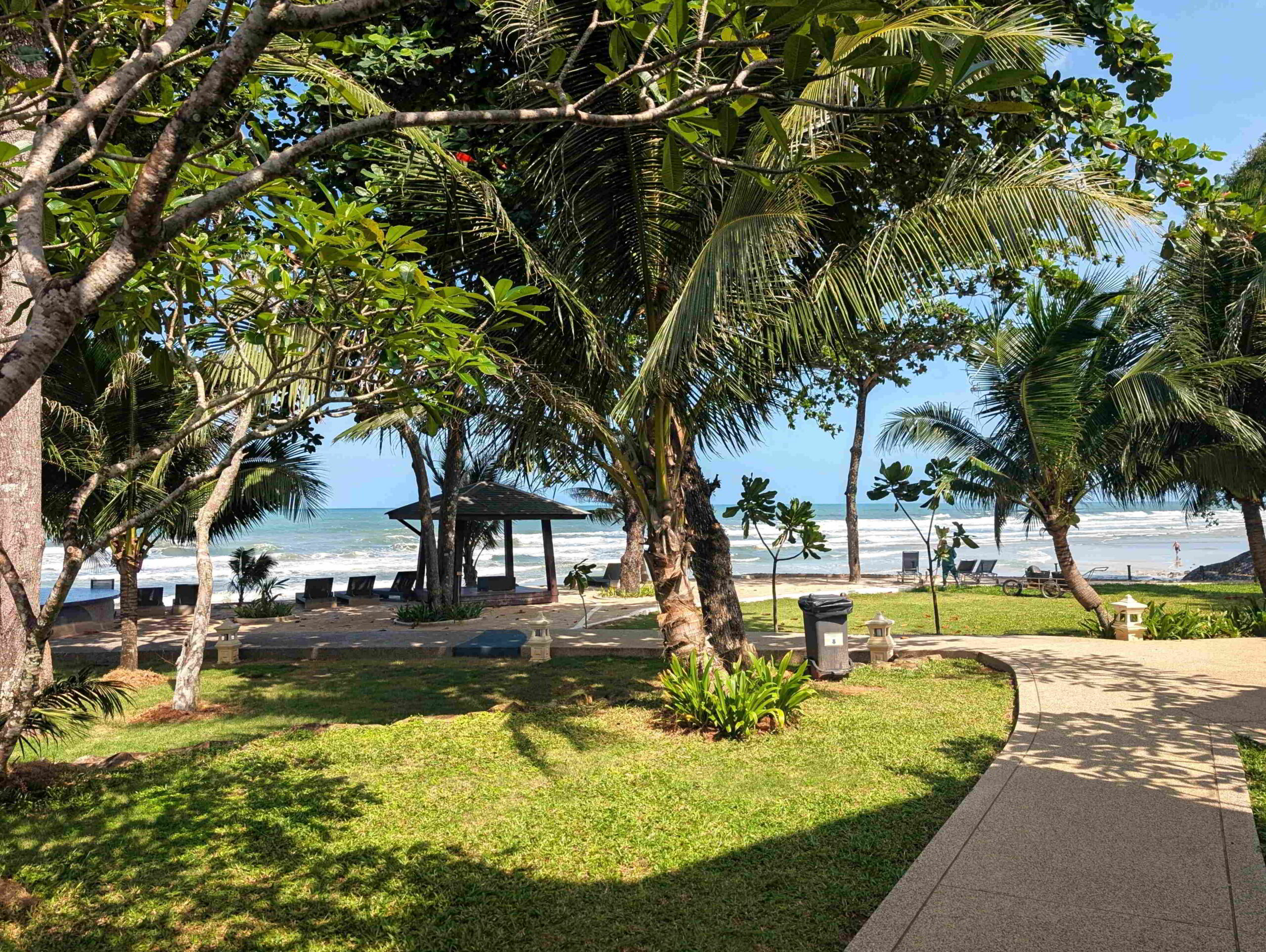
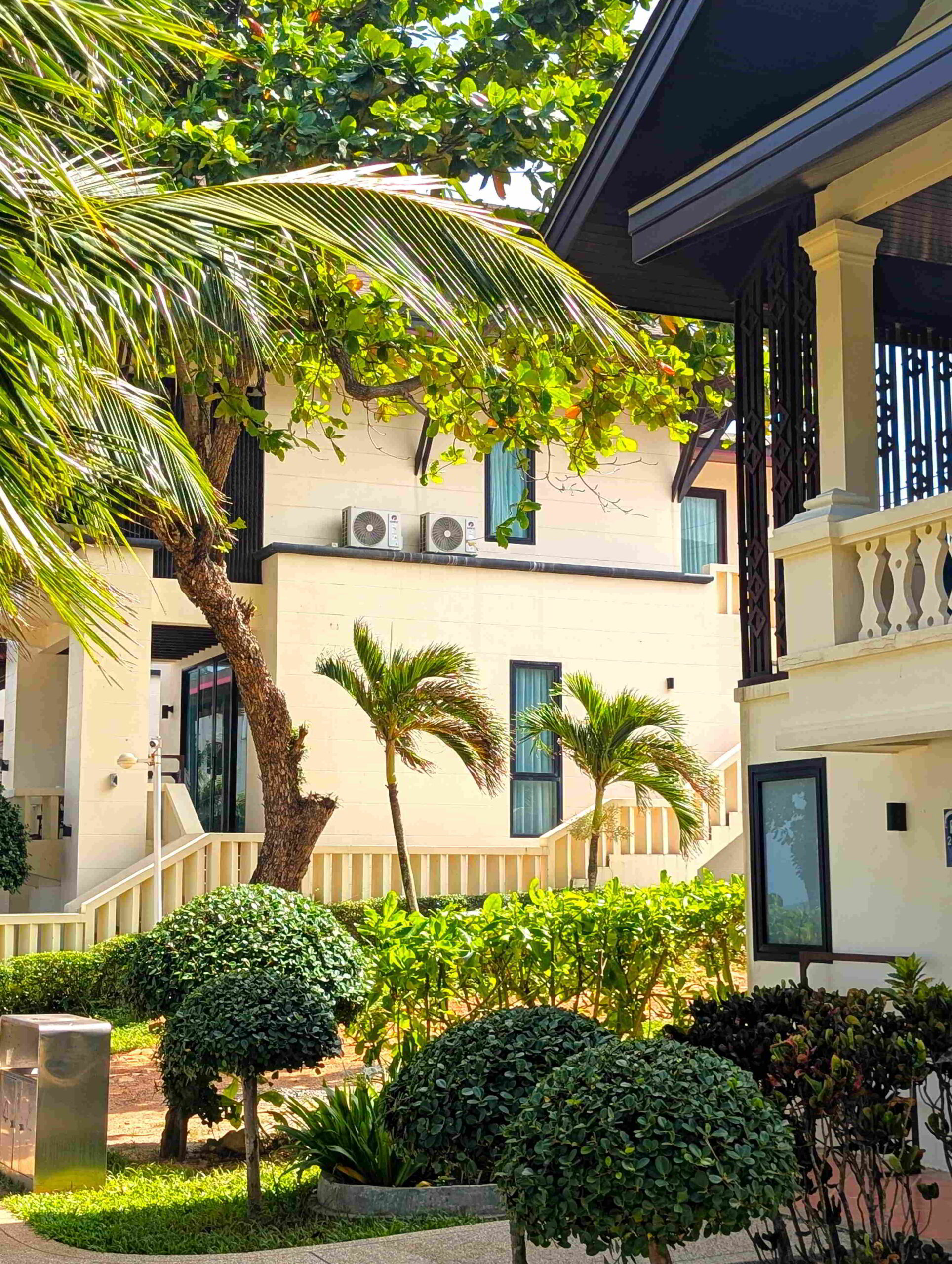
I emerge from my stupor, secretly thankful for the fact that I didn’t sleep in; when most of life’s challenges have dissipated, those heretofore small triumphs rise to a surprising level of importance! Outside, the sun is encouragingly shining again, despite being muted thanks to the closed curtains and the screen of palms lining the walkways criss-crossing the garden. The setting is romantic and evocative, except that my room is not that big, its size palpably constrained. Given the minutiae that seem to consume my waking moments, the morning progresses well past the point of waking up, filled with myriad inconsequential activities that delay launching myself into the tropical paradise waiting outside my air-conditioned sanctuary.
Koh Chang — Grand View Resort
Koh Chang — Grand View Resort
Koh Chang — Grand View Resort
Opening the curtains exposes a world that isn’t so private, from the diverse guests staying at this enclave in the off-season trudging by to the gardeners and cleaners whose attention ranges from automatic ingratiation to curiosity as to who this lone male could be — that in a world where foreign men are automatically seen in the company of younger Thai women. To find a man not in such company poses significant existential challenges …
Koh Chang — Grand View Resort
Koh Chang — Grand View Resort
Koh Chang — Grand View Resort
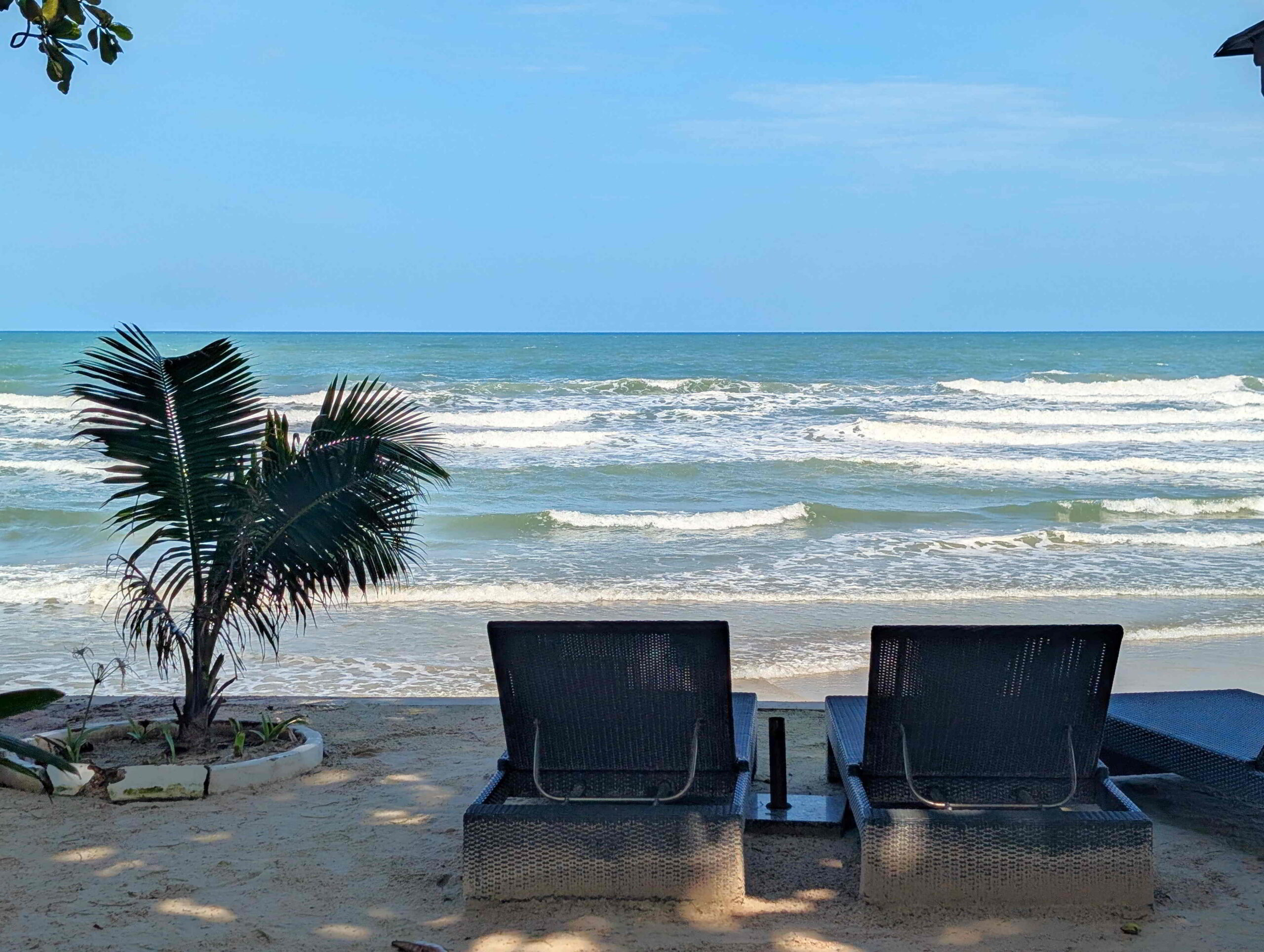
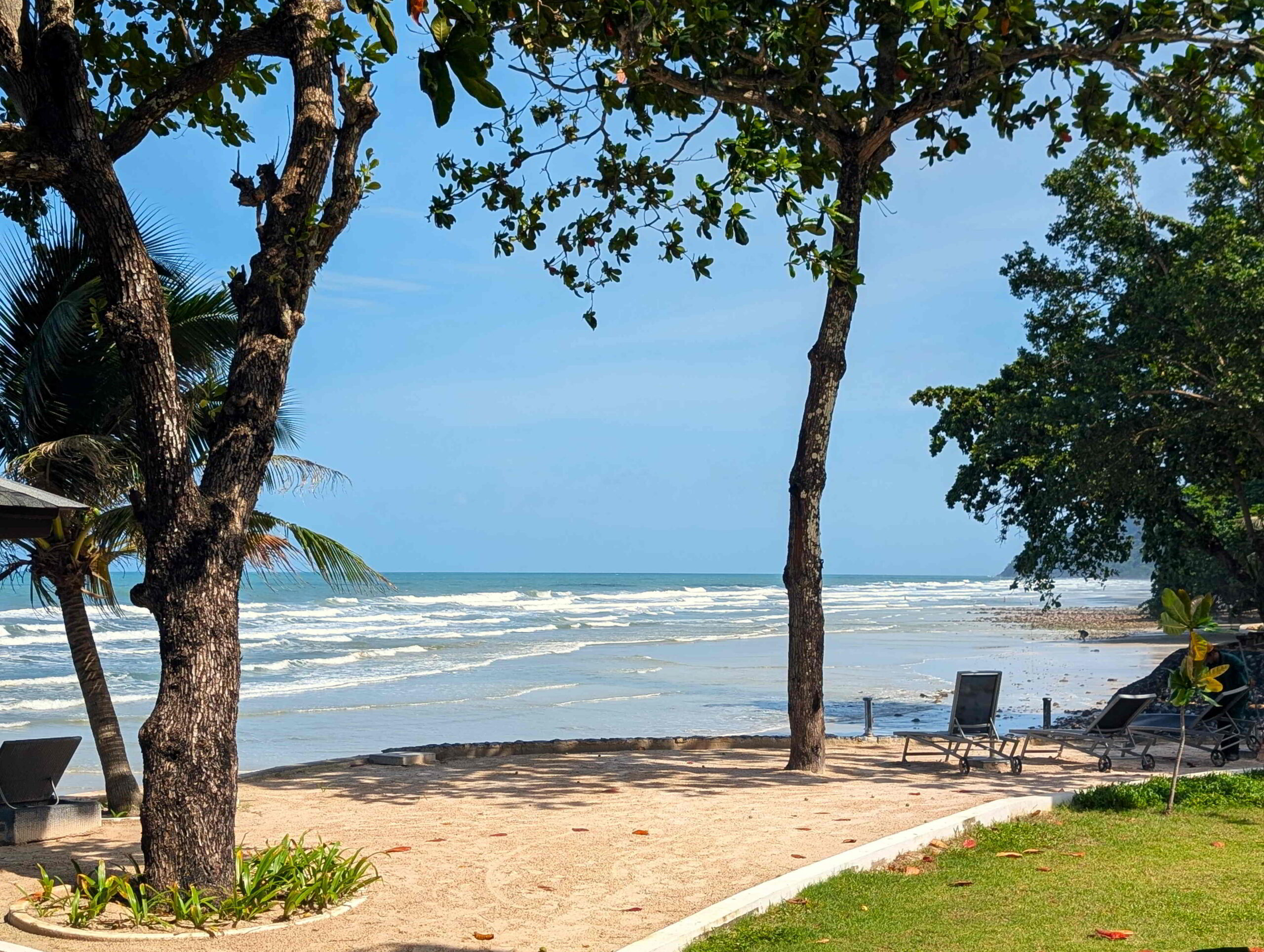
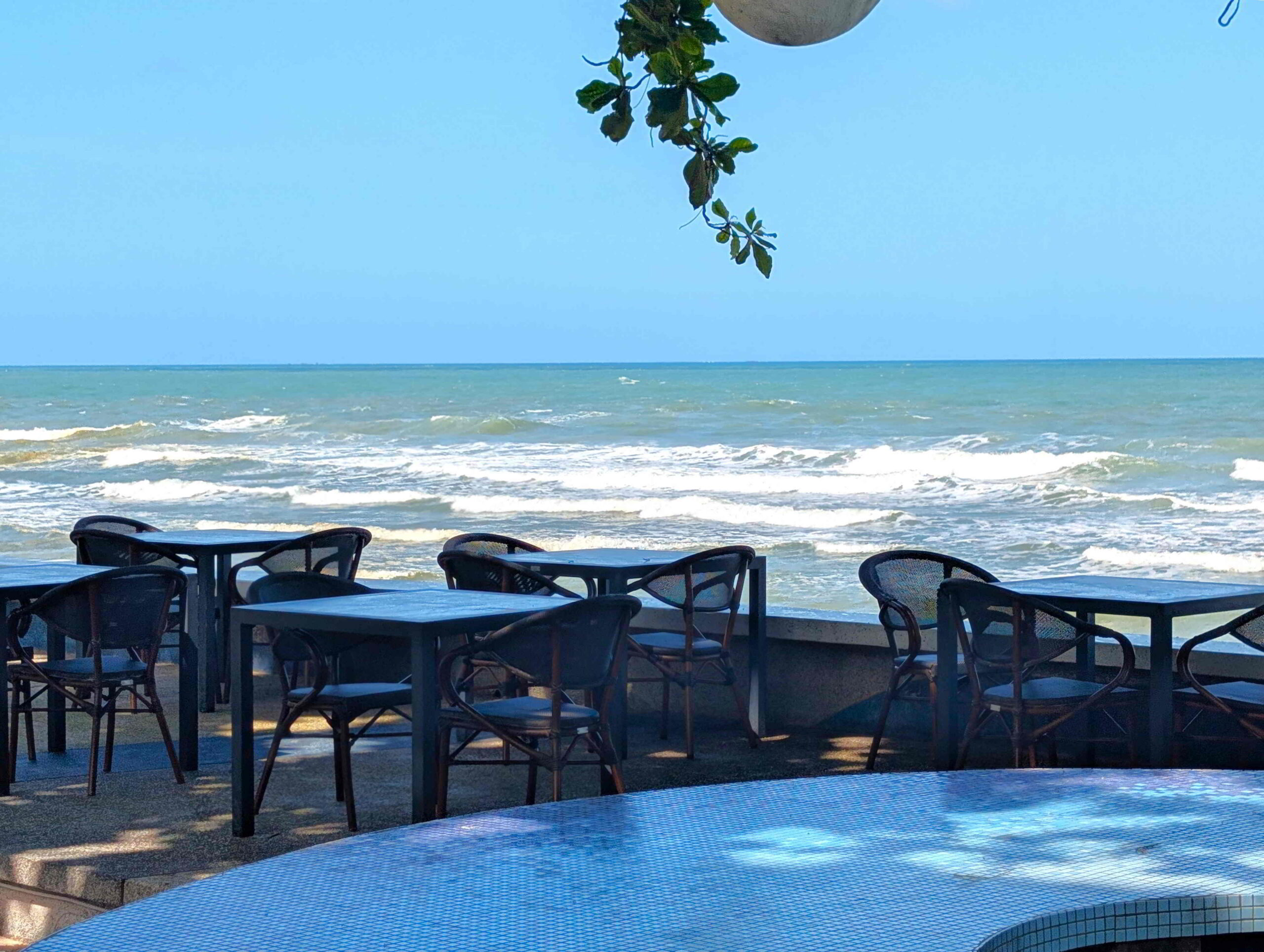
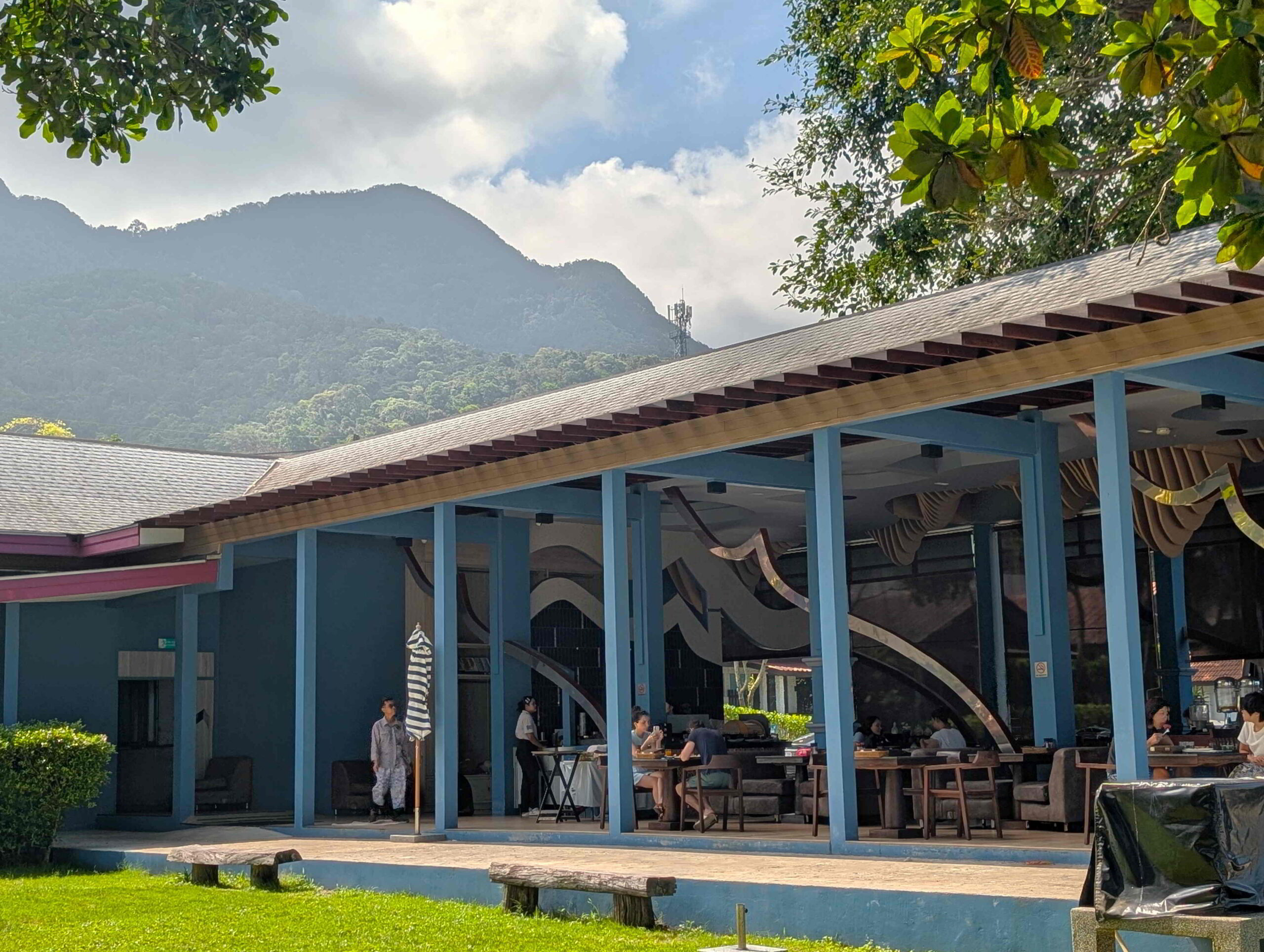
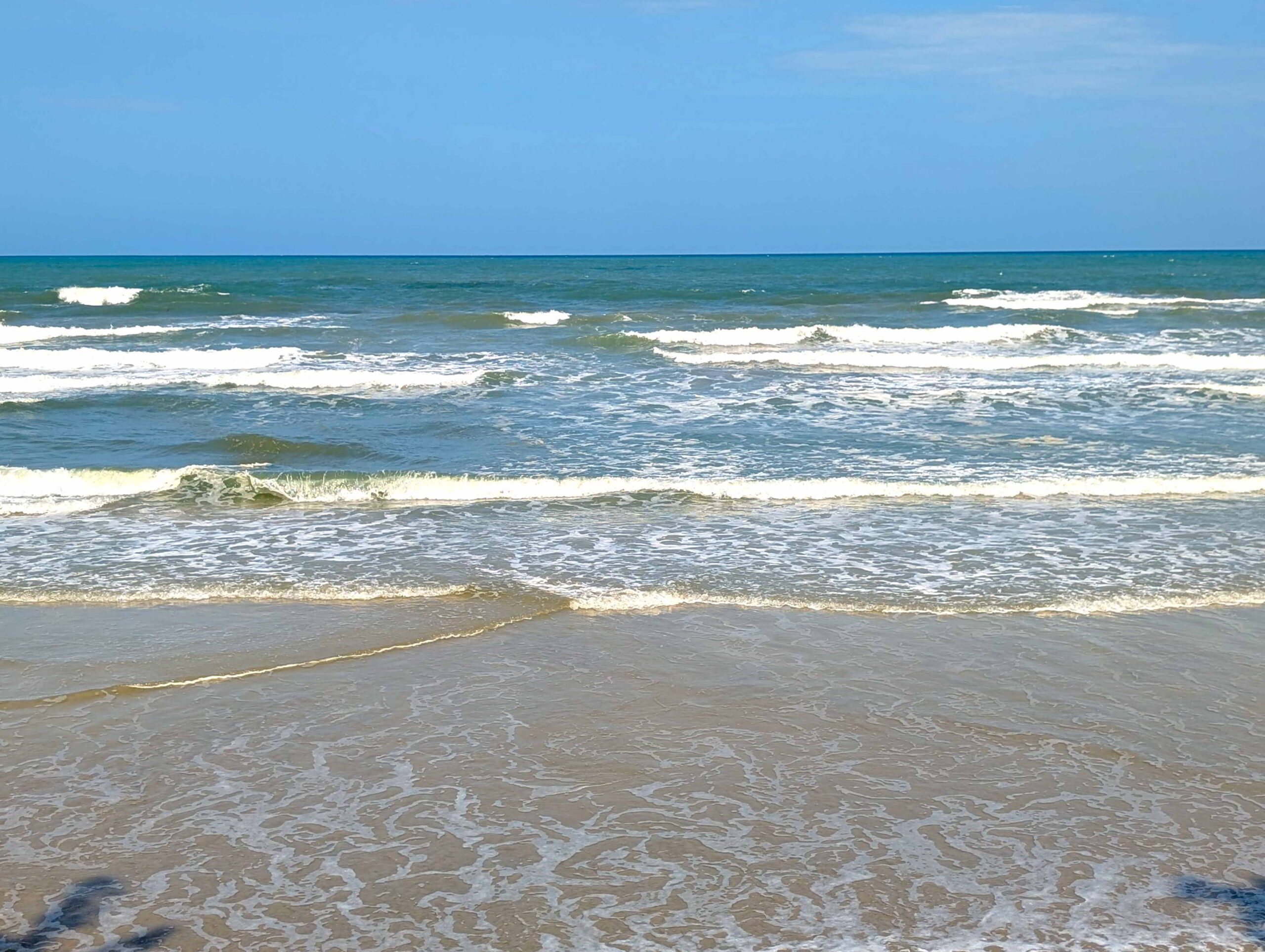
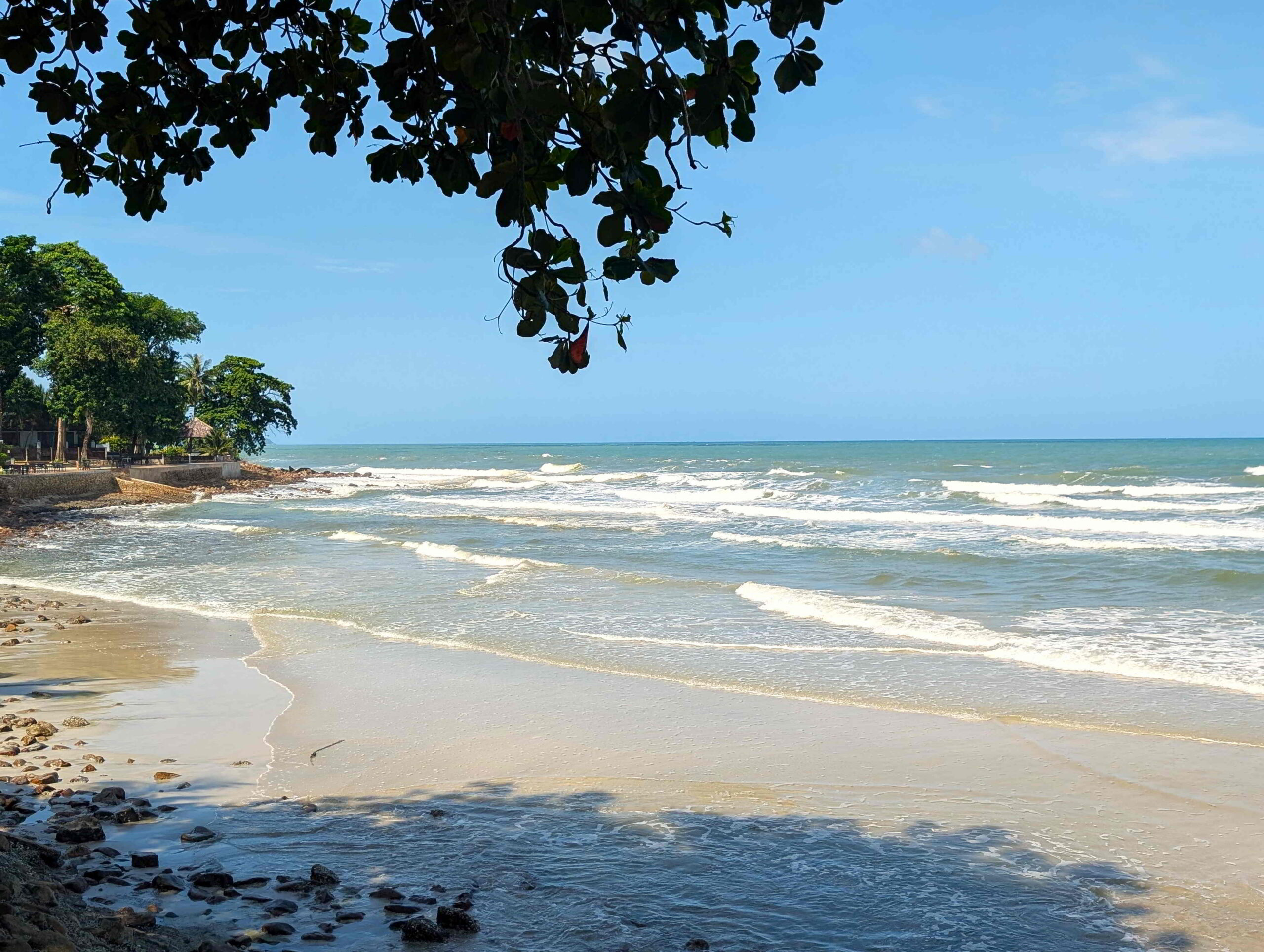
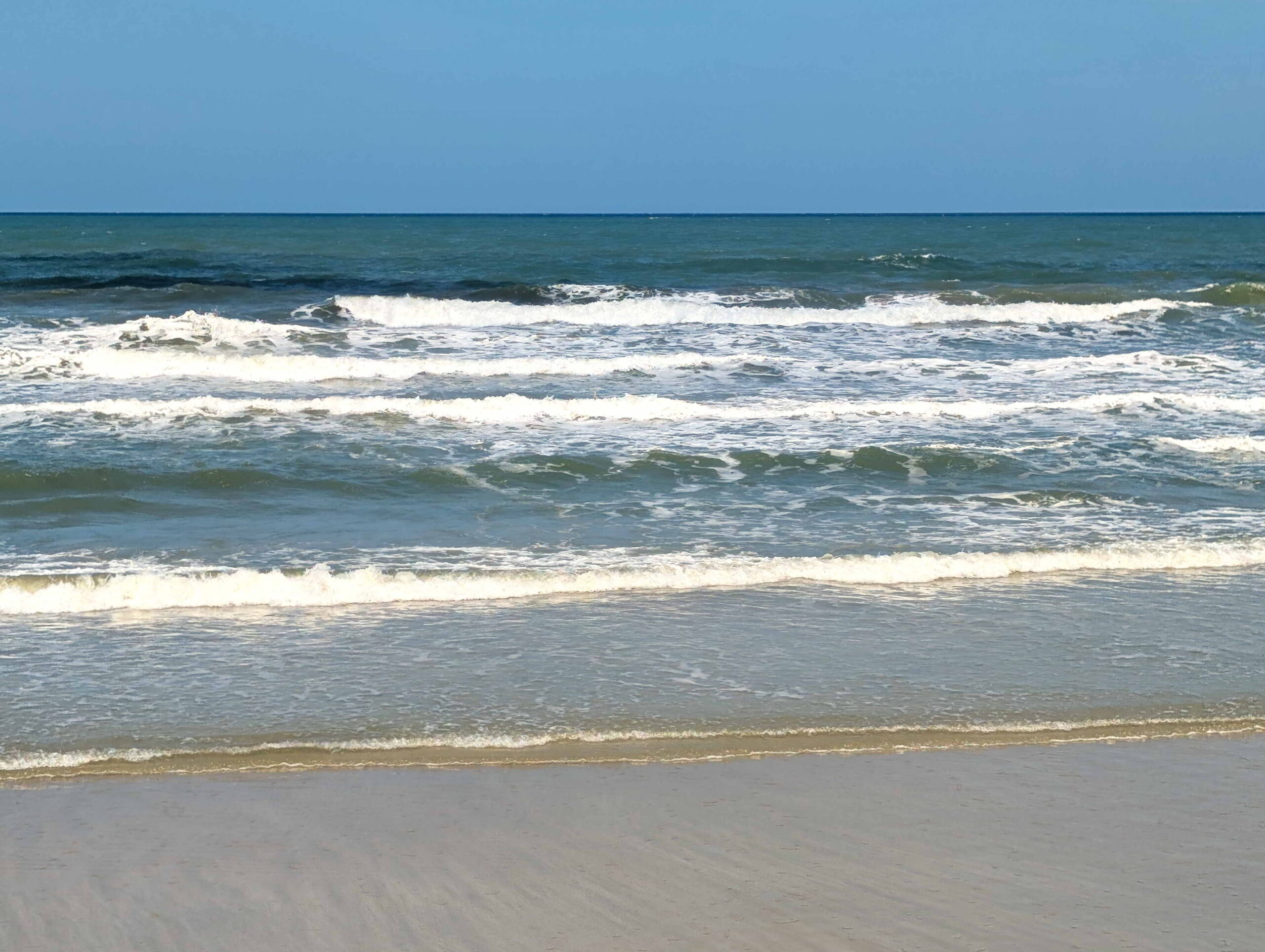
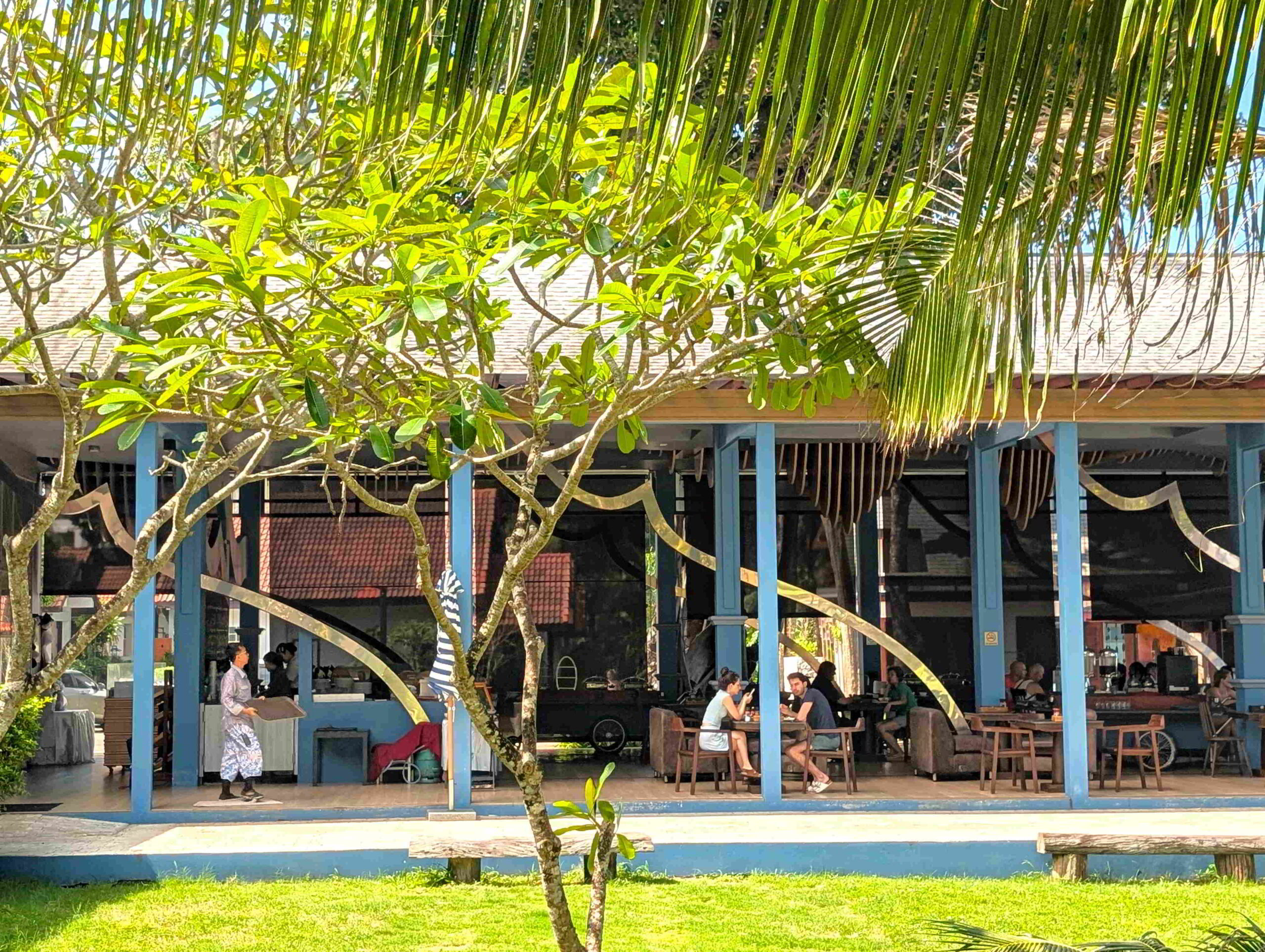
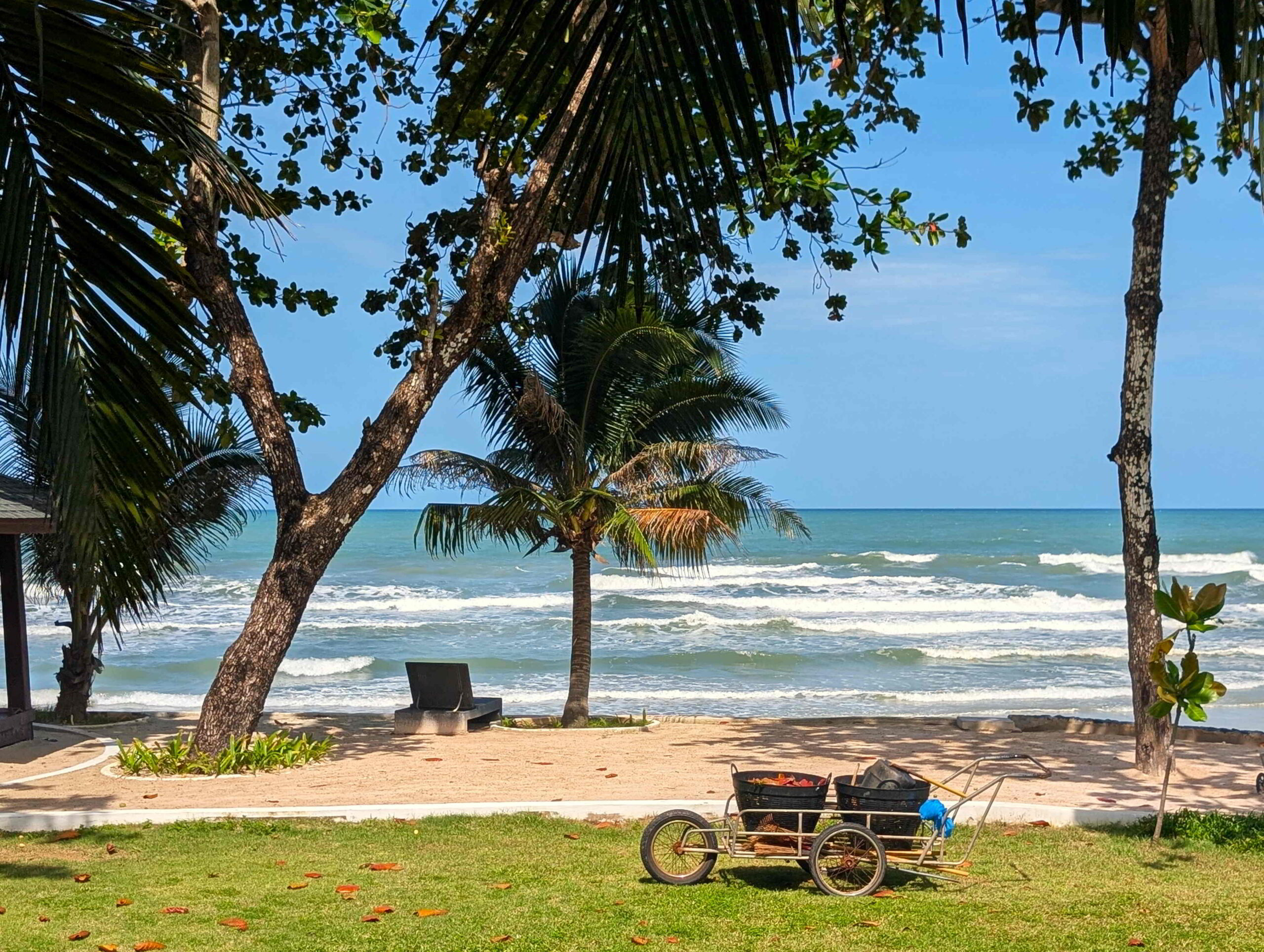
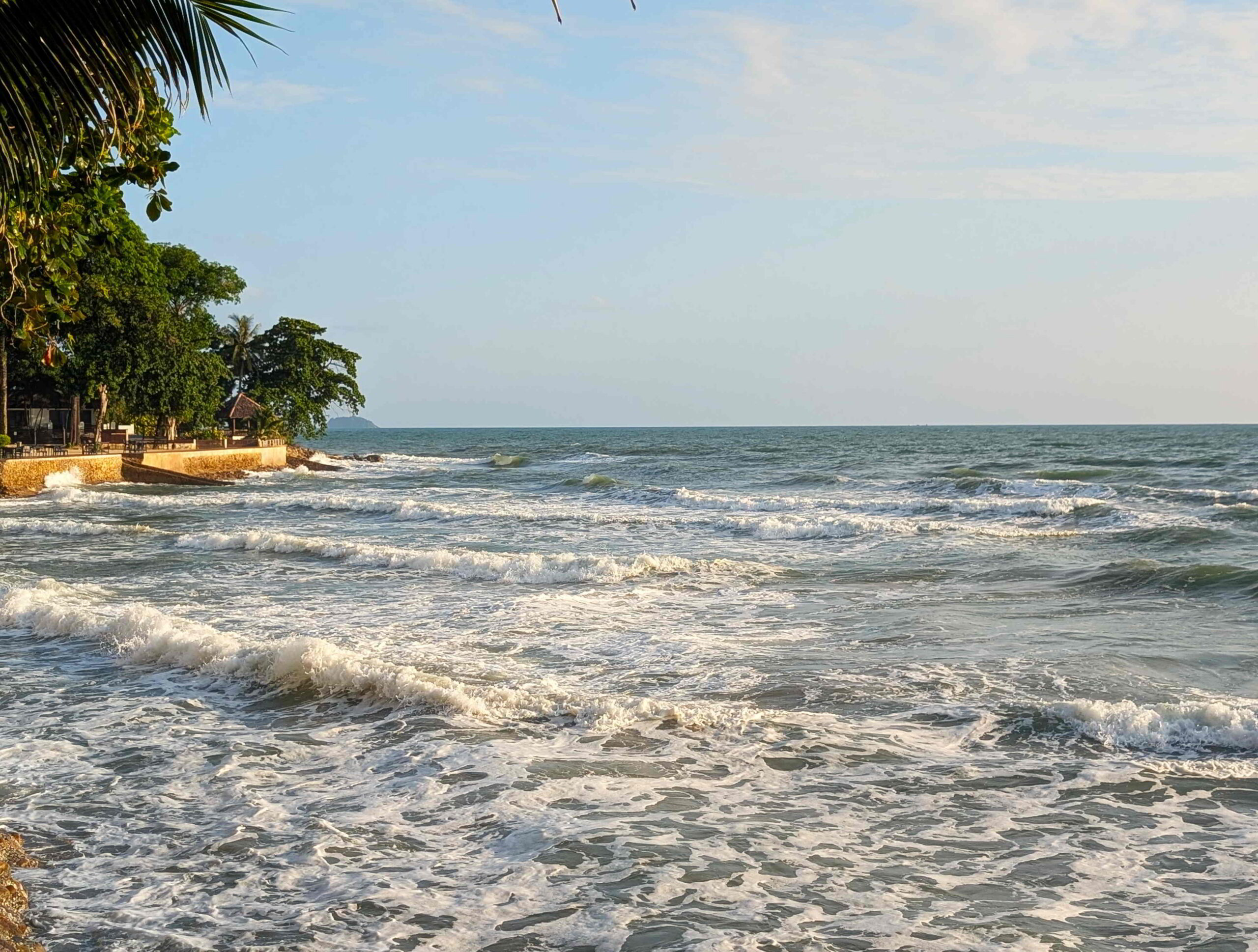
The palms and frangipani shading the paved walkways arcing across the meticulously-tended lawn puncture the horizon of blue-green and white, the successive iterations of ivory froth sliding towards the glassy sheet of water pooling over the upper reaches of sand, a rigid line separating the greenish-blue hue of the sea and the cerulean expanse overhead. Given that it is morning, the sea is calm, the succession of waves advancing unobtrusively toward an expanse of sand ample enough to allow the intrepid to comfortably hike across the town’s generous beaches. The sea provides a mesmerizing spectacle for the guests at the breakfast buffet, not that the assortment of geriatric Europeans and middle aged Caucasians with their obligatory Thai consorts would command much attention.
Koh Chang — Grand View Resort
Koh Chang — Grand View Resort
Koh Chang — Grand View Resort
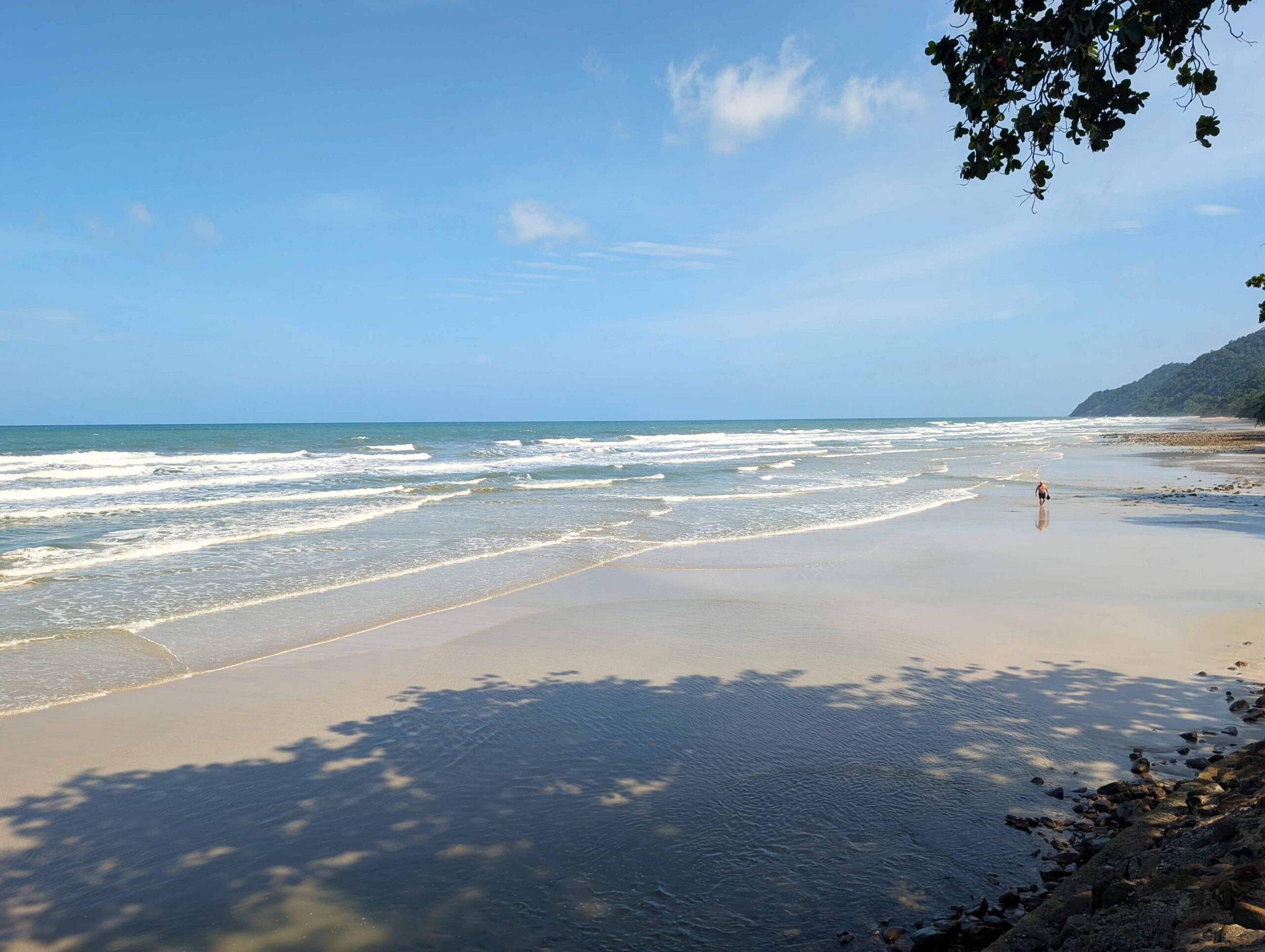
Despite the perfect setting, the beach is empty at this early hour, the lone figure of an older European man slowly making his way across the glassy expanse of wet sand; as the sun reaches its zenith and continues its inexorable trajectory overhead, the tide will rise, the sea becoming gradually more unruly, the feral waves progressing across the sandy expanse until the late afternoon, when it will no longer be possible to safely walk to the headlands to the north.
Koh Chang — White Sands
Koh Chang
Koh Chang — White Sands
My mission for the day will be to rent a scooter and explore the vaunted eastern shores of the island. Breakfast finished, my belongings packed, and I am off into town, most of the coffee shops shown on the map shuttered momentarily or permanently, leaving Marin as one of two remaining choices, then across the street to the travel agency, where I perform the obligatory inspection of one of the scooters, checking the gas gauge, the mirrors, the acceleration, the brakes, the helmet, and so on, pay the trivial ฿250, reluctantly leave the Cambodian employee my passport, then am off. Trying to explore on foot simply doesn’t compare with the convenience and flexibility of using a scooter in the tropics, given the debilitating heat and humidity. Especially given the virtual absence of public transport on the island.
Koh Chang
Koh Chang
Koh Chang
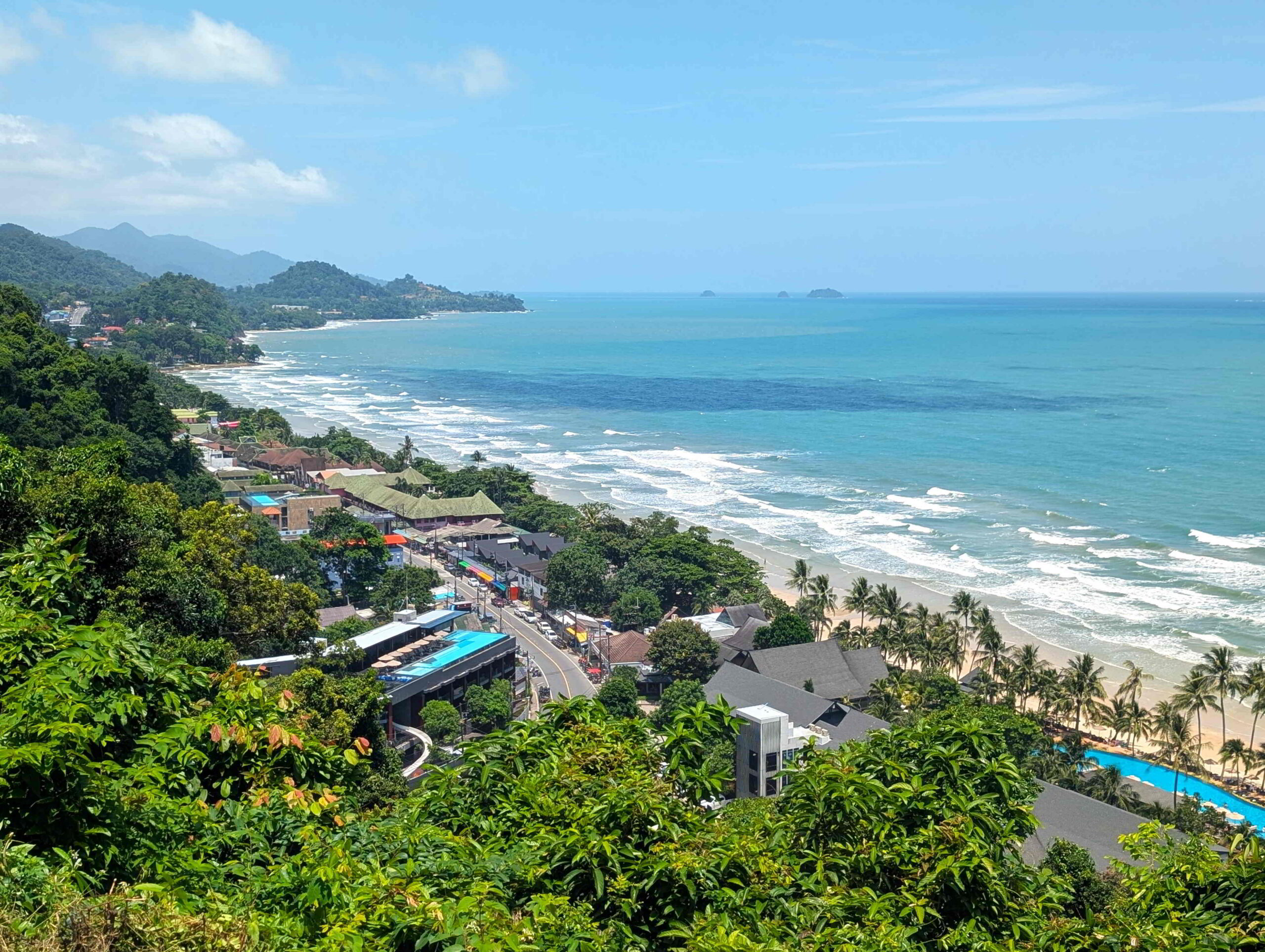
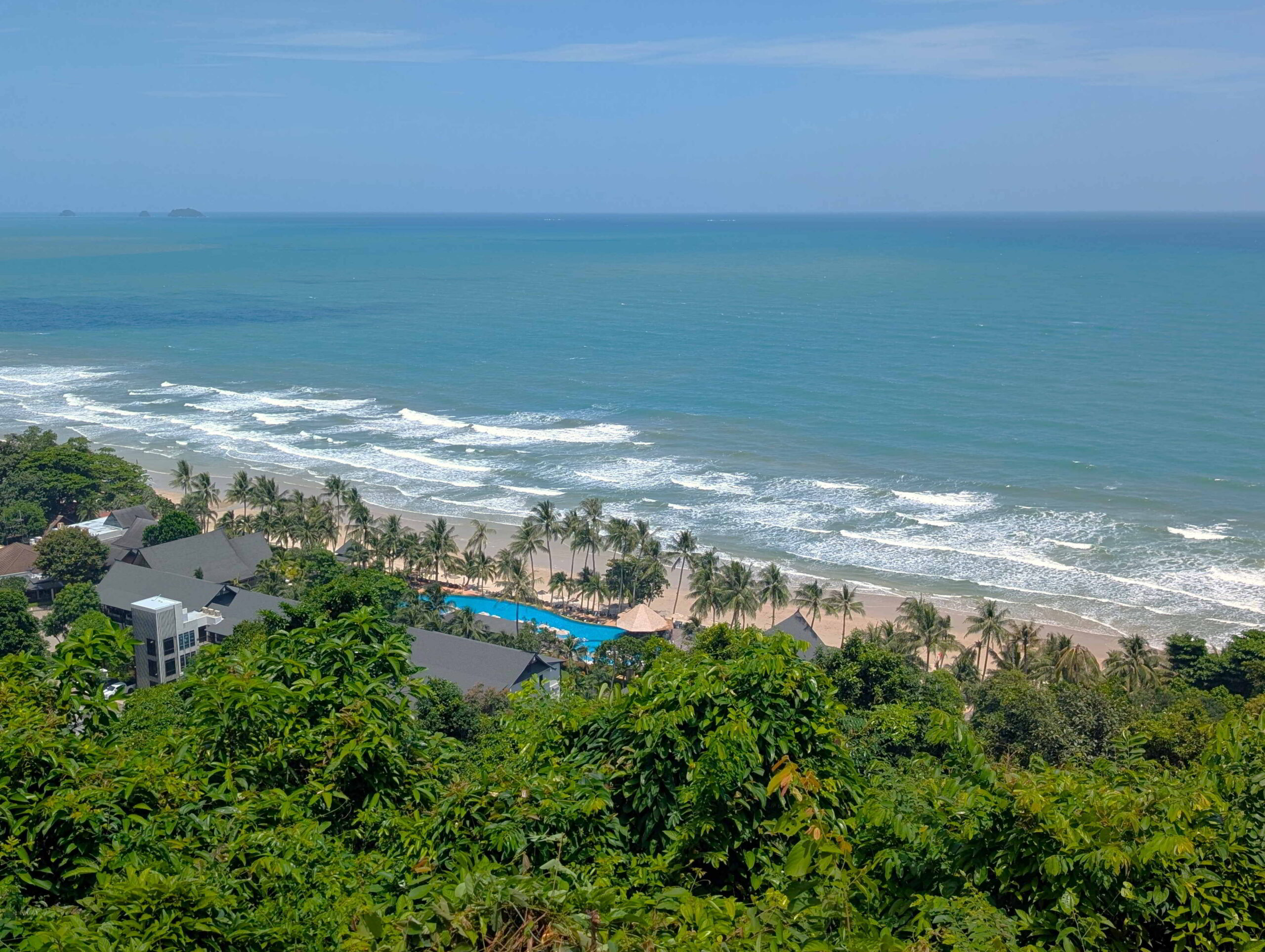
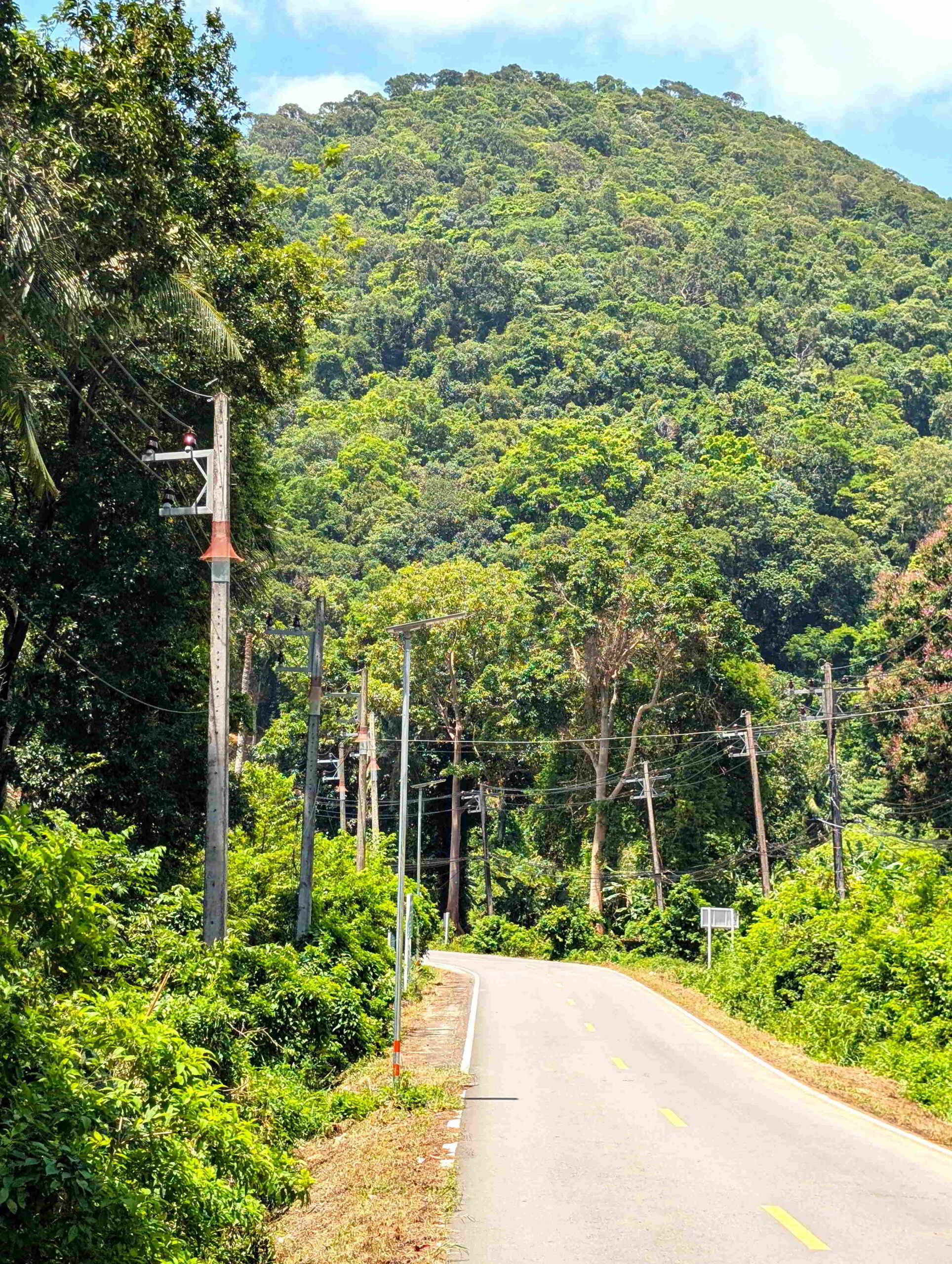
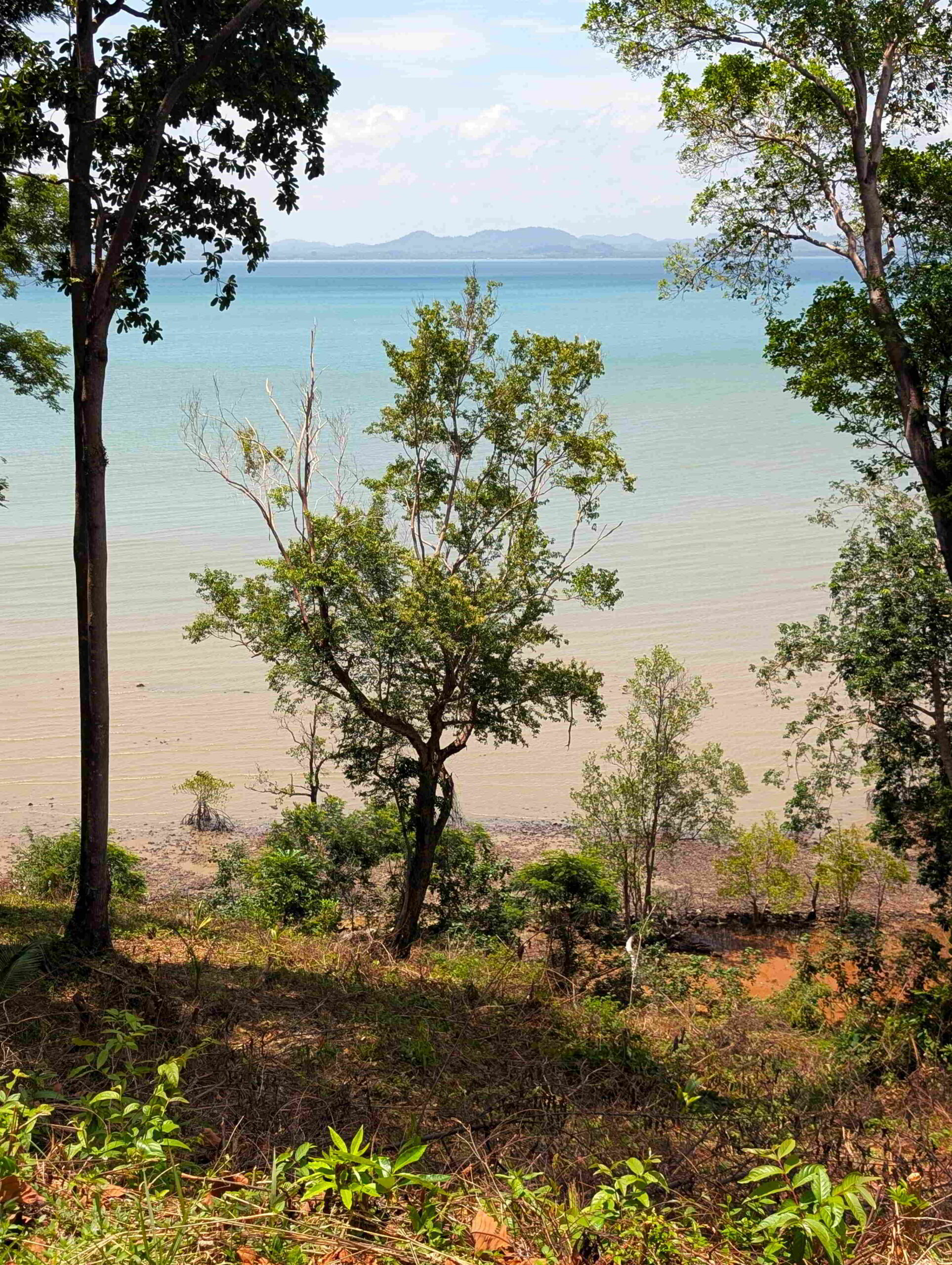
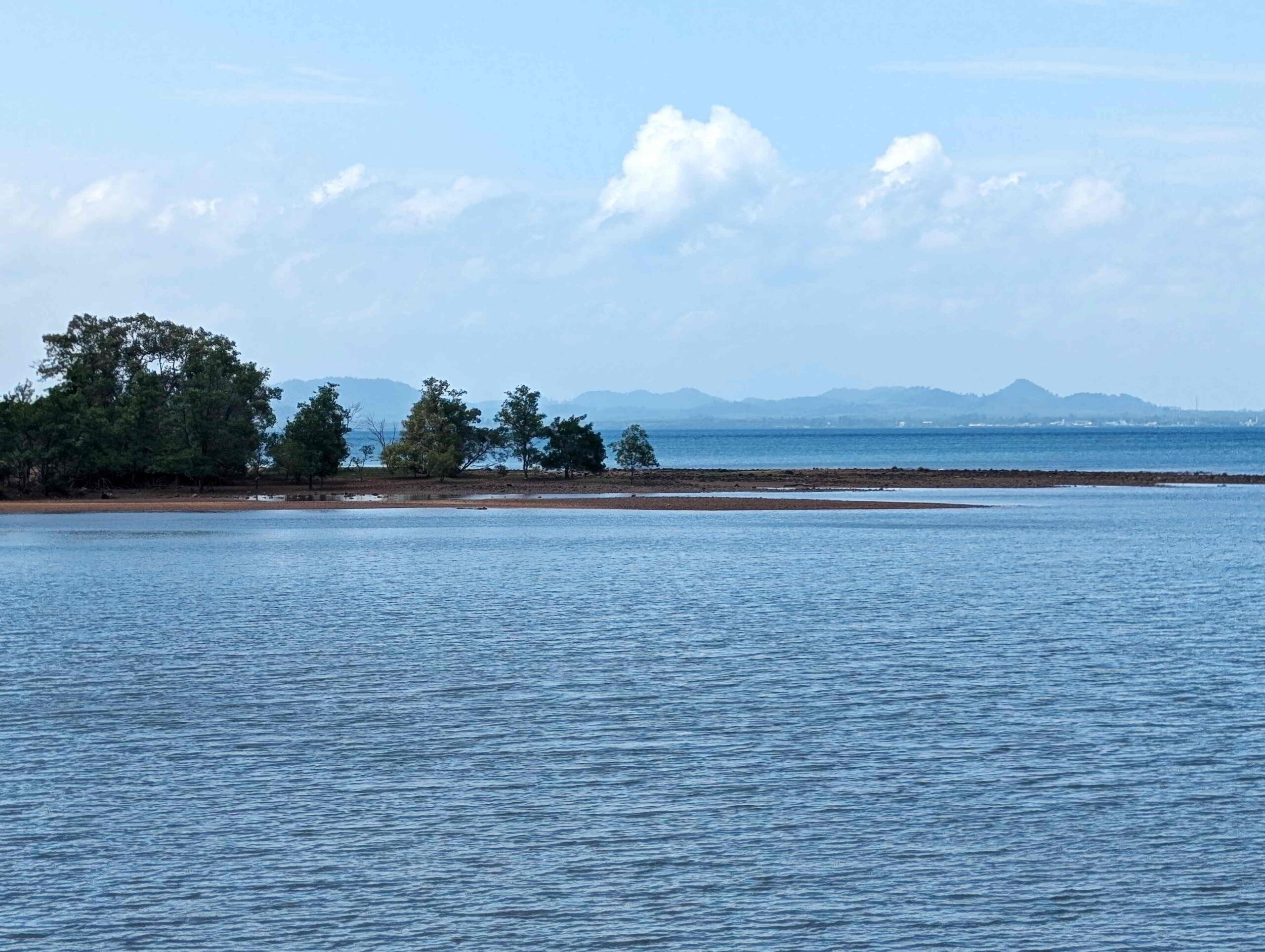
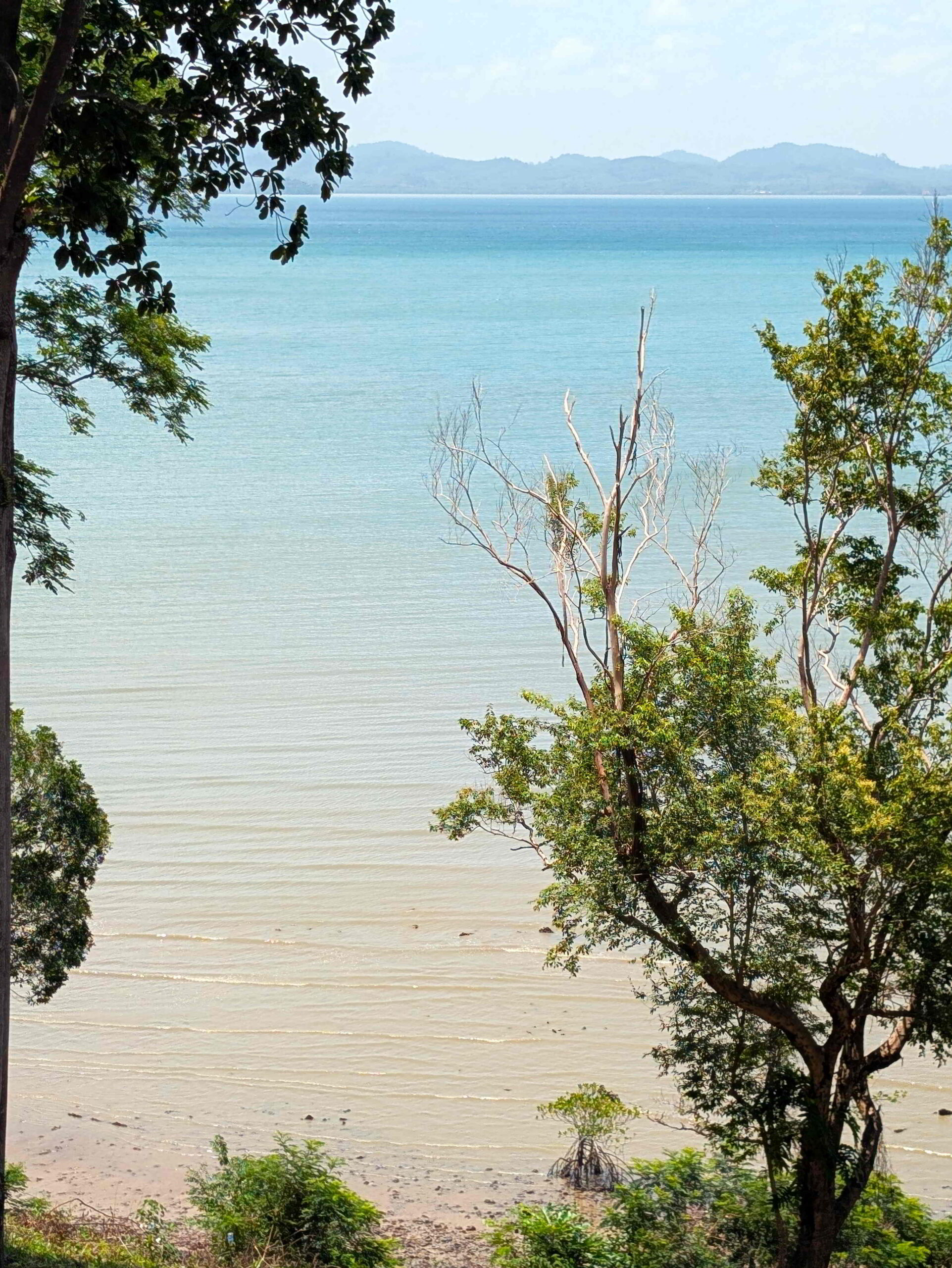
The road remains flat for the duration of the town, but at the KC Grande Resort, the road arcs inland and begins climbing steeply, rapidly gaining elevation along a dizzying set of serpentine turns. My first stop is the shallow sandy lookout perched along the edge of the highway, where I pull off and park, ensuring that the bike is secured on an even stretch of ground. From past experience, one of the greatest risks to using these scooters is trying to park on uneven ground, the bike tipping over, portions of the flimsy chassis scratching heavily or breaking altogether. The lookout offers the most alluring views of White Sands, but the intense heat quickly becomes palpable as does the realization that I have a long day ahead and considerable distance to travel …
Koh Chang
Koh Chang
Koh Chang
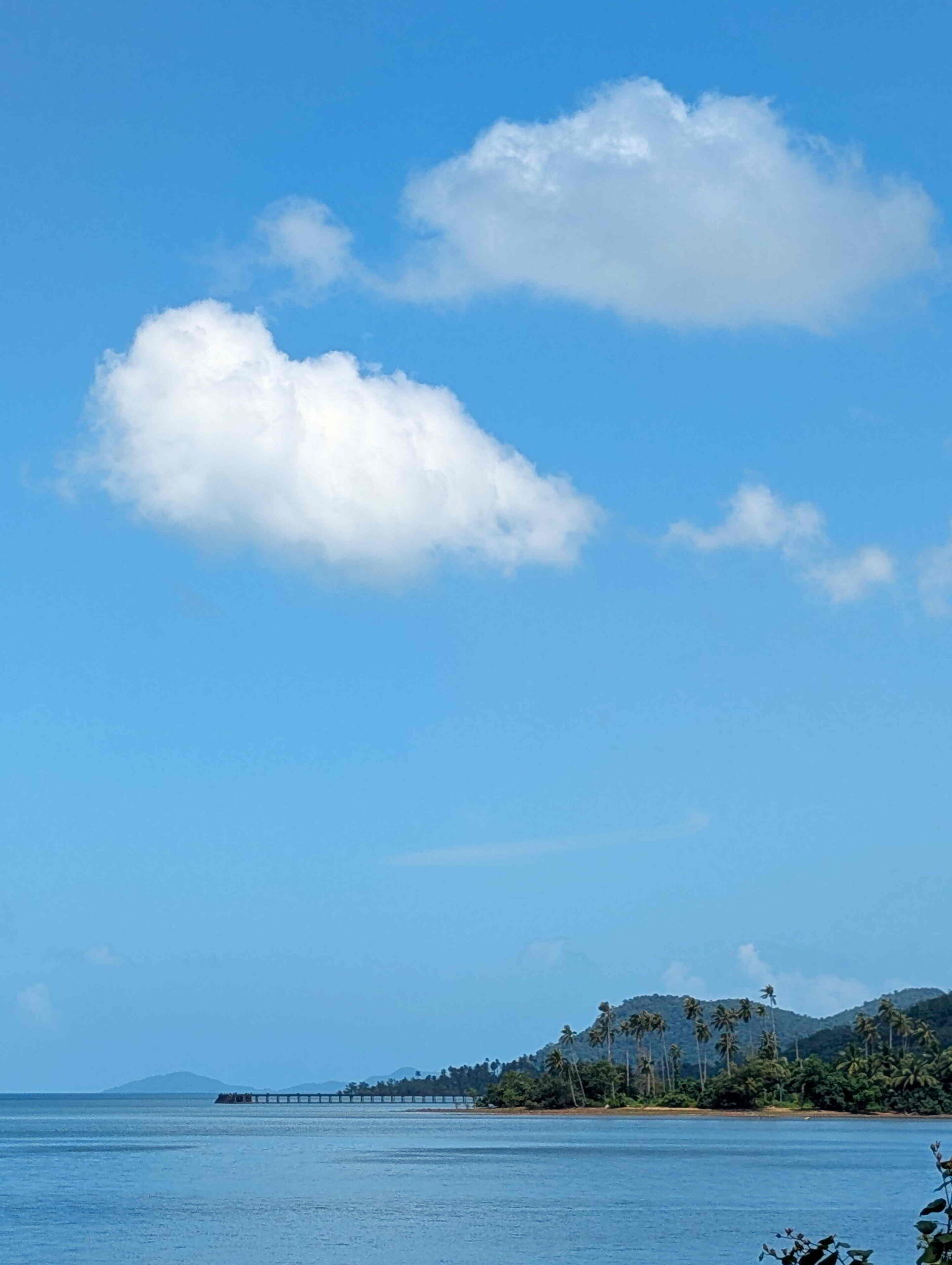
Beyond the dramatic views of the coast below and the dense jungle clinging to the steep slopes, the road levels off as it proceeds into a scattered settlement somewhat focused around the highway but also extending along side roads reaching eastward. This seems to be the only approximation of a local community I have seen here so far, with humble residential housing, the concomitant food and dry goods shops, and an utter absence of the massage parlours, lounges, bars, and hotels found in White Sands. There are even typical streetside food kiosks that you simply don’t see elsewhere that are the lifeblood of the Thai market culture. I am loathe to simply drive by; elsewhere, I wouldn’t care, as they line every street — but not here!
Koh Chang
Koh Chang
Koh Chang
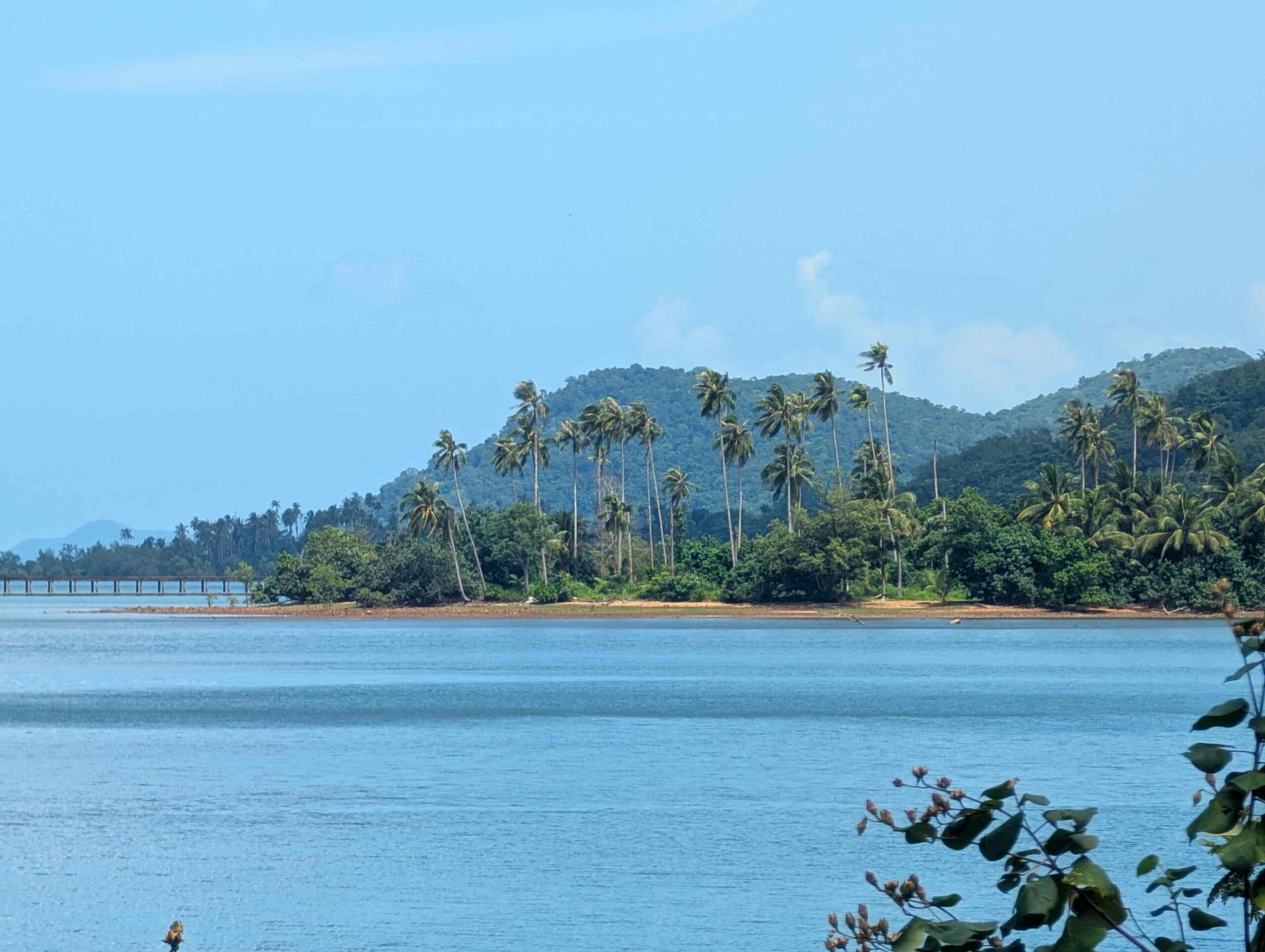
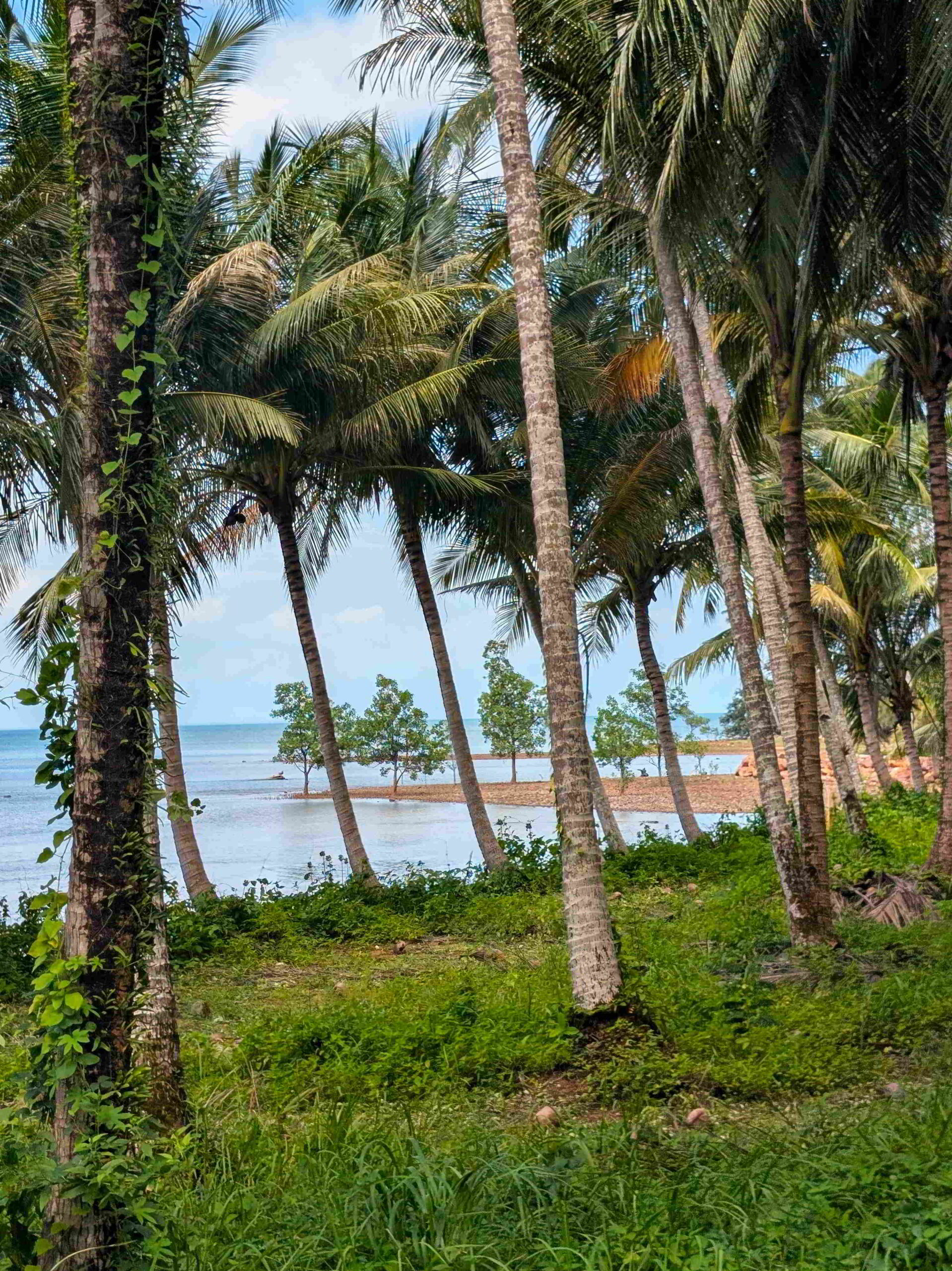
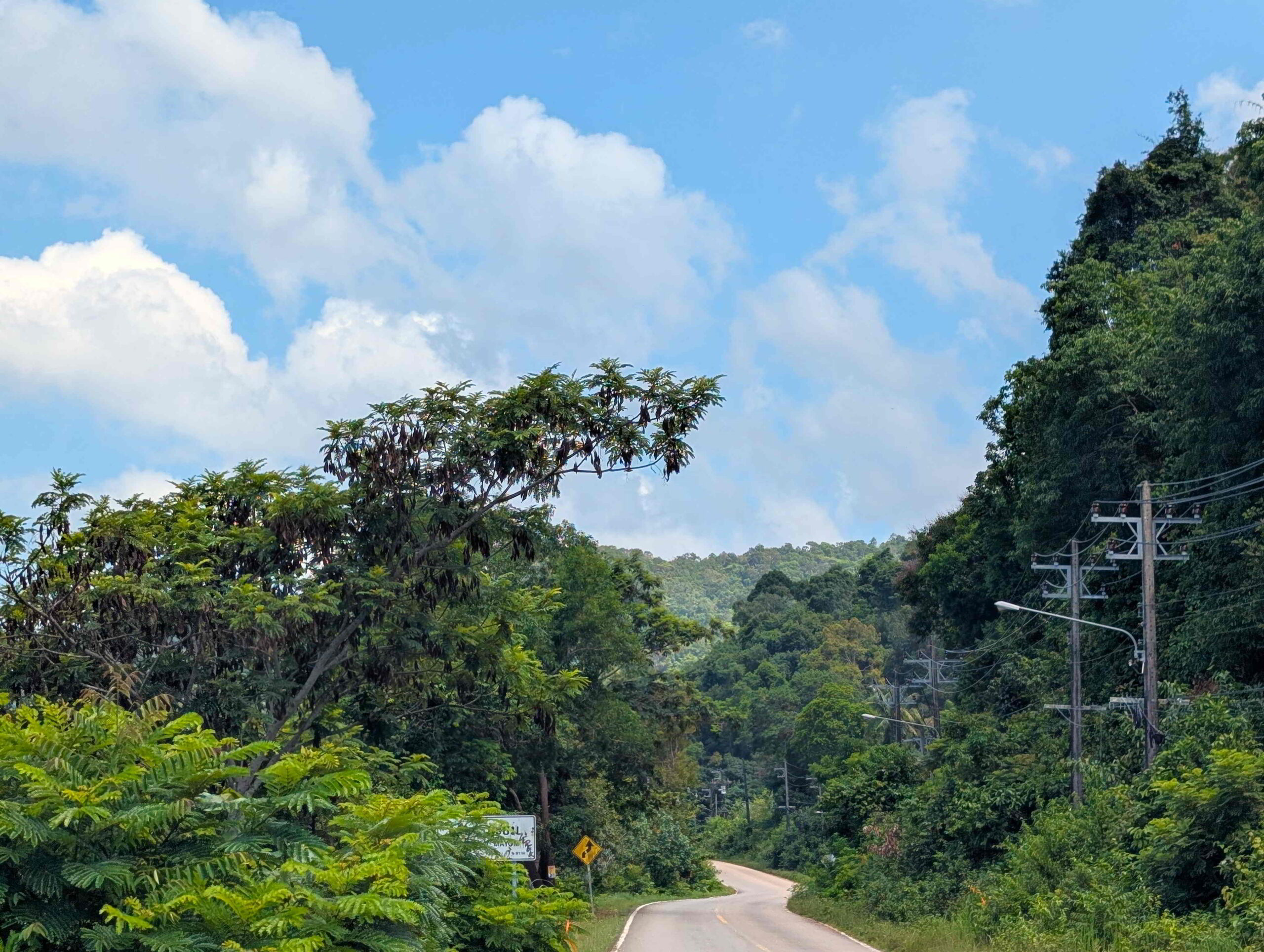
Given the steep ascent from White Sands, it comes as no surprise that the road plummets steeply downhill through a maze of steep and tightly-wound serpentines toward the northern tip of the island, from where I began my sojourn on Koh Chang. I can’t imagine what it would be like to traverse this road at night or in heavy rain! The road levels off in accordance with the surrounding terrain, occasional workshops, shops, and warehouses cropping up along the roadside, without any coherent settlement visible en route to the ferry terminal. Given the lack of beach on the northern side of Koh Chang, there is undoubtedly little competition for land, and hence retail and commercial enterprises supporting the local population can comfortably spread out in either direction of the jetty providing ferry service to the mainland.
Koh Chang
Koh Chang
Koh Chang
Koh Chang
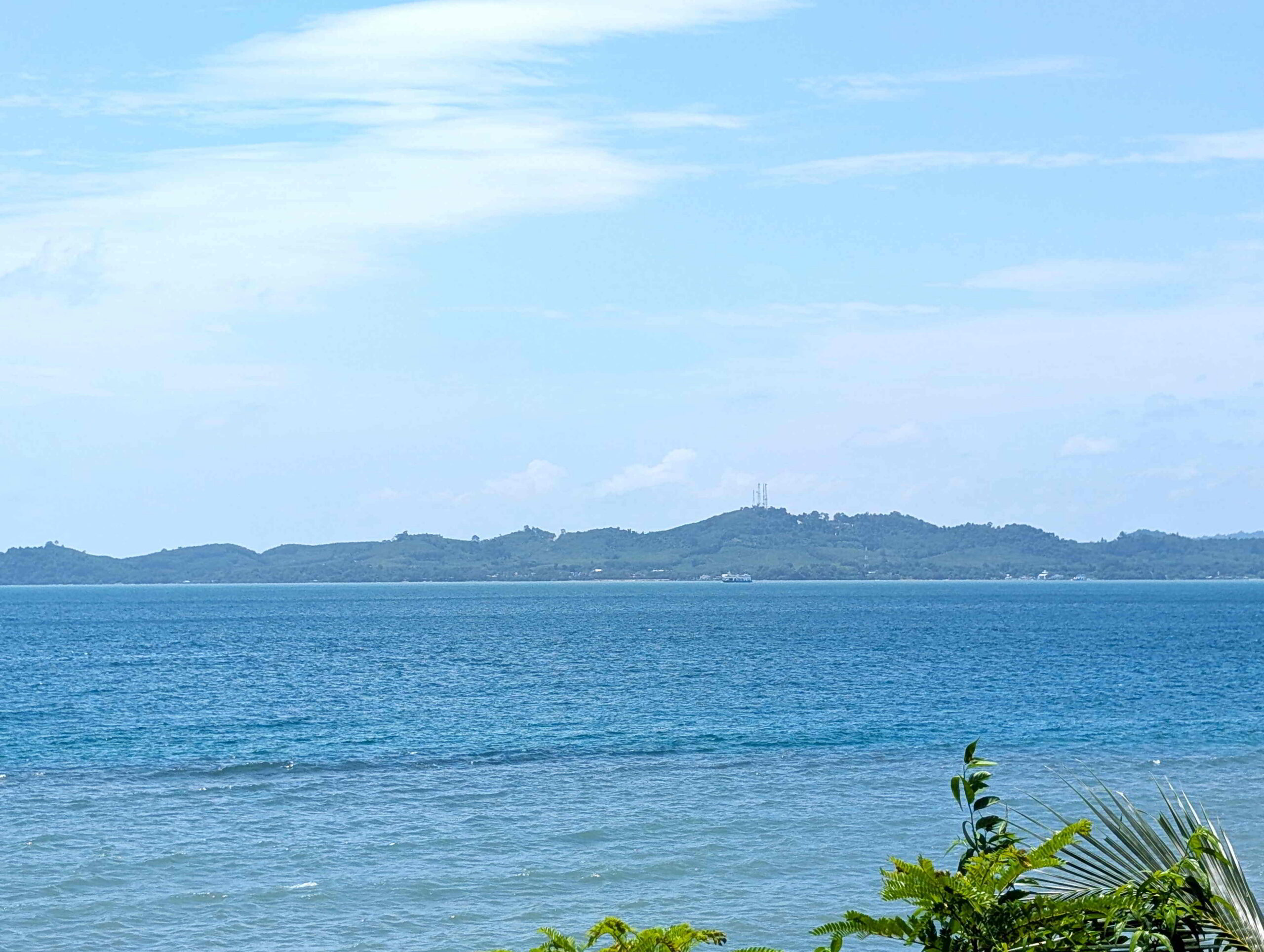
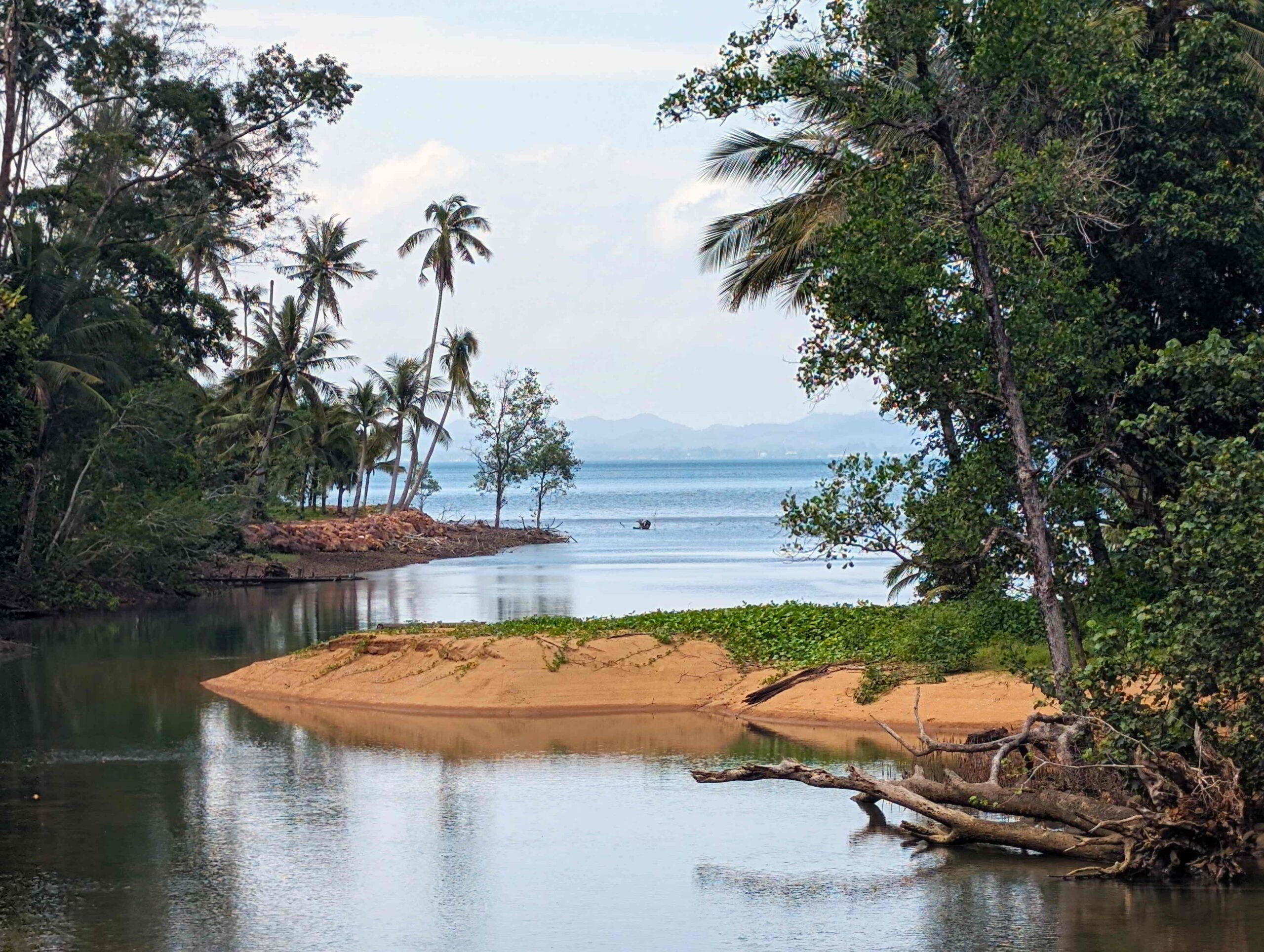
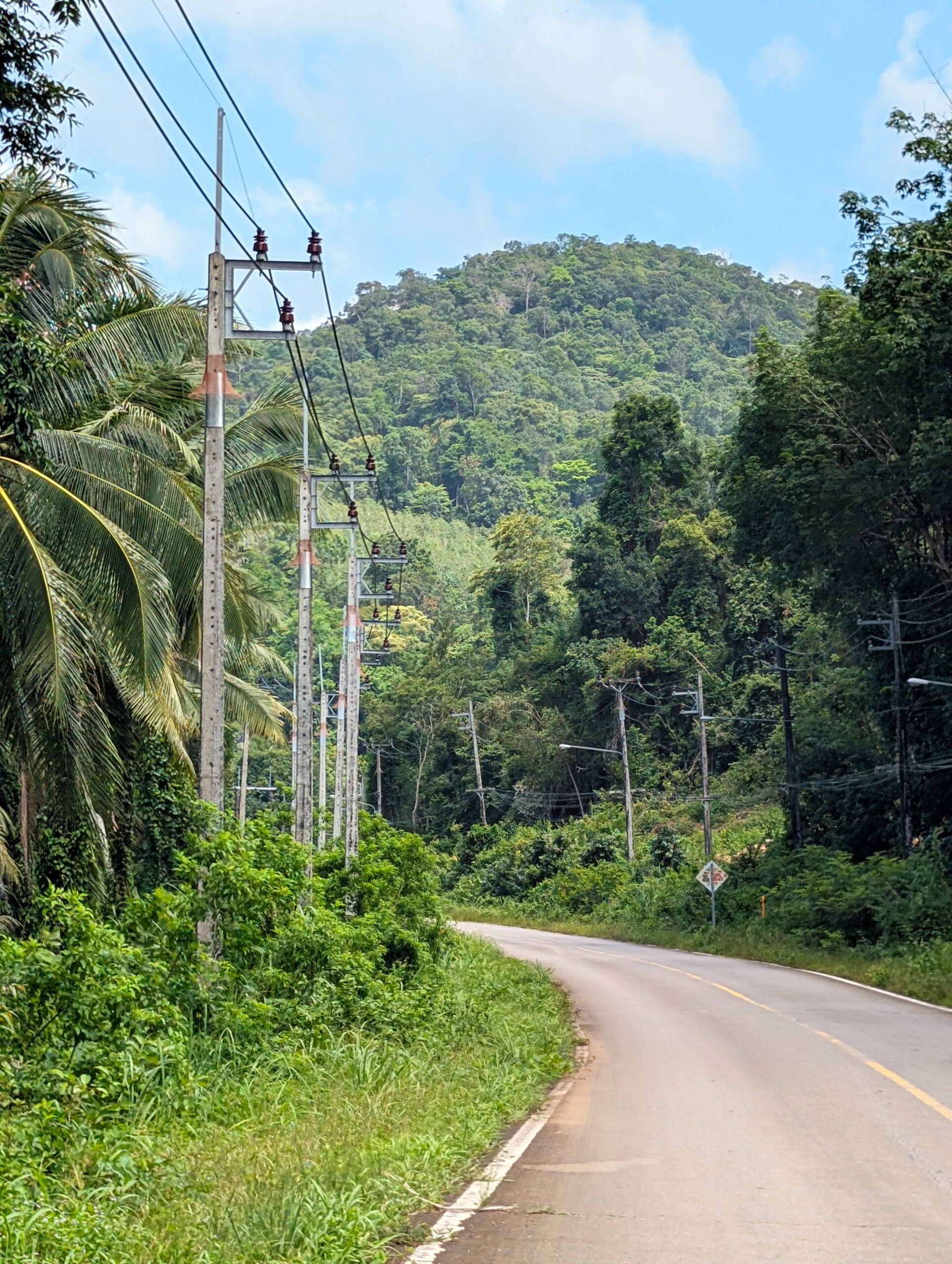
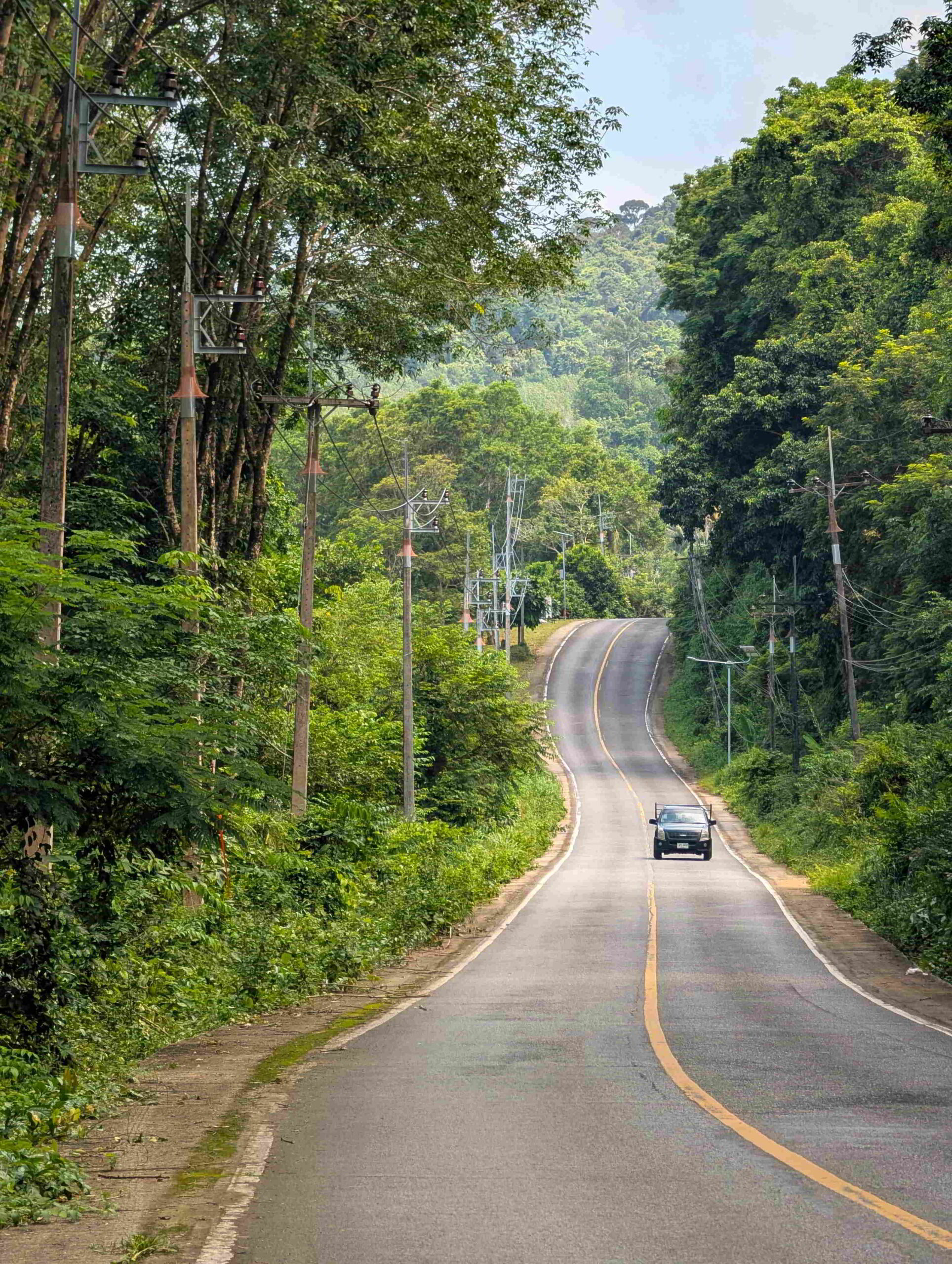
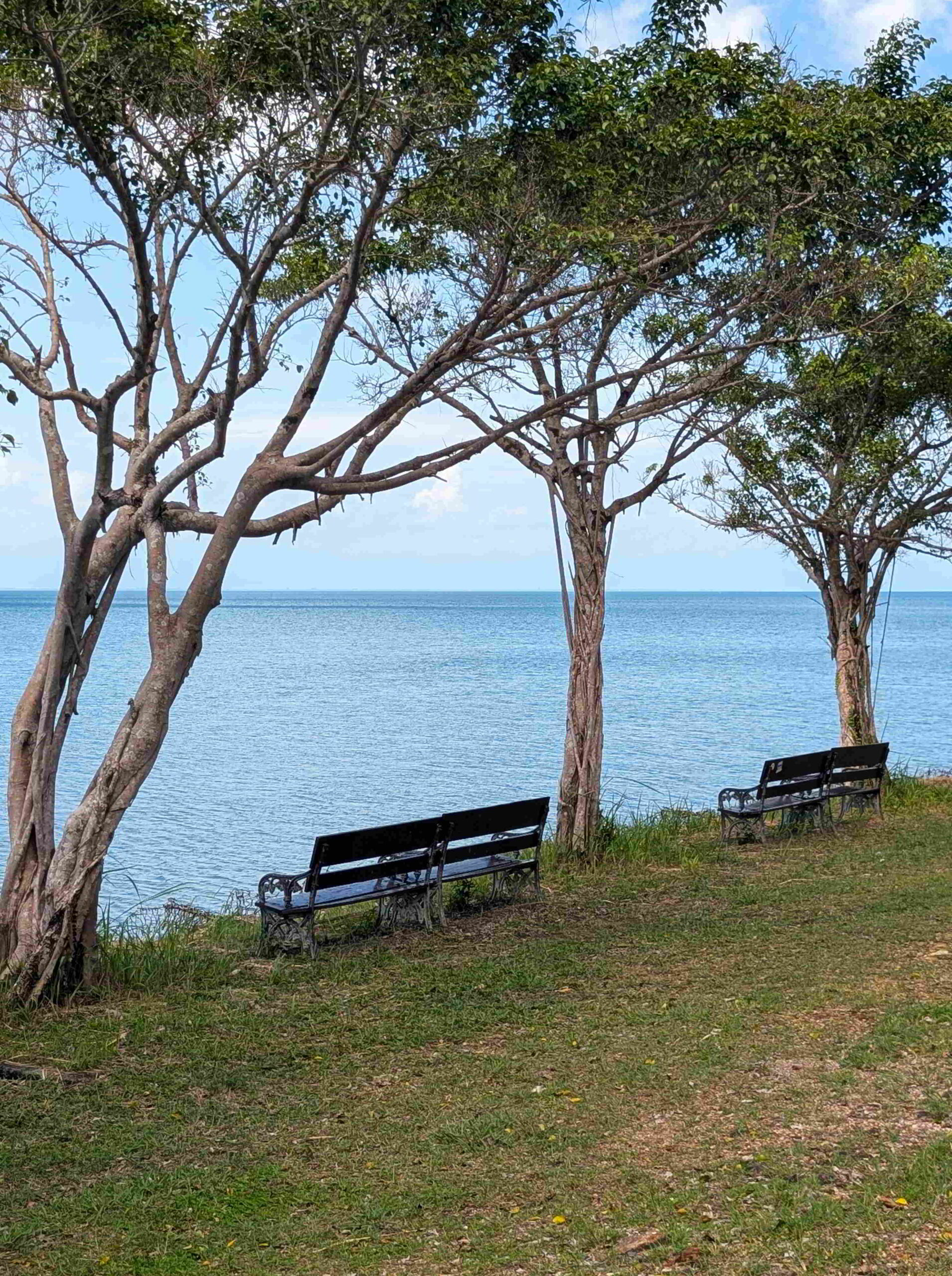
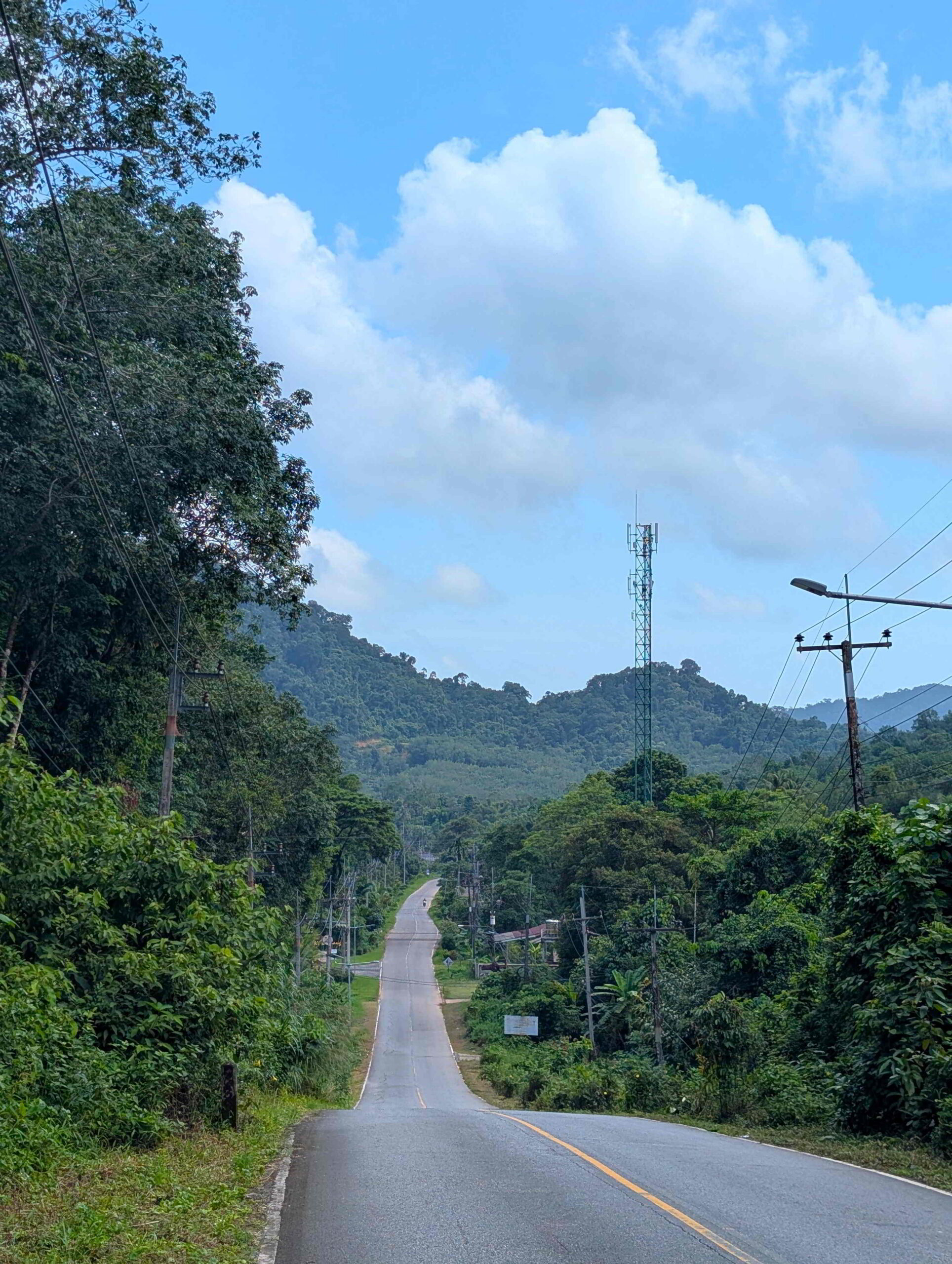
Passing the small ferry terminal, the road continues eastward, then gradually arcs to the south as it follows the contours of the coastline, the sea omnipresent and across the strait, the mainland. The paved road seems to carry on for a considerable distance with little sign of any kind of settlement. While the ocean may be nearby, there is no evidence of beaches that may attract visitors, nor for that matter even side roads that may trail off toward the water’s edge.
Koh Chang
Koh Chang
Koh Chang
Koh Chang
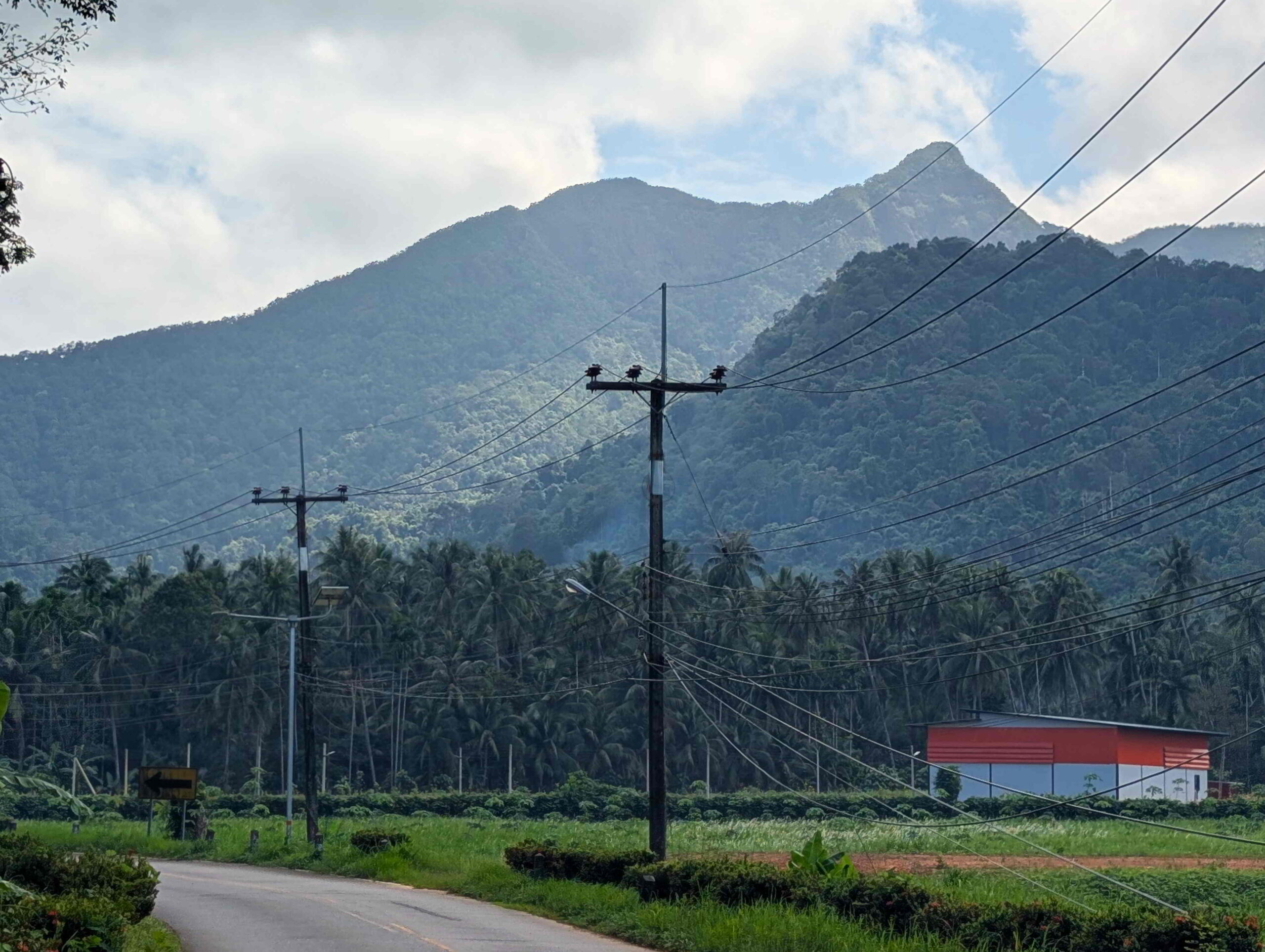
As I motor southward, occasionally stopping to check the distance I have covered, the road moves further away from the coast, and I can only guess at the possibility of attractive pockets of shoreline, although with the absence of tourist developments or for that matter any kind of signage that may point to a sandy enclave, I have to assume that the coastline is nothing more than rocky moraine or cliffs; given how developed the west coast is, it would seem inconceivable that any desirable spots on the east coast would simply be overlooked.
Koh Chang
Koh Chang
Koh Chang
Koh Chang
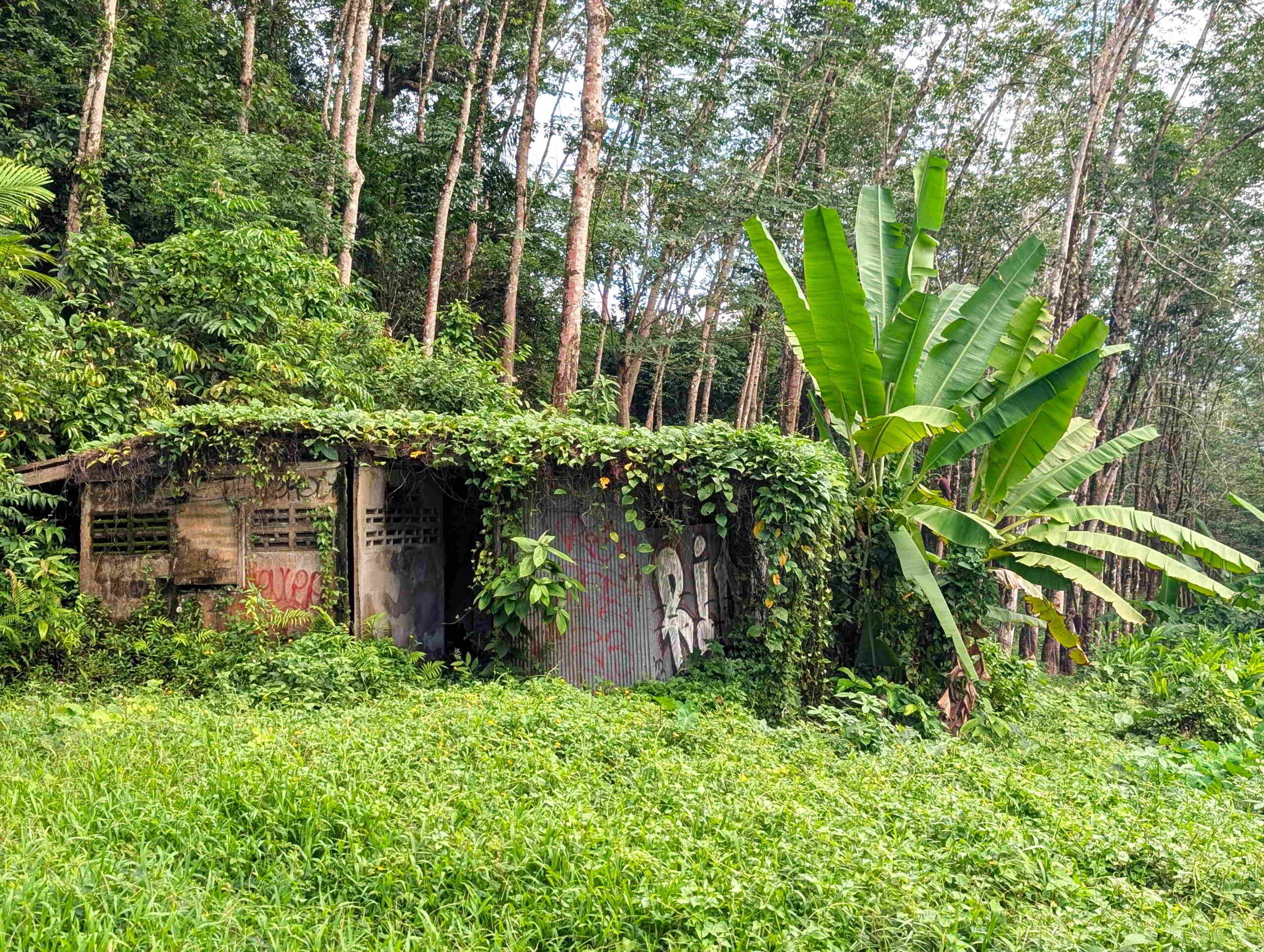
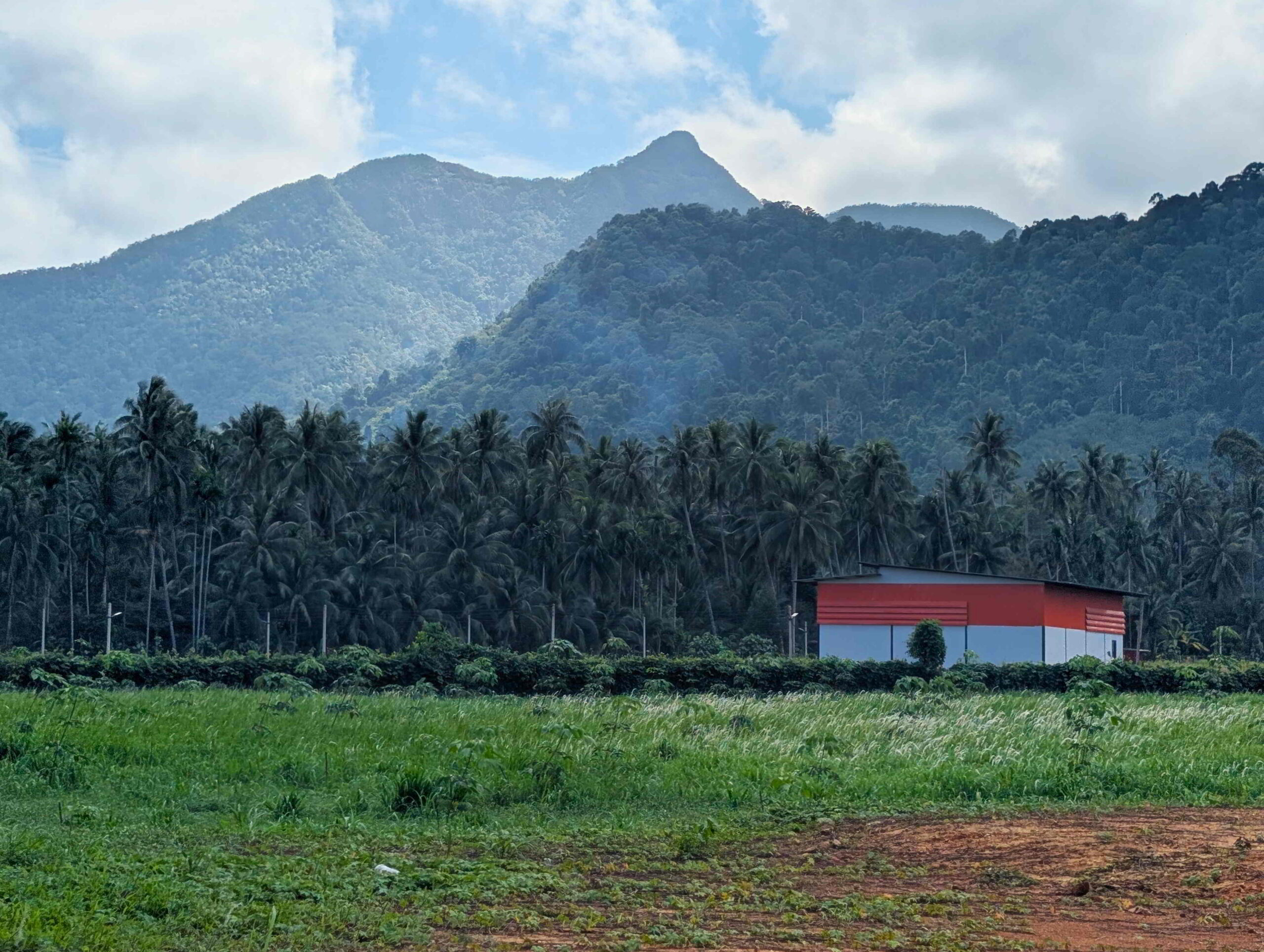
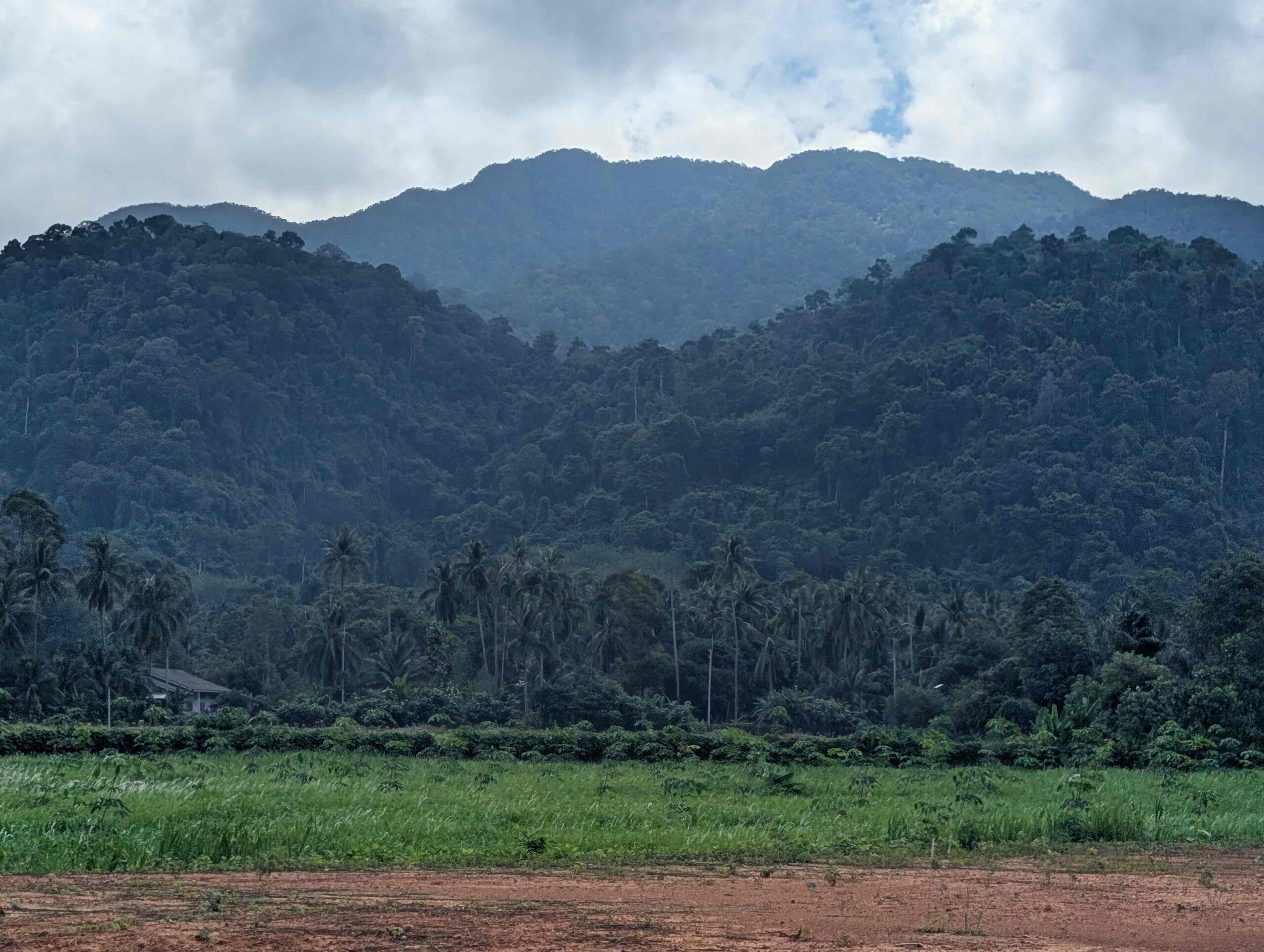
The terrain the road runs through is far from memorable; grassy, with scrub, patches of forest, but little evidence of arable land used for agriculture — or any other purpose. Beyond the occasional clutch of houses, there isn’t much residential housing that would serve locals. Nor is there any evidence of organized tourism catering to the foreigners that would throng to the west coast in high season — not that there would be much reason to even stay here, except possibly for those wanting to get as far away as possible from everyone else, irrespective of how little there may be in the line of attractions.
Koh Chang
Koh Chang — entrance to Salak Phet Mangrove Forest
Koh Chang — entrance to Salak Phet Mangrove Forest
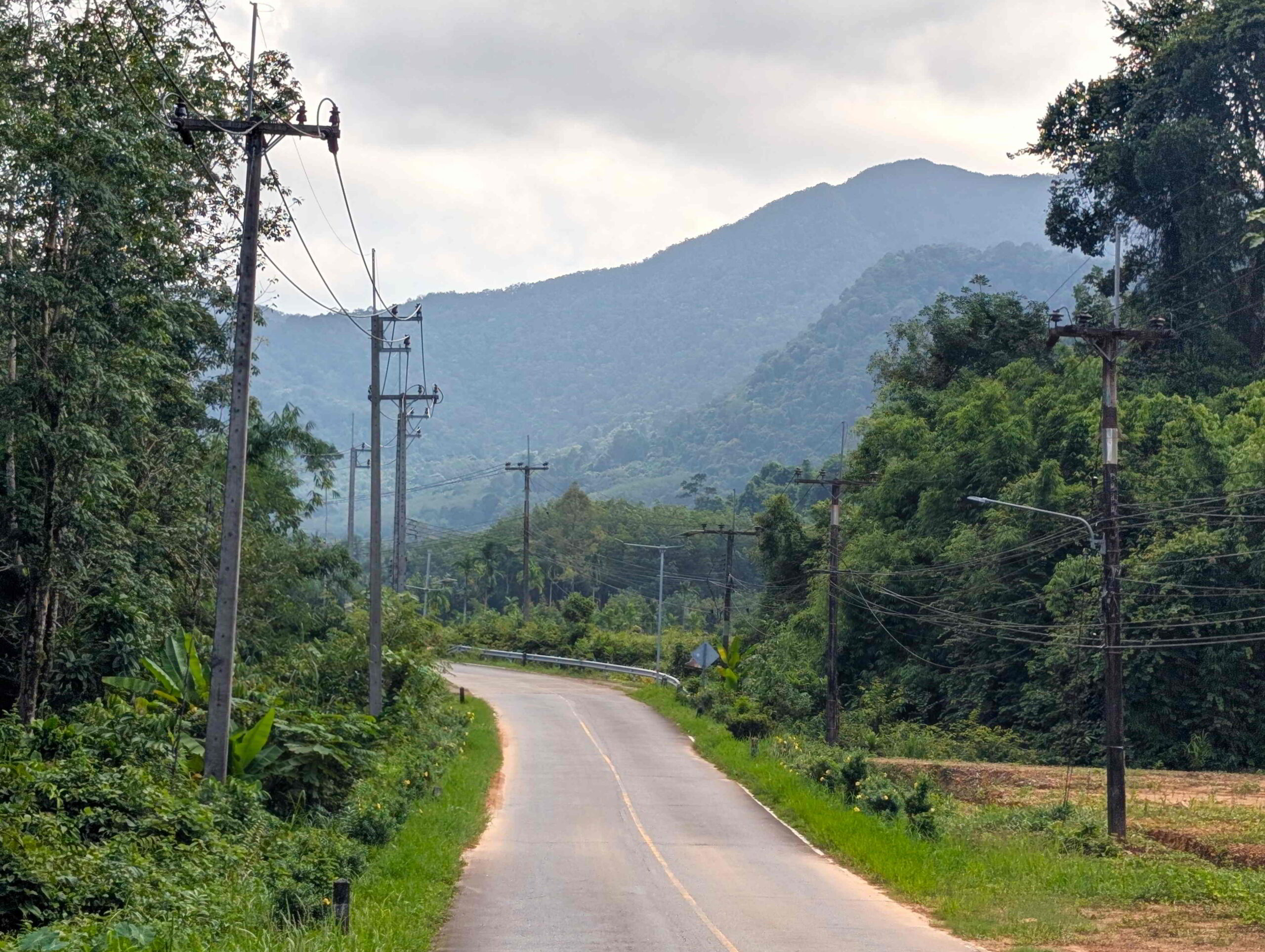
Koh Chang
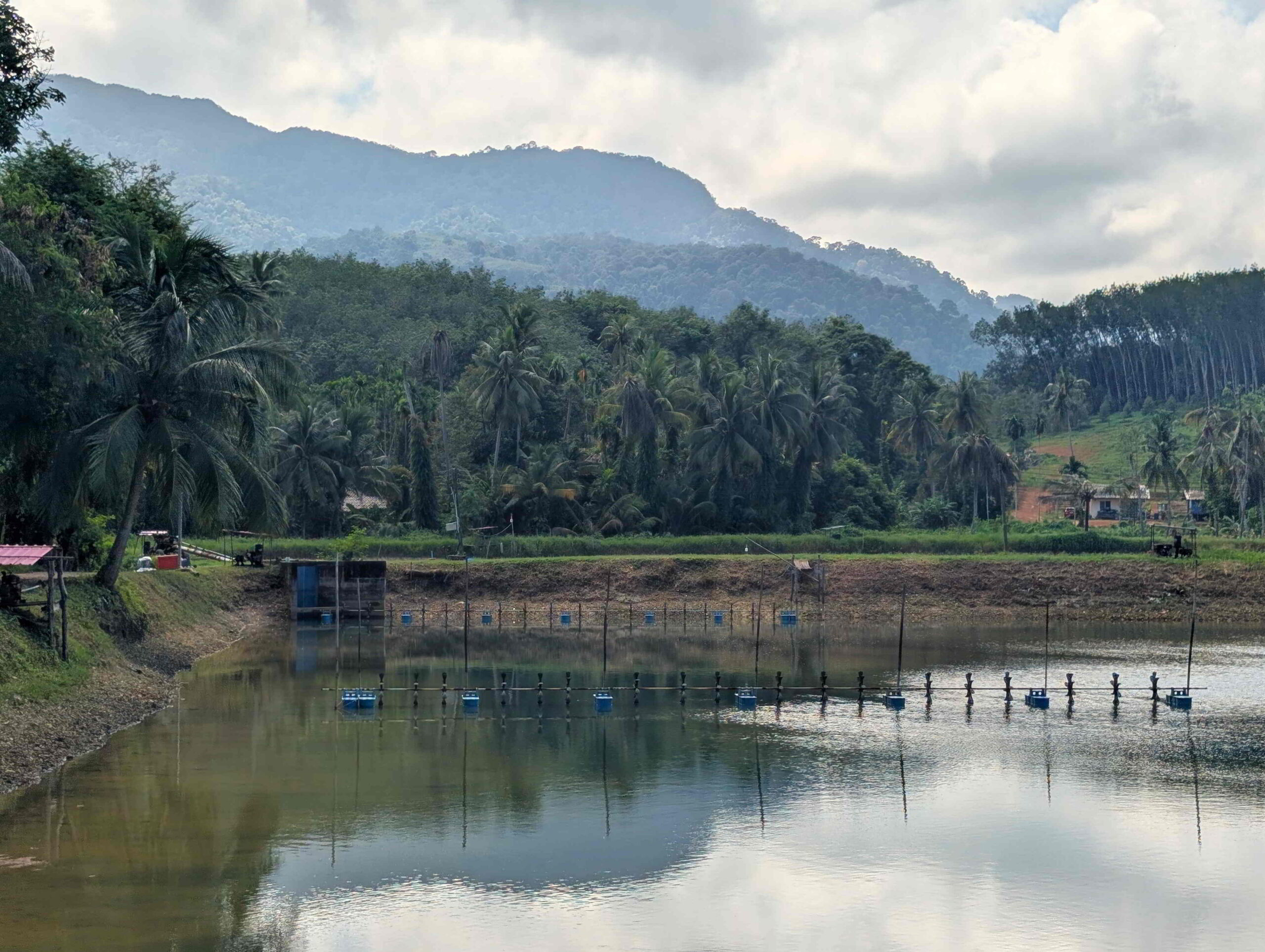
The landscape around me may be relatively unremarkable, but the ride is calming. On the other hand, stopping exposes me to the intense and overwhelming heat of the day that becomes nothing more than a refreshing breeze when traveling at some speed. I decide to stop at a lone coffee shop, the signposts leading me along a small web of dirt paths to a sprawling suburban residence where a local matron prepares a strong espresso for me to enjoy in her garden setting.
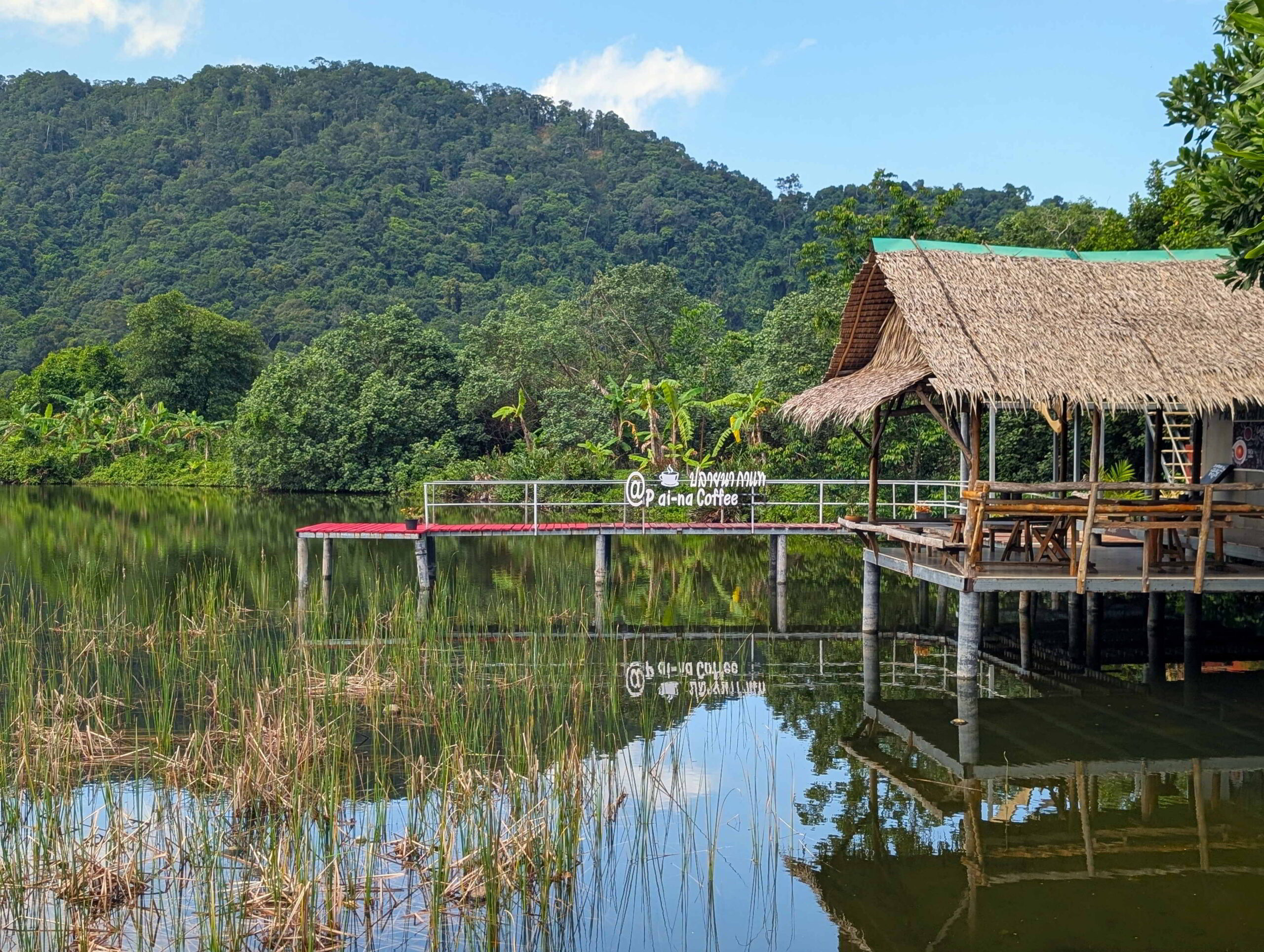
Koh Chang — entrance to Salak Phet Mangrove Forest
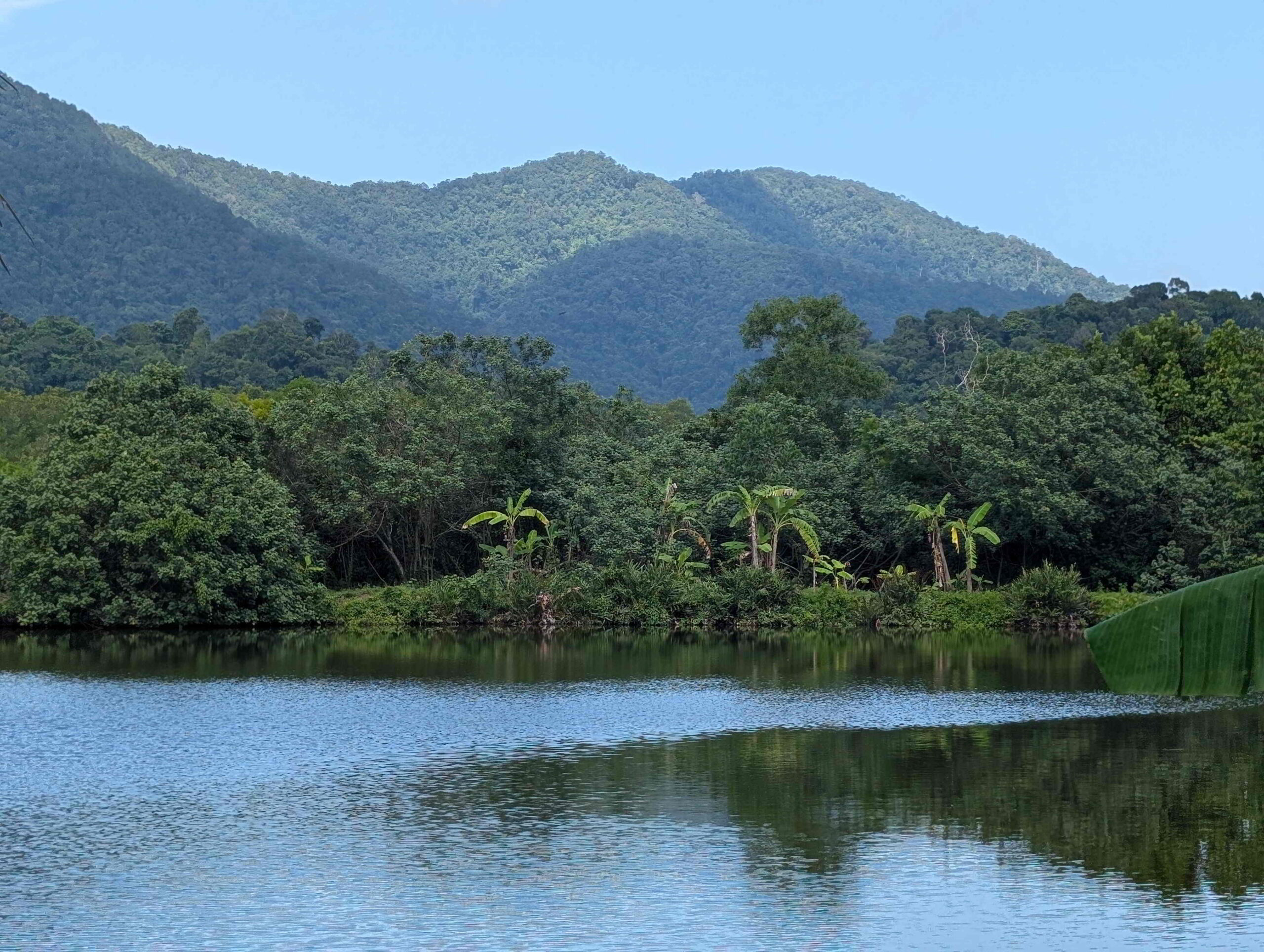
Koh Chang — entrance to Salak Phet Mangrove Forest
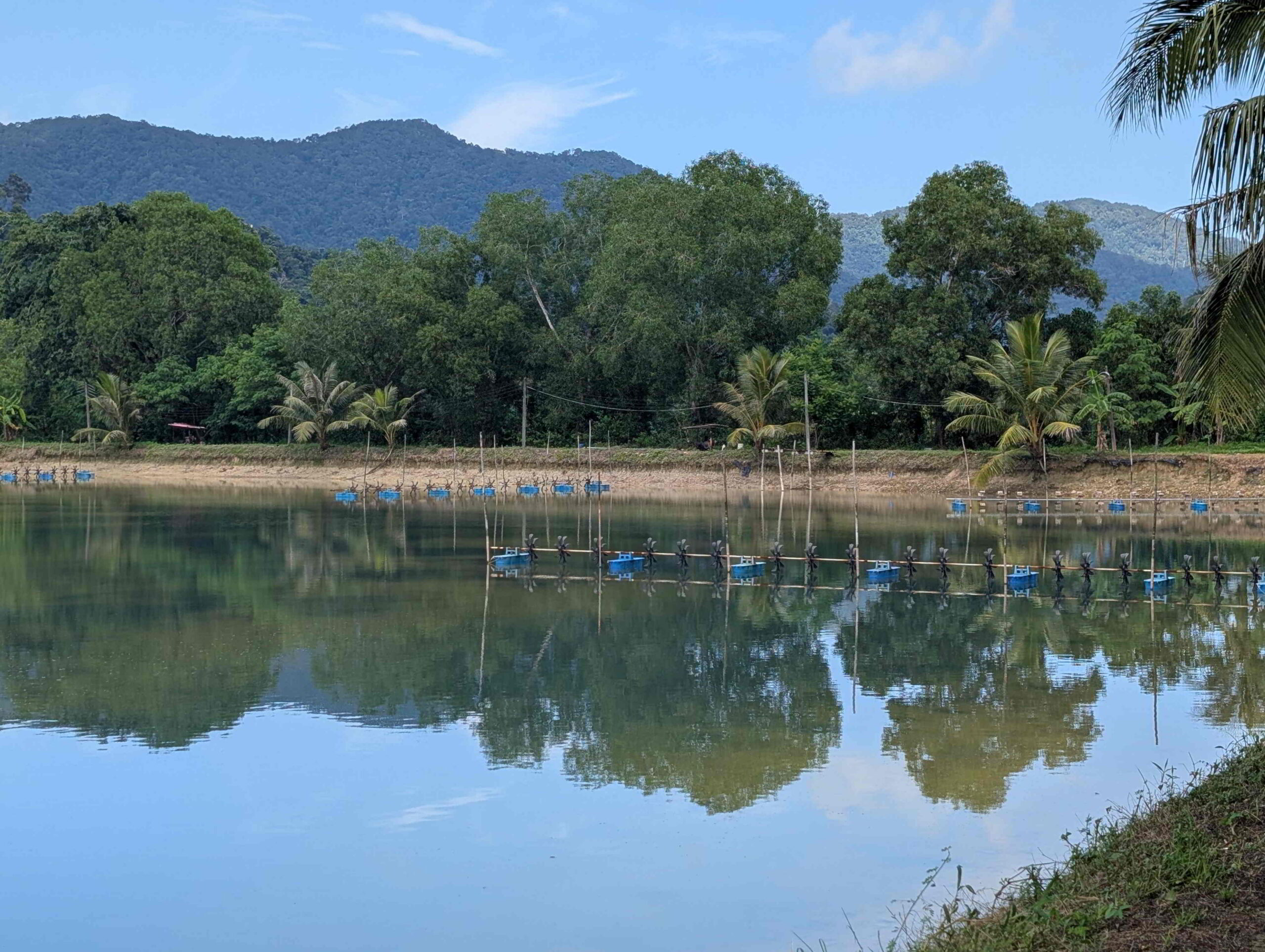
Koh Chang — entrance to Salak Phet Mangrove Forest
Koh Chang — entrance to Salak Phet Mangrove Forest
One of the joys of traveling is constantly encountering the unexpected, and this setting evocative of the late-century coziness of a midwestern rural living environment is hardly anything I would have expected in the middle of nowhere on Koh Chang. But looking more closely at the trees growing on the surrounding lot should have been instructive, as most of them are durian — apparently, this area is a hotspot for the lucrative fruit, and the proprietor is a major grower. I don’t see any of the fruit growing at the moment because it isn’t the season, but at another time of year the trees will be laden with the heavy, spiked fruit.
Koh Chang — entrance to Salak Phet Mangrove Forest
Koh Chang — entrance to Salak Phet Mangrove Forest
Koh Chang — Salak Phet Mangrove Forest
Koh Chang — Salak Phet Mangrove Forest
I continue on my journey south, upon inspecting the map again recognizing that I still have the bulk of the island’s eastern coast to traverse. I could venture along some of the more questionable dirt side roads that branch from the double-lane paved road that runs along the east coast of the island, but I shouldn’t delay any further, not that there is much to catch my attention. There may be resorts hidden in the jungle that cater to those wanting to be far away from the maddening crowds — I suspect that they would cater to visitors that have come here innumerable times and are now older and less interested in the action that the west coast offers.
Koh Chang — Salak Phet Mangrove Forest
Koh Chang — Salak Phet Mangrove Forest
Koh Chang — Salak Phet Mangrove Forest
Koh Chang — Salak Phet Mangrove Forest
A large motive for such visitors would also be to experience the island in a manner that corresponds to what it used to offer in its early days of welcoming visitors, an era of insouciance that has long vanished from the western side of the island – and the country in general. I can imagine the bucolic sense of reverie of spending time in such a place — although it would never be likely to happen, given how quickly I get bored.
Koh Chang — Salak Phet Mangrove Forest
Koh Chang — Salak Phet Mangrove Forest
Koh Chang — Salak Phet Mangrove Forest
Koh Chang — Salak Phet Mangrove Forest
I would love to explore further and get a sense of the cadence of this side of the island, but due to the time constraint, will only pursue attractions with some degree of presentation and preparation, which of course contradicts the spirit of what I am attempting to experience here. No matter how much time I allow myself on a trip, it seems I’m always rushing through, which reveals more about my approach and perspective than of the place.
Koh Chang — Salak Phet Mangrove Forest
Koh Chang — Salak Phet Mangrove Forest
Koh Chang — Salak Phet Mangrove Forest
Koh Chang — Salak Phet Mangrove Forest
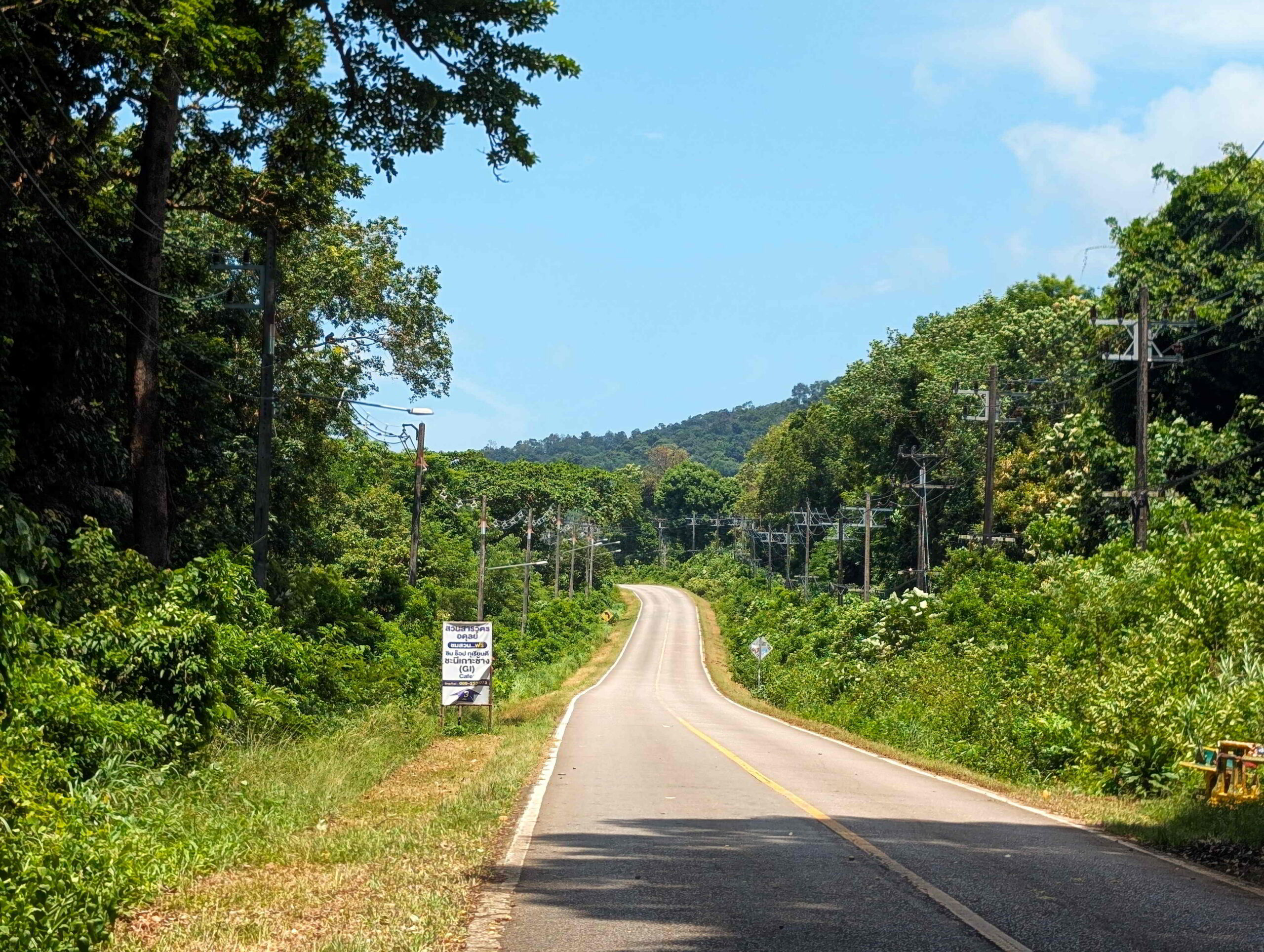
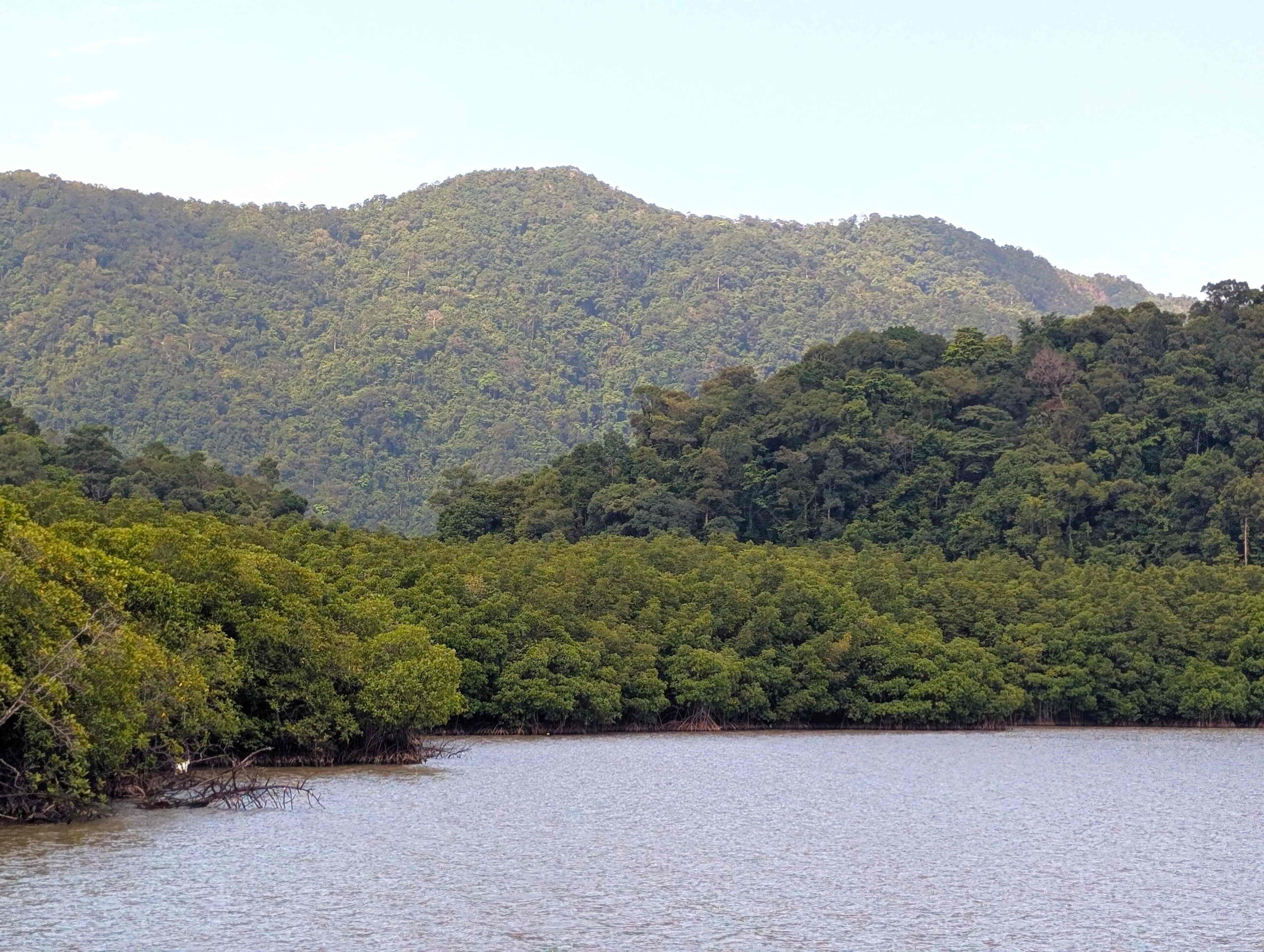
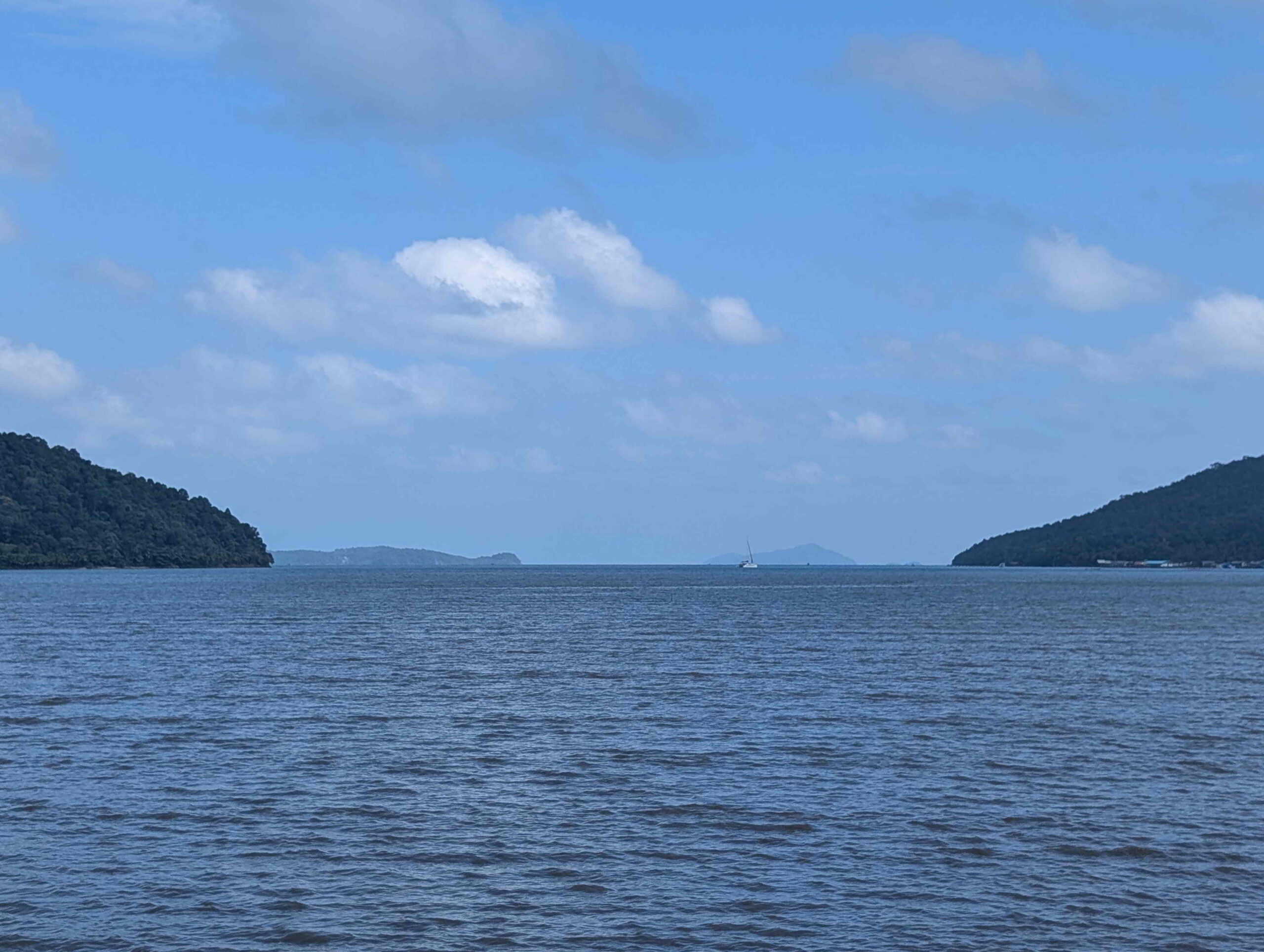
At the very least, the road trip offers a meditative experience, easy and relaxing, with very little traffic and almost no development, the hills visible not far to the west, the seaside peering through the screen of trees from time to time. The main road is paved and in good condition throughout, typical for Thailand, and electricity is available across the island and cell phone reception uninterrupted. The quality of infrastructure available even in the remotest part of the country a big reason why it is so amenable for tourists.
Koh Chang
Koh Chang
Koh Chang
And yet there are a few accessible attractions for tourists on this side of the island, in particular, several waterfalls. Waterfalls are idea to visit in this kind of climate, but the idea of paying in the neighborhood of ฿250 (ca. CAD $10) in this offbeat location of a Thai island is utterly laughable, and a fundamental reason why I wouldn’t advocate coming here in the first place. Tourism here used to be pristine in the sense that exploration would give rise to a sense of unadulterated and unimpeded discovery, while now a visit to the least important attraction has been crassly commodified. But the mindset is also somewhere justifiable, given the type of tourists who come here. Well, few come to this side of the island, although every ฿250 locals can pocket from some naive tourist provides a veritable bounty …
Koh Chang
Koh Chang — Salak Phet Mangrove Forest
Koh Chang
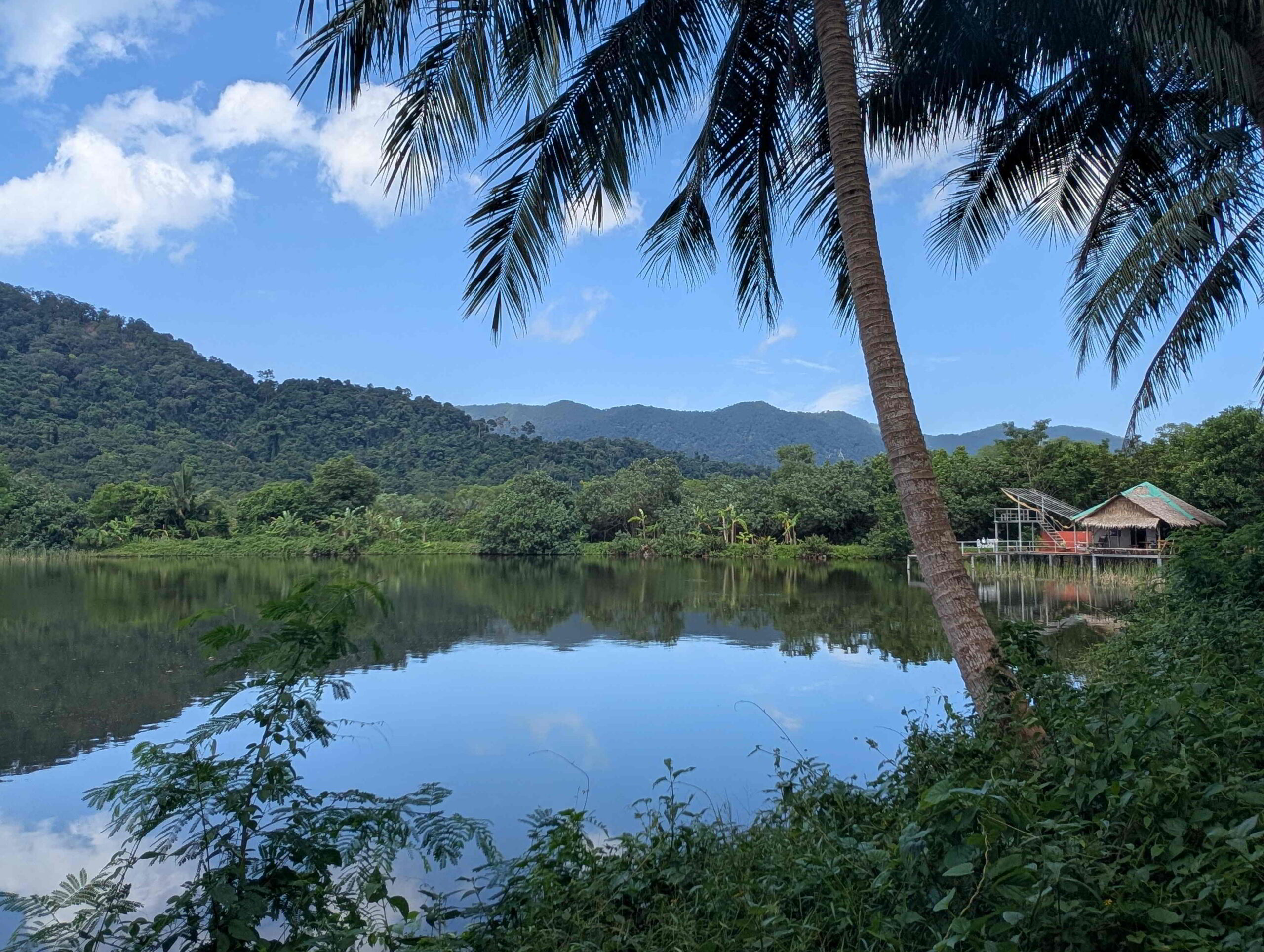
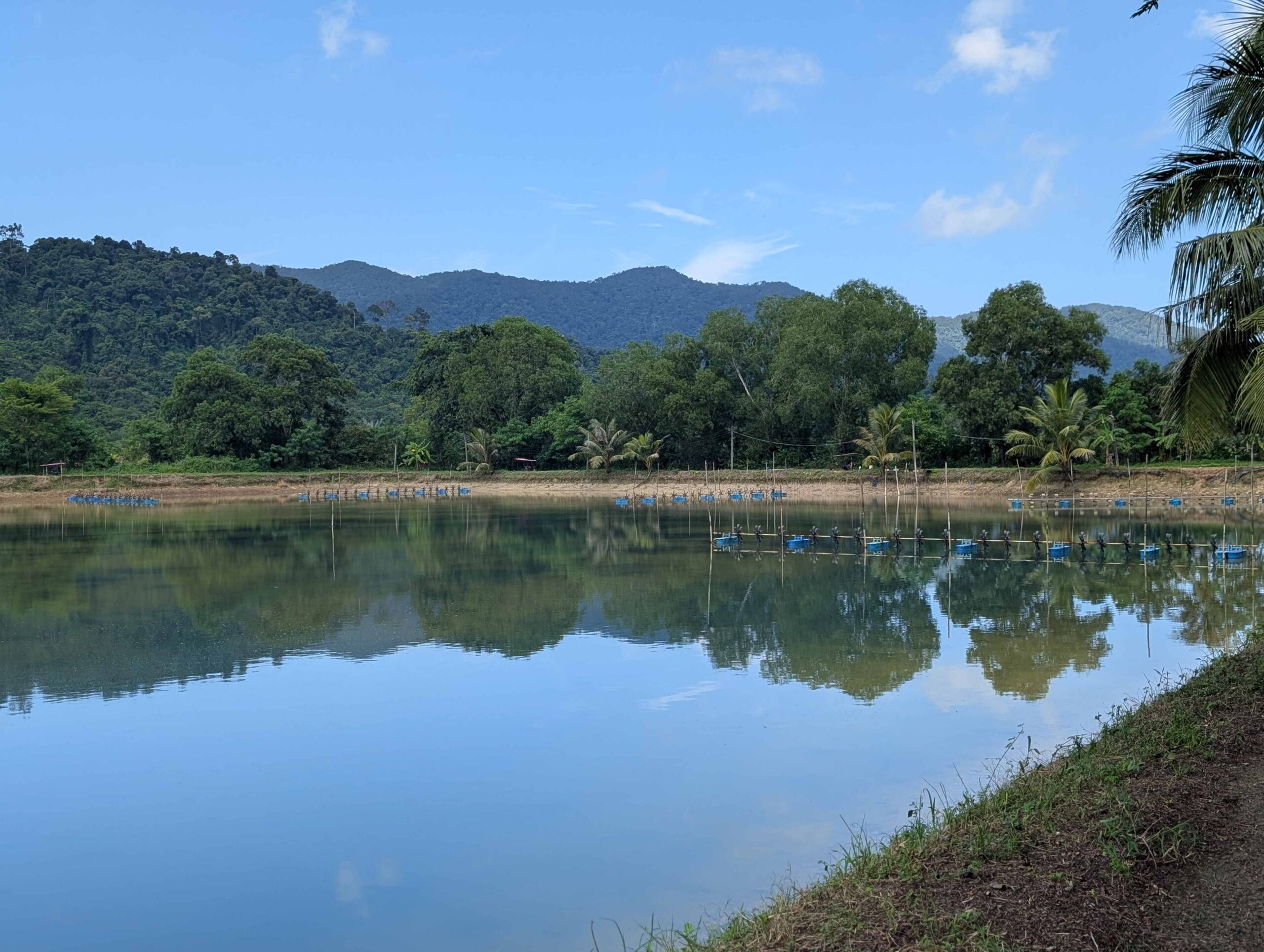
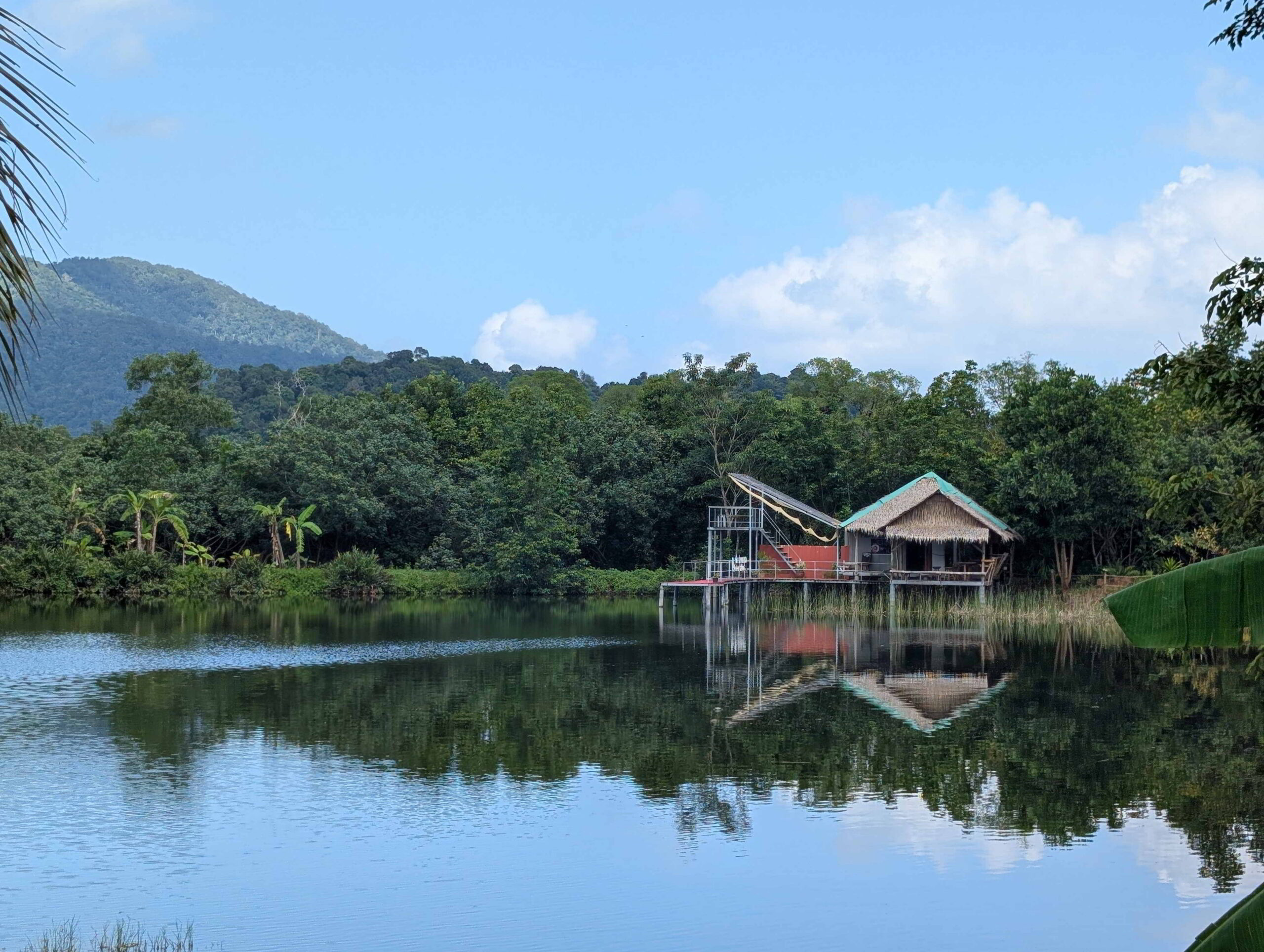
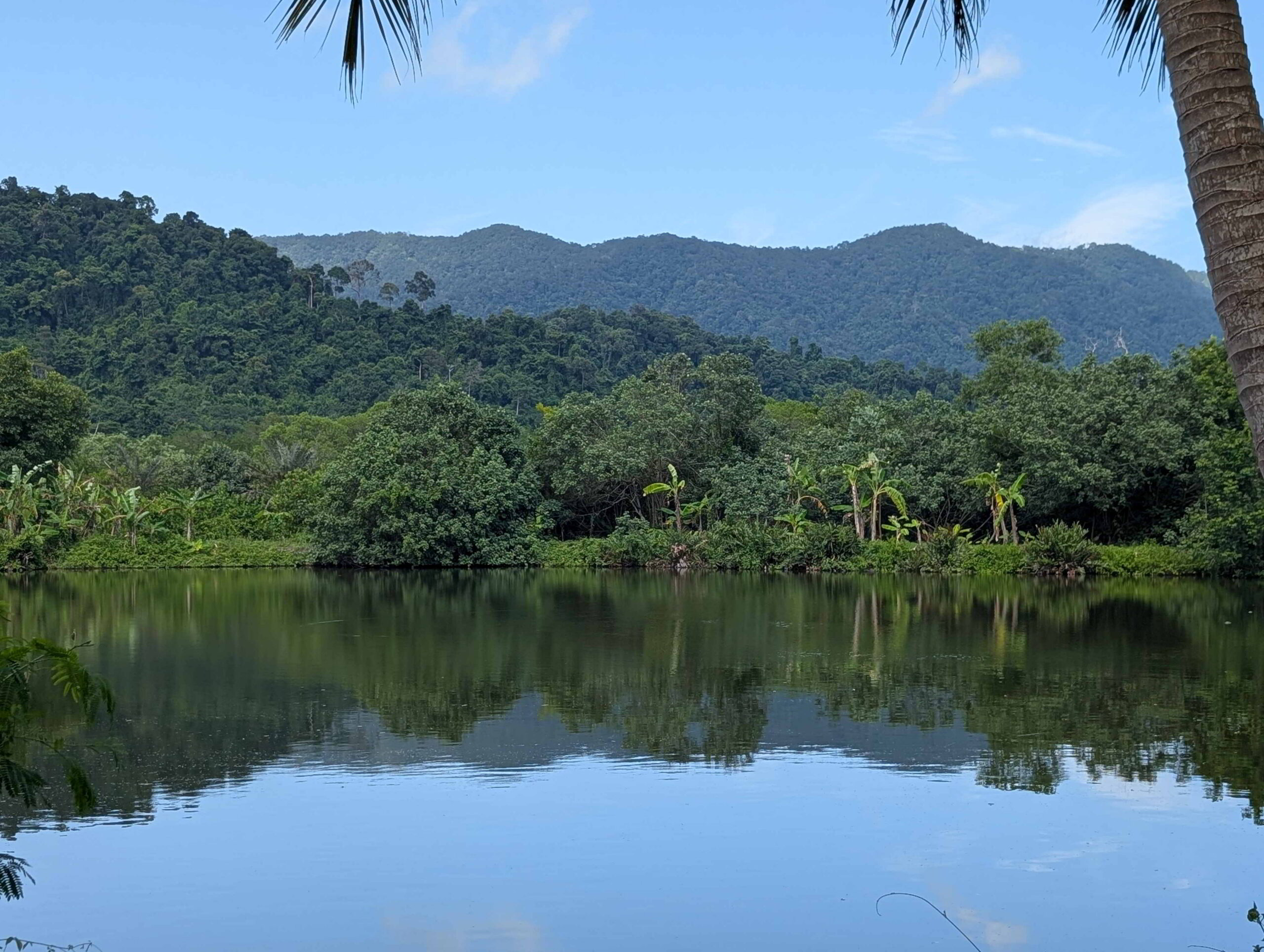
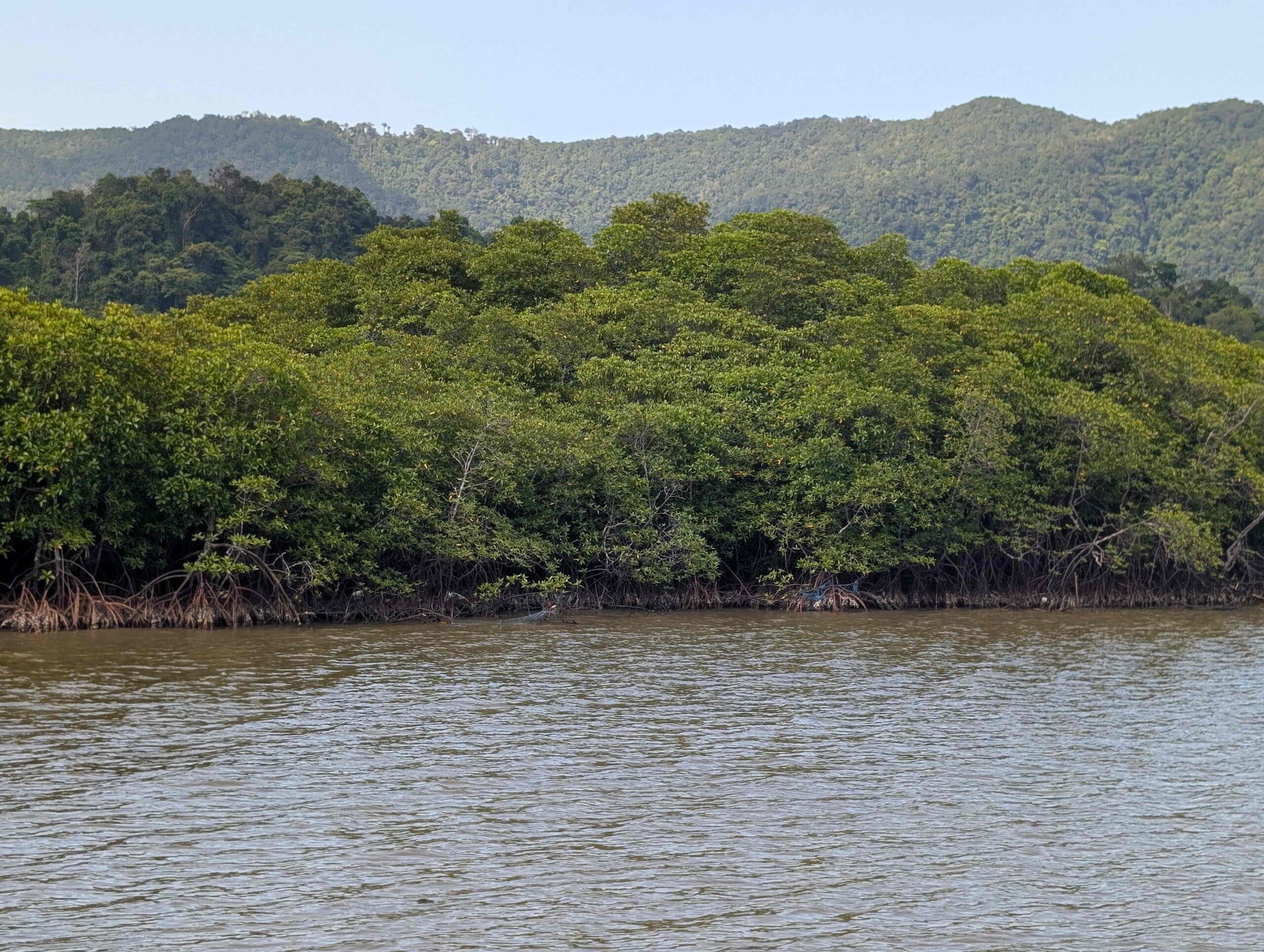
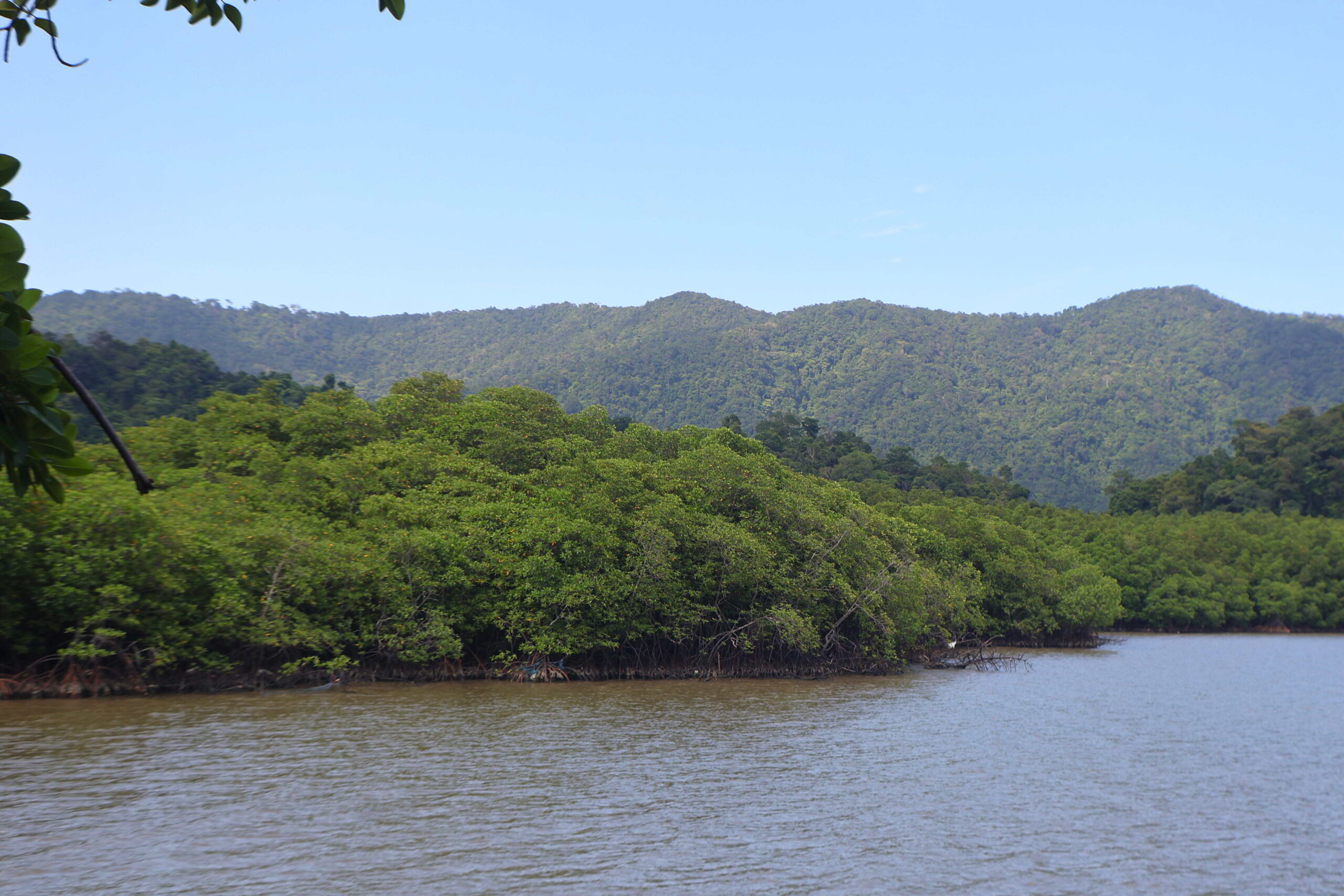
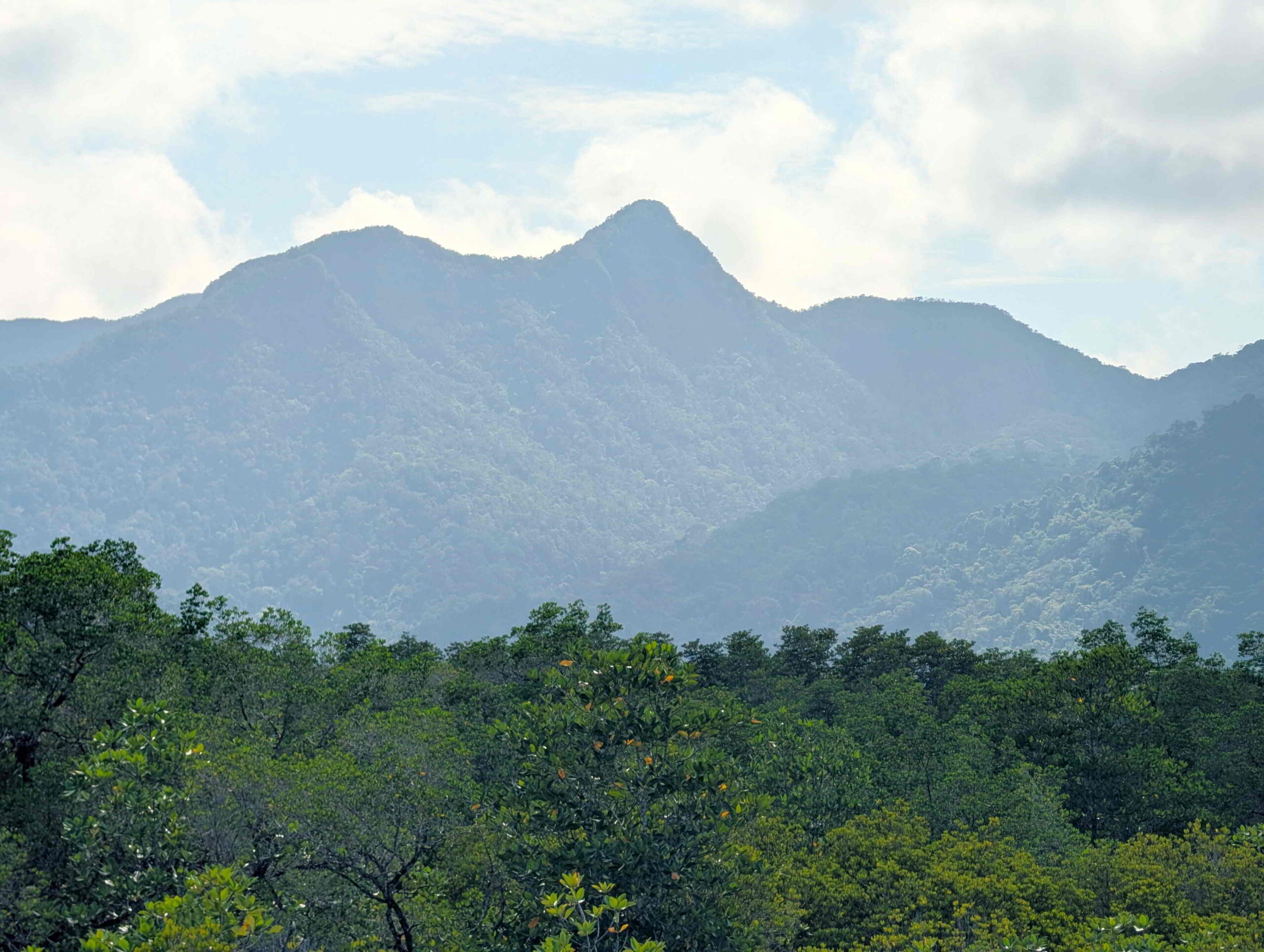
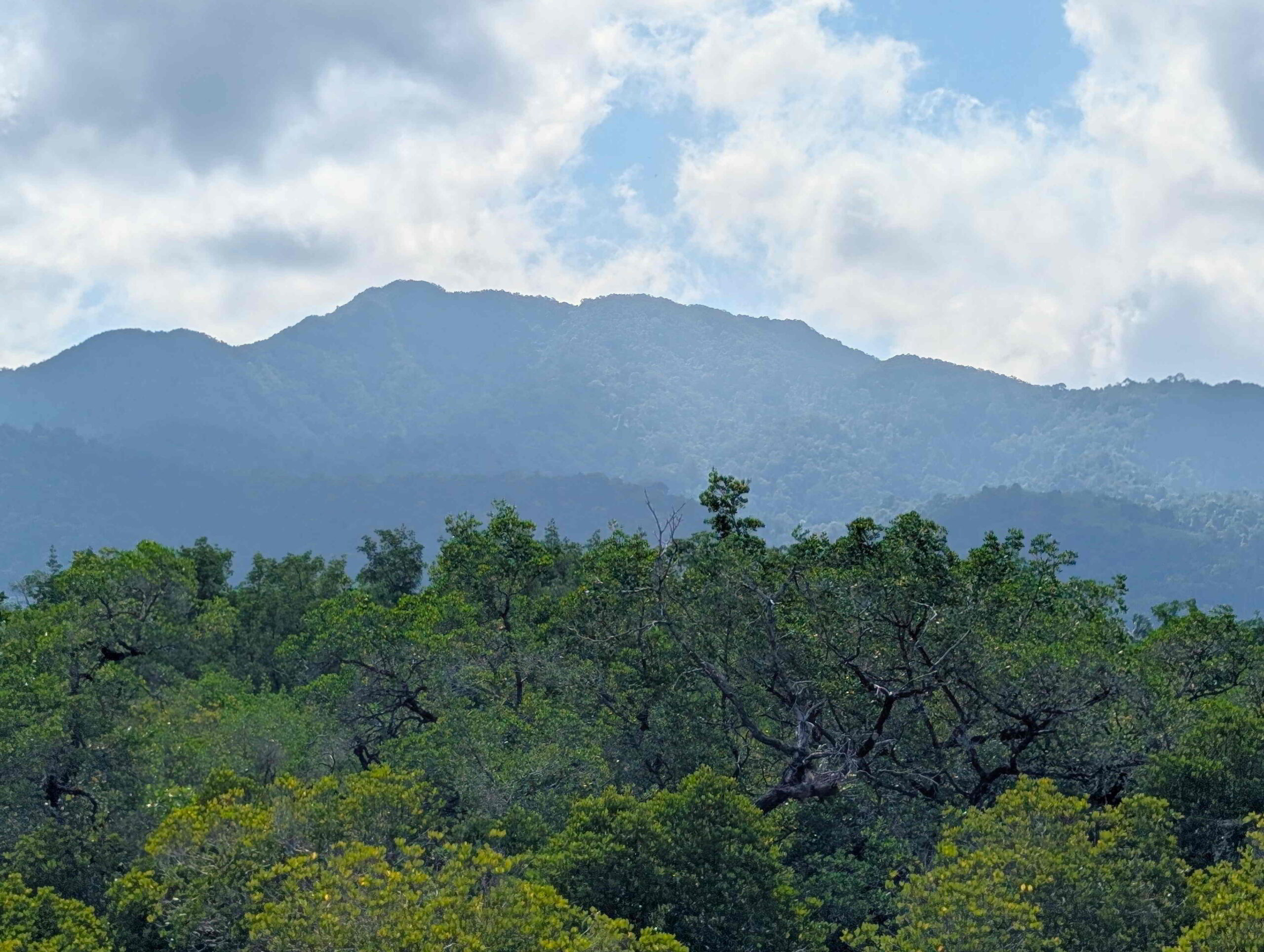
Much further to the south is the star attraction of this side of the island, the Salak Phet Mangrove Forest. A pretty fish pond abutted by lush tropical forest and framed by verdant hills and a cerulean sky mark the entrance to the park. While admission is free, visitors are charged a parking fee, which I suspect is a scam; if there were any costs associated with the park, there would be an admission fee, and given that there isn’t, entry should be free. But locals have tried fleecing visitors by charging for parking, possibly justifying their effort by claiming that visitors are parking on their private land, which would be fairly debatable, given that the parking area is sandwiched between the entrance of the park and some abandoned toilets and coffee shop set up on a pier overlooking the lagoon.
Koh Chang — Salak Phet Mangrove Forest
Koh Chang — Salak Phet Mangrove Forest
Koh Chang — Salak Phet Mangrove Forest
Koh Chang — Salak Phet Mangrove Forest
As with my truncated visits to the waterfalls earlier on, I could simply not bother entering, but given that the parking fee is trivial and I made it this far, I may as well go in. Just after I pay the young women, she mounts her scooter and rides off, so obviously no one will be attending to the parked vehicles, despite the fees paid by visitors. For me the larger picture is the constant low-level scams that visitors are subjected to in such a place, which to me renders a place fundamentally unattractive — I don’t care what a place offers, but I do want to have an authentic experience, rather than feeling I am constantly being fleeced.
Koh Chang — Salak Phet Mangrove Forest
Koh Chang — Salak Phet Mangrove Forest
Koh Chang — Salak Phet Mangrove Forest
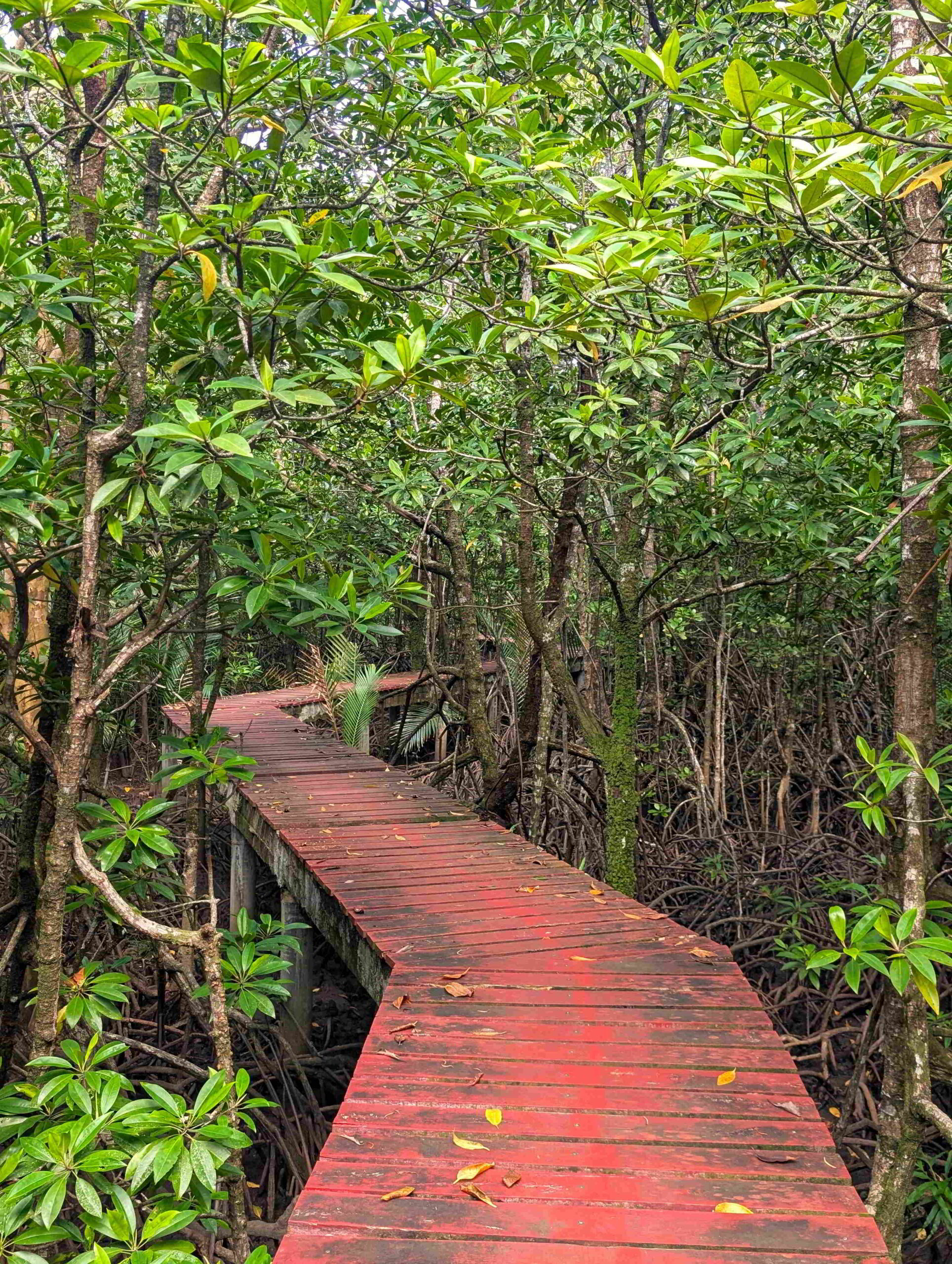
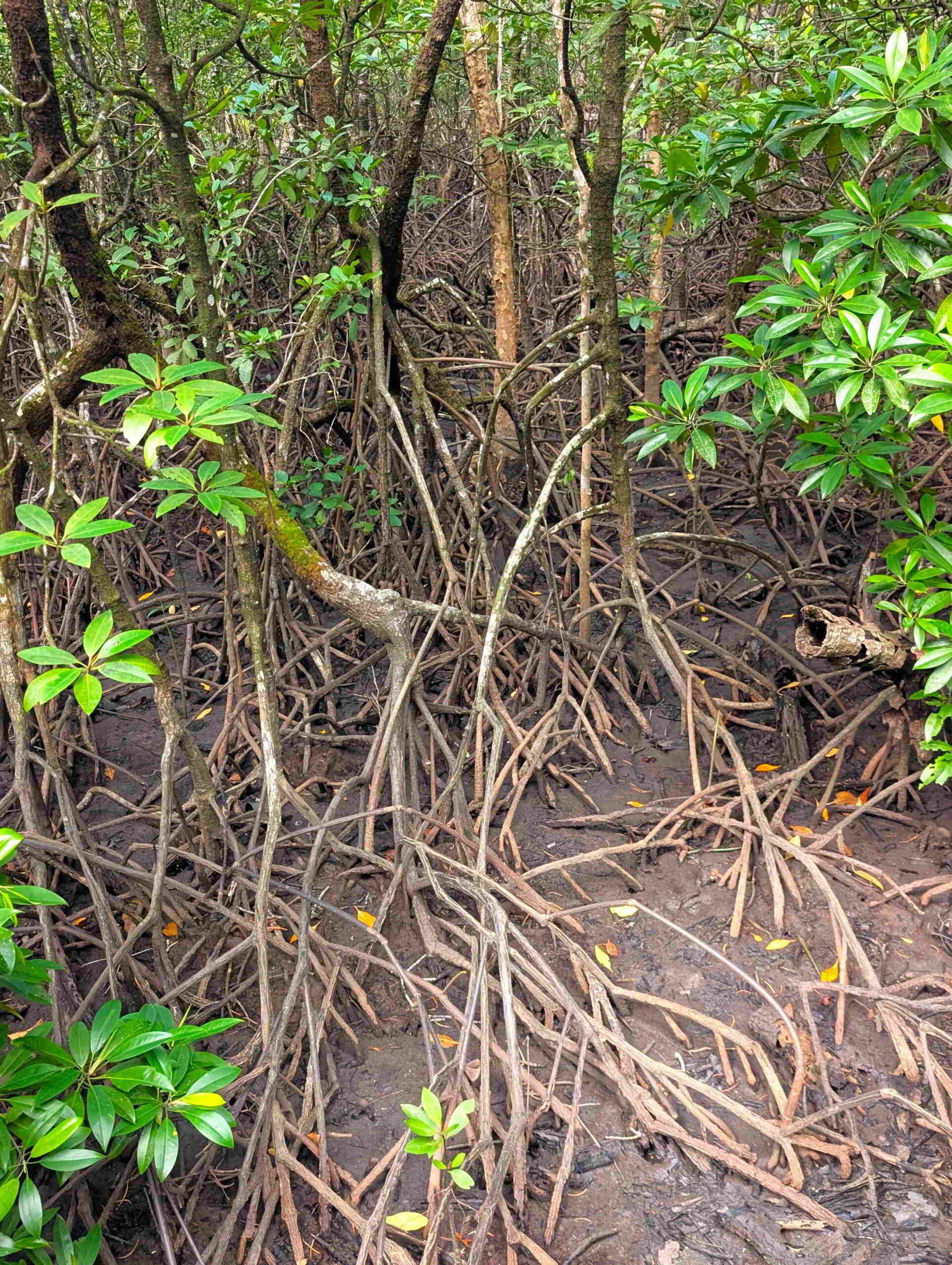
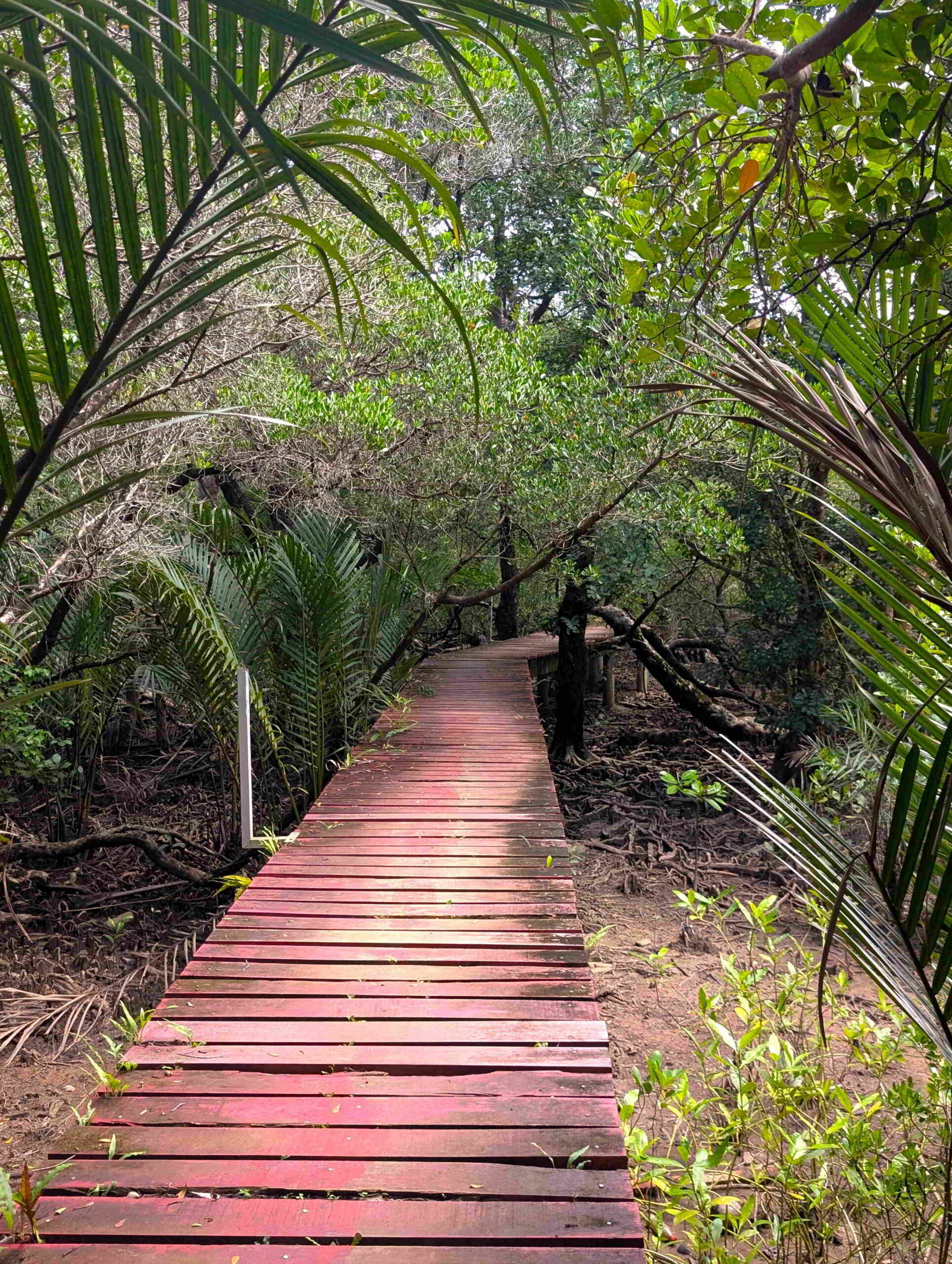
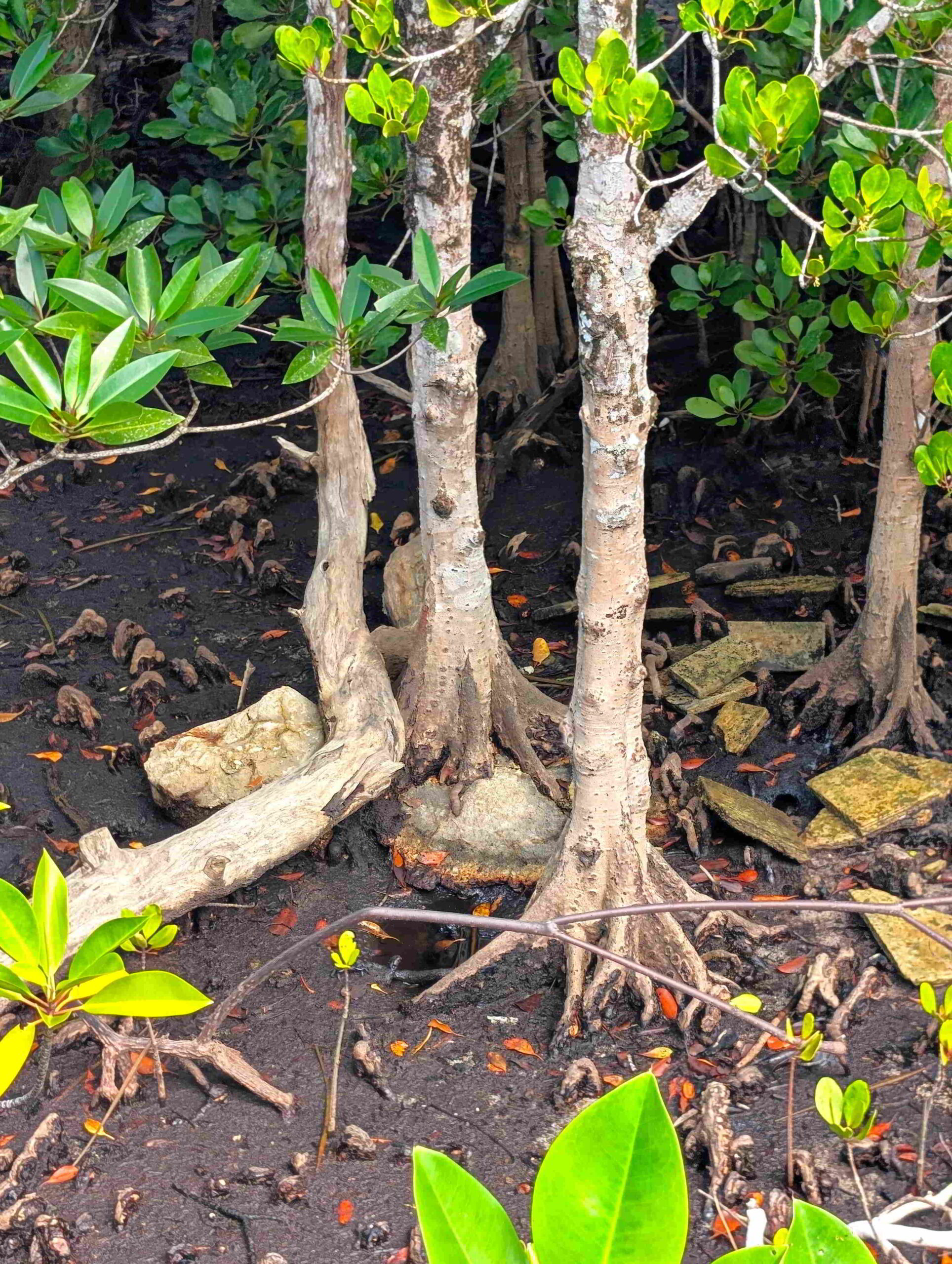
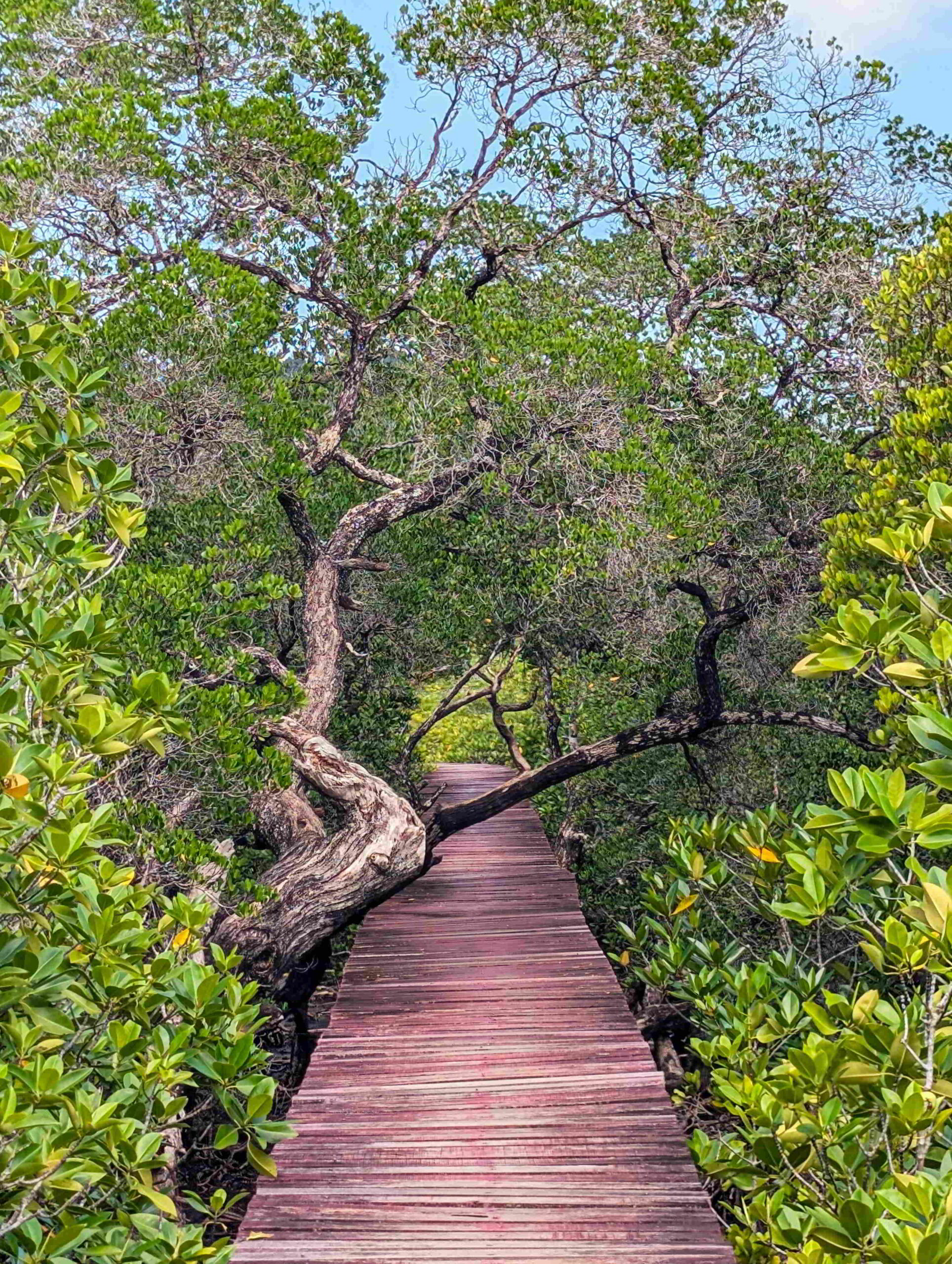
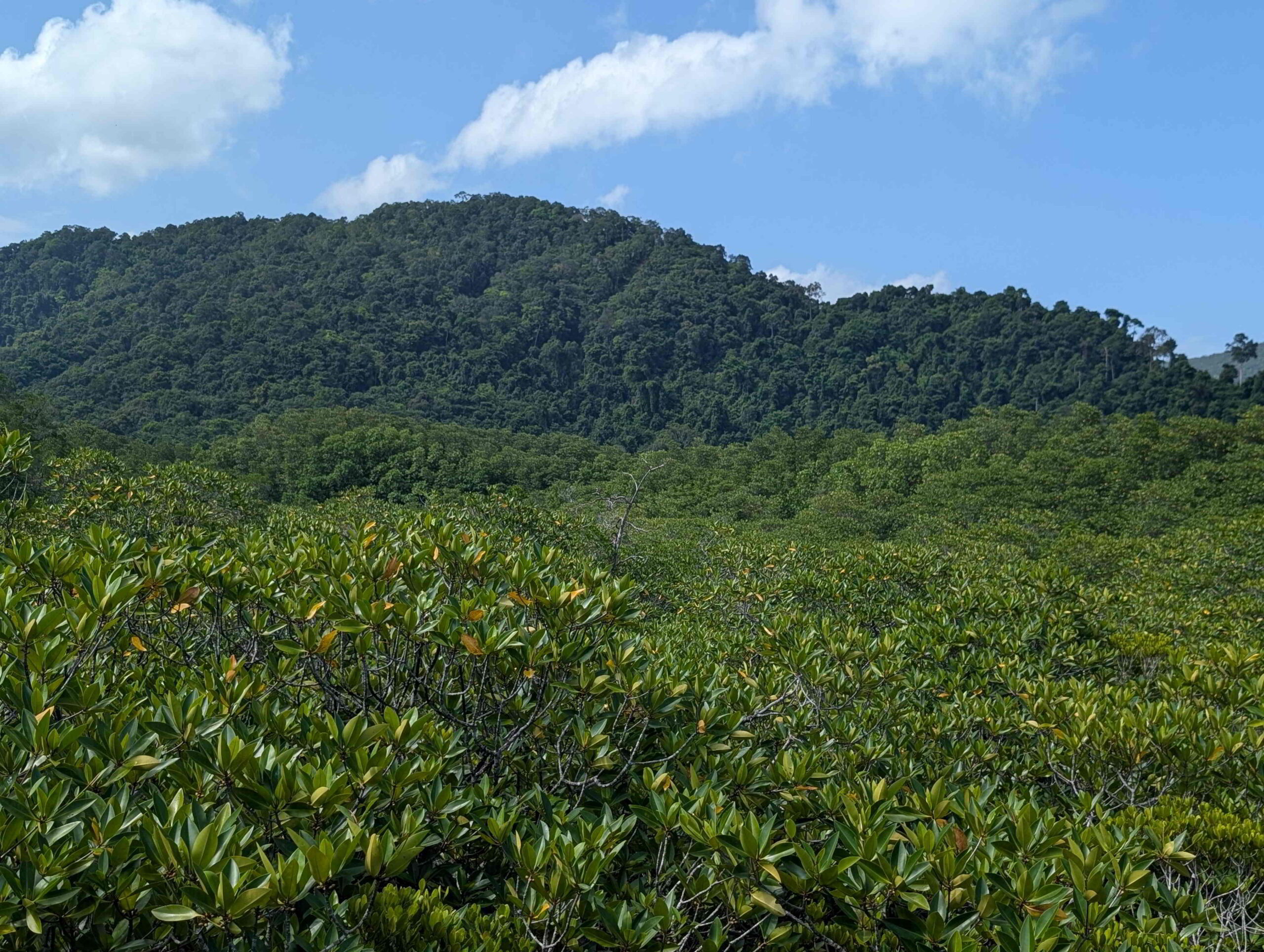
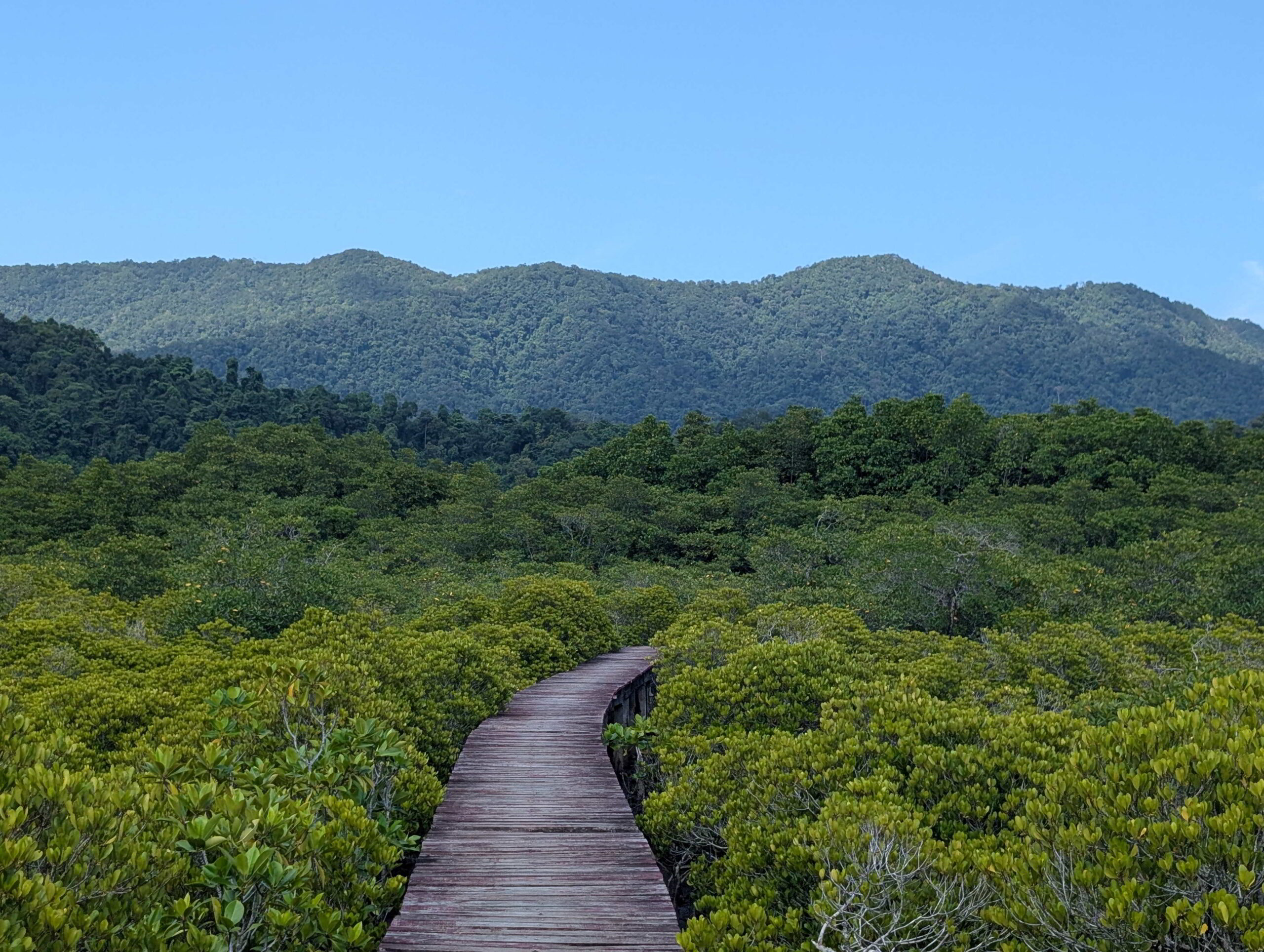
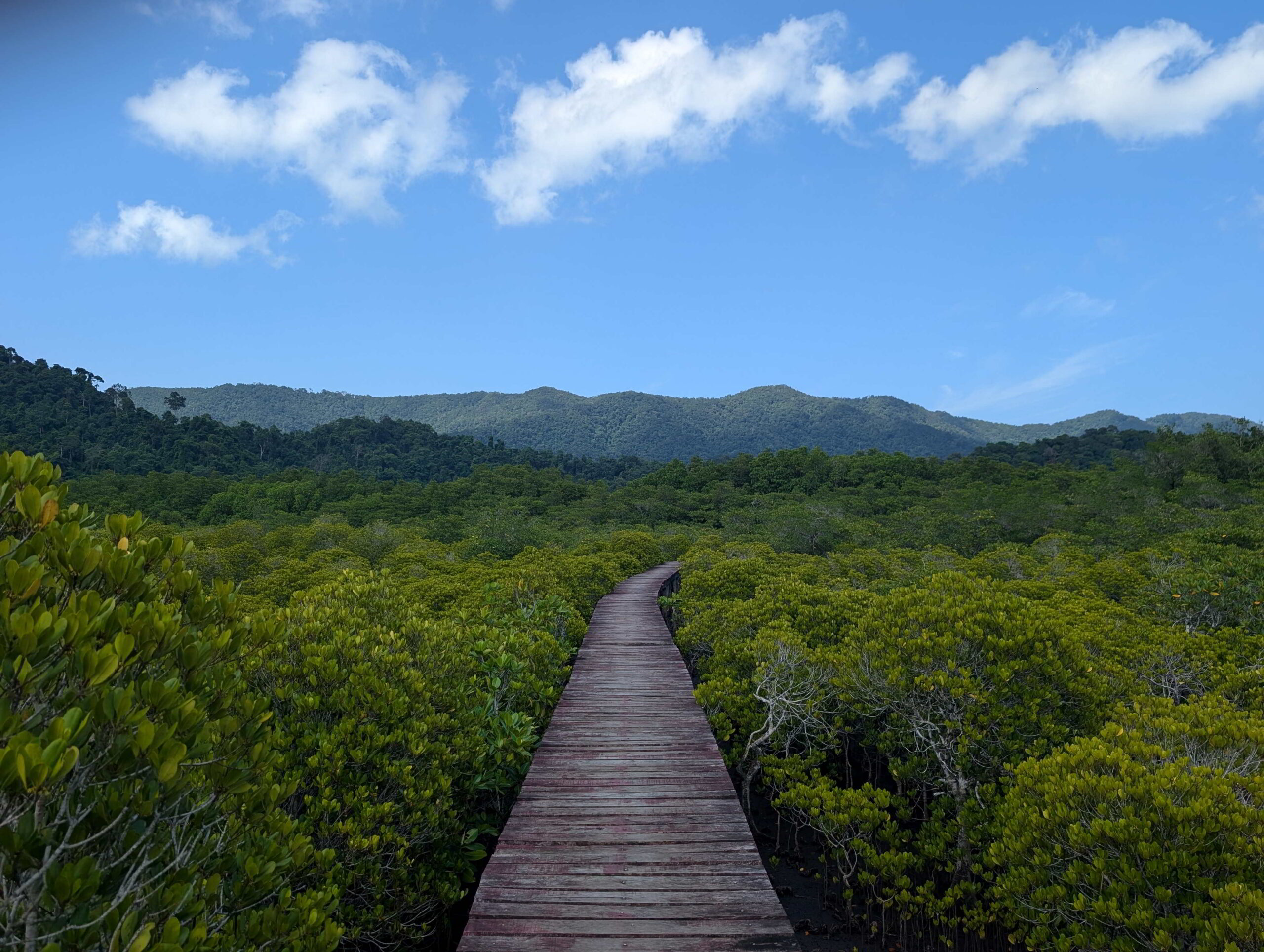
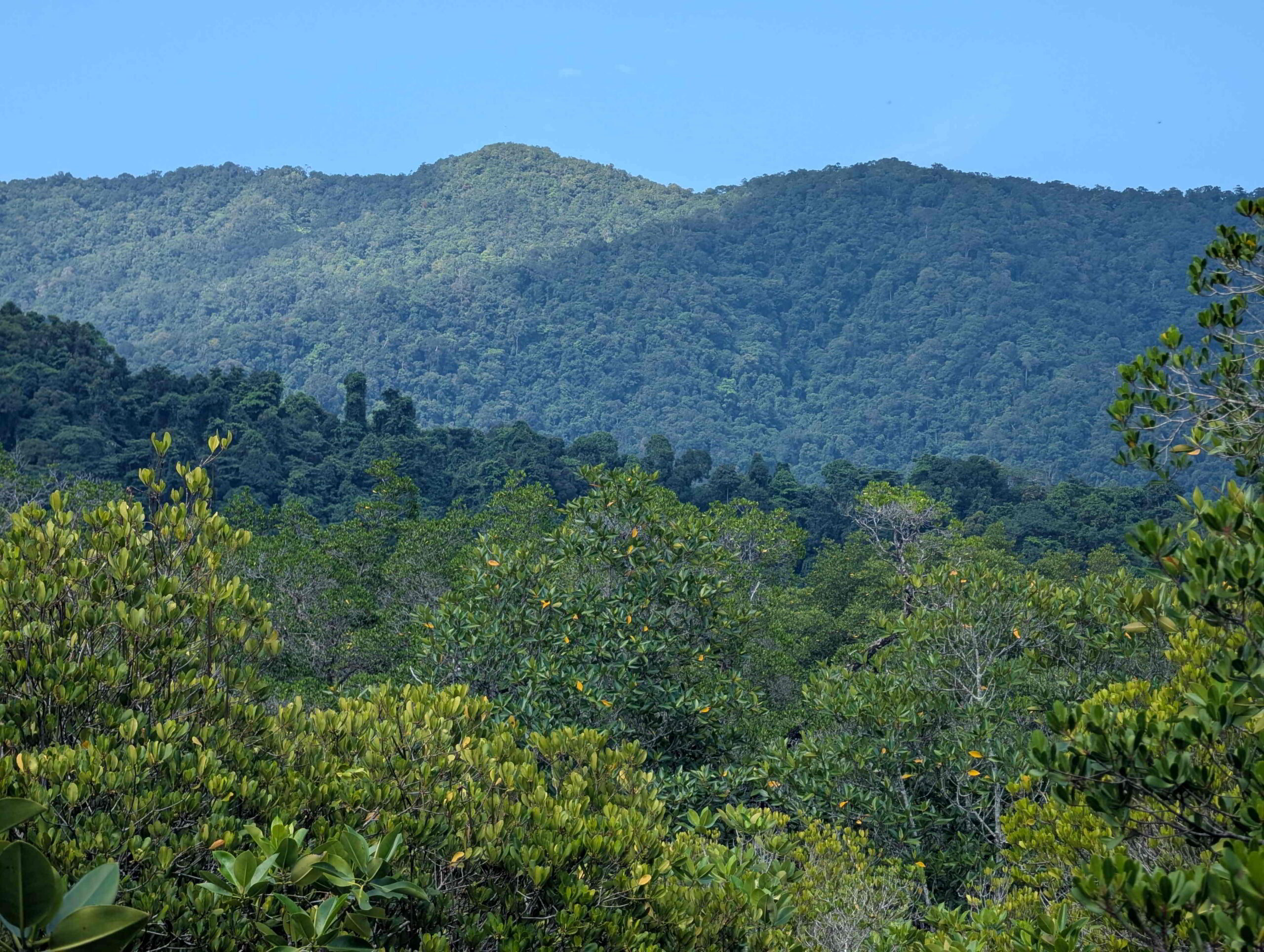
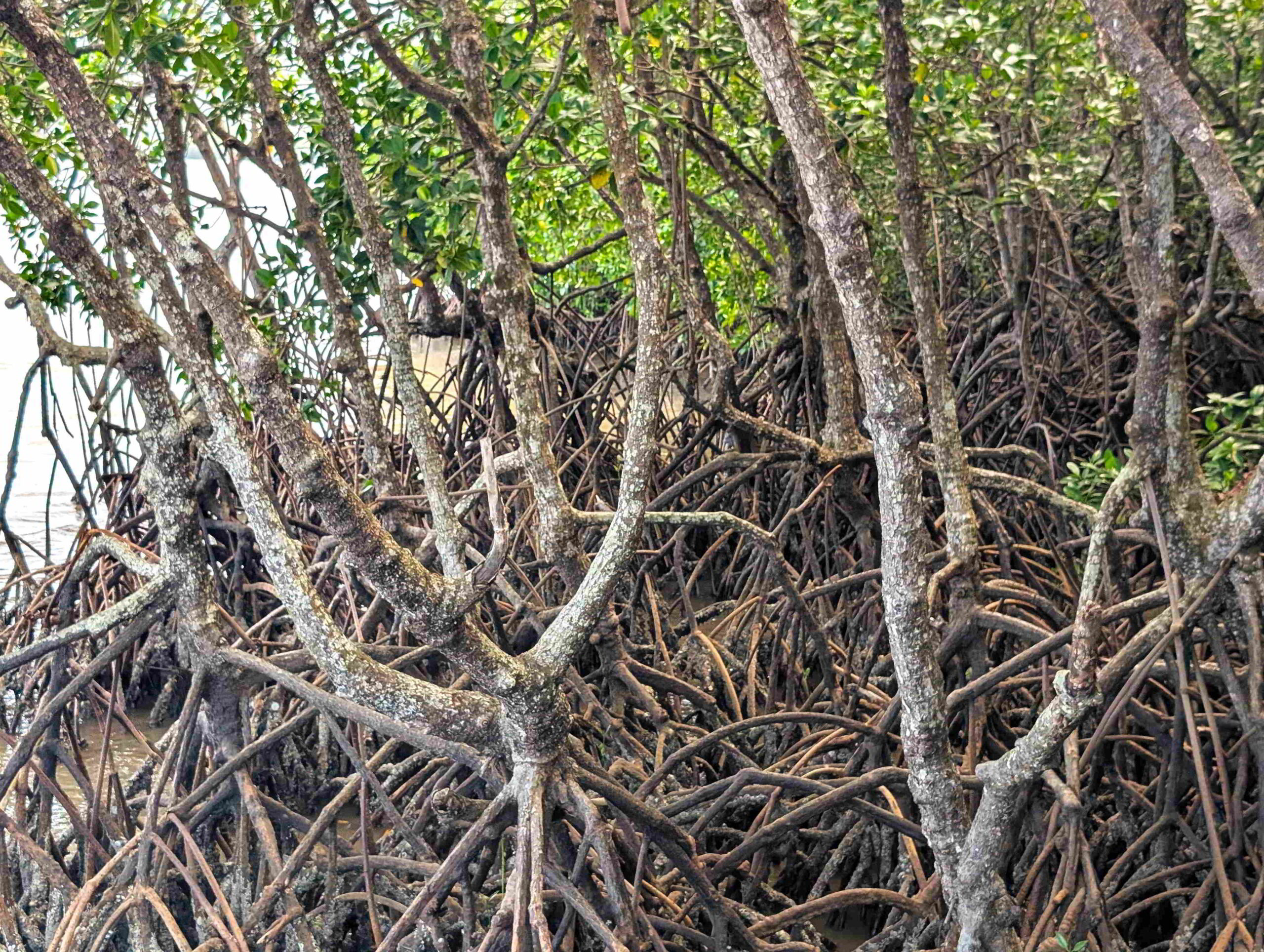
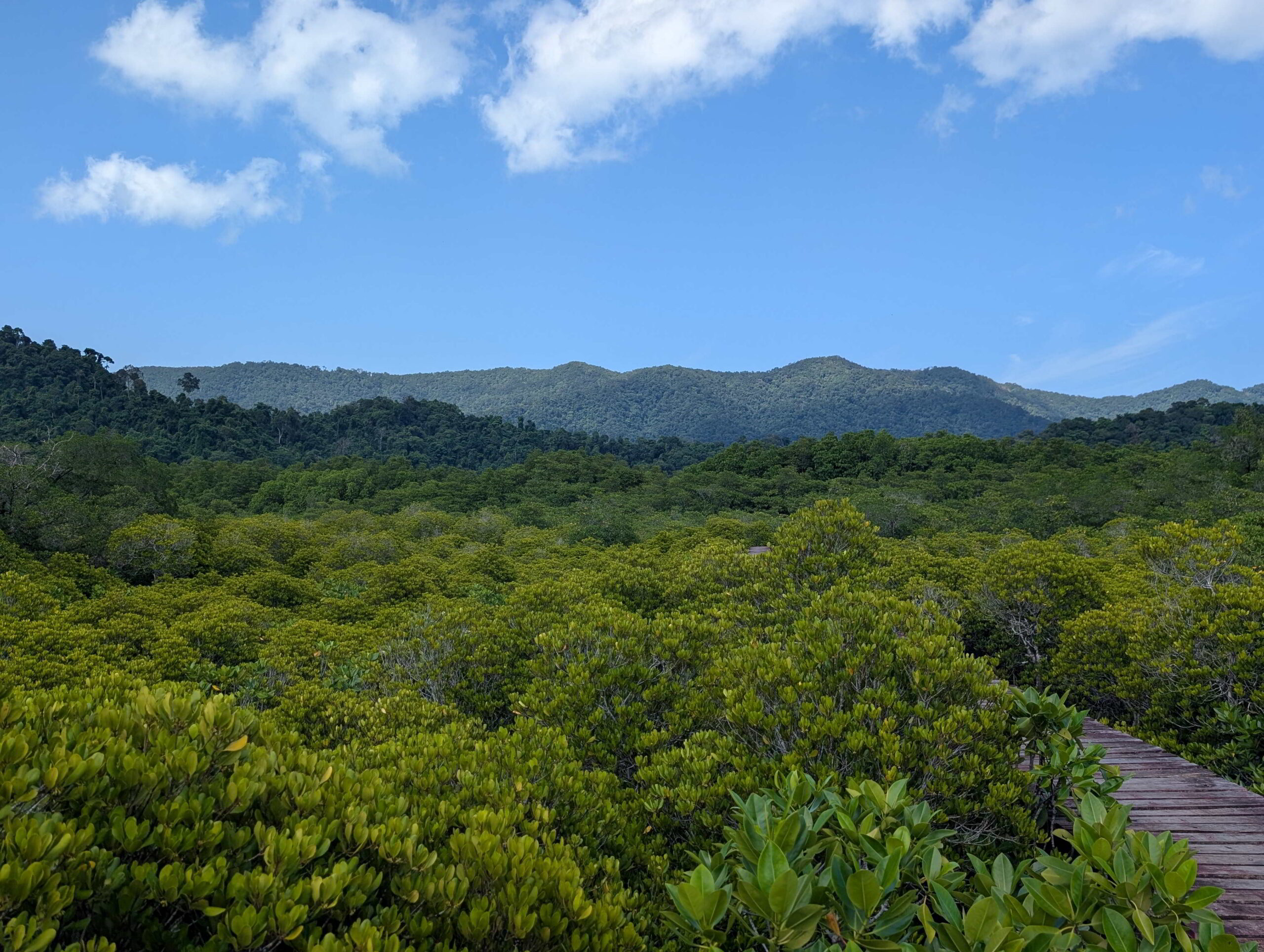
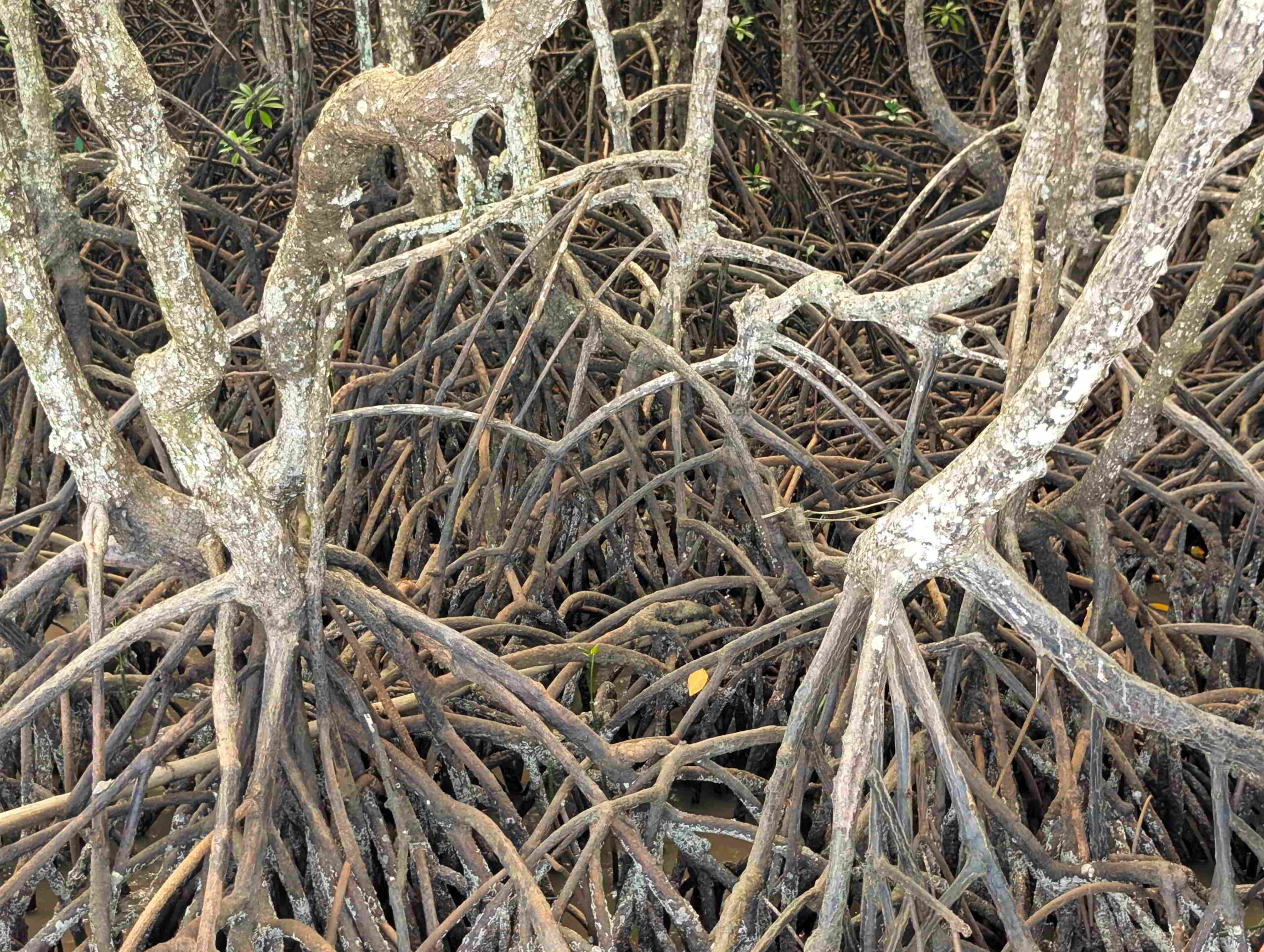
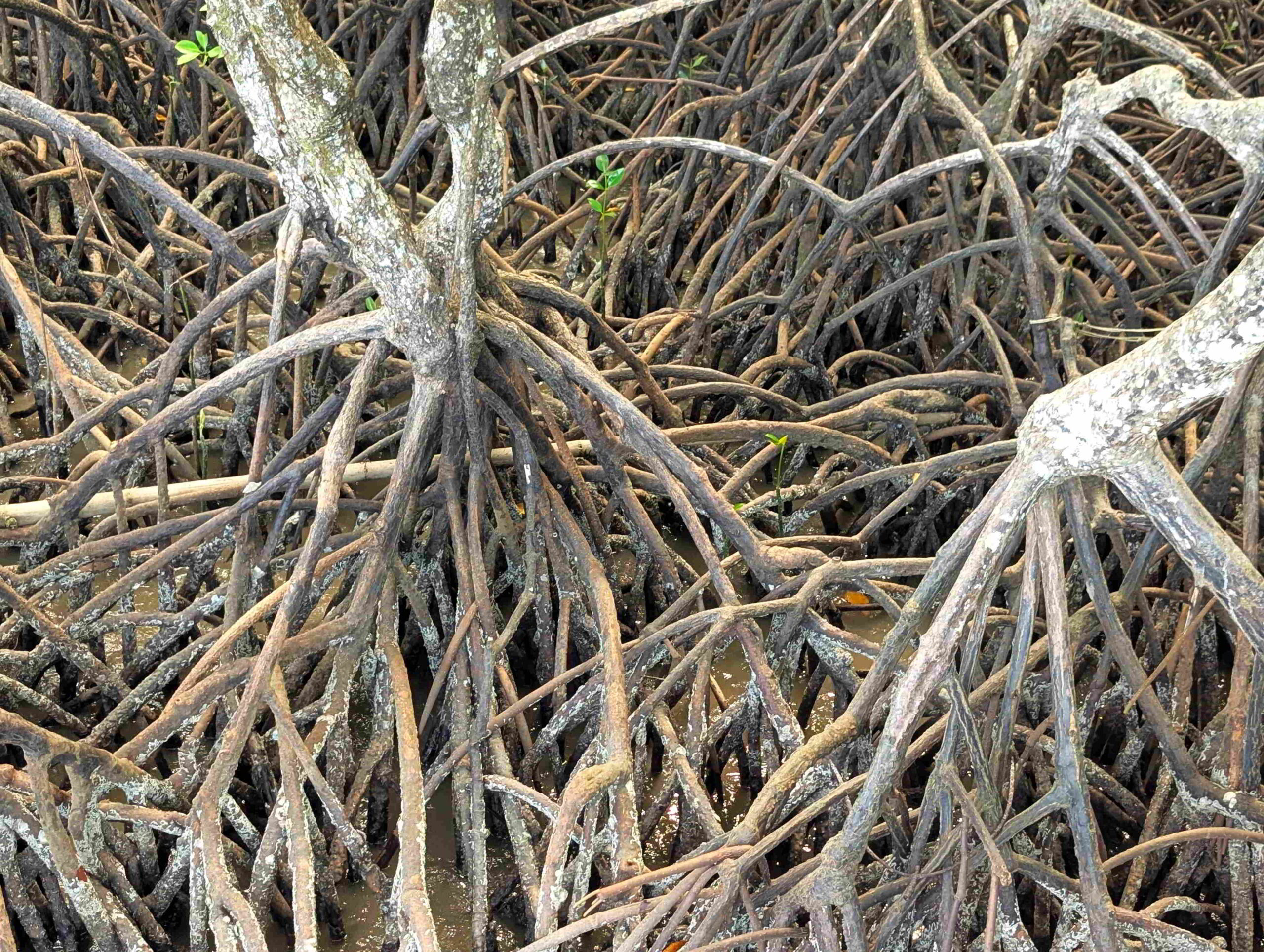
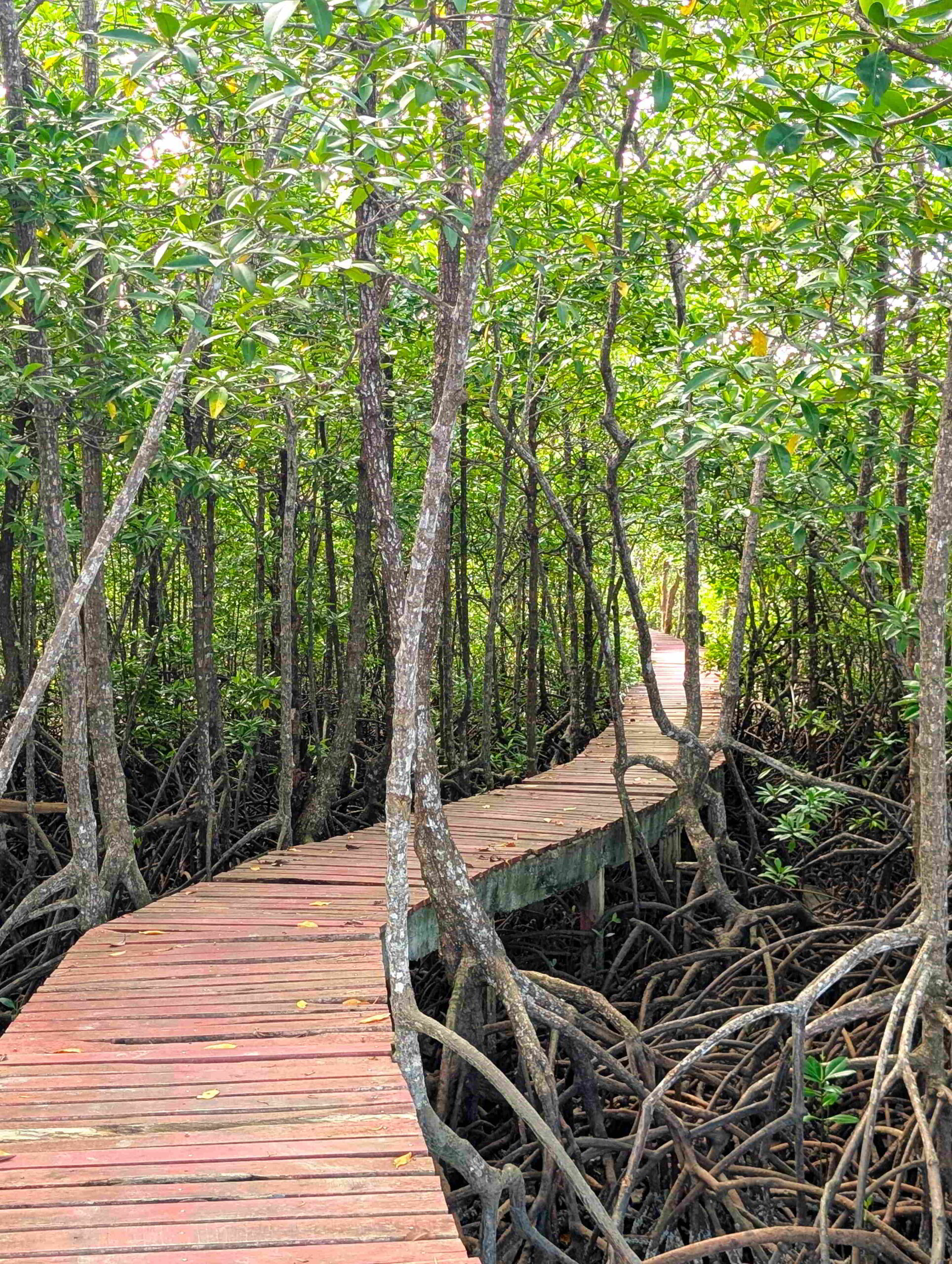
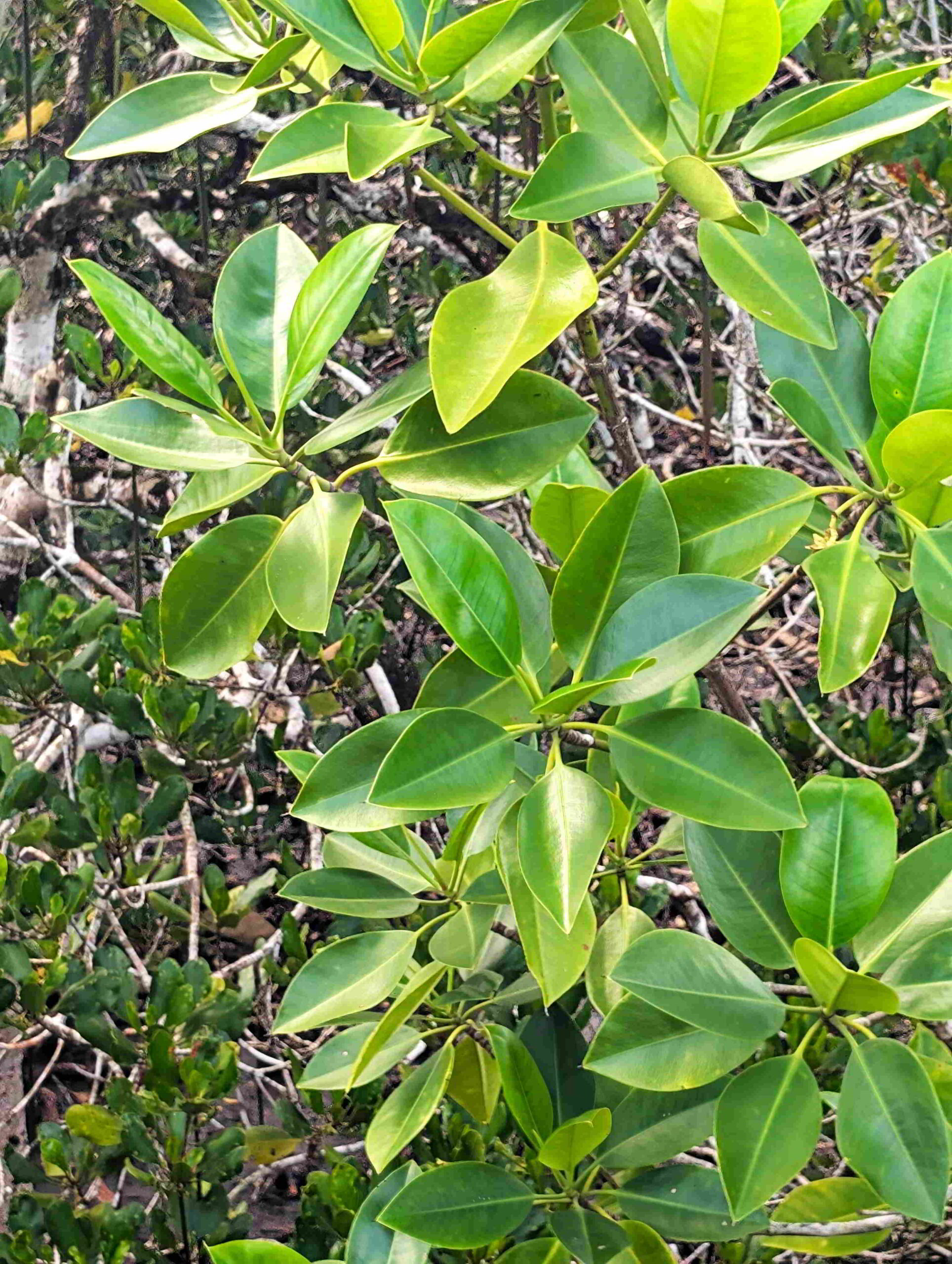
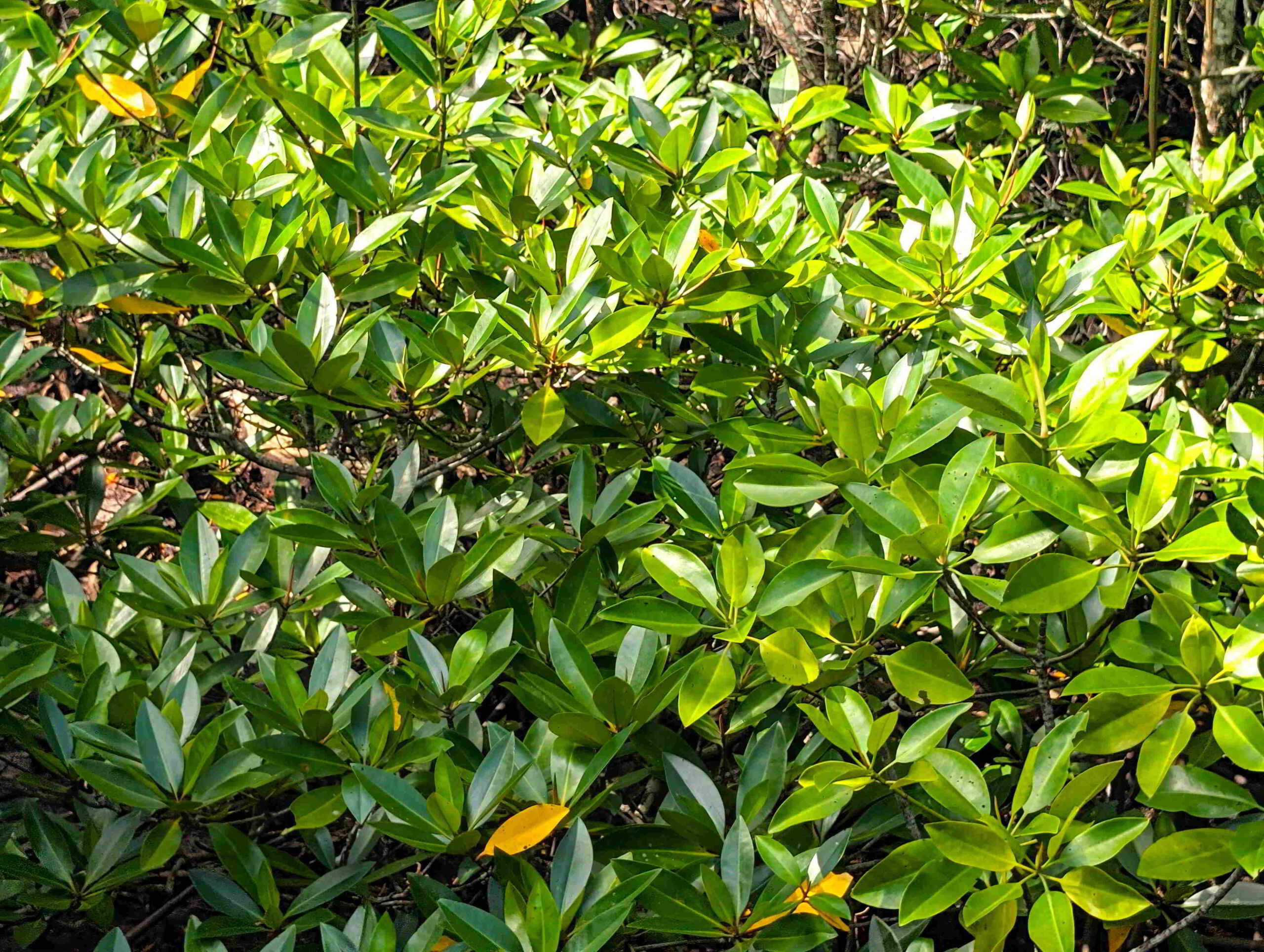
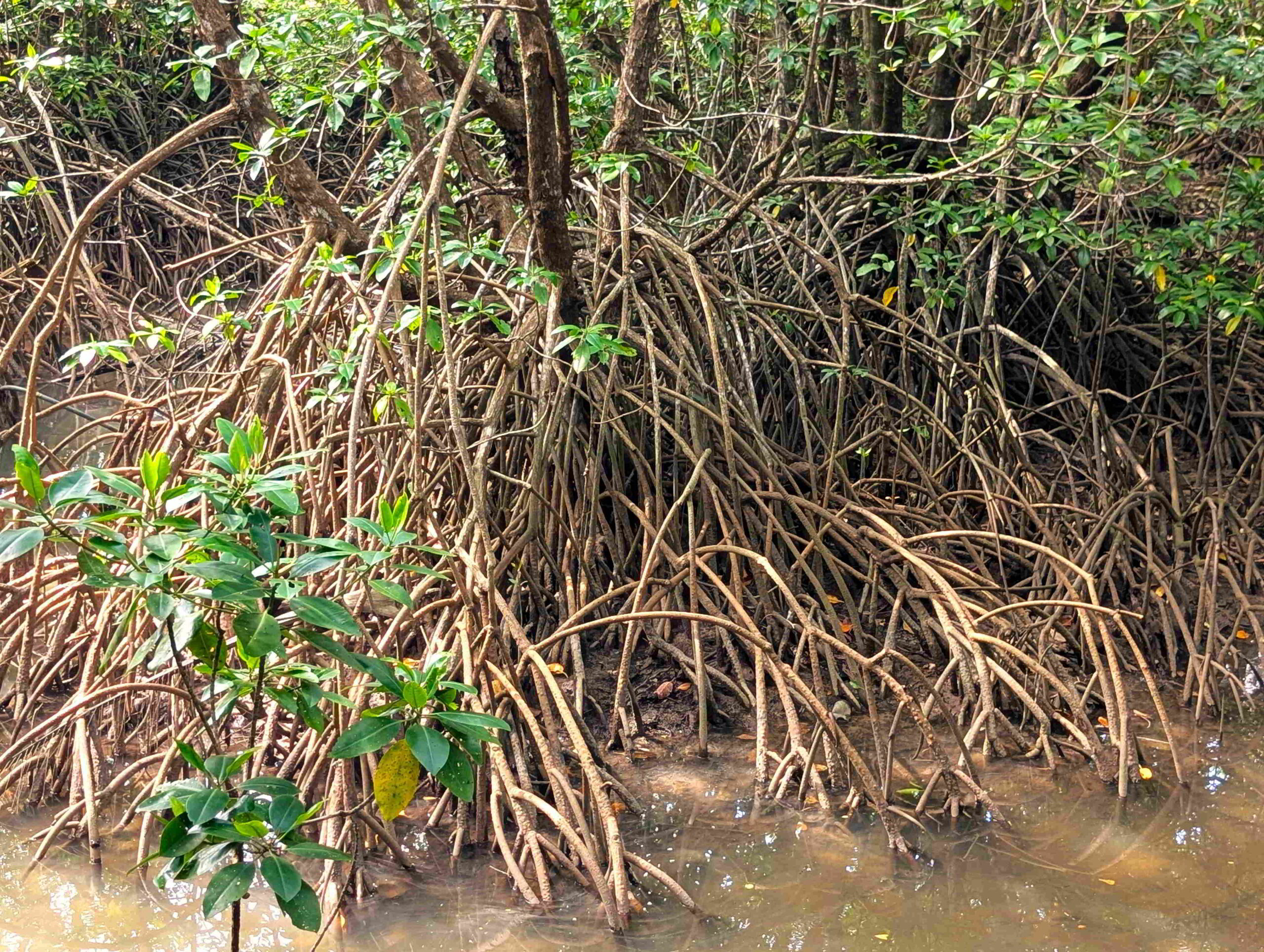
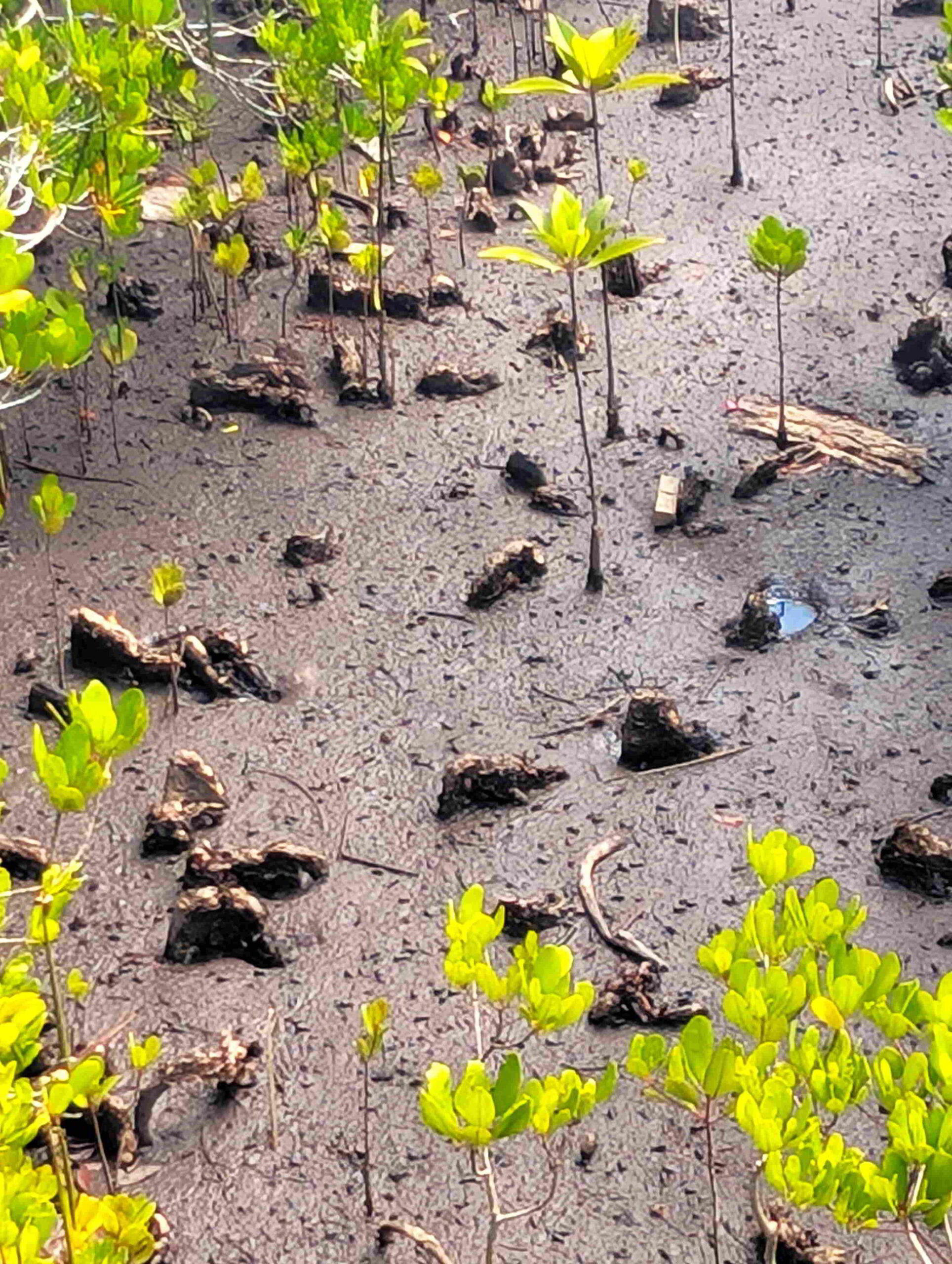
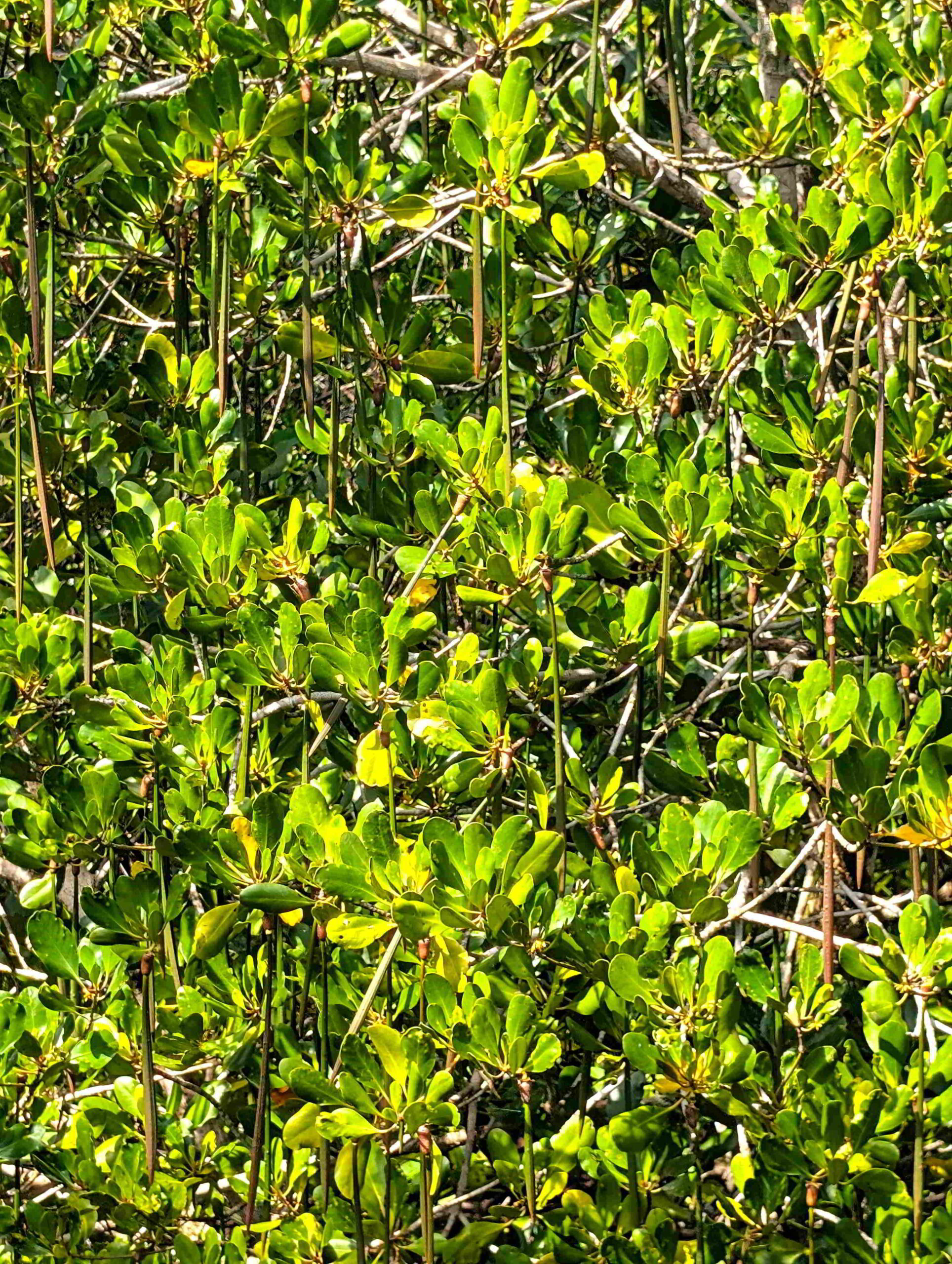
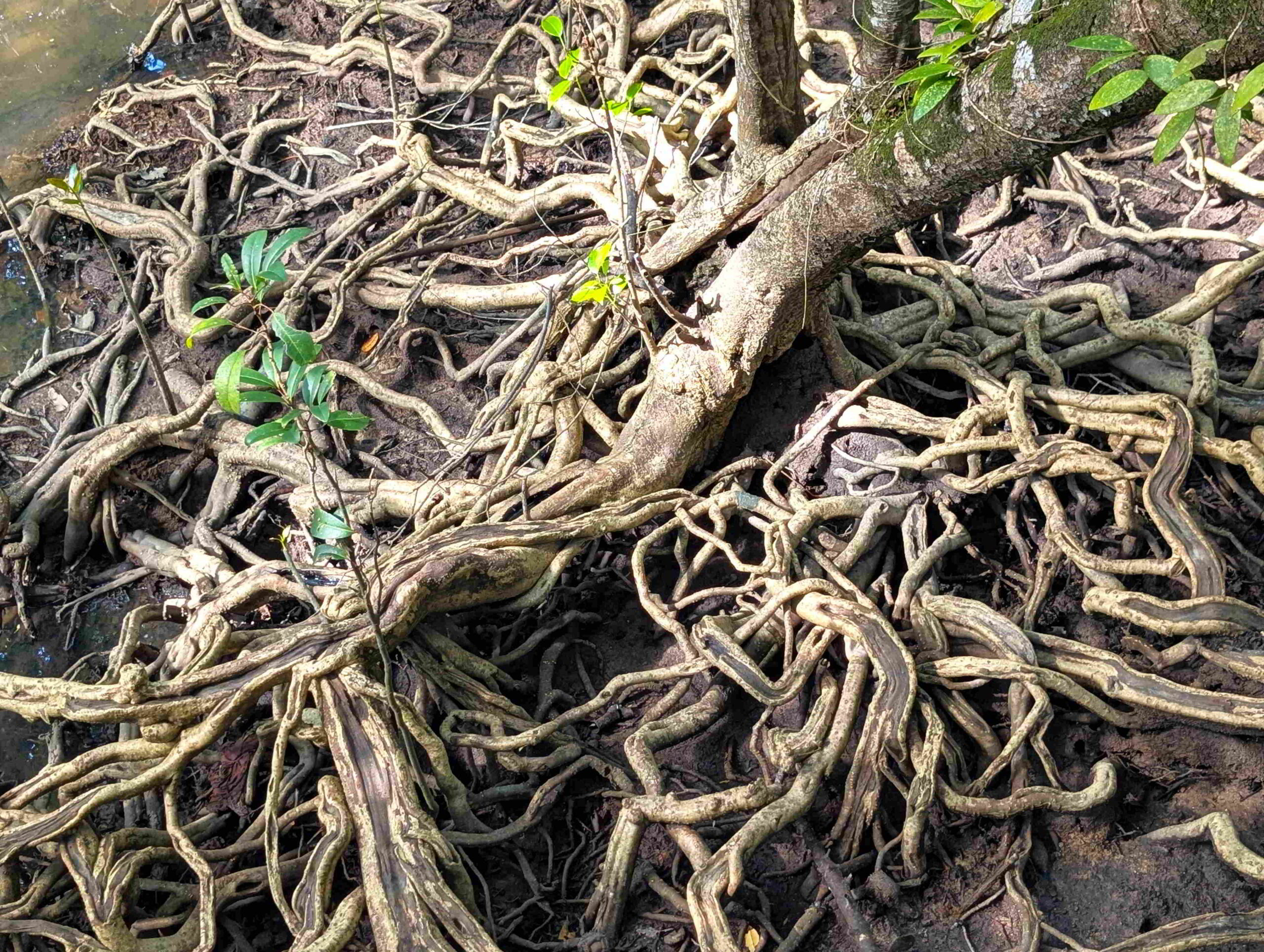
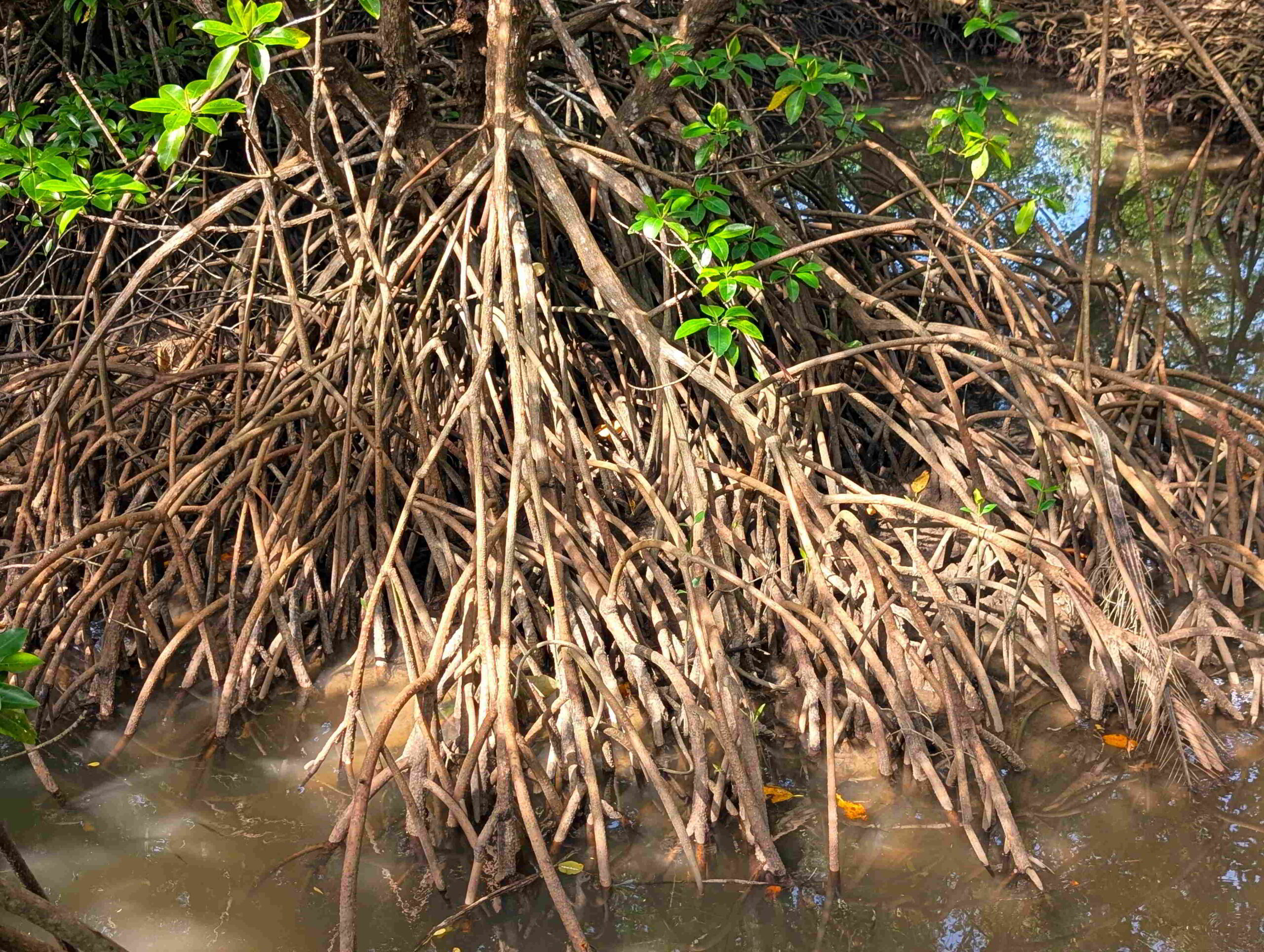
The walk through the mangrove forest is a departure into a very different world, the extensive terrain of the park transected by a series of rickety boardwalks that veer at odd angles through the morass of green, much of the foliage dense and impenetrable, although there are portions in which quite spectacular views of the surrounding coastline open up. The vegetation isn’t just limited to mangrove, although within the realm of what appears to be mangrove; there are at least several discernable types, however, there could be many more here that elude my untrained eyes. While mangrove forests of this scale are a great rarity nowadays, given how inconvenient they are for human exploitation, habitation, or tourism, they are critical to the stabilization of coastlines and play an essential role as spawning grounds in the marine ecosystem.
Koh Chang — Salak Phet Mangrove Forest
Koh Chang — Salak Phet Mangrove Forest
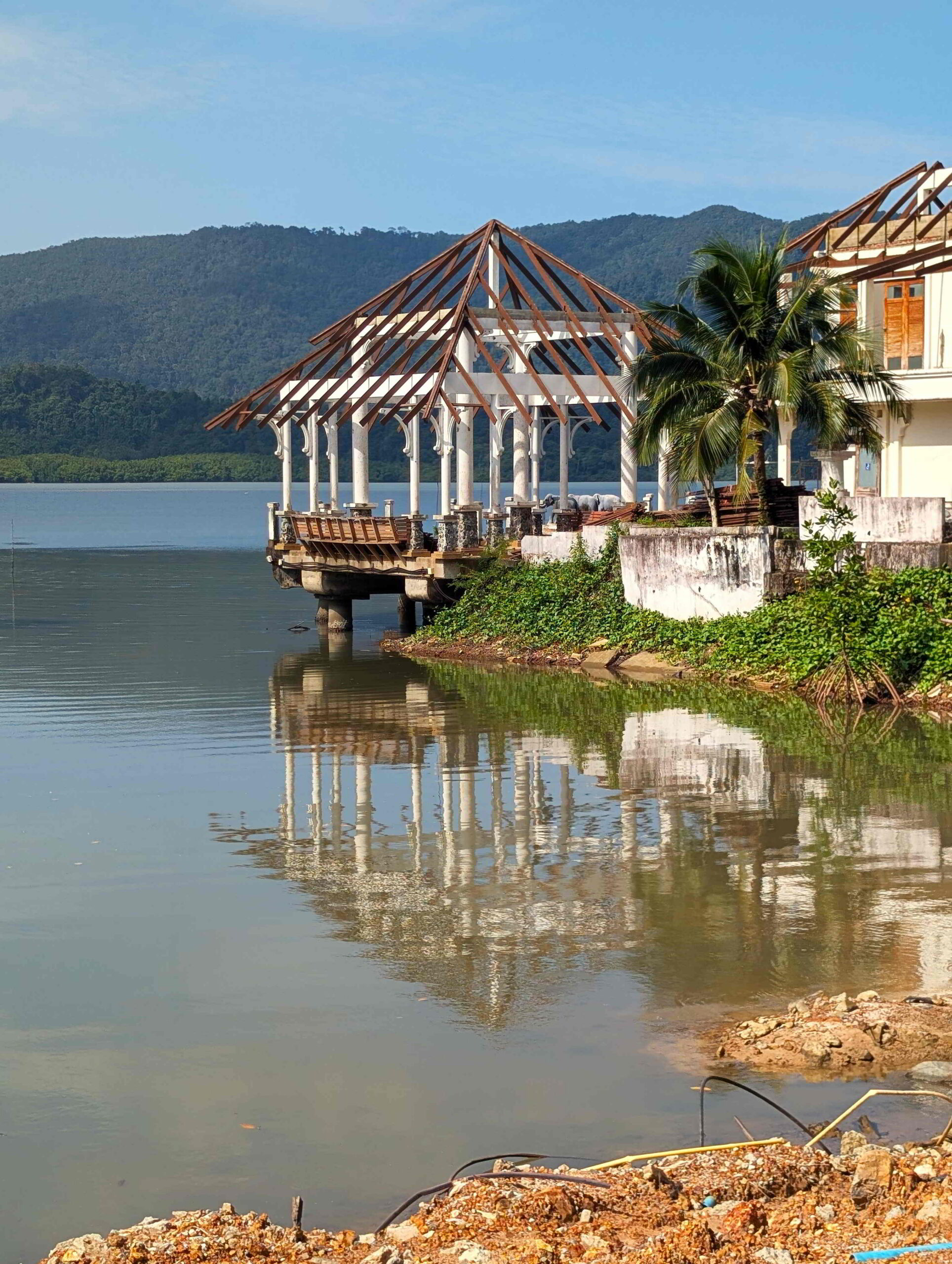
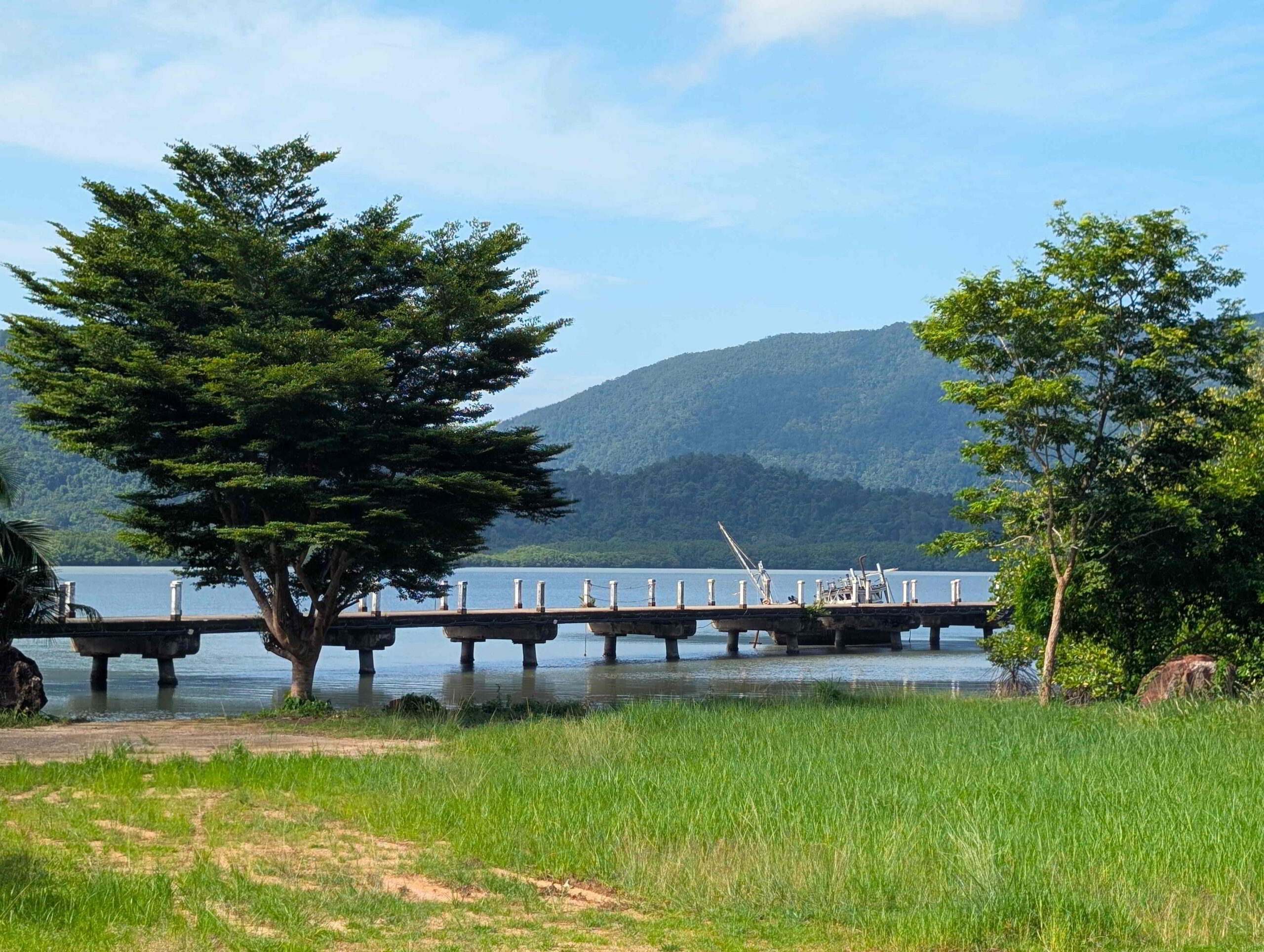
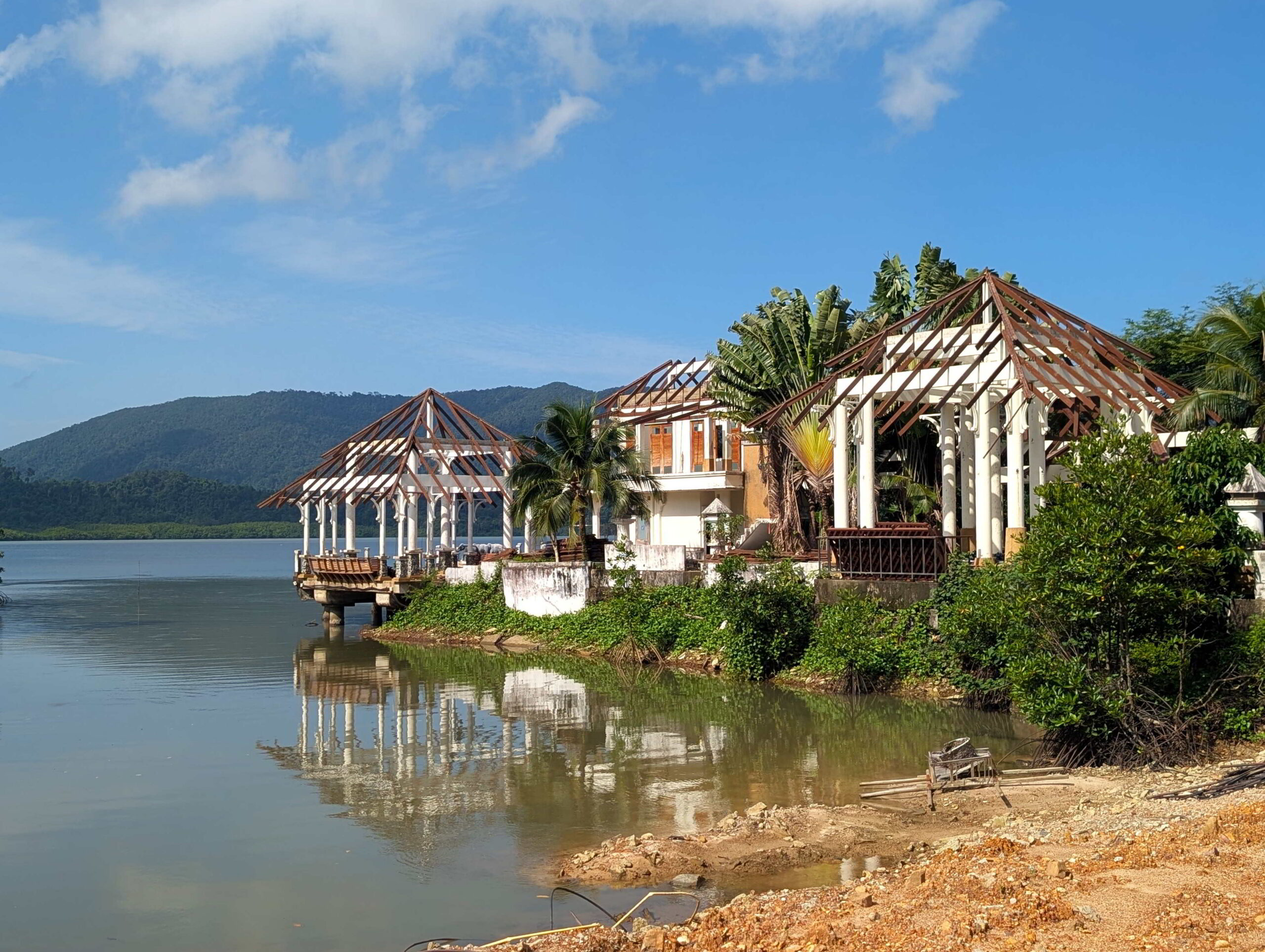
There is only one other party, a group of young locals who evidently face the same sense of trepidation walking over the increasingly dilapidated boardwalk, entire sets of planks missing, requiring gingerly hopping over sections and hoping for the best. On one hand, the walkway isn’t that far off the ground, but it’s not clear how solid the underlying ground is. Presumably at various times or seasons the ground would be inundated by salt water, although now much of what we traverse appears to be relatively dry.
Koh Chang
Koh Chang
Koh Chang
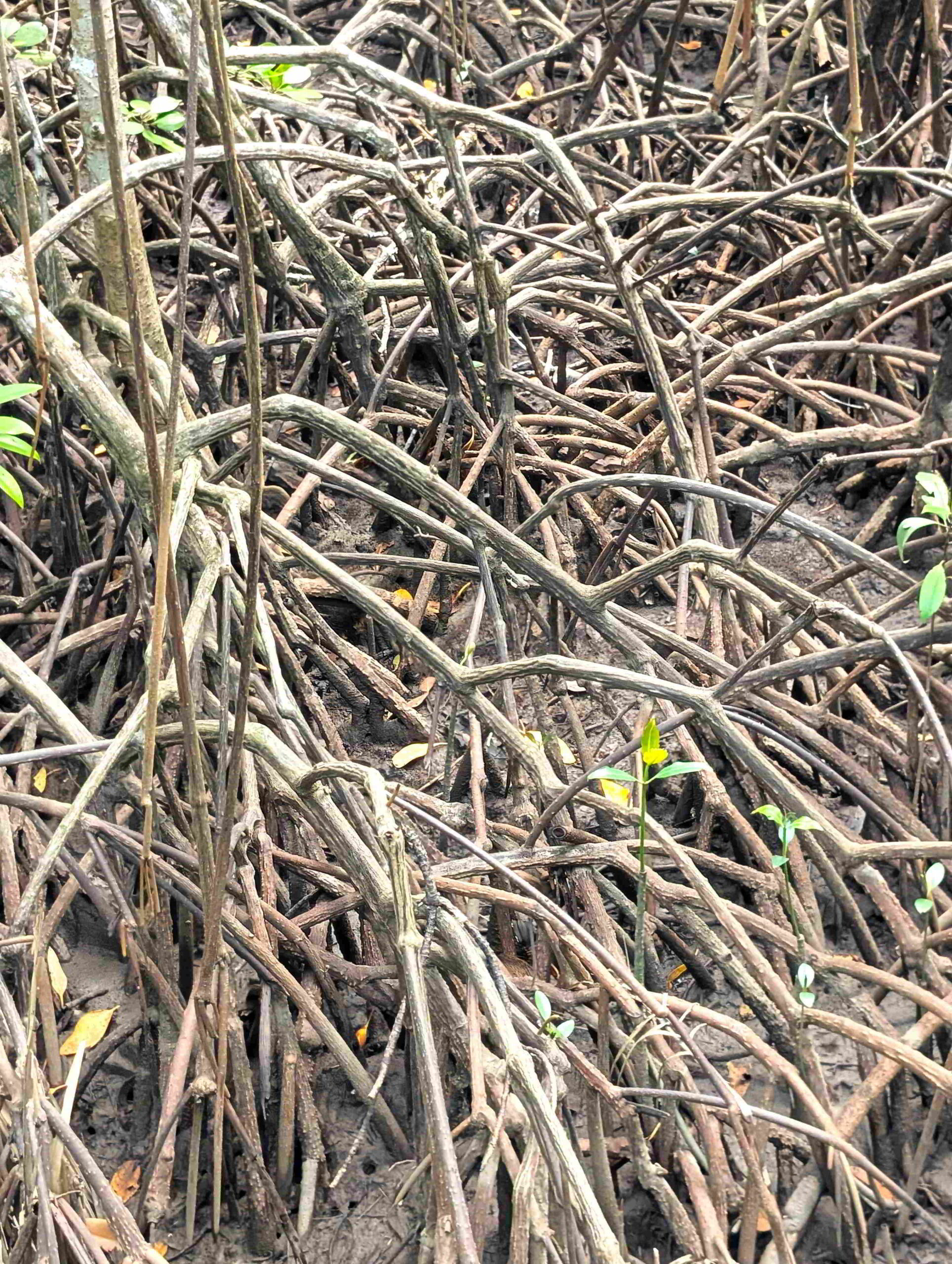
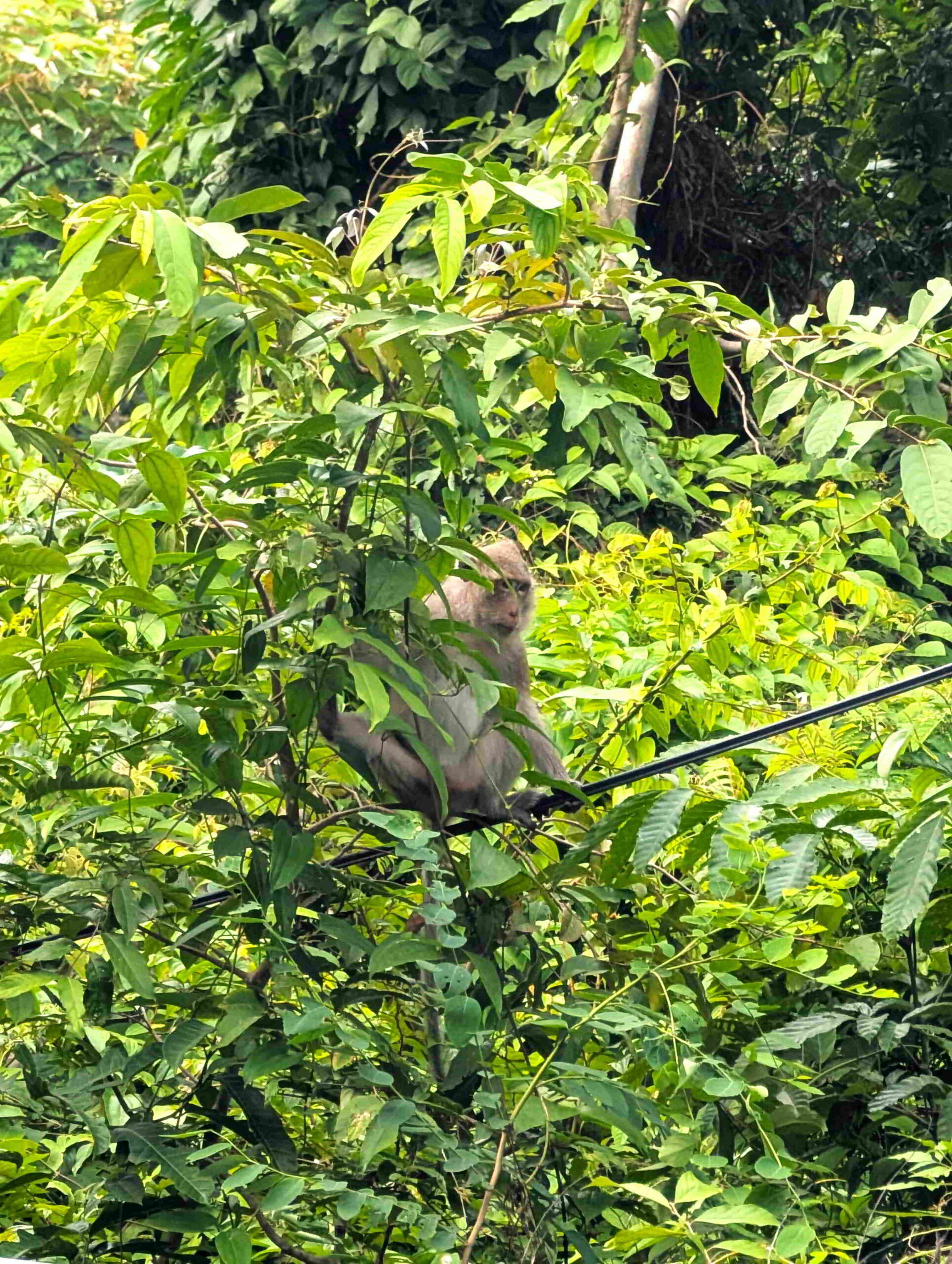
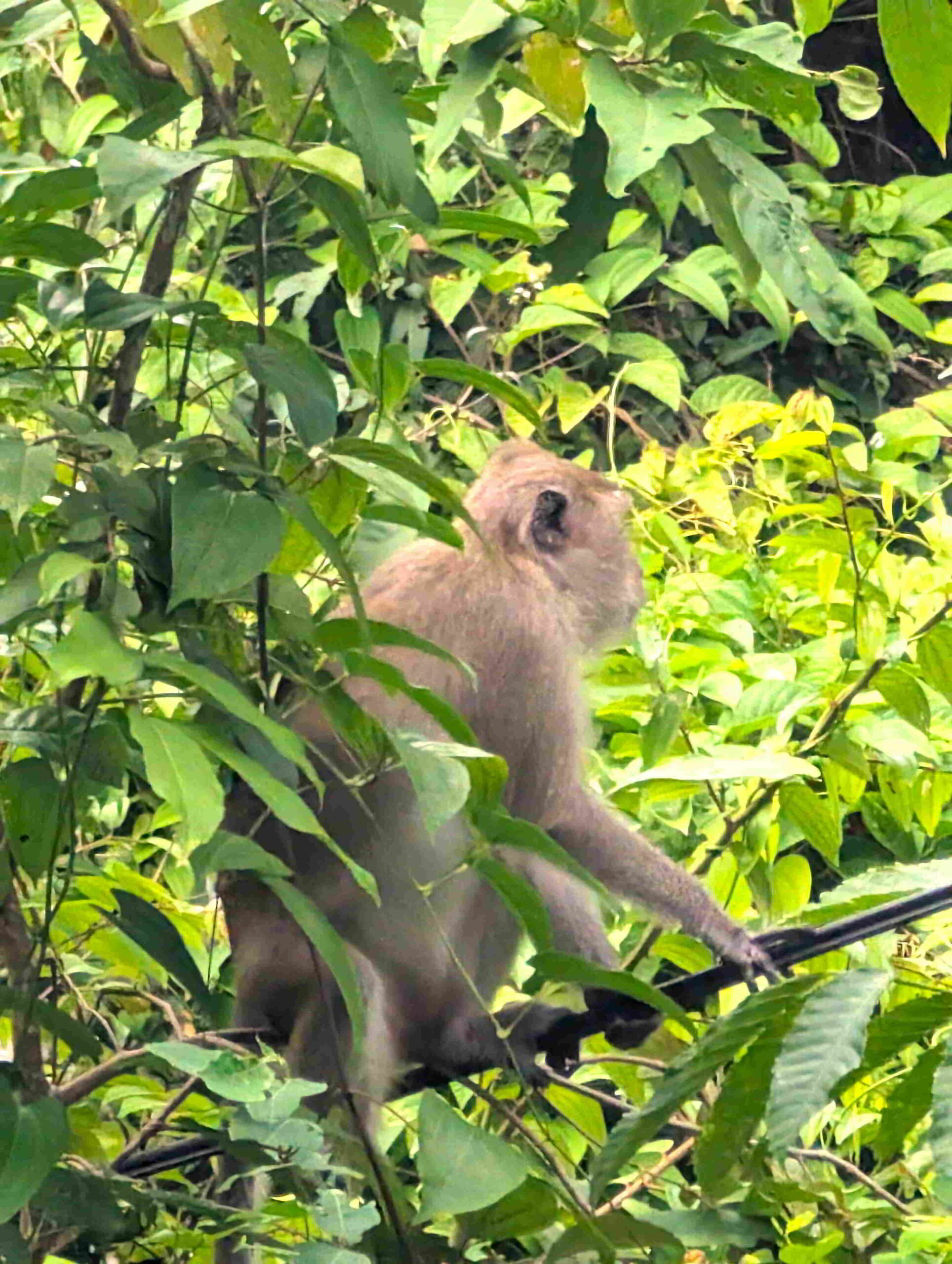
There are no animals visible on the trek through the grounds, but given the extent and impenetrability of the terrain, wildlife must abound. This is certainly not the kind of place you want to try to make your way through on the ground, given the intricately contorted and intertwined mangroves. In some portions, they appear to be distinct trees whose bases feature somewhat externalized roots, but with much of the greenery, discreet bushes are virtually indistinguishable in the morass of branches and roots.
Koh Chang
Koh Chang
Koh Chang
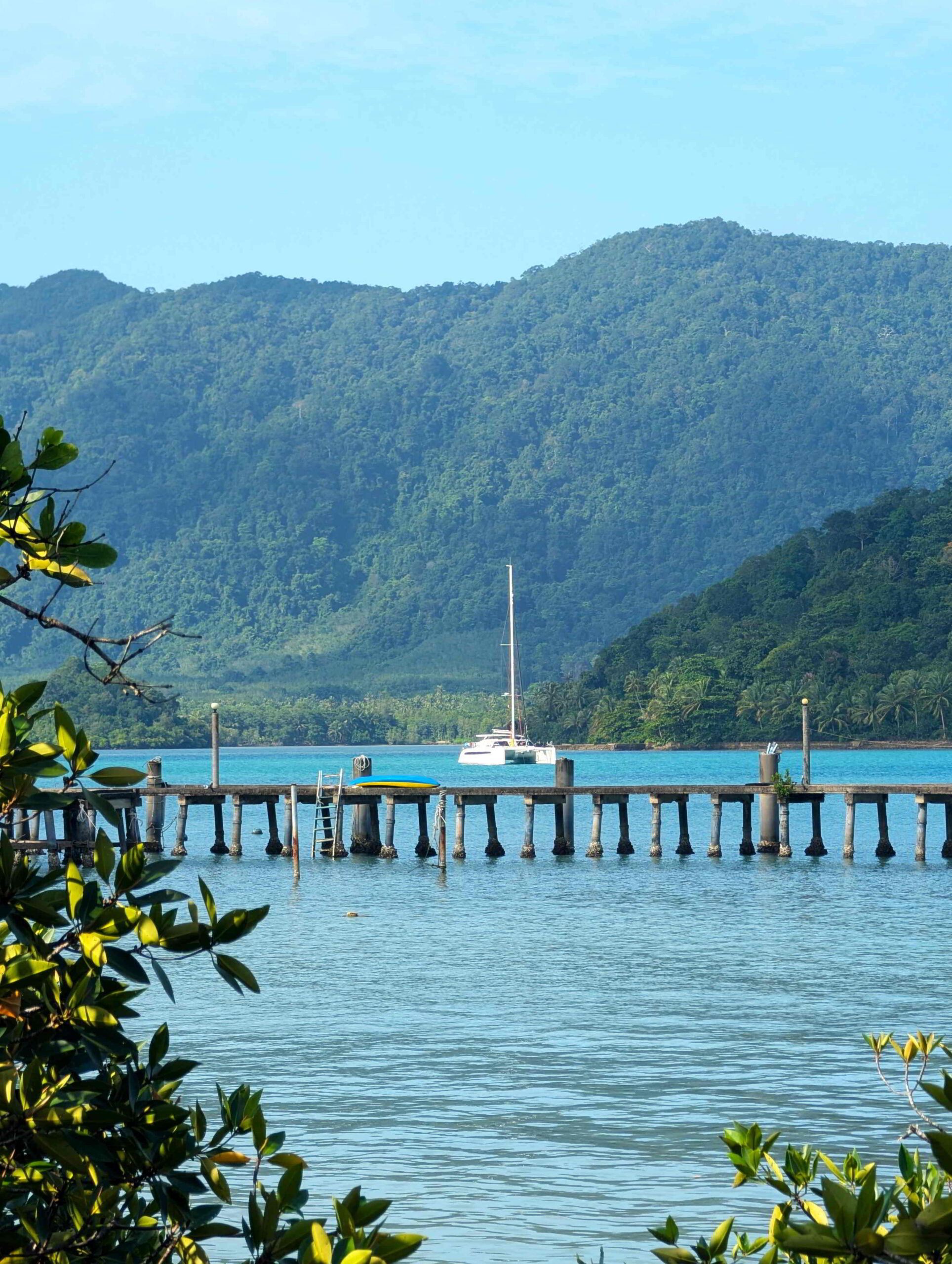
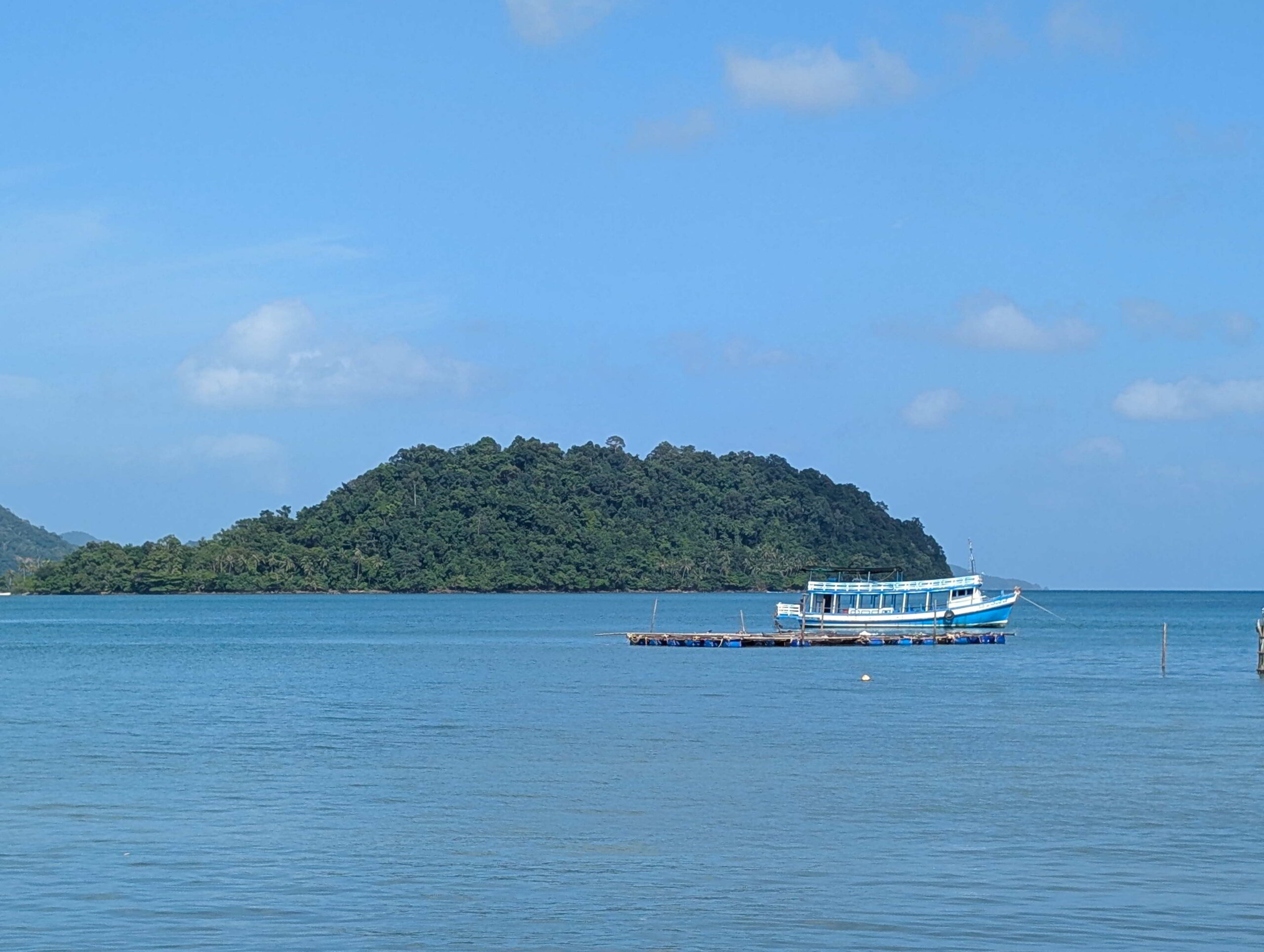
While much of the walk is somewhat shaded, the exposed portions open up to spectacular views — and the intense heat and humidity of the afternoon that has a very immediate and debilitating effect. I would love to sit down somewhere and rest, but there is no provision for such an activity here, given that there are no benches or gazebos that are normally featured in such enclaves. So once I have reached the edge of the bay the park faces, I need to retrace my path as quickly as possible over the rotting planks all the way back to the parking area, and once I am on the scooter again and moving at some velocity, the air feels considerably cooler and more comfortable.
Koh Chang
Koh Chang
Koh Chang
Koh Chang
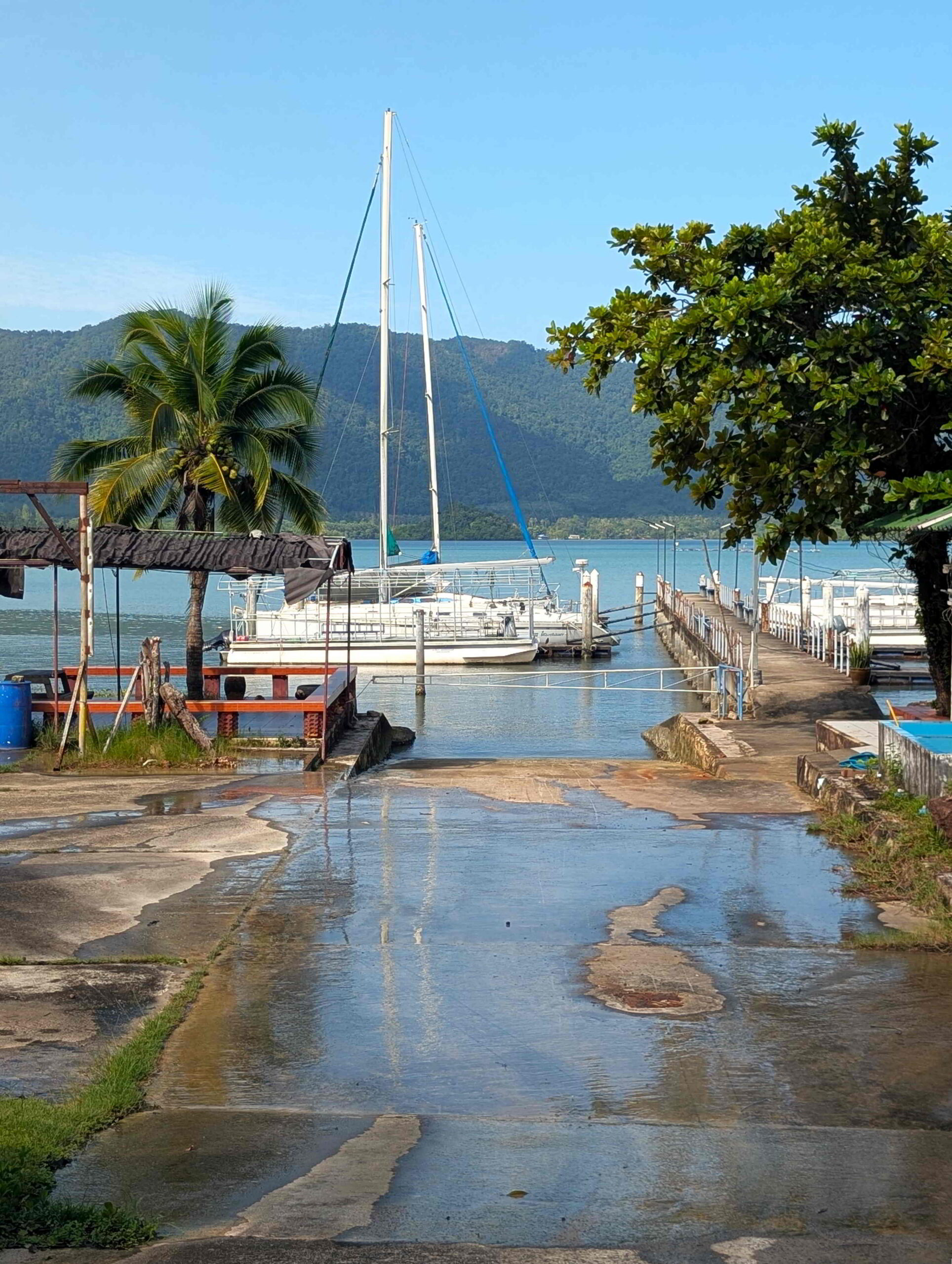
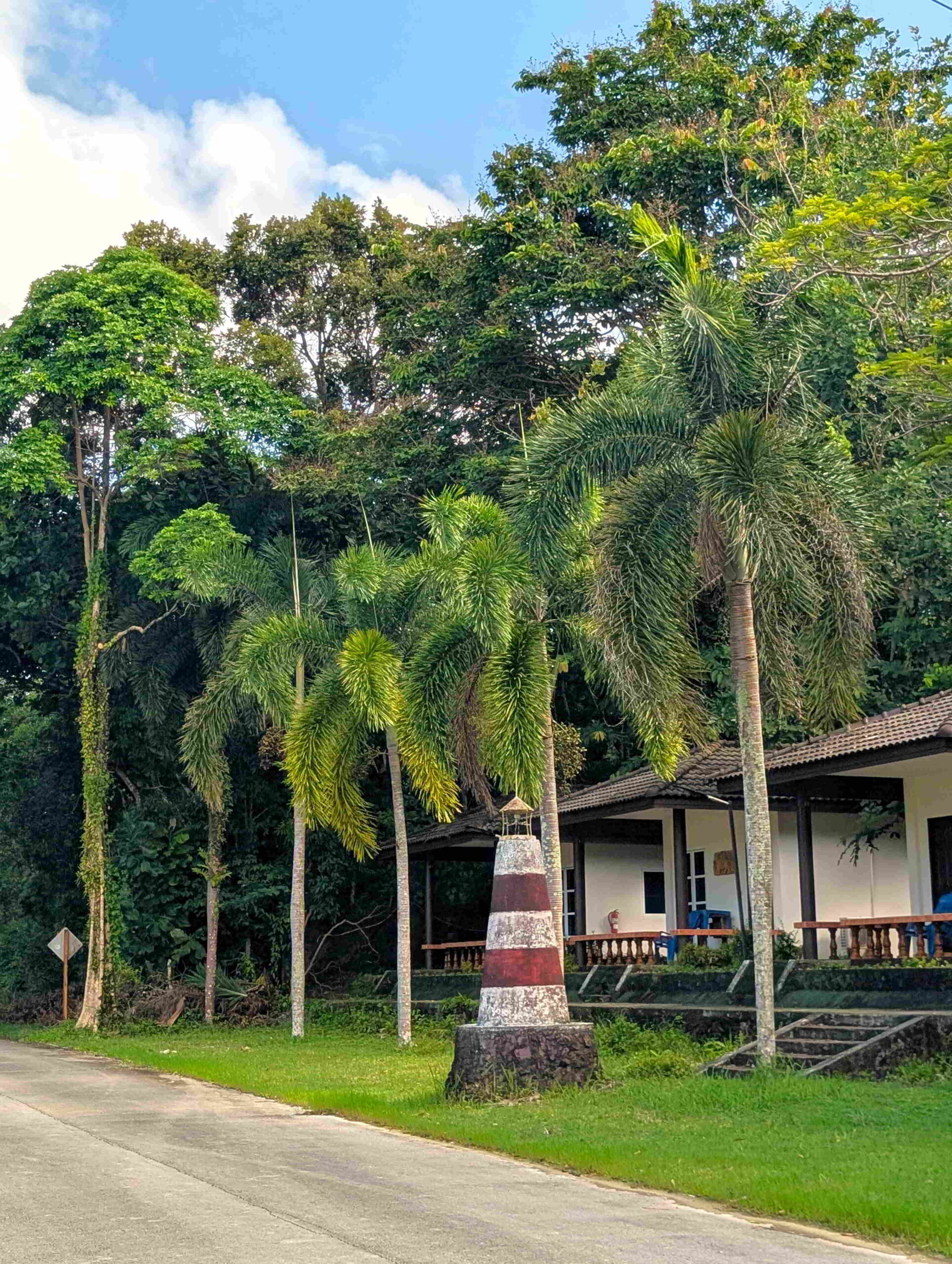
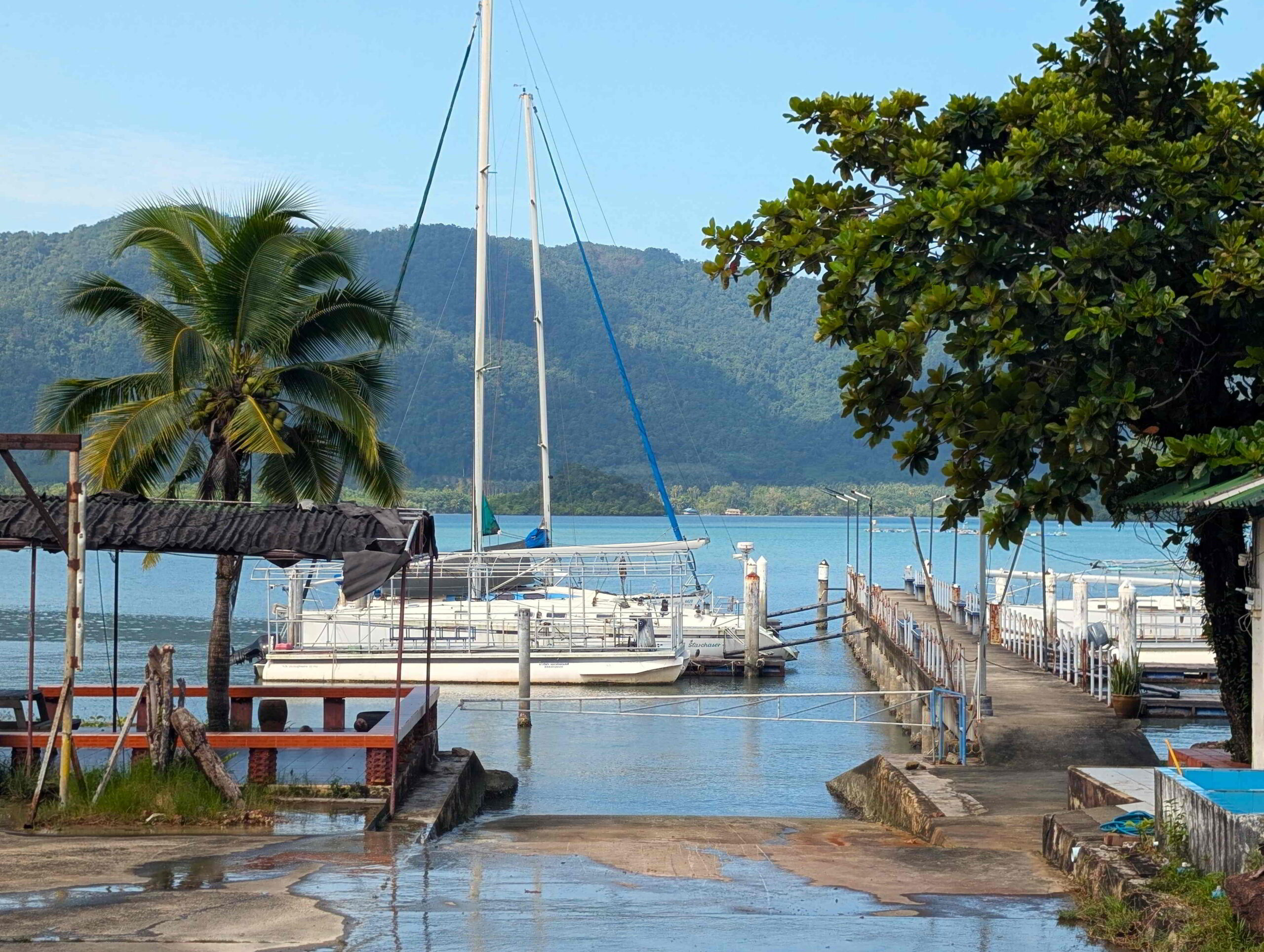
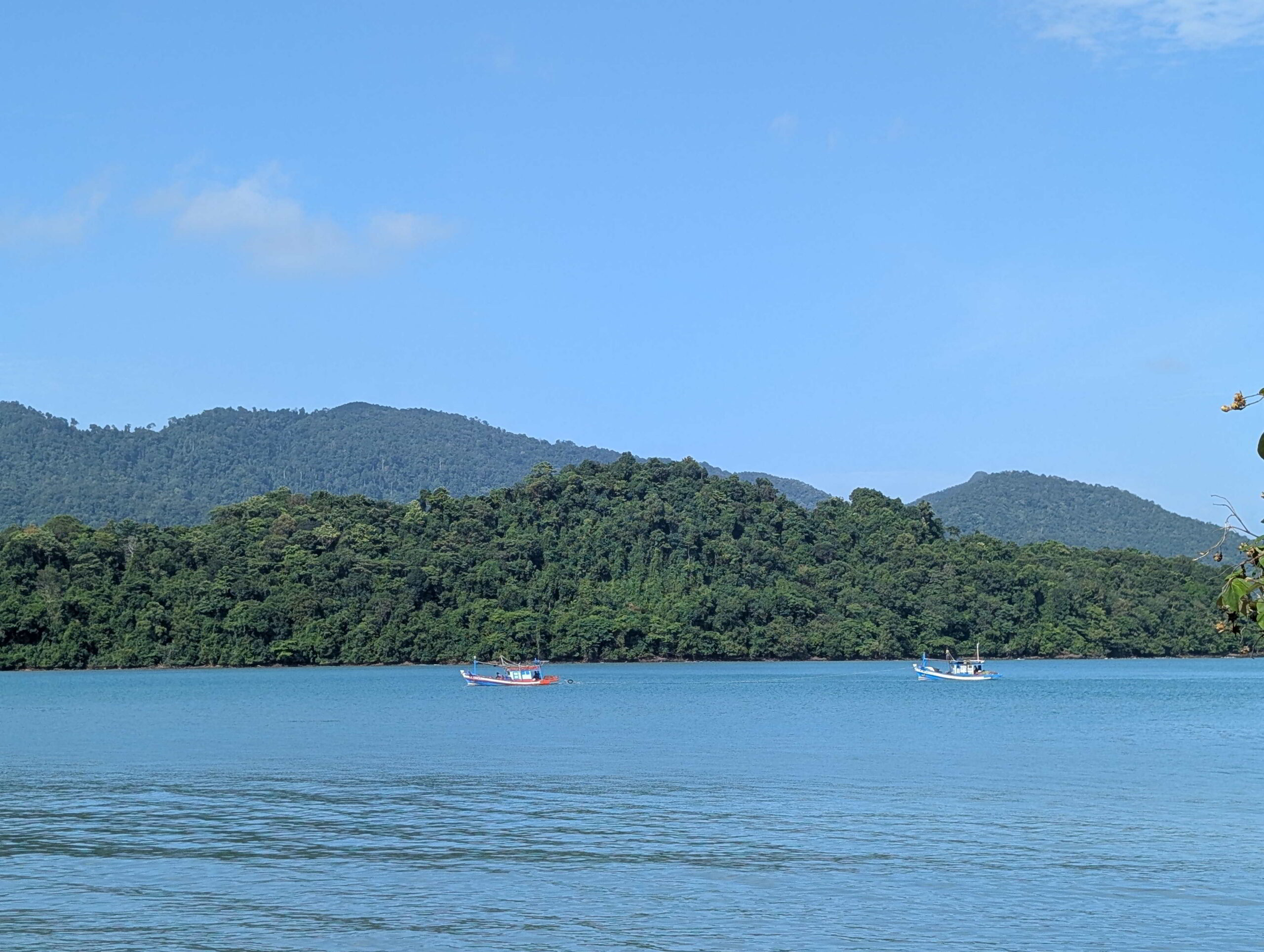
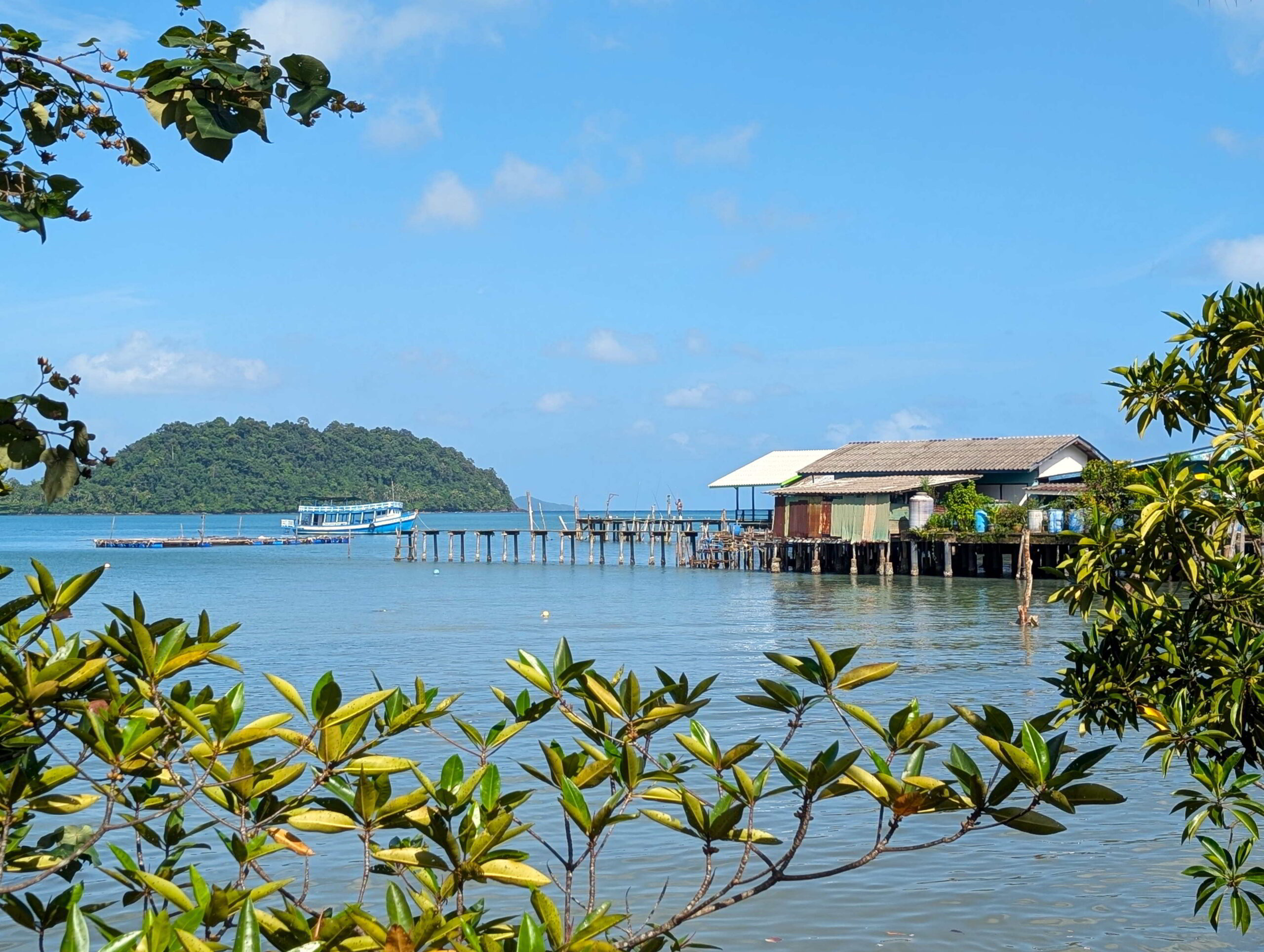
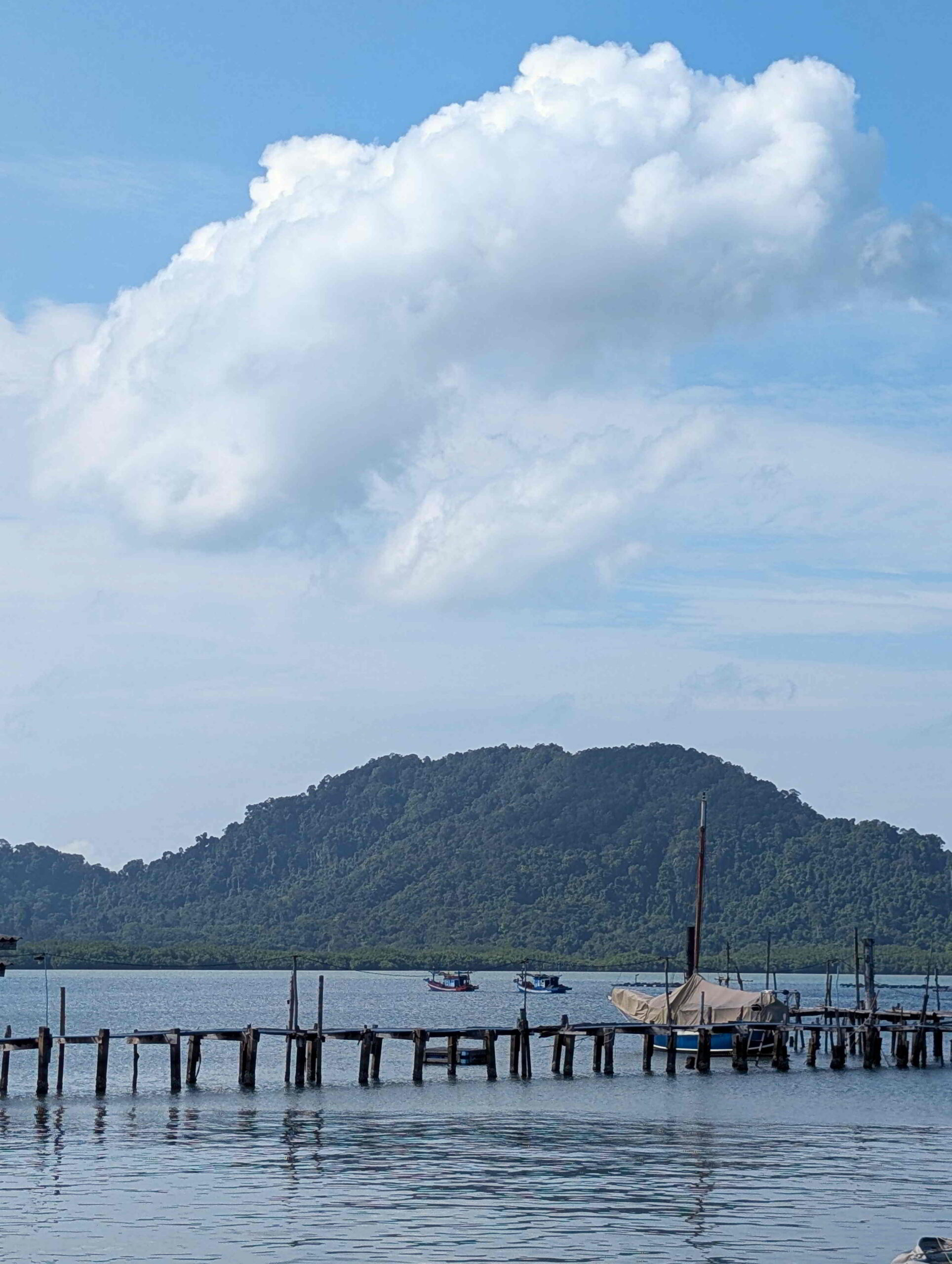
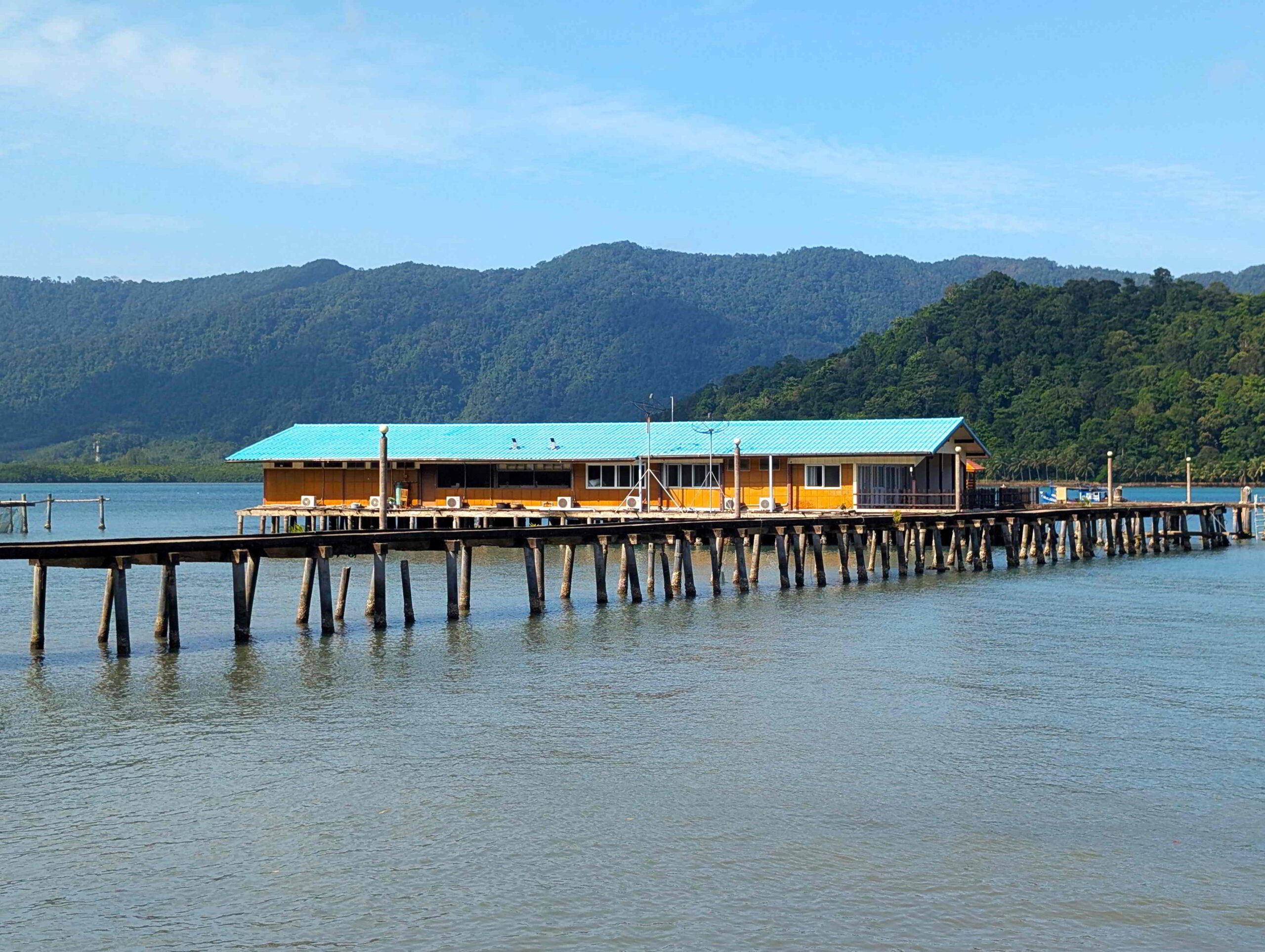
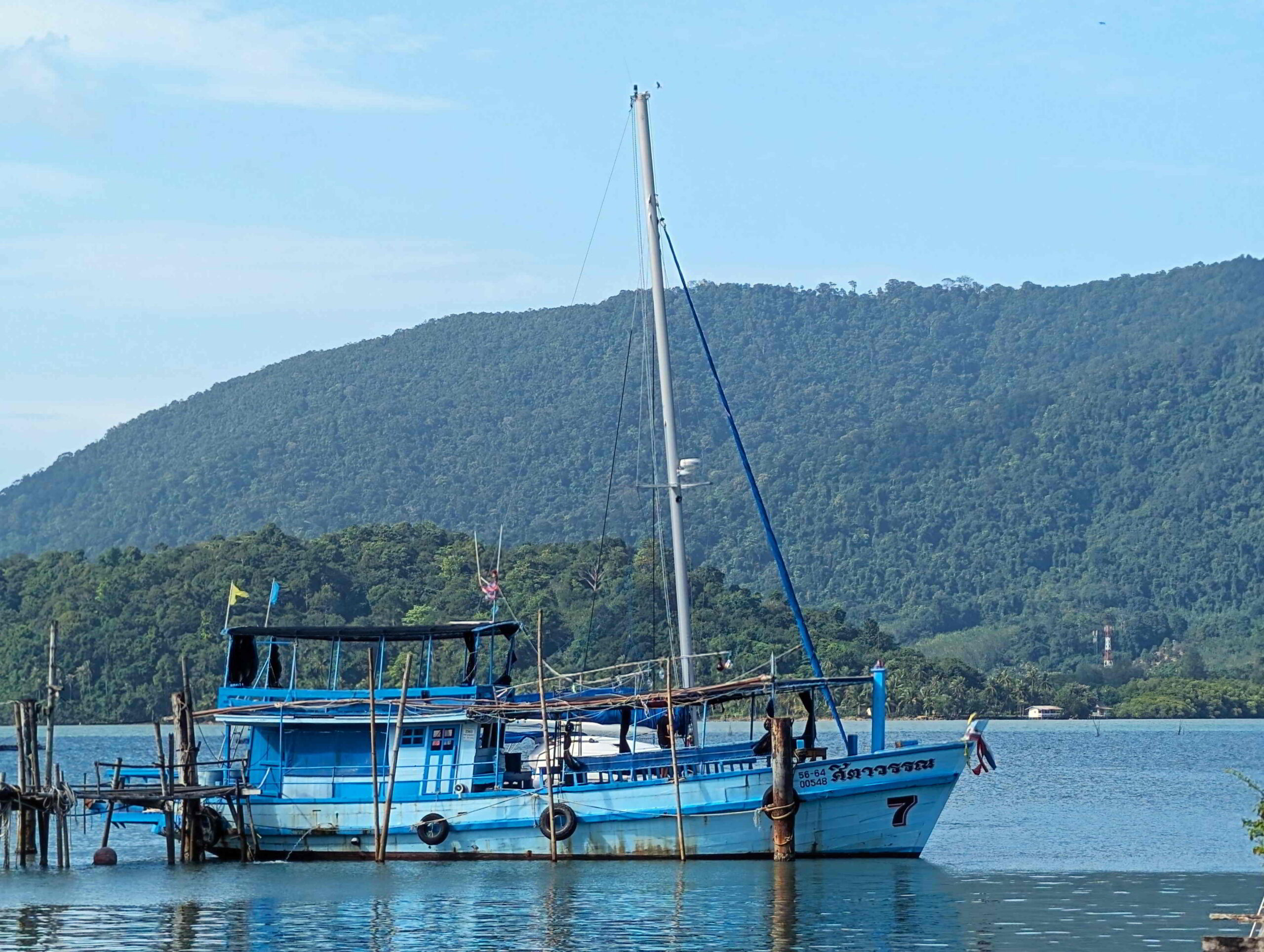
As much as I would love to spend more time by the open sea — not that there is any sort of welcoming beach or hospitality establishments to linger in — I should continue as far south as the highway can take me on this side of the island prior to return to White Sands. The southeastern coast of the island is interesting in that it consists of two promontories surrounding a large bay containing small islands. From the vantage point of the road descending deep into the western side, the bay appears very inviting, particularly given the colourful wooden bungalows perched along the water’s edge, with the occasional lengthy pier extending far into the bay. Judging by the nature of the moored boats, the area must cater to tourists, although it isn’t clear where they would stay here, nor for that matter do I notice human activity of any sort here. For those looking for a more rustic and authentic side of the island long vanished from the west coast, this would certainly be an idyll, especially if you could hike in the surrounding jungle-covered hillsides.
Koh Chang
Koh Chang
Koh Chang
While there is a branch of the road that weaves through the depths of the headland — although it never joins the network of roads that envelope Bang Bao to the west — the road hugging the bay doesn’t reach the southern tip, rather, culminates in a village of sorts. The settlement seems partially local, partially farang in nature, hugging the waterfront, with colourful wooden bungalows perched on posts above the water. Piers of various lengths extend into the water to which are anchored a variety of recreational and fishing vessels. Signs point to a bakery at the lane’s terminus, although I see nothing more than a disorderly lot with several indeterminate buildings and a variety of vehicles parked on the grounds.
Koh Chang
Koh Chang
Koh Chang
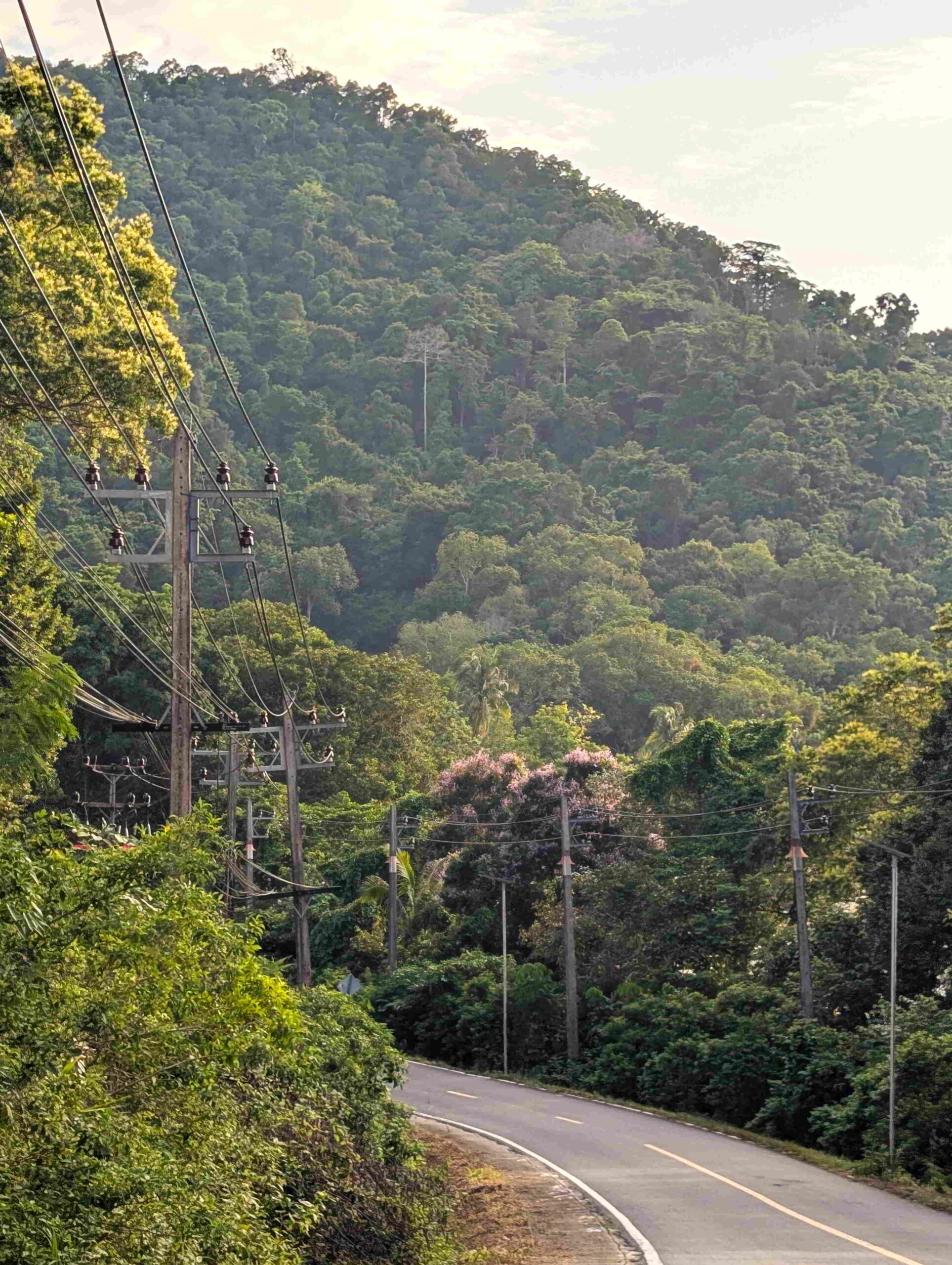
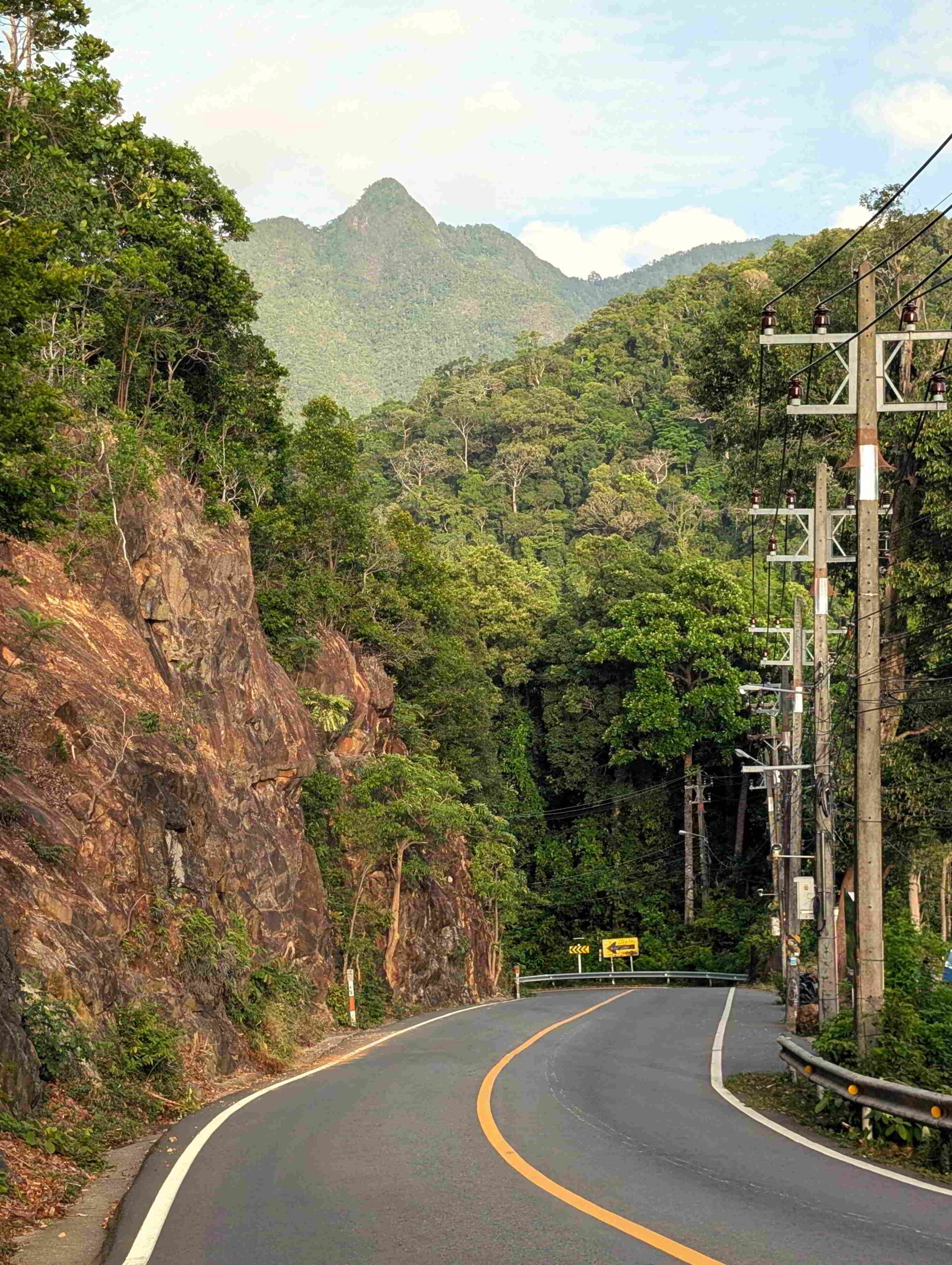
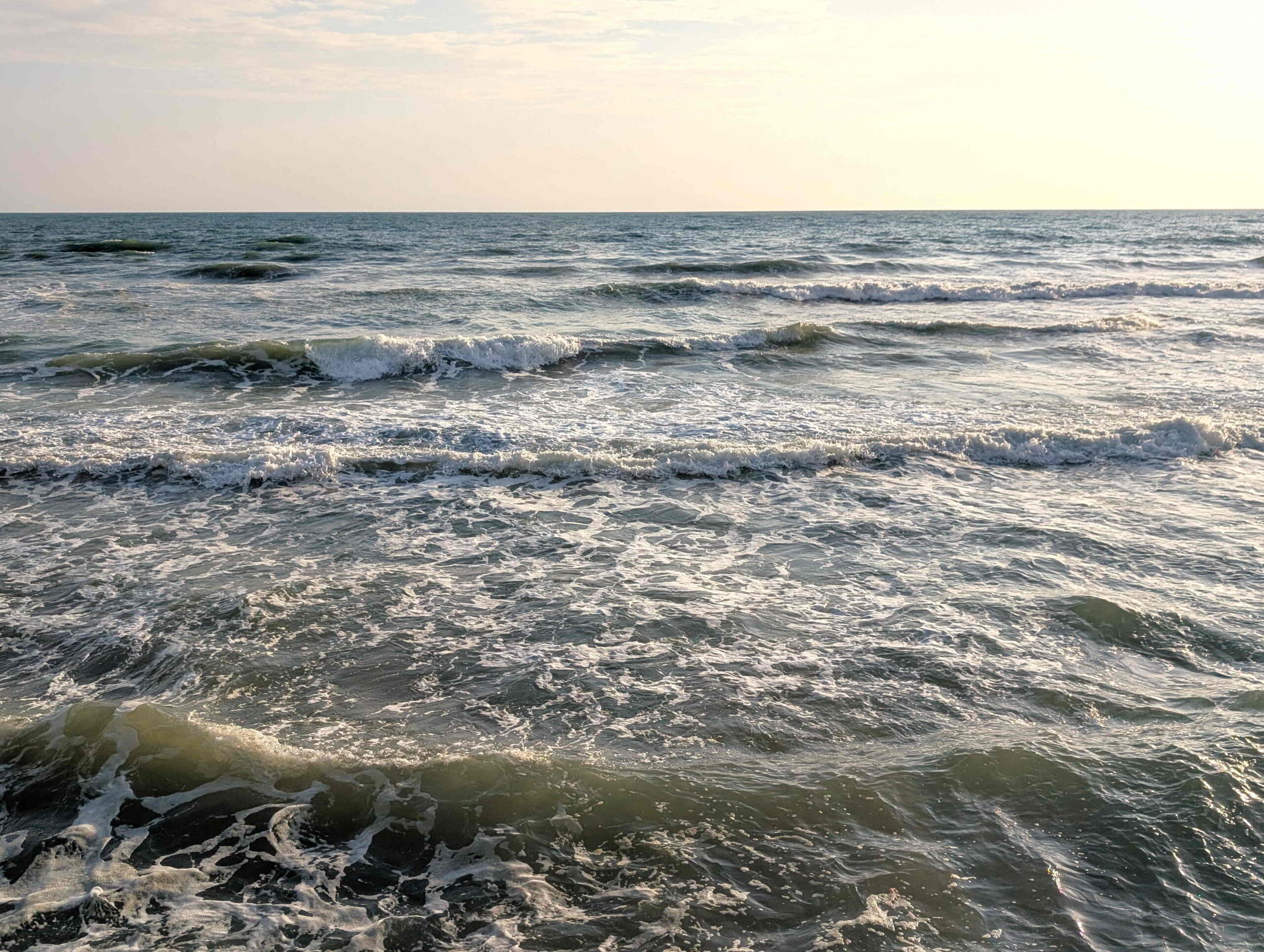
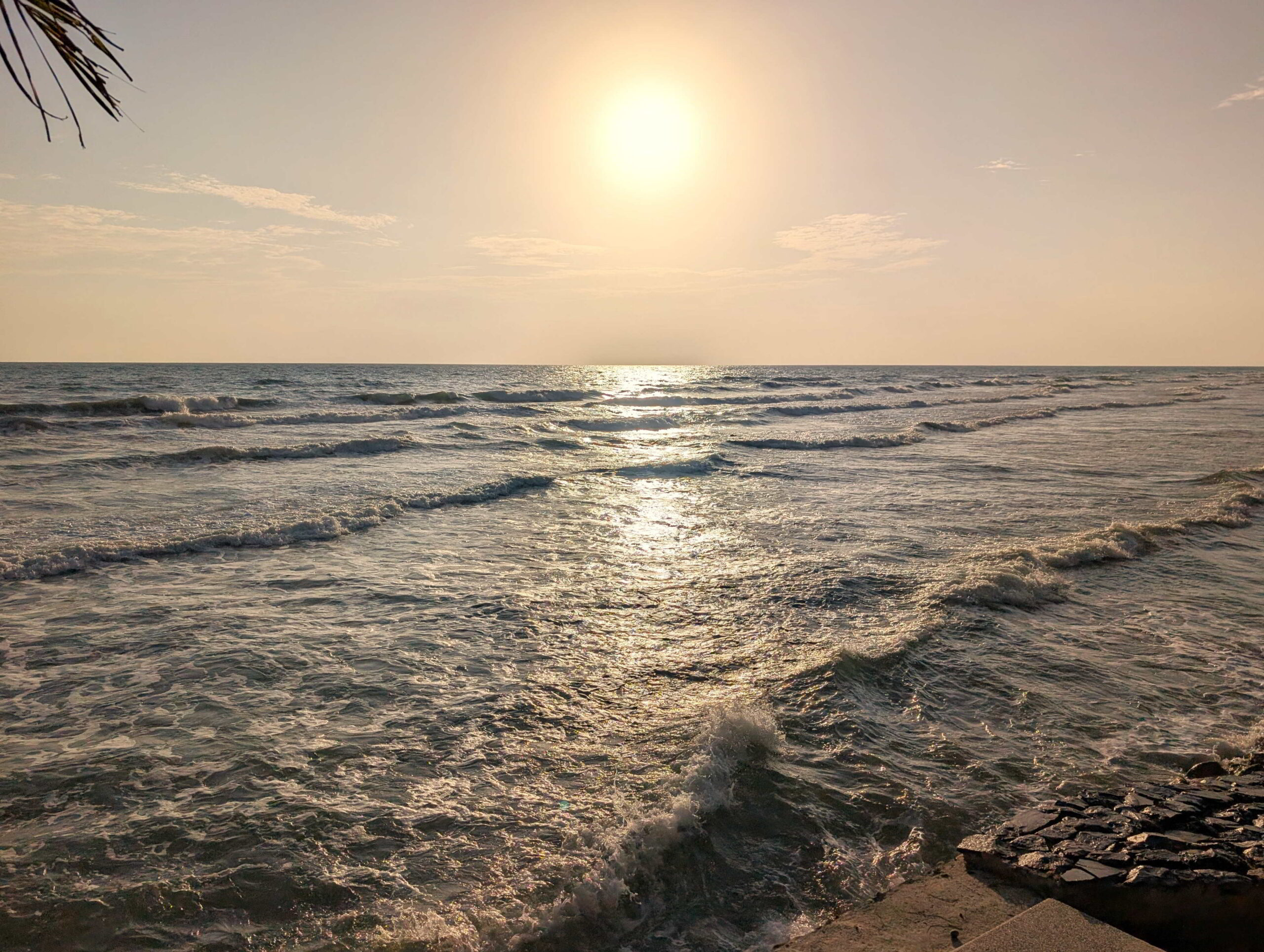
It’s time to return to White Sands. The afternoon is waning, and there is still a long return trip that I want to complete before it gets dark. I may not be stopping anywhere to take photos, and there won’t be any heavy traffic en route — or traffic of any sort, for that matter — but nonetheless. Mid-island, I stop off for an unneeded coffee at the incongruous Hill cafe, then continue on my journey, maintaining a relatively moderated speed, enjoying the rich colours of the undulating terrain in the deepening light of the late afternoon, the air cooling slightly. Soon I am rounding the relatively anodyne northern tip of the island, then climbing the steep rise above White Sands again, and am soon back in town, sliding into my resort, dismounting, and enjoying the last rays of the day shimmering on the waves lapping the shore, regretting that the sea is not particularly welcoming at this time of day …
Having now seen the side of the island, I am definitely left perplexed as to its mystique. I can see it being alluring to people coming to spend the weekend from some nearby urban centre on the mainland, but no more than that. It’s just pleasant, otherwise nondescript agriculture land that happens to be in the proximity of water.
Koh Chang — Grand View Resort
Koh Chang
Koh Chang — Grand View Resort
Koh Chang — Grand View Resort