April 1, 2026
Emerging from my well-cooled stupor, the mattress on the low bed not particularly comfortable, and no natural light available to wake me. While the decor is somewhat interesting, the design of the room doesn’t feel particularly inviting, what with the lack of regular-height furniture. I fortunately brought takeout food and fresh fruit yesterday, which will provide me with some sustenance prior to trekking all the way into town. Leaving my room, the reality of where I am immediately sets in, the searing heat contrasting wildly with the sputtering air conditioning in my Japanese-styled enclave.
Korat
Korat
Korat
Korat
Readjusting to the intense heat is one thing, but trying to synchronize with a Bolt motorcycle taxi is another, multiple drivers accepting the fare, then not appearing when they presumably realize how far away the pickup location is, then claiming to have arrived when they are nowhere near the hotel entrance. Then finally, I am off, perched behind an inexplicably heavily-clad local, motoring along the abandoned and overgrown sideroads, the only memorable attraction en route to the north-south highway that transects Korat a desolate Buddhist temple, the feral pack dogs living on the grounds happily still docile at this hour.
Korat
Korat — Maha Viravong National Museum
Korat — Maha Viravong National Museum
Korat — Maha Viravong National Museum
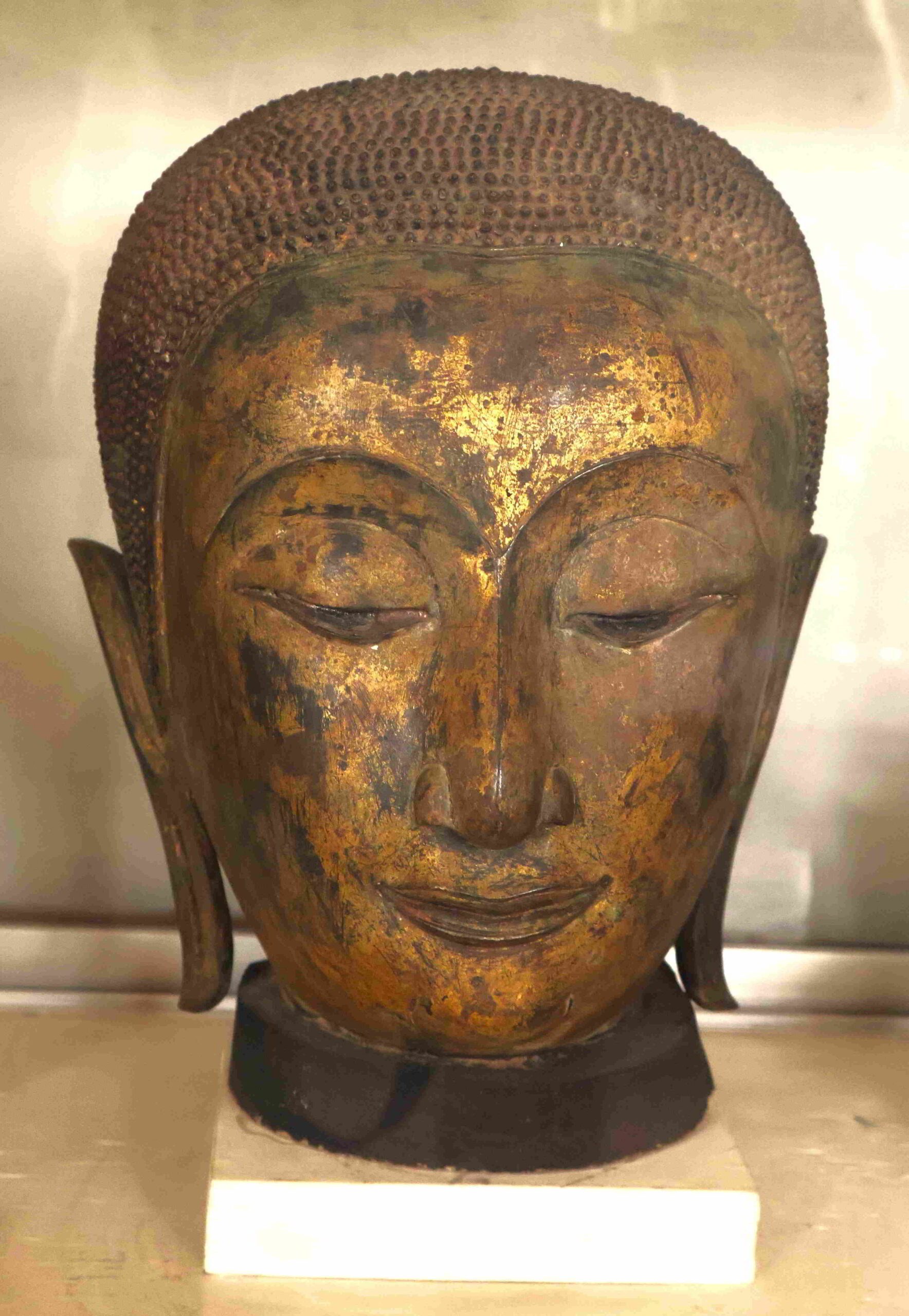
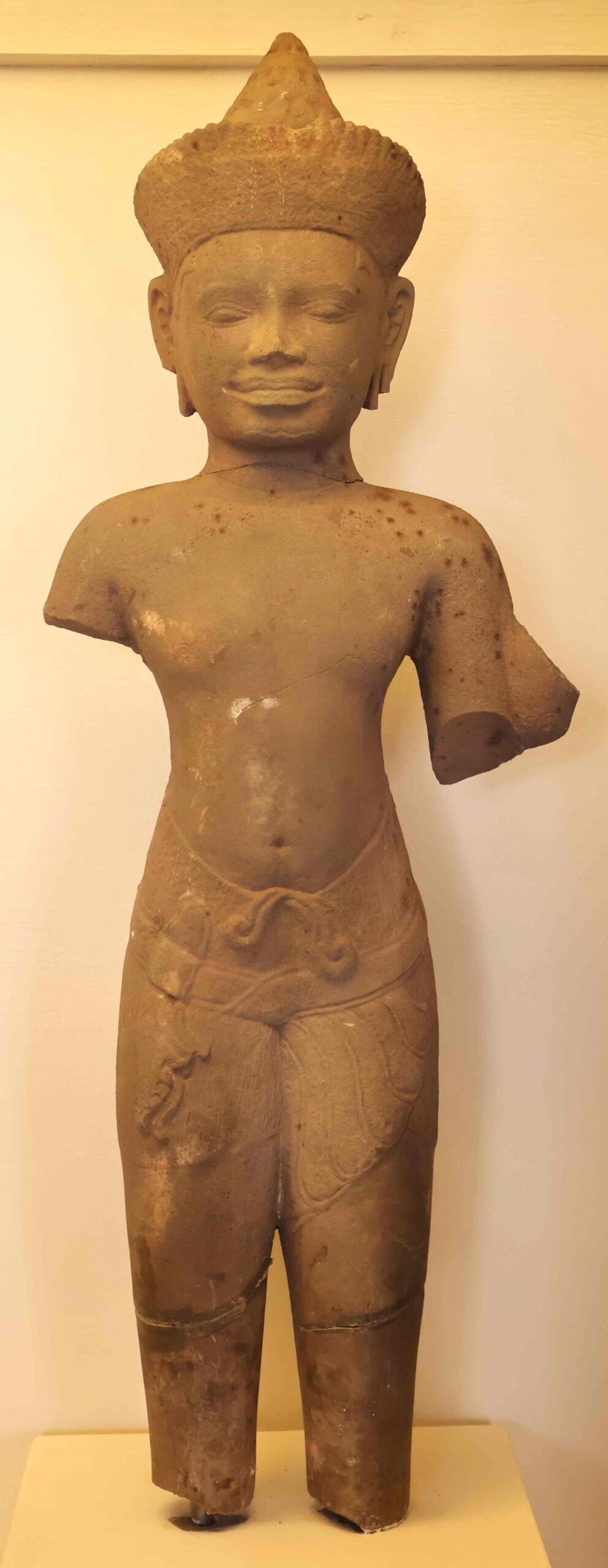
My destination is the canal that runs along the western periphery of the old town where I began my foray into this illustrious town. While I remained in the market area spanning the length of the canal on my initial visit, I want to now explore the blocks radiating to the east of the canal, beginning with the museums adjacent the water shown on the map. On the immediate east side, with an entrance tucked into a side alley lined with somewhat ostentatious government buildings lies the Maha Viravong National Museum, an utterly diminutive but nonetheless welcoming affair. By the time I pass through the entrance, thanks to my afflicted stomach, I need to sit down, and the staff are keen to oblige.
Korat — Maha Viravong National Museum
Korat — Maha Viravong National Museum
Korat — Maha Viravong National Museum
Korat — Maha Viravong National Museum
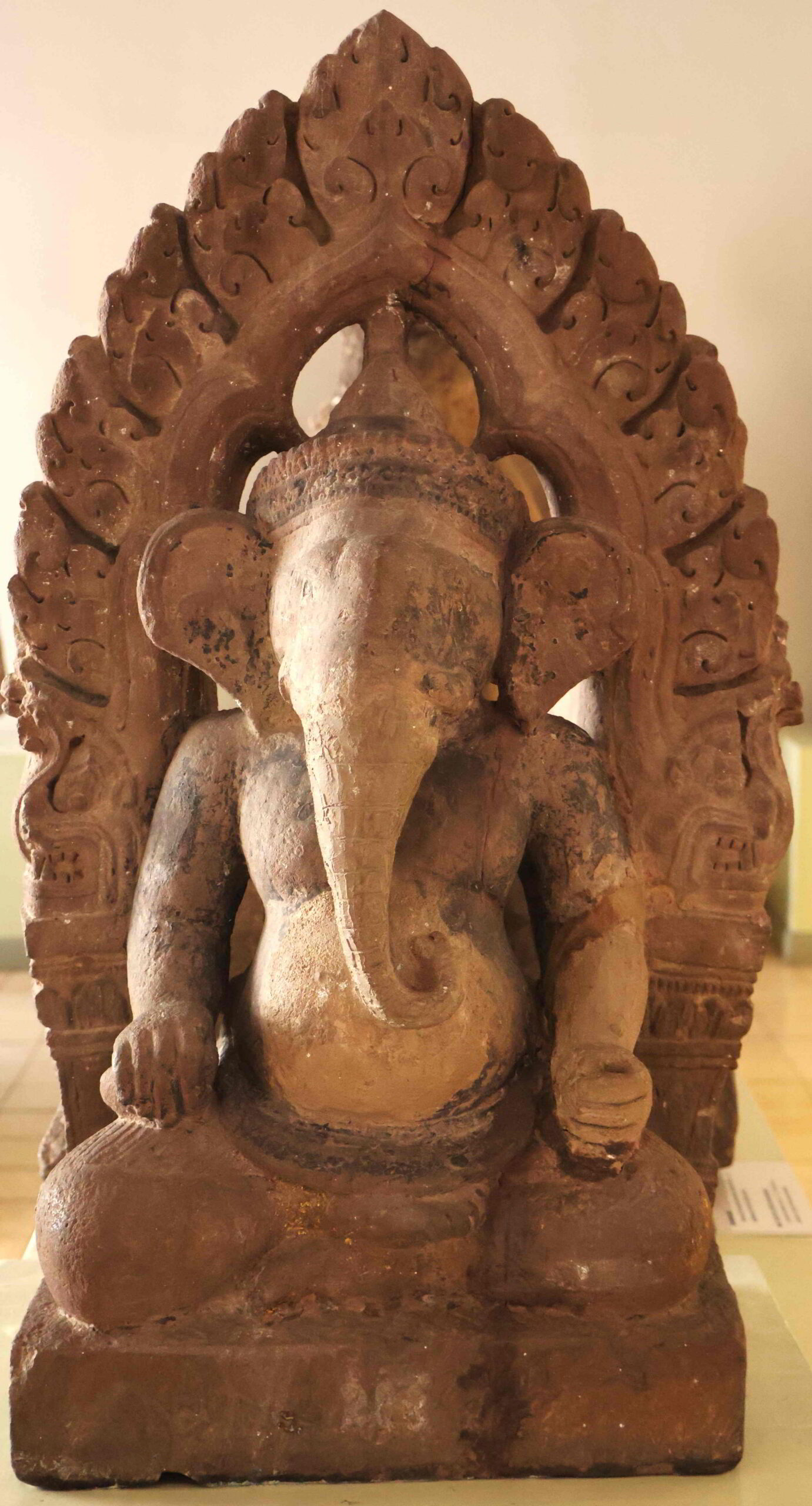
Given that very few farang will frequent the streets of this town, never mind the museum itself, a modest, single-room space dedicated to some of the archaeological treasures found in the area of Korat. Some of the most important historic sites in Thailand are found in the region to the east of the city, but I imagine the treasures associated with those sites are housed either in the exhibition spaces associated with the historic sites or in national museums in Bangkok.
Korat — Maha Viravong National Museum
Korat — Maha Viravong National Museum
Korat — Maha Viravong National Museum
Korat
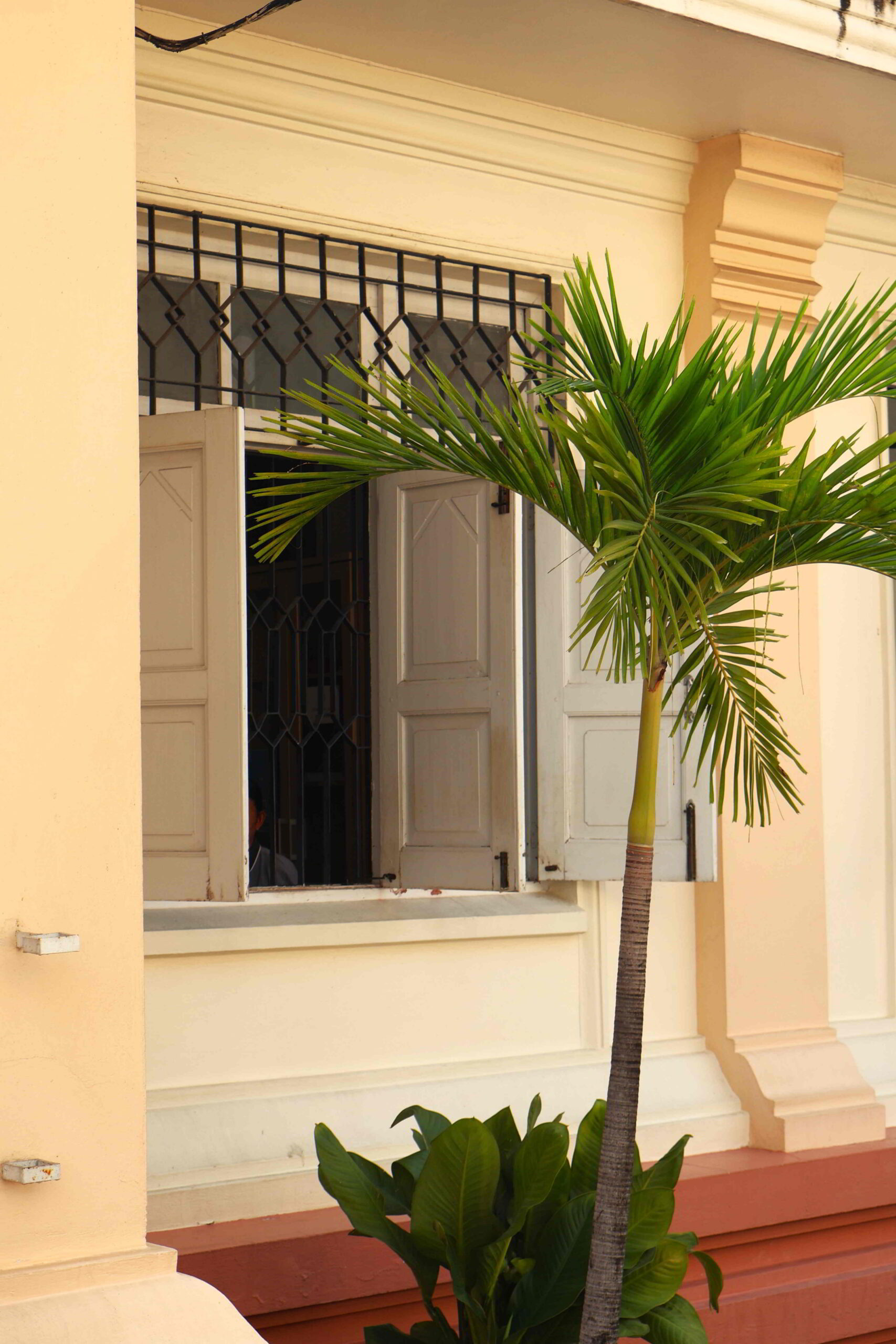
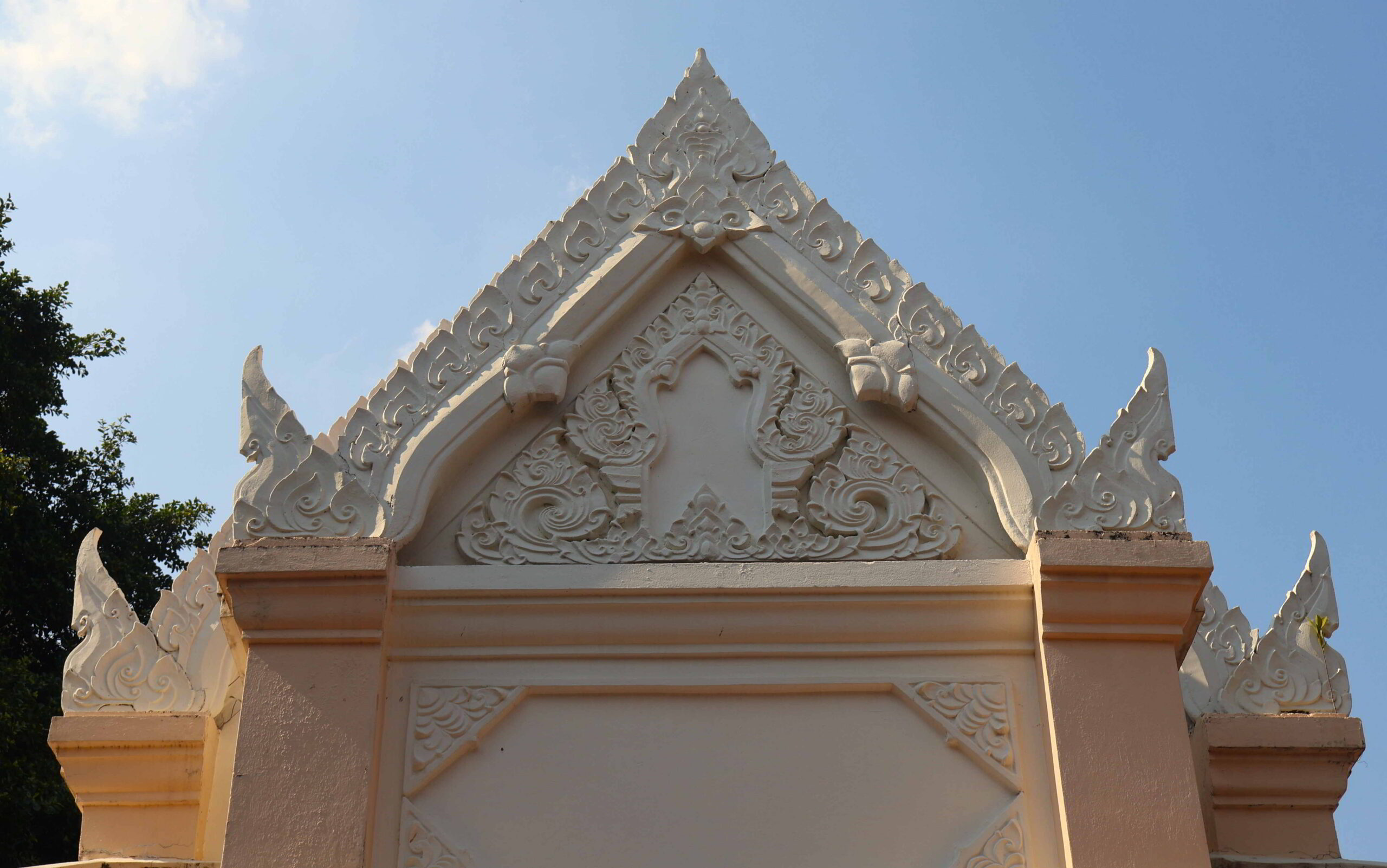
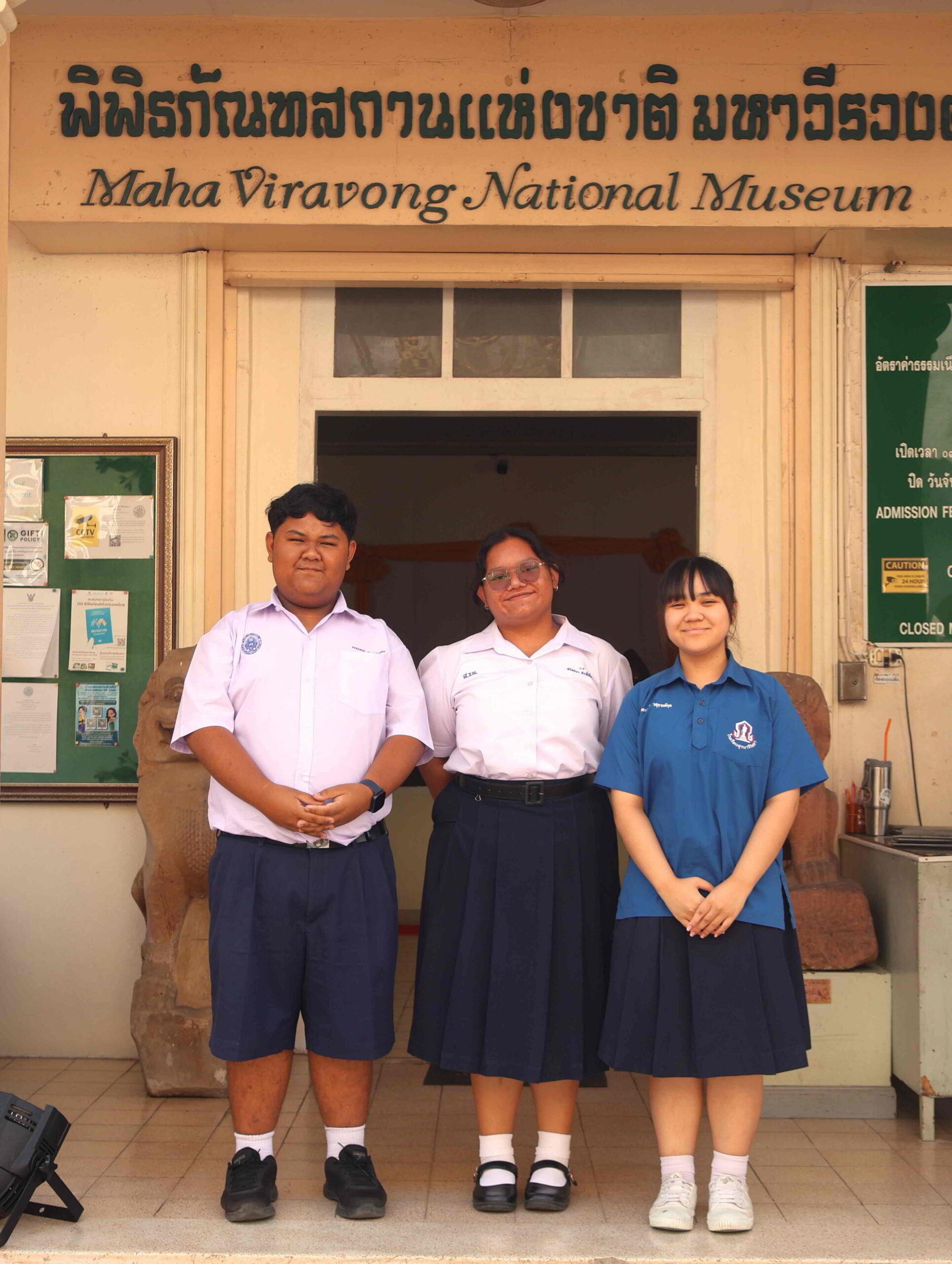
A group of young local students is milling around the rectangular room in the grandiose structure, its pastel exterior graced with a portico, wooden shuttered windows, built-in columns and architectural accoutrements that are a far cry from the style of buildings the vast majority of Thai live in. I am not only the only visitor, but farang to boot, which means these students can barely contain their excitement at the notion of being able to reveal the mystical secrets of this exhibition. Unfortunately, their enthusiasm isn’t matched by their knowledge of the limited number of artifacts on display nor is they conversant enough in English to be able to offer much information of value over and above the placards displayed throughout the small museum.
Korat
Korat
Korat
Korat
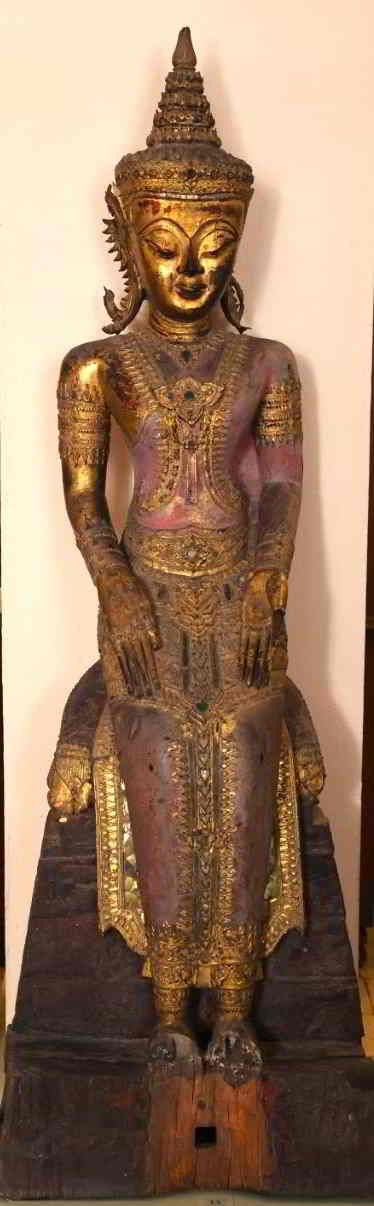
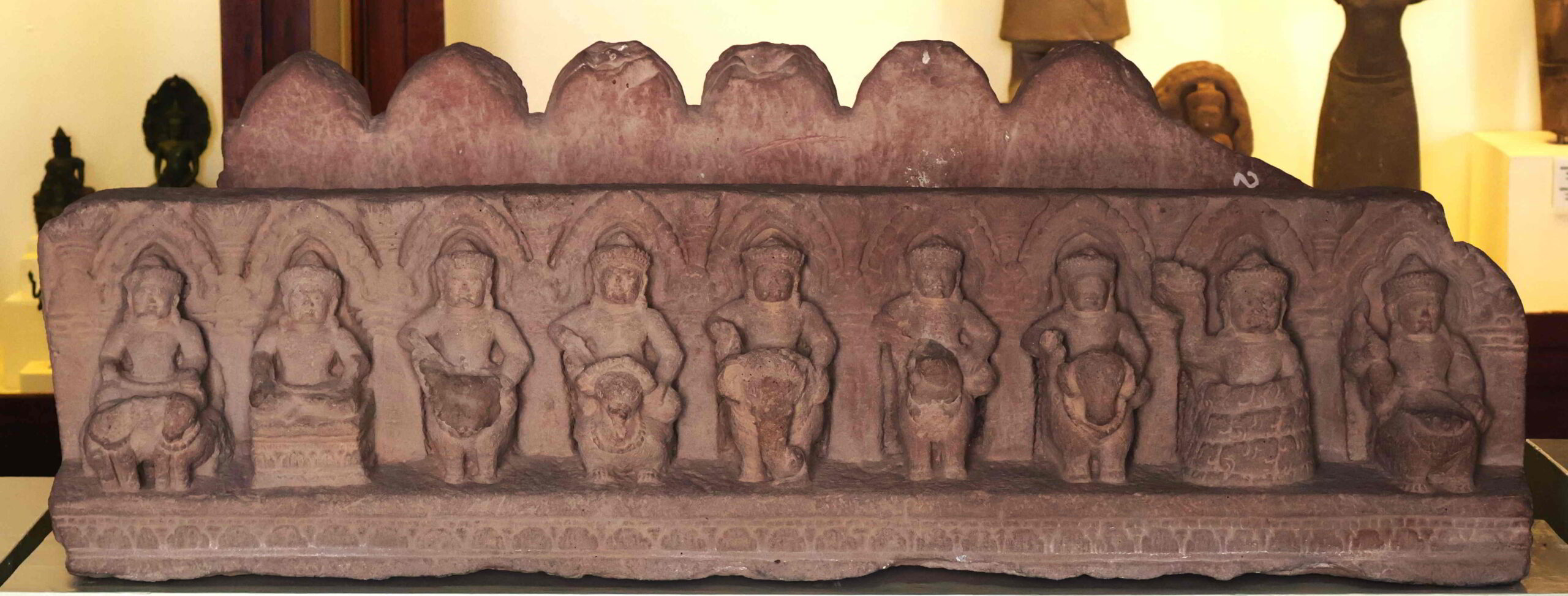
The pieces in the museum span early historic eras of the Korat region, including the Dvaravati period (6th – 11th centuries AD), the Lopburi period (10th – 14th century AD), marked by the political and artistic dominance of the Khmer Empire, and the Ayutthaya Period (14th – 18th century AD), spanning earlier Hindu and later Buddhist religious sensibilities, the style of each artifact varying considerably with its era and subject matter, the later period artifacts understandably more sophisticated than the earlier ones.
Korat
Korat
Korat
Korat
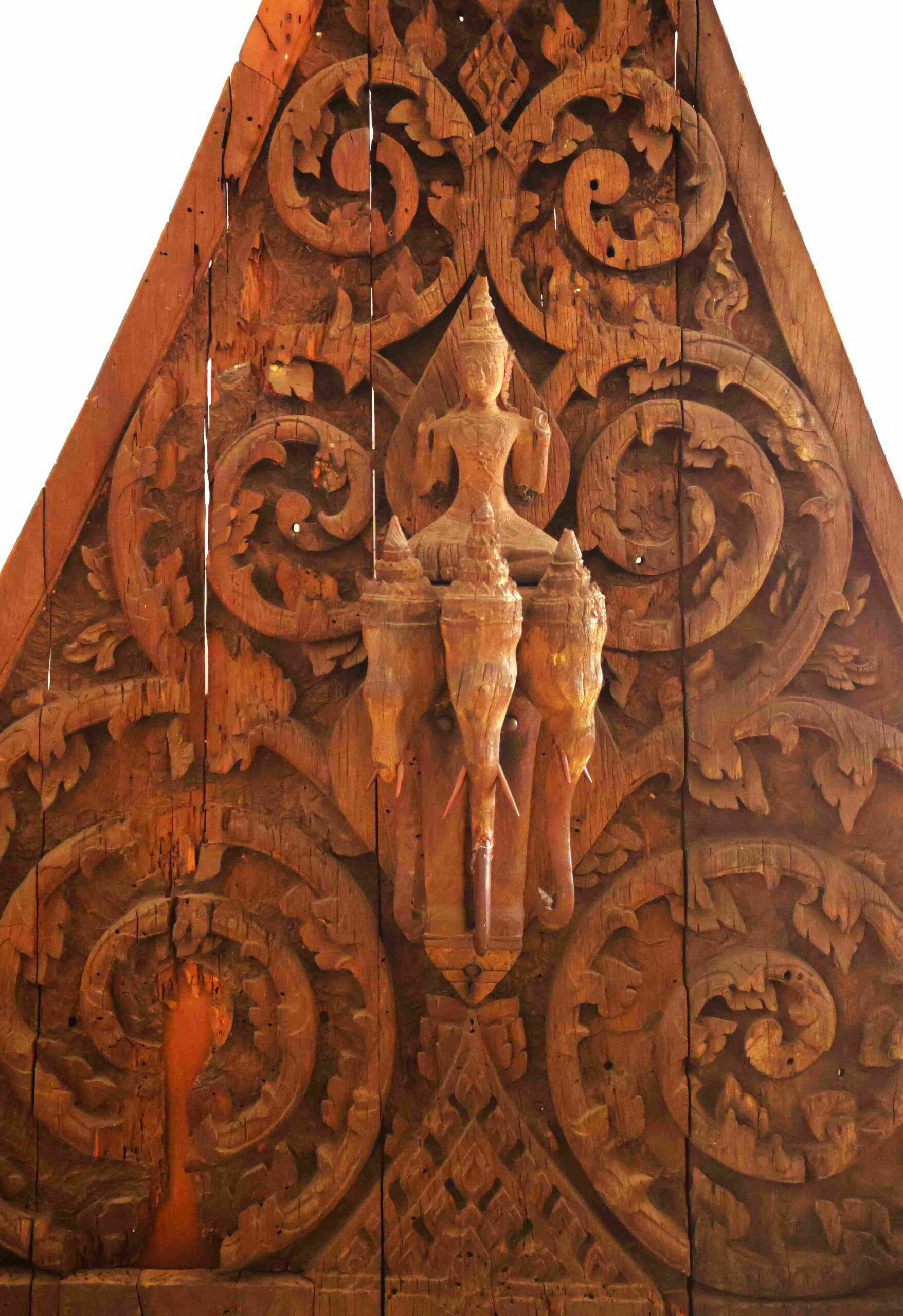
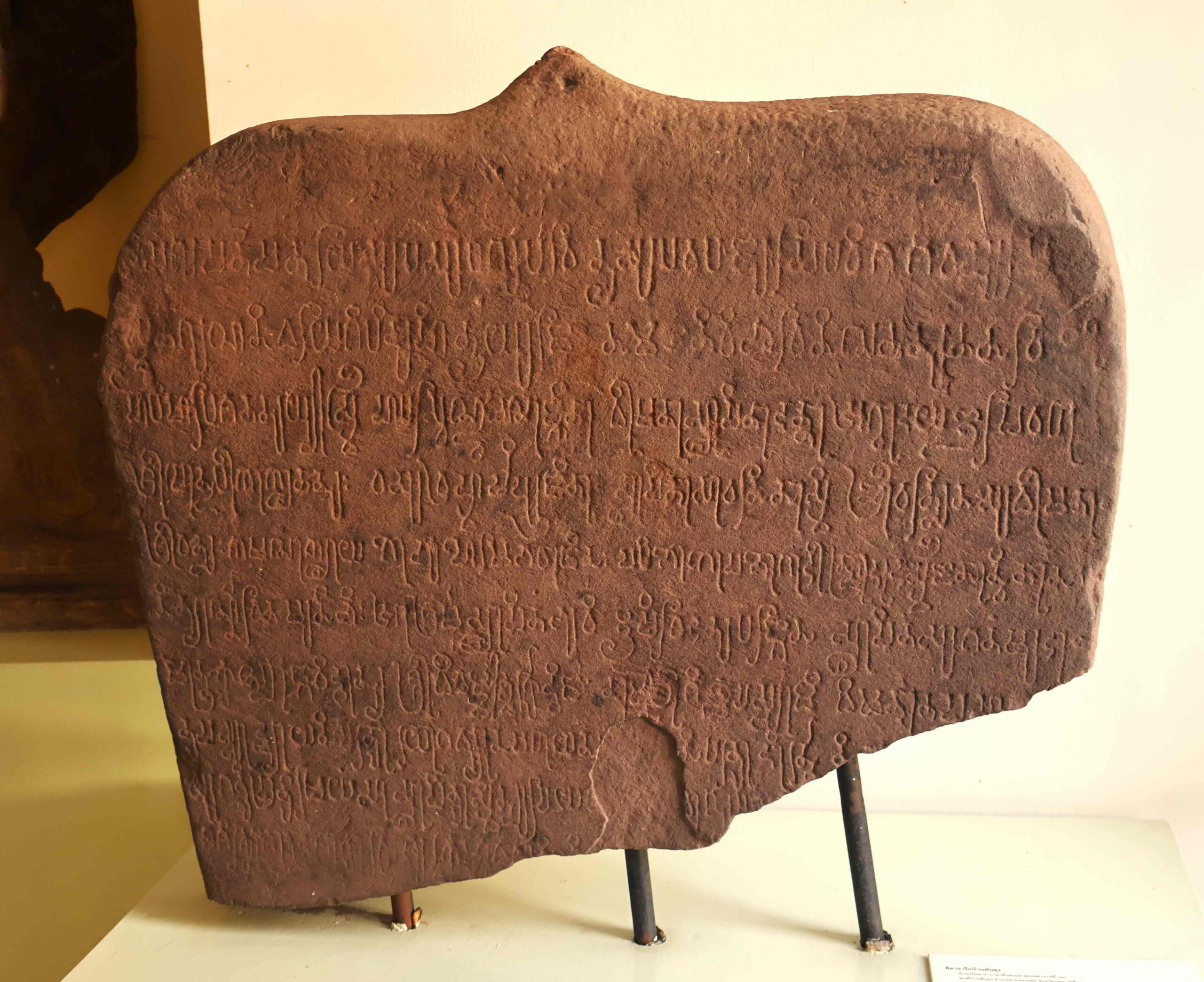
From the placards in the museum: “The Maha Viravong National Museum features antiquities and art objects that are valuable in terms of history, archaeology, tradition and cultures from the prehistoric to historic period of Rattanakosin. In addition to the items presented by Somdej PhraMaha Viravong, the exhibits include archaeological objects from excavations in Nakhon Ratchasima and surrounding provinces, as well as private donations. Objects include prehistoric pottery, bronze implements, bronze drums, stone inscriptions, Buddha images of various Khmer Art in Thailand glazed ceramics, and Chinese ceramics. Local Isan arts are also displayed, featuring wooden Buddha images and important historical objects, such as the chairs used by King Chulalongkorn, KingVajiravudh, and King Bhumibol Adulyadej the Great.
Korat
Korat
Korat
Korat
The term ‘Dvaravati’ comes from the Sanskrit language, and appears on ancient coins discovered at Suphan Buri , Nakhon Pathom , Singburi and Chainat. Dvaravati means ‘consisting of doors’ , which usually refers to an ancient seaport. Today the term is used to describe the ancient culture of the Chao Phraya river cities of 900-1,400 years ago. (11 to 12 century BE) Dvaravati was an Indianized culture that influenced the way of life of the local Thai people. It merged with the Thai culture to become a specific identity that can be easily studied through Buddhist archaeological evidence.
Korat
Korat
Korat
Korat
1,000-to 1,200-year-old Buddhist and sculptural evidence at Moon River and Lam Plai Mas River indicates that Nakhon Ratchasima was an anient city influenced by the Dvaravati culture. Evidence of this was discovered at Sung Noen District, Hua Thalang District and None Sung District. Buddhist sculptures and sandstone boundary markers were also found in these areas. Evidence of circular and elliptical canals and ridges around human settlements were found at Ban Kong Rong, Hua Thalang District and other sites. Muang Sema, Ban Sema at Sung Noen District is an important Dvaravati archaeological site in Nakhon Ratchasima. Archaeologists believe that this ancient city was settled as long ago as the 12″to 16 centuries BE.
Korat
Korat
Korat
Korat
Many ancient monuments and art objects found in this area were clearly influenced by the Dvaravati culture. An important Buddha image and immense Dvaravati ruins were found to the south of Muang Sema in Wat Thammajag Semaram. The 18.3-meters Buddha image was made of various types of sandstone. The discovered ‘Boe E Ga’ inscription in the Khmer language mentions the King of Srijanasa of 1411 BE. This inscription is important evidence of the continuous human settlement from Dvaravati to Khmer times in this region during the 14th to 16th century BE, or 900-1,000 years ago.”
Korat
Korat
Korat
Korat
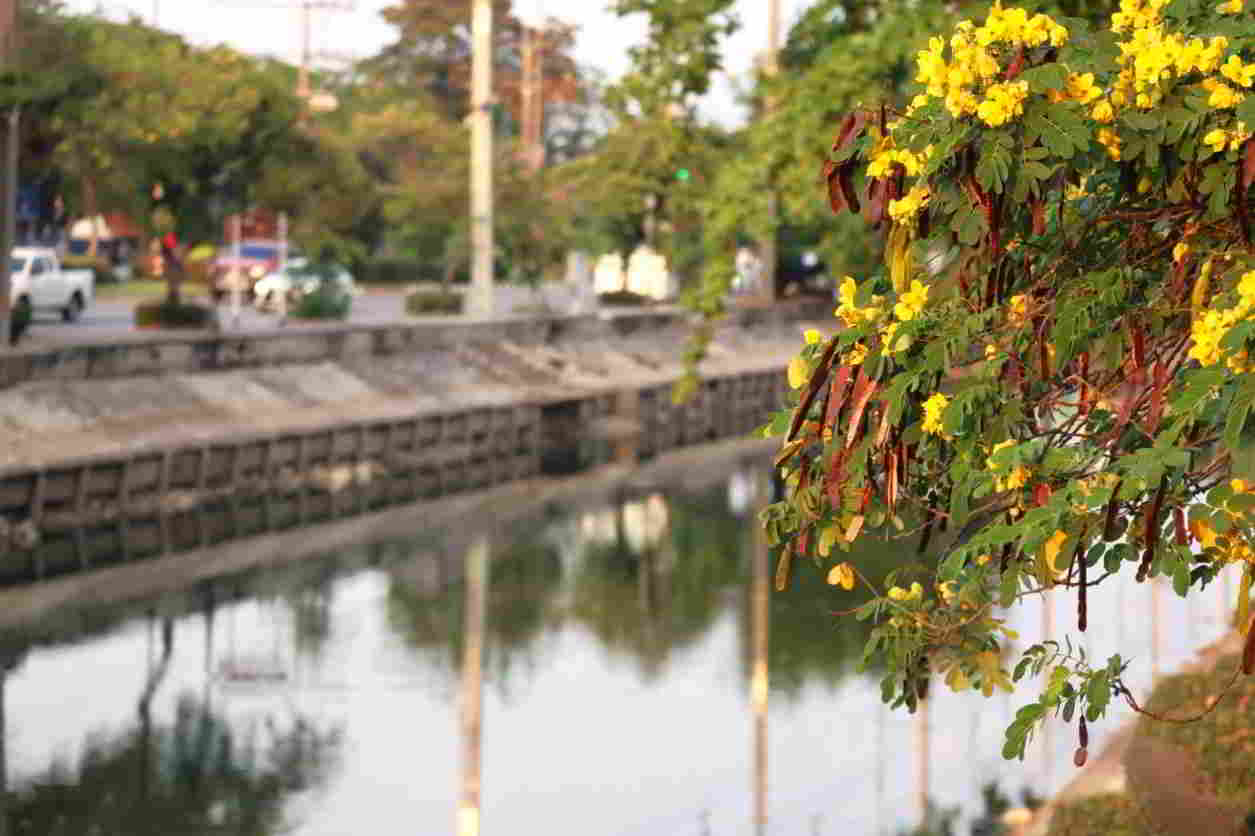
Where to find a good coffee in the area? It turns out that there are many choices – but which one would be the best? Short of visiting a place and savoring its coffee, the question will always remain a mystery. A glass-fronted and highly-rated establishment on the west side of the canal beckons, its bright and cheery interior happily very well-air conditioned. The coffee is excellent, rich, silky, and aromatic, and I can’t restrain myself in promoting the virtues of the fine beverage to the Italian-Thai couple that enters the establishment, although they hardly need my recommendation, considering that the woman’s sister owns the place and that they come here on a regular basis. He has had an illustrious career in the Italian army, having survived long deployments in Afghanistan and Iraq, and now works as a military consultant in the Middle East, with regular trips to Korat to visit his wife’s birthplace and family. Our conversation quickly turns to the delights of his home country, although from this distance it’s easy to reduce the challenges of surviving in Italy to a grab bag of sunny clichés …
Korat
Korat
Korat
Korat
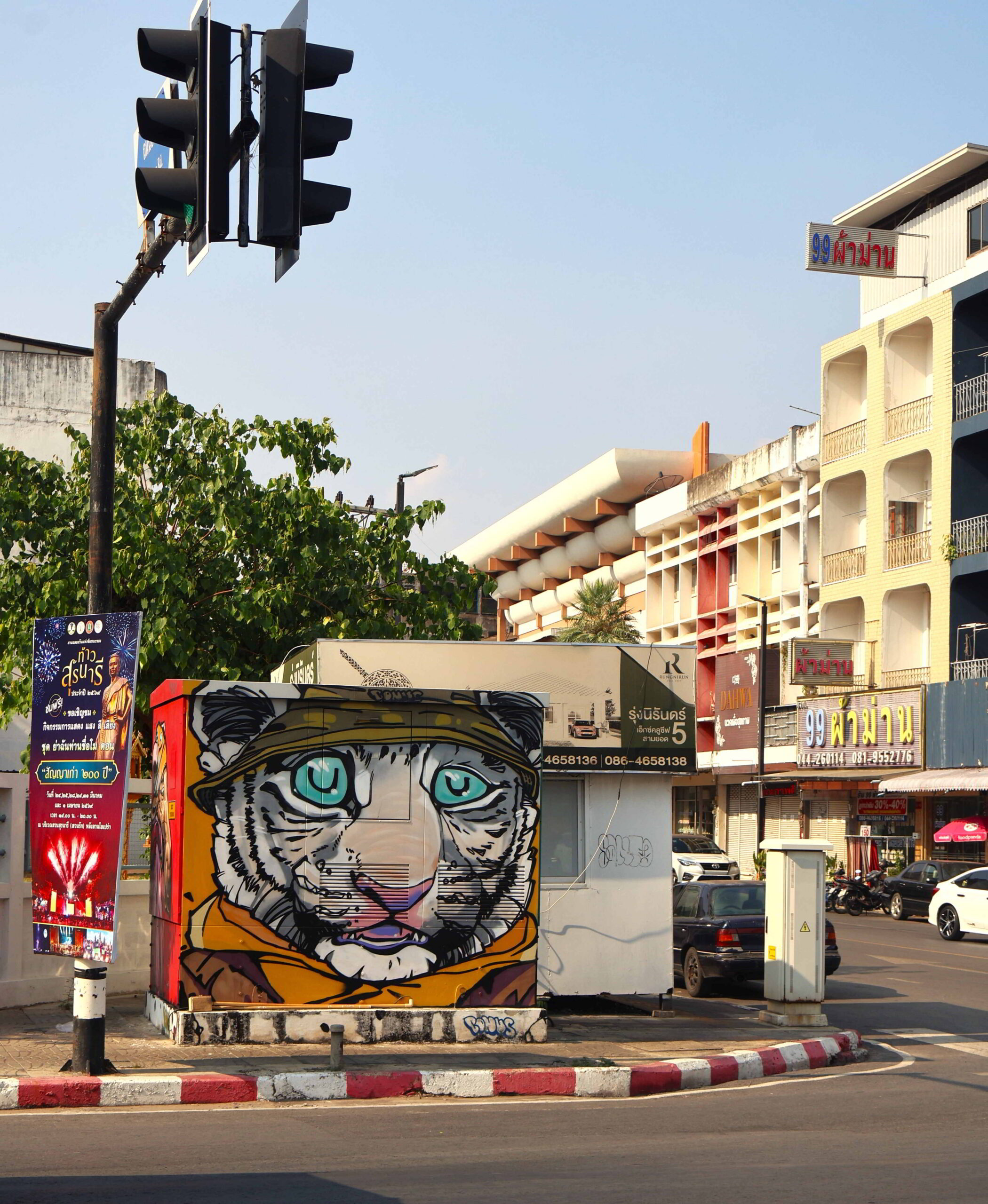
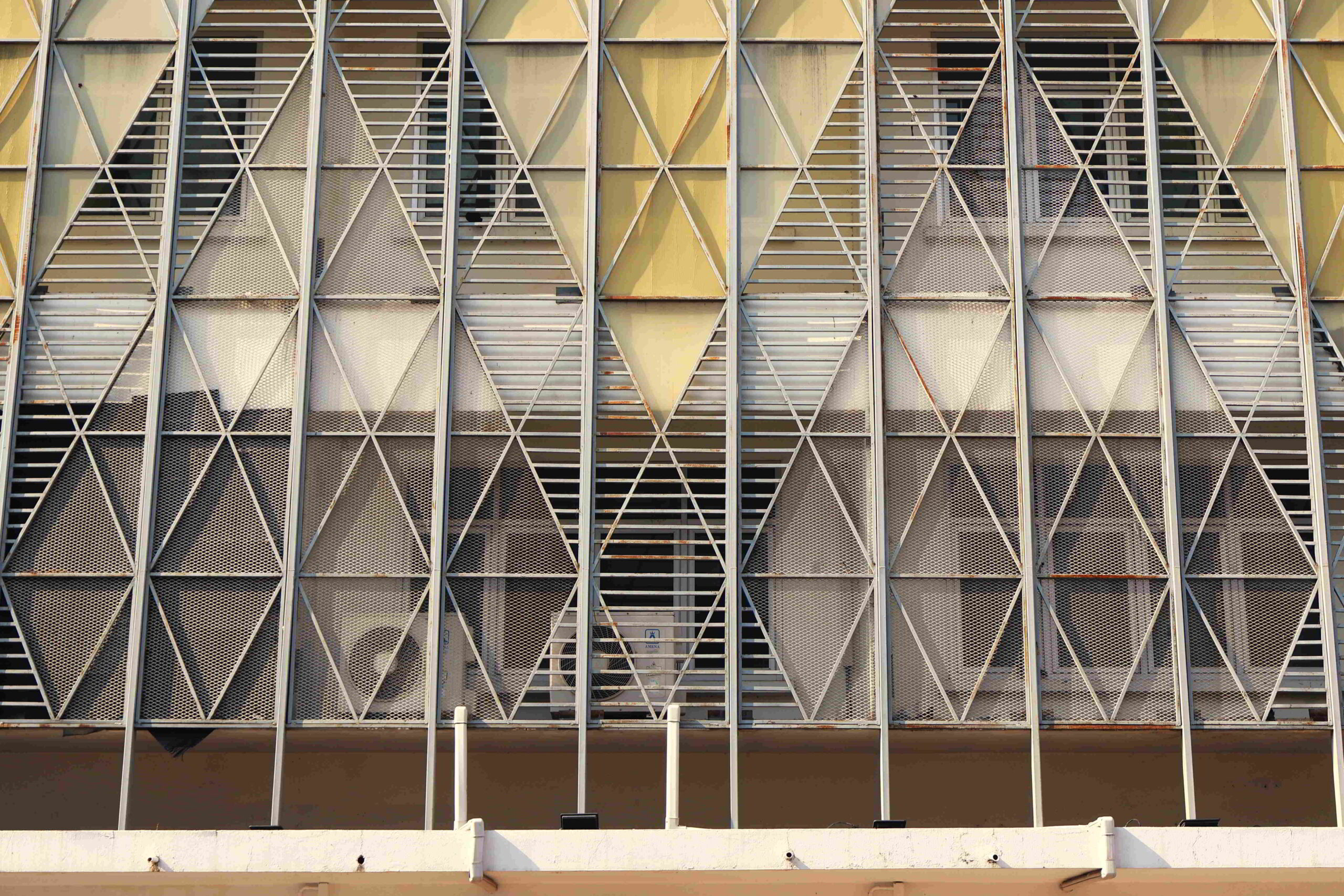
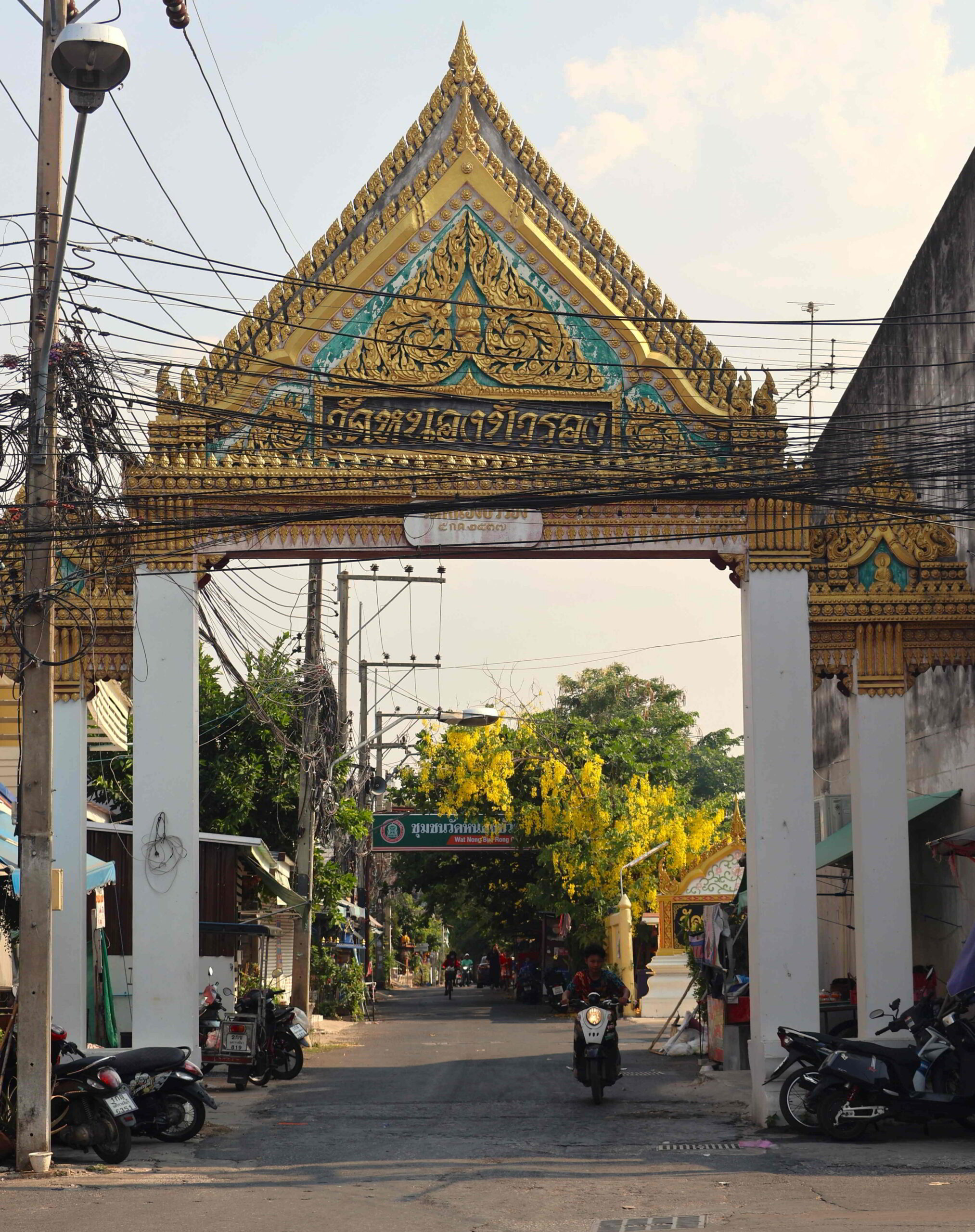
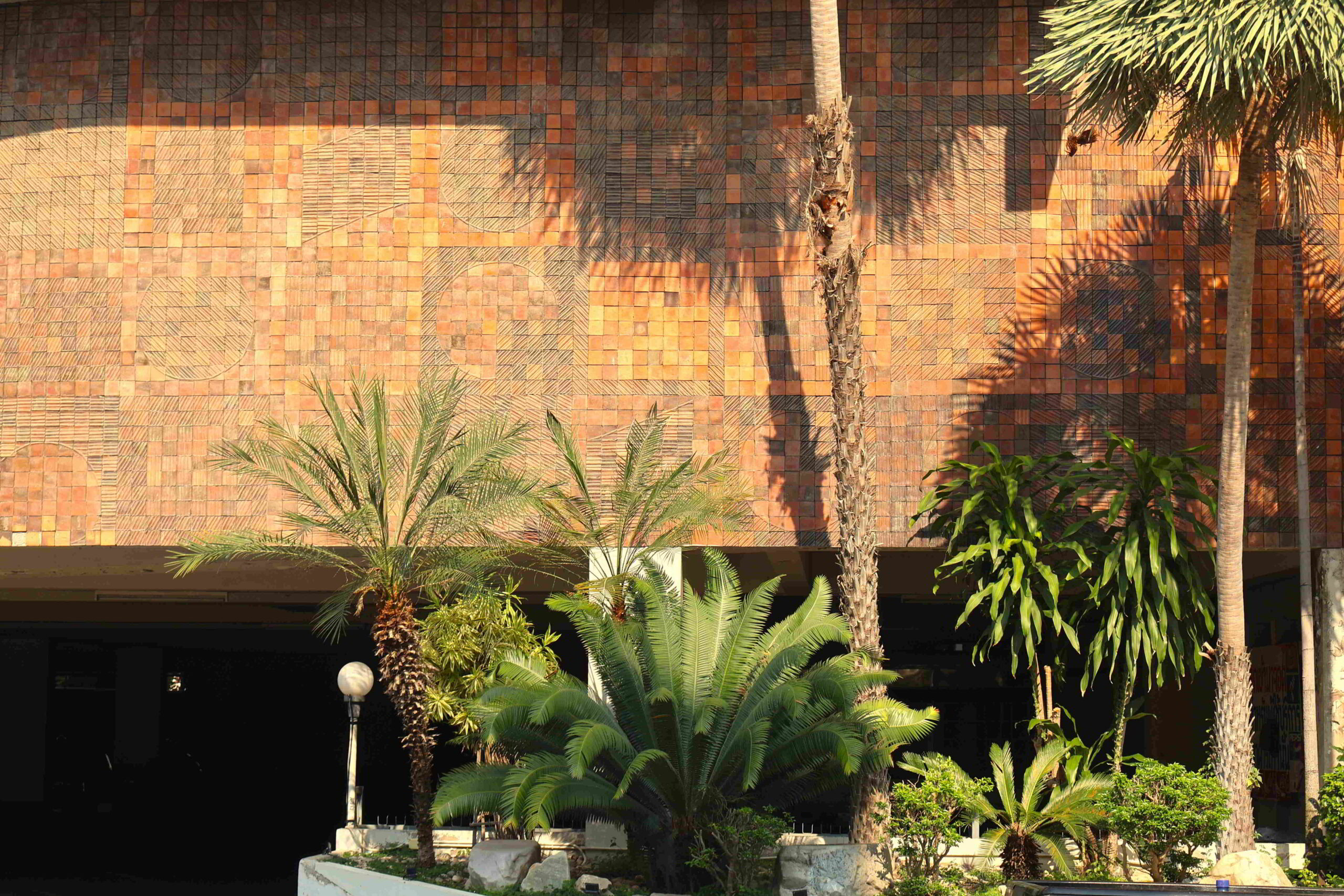
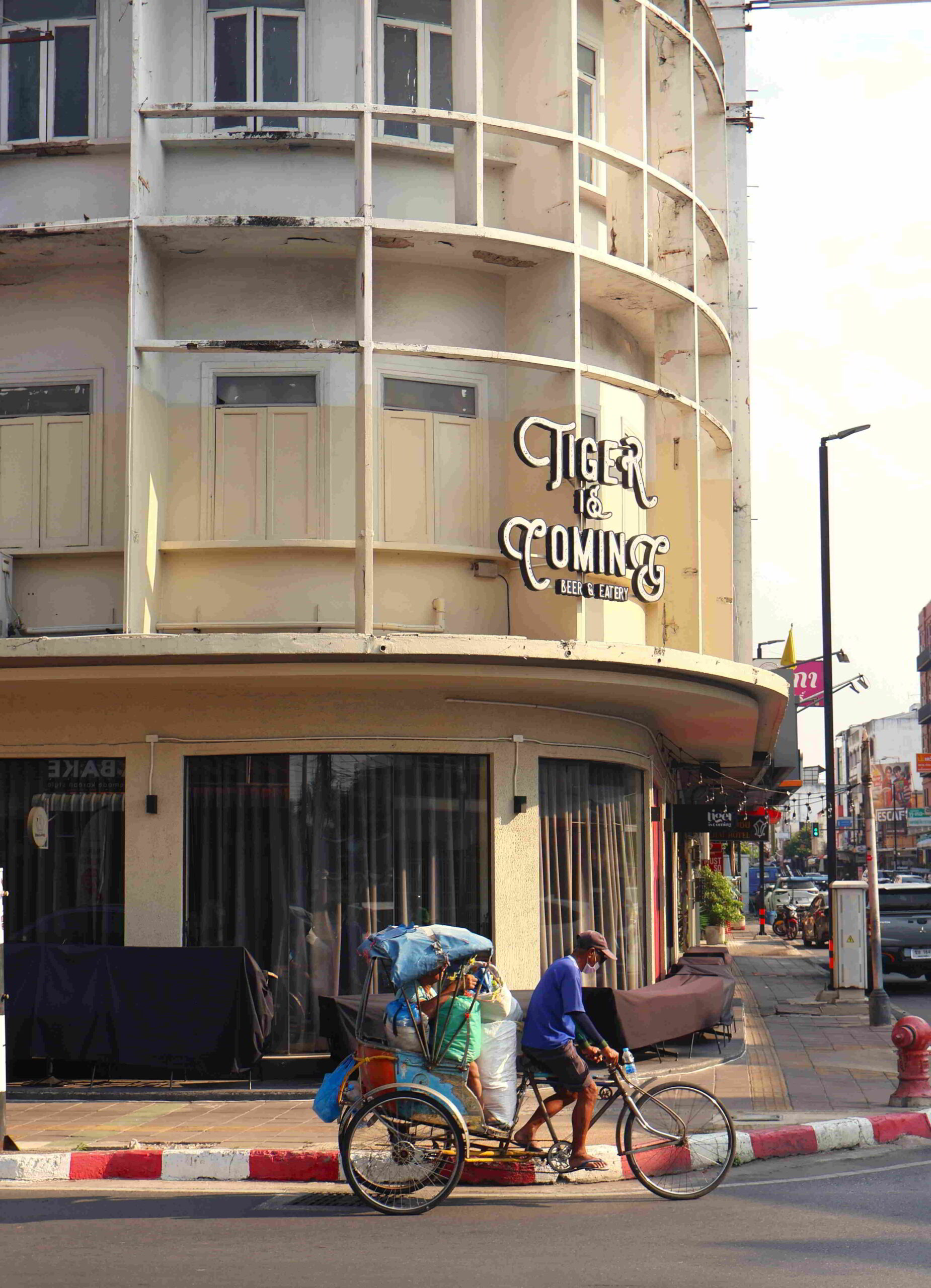
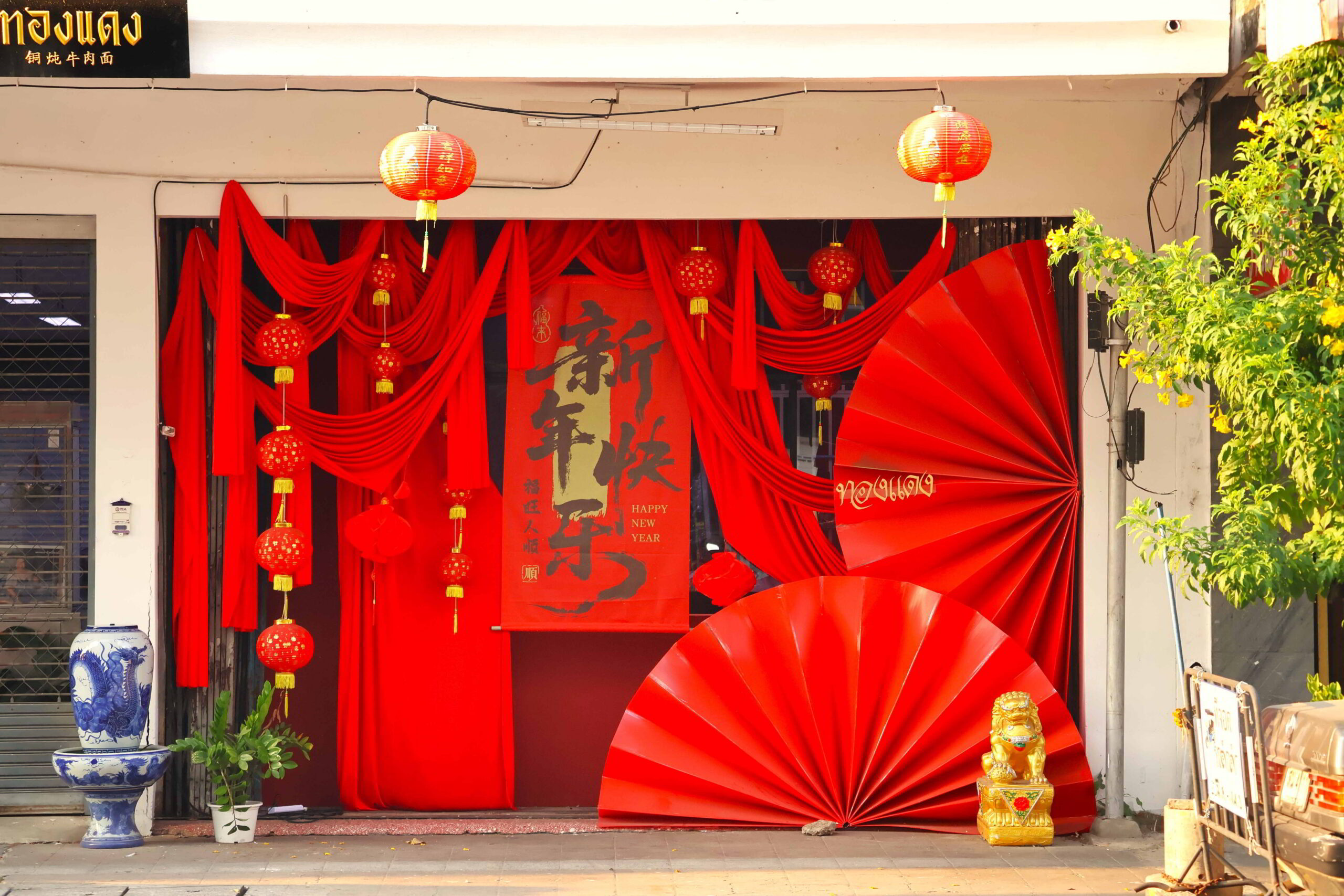
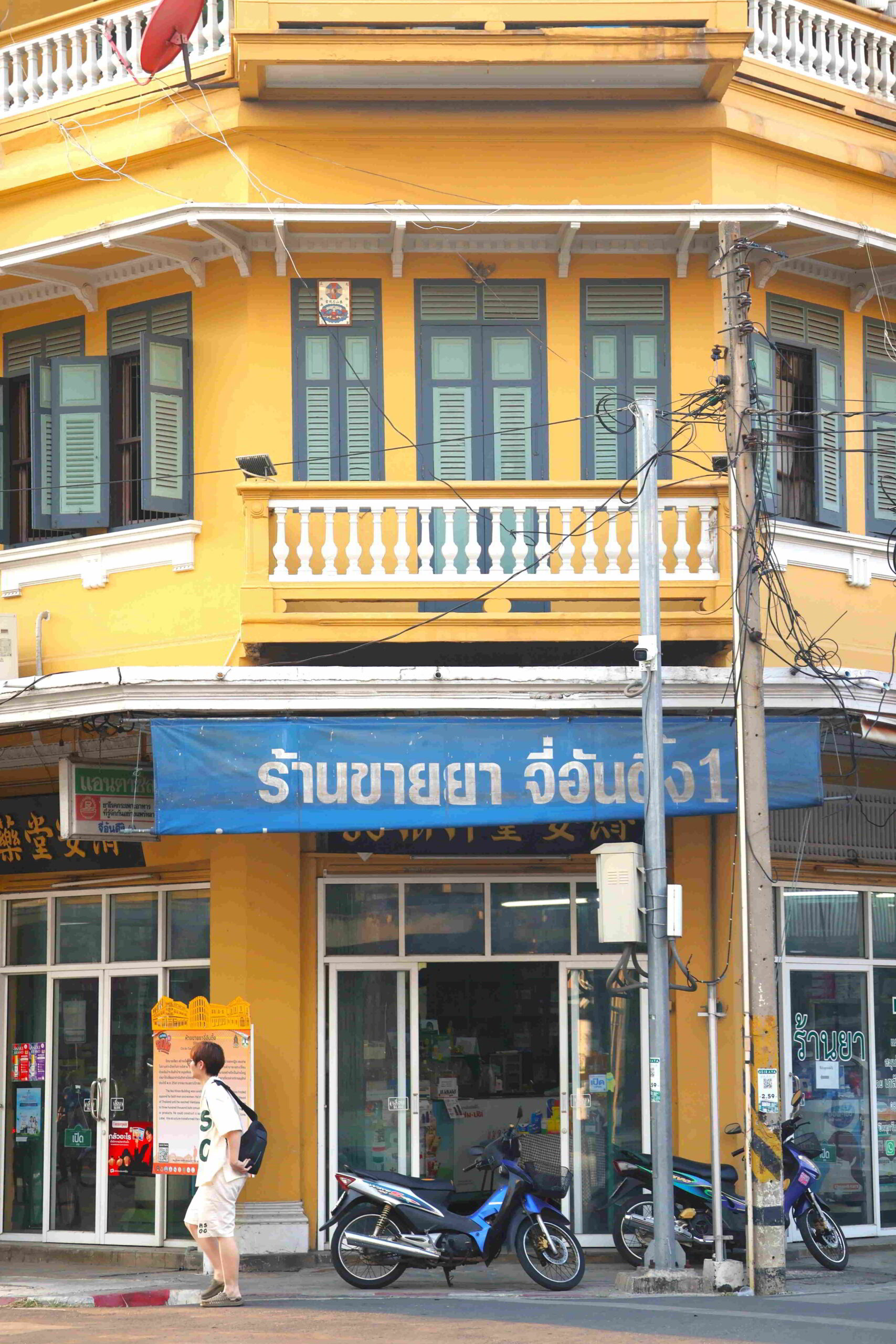
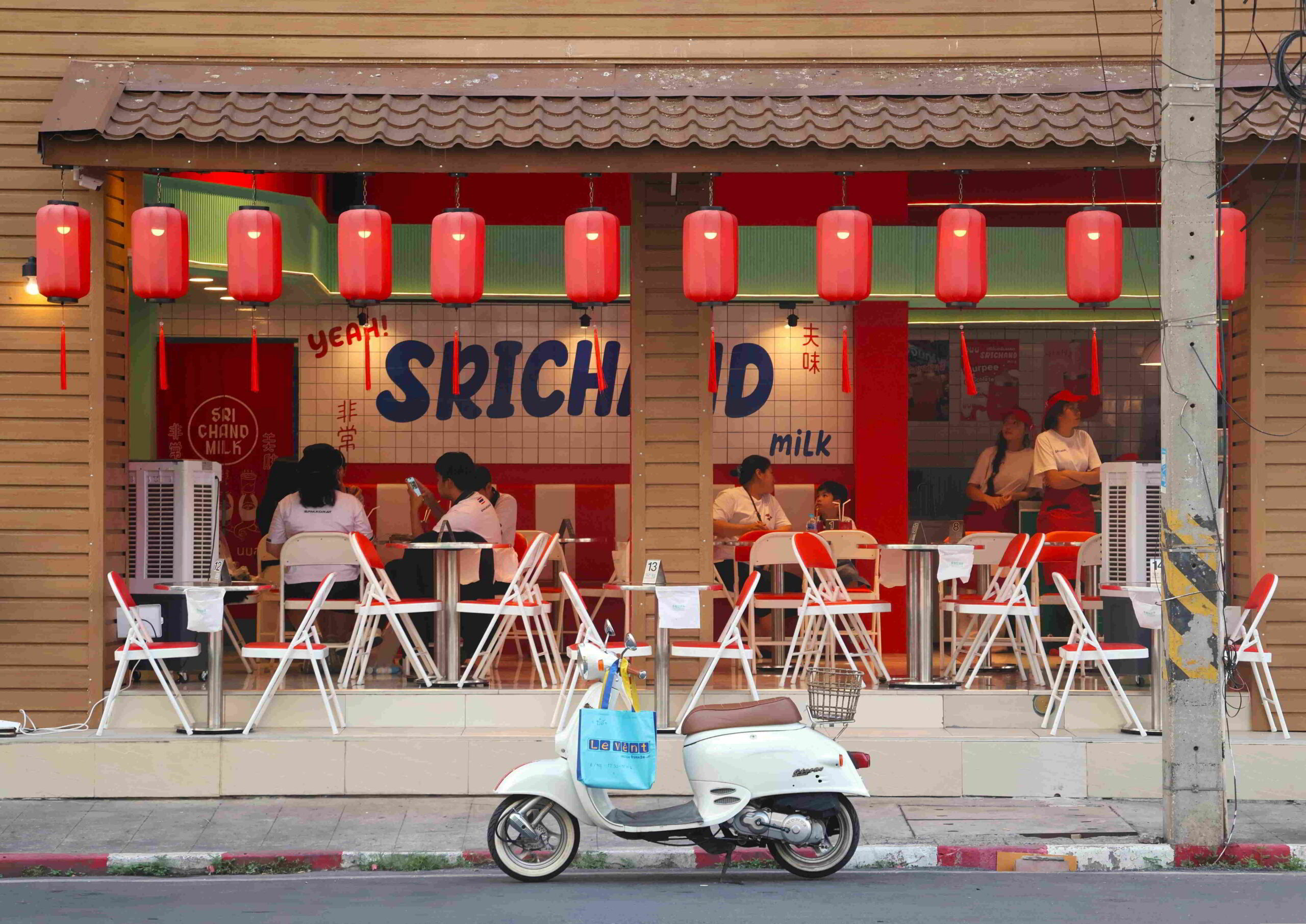
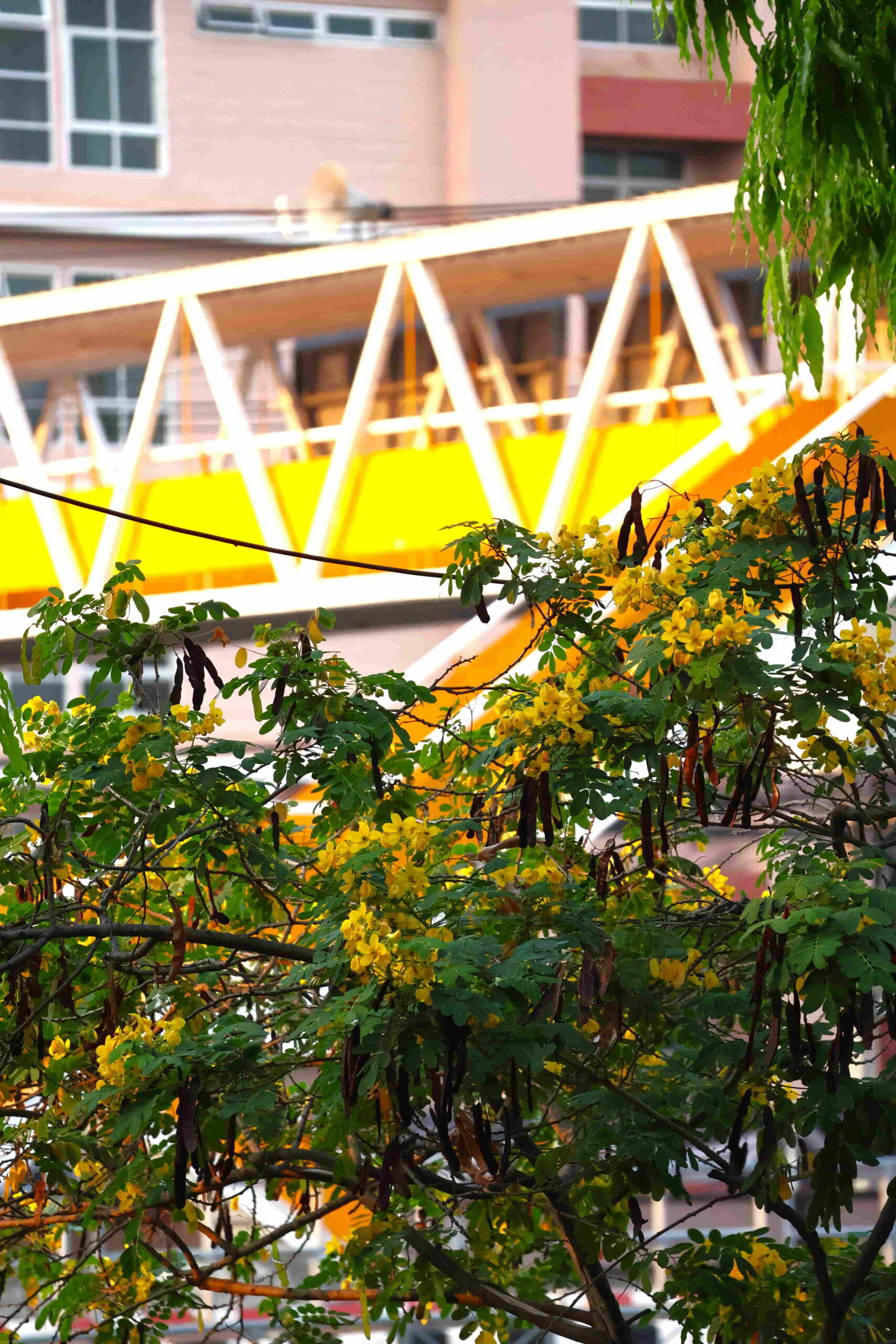
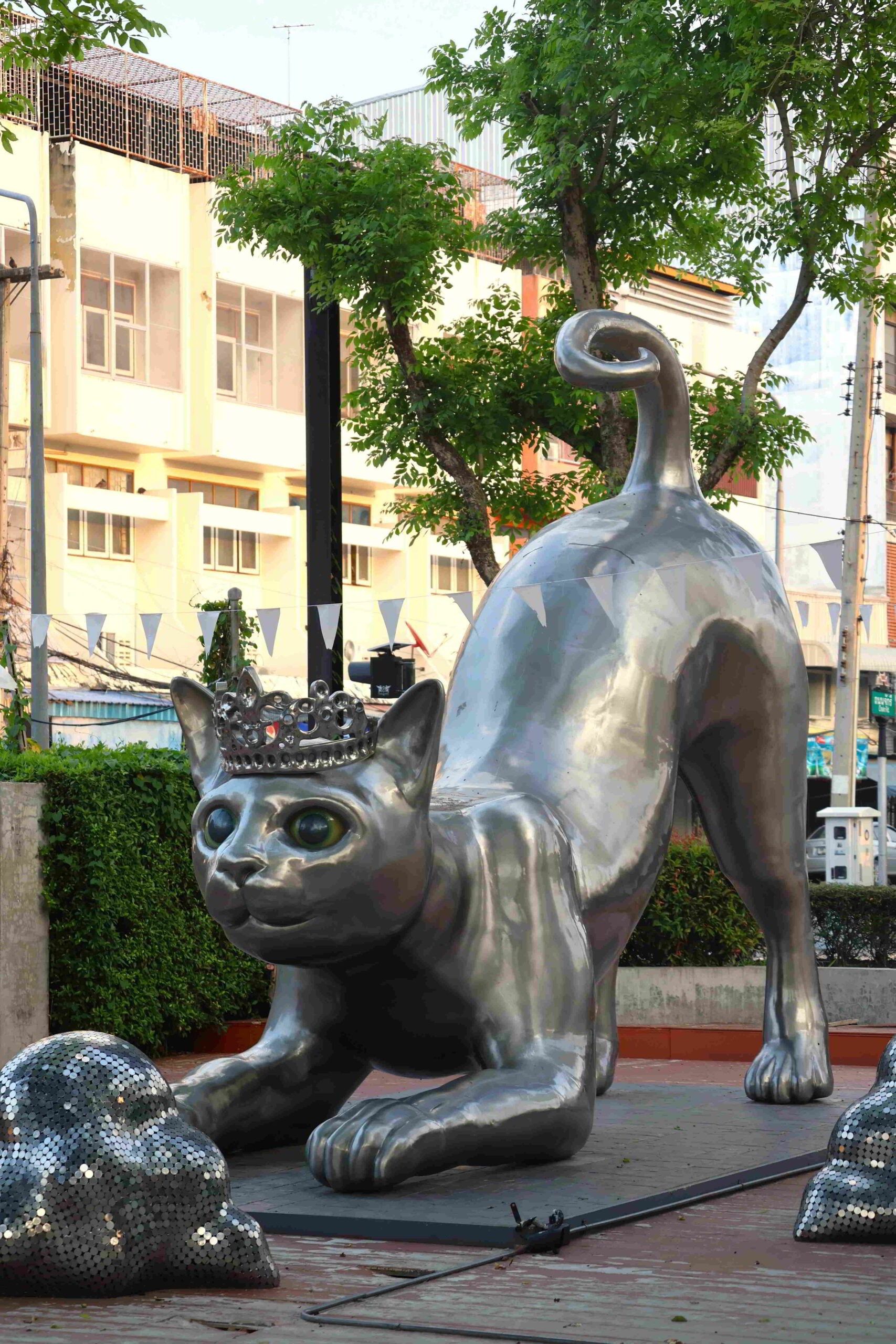
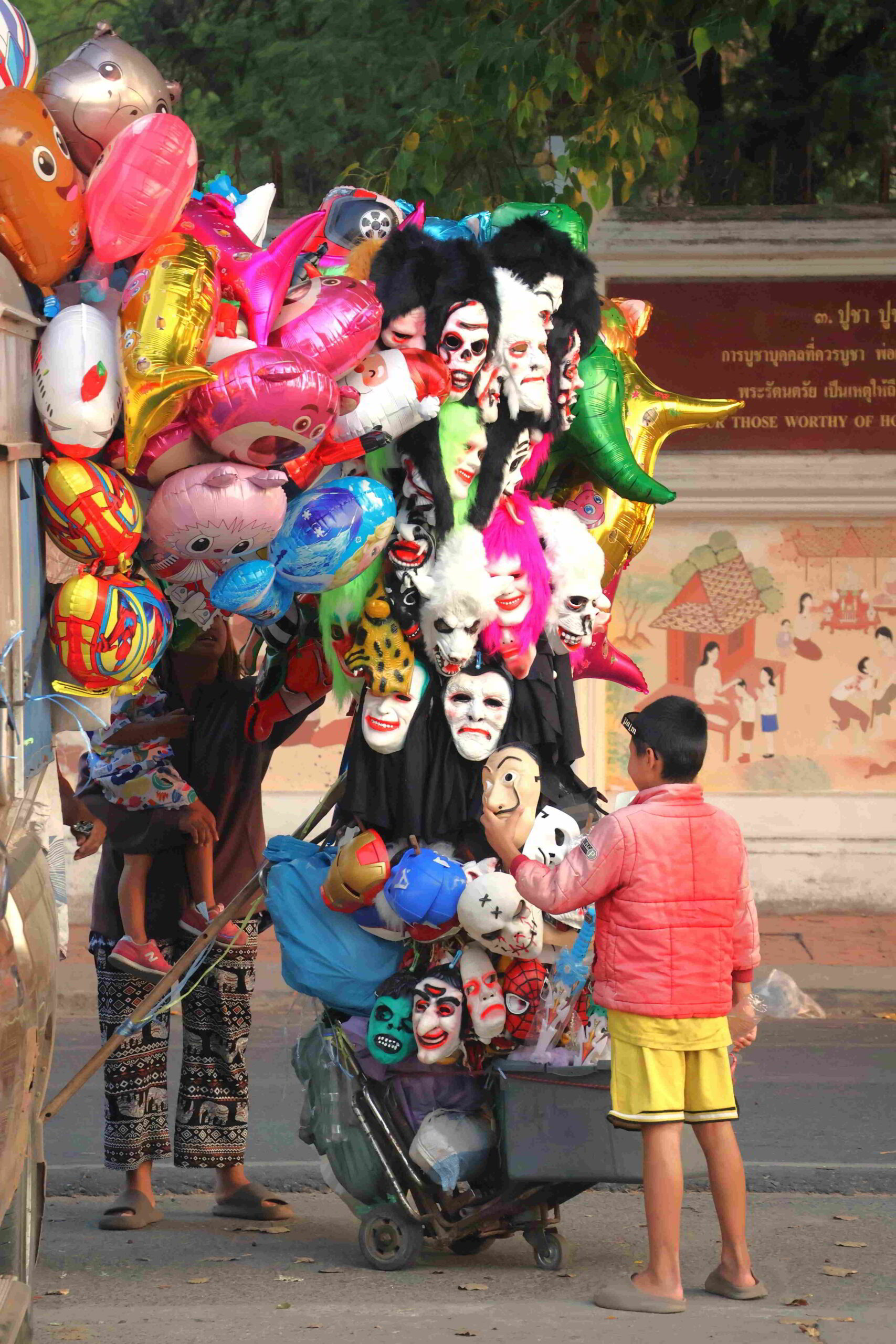
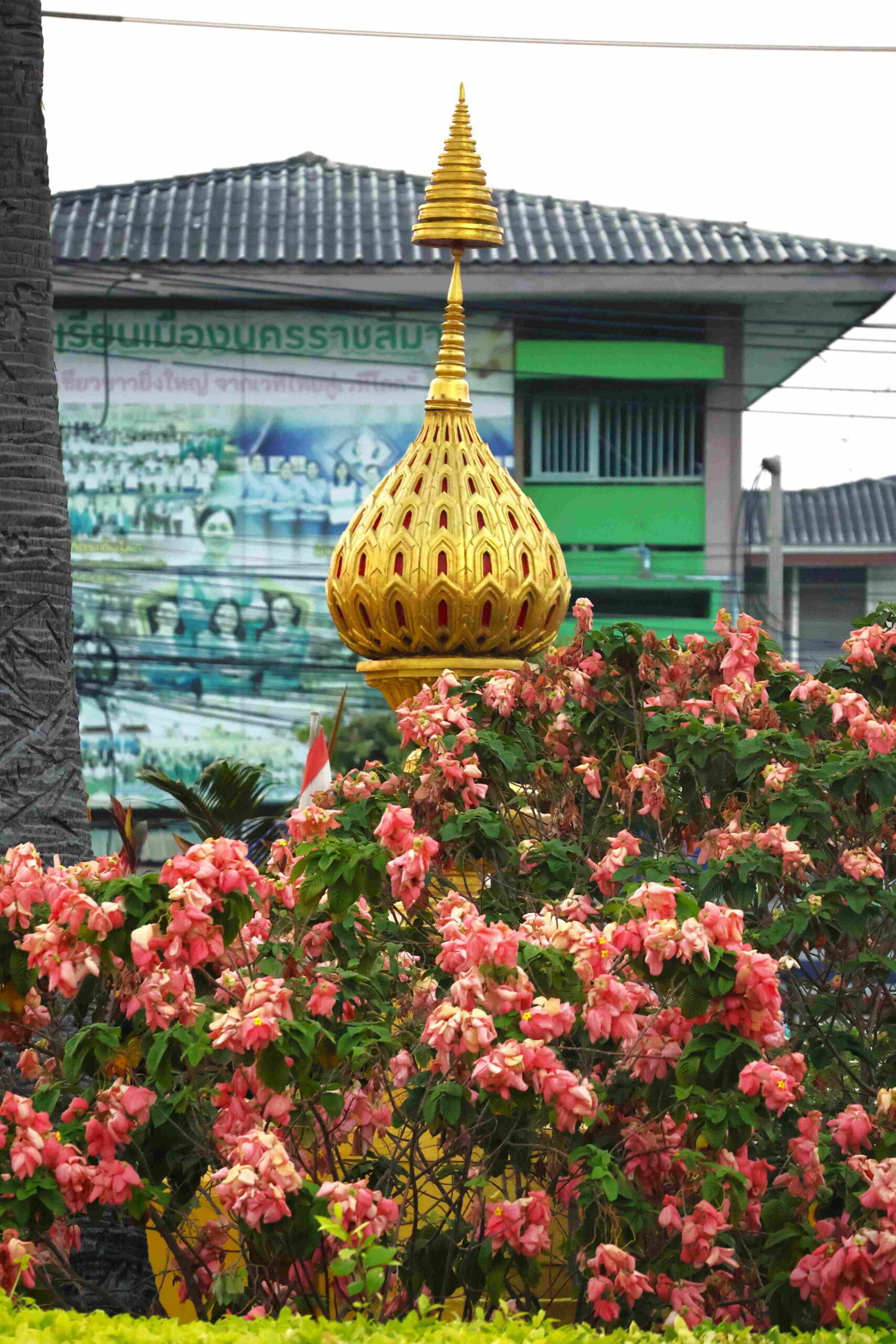
In the blocks spanning the canal to the east, a staid world unfolds with little pretention, although reflecting a greater urban density and preponderance of active businesses, government agencies, restaurants, and coffee shops, with a concomitant investment in at least small aesthetic flourishes. Fashionable coffeeshops and bars abound, revealing this to be the central area of the old town; I could spend my time wandering from one establishment to the next, but really want to discover as much as possible of the town while daylight is available. The neighborhood is embellished with Buddhist architectural artifacts that lend colour and visual drama to the otherwise uneventful urban landscape.
Korat
Korat
Korat
Korat
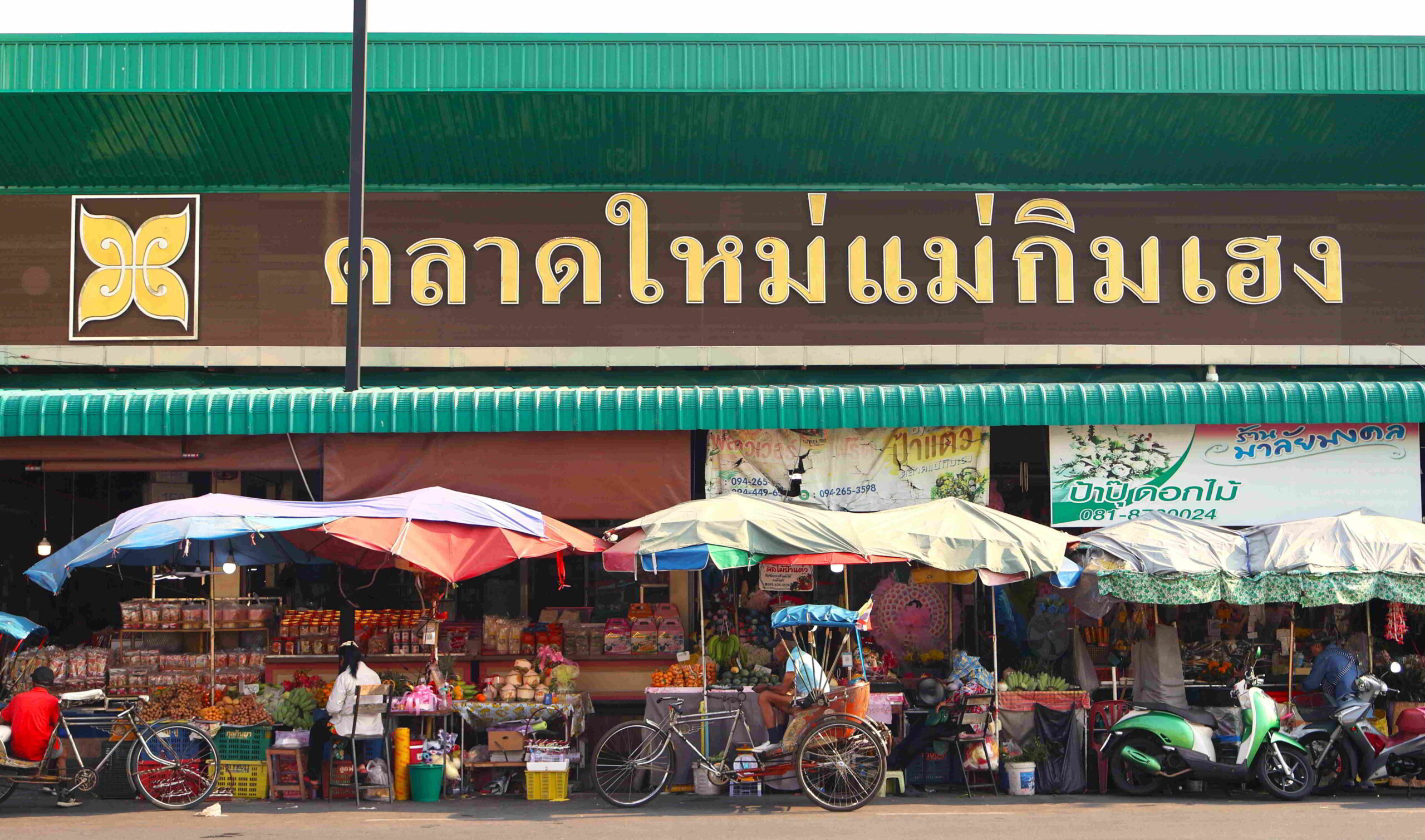
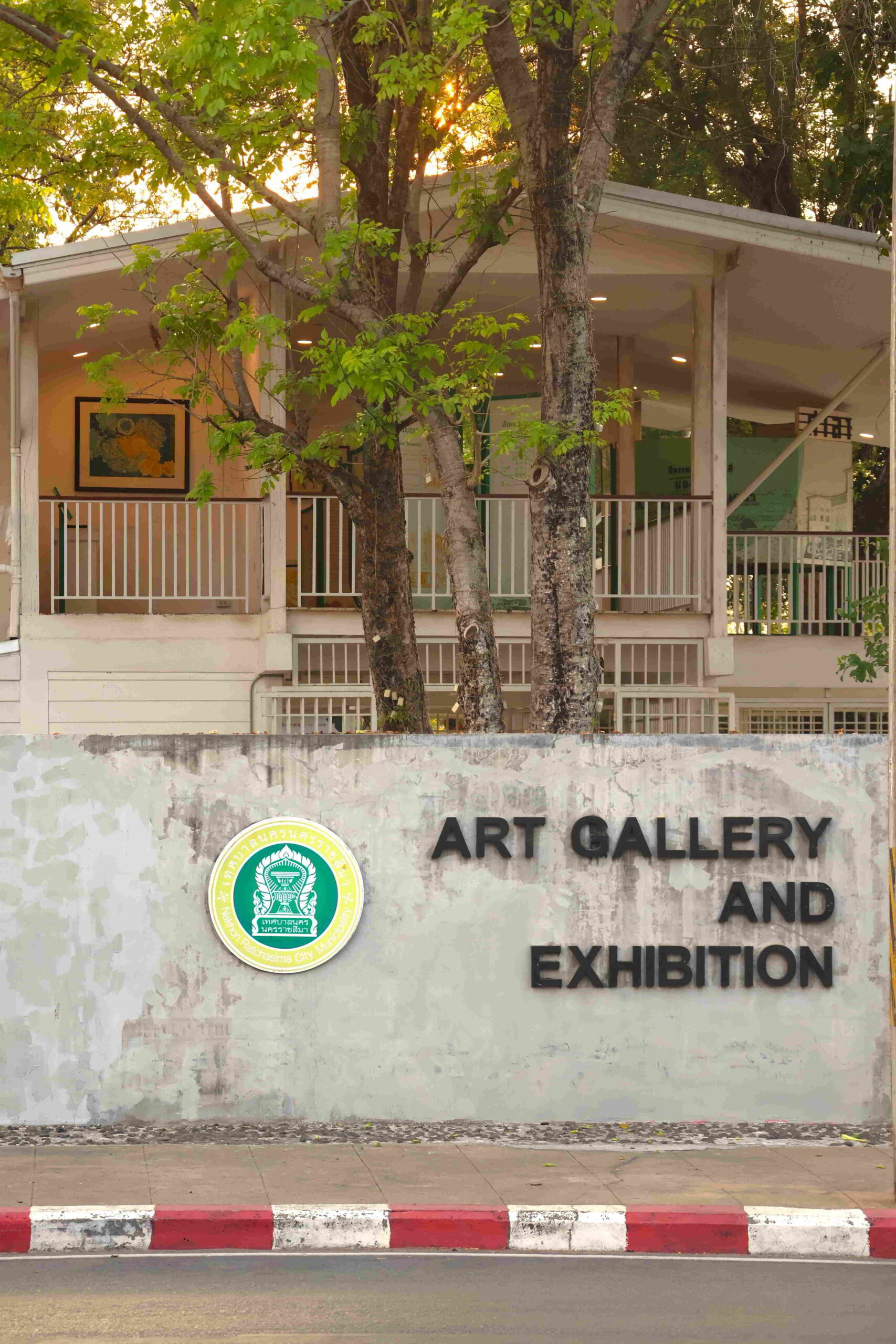
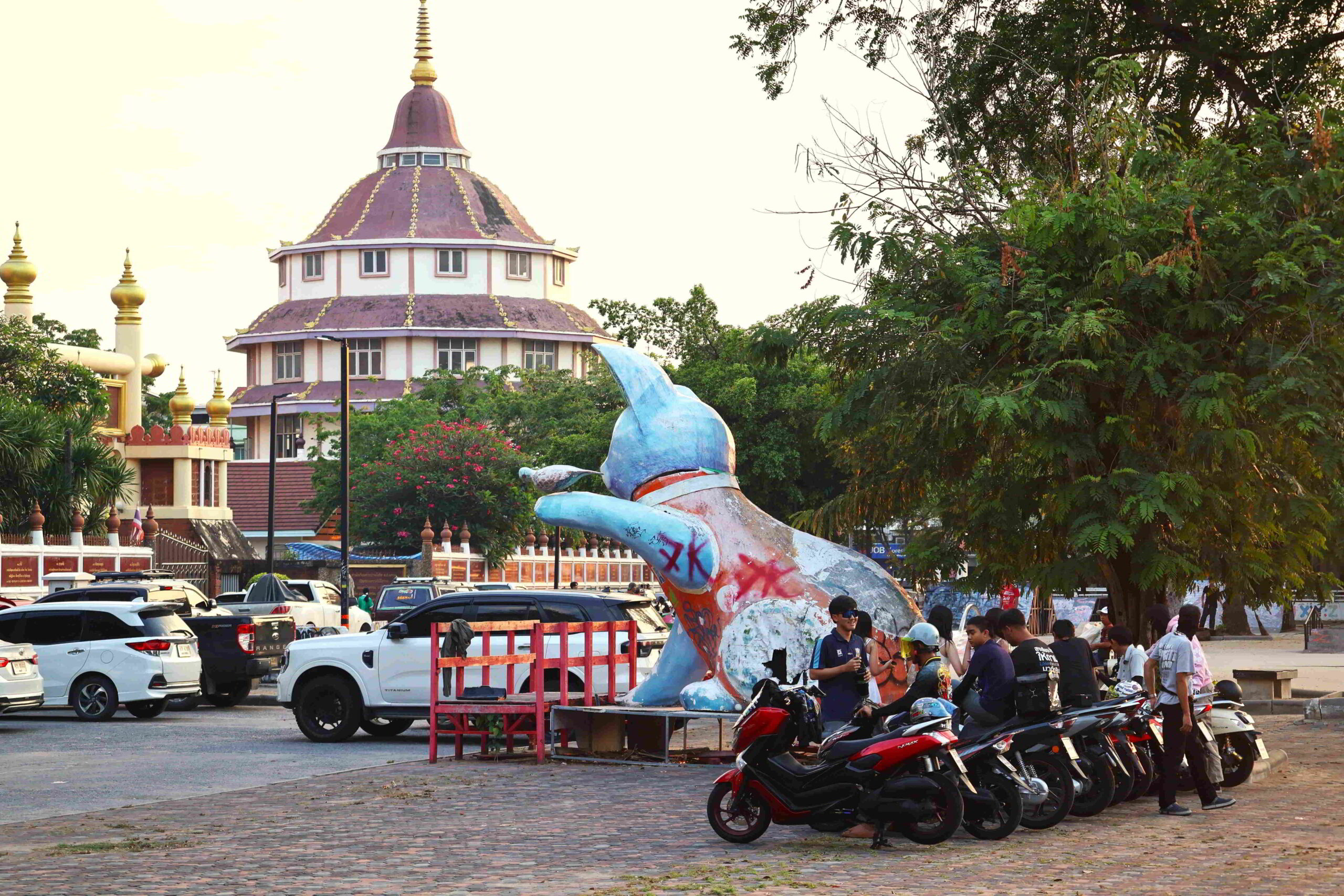
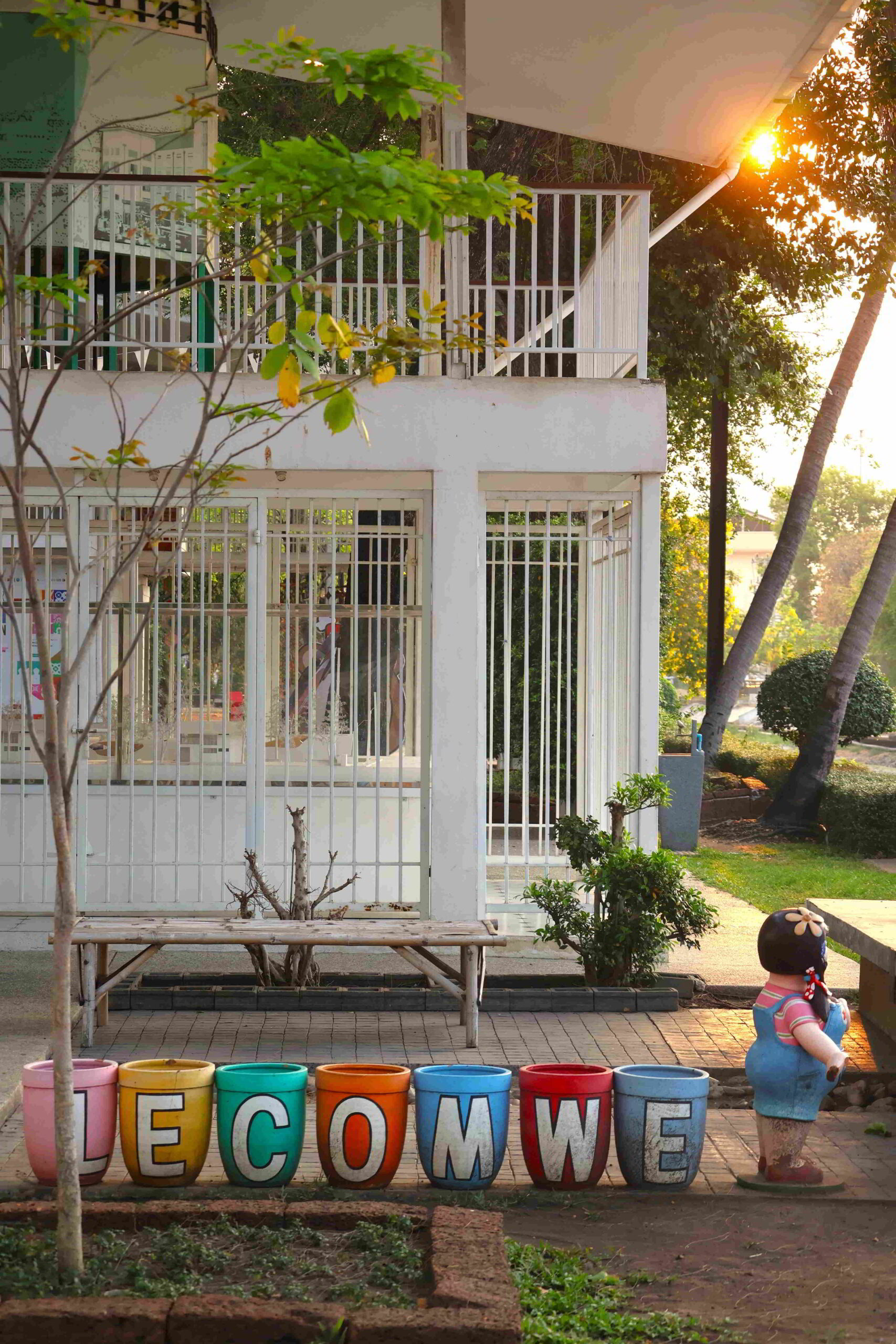
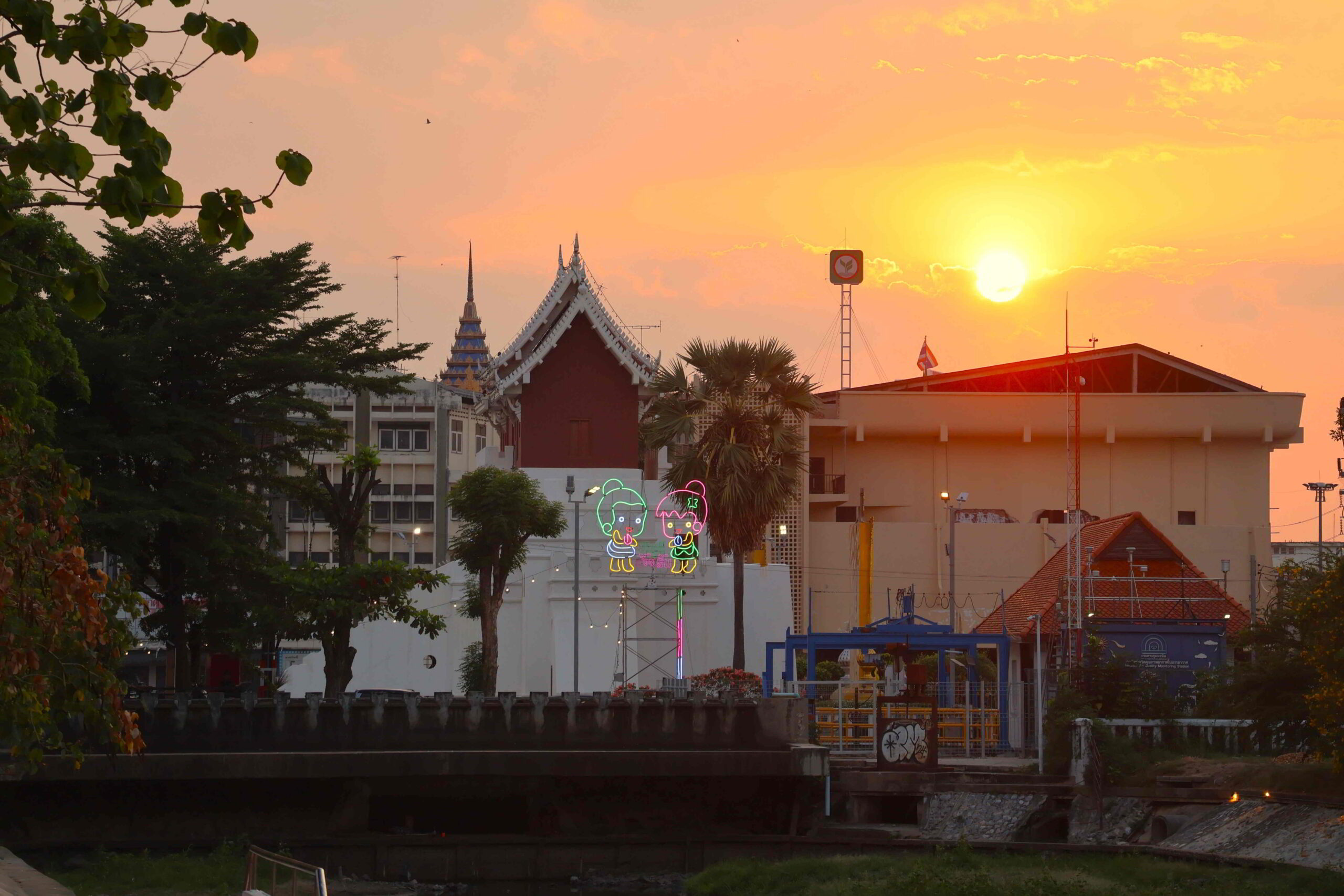
There is even a large market nearby, the darkened interior a welcome relief from the blistering heat outside, but once I am inside, I can imagine significant amounts of time disappearing as I peruse the vast array of food stuffs and dry goods – perhaps I could return later on today, although if not today, then not at all, as today is my last day in Korat. Set next to the relatively anodyne fray of the town centre is the Art Gallery and Exhibition space, an unusual assembly of small, open-faced pavilions set on terraces landscaped with a set of unusual, oversized sculptures, the two structures providing display space for both local history, while the grounds serve as a whimsical stage for creative artistic expression. Reviewing the map of Korat, the town features other art exhibition spaces as well, although unfortunately I won’t have enough time to take them in.
Korat
Korat
Korat
Korat
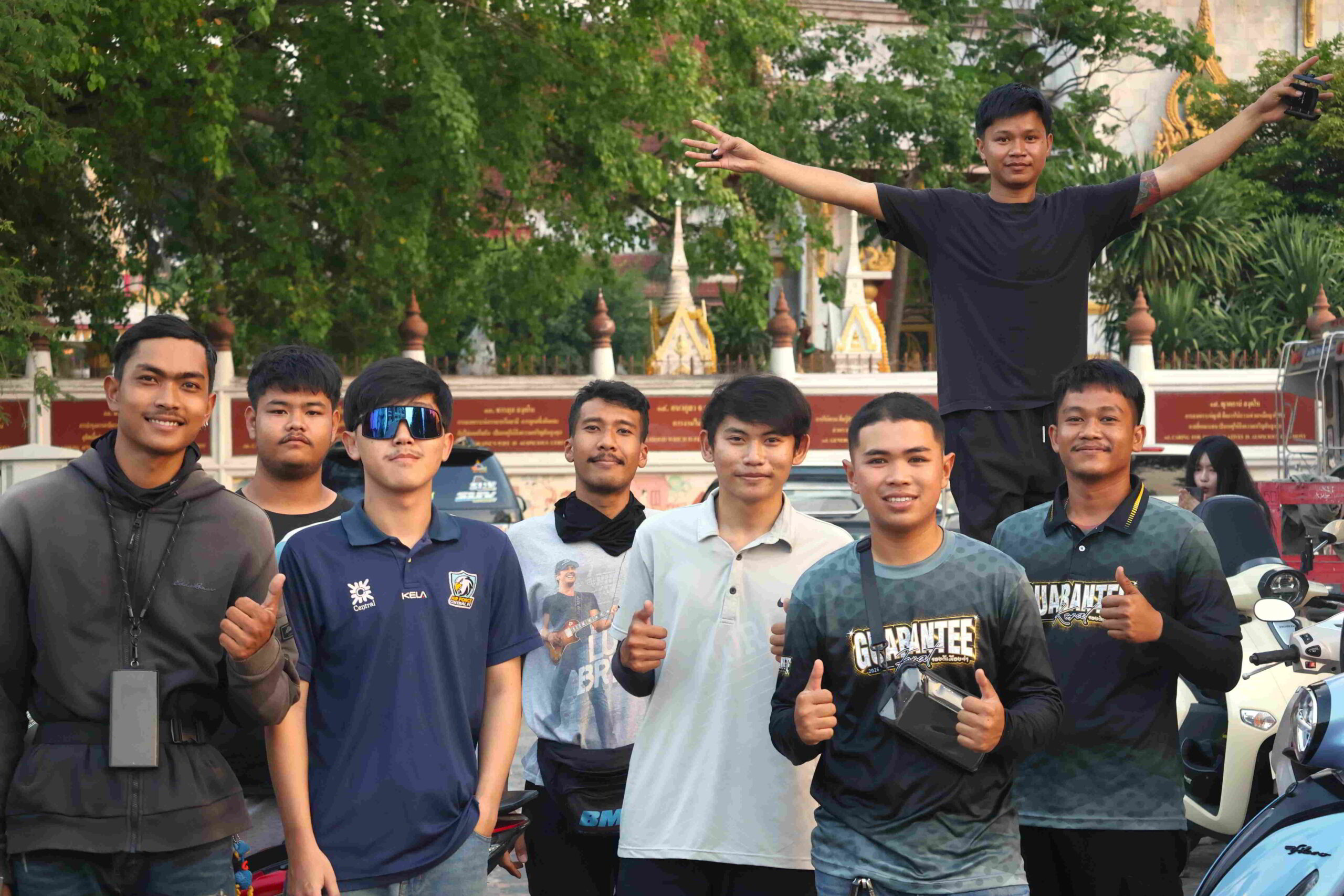
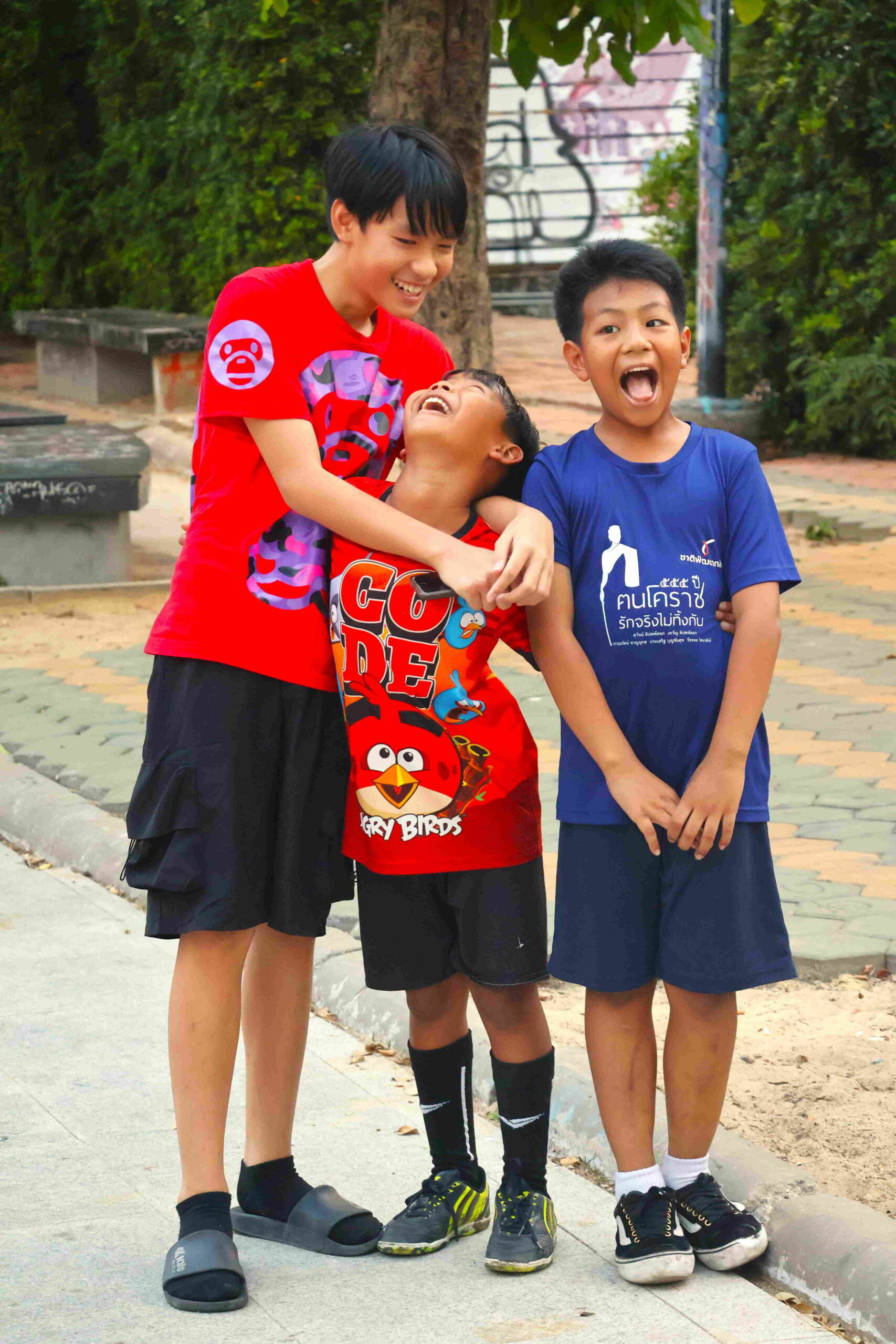
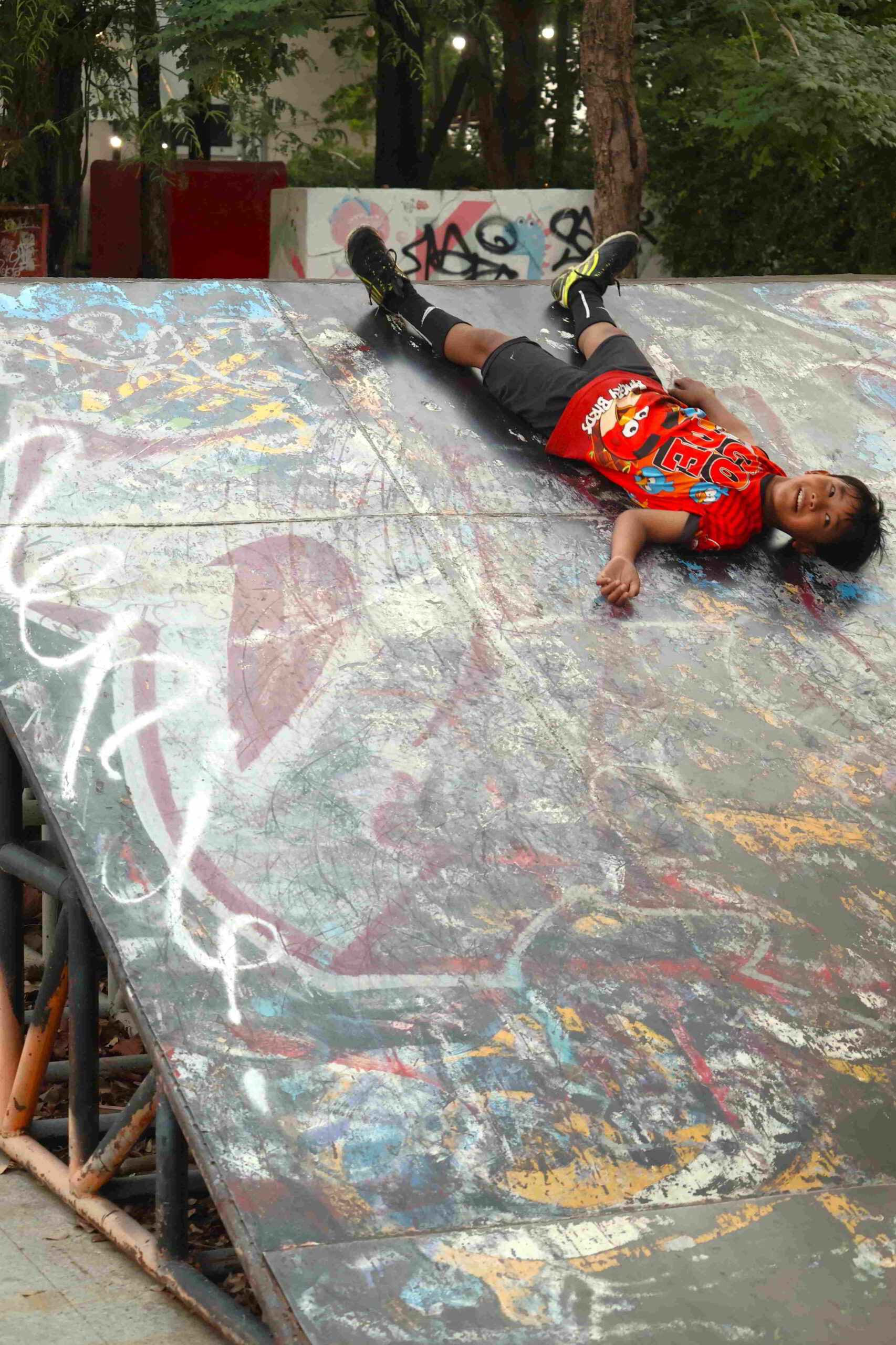
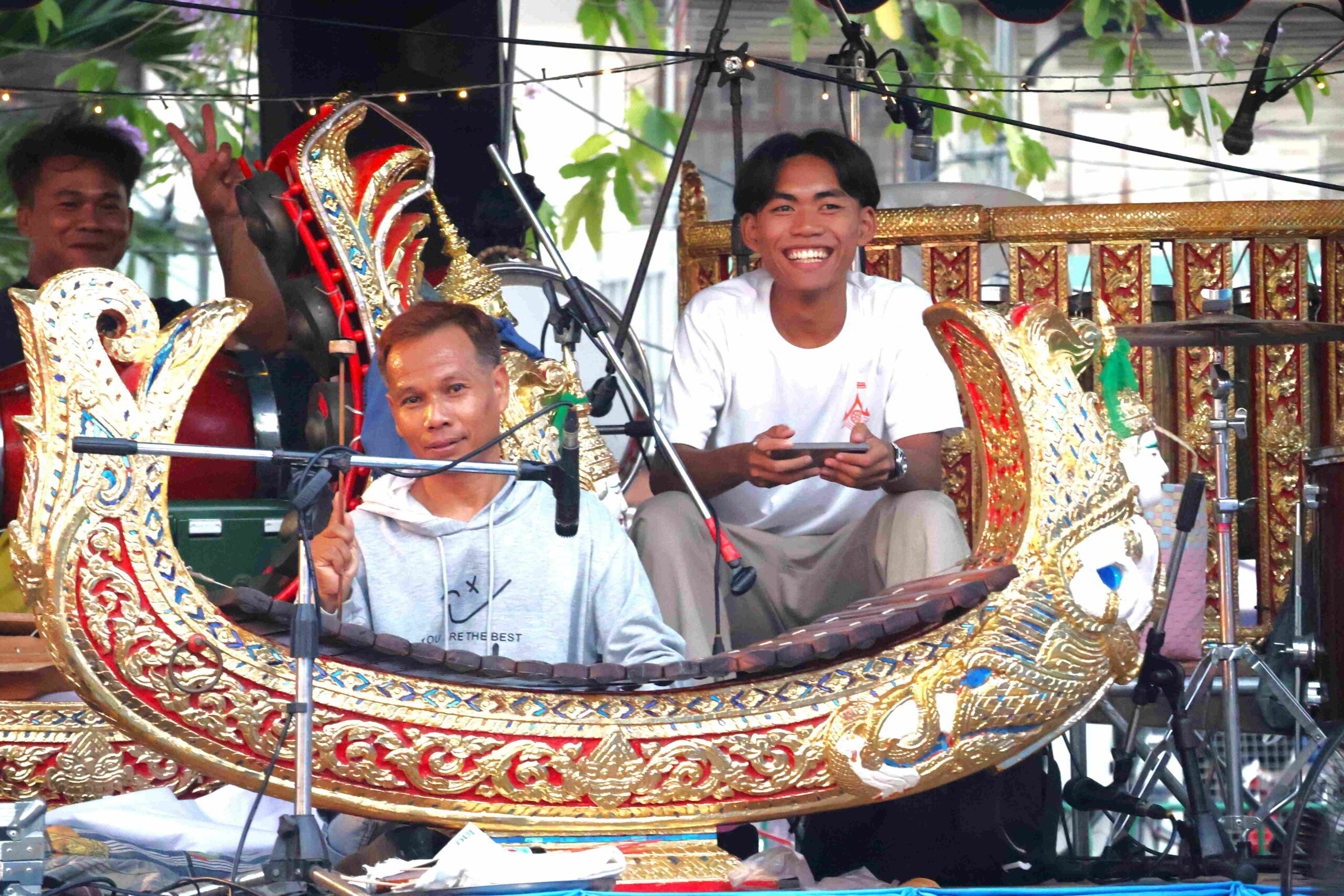
West of the exhibition space is a stage and seating area spread across a small grassy space, beyond which lies a sprawling parking lot. Technicians are preparing the stage for what presumably will be an evening performance, while a larger group of young men have gathered next to their scooters in the parking area, presumably for a social purpose of some sort. The heavily treed enclave next to the canal seems to have more of a recreational focus than accommodating vehicles. The heavily-graffitied skate ramp in particular seems to have attracted considerable attention from a group of young boys, the youngest of the lot, bereft of any skate-like contraption, is intent on using the ramp as a result, his ebullience amplifying when a farang appears to take photos of his errant efforts.
Korat
Korat
Korat — Wat Phayap Phra Aram Luang
Korat
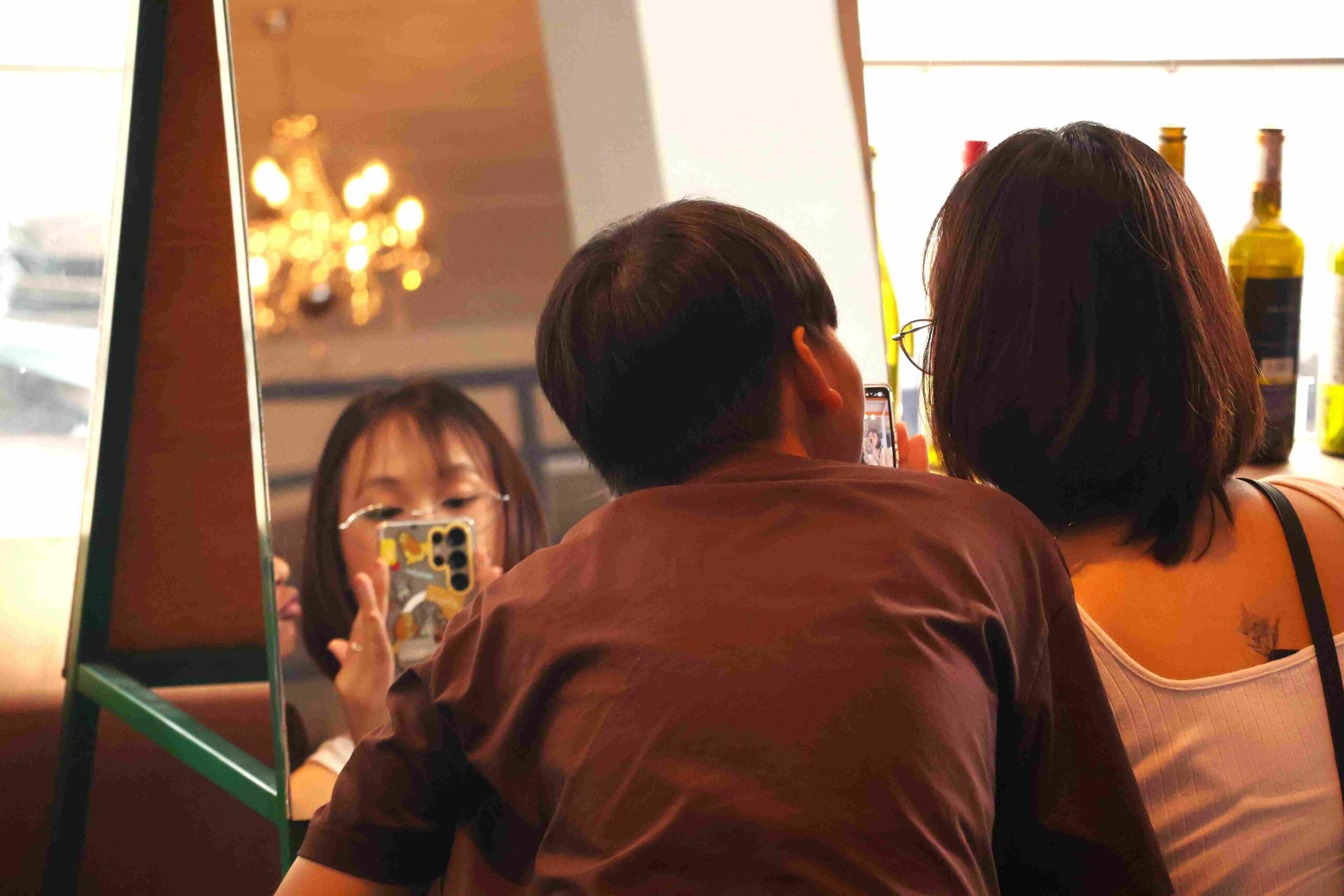
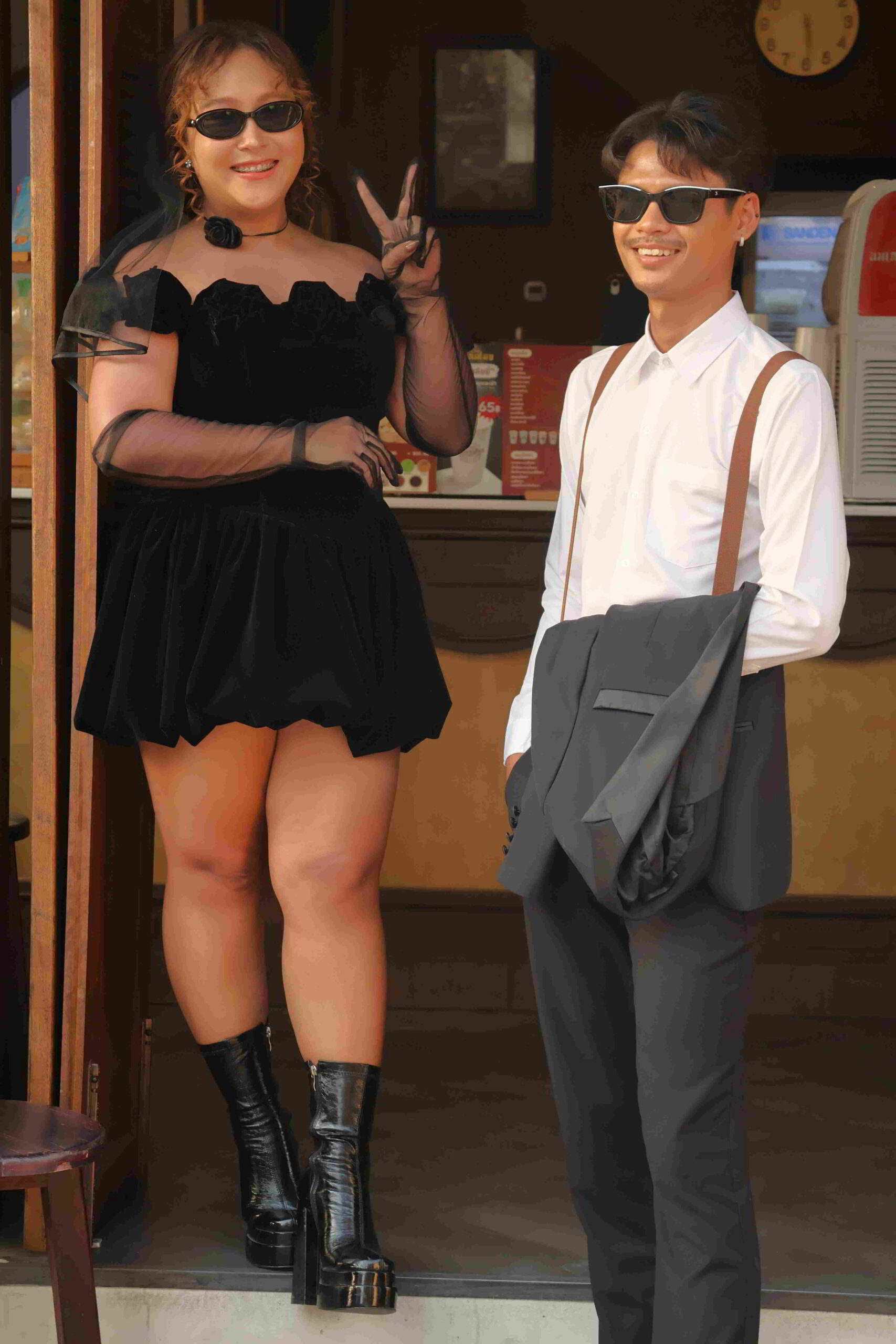
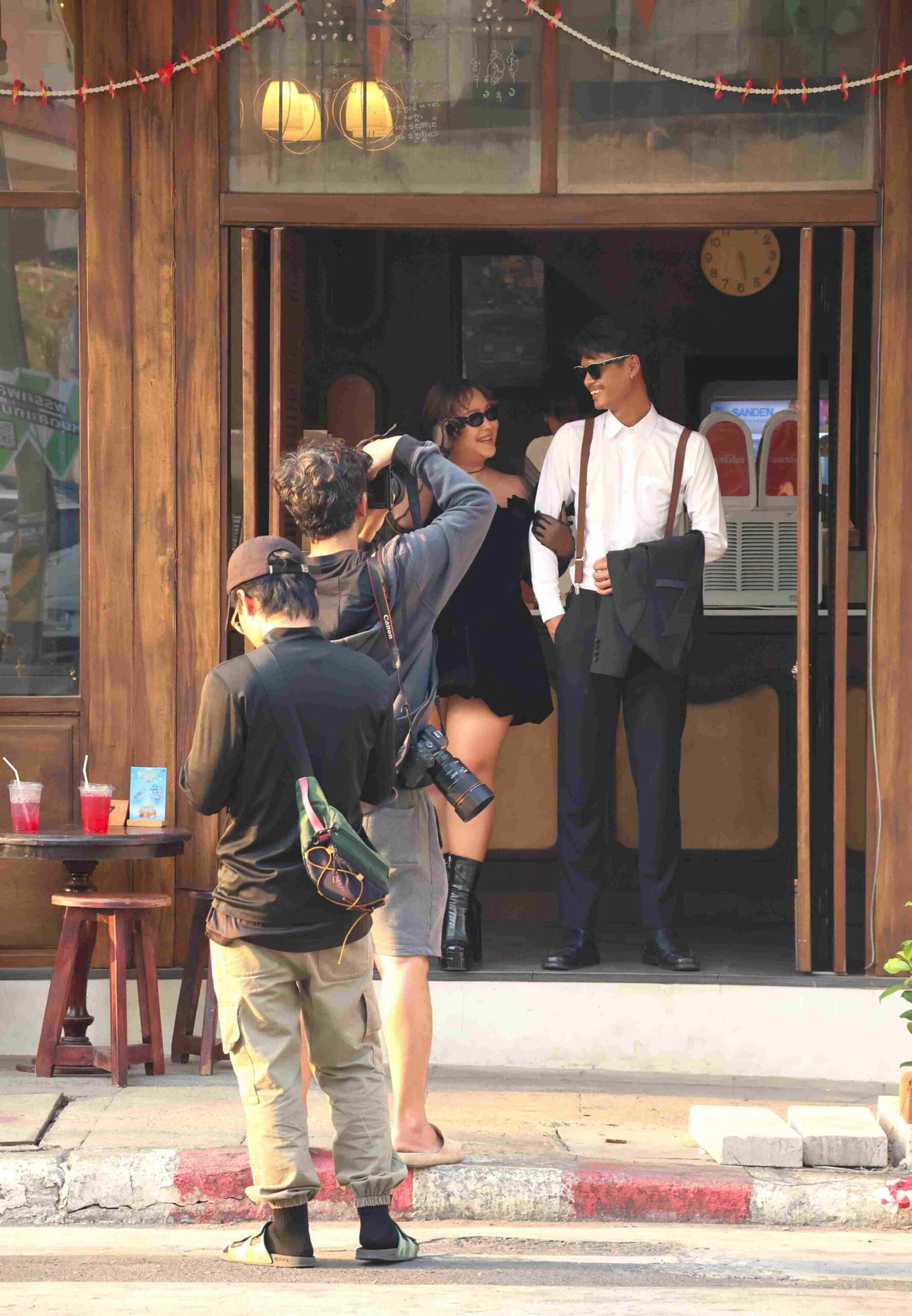
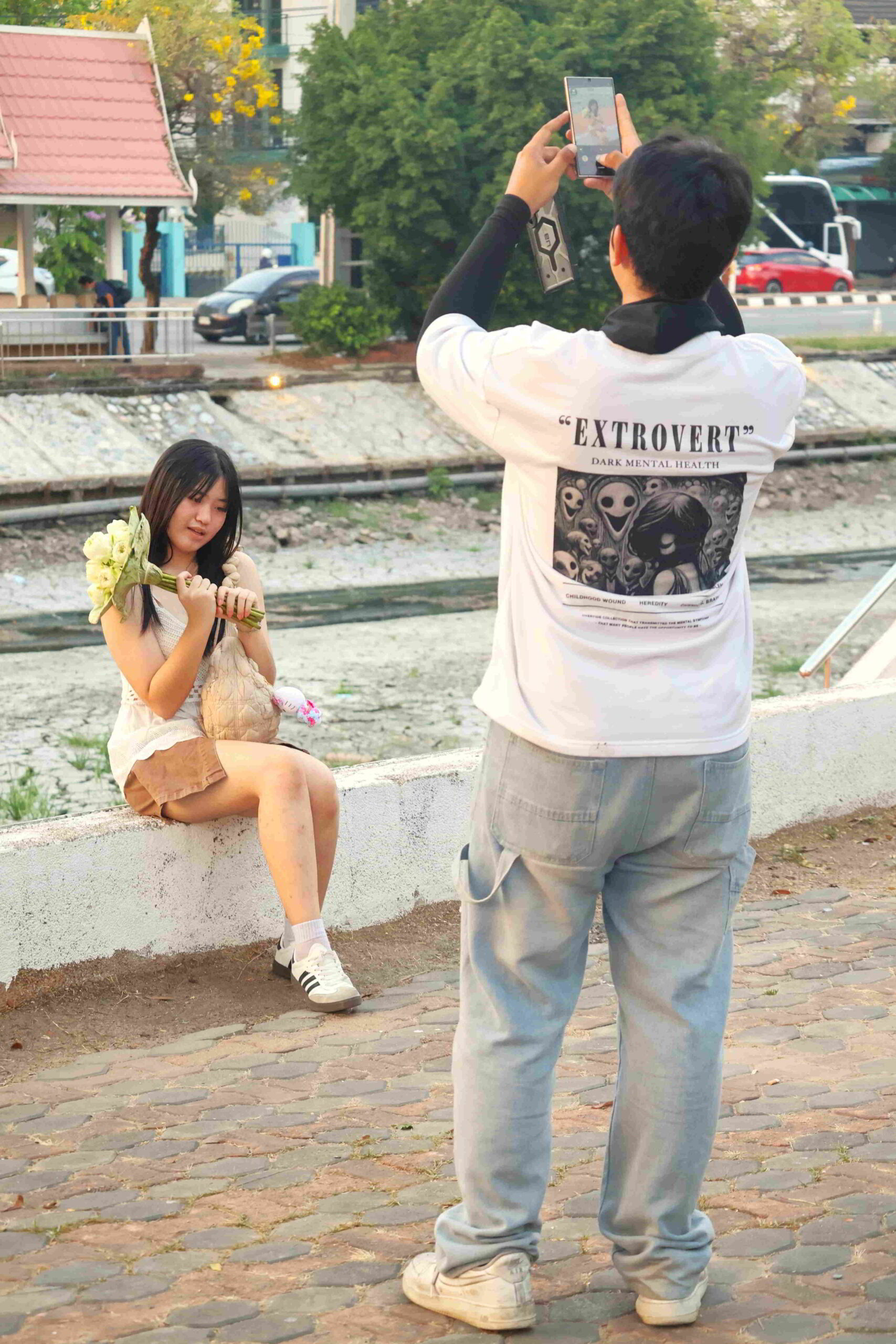
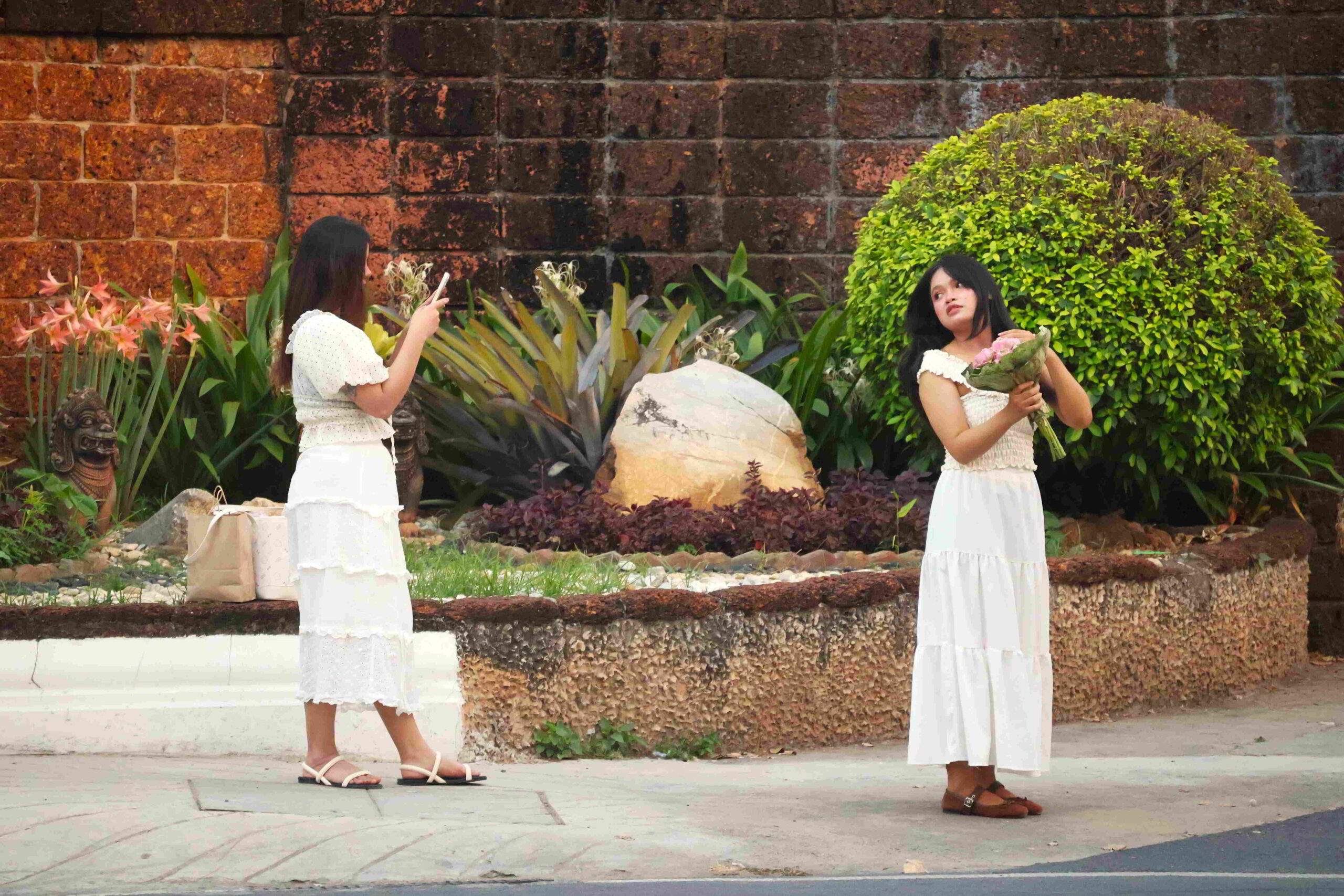
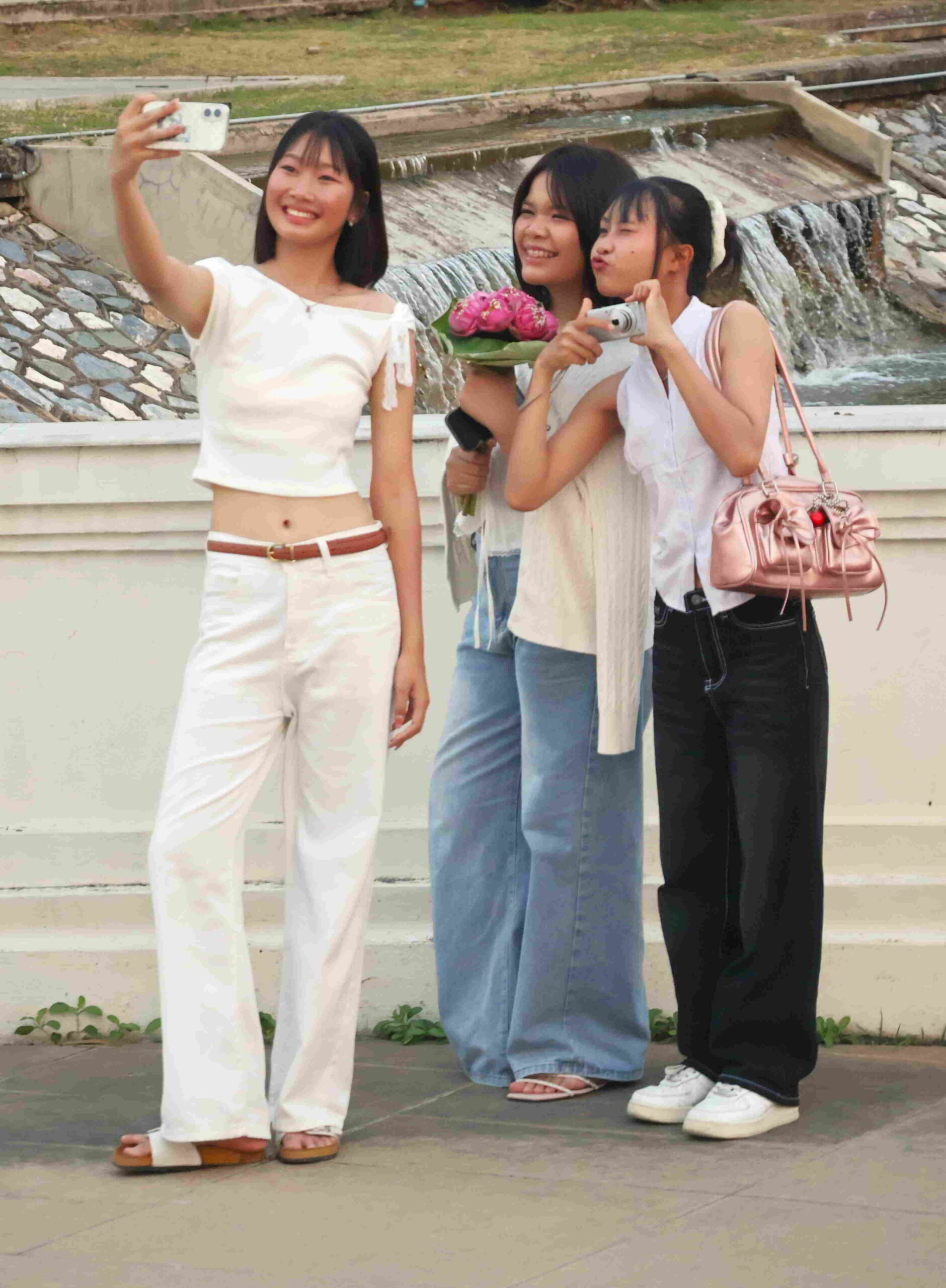
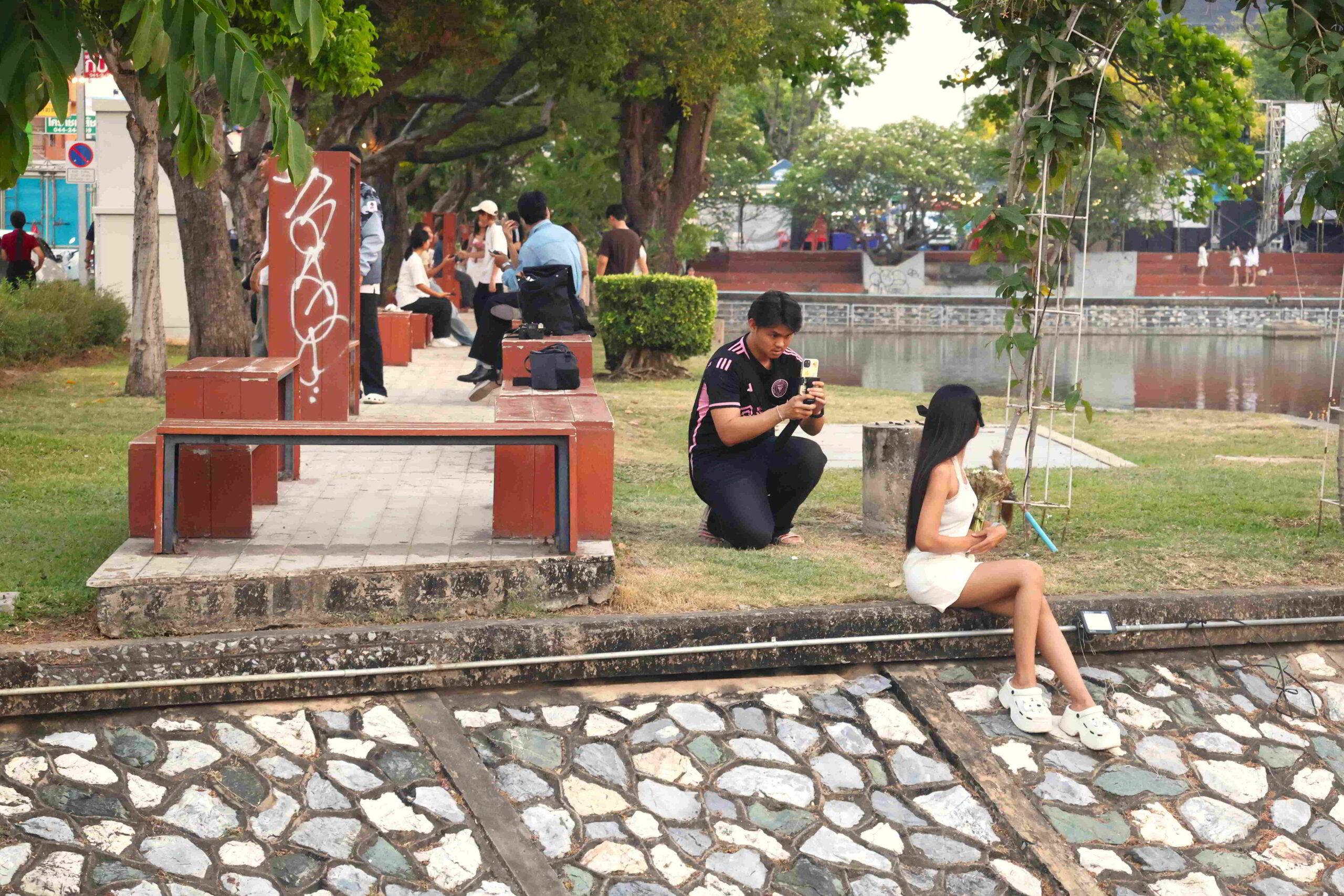
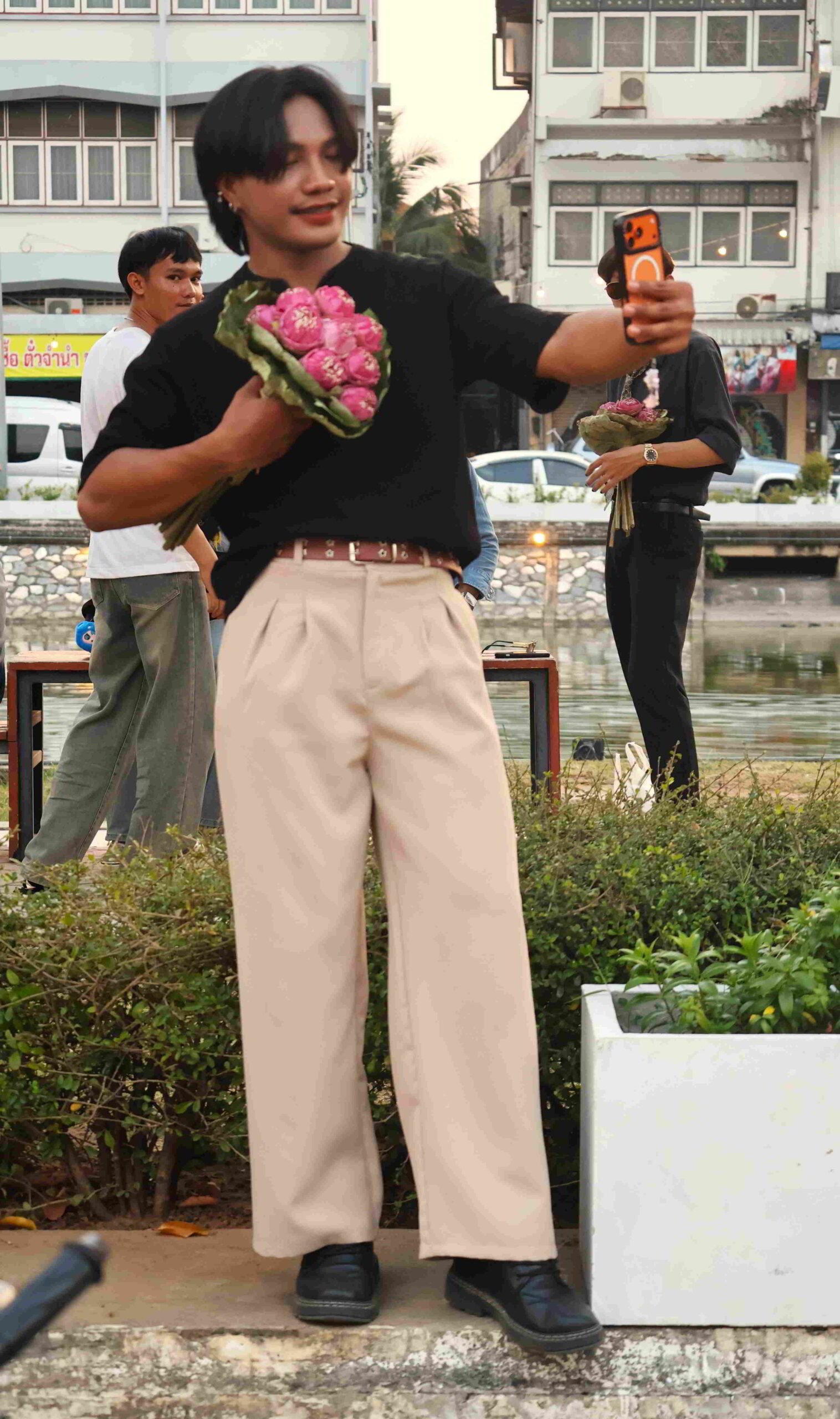
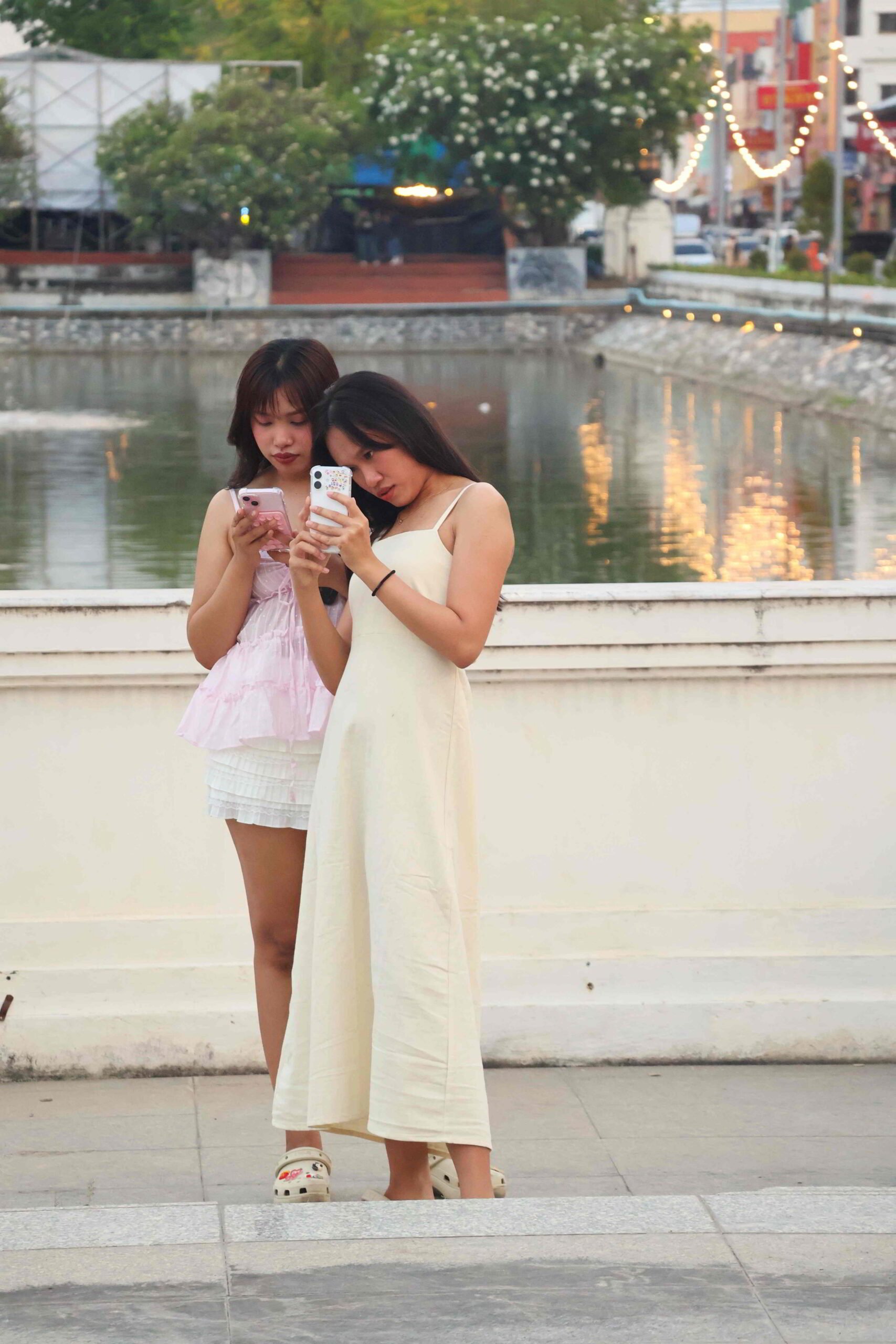
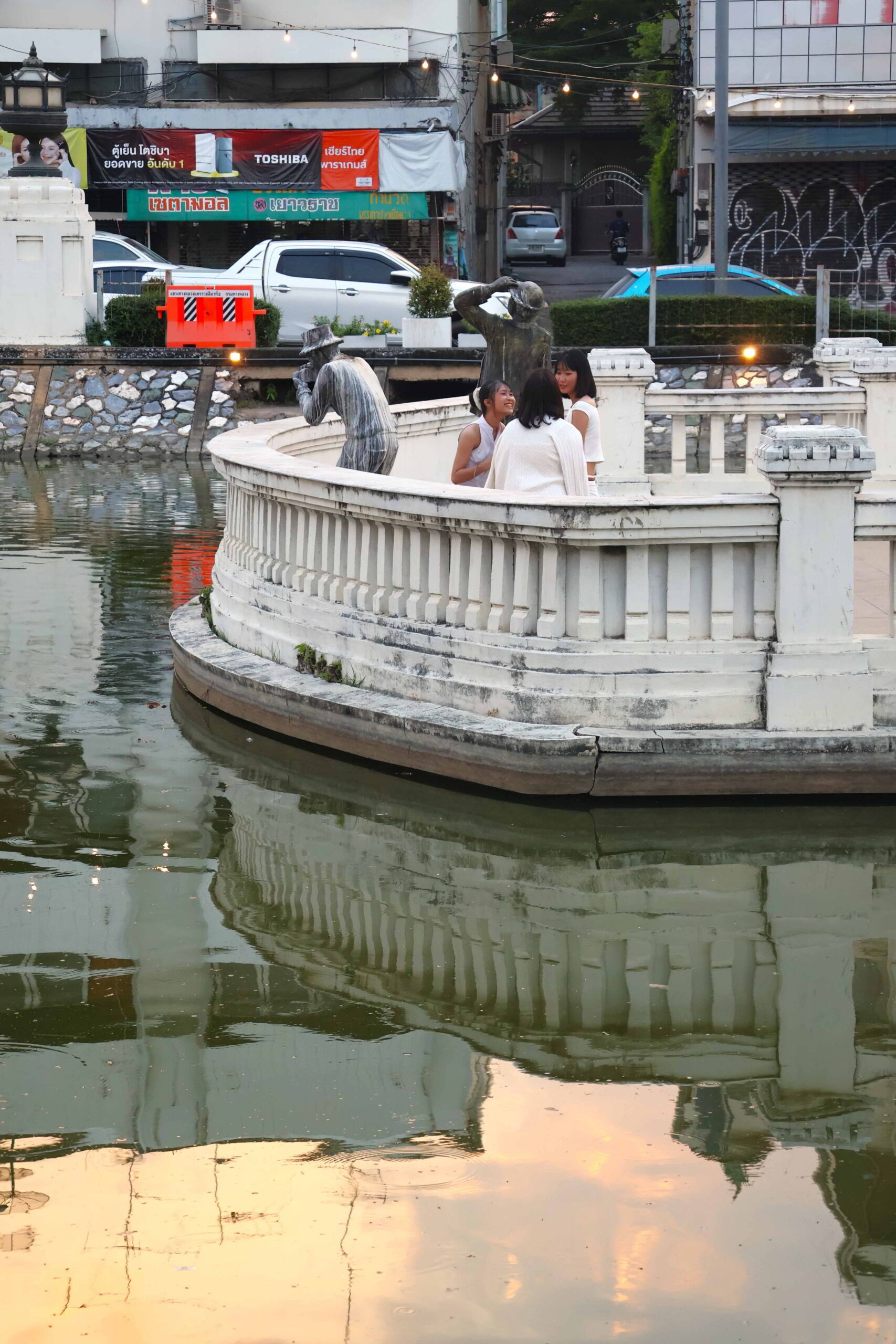
As I return to the area of the western canal, I now see that many of the young people congregating along the terraces and monuments that culminate along the northern confines of the waterway are busily taking selfies or posing for photos being taken by their cohorts with professional camera equipment. Young men take pictures of what presumably are their girlfriends, young women of other young women, others taking selfies, and so on. The purpose of the event isn’t clear, although based on the age of the participants would seem to be related to a school graduation event, although without asking I couldn’t be sure.
Korat
Korat
Korat
Korat
What is apparent though is the kind of social segregation you would find anywhere else in the world, good-looking youth congregating in their respective groups, happy couples using the picture-taking efforts to pay as much attention to each other as possible, the expected coterie of young women obsessed with their appearance, but on the fringes of the area, mostly young men taking belated selfies, obviously alone and with no social compliment. As a traveler, you observe the continuous flow of humanity’s rich pageant pass by you; not all of it is enjoyable to take in, particularly given how powerless the plight of others leaves you feeling.
Korat
Korat
Korat
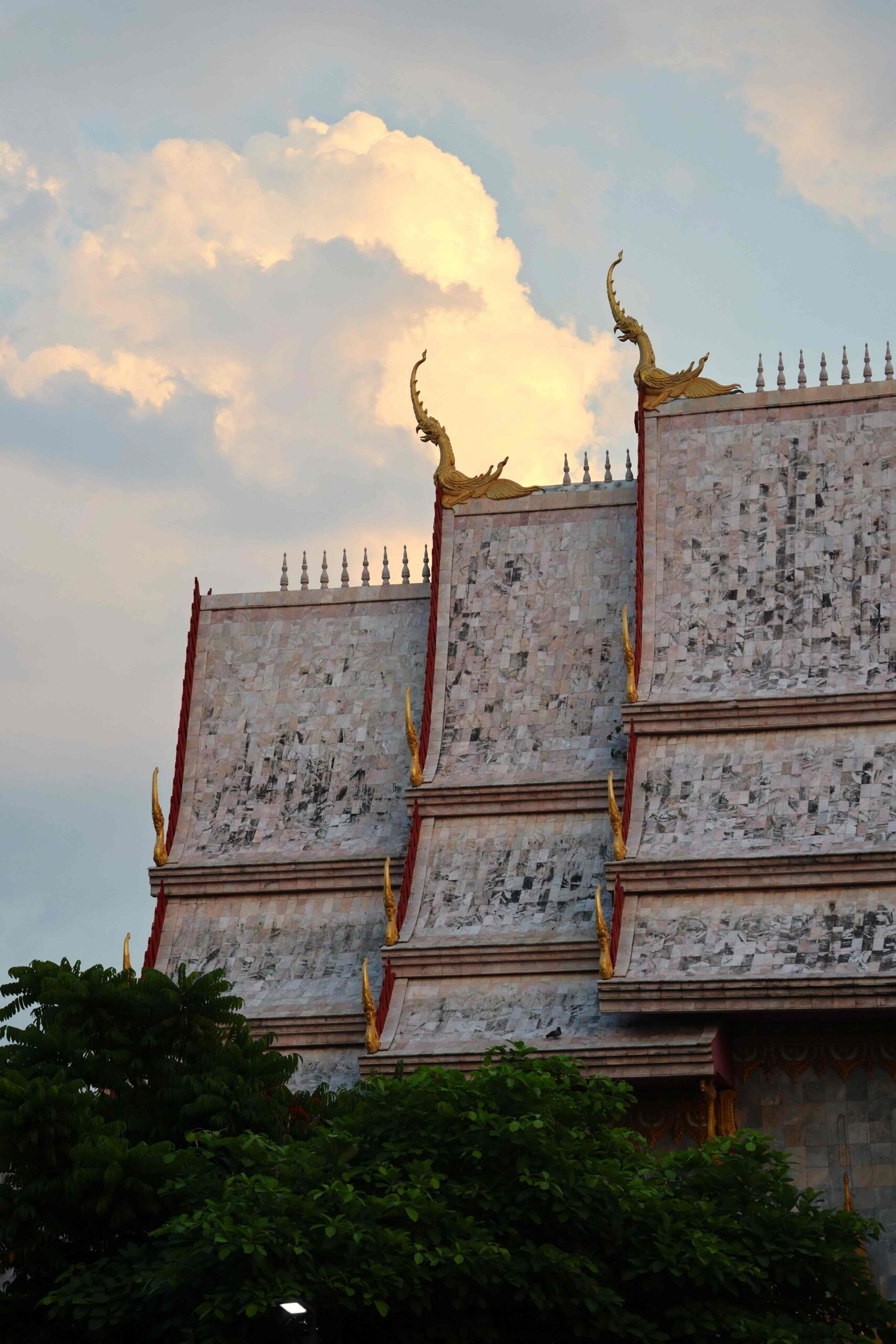
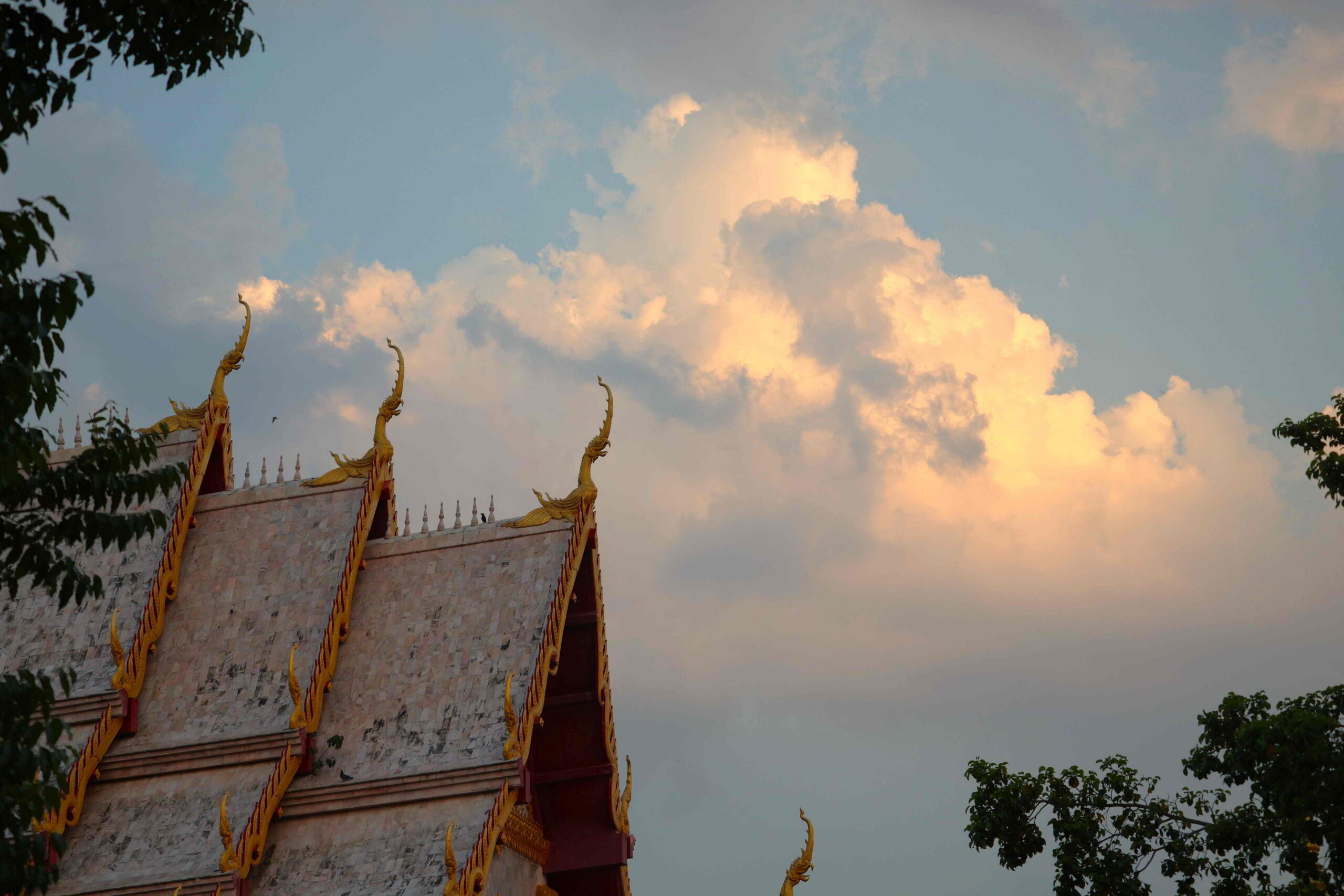
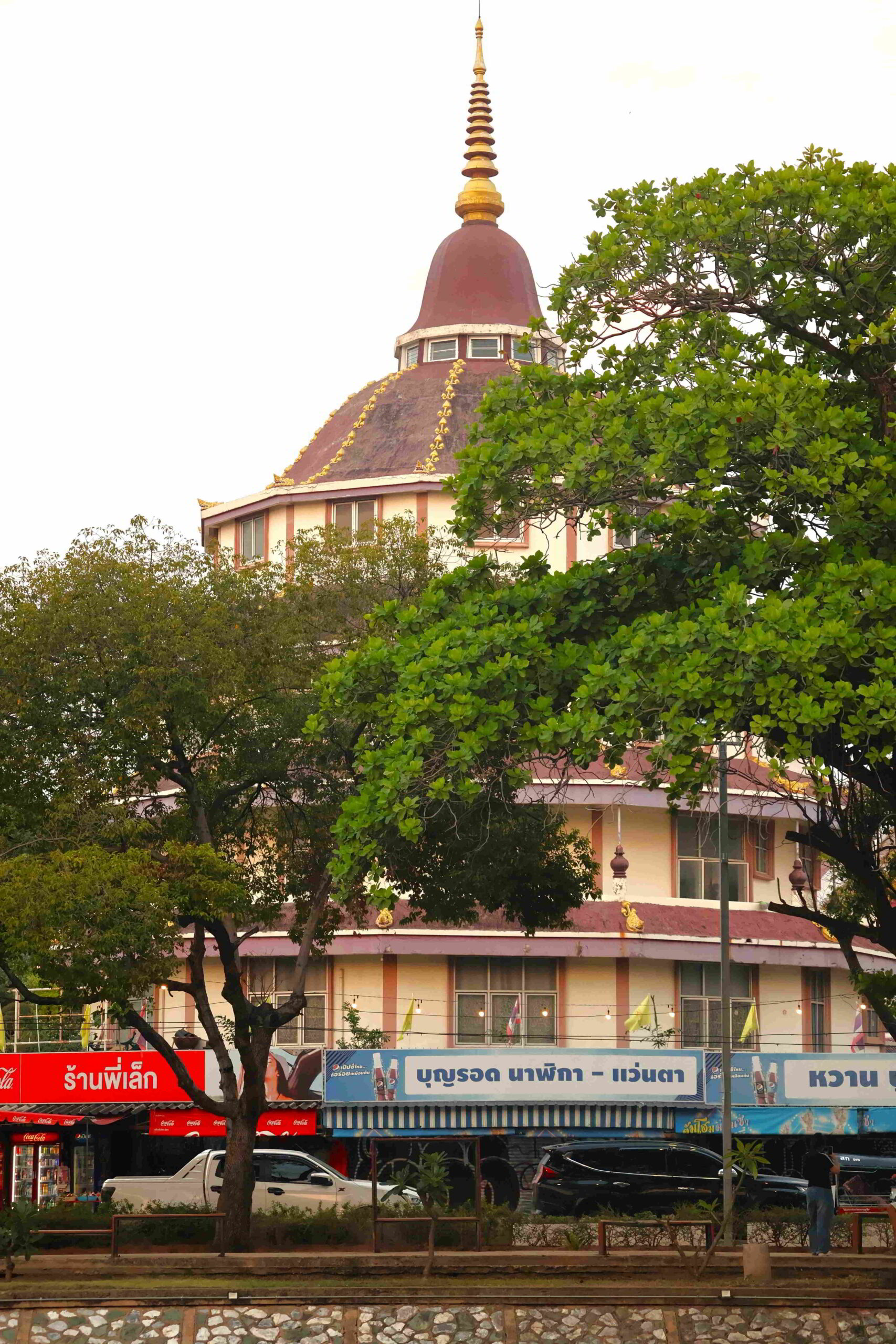
The romantic photo sessions continue unabated around the north end of the canal, and further to the south, vendors are preparing for another busy evening at the night market. The darkening contours of the cumulus stacks in the sky unfurl against the deepening gold of the neighboring Wat Phayap Phra Aram Luang temple’s rooflines. I would love to spend time wandering through the market, but it becomes too much of a sensory overload, and there is only so much food you can consider eating. The evening performances set to take place on the stages spread across the plazas adjoining the canal also beckon, but I just don’t have the patience to wait for them to begin. But I do need to buy some food to tide me over tomorrow morning prior to moving on to my next destination on my eastward journey into the Isan …
Korat
Korat