March 29, 2026
Another morning at my offbeat Airbnb in Taling Chan, the sleep quality in my drab bedroom more or less passable, although the air conditioning has been working admirably, which is fantastic. And then while there are no services of any sort in the immediate vicinity of the place in this very residential neighborhood, the breakfasts the host prepares are superlative. There is no air conditioning downstairs, but the morning air is still reasonably tepid, outside in fact even somewhat cool. I open a few of the huge shuttered windows, but it won’t be long before they have to be closed again in the rising tropical heat.

Bangkok — Bang Phlat — ChangChui Creative Park

Bangkok — Bang Phlat — ChangChui Creative Park

Bangkok — Bang Phlat — ChangChui Creative Park

Bangkok — Bang Phlat — ChangChui Creative Park
On my last day in Bangkok, I would like to explore some more of the sights on the left bank of the Chao Phraya river. I am sure that there are many attractions and interesting neighborhoods, but probably of a much more local nature, and hence not promoted on English language web sites. One approach I could take is simply randomly select various sites that appear to be interesting on the map. I could begin with attractions that are relatively close by, then explore the further reaches of the left bank of the river, given that in all my trips to Bangkok, I have only visited the left bank very briefly.

Bangkok — Bang Phlat — ChangChui Creative Park

Bangkok — Bang Phlat — ChangChui Creative Park

Bangkok — Bang Phlat — ChangChui Creative Park

Bangkok — Bang Phlat — ChangChui Creative Park
One place that caught my attention that is not far to the northeast of the floating markets is the ChangChui Creative Park. I am not quite sure what the idea behind it is, but from the images I see online, it seems to be an entertainment quarter of sorts with unusual design features.

Bangkok — Bang Phlat — ChangChui Creative Park

Bangkok — Bang Phlat — ChangChui Creative Park

Bangkok — Bang Phlat — ChangChui Creative Park

Bangkok — Bang Phlat — ChangChui Creative Park
One big upside to exploring Bangkok is the availability of cheap motorcycle taxis (Bolt, Grab), perfect for traveling to and from my Airbnb, given that it is located in a narrow alley that no car can access. To travel by car, I would have to trek to the main road. Tuktuks are available as well, and they can probably navigate these narrow alleys, but I inherently dislike the vehicles for the poor quality of the ride, their slow speed, and lack of visibility – despite the open sides, the canopy overhang is low enough that I have to bend over to enjoy a view of any kind in a tuktuk.

Bangkok — Bang Phlat — ChangChui Creative Park

Bangkok — Bang Phlat — ChangChui Creative Park

Bangkok — Bang Phlat — ChangChui Creative Park

Bangkok — Bang Phlat — ChangChui Creative Park
The ChangChui Creative Park is in somewhat of an unusual location, sandwiched between two thoroughfares, the Prachim Rathaya Expressway and Sirindhorn road, precluding the possibility of casually walking over – you definitely need to get here by vehicle, and that thanks to the usual contorted urban layout that characterizes this sprawling metropolis. But once inside, a world unfolds that is wildly different from the concrete-coated characterless sprawl that surrounds it, beginning with the giant realistic sculpture of a dog flanked by three upright golden octopi figures positioned at the entrance.

Bangkok — Bang Phlat — ChangChui Creative Park

Bangkok — Bang Phlat — ChangChui Creative Park

Bangkok — Bang Phlat — ChangChui Creative Park

Bangkok Noi
A square, industrially-styled grand arch beckons the visitor onto the creative park’s grounds. Inside, it seems the grounds are largely dedicated to restaurants, bars, cafes, and small retail, each establishment uniformly colourful, with design considerations ranging from the industrial to the surreal. Many of the establishments are shuttered, some are opening, and there are virtually no visitors, the only people visible workers presumably preparing to open their locales for the upcoming evening, as that is when the public frequents this place. Daytime evidently not, other than a few eateries and coffee shops. I could always return, but while I am here, I can enjoy a coffee in a trendy cafe with its unique blend of quirky design features, resting my weary body that finds the intense heat of the season challenging, but also taking the opportunity to strategize for the rest of the day.

Bangkok Noi — Royal Barges museum

Bangkok Noi — Royal Barges museum

Bangkok Noi — Royal Barges museum

Bangkok Noi — Royal Barges museum
The giant statues here imbue the park with a degree of strangeness, such as the silver, Cyclopean figure in a boxing pose set next to the fuselage of a Lockheed L-1011 TriStar, from which emits a red, winding slide, or a another human-sized representation of what appears to be an anthropomorphized bug. Even the more prosaic eating establishments are painted with extravagantly surreal designs and feature terraces littered with opulent abstract sculptures. The park certainly does not offer much sense of nature, although when the site is presumably throbbing with activity at night, probably all that matters is the effect of illumination on the surreal architectural spectacle that largely comes across as garish in the glaring light of the afternoon.

Bangkok Noi — Royal Barges museum

Bangkok Noi — Royal Barges museum

Bangkok Noi — Royal Barges museum

Bangkok Noi — Royal Barges museum
The Royal Barges National Museum may be one of the star attractions on the west side of the Chao Phraya, but definitely not the easiest place to get to. To begin with, the motorcycle taxi wants to drop me off next to the Siriraj Piyamaharajkarun Hospital — on the south side of the Bangkok Noi canal — even though my destination on the north side was clearly stated. Of course, I don’t disembark, but insist that the disgruntled driver continue across the bridge and take me to the entrance of the museum. Except that there is no road access, only a maze of very narrow alleys that the driver is understandably loath to navigate. But even as I follow the haphazard signs to the museum entrance, scooters heavily loaded with passengers and merchandise trundle past, one inopportune move resulting in a wanton spill into the Bangkok Noi.

Bangkok Noi — Royal Barges museum

Bangkok Noi — Royal Barges museum

Bangkok Noi — Royal Barges museum

Bangkok Noi — Royal Barges museum
The museum may house the flagship barges of the Thai monarchy, but the impression the place makes departs substantially from expectations. The lengthy, heavily-ornamented boats are moored along a parallel set of piers in a warehouse-like structure facing the canal; judging by the variety of boats plying its waters, it may be that tourists are more likely to access the museum by means of a water taxi than by road. While the boats in theory are of a regal nature, they are mostly in some state of disrepair, either being maintained or in a state of abandonment.

Bangkok Noi

Bangkok Noi — Royal Barges museum

Bangkok Noi
There are only a few local visitors admiring the lengthy boats in addition to myself. While the midsections of the boats are not particularly interesting, the decorative details concentrate on the bow and stern, elaborately-decorated and larger-than-life mythical figures crowning most of the bows, the hulls embellished with intricate bas-relief floral designs or mythical creatures whose images repeat continuously across the entirety of the hull. Some of the boats are mounted with simple, relatively unadorned gazebos set toward the rear, which may possibly be used to house royal patrons or serve as shrines.

Bangkok Noi

Bangkok Noi

Bangkok Noi

Bangkok Noi
From the placards at the museum: “The Thai term rua phra thi nang means a barge used by king. These barges are regarded as the major royal barges. Six types of royal barges are built to serve the king. The first type of the barge is rua phra thi nang king or rua king which is regarded to be the highest level of royal barge. A king would be on board the barge for important state ceremonies, such as the Royal Kathin Ceremony. Sometime it would function as the Royal Kathin Robes’ carrier. The second type, rua phra thi nang ekkachai, is regarded to be the second level of royal barge. The third type, rue phra thi nang si, is used by a king for his personal journeys. The fourth type, rua phra thi nang krap, is suited to royal journeys along small canals. The fifth type is rua phlapphla on which a pavilion on board functions as the king’s private room, where he can remove his ornaments before arriving at the temple for the Royal Kathin Ceremony. The last one is known as rue ton which the king uses to visit his subjects in rural areas.

Bangkok Noi

Bangkok Noi

Bangkok Noi

Bangkok Noi
The royal barges are built to serve the King’s duties. The barges were used as warships during the time of war, and were adapted for the King’s journeys during royal ceremonies and other important occasions. The bodies of the royal barges were longer and larger than other typical barges. They were able to cruise on shallow water and to carry many oarsmen. A zoomorphic figurehead was normally carved as the prow of the barge. Depictions of these barges have appeared on prehistoric and early historic bronze drums which were found throughout Southeast Asia. Evidence of the presence of royal barges was found at Prasat Phimai (c. 12th century CE) in Nakhon Ratchasima, the Northeast Thailand and at Prasat Bayon (c. 13th century CE) in Siem Reap, Cambodia. These were believed to probably be the original designs of the Thai royal barges. Thai royal barges were first sighted by foreigners in the reign of King Narai the Great of Ayutthaya (reigned 1656-1688). The outstanding features of the royal barge procession were as follows:

Bangkok Noi

Bangkok — Chao Phraya

Bangkok — Chao Phraya

Bangkok — Chao Phraya
1) Each barge was made of a narrow, long trunk. Some of them were able to carry more than 100 oarsmen, and could travel rapidly even going upstream.
2) Each barge was delicately carved with gilt lacquer and mirrored glass decorations. Their prows were carved with mythical creatures.
3) The royal barge procession was manned by well-trained oarsmen. They used moderate strokes that were accompanied by the harmonious sounds of rhythmic chanting.

Bangkok — Chao Phraya

Bangkok — Chao Phraya

Bangkok — Chao Phraya

Bangkok — Chao Phraya
After the fall of Ayutthaya in 1767, almost all of the royal barges were seriously damaged. Although some barges had been reconstructed during the Rattanakosin Period (from 1782 onward), they were destroyed during the World War II (c. 1939-1945). After his coronation, King Bhumibol Adulyadej the Great revived this ancient royal tradition. The king ordered the royal barges’ restoration and initiated a revival of the royal barge procession for auspicious occasions. The Bureau of Royal Household in collaboration with the Royal Thai Navy and the Fine Arts Department played a significant role in serving King Bhumibol’s Adulyadej the Great’s ideas.

Bangkok — Chao Phraya

Bangkok — Chao Phraya

Bangkok — Chao Phraya

Bangkok — Chao Phraya
I debate what the next adventure of the day may be. How about taking the public ferry up the river? On one hand, I have taken the express boats numerous times in past visits, but rightfully question the extent to which I have really explored the riverside environs of Bangkok beyond select core areas. On the map, the area plied by the boats may be small, but in reality it spans many kilometres, and despite most of the city looking uneexceptional from the vantage point of the river, there surely must be interesting areas to discover. So why not take a boat in either direction, get off at some random stop, then begin exploring the area on foot. Not only do the boats make many stops along either side of the river, but they run frequently and cost a trivial ฿5.

Bangkok — Chao Phraya

Bangkok — Chao Phraya

Bangkok — Chao Phraya

Bangkok — Chao Phraya
Even though the Phra Pinklao Bridge pier is virtually around the corner from the Royal Barges National museum, the walk there is more interesting than I would have expected. I retrace the last portion of the passage leading to the museum, but instead of continuing to the west toward Arun Amarin road, I take the passage continuing to the north, then eastward toward the Chao Phraya. Strangely enough, I see modest wooden shacks surrounded by overgrown bushes, a relic from another era, possibly property that belongs to traditional landowners who refused to sell to developers — or are waiting for more opportune prices.

Bangkok — Chao Phraya

Bangkok — Chao Phraya

Bangkok — Chao Phraya

Bangkok — Chao Phraya
Unusual is the assortment of Buddhist temples and even mosques set in this offbeat, largely inaccessible corner of the city, including the Wat Dusidaram Worawihan, with its slipshod embellishments and curiously endearing landscaping. The vendors selling heaping quantities of opulent fruit from the neighboring stand provoke no more than a cursory greeting and a few snapshots, but in a different moment — or back home — the voluptuous pineapple, the fully ripened papaya, the thick yellow and green bananas, and the green and purple mangos would represent priceless tropical treasures.

Bangkok — Chao Phraya

Bangkok — Chao Phraya

Bangkok — Chao Phraya

Bangkok — Chao Phraya
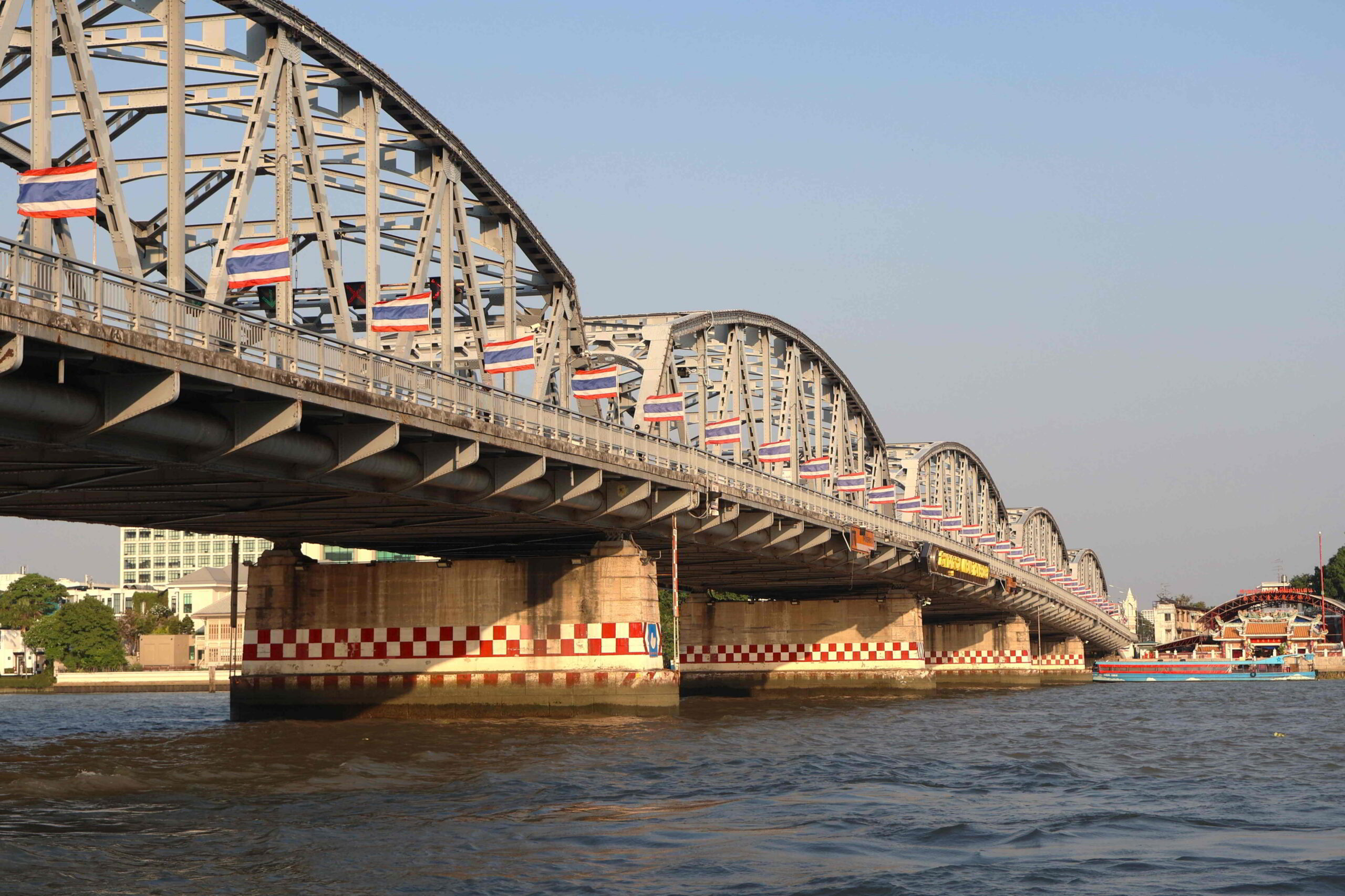
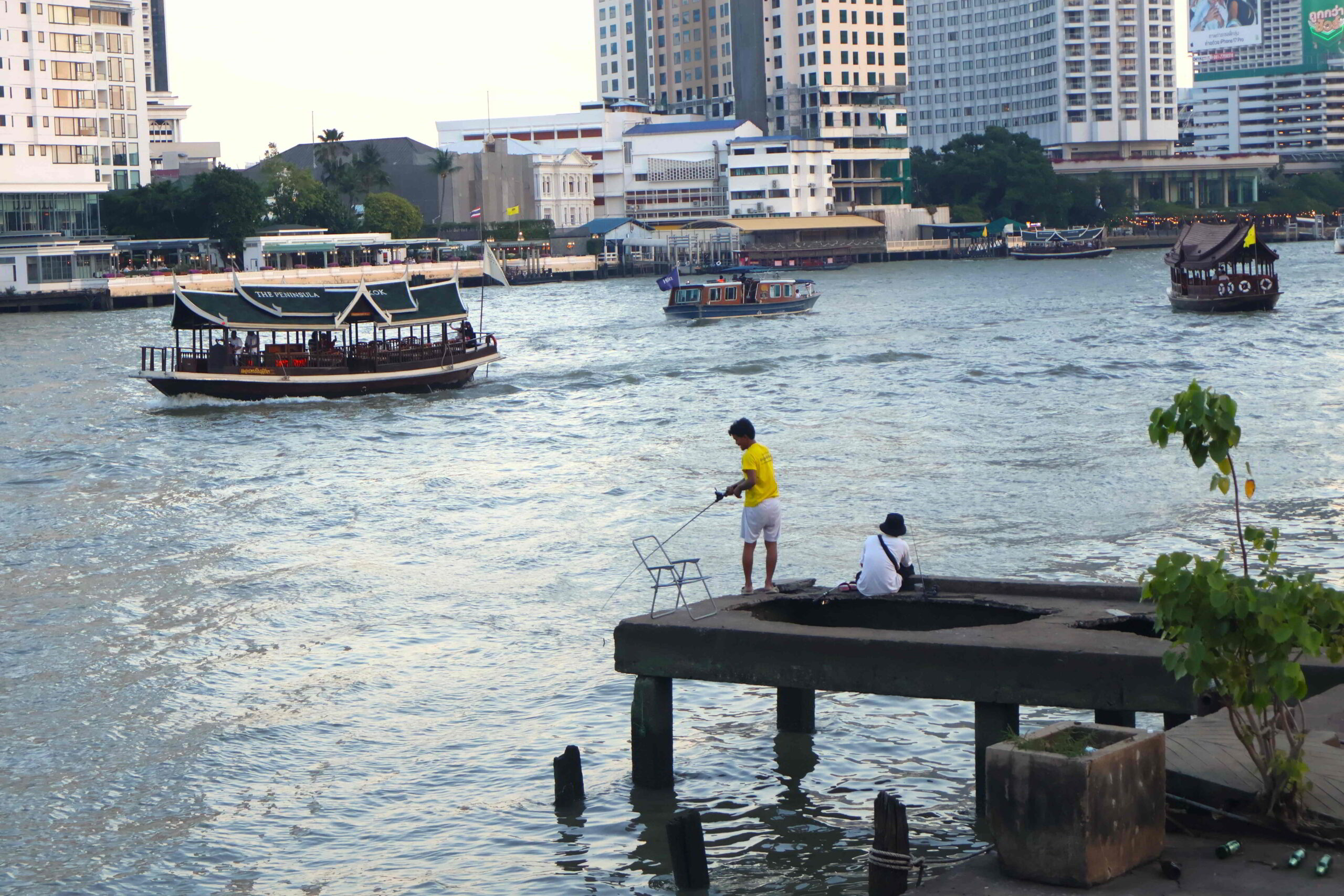
A few locals attempt to rest in the shade cast by the bridge arching over the ferry pier, the modest park they inhabit a rare concession to public good in this excessively commodified metropolis. Which direction to go in? How about just taking the first boat that arrives and deciding en route where to disembark? The broad river isn’t particularly heavily trafficked, and during the day, little of the architecture lining its banks proves to be particularly memorable. As I am traveling northward into the core area of the city, not many skyscrapers are visible. In any case, they only seem impressive when approaching closer to shore; the pilot navigates expertly toward a pier, in a few quick, deft moves mates the vessel with the dock, where it remains no more than the few moments necessary for the few passengers to disembark and others to embark, then we push off again and arc toward the centre of the Chao Phraya.

Bangkok — Chao Phraya

Bangkok — Chao Phraya

Bangkok — Chao Phraya

Bangkok — Chao Phraya
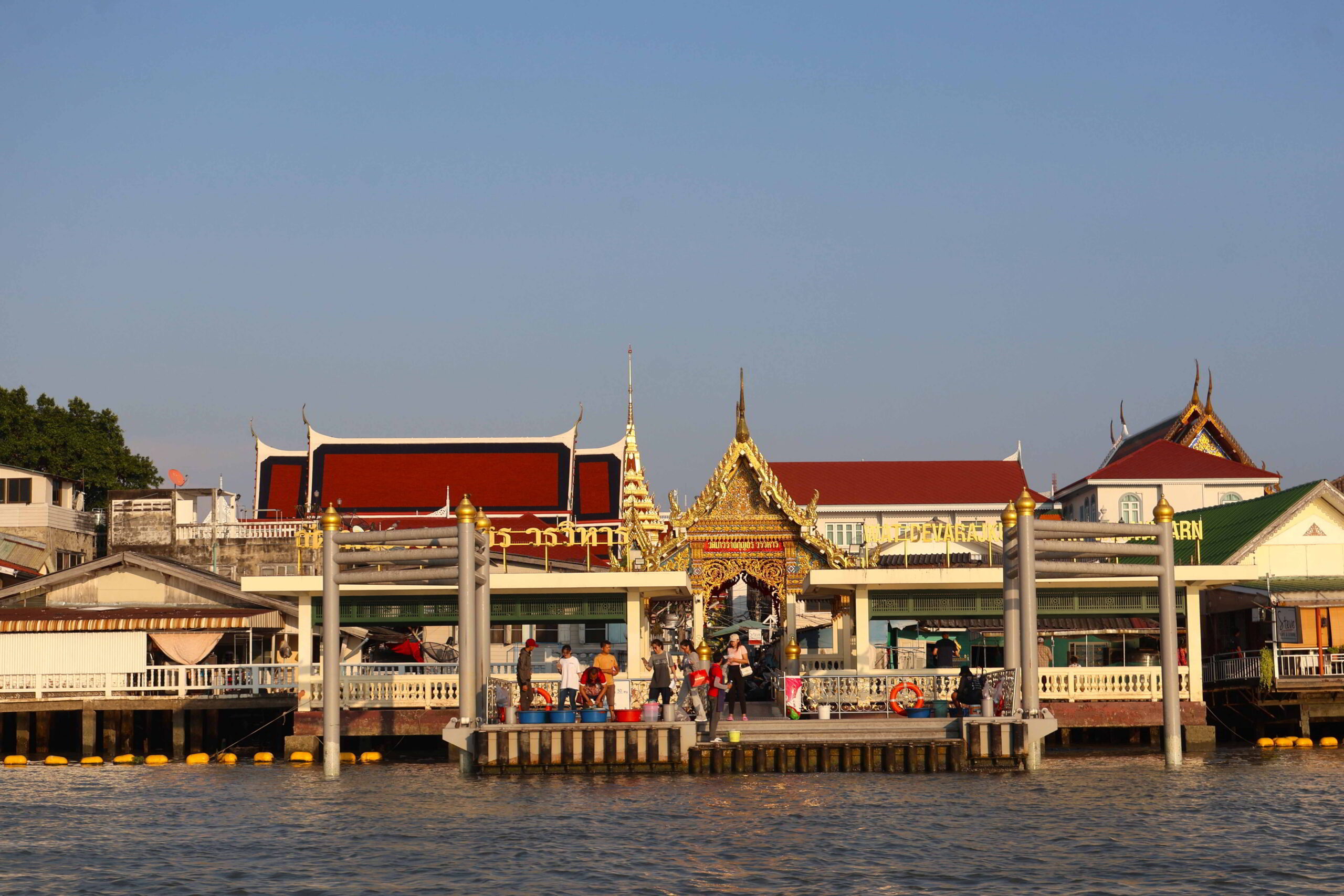
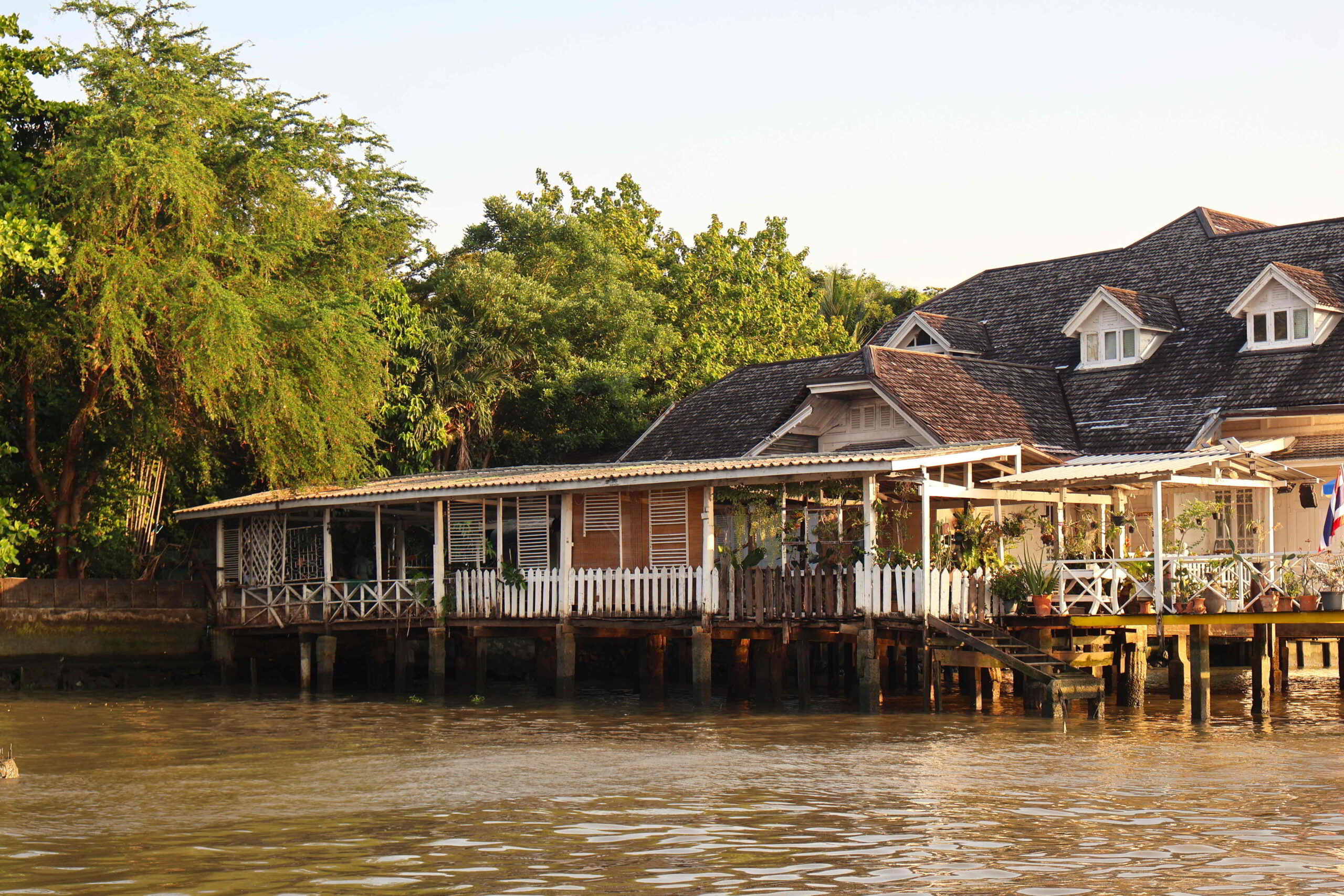
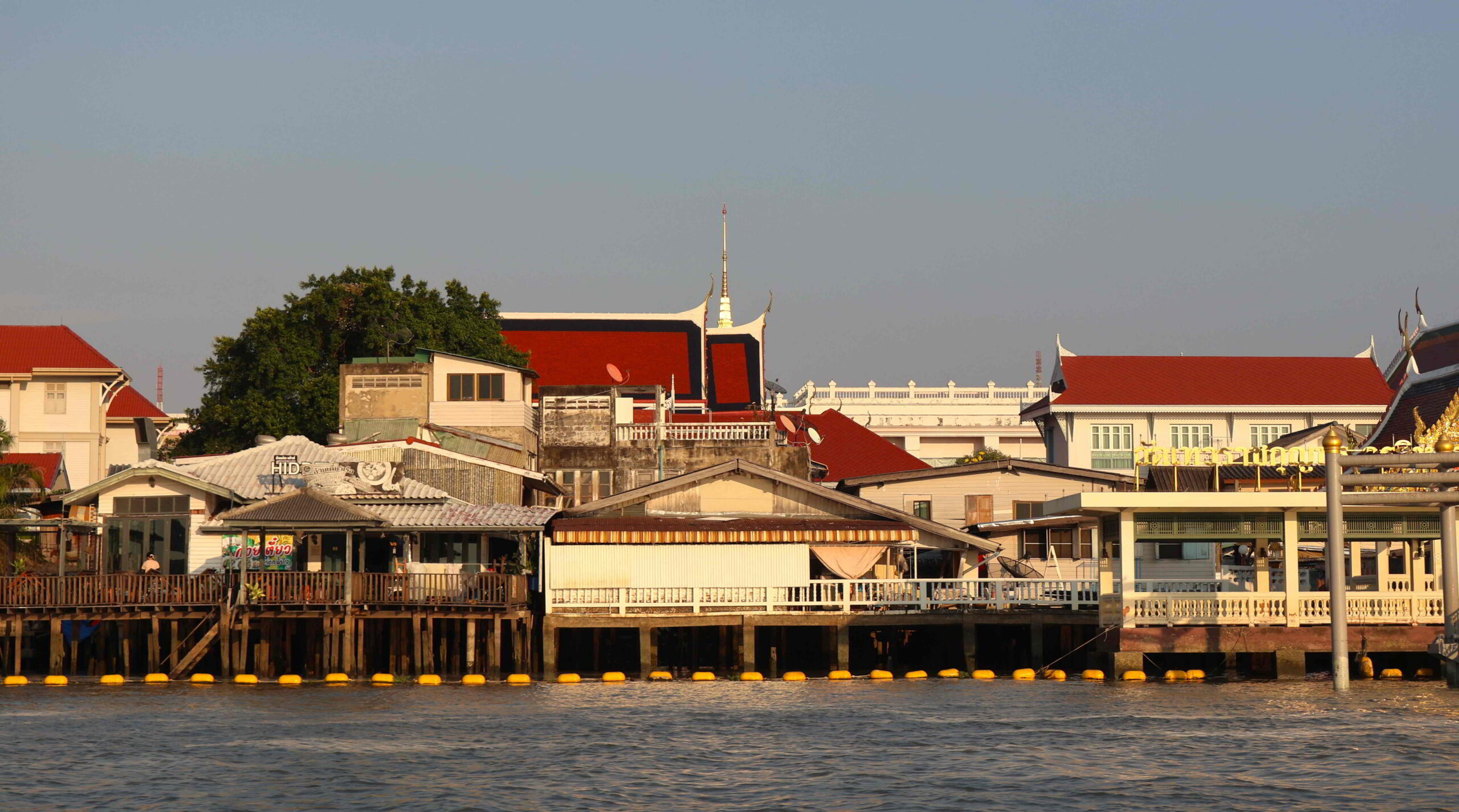
Crossing from one side of the river, we pass under bridges named after Thai kings. Closer to Nonthaburi, the anodyne urban landscape is supplanted with tightly-knit rows of multi-coloured wooden bungalows anchored along the river’s edge, each structure two- or three-toned, the waterfront housing pods interrupted by bursts of green. But as much as I had been looking forward to exploring the area of the Nonthaburi pier, I am informed that the last boat to the south is about to leave — namely the ferry I just disembarked from. Hence exploring Nonthaburi will have to wait for another day: to conclude the day, I may as well return to the south and explore the area of some pier I may not be familiar with.
Bangkok — Chao Phraya

Bangkok — Chao Phraya
Bangkok — Chao Phraya
Bangkok — Chao Phraya
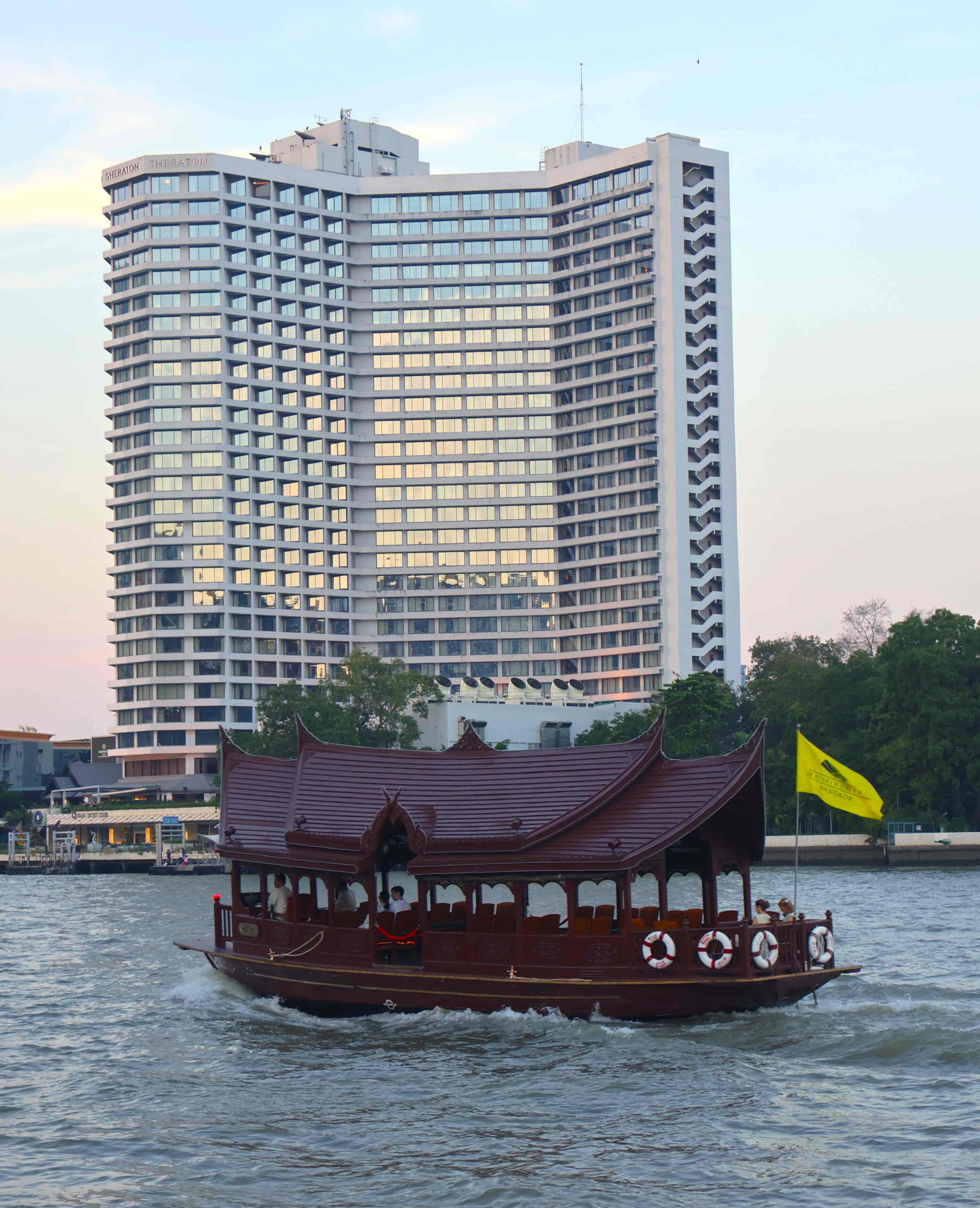
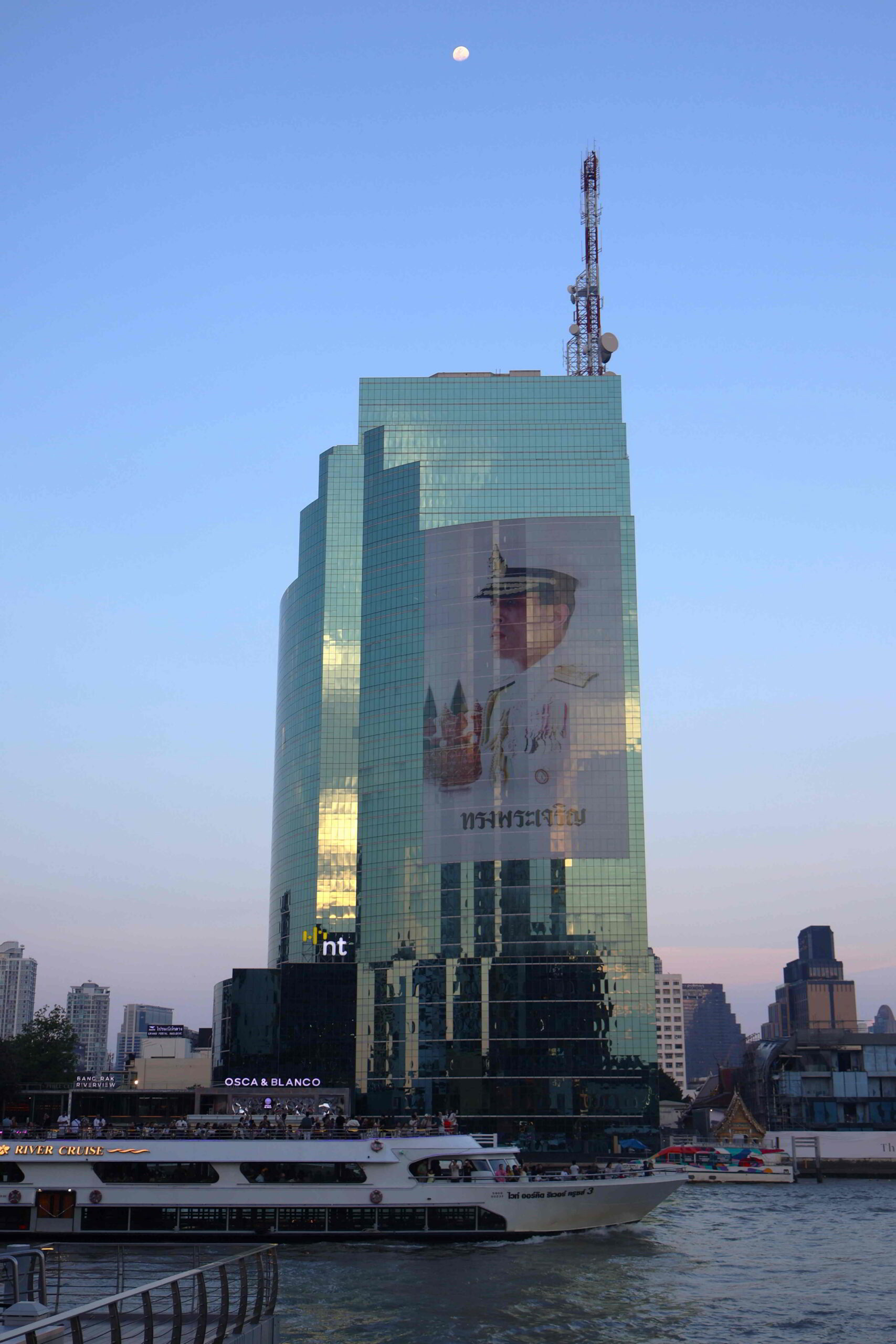
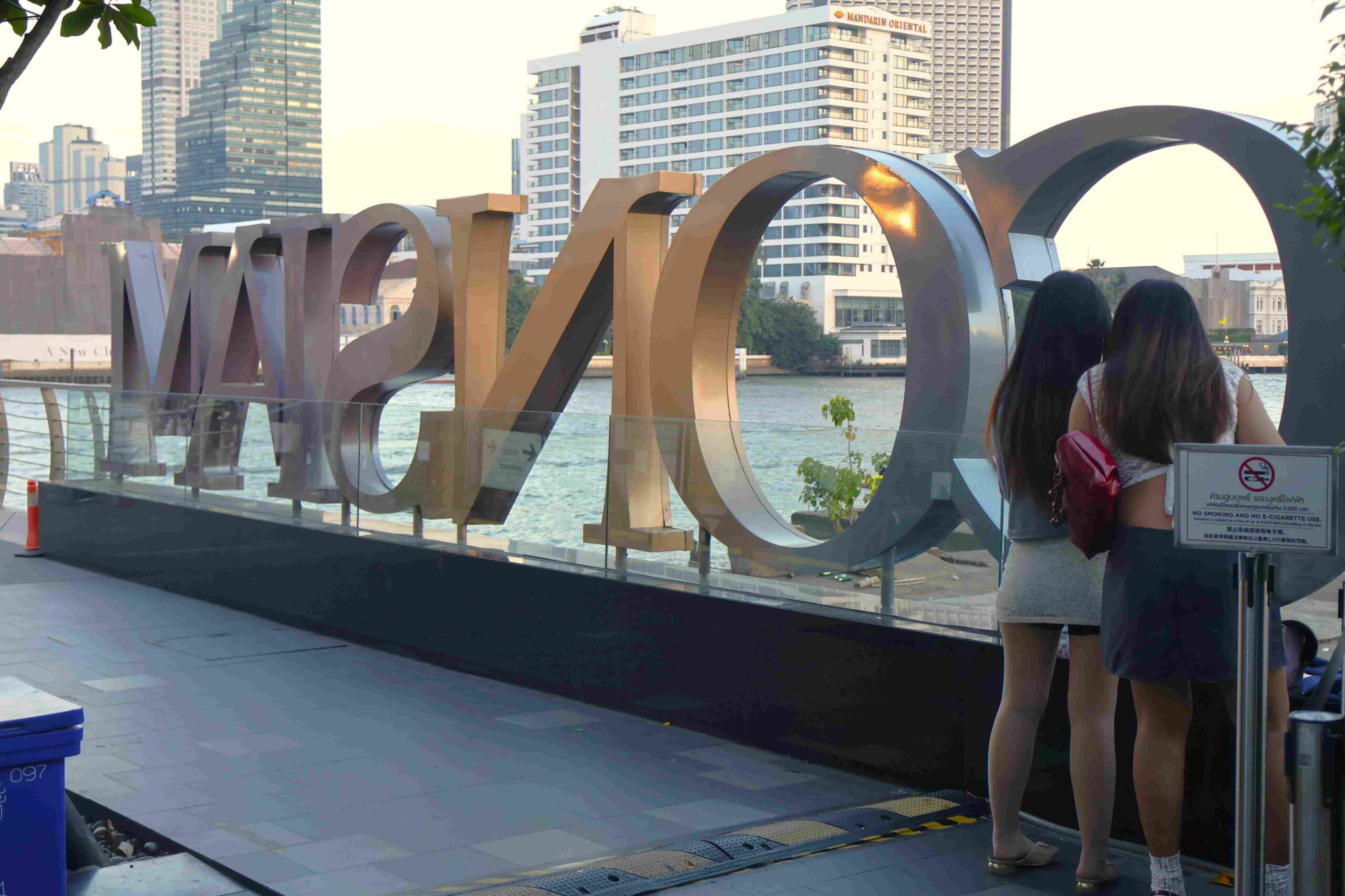
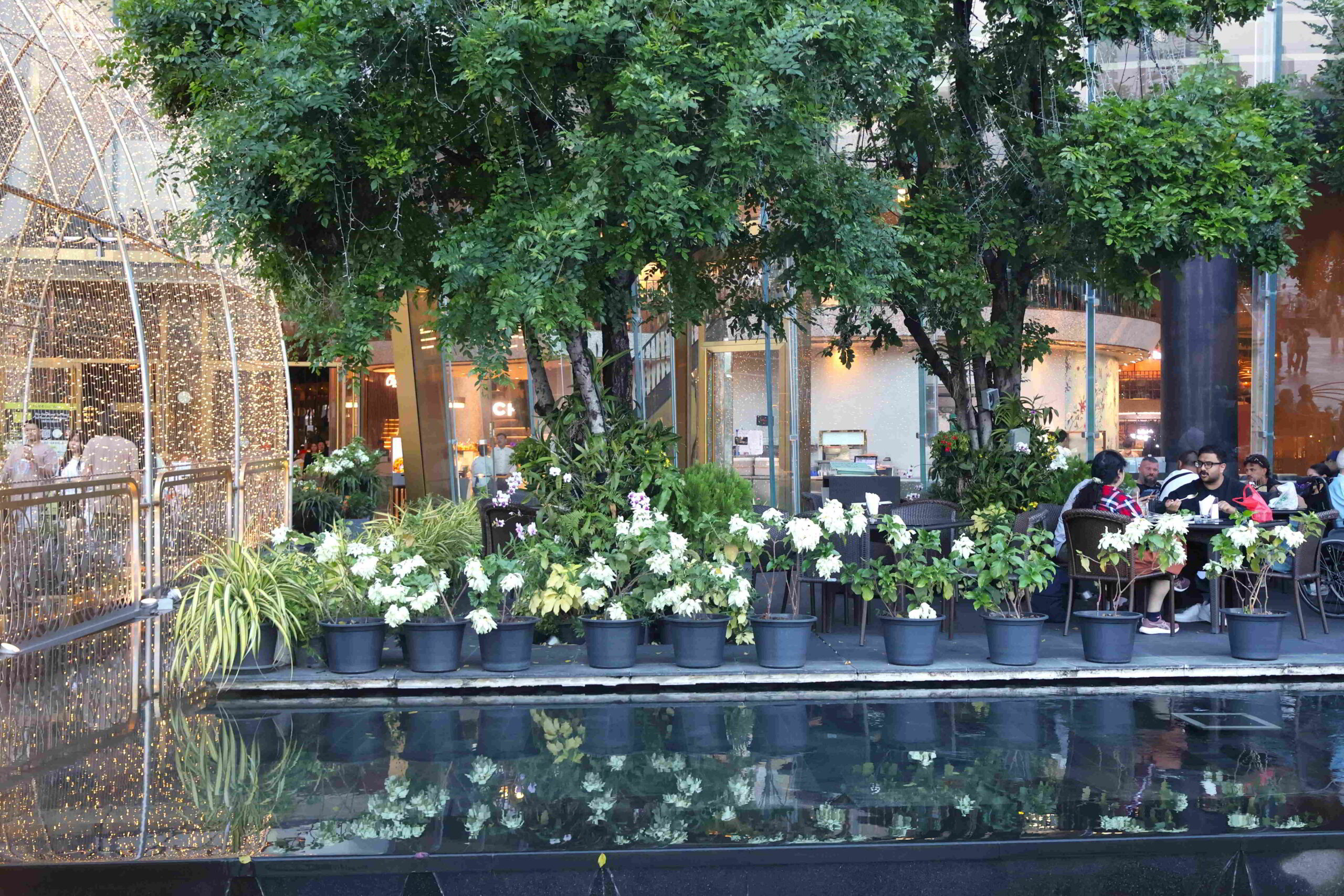
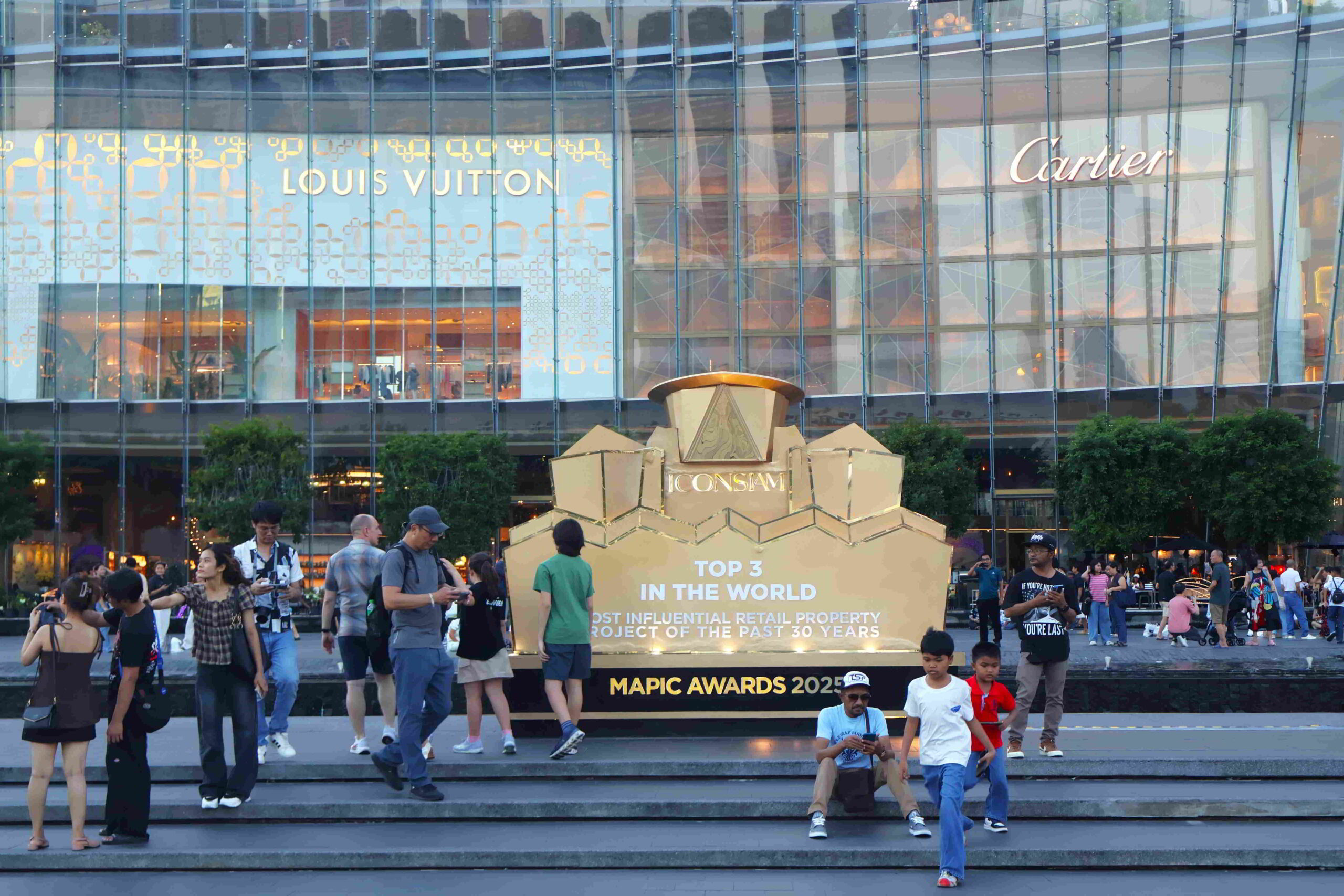
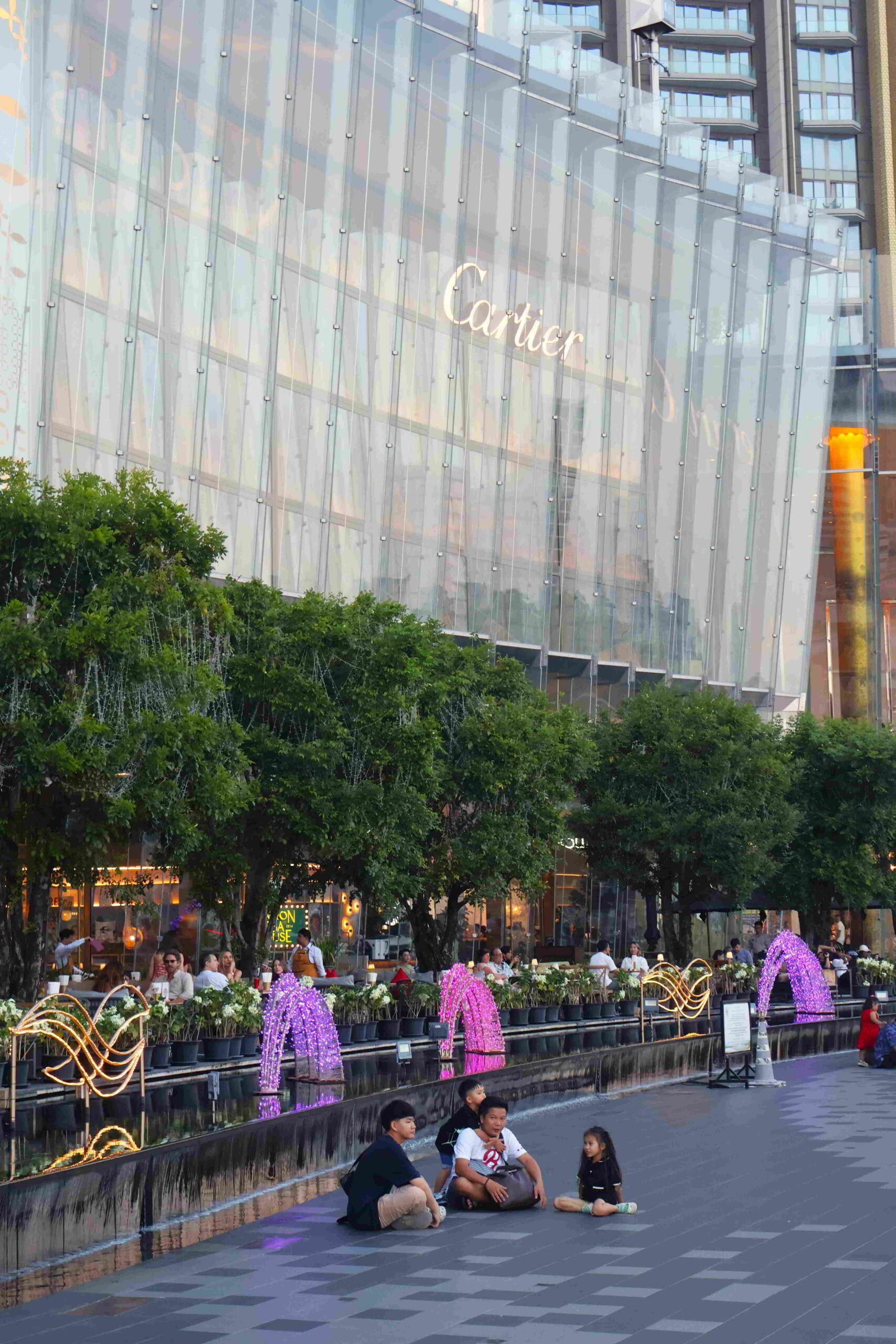
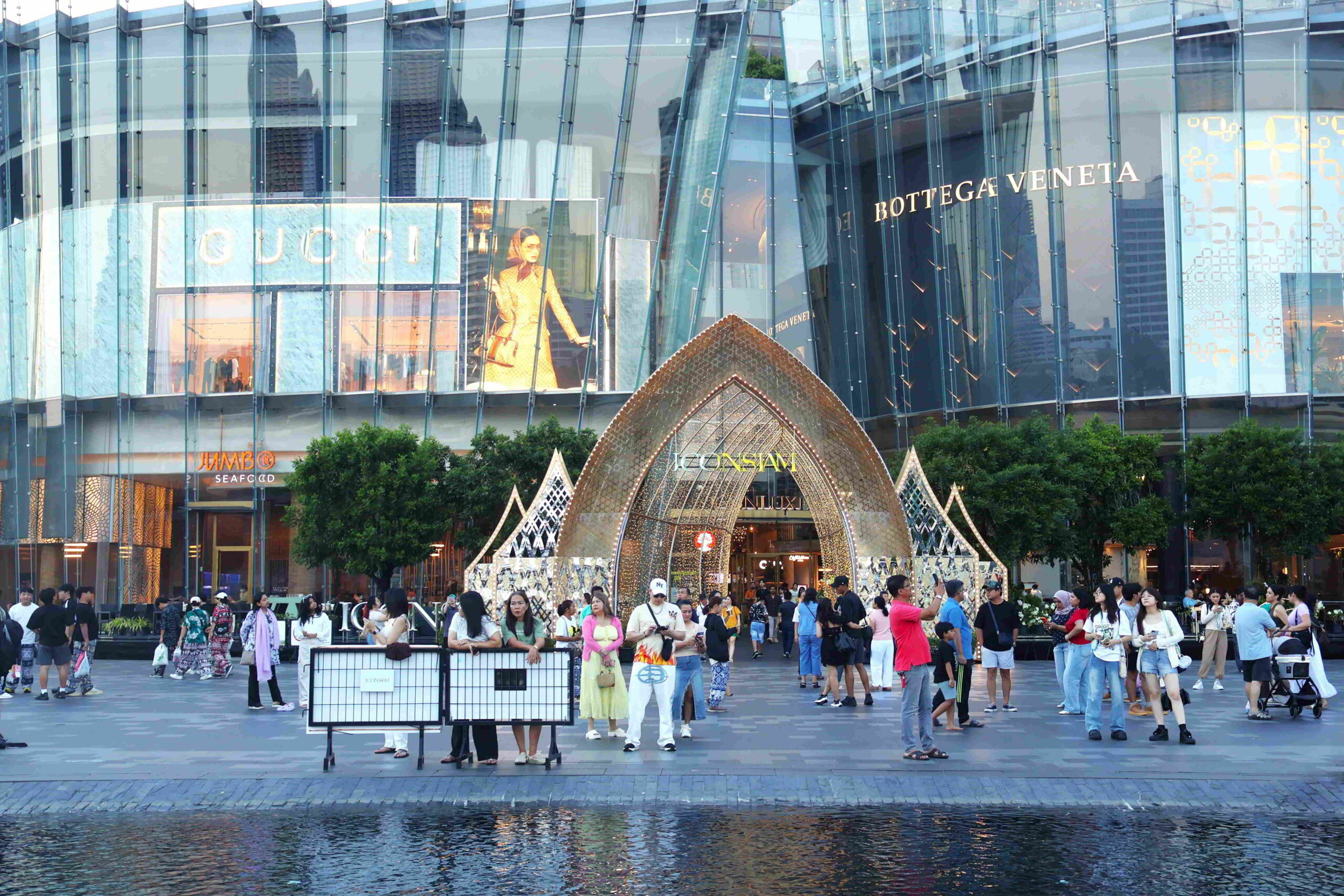
Past the squat golden temples as well as the colonial-styled villas and gazebos that line the waterfront in the vicinity of the royal palace, the piers are crowded with western tourists waiting for their vaunted river ferry ride, the surrounding restaurant terraces packed with young and beautiful backpackers as well as the more cautious and somewhat bewildered older generation. The character of the western waterfront of Bangkok Noi, Bangkok Yai, and Khlong San districts is diverse in nature, but lined with shopping malls it isn’t, as access to the waterfront is generally so impractical. The monstrous ICONSIAM luxury mall is the exception, with its soaring glass facade emblazoned with luxury brands wildly inaccessible for the vast majority of the unwashed milling around the broad plaza separating the tapered walls of the structure from the river.
Bangkok — Chao Phraya

Bangkok — Chao Phraya

Bangkok — Chao Phraya
Bangkok — Chao Phraya
It’s been a while since I’ve been in this kind of a mall, and for a reason. But there’s always a quick way of reminding myself why I don’t spend time in such places. Inside, the cavernous interior’s predictable faux luxuriousness is designed to entice people to unleash their wallets, but I just want to get a glimpse of what it may offer, although to be fair, it is so immense, with such an enormous food court alone, it would take far more than a single visit to get a sense of what there is to discover.
Bangkok — Chao Phraya
Bangkok — Khlong San — ICONSIAM
Bangkok — Chao Phraya
Bangkok — Khlong San — ICONSIAM
Trudging toward the rear, I focus on getting to the back exit, and then given the time and location, can only think of getting as far away as quickly as possible. Happily, motorcycle taxis can navigate adeptly through the morass of vehicles around the rear of the building; once I have positioned myself far enough away from the mall, such a taxi is soon at hand, and I am off along the dusking thoroughfares of Bangkok to the much quieter residential bowels of Taling Chan.
Bangkok — Khlong San — ICONSIAM
Bangkok — Khlong San — ICONSIAM
Bangkok — Khlong San — ICONSIAM