November 16, 2025

Hualien
Hualien
A pleasant morning in my bed and breakfast; despite the usual tossing and turning, I enjoyed a reasonably peaceful night, almost distressing in that it was with a degree of quiet and privacy that seems incredible coming from the cramped hostel environments I have been staying in. The morning unfolds in a leisurely but predictable manner, the time as always slipping through my hands. Food is adequate, considering that I made a point of stocking up yesterday evening, the more expensive ramen soups far more rewarding culinarily and presumably also nutritious compared to the cheapest versions I used to enjoy not too long ago.
Hualien
Hualien
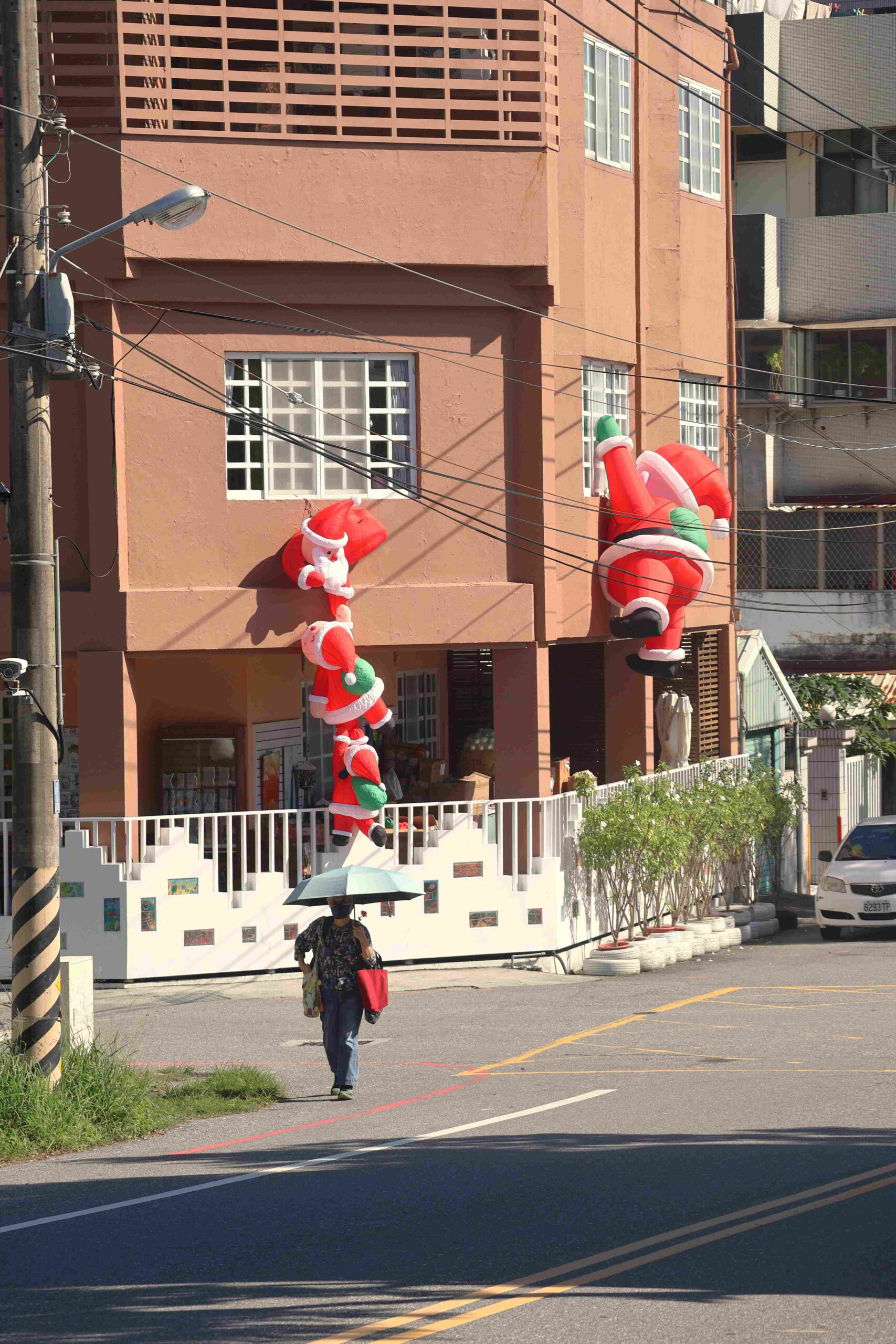
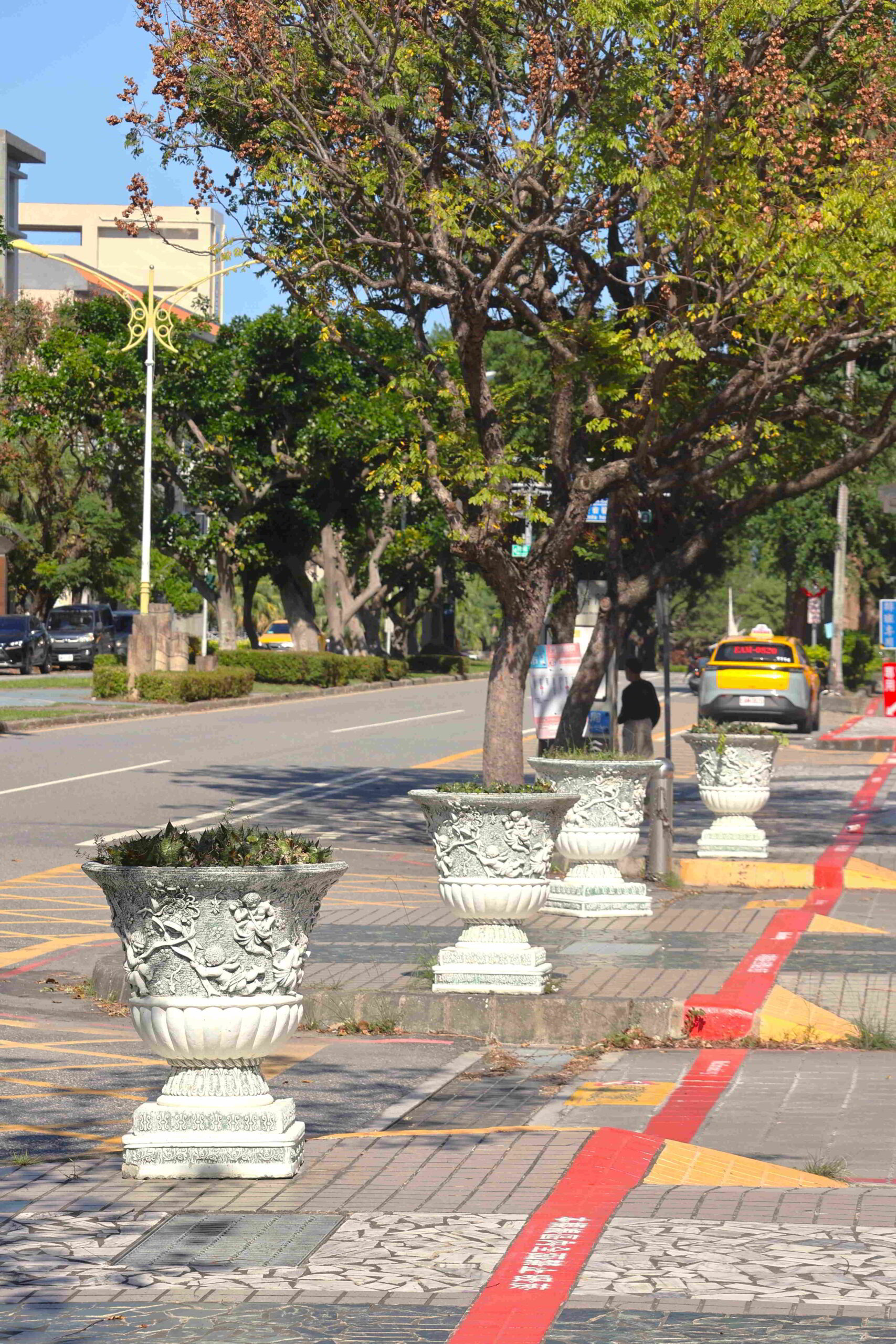
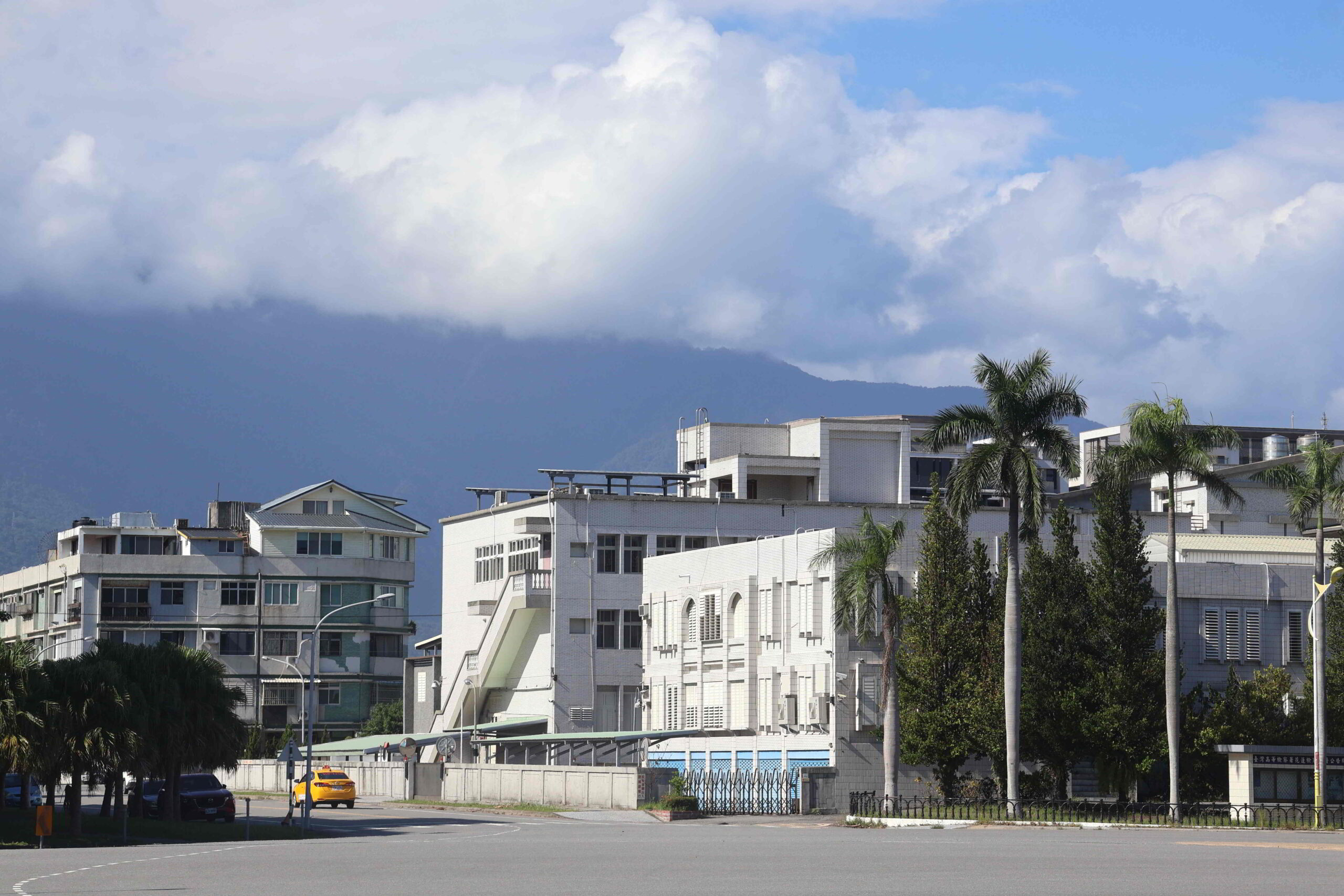
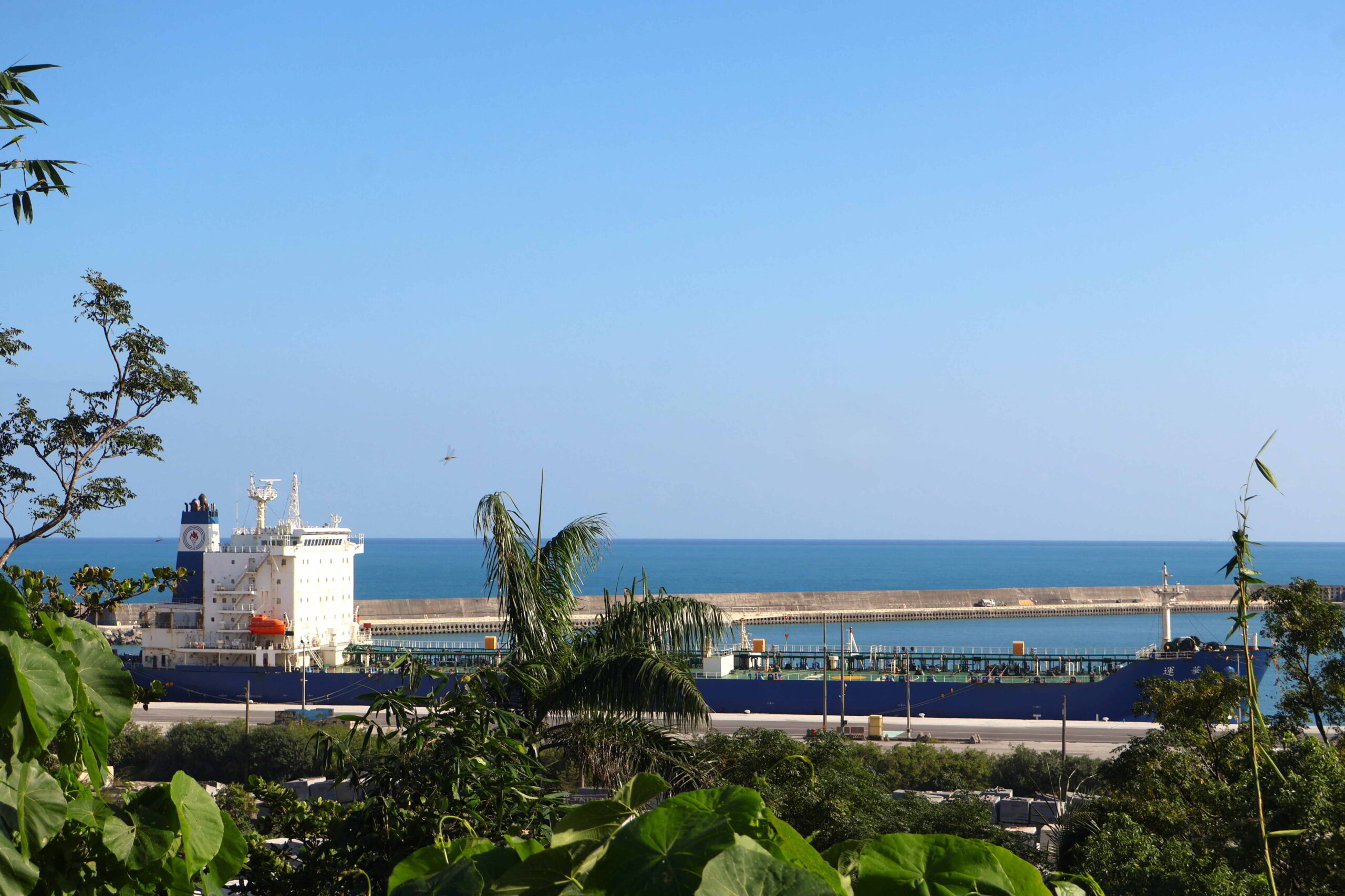
Today’s journey will take me to the Hualien County Stone Sculpture Museum and the gardens running along the port. As I have seen previously, the neighborhood is spacious, modern, well-maintained, with wide streets, large residential lots, and green spaces, quite uncommon in the albeit little I have seen thus far in the country. Few people are on the street, but around the hospital, the view of the ill and disabled sunning themselves outside in today’s blazing hot sunshine, particularly the very young, quite heartbreaking.
Hualien
Hualien
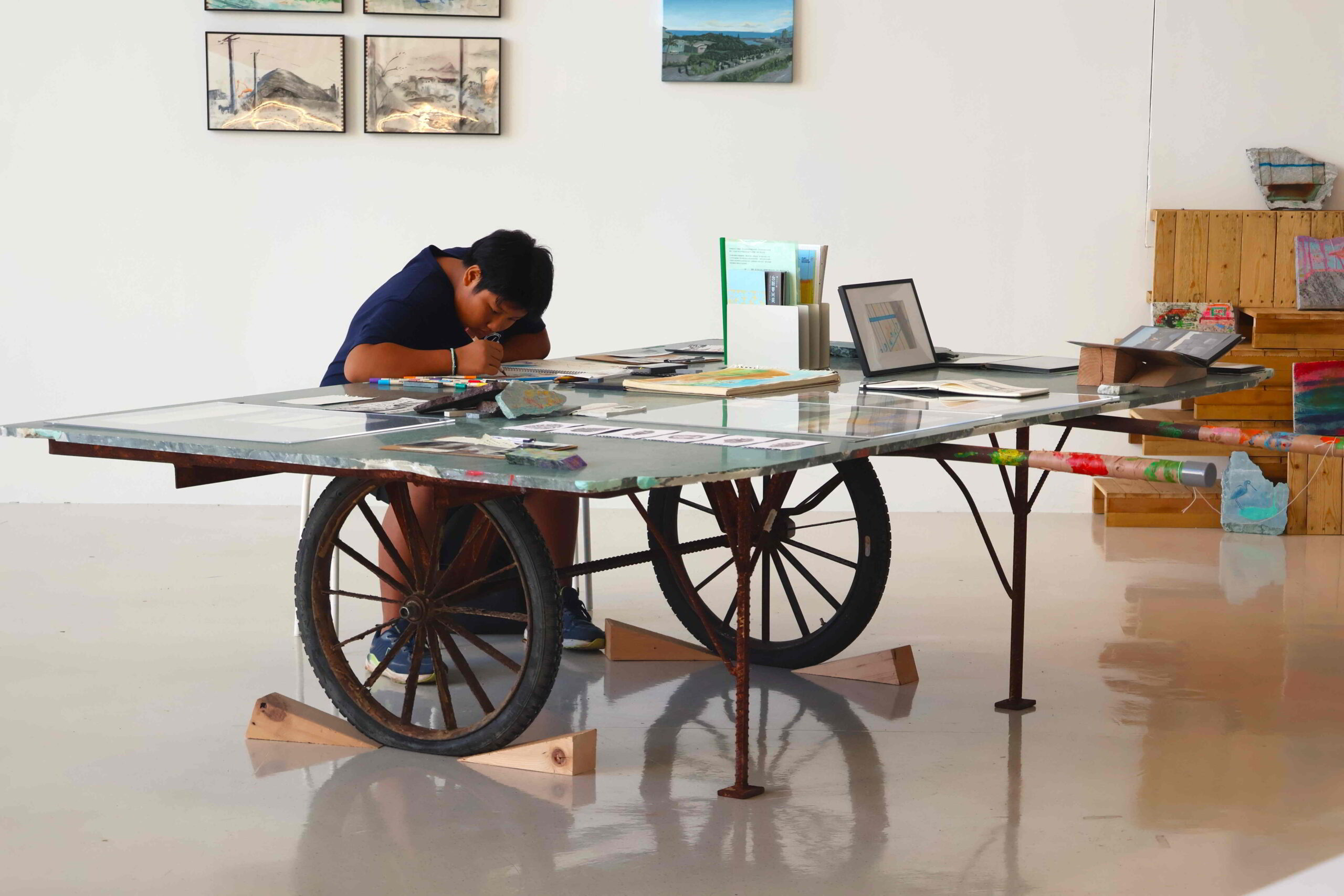
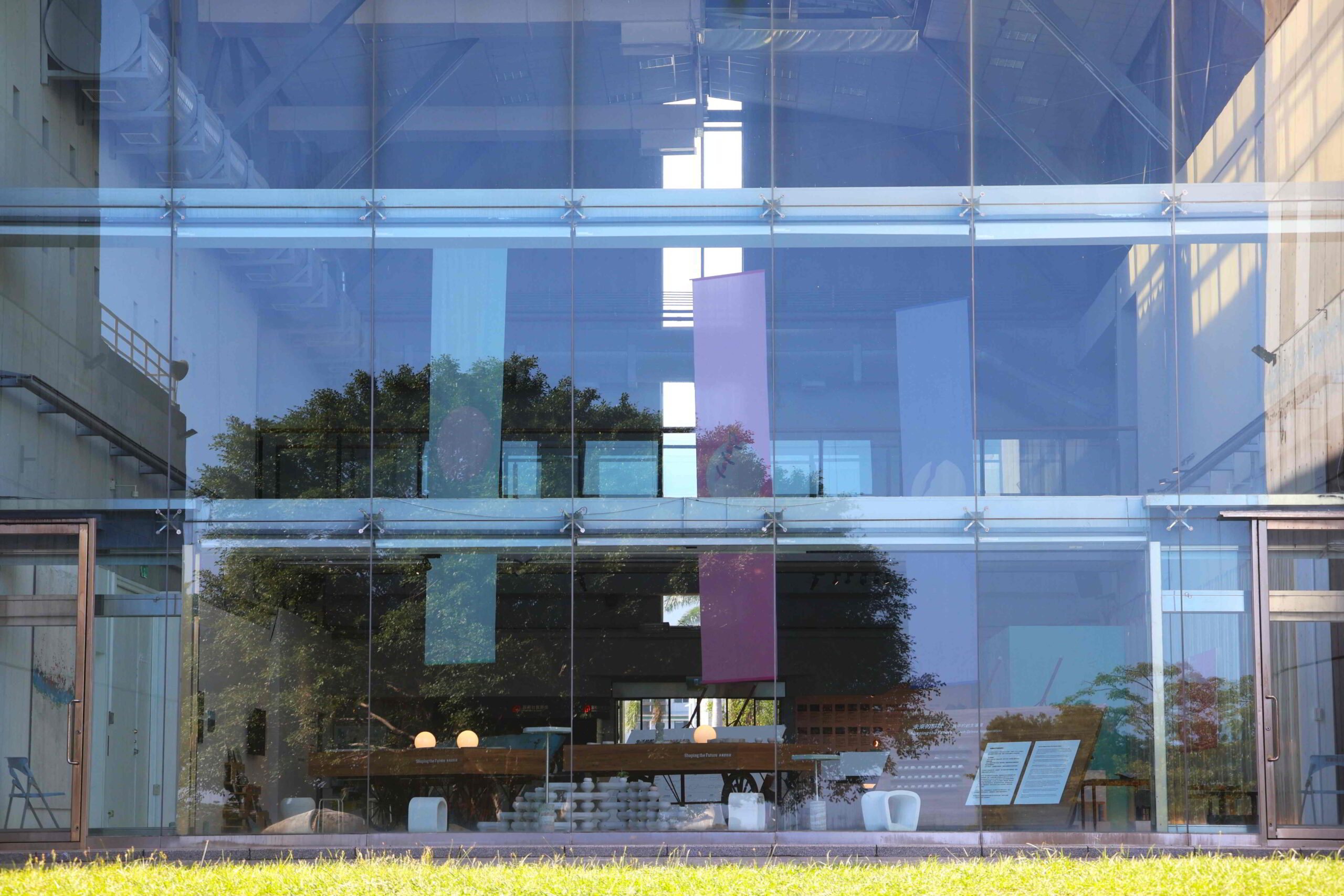
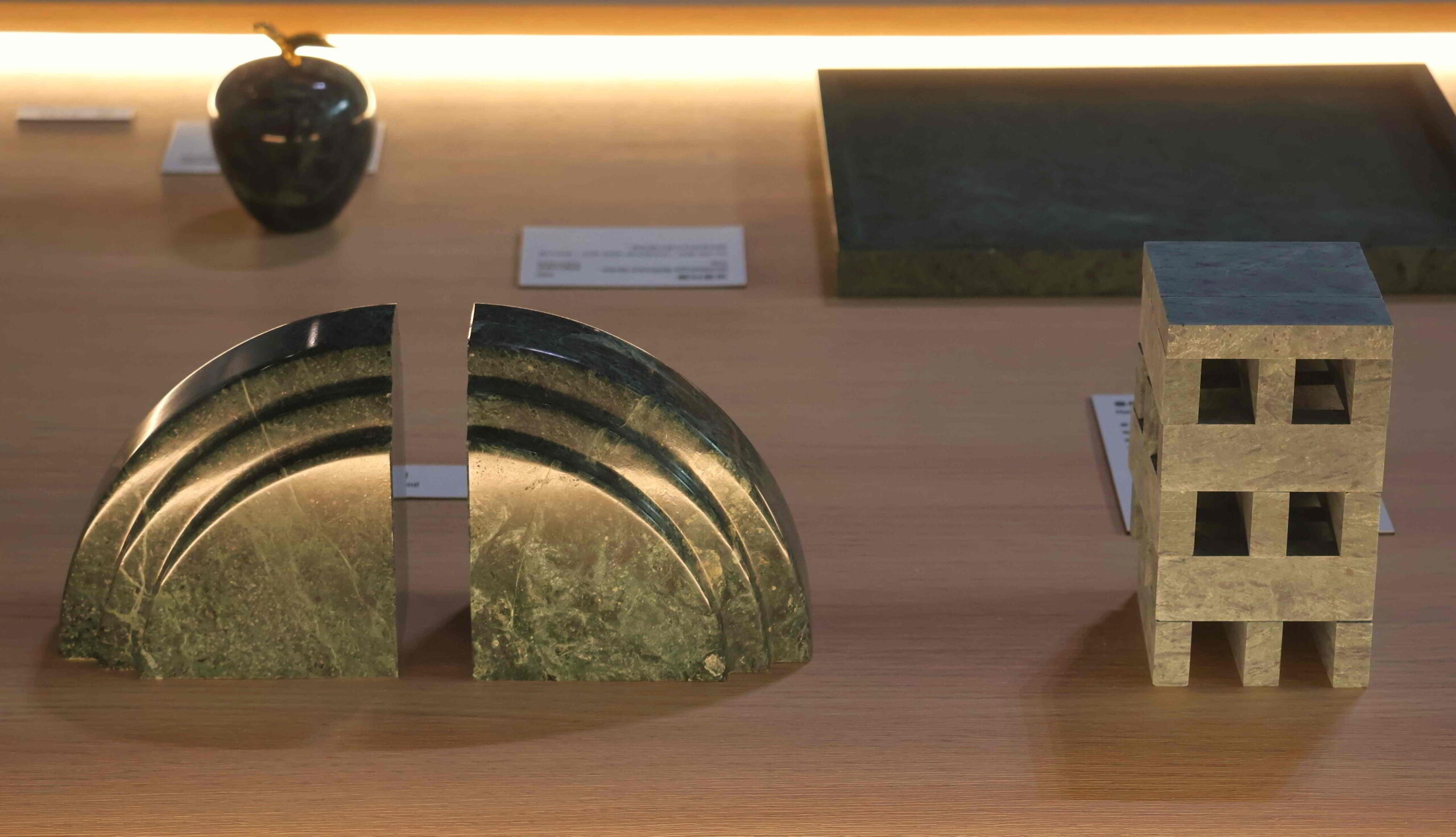
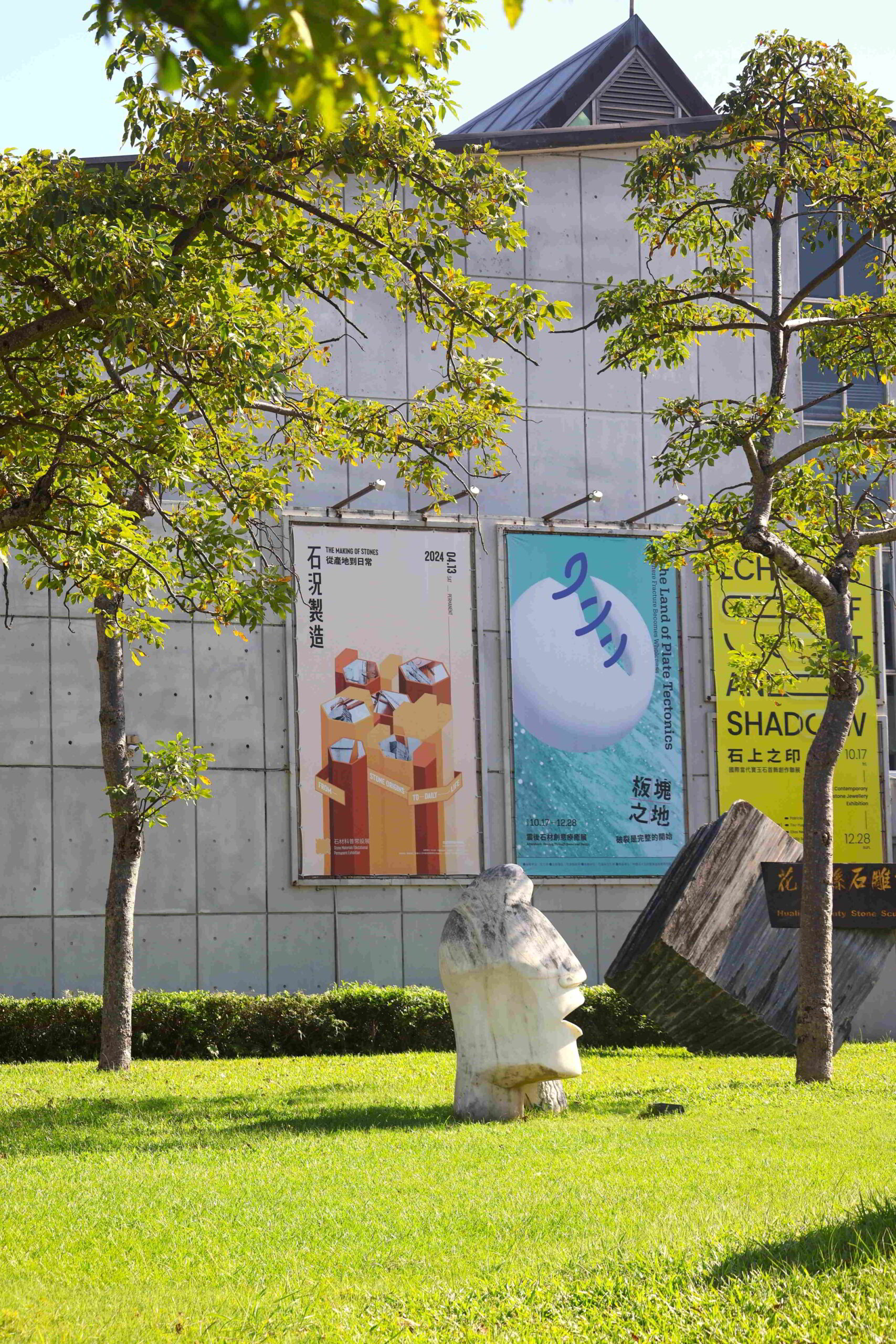
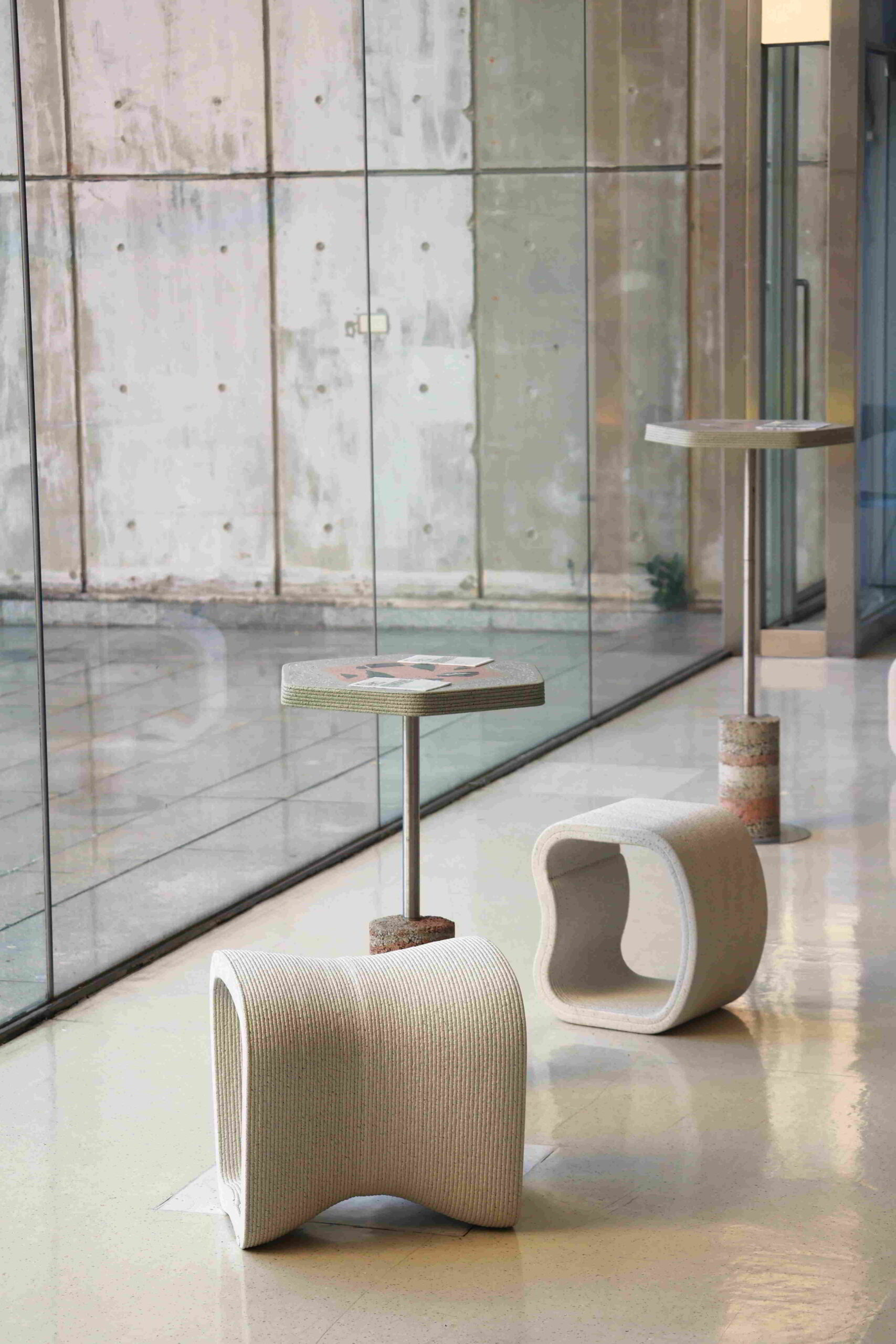
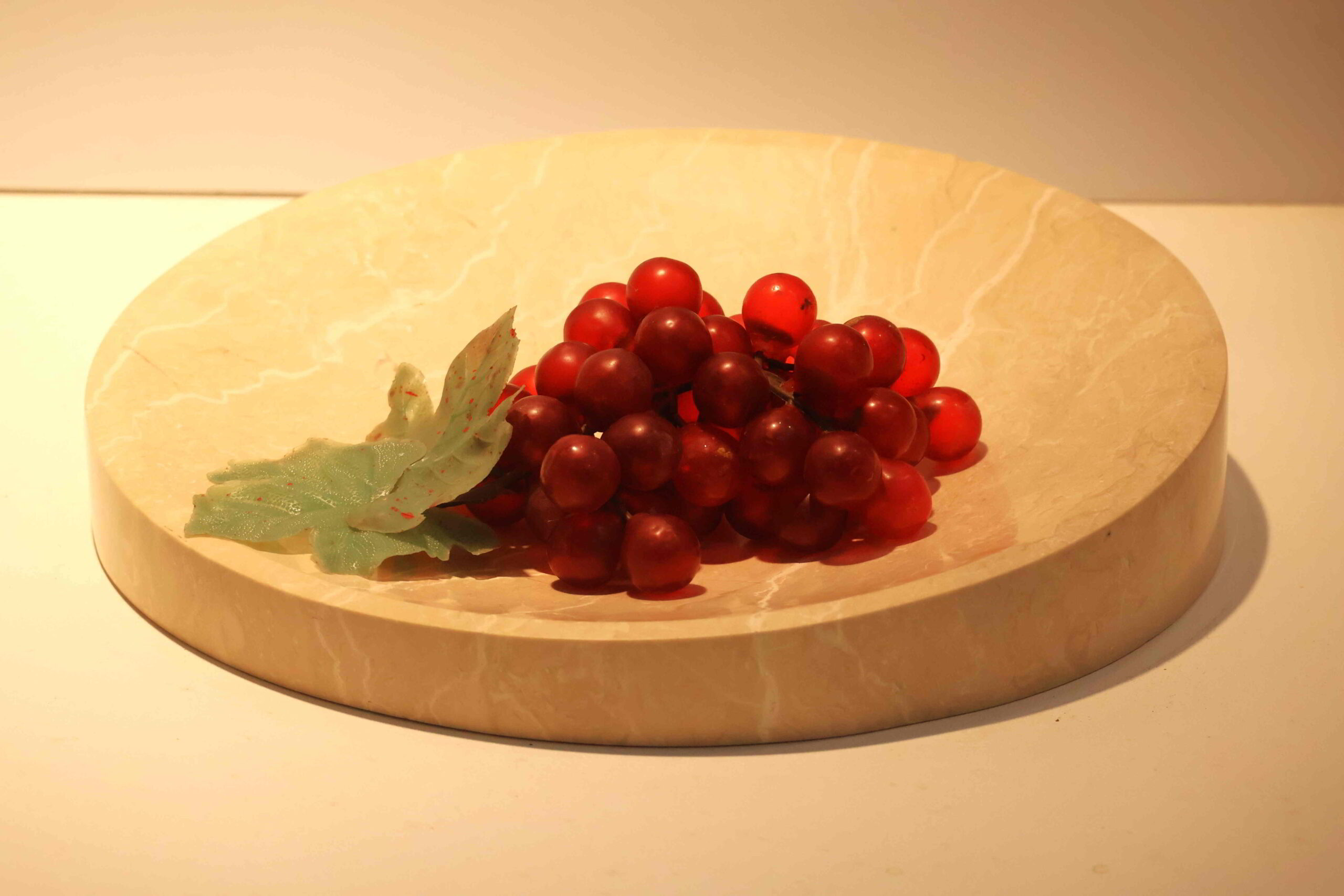
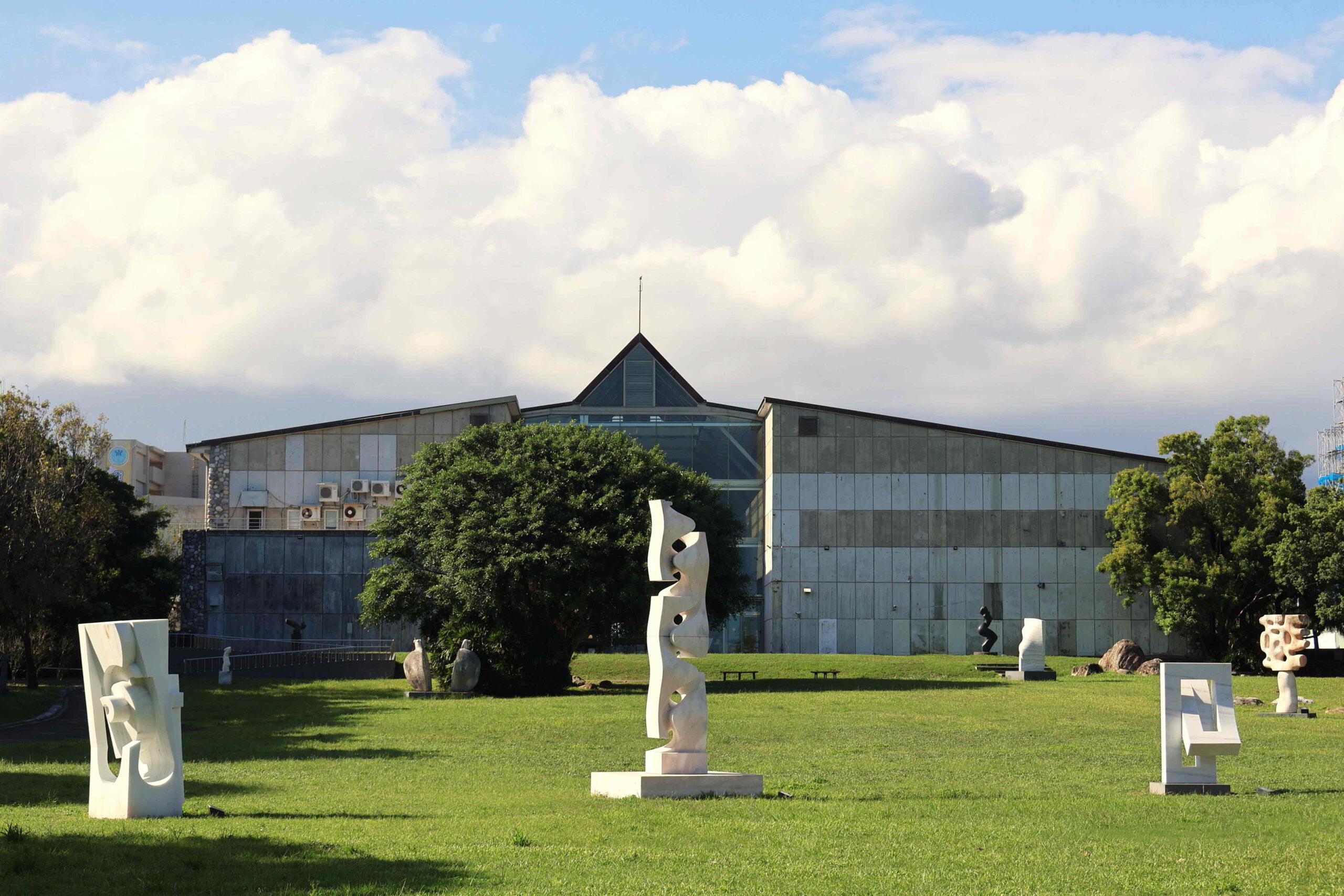
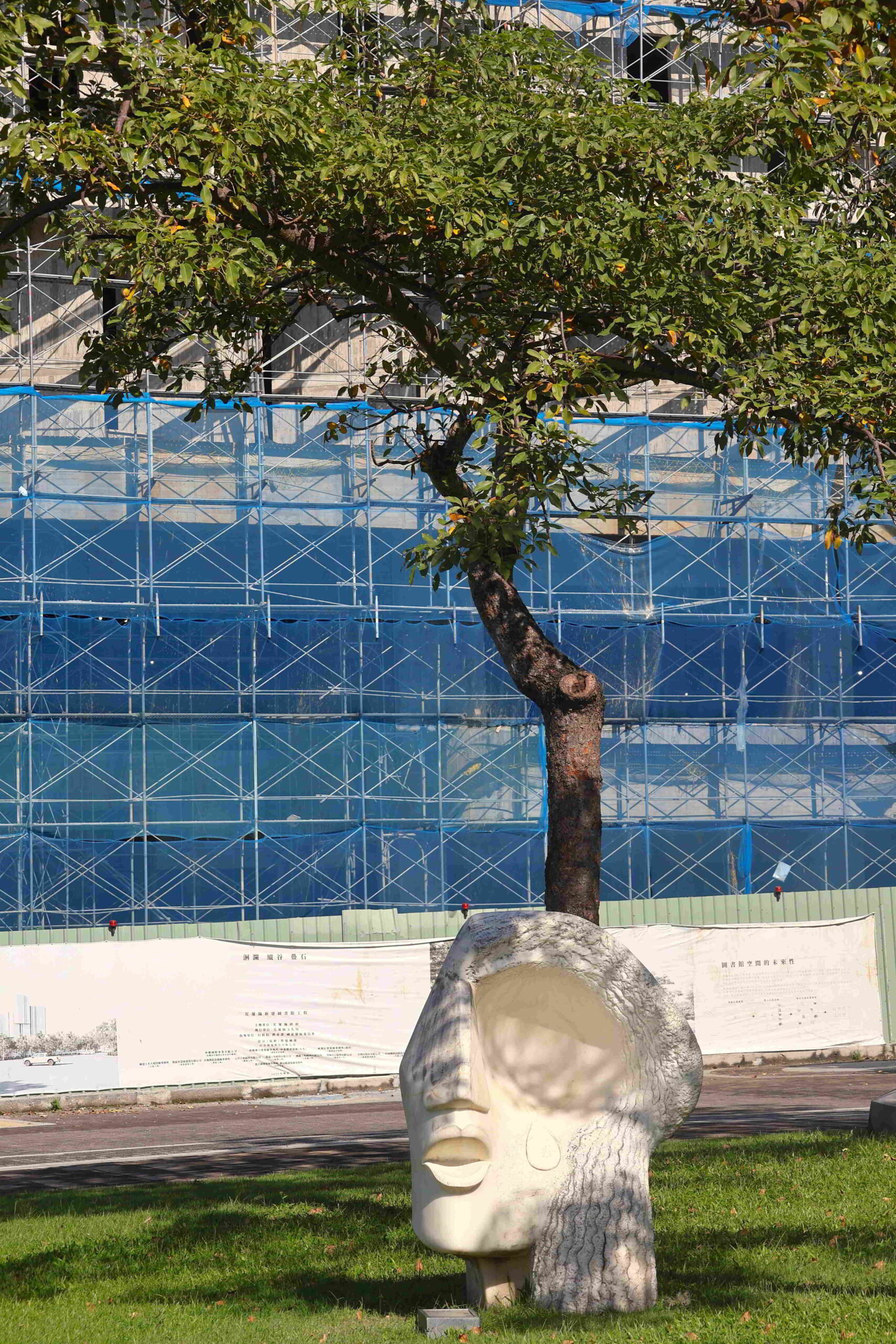
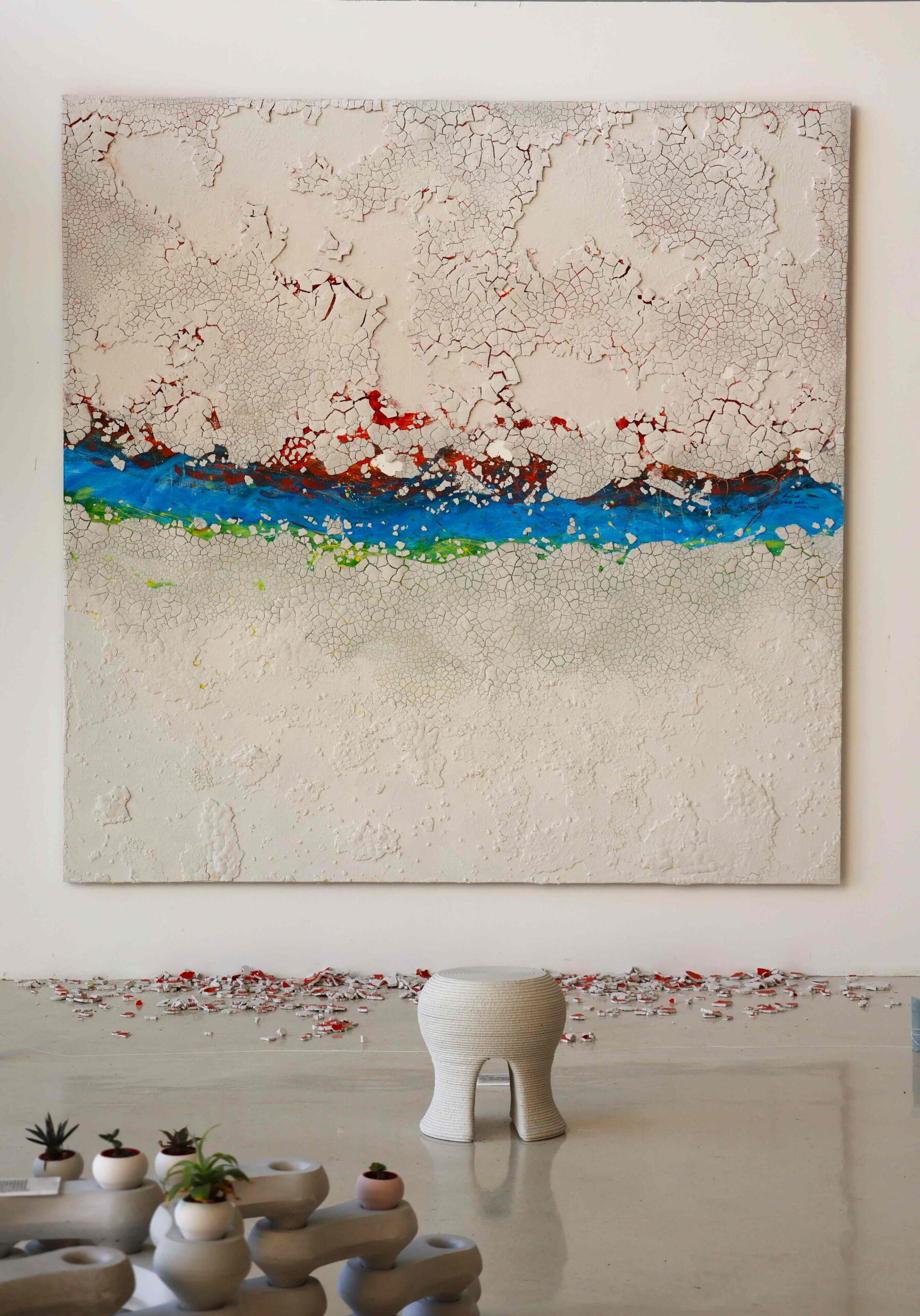
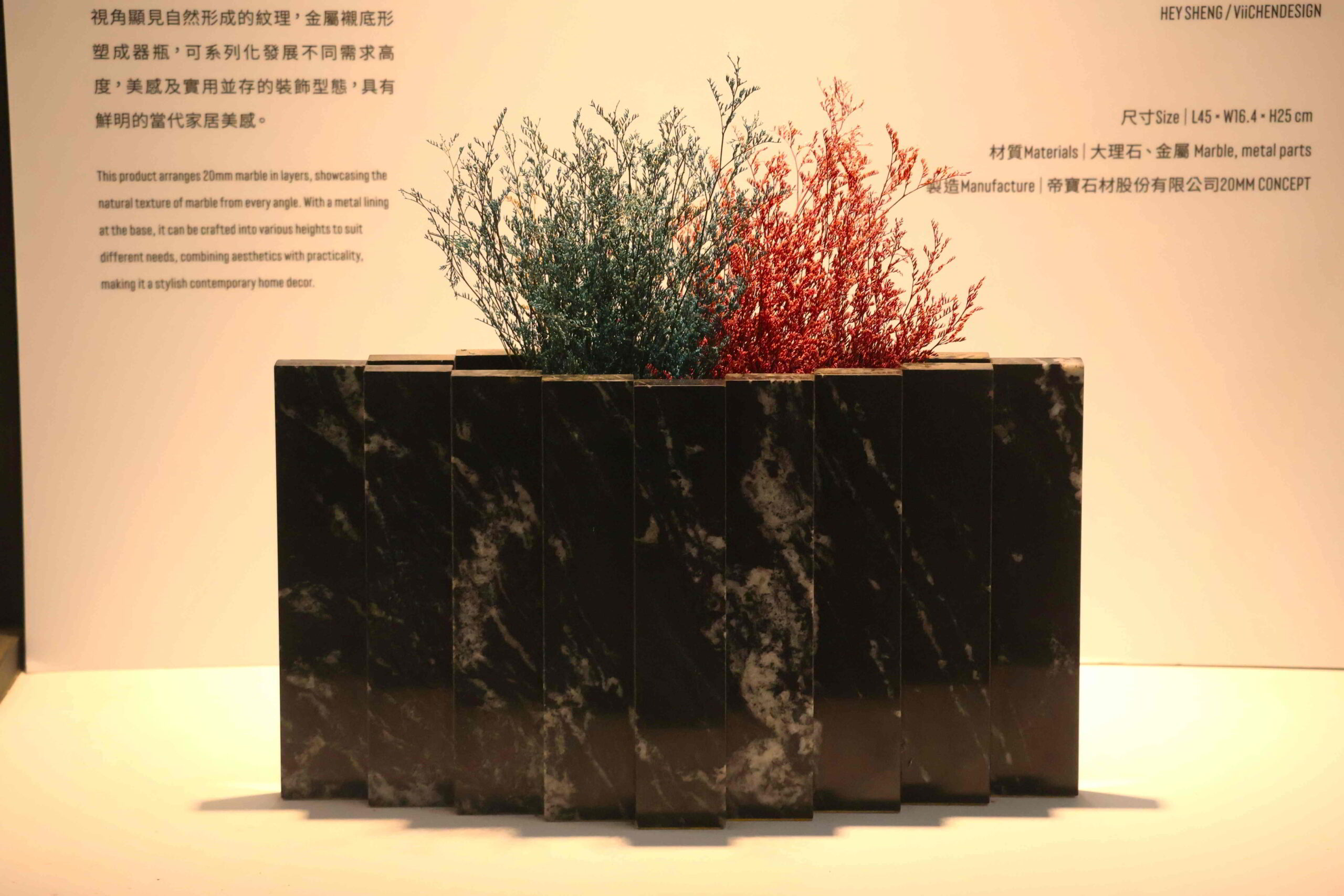
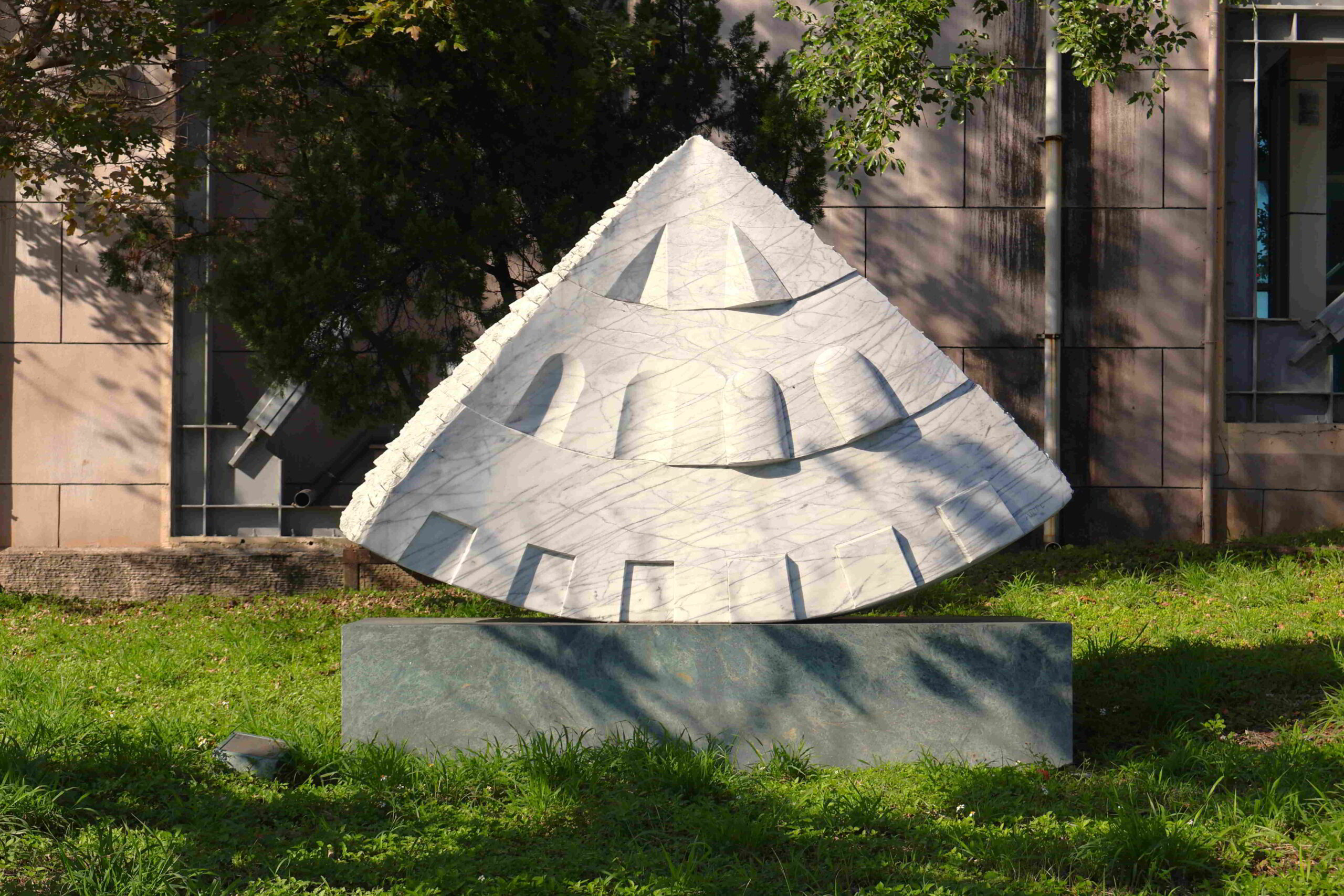
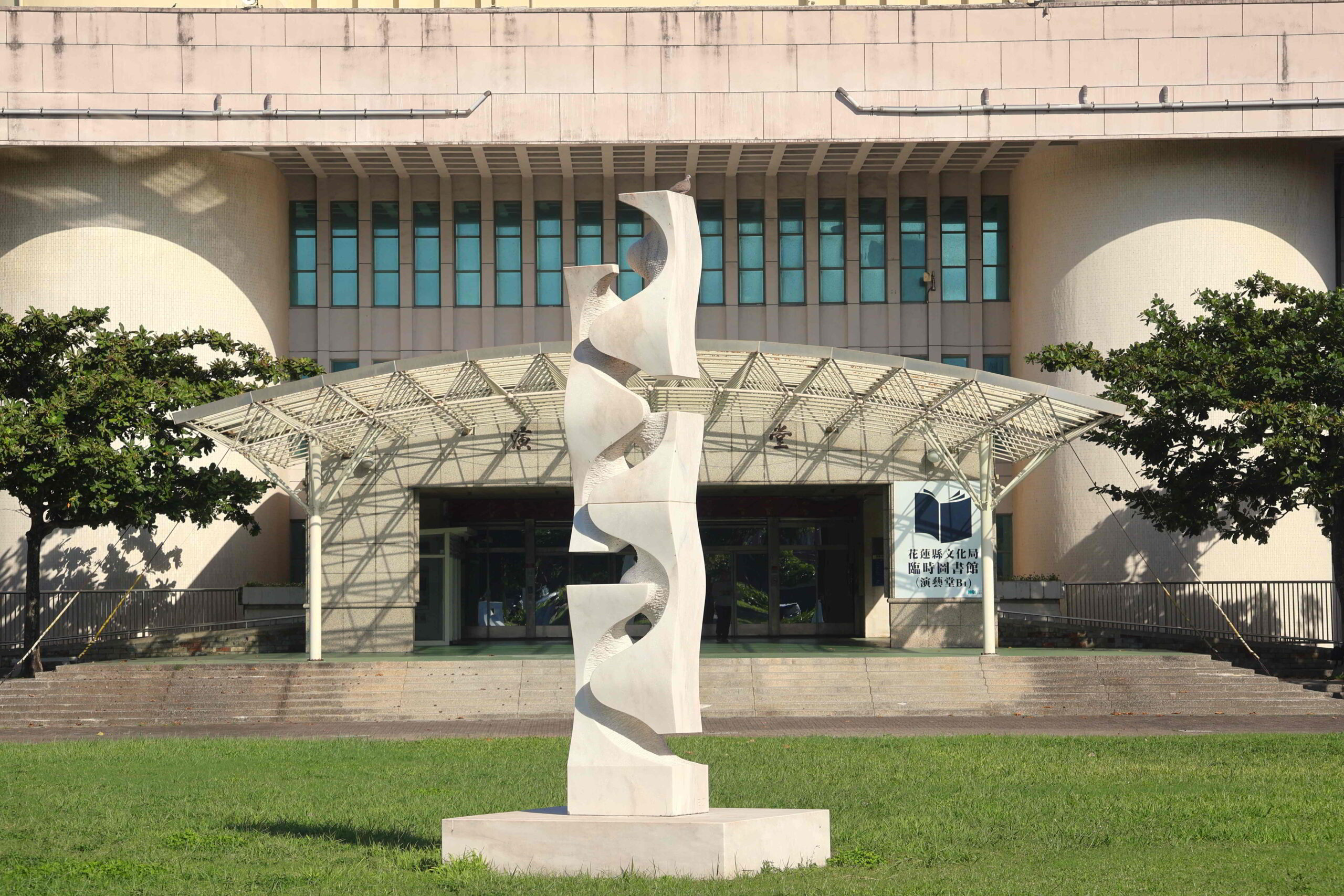
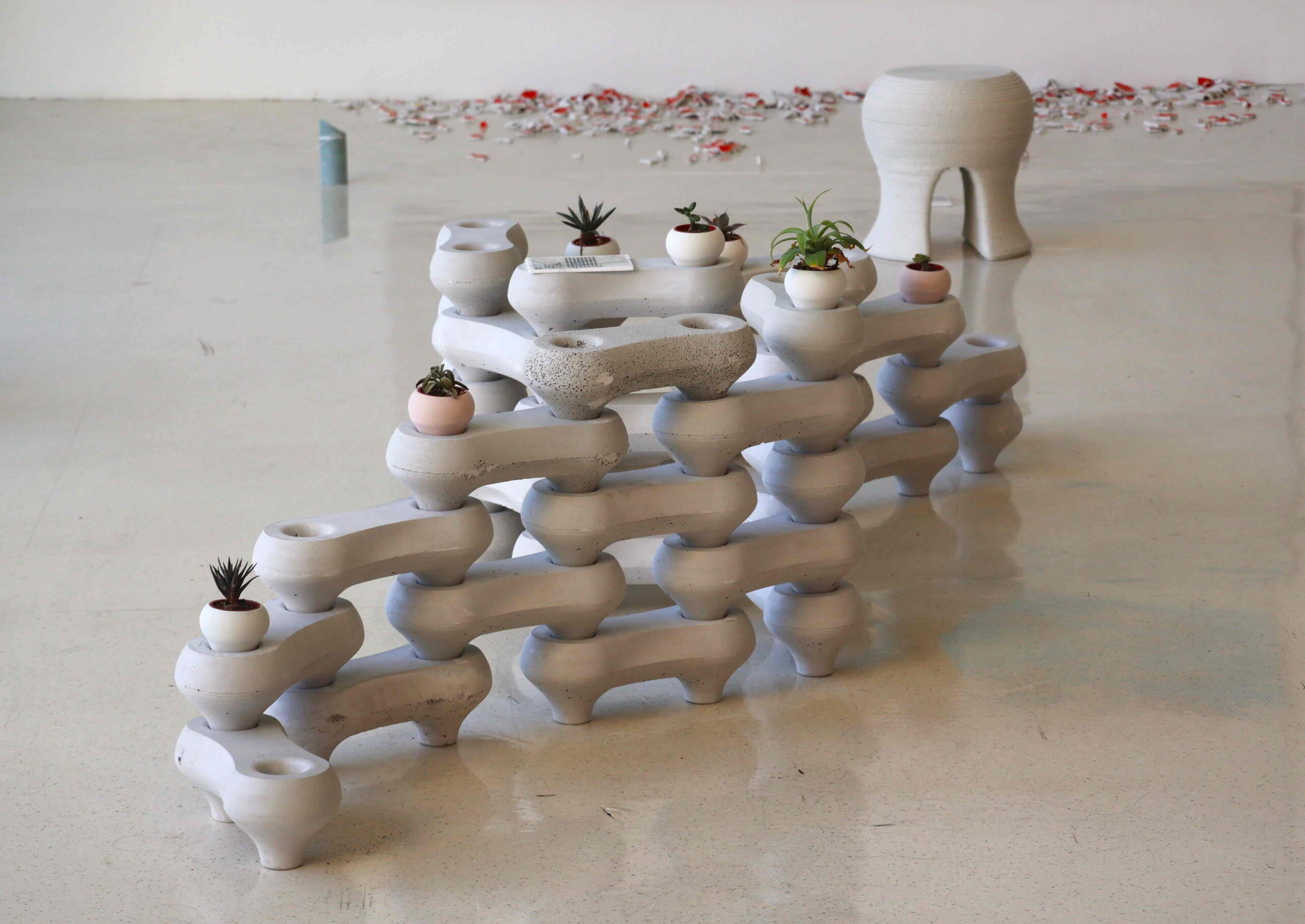
The museum is next door to the hospital, the grounds punctuated by large sculptures; inside, a very stylish and tasteful exhibition of the country’s rock treasures. I had expected the museum to focus on artistic sculptures, but instead it centers on the country’s geology and the evolution of the stone processing industry, the displays providing examples of artistic applications of the various types of rock, mostly items of domestic practicality, such as coasters, trays, dishes, lamps, and so on, but with a degree of stylishness I would not have expected.
Hualien
Hualien
Hualien
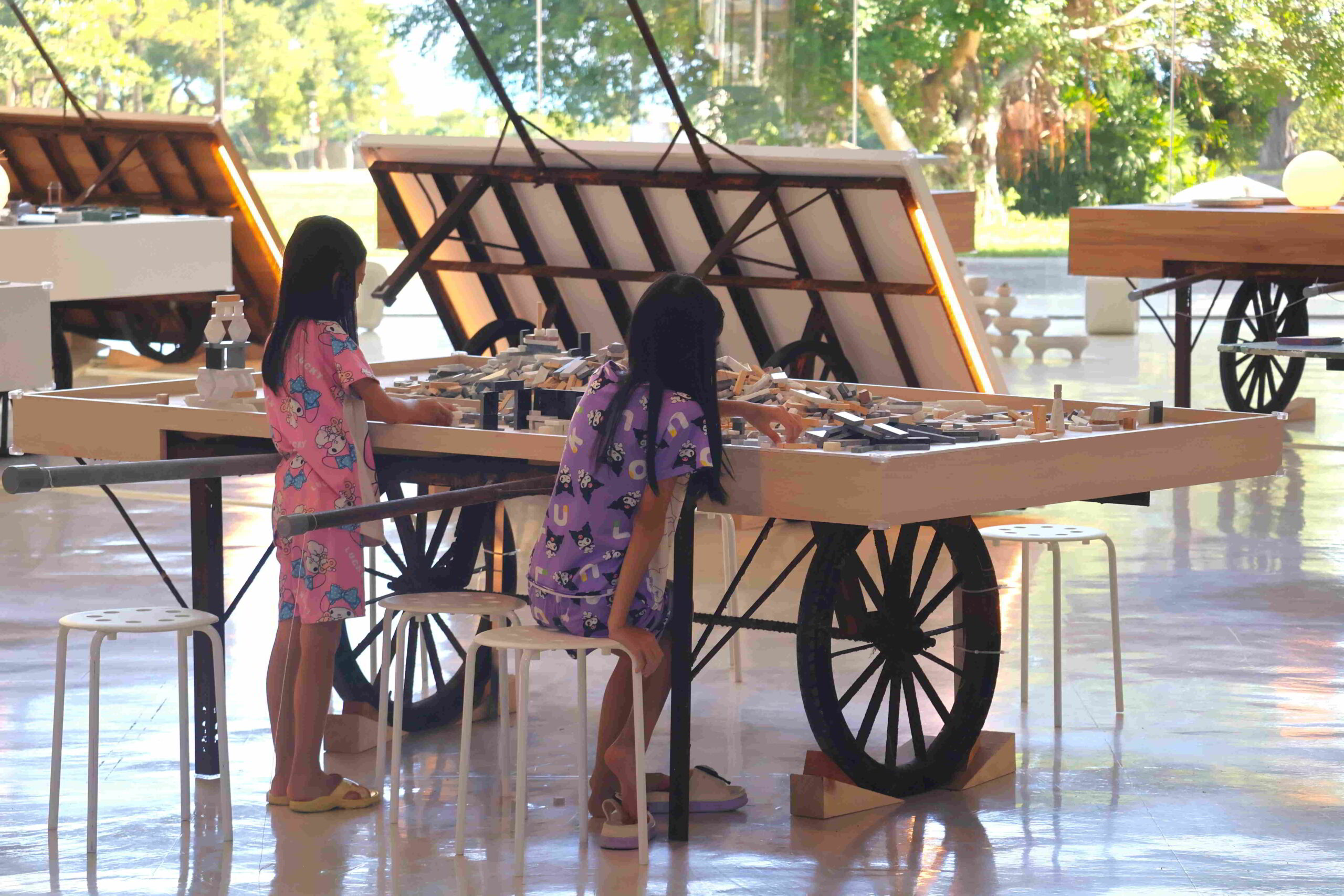
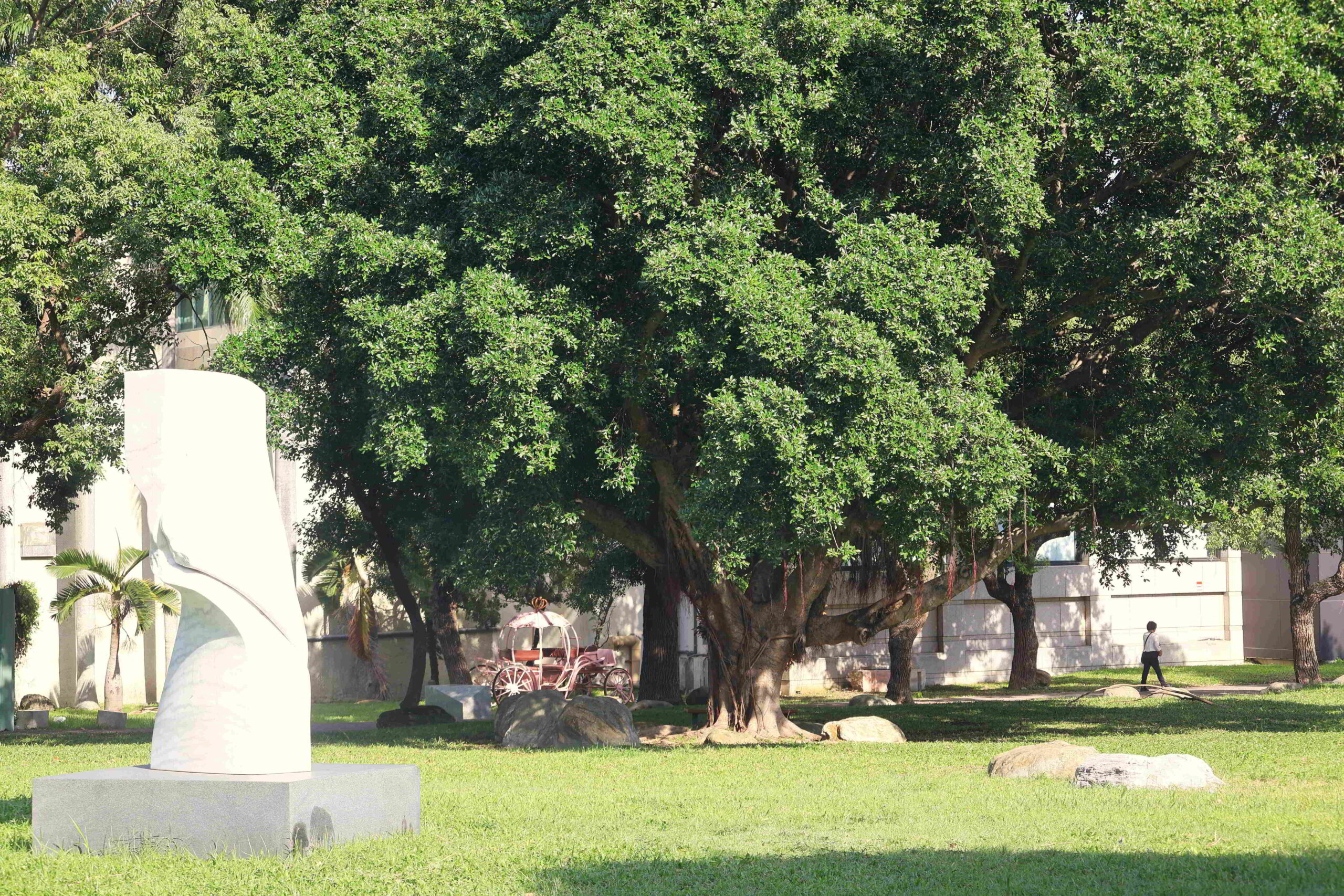
Children play with pieces of polished marble at tables set out to engage young visitors, although the meaningfulness of engagement is largely tied to a minimum age, judging by the random flailing of some of the youngest participants. The entire side of the cavernous main hall looks out over an expansive lawn dotted with large-scale sculptures.
Hualien Stone Sculpture Museum
The placards in the museum offer an extensive explanation of the geology of the country. “Taiwan is an island located on an uplifted continental shelf in the western Pacific Ocean. Taiwan’s unique geographical location and geological composition result in a diverse range of mineral deposits, such as igneous, sedimentary, and metamorphic rocks. Rocks can be classified into three types due to crustal movements and structural relationships: igneous rocks, sedimentary rocks, and metamorphic rocks. These three types of rocks undergo continuous cyclical changes in the Earth’s crust, known as geological processes.
Hualien Stone Sculpture Museum
Stone materials are one of Taiwan’s important mineral resources, and the commonly produced stones include marble, serpentinite, and fossiliferous limestone, all of which are distributed in the eastern region of Taiwan. The exhibition introduces six common stone mines in eastern Taiwan: Heping White Marble, Hozen Gray Marble, Serpentine, Rose Stone, Taiwan Jade, and Taiwan Black Jade.
Hualien Stone Sculpture Museum
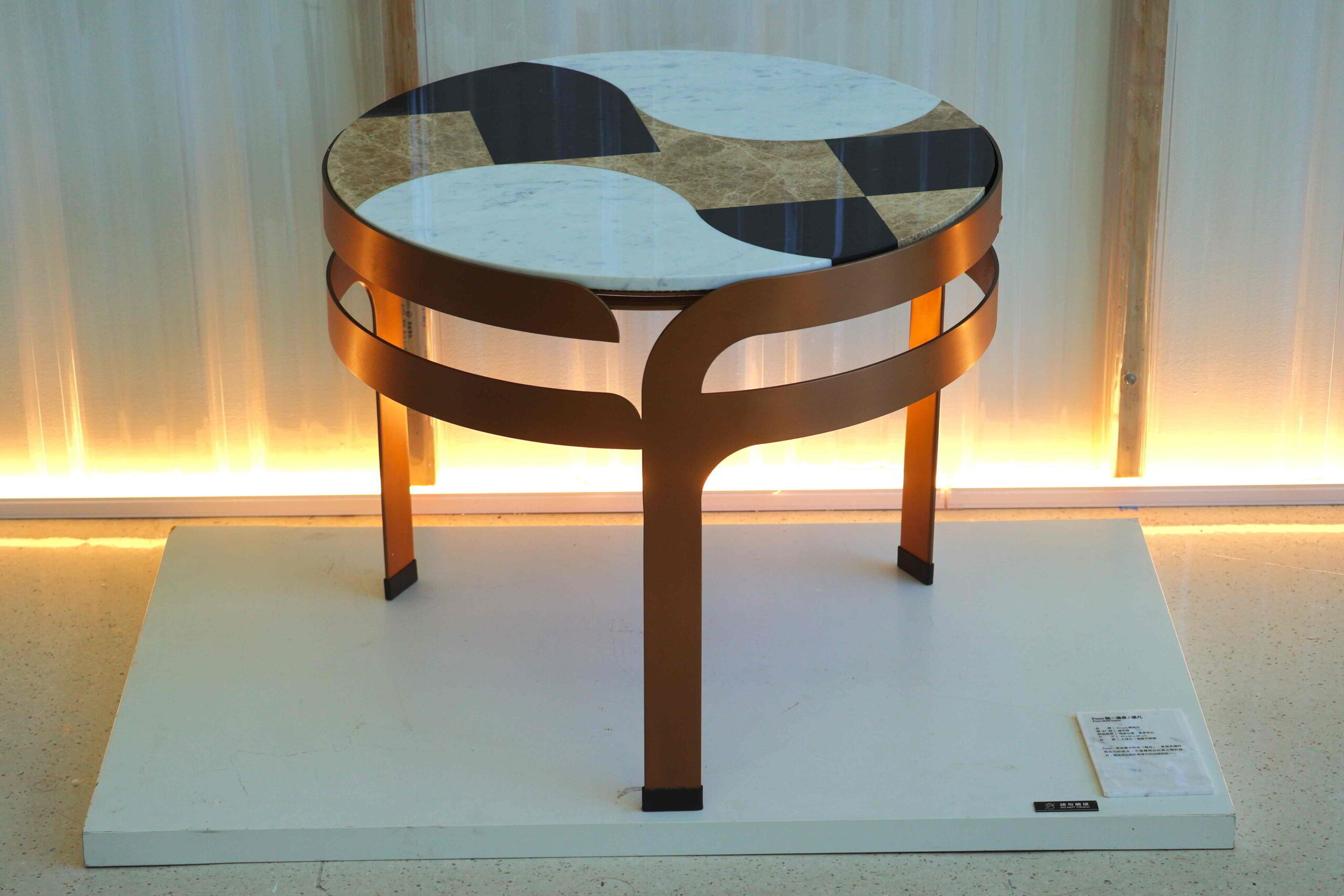
The marble reserves in Taiwan are quite abundant, making it the most prolific and widely utilized rock type among those currently being exploited. While Italy’s ‘Carrara’ is a globally renowned marble-producing region, in Taiwan, the main marble-producing areas are located along the eastern slopes of the Central Mountain Range. The distribution is extensive: starting from Suao in the north, extending through Hualien to the south, and reaching as far as Taitung’s Zhiben area.
Hualien Stone Sculpture Museum
This region spans over 200 kilometers from north to south, with some areas exceeding 10 kilometers in width. The thickest parts can reach over 1000 meters. The total estimated reserves, according to Eastern Region Office, Bureau of Mines, are approximately 300 billion metric tons. The marble in Xiulin Township, Hualien County, along the Suhua Highway, and areas near Heren, Qingshui, Chongde to Taroko is not only abundant in reserves but also of good quality. It is currently the main area for concentrated extraction, supplying materials for industry, construction, and stonework.
Hualien Stone Sculpture Museum
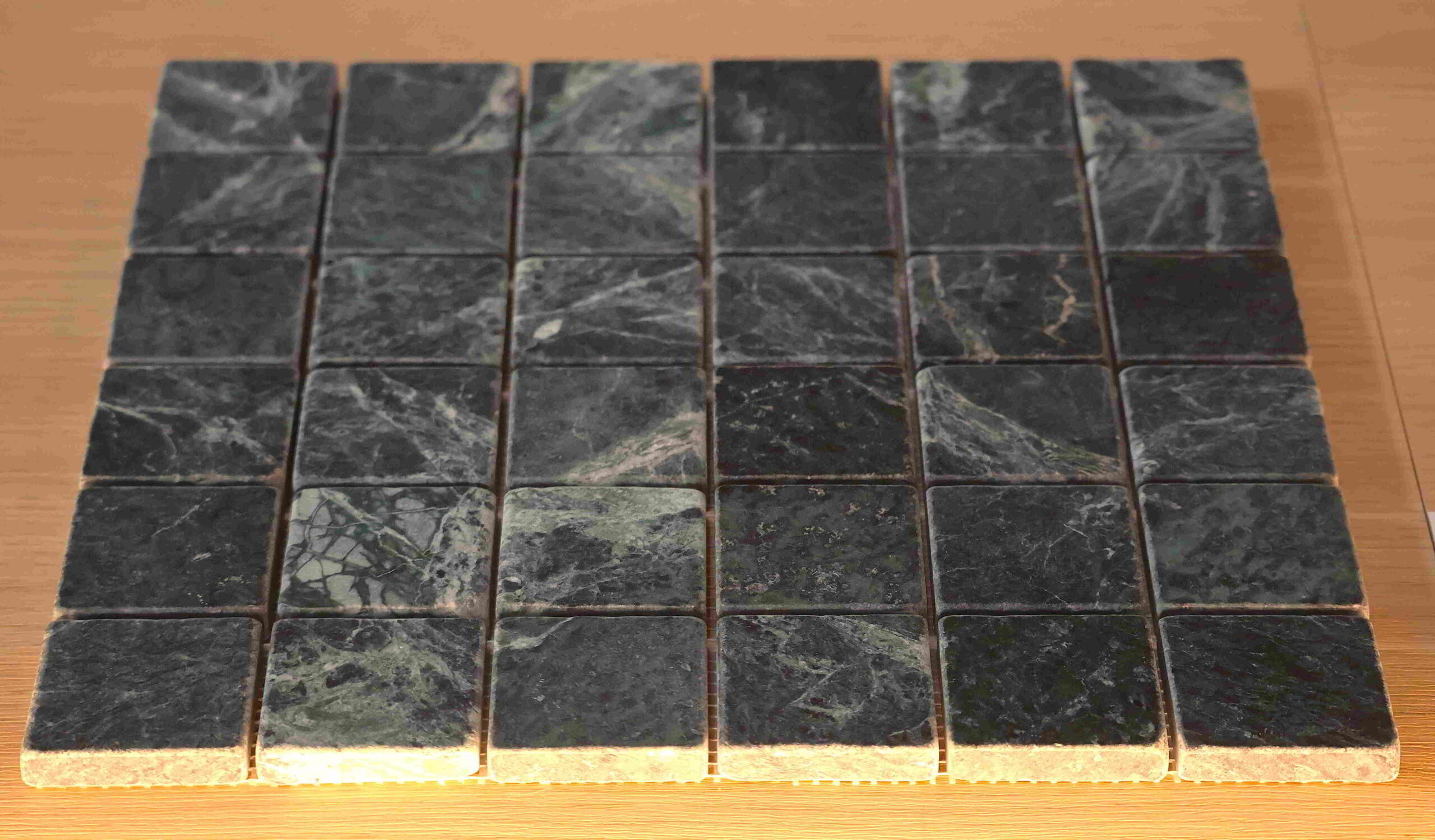
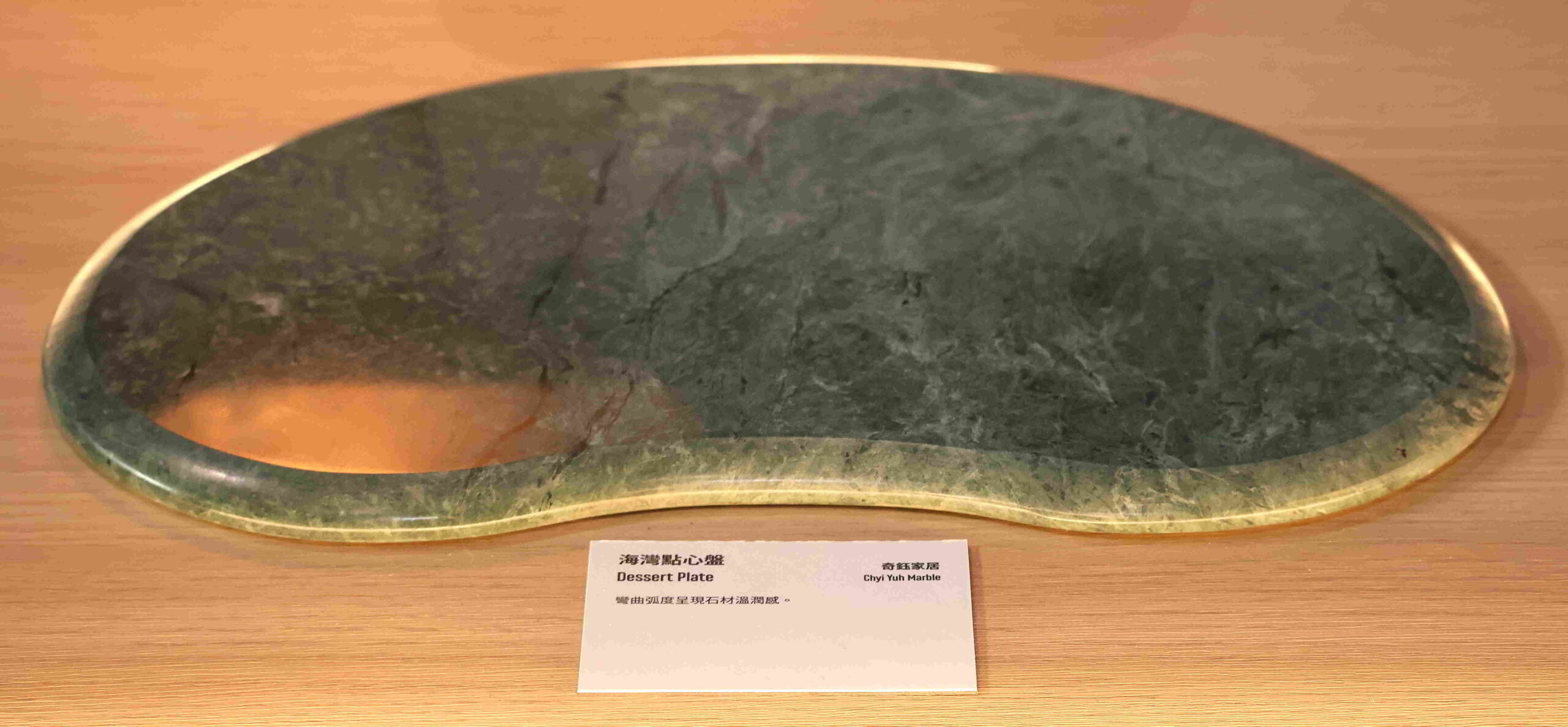
Serpentine is primarily found in the basic rocks of the metamorphic belt on the eastern side of the Central Mountain Range, and a smaller amount is found in the Lichi Formation in the southern section of the Coastal Mountain Range. The main deposits are in Hualien County, particularly in Shoufeng, Fengtian, Wanrong, Ruisui, and Yuli. Among them, the mining deposits along the Qingshui River in Yuli, the Hongye River in Ruisui and Hutou Mountain are the most extensive, with thicknesses reaching 200-300 meters and extending over 2 kilometers. Serpentine bodies in the Coastal Mountain Range are exotic rocks, mainly found in areas like Dian Guang and Hutou Mountain in Taitung.
Hualien Stone Sculpture Museum Park
Current estimates suggest reserves of approximately 200 million tons. Serpentine is a major rock second only to marble in terms of reserves and development potential. It serves as an excellent building material and carving stone, commonly used for garden decoration and furniture in Taiwan. In addition to being used as a flux in steel making, the crushed material produced during the mining process can also be used as a filler for paints and as an agricultural fertilizer.
Hualien Stone Sculpture Museum
Taiwan’s rose stones are found in the Changchuan Formation of the oldest exposed rock stratum in eastern Taiwan, the Tananao Schist. The geological age of their formation likely ranges from the late Paleozoic to the mid-Mesozoic, approximately 300 to 100 million years ago. Currently, the known locations for rose stones include Dong’ao, Ximao Mountain, the upstream region of Sanzhan River at elevations of 1400-1700 meters, Lushui and Luoshao in Liwu River, Mugua River, and areas near Ruisui in the Central Mountain Range.
Hualien Stone Sculpture Museum
Reports of discoveries have also been made in the upper reaches of Liwu River at Liwuzhu Mountain, the upper reaches of Heping River at Erzi Mountain, the upper reaches of Mugua River at Qilai Mountain, areas near the Central Cross-Island Highway at Tianxiang and Wenshan Hot Springs, and areas near Jiabeli Mountain in the northern part of the Jinma Tunnel. In Hualien, raw rose stones can generally be classified into three categories: mountain-picked, river-picked, and sea-picked. Tumbled rose stones are often found in Sanzhan River, earning it the nickname ‘Rose River’.
Hualien Stone Sculpture Museum Park
Taiwan jade veins are often found sandwiched between serpentinite and black schist, formed through metasomatic processes. They commonly coexist with black schist, serpentine, asbestos, and talc. These veins typically appear as irregular thin veins or lenticular bodies, with thickness ranging from 10 cm to 50 cm, occasionally reaching 1.5 to 2 meters in some areas, and extending around 20-30 meters.
Hualien Stone Sculpture Museum
The main distribution of Taiwan jade is around Xilin area in Laonao Mountain in Fengtian Village, at elevations of 700-1,200 meters. A small portion is found near Wangwuta Mountain in the southwest of Wanrong Township. Discoveries have also been reported in the eastern side of Mugua Mountain in Hualien, along the Qingshui River in Yuli, and in the Feniao Forest in Suao, Yilan. Additionally, there are also raw nephrite stones washed down from the riverbeds of the Baibao and Shoufeng Rivers. According to tunnel exploration and drilling data, Li-ping Tan and others estimated in 1983 that the total reserves of Fengtian jade may exceed 600,000 metric tons.
Hualien Stone Sculpture Museum
The main source of Taiwan Black Jade is found in Fengtian and the Laonao Mountain area in Wanrong regions. There may also be deposits of Taiwan Black Jade in places such as Fenniaolin in Suao, the eastern side of Mugua Mountain, and areas along the Qingshui River in Yuli. During the 1960s and 1970s, large quantities of Taiwan Jade were found in the Fengtian area, where translucent yellowish-green serpentine was discovered. However, it was not extensively mined or utilized due to its sporadic occurrence.
Hualien
It wasn’t until the 2010s that the Bureau of Mines actively encouraged jade industry operators to develop new varieties of serpentine jade-Taiwan Black Jade. This type of jade exhibits yellow, green, or yellowish-green colors under strong light, and it comes with black spots. It’s different from the serpentine jade produced in Mainland China, Xiu Jade, because of its unique geological characteristics.
Hualien Stone Sculpture Museum Park
HEREN REGION
The Heren area in Hualien County is part of the Chiuchu Formation of Tananao metamorphic complex, mainly consisting of black and gray marble and gneiss, as well as chlorite schist. Like the Heping region, the geological structure of the Heren area is characterized by multiple and complex phases, resulting in an overall low yield. The estimated reserves in this area are around 2 billion metric tons. The stone in the Heren area is primarily composed of black, gray, and veined marble, with intricate patterns and fine crystalline grains. Marble has a wide range of applications, including construction materials, crafts, and can also be used as industrial materials for steelmaking, cement production, and more.
Hualien Stone Sculpture Museum Park
HEPING REGION
This area belongs to the Changchun Formation of Tananao metamorphic complex, mainly consists of interbedded marble, schist, or gneiss, with well-developed fault folding or jointing. As a result, the general ore body is quite fragmented, leading to an extremely low yield. Multiple surface geological surveys and drilling data in this area indicate that the reserves of stone materials can reach 1.4 billion metric tons. Most of the marble is white, white with black veins or gray with black veins. However, veining patterns may vary significantly in localized areas due to complex geological structures.
Hualien Stone Sculpture Museum
RUISUI REGION
This area falls within the Yuli Belt of Tananao schist, primarily composed of black schist, green schist, quartz schist, and various types of exotic rocks. Serpentinite bodies typically occur as blocks intermixed with schist. Metamorphic processes are highly developed in this region, with multiple phases of metasomatic activity leading to the formation of numerous late-stage filling veins, such as talc, hornblende, and chlorite.
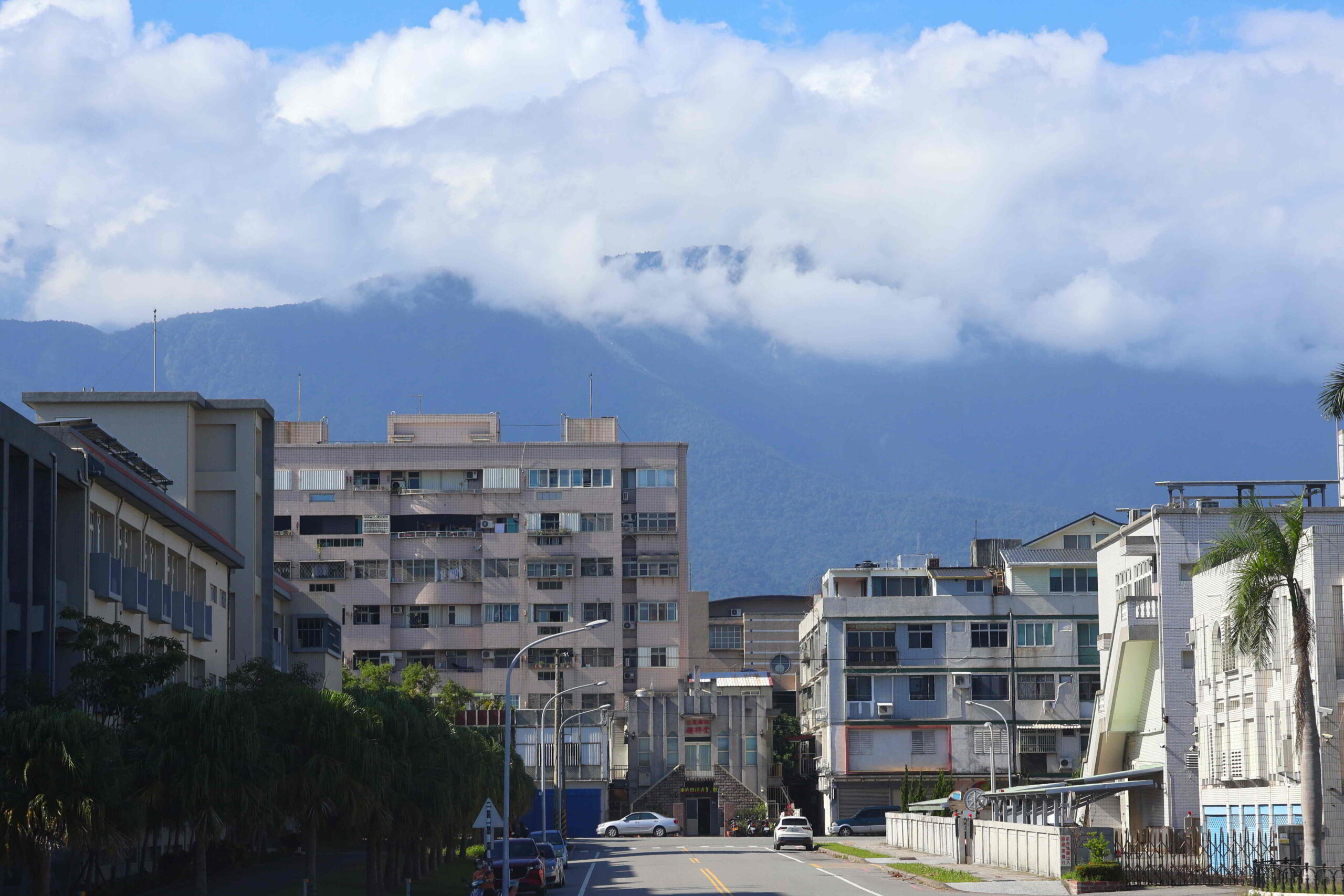
Hualien
Serpentinite in this area is generally categorized into three types: deep green, mid-green, and light blue. They often display white or green vein patterns, resulting in complex variations in patterning. Conditions of each ore body are different, with a small percentage achieving a yield rate of up to 40%, and monthly production can reach 5000 metric tons. The total estimated reserves are about 12 million metric tons.
Hualien Stone Sculpture Museum
YULI REGION
Both this area and the Ruisui region belong to the Yuli Belt, with black schist being the predominant rock type. However, in this area, there is a high frequency of outcrops of exotic rocks, including metamorphic plagiogranite, metamorphic pillow basalt, rodingite, and serpentinite bodies. Serpentinite bodies in this area are distributed on both sides of the Qingshui River in the middle reaches, appearing in arcuate or rounded outcrops with large ore body scales. Due to complex tectonic movements and intense metasomatic activity and alteration, the ore bodies are fragmented, exhibiting intricate patterns and various types of filled veins. The serpentinite is largely still green in color, mostly ranging from grass green to light green. The estimated reserves of serpentinite stone materials in this area are approximately 100 million metric tons, with a monthly production capacity of about 10,000 metric tons.
Hualien
EAST COAST REGION
This area is mainly composed of seashell fossils and limestone, predominantly distributed along the coastal mountains from Tagangkou to Chenggong. It belongs to the Tagangkou Formation of the Coastal Mountain Range. The limestone bodies in this area typically exhibit convex mirror-like outcrops. Apart from variations in limestone composition itself (such as diagenesis, fossil types, etc.), local areas may contain volcanic breccias or sedimentary rocks. Furthermore, factors such as plate tectonic movements result in significant variations in ore quality, low yield rates, and substantial differences in stone quality and patterns. The estimated reserves in this area are approximately 200 million metric tons, but currently, only minimal extraction is carried out in the Chenggong area of Taitung.”
Hualien Stone Sculpture Museum Park
Continuing with the history of stonework in Taiwan and the challenges it has faced: “In the development of stone craft, the Guanyin Stone from the northern Tatun Volcanic Group was a crucial material during the era of Han Chinese cultivation. After the liberation of Taiwan following World War II, the government actively pursued the development of stone resources in the eastern Taiwan.
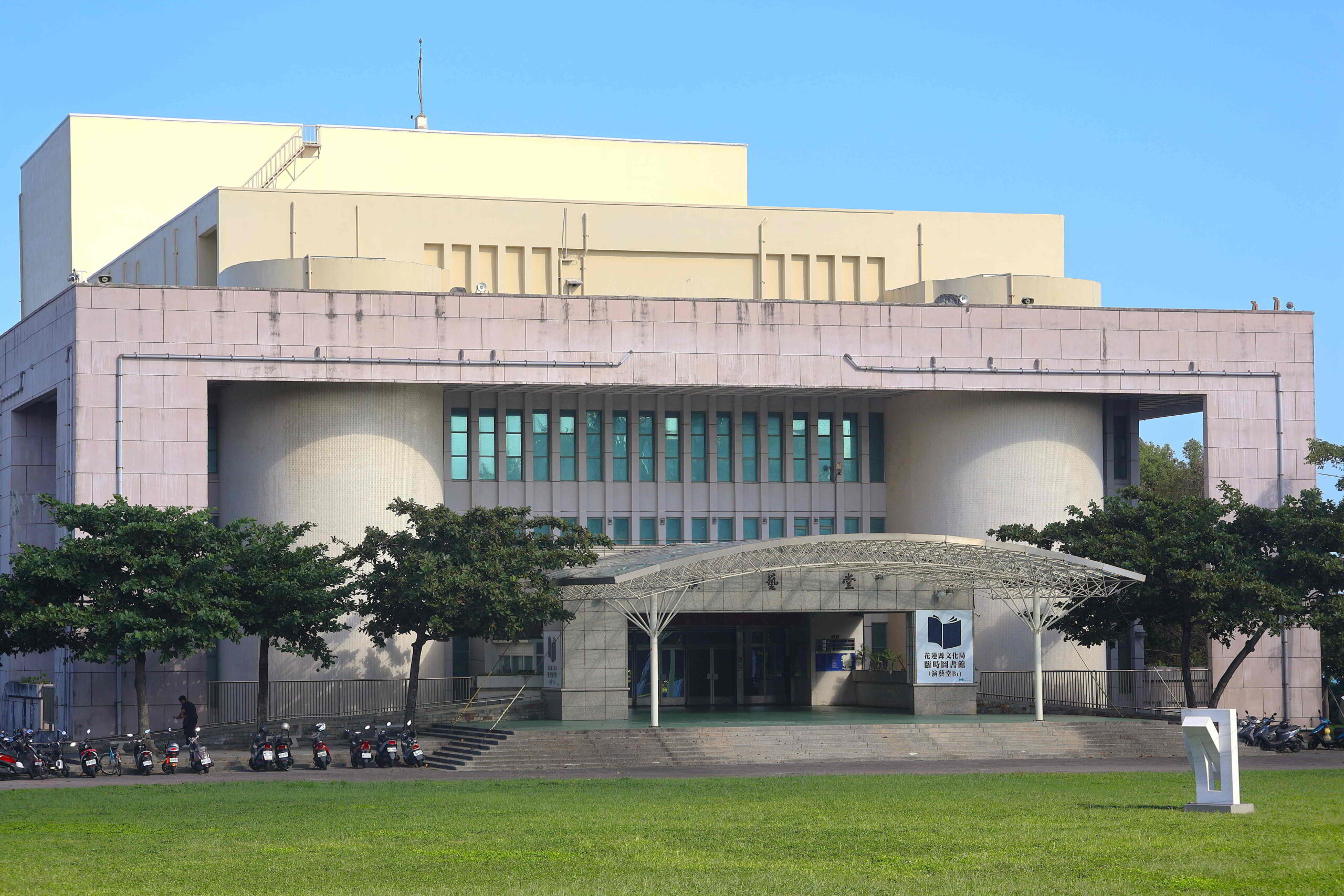
Hualien Stone Sculpture Museum Park
Located at the convergence of the Eurasian Plate and the Philippine Sea Plate, Taiwan’s eastern region experiences frequent seismic activity due to the interaction of these two major tectonic plates. The Huadong Valley, situated in this area, is characterized by active fault lines where the plates compress against each other, resulting in frequent earthquakes. Due to intense geological changes, the eastern region has become the area with the richest variety and abundance of mineral deposits. Additionally, Hualien Port, positioned within the West-Pacific Island arc, holds the most advantageous position for maritime transportation in the import and export of stone materials. Therefore, at that time, Hualien became an important base for the world’s stone processing and transportation, and the art of stone carving flourished with it, gradually gaining recognition on the global stage.
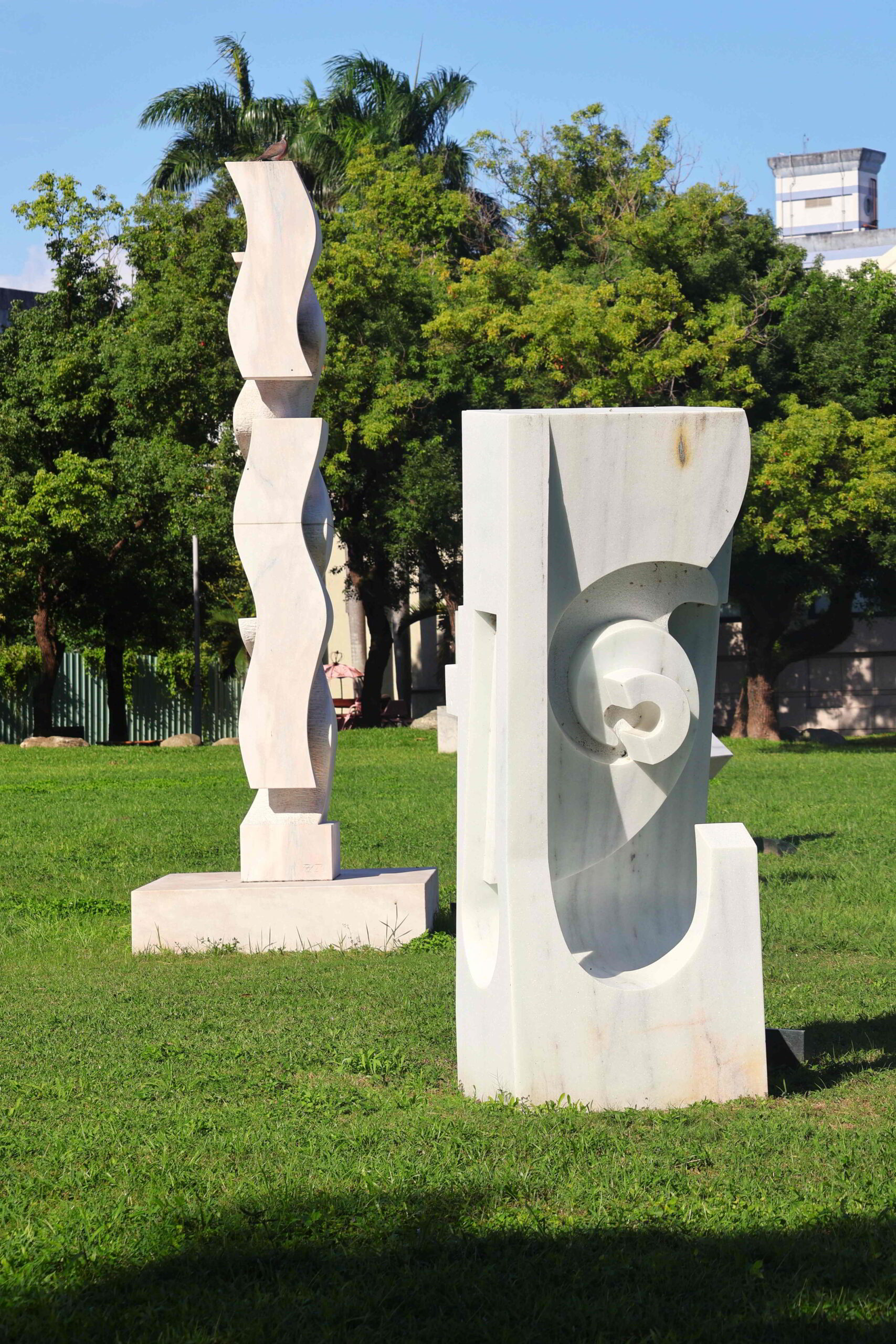
Hualien Stone Sculpture Museum Park
In the 1960s, the construction of Central Cross-Island Highway marked the beginning of the development of the Hualien stone industry. Marble extracted from the Heping River in the Central Mountain Range was transported and centralized in Hualien, giving rise to the marble processing industry. Over time, raw materials, talents, and capital gathered in Hualien. Marble artworks and vessels became widespread, and it was also the beginning of Taiwan’s exportation of stone products. In the 1970s, serpentinite from Ruisui and Yuli also began to be exported.
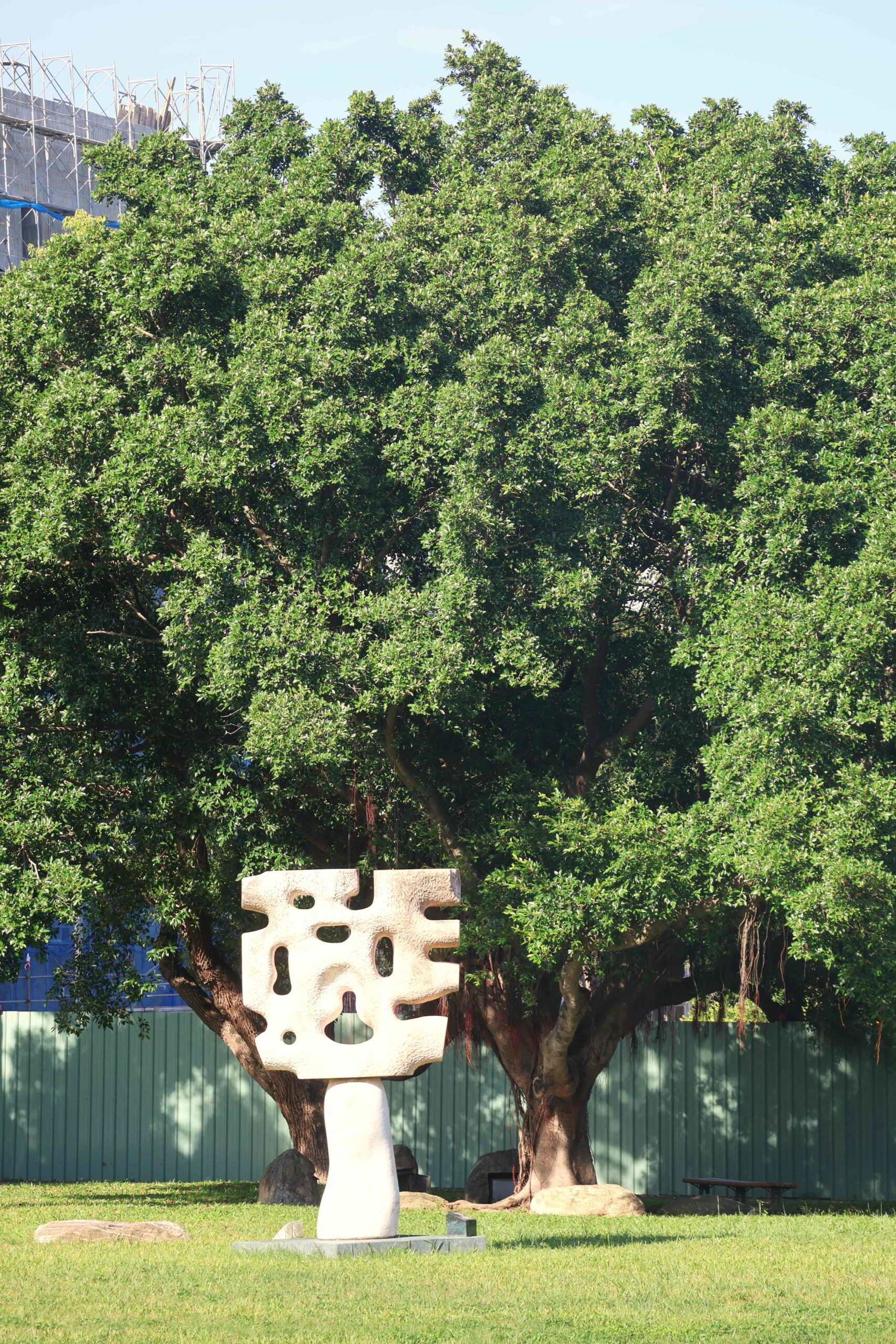
Hualien Stone Sculpture Museum Park
In the 1980s, Taiwan underwent an economic industrial transition, accompanied by an increase of environmental consciousness among the populace, an elevation in community cultural values, and adjustments in governmental policies. These factors collectively led to significant changes in the stone processing industry in Hualien. The production of locally-sourced marble materials diminished year by year, leading to a gradual shift towards using imported stone materials in the processing industry.
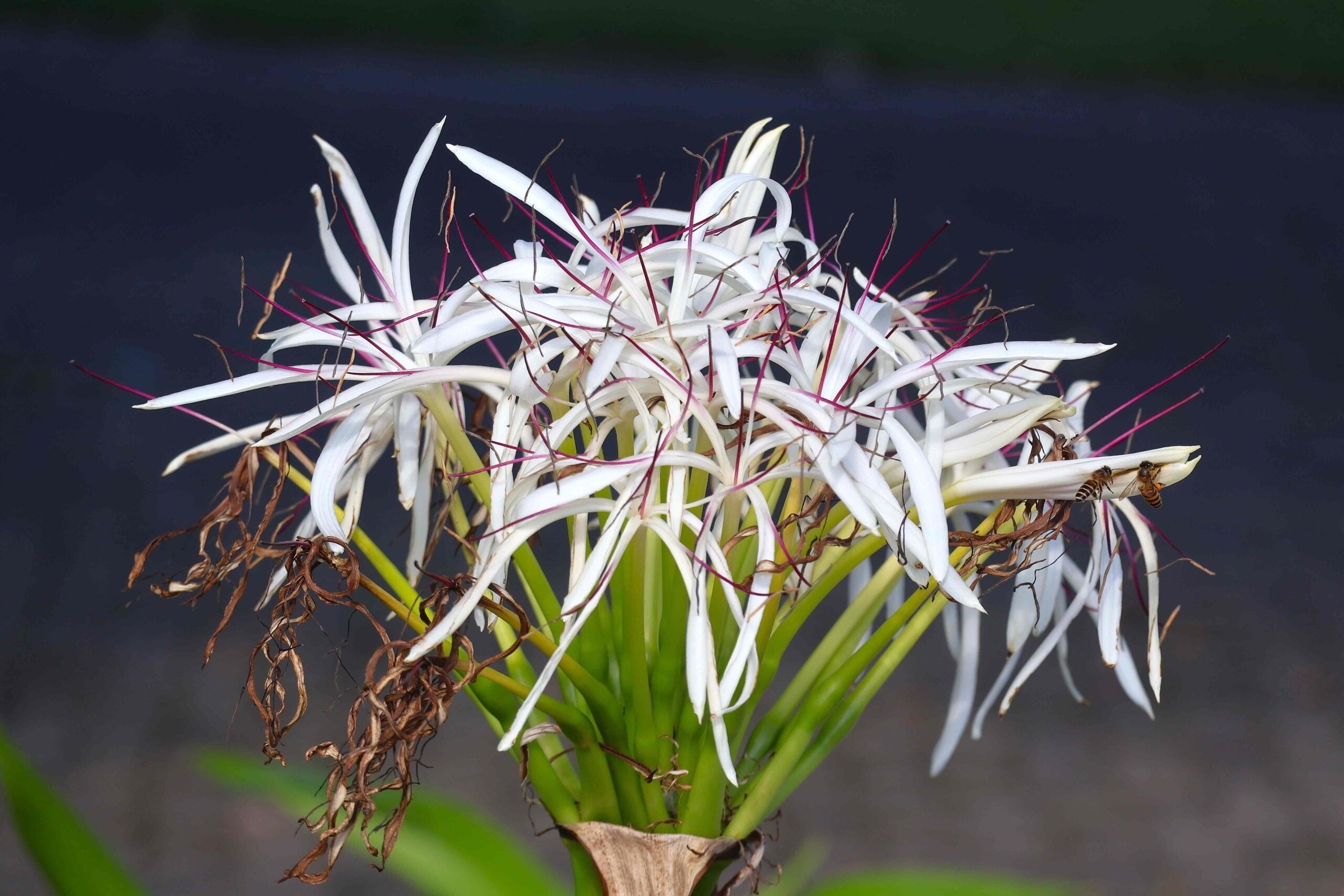
Hualien Stone Sculpture Museum Park
By the 1990s, with substantial investments in both capital and manpower, Hualien became the world’s second-largest stone processing base. After 1995, the Hualien County government, in collaboration with organizations such as the Hualien Stone Sculpture Association, consistently organized the ‘Hualien International Stone Sculpture Festival’. This event aimed to integrate culture and art with industry and tourism, propelling Hualien to be recognized as a renowned place of stone sculpture art.
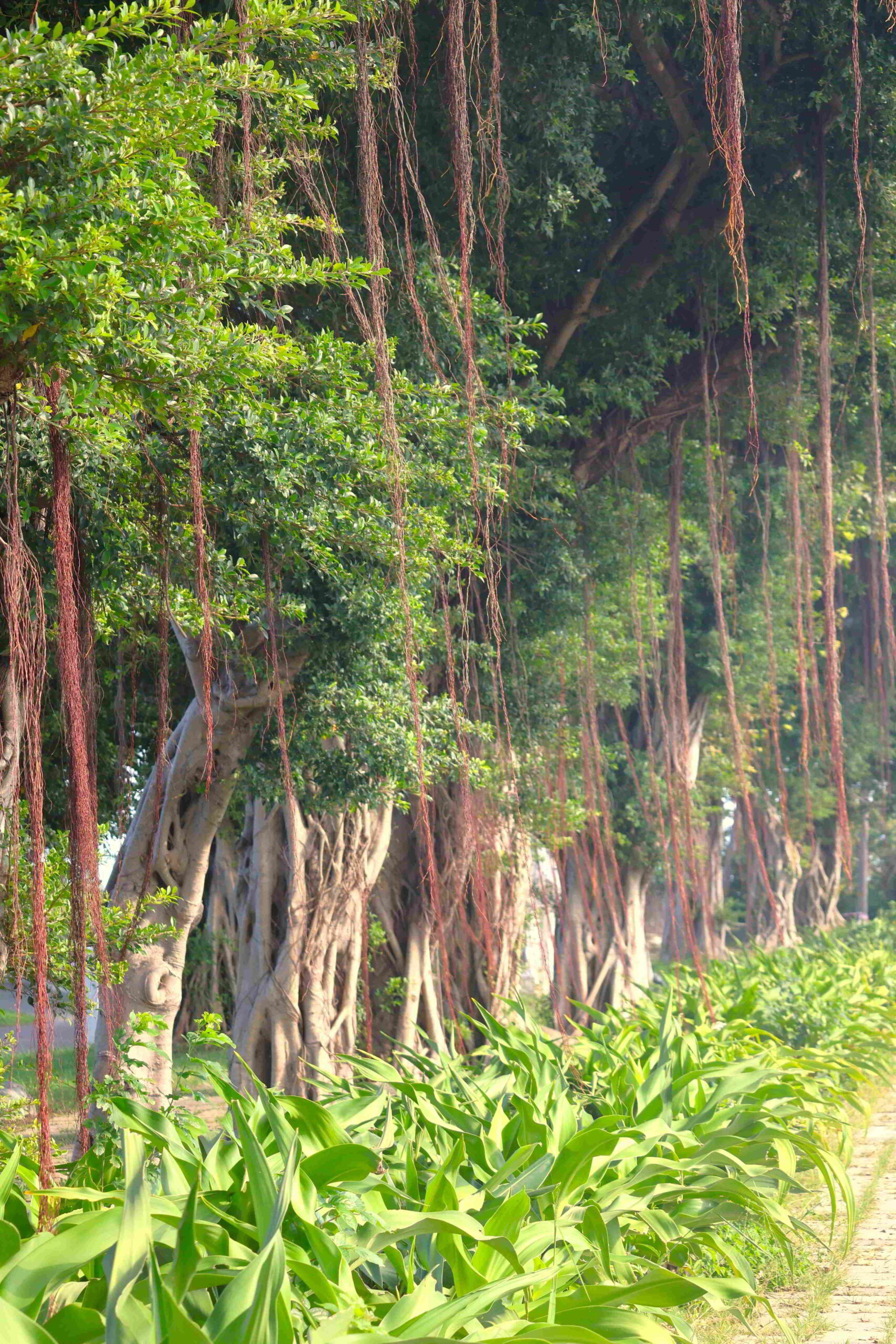
Hualien Stone Sculpture Museum Park
The stone industry in Taiwan has a history of over sixty years of development. Through the active management of industry players and strong government support, the stone industry has not only become a representative industry in eastern Taiwan but also once ranked as the second largest stone processing country in the world, second only to ltaly, with an annual total output value of approximately NT$40 billion.
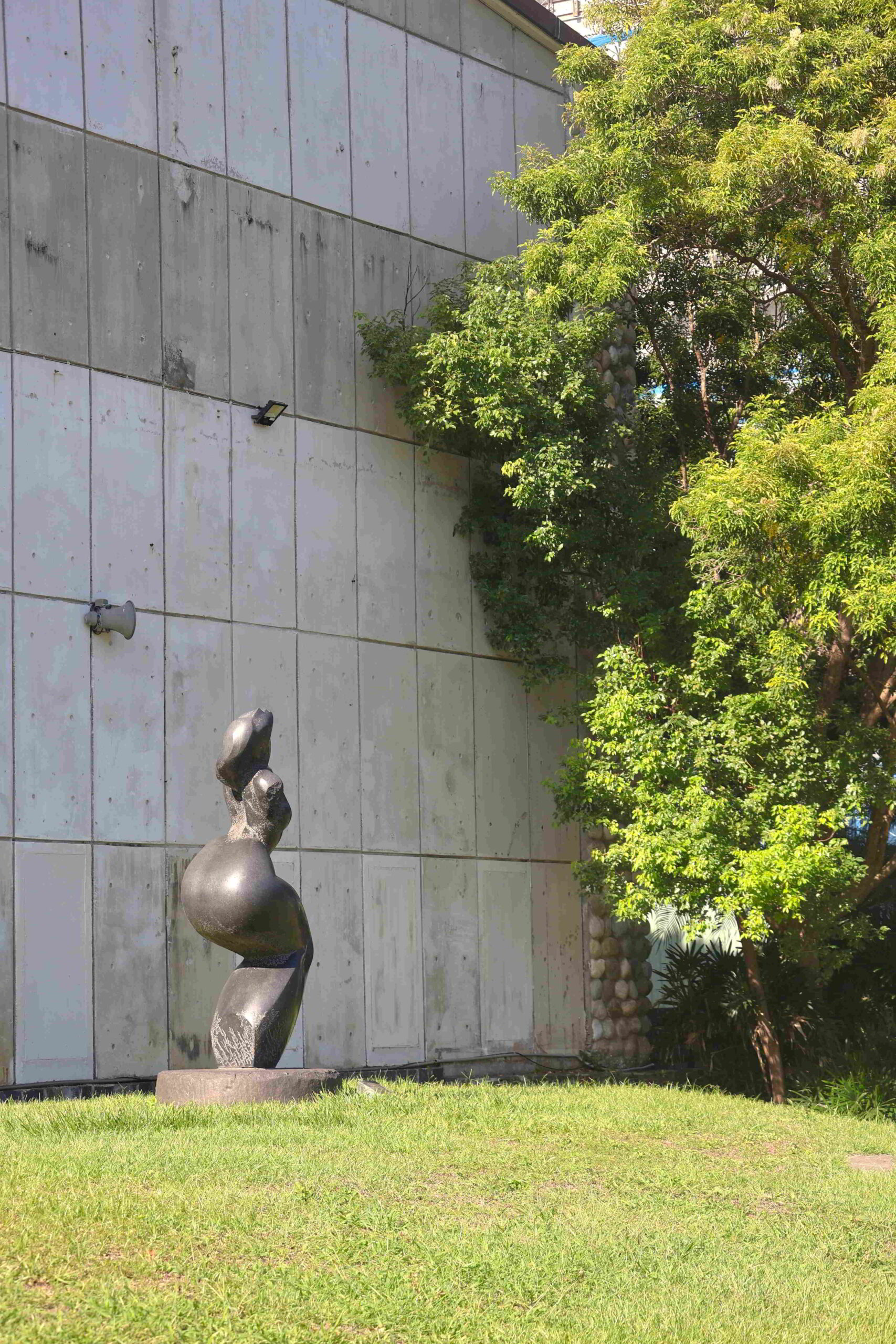
Hualien Stone Sculpture Museum Park
In recent years, China’s market opening policies have impacted the competitiveness of Taiwan’s stone industry internationally. To address this issue, the government has been actively promoting industry upgrading and ensuring the development of Taiwan’s representative industries in the eastern region. The stone industry has thus become an important sector under the government’s policy of industrial expansion towards the east.
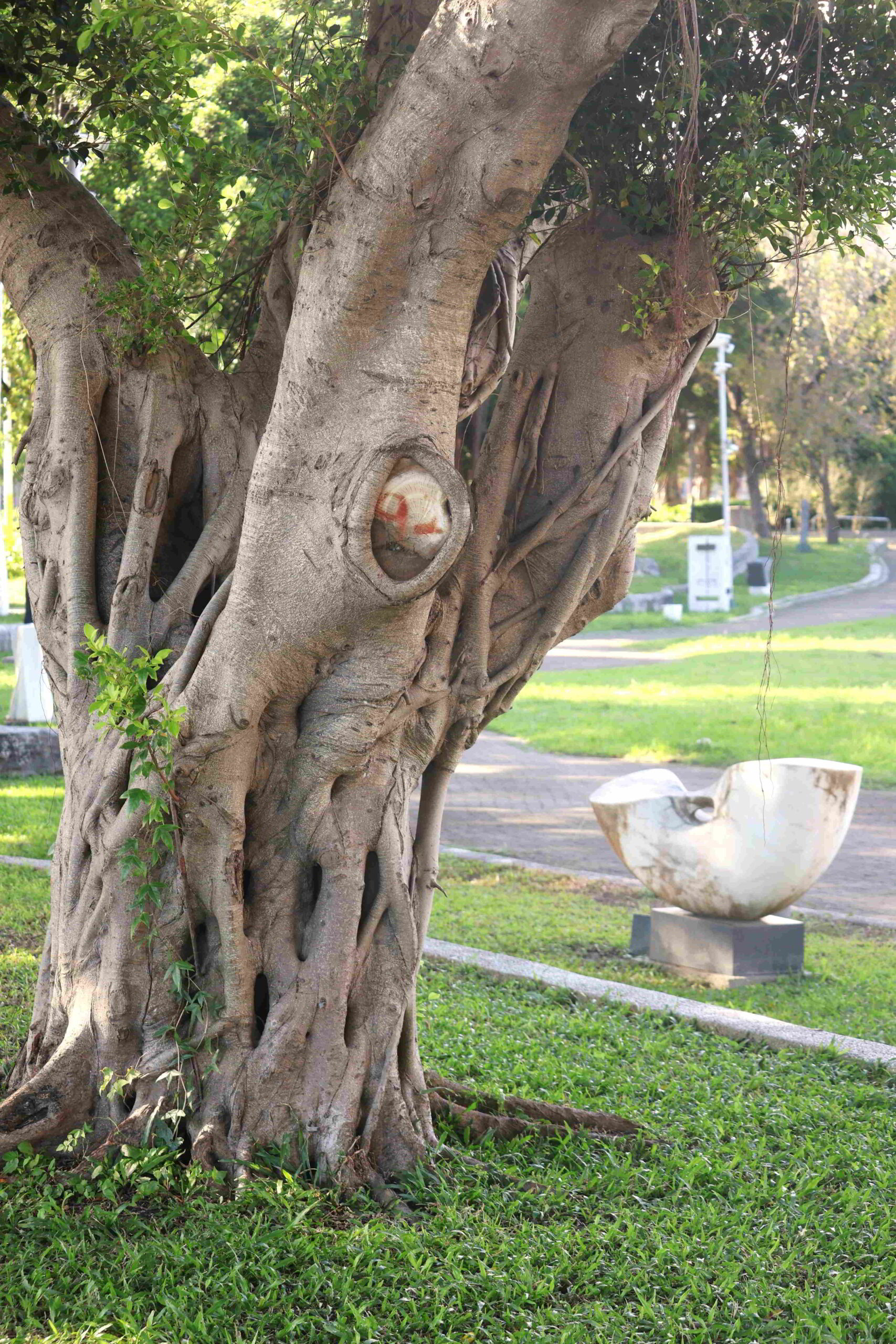
Hualien Stone Sculpture Museum Park
Currently, Taiwan’s stone industry mainly relies on imported raw materials for primary and secondary processing. The stones typically include marble, granite, and serpentinite. The National Standards of the Republic of China categorizes stones into six major types based on their lithology: granite, marble, limestone, sandstone, slate, and schist. According to the processing methods and the products, the stone industry can be divided into primary processing, secondary processing, and shaped processing.
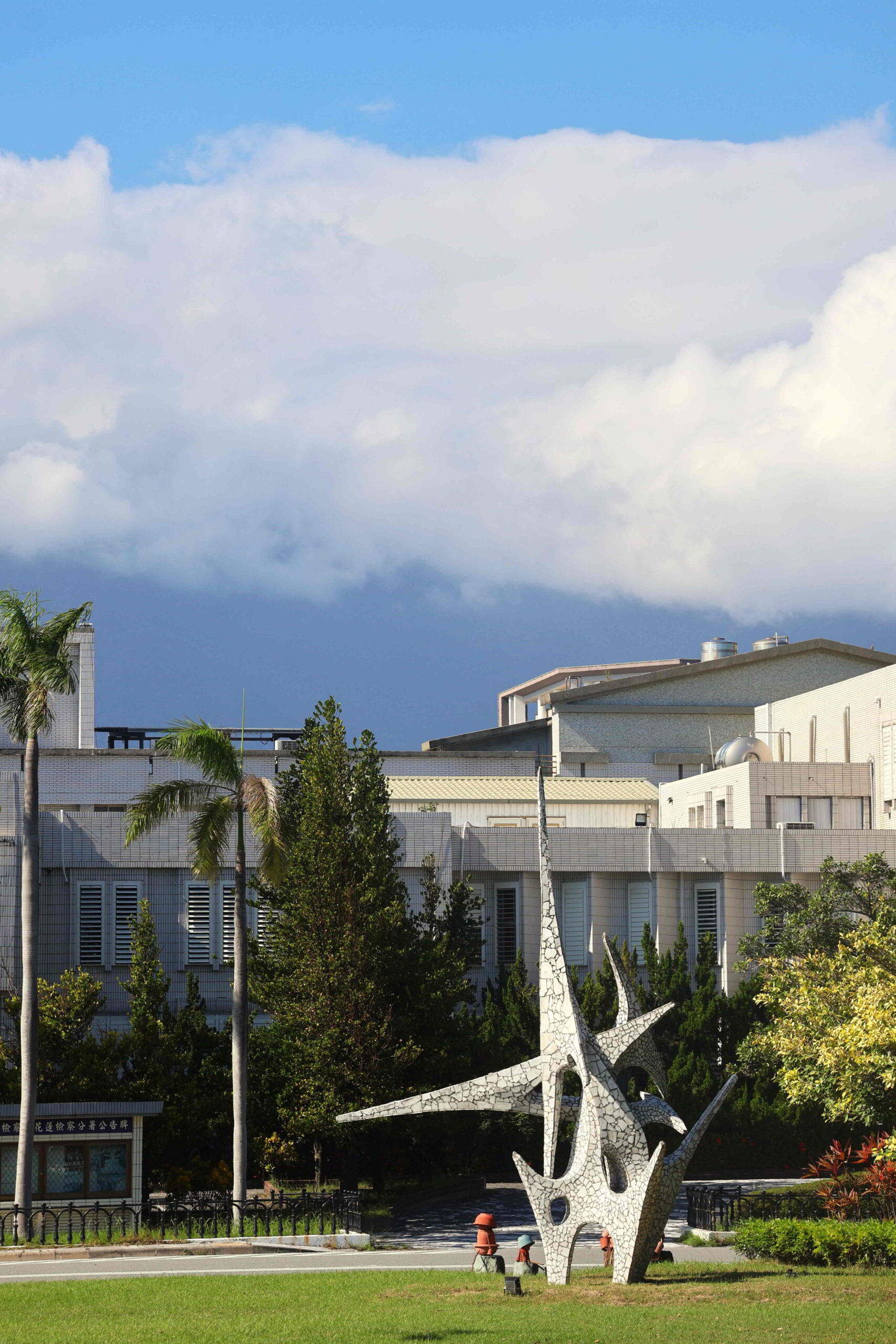
Hualien Stone Sculpture Museum Park
Primary processing involves cutting raw stone into large slabs and polishing them. Secondary processing involves further cutting and shaping those slabs according to project requirements or installation needs. Shaped processing focuses on fulfilling customized demands from customers, representing the diversified aspect of stone processing.”
Hualien Stone Sculpture Museum
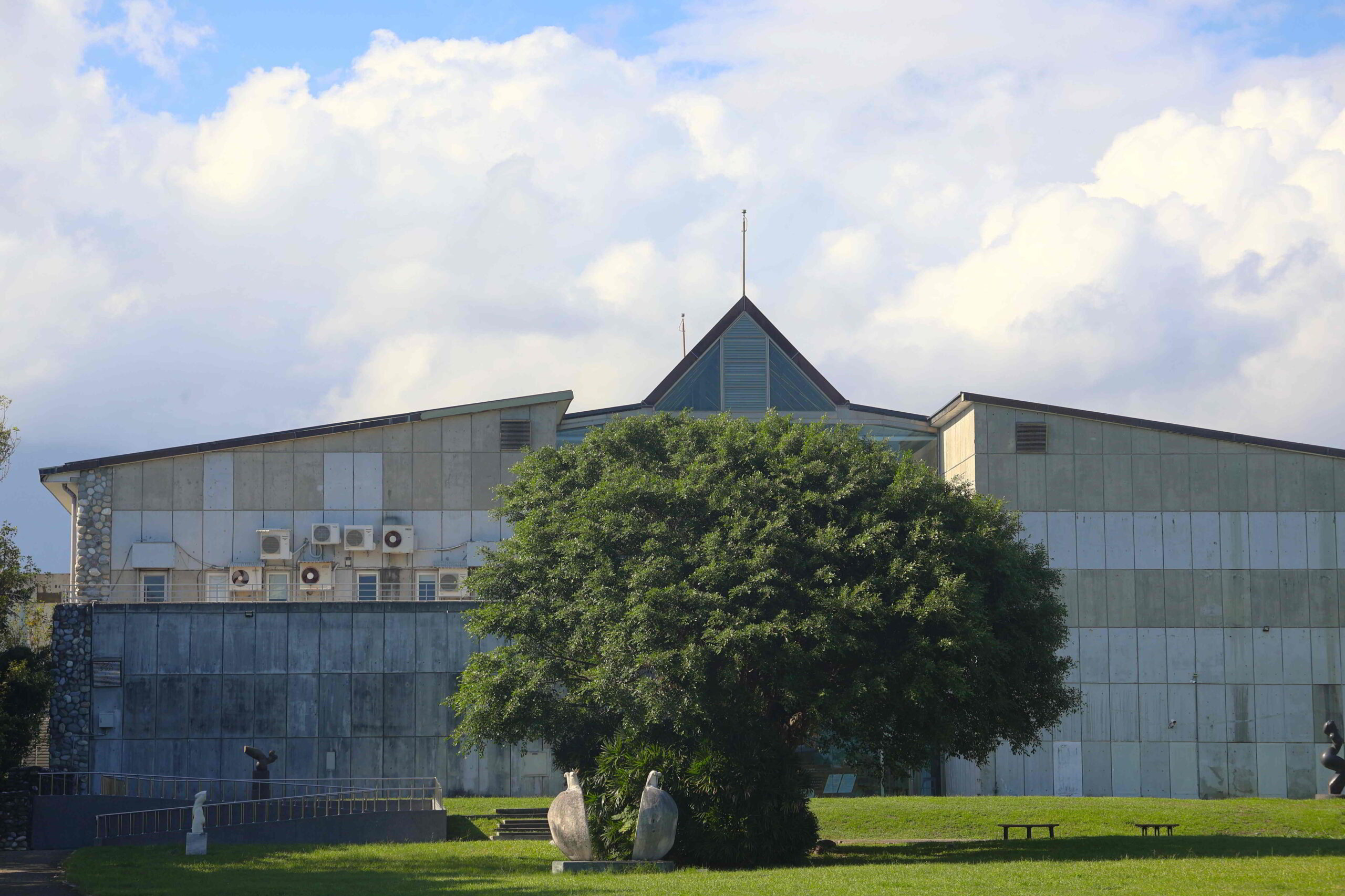
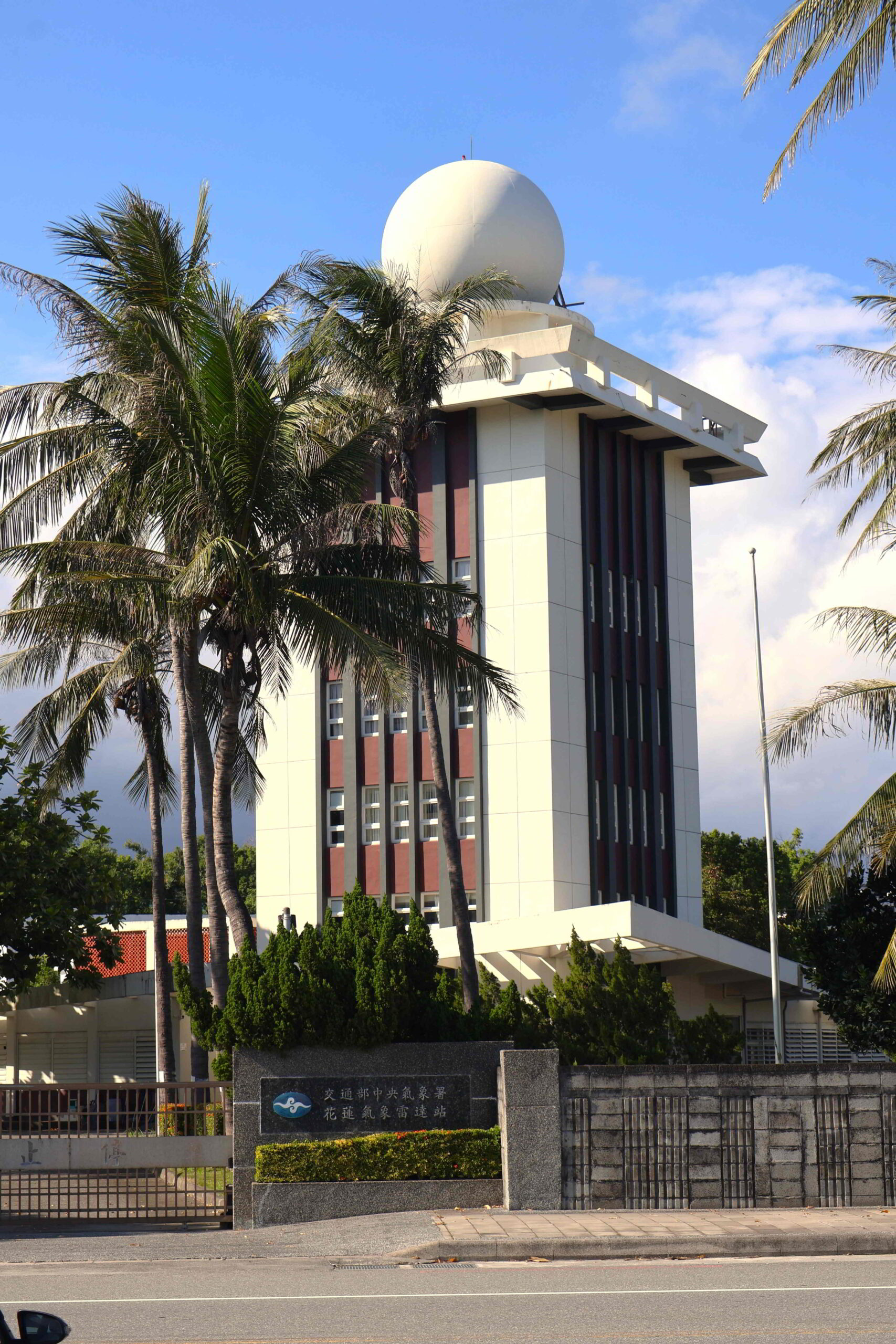
Deep dive into the country’s geology and stone processing industry out of the way, it is time to move on to other adventures. The 310 tourist bus fortunately runs along the waterfront road on the east side of the museum, but given its hourly service, I still have some time to wait. On the far side of the sculpture park is another equally impressive modernist structure, but is not open to the public.
Hualien Stone Sculpture Museum Park
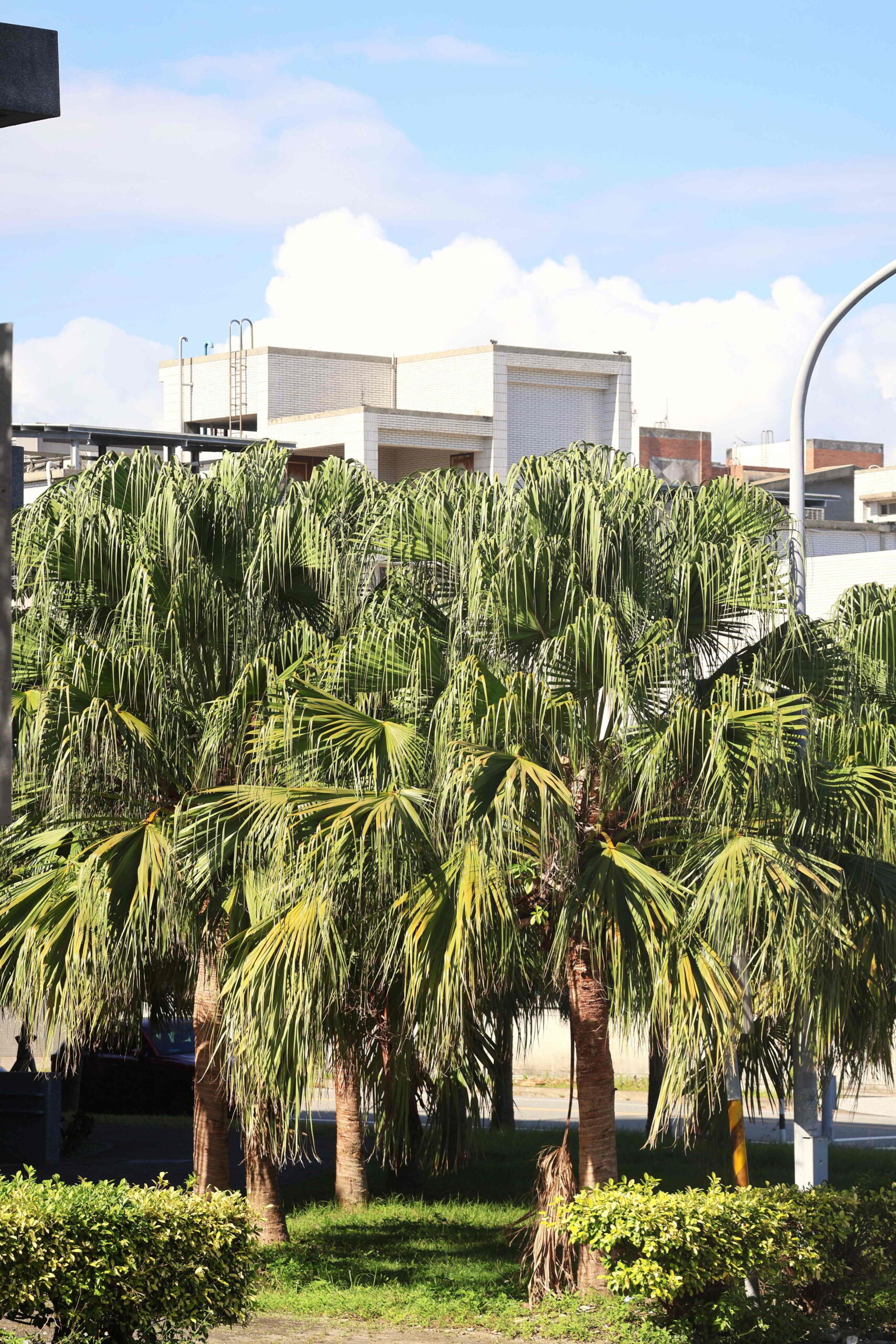
The ribbon of green along the boulevard is the Jiangkouliangsanlang Memorial Park that runs all the way to the Hualien River, which delimits the inner city from the residential areas to the north. The park occupies two different elevations, one alongside the through road that abuts the sculpture museum, and a lower part that borders the port facilities. Although the lower level is wider, with paths weaving through a forest compound, I want to remain on the upper level to avoid having to climb back up in the heat.
Hualien
Hualien
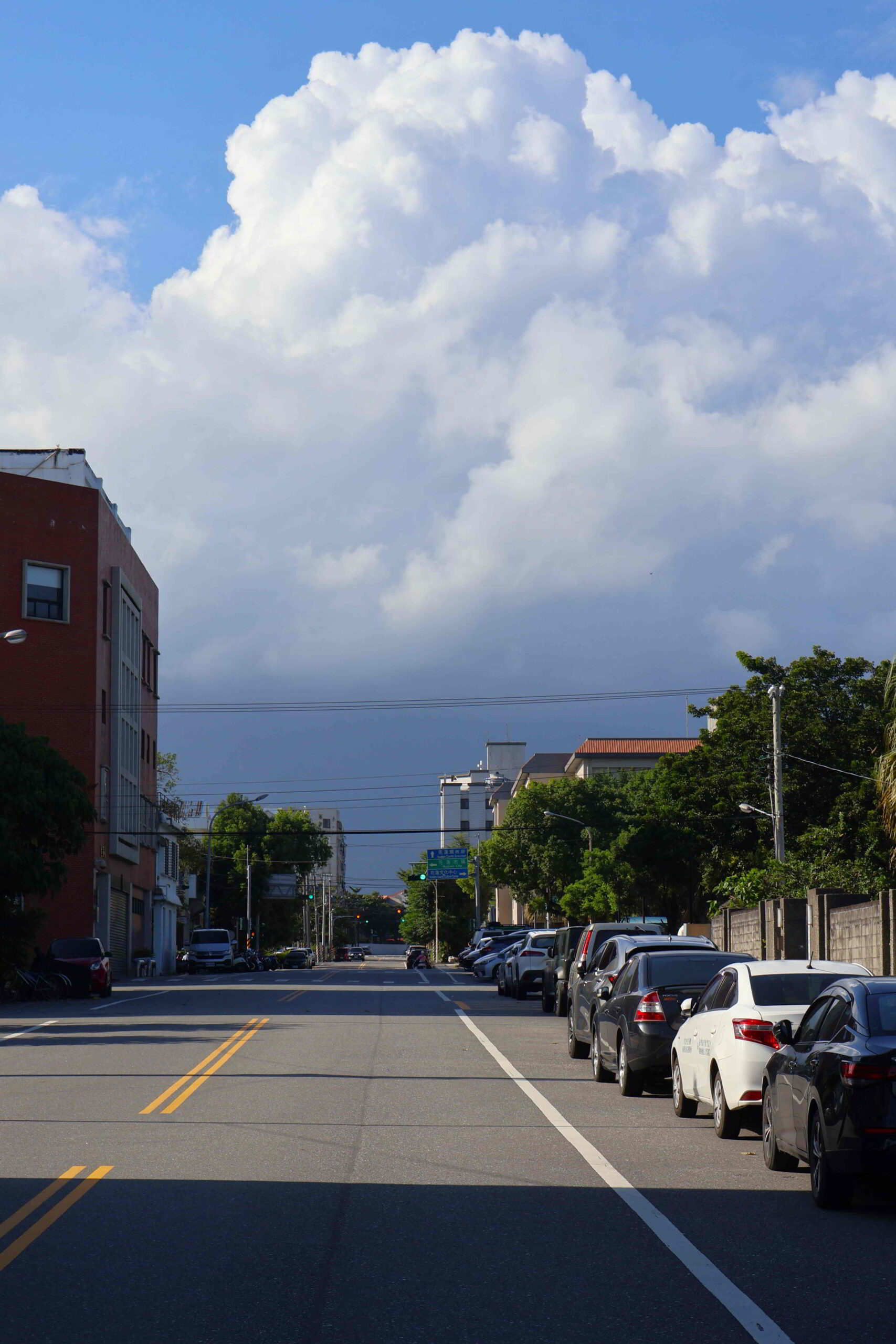
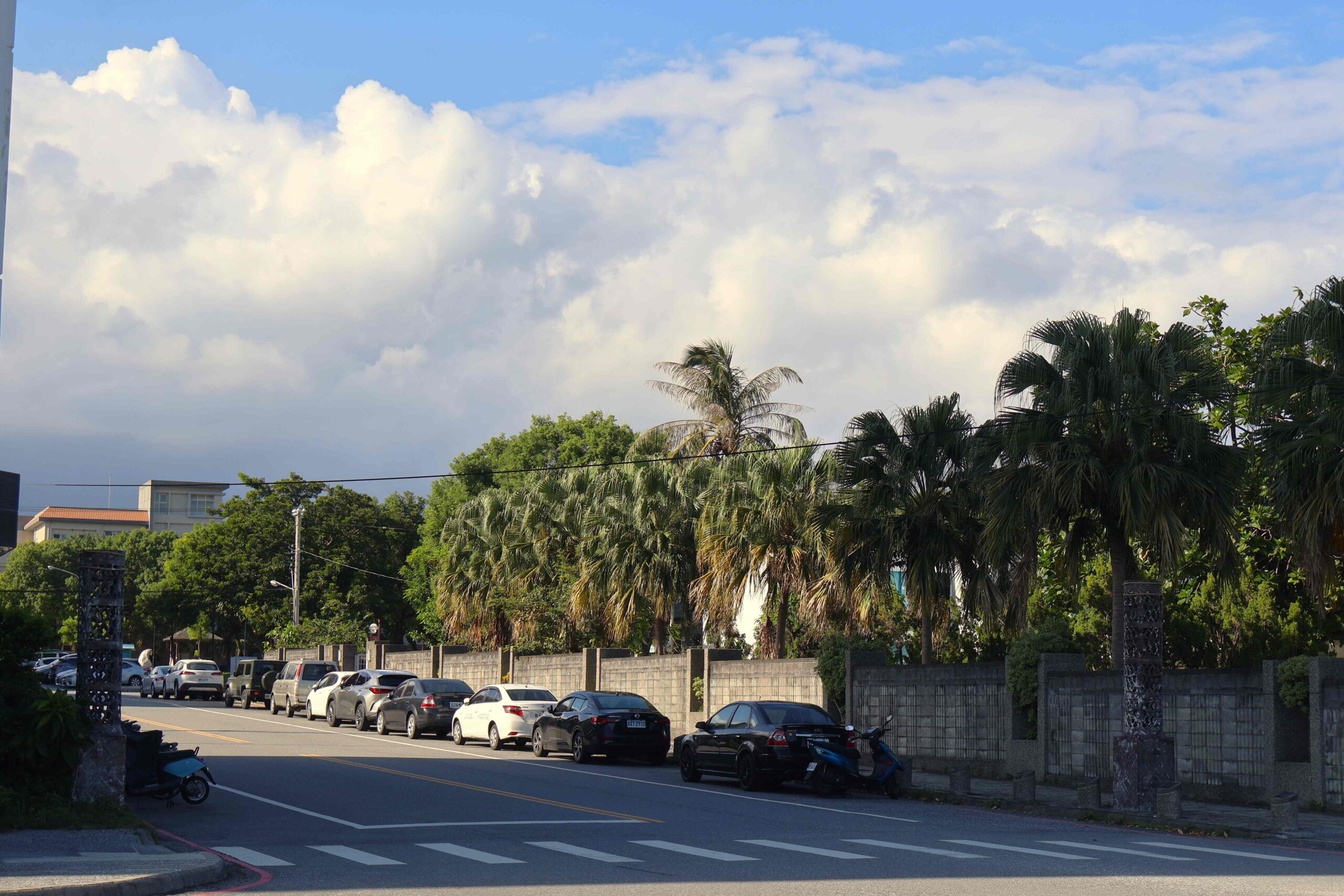
After weeks of cloudy, rainy weather, the sun is finally breaking out of the clouds — and it is hot! Incredible, to have this heat in the middle of November. I try and find somewhere to sit in the shade, but that takes me too far from the bus stop — and I am nervous when it comes to the bus drivers here. The 310 tourist bus does a loop through all the major tourist attractions of Hualien, and would be the perfect means to get to the Hualien Cultural and Creative Industries Park in the centre of the city — well, more like the only bus service available in the area, never mind the hourly service. When I see the bus approaching, I plant myself at the side of the road and wave, expecting the bus to simply drive by if I don’t.
Hualien
Hualien
Hualien
As we approach my destination, I see that the bus is not following the route set out on the Google Map. Another problem — if the bus doesn’t follow the route on the map, I have to conclude that no other bus routes on the Taiwan map are correct, either. Great. And when I press the button in the ceiling above me that presumably requests the next stop, I hear no tone nor take note of any sensor illuminating, which leads me to conclude that either the stop requests don’t work or the bus automatically halts at every stop. Worse, the seating area is raised above the driver and front entrance, and it is quite awkward to walk on the narrow steps by the door to disembark, which may be necessary if the stop request didn’t work.
Hualien
Hualien
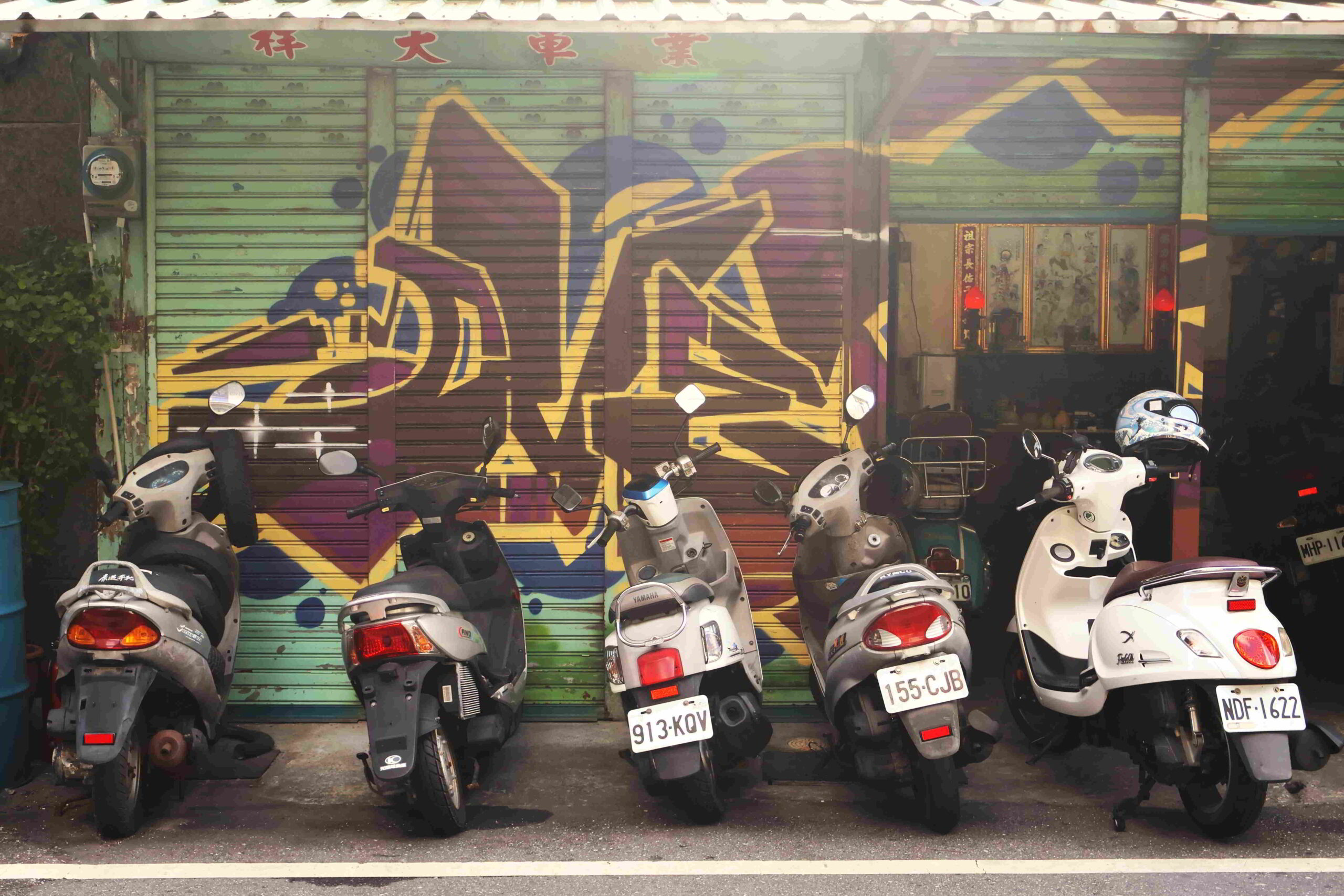
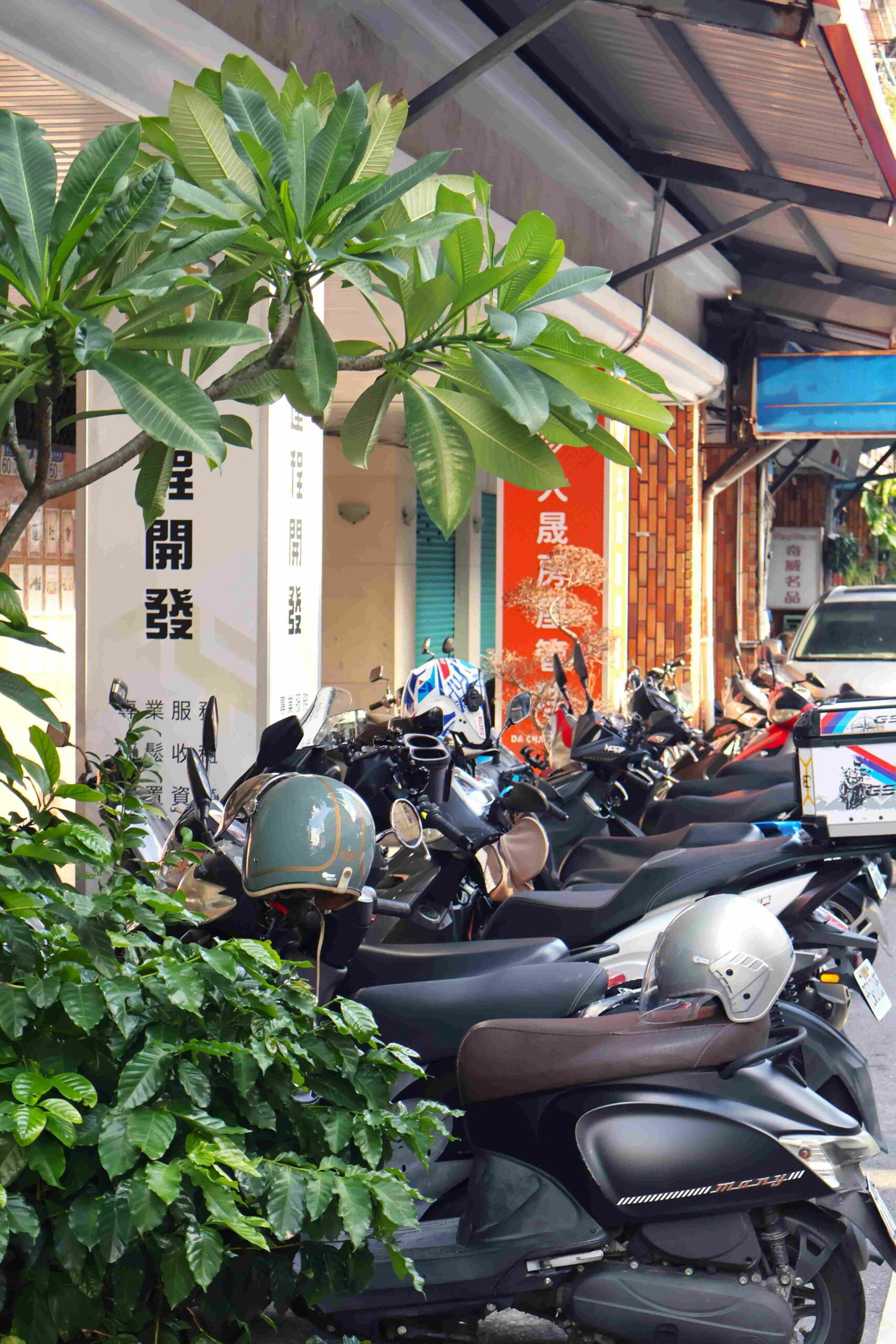
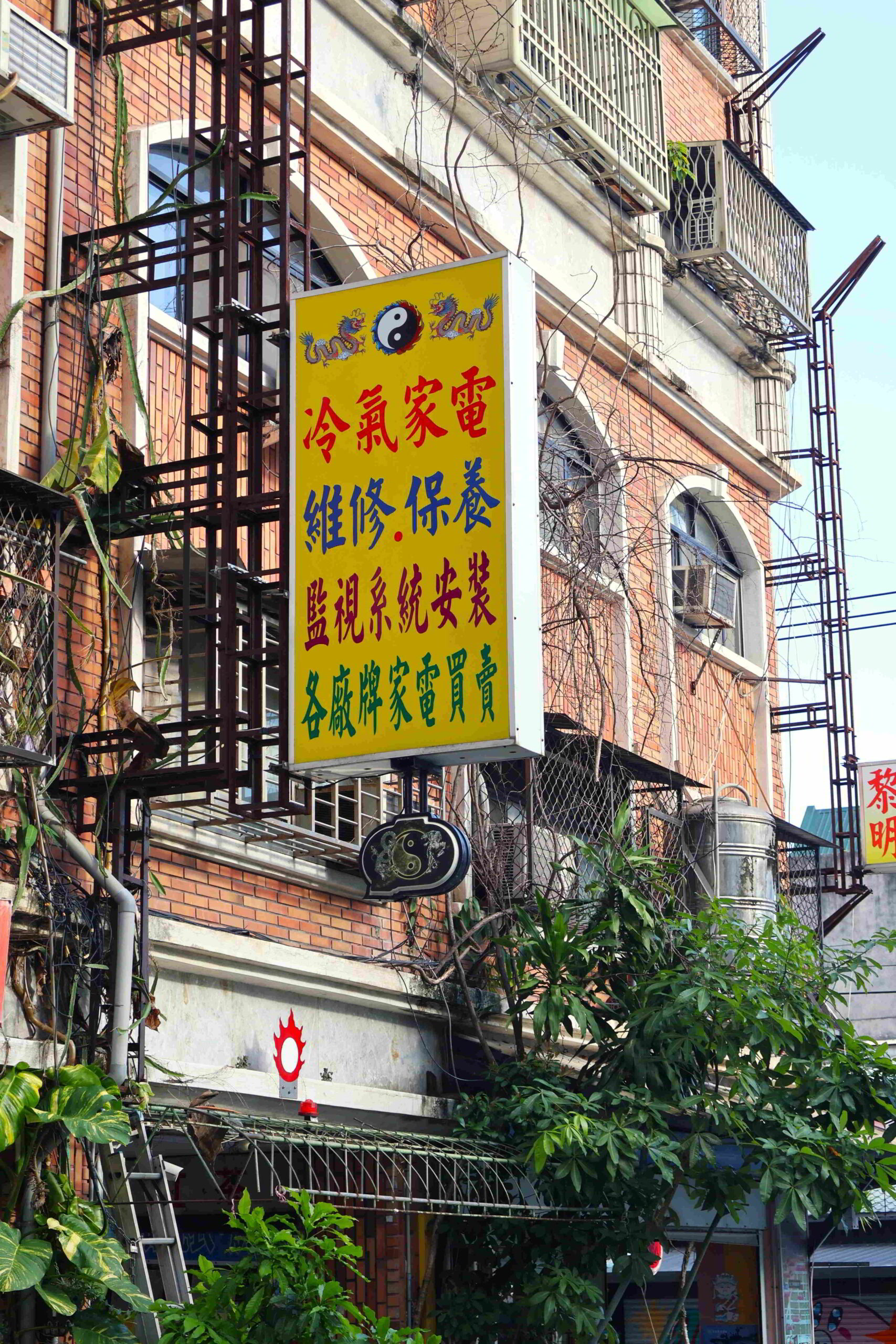
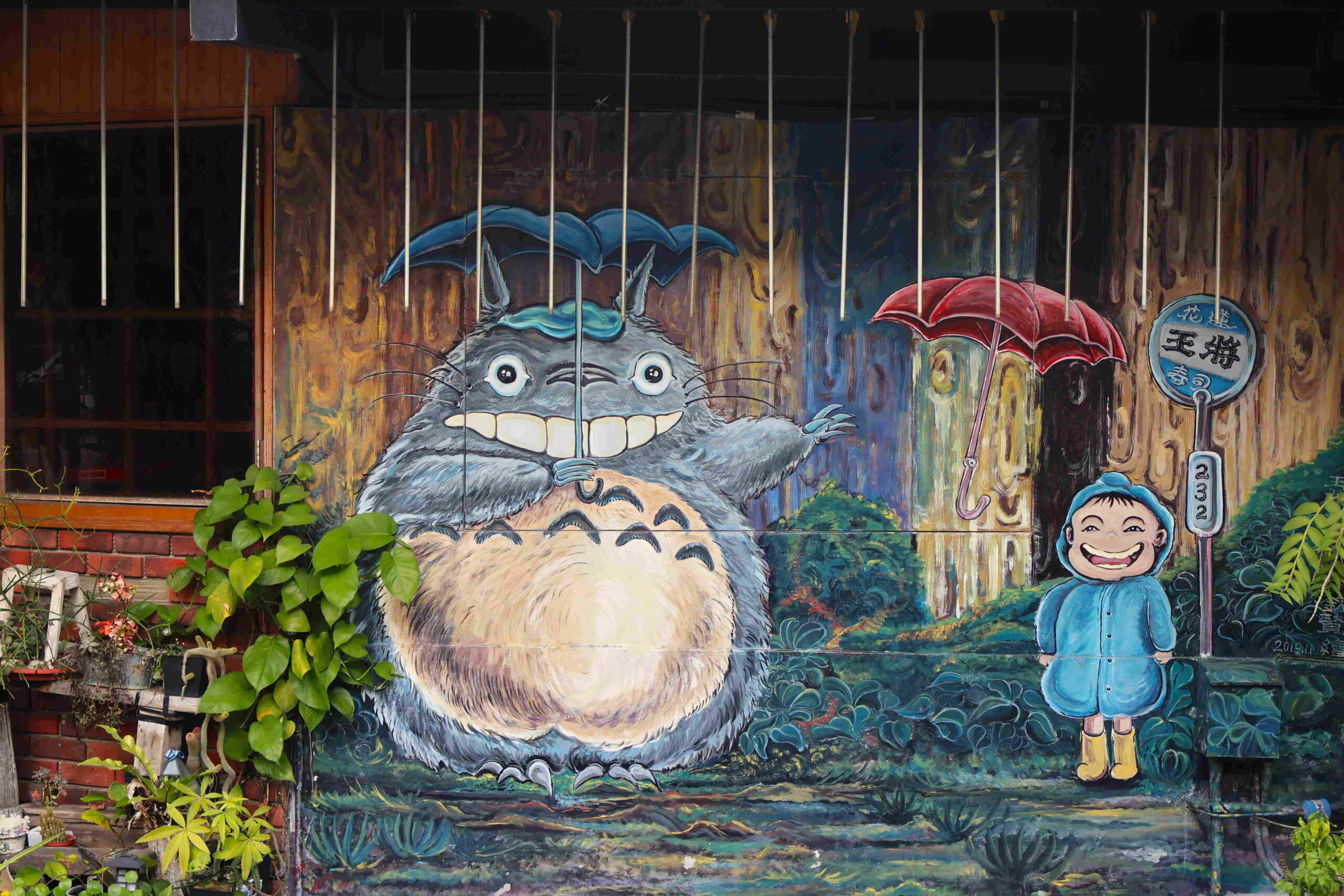
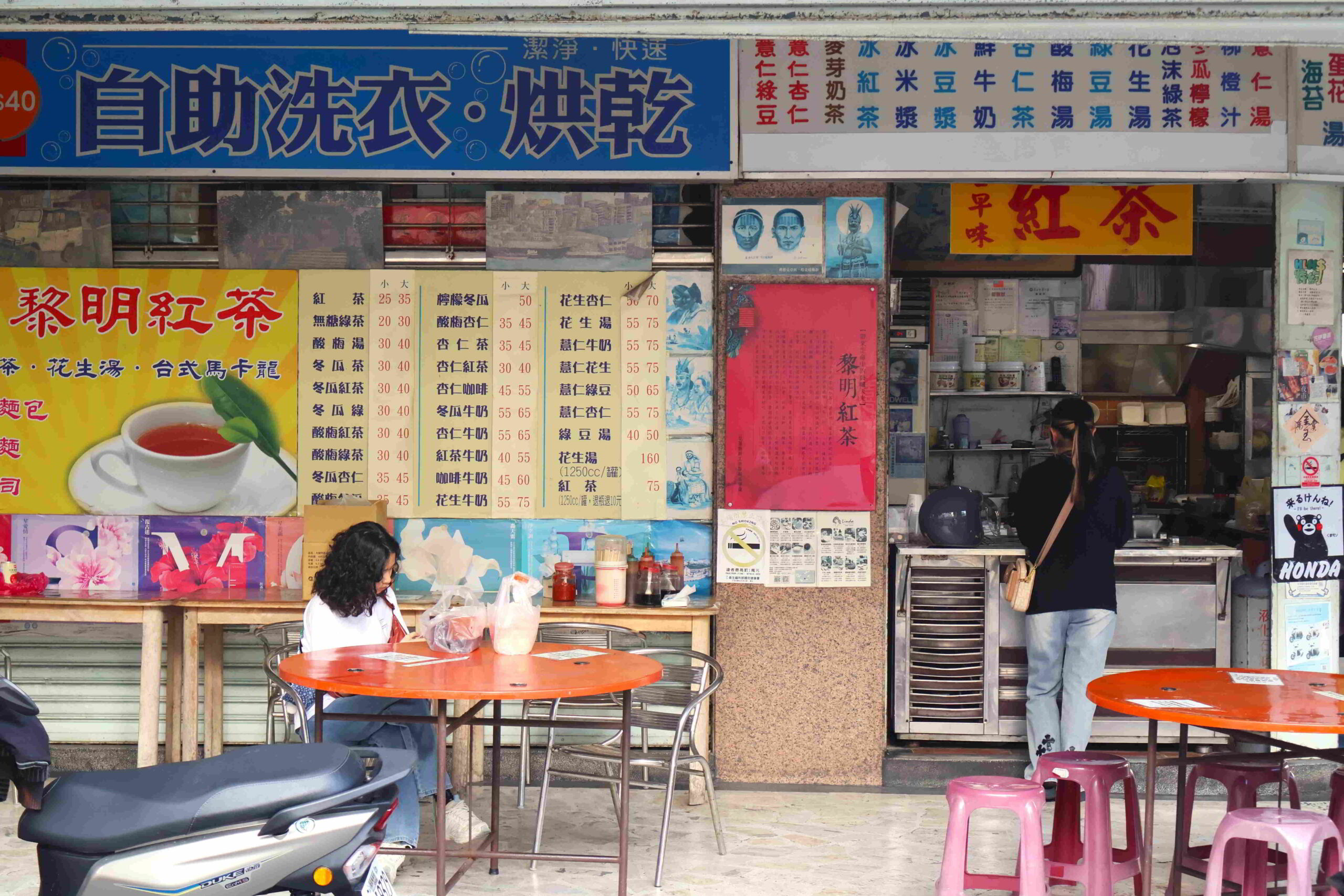
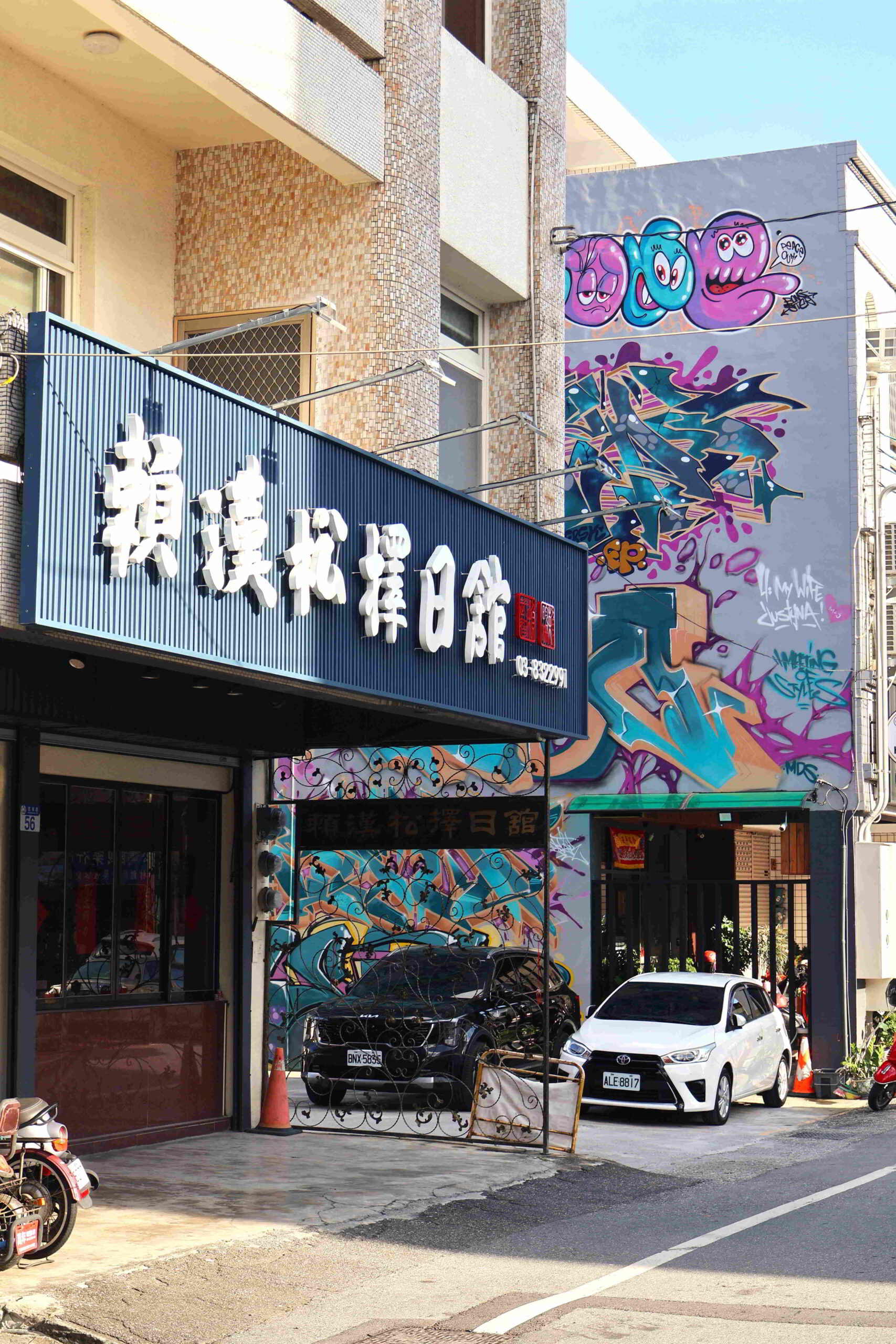
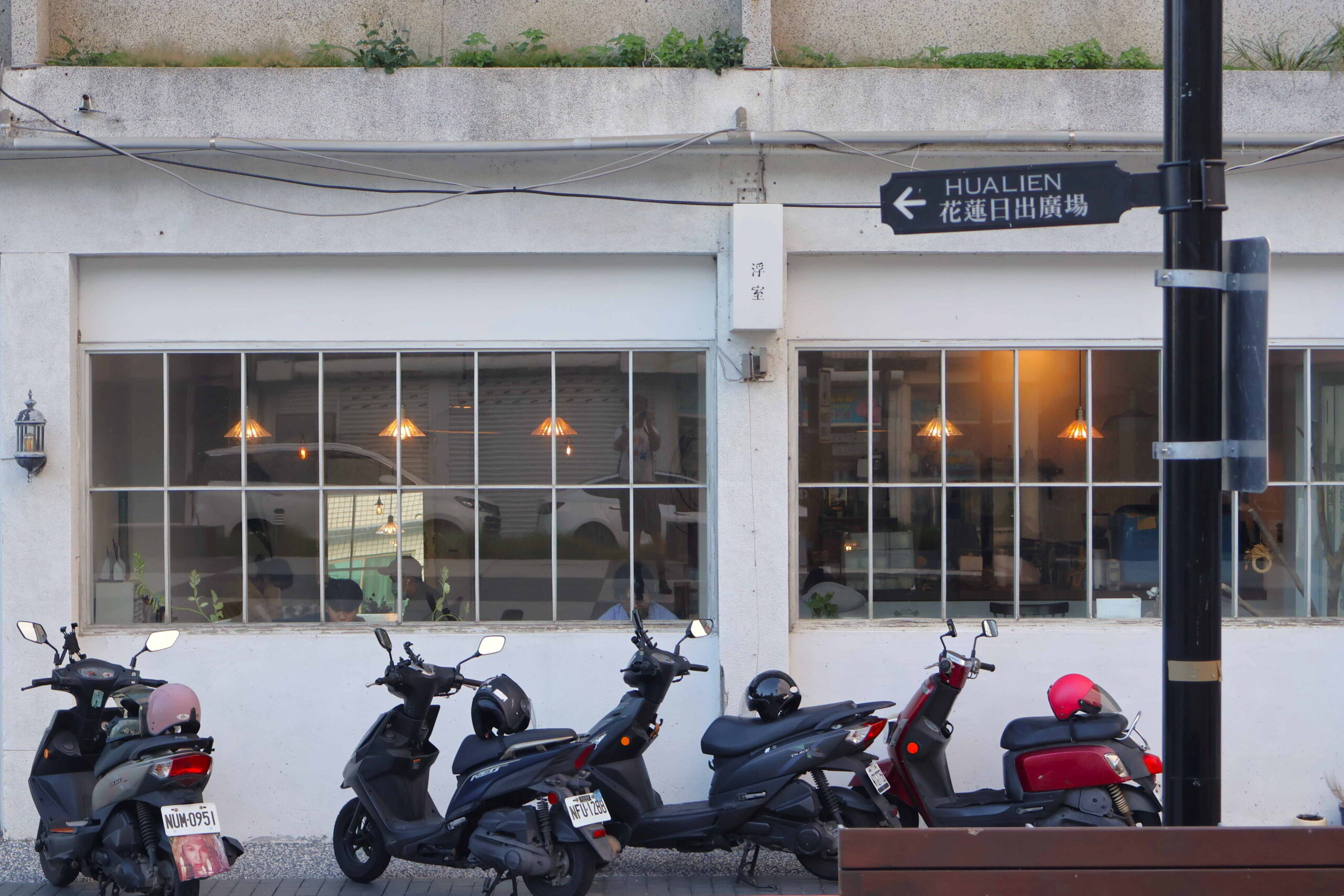
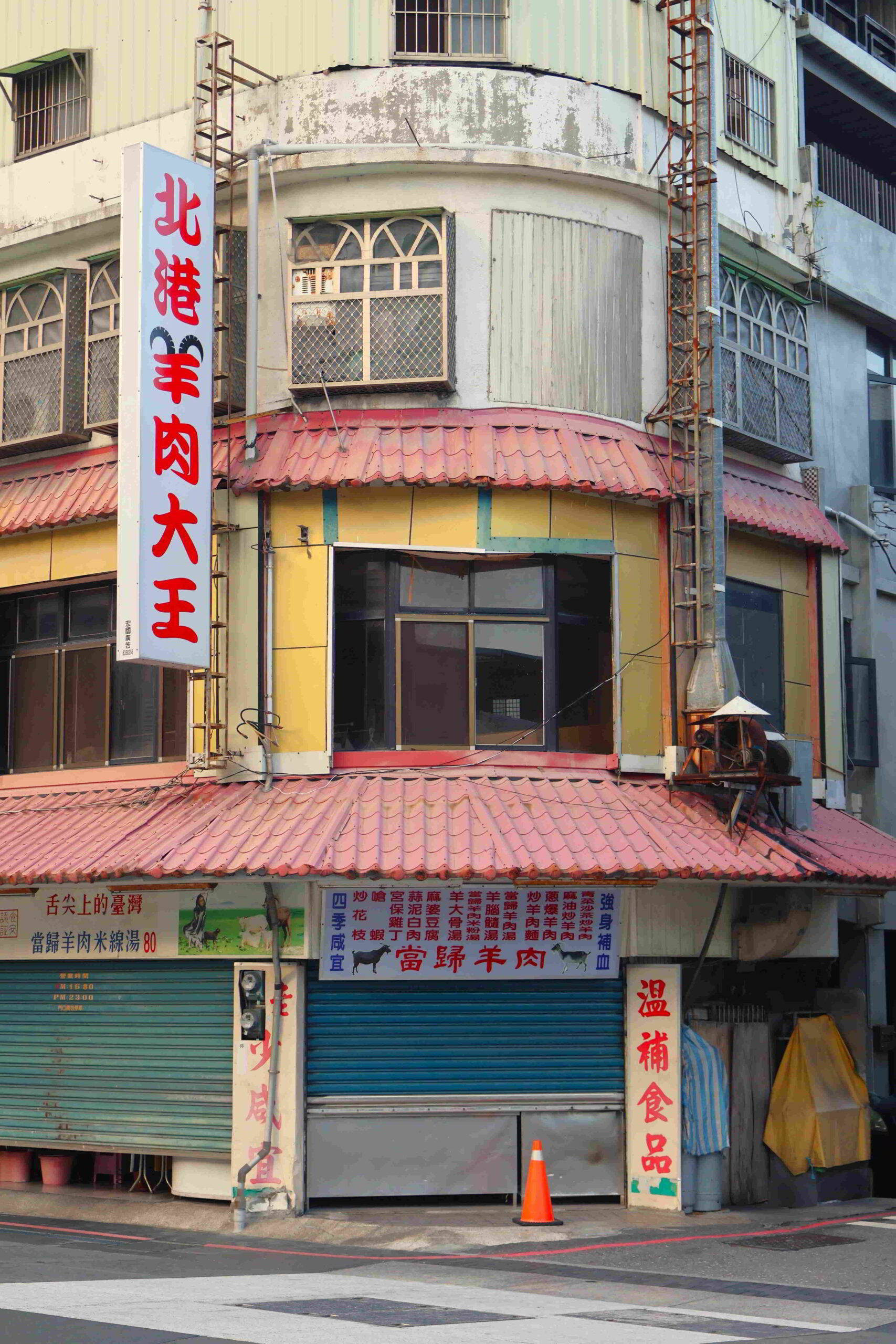
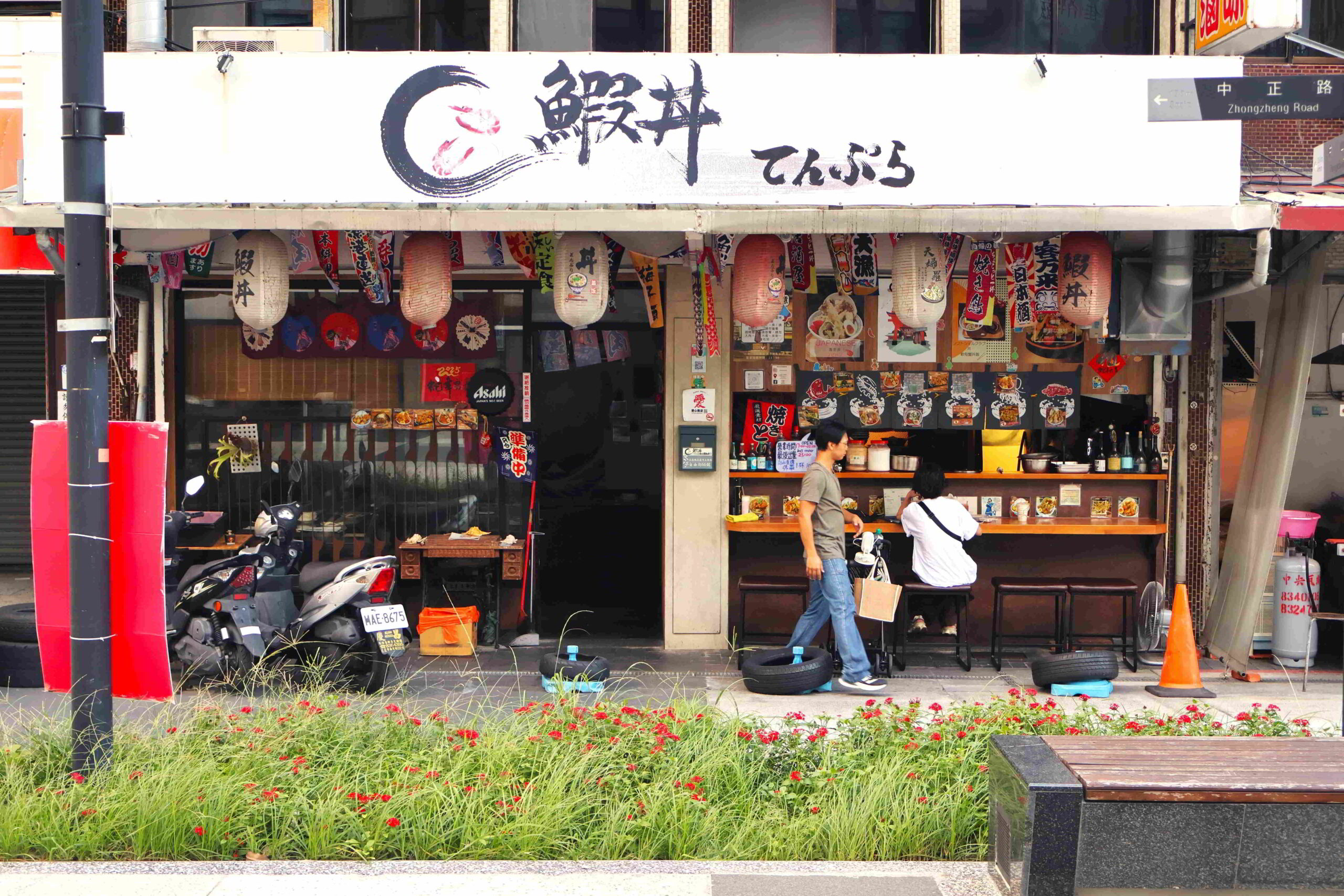
I am not sure what is involved in the cultural centre I am about to visit, but how about a coffee prior to visiting the space. Over the course of a few blocks to the south, I can see that I am in a very trendy district, the modest shophouse storefronts inflected with nuanced embellishments, lettering with a particular font, neon signs, unusually-sized window and door sashes, artwork, potted shrubs, large windows exposing fashionably arranged interiors, and so on, the narrow roadways lined with parked scooters and cars.
Hualien
Hualien
As it is Sunday, only one coffee establishment of all the ones appearing on the map is actually open, but only for takeout, and despite serving a variety of espresso-based coffees, no espresso. I ask the young attendant as why I can’t order an espresso, pointing to her coworker making espressos at the machine next to her. “We don’t serve espresso because it’s not on the menu.” The situation encourages a response with colourful verbiage, although it would be best to move on as quickly as possible — there is only so much stupidity I can tolerate.
Hualien
Hualien
Hualien
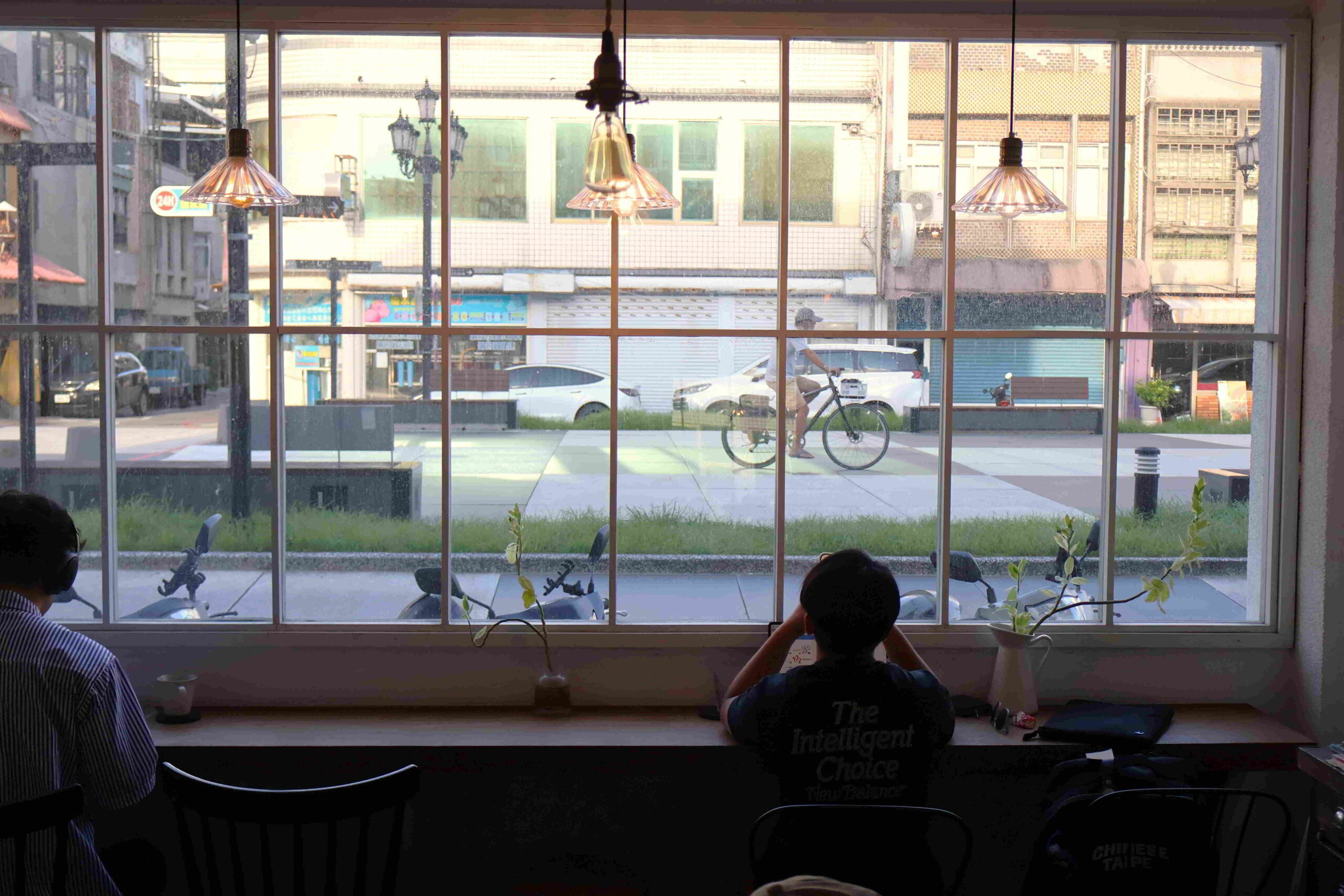
Happily, a few blocks away, there is a much more serious coffee establishment that offers suites of espresso coffee prepared with various amounts of water and other condiments, in various shapes and sizes. They work with a single mix of beans, 35% Ethiopian, 25% Tanzanian, and 40% Colombian Huila. As with all the coffees I have tasted in Taiwan, the beverage is excellent; I can pinpoint the sour notes of the Ethiopian, but am not familiar with the Tanzanian beans, nor get a sense of how the Colombian beans factor into the final product. And yet there is something very clean, smooth, and delicate to the beverage, the sour plum dissipating into a light and smooth finish, quite exquisite.
Hualien
Hualien
Hualien
The owner lends me a book on Hualien that presents many of the attractions of the town and surrounding province, its gastronomy, the foods that are harvested here every month, the attractions of the provinces, the attractions of the Taroko National Park to the north, cultural centres, museums, night markets, and so on. I skim the book, somewhat ambivalently; while I appreciate that there are many attractions, not speaking the language puts you at an automatic disadvantage, particularly if you are trying to explore local restaurants or markets. Traveling outside of core areas is a problem, given the limits of public transport. I tell him that while buses in remote corners of New Taipei City may run every five minutes, here the bus service is abysmal. I will attempt to take in a handful of things while I am in town, but that will primarily involve walking.
Hualien
Hualien
One of the interesting pieces of information from the handbook on Hualien that illustrates the underpinnings of the colourful gastronomy is the list of agricultural specialties that the region yields, broken down by township. There is no way I could take even a small fraction of this offering during my short stay in the region, but the wild and exotic diversity is fantastically seductive.
Hualien
Hualien
Hualien
- “Xiulin: Bird’s Nest Fern, Arrow Bamboo, Makauy, Peaches
- Xincheng: Pickled Cabbage (mustard), Sweet Potato, Mola Mola
- Ji’an: Taro (June), Gracilar (April-October), Chinese Chives, Rice (April-July, August-December)
- Shoufeng: Edible Lilies, Bitter Gourd (July-October), Avocados (June-September), Golden Clams, Watermelon, Red Beans
- Fenglin: Peanuts (July, December), Peeled Green Pepper, Soybeans, Watermelon, Cinnamomum Osmophloeum
- Wanrong: Arrow Bamboo (March-April), Bird’s Nest Fern, Makauy
- Guangfu: Red Glutinous Rice, Arrow Bamboo, Tree Beans
- Ruisui: Pomelos (September-October), Tea (honey-scented black tea (June-September), Pomelo Tea (March-April), Coffee (January-April), Milk
- Yuli: Rice (April-July, August-December), Daylilies (July-August), Dragon Fruit, Watermelon, Pekin Duck, Pork, Wheat, Buckwheat
- Fuli: Rice (April-July, August-December), Shiitake Mushroom (October-March), Green Plums (March-April), Daylilies
- Zhuoxi: Perilla Oil, Mangoes (June-July), Rice, Hairy Crabs
- Fengbin: Rice, Dolphinfish, Flying Fish”
Hualien
Hualien
Hualien
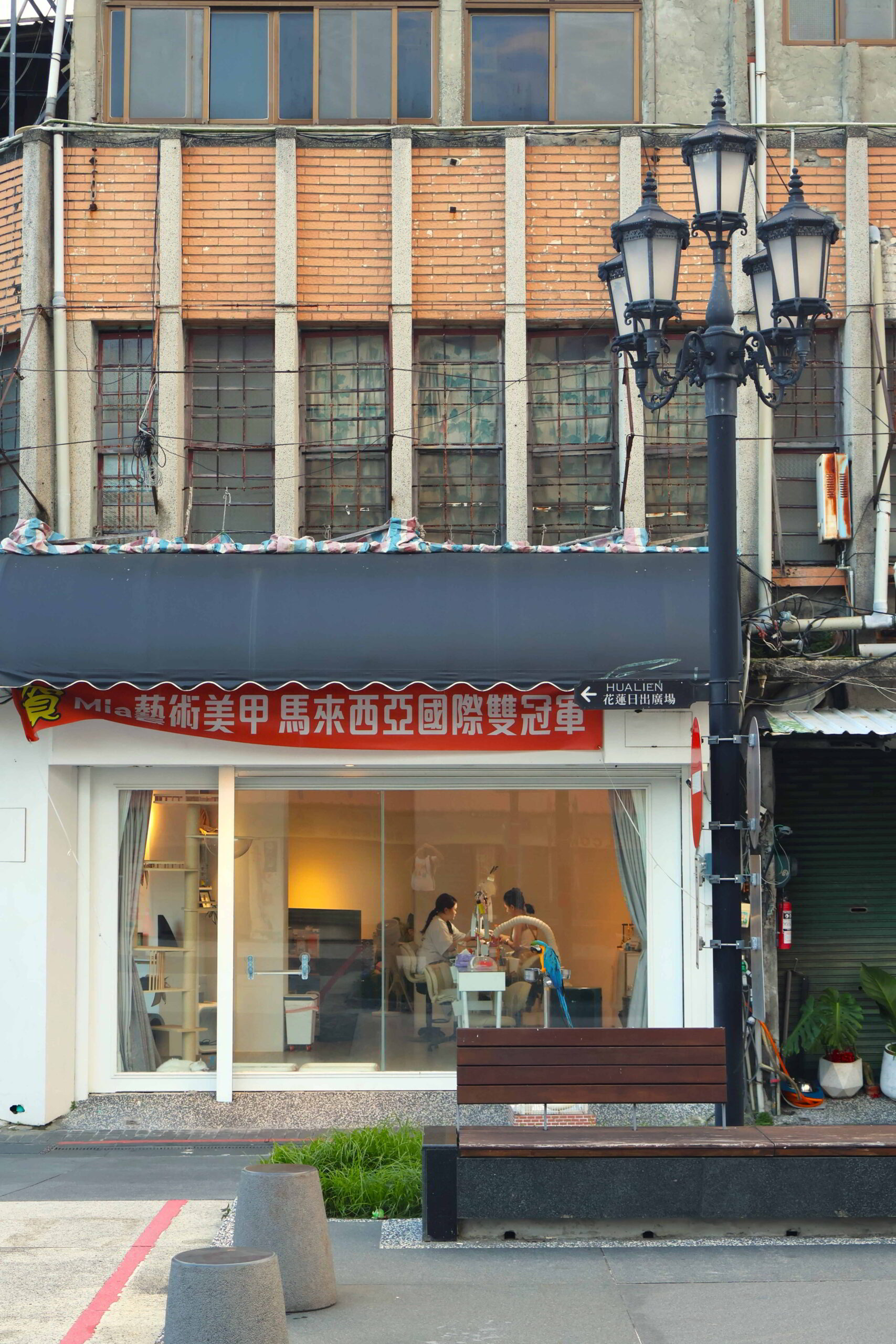
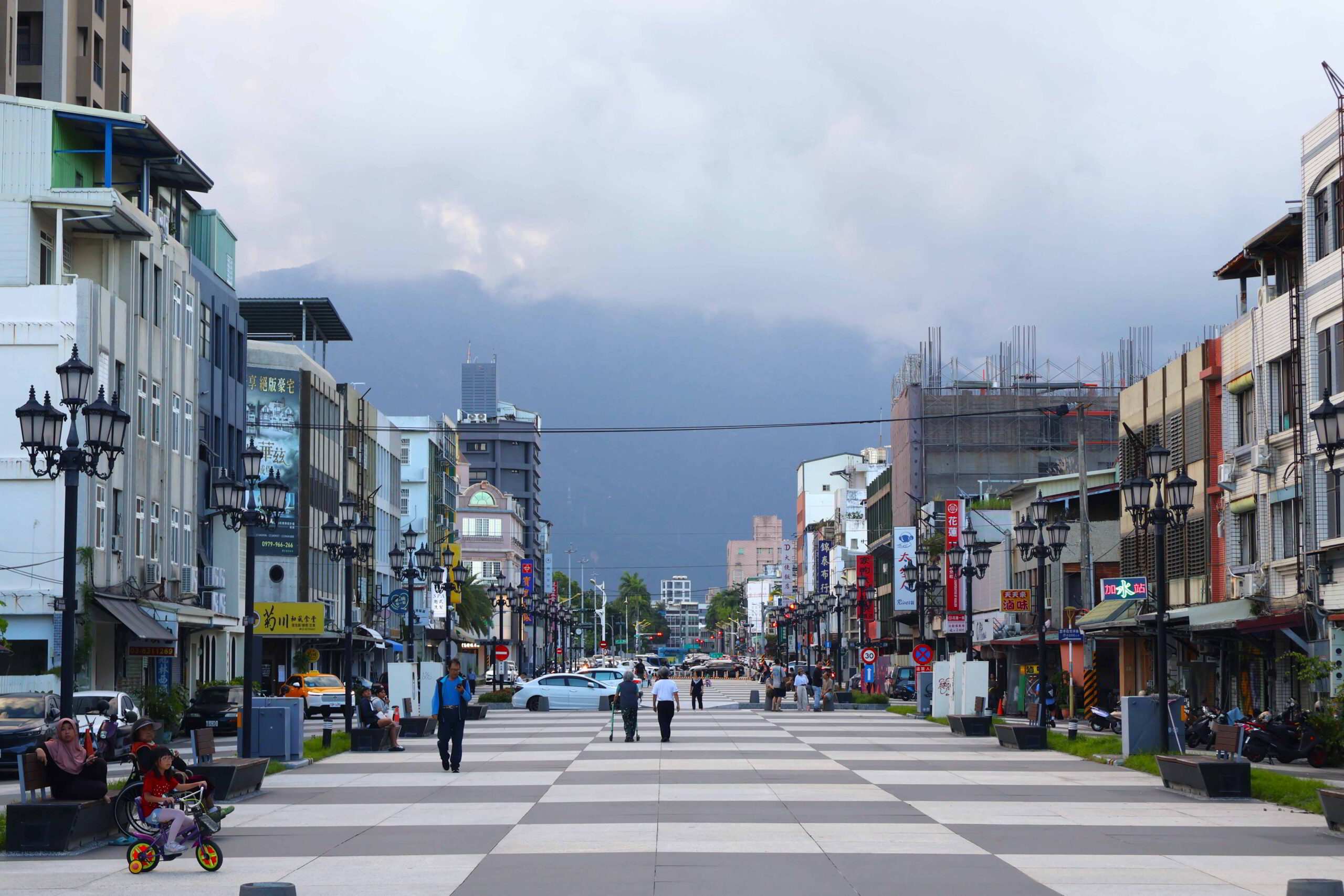
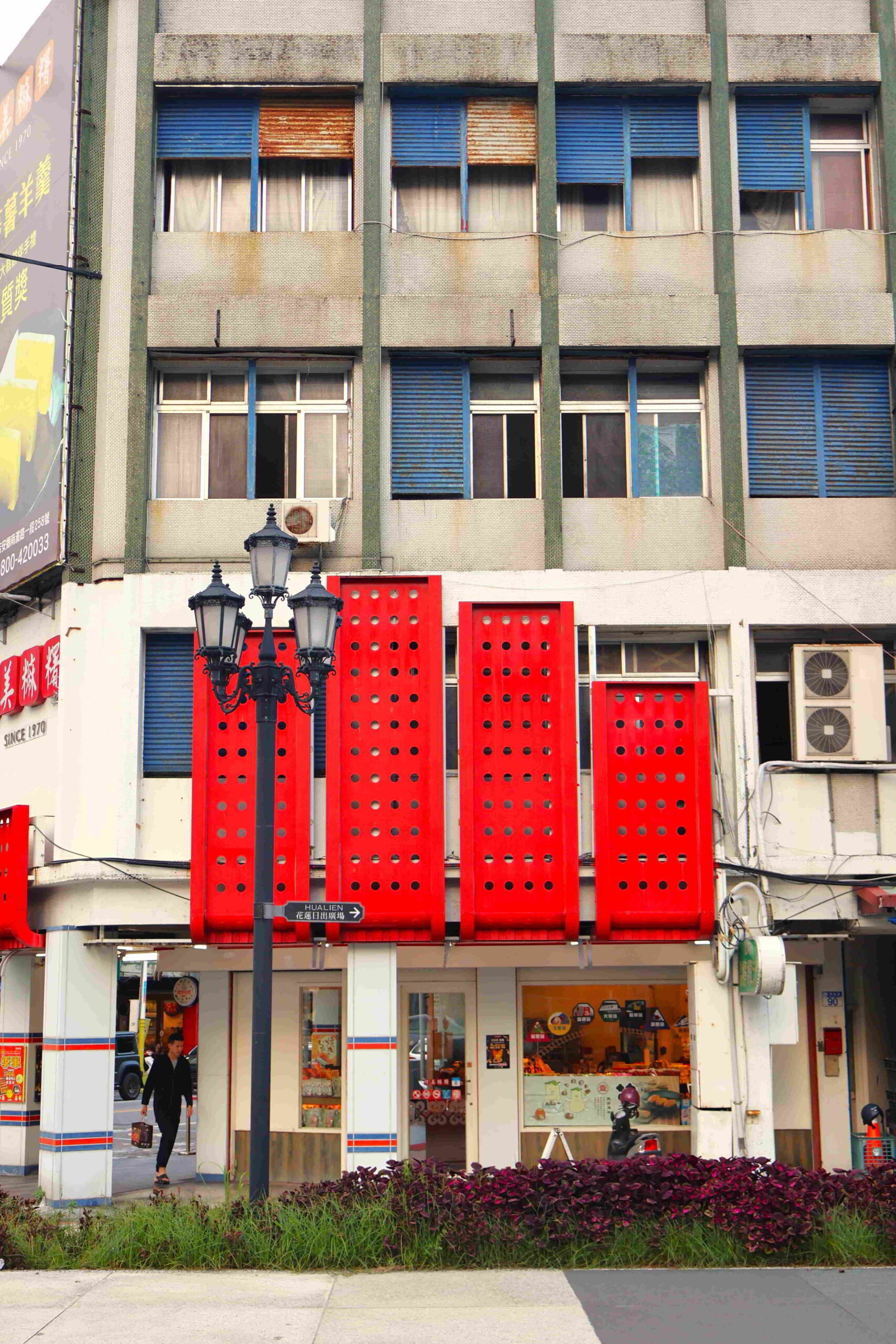
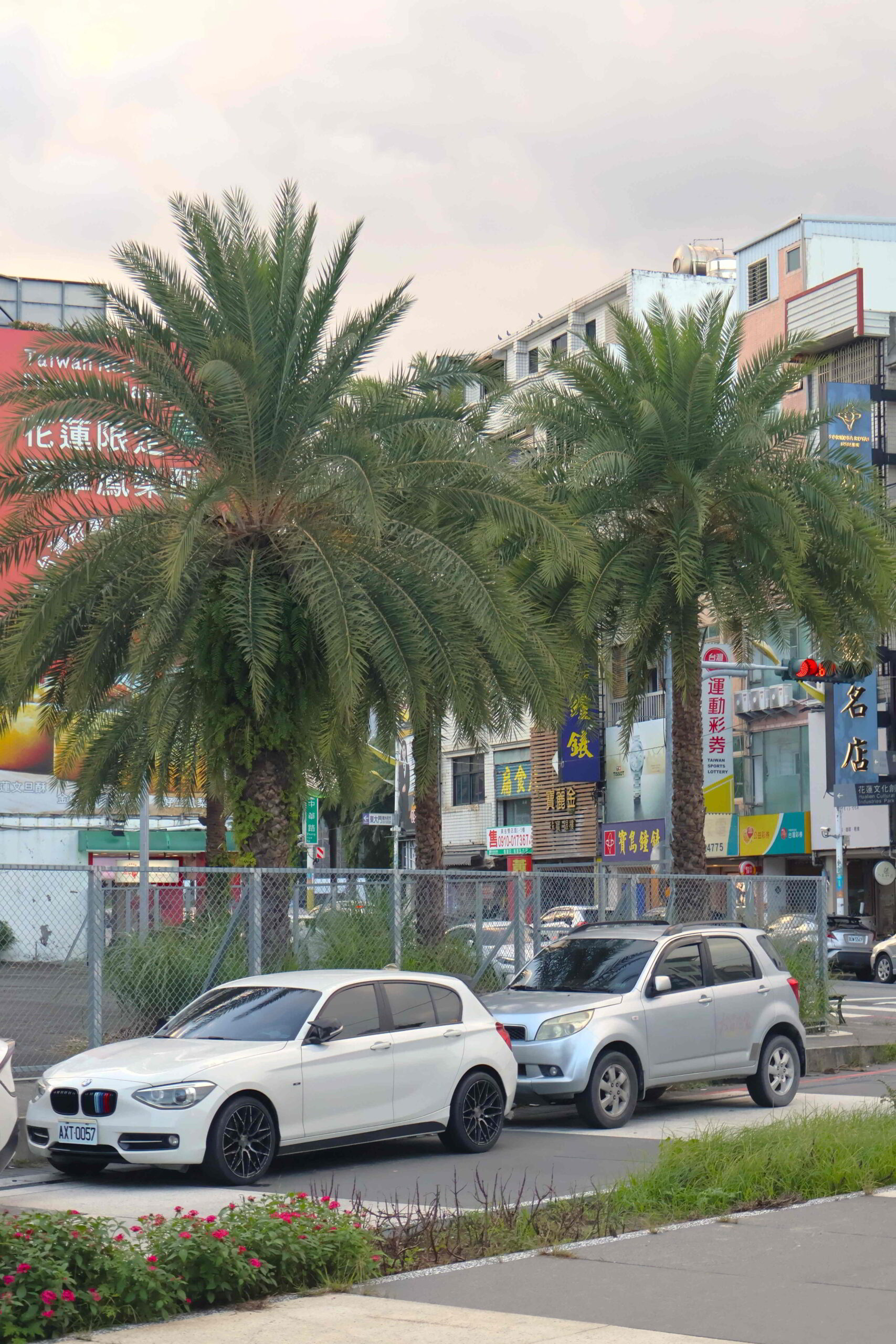
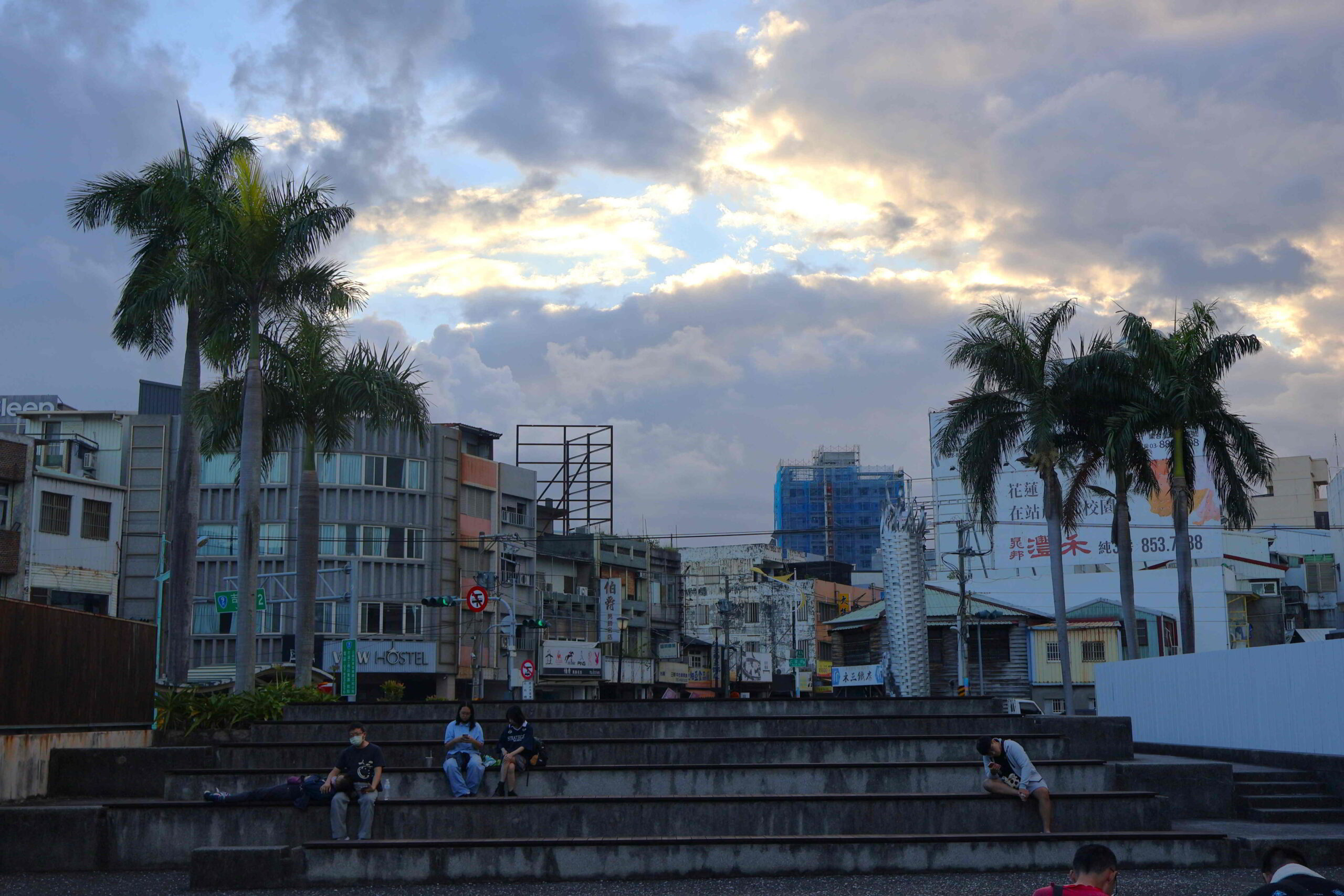
By the time I leave, the afternoon is already waning – nothing like astute time management! The beaming sunlight of the earlier hours of the day is also gone, the sky again overcast in anticipation of another set of rainy days, not surprising, considering how consistently bad the weather has been in Taiwan since I arrived at the beginning of November. But the character of the old town is evident in all directions emanating from the cafe and Ziyou Street on which it is set, what with the patterned flagstone-tiled boulevard separated into directional vehicular roads running on either side and the wider pedestrian concourse along the centre. Contrast is provided by the historic street lamps that line the boulevard and the soaring hills on the horizon, partially shrouded in billowing clouds.
Hualien
Hualien
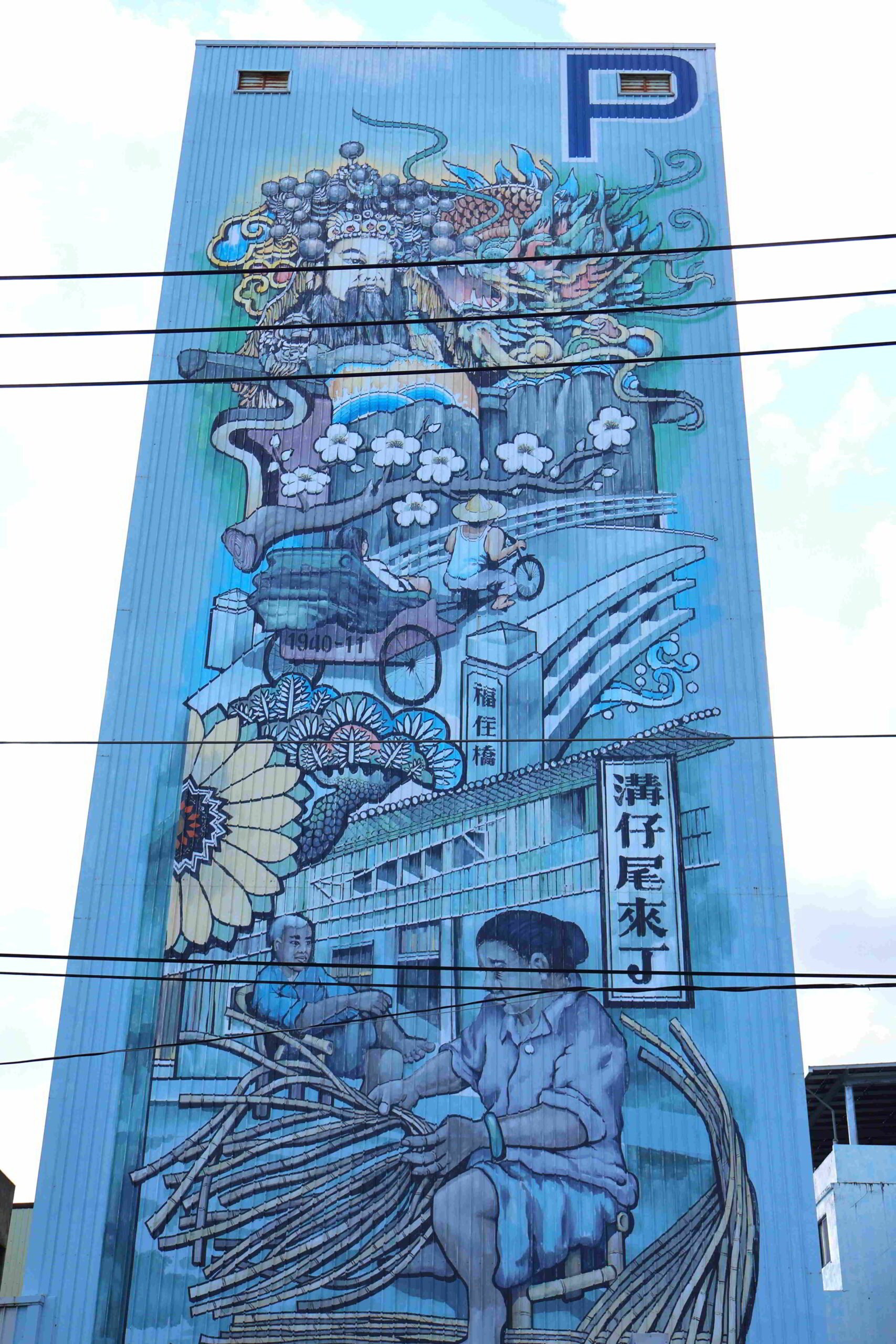
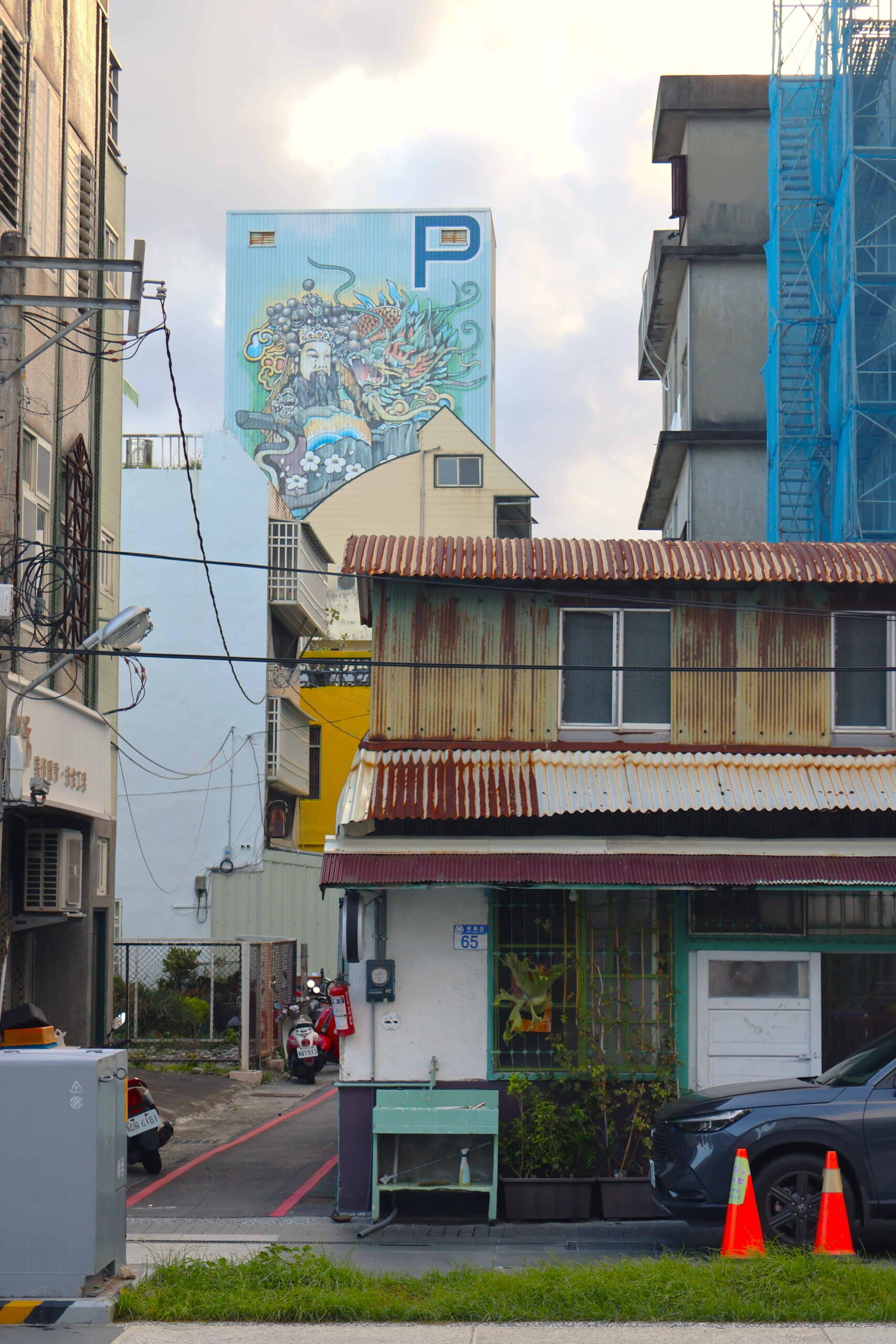
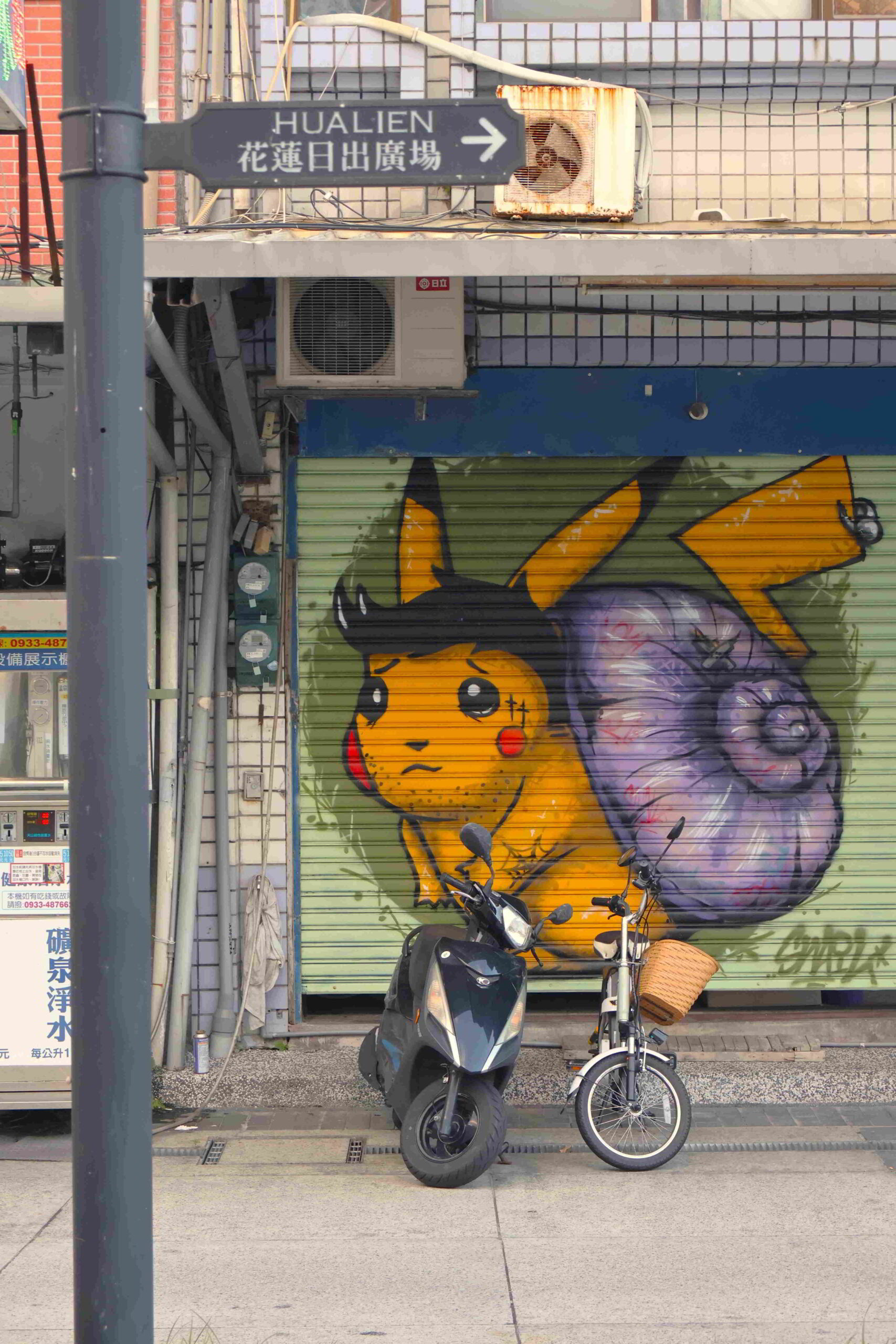
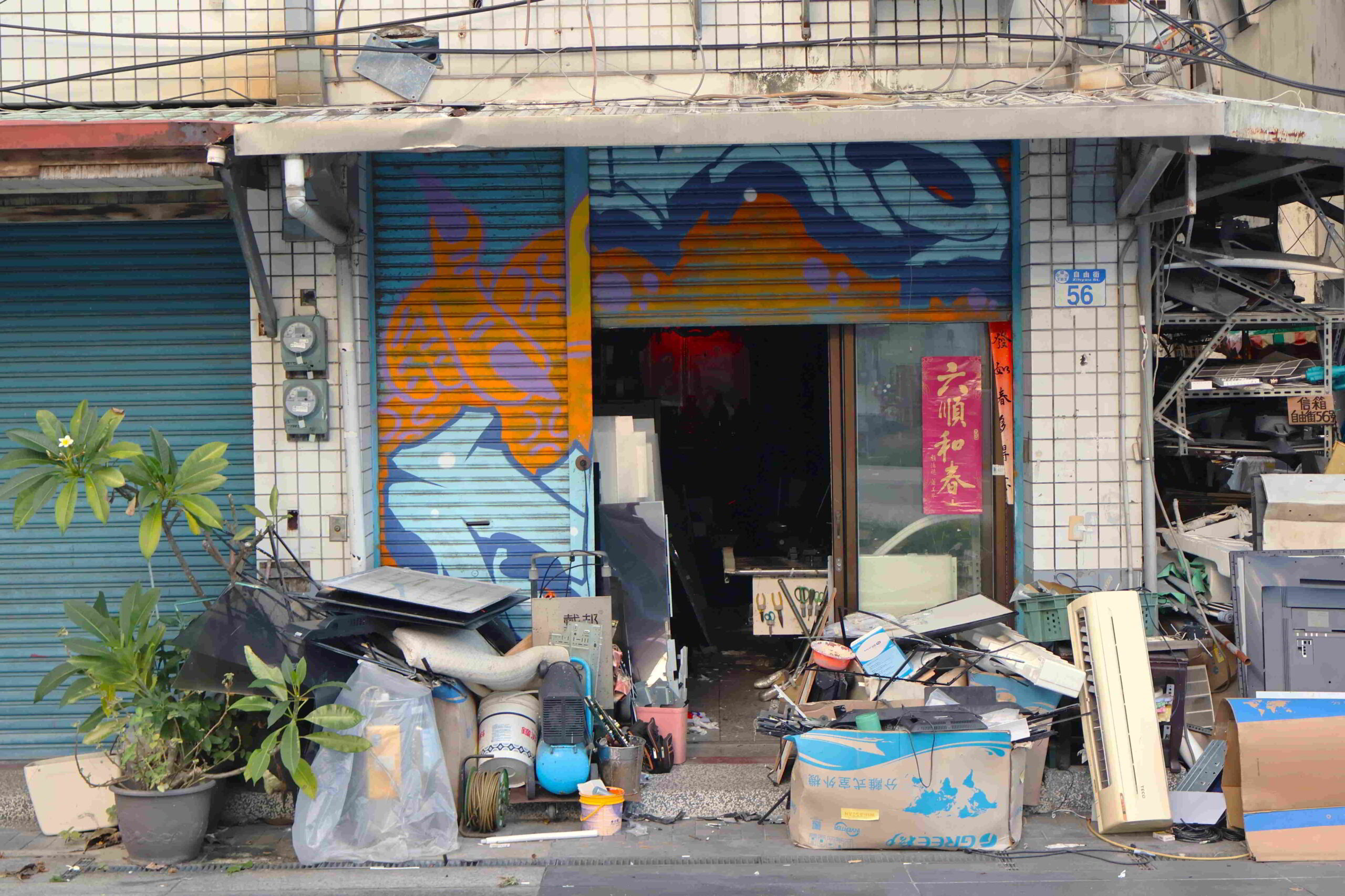
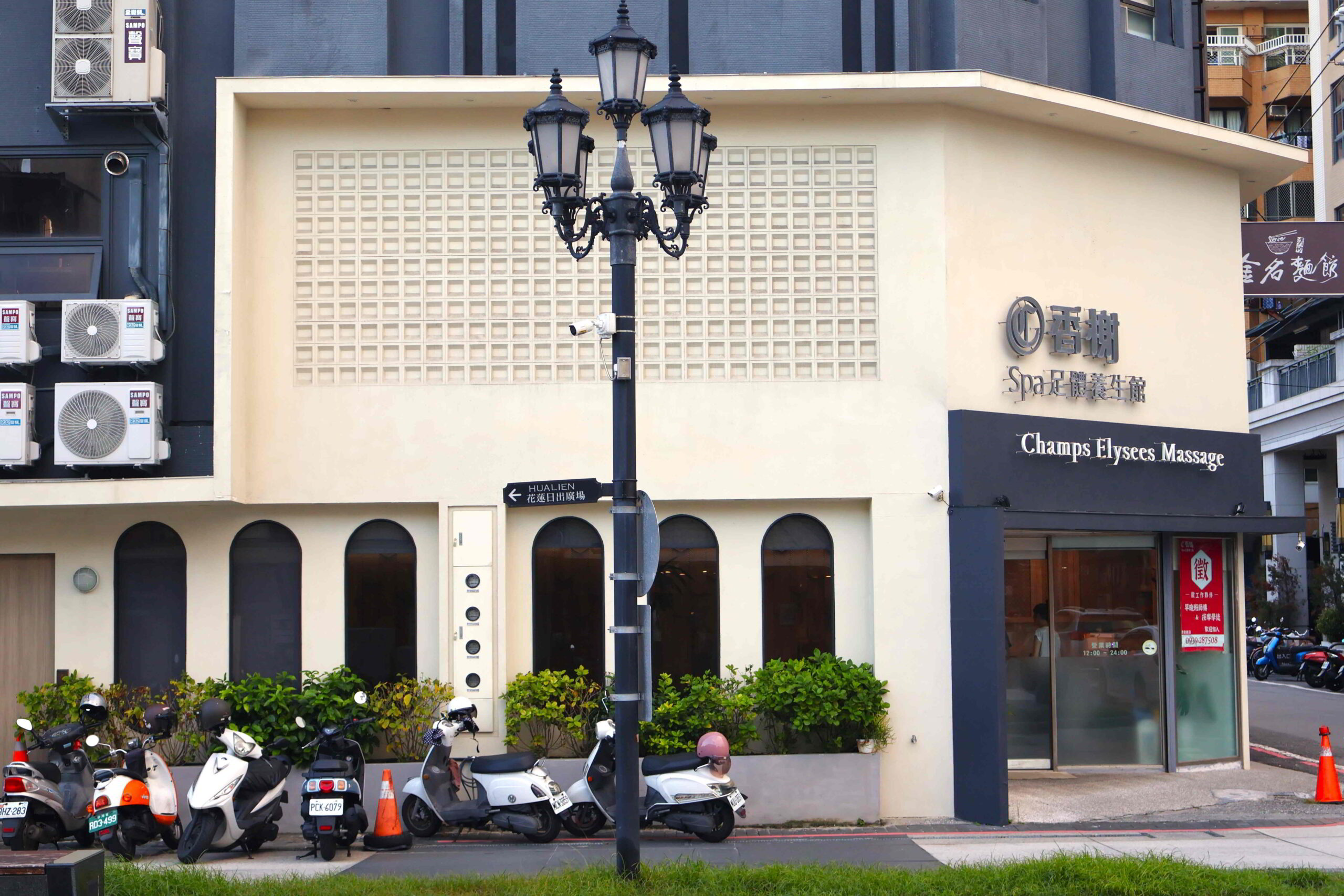
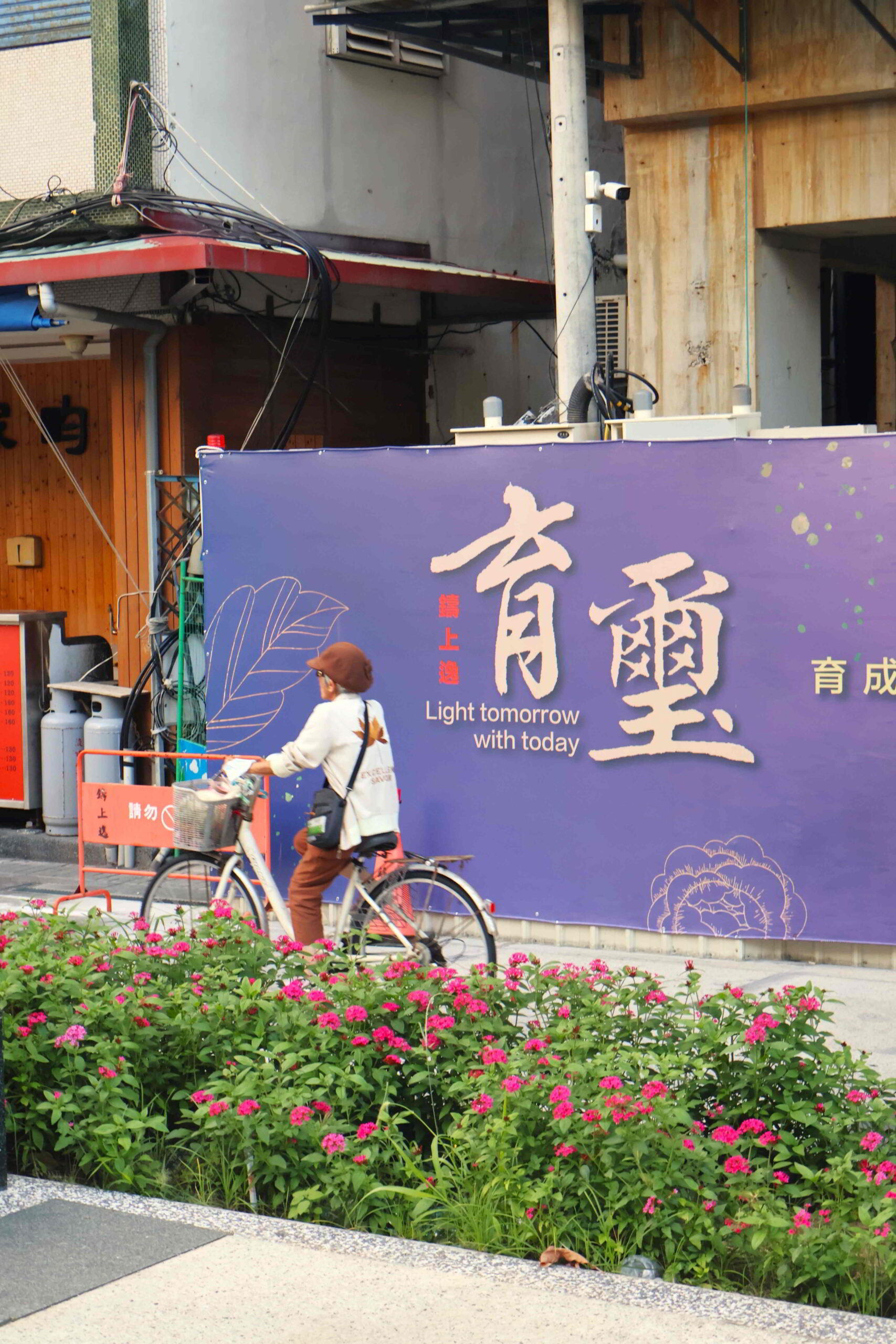
Humble architecture is livened up with stylistic digressions from one floor to the next. Some spaces are home to stylish retail outlets or health services, while others are utterly run down, even overwhelmed with garbage; graffiti and murals provide ample colour where drab architecture otherwise fails. A lot of the visual power of seemingly innocuous spaces derives from the nuances of geometric and spatial characteristics and the often trivial objects arranged within those spaces. Children play freely in the boulevard’s open space under the parents’ not particularly watchful eye, the exhaustion of constantly being vigilant evident on their faces.
Hualien Cultural and Creative Industries Park
Hualien
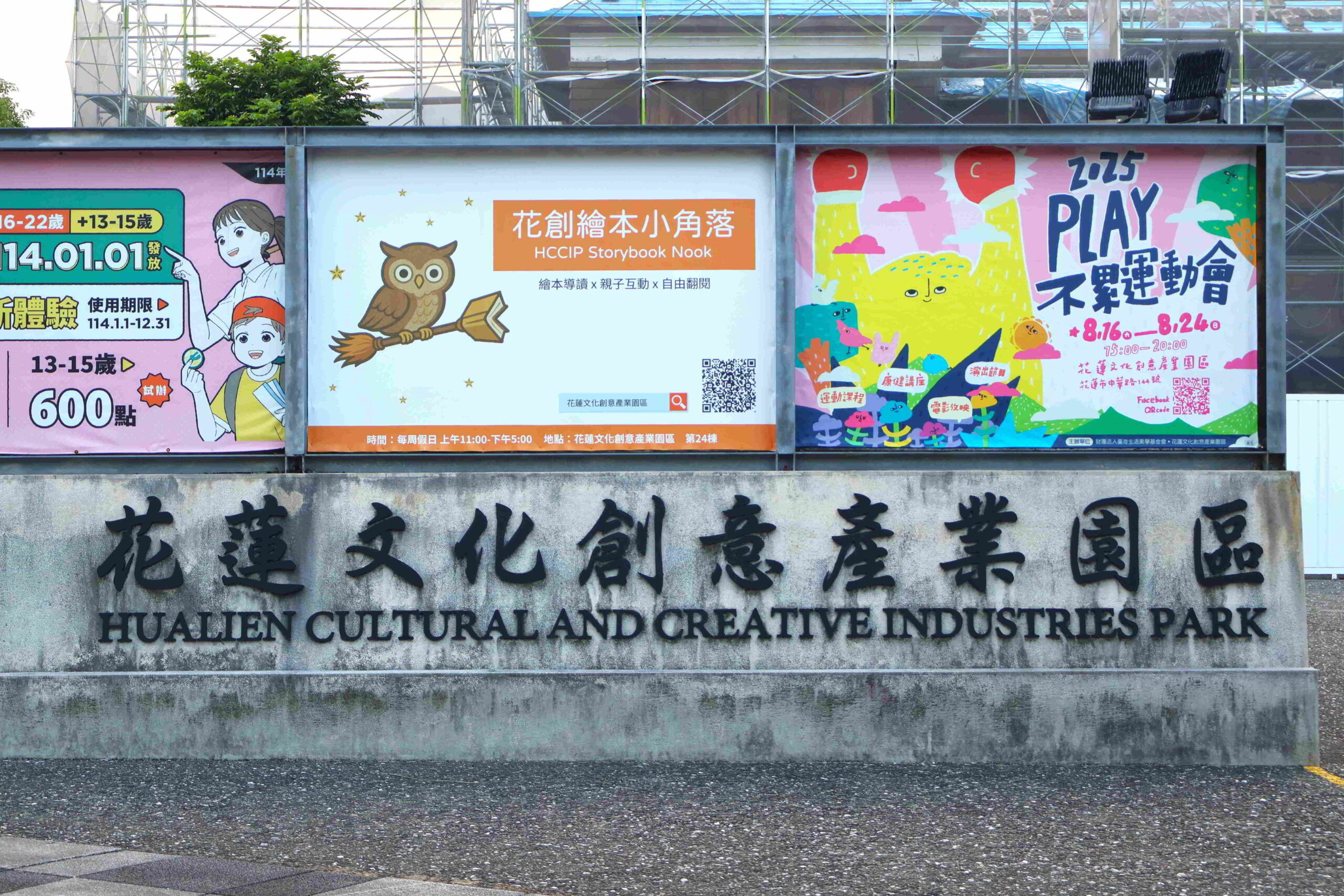
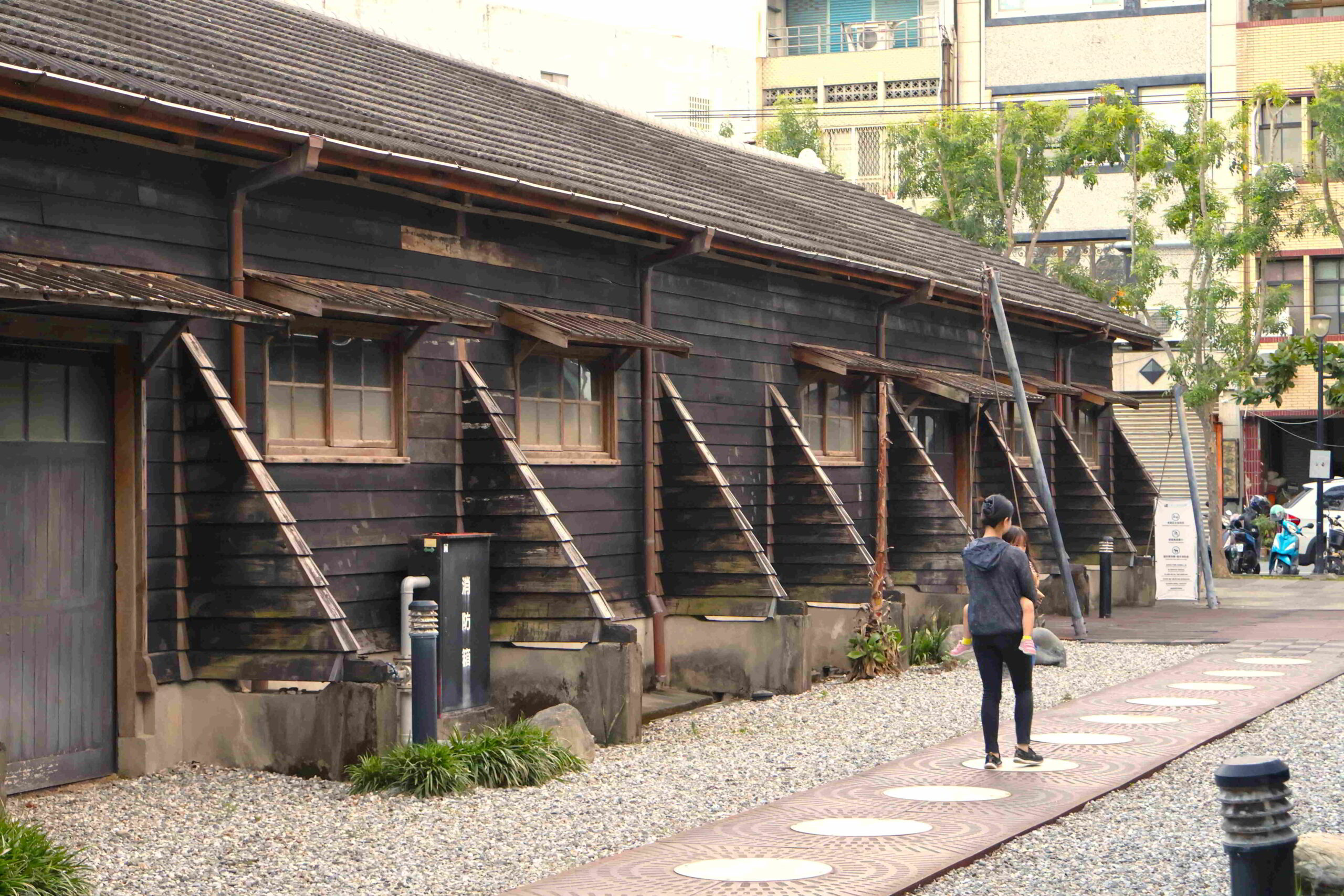
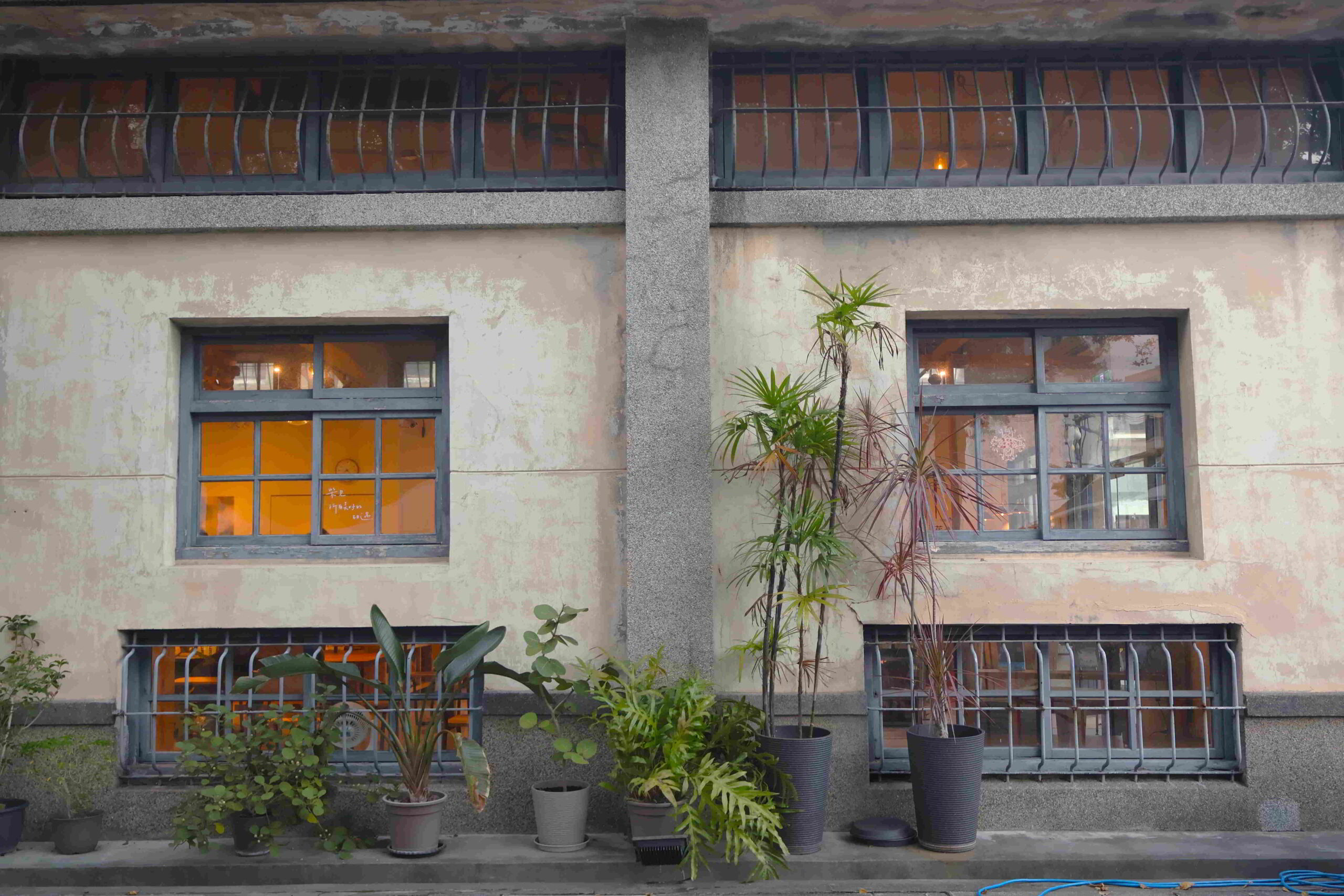
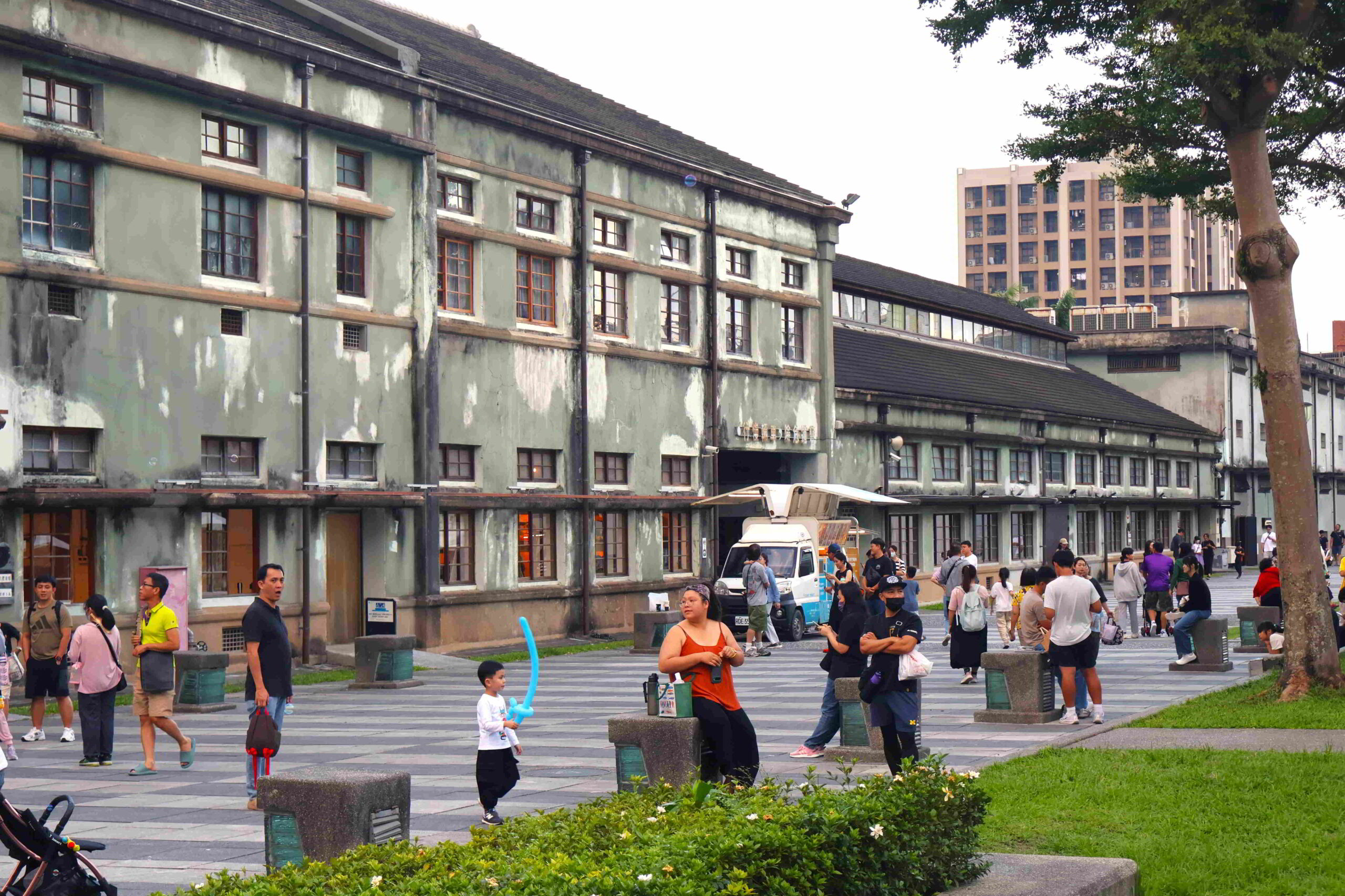
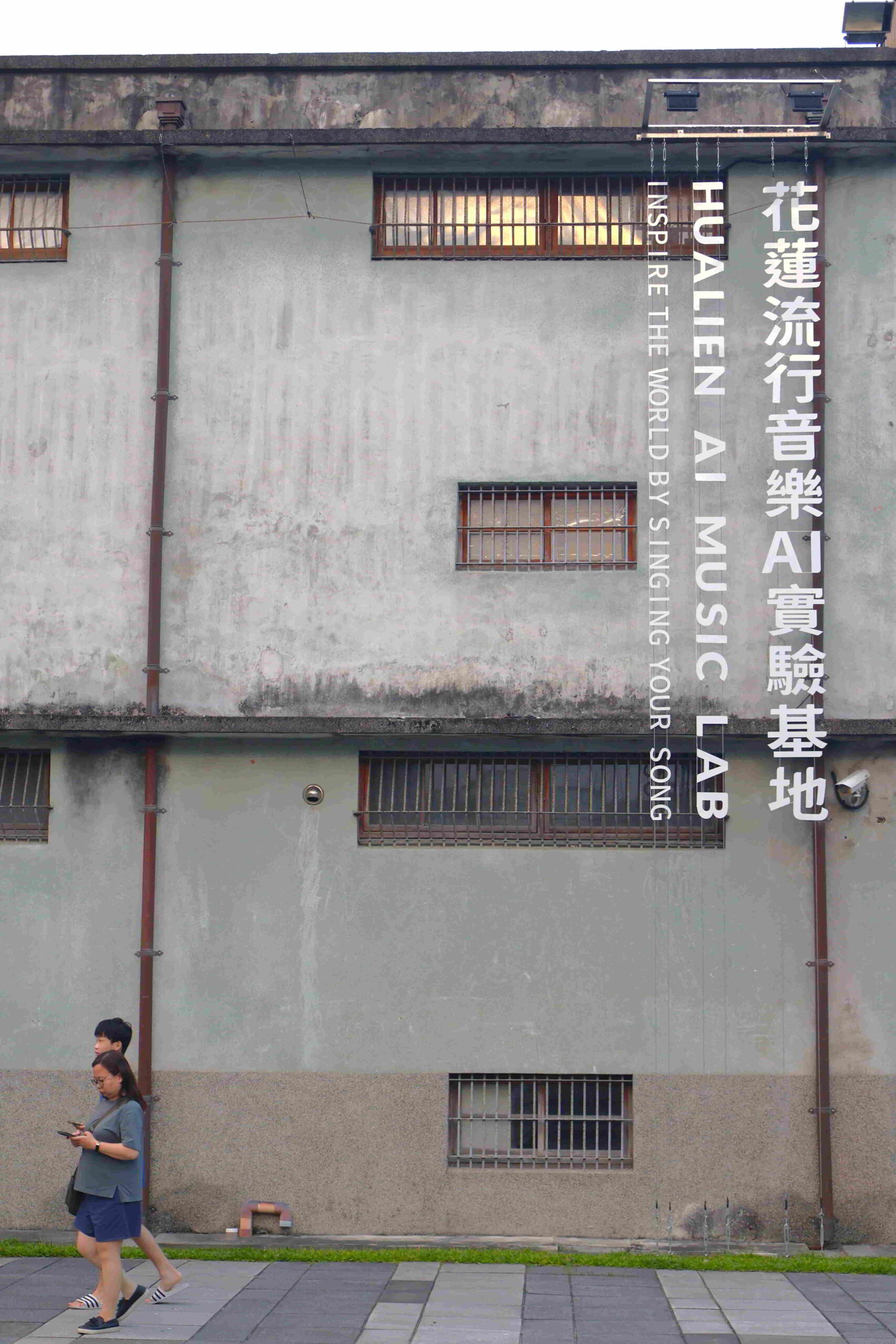
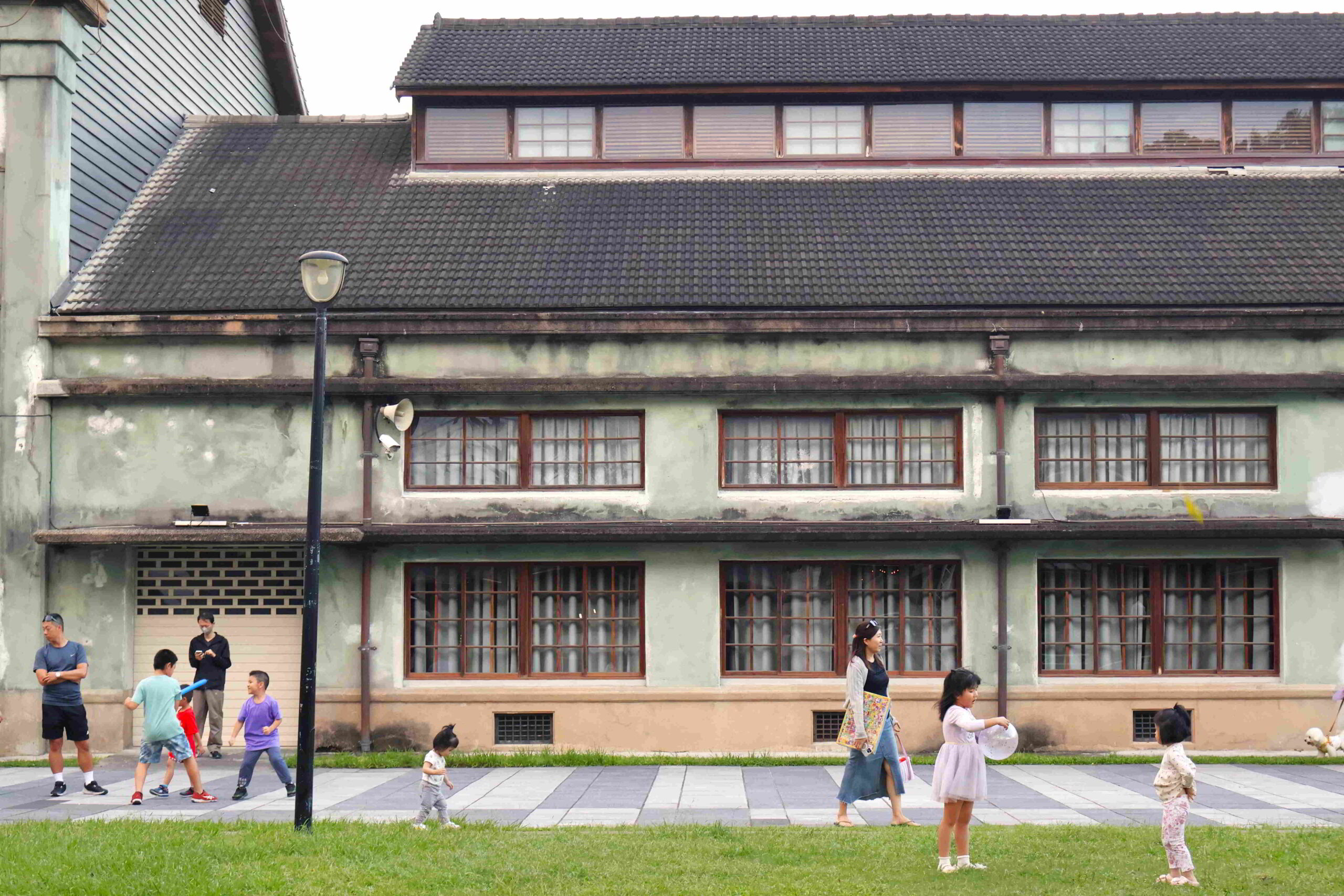
The Hualien Cultural and Creative Industries Park consists of a set of historic warehouses that have been renovated to include a large cafe and presumably presentation or performance spaces that are not momentarily open to the public, the passages running alongside the buildings lined with tables where all manner of trinkets are sold, hopefully memorable enough to garner peoples’ attention and trivial enough to not warrant an excess outlay. Little is particularly noteworthy, although I suspect that some of the more colourful crafts, specifically weavings, are of an aboriginal nature.
Hualien Cultural and Creative Industries Park
Hualien Cultural and Creative Industries Park
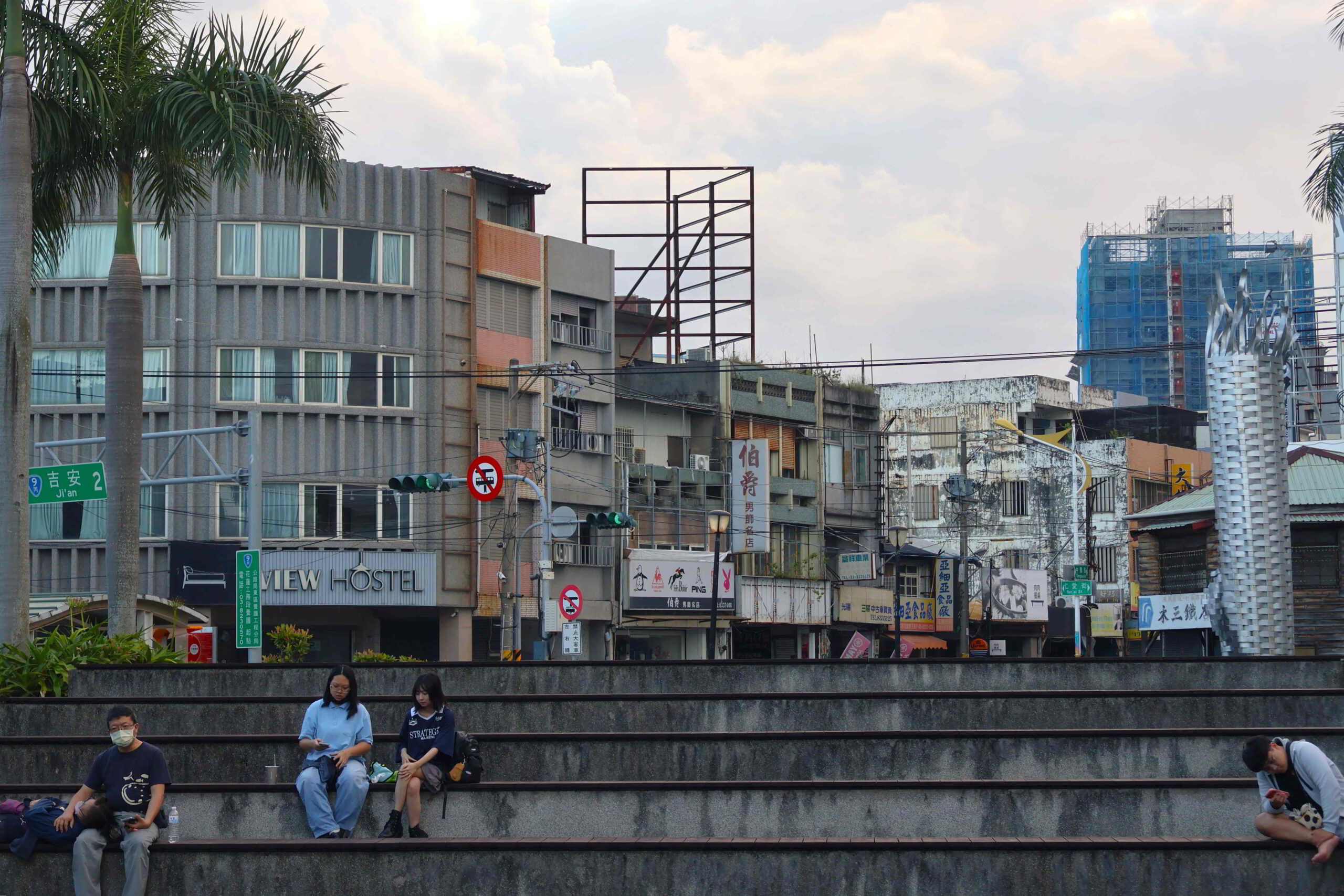
The day is waning, and it occurs to met that I should have prioritized visiting a cultural space with educational value, rather than just visiting another shopping venue. Only a few Caucasians are in evidence, the degree to which tourists are not present here is quite surprising. The playground and traffic-free public space are opportune for young parents to let their children cavort freely and safely.
Hualien Cultural and Creative Industries Park
Hualien Cultural and Creative Industries Park
It’s too late to take on much else this afternoon. The owner of the coffee shop I visited earlier highly recommended the Jiang Jun Fu 1936 restaurant, which I would have visited yesterday if the access from the north side of the bordering through road wasn’t completely blocked off due to road work. It’s quite some distance from here, and if I walk there it would be dark by the time I arrived. So, an alternative would be to explore the YouYiTsun Cultural and Creative Park a block to the north, then continue to the Fu Yuan Seafood restaurant the owner of the coffee shop also highly recommended.
Hualien Cultural and Creative Industries Park
Hualien Cultural and Creative Industries Park
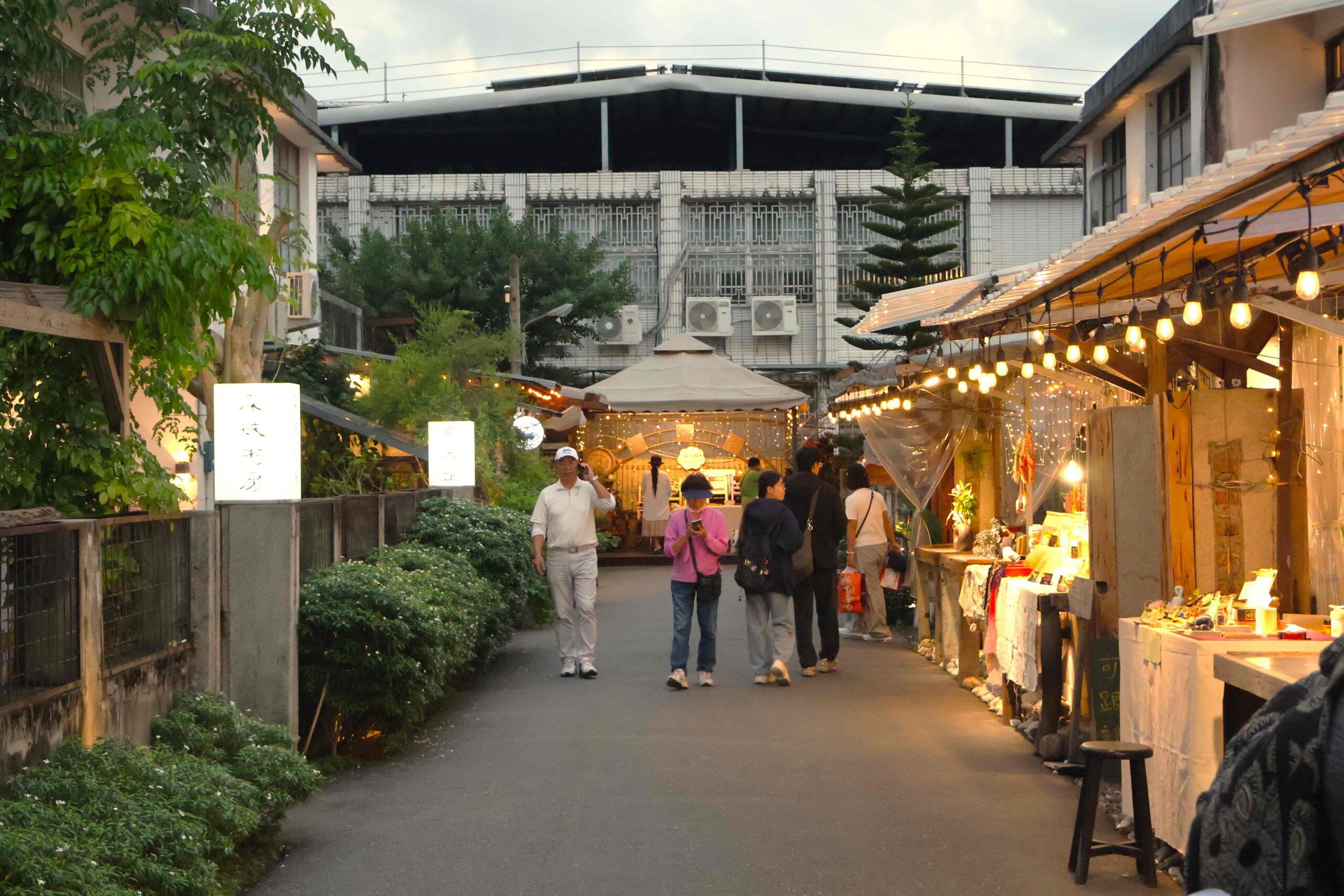
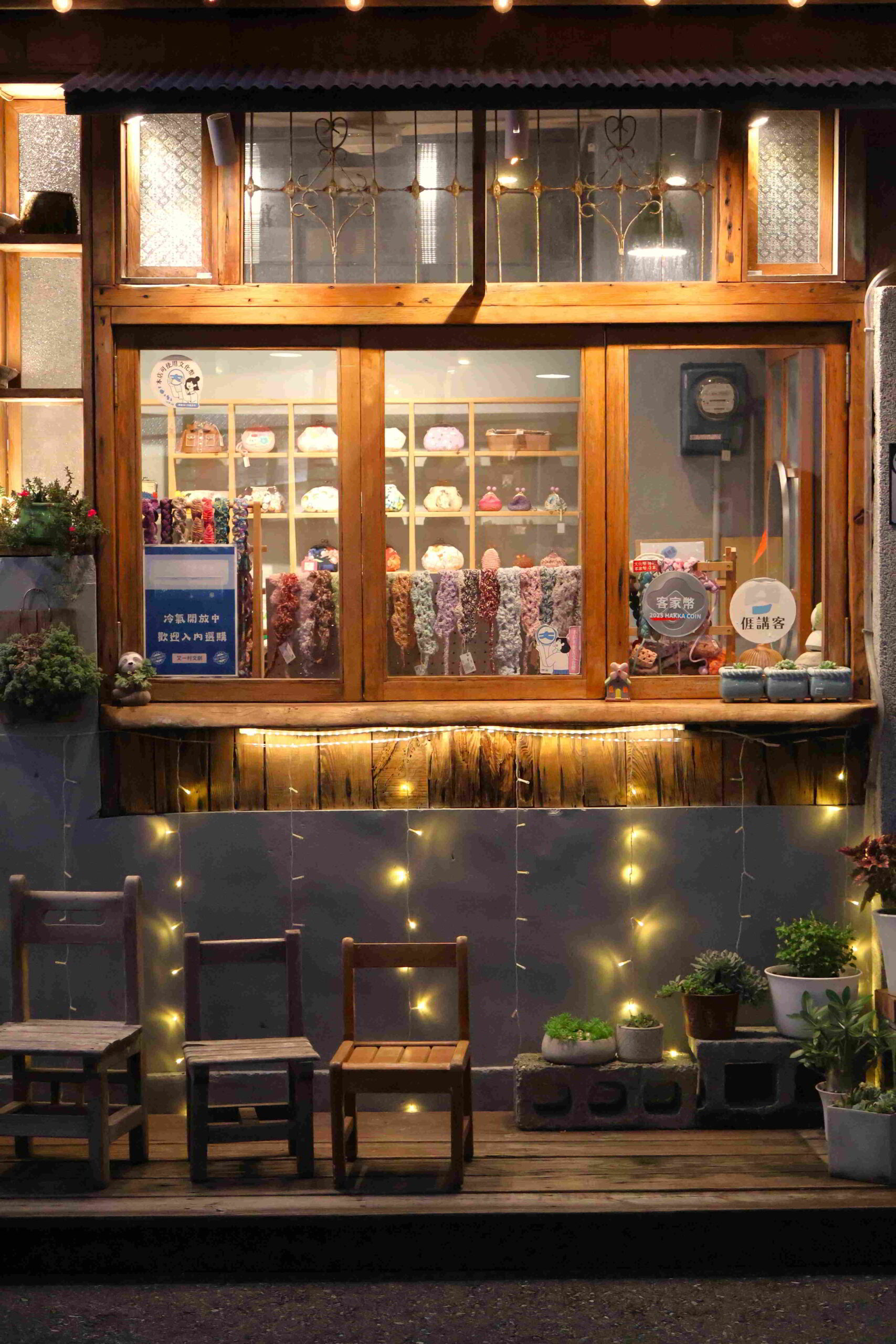
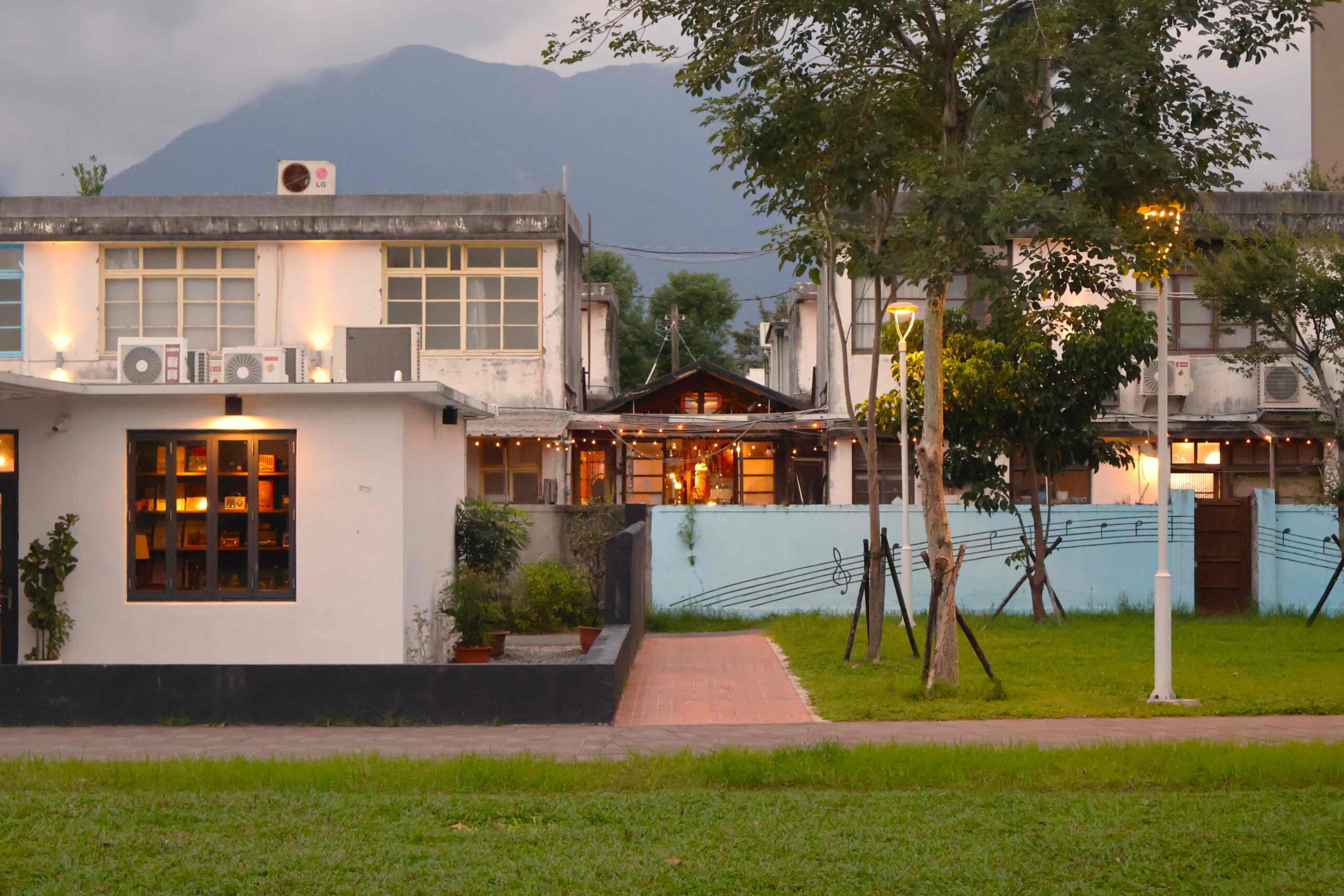
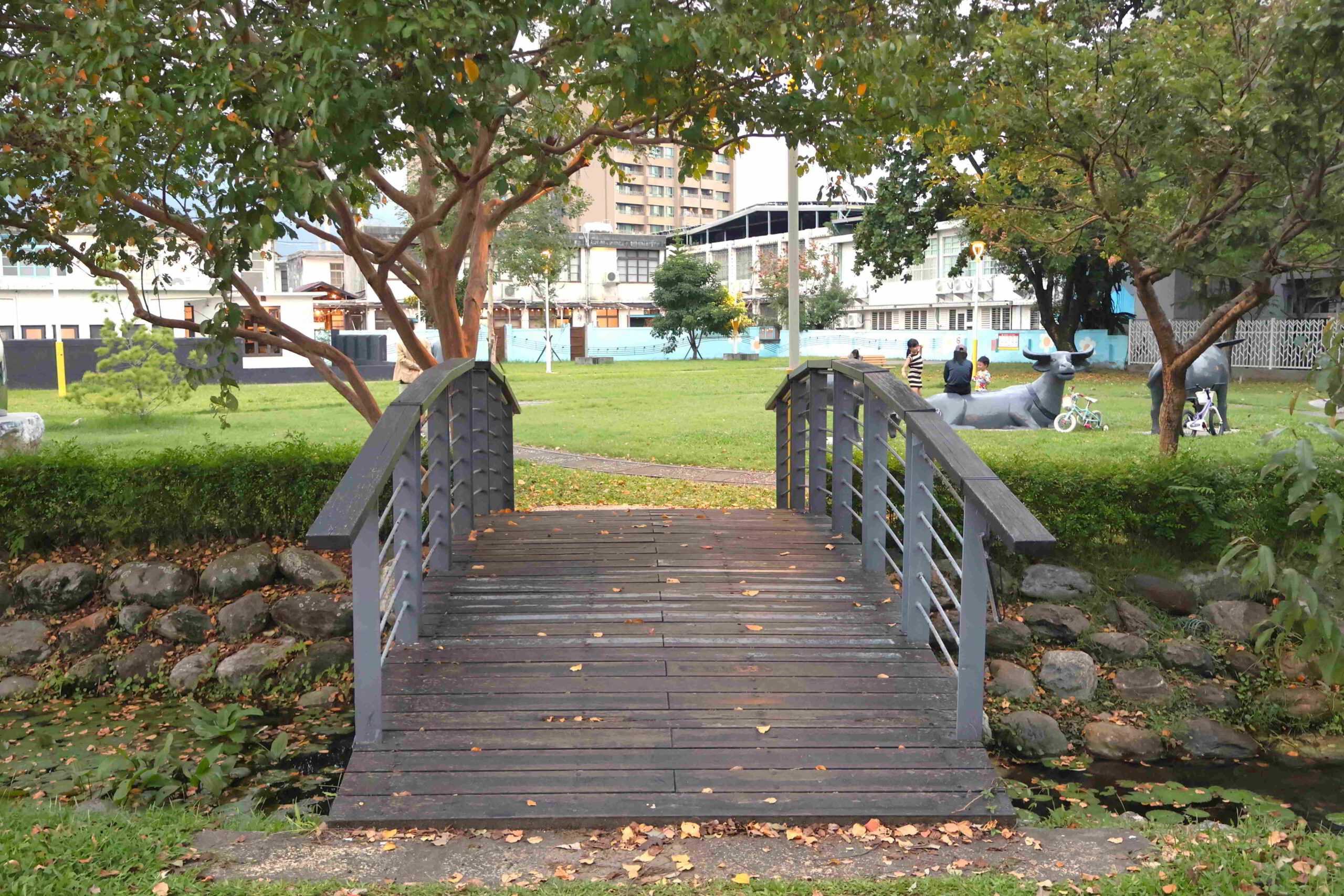
The YouYiTsun space is a smaller but cuter gallery space, effectively an outdoor passage lined with small stalls selling the usual wares, although more discerning in its presentation than the stalls in the Hualien Cultural and Creative Industries Park. Somewhere it’s all more of the same, small craftspeople and entrepreneurs trying to flog essentially useless knickknacks for enough money that allows them to survive but not too much that the casual visitor will be turned away — not that anyone is flocking to buy anything anyway. But the space is alluring, elegantly composed, from the design of the low-profile architectural backdrop to the lighting and interior design.
Hualien — YouYiTsun Cultural and Creative Park
Hualien — YouYiTsun Cultural and Creative Park
Hualien — YouYiTsun Cultural and Creative Park
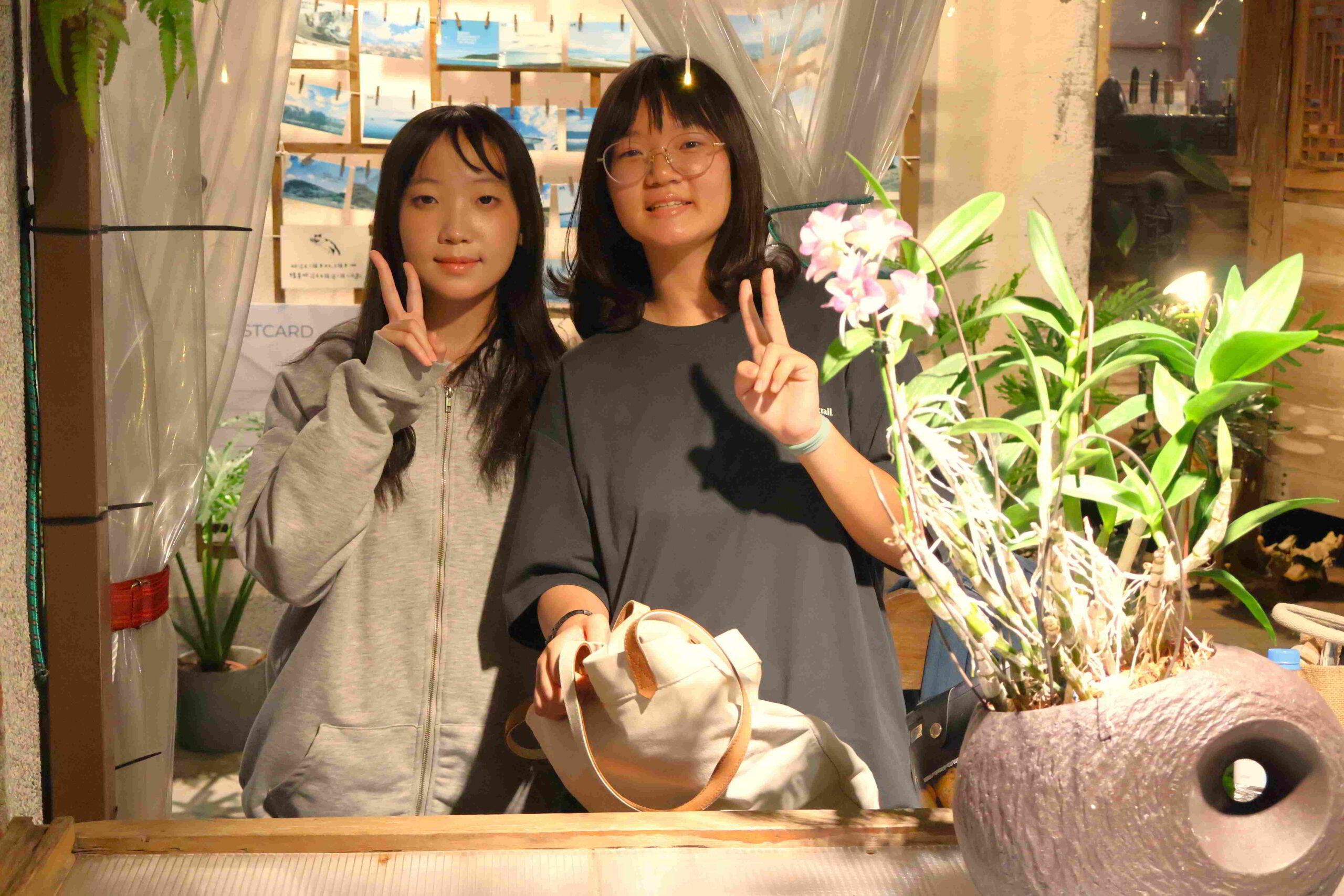
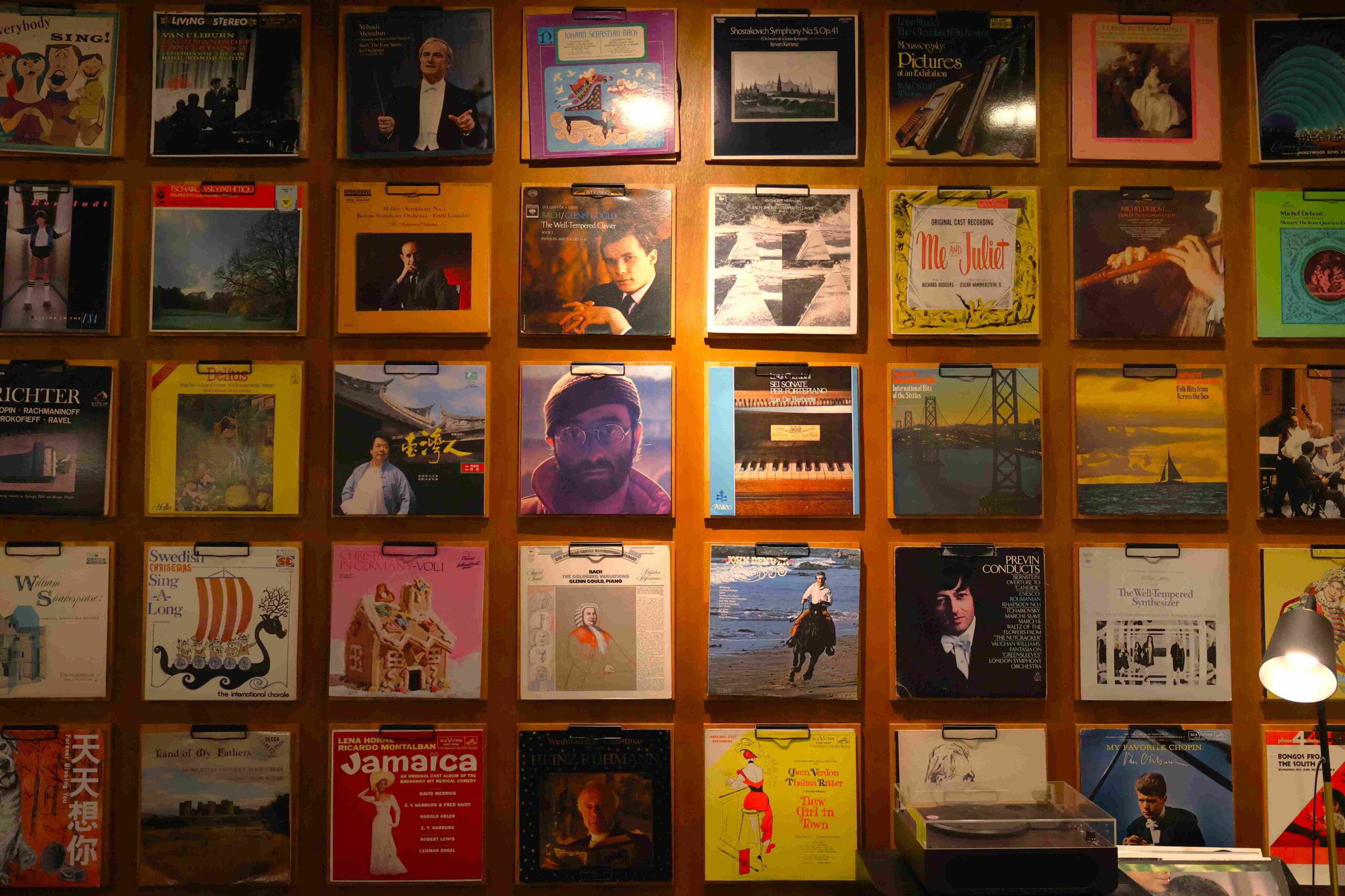
As much as Taiwan is beholden to innumerable hip coffee shops, the cafe next to the entrance stands out, its floor area divided into several small rooms, the walls of one room lined with the covers of records spanning mid-century popular and classical European musical tastes. A cover of a Heinz Rühmann album catches my attention, as he was a favourite of my mother’s in the day. Two young locals from Kaohsiung studying here are particularly taken by Hualien, although I suspect they are more taken by my rapturous monologue extolling the town’s virtues rather than the town itself.
Hualien — YouYiTsun Cultural and Creative Park
Hualien — YouYiTsun Cultural and Creative Park
Hualien — YouYiTsun Cultural and Creative Park
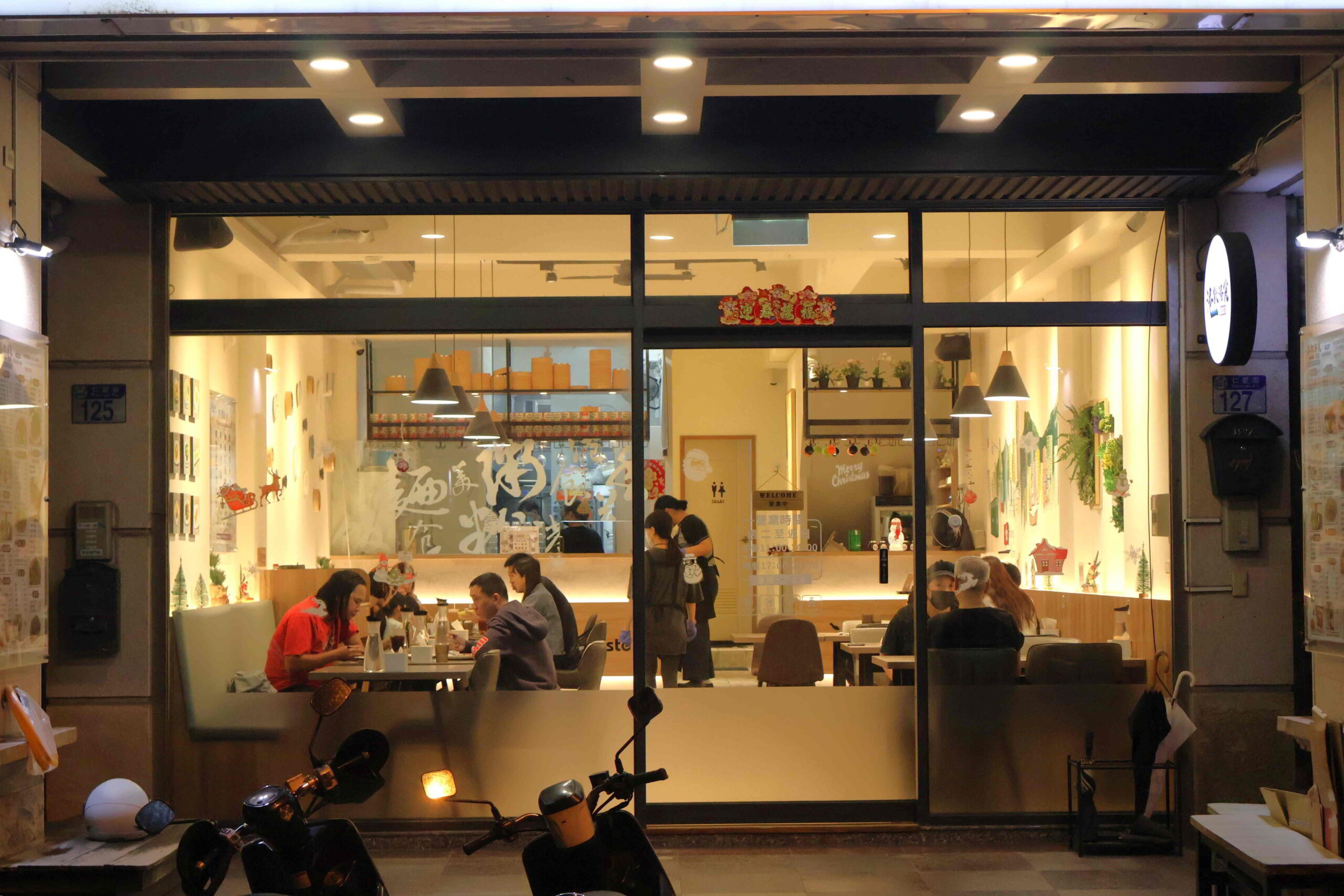
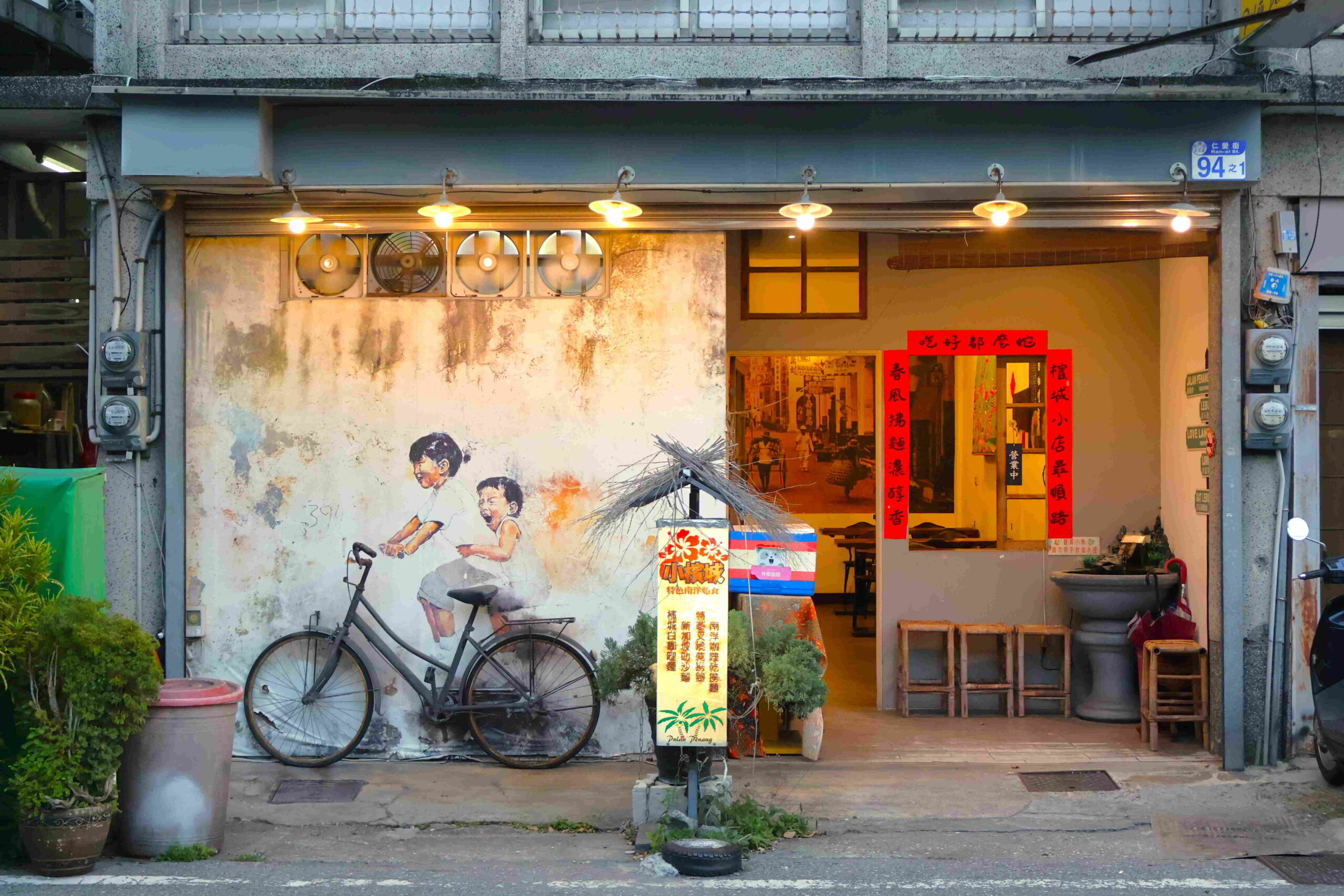
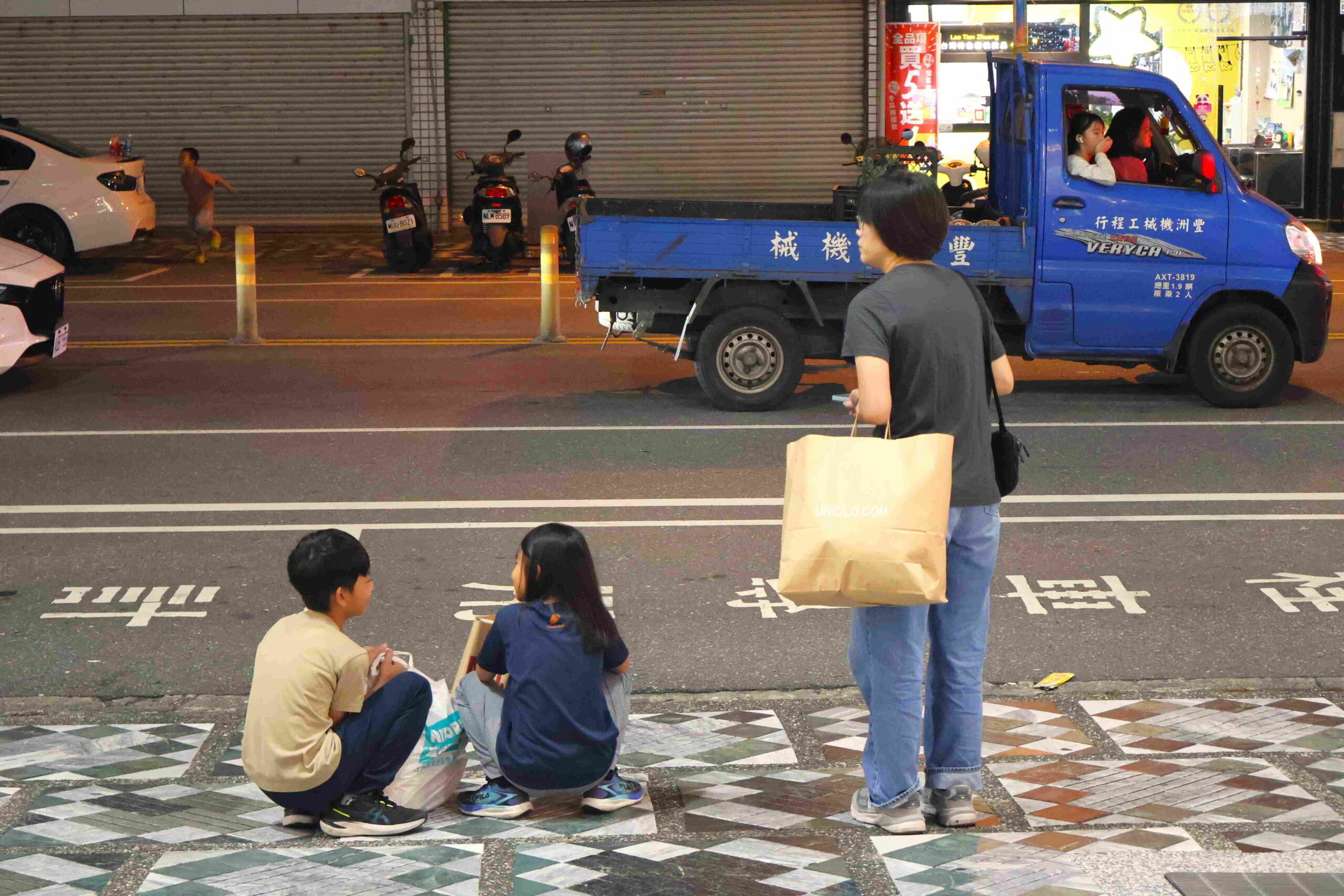
En route to the Fu Yuan seafood locale that the owner of the cafe raved about earlier on, I marvel at the town’s stylishness and the brightly-lit apropos eateries lining the streets in this glamorous setting. There are so many other restaurants that entice the senses on the way, but I have a mission, given the recommendation I was given. I run into the American I had met at the train station yesterday again, who flagged my attention given his Ulan Bator baggage tag. Originally from Chicago, he has been teaching English in countries around the world, usually far-flung ones, such as Myanmar, Turkey, Peru, and Kyrgyzstan. With such an exotic life, it wouldn’t be easy returning to the U.S. — not that he has any intention of moving back, even though he visits every year.
Hualien — YouYiTsun Cultural and Creative Park
Hualien
Hualien
Hualien
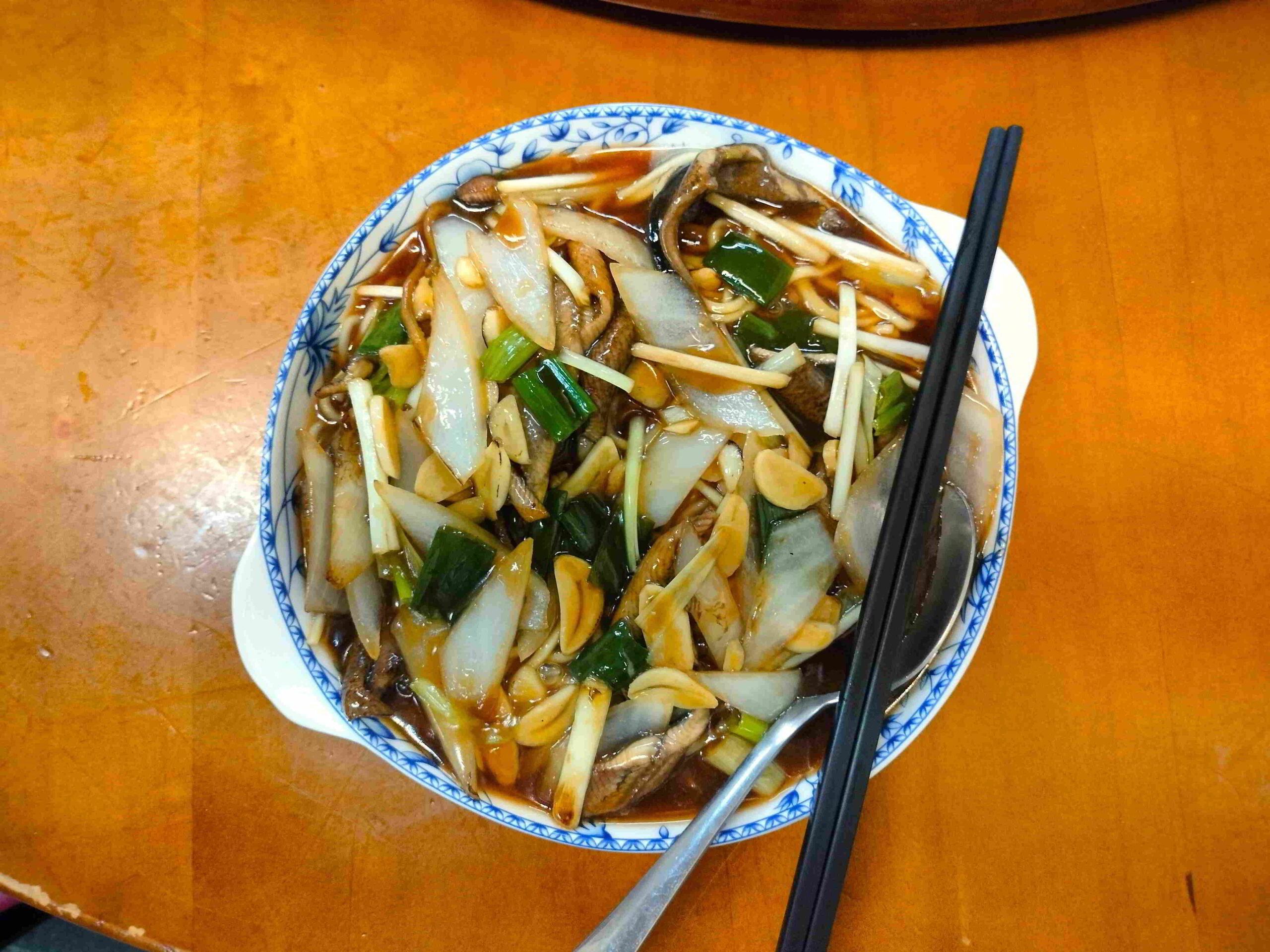
The Fu Yuan establishment is not large, with half a dozen large, round tables, most occupied by bigger parties. The seafood they offer is packed neatly into well-lit boxes at the front of the restaurant, although cursory review indicates that there is nothing particularly interesting about what they offer. On the side sit boxes of various greens that they prepare. I ask an attendant as to the prices of their offering, and they seem to be on the high side — simple fish, whole perhaps a foot long that cooked wouldn’t comfortably feed more than one person, NT$500 (CAD $25)? That seems excessive, considering the fish in question, our location, and the presentation of the restaurant. The eel is less expensive and another dish I haven’t tried yet, so eel it will be, although the sweet-and-sour preparation with the obligatory chopped vegetables isn’t just utterly conventional, but the eel has no flavour whatsoever. So much for locals’ recommendations! But I am charged NT$200, rather than 300, which makes the meal far less unattractive …

Hualien
Hualien
Hualien — YouYiTsun Cultural and Creative Park
Hualien