November 15, 2025
The corpulent Asian man finally enters the room sometime before 5 in the morning, probably having spent the evening in his friend’s room, and having avoided his appointed room because of my stern admonishment yesterday about snoring. Now realizing that he is not in fact a heavy snorer, I feel quite guilty at how aggressive I was with him yesterday evening. But I am so fed up with staying in hostels and being kept awake all night. Never mind that the beds here are tiny and the mattresses hard. But this hostel can get away with it, because the area is in such demand and the prices so high.
En route from Fulong to Nan’ao
En route from Fulong to Nan’ao
I speak with the couple in the morning: it turns out they live in Taipei and are just visiting here for a few days. I find it amusing that they have brought so much food, which is something that I would do, but other travelers definitely wouldn’t. I have already taken up most of the available space in the hostel room with my belongings, and have no idea how others organize themselves.
En route from Fulong to Nan’ao
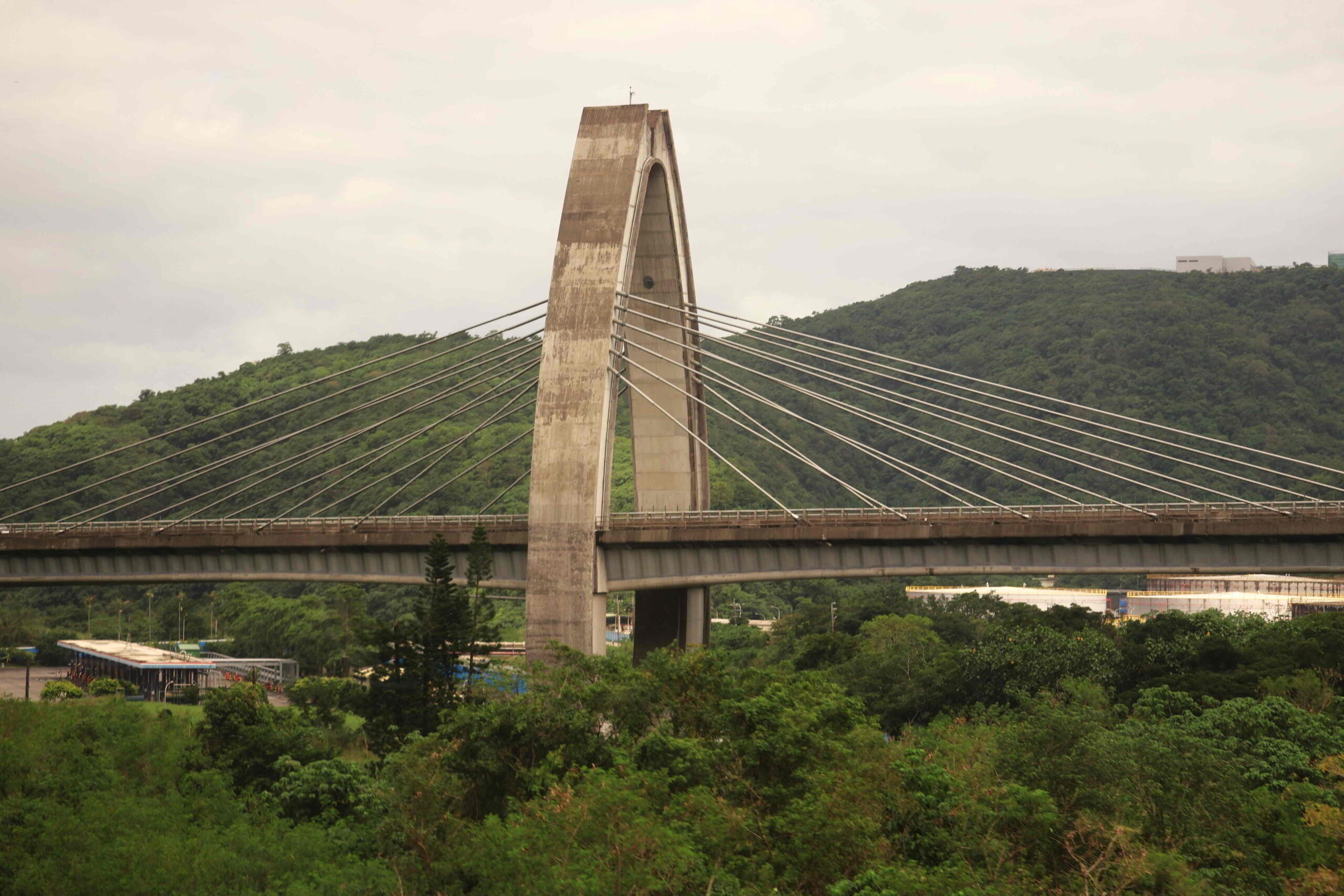
En route from Fulong to Nan’ao
She is originally from Cape Town, but has lived in Taiwan for a long time, which explains her fluency in Chinese. She is taking care of the man, whose health has evidently degraded considerably; as we talk, I see her massaging one of his legs, covered with welts and callouses, apparently the result of a lifetime of smoking and other ailments. He grins and tells me his heart was broken four times, to which she responds that his heart is broken because he doesn’t take care of himself.
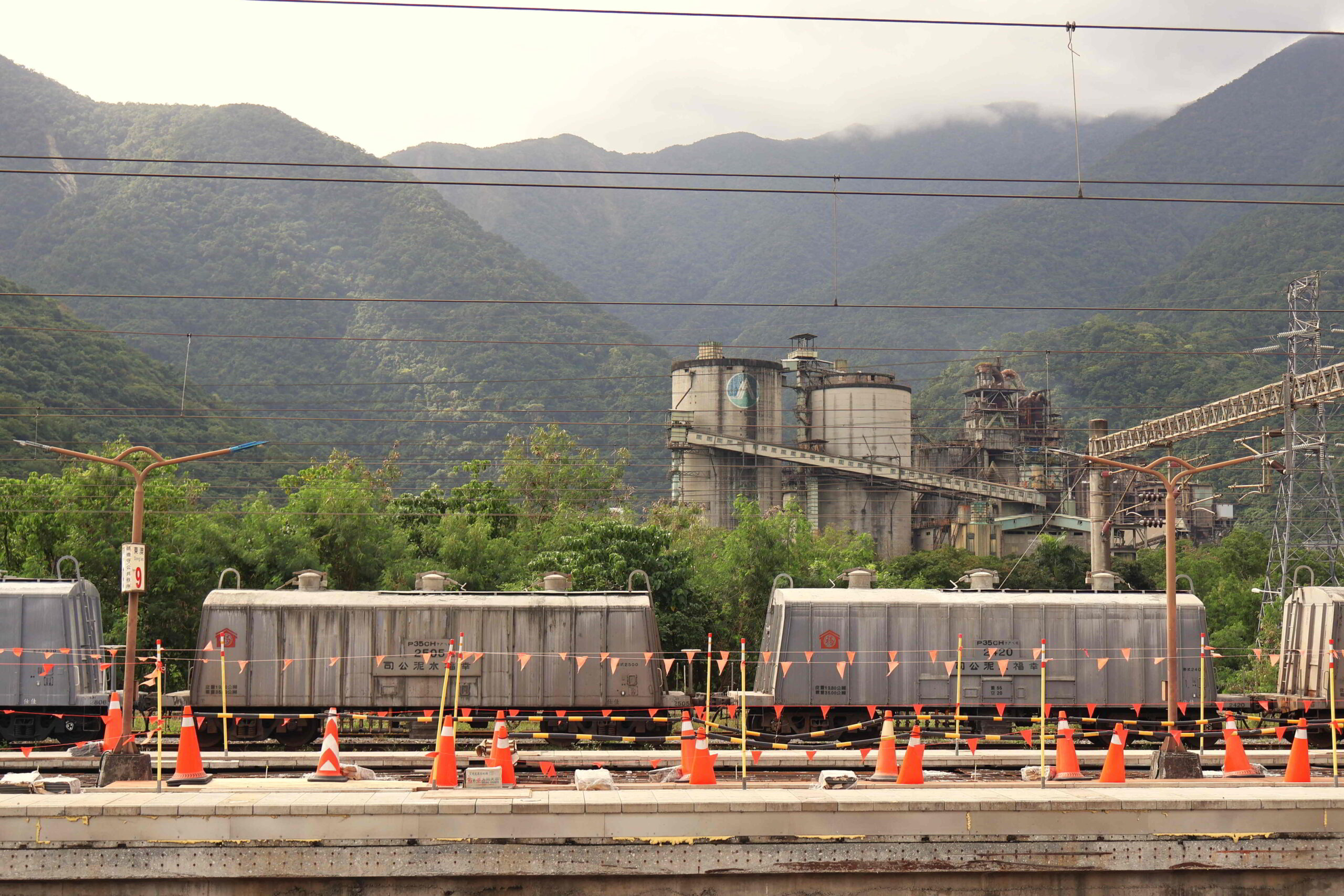
En route from Fulong to Nan’ao
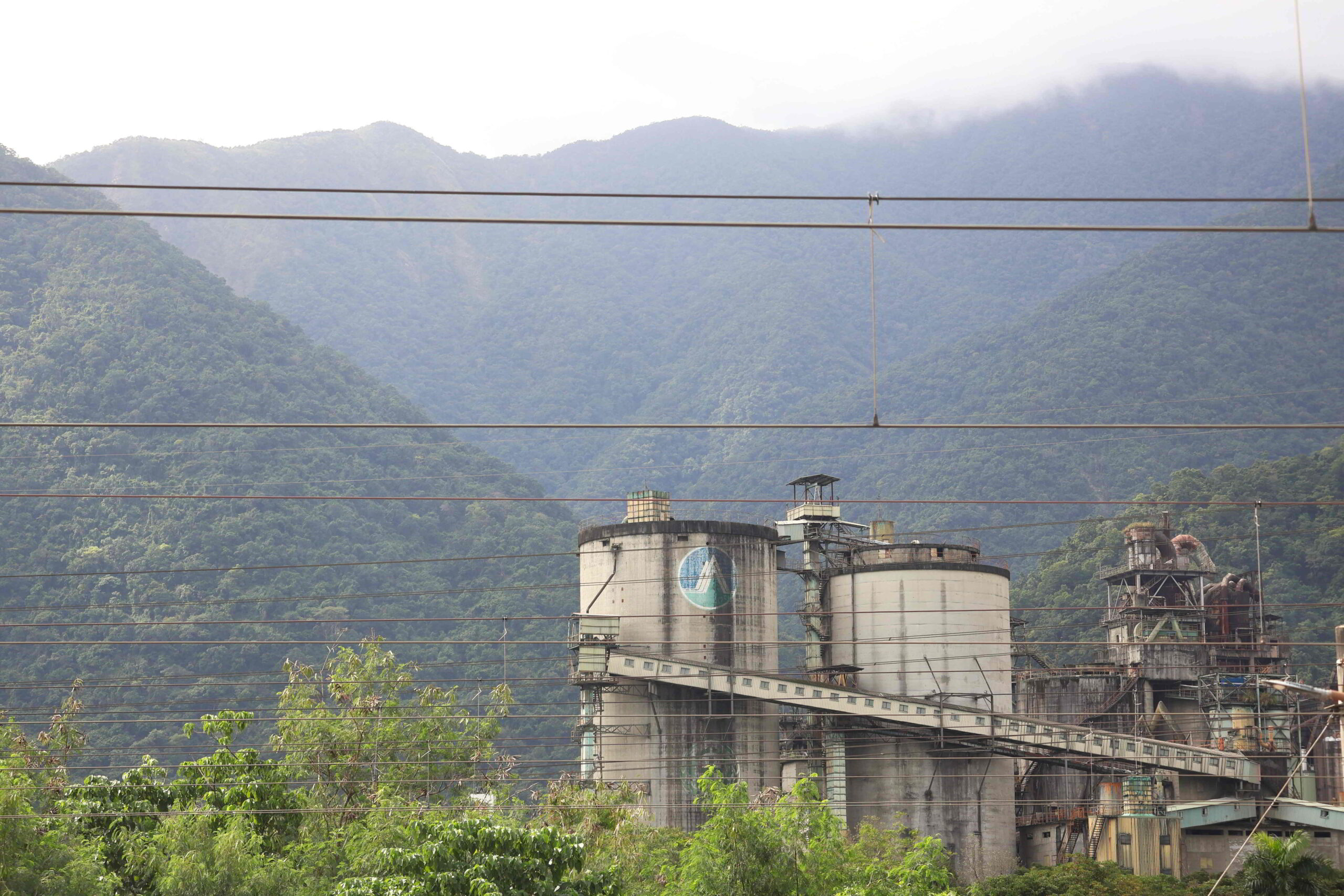
En route from Fulong to Nan’ao
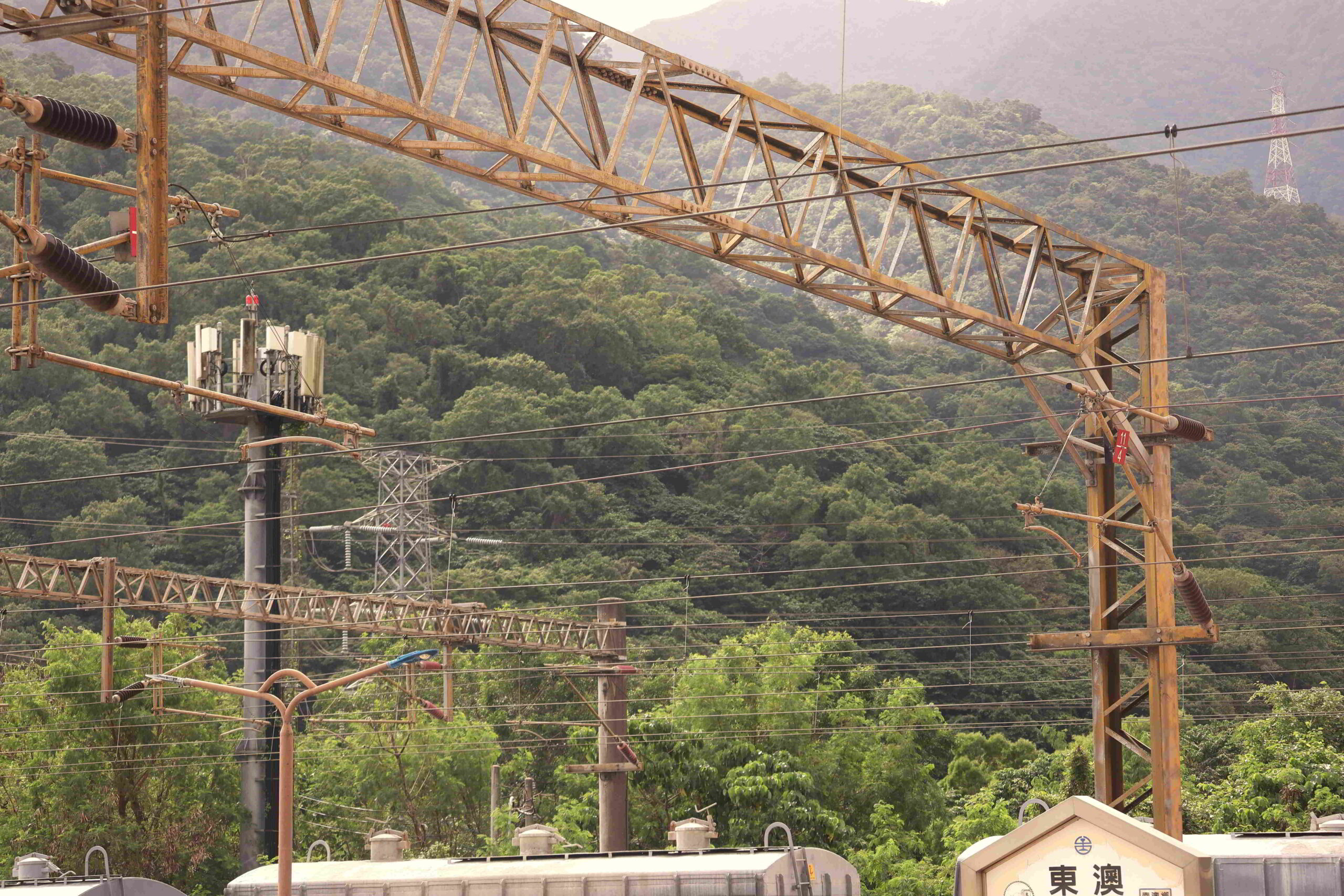
En route from Fulong to Nan’ao
She convinced him to come to the seaside, as she believes he could sustain a remarkable recovery if he immersed himself in the salt water of the sea. But she is ready to give up on him, as he is not willing to stay away from unhealthy food and an unhealthy lifestyle. She tells me that the appeal of the area to the people in Taipei is the fantastic beaches available here. I counter that they’re lined with trash, and the main spit of land is not accessible, as it is controlled by the Fullon hotel. She tells me the trash is regularly cleared off the beach, and that it was only swept onto the beach by the typhoon. I find that somehow hard to believe — why would a storm sweep that much trash from the ocean? And if it did, it means that the water itself is loaded with trash.
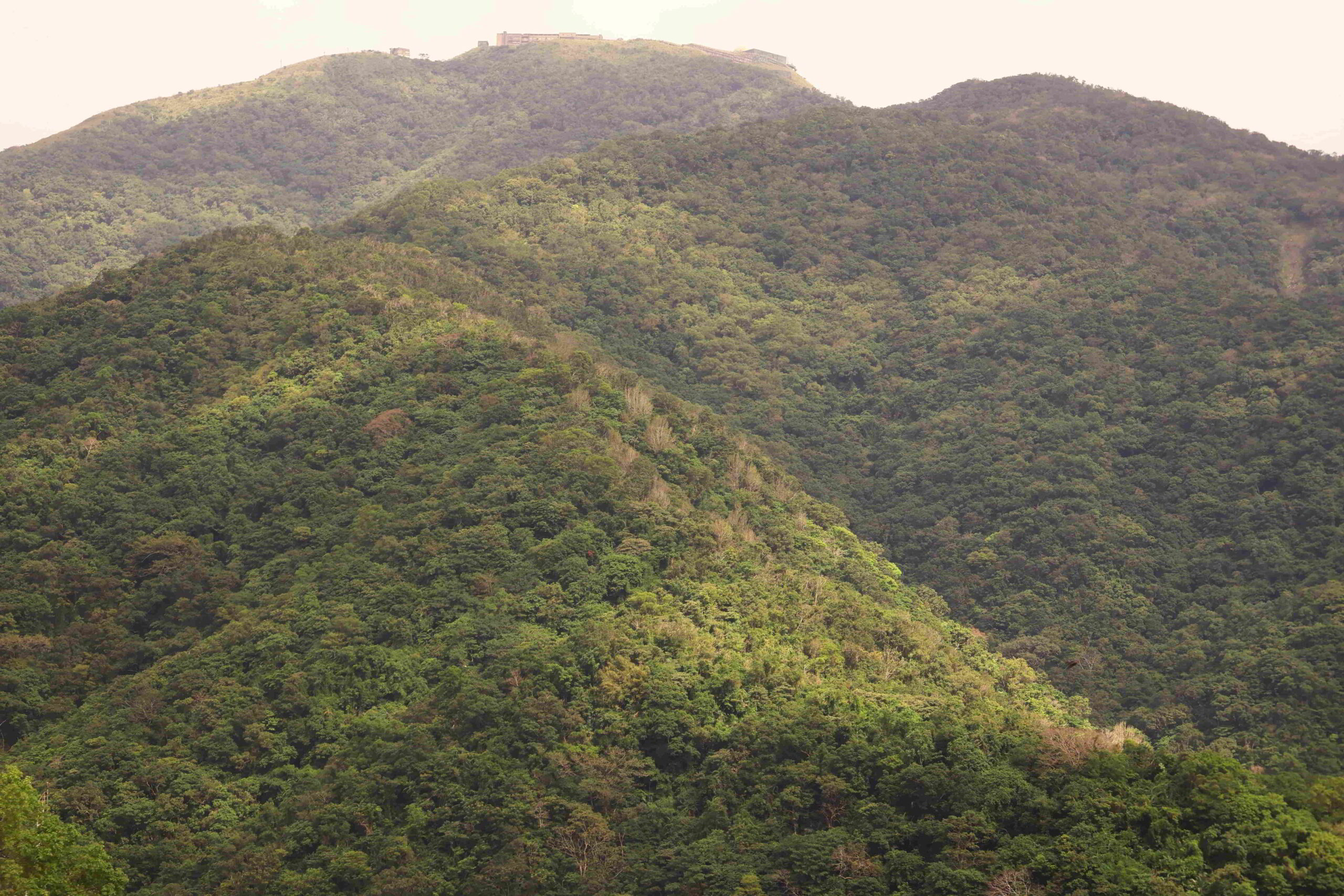
En route from Fulong to Nan’ao
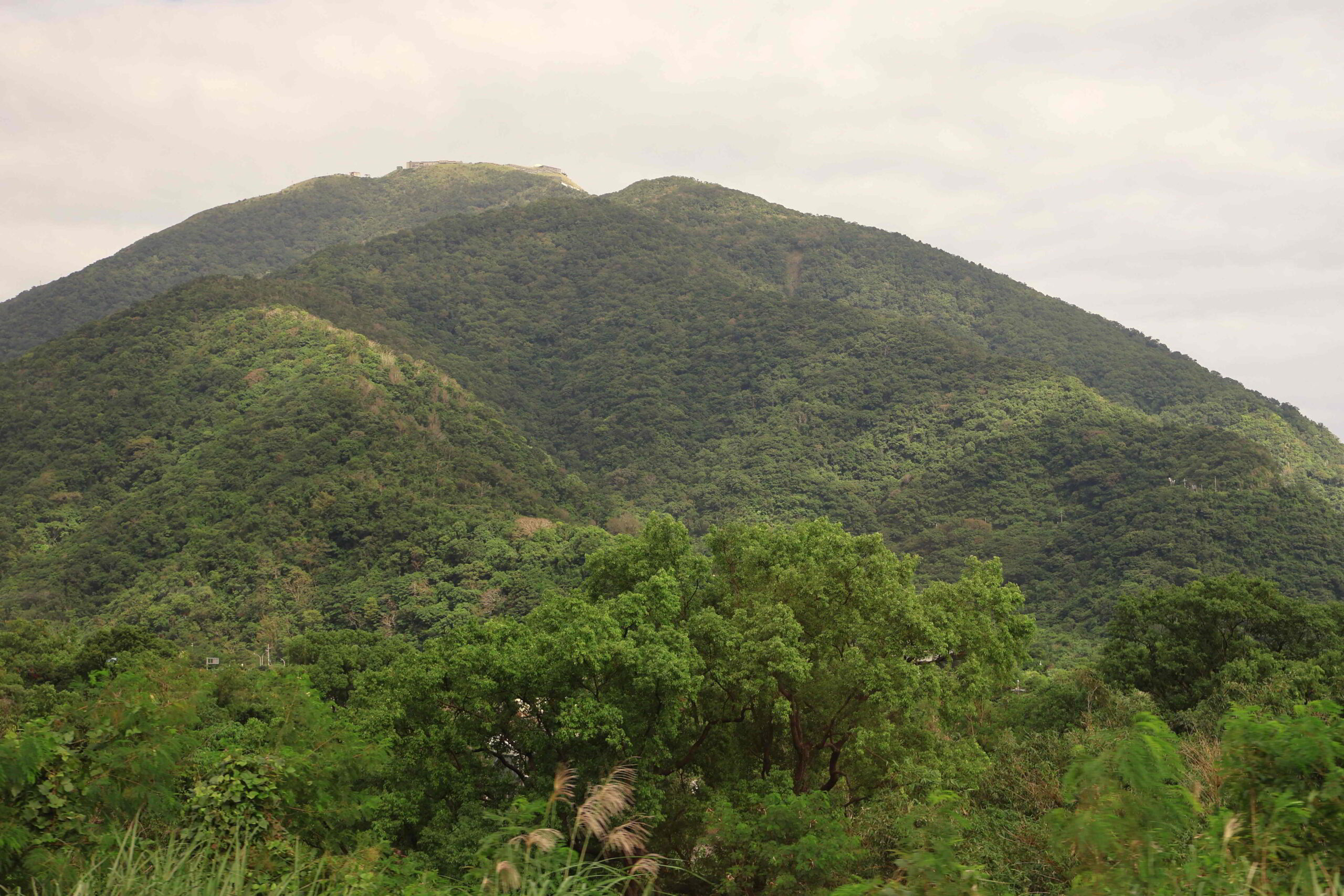
En route from Fulong to Nan’ao
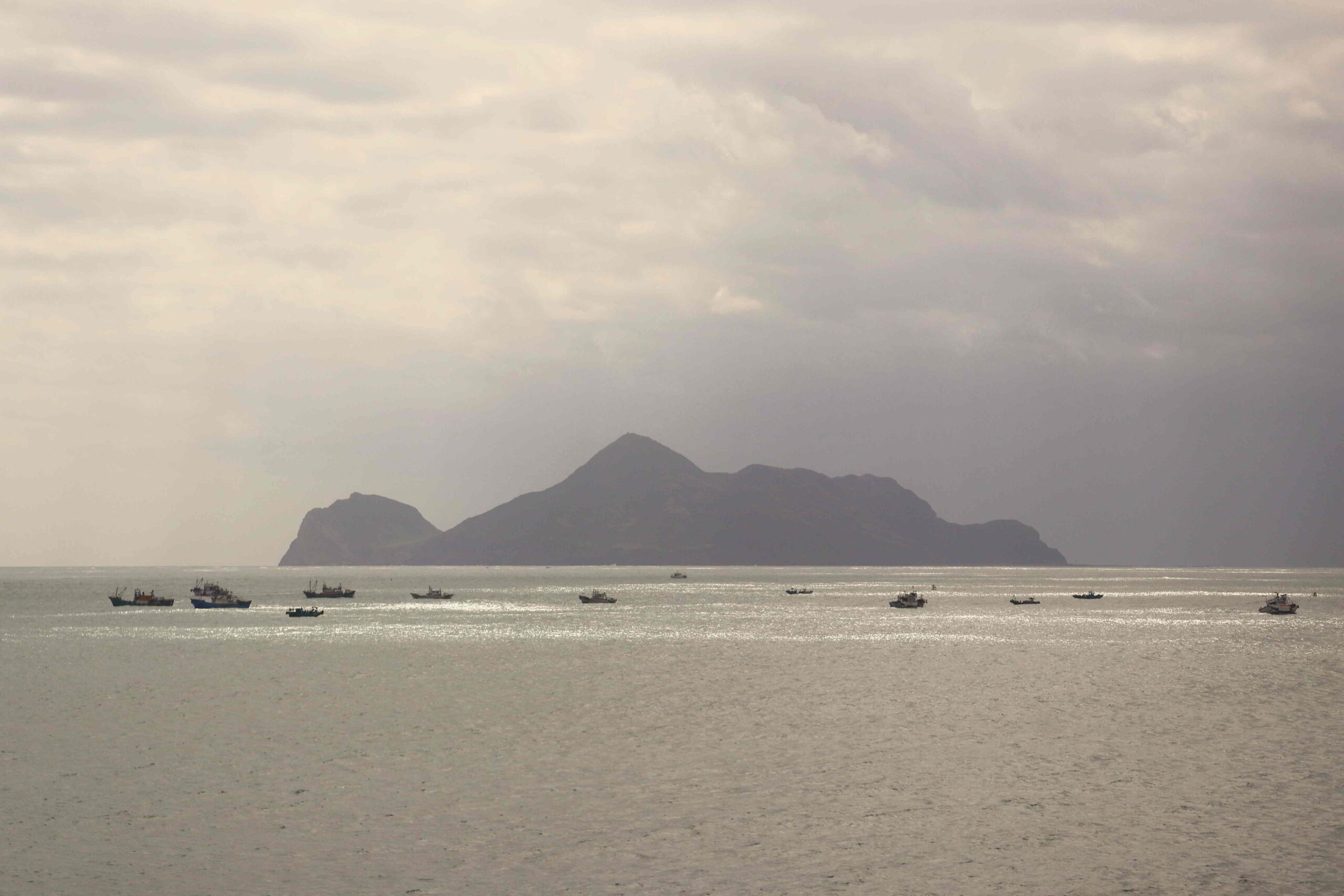
The train to Hualien conveniently leaves just after 11 am, and is a much more modern and higher speed version that I have taken thus far. As I wait for the local trains, this would be one of the trains that flies through the station, threatening to suck anyone standing close enough to the tracks to their demise. We rapidly pass through the towns to the south that I had visited yesterday, the landscape somewhat more inviting today, thanks to the sun finally breaking through the clouds, the sea lightening to the point that tracts of water closer to shore are bright blue, swaths of sunlight lending an emerald shimmer to the vegetation carpeting the steeps slopes around Dali, Daxi, and onward to Waiao.
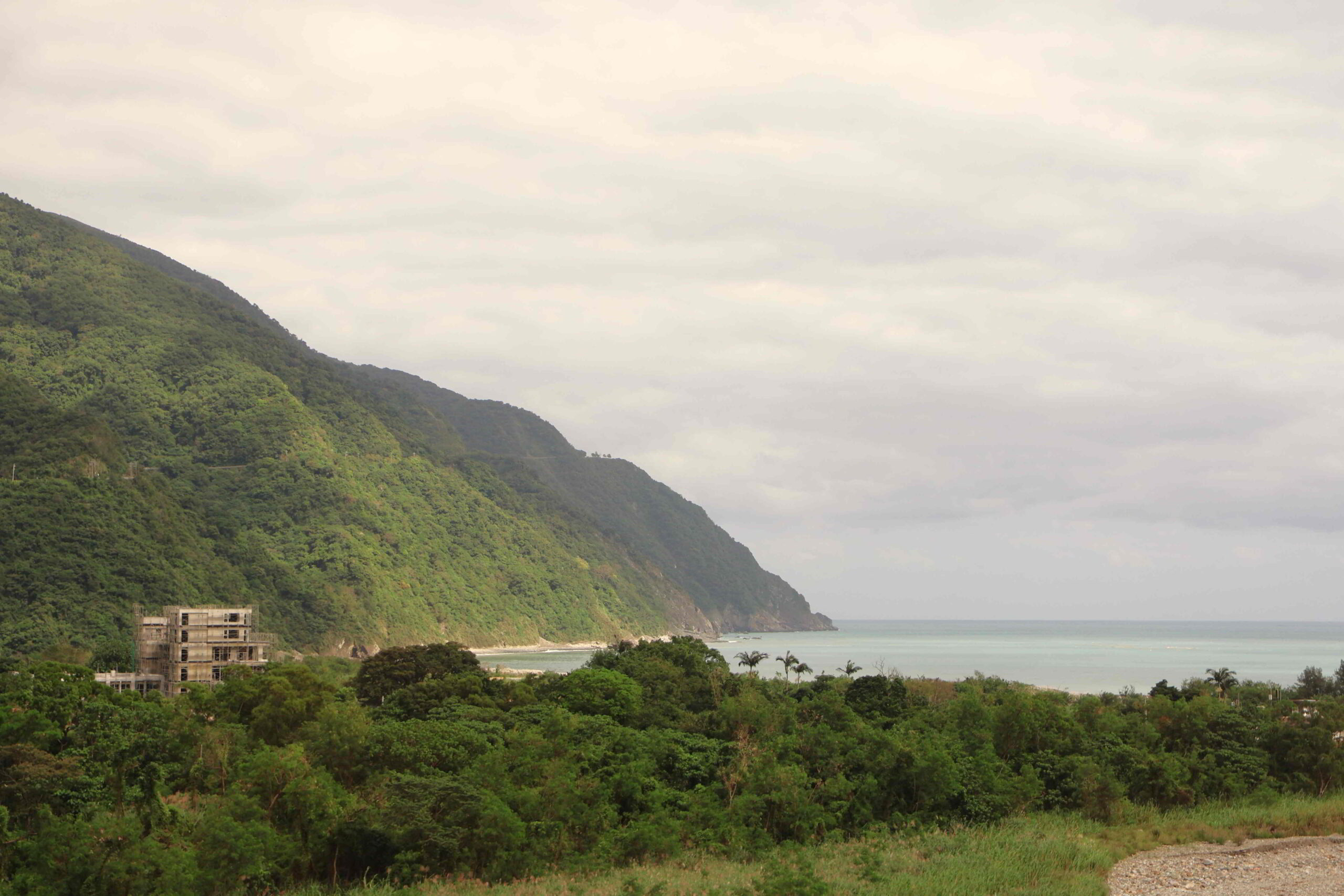
En route from Fulong to Nan’ao
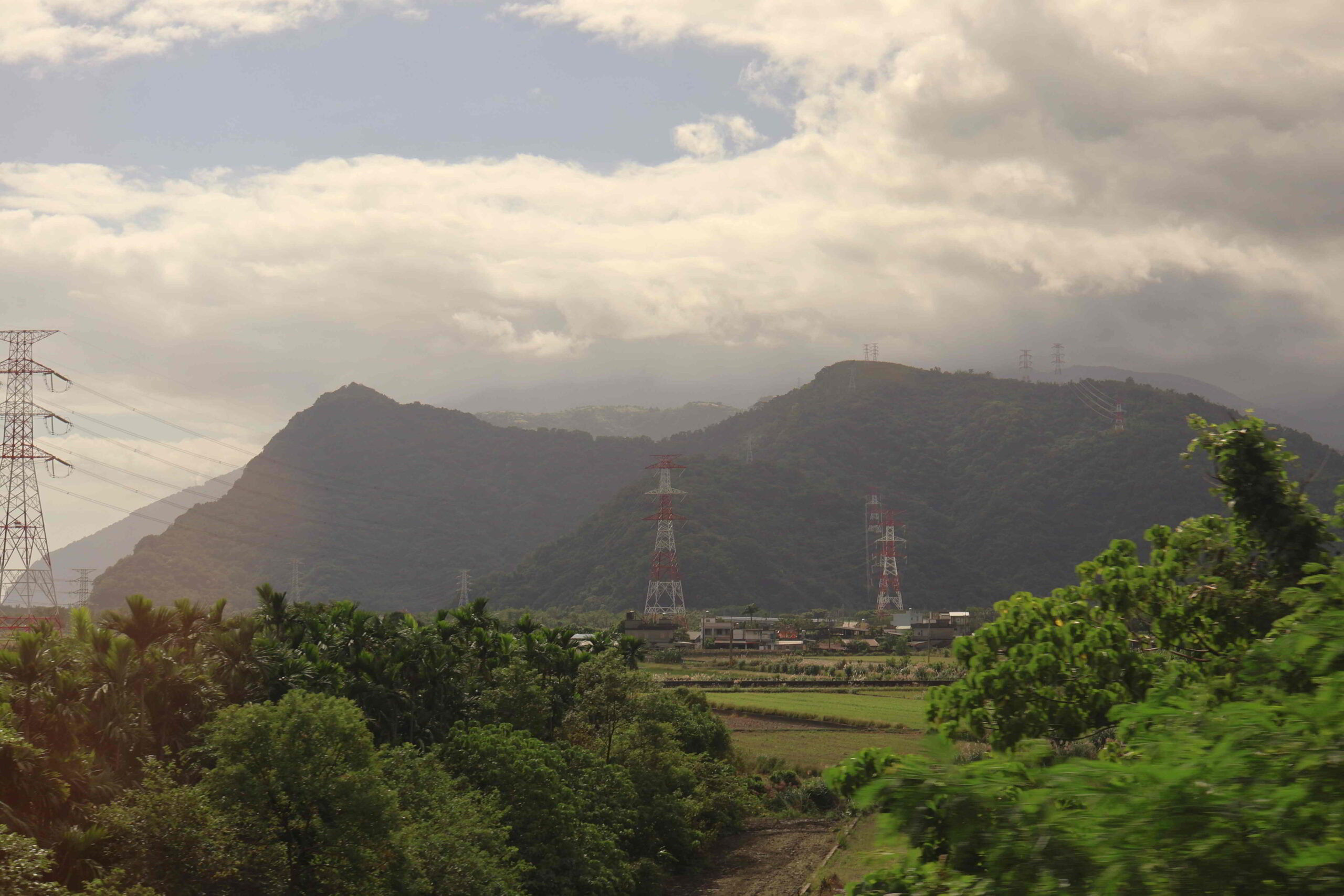
En route from Fulong to Nan’ao
Fortunately, the train is not that full and there is lots of room to position myself and move around to take good shots, the challenge being not just to compose shots instantaneously, given the quickly moving train, but also avoid reflections from the opposing windows. The images of the coast are anchored by Guishan island, some distance offshore, over which the heavens are veiled in cloud cover at times denser, then breaking open to reveal welcome sunshine.
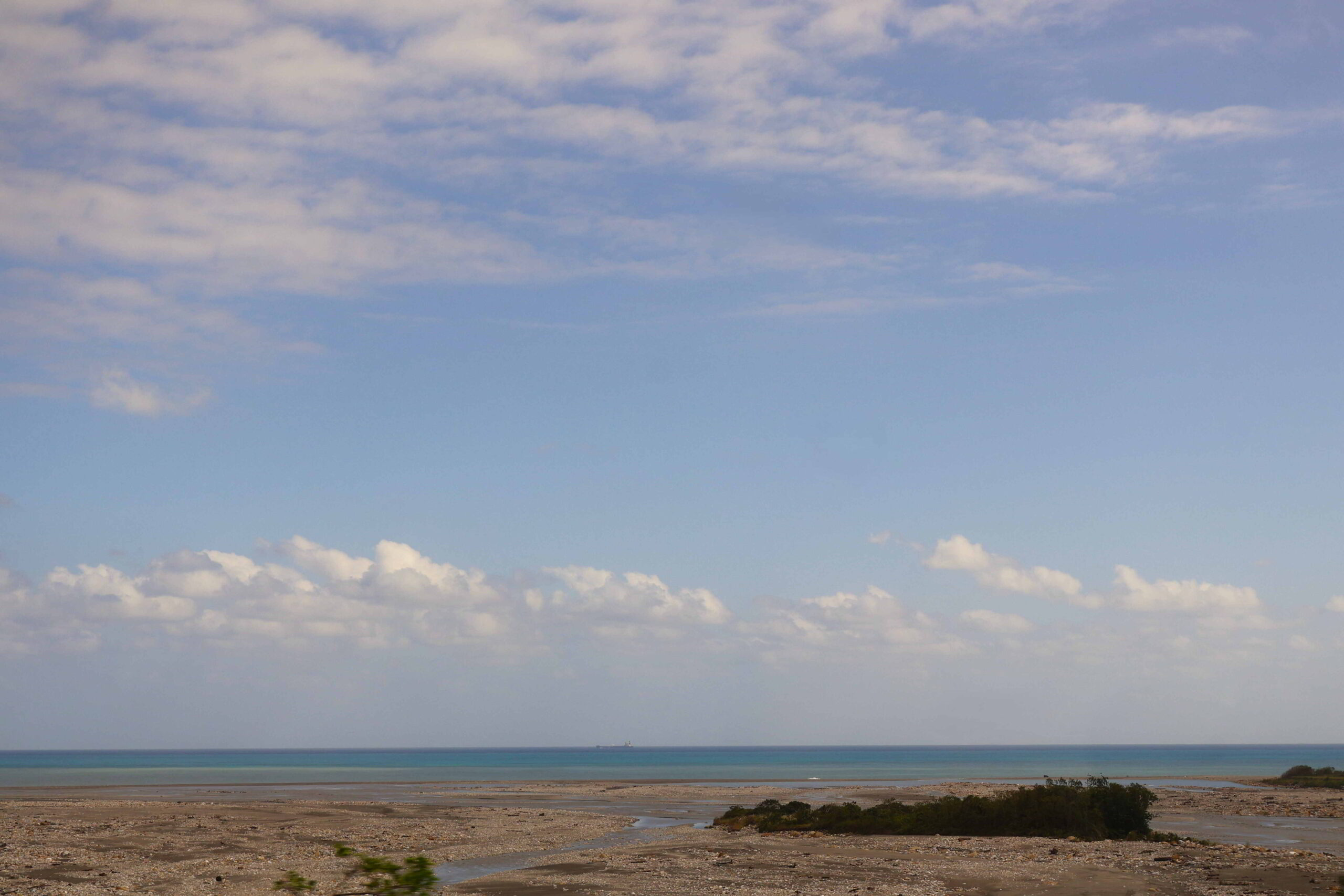
En route from Nan’ao to Hualien
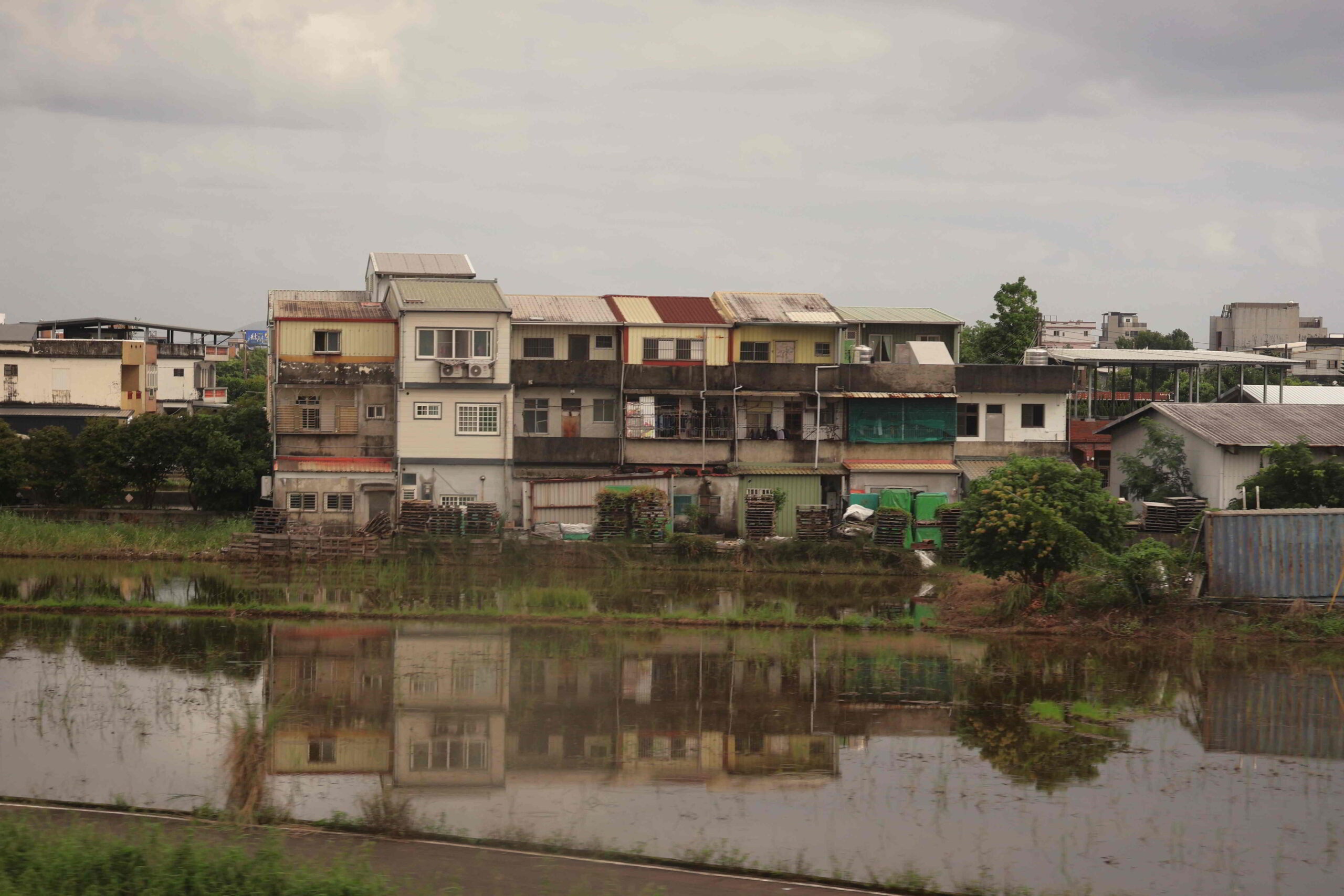
En route from Fulong to Nan’ao
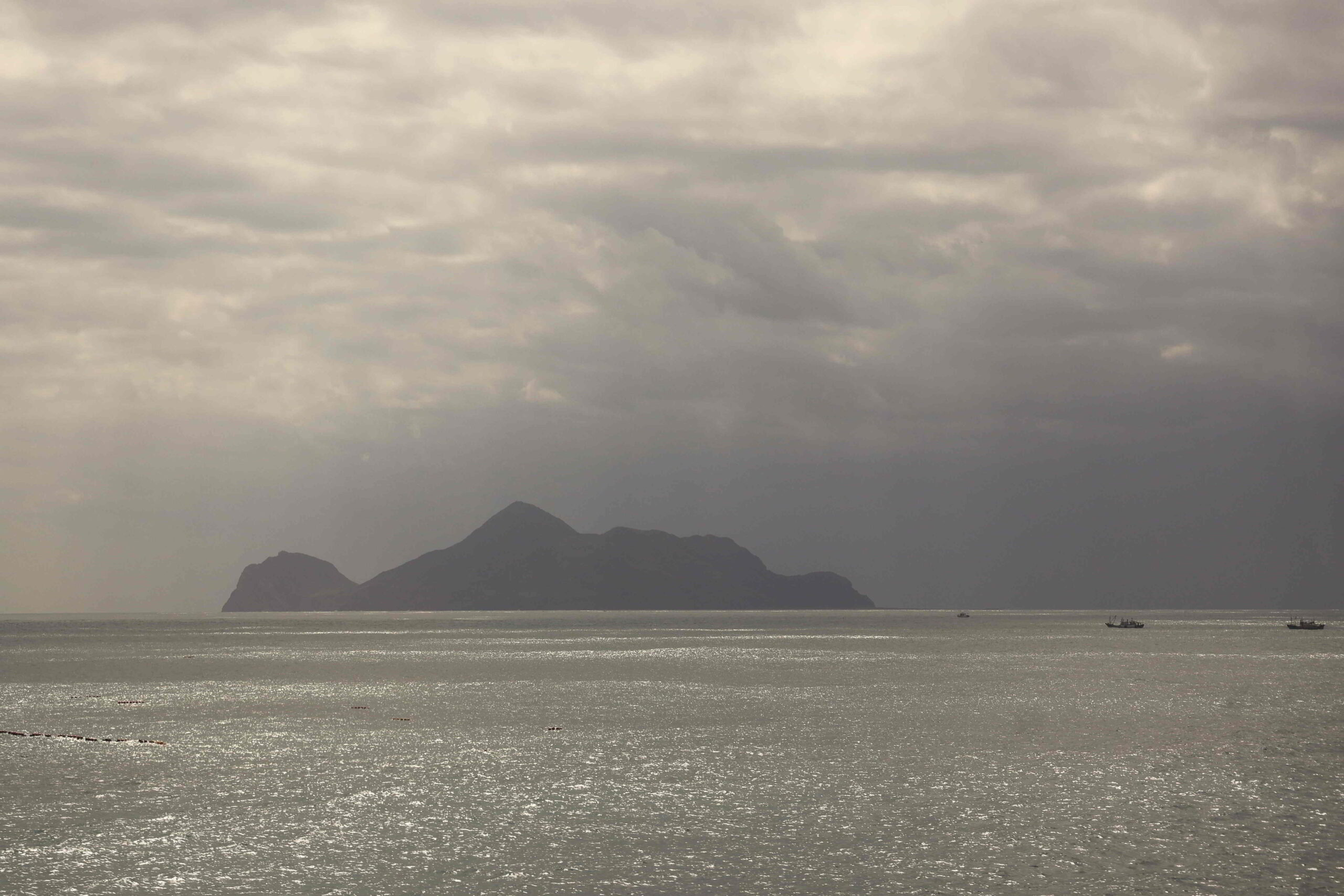
En route from Fulong to Nan’ao
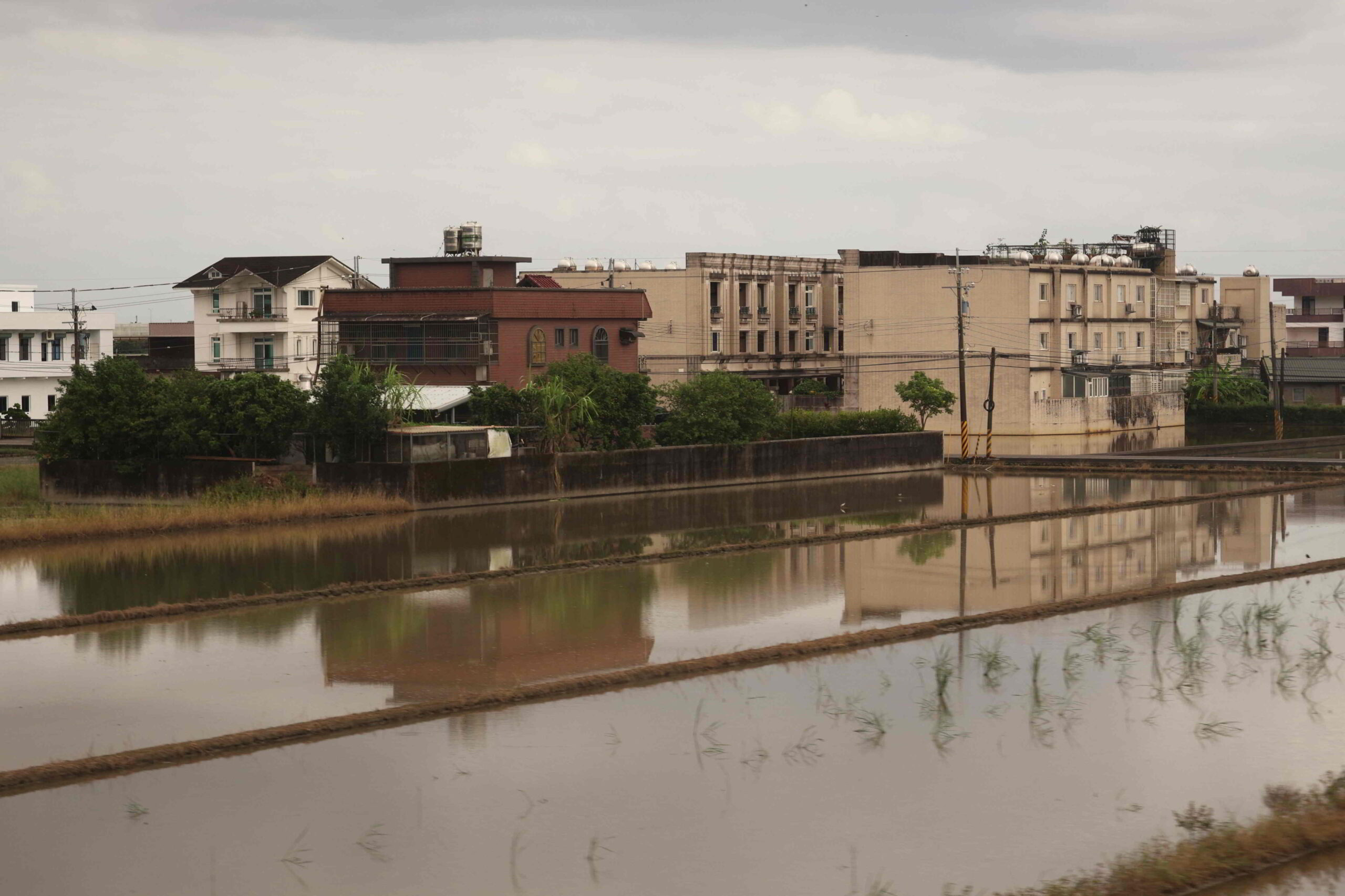
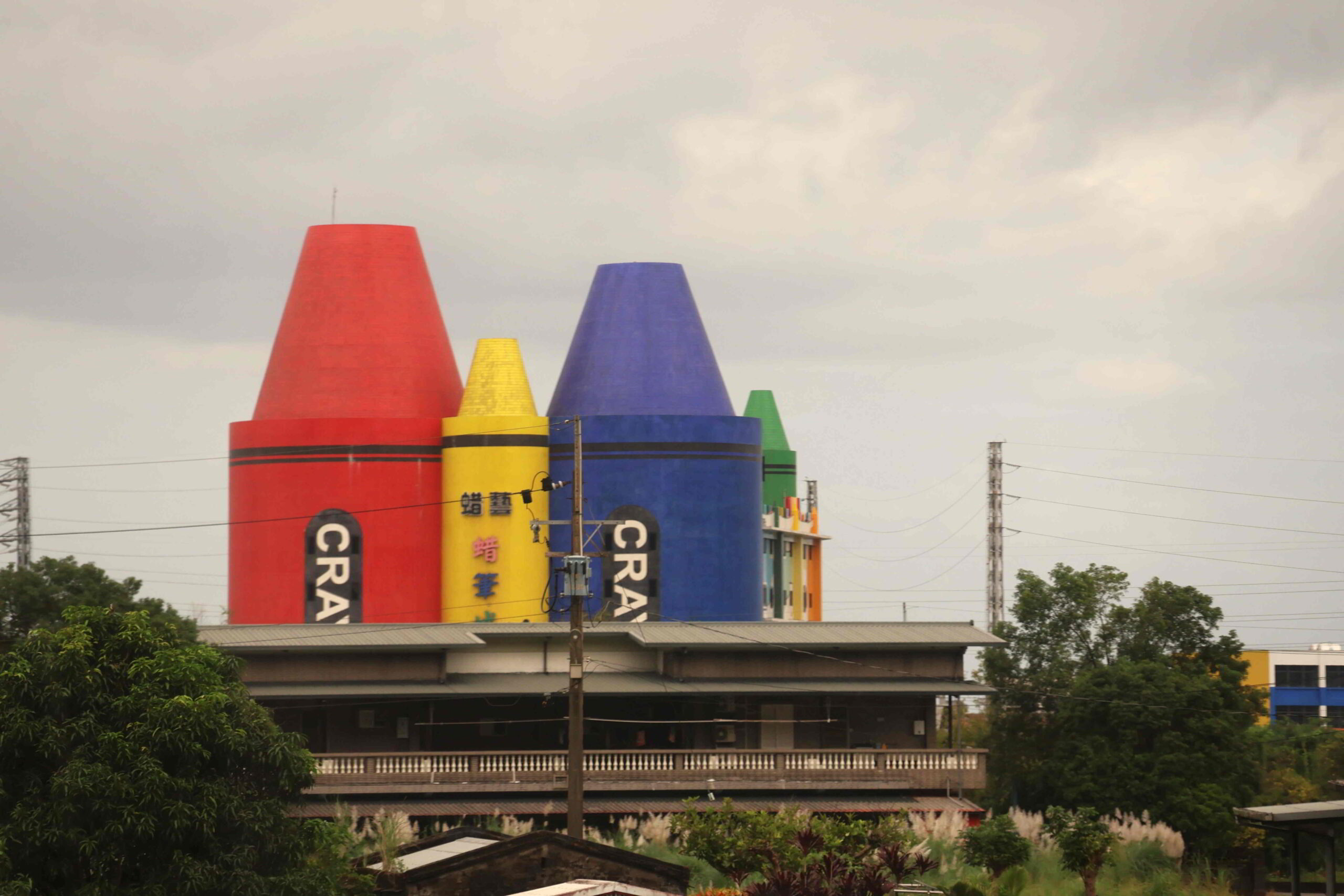
The pretty coastal communities clinging to the sea flanked by the towering green hills evolve into a broad plain, the mountains now in the distance, revealing a sprawl of middling towns that I had not planned on visiting, that the guide book says little good about, and from the train, seem to be of limited aesthetic value. First Toucheng, then Yilan, followed by Ludong, and lastly Su’ao, much of which is spread out, punctuated by a checkerboard of rice paddies flooded with water dramatically enveloping clusters of houses, their reflections clearly outlined in the still water.
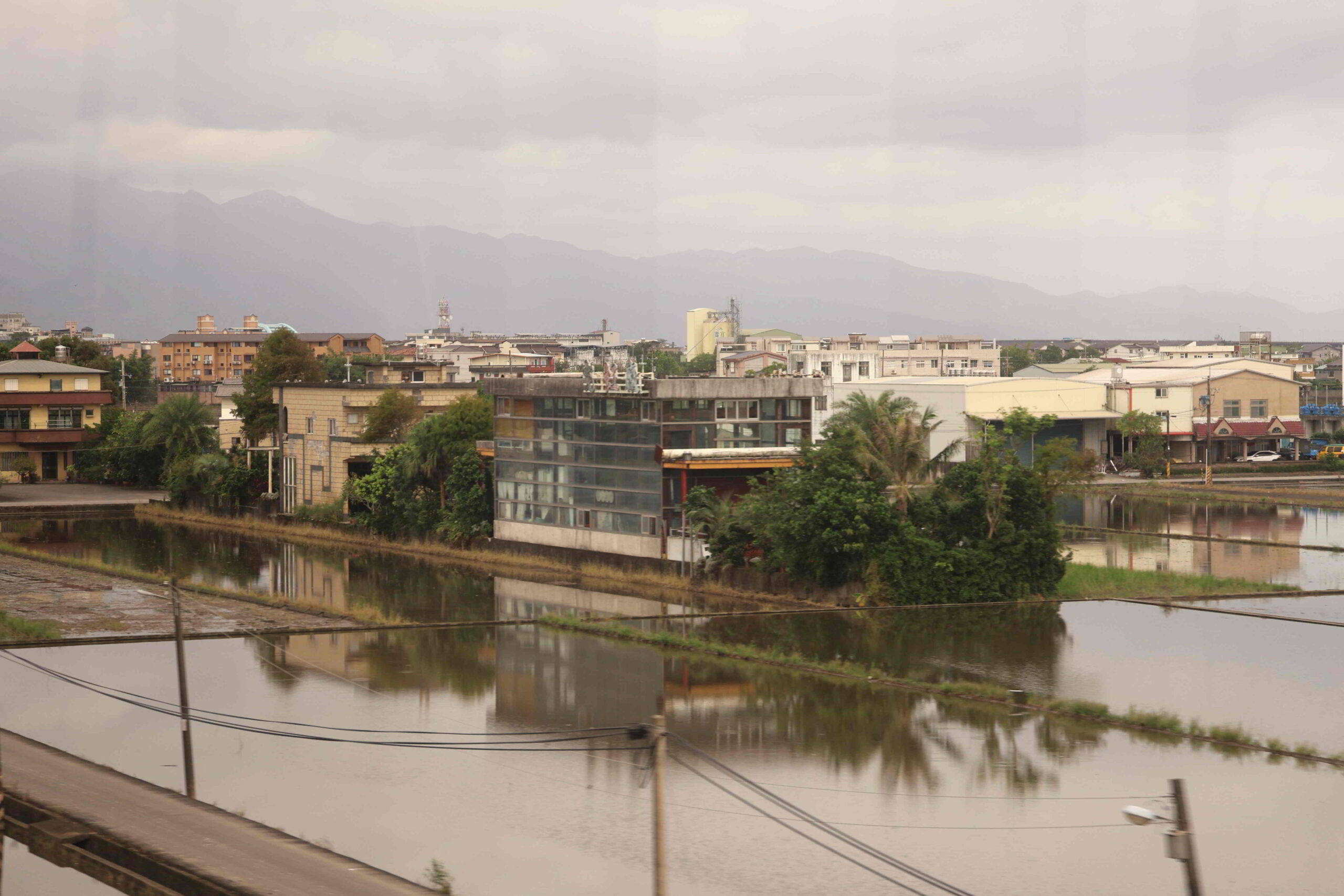
En route from Fulong to Nan’ao
En route from Fulong to Nan’ao
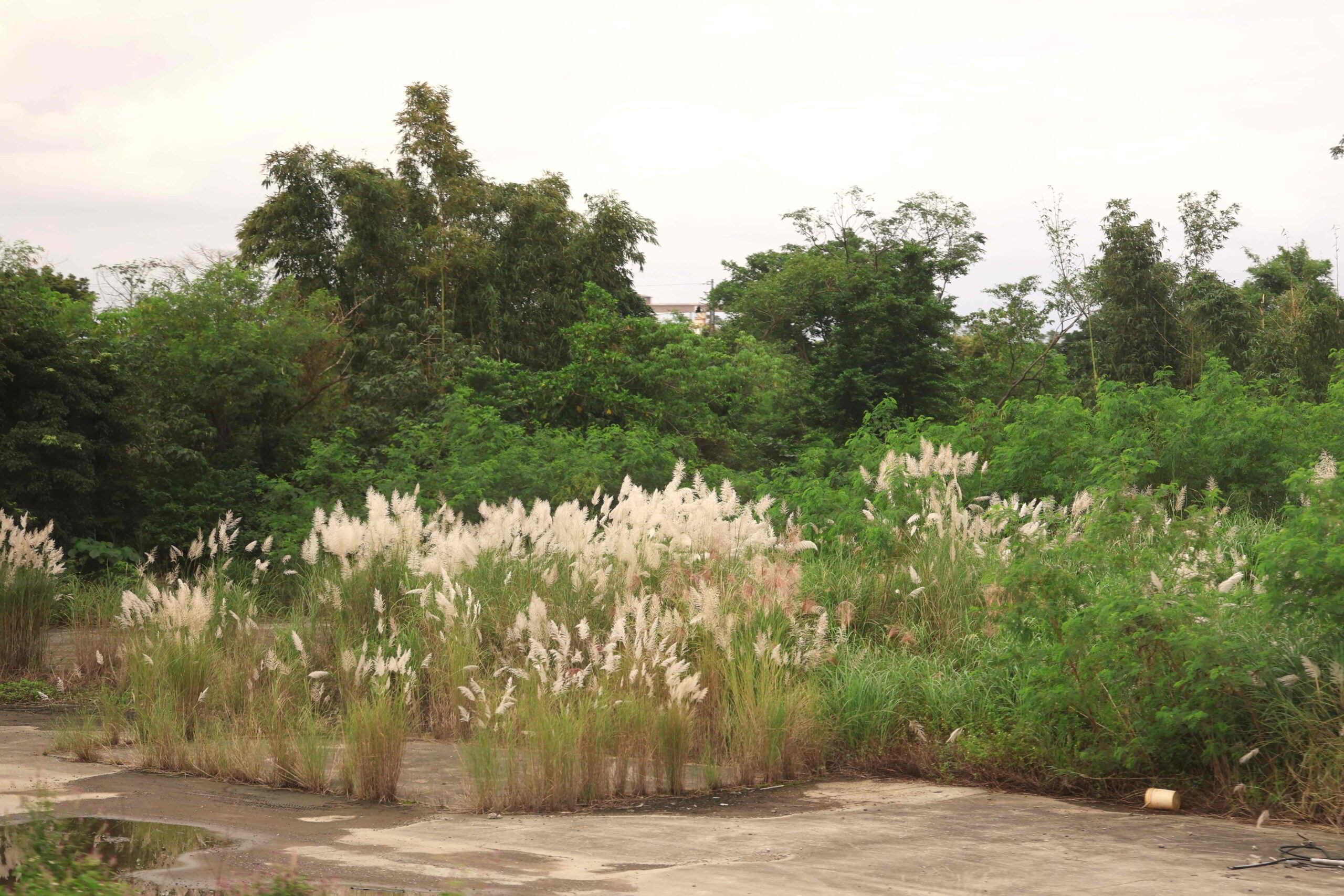
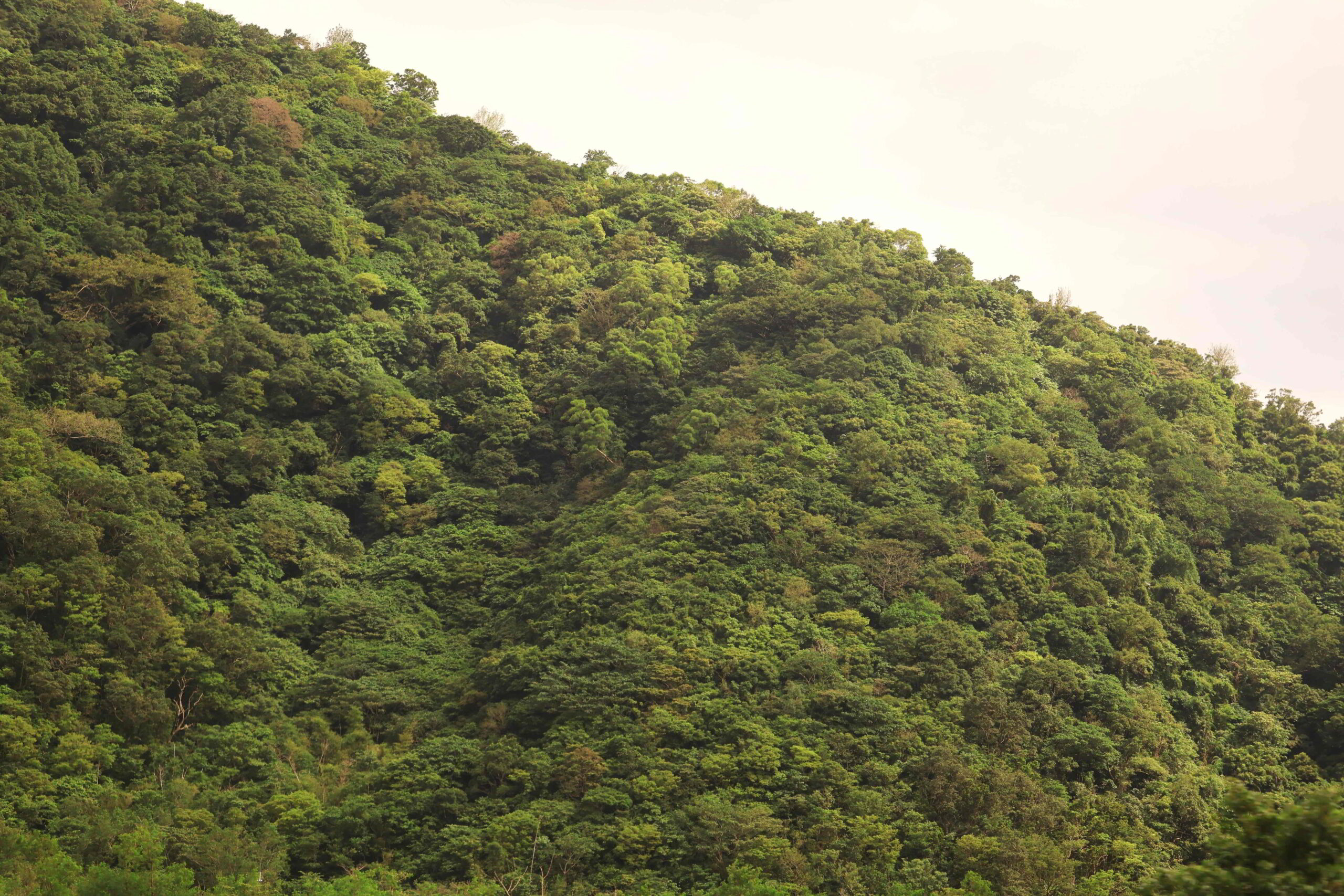
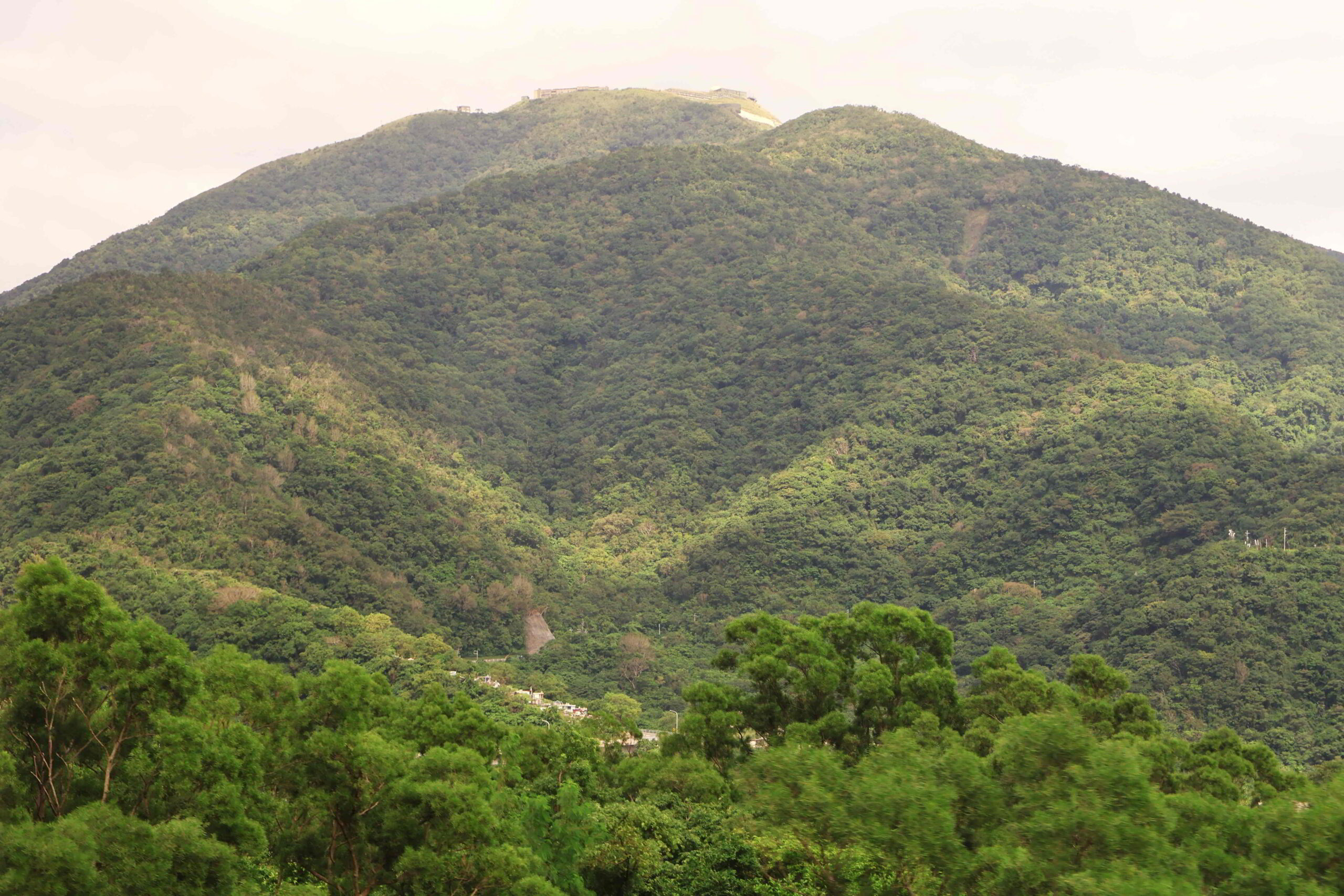
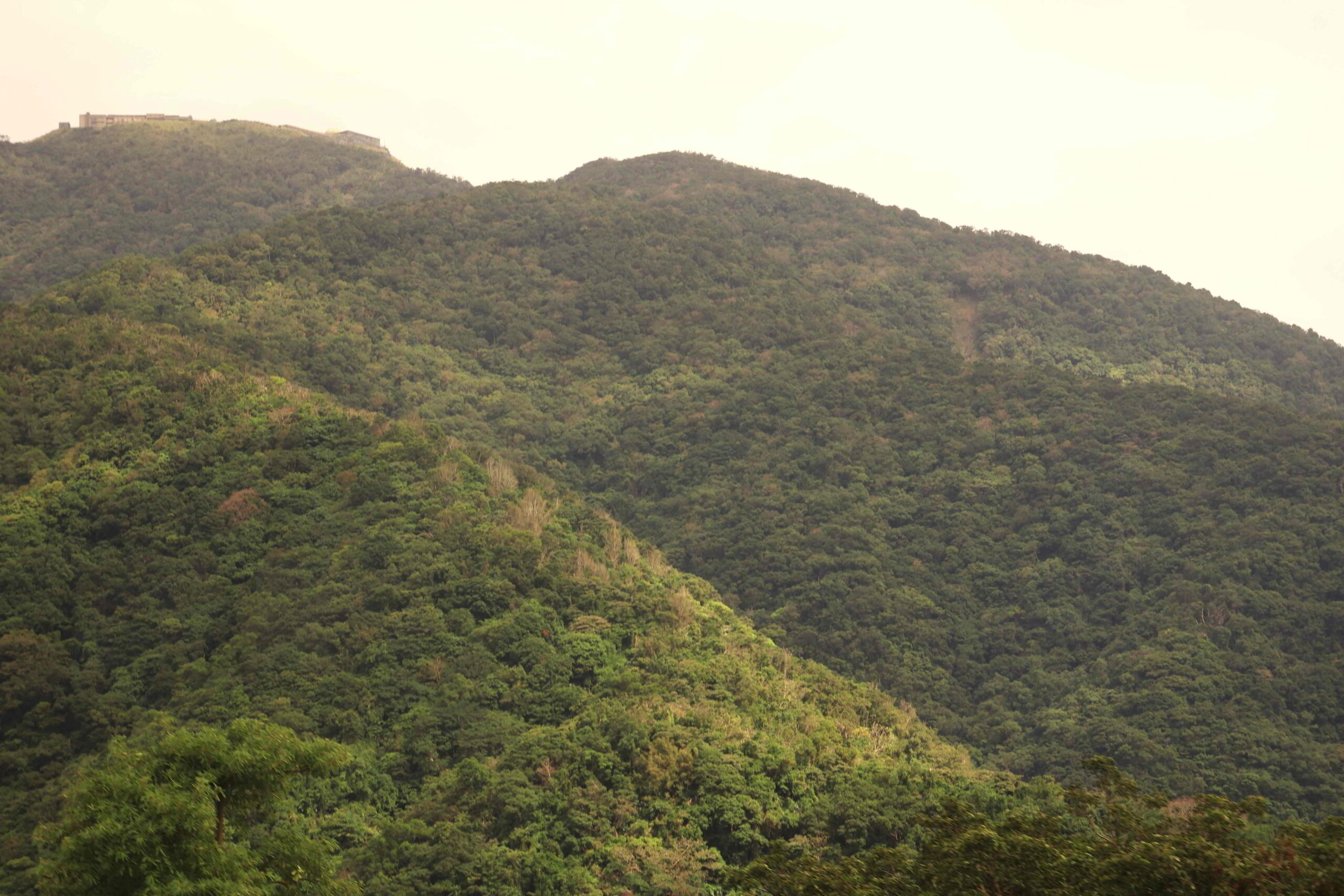
As we reach the southern confluence of the urban conflagration, the train line and the mountains close in on the coast, revealing dramatic views of the forest-clad hills and the coastline, the sky now clear and the water brilliant blue. The sunlight plays against the enormous green ridges above, a shifting palette of darkness illuminated by evanescent patches of brilliant emerald.
En route from Fulong to Nan’ao
En route from Fulong to Nan’ao
En route from Fulong to Nan’ao
The train continues running along the coast, the scrub flanking the rail line momentarily opening to reveal spectacular views of the shoreline, sea, and sky above. It also becomes amply apparent that just as we passed through a heavily populated area, to the south of Su’ao there seem to be no cities or even towns, and at the infrequent train stations there are only the vaguest of settlements.
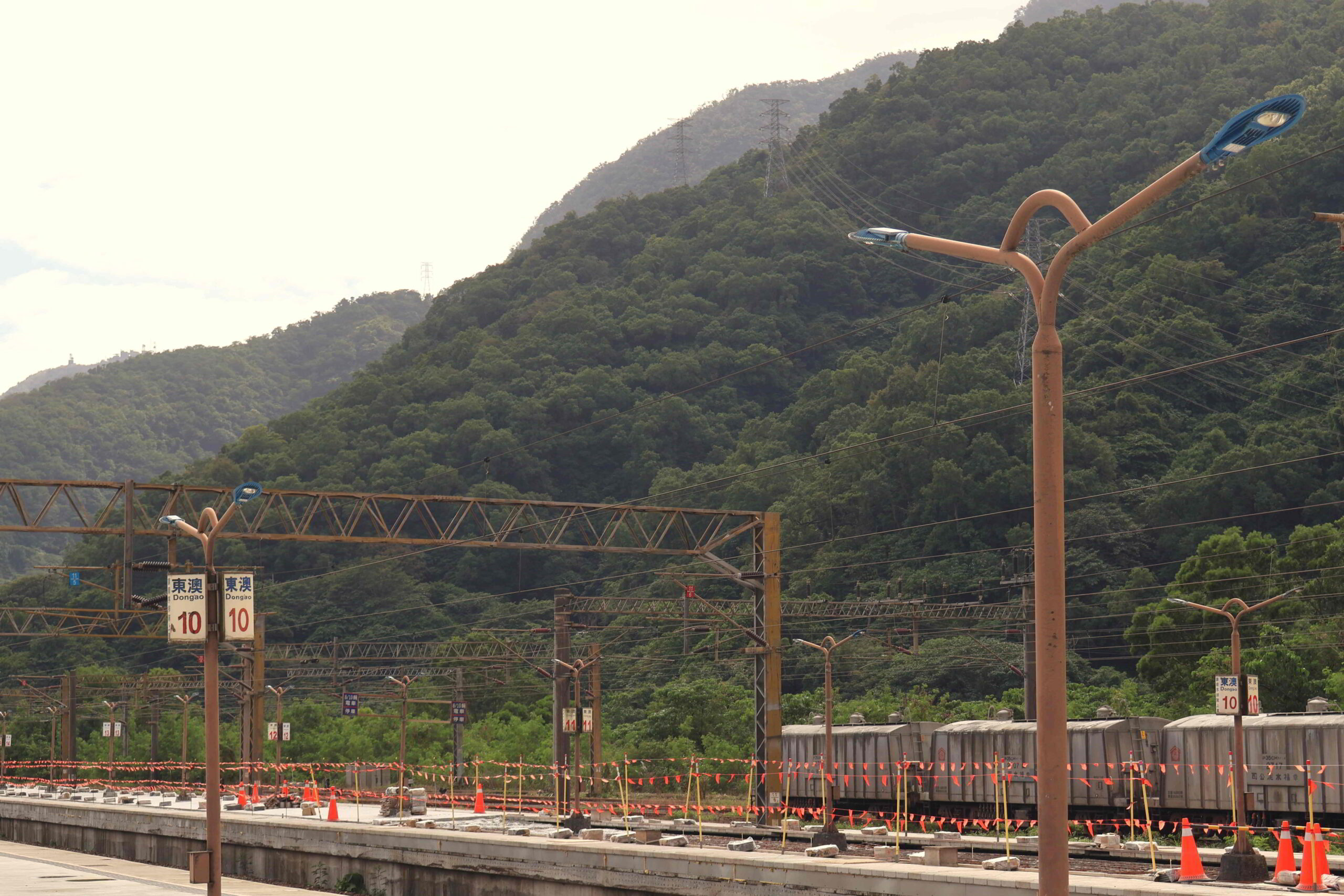
En route from Fulong to Nan’ao
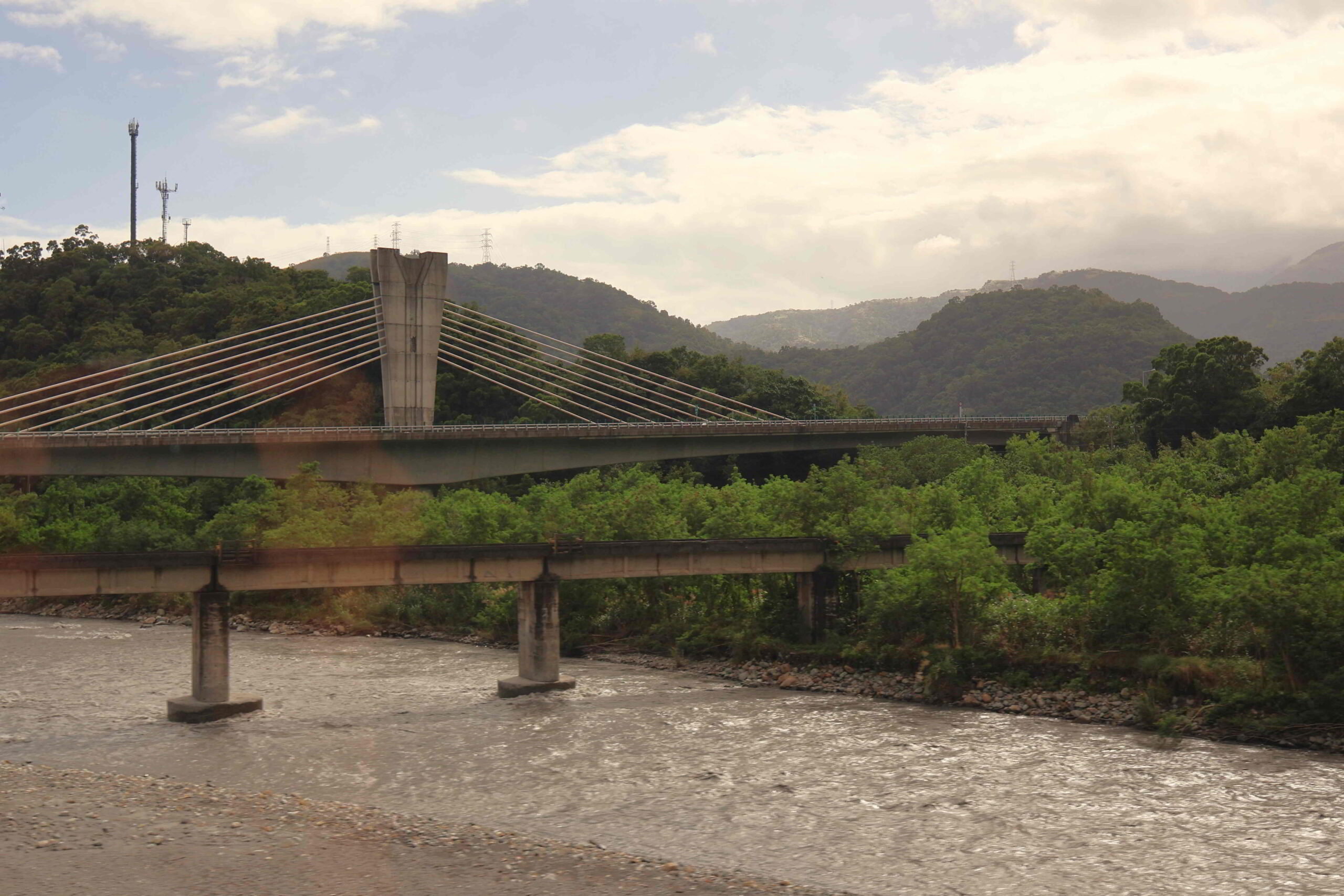
En route from Nan’ao to Hualien
Much of the swath of green I see along the coast may be taken up by Taroko National Park, although I can’t imagine the entirely of the region we pass through being dedicated to a single national park. The area doesn’t look wild, simply not inhabited. Passing through the lengthy stretch of green and open coastline, we arrive in the confluences of Hualien, then pull into a station far larger than anything I have seen outside of Taipei. The station isn’t just large, it is spacious in its layout, organized, modern, clean, but also with a modicum of style, which is quite a departure from anything I have seen outside of the centre of Taipei.
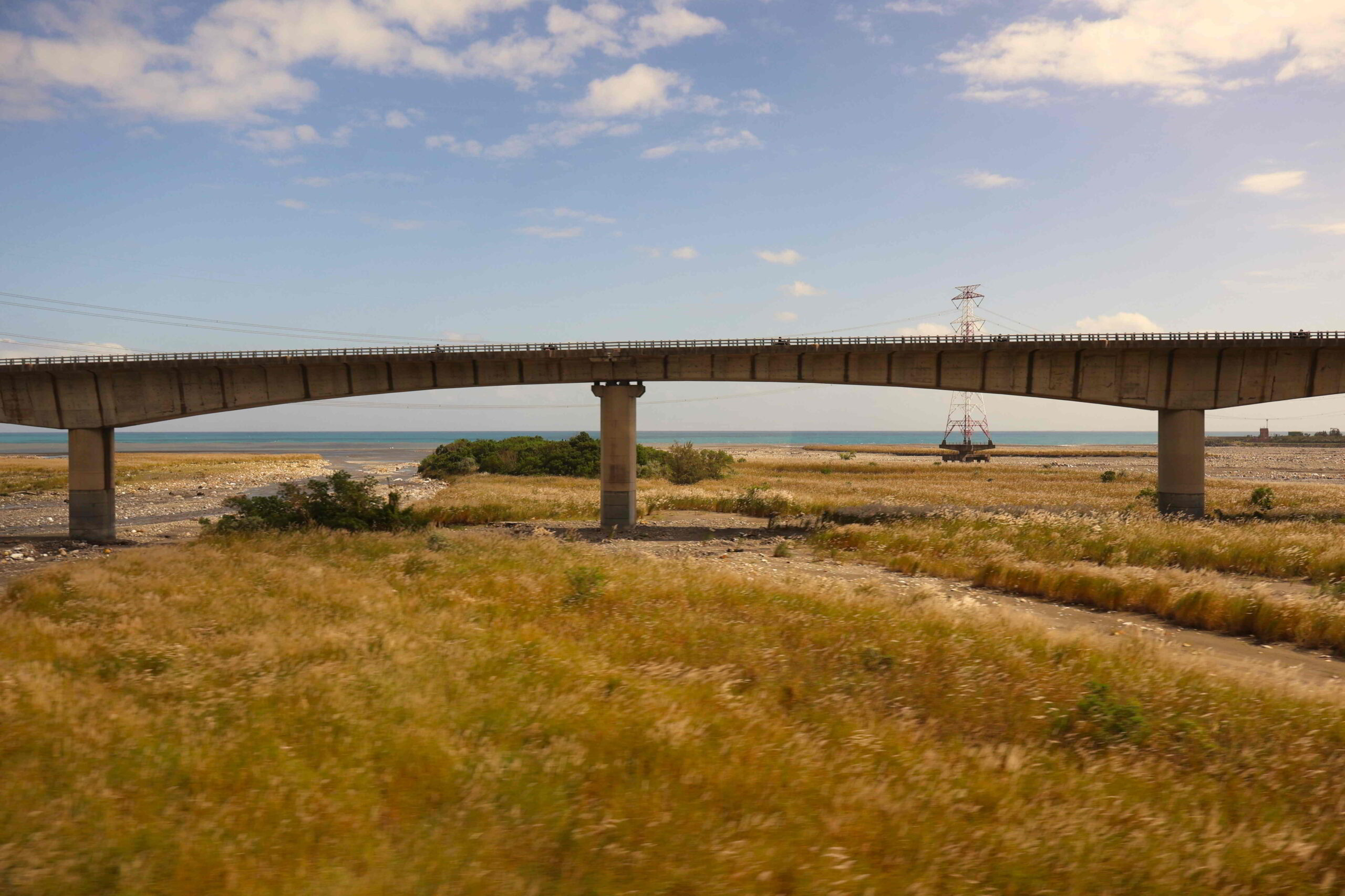
En route from Nan’ao to Hualien
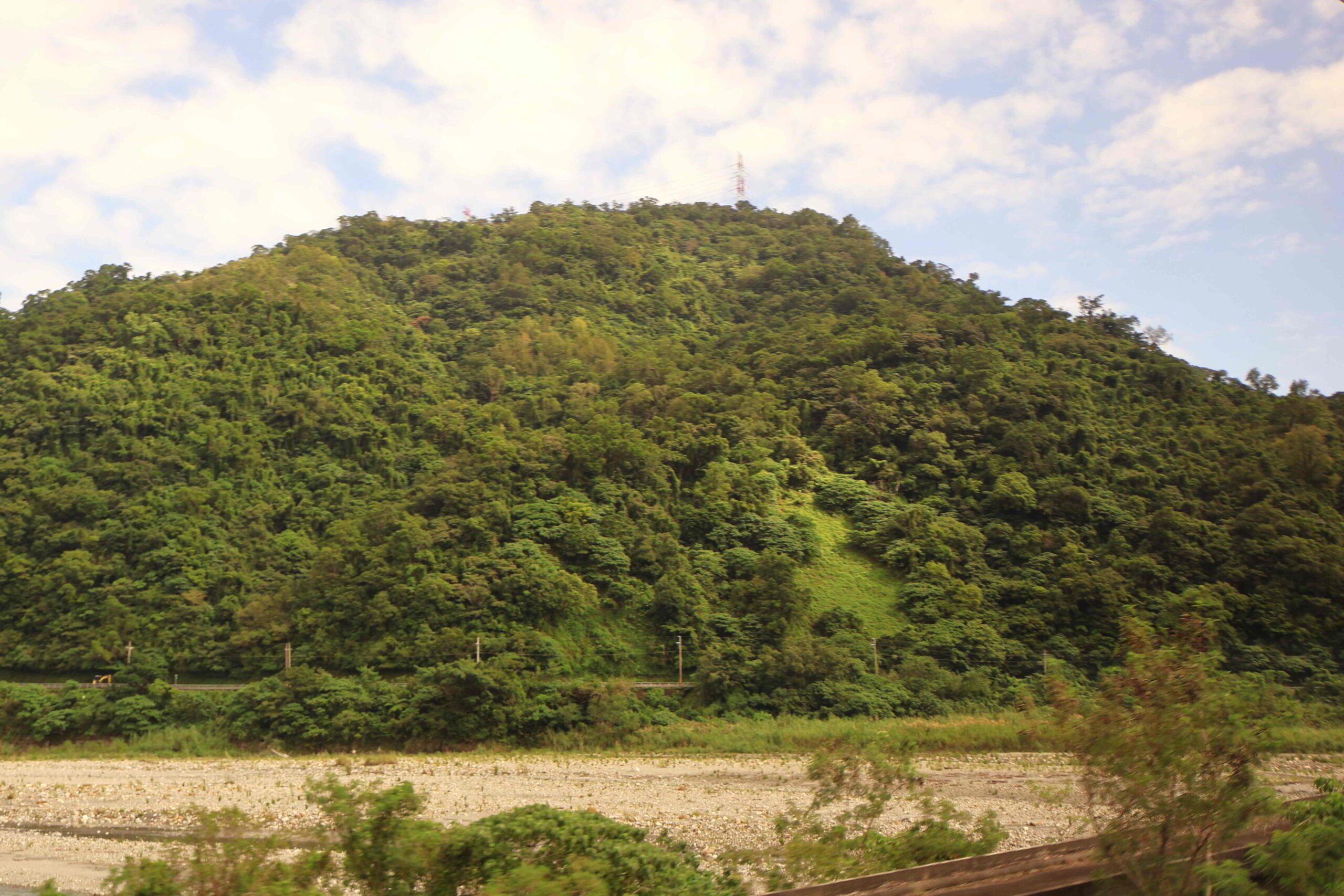
En route from Nan’ao to Hualien
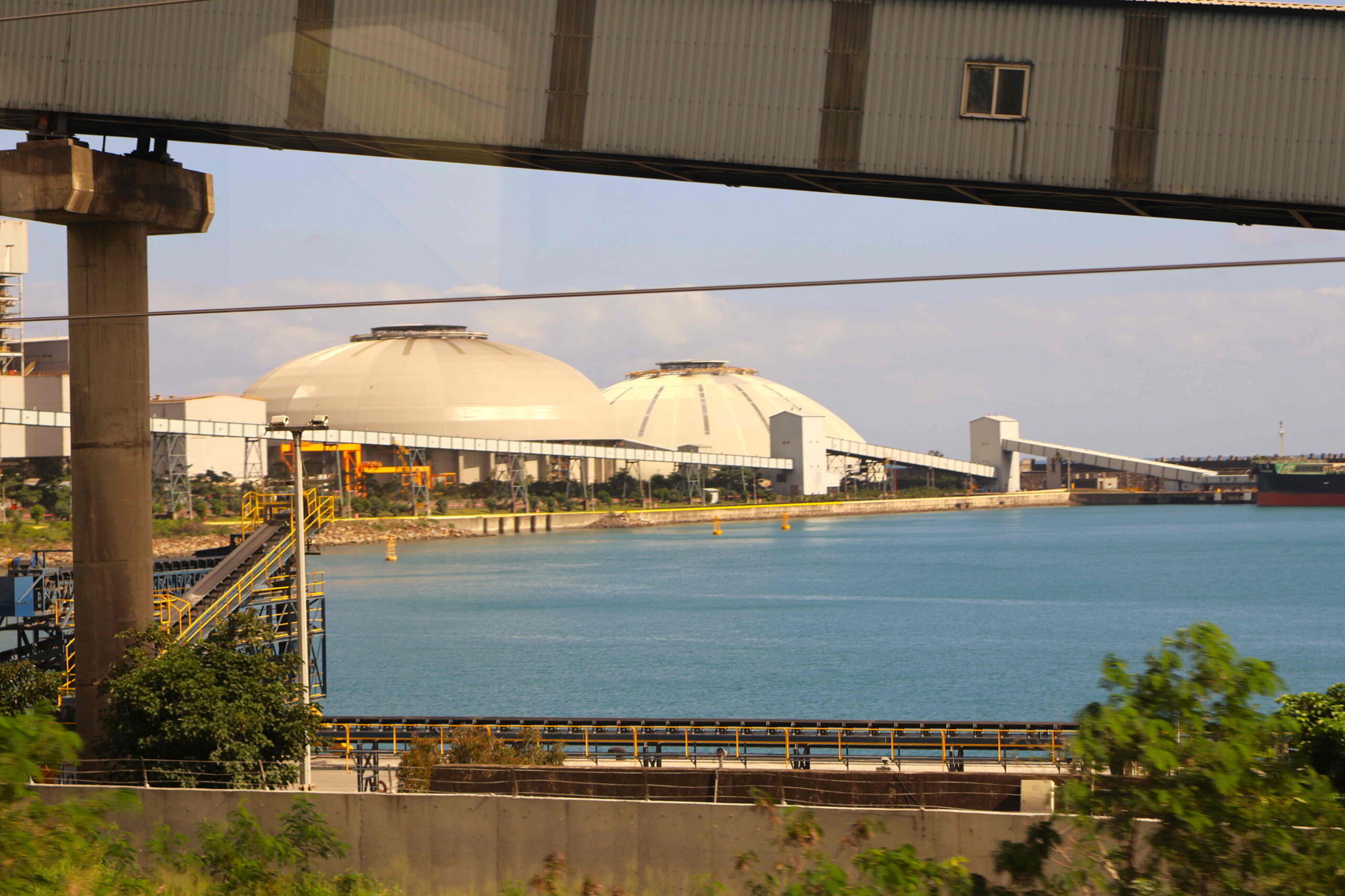
En route from Nan’ao to Hualien
The city visible from the approach by train and from the station itself is also of smart, well-maintained buildings that are contemporary in design and not characterized by the mouldering look that is almost universal in Taiwan. The urban environment is designed to be spacious, rather than the ubiquitous claustrophobic character that urban environments in the country have. Hualien certainly makes a good initial impression.
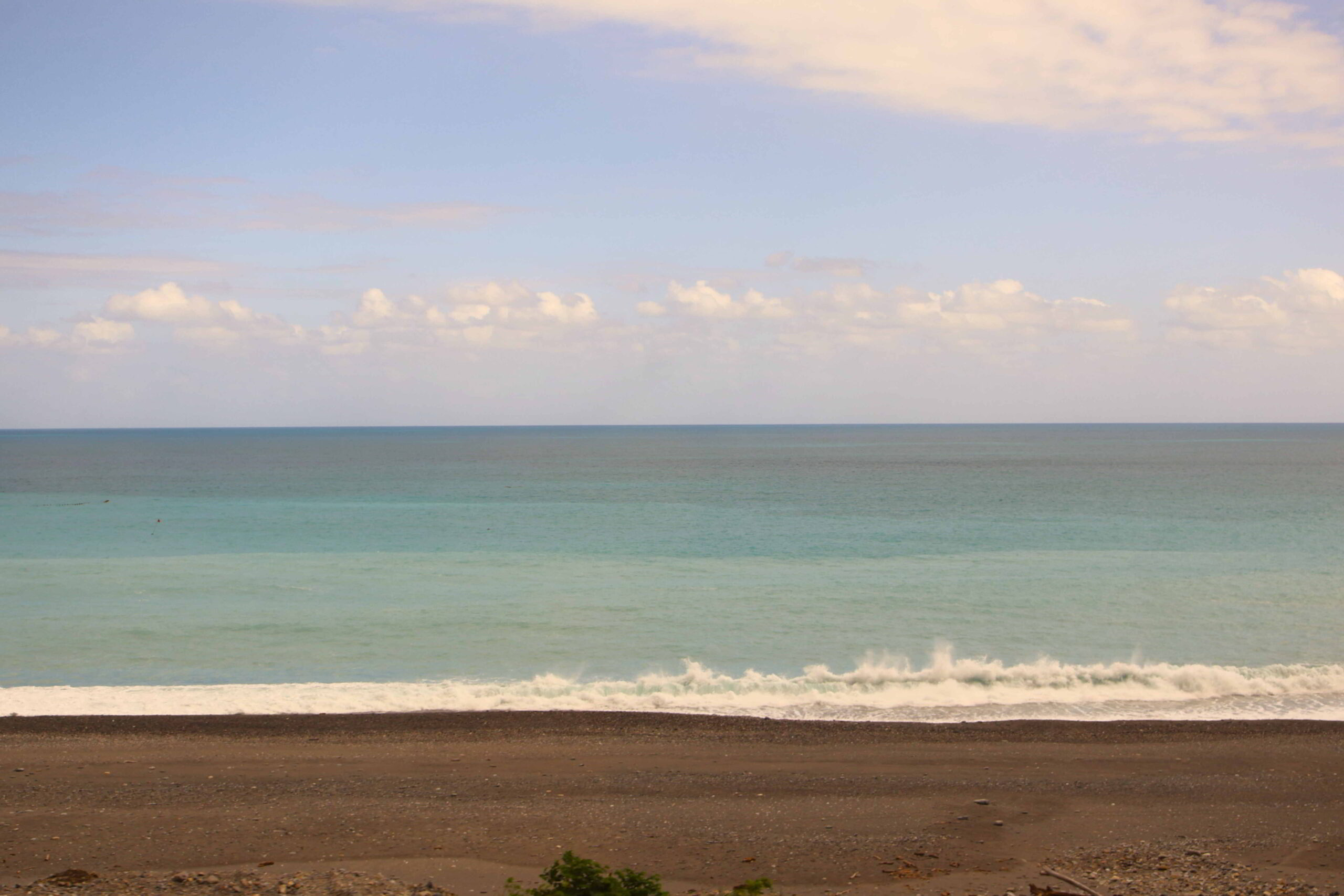
En route from Nan’ao to Hualien
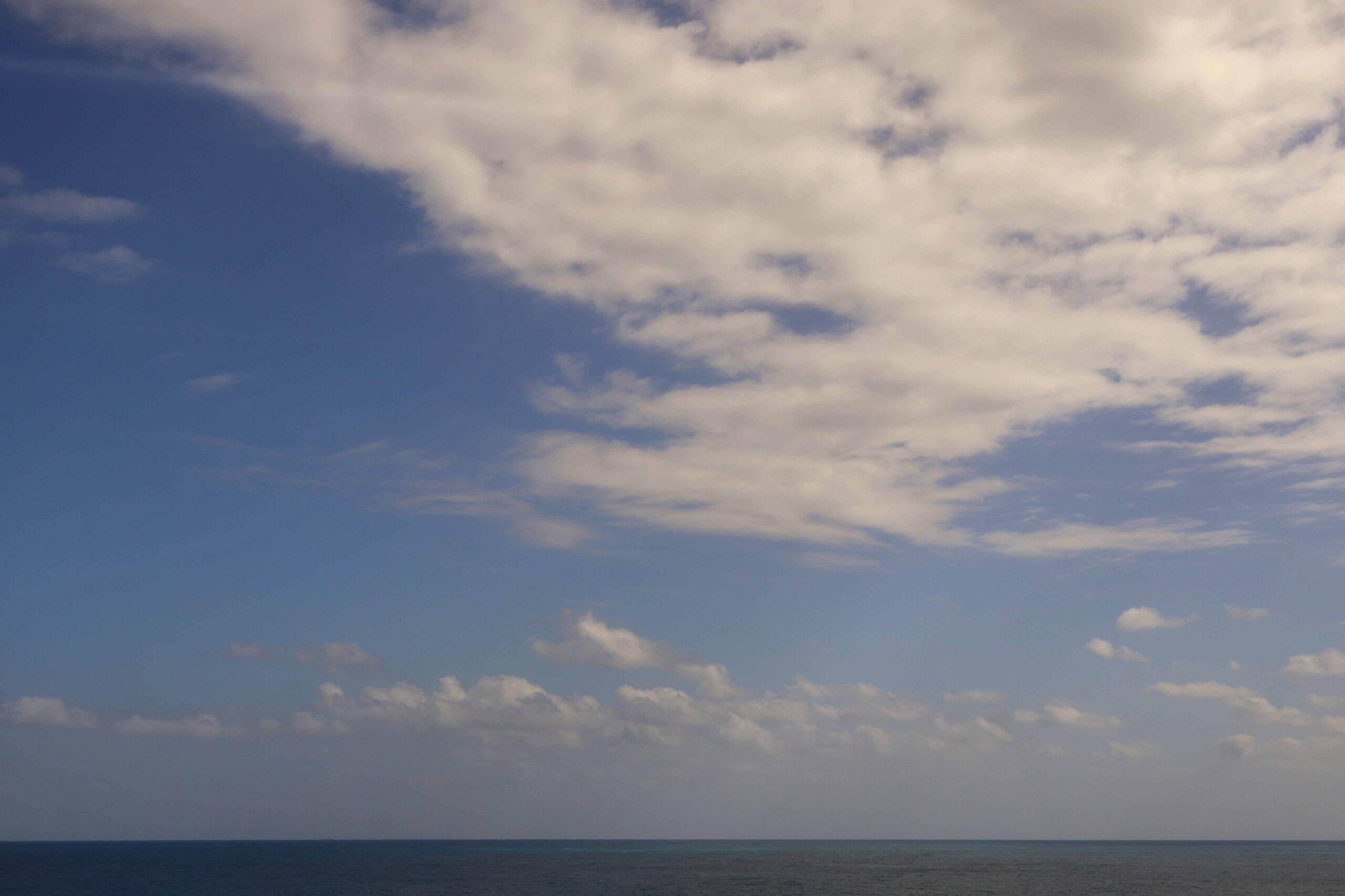
En route from Nan’ao to Hualien
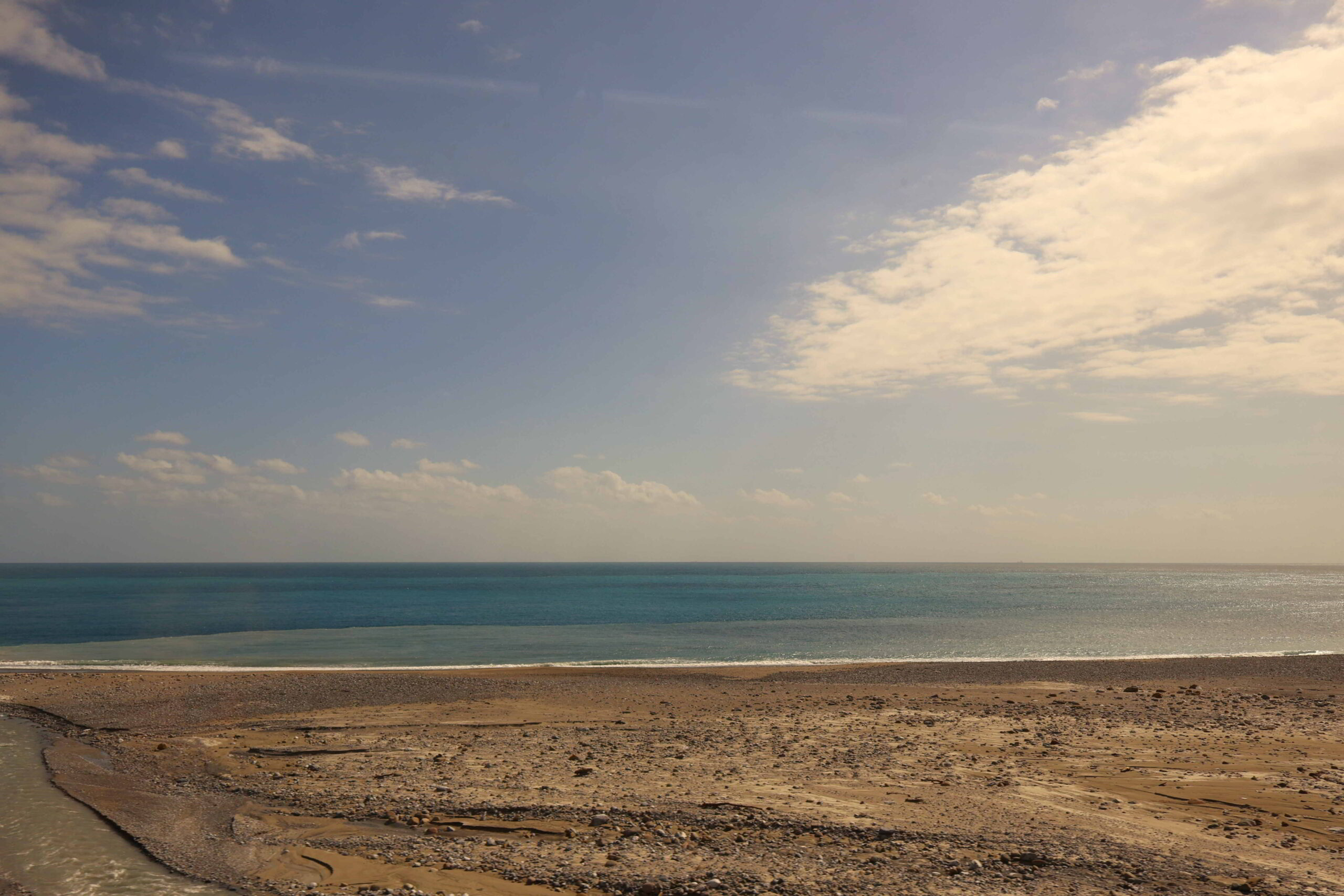
En route from Nan’ao to Hualien
Across the tarmac of the bus exchange, a boulevard, and the bus station’s parking lot, then into the bus terminal. There doesn’t seem to be a lot of activity at the exchange, although the bus that can take me to the vicinity of my hotel is already waiting in its berth. Staff initially mistakenly points me to another berth and when I approach the bus in question, the driver waves me away, then drives off. I don’t quite follow what is going on, but the staff believe that maybe the driver thought I was wanting to go to the night market, hence waved me off. Seriously? How is it up to the driver to interpret what my destination may be before interacting with me?
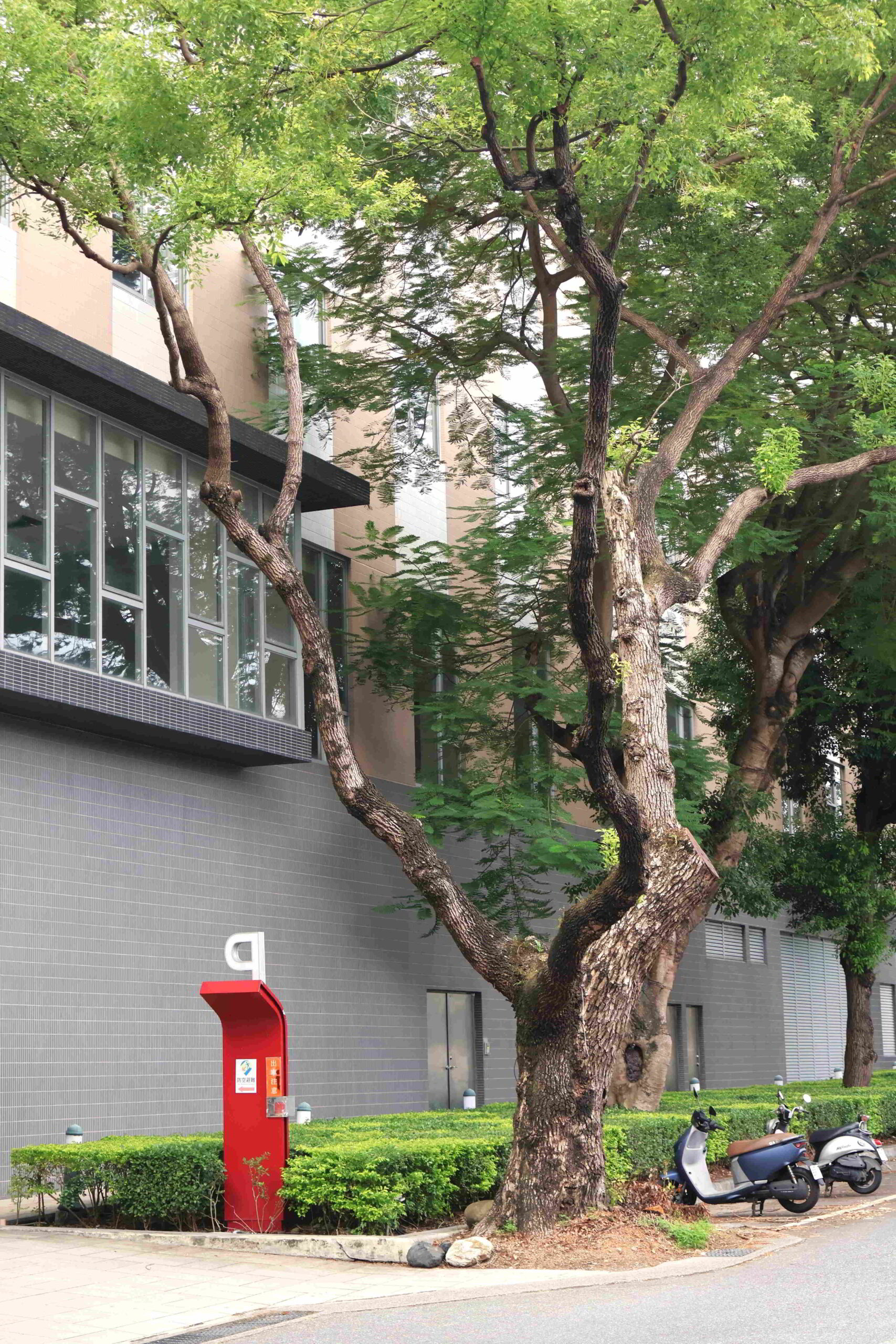
Hualien
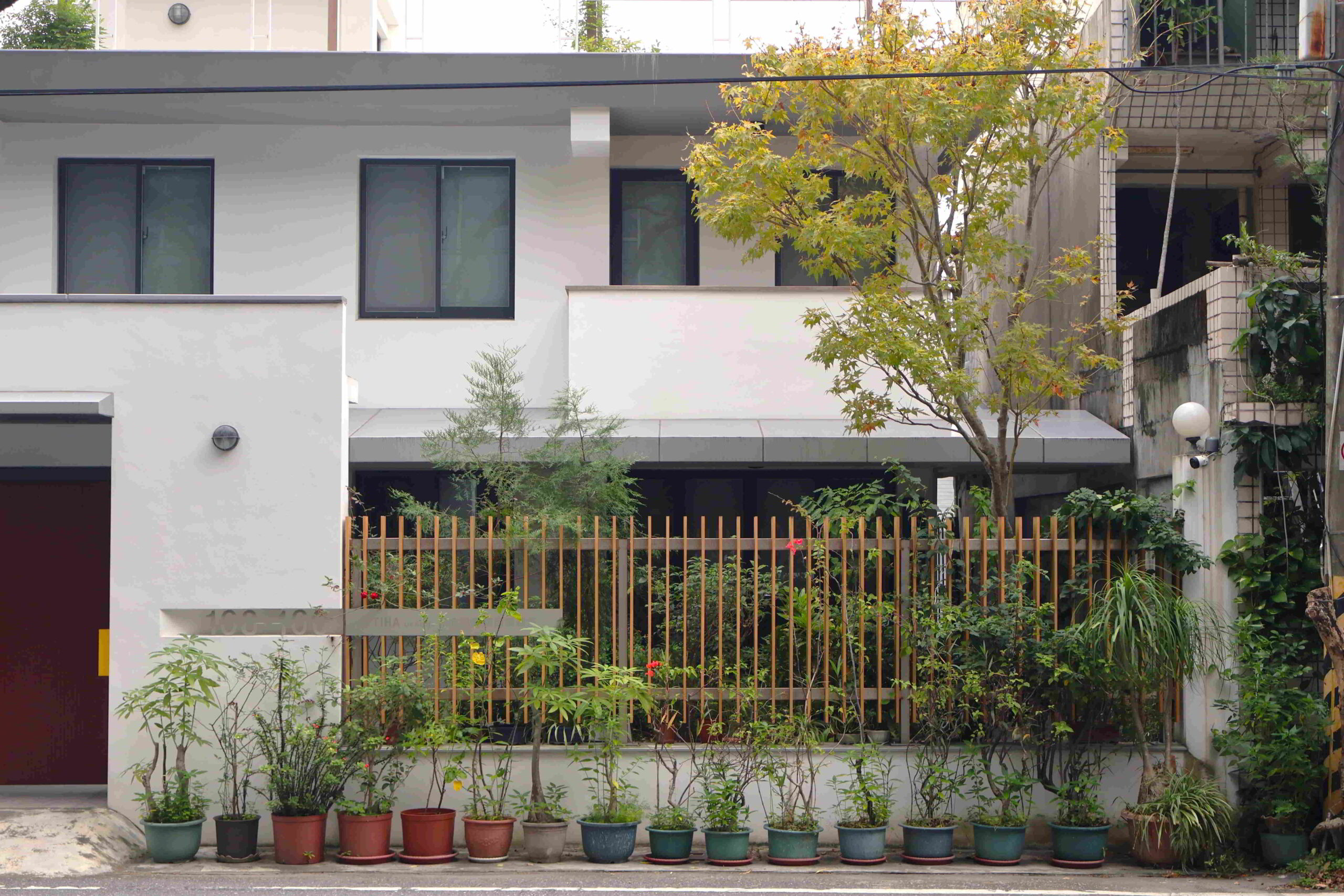
Hualien
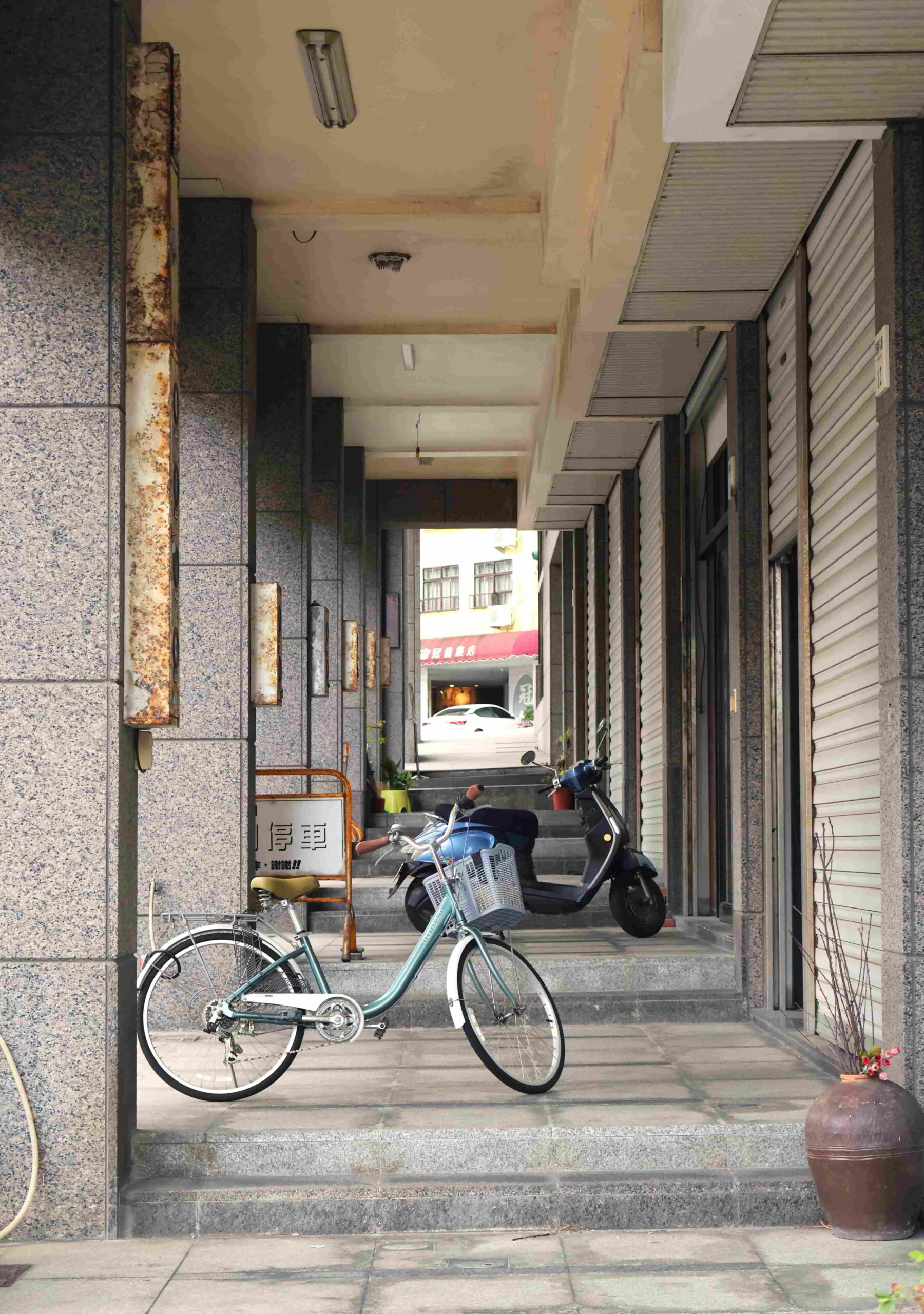
Hualien
The next bus is in 20 minutes. I shake my head — I think the bus drivers require additional training, but in the interim I’ll take a cab. Uber doesn’t seem to work here; I waste time installing the Taiwanese ride hailing app yoxi, only to find that it is not used here, either. So, a cab it will be. The drivers at the head of the queue concur on a NT$150 price, which is acceptable to me, except that the driver takes me to a locale en route to the hotel, somehow not having registered to the destination on the map he acknowledged prior to leaving the bus station. Now he is not sure where to go. I let loose: I never take cabs anywhere in the world, and it’s always for the same reason, as they are typically not trustworthy or reliable. Sheepishly he continues driving to my hotel …
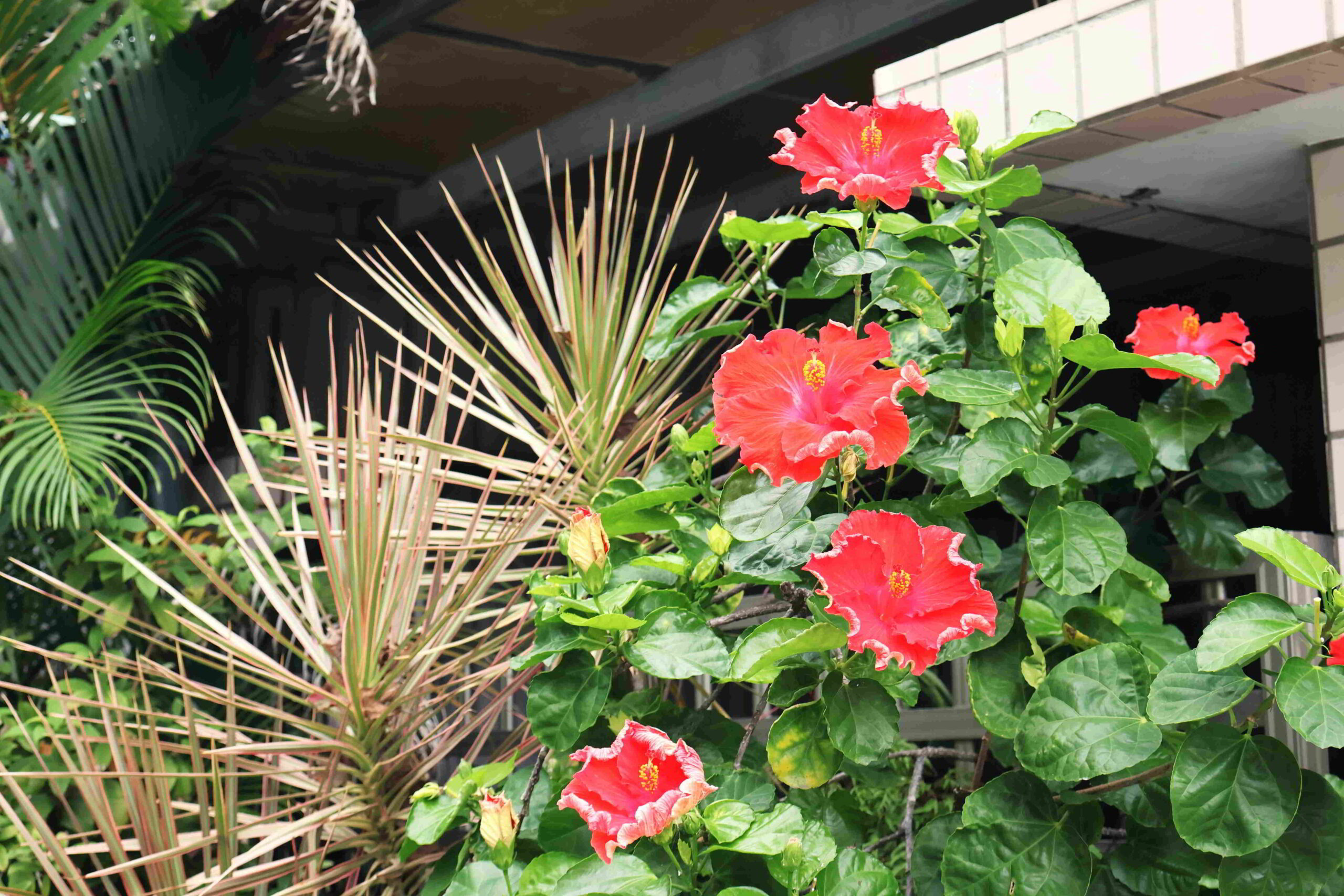
Hualien
Hualien
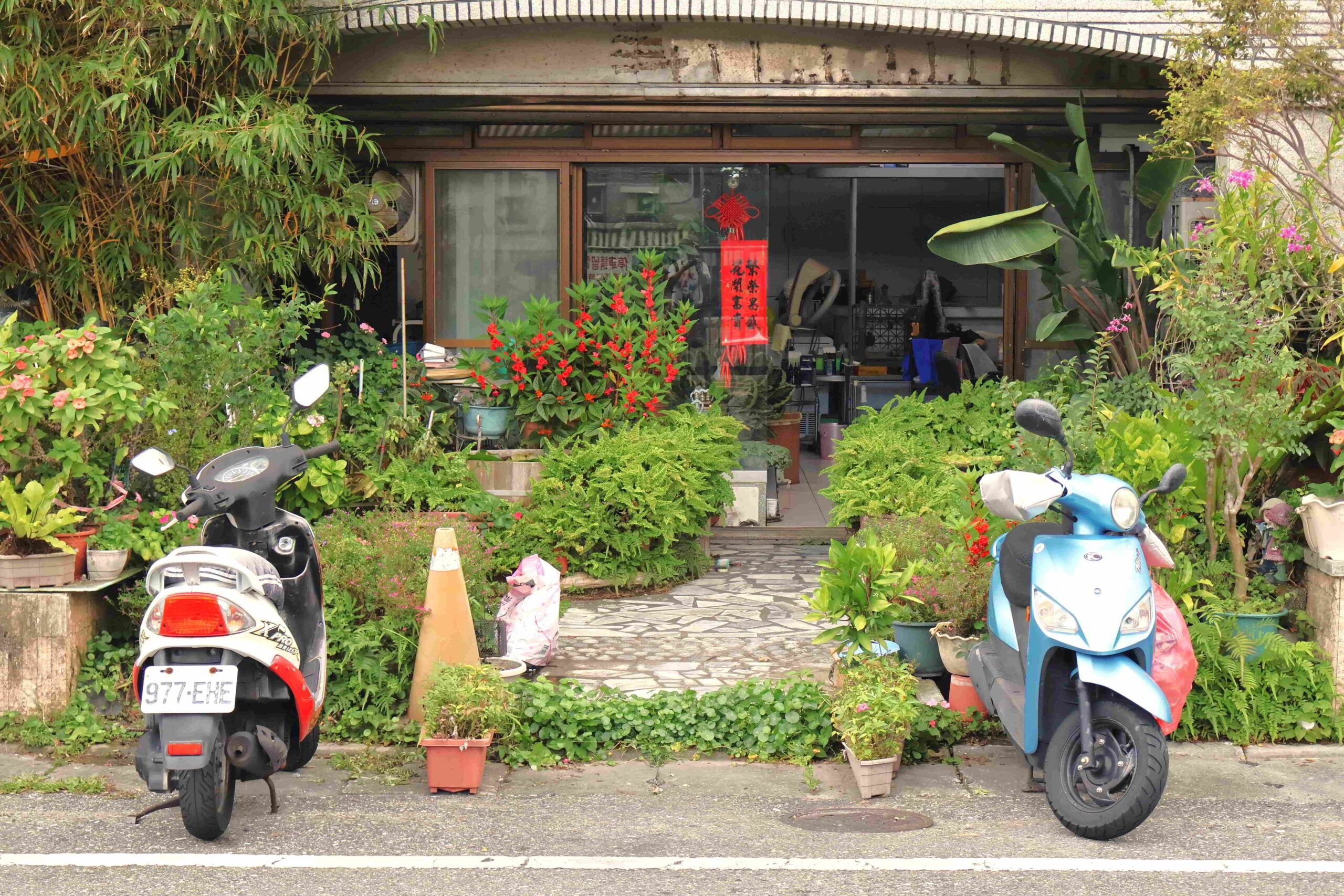
The hotel I have booked does not appear on the map, and for good reason — it is a shambolic bed and breakfast that from a distance looks like an abandoned house whose front is strewn with junk. But it turns out that the owner of the establishment is a woman who has been beset by health problems and is barely managing. And yet the foyer is littered with all manner of arts and crafts, much of it originating in workshops in Indonesia, and with a degree of colour not typically found in the domestic Taiwanese environment. She is apologetic about the failings of her place, but it is precisely the kind of place I look for on my trips, and never would have expected to find here.
Hualien
Hualien
Hualien
My room is on the top floor, more of a studio than a room, with every manner of craft furniture and objet d’art that is very reminiscent of the manner in which I overload my personal space with similar crafts. Decoratively painted boxes, bead lamps, a wooden desk, a decoratively carved wooden chest, a spire-shaped armoir, a European period armchair, carved wooden stools of various shapes and sizes, a wrought iron-framed bed with a floral design, a low carved wooden settee, and numerous paintings of varying styles — and so much more. Amazing! Certainly somewhere where I’d like to be spending much more time, not just four days. Then the price she charges for this is absurd — the pinnacle of style and comfort for less than half of what I paid for a bed in a dorm in the squalid hostel in Fulong.
Hualien
Hualien
It occurs to me that I haven’t seen military anywhere in Taiwan.
Hualien
Hualien
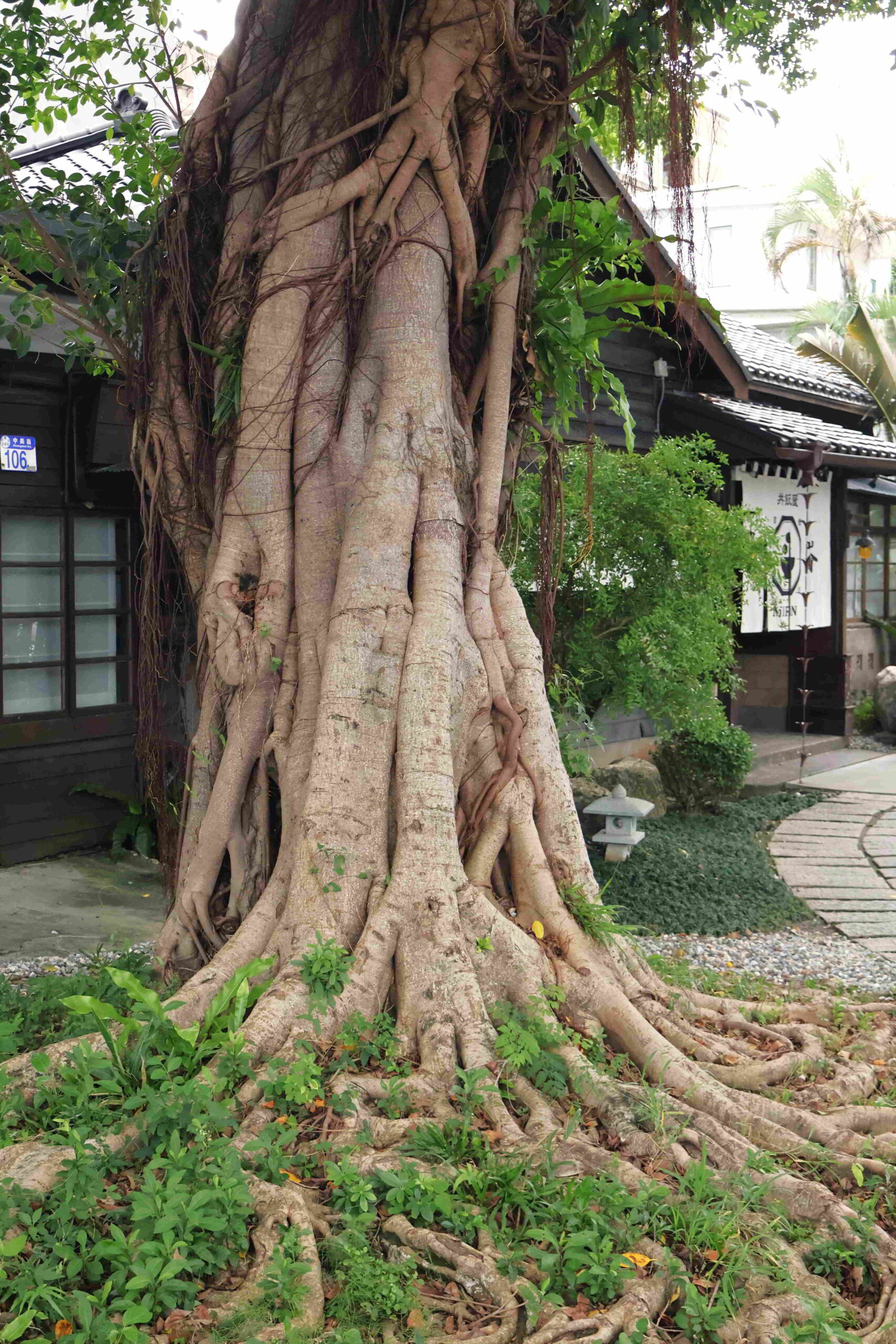
Hualien
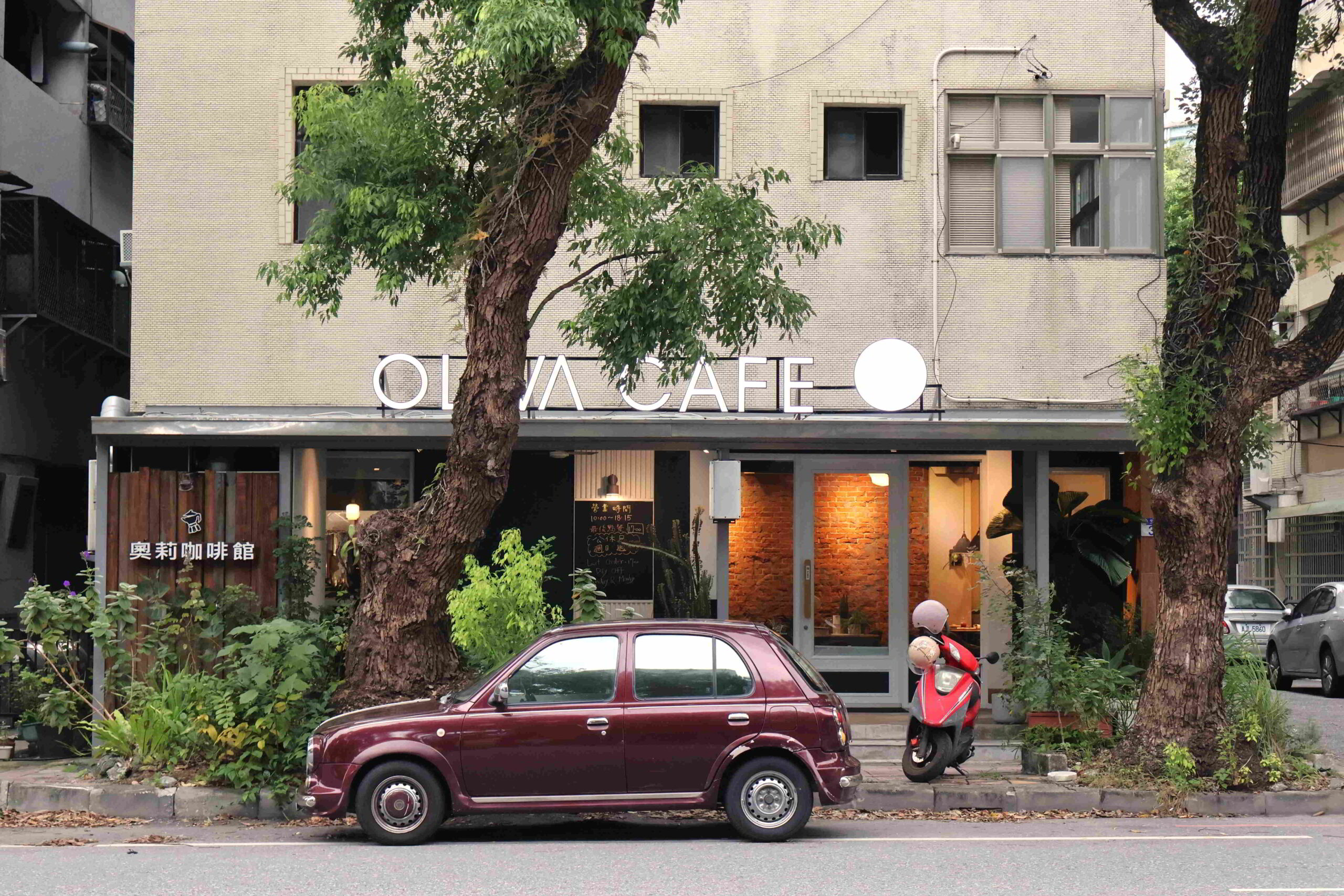
Now, the decision as to what attractions to take in during the remaining daylight hours. The Pine Garden isn’t that far away from where I am staying, so that could be a good start. But first, a good coffee, and in fact, in a side street running parallel with the main road, I find a few tiny coffee shops designed with a Japanese-style minimalism whose limited seats are almost all occupied by young, local hipsters glued to their screens.
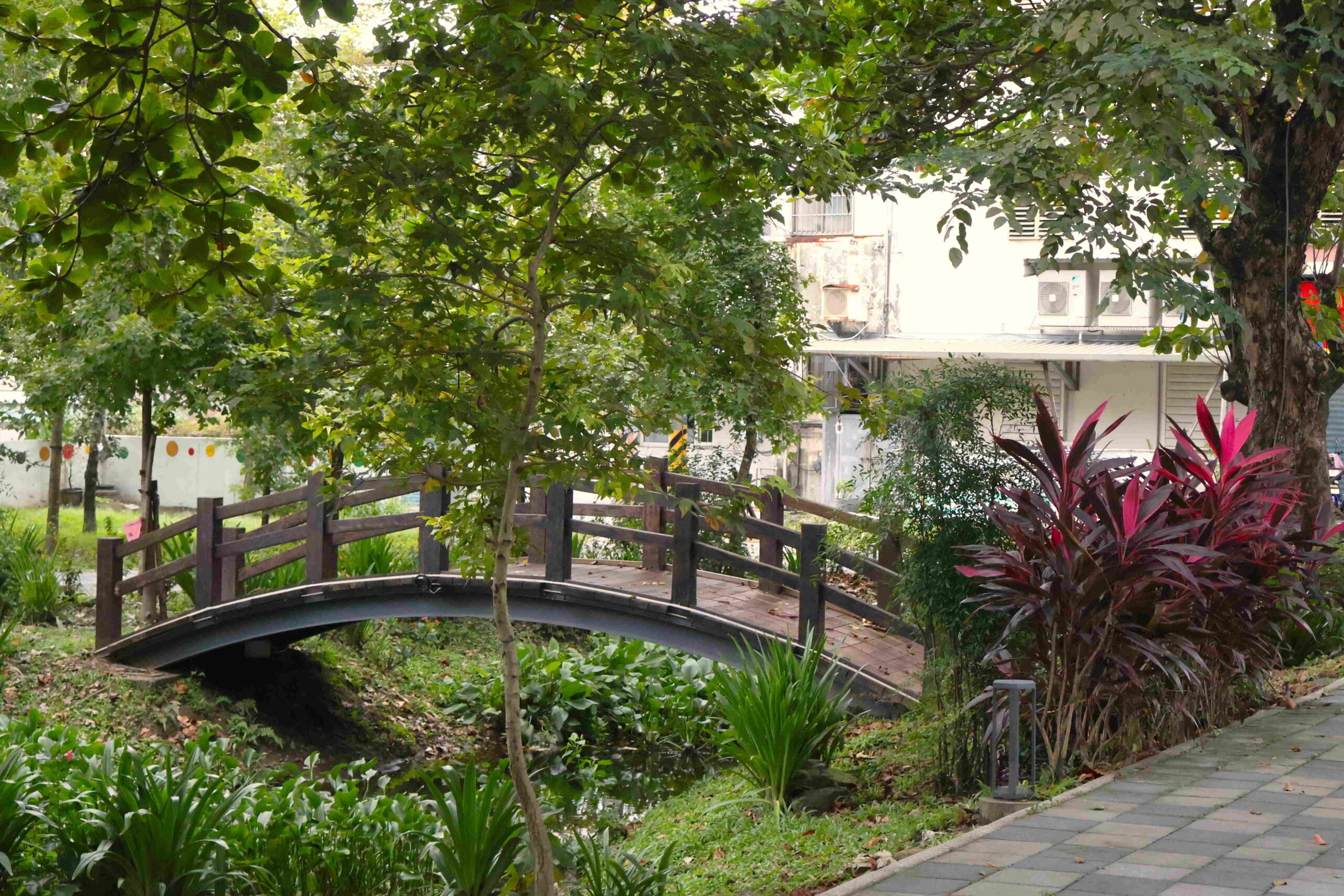
Hualien
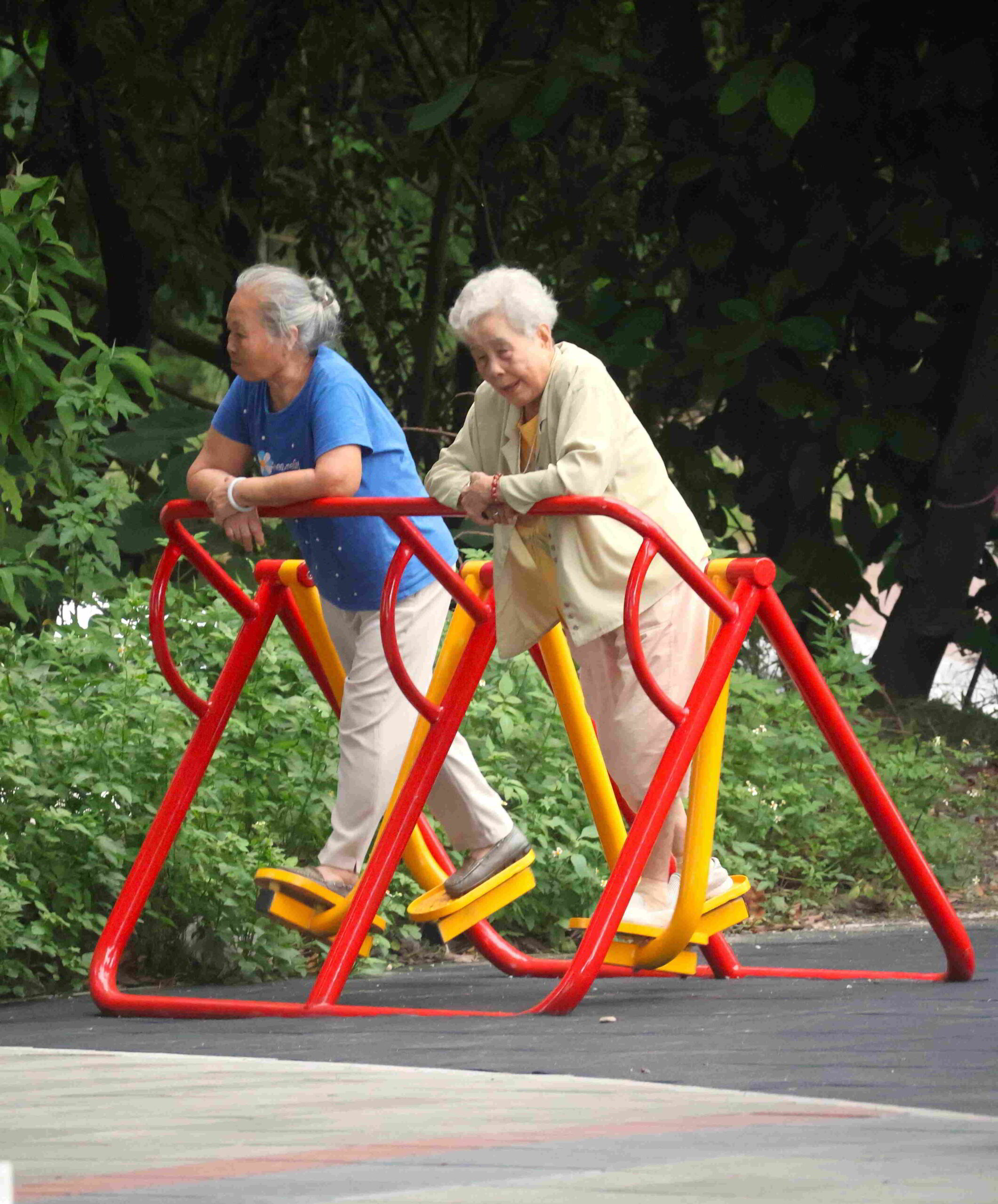
Hualien
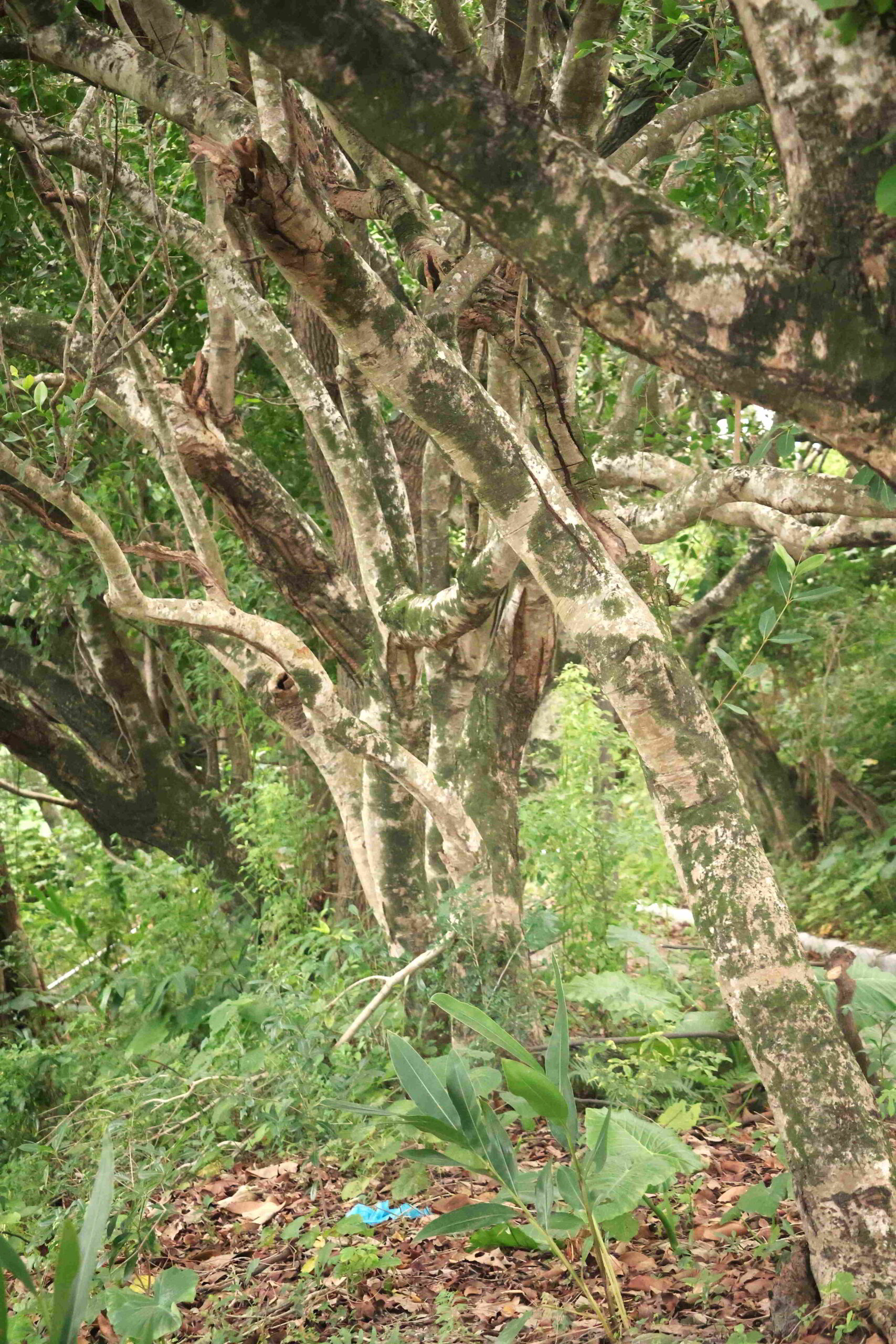
The first place I won’t bother entering, since I have to take my shoes off, but the next one doesn’t have that restriction, and the coffee is just fantastic, a very rich, clean espresso redolent of sour fruit, typical of the Ethiopian component of the blend, but with other elusive characteristics that make the coffee a unique experience. While the craft coffee shops in Taiwan seem to all work with blends for their house coffees, Ethiopian beans are a popular component, lending their characteristic sour notes, but the mixing and production is such that the sourness is always expressed in a delicate and refined manner.
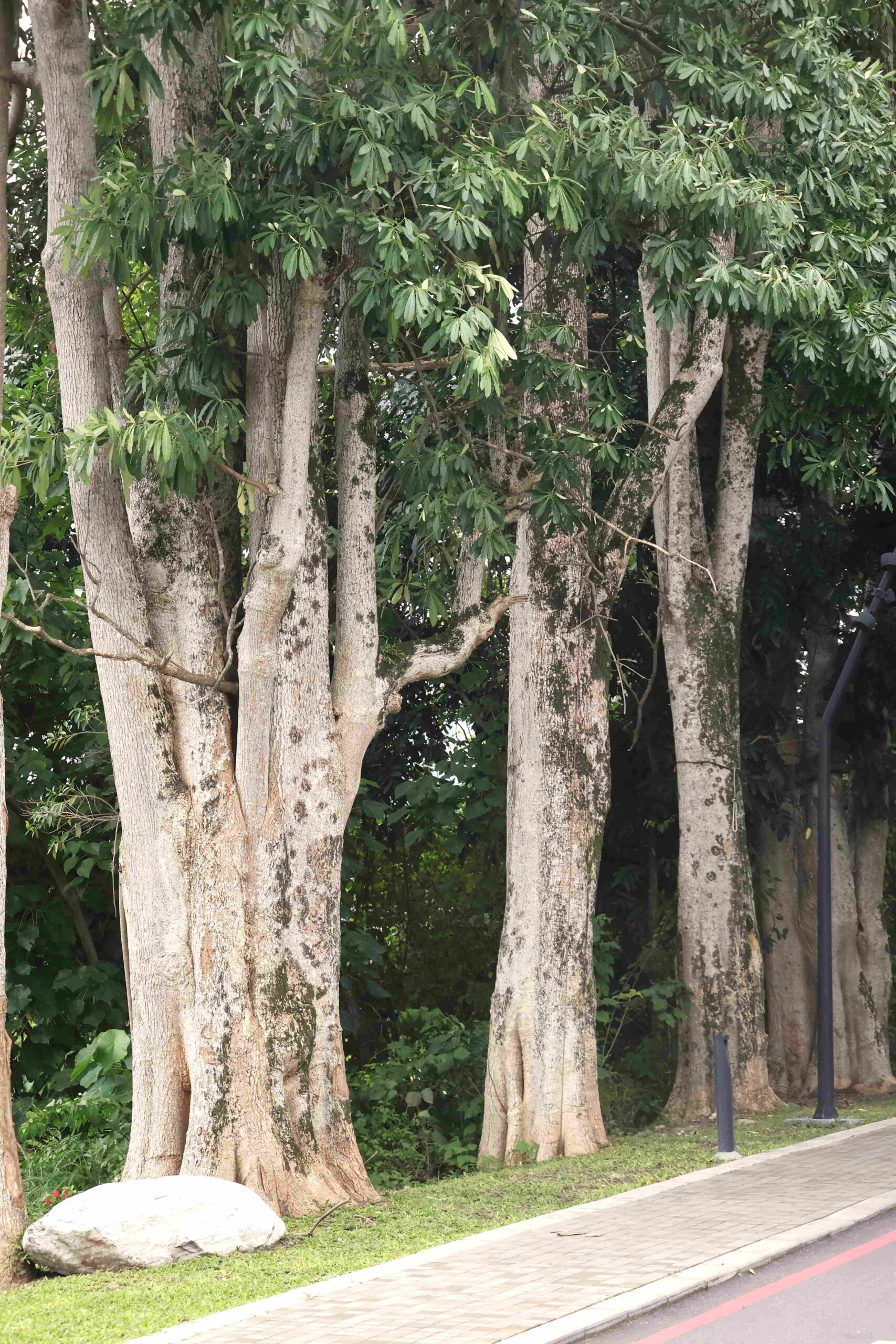
Hualien
Hualien
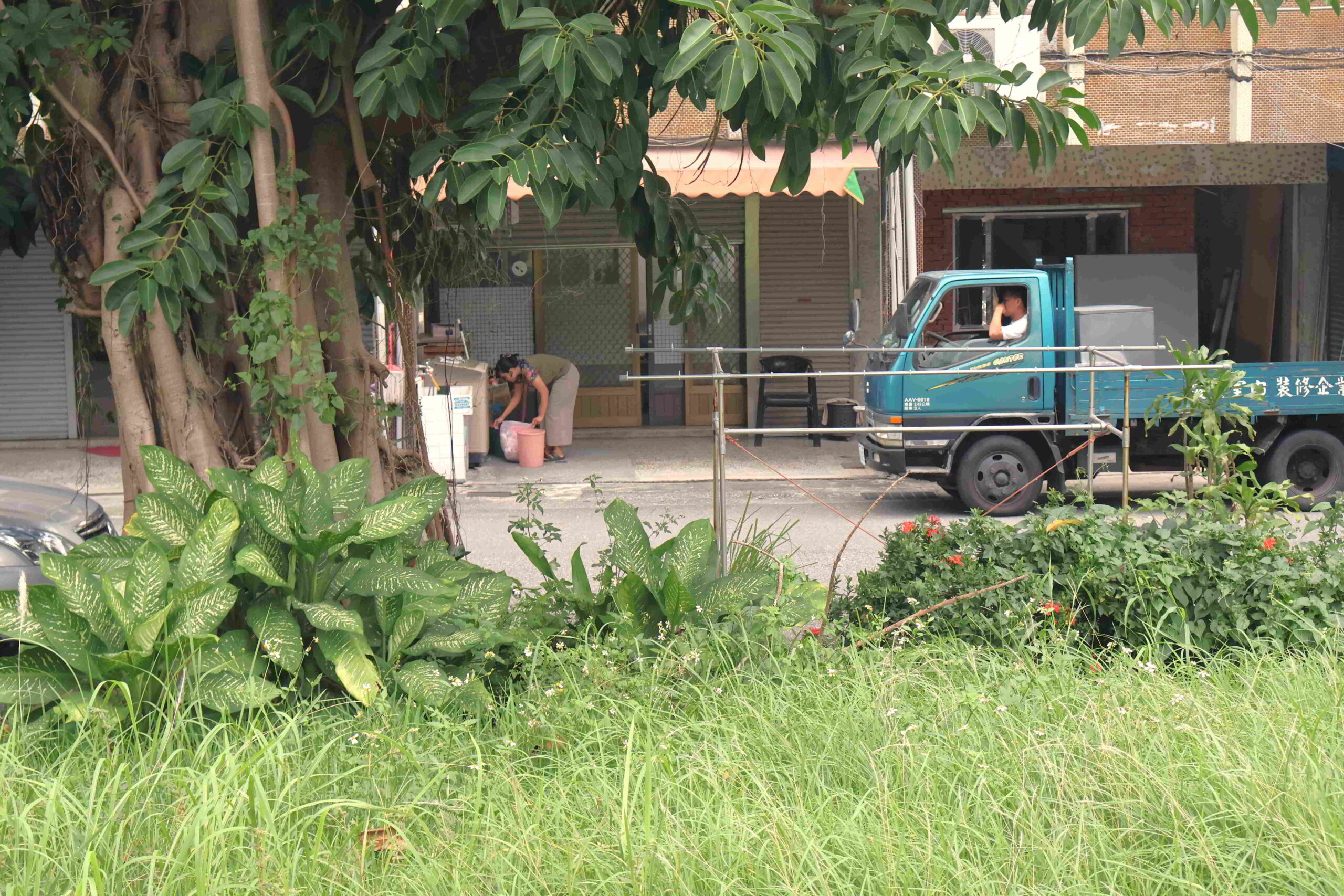
The neighborhood stands out for its restrained stylish elegance — Fulong this is definitely not, or for that matter any of the places I recently visited in northeastern Taiwan. I observe generously-proportioned residential houses and townhouses with small gardens, abundant flowering plants, the materials employed, the degree of maintenance, and the general tastefulness a far cry from the mouldering ruins that characterize a lot of Taiwanese residential areas.
Hualien
Hualien
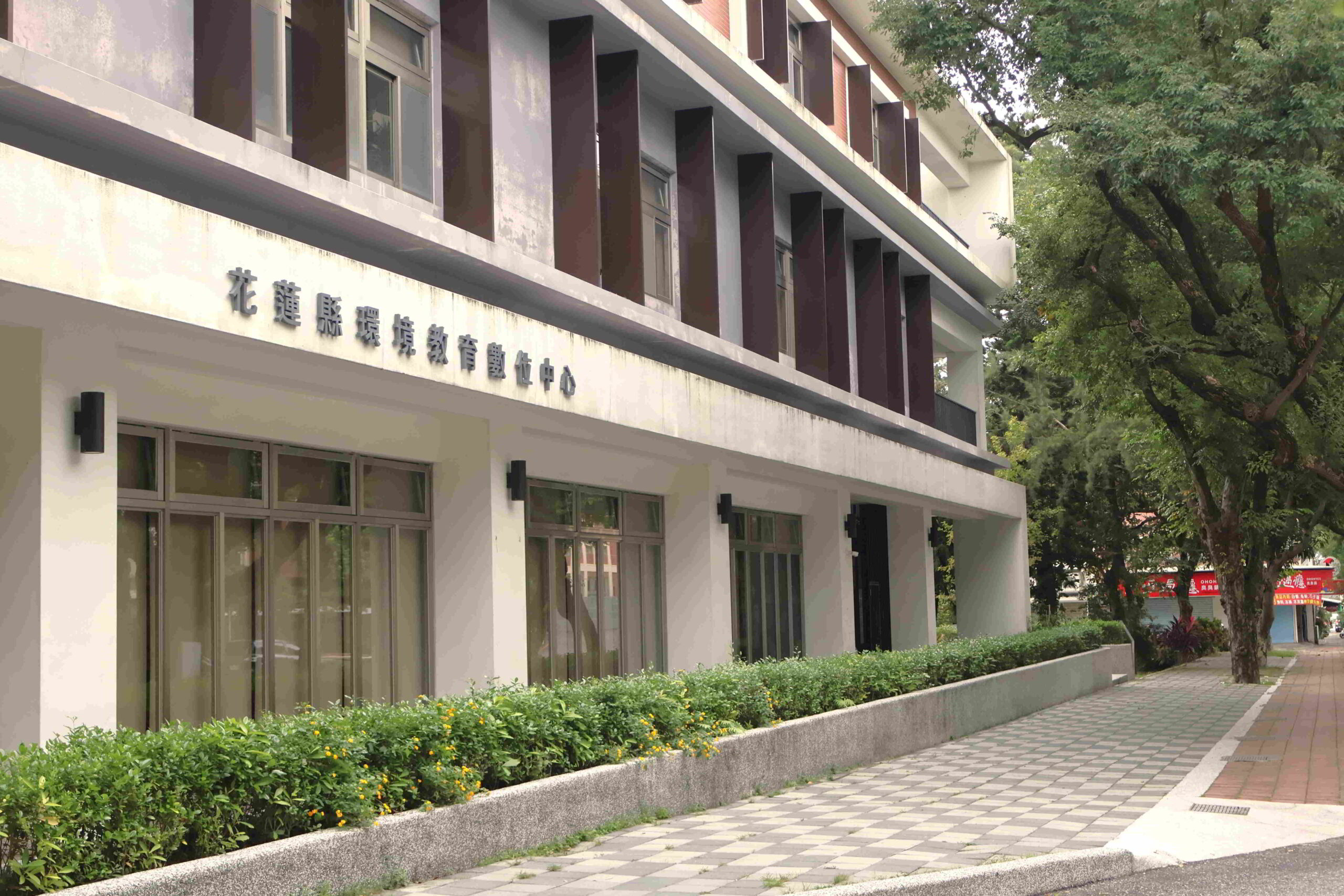
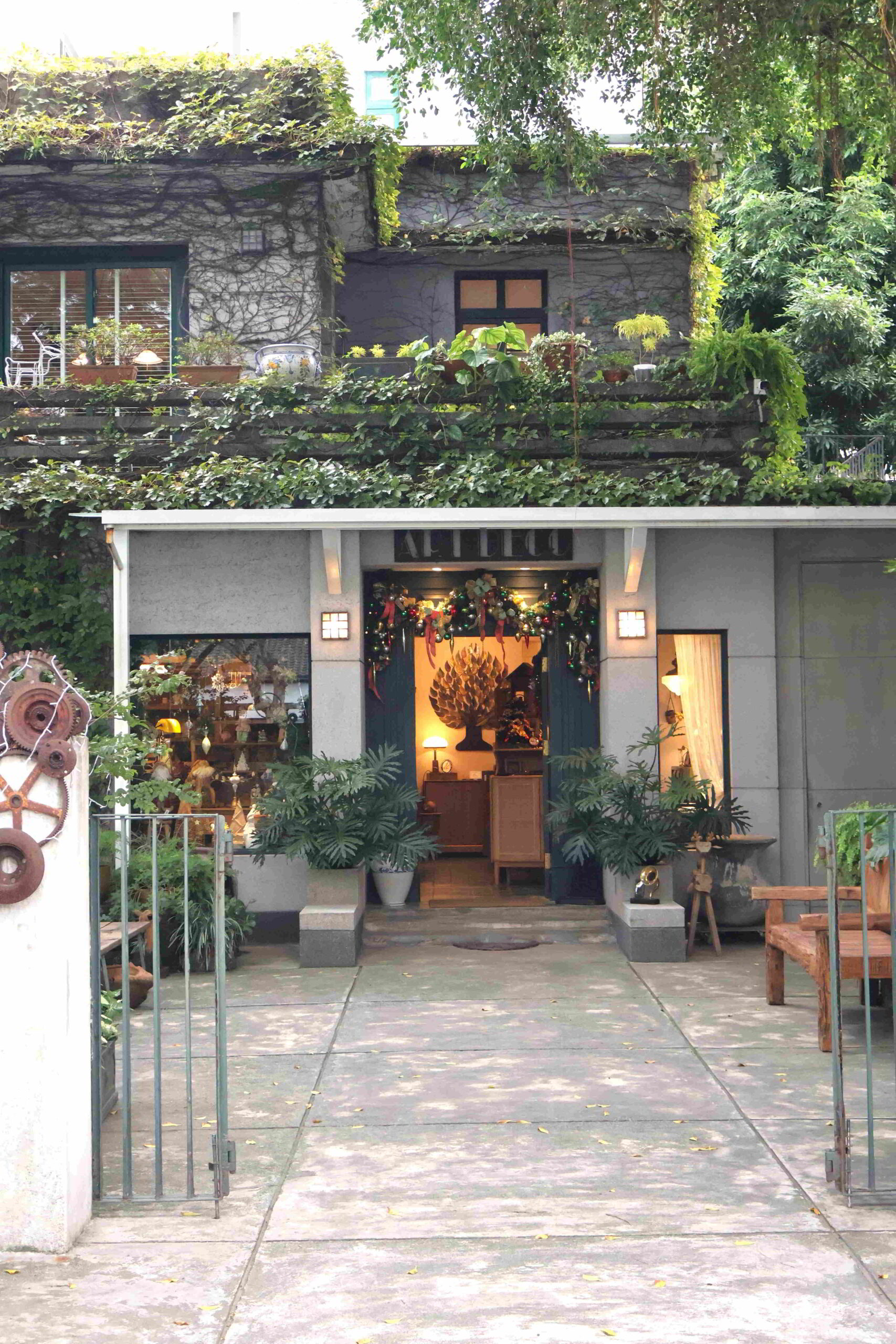
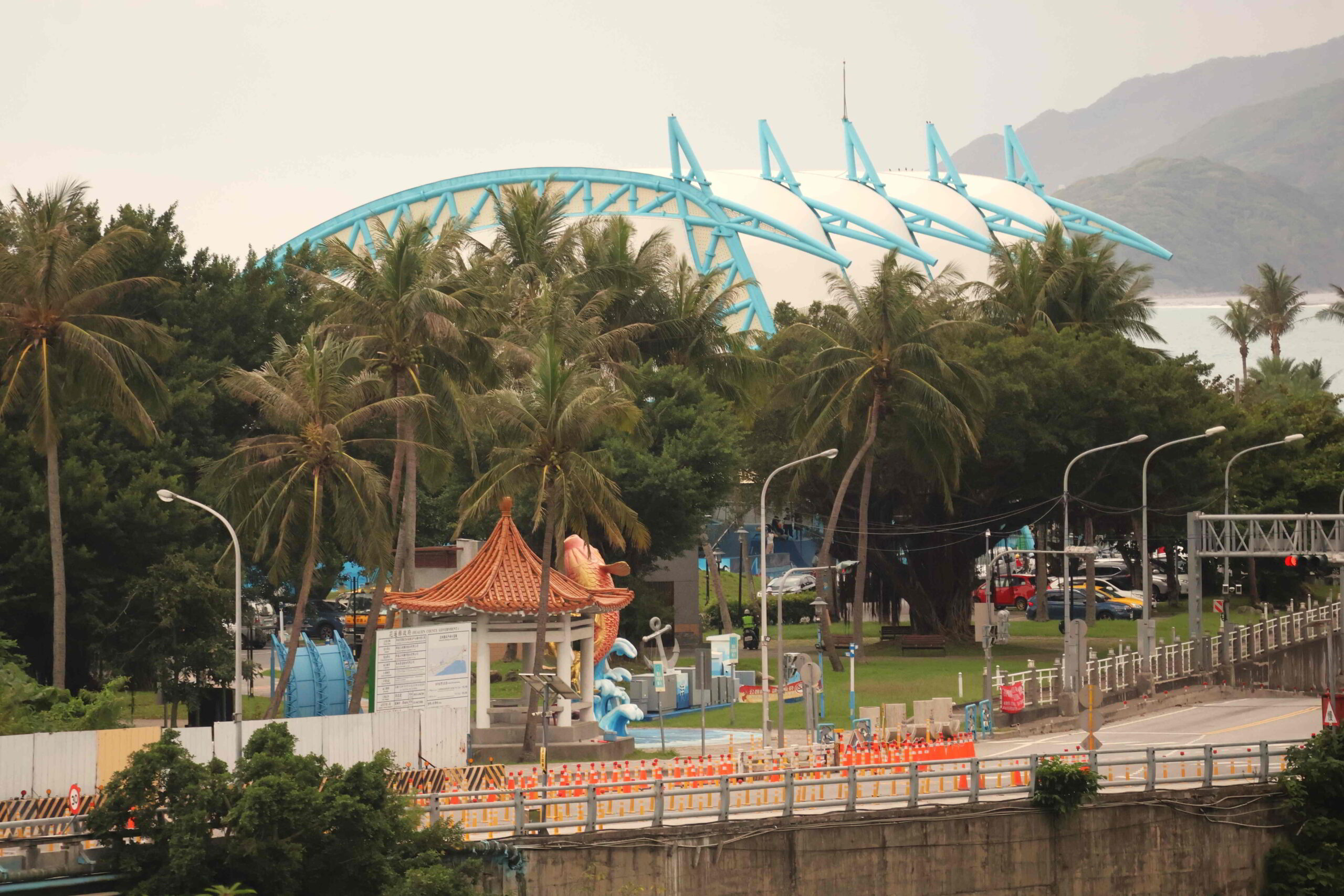
Back to the main road, I find retail spaces with tasteful facades and landscaped gardens, speaking of a level of comfortable wealth that is well above the norm. The four-star Lakeshore Hotel establishes a sumptuous modernism that outstrips anything in the neighborhood in terms of design and scale.
Hualien
Hualien
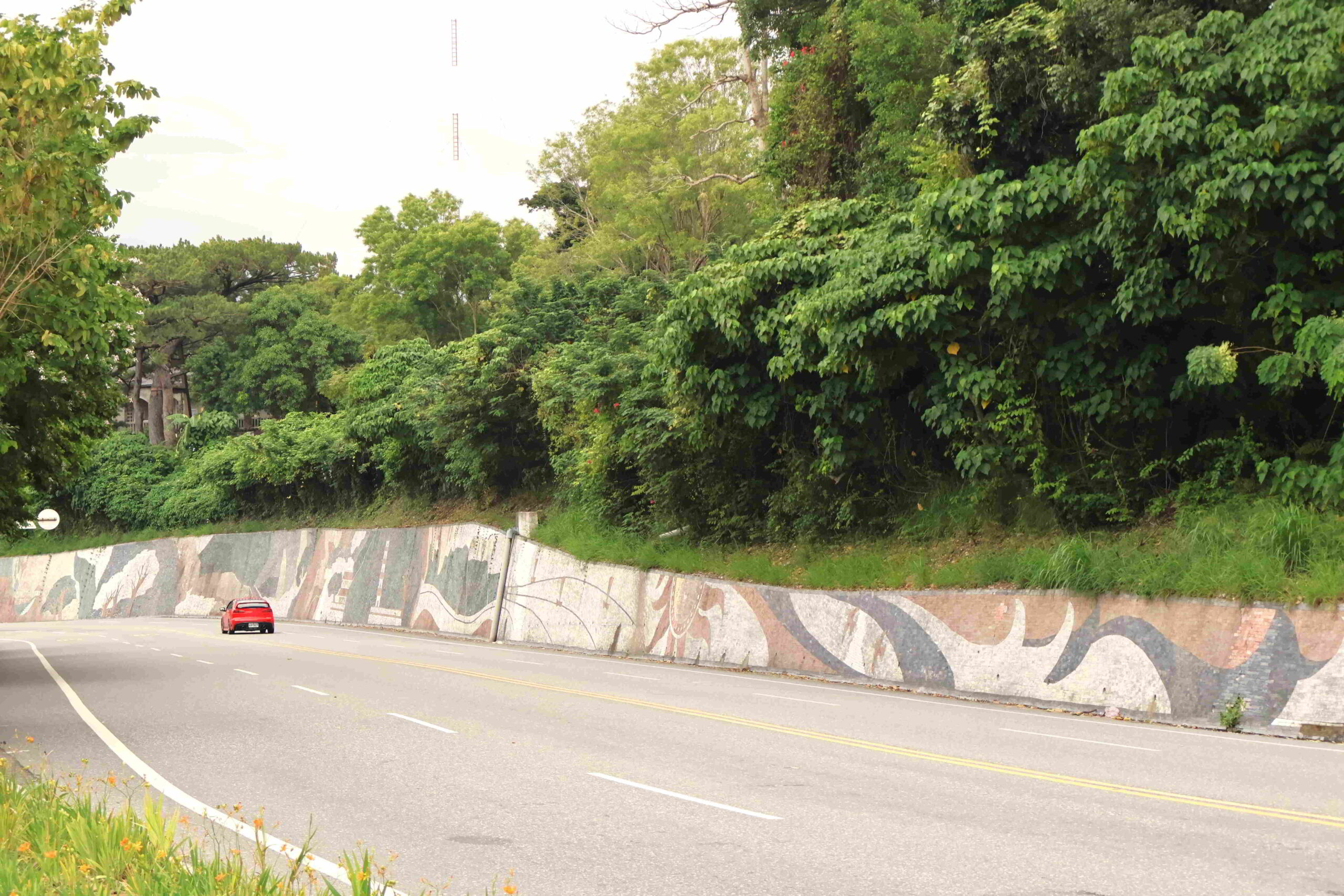
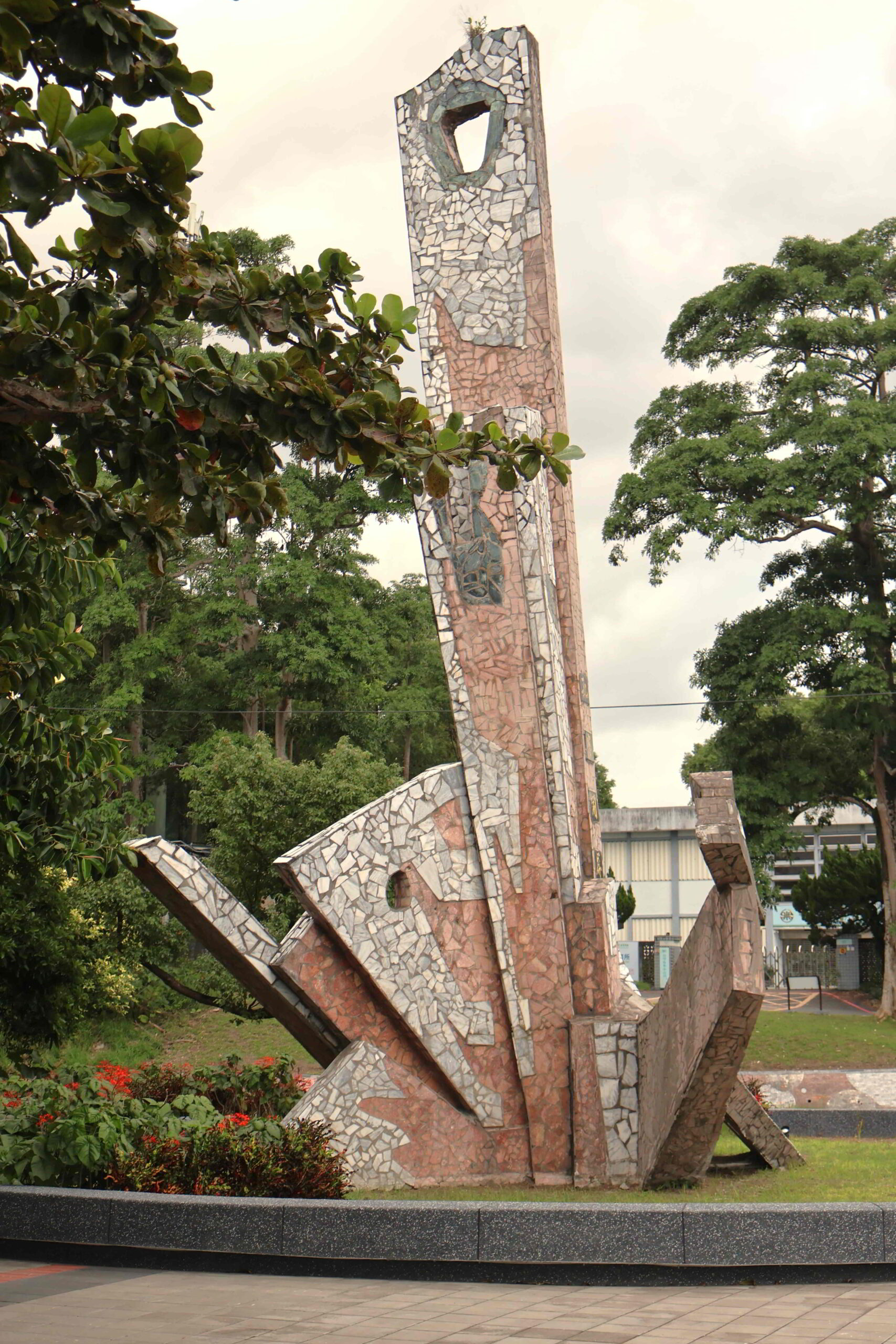
Zhongmei road arcs downhill to the northwest before continuing into the central areas of Hualien, the wall supporting the embankment lined with a relatively abstract mural that runs the length of the arc the road follows down to the river and the town beyond. On the earthen ramparts above lies the Pine Garden.
Hualien — Pine Garden
Hualien — Pine Garden
Hualien — Pine Garden

Hualien — Pine Garden
Hualien — Pine Garden
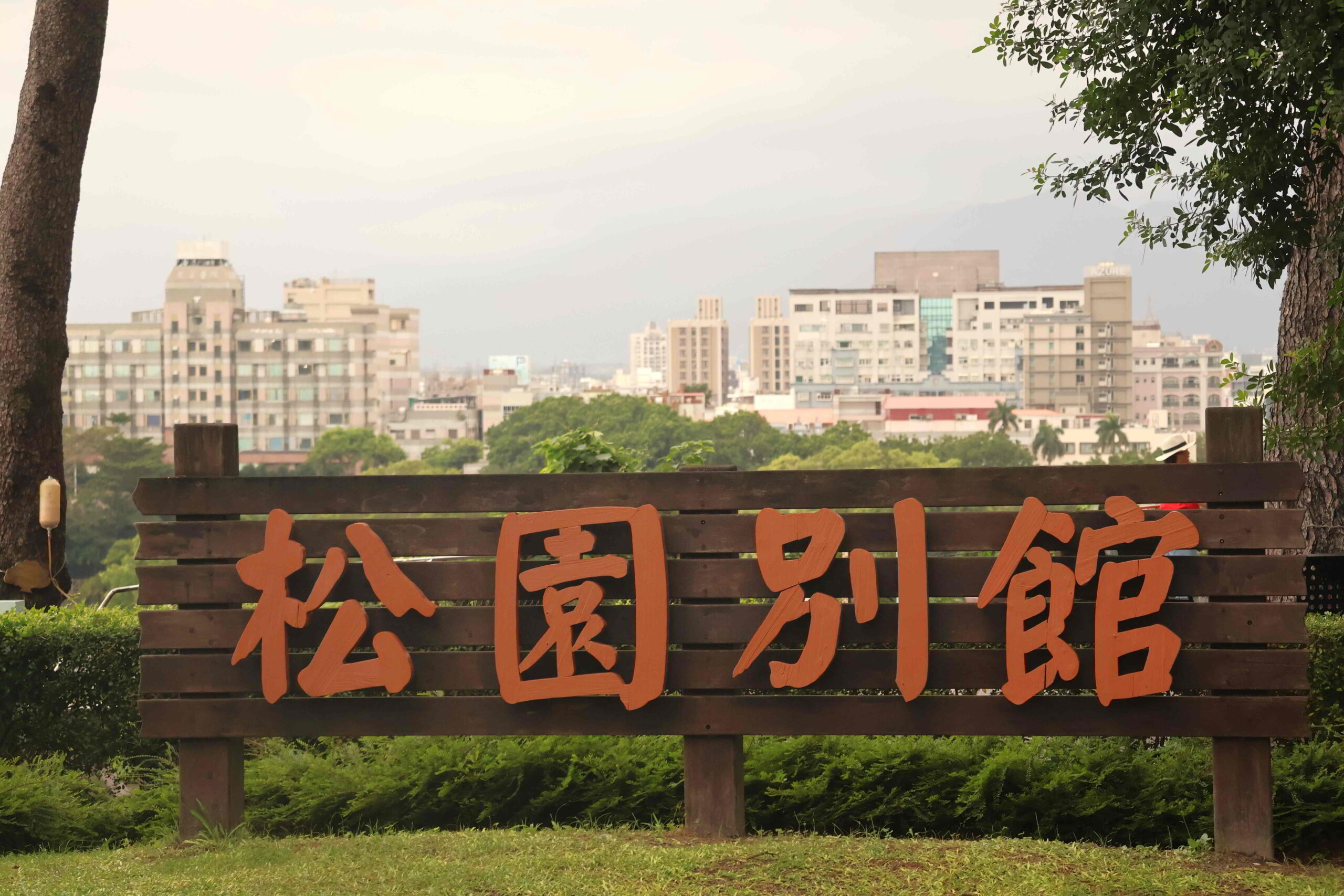
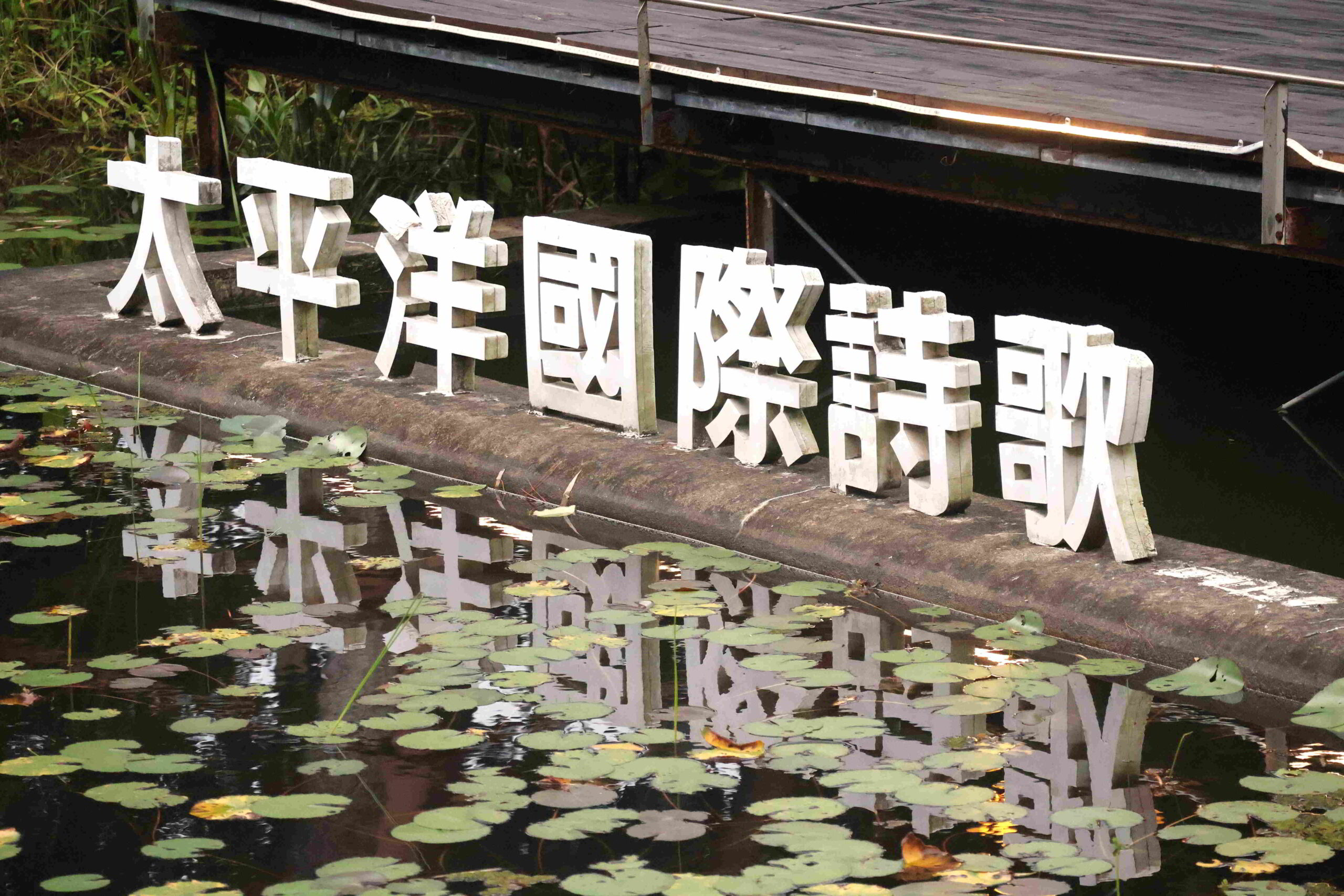
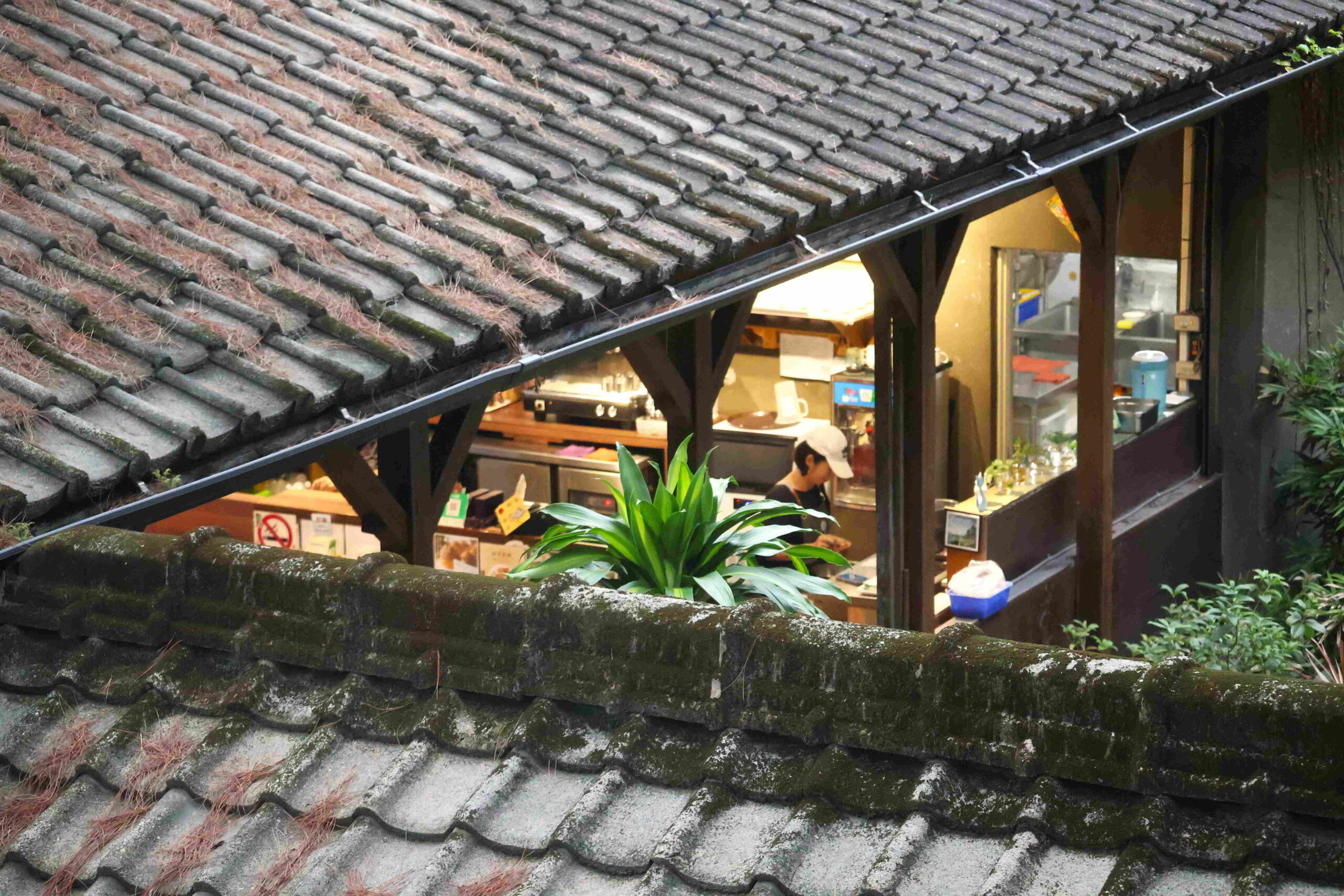
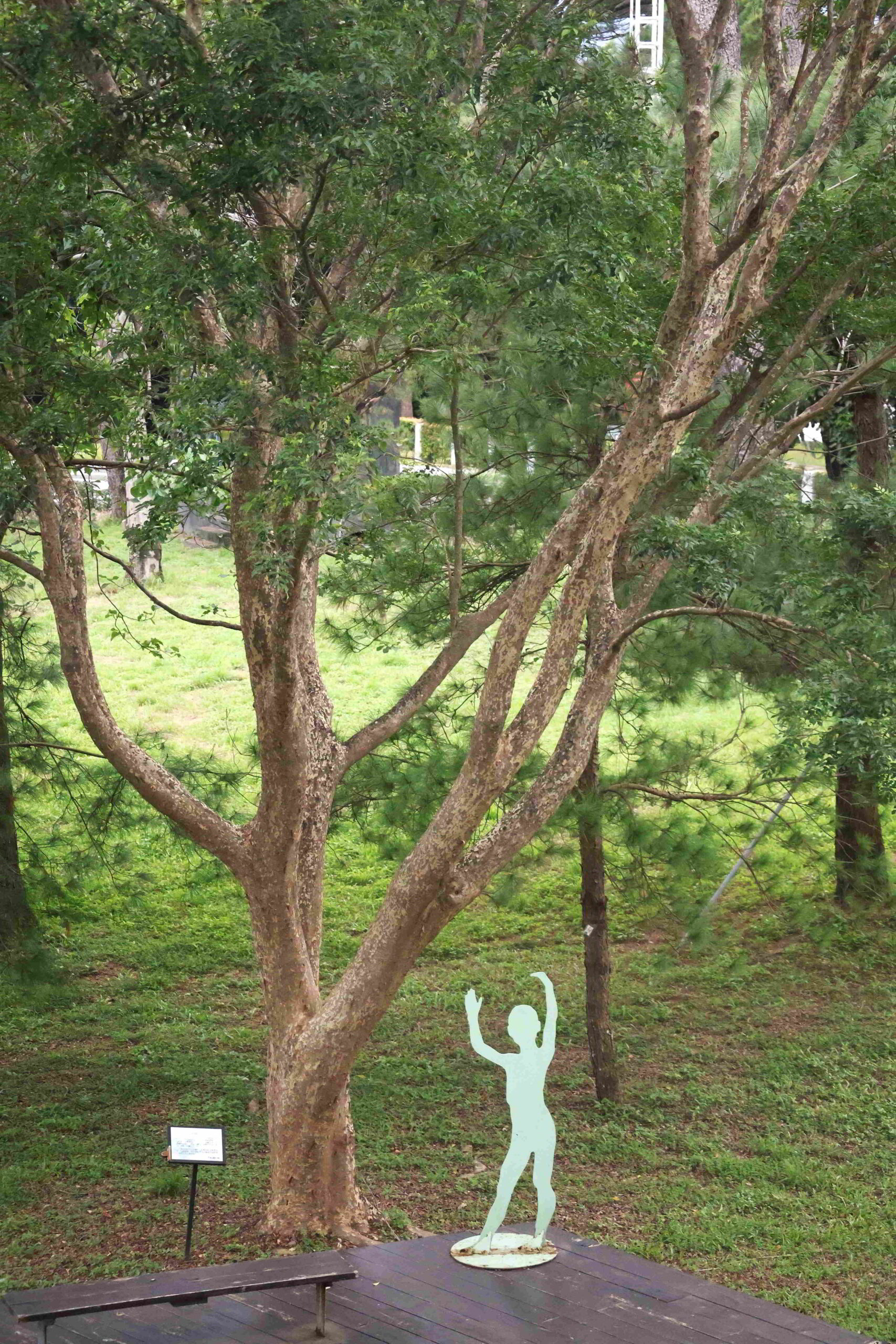
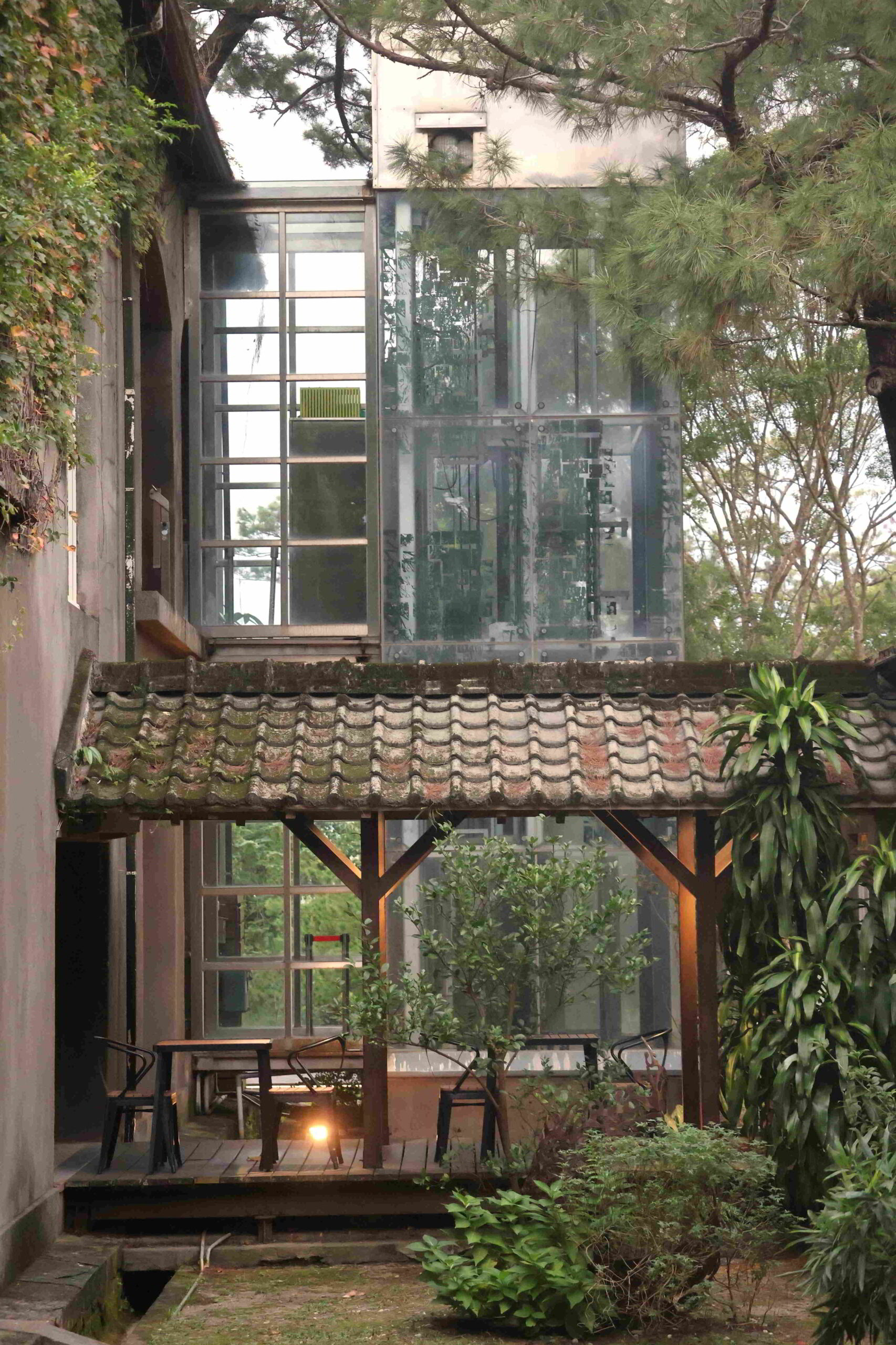
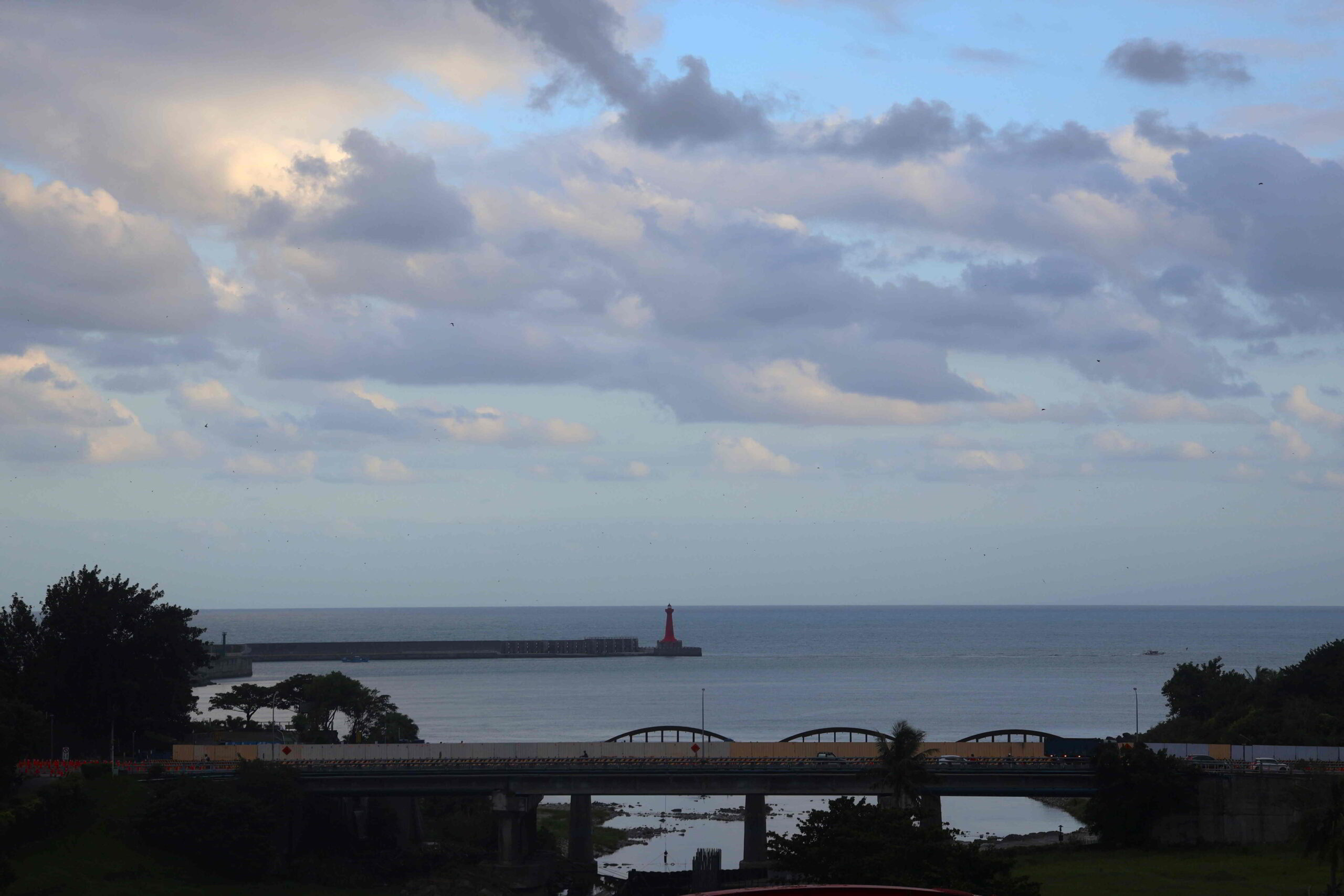
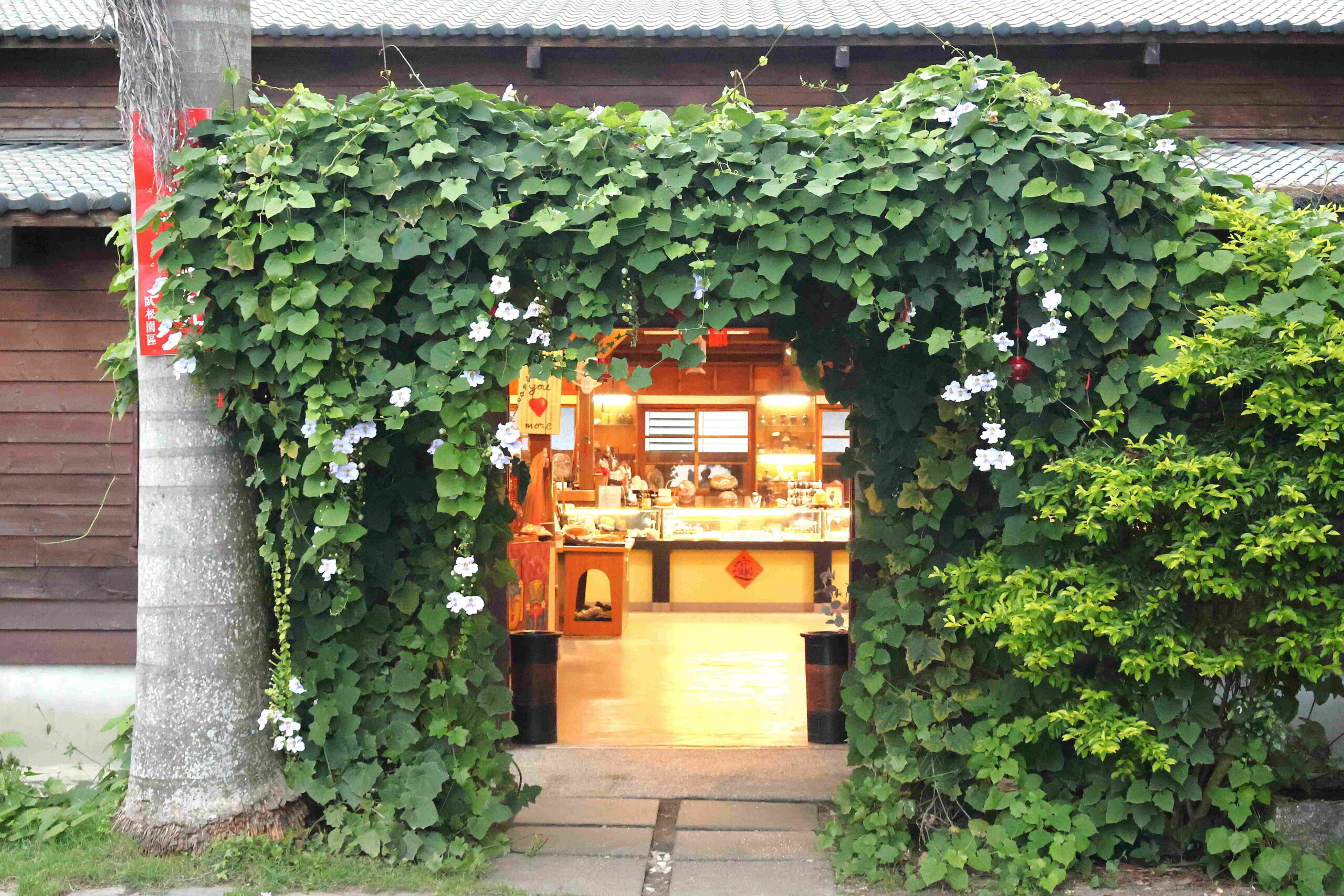
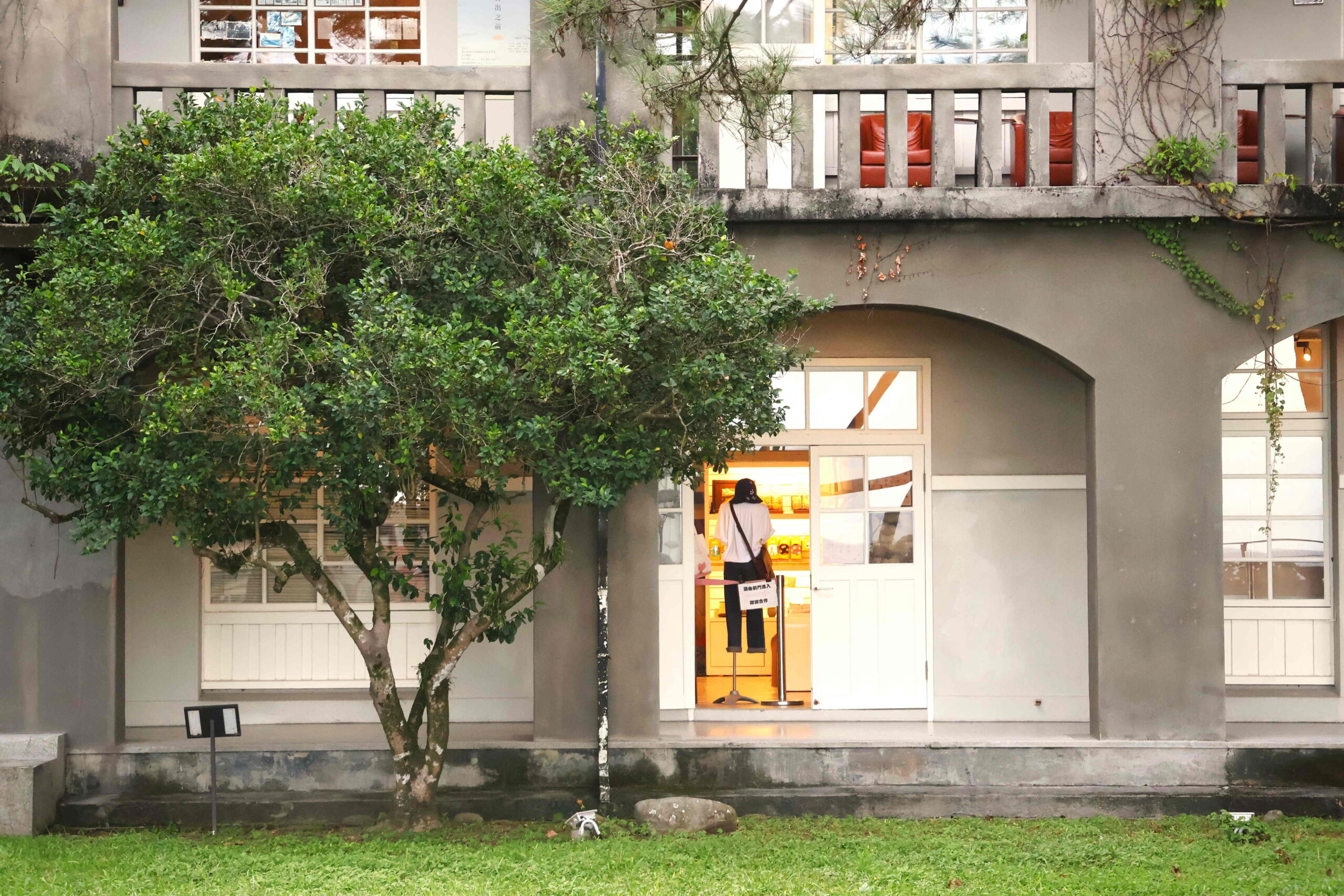
Built between 1942 and 1943, what is now the Pine Garden served as a military command center for the Japanese army during the occupation era, and was a strategic location from which they could command aircraft and battleships. It has been renovated with a mix of East and West styles, and includes numerous kiosks from which local arts and crafts are sold, as well as a bakery and cafe in a setting that is visually spectacular, thanks to the bulky Japanese pines that are not often seen in Taiwan and the views over the city and waterfront below.
Hualien — Pine Garden
Hualien — Pine Garden
Hualien — Pine Garden
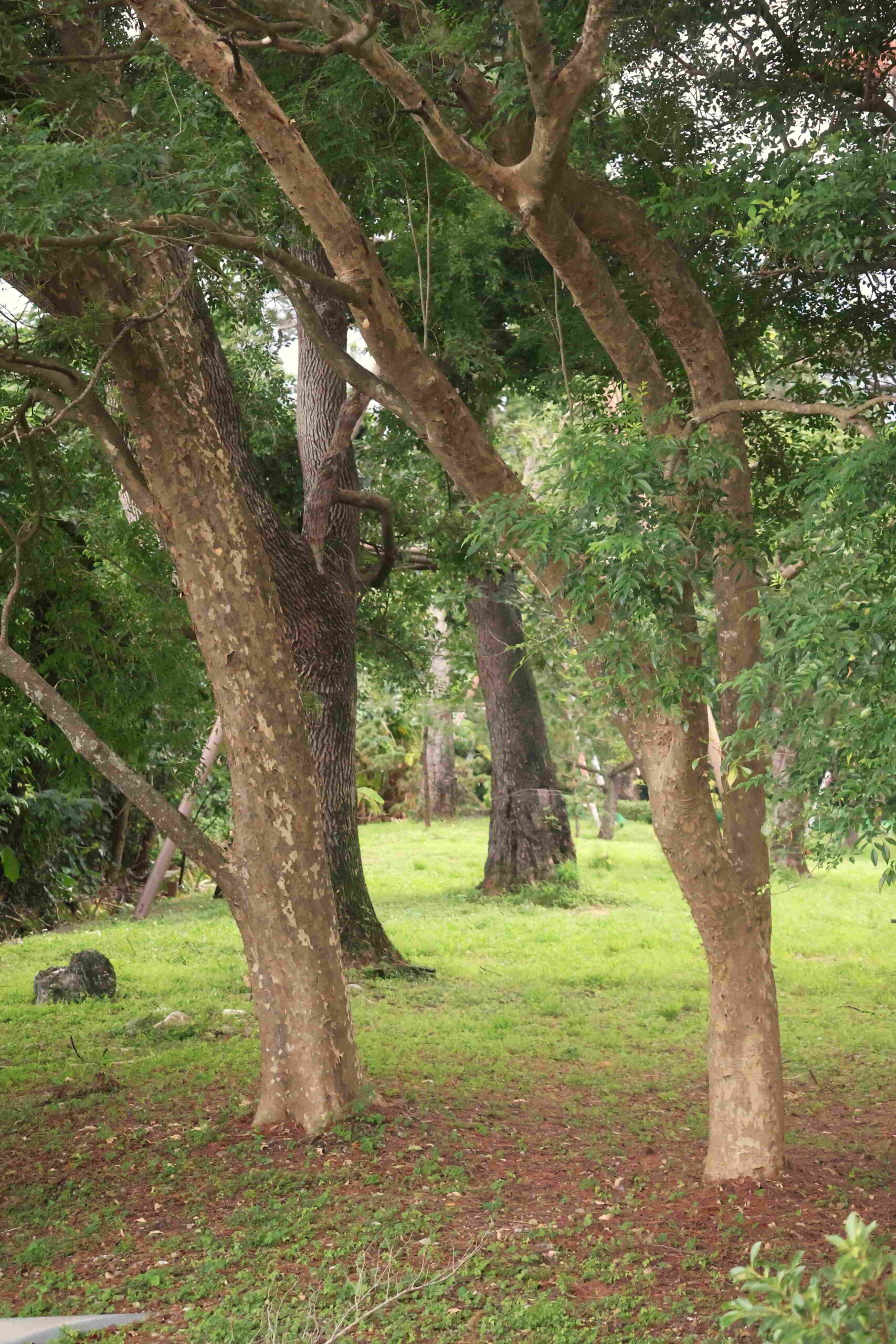
Hualien — Pine Garden
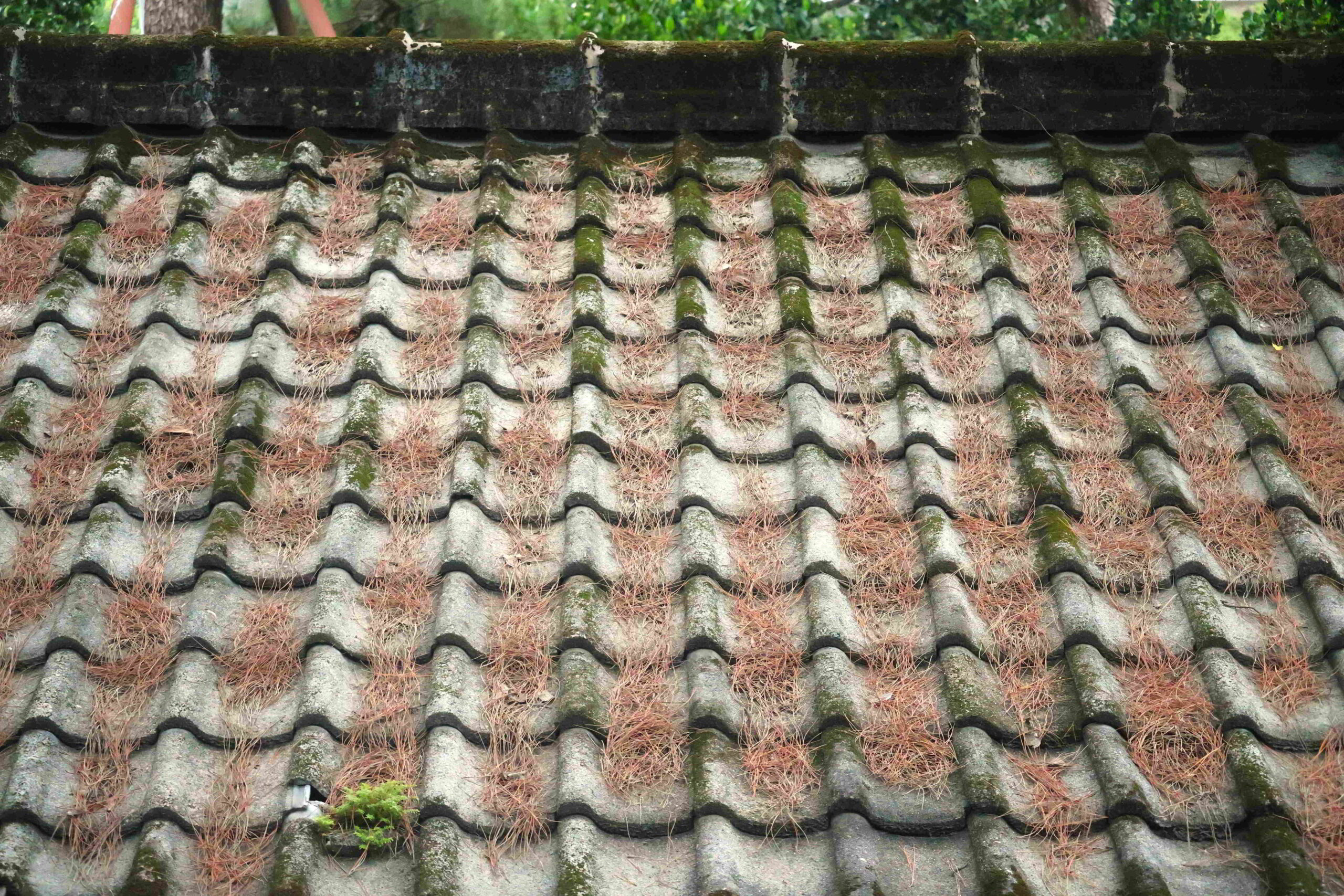
Hualien — Pine Garden
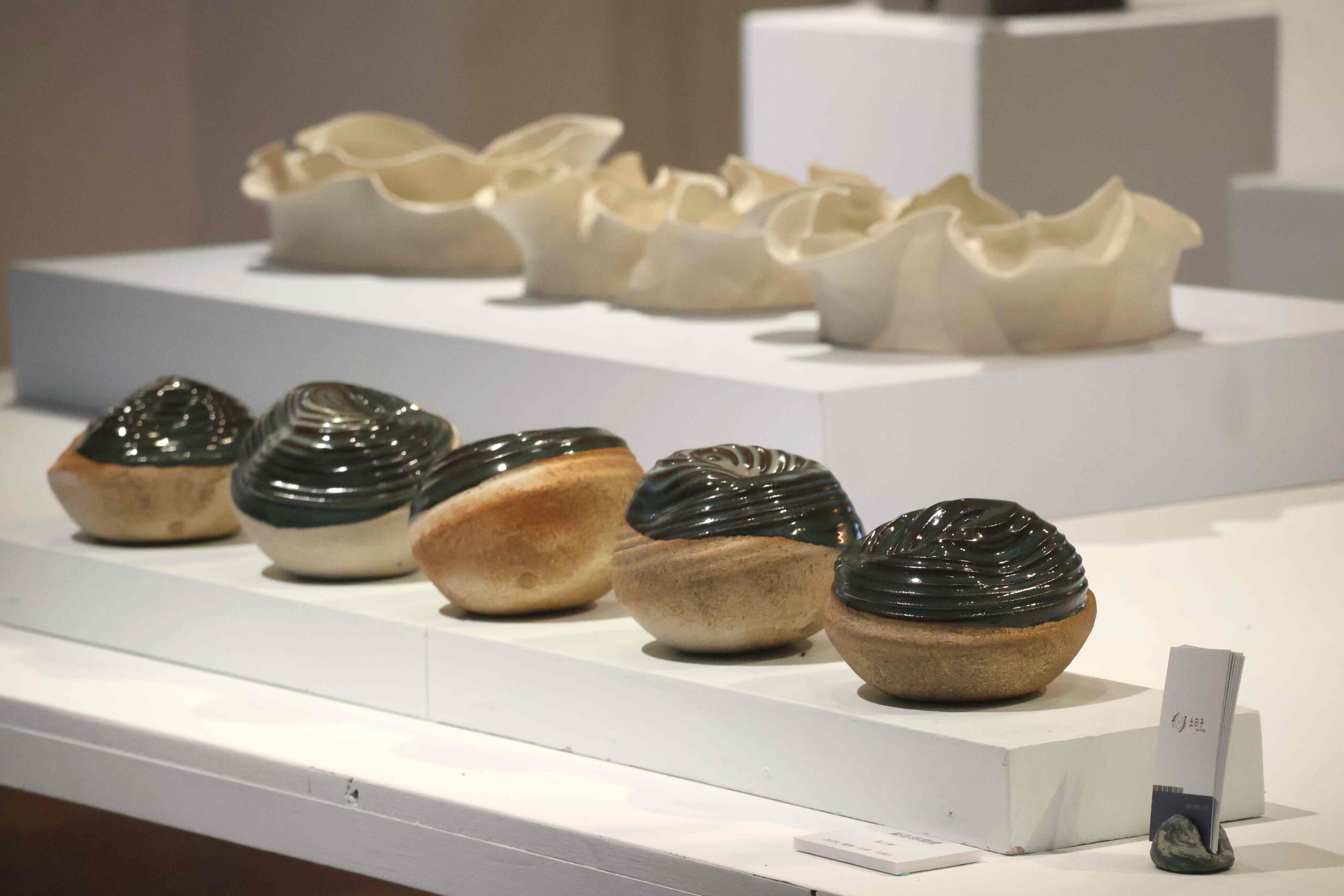
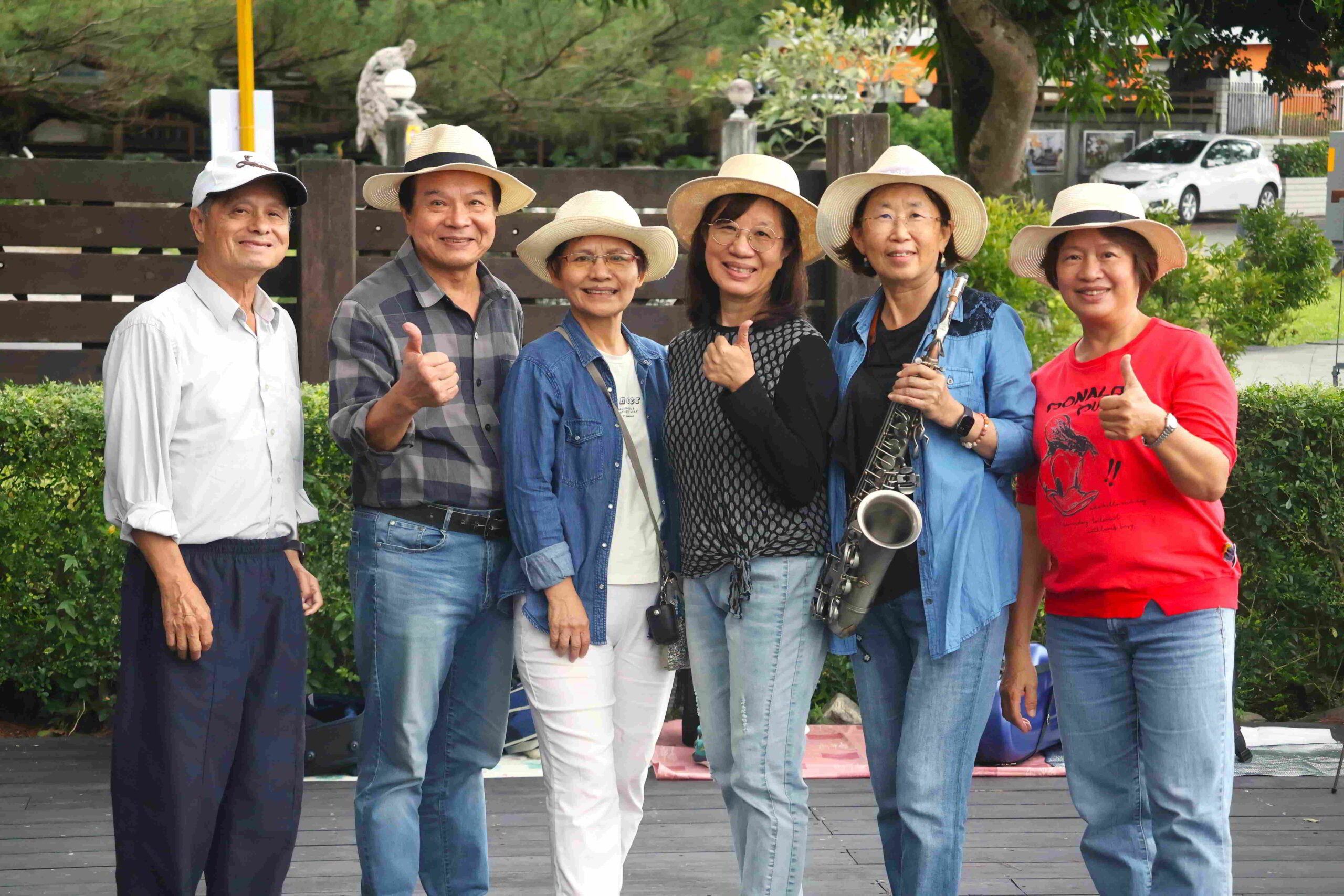
I don’t make it far into the space before entering into a conversation with a group of locals that were playing popular music on saxophones on a low stage that offers atmospheric views of the world below. Inside the colonial-era mansion, an array of pretty knickknacks and artistically more credible work are offered for sale over two stories, alluring but probably not ideal for someone such as myself, already burdened with overly heavy backpacks. But the introduction to Hualien is telling, a city of evident artistic detailing. Walking along the wooden boardwalks through the small forest with enormous Japanese pines offers spectacular views of the park, the mansion, and the city and sea below.
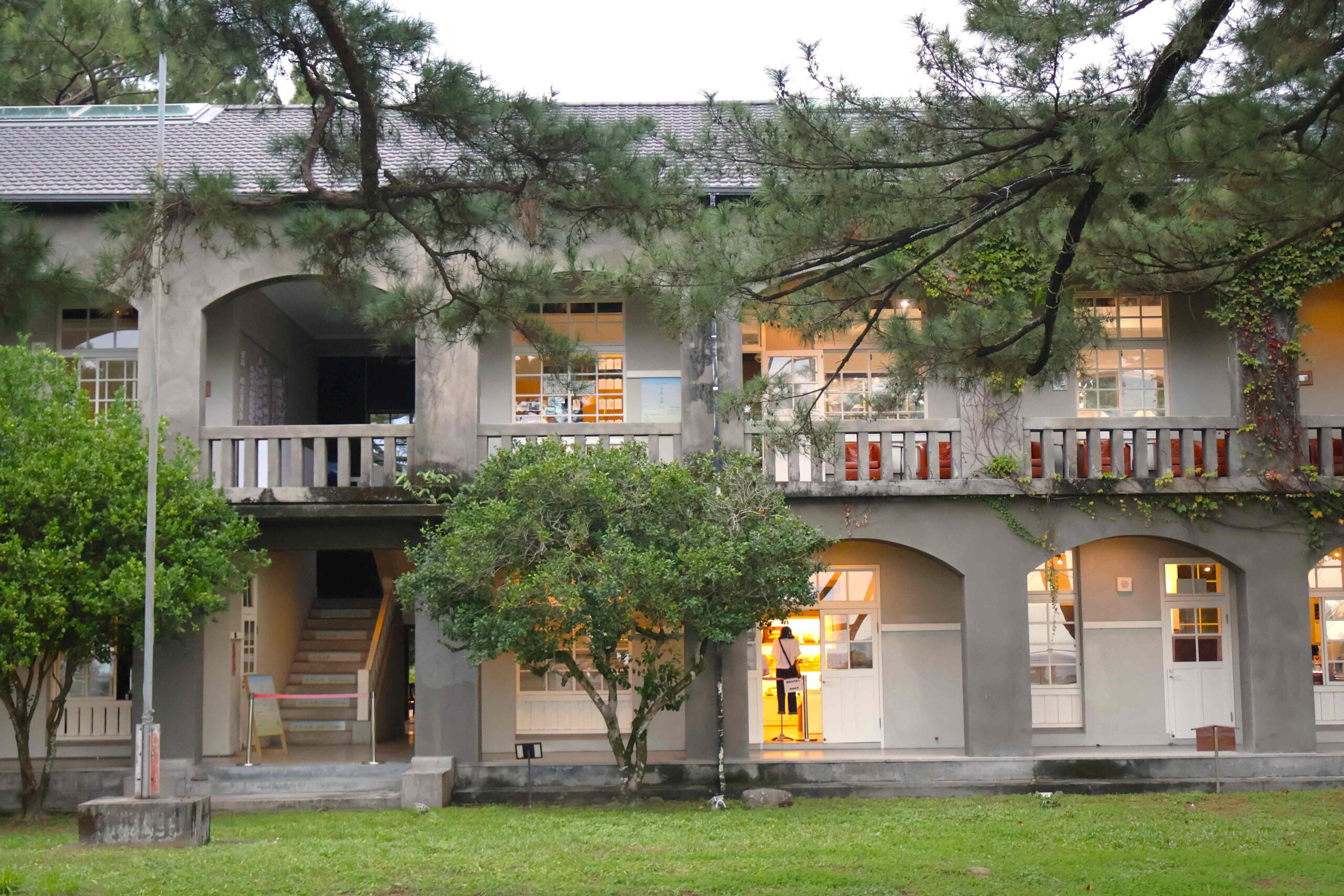
Hualien — Pine Garden
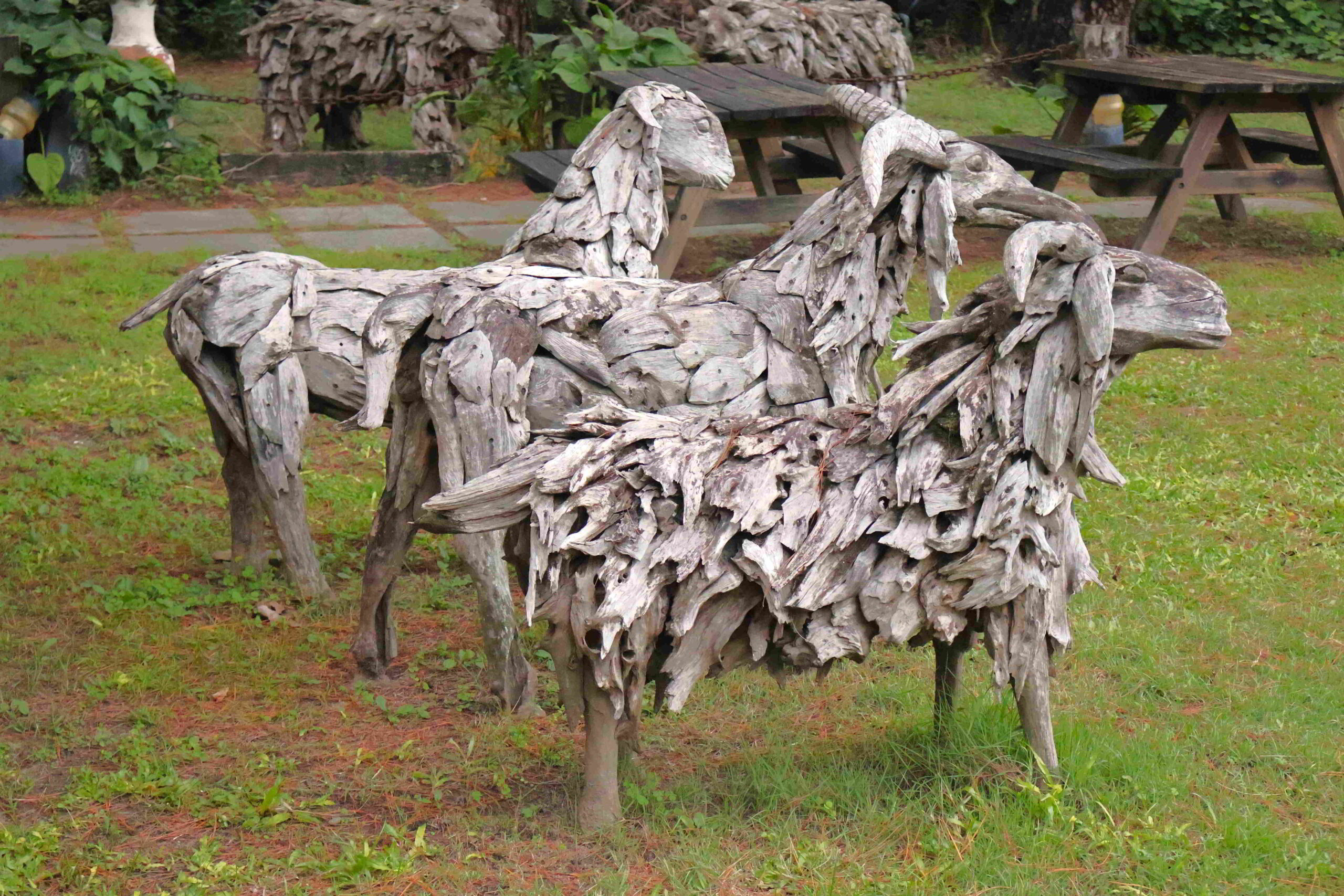
Hualien — Pine Garden
Hualien — Pine Garden
Hualien — Pine Garden
Hualien — Pine Garden
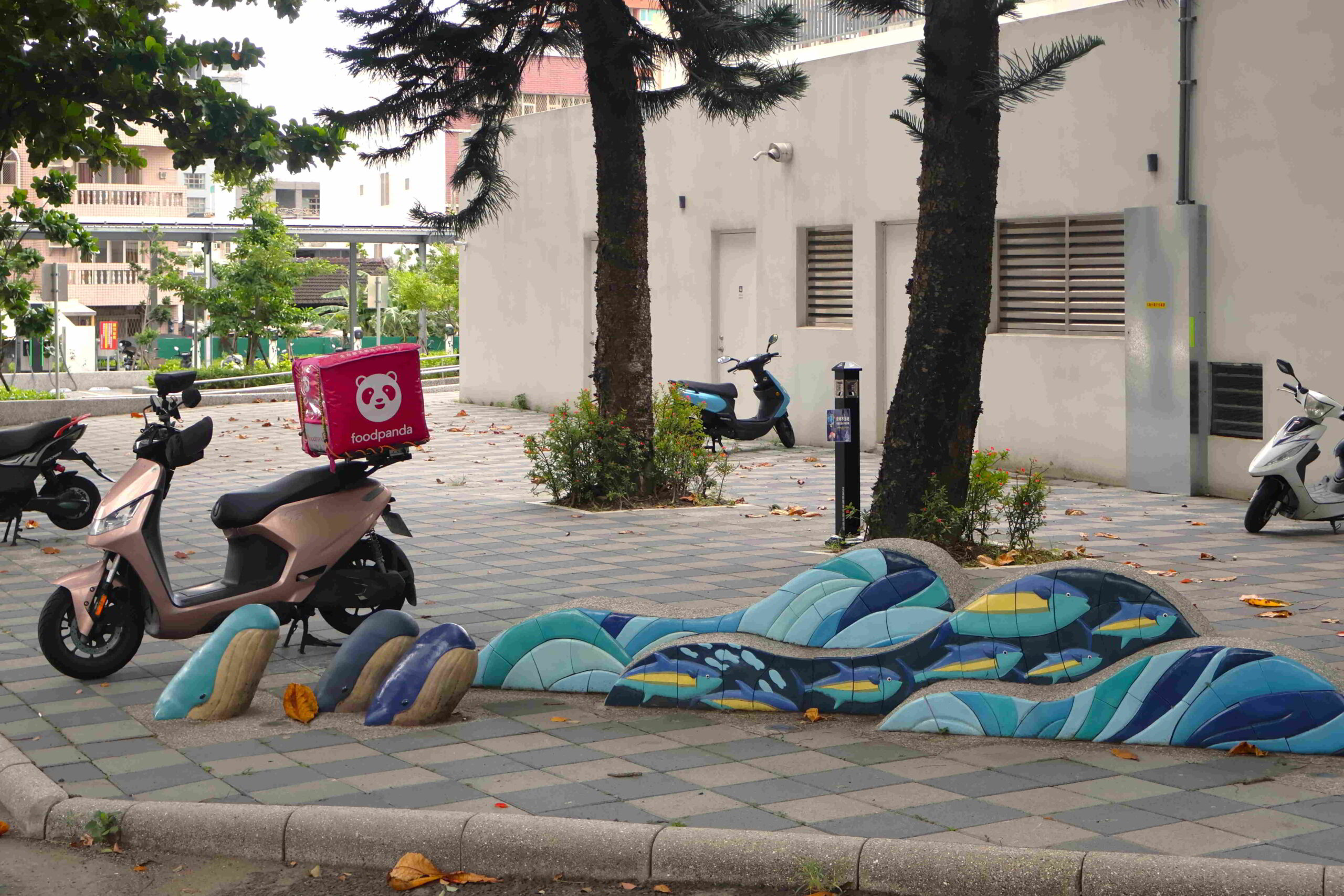
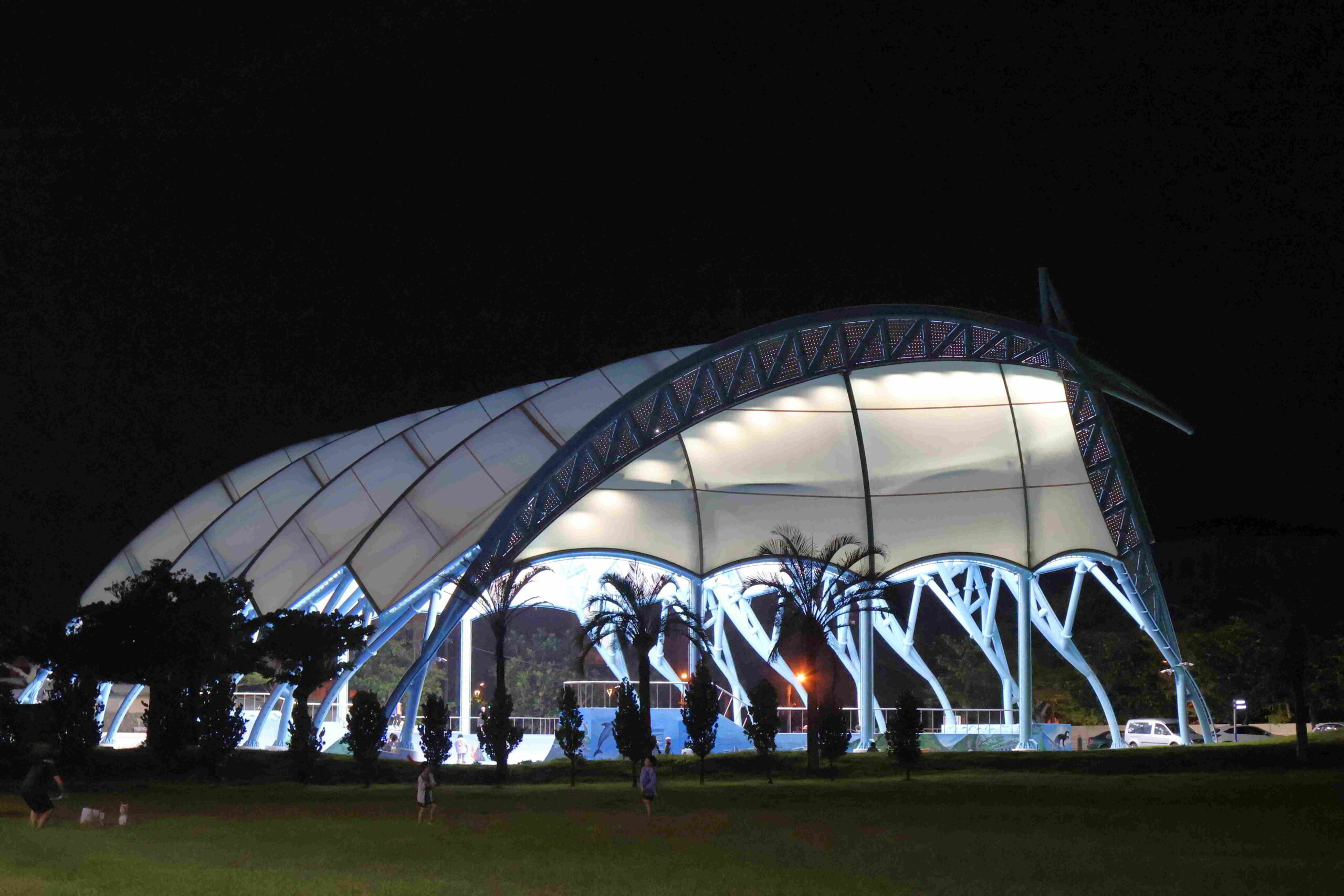
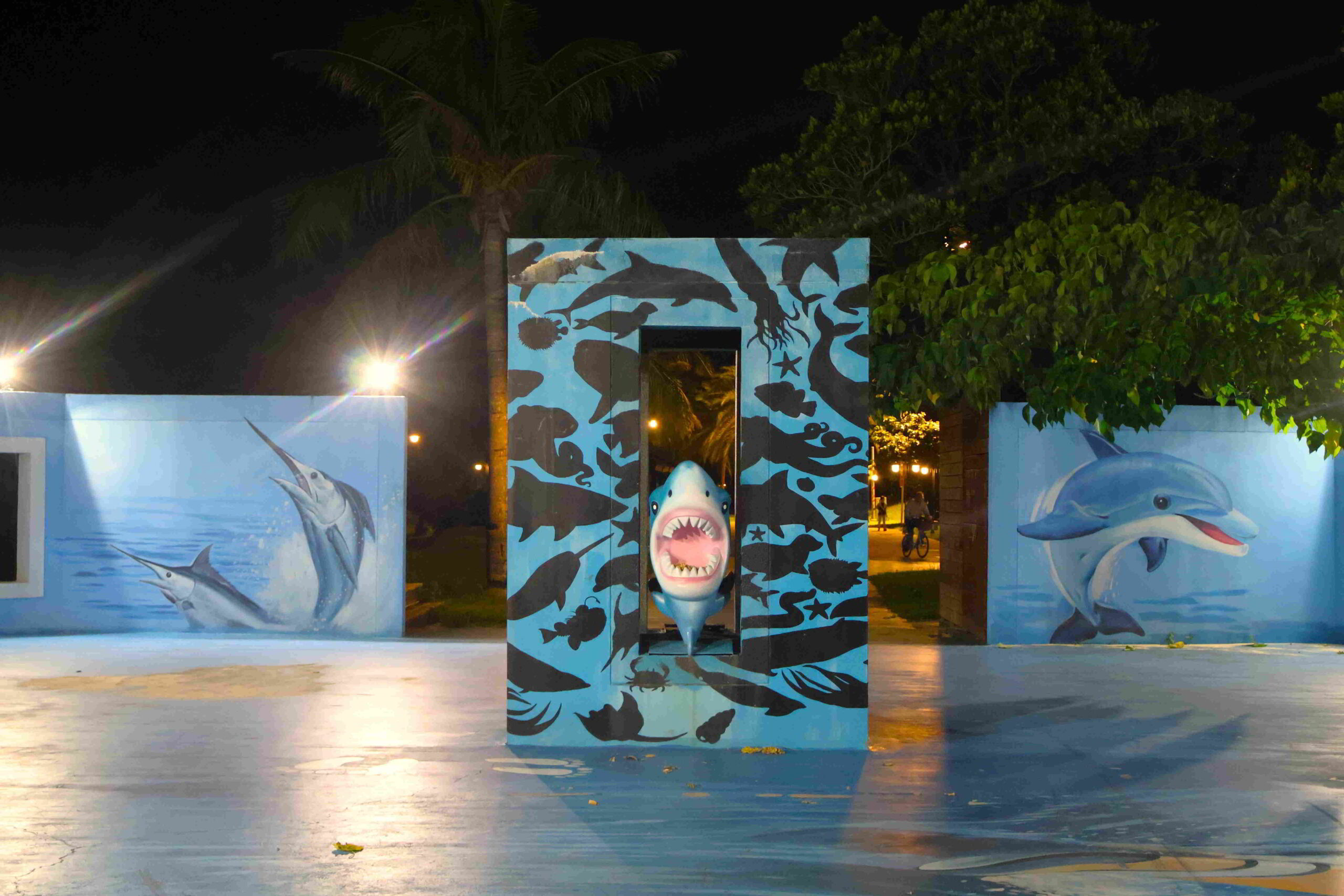
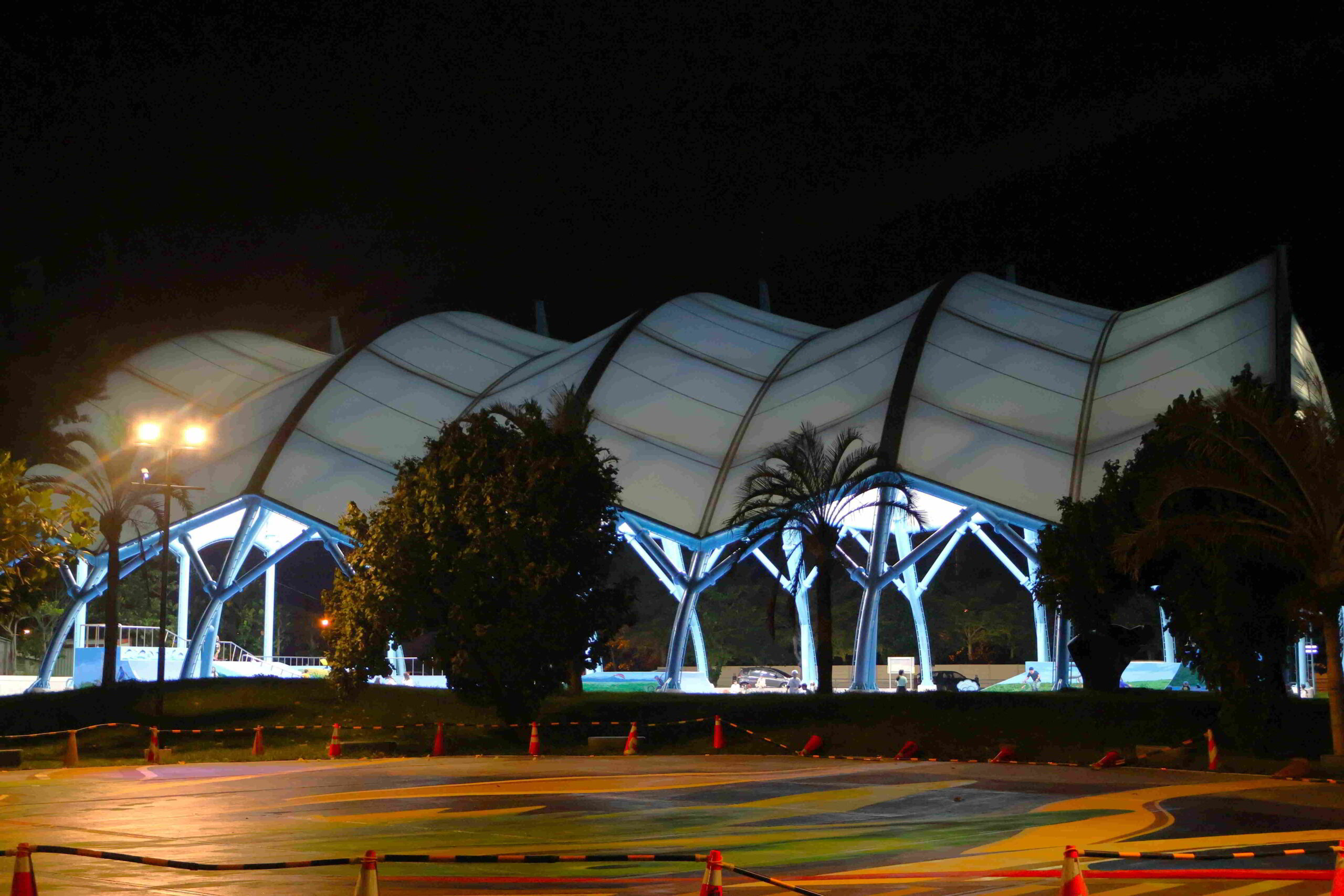
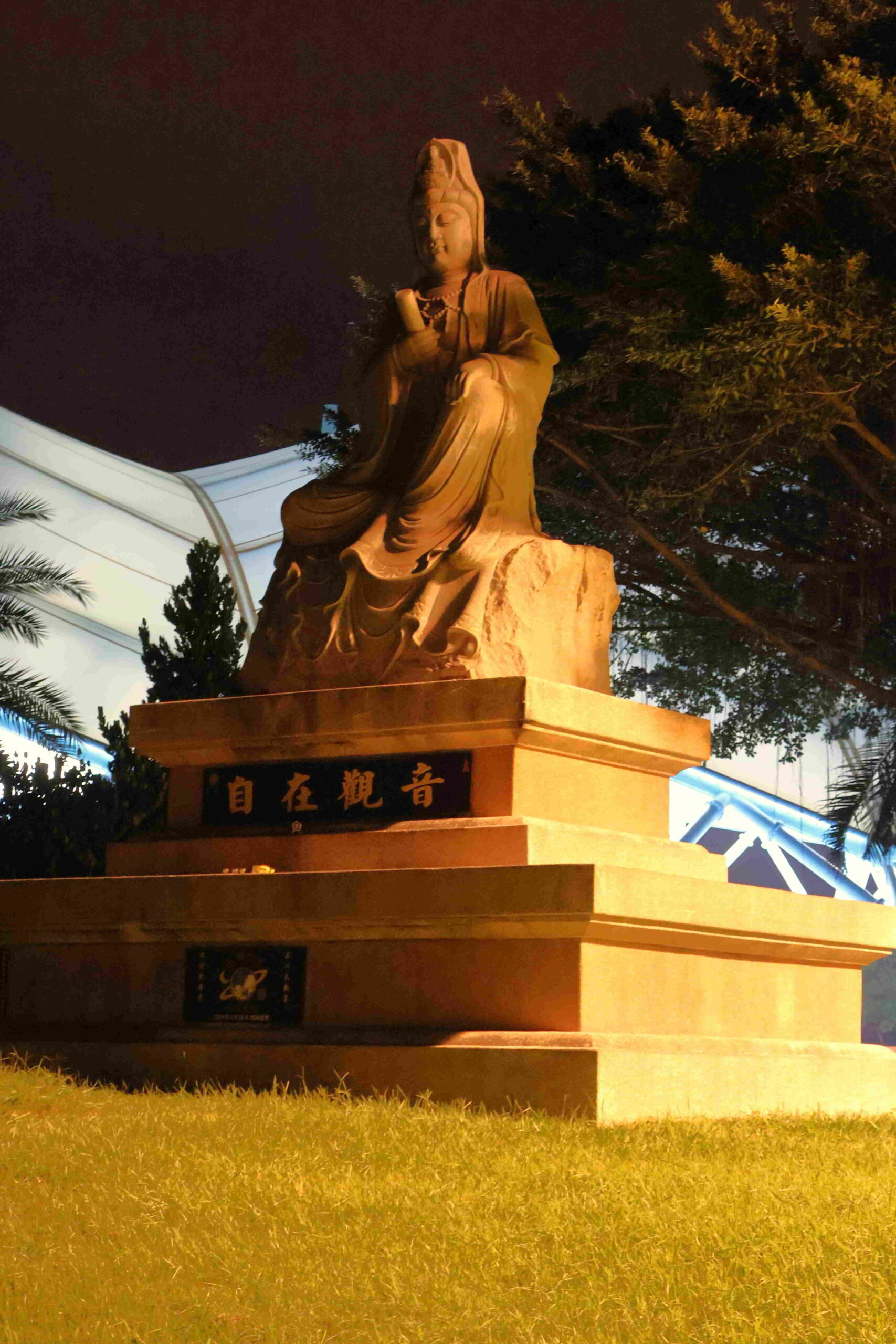
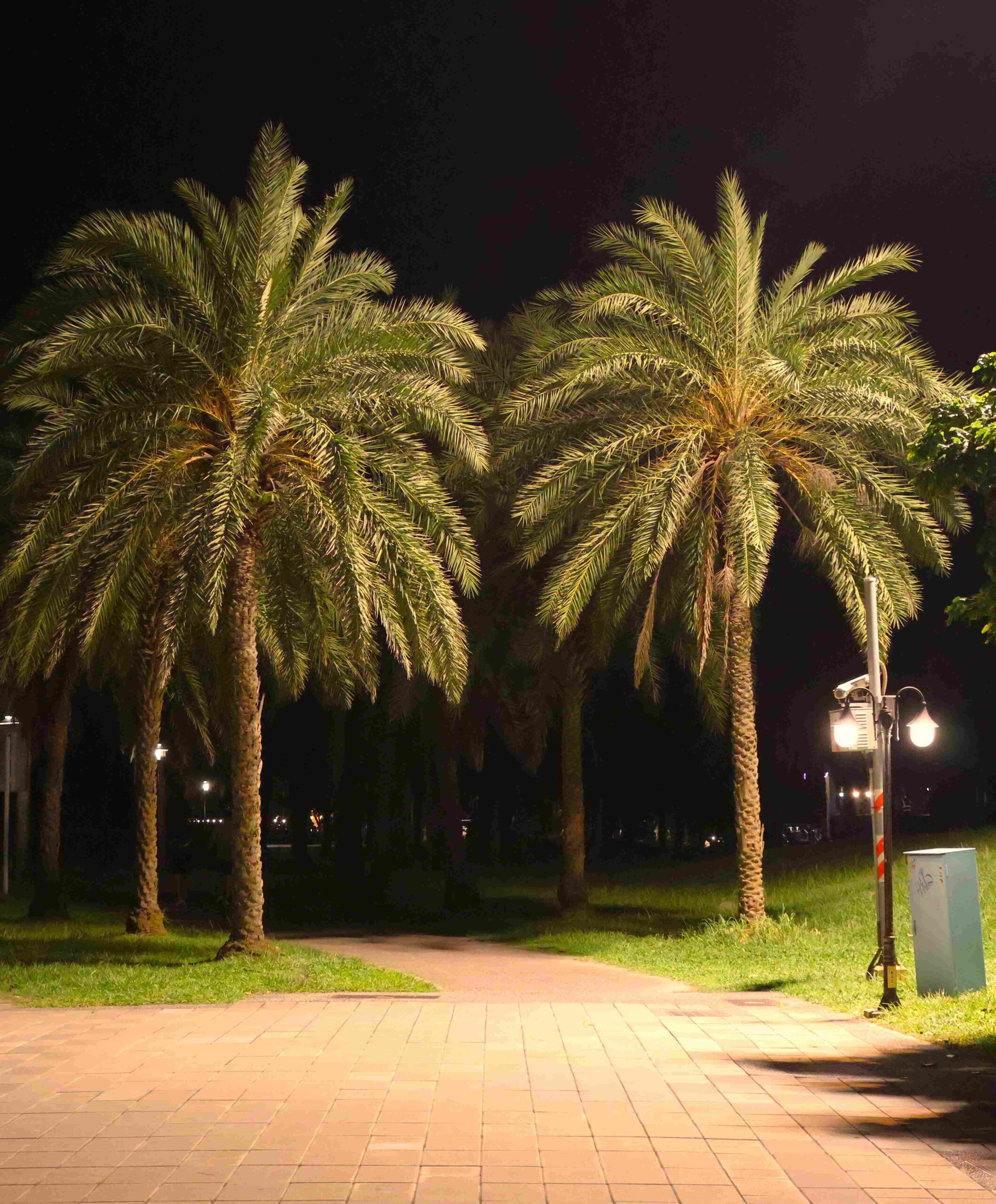
Dusk approaches and I would still like to see some more of the town. I return to the main road, then along the side road that curves toward Hai’an road, Hualien’s waterfront boulevard that runs along the park complex that separates the city from the sea. On the map, the area appears manageable to walk, but the reality in the approaching darkness is quite different; there are numerous small attractions for visitors, be they joggers or families with children, benches, play areas, concrete panels covered with murals, and a brilliantly-lit, conch-shaped canopy where young men play basketball. I am not sure how much more there would be to see further to the west, but the walkways disappear into the darkness, and the homeless camped in the web of aerial walkways leading to the night market don’t provide much of an incentive to continue.
Hualien — Pacific Park
Hualien — Pacific Park
Hualien — Pacific Park
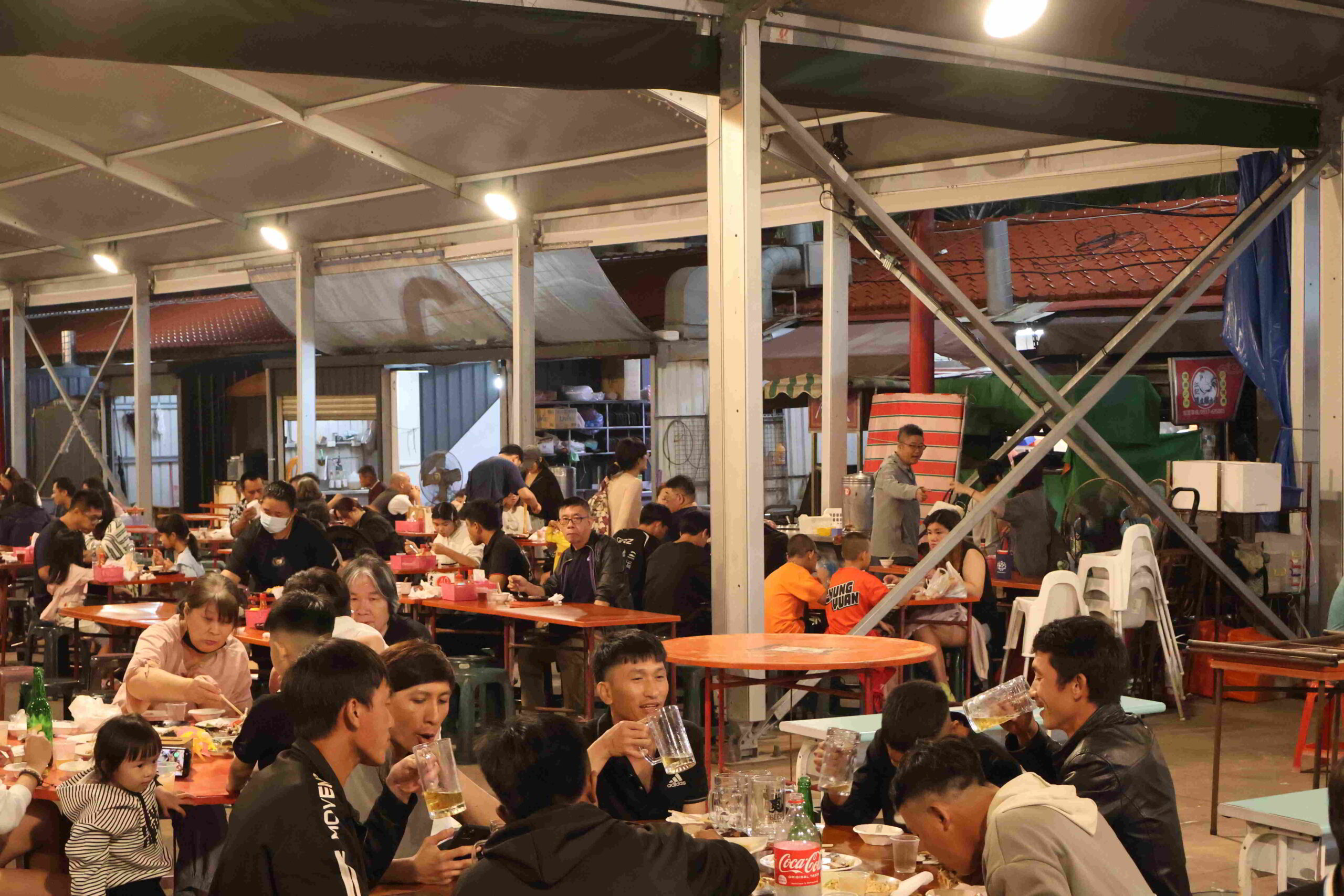
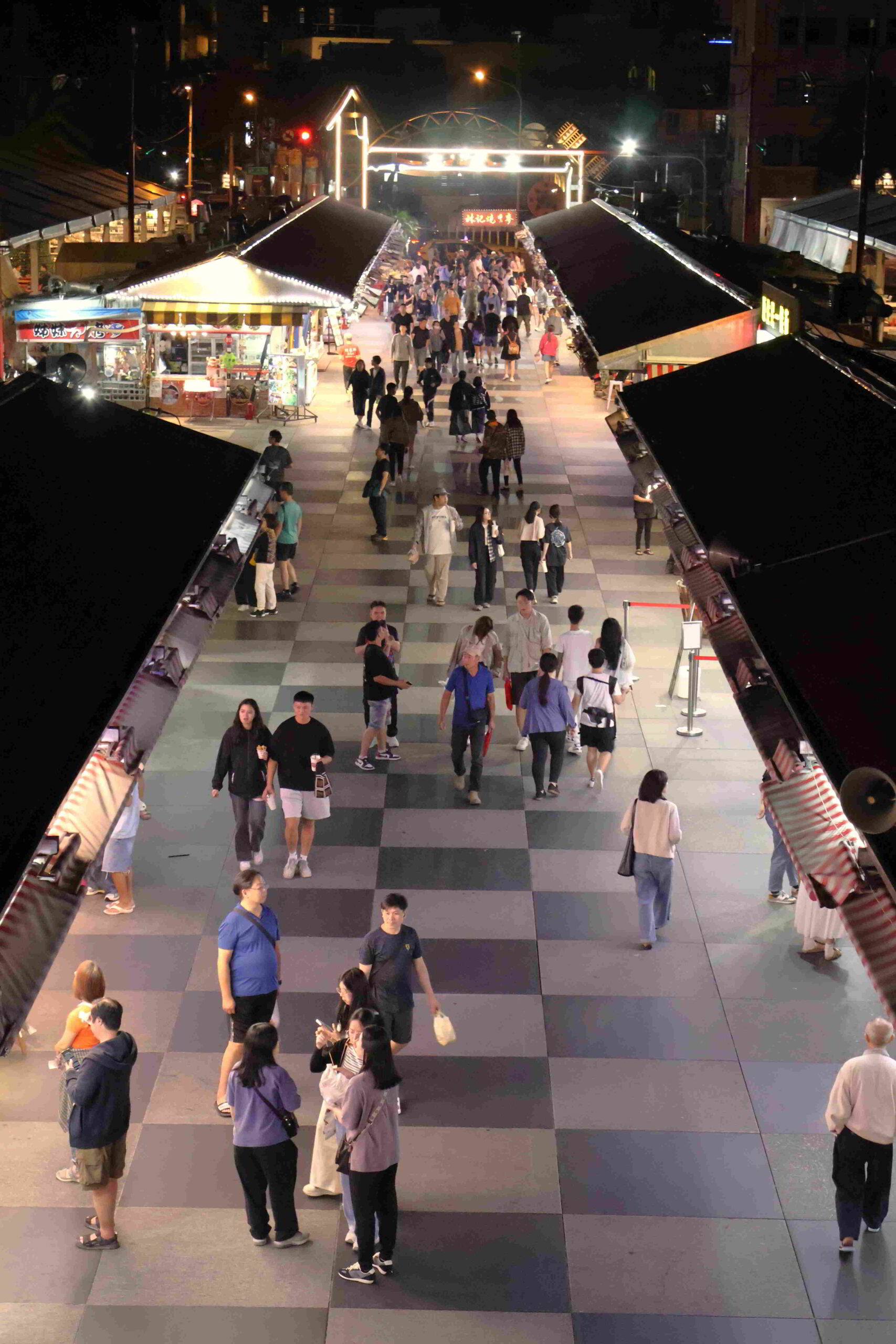
The Hualien night market is gargantuan, with long passages lined with every possible vendor of full meals, snack foods, drinks, specialities involving different types of meats and preparations thereof, soups and stews, seafood, sweets, and drinks, alcoholic and non-alcoholic, and best of all, behind the columns of uniformly organized kiosks are banks of tables guests can sit at and enjoy their fare. Most of what is being offered is not particularly interesting or enticing to me, never mind the fact that very little signage is in English, and I just couldn’t be bothered continually pointing my phone against some Chinese lettering and hoping for some meaningful translation to display — and persist — on the Lens app.
Hualien — Pacific Park
Hualien — Pacific Park
Along the long passages, through the thick throngs of people, the wide avenues allow for relatively easy passage, unlike the claustrophobic Keelung night market. The stench of the stinky tofu accelerates my walk considerably, although locals don’t seem to feel the same way I do about the smell. I am unsure as to how to proceed; I would happily eat in a sit-down restaurant with an English language menu somewhere nearby, but it seems that the area of the night market may still be a considerable enough distance from the urban nexus.
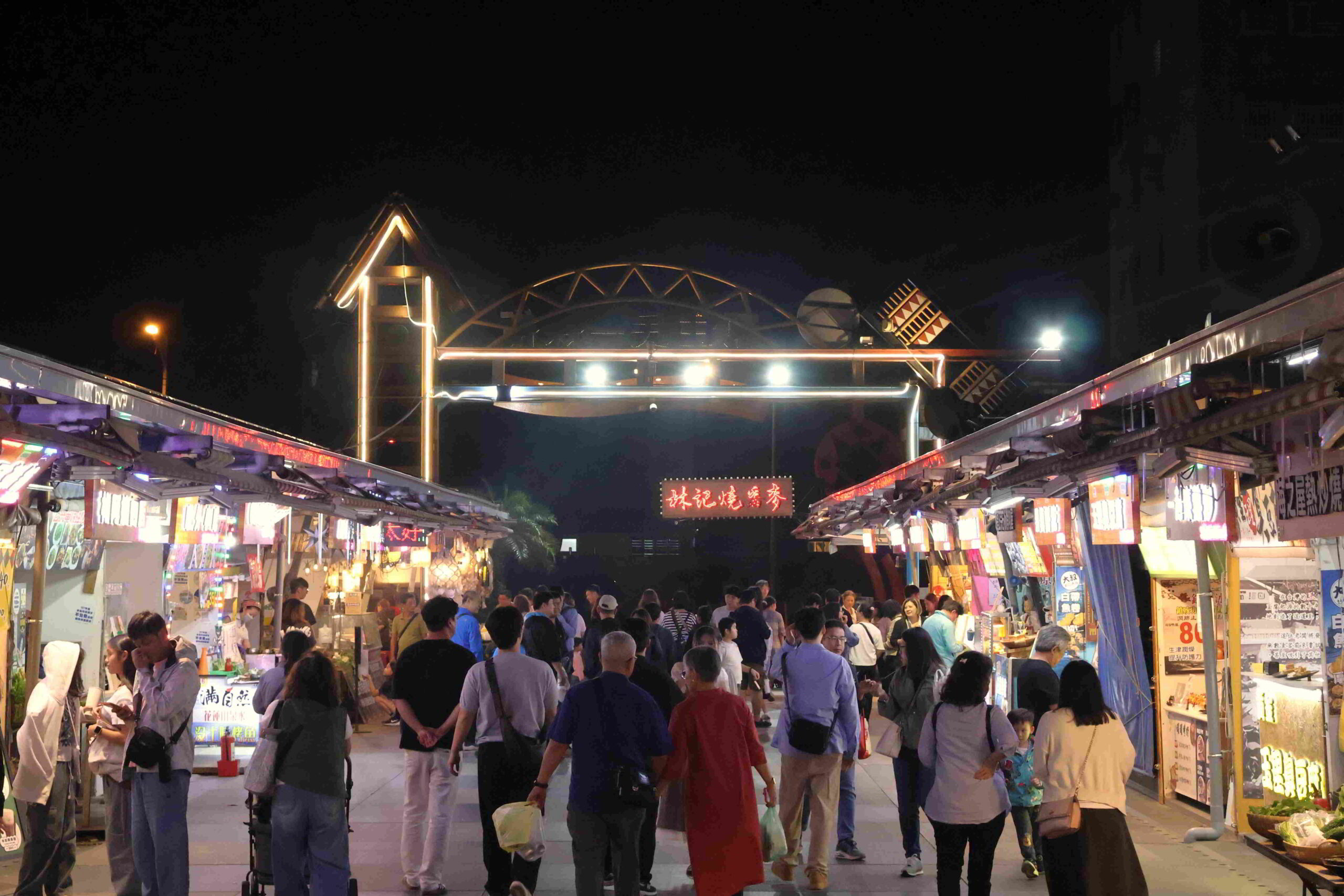
Hualien — Dongdamen Night Market
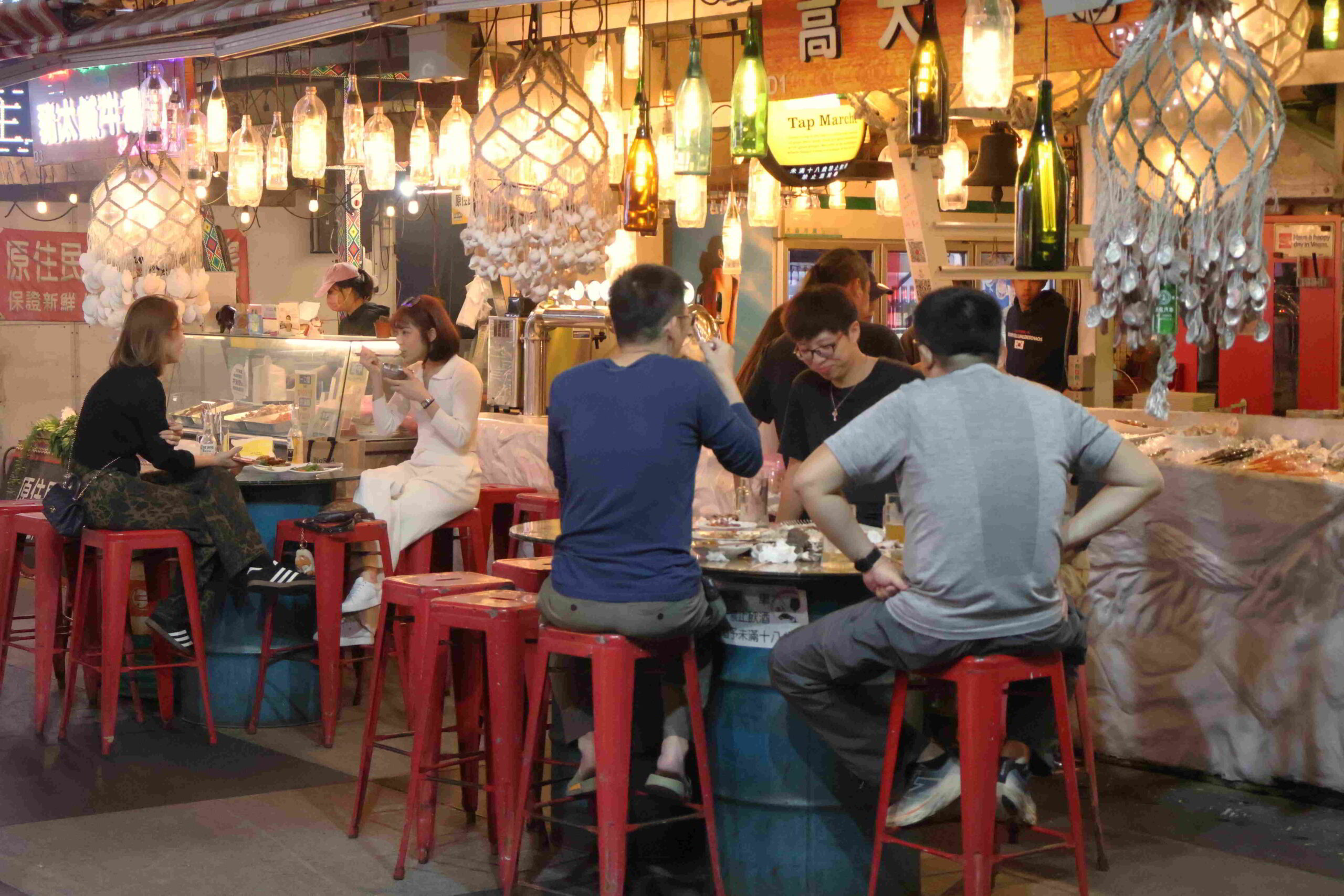
Hualien — Dongdamen Night Market
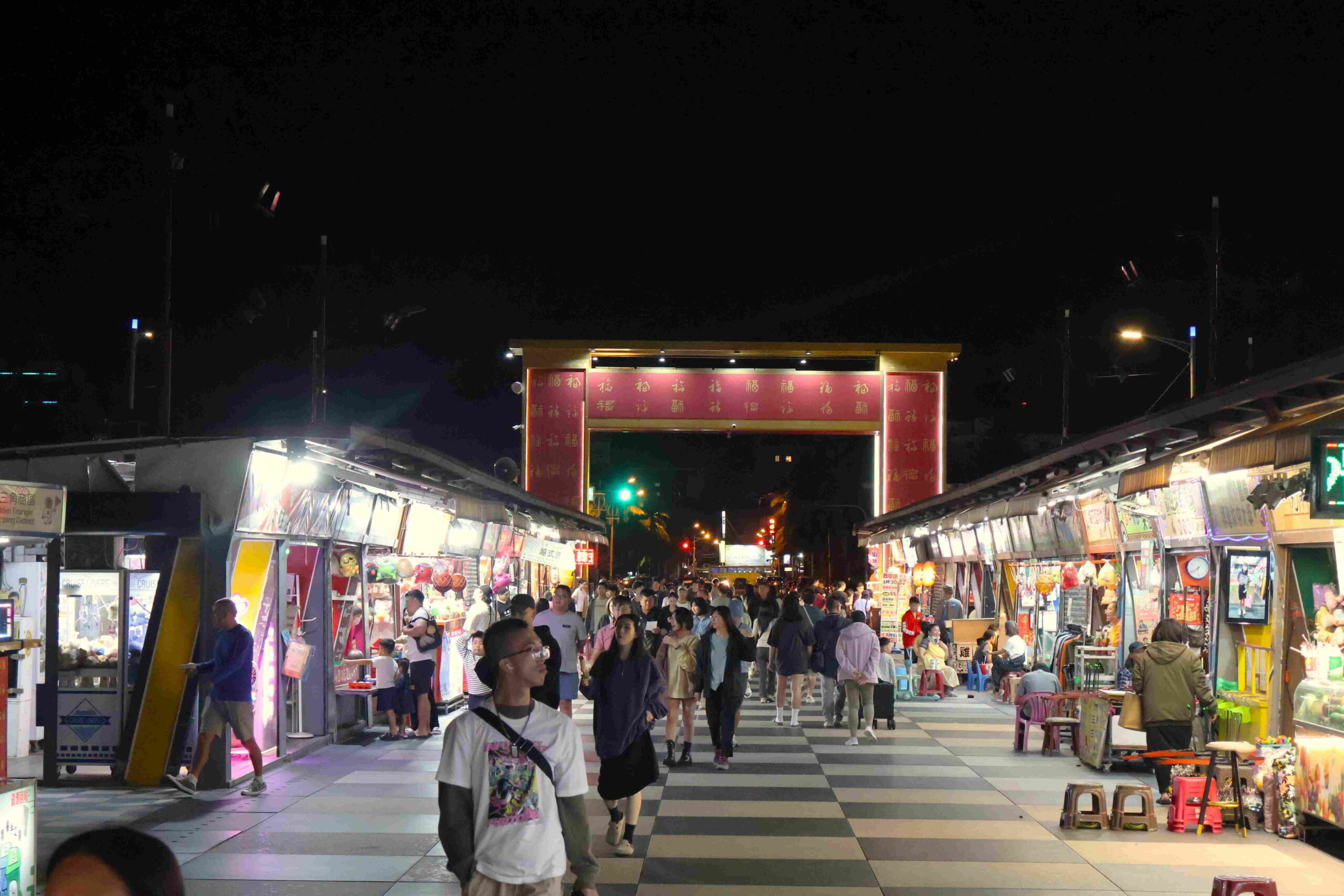
Hualien — Dongdamen Night Market
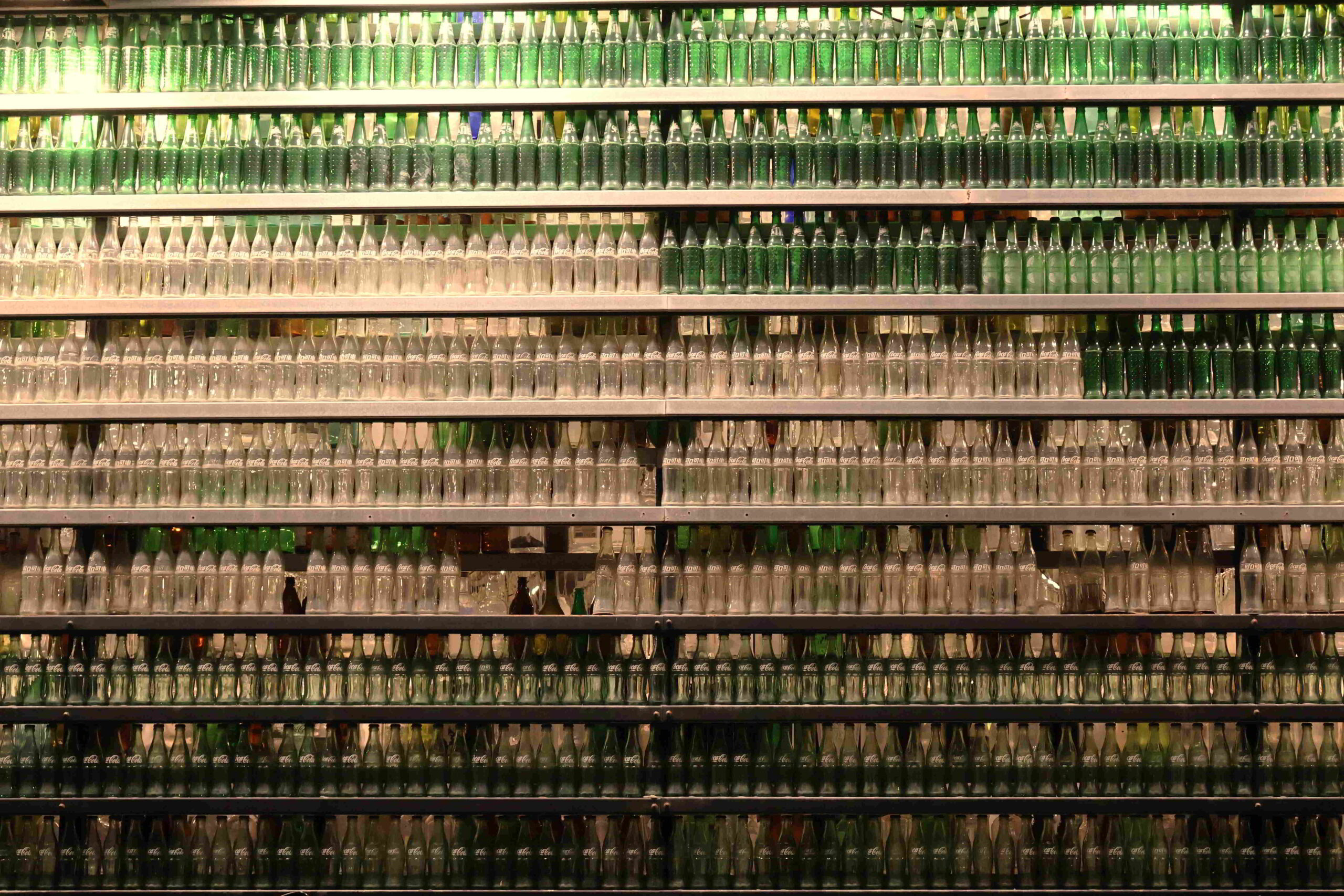
At one end, I spot a seafood establishment with a sizeable offering; despite the higher prices of seafood, it would be more memorable than the alternatives, and following the long wait, the experience of eating the stewed mola mola (sunfish) does turn out to be very unique, although not in an entirely good way. The meat is very gelatinous and flavourless, but the strips of this particular meat certainly provide an intriguing backdrop to the larger dish of chopped greens, bean sprouts, diced green onions, with ginger, red cayenne, garlic, Thai basil, and black pepper. The greens I order are memorable as well, chewy and tart chayote leaves stewed in garlic.
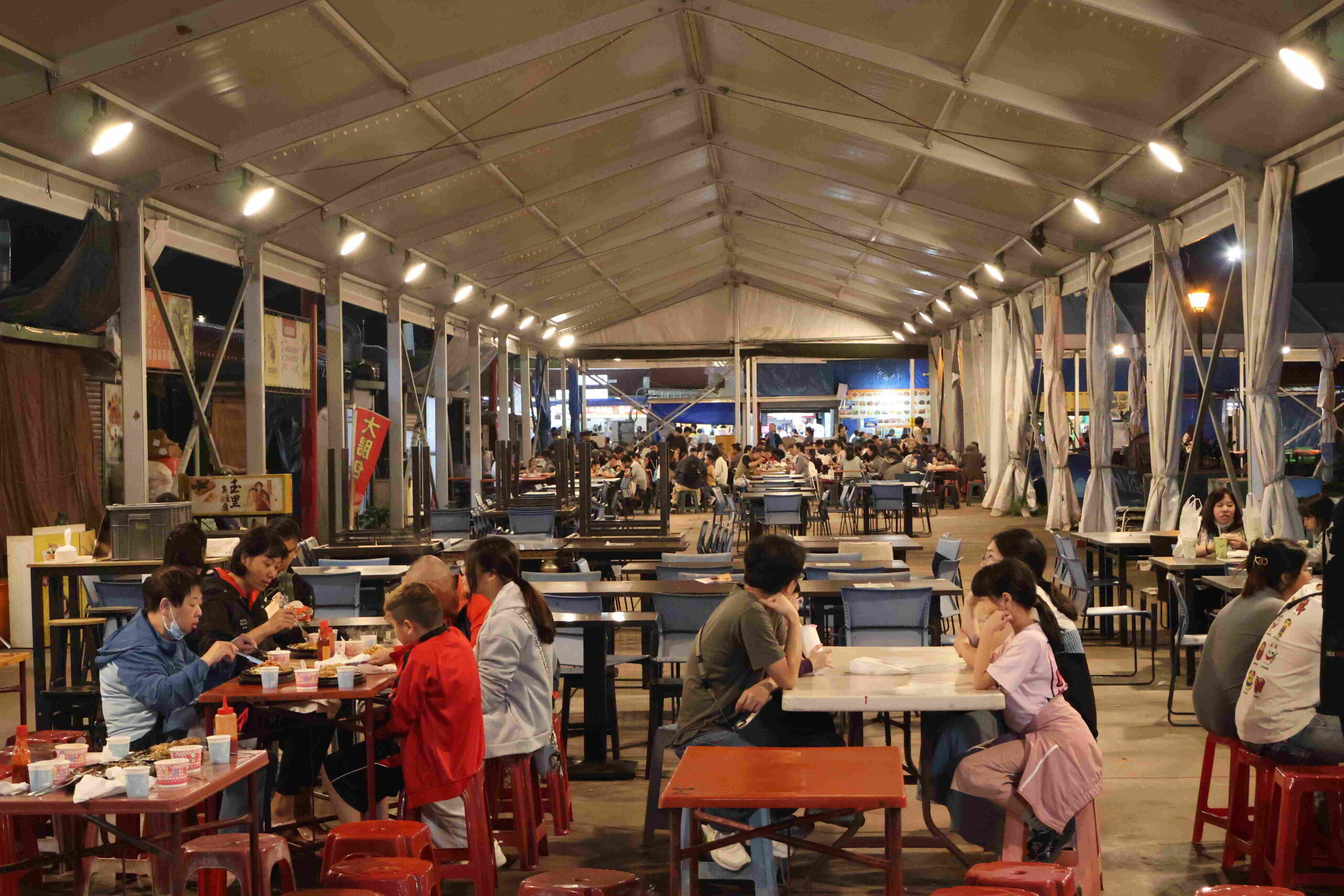
Hualien — Dongdamen Night Market
Hualien — Dongdamen Night Market
Hualien — Dongdamen Night Market
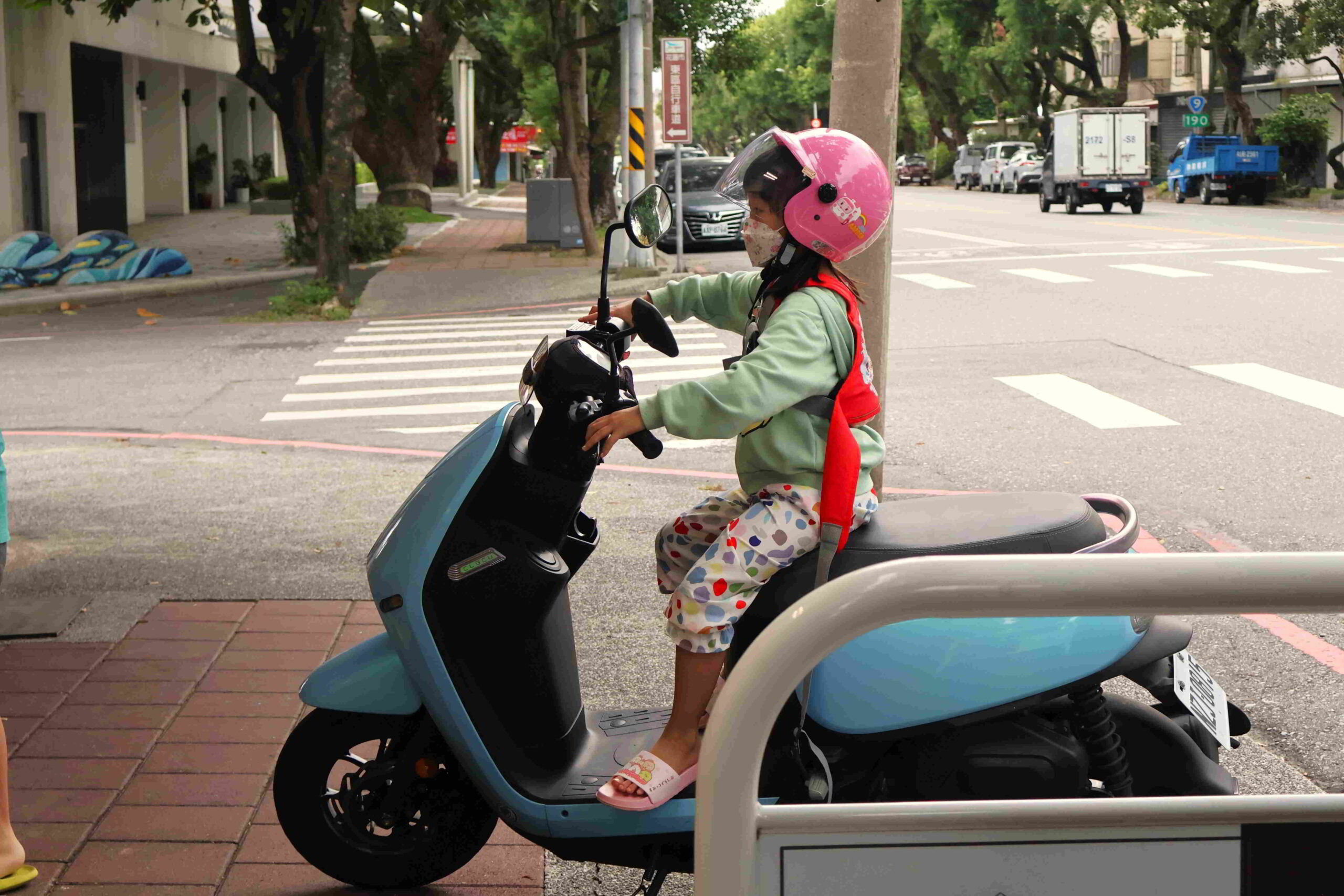
The last venture of the evening, a trip to the supermarket immediately to the north of the night market where I am eminently in my element, stocking up on all the good things that will allow me to enjoy a healthy breakfast in my newfound home. The last challenge of the day — returning back to my new home — reveals the side of Hualien that is challenging for the traveler, namely the terrible state of public transportation. The buses to the north side of town have already stopped running, and none of the car-hailing apps work here. But there are taxis waiting at the entrance to the night market …

Hualien — Dongdamen Night Market
Hualien — Dongdamen Night Market