November 9, 2025
The bad news is in — the tropical storm that has hit the Philippines is definitely moving north, and will drench Taiwan in rain over the entire next week. Most of which I am scheduled to spend in small towns, focused on outdoor activities. A week of my time, money, and effort will probably go to waste …
Keelung — Heping Island
Keelung — Heping Island
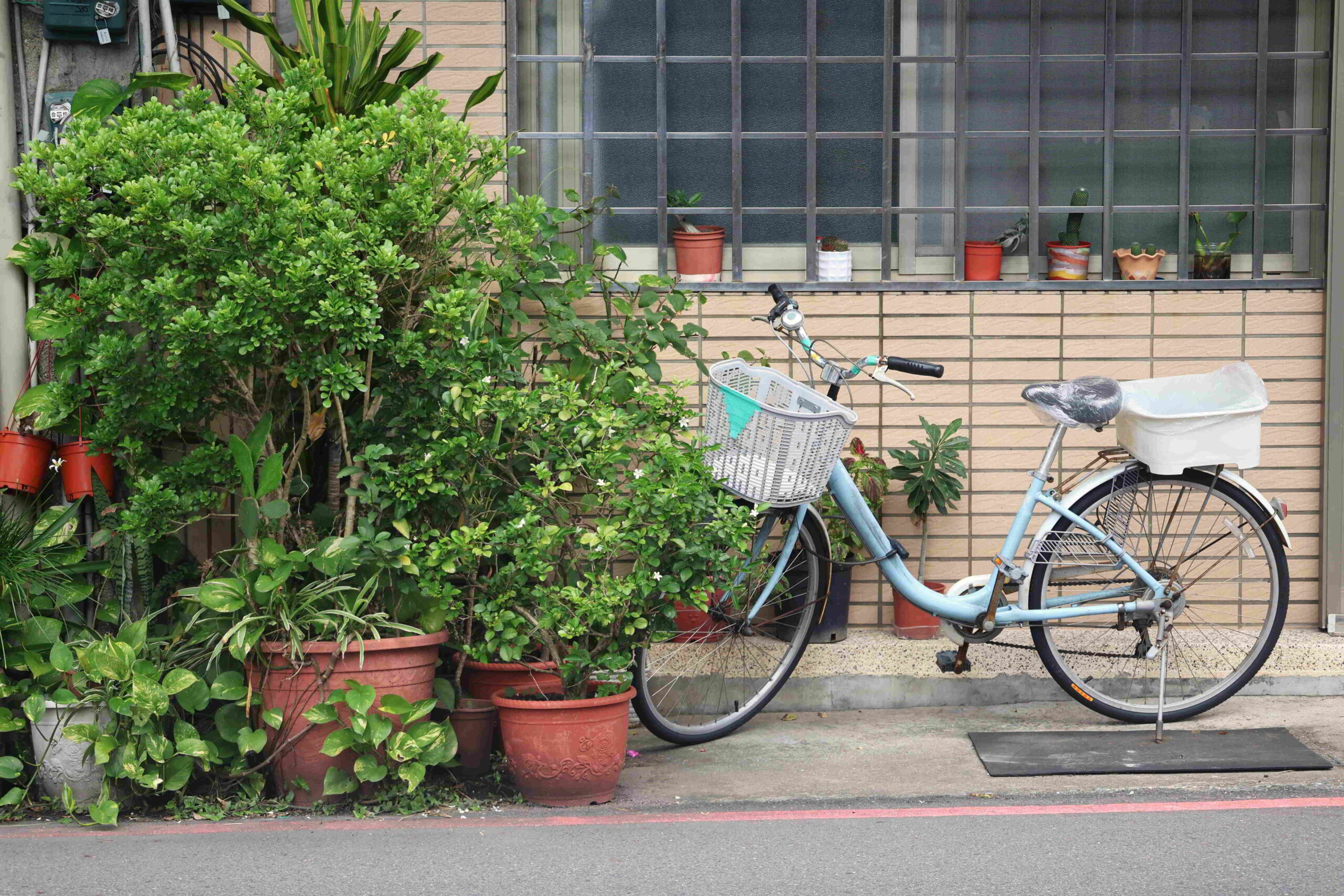
Keelung
At the bus stop on the main road facing Keelung’s Maritime Plaza, I run into a group of three young American women from New Mexico exploring the coastal area, off on a hike to a locale to the east of Heping island, whose geopark I had wanted to visit today.
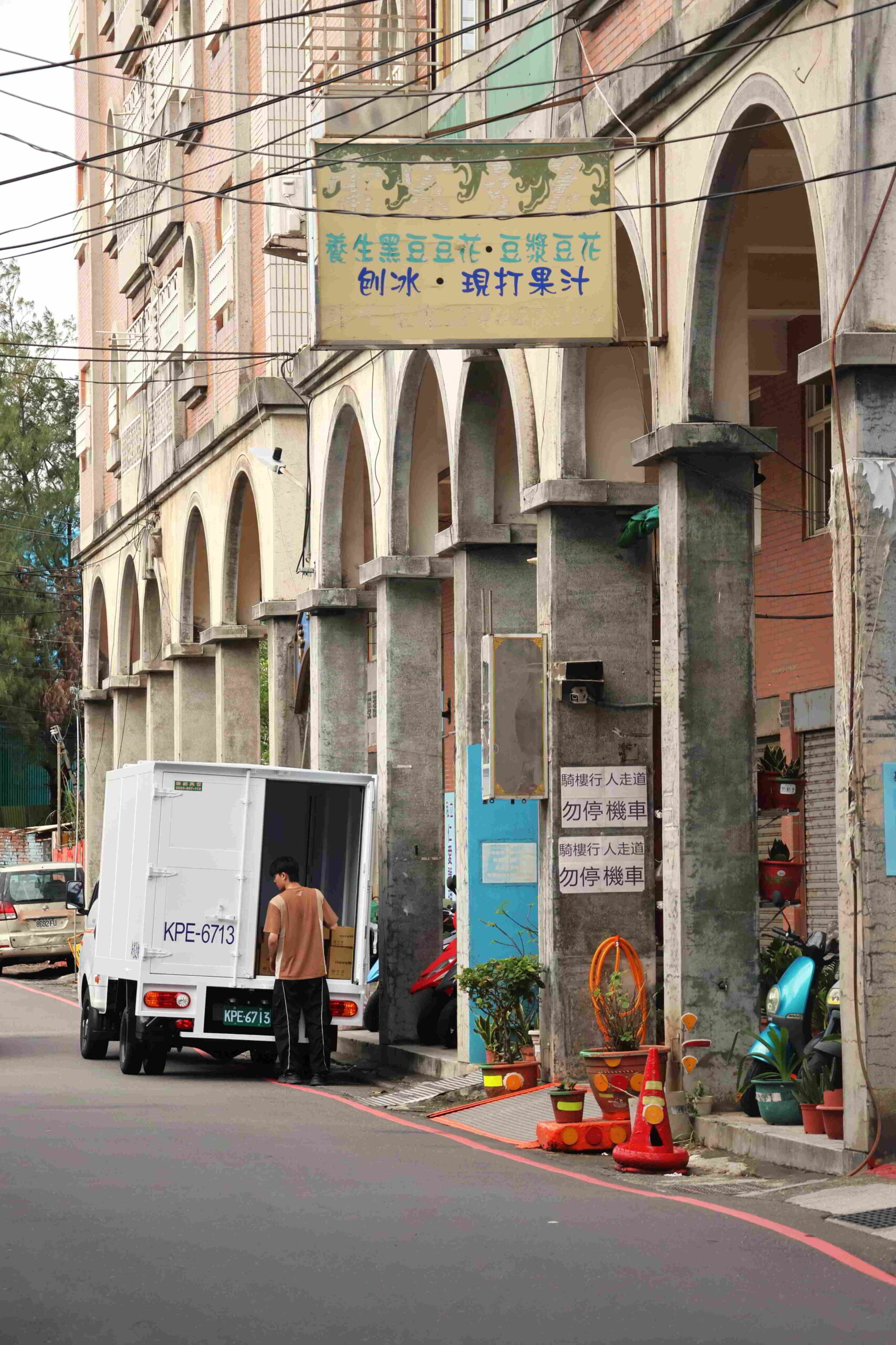
Keelung — Heping Island
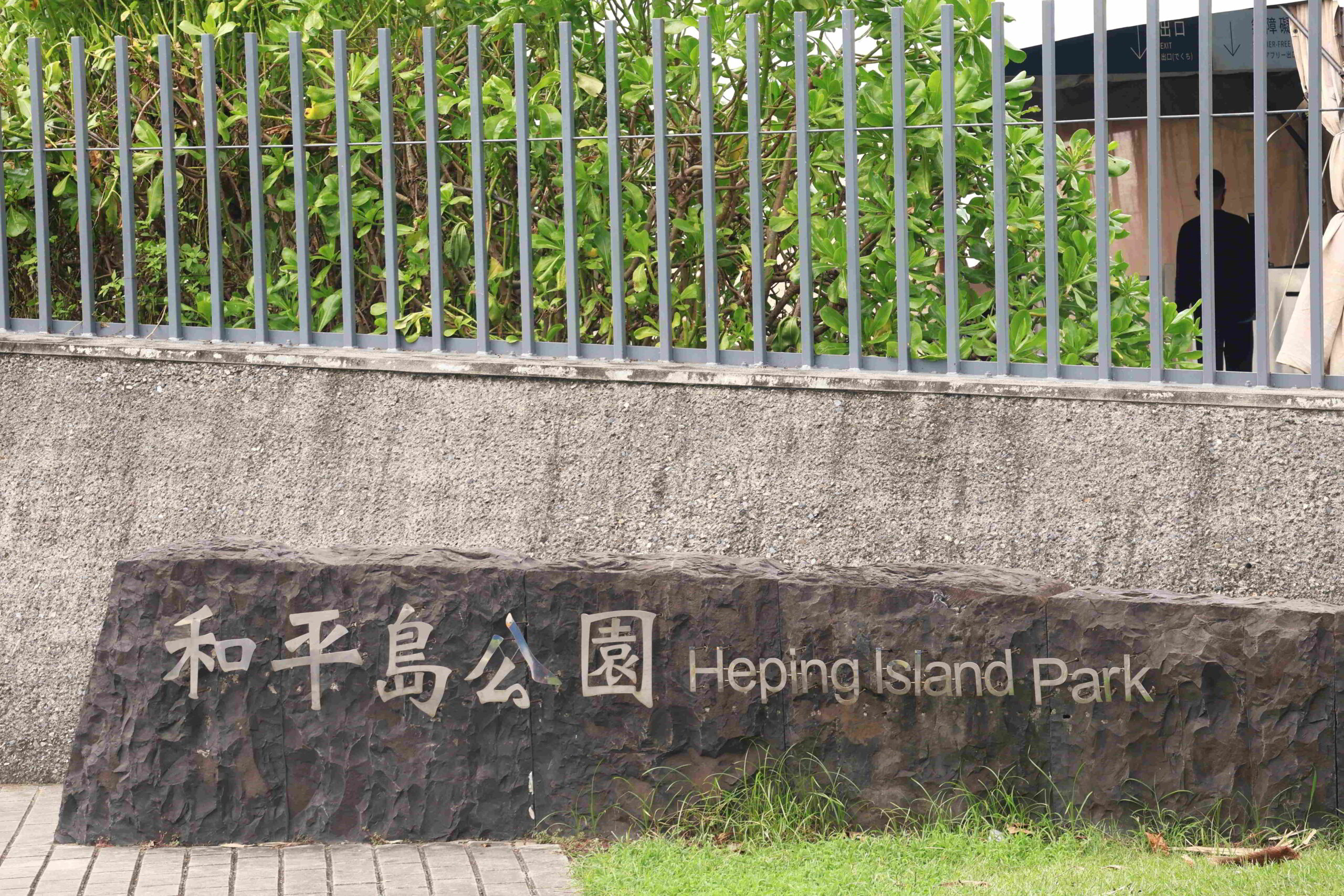
Keelung — Heping Island
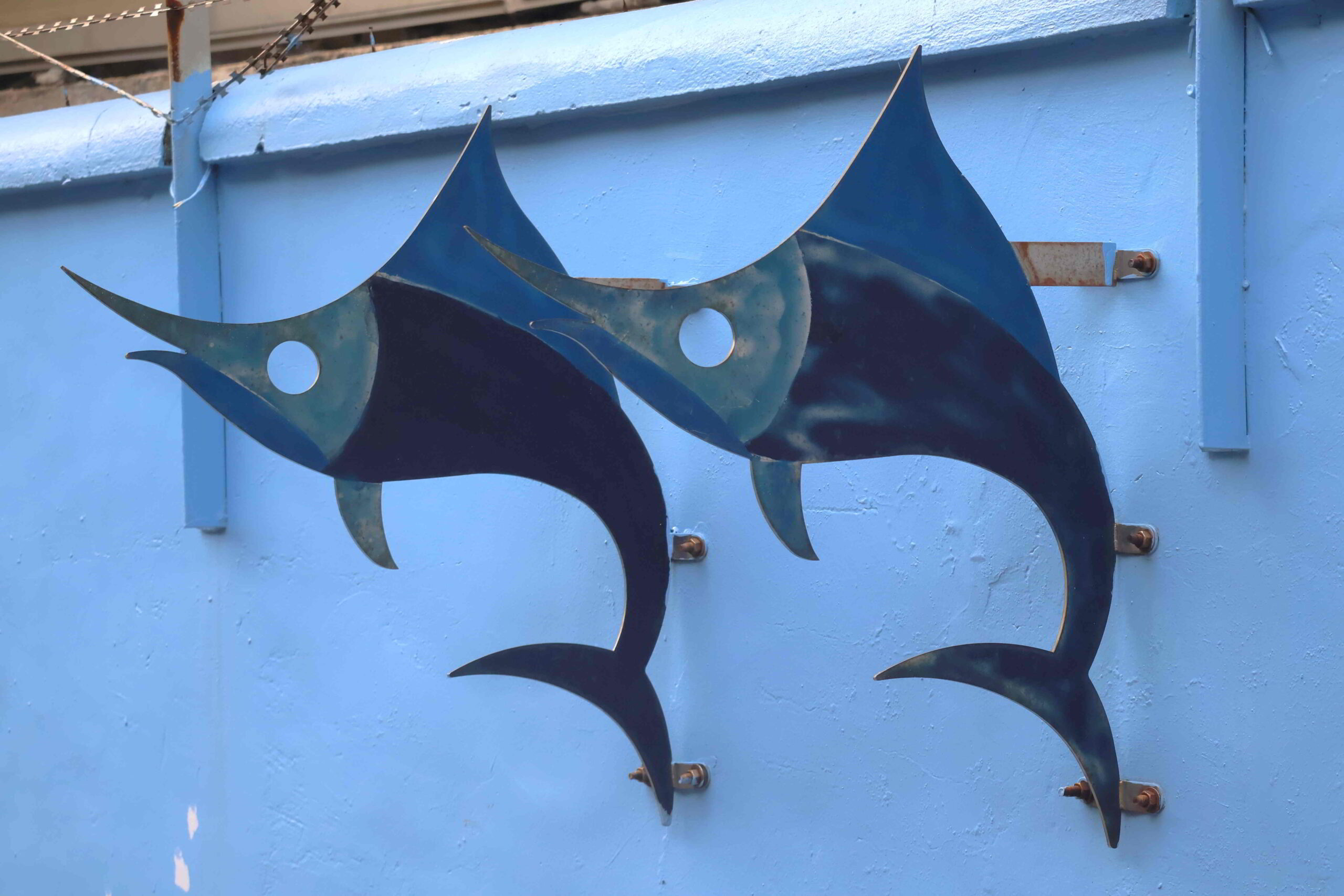
Keelung — Heping Island
Keelung — Heping Island
I don’t recognize the place they intend on hiking, but it looks attractive, and apparently, the bus I am waiting for proceeds eastward along the coast to their destination. Upon further investigation, it isn’t quite clear to me that the intended bus actually reaches the place they want to hike. To reach the geopark, on the other hand, I can take the 101 and 102 to the entrance of Heping island , then walk for some distance, as the tourist shuttle that also services the area is relatively infrequent.
Keelung — Heping Island
Keelung — Heping Island Geopark
Keelung — Heping Island Geopark
Keelung — Heping Island
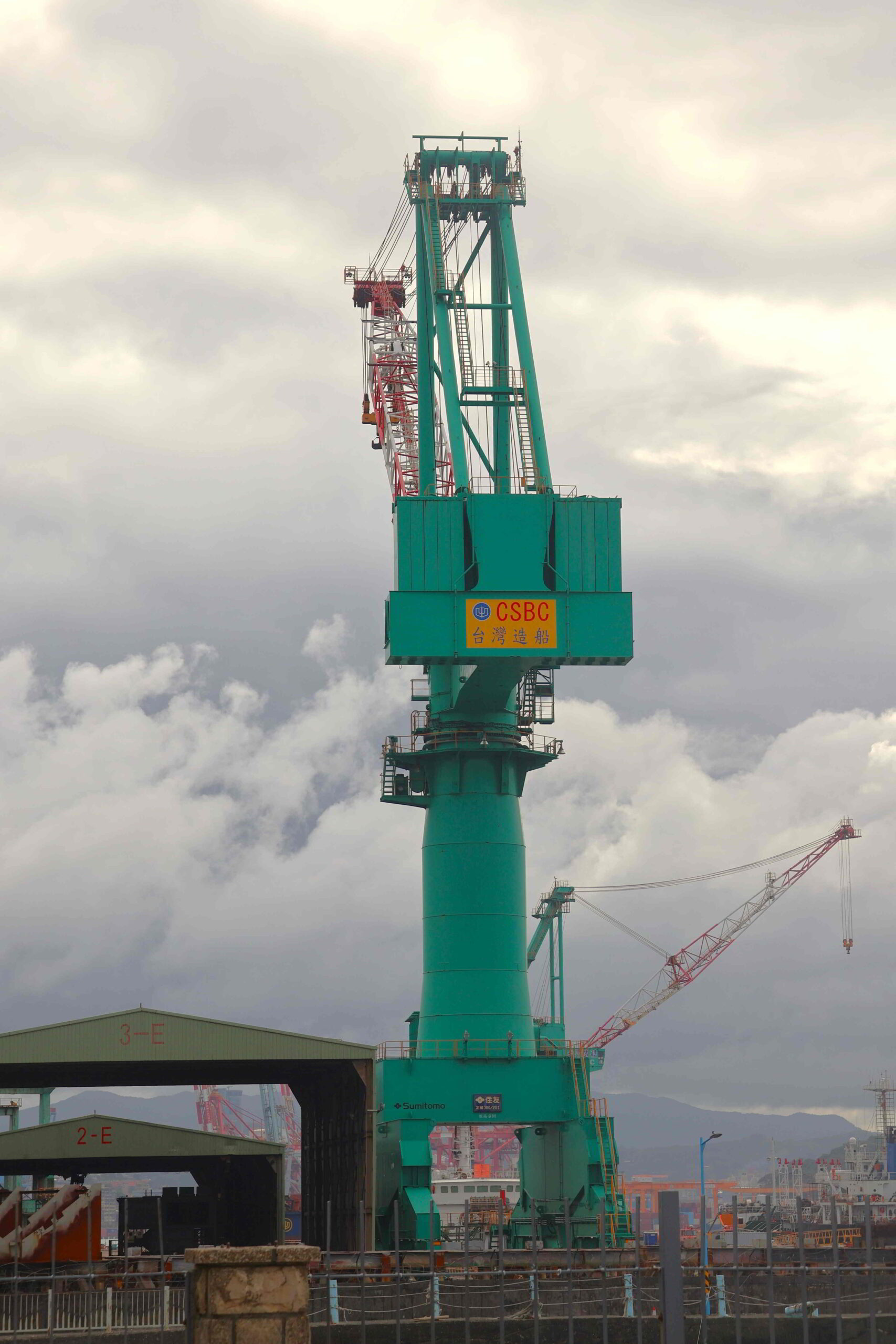
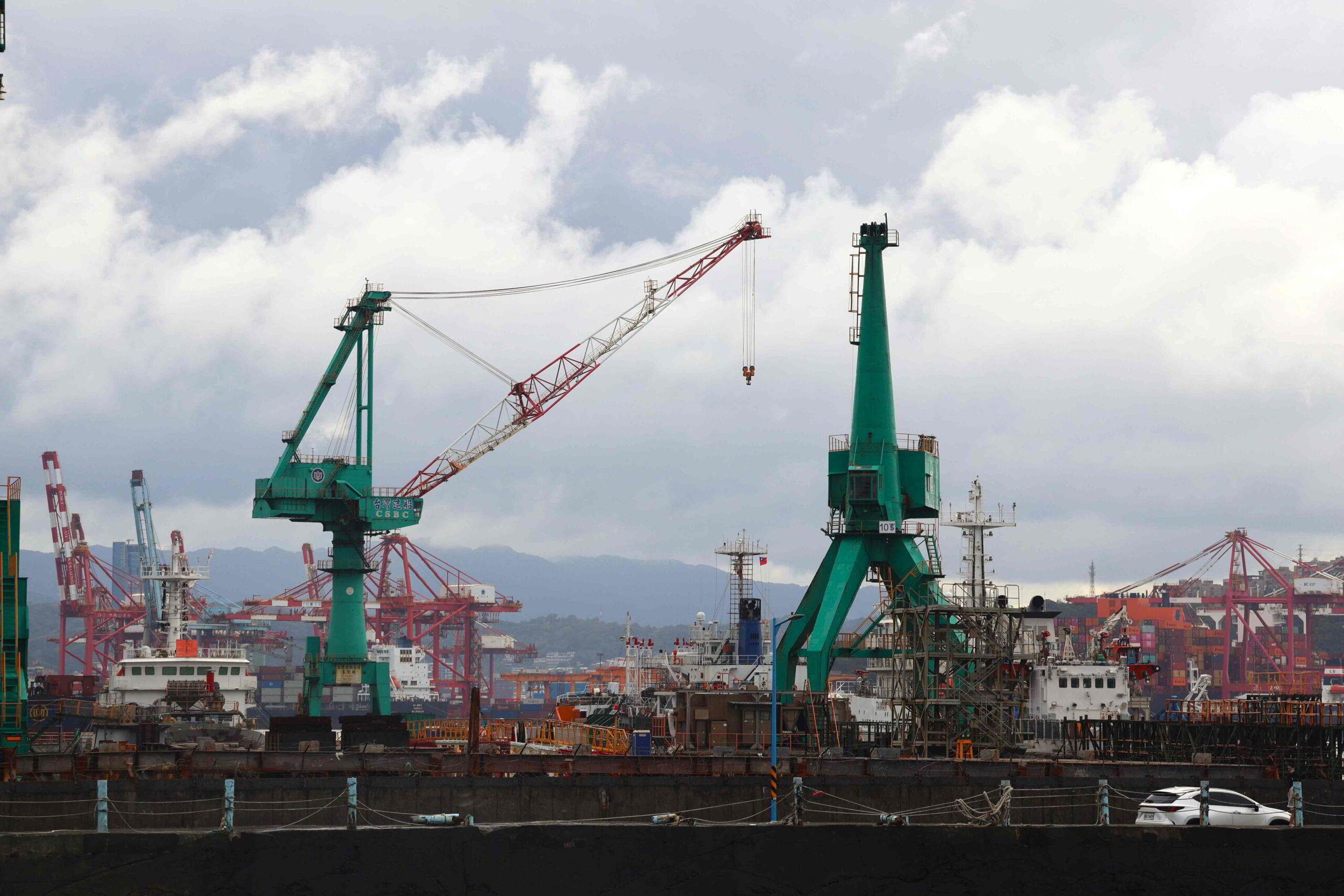
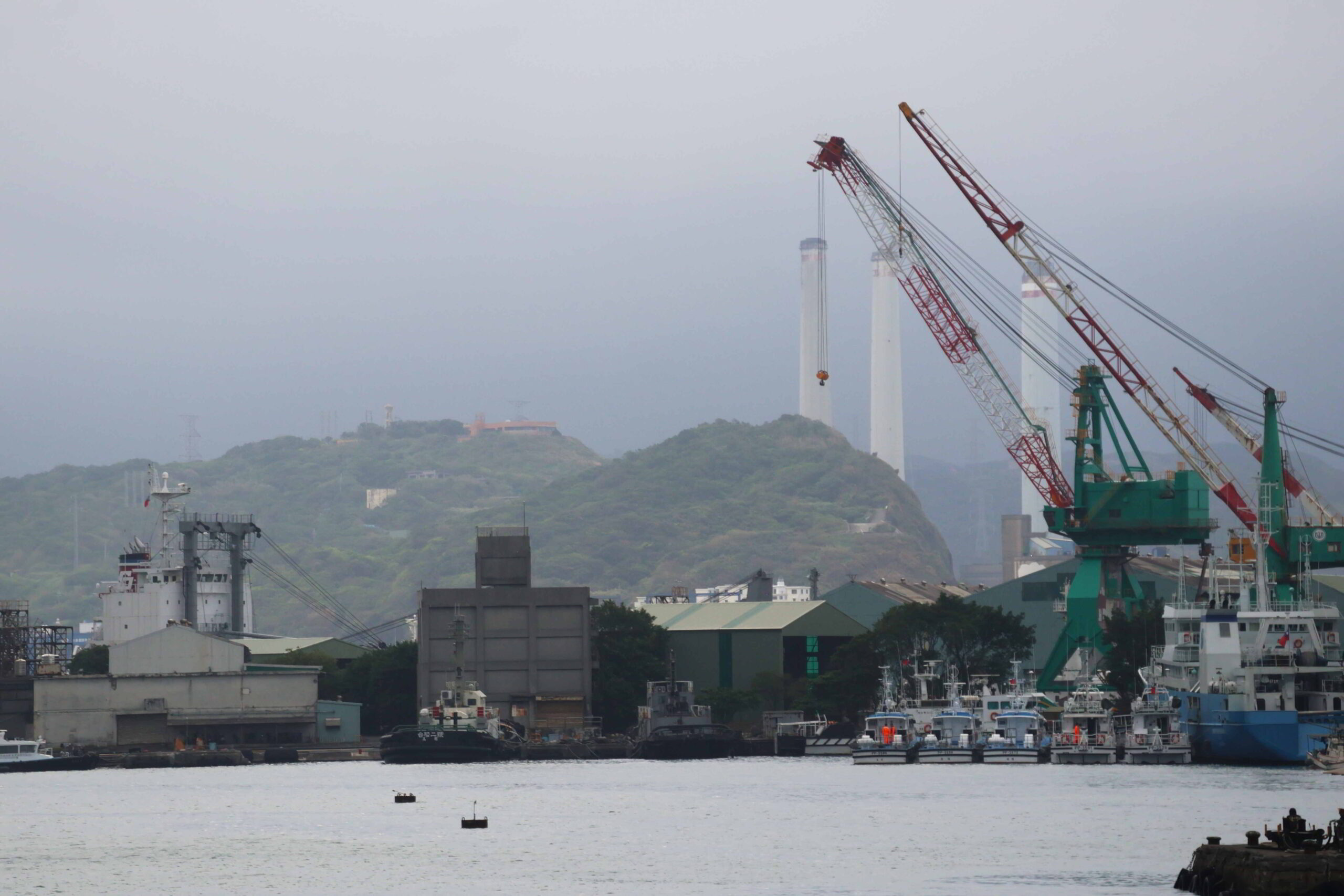
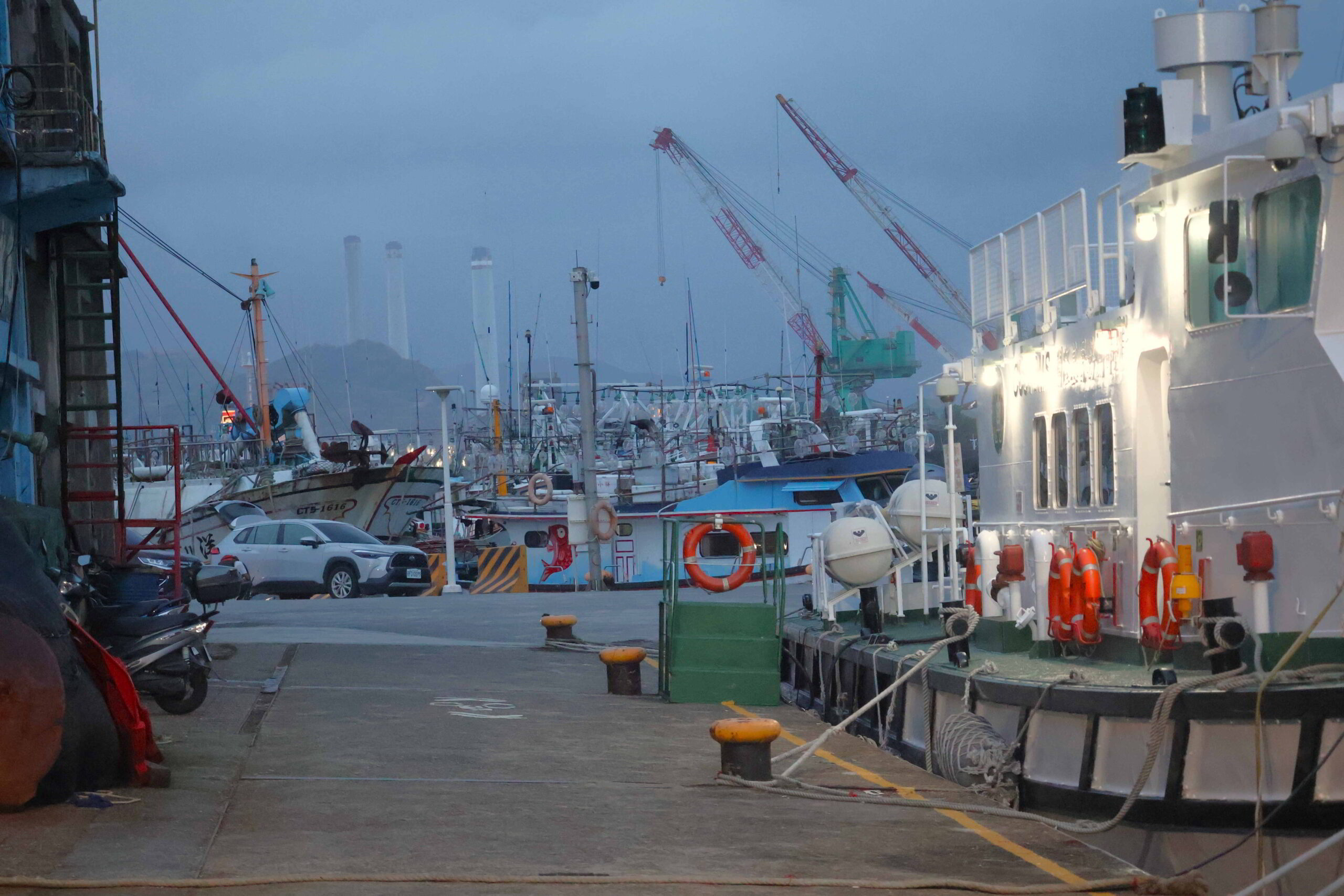
The bus travels through the dense residential and commercial real estate clustered along the east side of the port, then weaves through a dense tapestry of characteristic domestic architecture, the colourful cranes of the port at times visible overhead. Following the lengthy journey, we reach the bridge to the island, and a visual playing field opens up, a dense carpet of recreational and commercial vessels berthed near the shoreline, a row of coloured houses arrayed along the waterfront across from the bridge, the gargantuan geometric cranes draped in brilliant colours on the horizon, and scattered men seated attentively along the edge of the piers with their outstretched fishing rods.
Keelung — Heping Island Geopark
Keelung — Heping Island Geopark
Keelung — Heping Island Geopark
Keelung — Heping Island Geopark
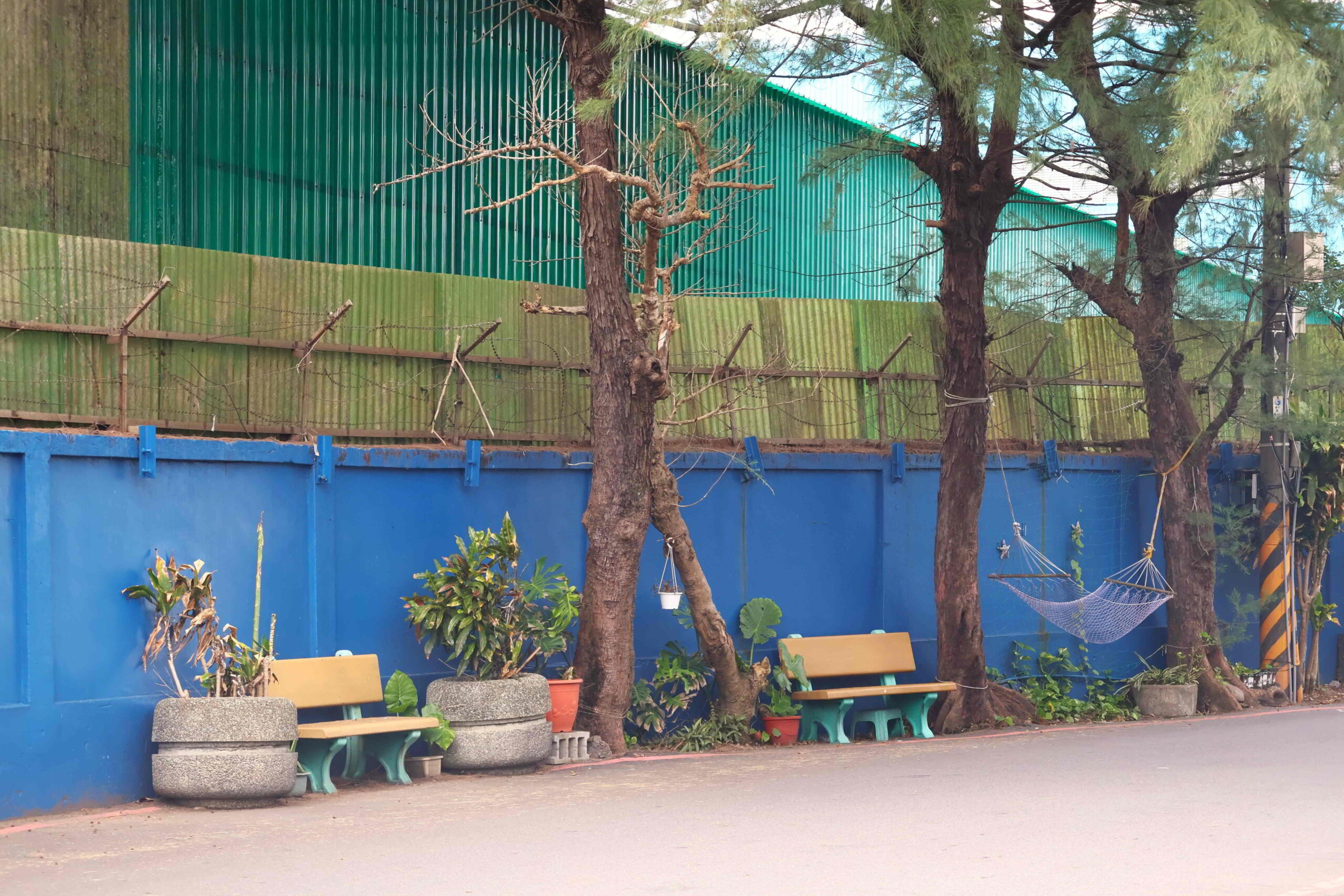
A few stops into the claustrophobic residential quarters on the island housing people who presumably earn their keep from the sea, then the final walk to the geopark, the roadway an unusual combination of grimy factories, lacklustre residential housing, and artful eating and drinking establishments.
Keelung — Heping Island Geopark
Keelung — Heping Island Geopark
Keelung — Heping Island Geopark
Keelung — Heping Island Geopark
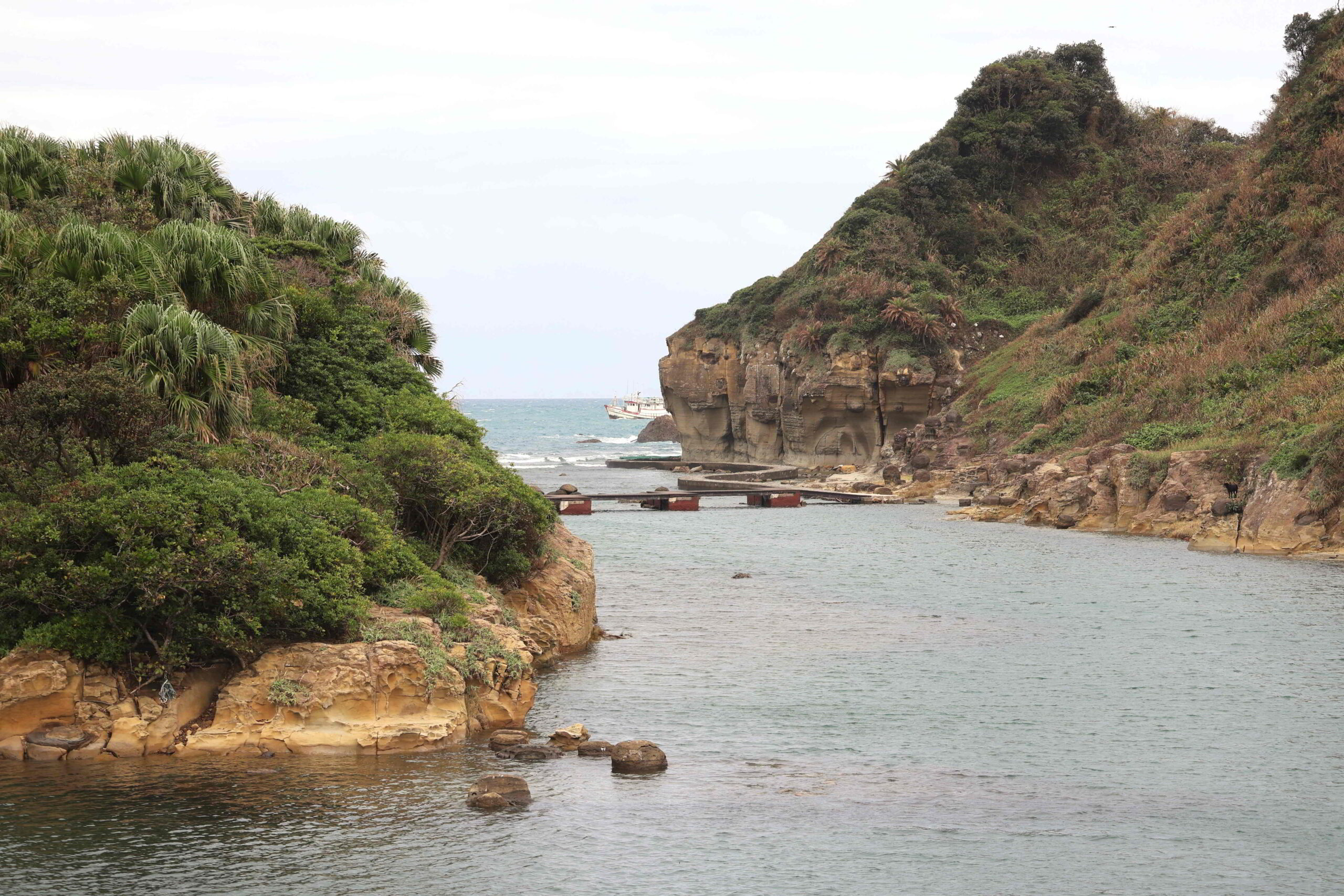
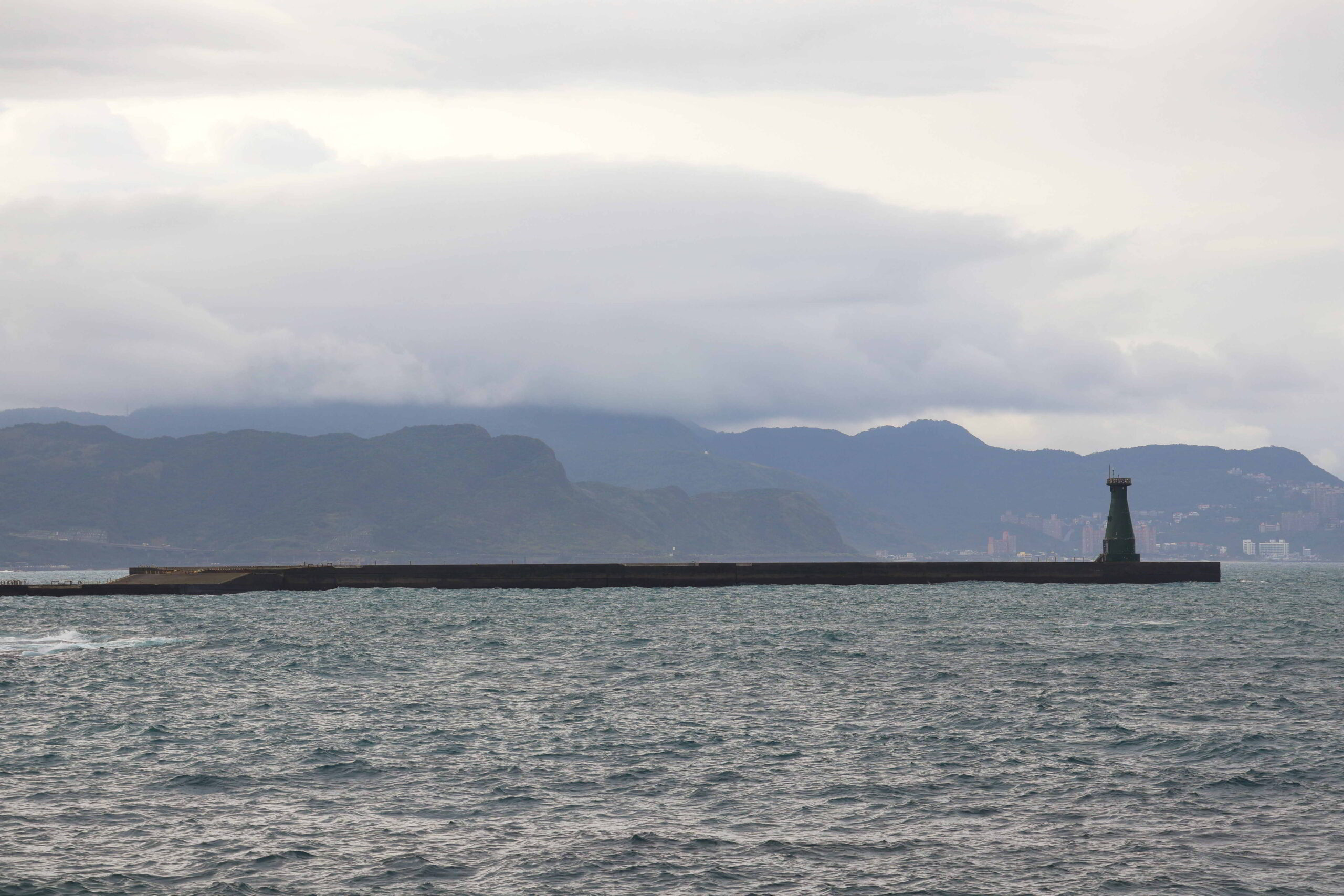
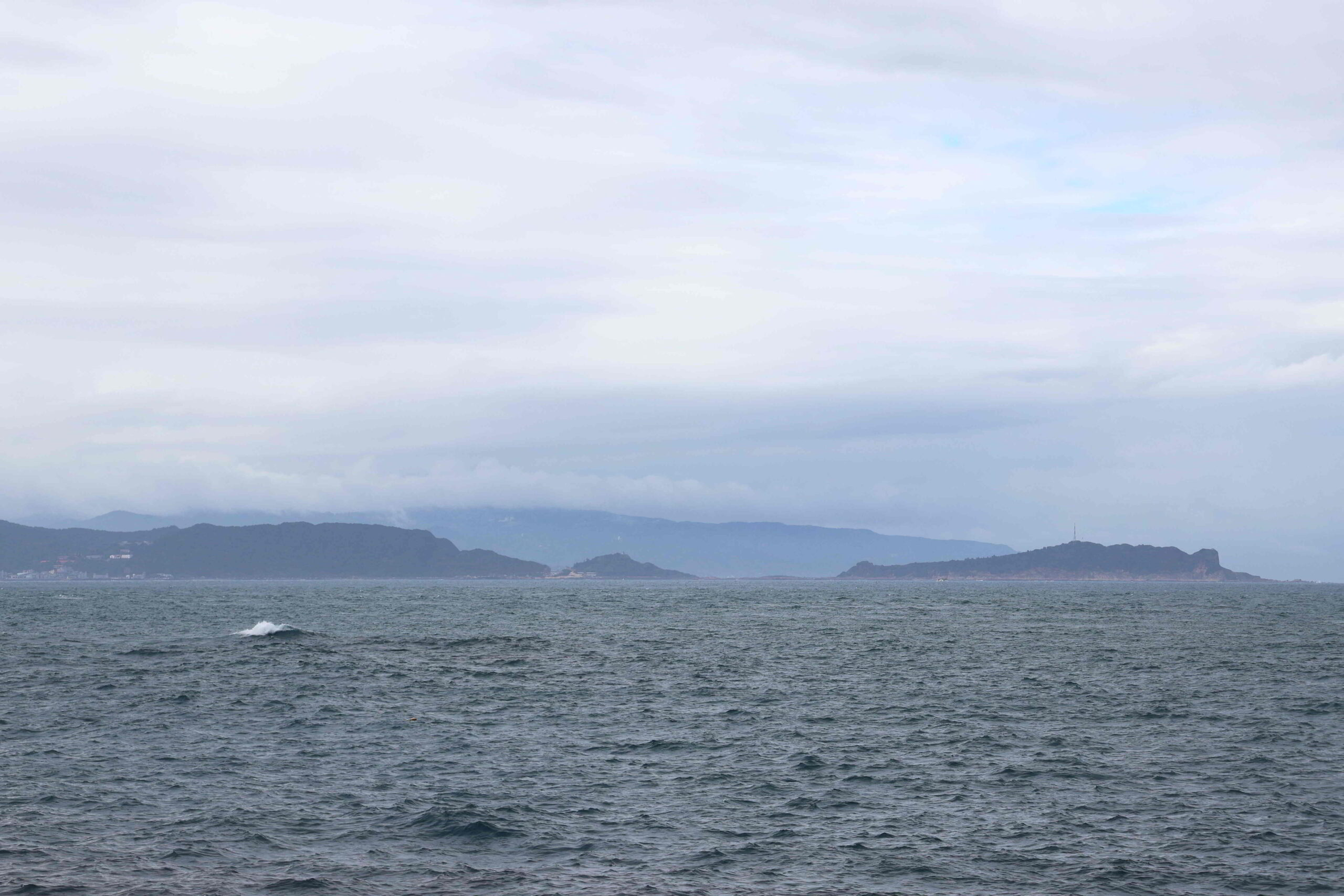
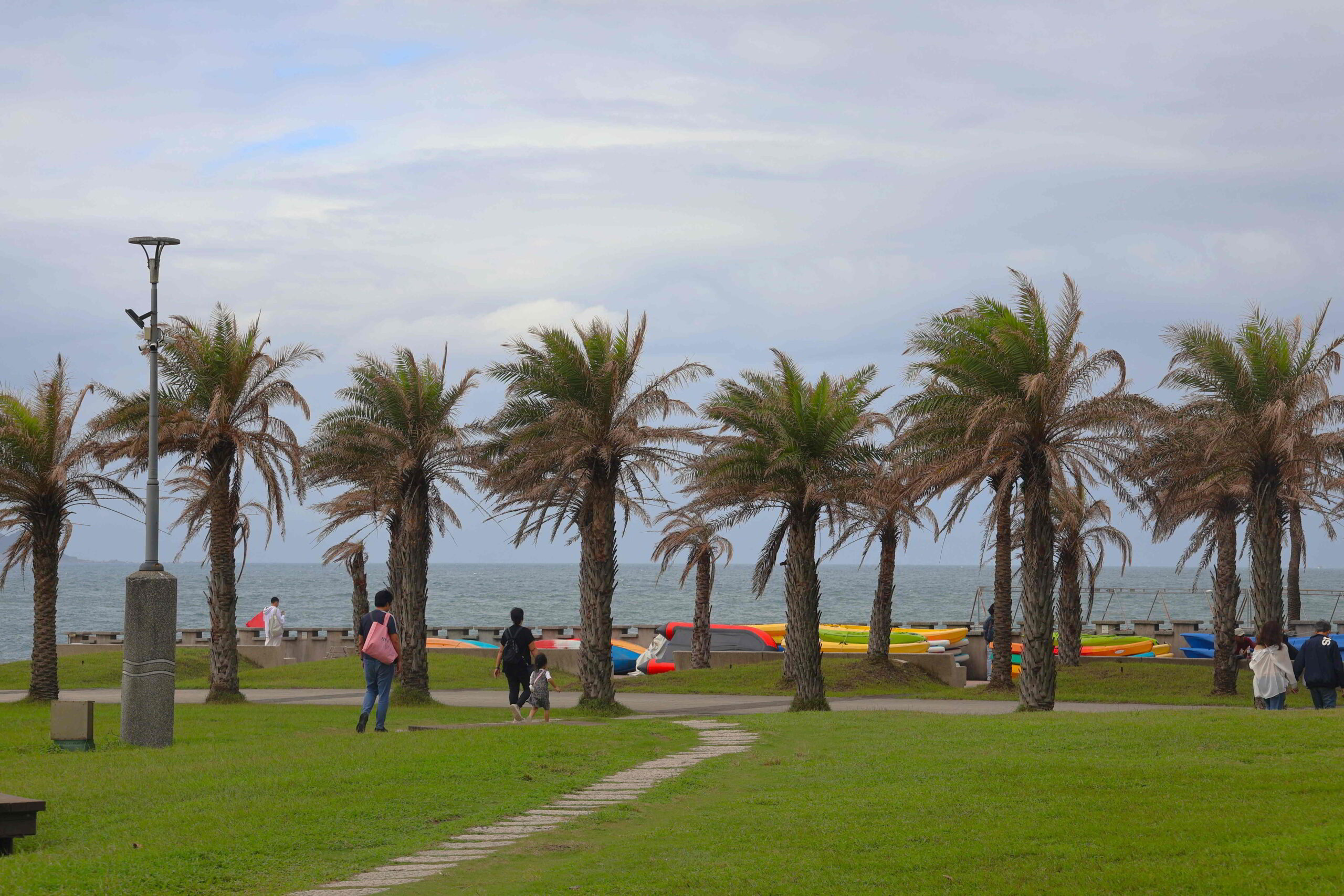
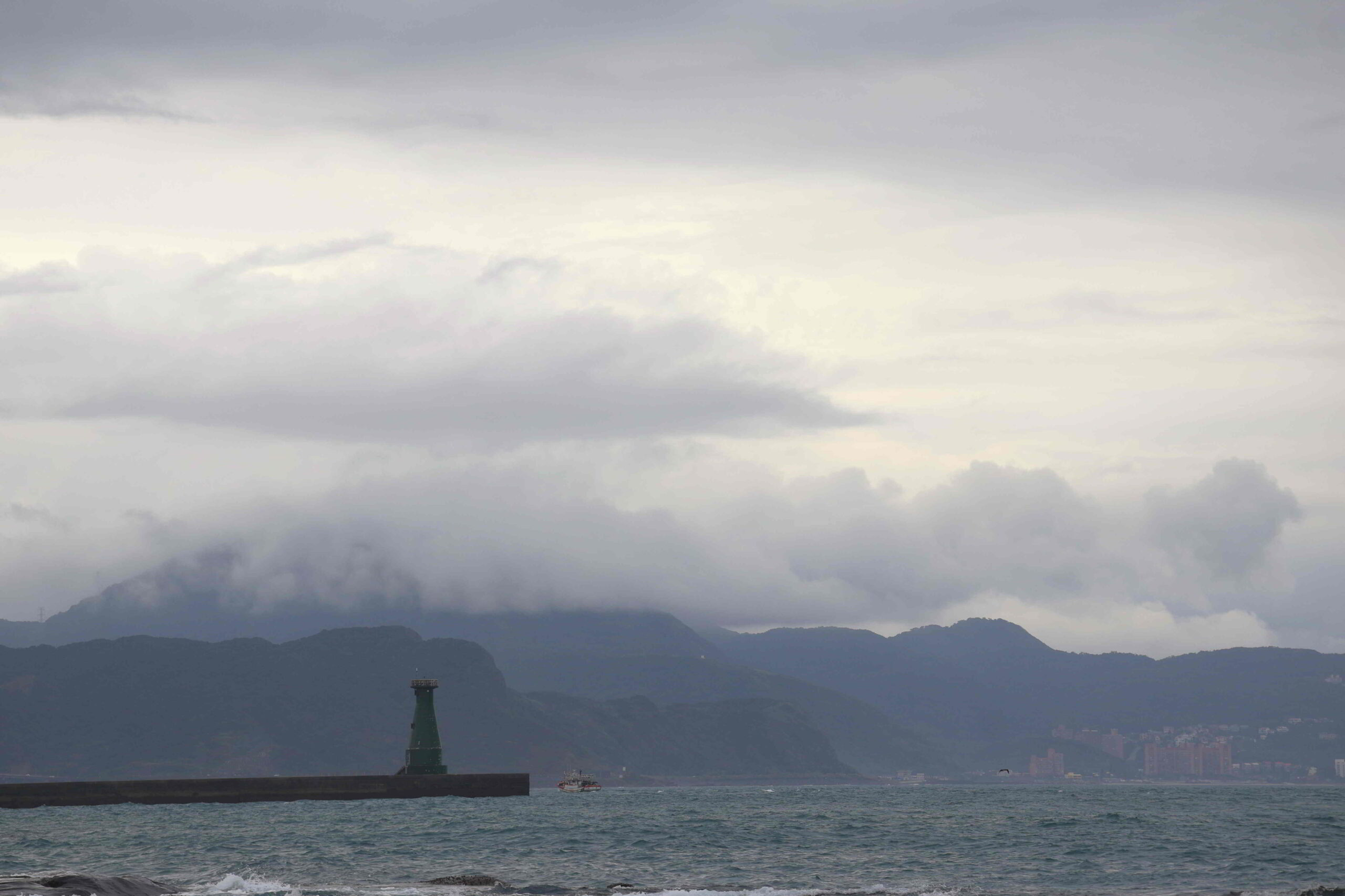
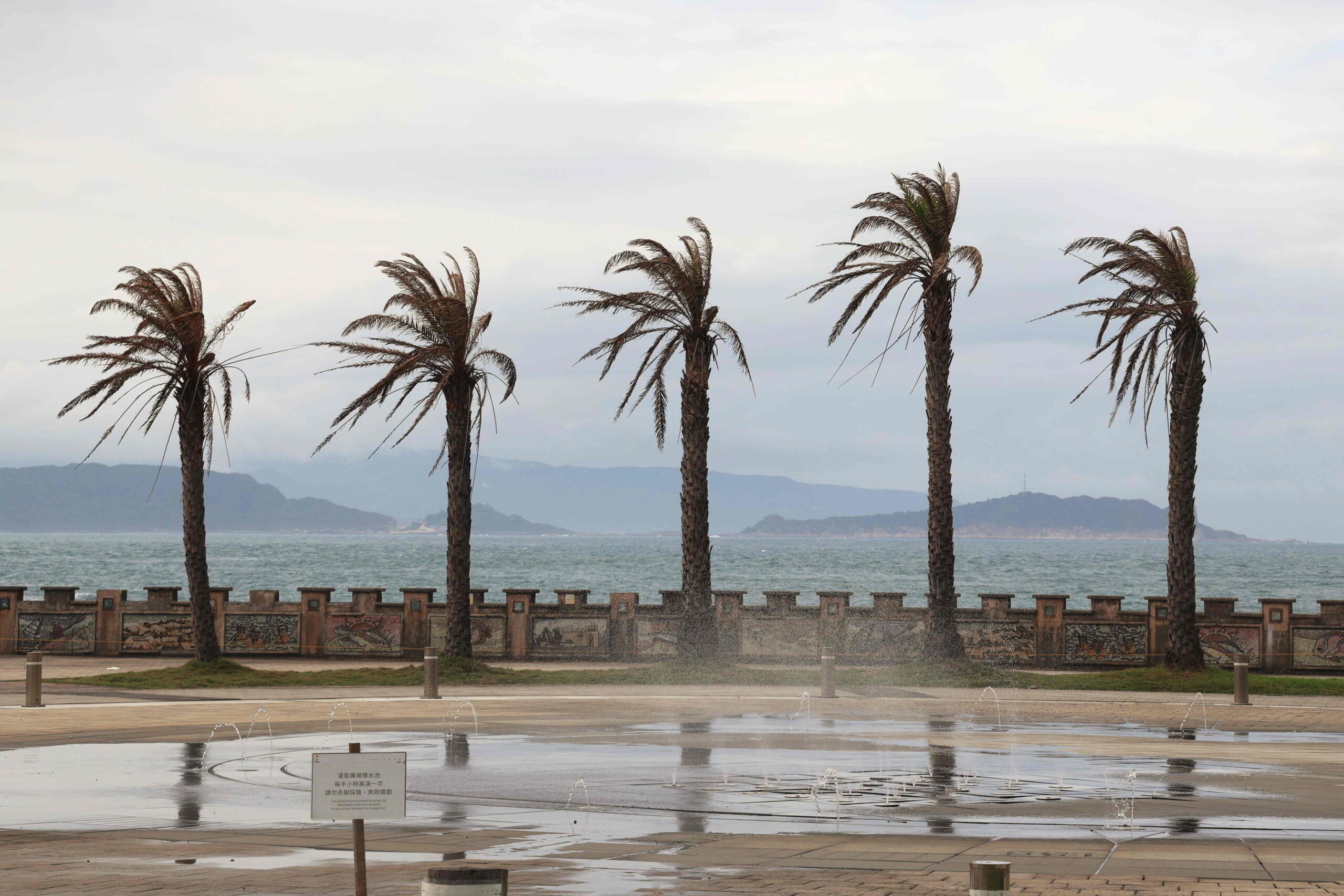
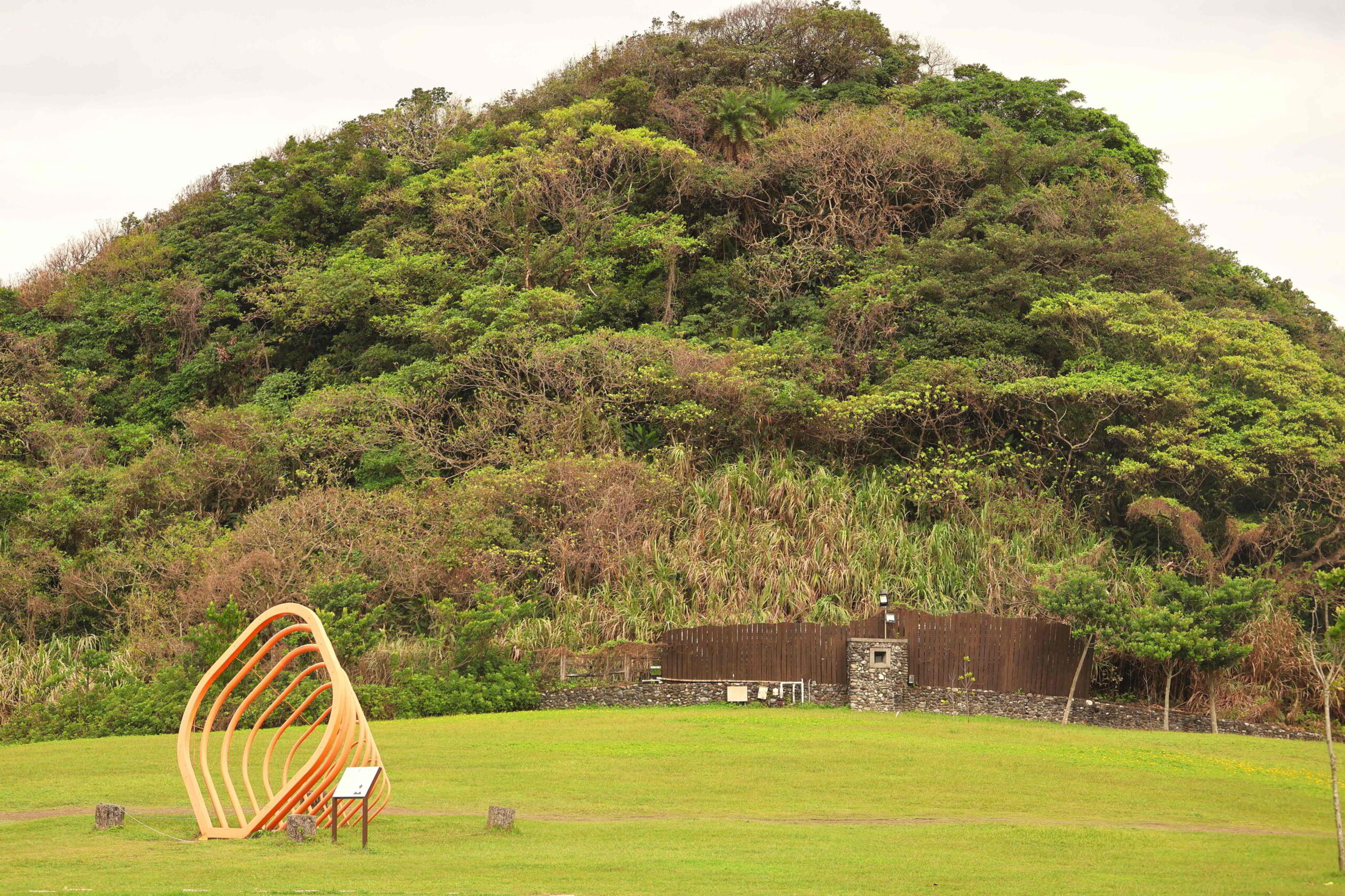
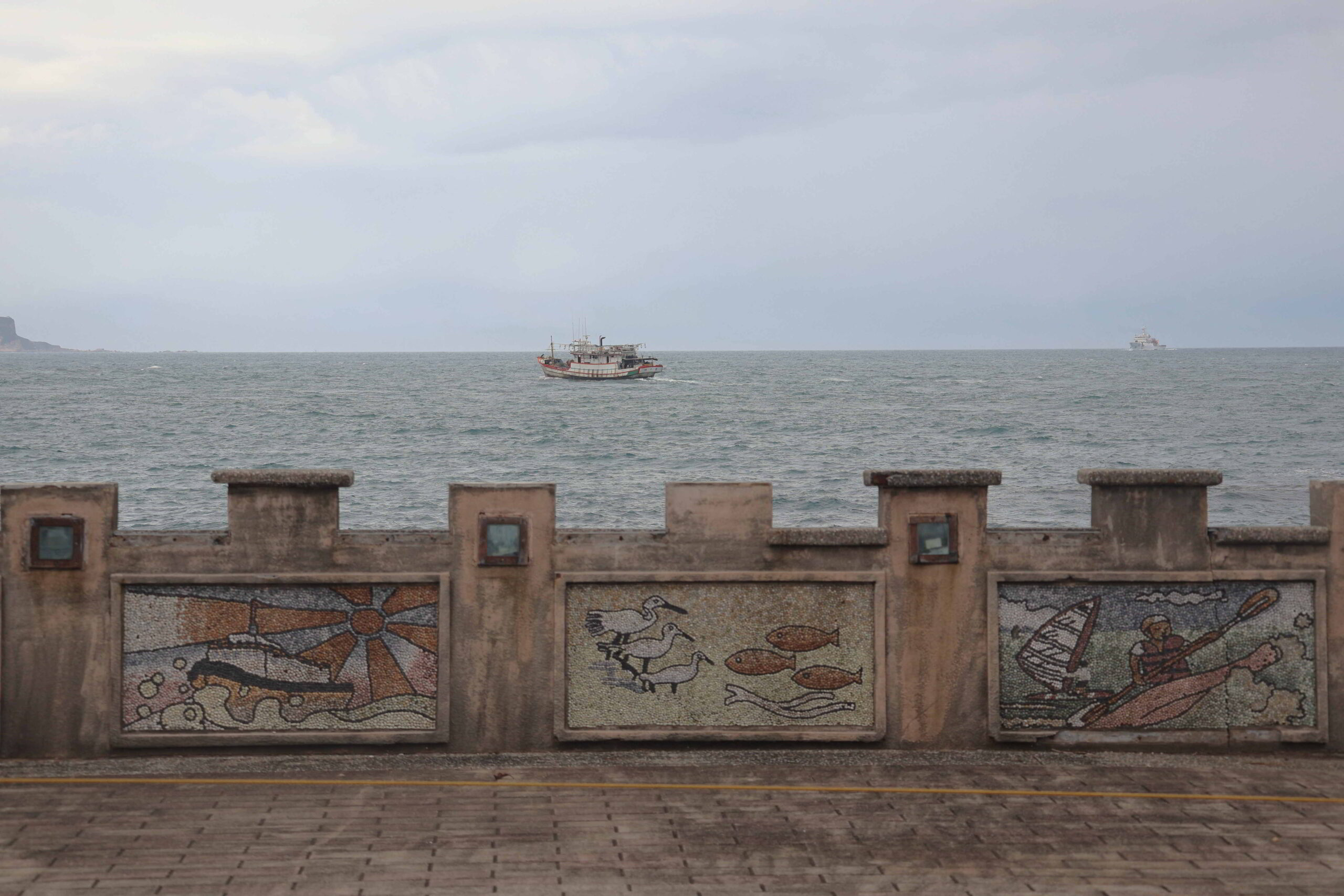
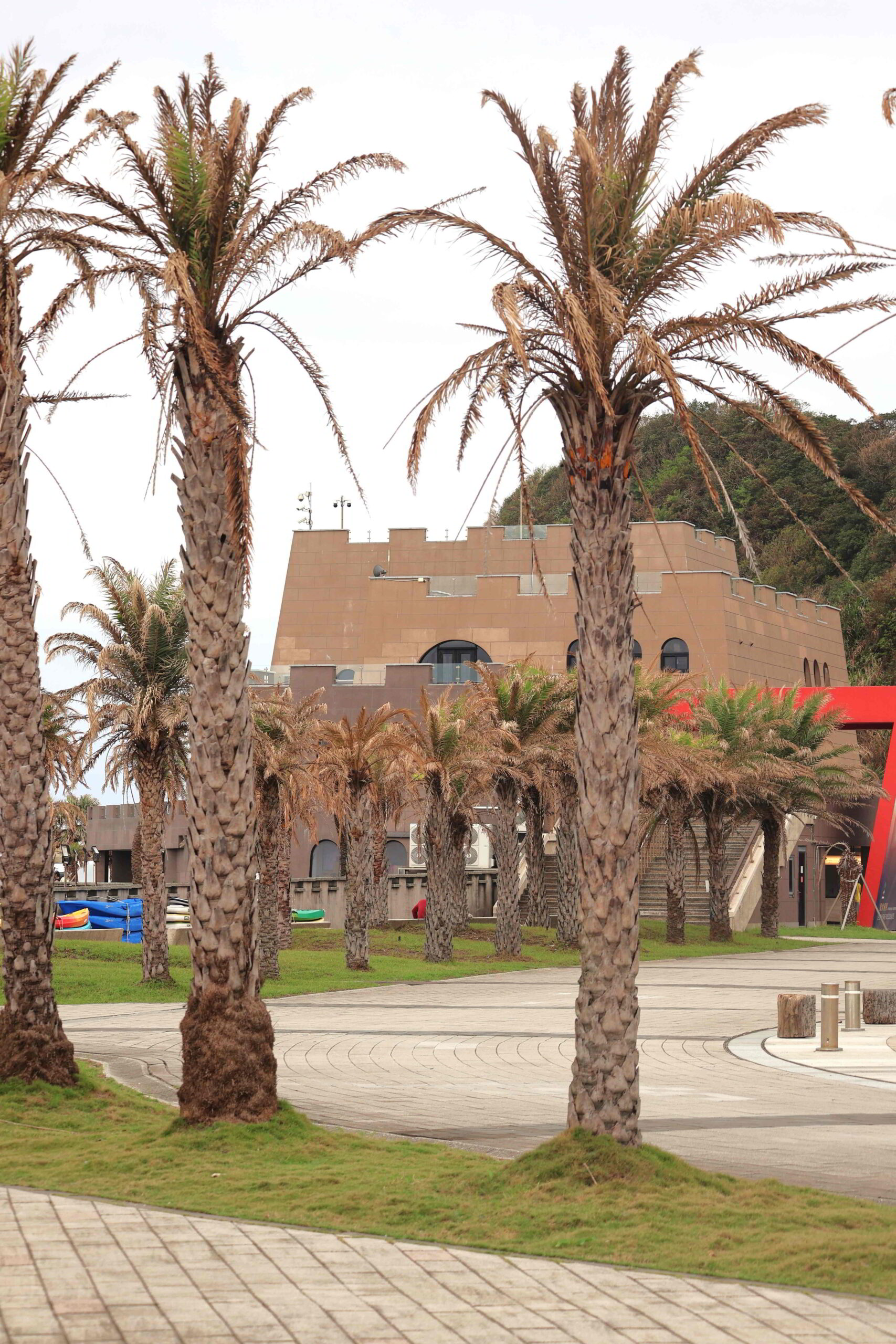
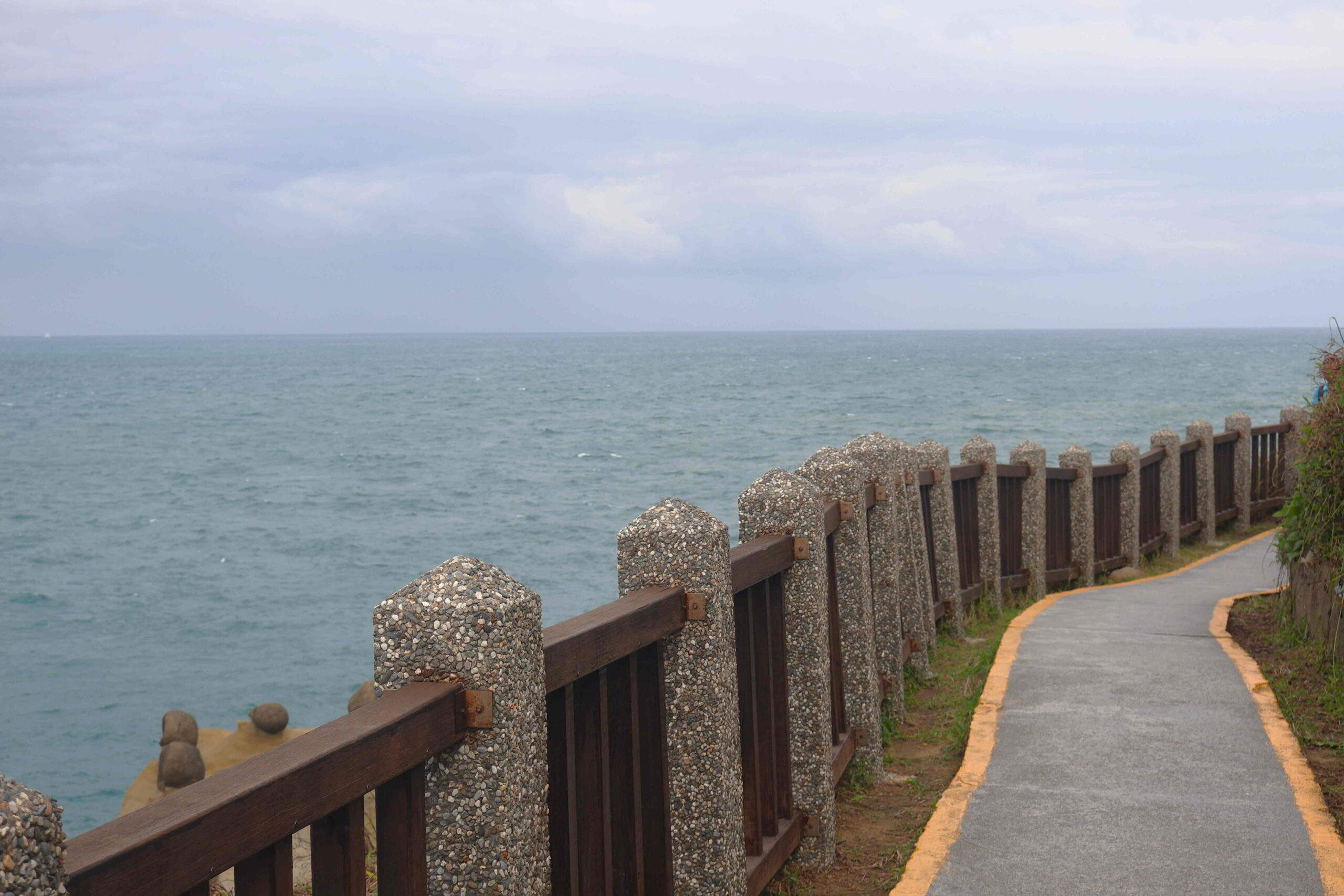
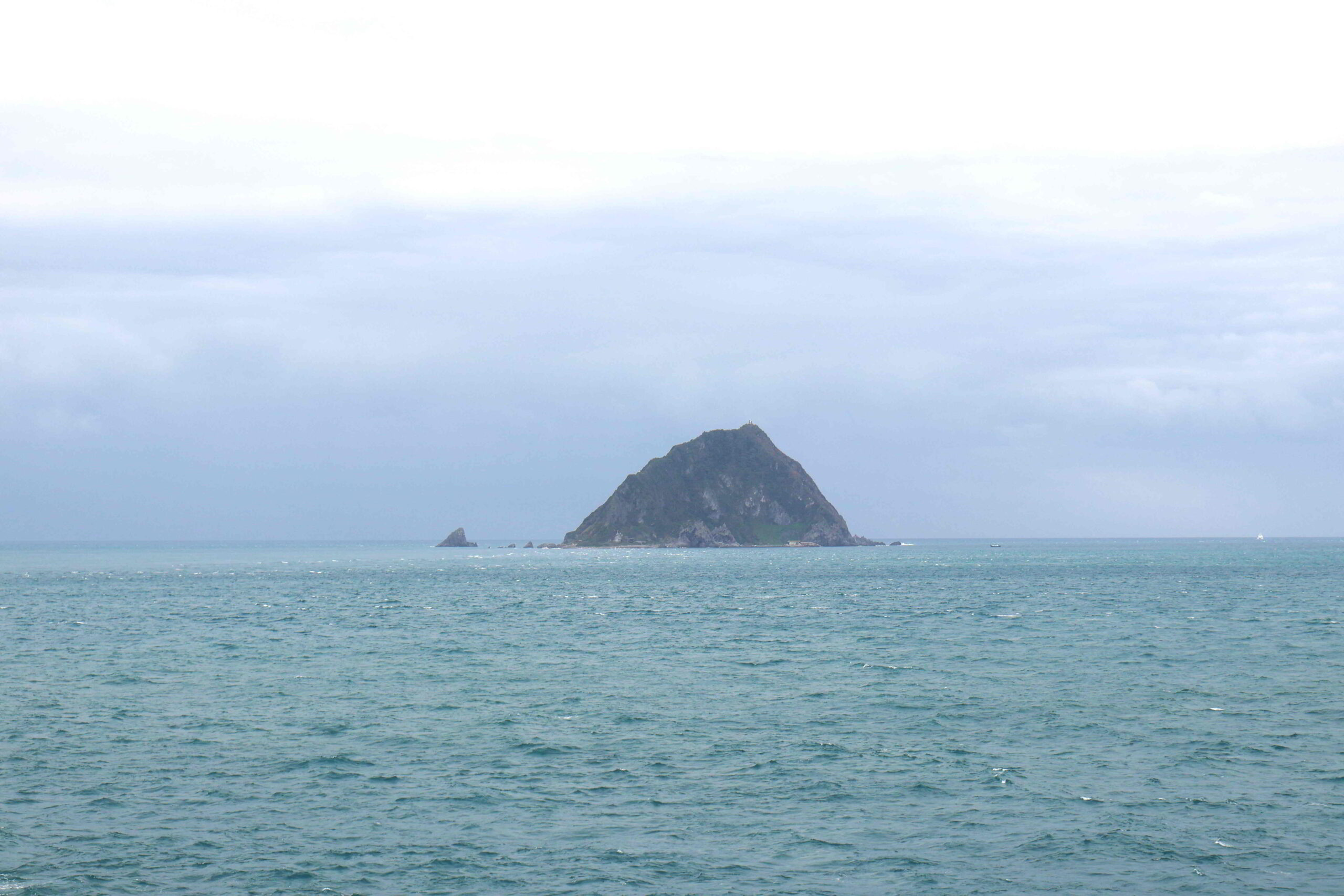
The geopark is somewhere quite unexpected, the large terrain of the park with manicured lawns, impeccably-ordered palms lining the flagstone-paved walkways that run along the waterfront, with breathtaking views of the shimmering gunmetal sea, the undulating profile of hills lining the coast, and the lengthy Keelung Baideng Wharf culminating in a squat, unadorned lighthouse.
Keelung — Heping Island Geopark
Keelung — Heping Island Geopark
Keelung — Heping Island Geopark
Keelung — Heping Island Geopark
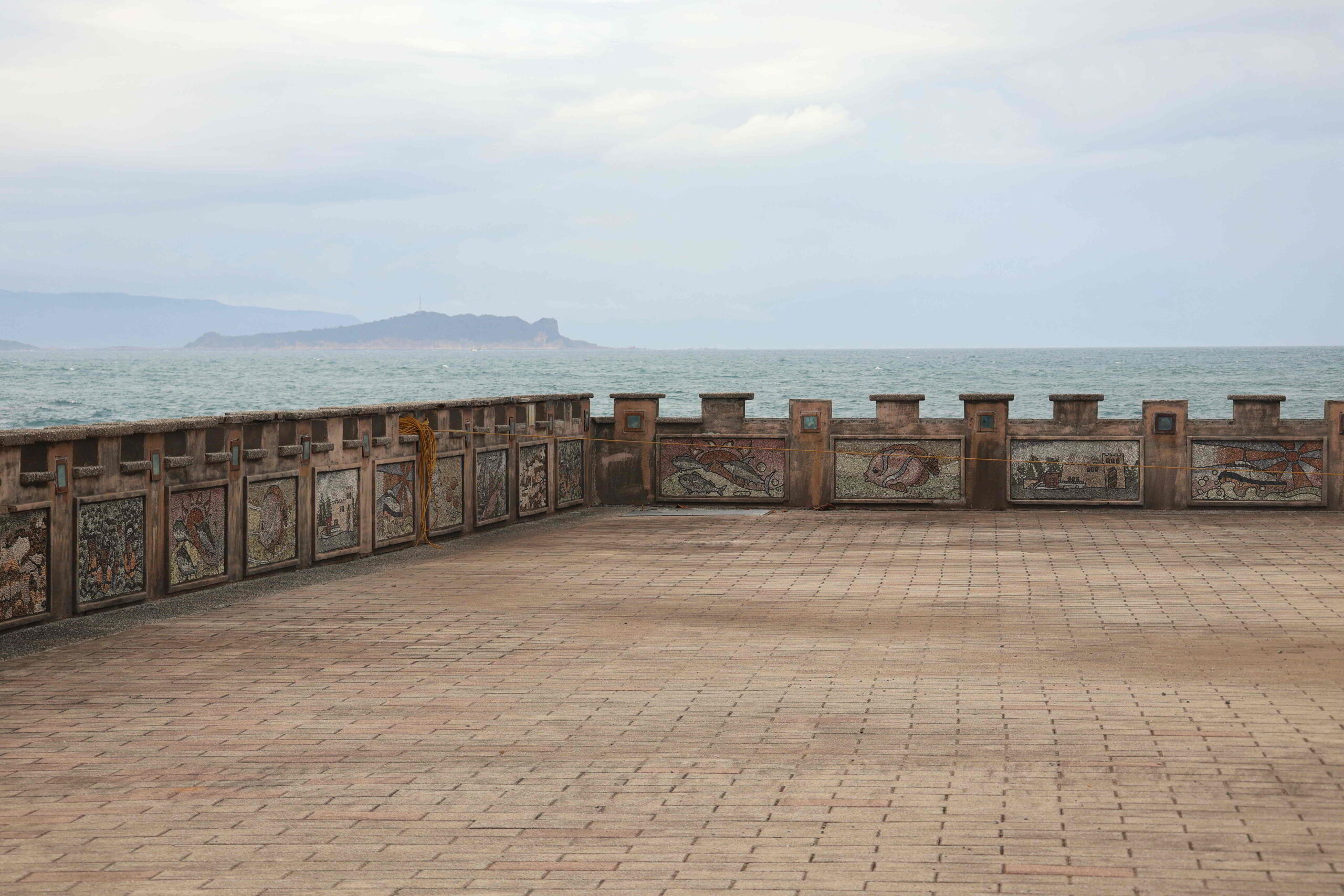
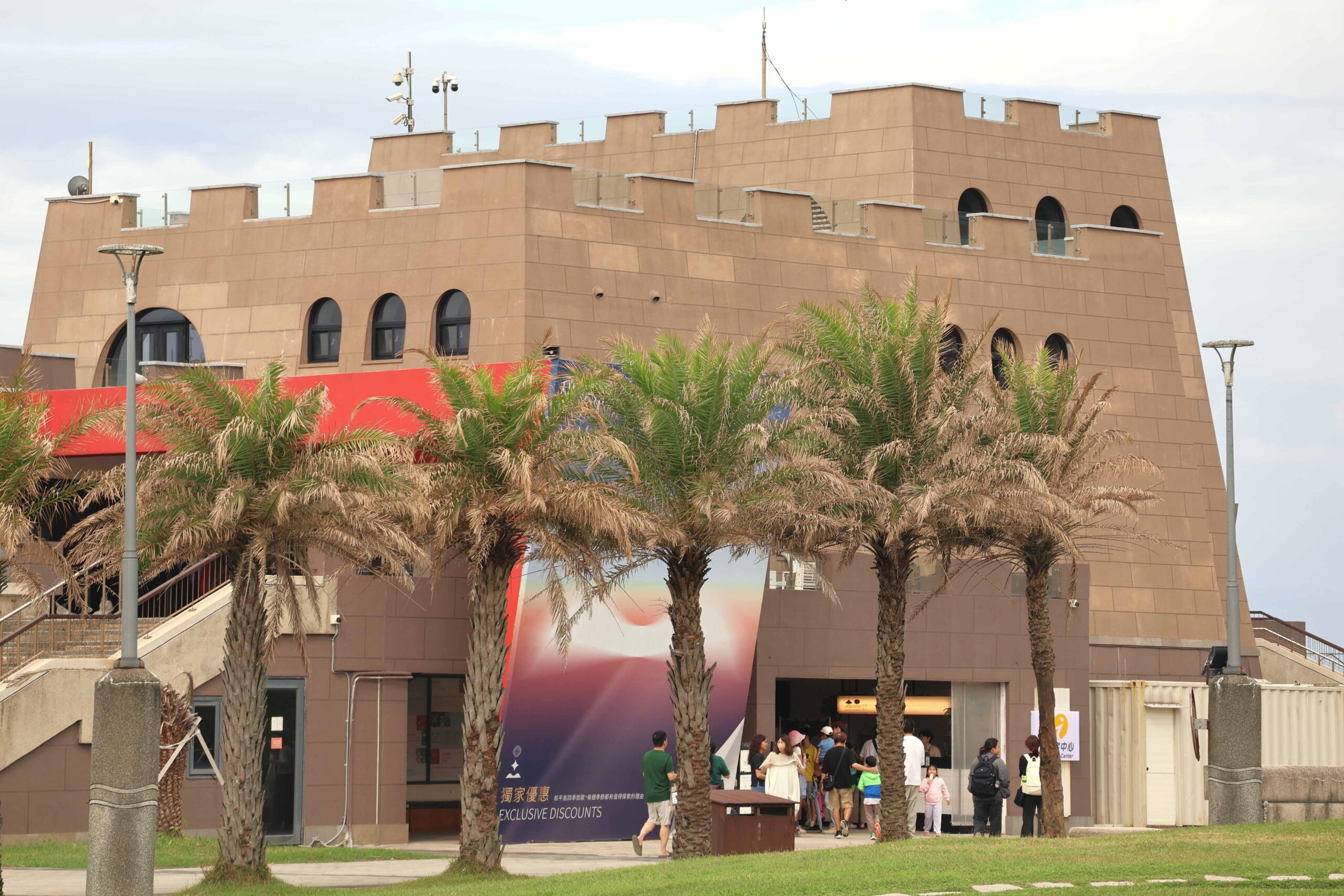
In the centre of the park is a stately casbah-like visitor centre, the motive for the architectural style somewhat perplexing, but certainly providing a more entertaining experience for the multitude of visitors that comes mostly to explore the geological attractions that the park offers.
Keelung — Heping Island Geopark
Keelung — Heping Island Geopark
Keelung — Heping Island Geopark
Keelung — Heping Island Geopark
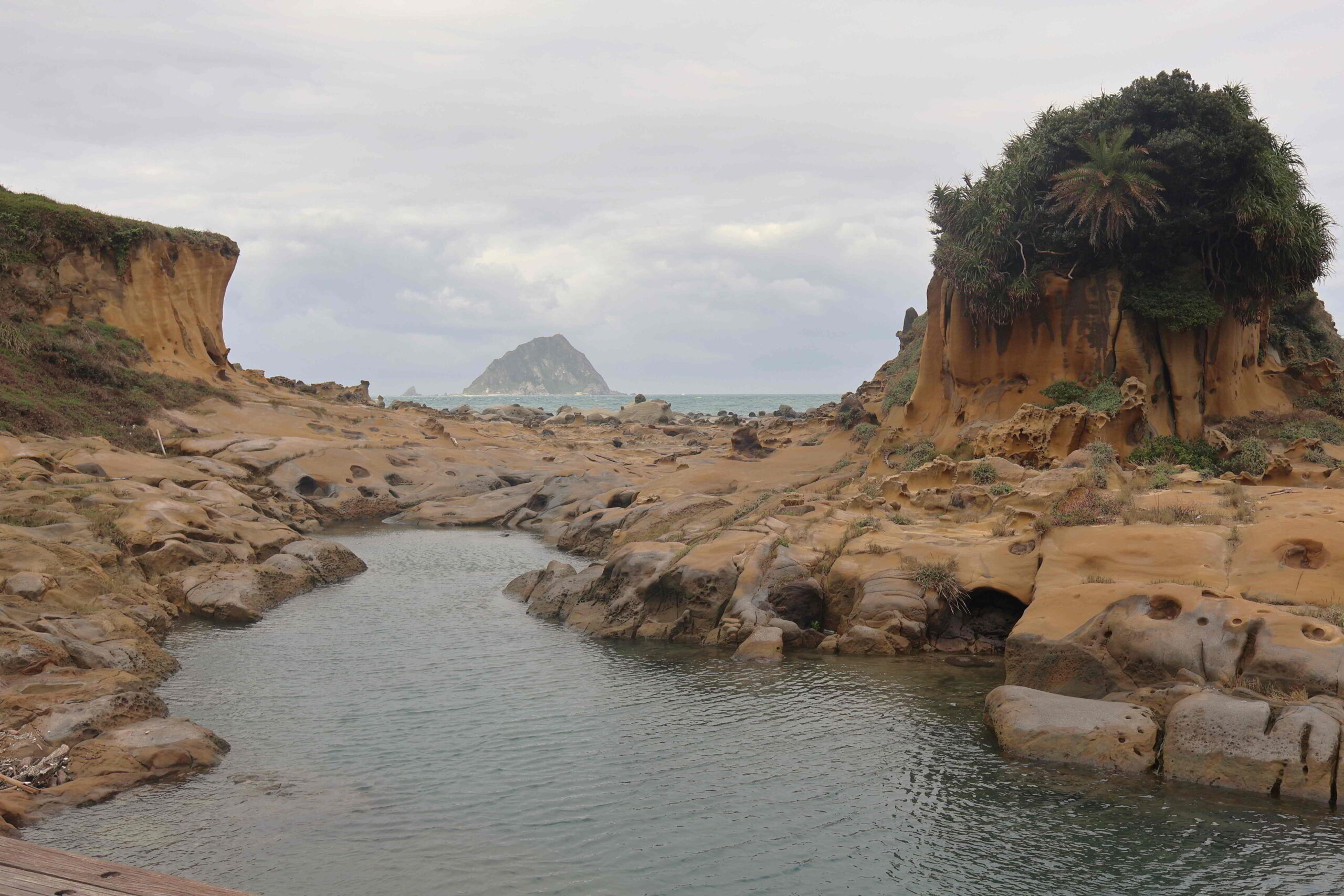
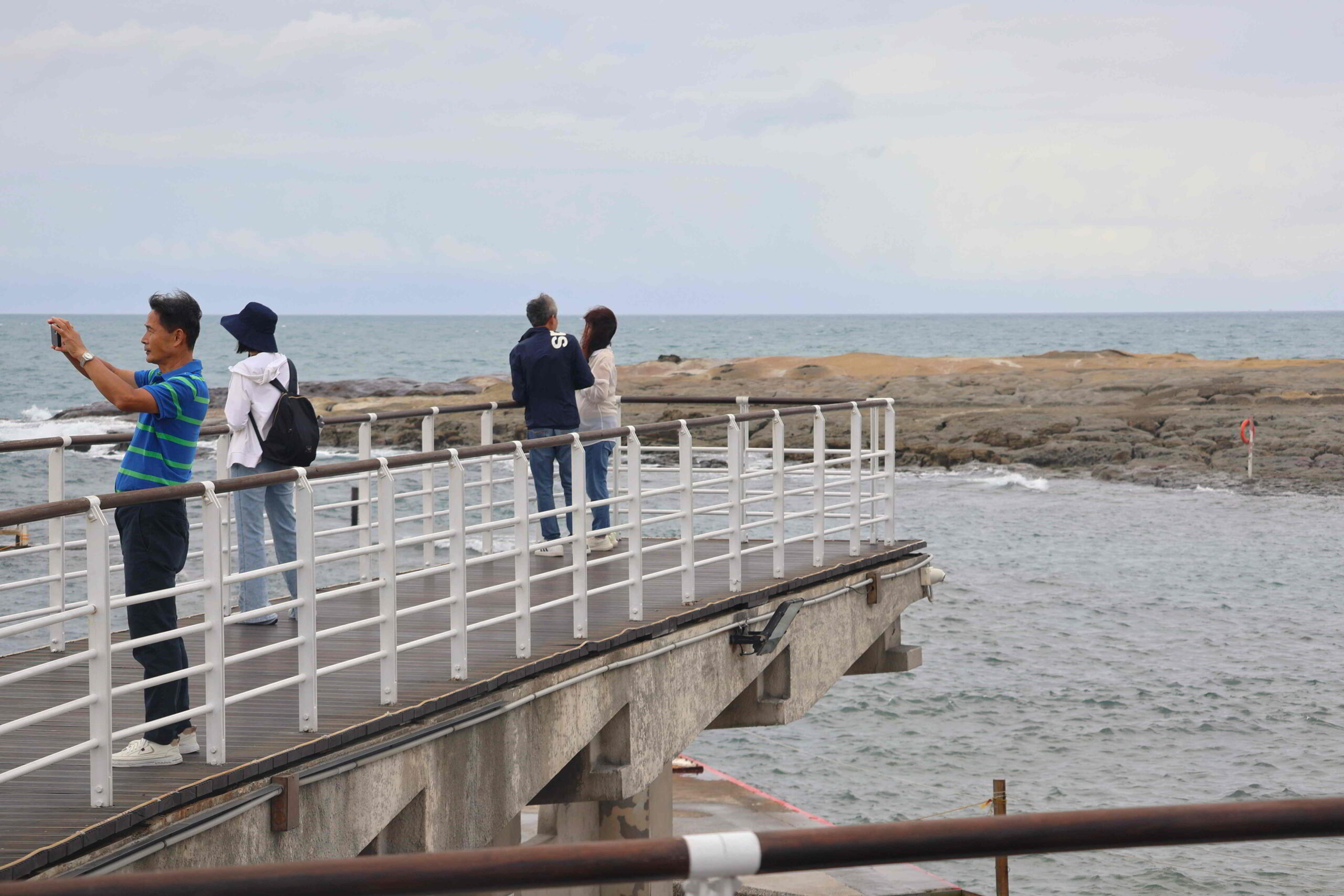
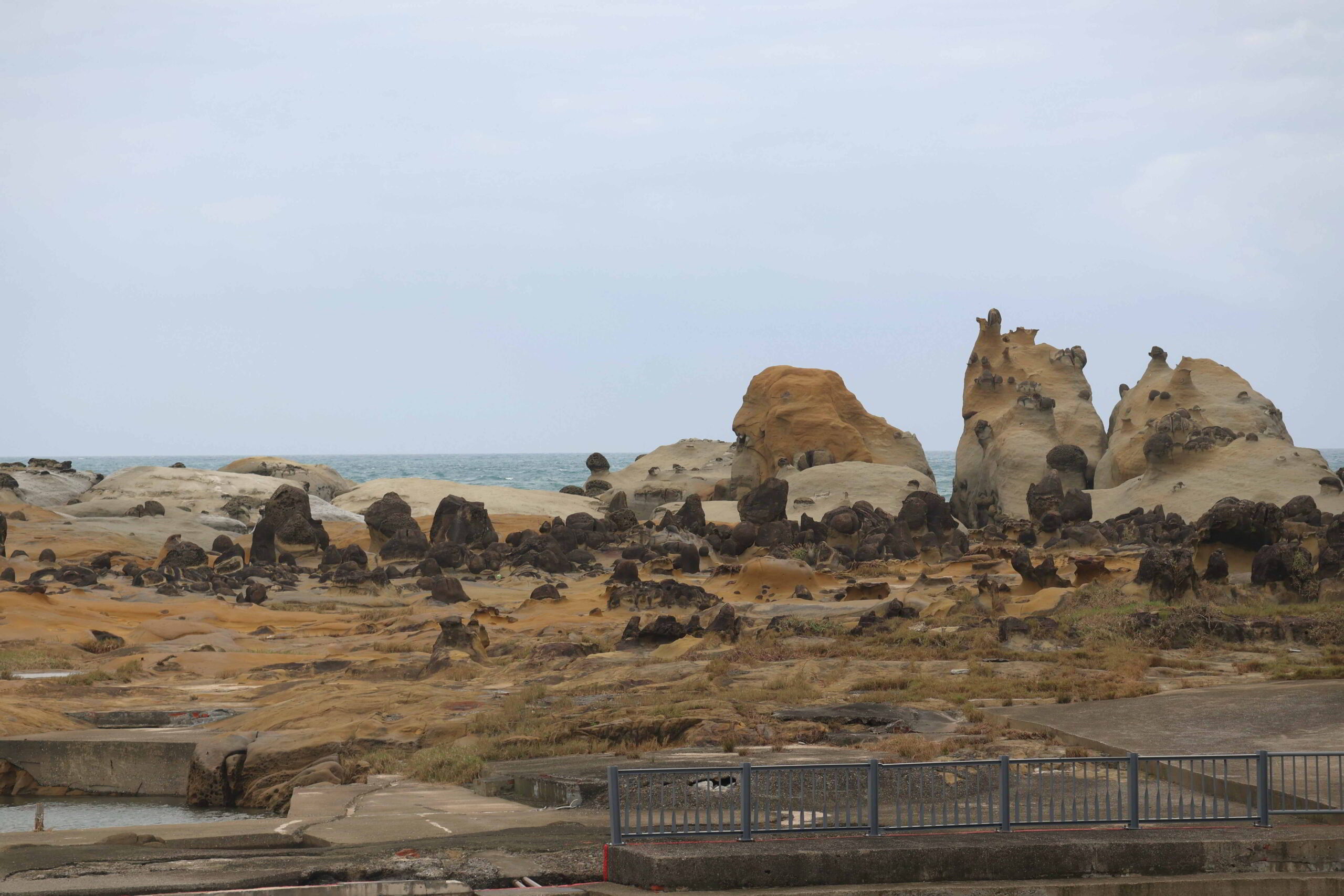
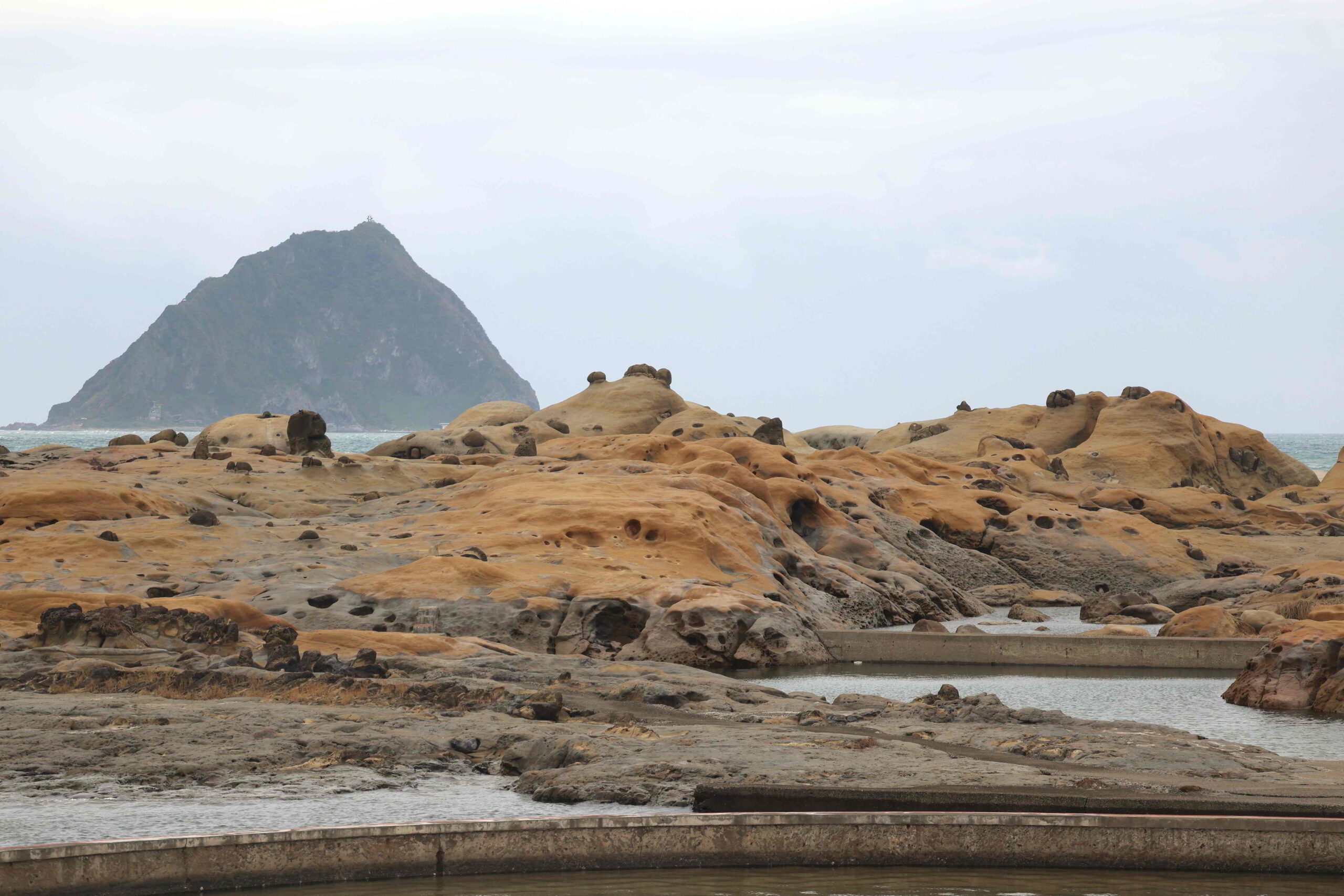
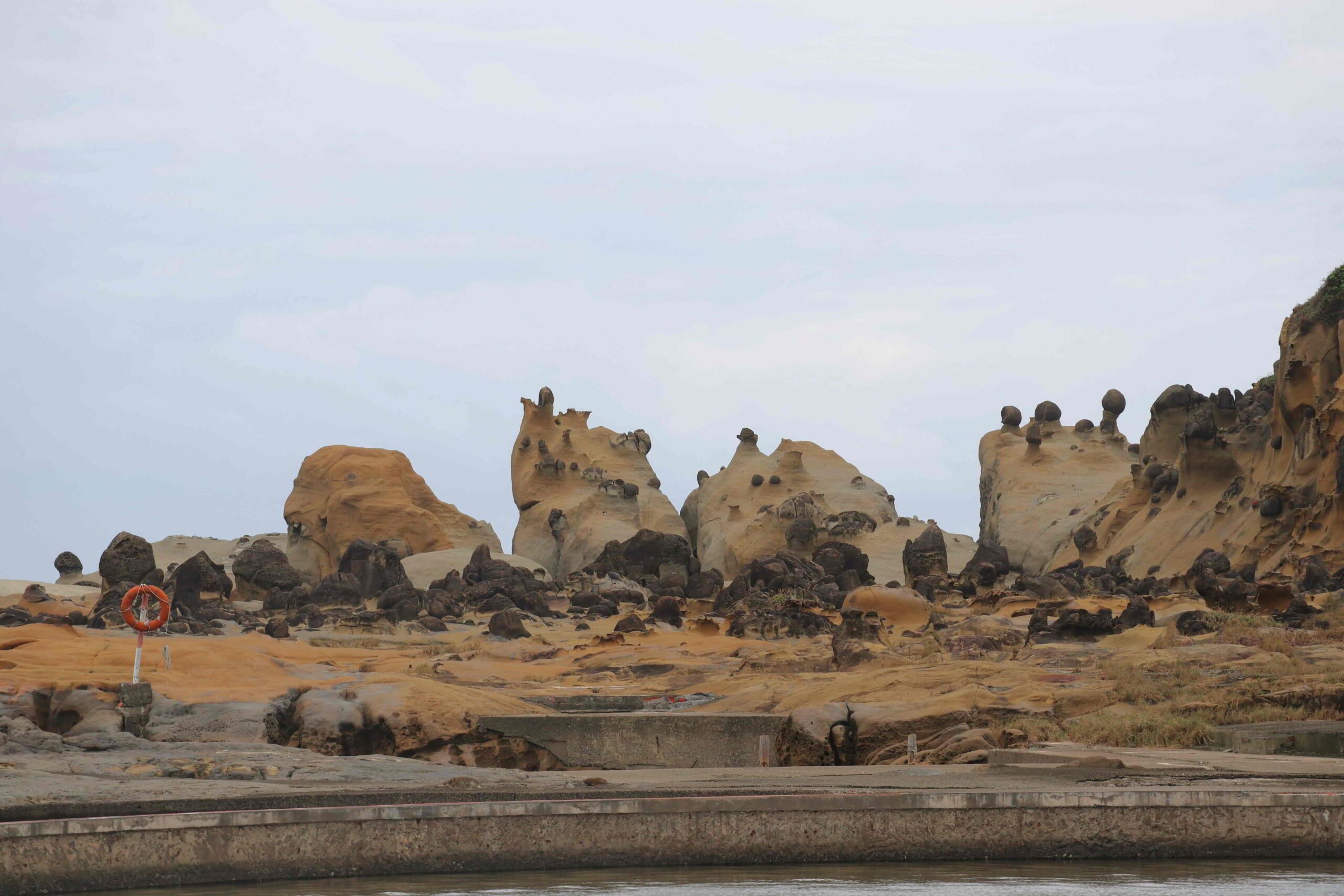
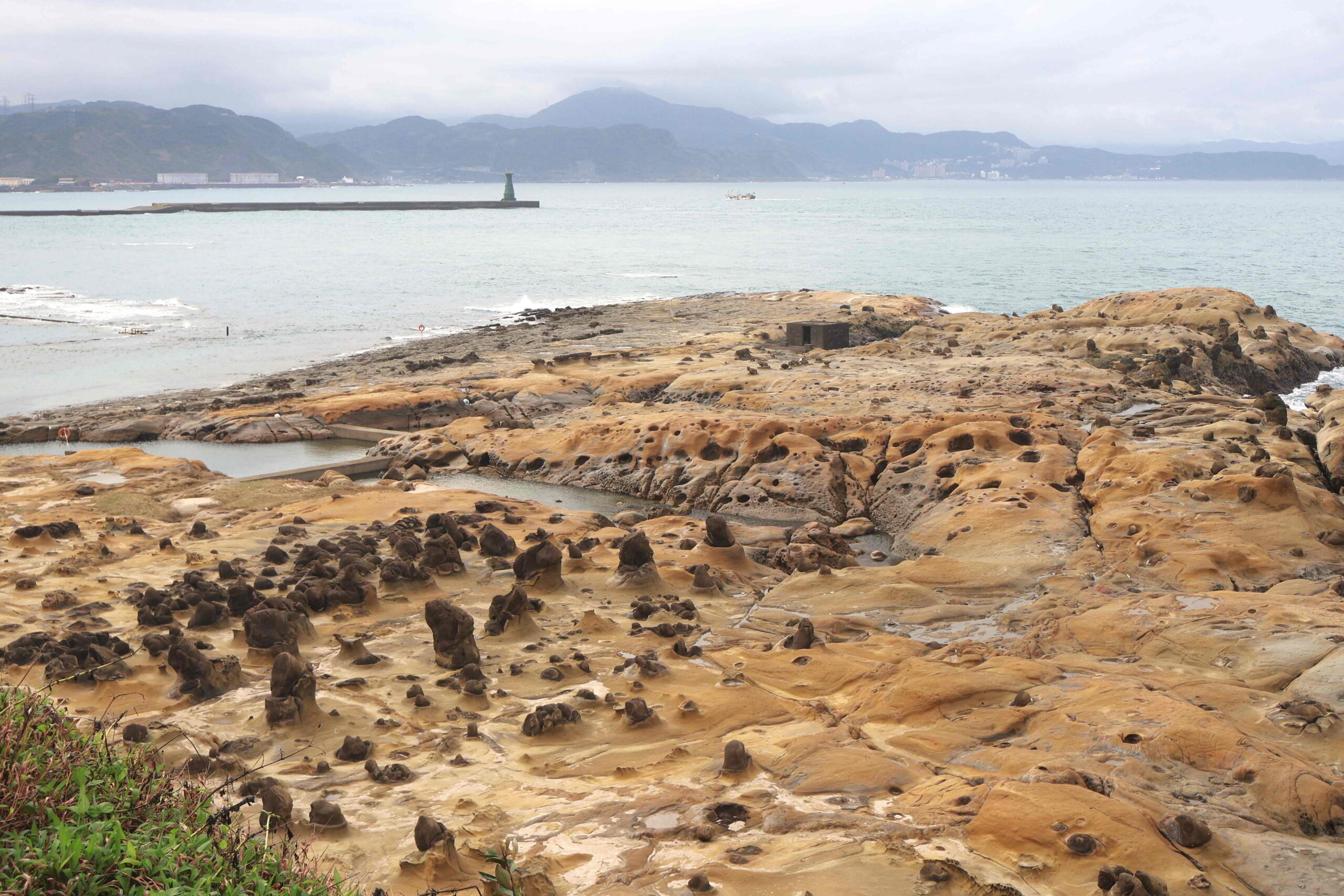
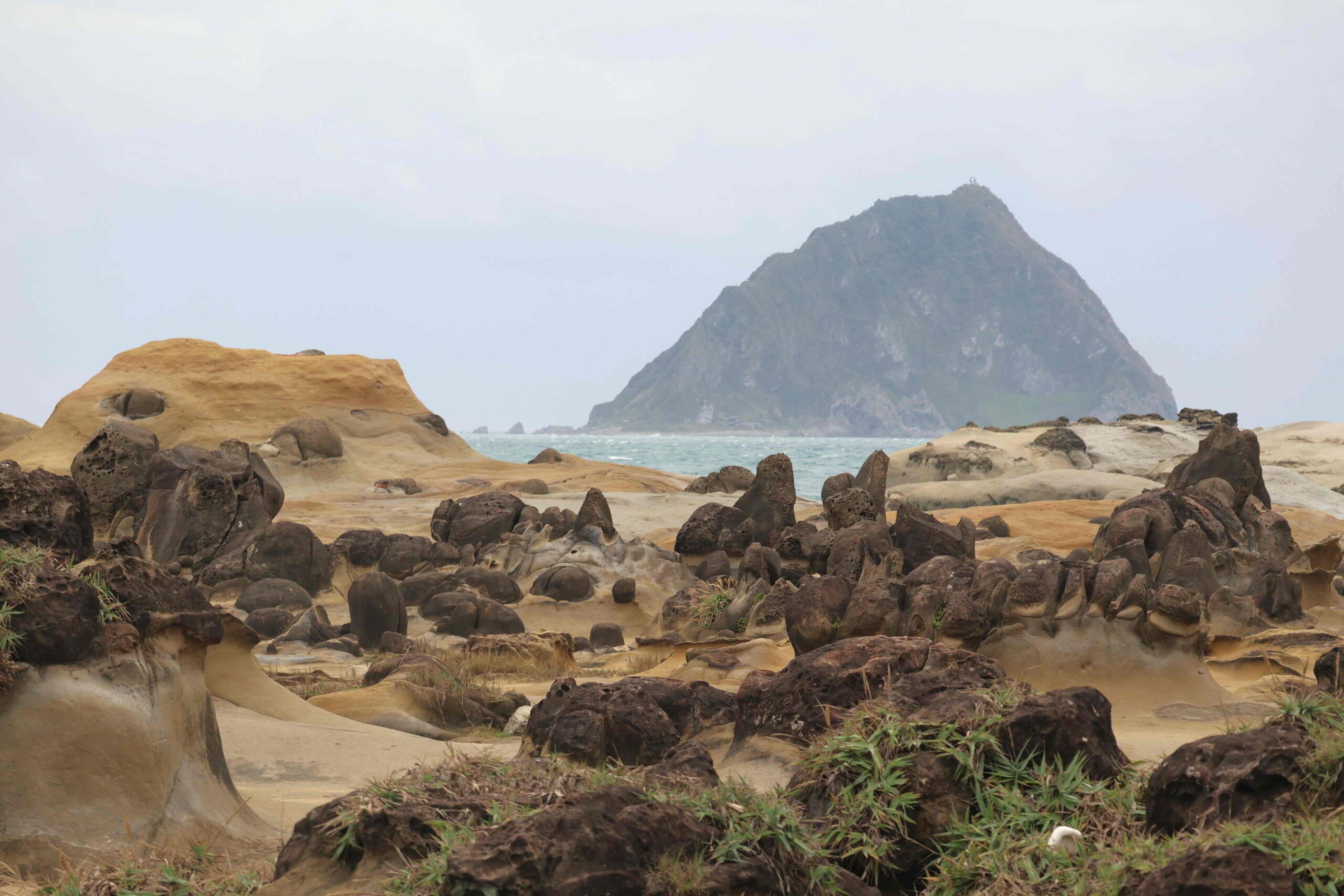
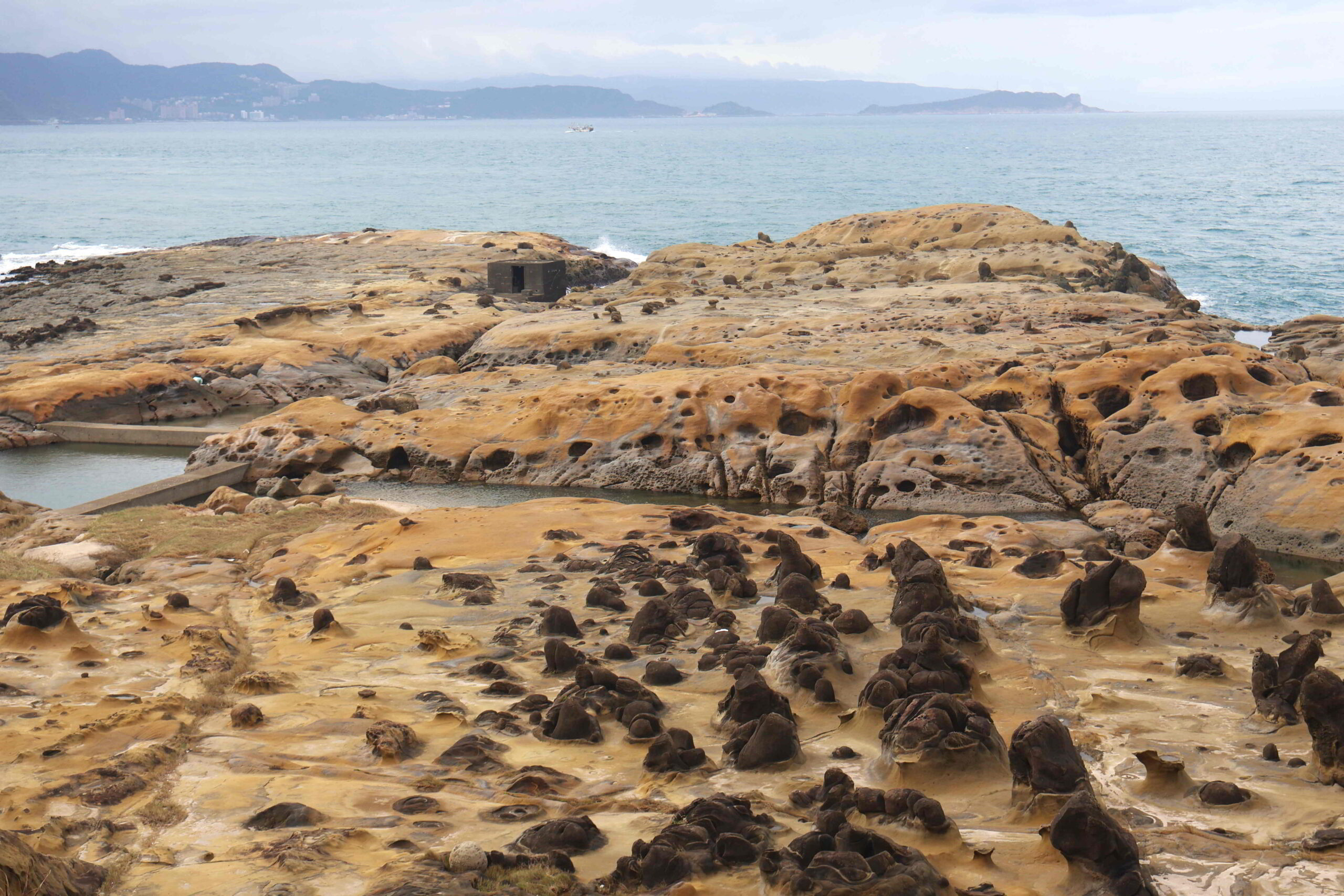
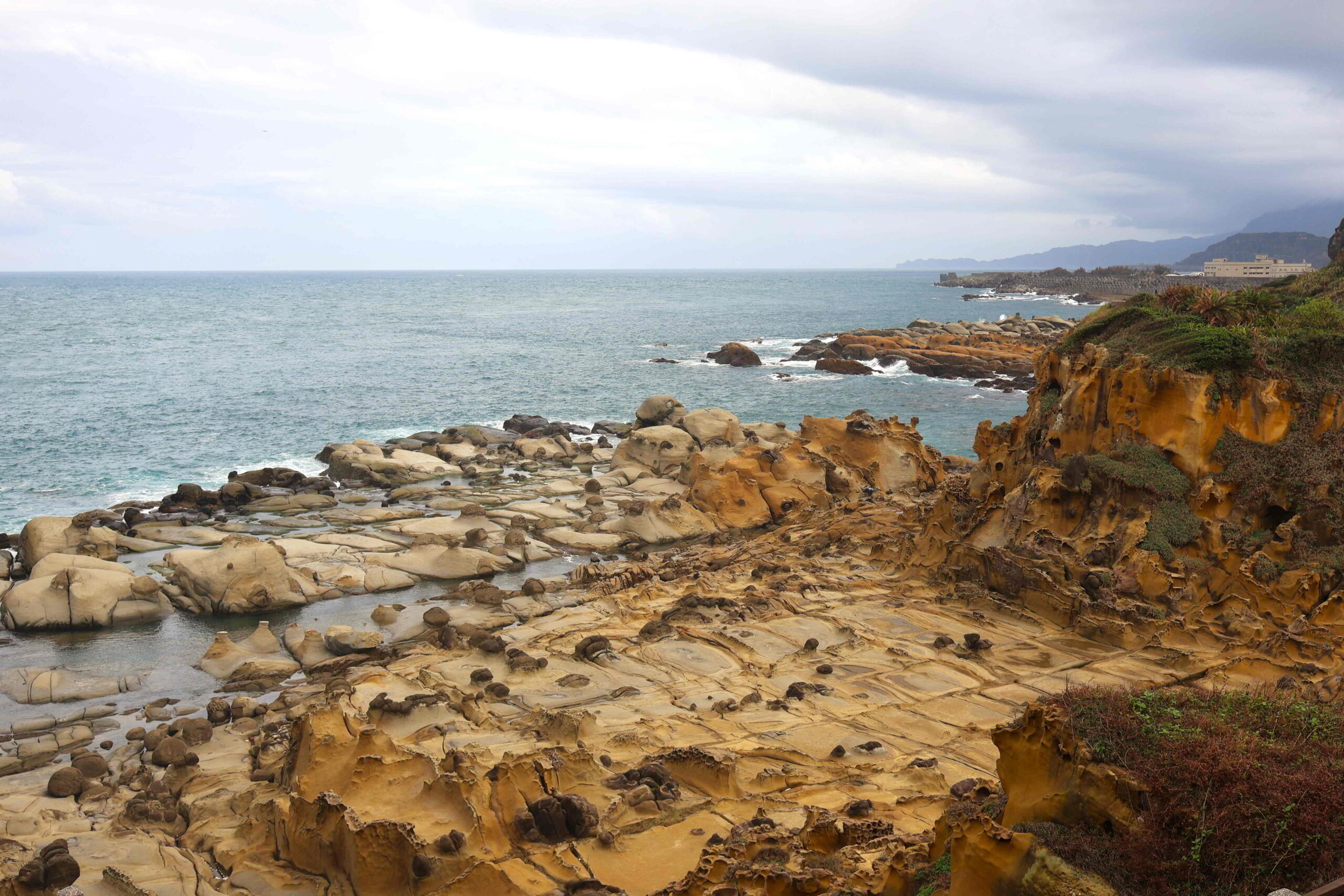
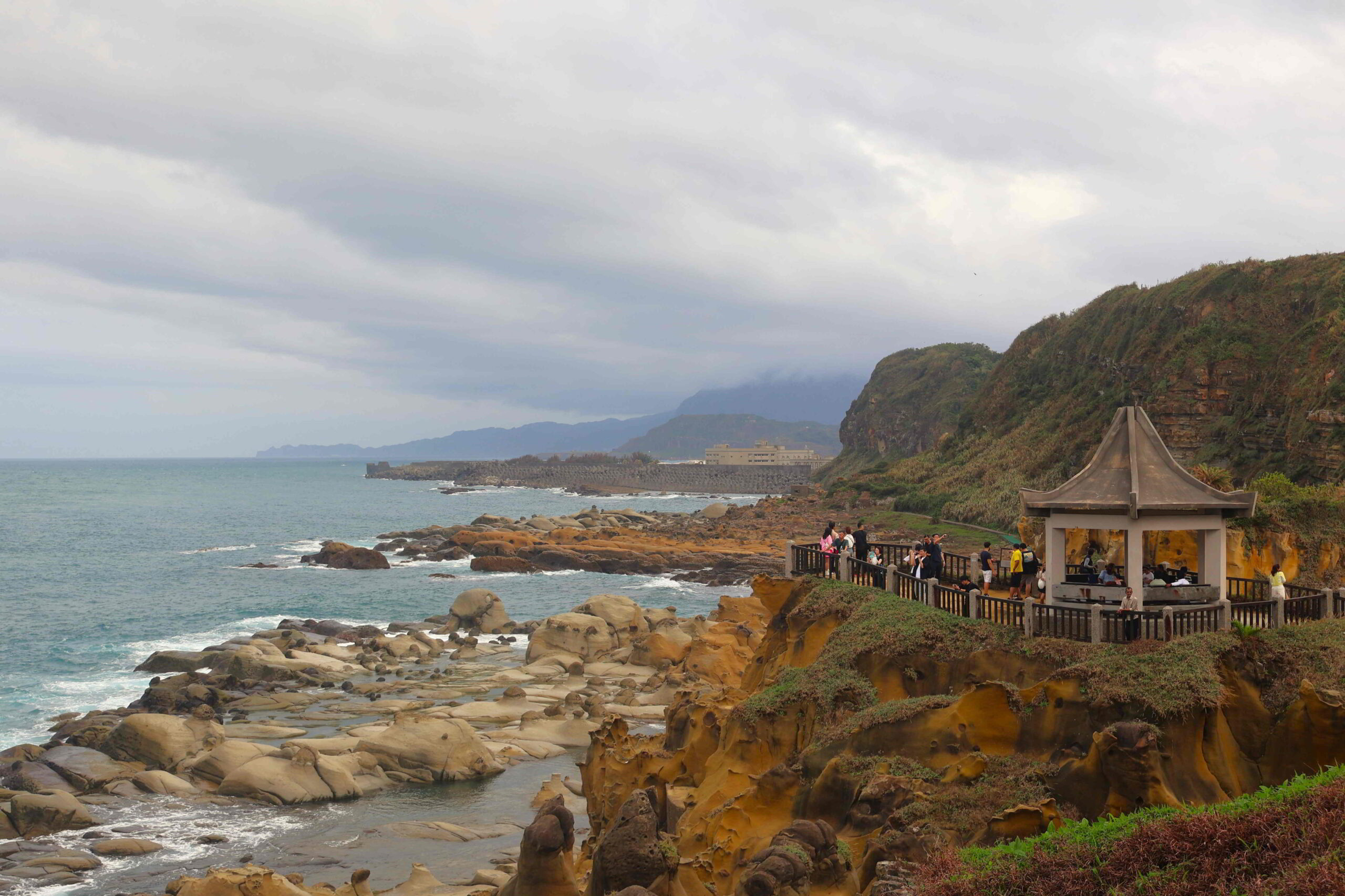
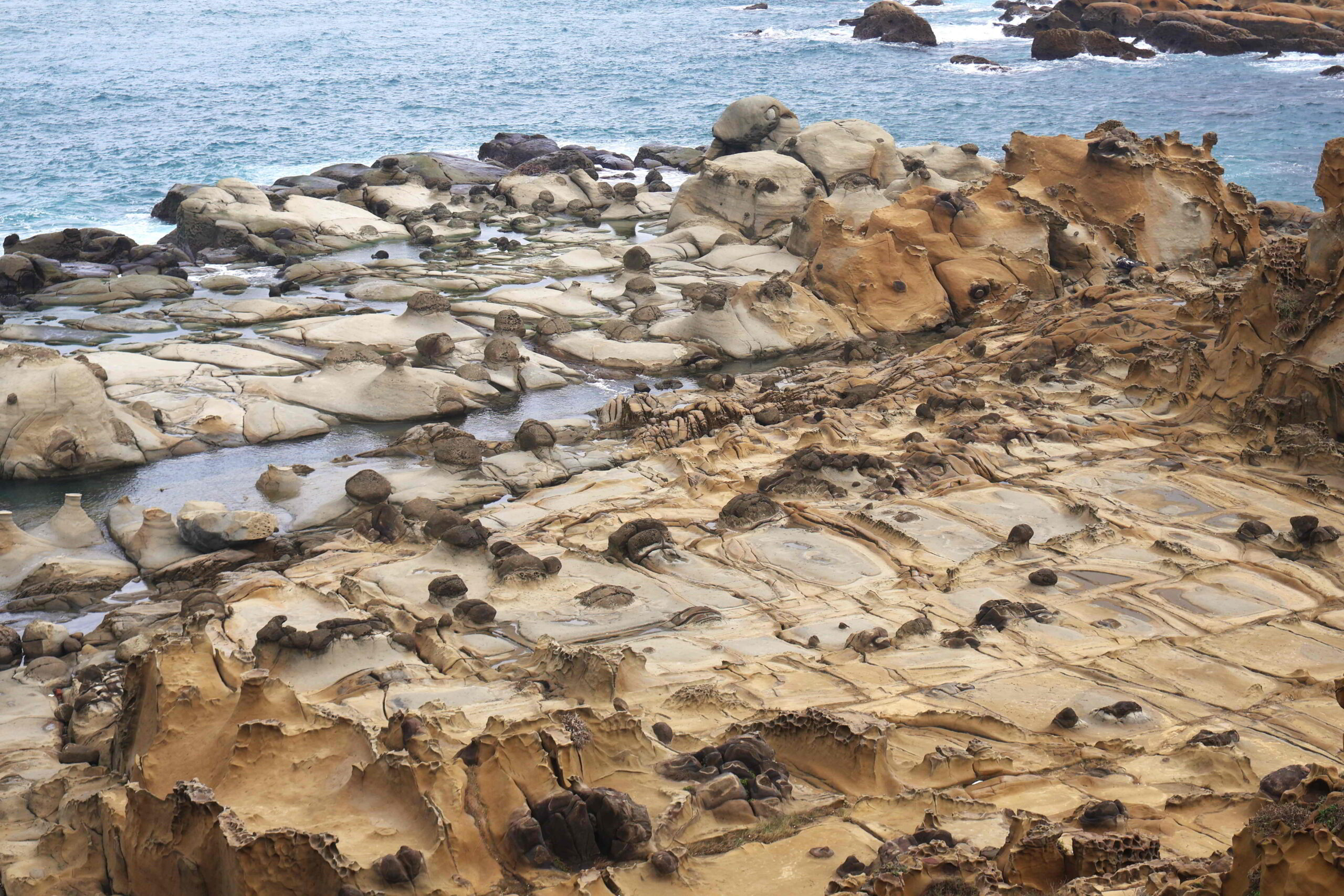
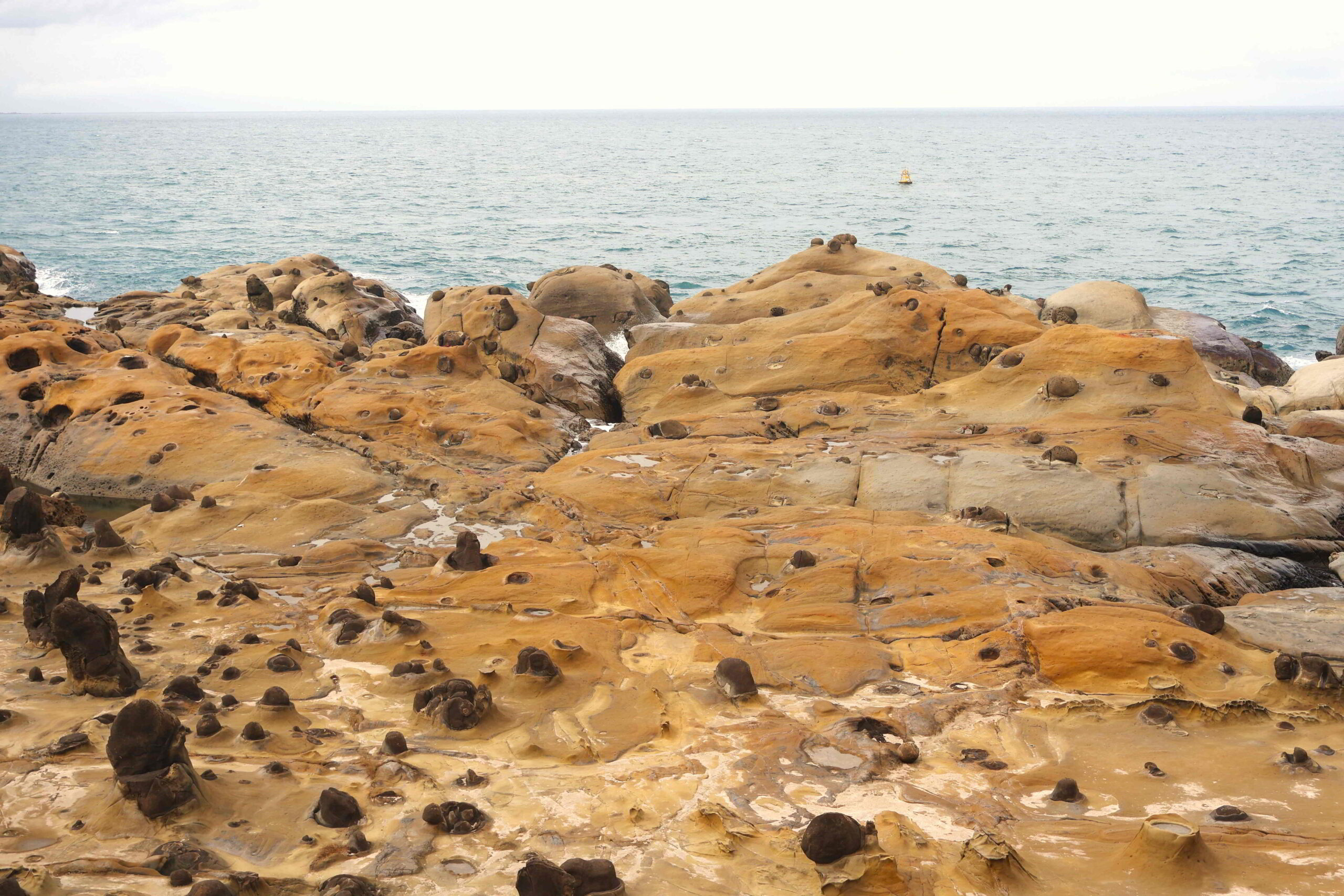
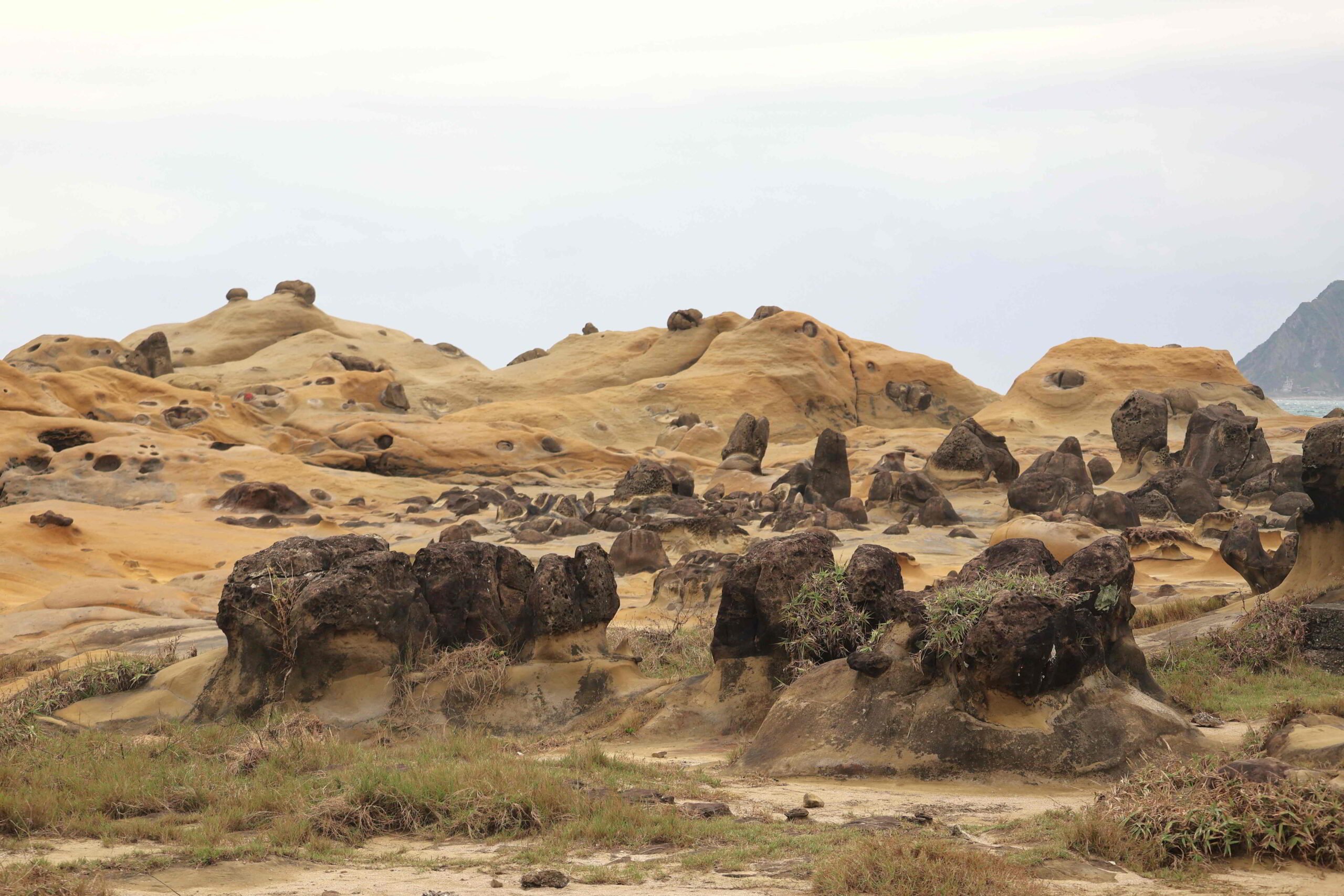
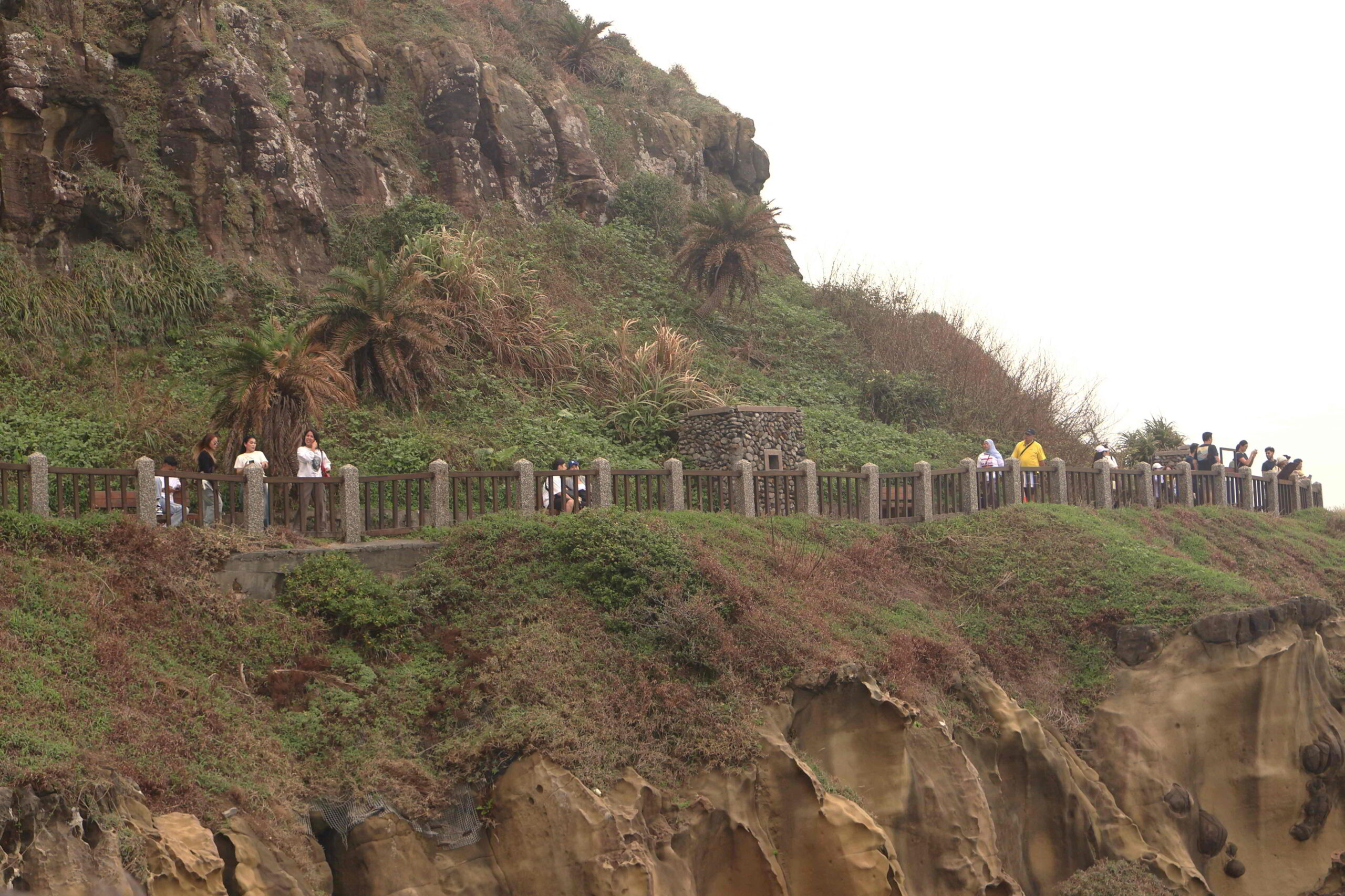
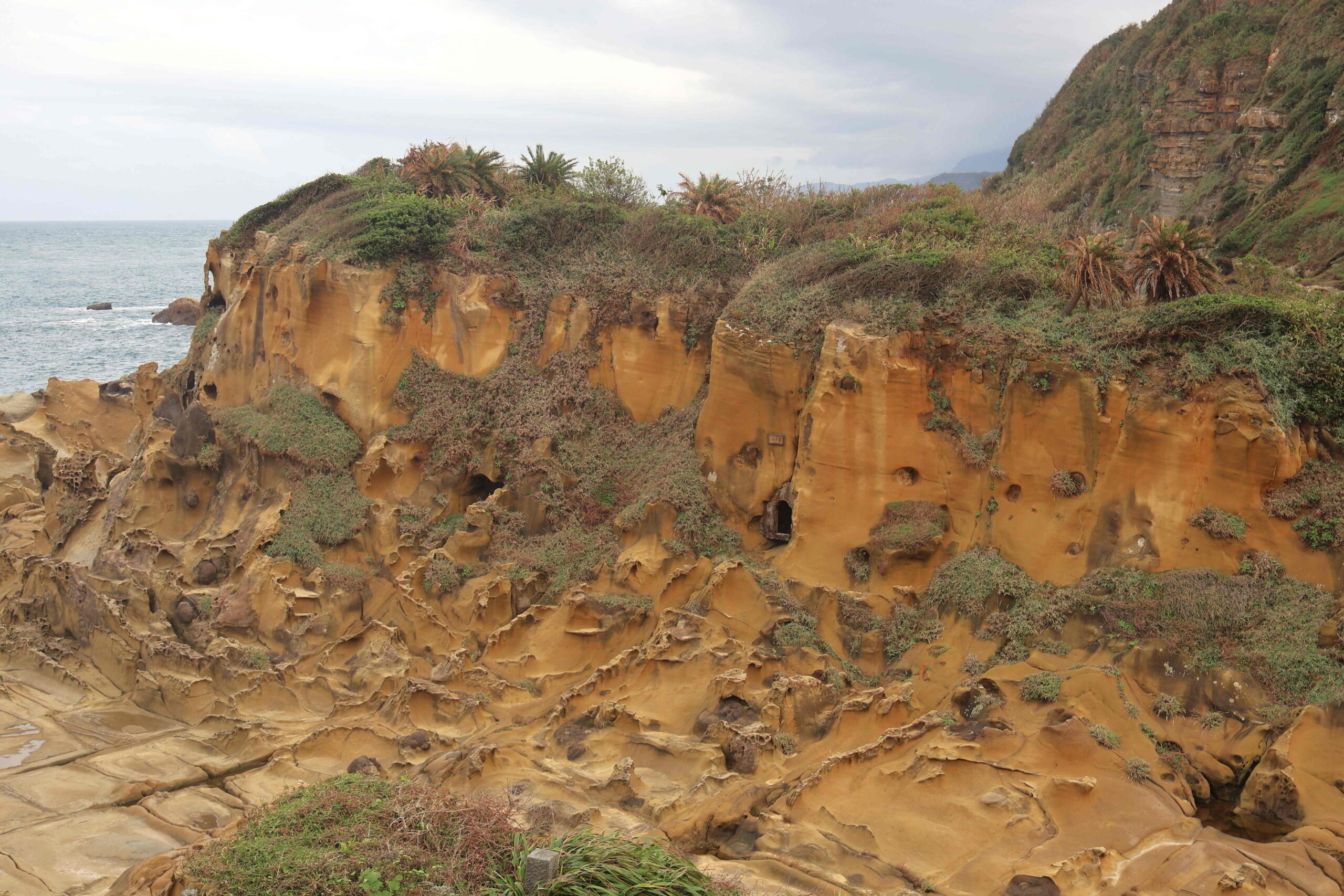
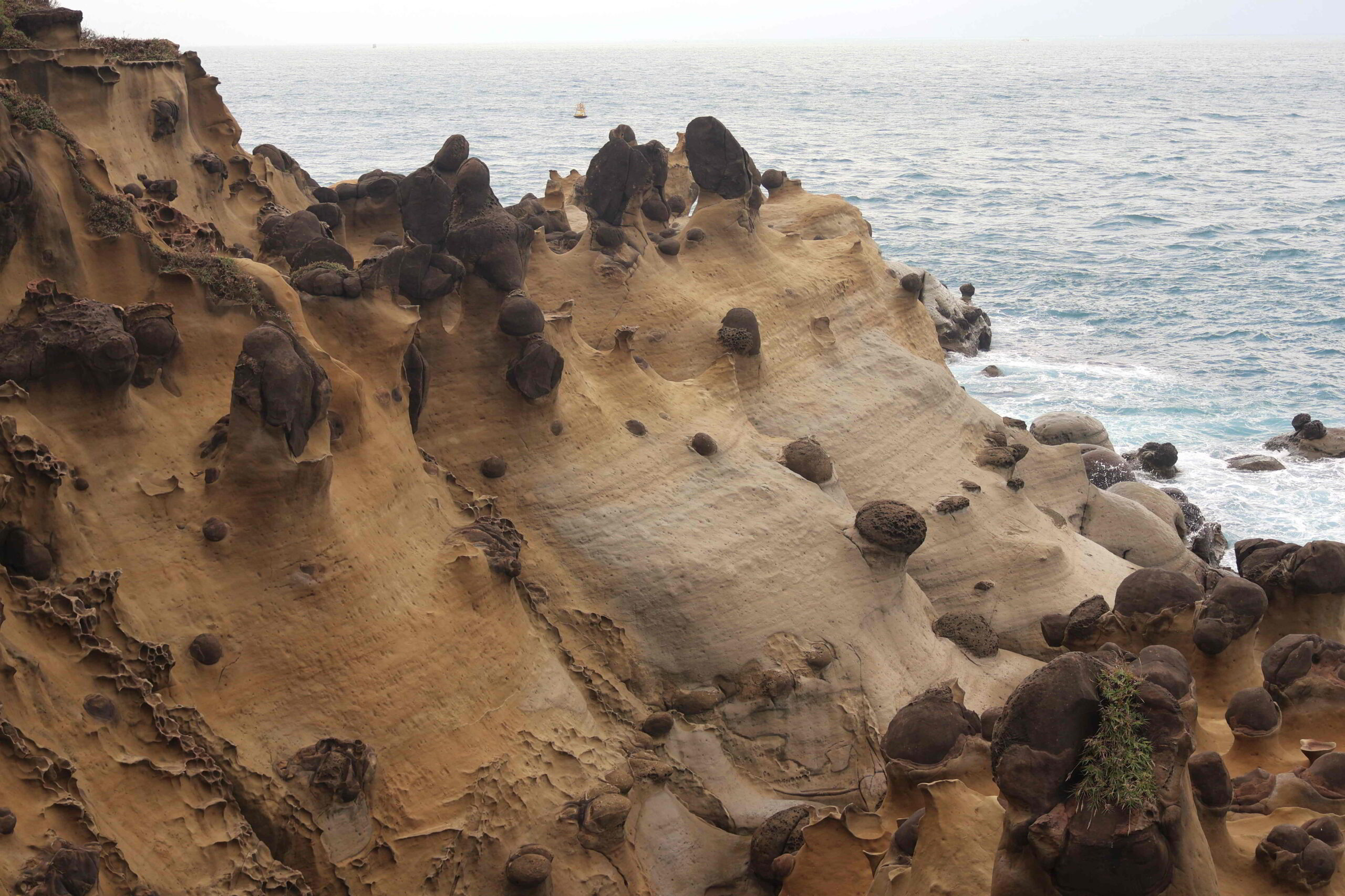
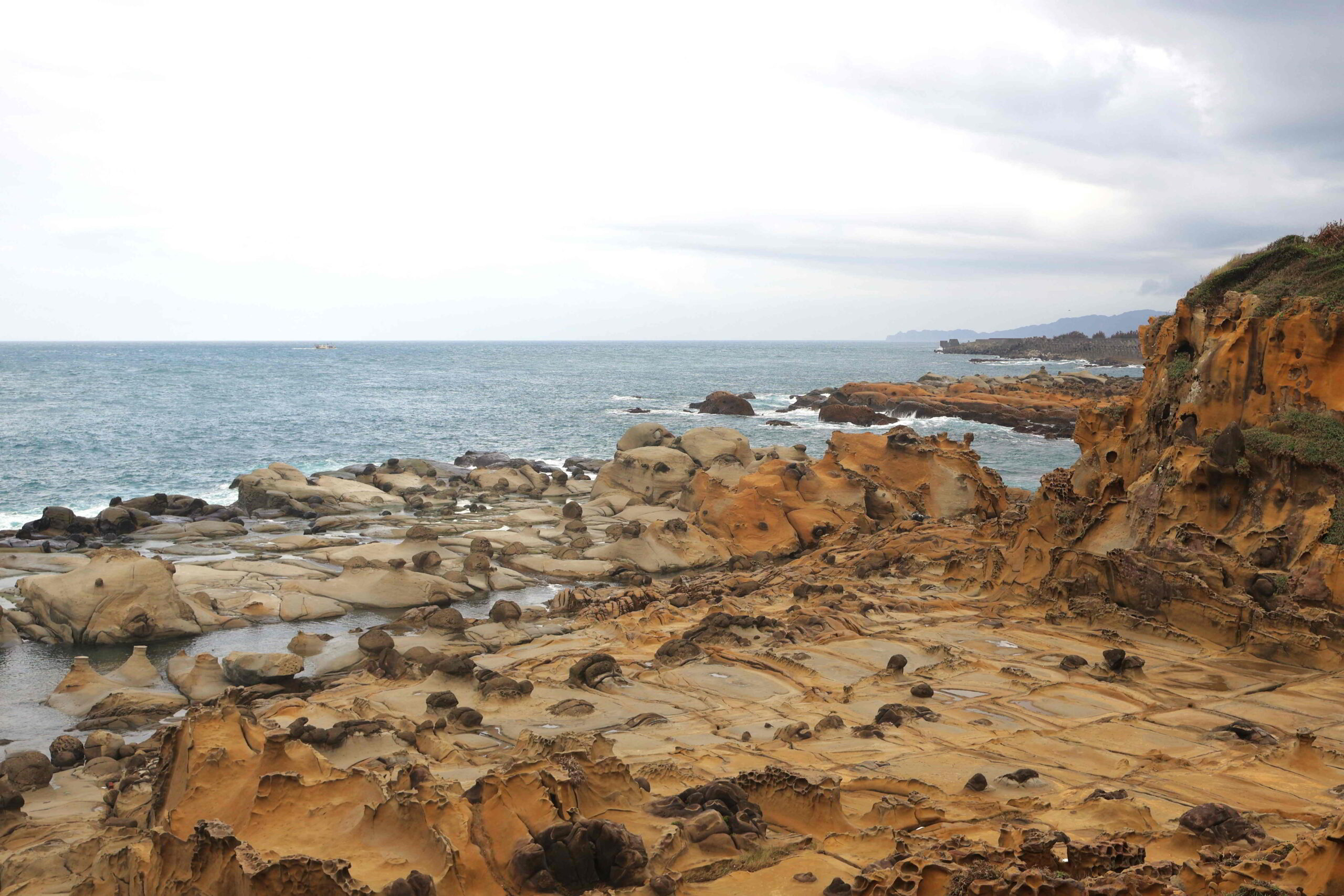
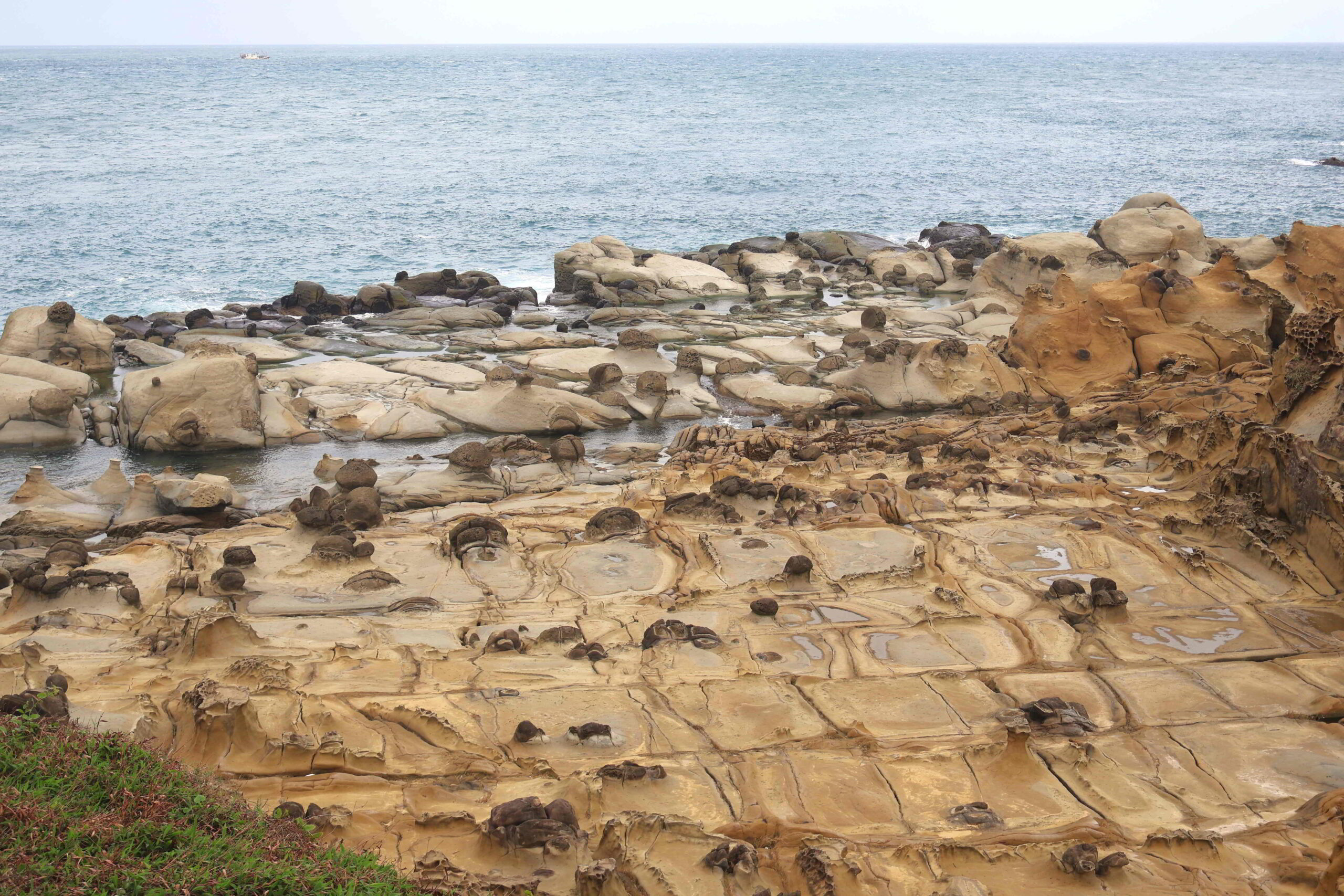
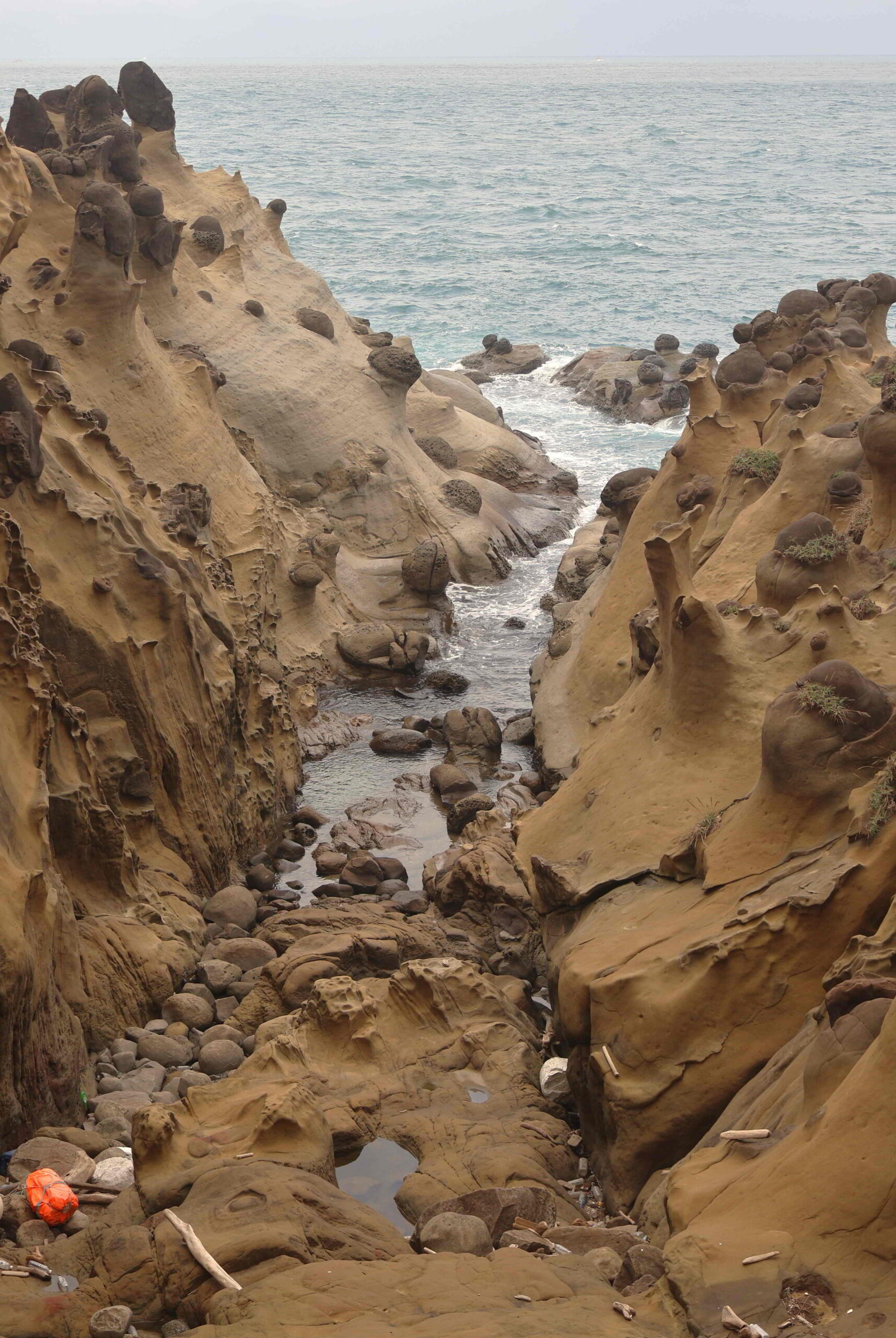
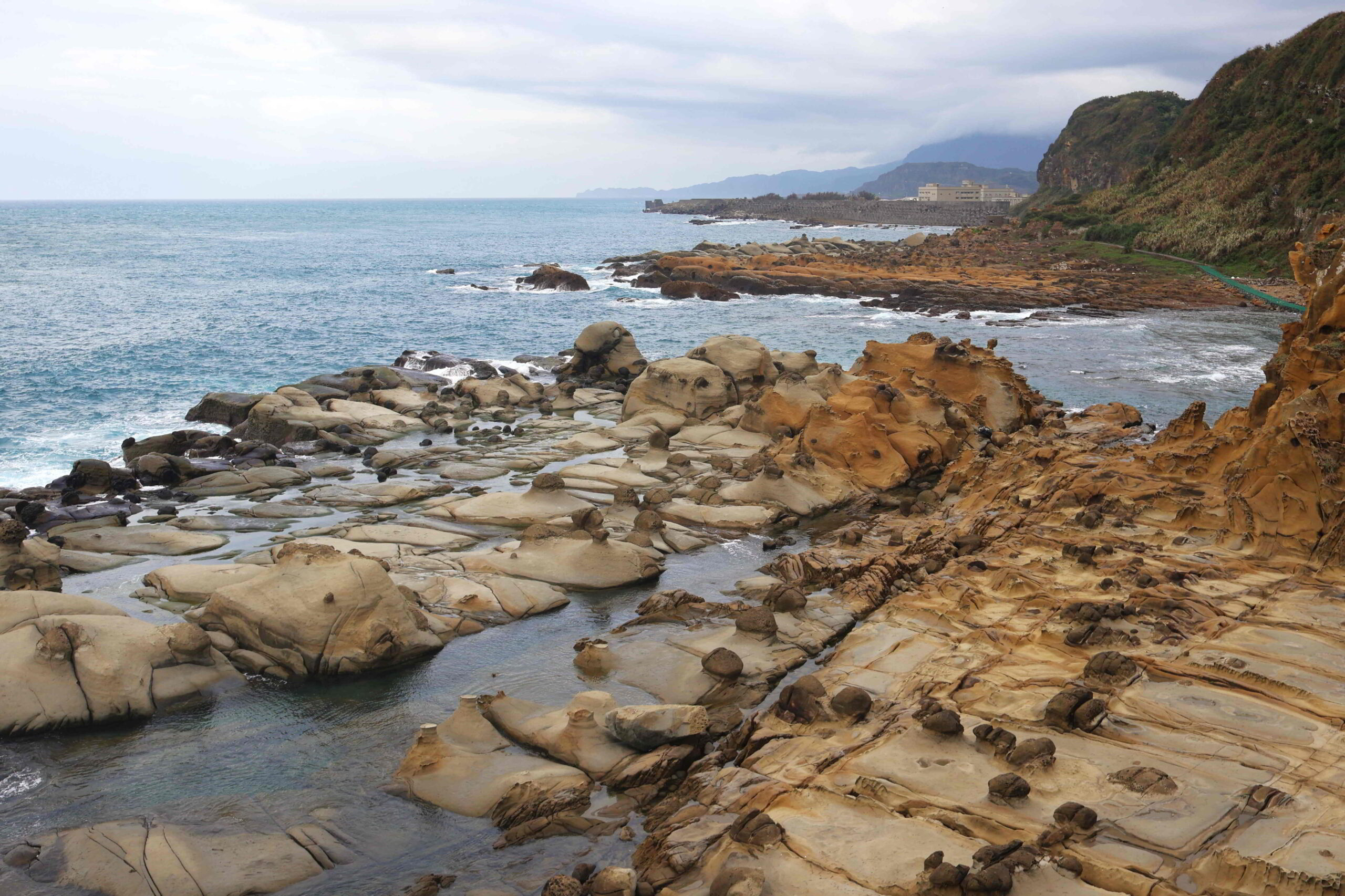
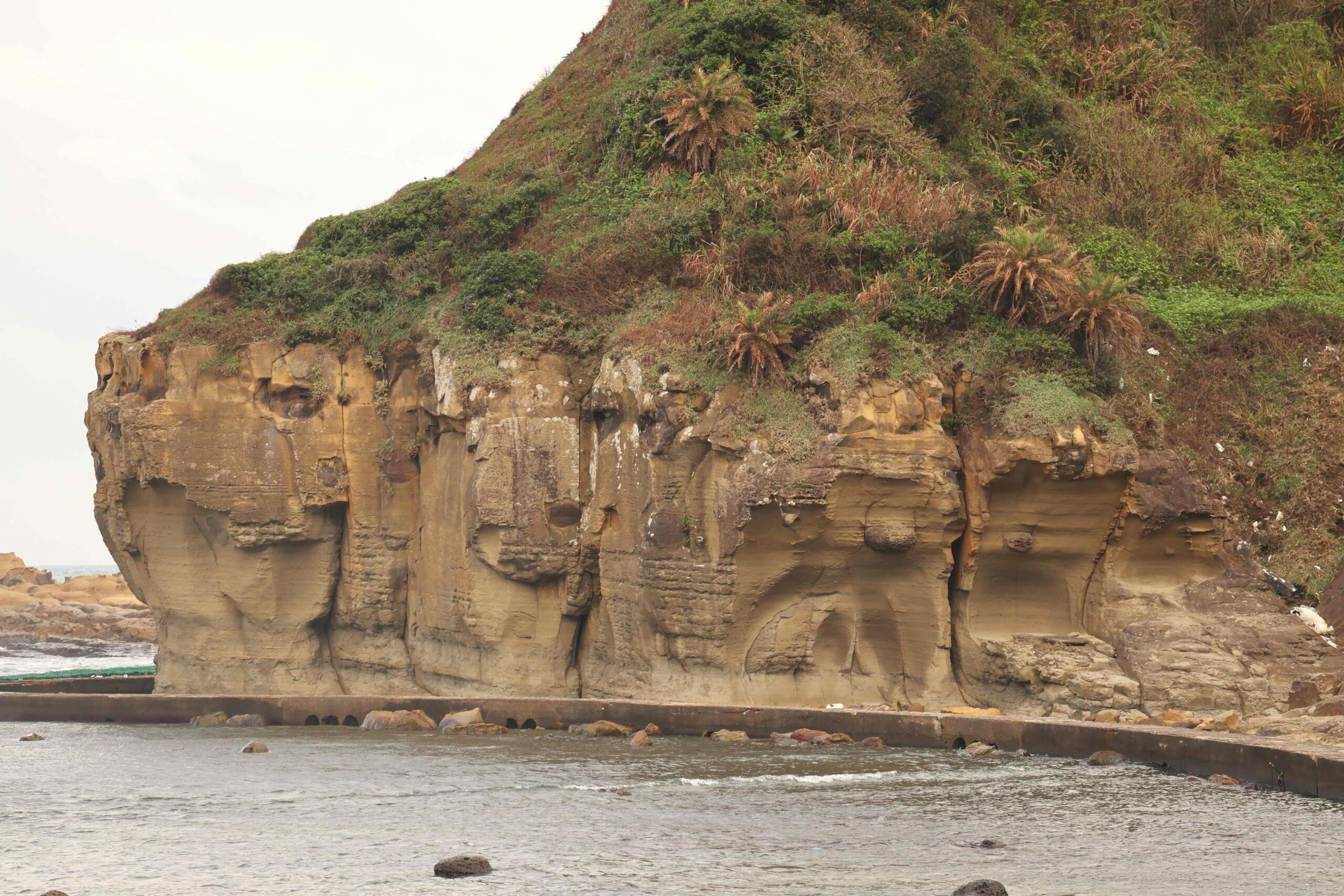
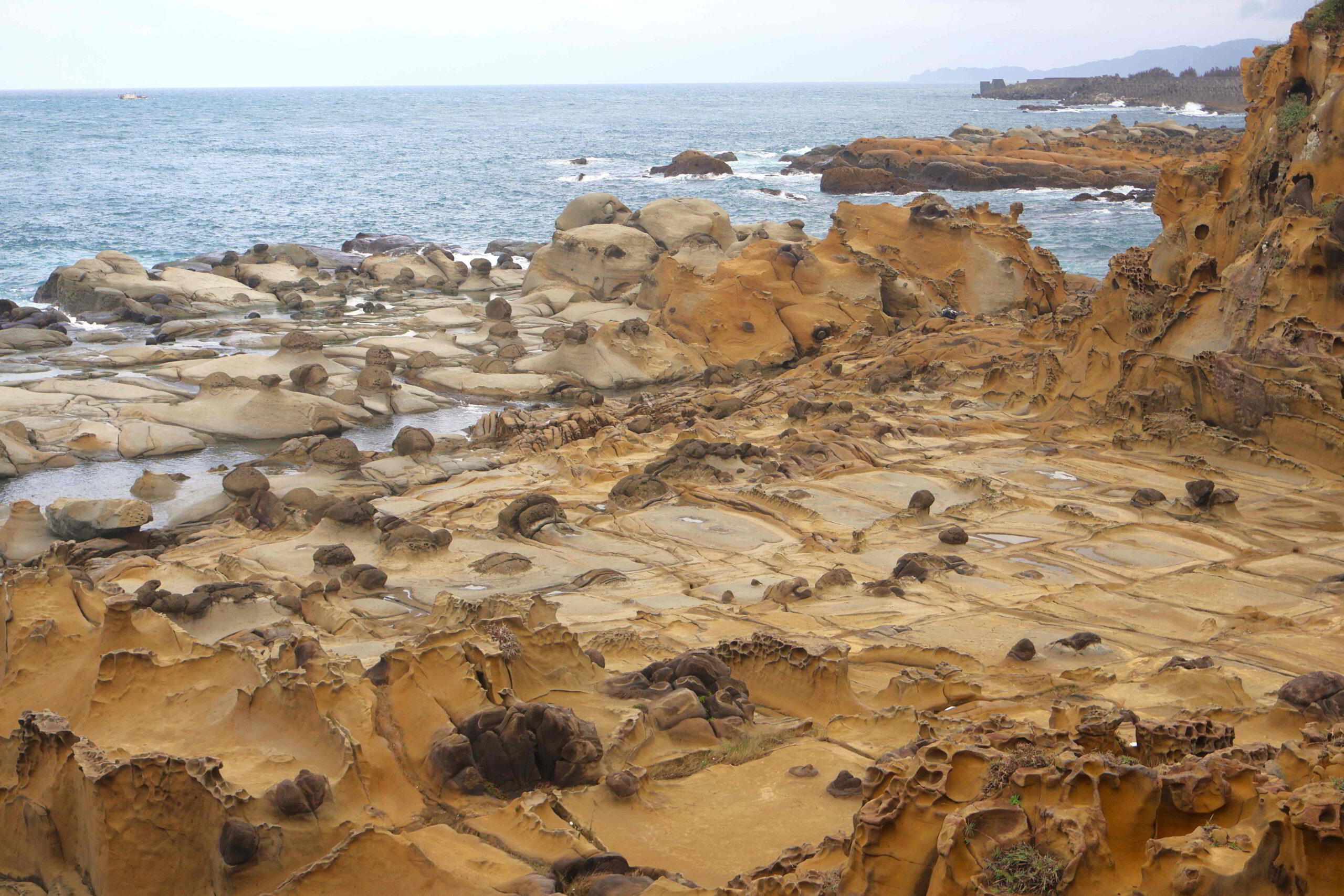
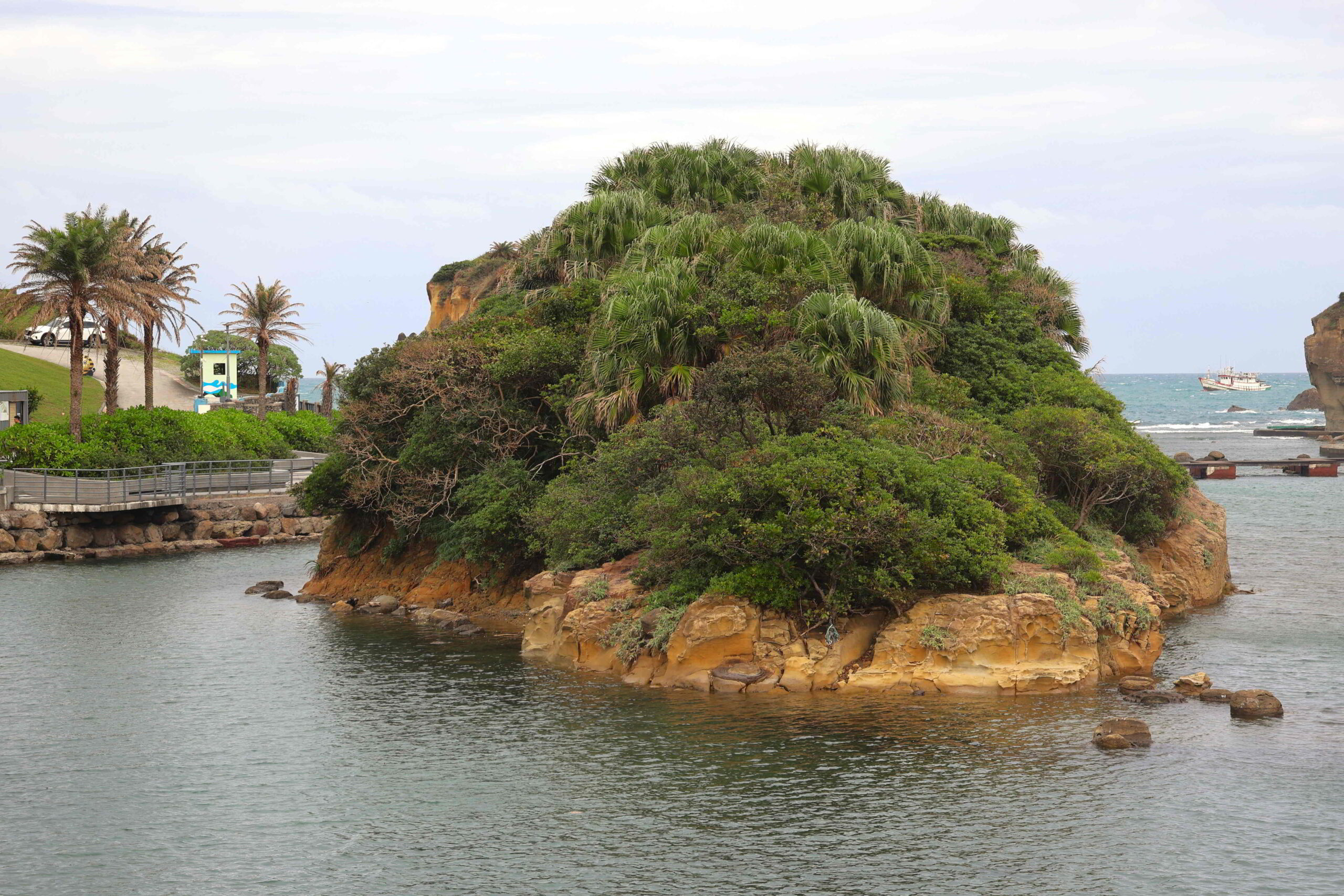
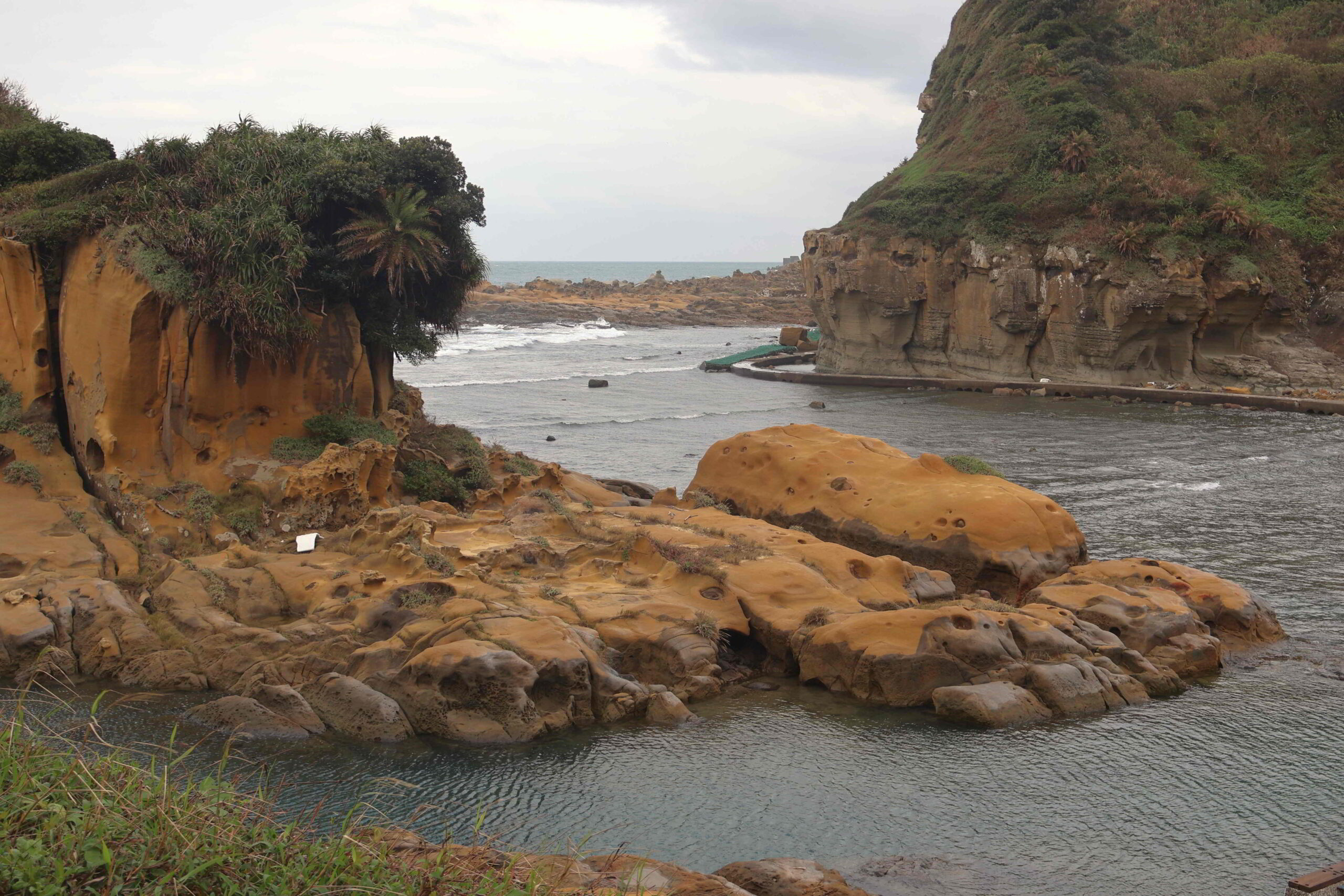
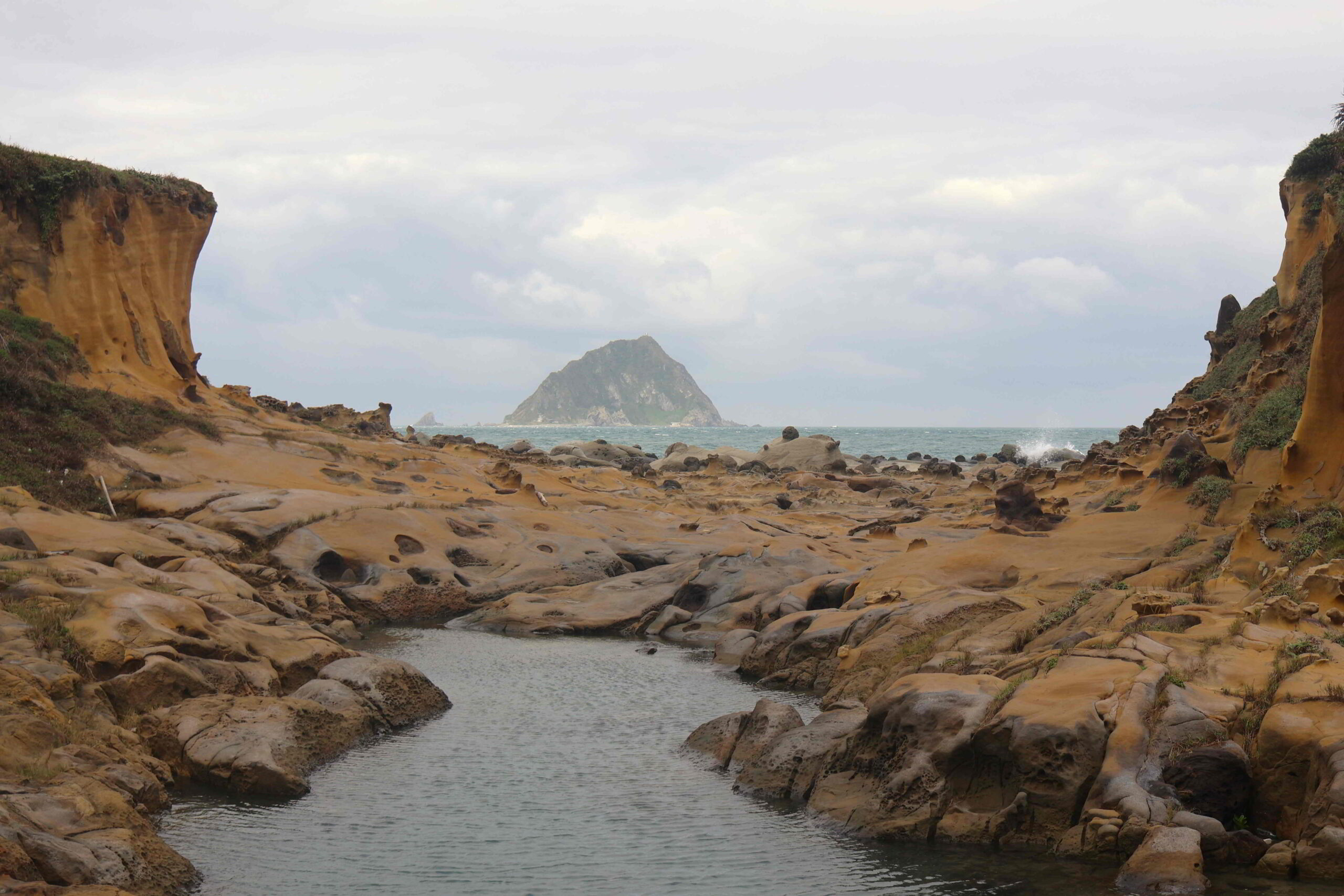
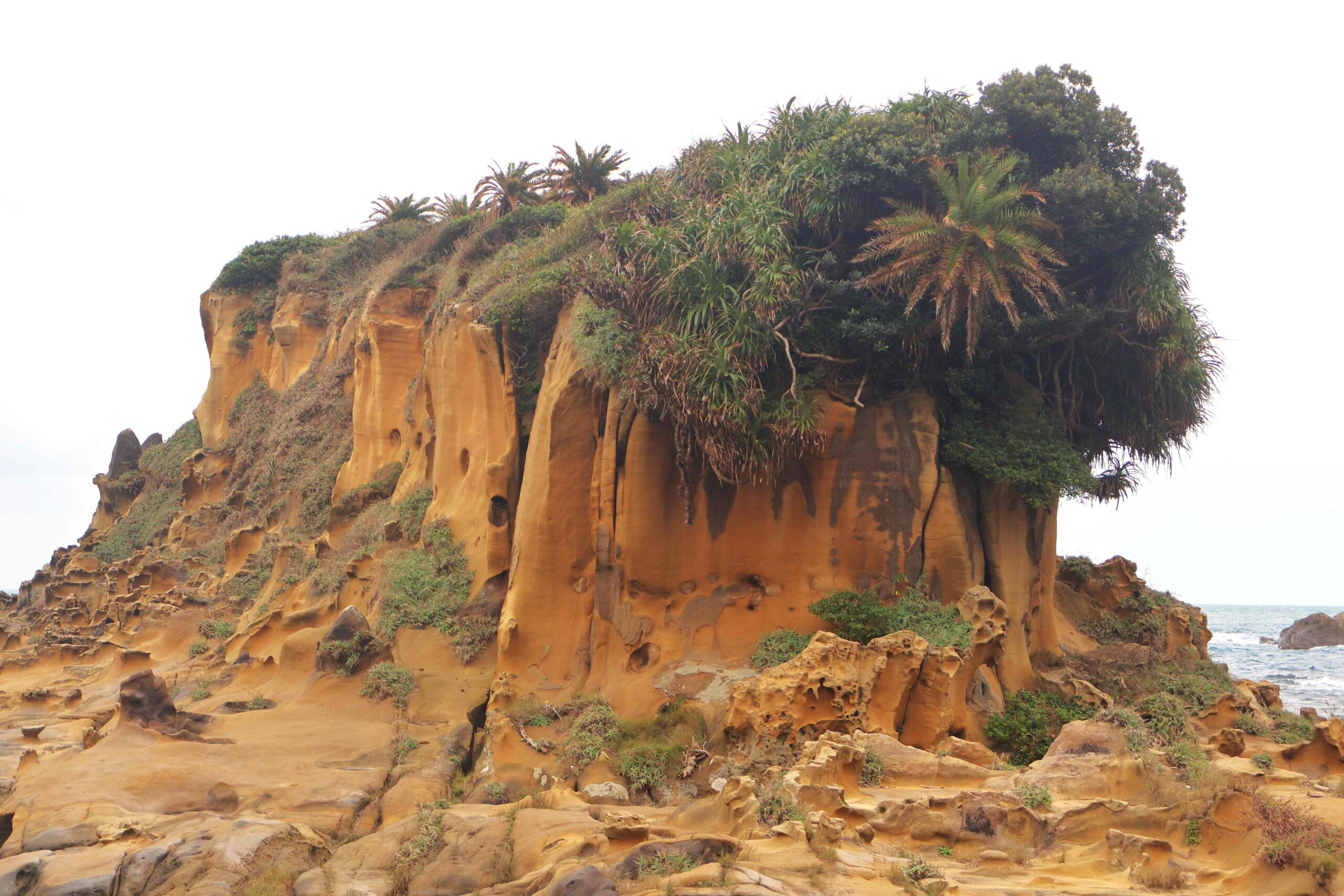
Unlike the Yehliu geopark, you can only walk along the periphery of the geological formations, staying on the designated boardwalk, but not walking onto the rocks themselves. This certainly makes sense, considering the potential wear to the geological formations. There is a surprisingly large number of visitors hailing from all the over the region, Taiwan, China, the Philippines, Vietnam, South Korea, Indonesia, and Thailand. Despite not being able to broach the rocky terrain, the visuals are quite stunning, what with the mushroom-shaped formations set against the flowing contours of the sandstone ground.
Keelung — Heping Island Geopark
Keelung — Heping Island Geopark
Keelung — Heping Island Geopark
Keelung — Heping Island Geopark
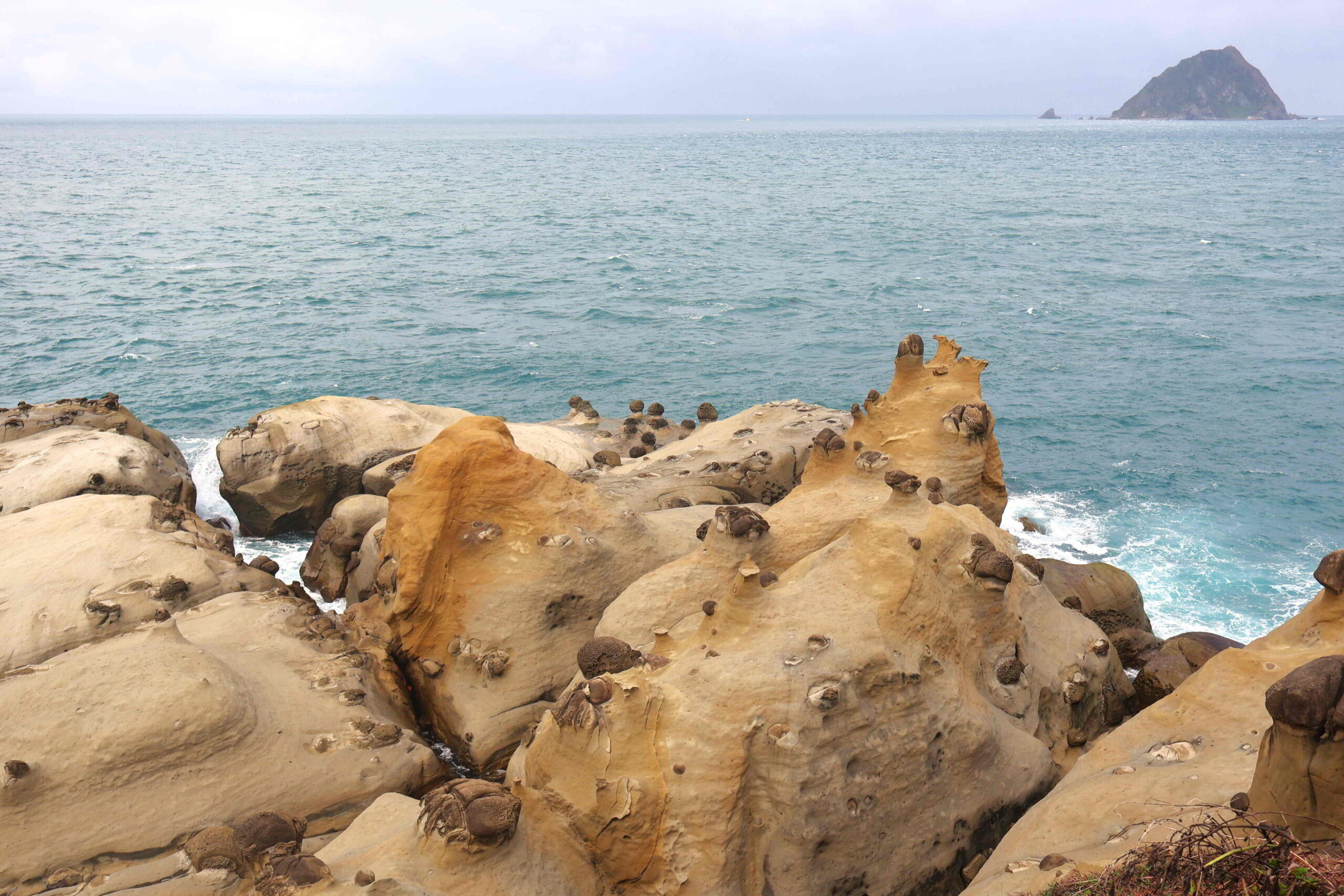
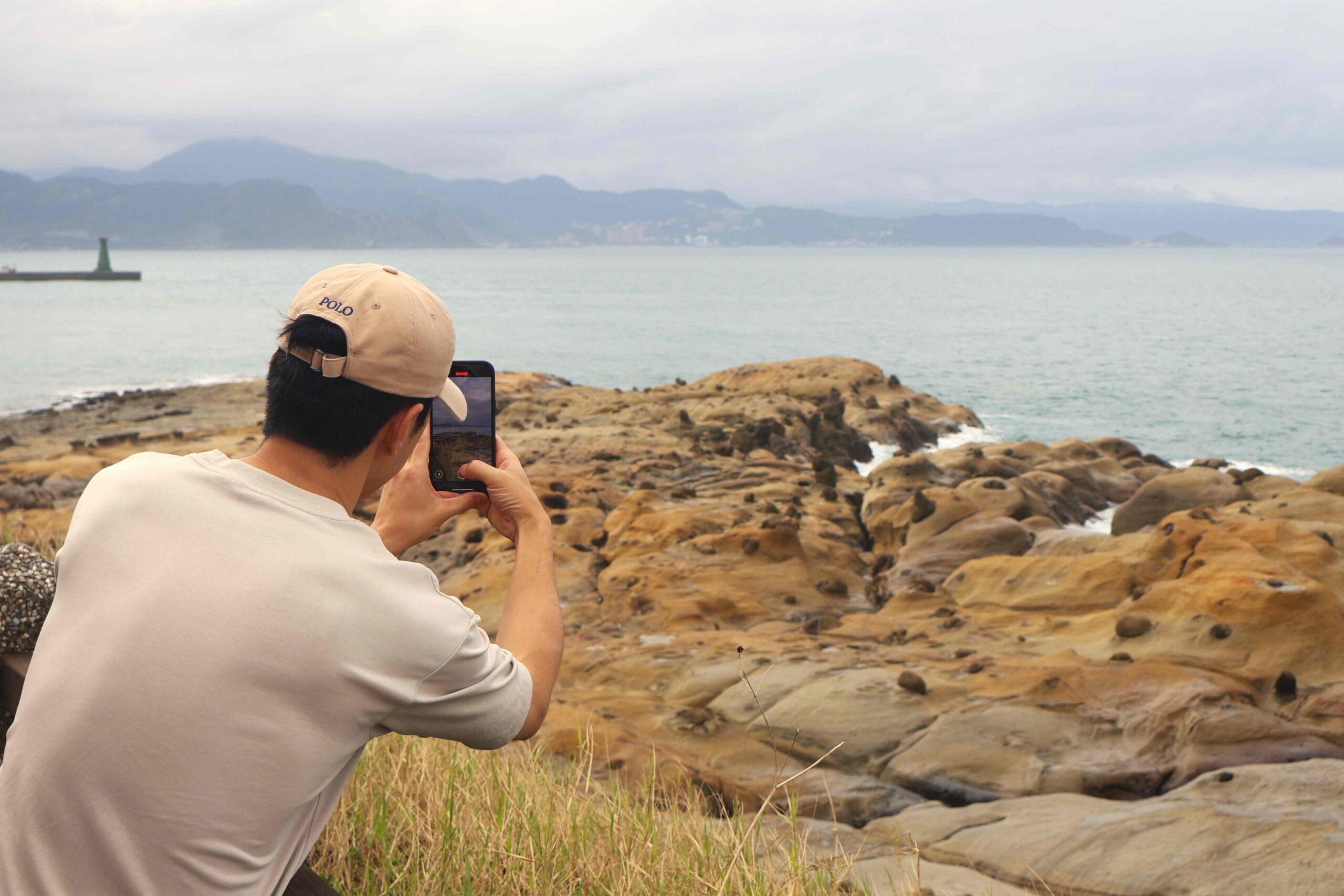
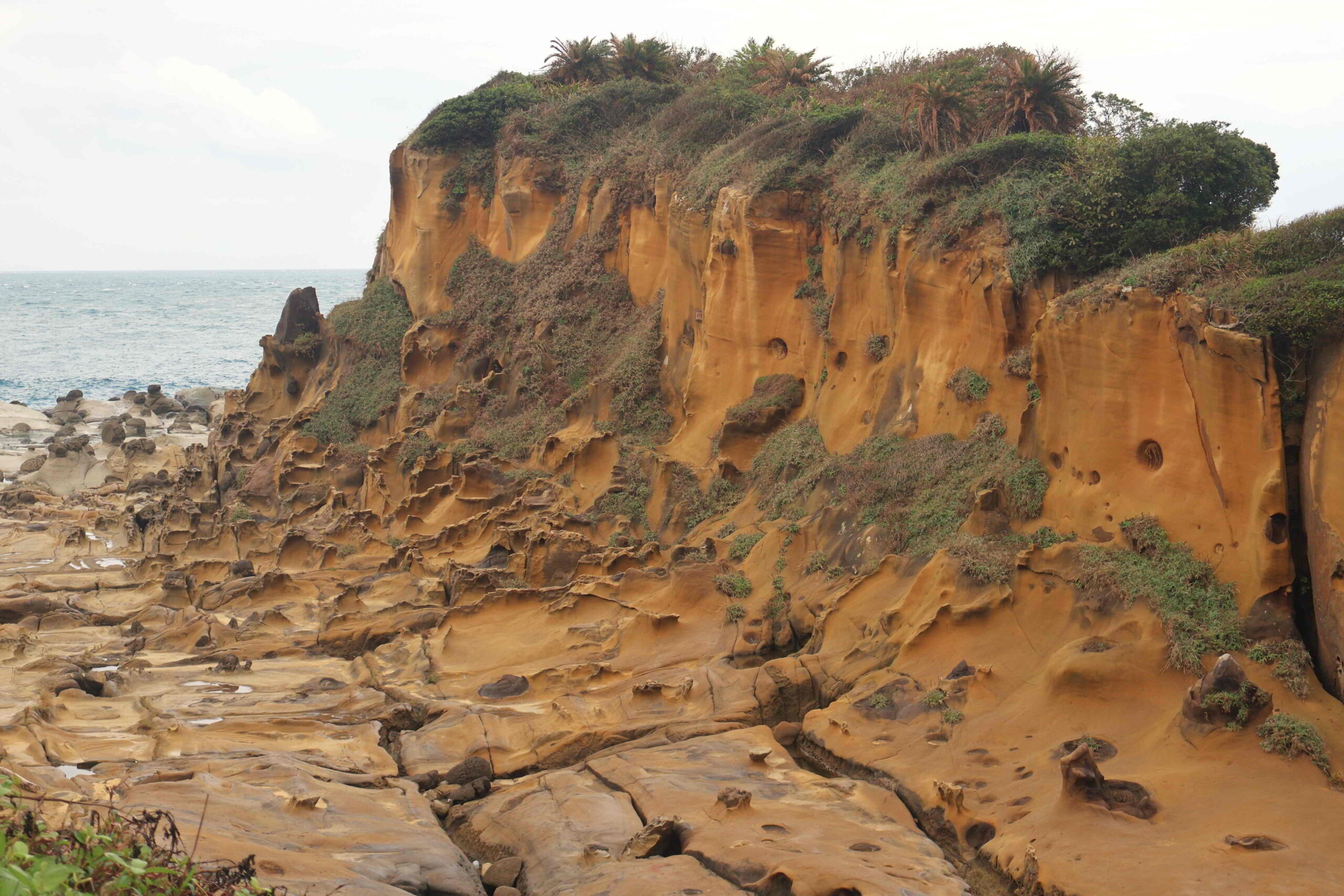
Unusual and surreal, the appearance of the eroded rock doesn’t just change in absolute terms, but also shifts in the changing light and from the shifting vantage point as I walk slowly along the boardwalk, rising, then falling, then rising again. I take copious pictures without worrying about composition — I can worry about that later, when I review the pictures, since the preview on the tiny camera screen often doesn’t make the same impression as the much larger image does on the computer screen.
Keelung — Heping Island Geopark
Keelung — Heping Island Geopark
Keelung — Heping Island Geopark
Keelung — Heping Island Geopark
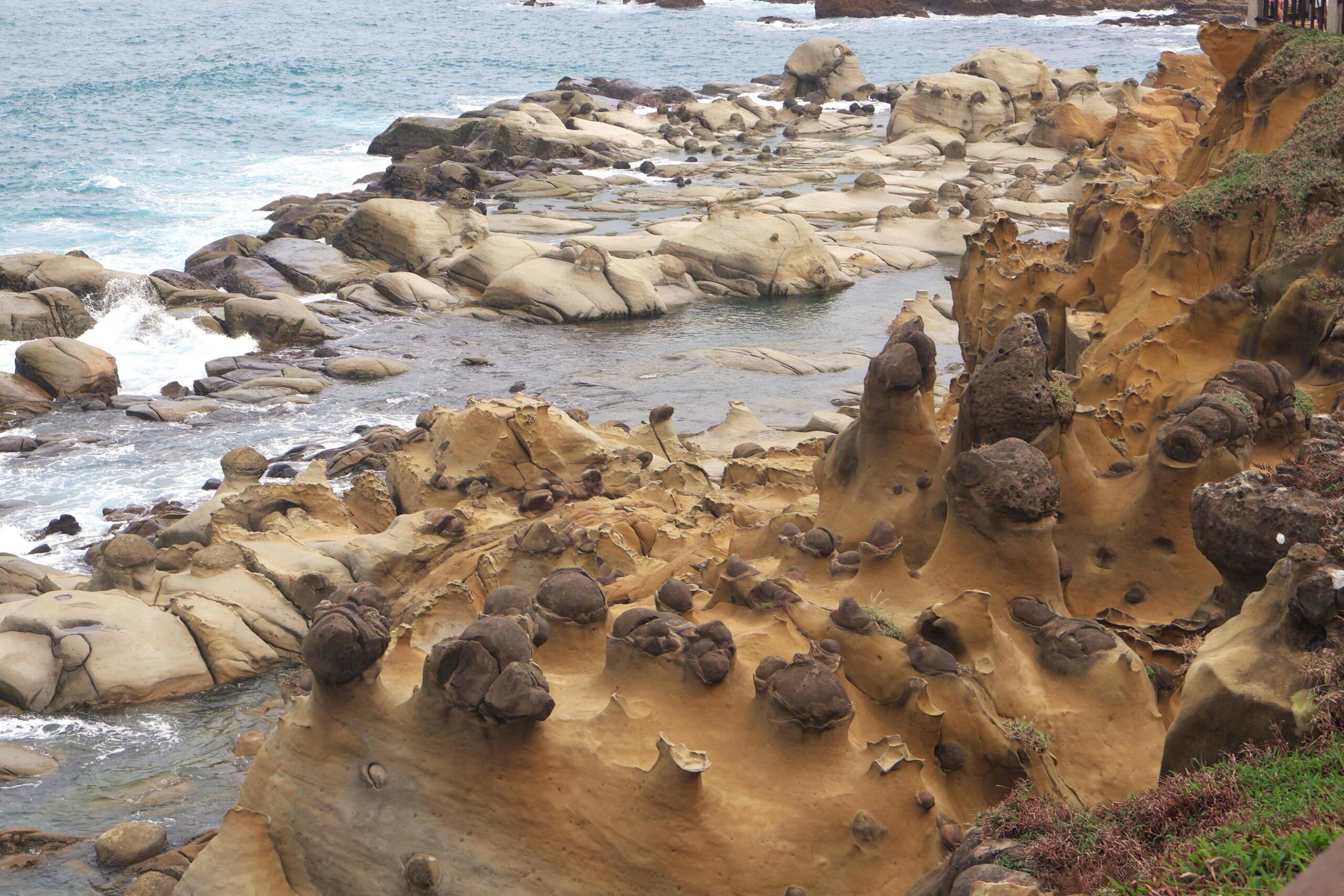
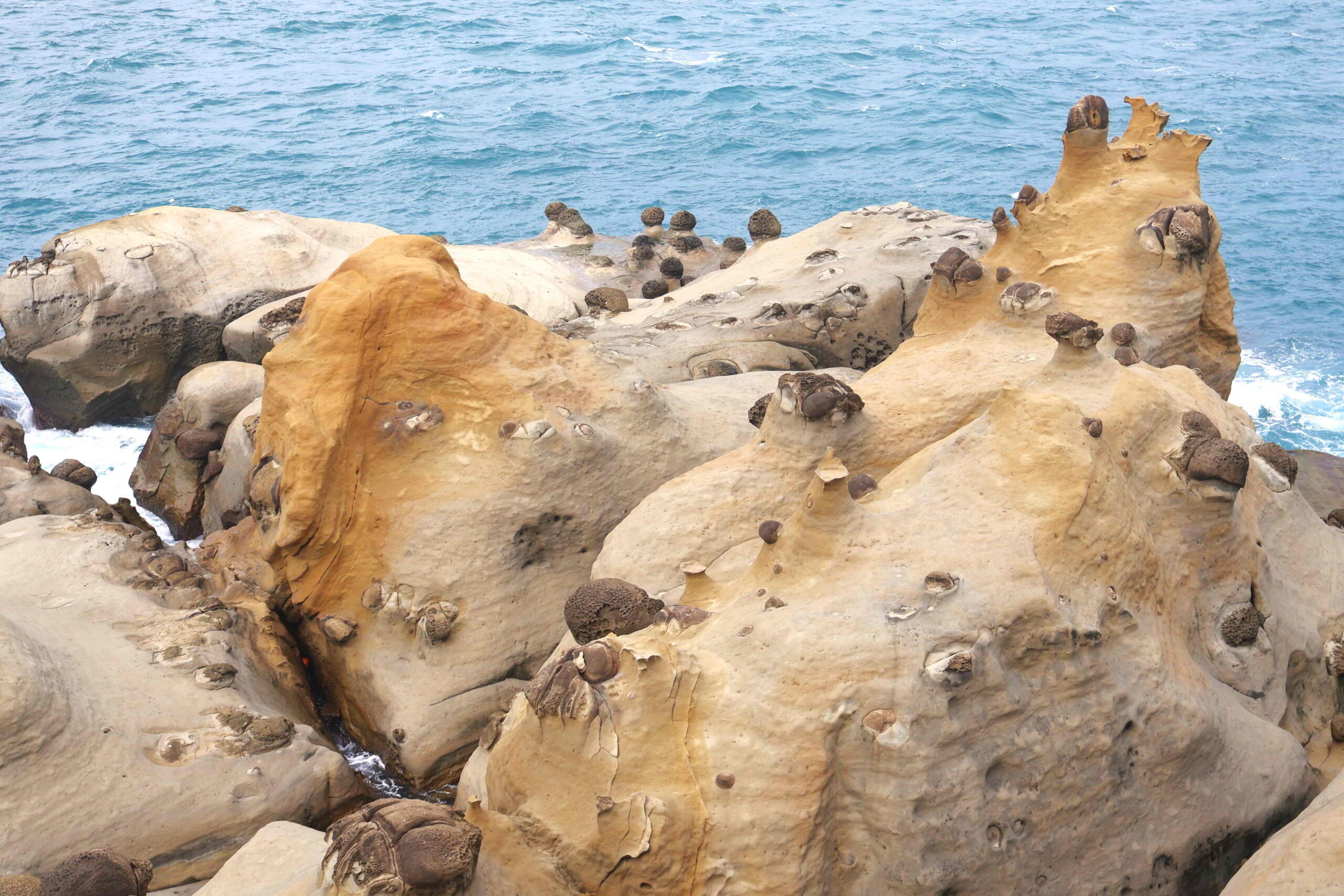
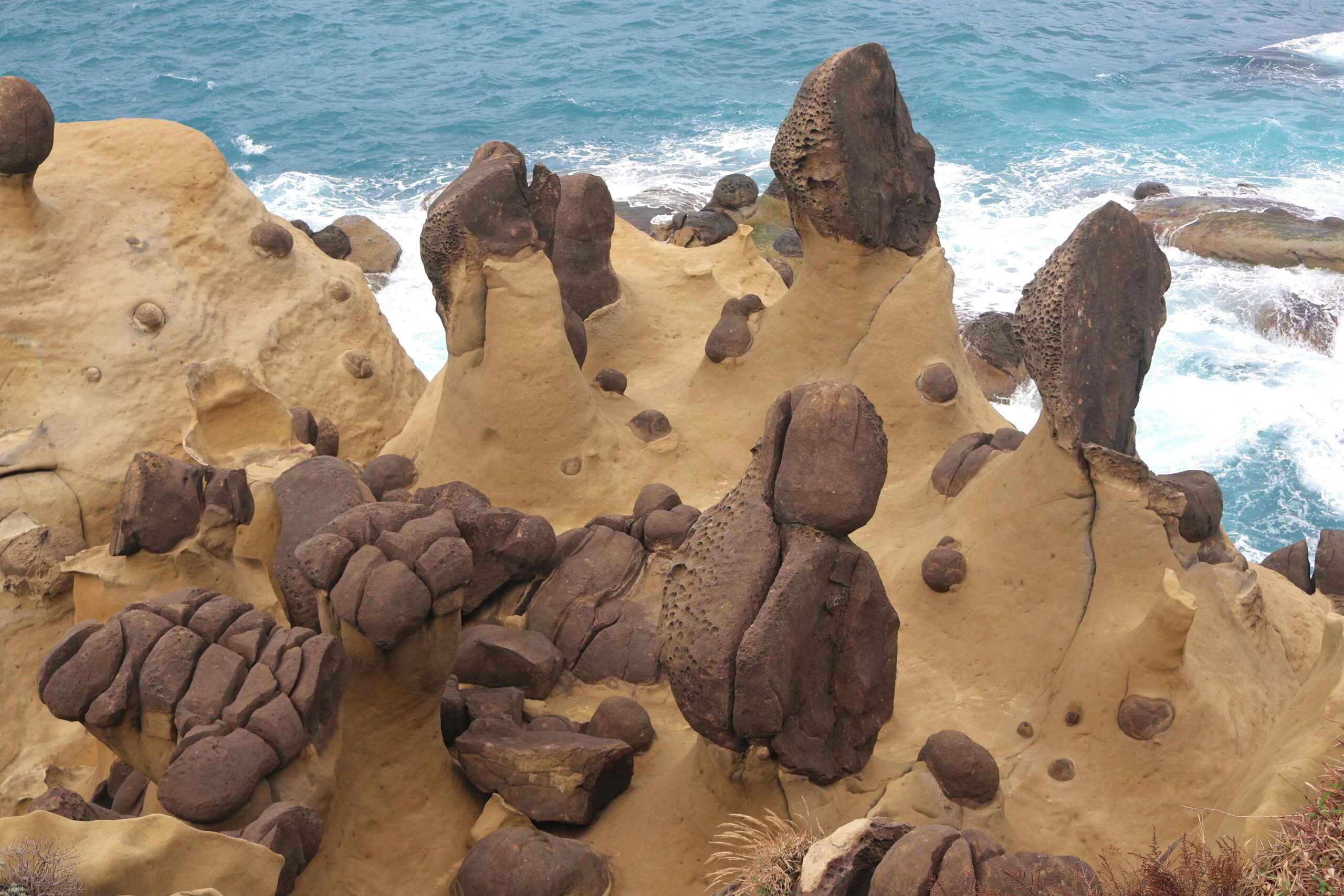
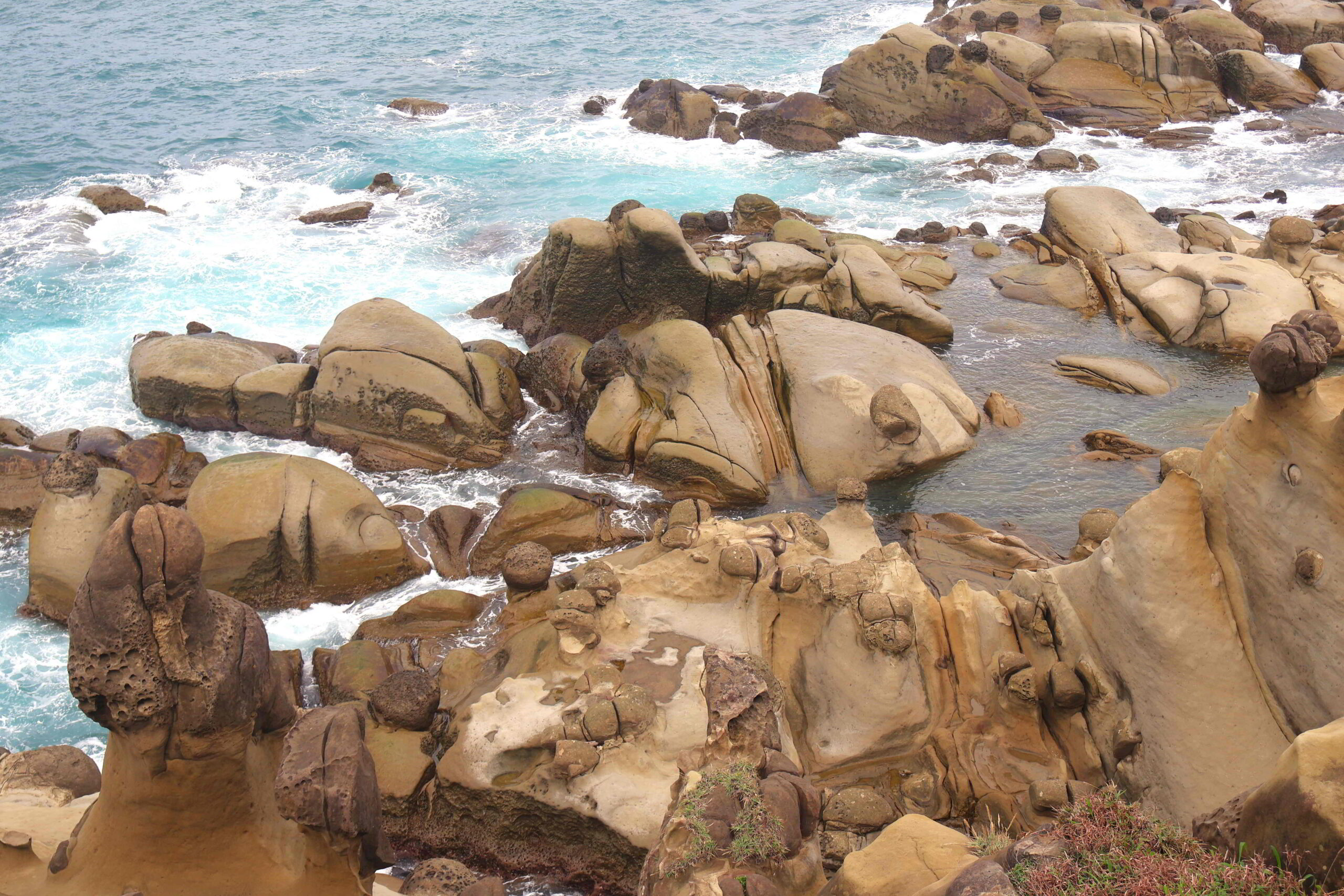
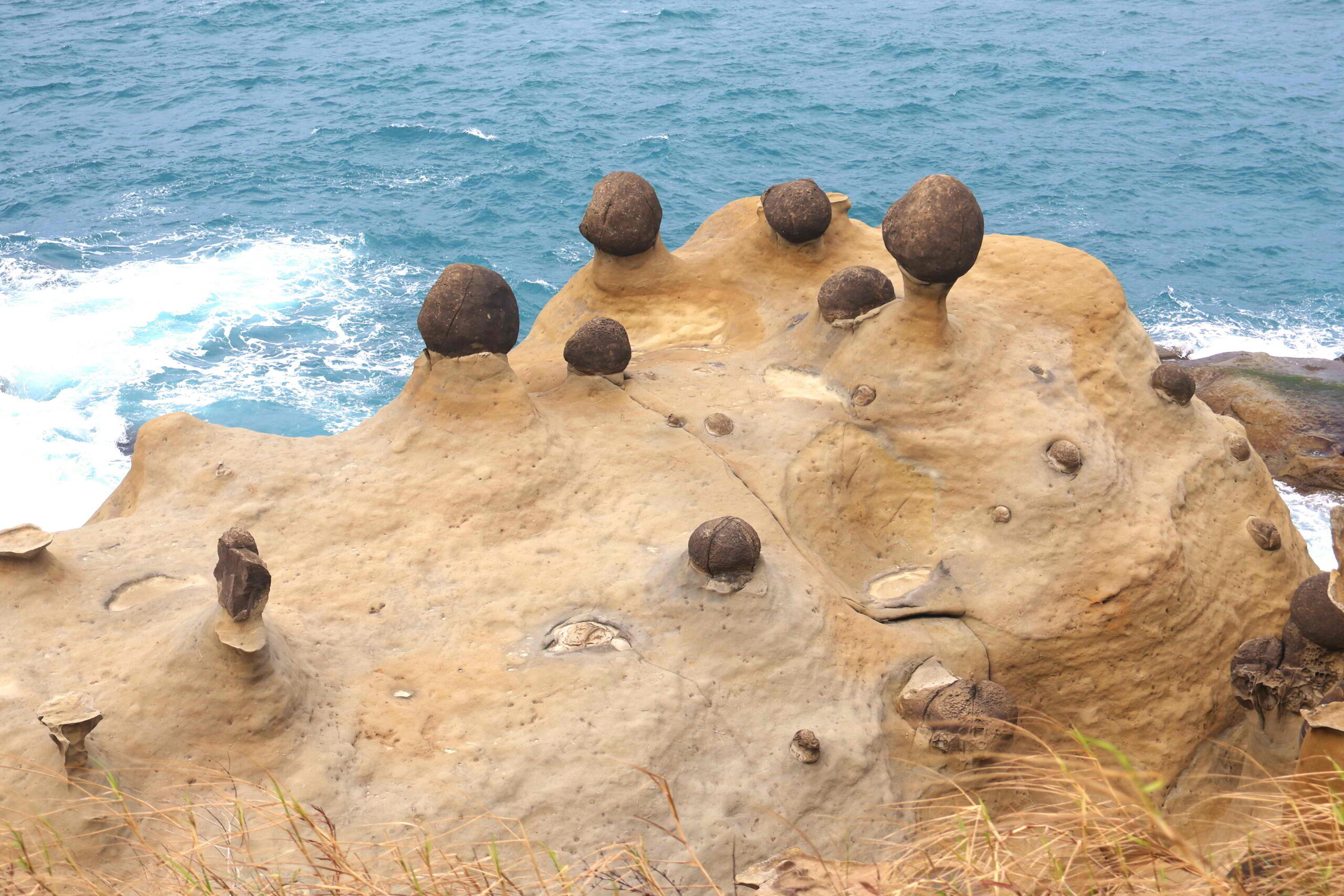
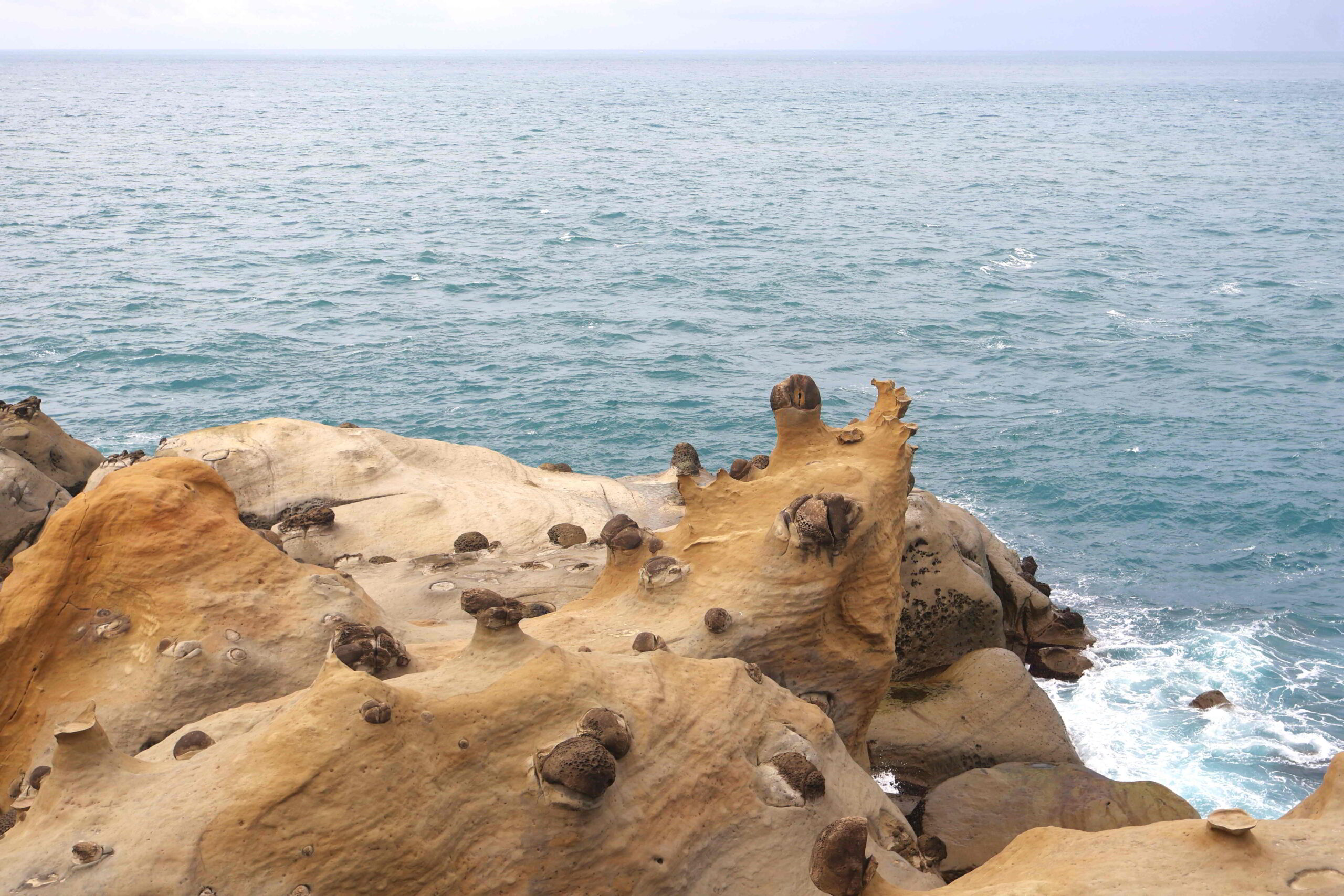
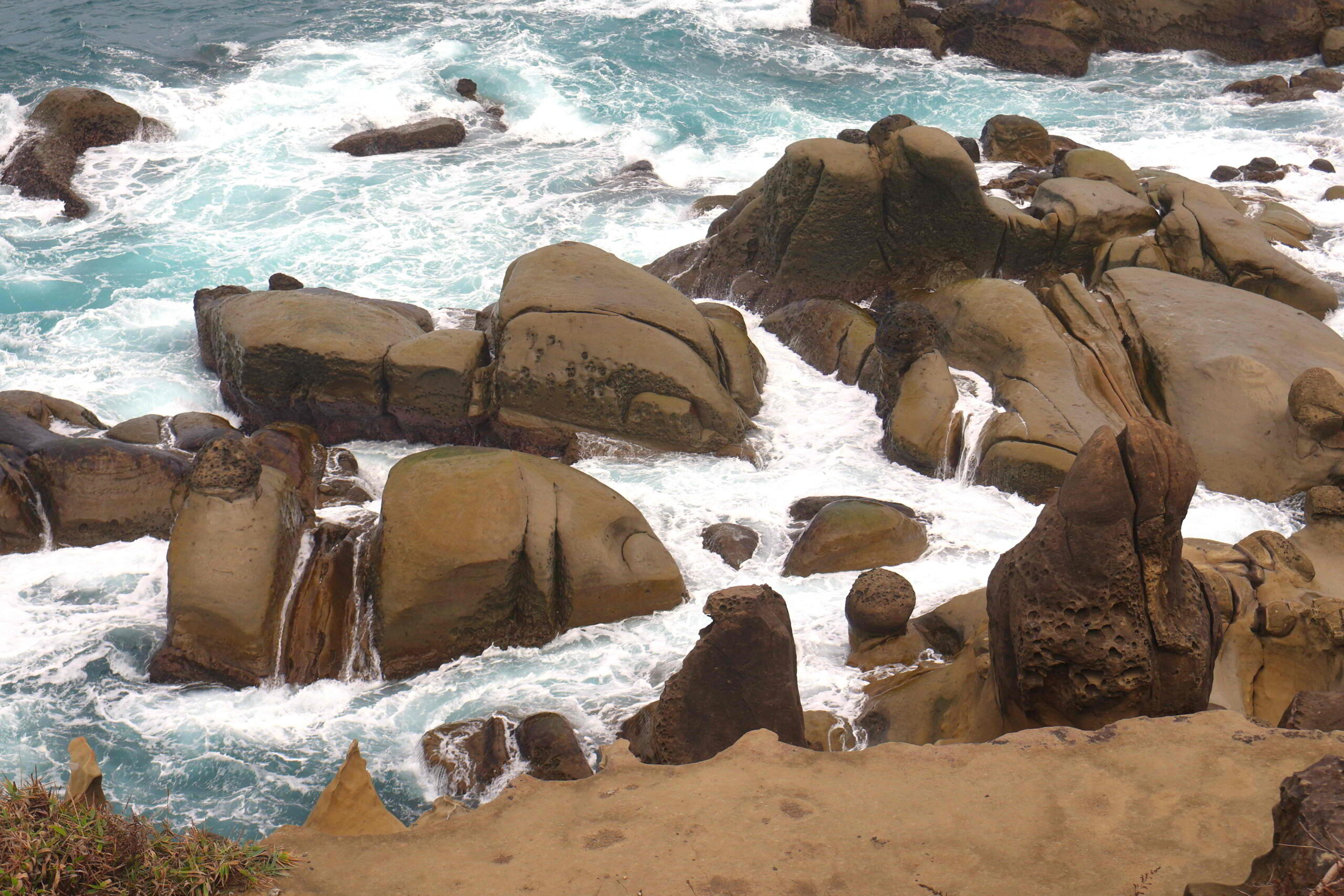
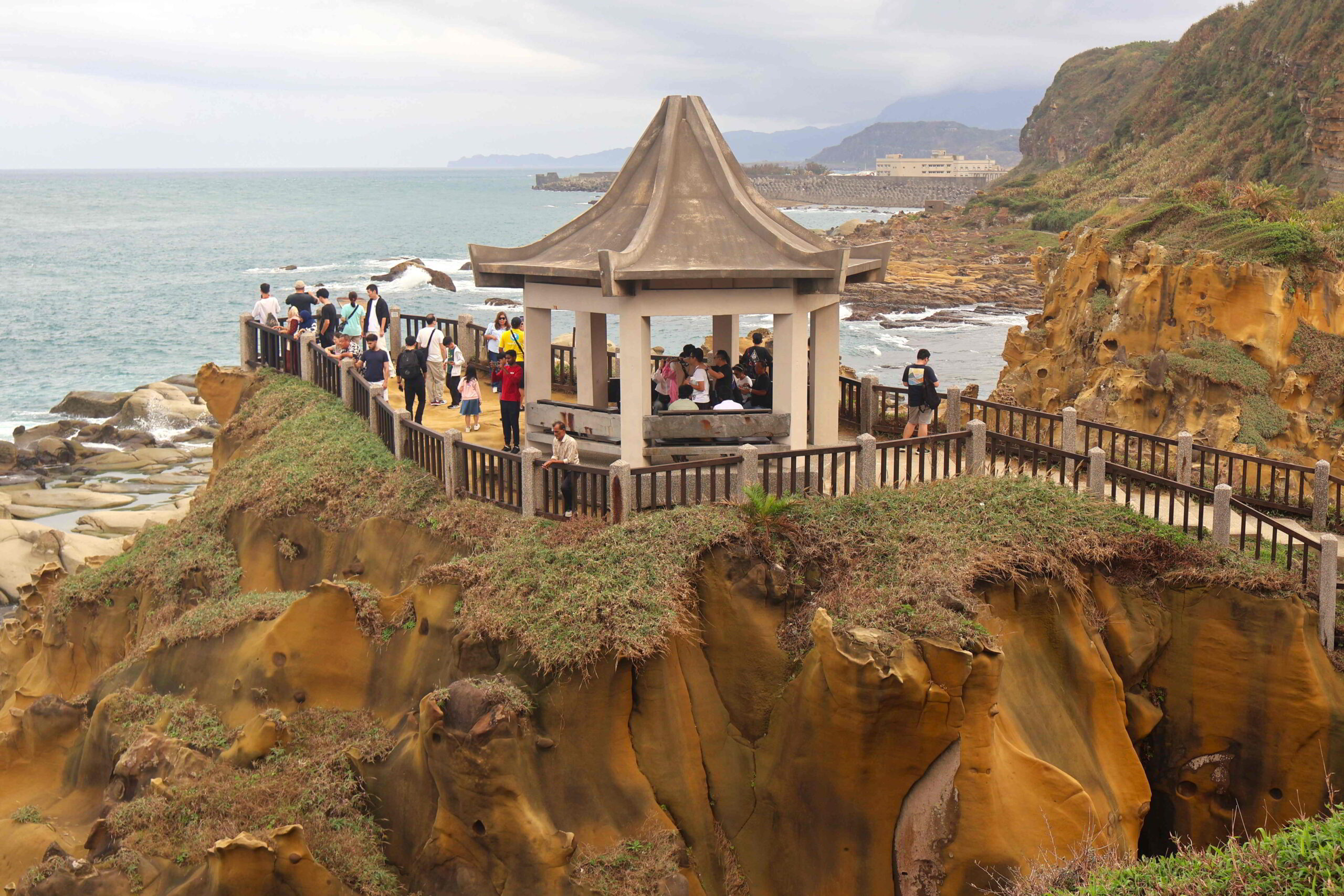
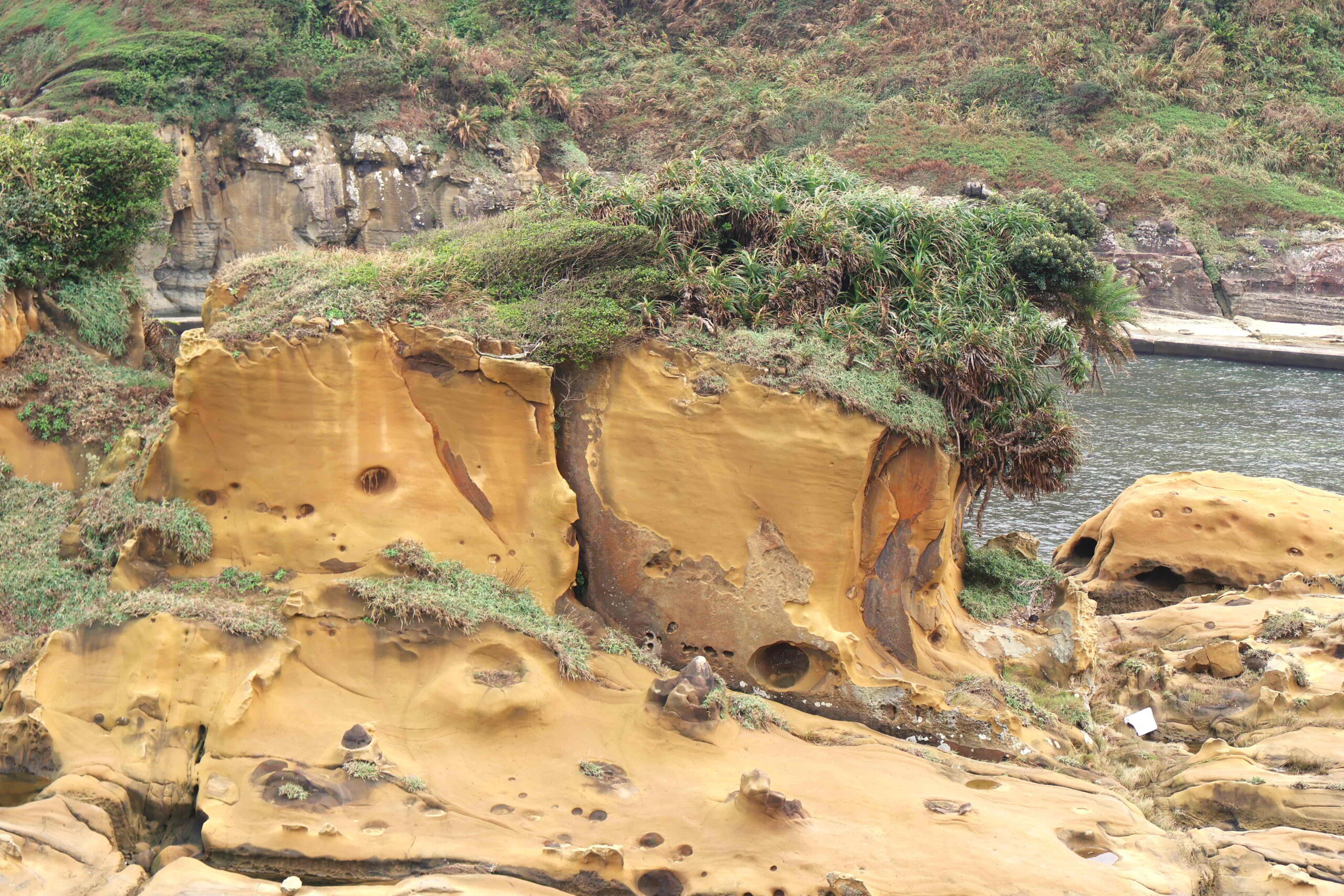
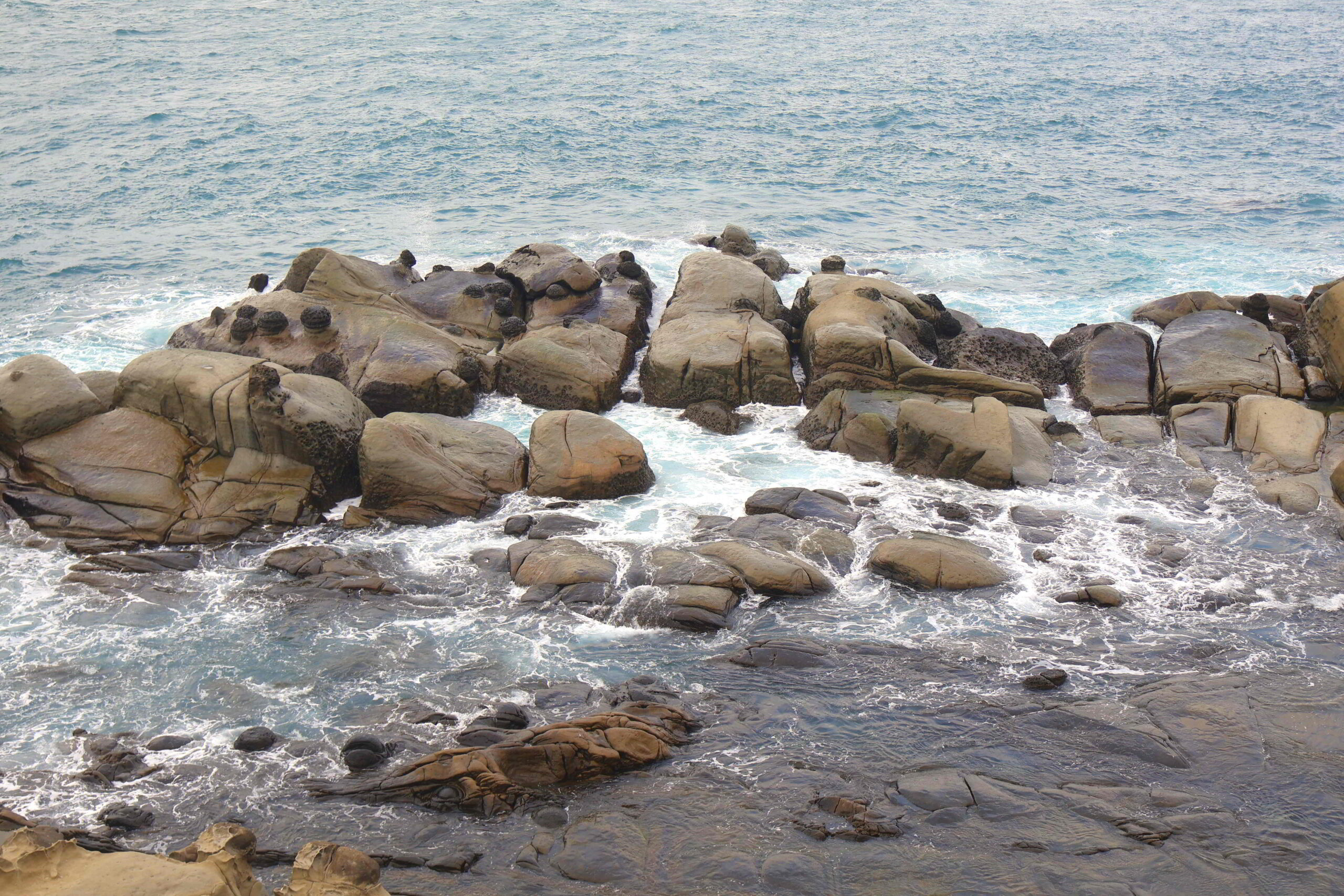
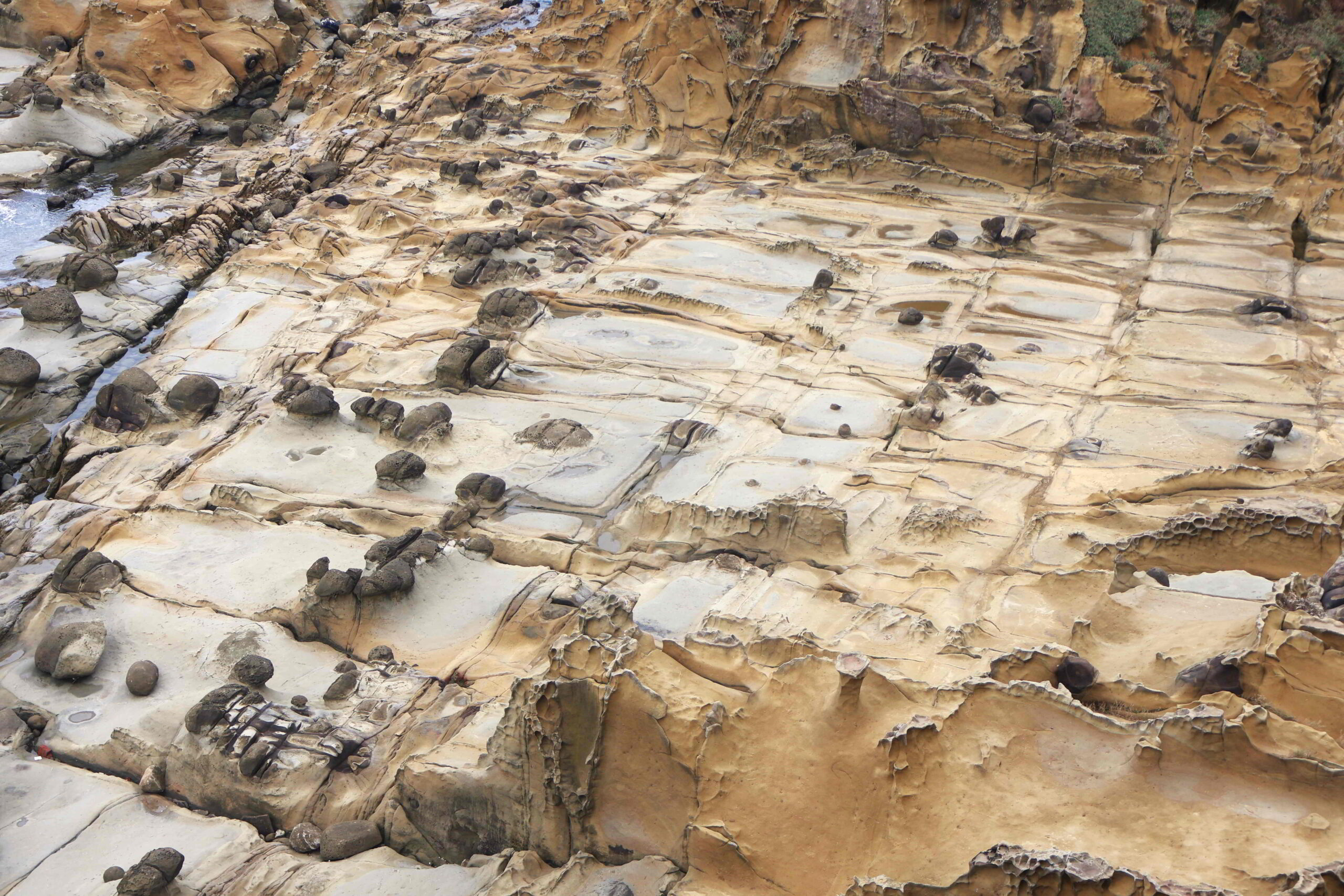
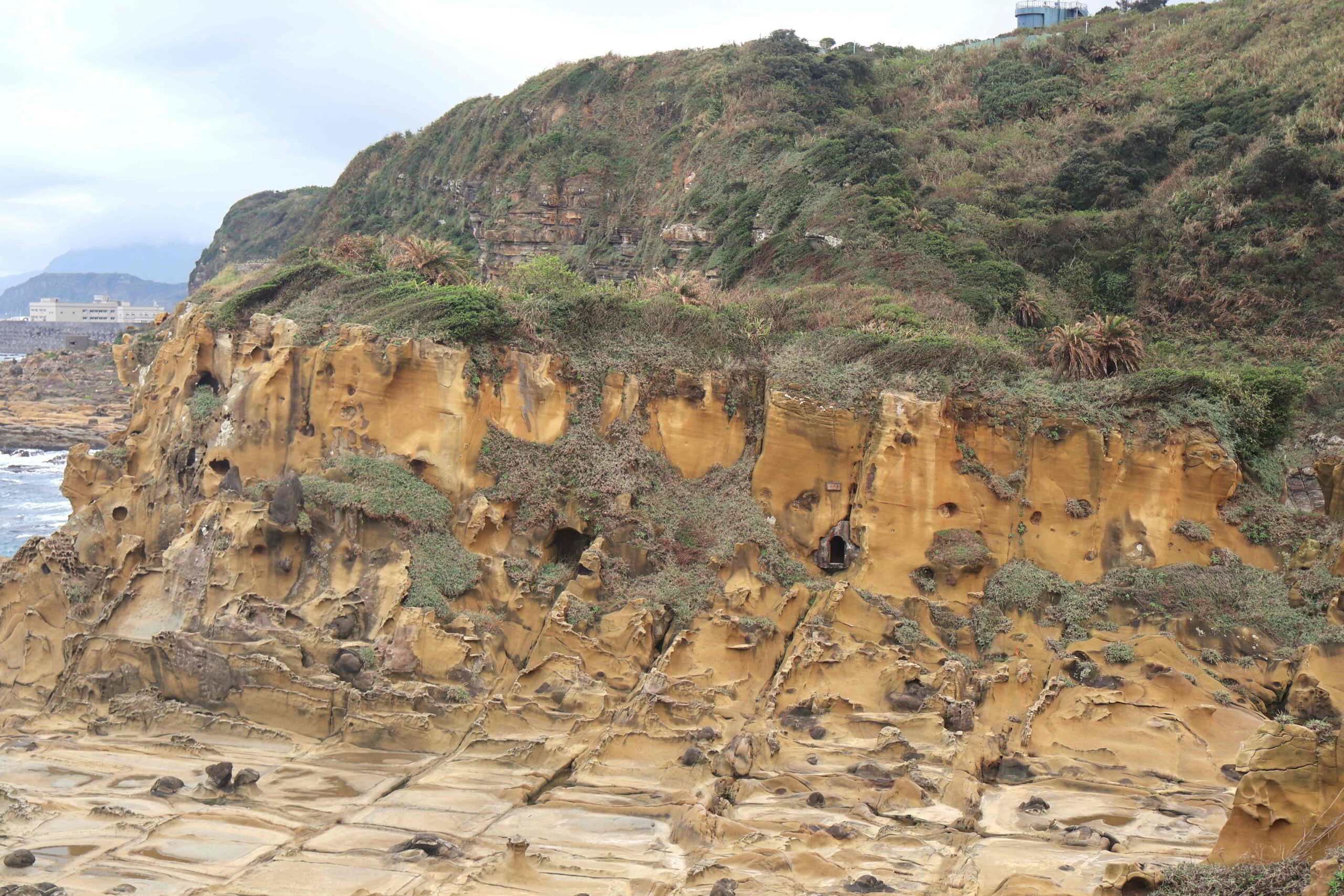
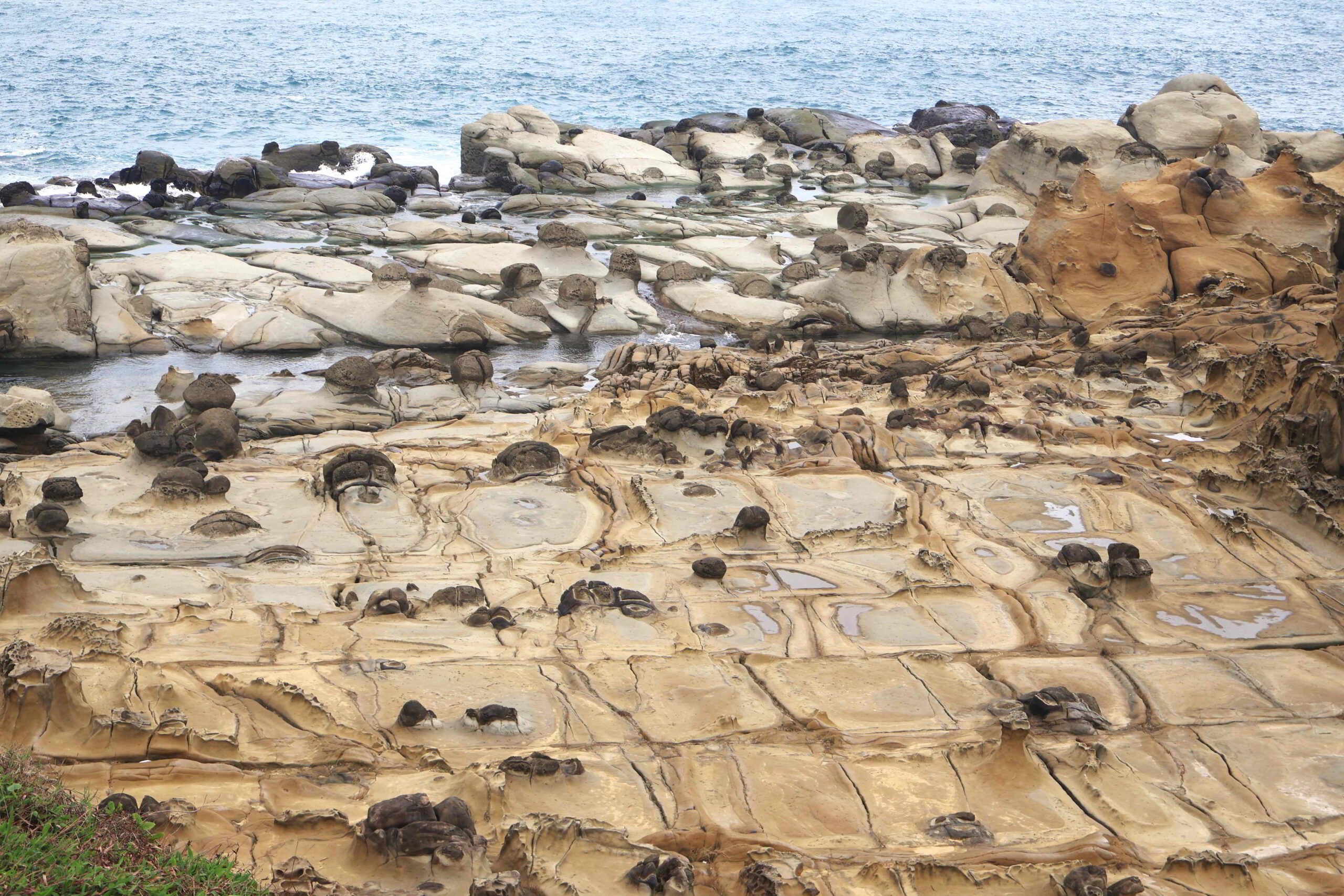
The geological formations extend along a series of rock shelves and promontories that line the outer fringe of the island, interwoven by contorted channels. The strange protrusions that catch the visitors’ eyes are formed from water and wind erosion, what appear to be mushroom caps much harder rock than the underlying sandstone, which typically forms the underlying pillars. Some areas appear to sprout fully-formed rock mushrooms, while in other cases, the formations are only beginning to be eroded from the underlying sandstone bed.
Keelung — Heping Island Geopark
Keelung — Heping Island Geopark
Keelung — Heping Island Geopark
Keelung — Heping Island Geopark
The almost grid-like composition of emerging mushroom rocks is itself unusual, as it appears as if their organization is a product of intentional design. Some parts of the sandstone base are relatively level, whereby the rock heads emerge in unison and are roughly of the same height, while in other cases, the underlying rock itself is heavily eroded, whereby the harder rock heads crop out from the bulbous sandstone rocks at odd angles and intervals.
Keelung — Heping Island Geopark
Keelung — Heping Island Geopark
Keelung — Heping Island Geopark
Keelung — Heping Island Geopark
Keelung — Heping Island Geopark
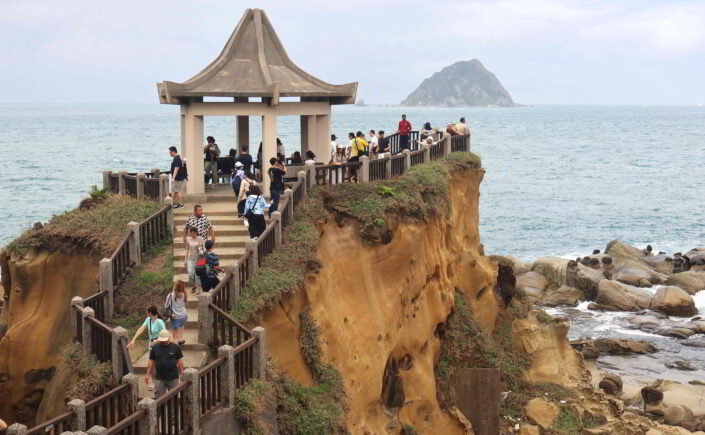
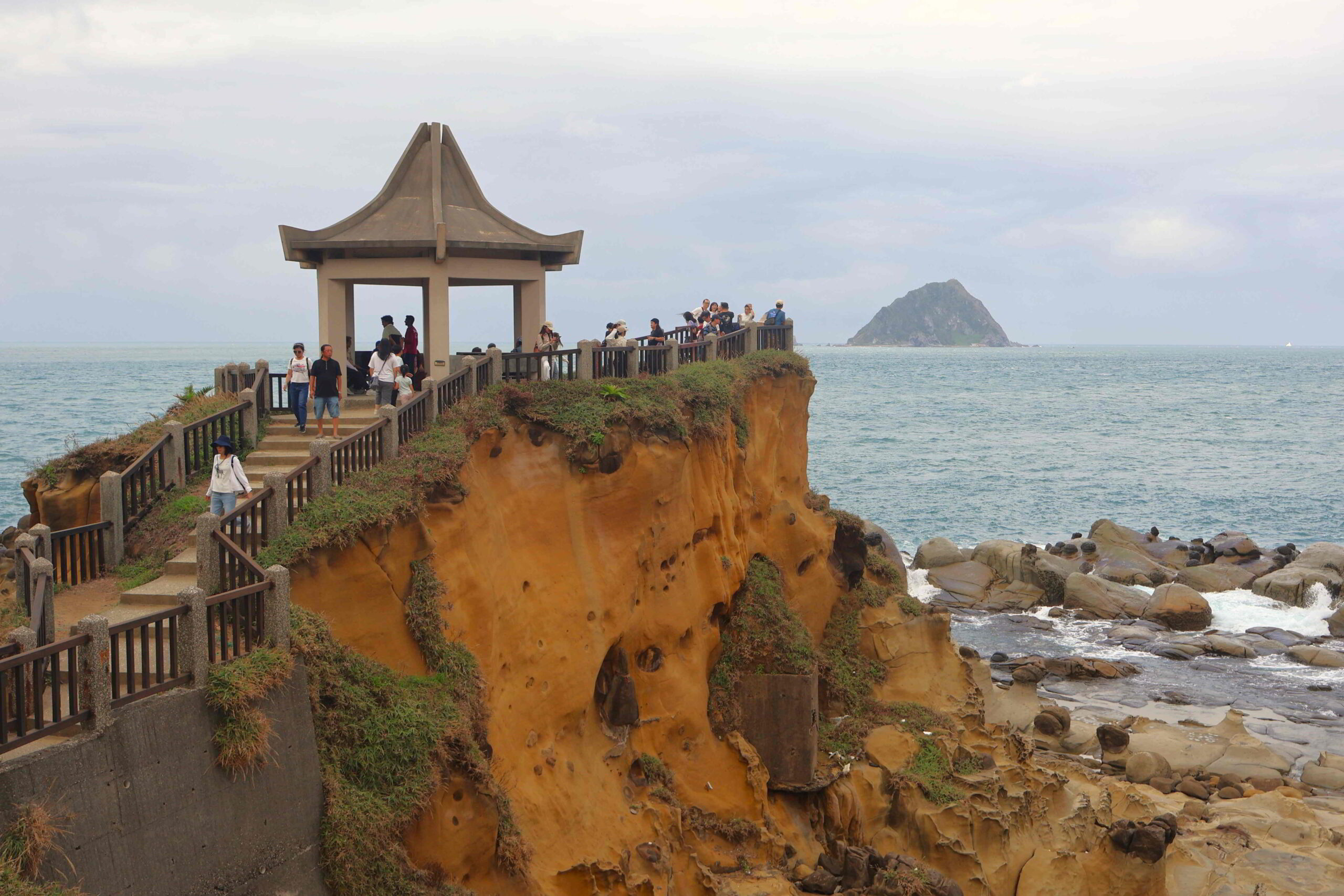
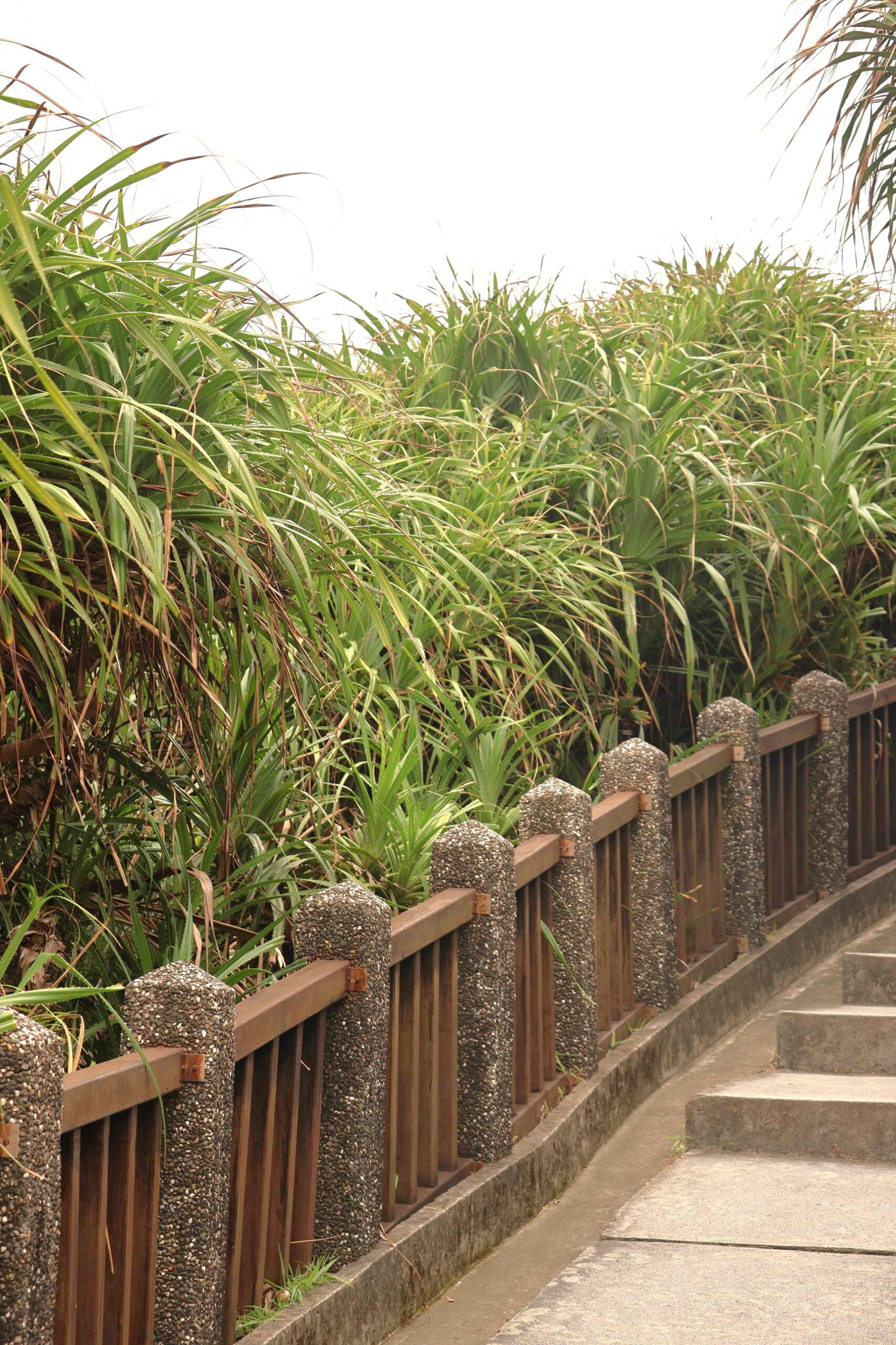
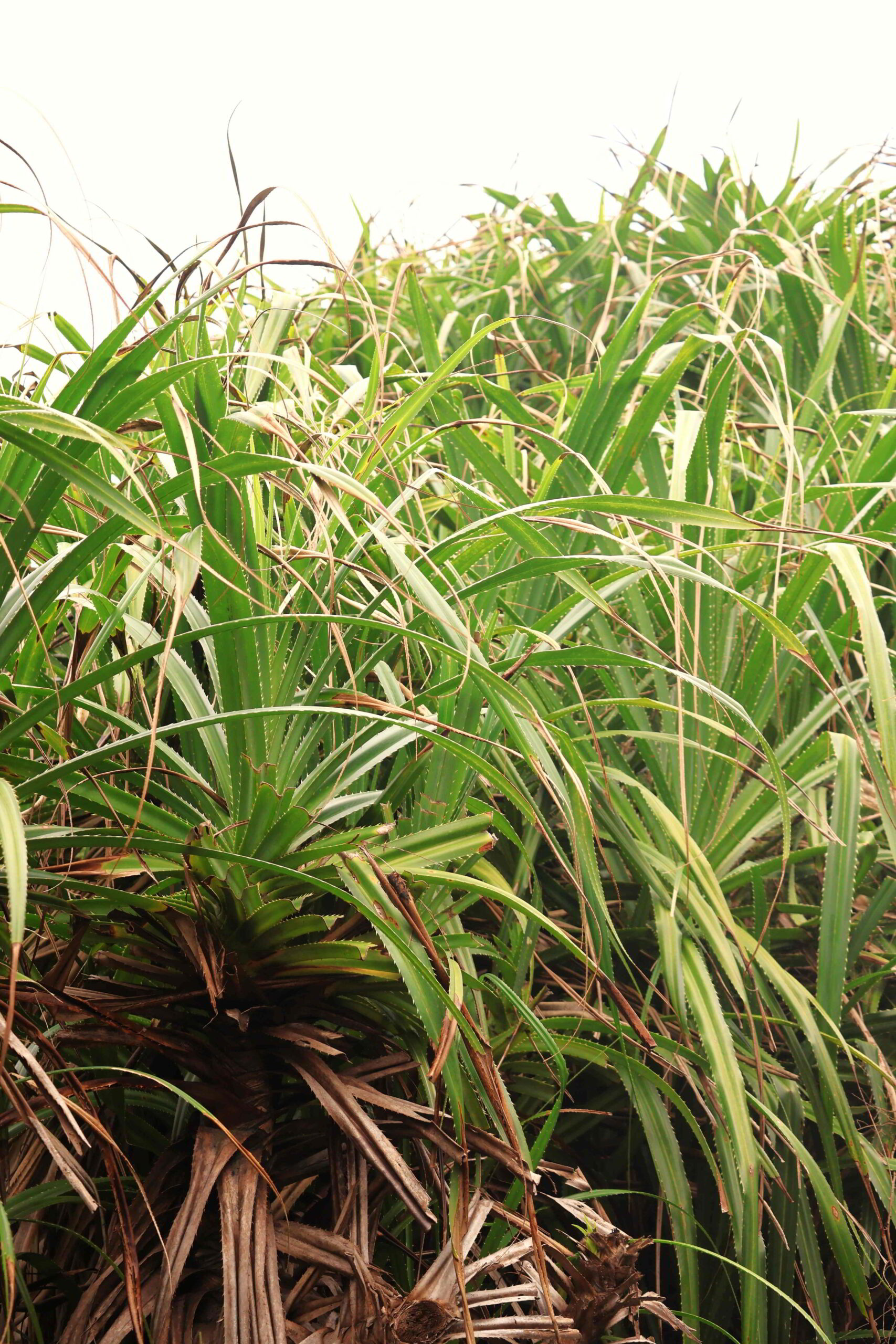
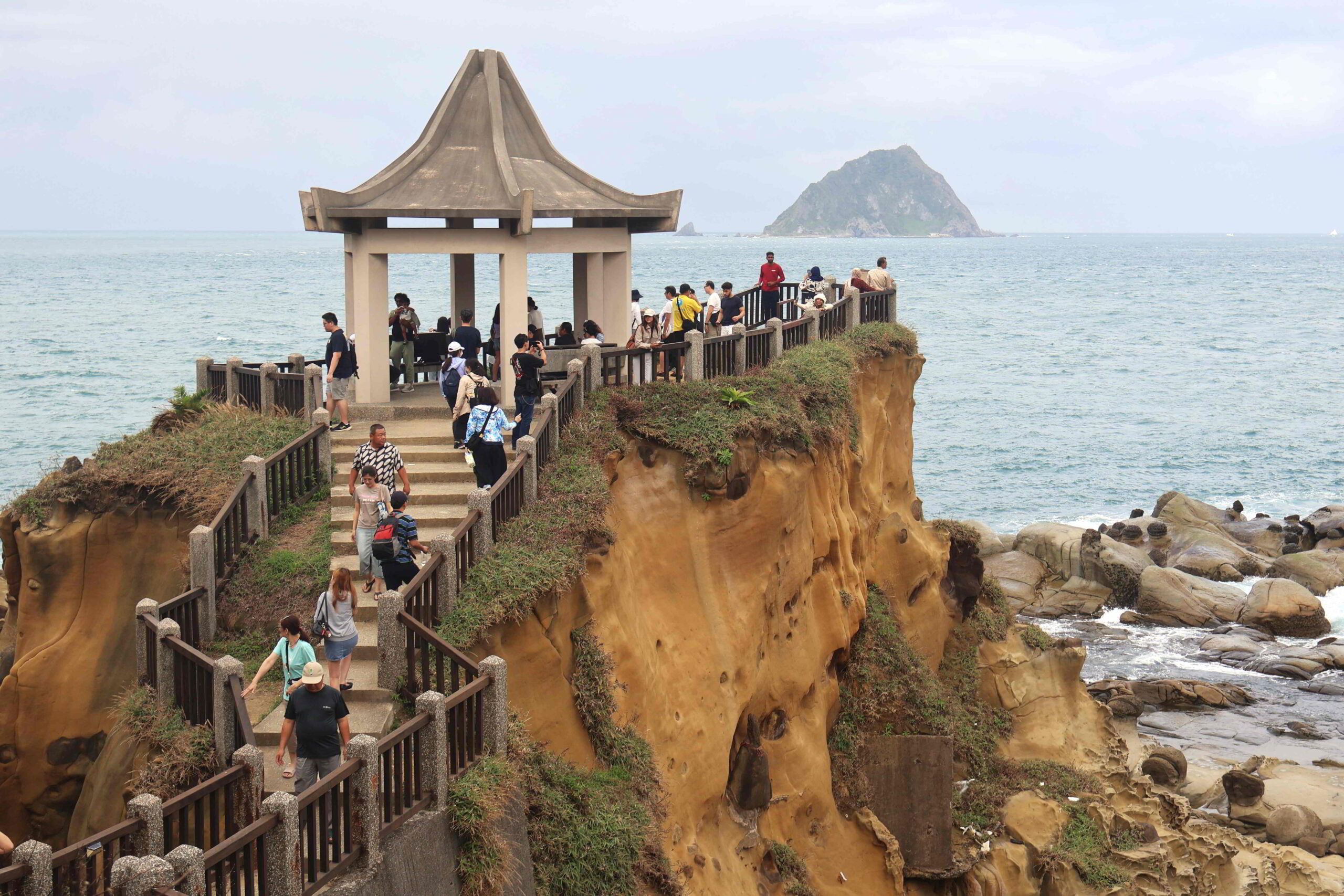
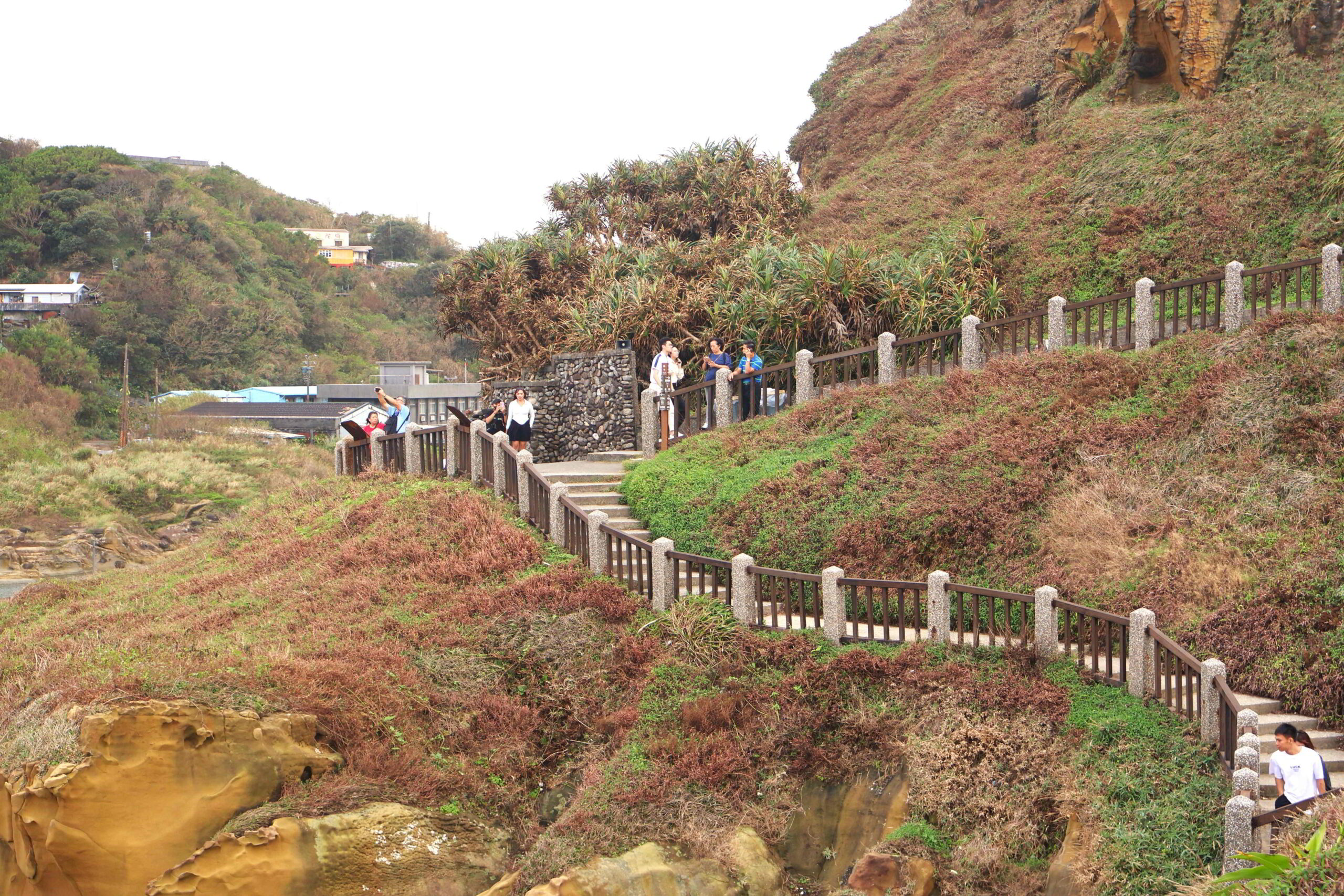
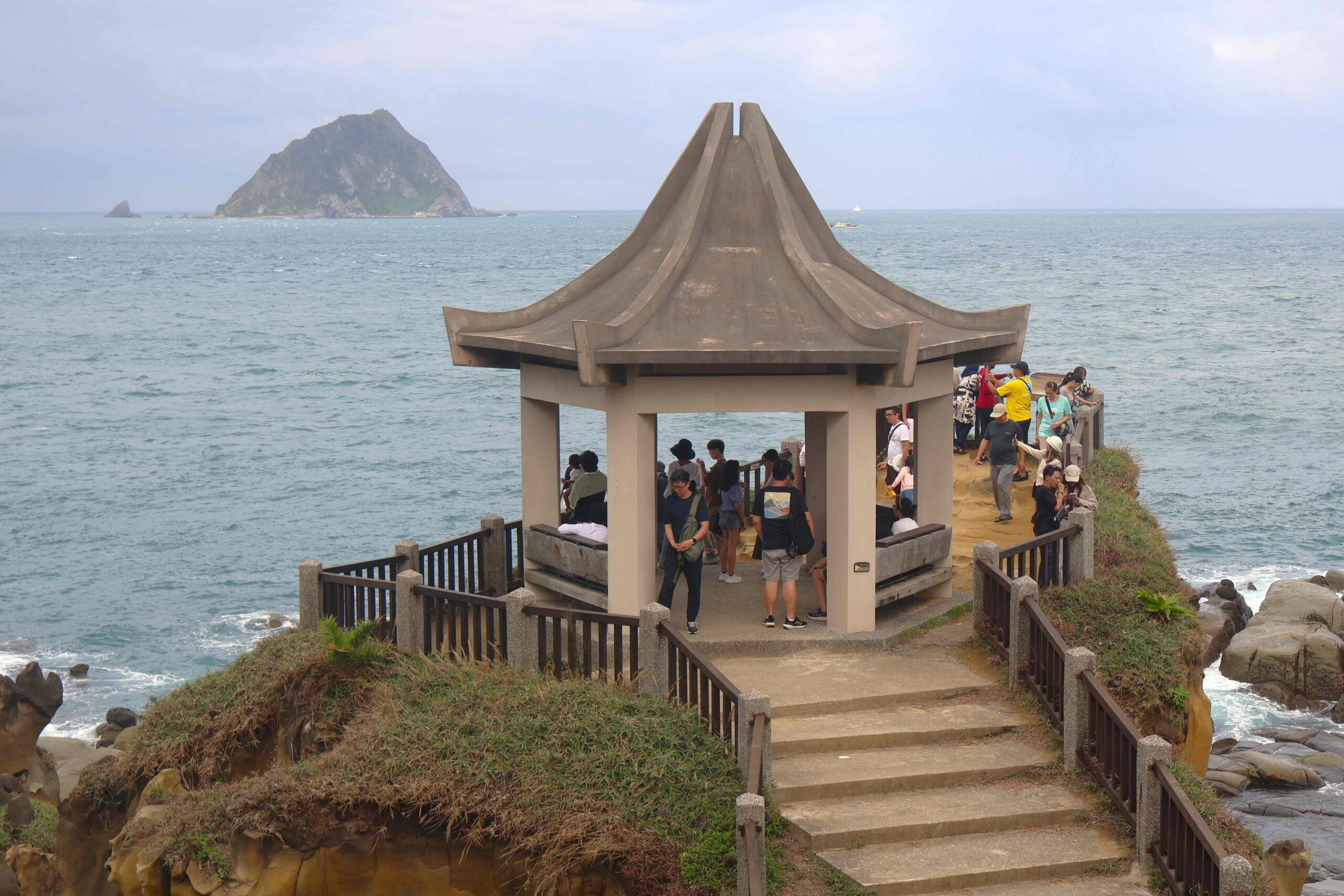
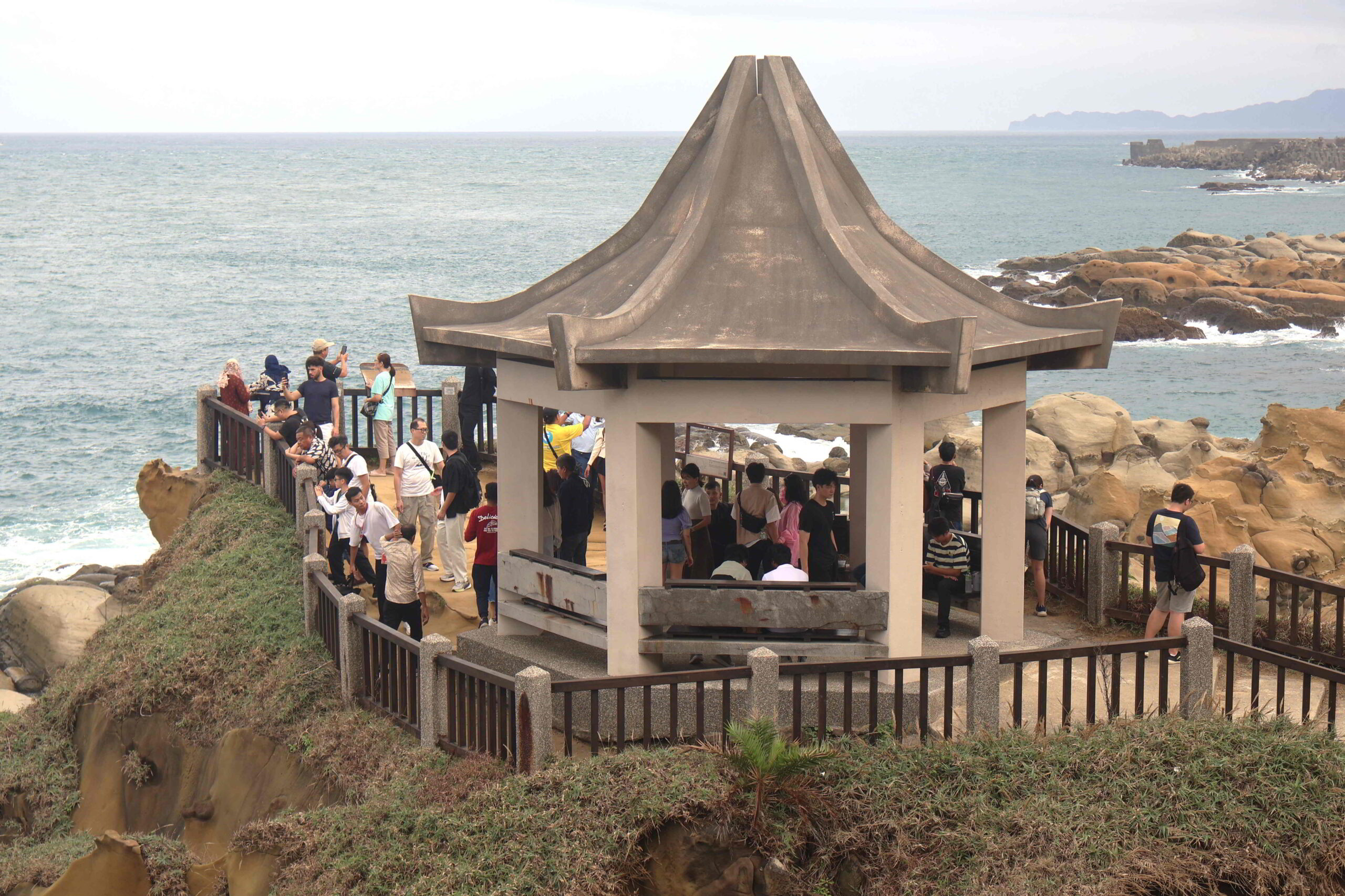
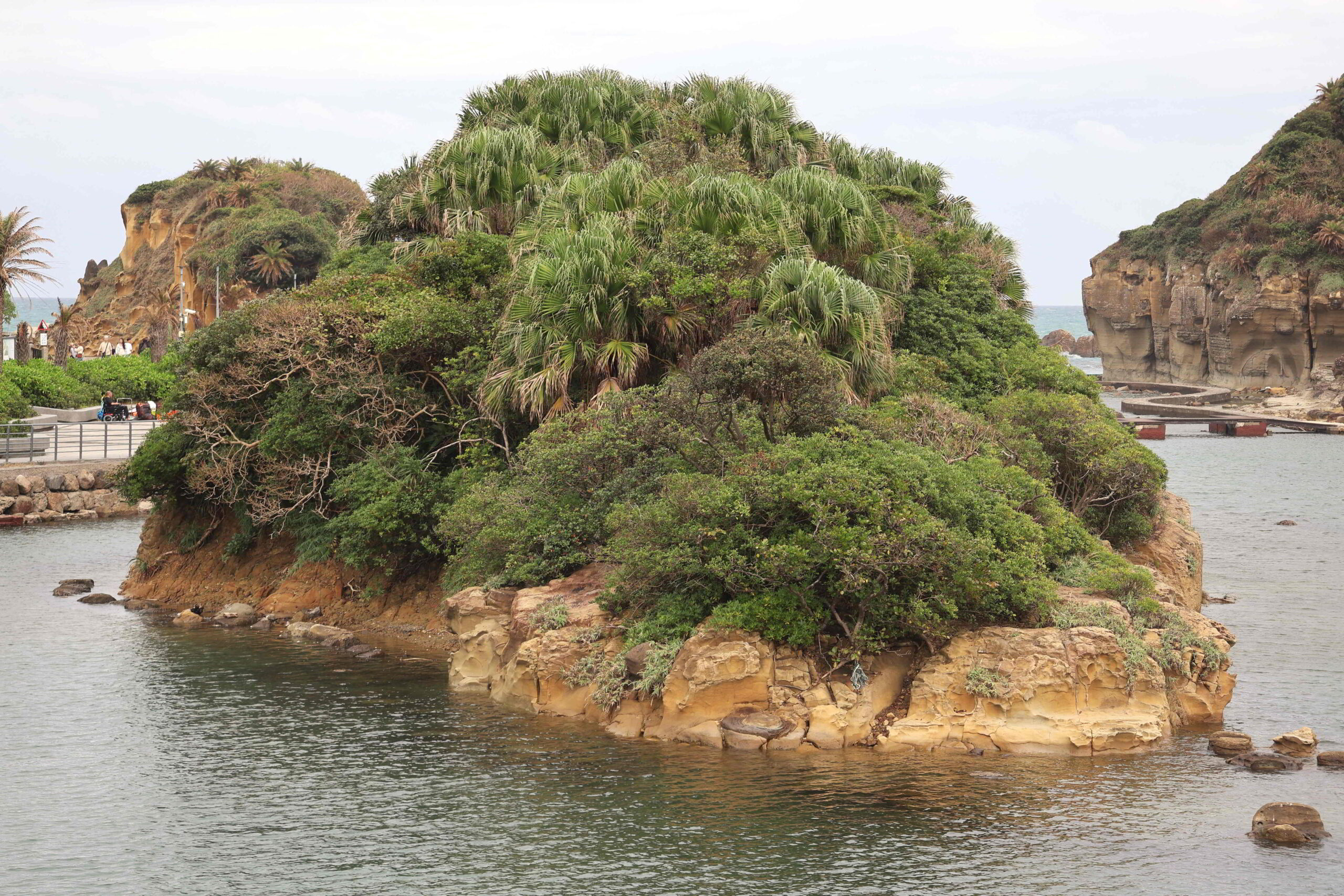
The boardwalk passes a fringe of padanus growing along the periphery of the undulating sandstone flats, a reminder of Taiwan’s subtropical ecology, culminating at an elevated gazebo and small terrace before returning to the area of the casbah structure. Due to the distance to the many tidal pools that litter the rocky shelves, I can’t tell how abundant aquatic life in in this environment, although I do see hawks flying far overhead.
Keelung — Heping Island Geopark
Keelung — Heping Island Geopark
Keelung — Heping Island Geopark
Keelung — Heping Island Geopark
I make my way slowly to the gazebo, taking more and more pictures, then leave the raised promontory again to the newly arriving masses of tourists. I hadn’t expected the visit to the geopark to be that spectacular, but it has been, in fact much more impressive than Yehliu’s. And thankfully, while it isn’t sunny, the cloud cover hasn’t degenerated into rain, allowing the visit to proceed relatively enjoyably and uneventfully.
Keelung — Heping Island Geopark
Keelung — Heping Island Geopark
Keelung — Heping Island Geopark
Keelung — Heping Island Geopark
Leaving the geopark, I trudge disconsolately toward the bridge leading from the mainland to Heping Island. There are attractions I could be motivated to see still on the island, but I am simply in rough shape today, and will be cutting my activities short. Looking around me, I fail to see much that is attractive amidst the grimy streets and alleys, the majority of businesses shuttered, and yet more tour buses ply their way from or toward the geopark.
Keelung — Heping Island Geopark
Keelung — Heping Island Geopark
Keelung — Heping Island Geopark
Keelung — Heping Island Geopark
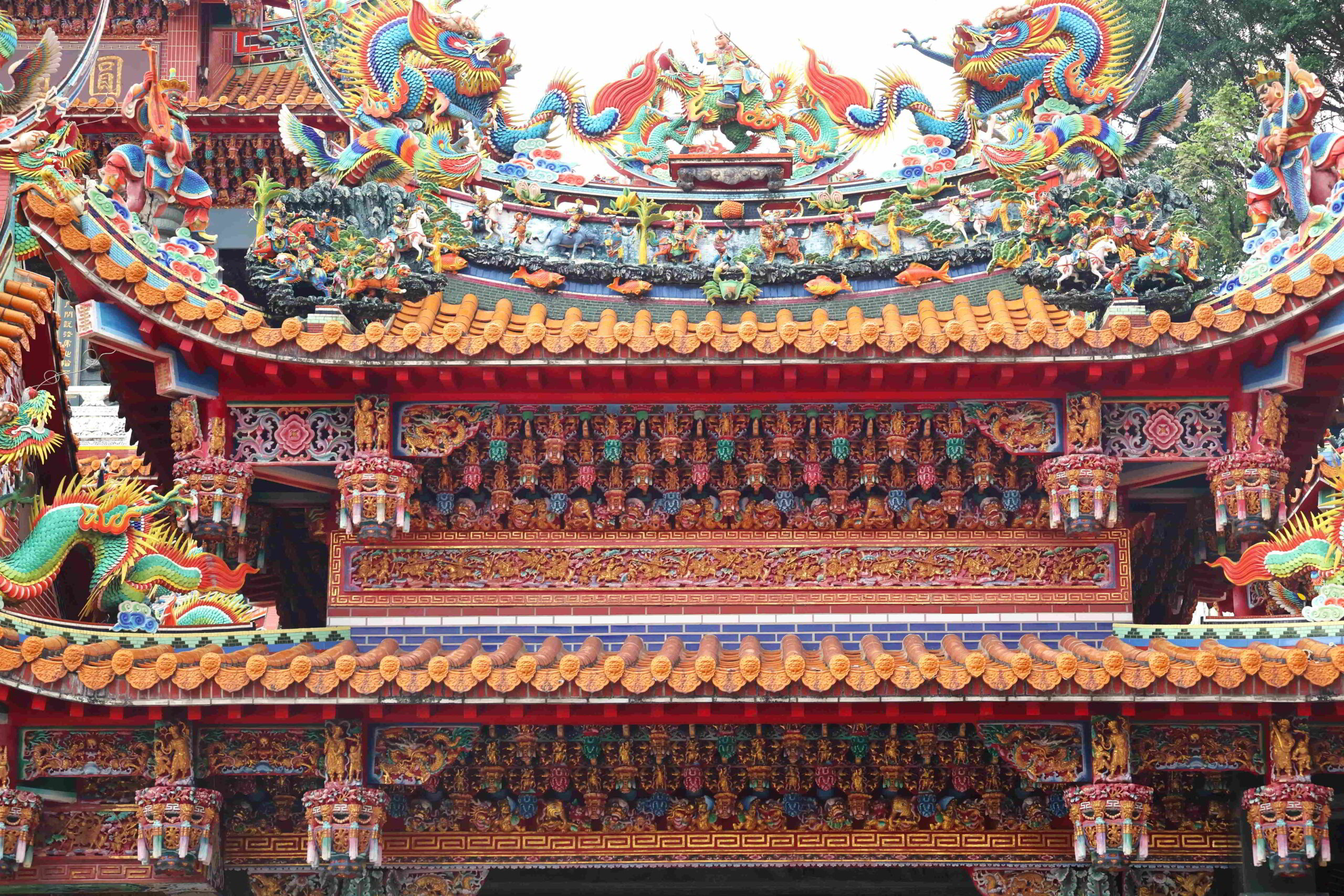
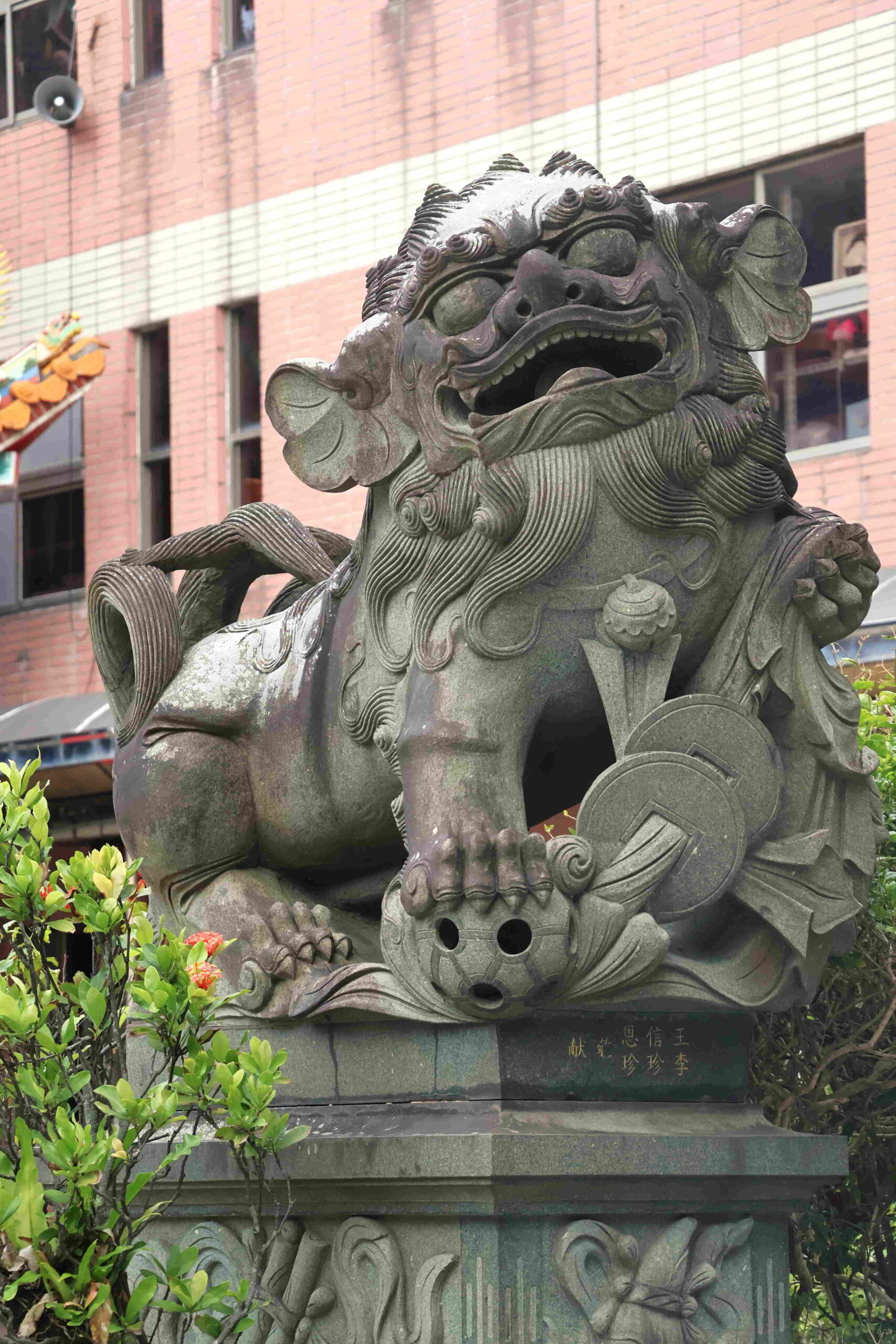
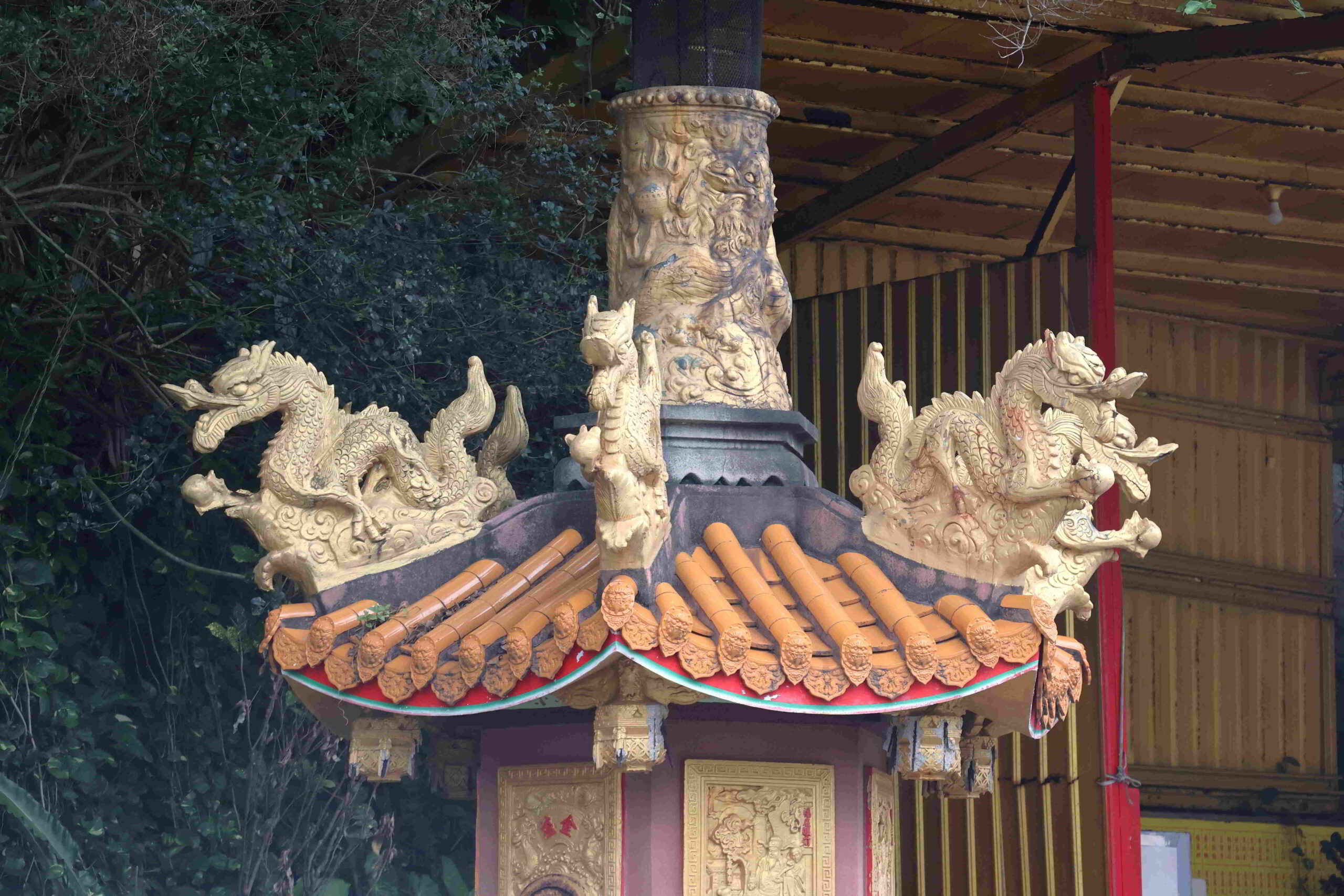
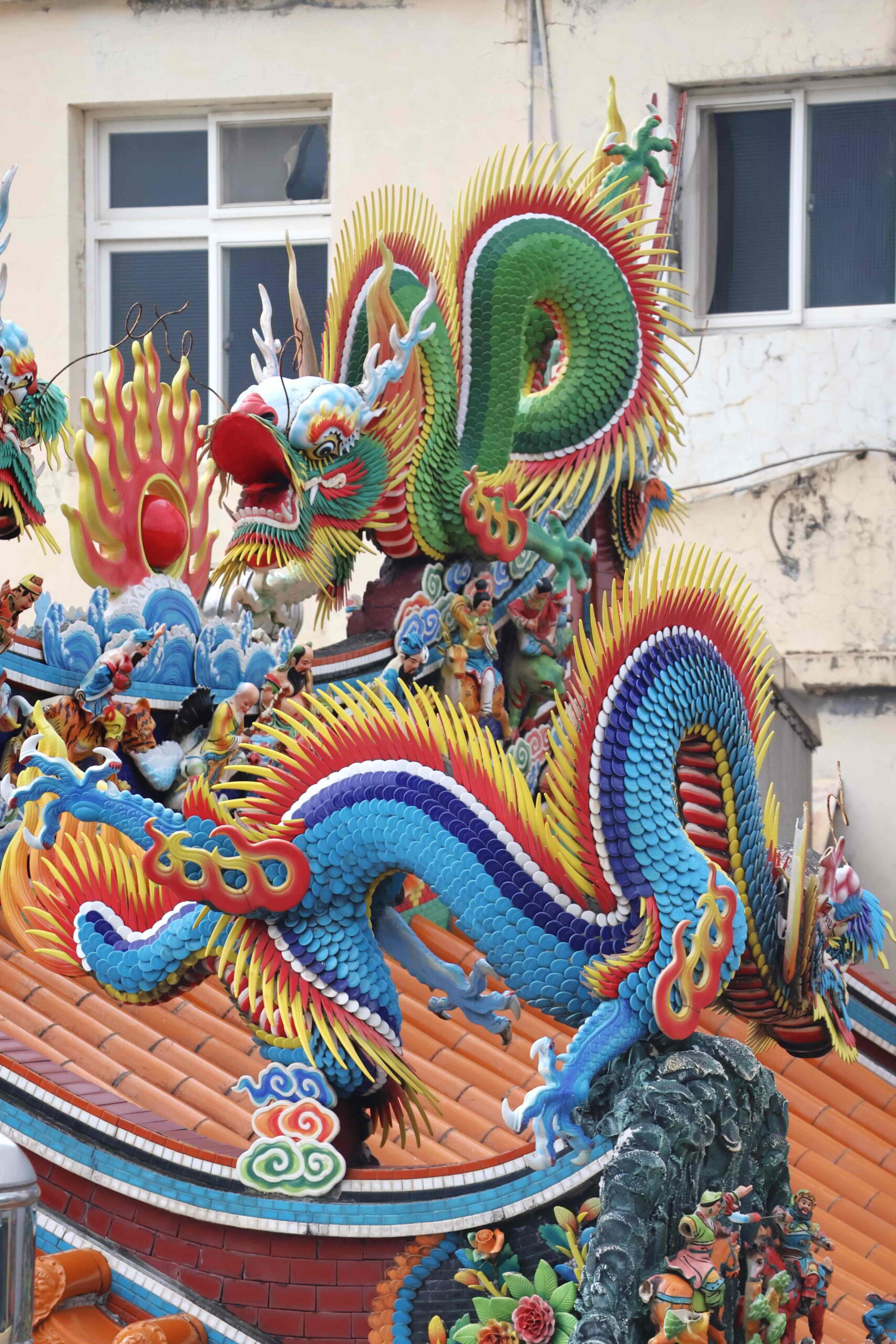
I had meant to visit the Tianxian Temple, but am not in the mood for climbing up a steep slope in the approaching dusk, and will have to contend myself with its diminutive cousin, the Tian Ho temple, although in the end the Taoist temples all look the same, their gates, double-eaved roofs, the roof ridges busy with colourful sculptural work, primarily dragons, the elaborately-carved dragon pillars, the densely-worked soffit area of the shrines, the overarching takeaway one of being completely overwrought.
Keelung — Heping Island — Tian Ho temple
Keelung — Heping Island — Tian Ho temple
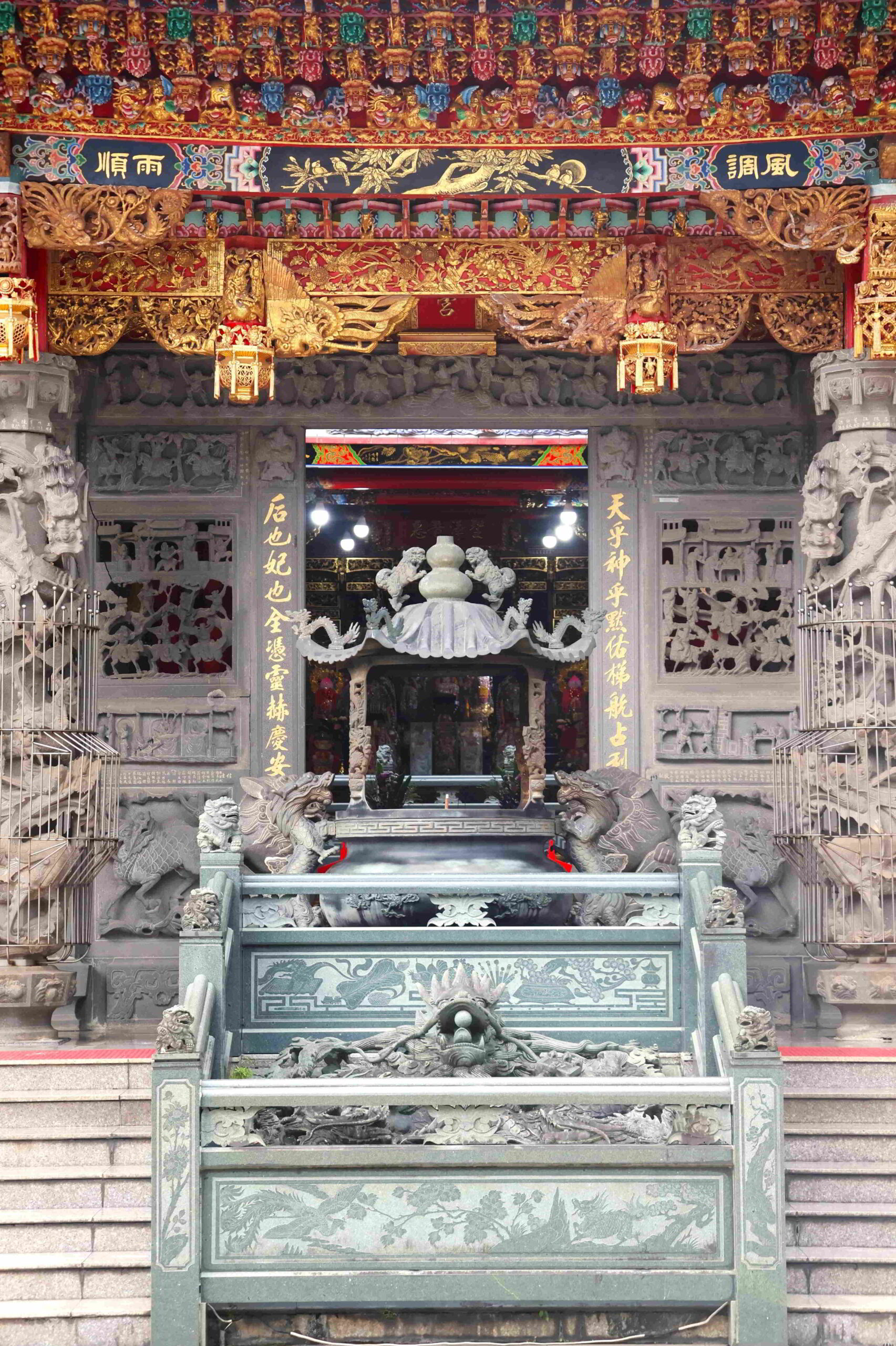
Keelung — Heping Island — Tian Ho temple
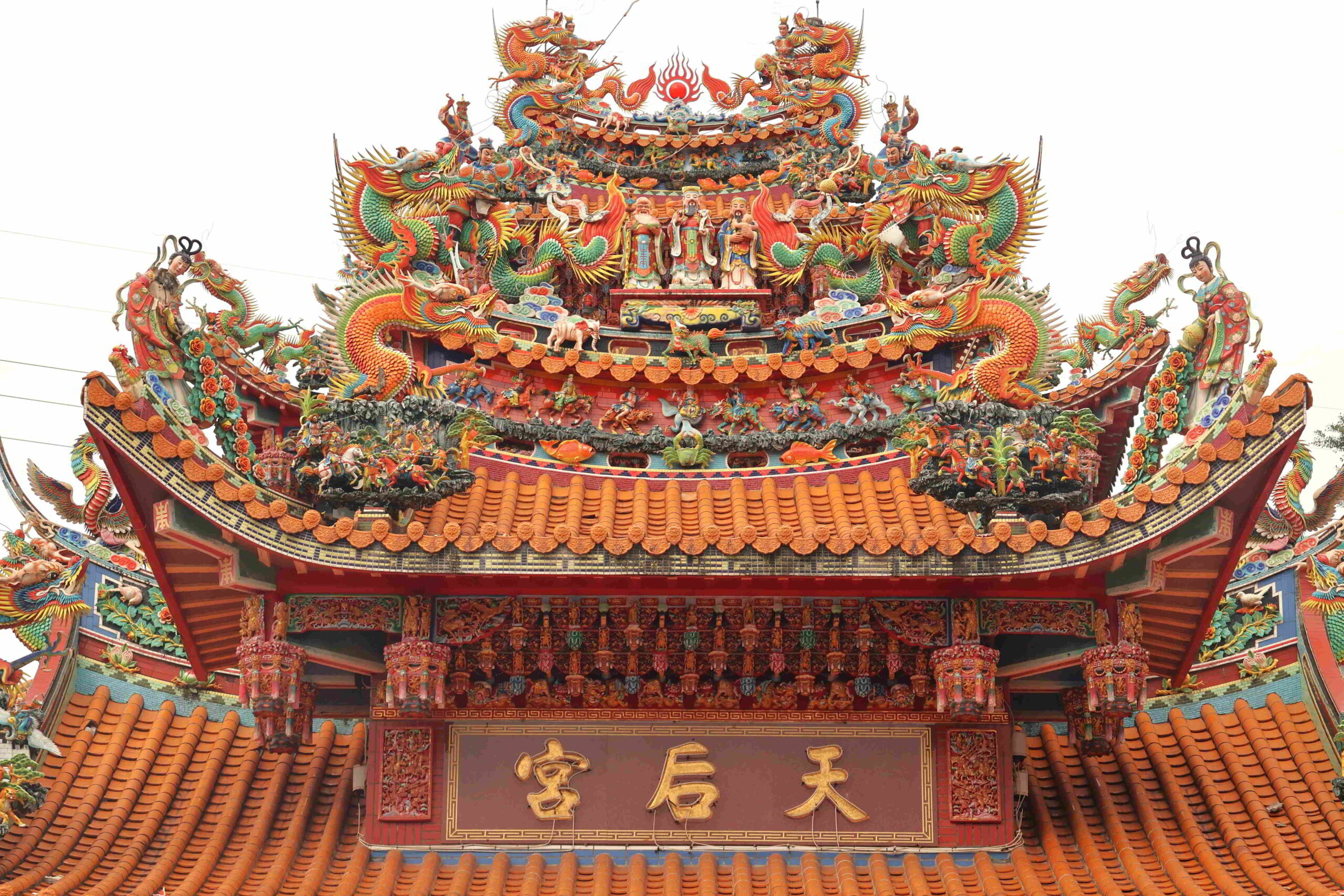
Keelung — Heping Island — Tian Ho temple
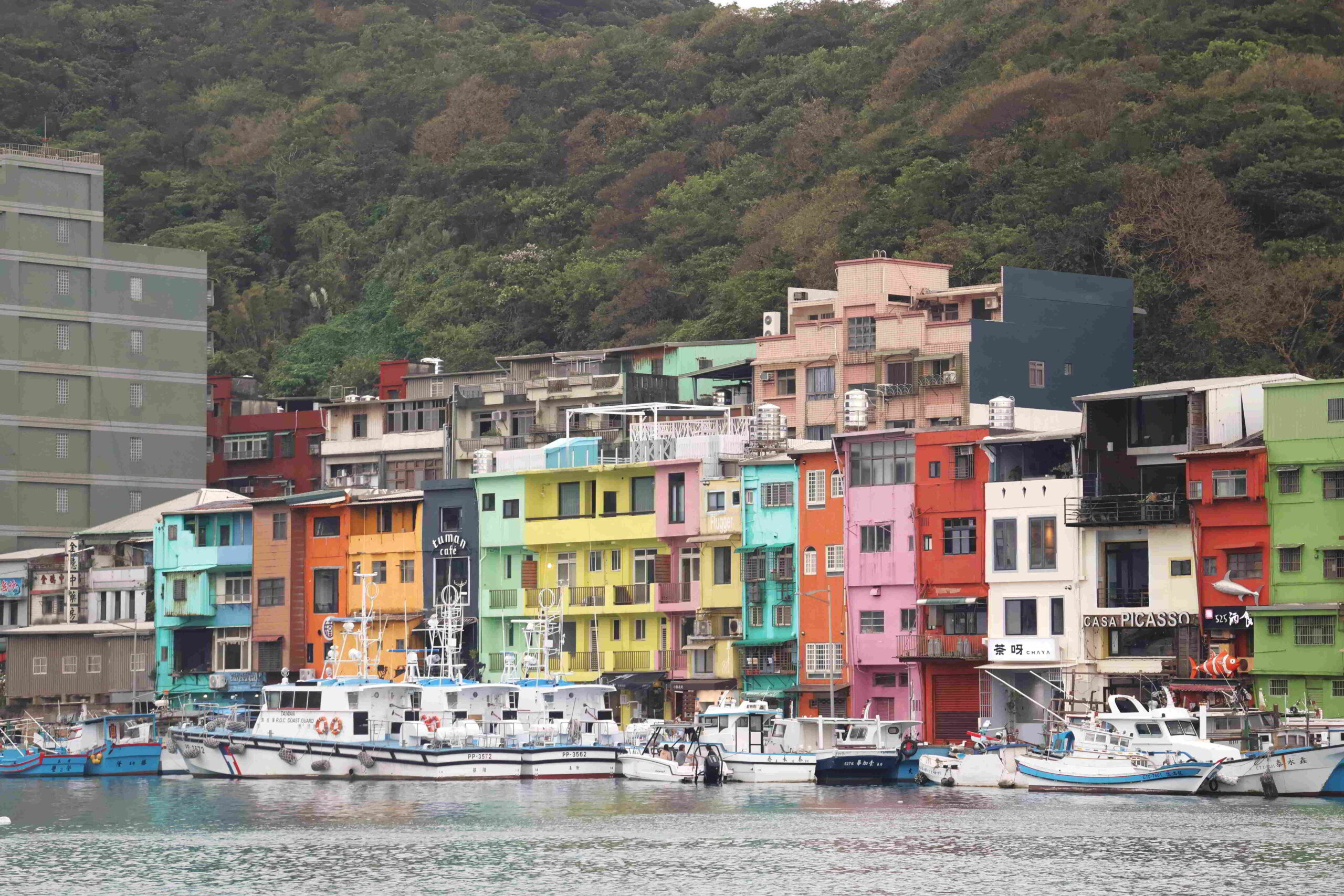
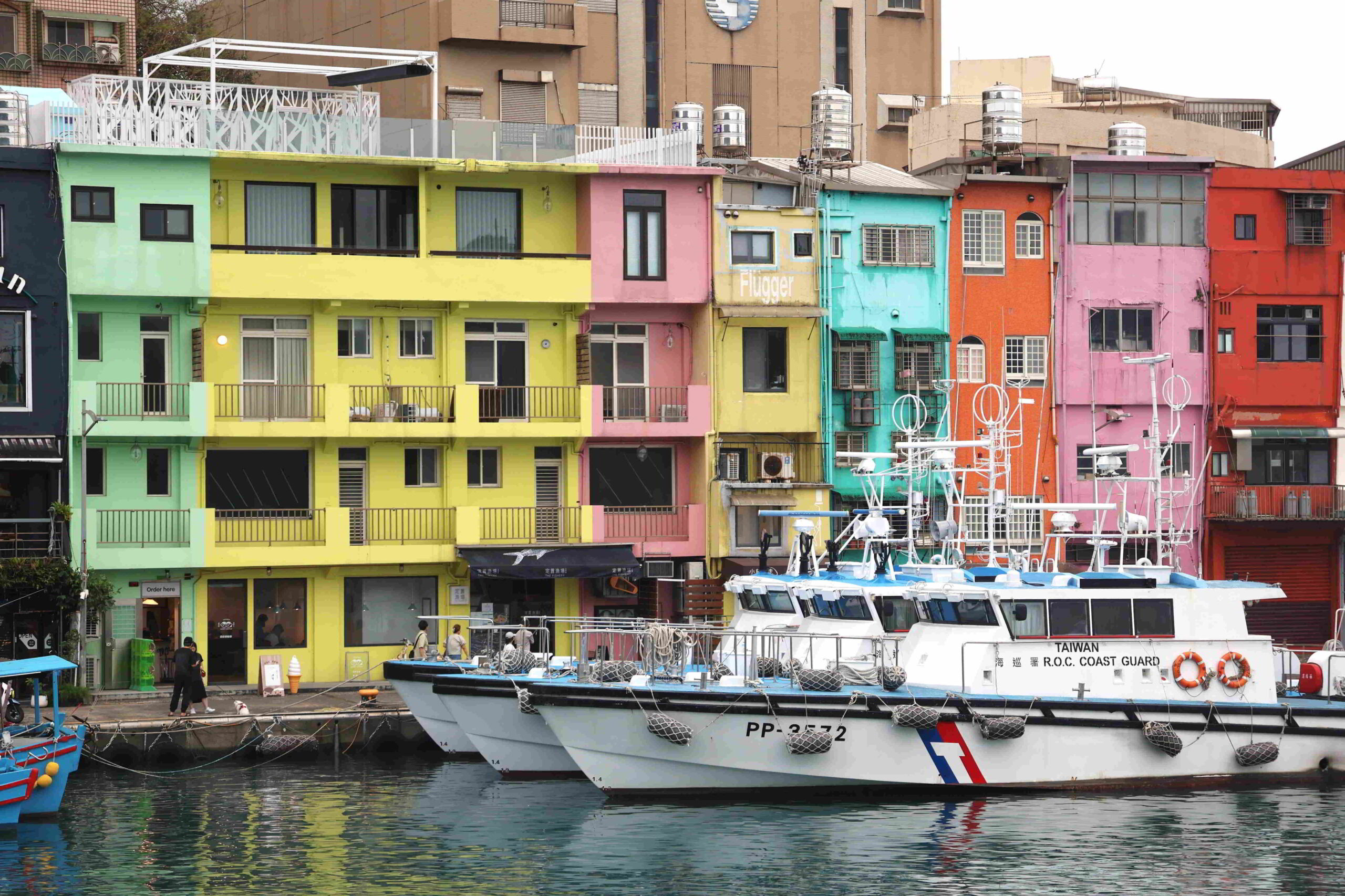
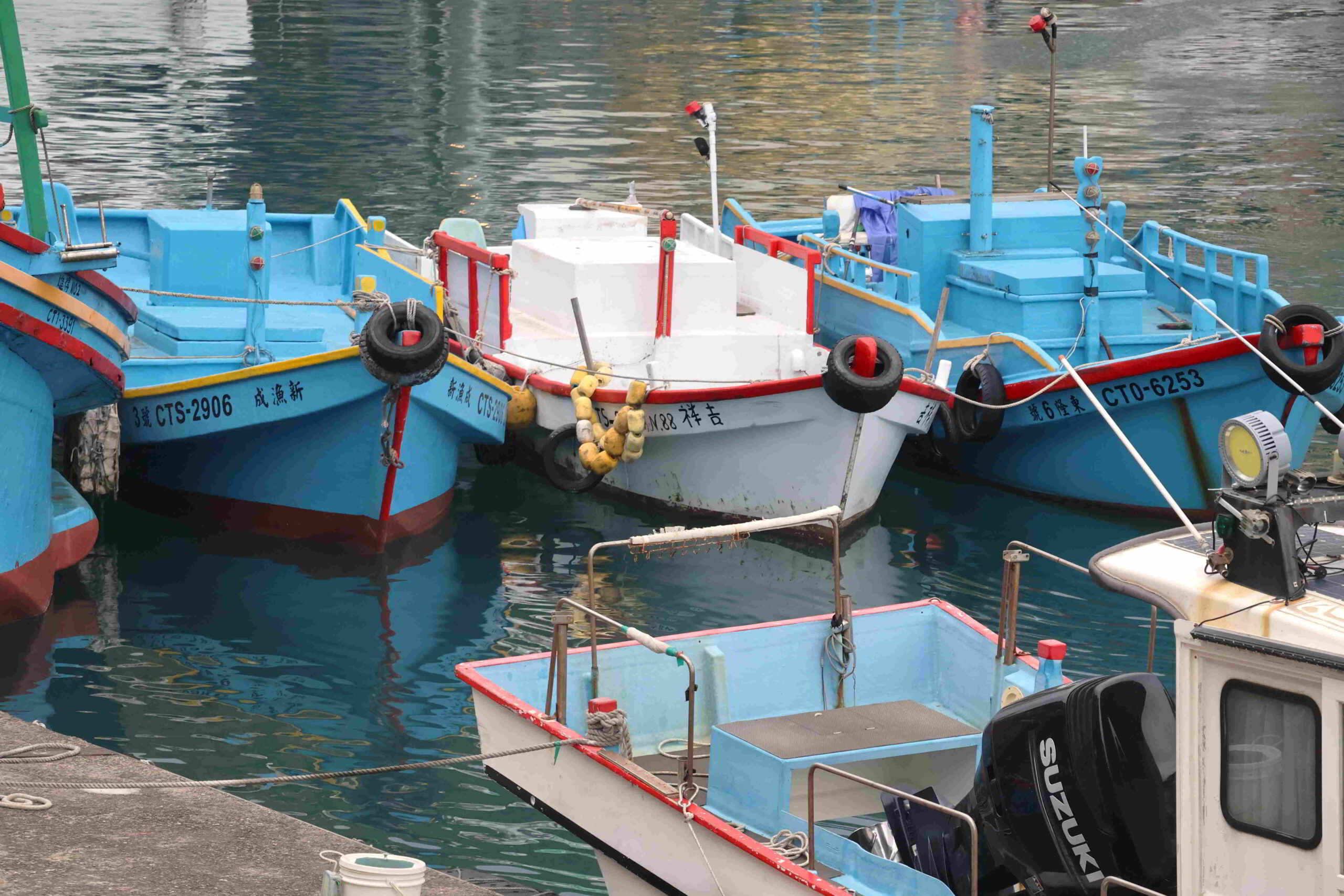
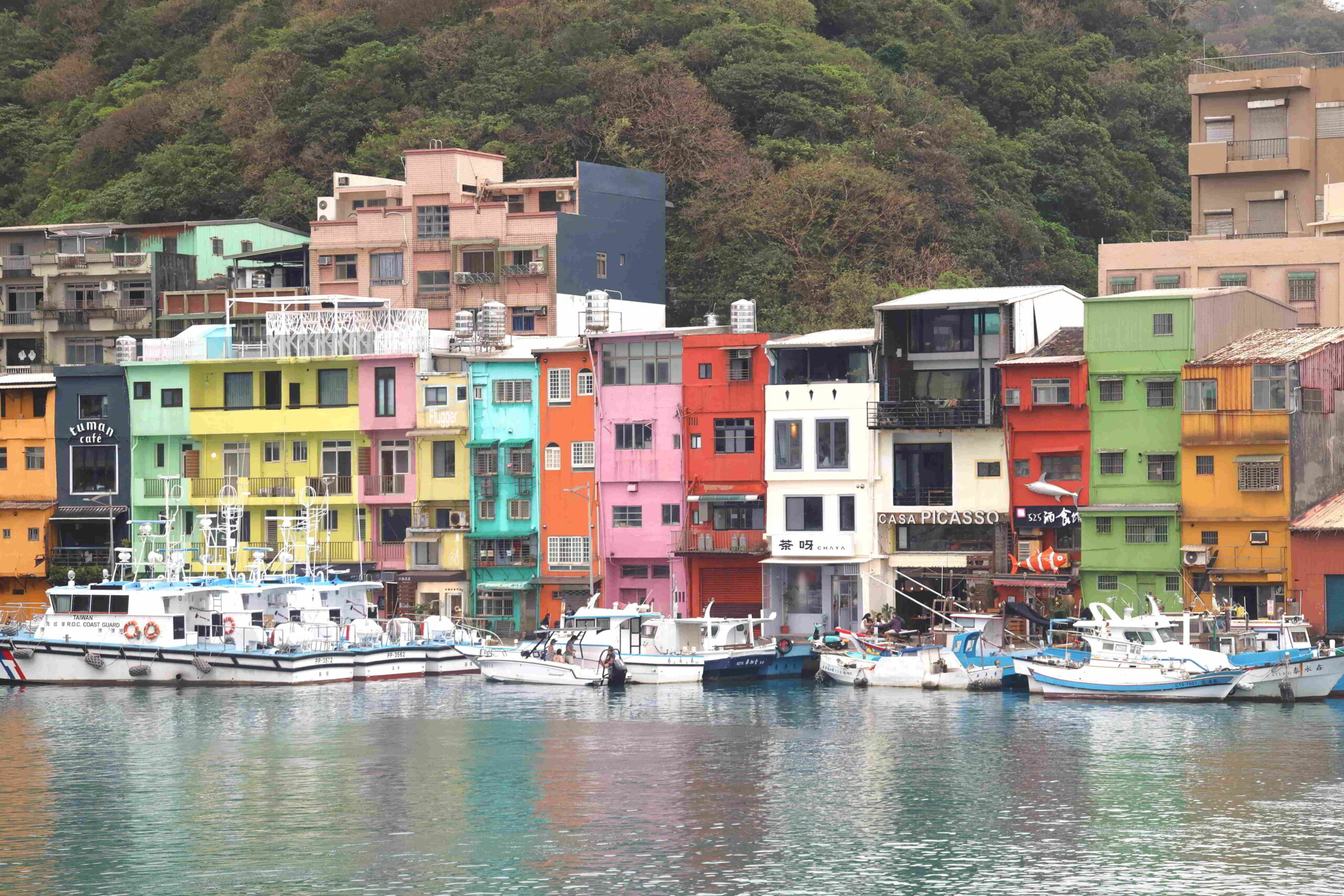
Closer to the waterfront, the invariable detritus and smell associated with fishing communities, then closer to the bridge, locals crouched along the water’s edge with fishing rods, mostly men, but also woman and young boys, busily justifying their presence, the preening port cranes visible against the densely clouded skyline, and across the bridge, the sightline brightens up considerably with the colour houses that are one of the main attractions of the area. A variety of boats are moored in the narrow harbour, recreational, tug boats, Coast Guard vessels, and fishing boats, the urban setting belying the exposed open ocean a short distance away.
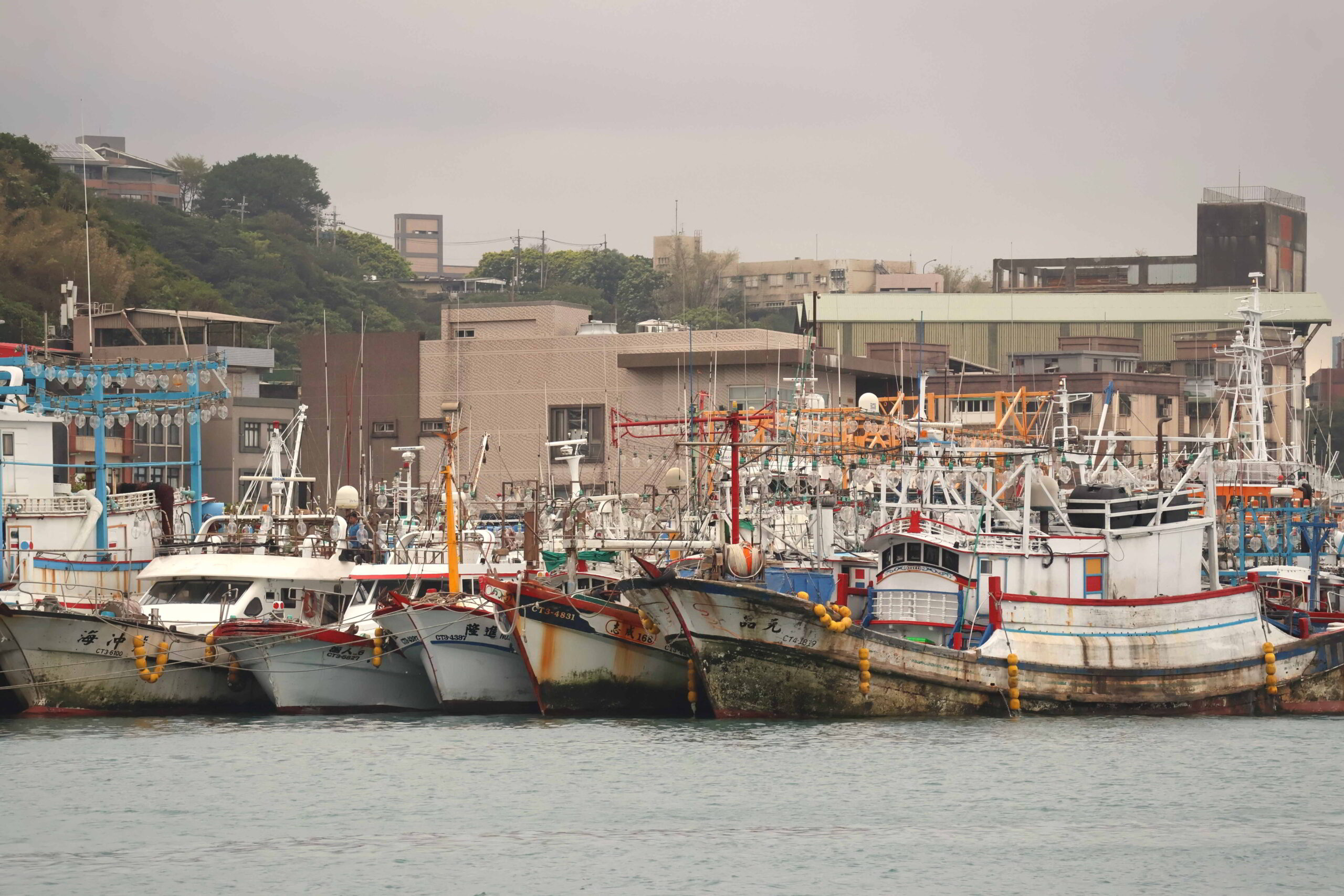
Keelung
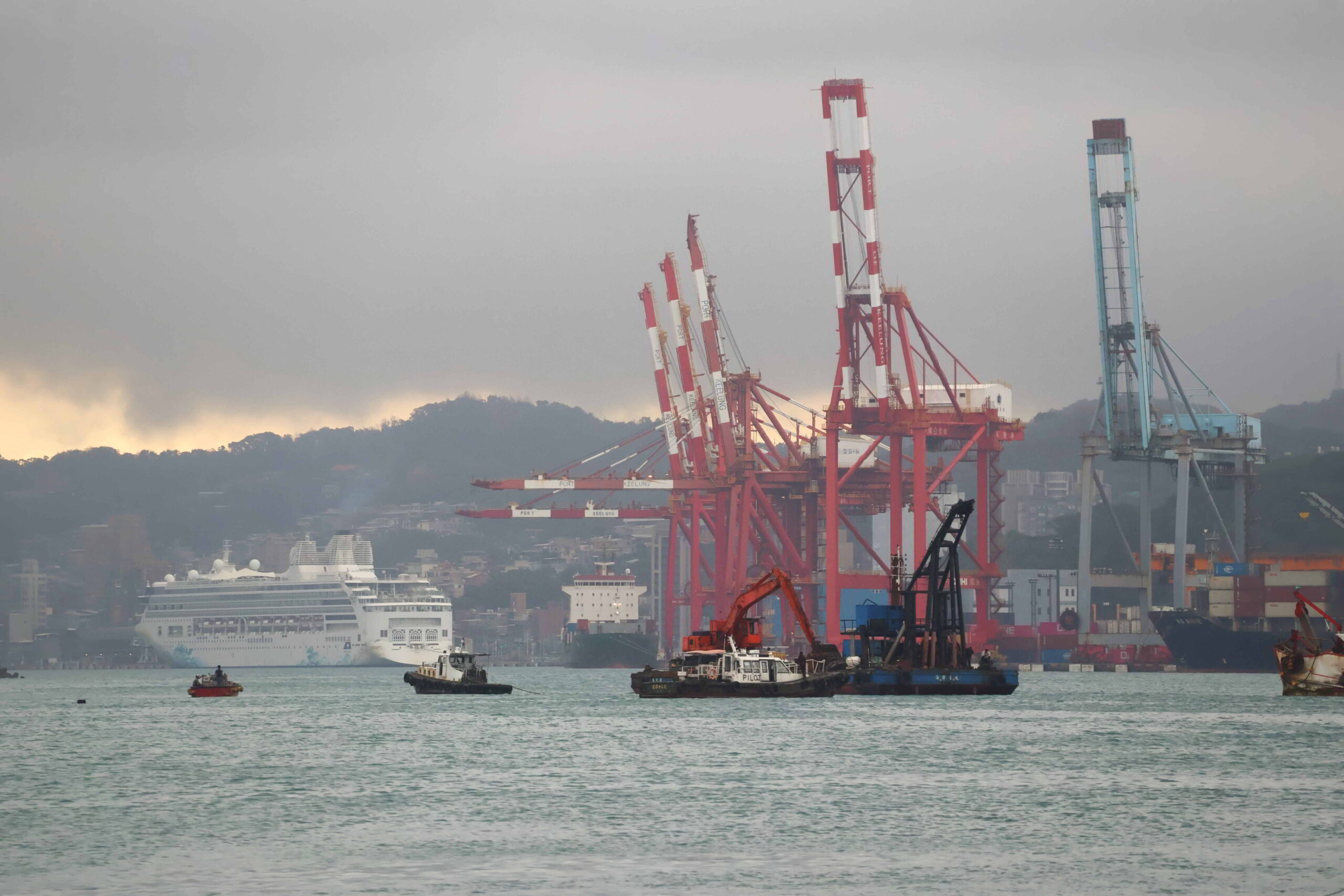
Keelung
Keelung
Keelung
Walking to the end of the channel, then to the backside of the coloured houses, I am amazed that there aren’t just a few cafes — the entire set of houses is occupied by hip coffee shops, never mind some of the other trendy outlets in the area, not something I would have expected in this offbeat neighborhood. Of course, it’s all overpriced, but so it goes here. There is also frequent bus service back into town, most of the passengers coming from the geopark.
Keelung — Coloured houses
Keelung — Coloured houses
Keelung
Keelung — Coloured houses
I had thought about visiting Zhongzheng Park and the nearby fortress remains, but it is now simply too late. I have several hours to spare earlier tomorrow before leaving Keelung, since the check-in at the next hotel is after 3 pm, but the weather will not be conducive to being outside. So why not head off to the raised restaurant complex on the east side of the Keelung harbour instead, where I want to look at some of the work of the jewelry outlet located at the south end of the building.
Keelung — Heping Island Geopark
Keelung — Heping Island Geopark
Keelung — Heping Island Geopark
Keelung — Heping Island Geopark
Around the corner from the bus stop, I am surprised to find a Pakistani restaurant, the owner from the country but his wife local. He had lived all over Asia and worked as a structural engineer, but thanks to a tragic accident in which both his legs got broken, was no longer able to work, and ended up settling here and opened a restaurant almost a decade ago. I can’t imagine what the prospects for such a venture would be, given the amount of competition and the fact that locals are not really into spicy food of any sort. I certainly don’t see a lot of people frequenting the area to begin with.
Keelung — Heping Island Geopark
Keelung — Heping Island Geopark
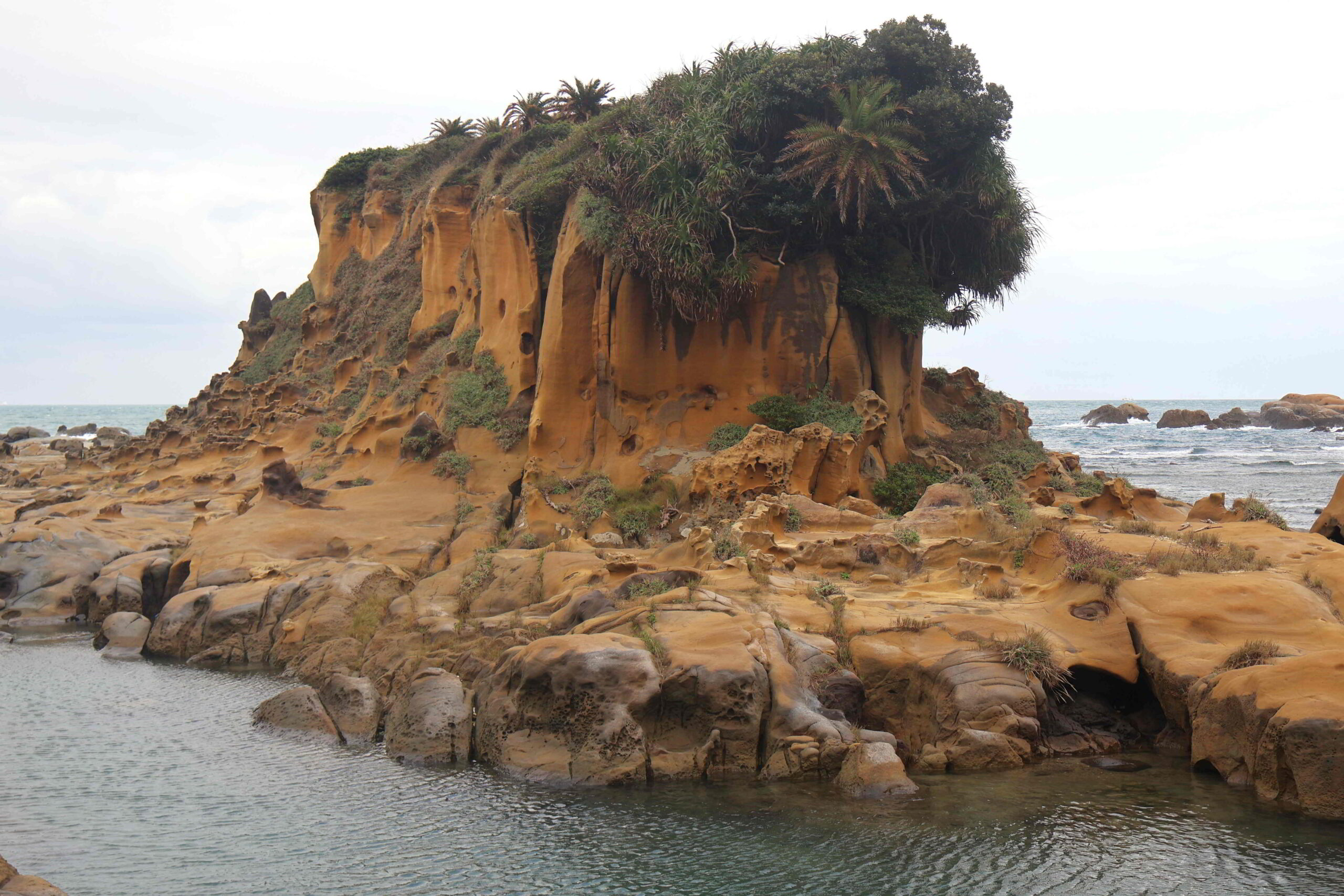
Keelung — Heping Island Geopark
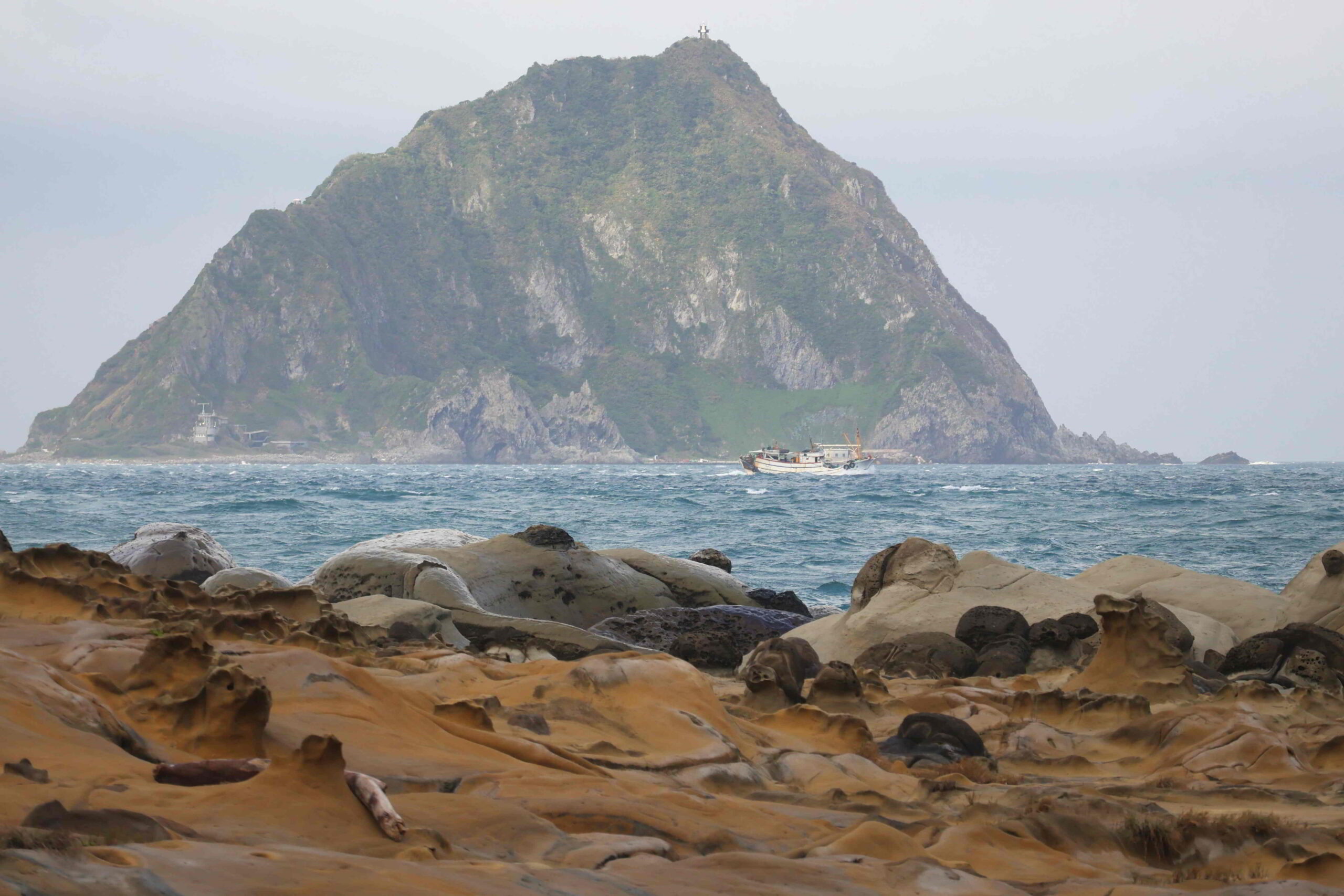
Keelung — Heping Island Geopark
We speak about the state of South Asia in general, Pakistan in particular, how corruption has been the demise of the country and driven so many of his kinfolk to seek their fortunes elsewhere. Following an acceptable curry — not incendiary by the remotest stretch of the imagination — I am off to the harbour complex, but since it is only partially completed, have to walk around an entire block to find any kind of entrance, then need to be guided by a security guard to the upper floor.
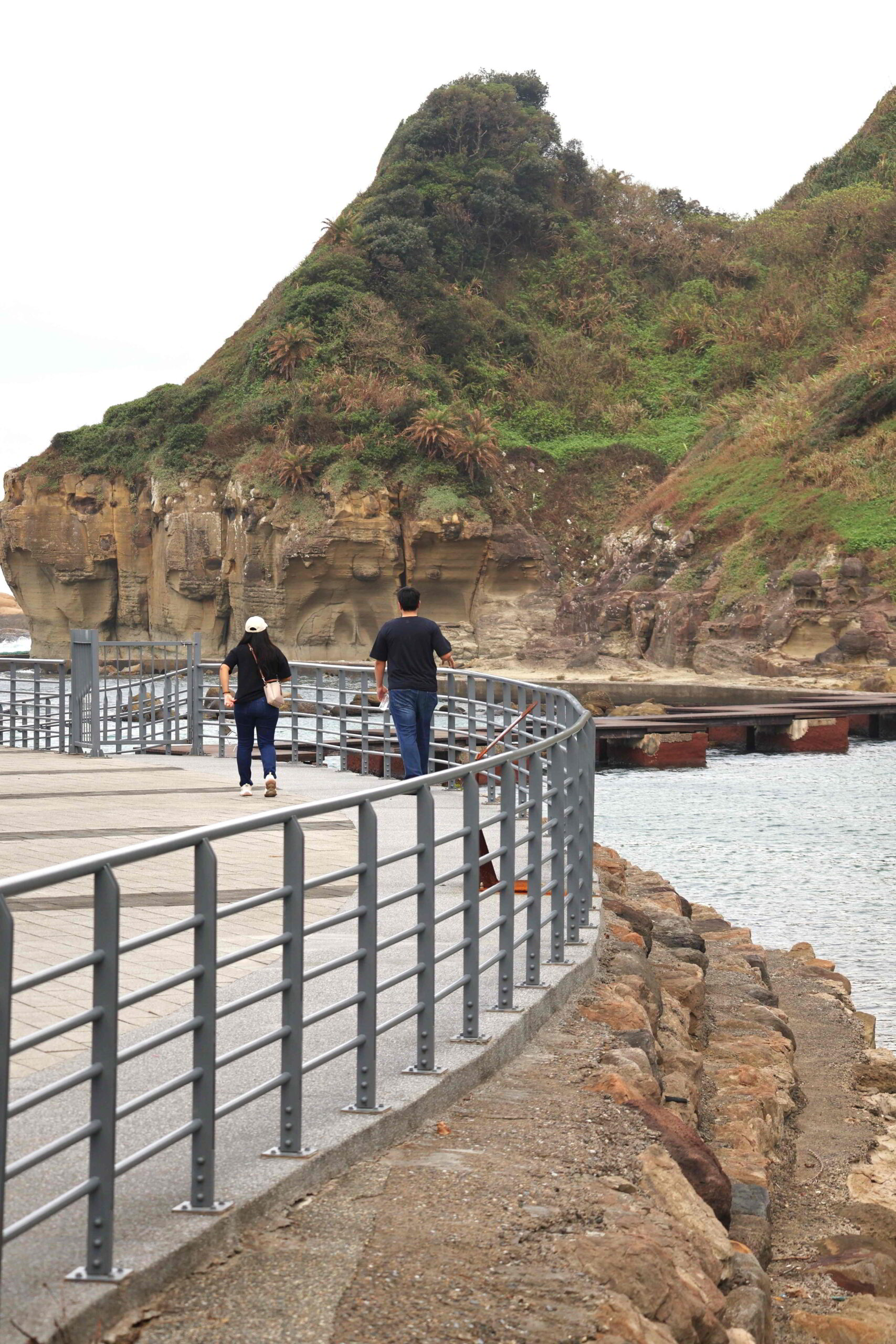
Keelung — Heping Island Geopark
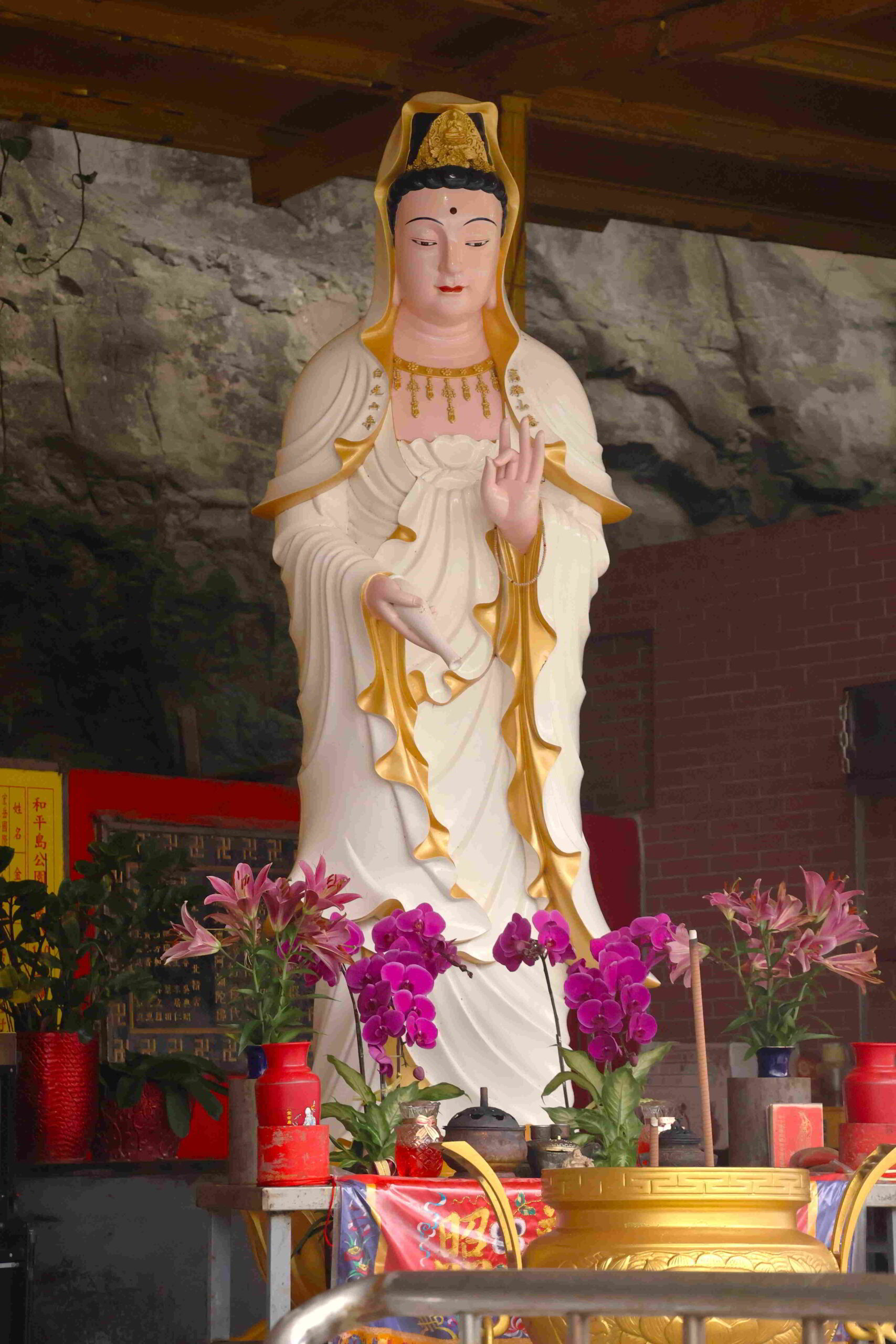
Keelung — Heping Island Geopark
Keelung — Heping Island Geopark
Keelung — Heping Island Geopark
At the jewelry shop, there is too much choice, and of course the prices for many items higher than what I had expected — but when we’re gone, the money has no value anymore, anyway. However beautiful the coloured glass necklaces are, with their arrangements of flower petals, butterflies, enamel work, stones, all in intriguing and aesthetically pleasing arrangements — what would be the perception of the wearer? I circle around and around, assessing the characteristics of each, the arrangement of components, the colour combinations, the various textures, and the fickle nature of the potential bearers …
Keelung — Heping Island Geopark
Keelung — Heping Island Geopark
Keelung — Heping Island Geopark
Keelung — Heping Island Geopark
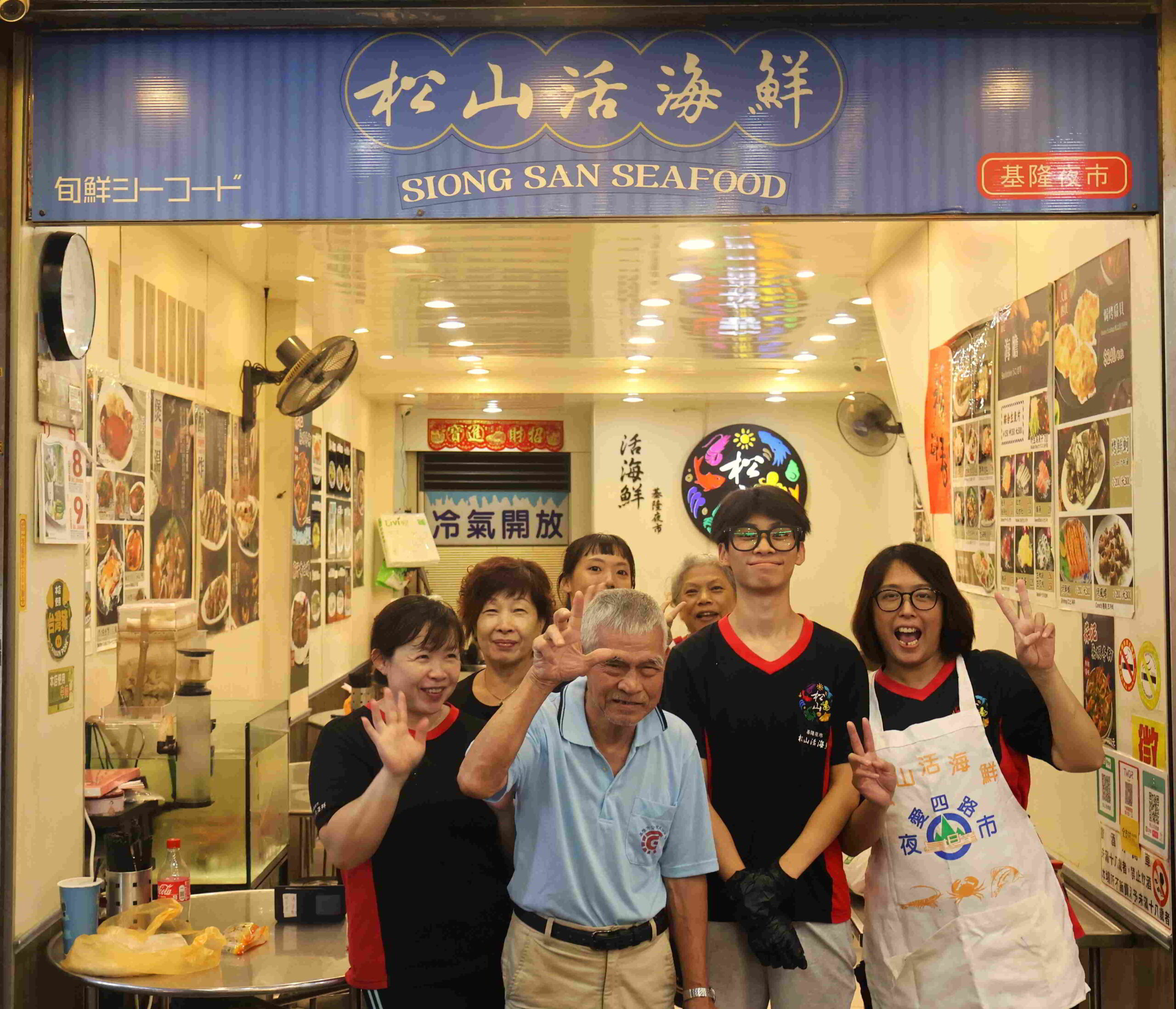
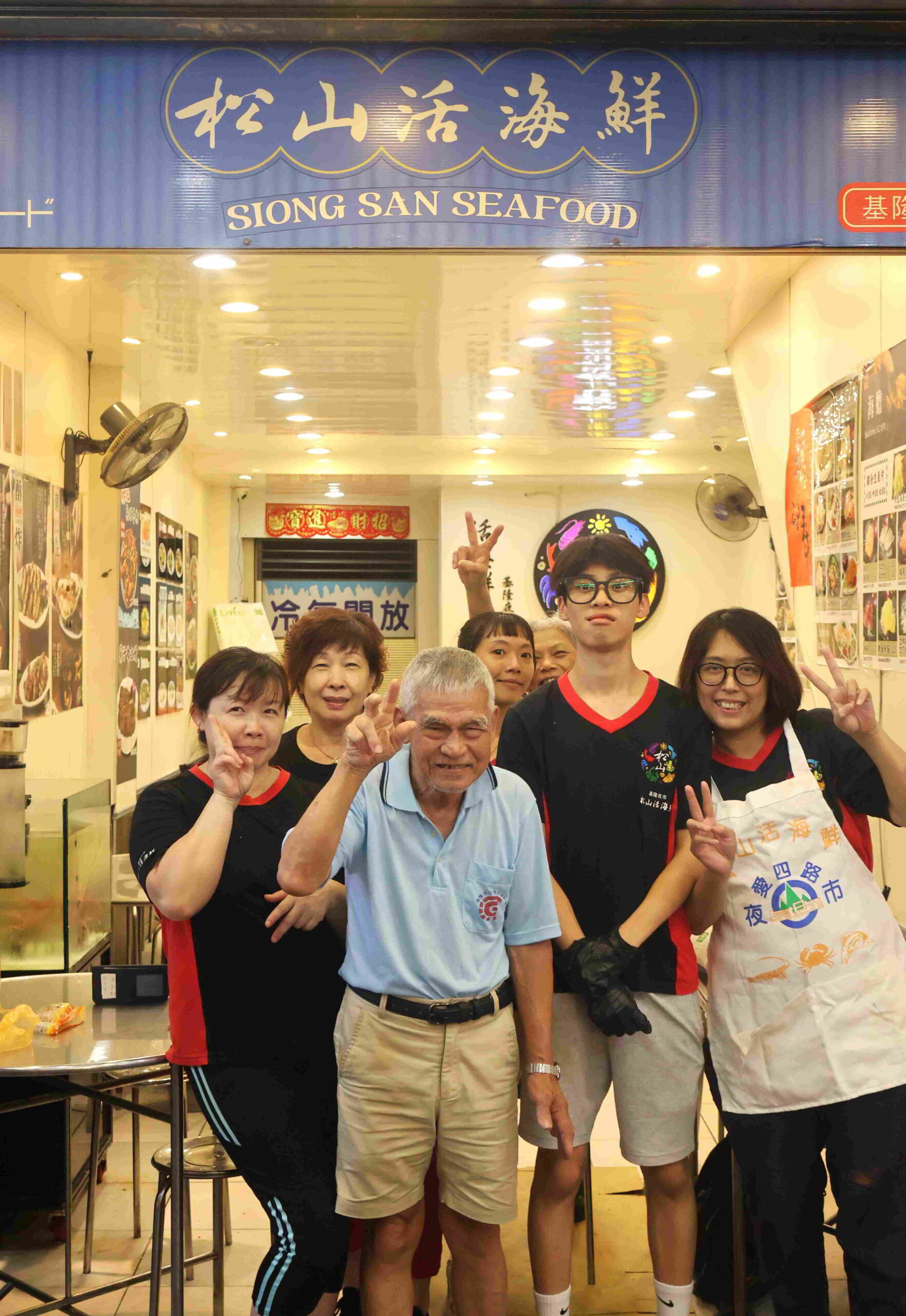
The last stop of the day, the Keelung night market, and my favorite eatery. I am not really that hungry, although by the time I were to return to my hotel, I imagine being hungry again. The seafood dishes are not necessarily that filling, but they represent healthy food, solid protein without the excess load of starch and sugar that the alternatives in the market are loaded with. Some of the Siong San staff are happy to see me, while others pay no attention, even though it is not particularly busy, being later on a Sunday, but it is entirely understandable that they need to restore their energies when they are not as busy.
Keelung — Heping Island Geopark
Keelung — Heping Island Geopark
Keelung — Heping Island Geopark
Keelung — Heping Island Geopark
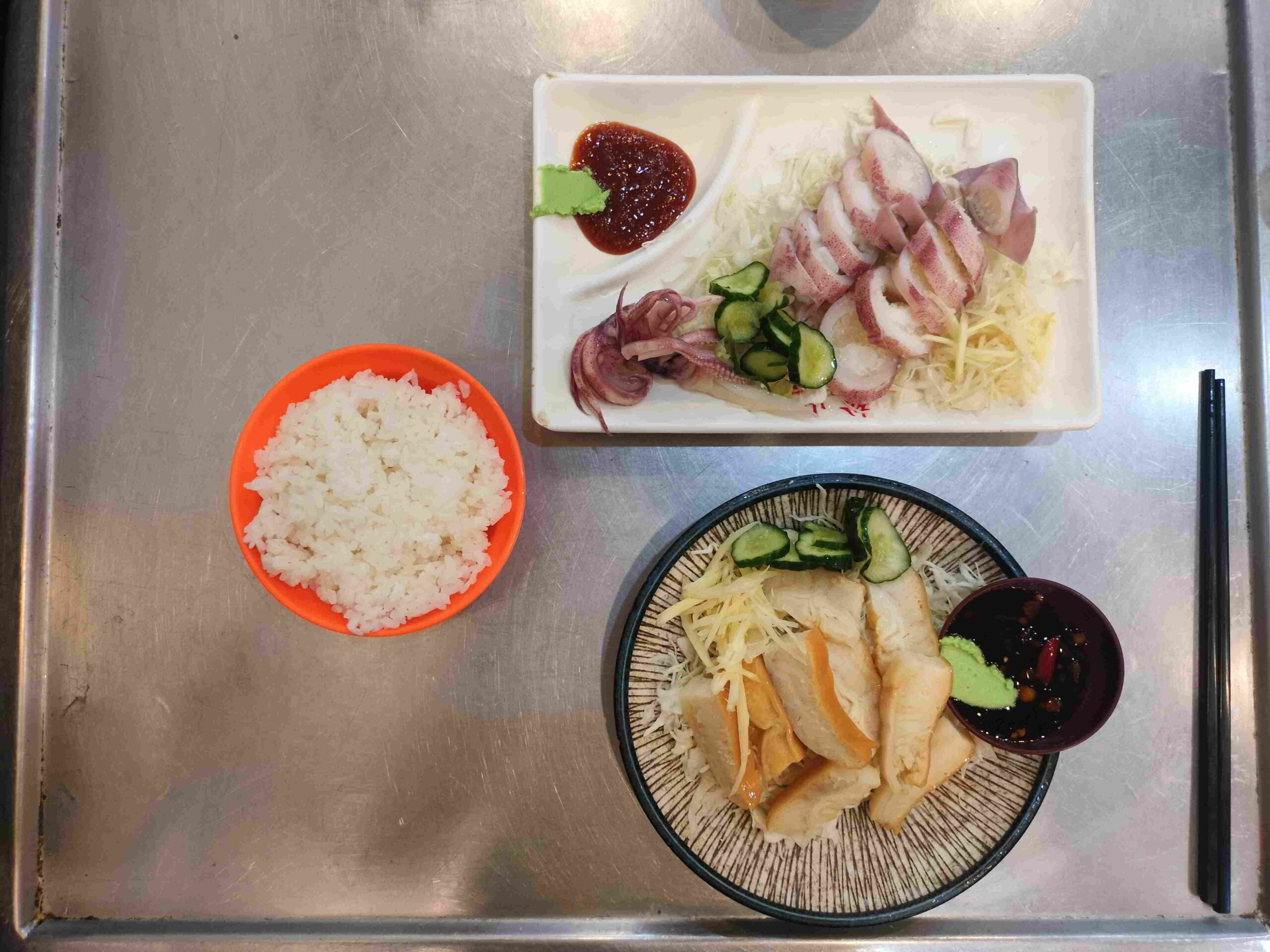
I wanted to order something different today, but wasn’t quite expecting the cold dishes I am served up — but that doesn’t mean to say that they aren’t uniquely memorable. One plate features an entire squid, sliced into pieces of even width, dressed with the head; I am not sure whether the squid is cooked or raw. The squid is stuffed with a preparation that may be a mix of ground squid meat and rice meal, the body served on a bed of shredded white cabbage marinated in calamansi lime, with a sweet chili condiment and wasabi.
Keelung — Heping Island Geopark
Keelung — Heping Island Geopark
Keelung
Keelung — Heping Island Geopark
The second plate features a set of smoke shark steaks, the small girth of the steaks suggestive of some of the smallest sharks found in the region; the texture and flavour of the white meat is quite delicate, inflected subtly with smokiness, and encased with a so-called dermal corset that represents a layer of flexible collagenous fibers that separates the body from the skin. The dish is served with wasabi and thick soy sauce amended with finely chopped fresh cayenne. When any of the workers takes note of me when passing by, I smile and give a thumbs up, ensuring that they know they have another devoted customer, although this will be my last meal here!
Keelung — Night market — Siong San Seafood
Keelung — Night market — Siong San Seafood
Keelung — Night market — Siong San Seafood
Dinner concludes with a set of photos with the beaming staff, collecting the bags of cookies I had left behind here yesterday, and then I am off on the last journey for the day, the sidewalks far from as busy as they were yesterday, but nonetheless lively, locals returning home, perhaps still at work, or running errands. And is always the case, while there are many eateries that are always busy, there are others that I pass by that never seem to have business, something that isn’t an abstraction when you see the workers or owners patiently waiting, the lack of business translating directly into a much greater struggle to survive.
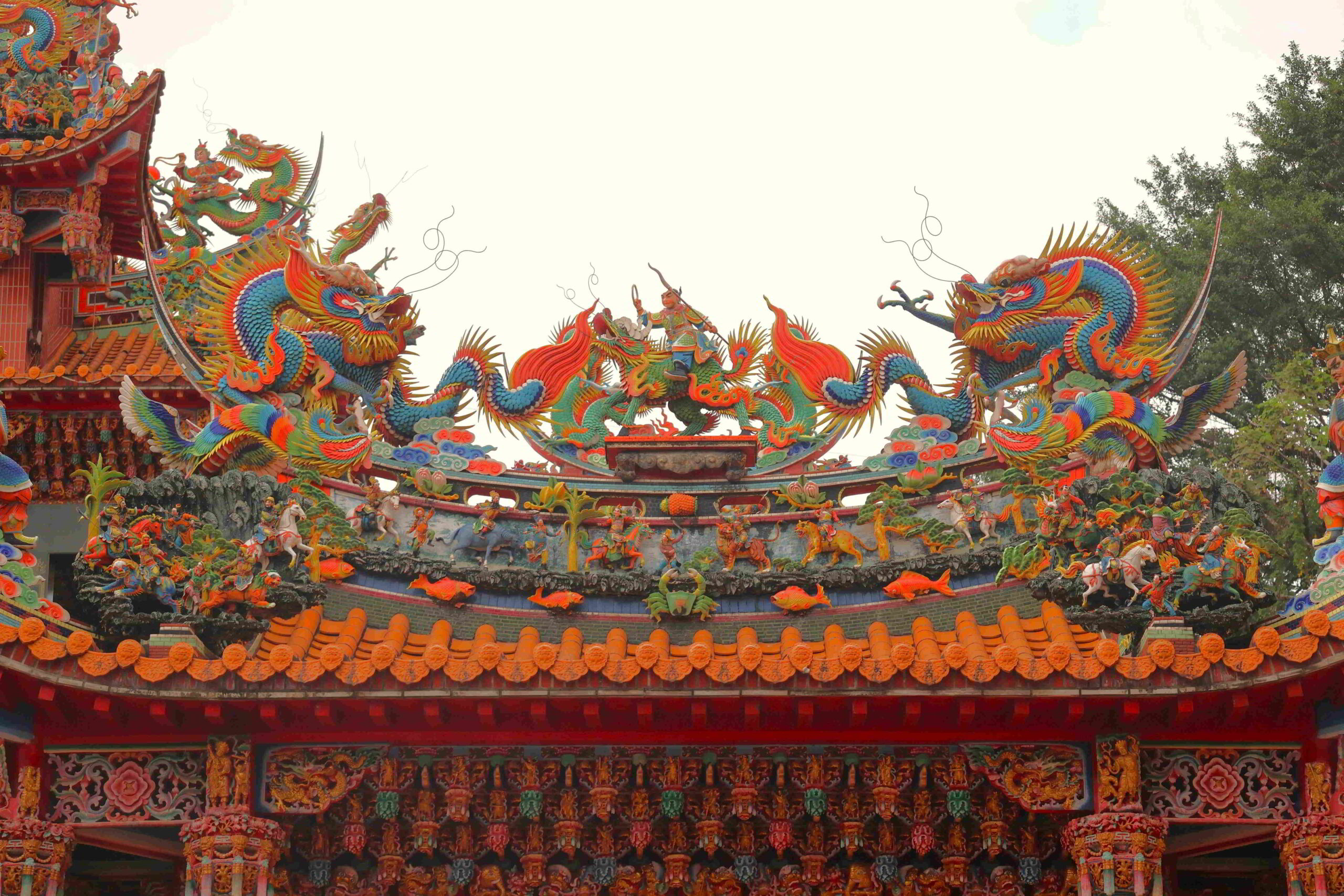
Keelung — Heping Island — Tian Ho temple
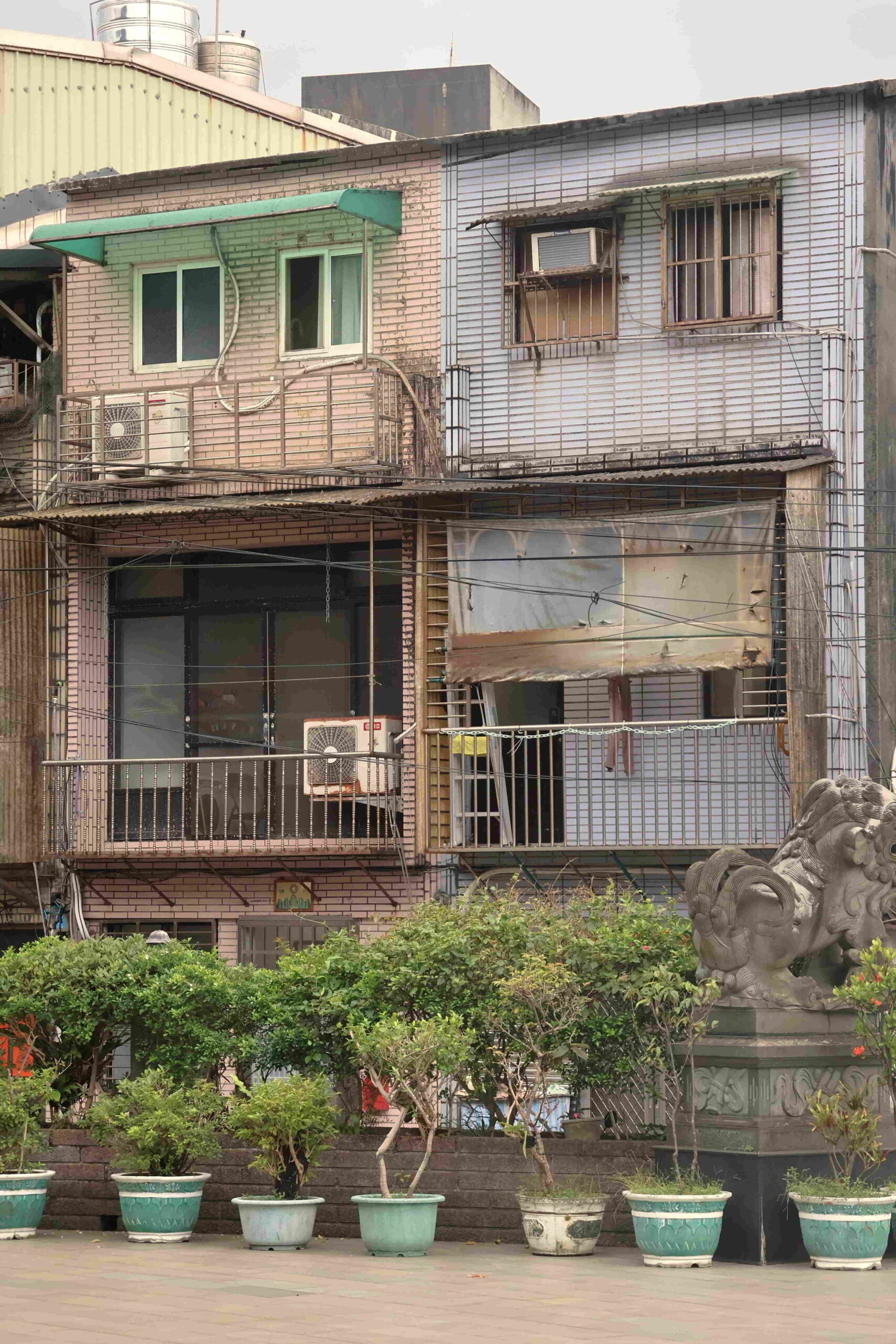
Keelung — Heping Island
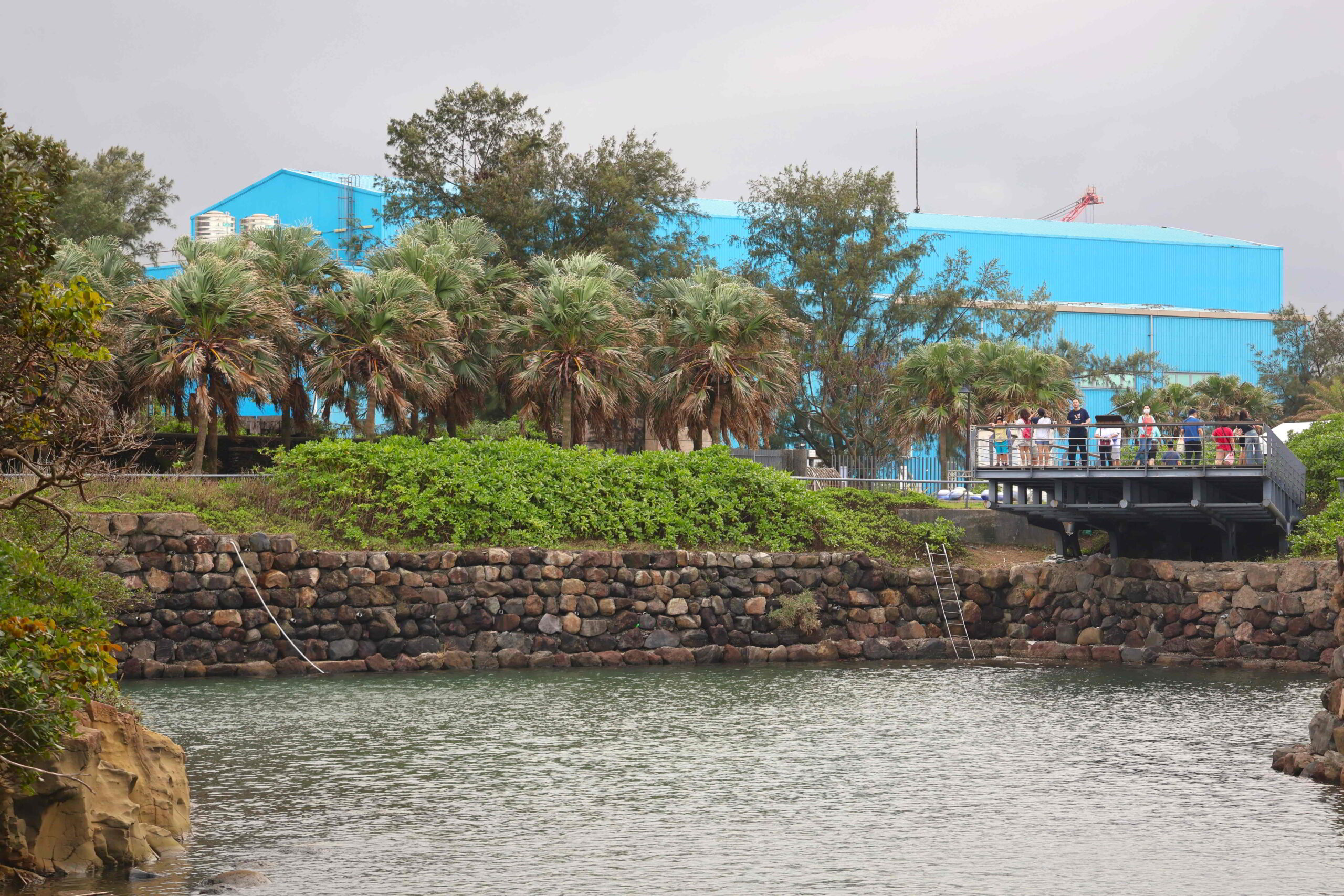
Keelung — Heping Island Geopark
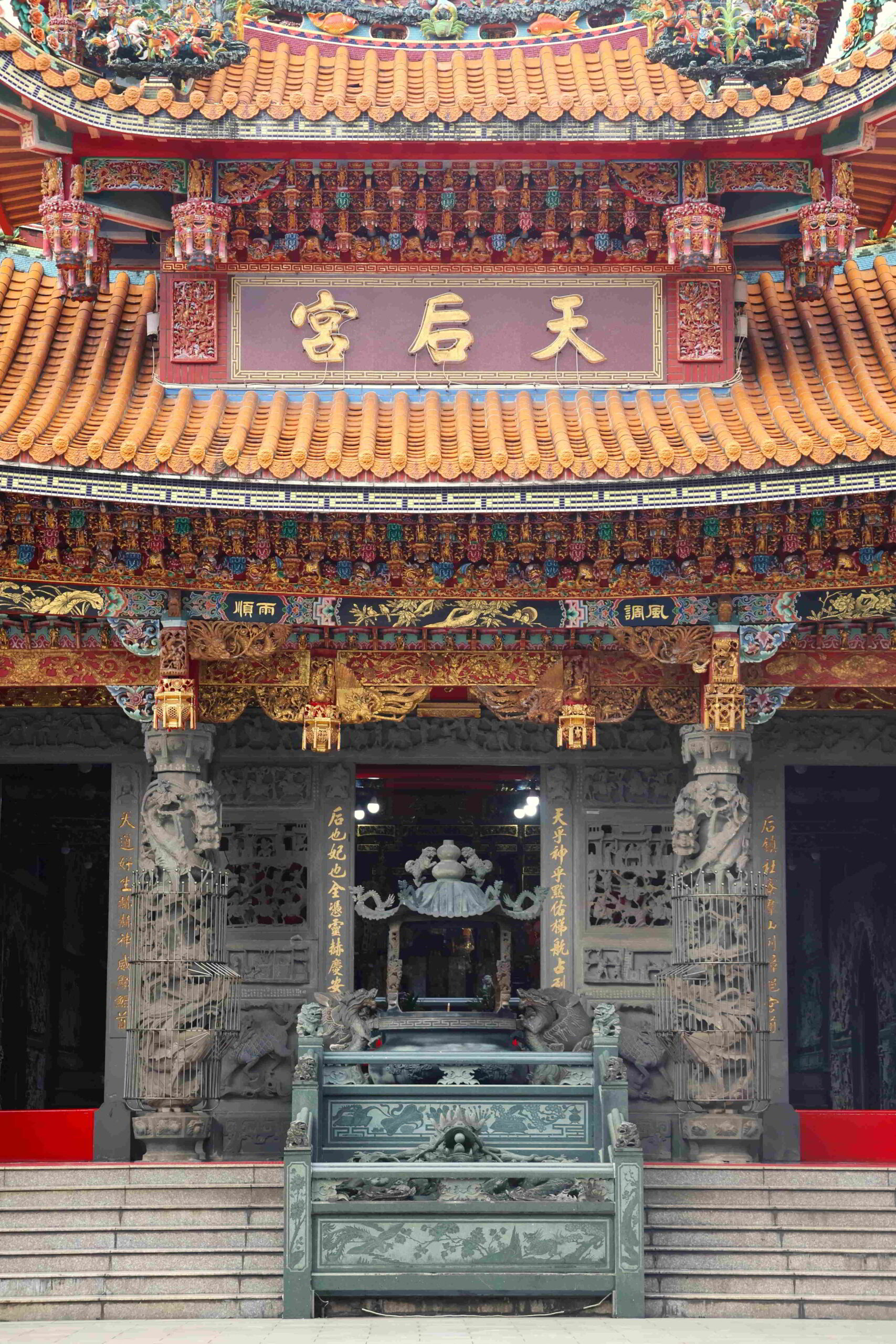
Keelung — Heping Island — Tian Ho temple
I am truly surprised to no see rats or cockroaches in Taiwan, given the poor state of repair of the urban environment …
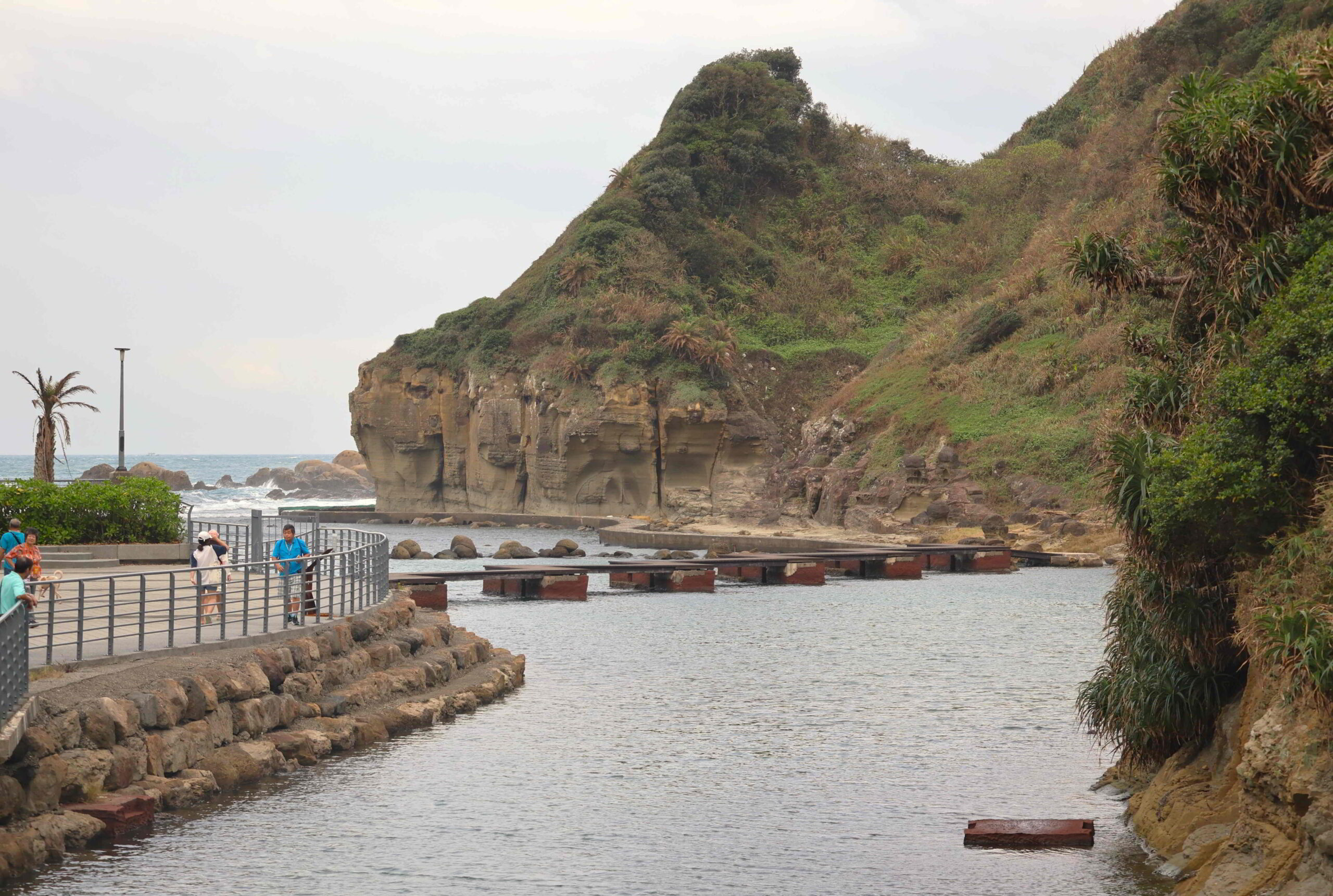
Keelung — Heping Island Geopark
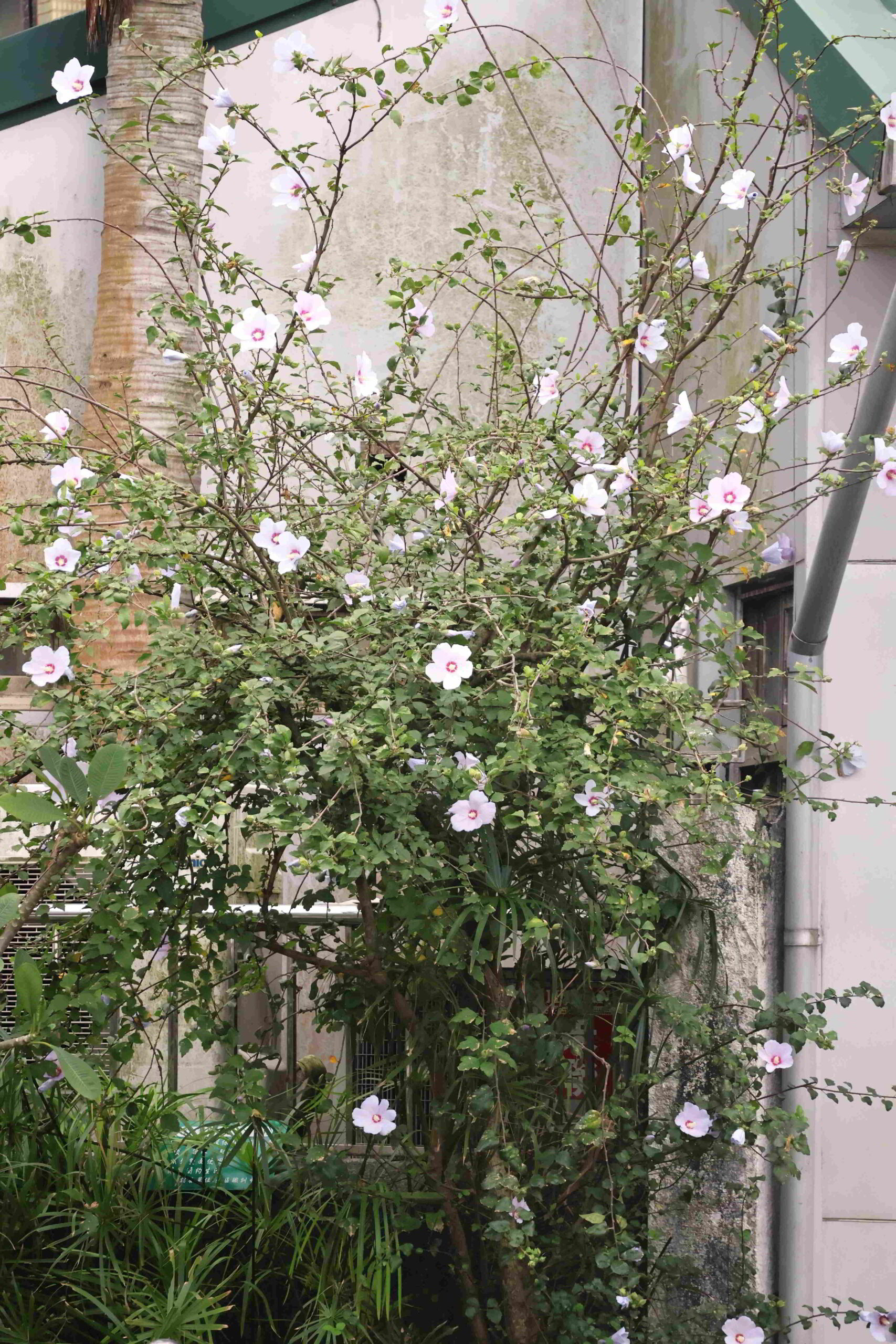
Keelung — Heping Island
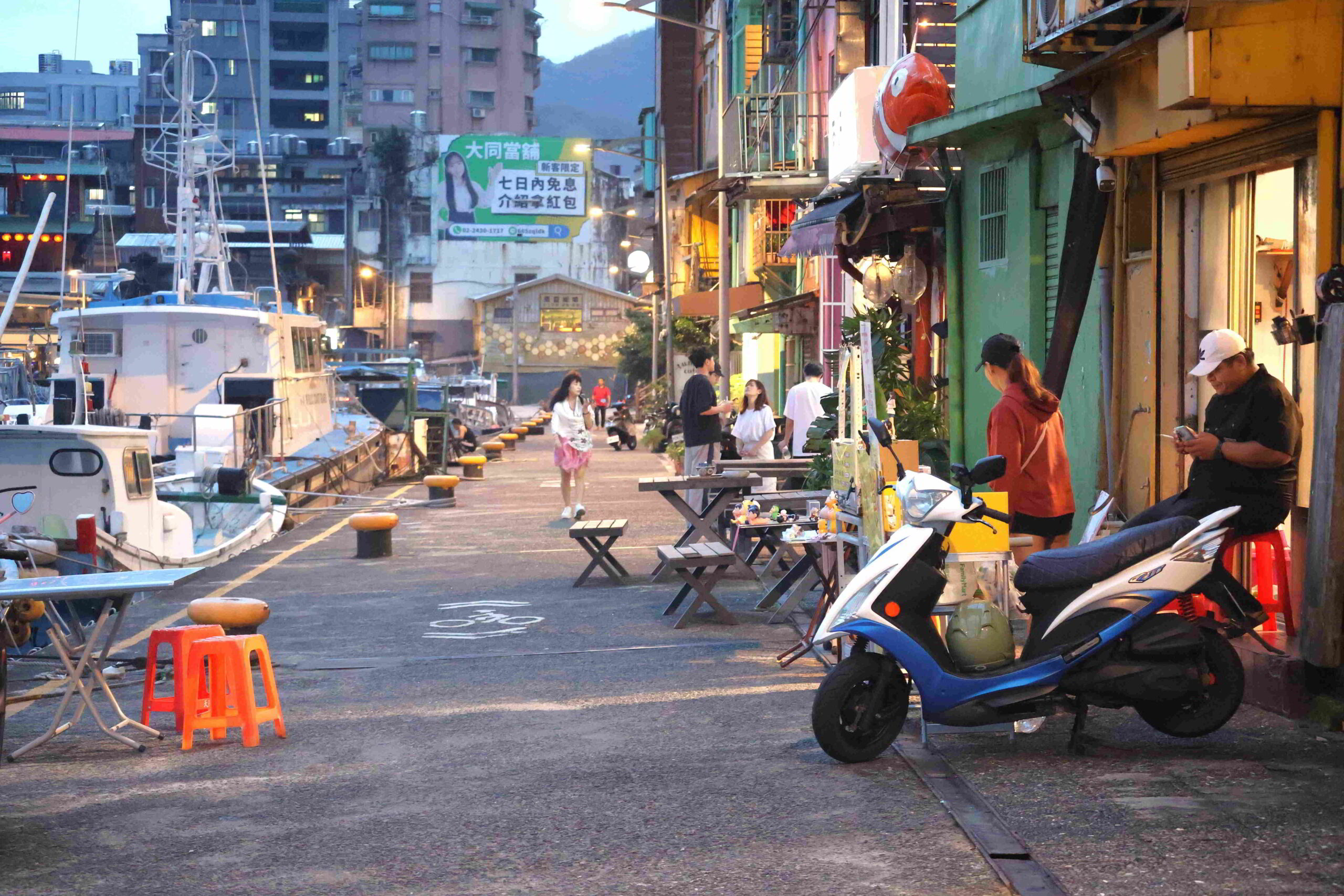
Keelung — Coloured houses
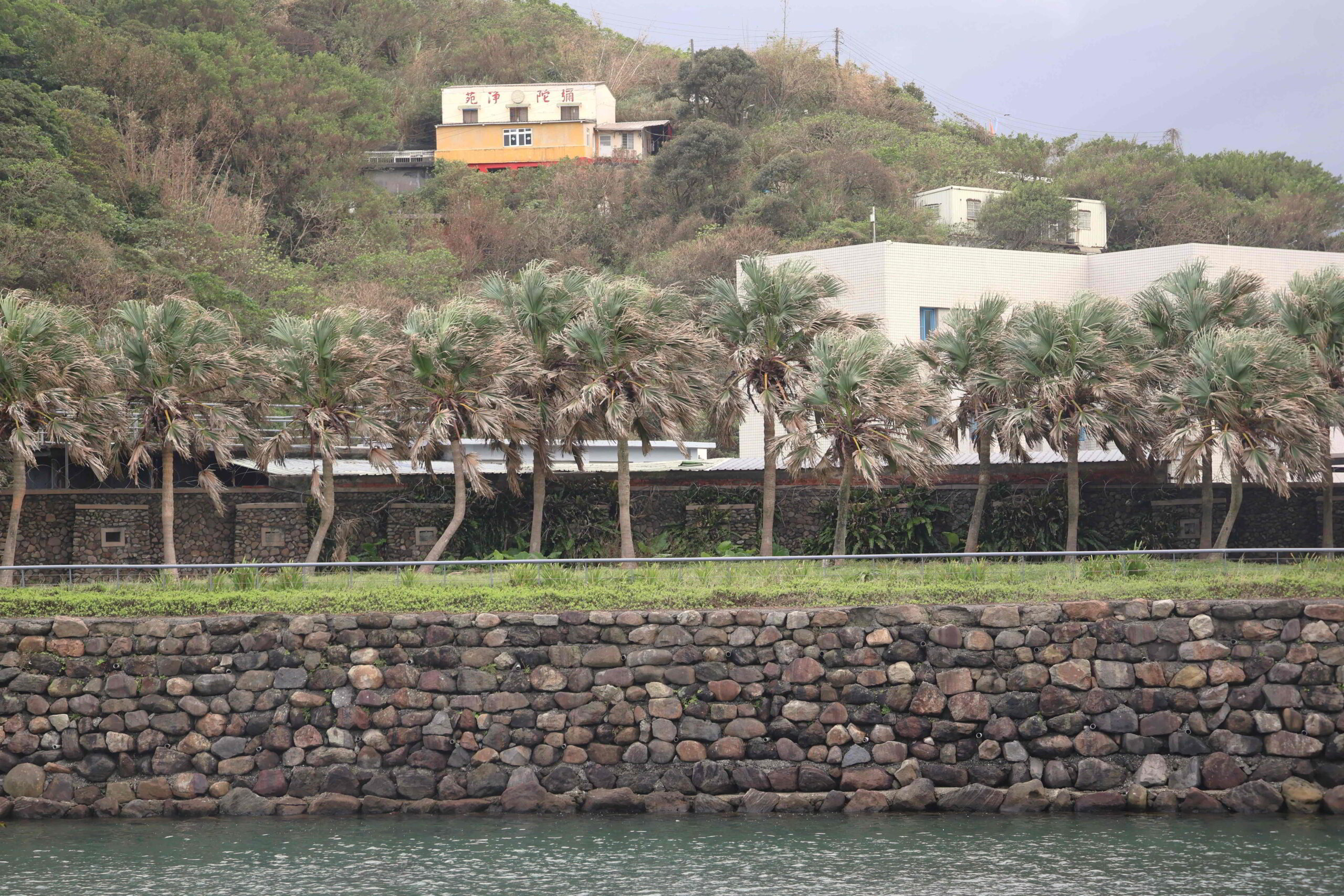
Keelung — Heping Island Geopark