March 28, 2026
For some reason I am feeling in much rougher shape than I was yesterday. I enjoy the delicious breakfast my Airbnb host has prepared, which includes a dish of stewed chicken with coconut, lemon grass, and Thai basil, served with rice, and a dish of baby cucumbers stewed with egg. The dishes are spicey but nevertheless nuanced, with superlative flavour profiles, far beyond anything I would have expected. Welcome to Thailand! I could really appreciate a good coffee, but will have to make do with a packet coffee, which is a big mistake. I try preparing more food, but the hot plate in the kitchen doesn’t seem to work, and it looks like I may have wasted the money I spent on groceries yesterday evening!
Bangkok — Taling Chan Floating Market
Bangkok — Taling Chan Floating Market
Bangkok — Taling Chan Floating Market
Bangkok — Taling Chan Floating Market
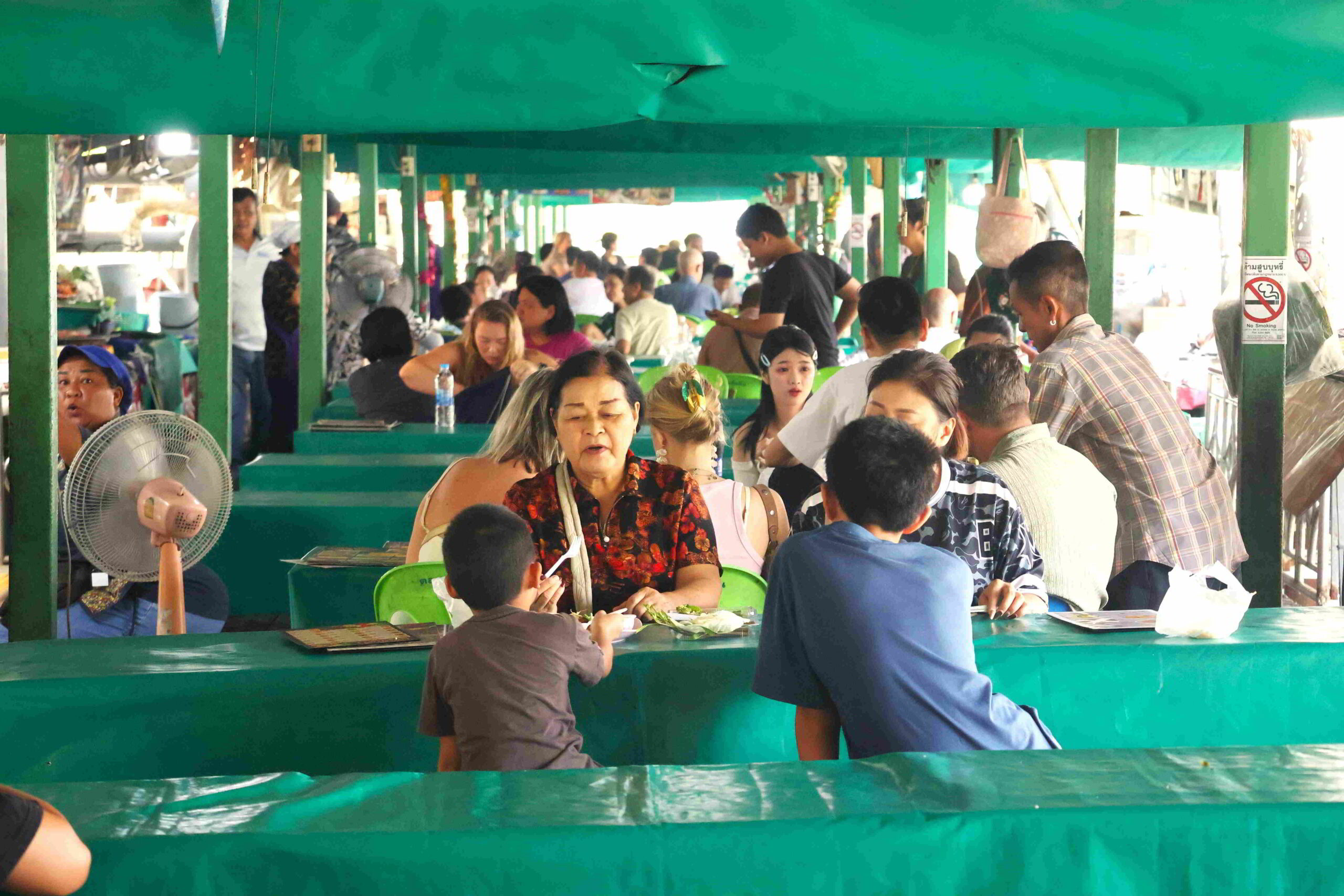
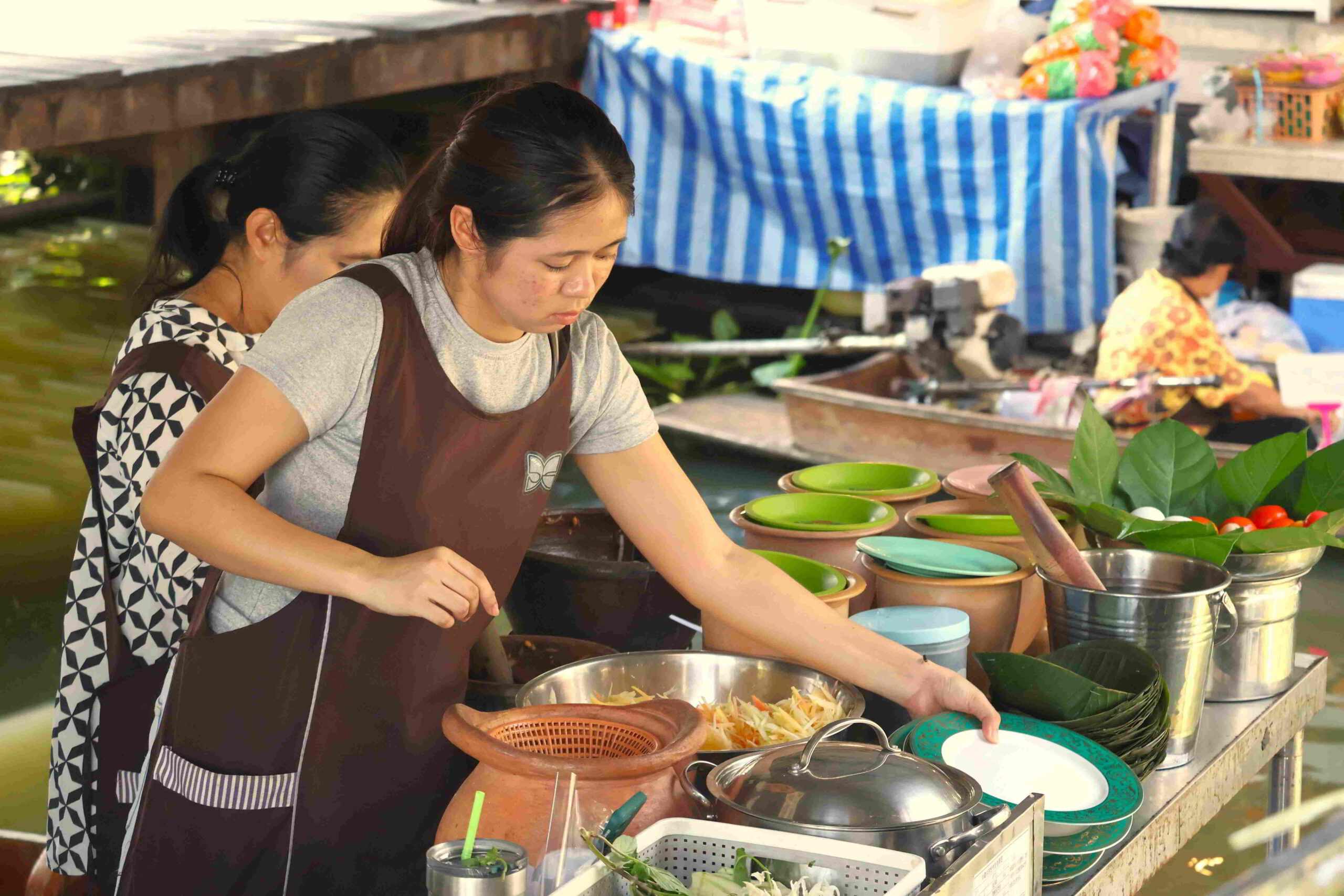
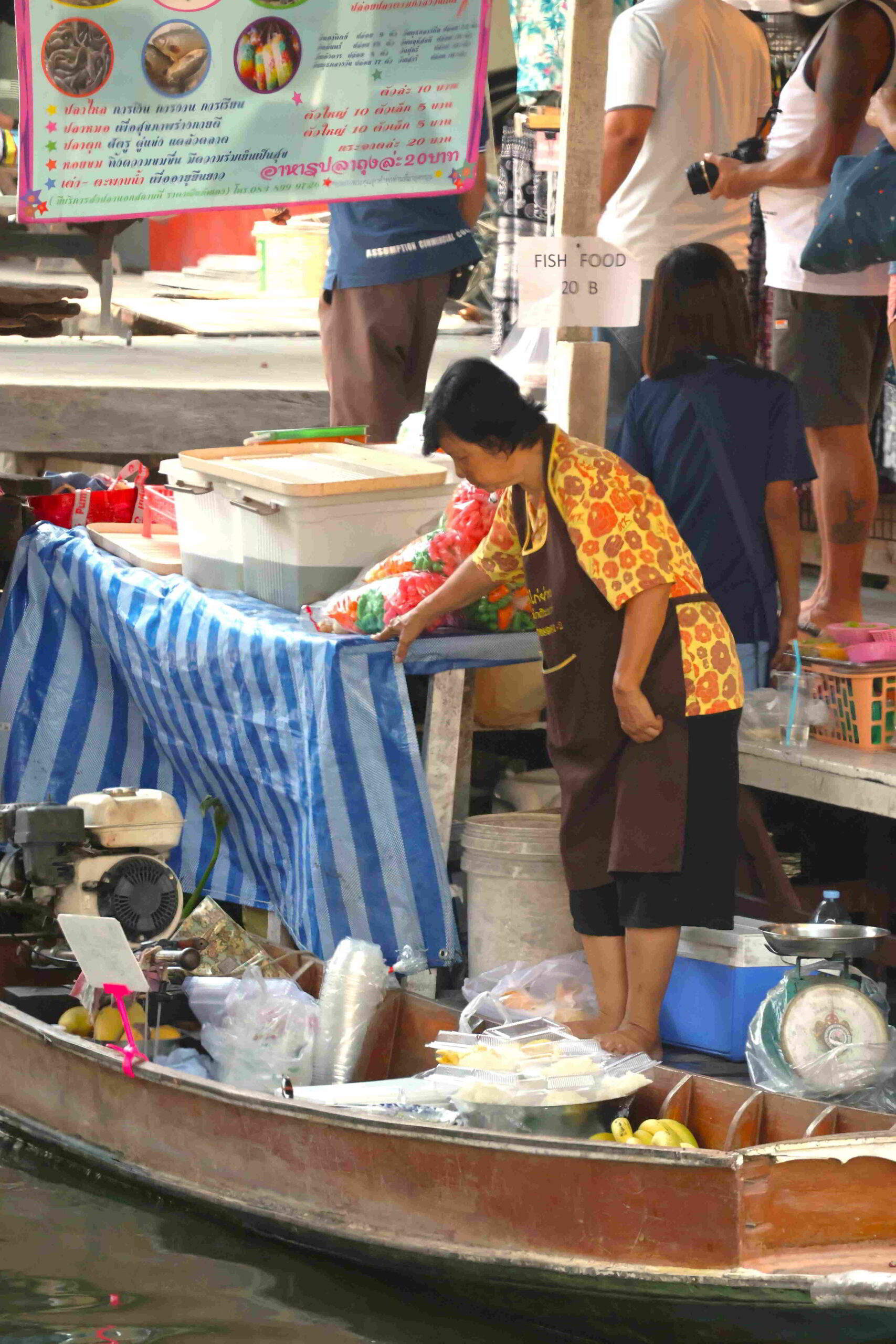
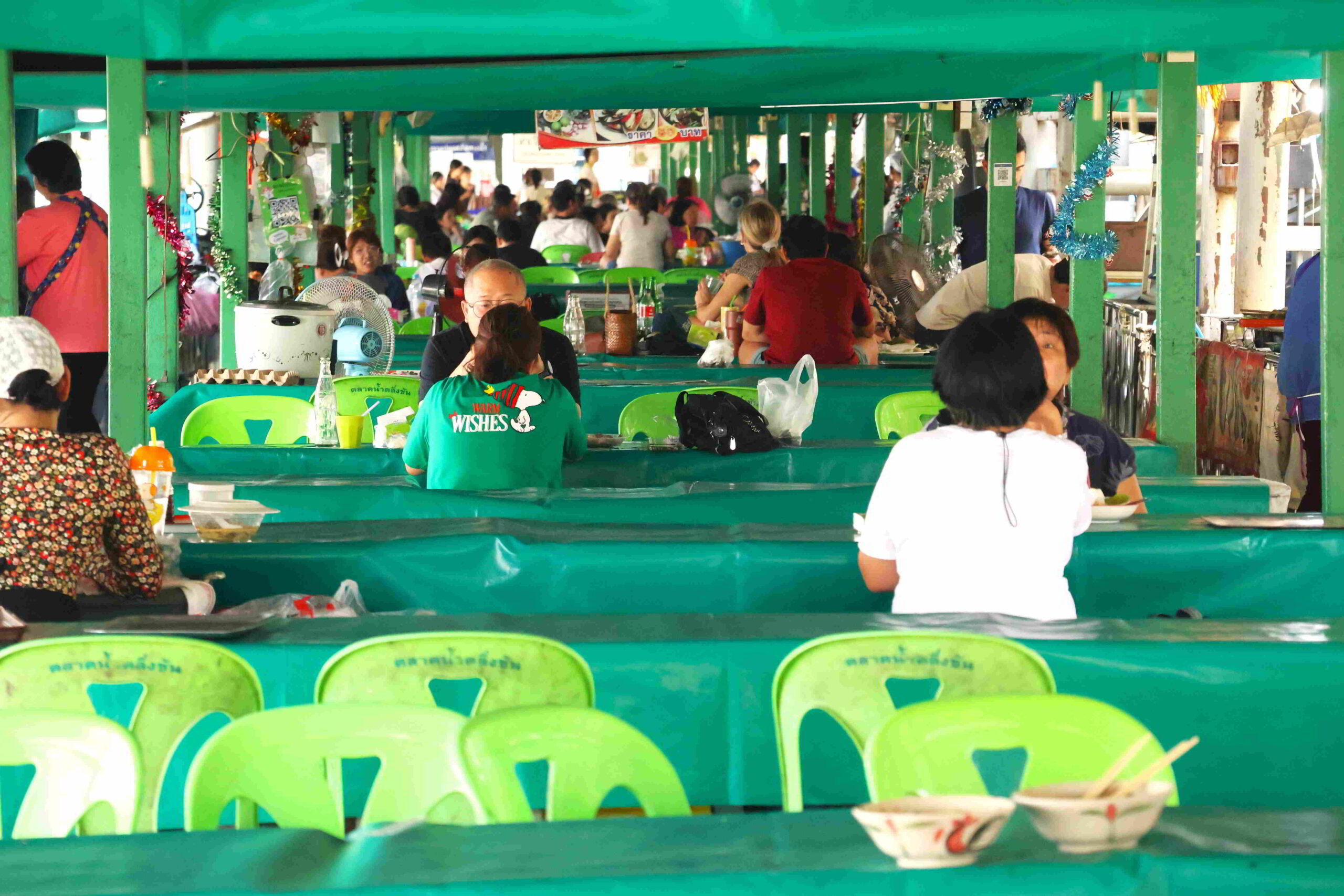
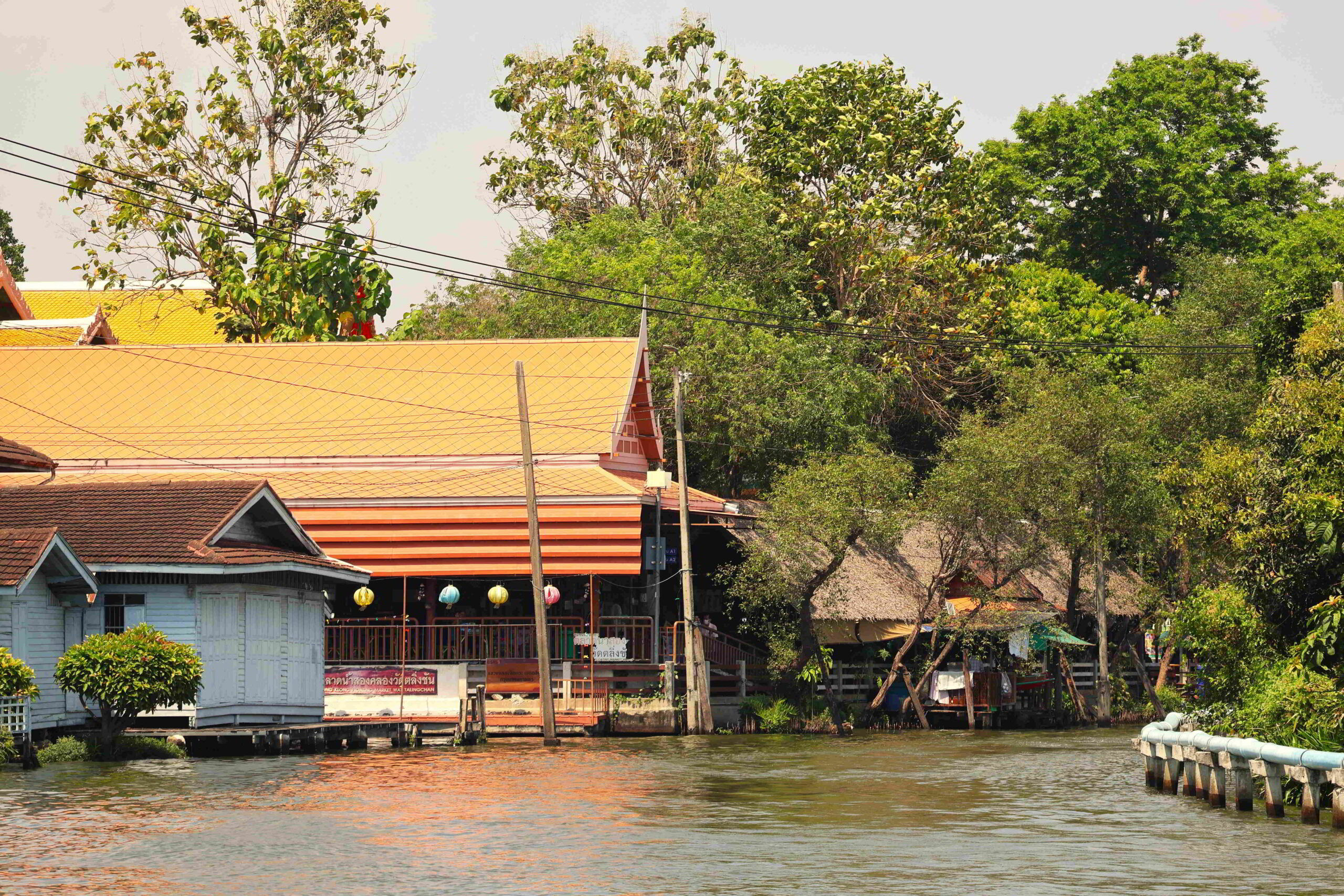
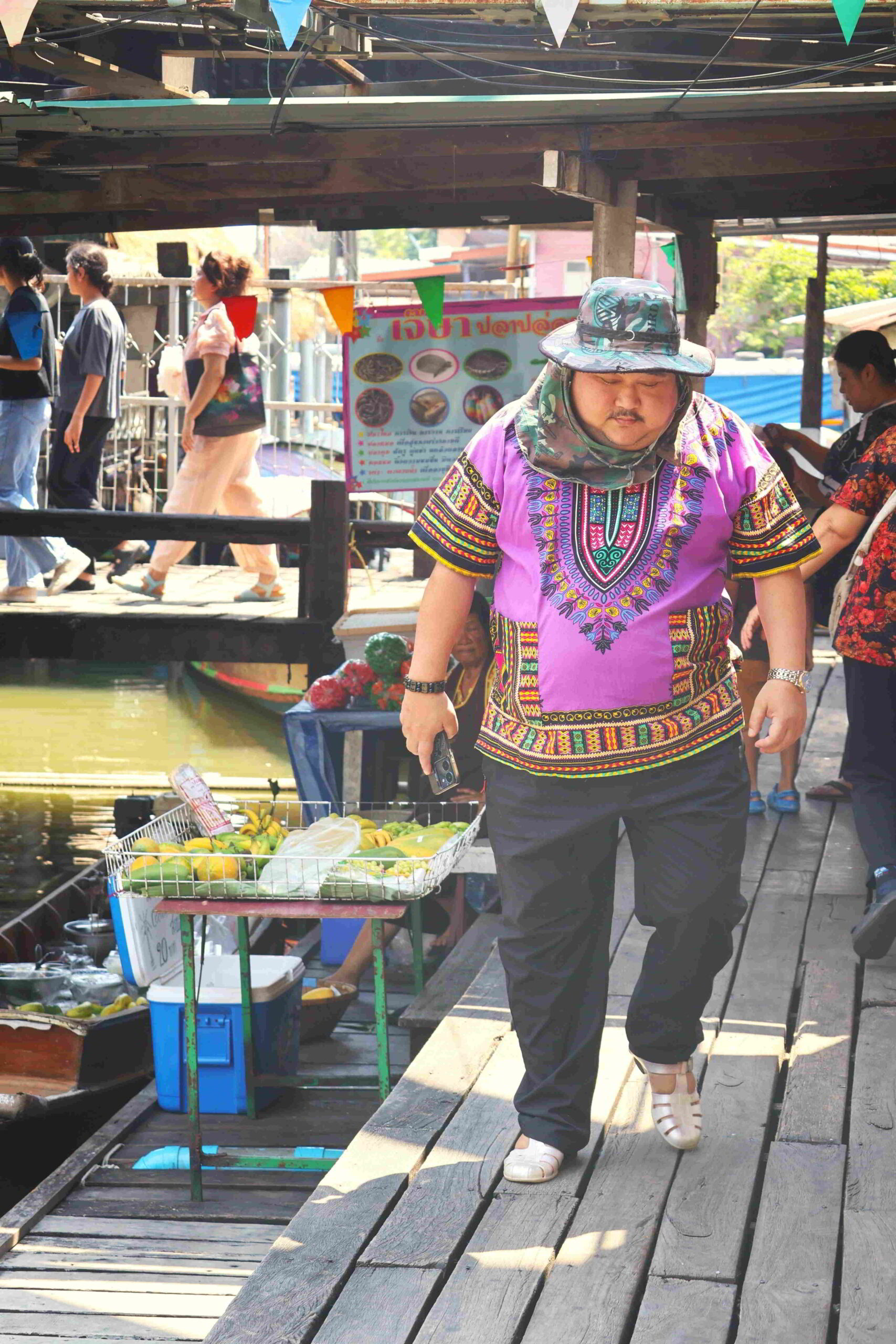
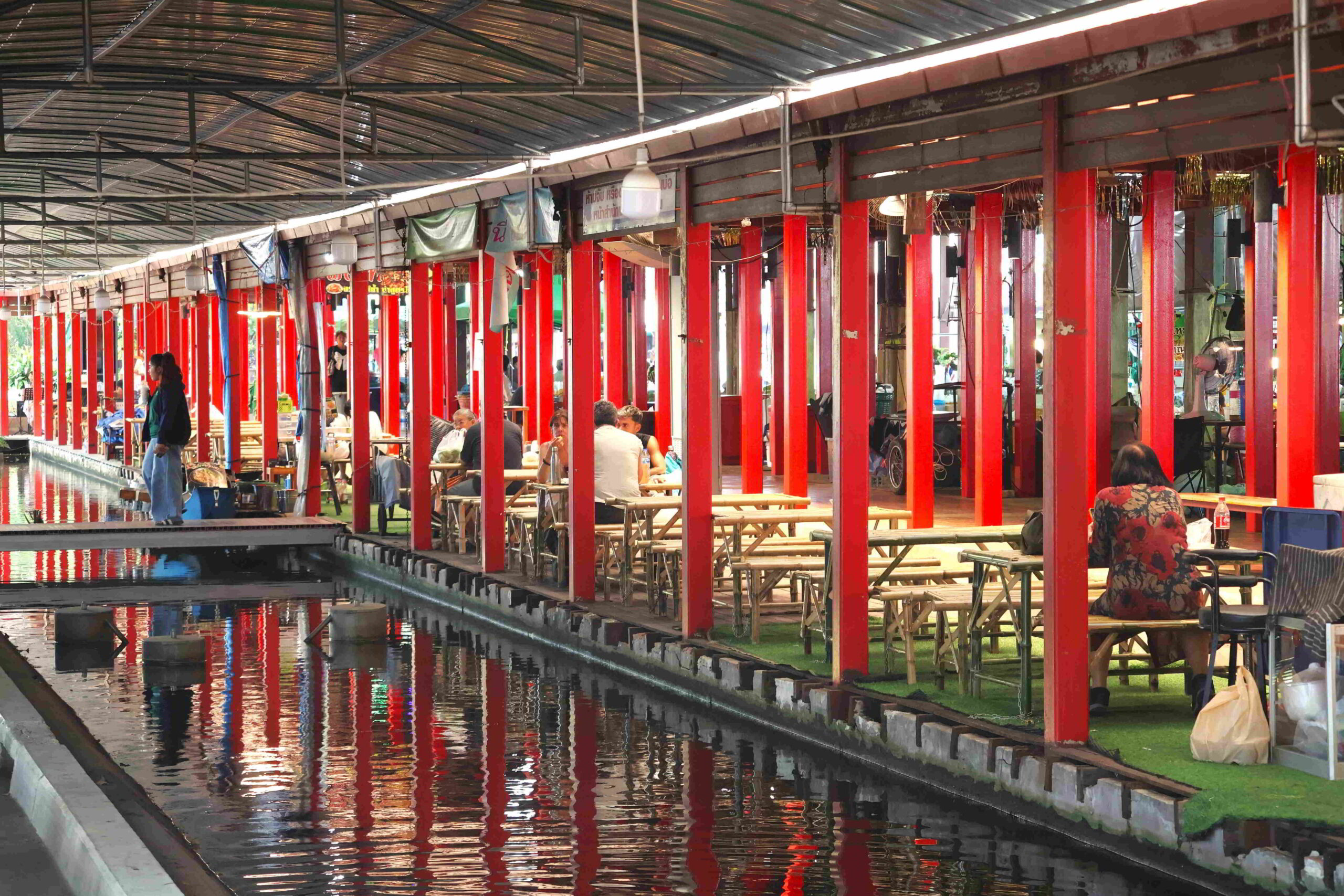
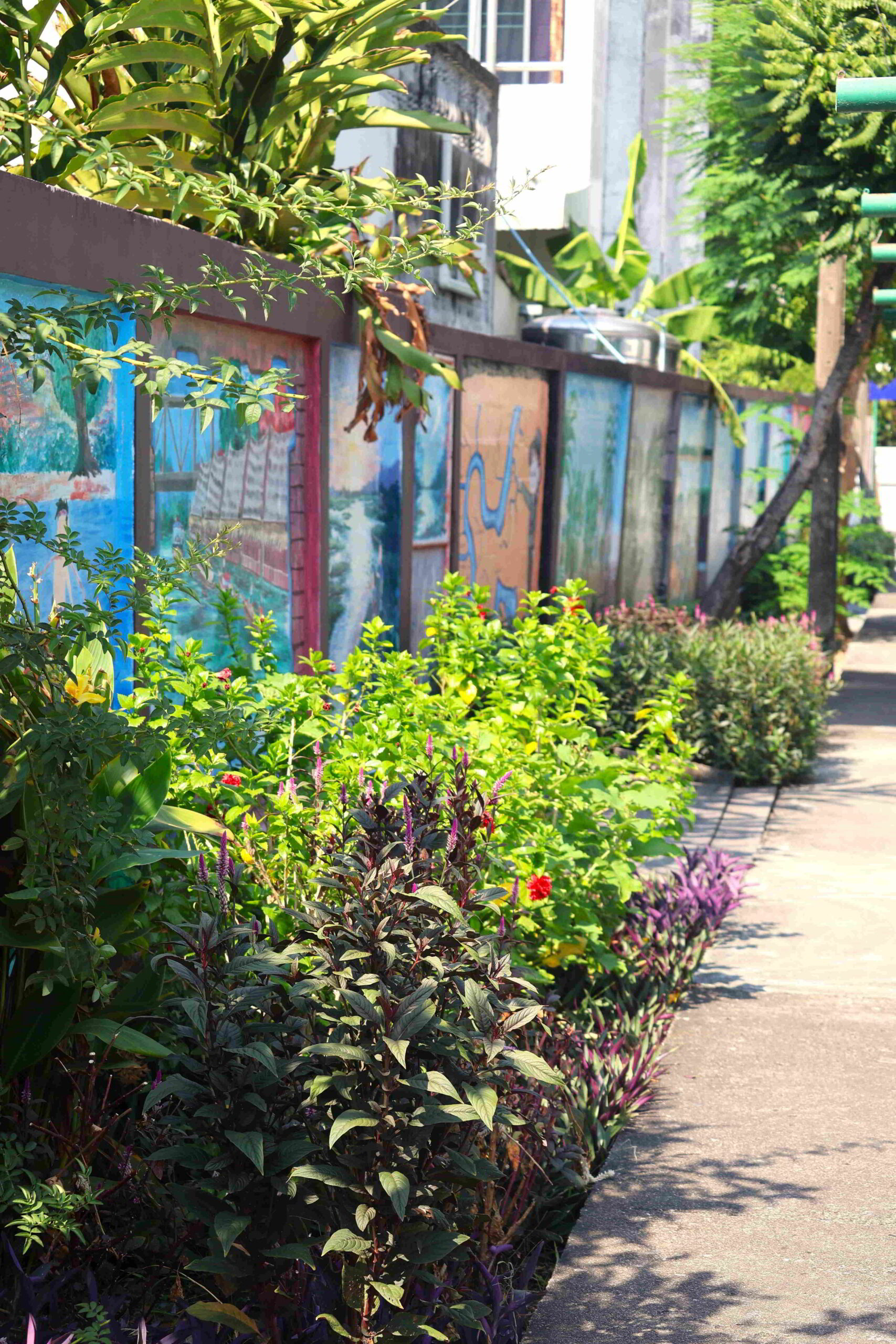
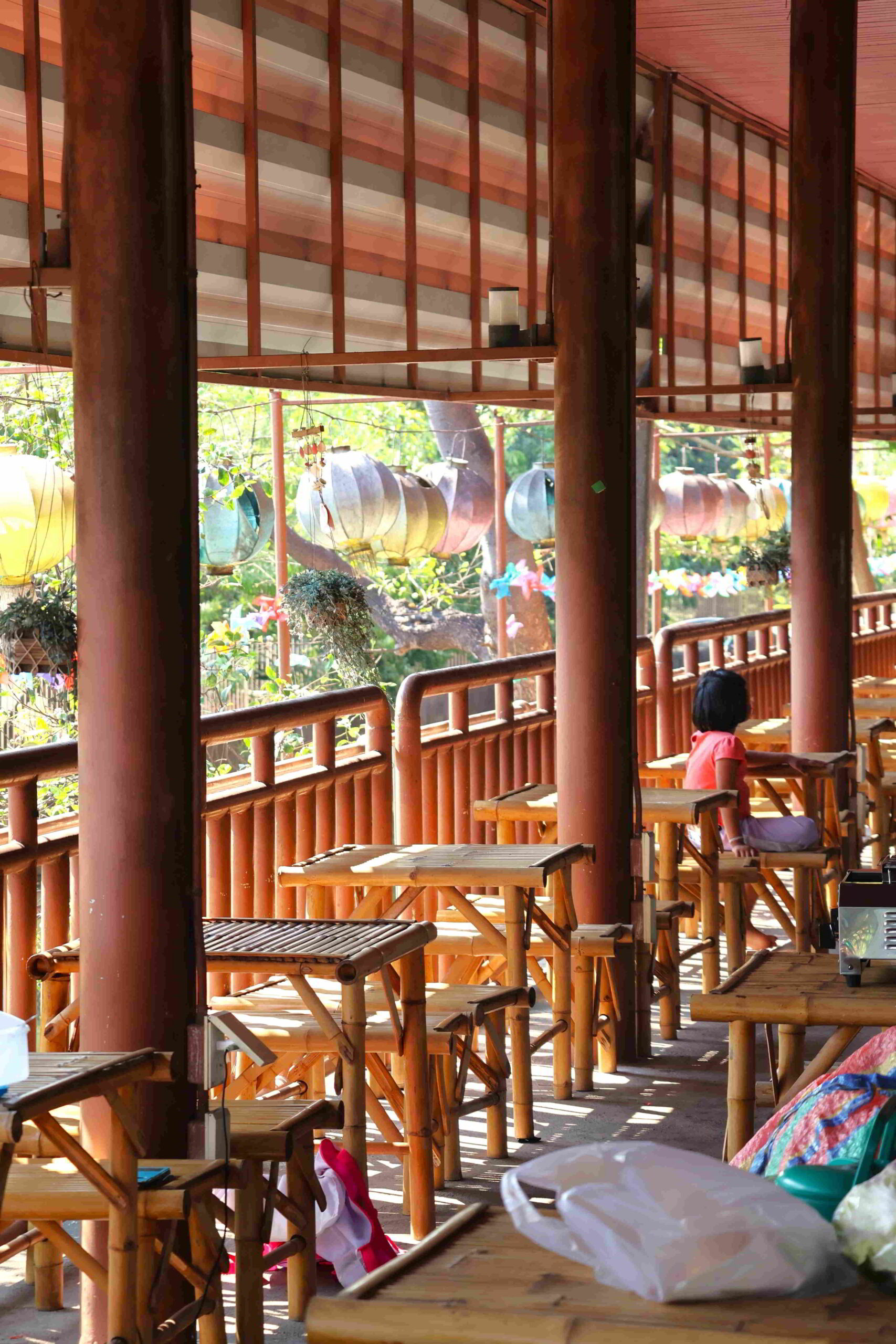
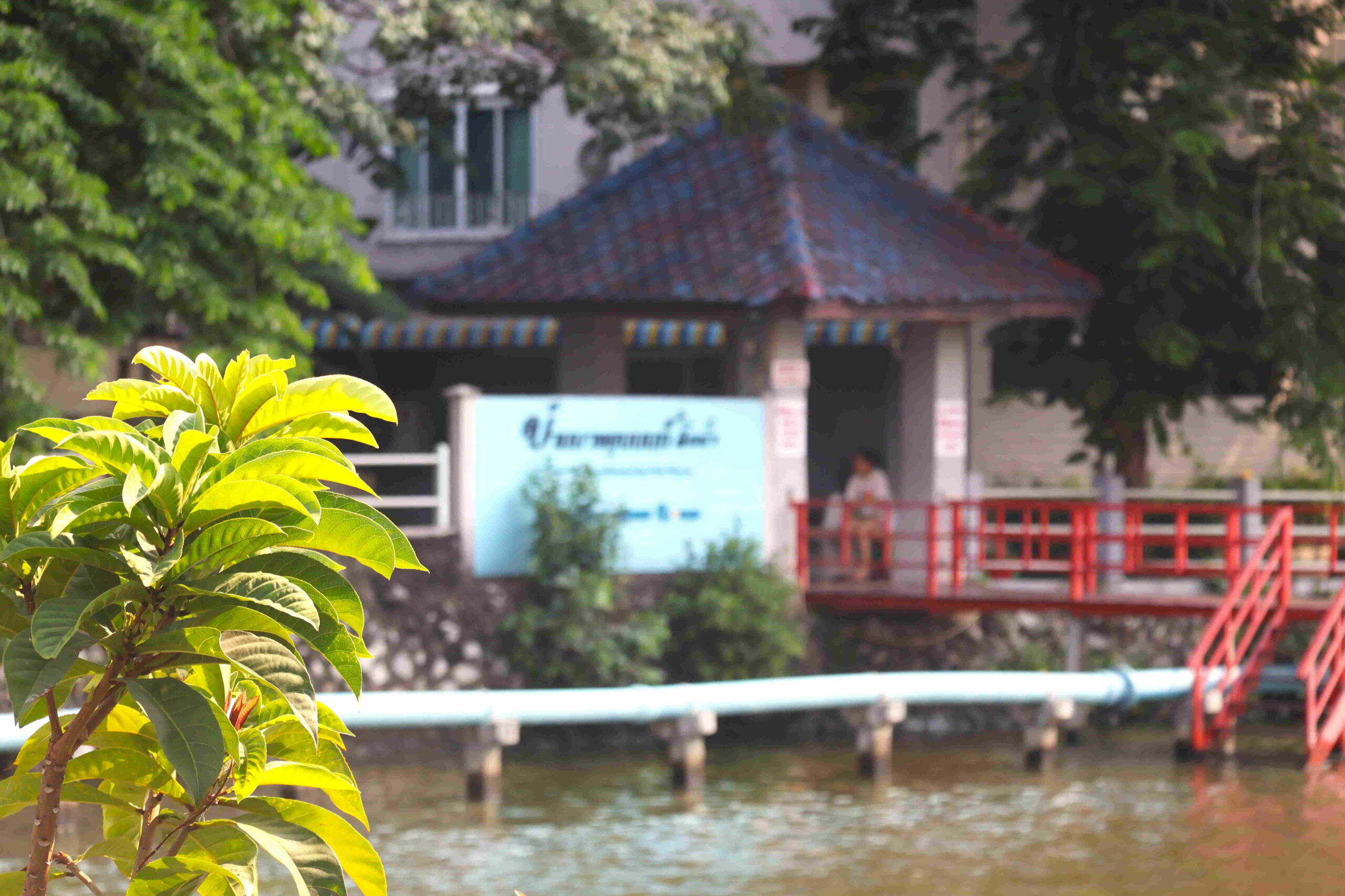
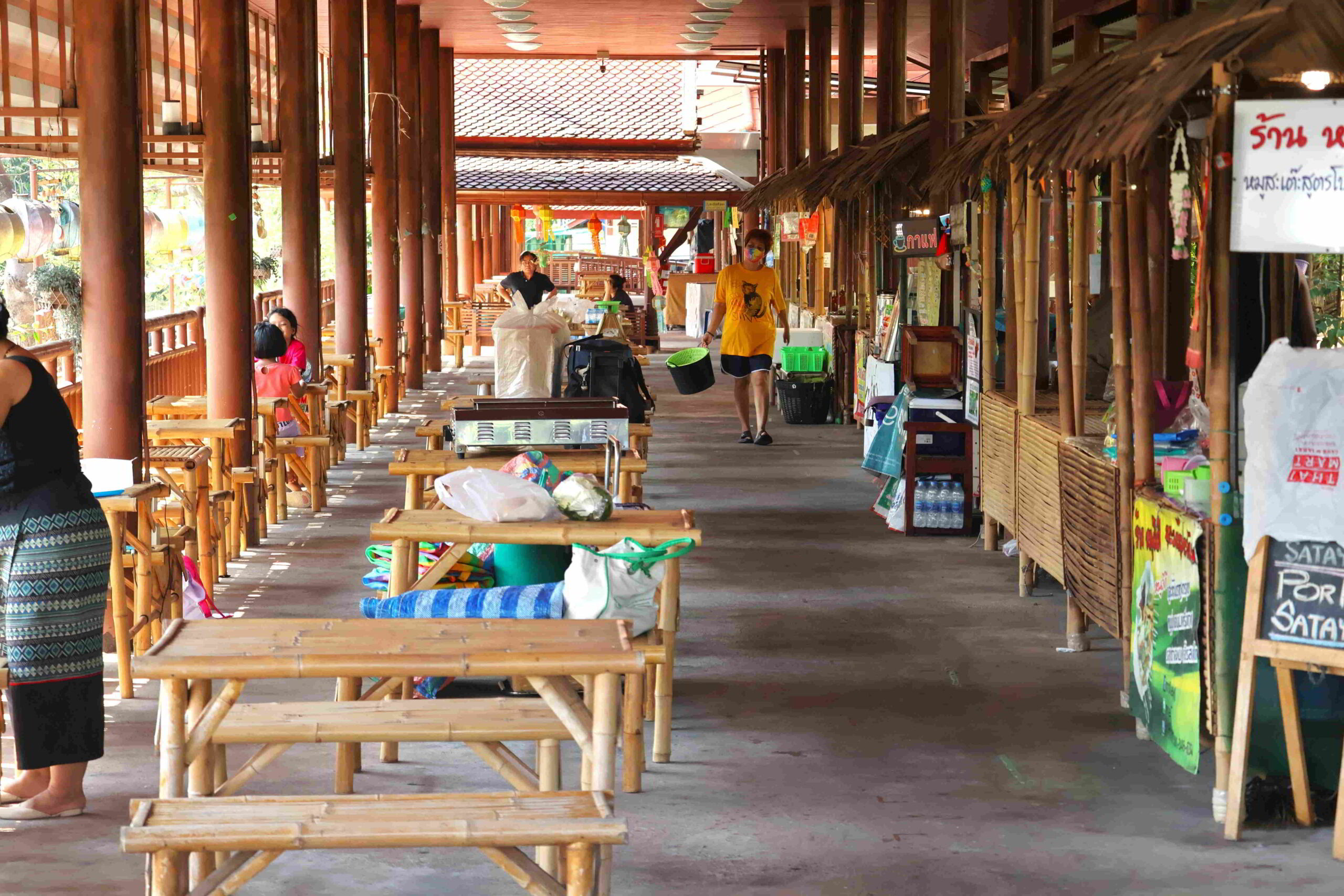
Today I plan on visiting the floating markets in the neighborhood not far from my Airbnb, first Taling Chan and then Song Khlong. Following those, who knows! I meander over the canal, enjoy an excellent juice and coffee at the tiny kiosk that has quickly become my favorite drinking establishment in the neighborhood, meander past Wat Chang Lek along the residential street lined with comfortable residences, then alongside the elevated roadway that crosses the Chak Phra canal with its squalor and rundown tenements. On the other side is the Taling Chan floating market, with its whimsically-landscaped walkways lined with diminutive stalls serving all manner of clientele, the walkways culminating at the floating jetty dedicated exclusively to the preparation of all manner of food. The bulk of vendors on the floating platform busily attending to diverse grills and woks, visitors from near and far enjoying the fruits of the vendors’ culinary efforts.
Bangkok — Taling Chan Floating Market
Bangkok — Taling Chan Floating Market
Bangkok — Taling Chan Floating Market
Bangkok — Taling Chan Floating Market
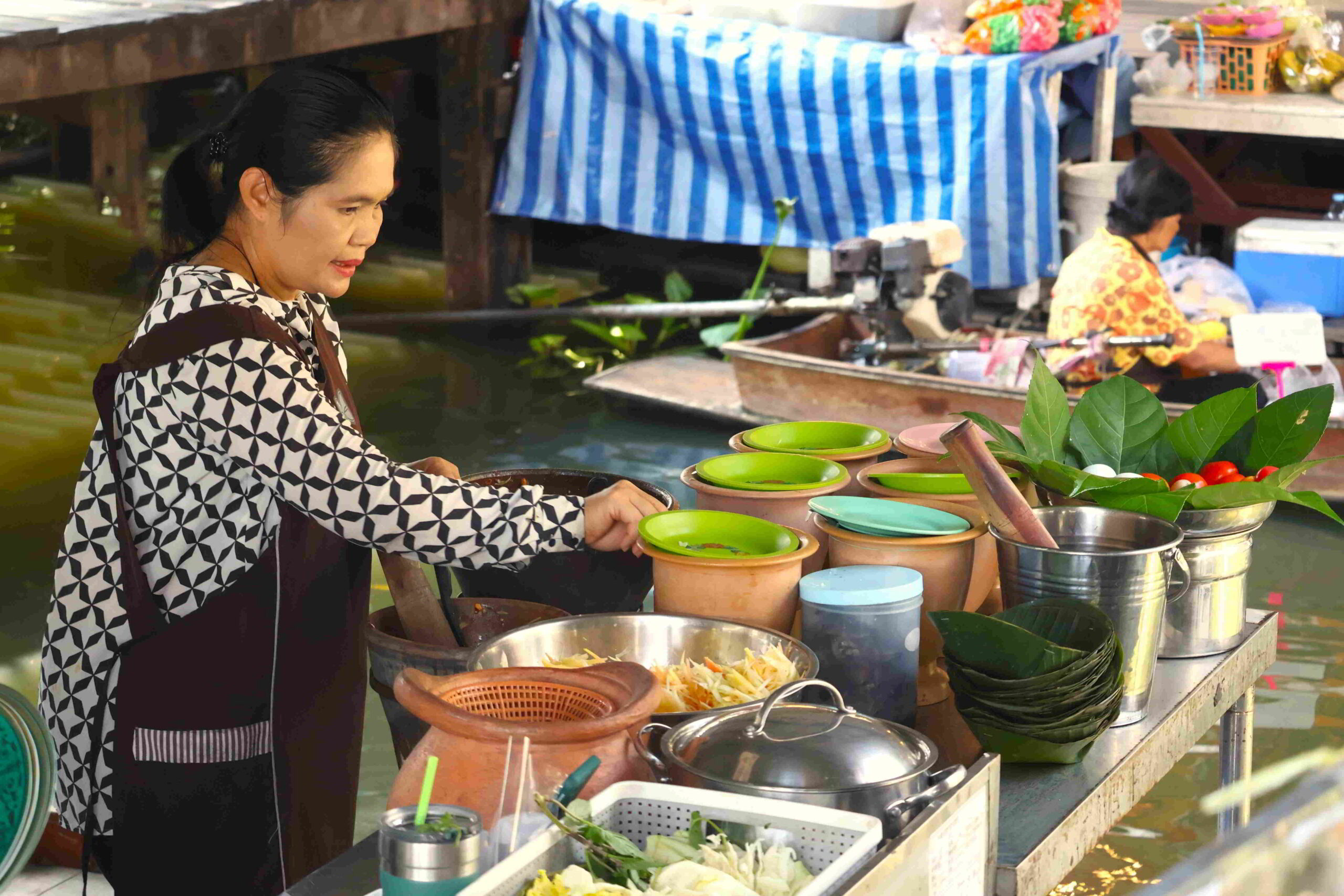
As much as the market is a place that sells food, it is also a place to be entertained, watch people, enjoy some of the modest distractions, and listen to music. The focal point of course is the broad spectrum of prepared foods, the quality and scope of which reminds me that so much of the country’s culinary prowess is also linked to wealth; abundance and quality being evident in the city and tourist zones, while the poorer agricultural regions remain largely bereft of the goodness I see on display around me here. Having just imbibed in coffee and several generously-sized fresh juices at the kiosk next to the canal by my Airbnb, I couldn’t possibly eat anything, at least not for a while, a sad state of affairs, considering that this is probably one of the best place in the city to eat, and for relatively modest prices.
Bangkok — Taling Chan Floating Market
Bangkok — Taling Chan Floating Market
Bangkok — Taling Chan Floating Market
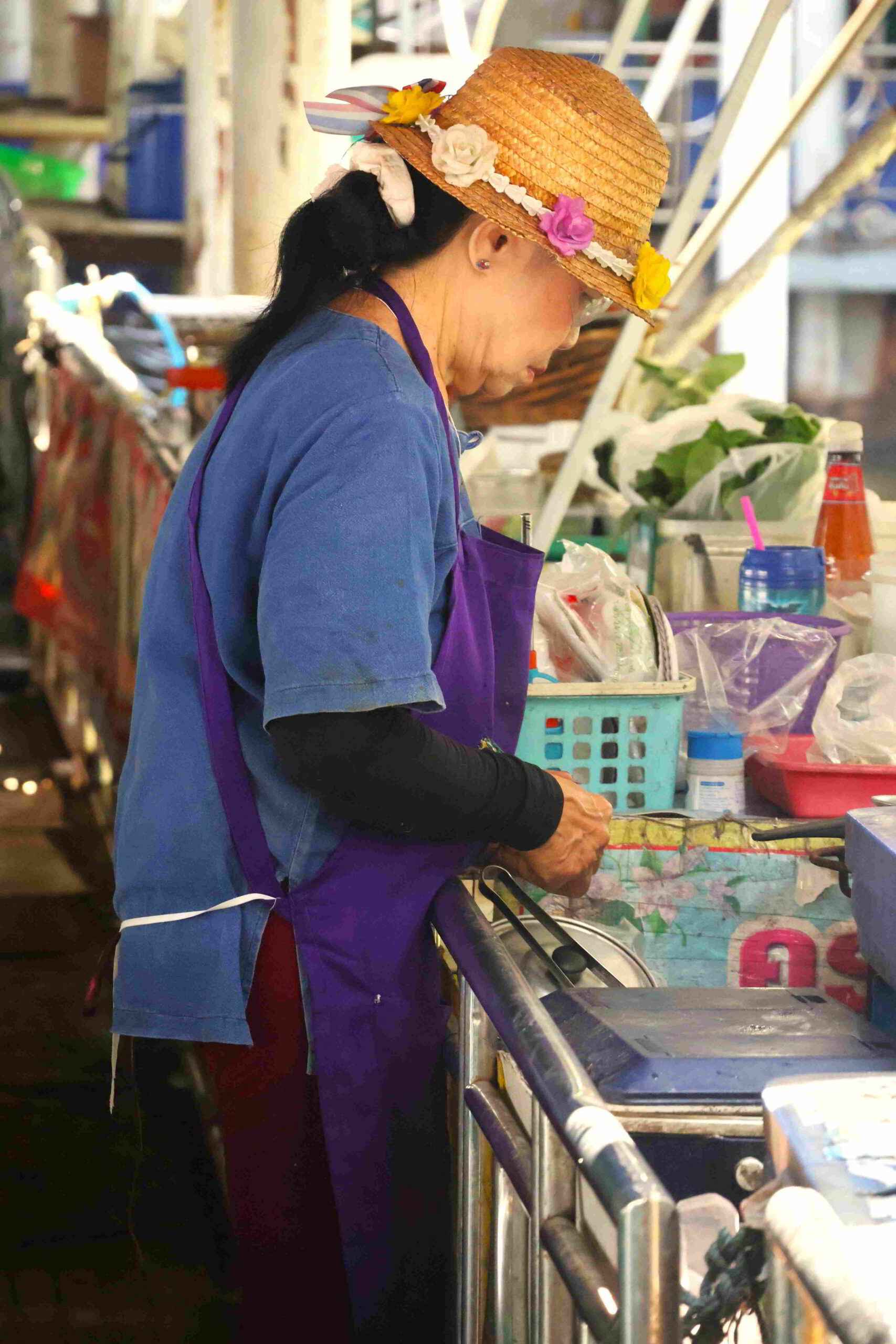
Bangkok — Taling Chan Floating Market
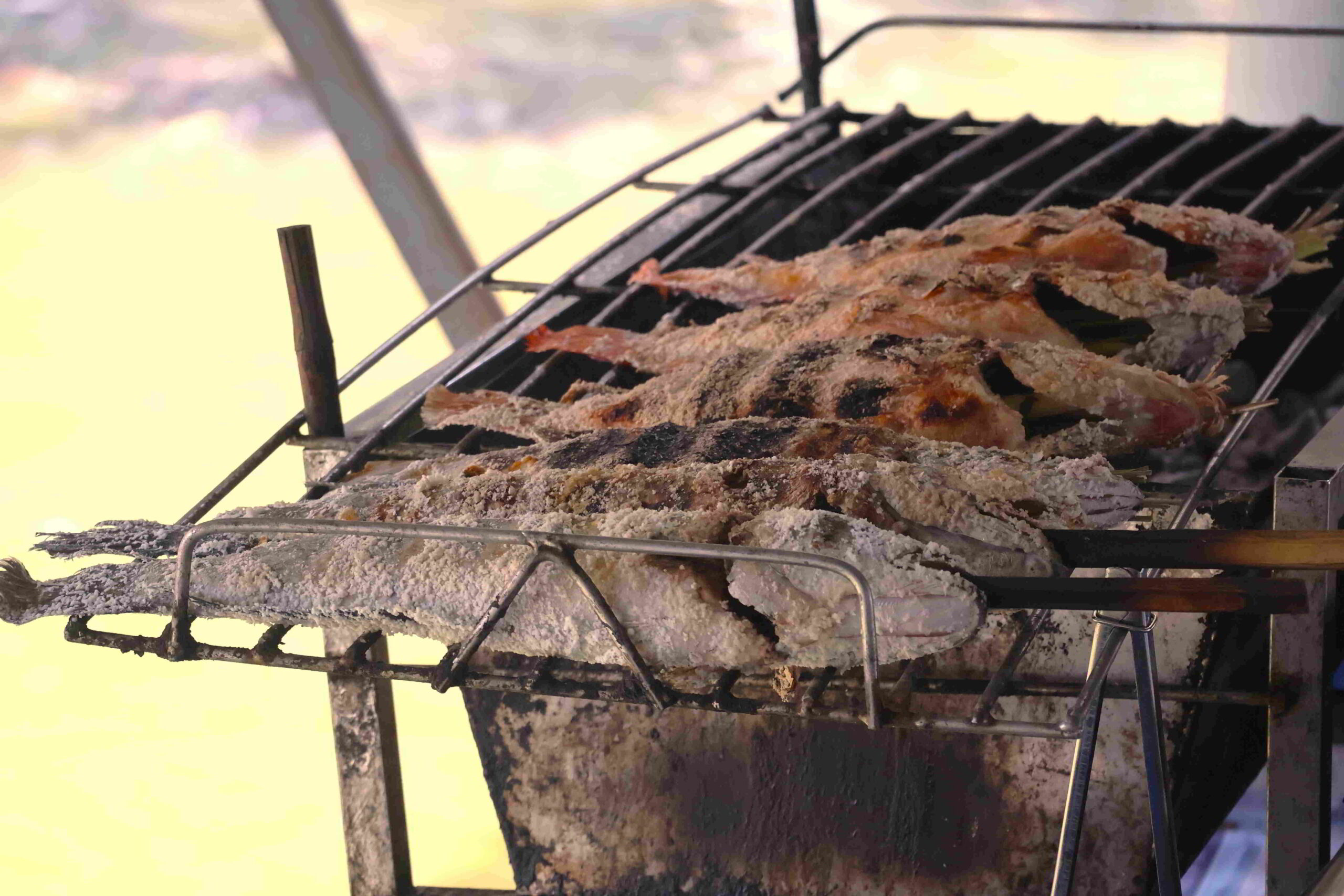
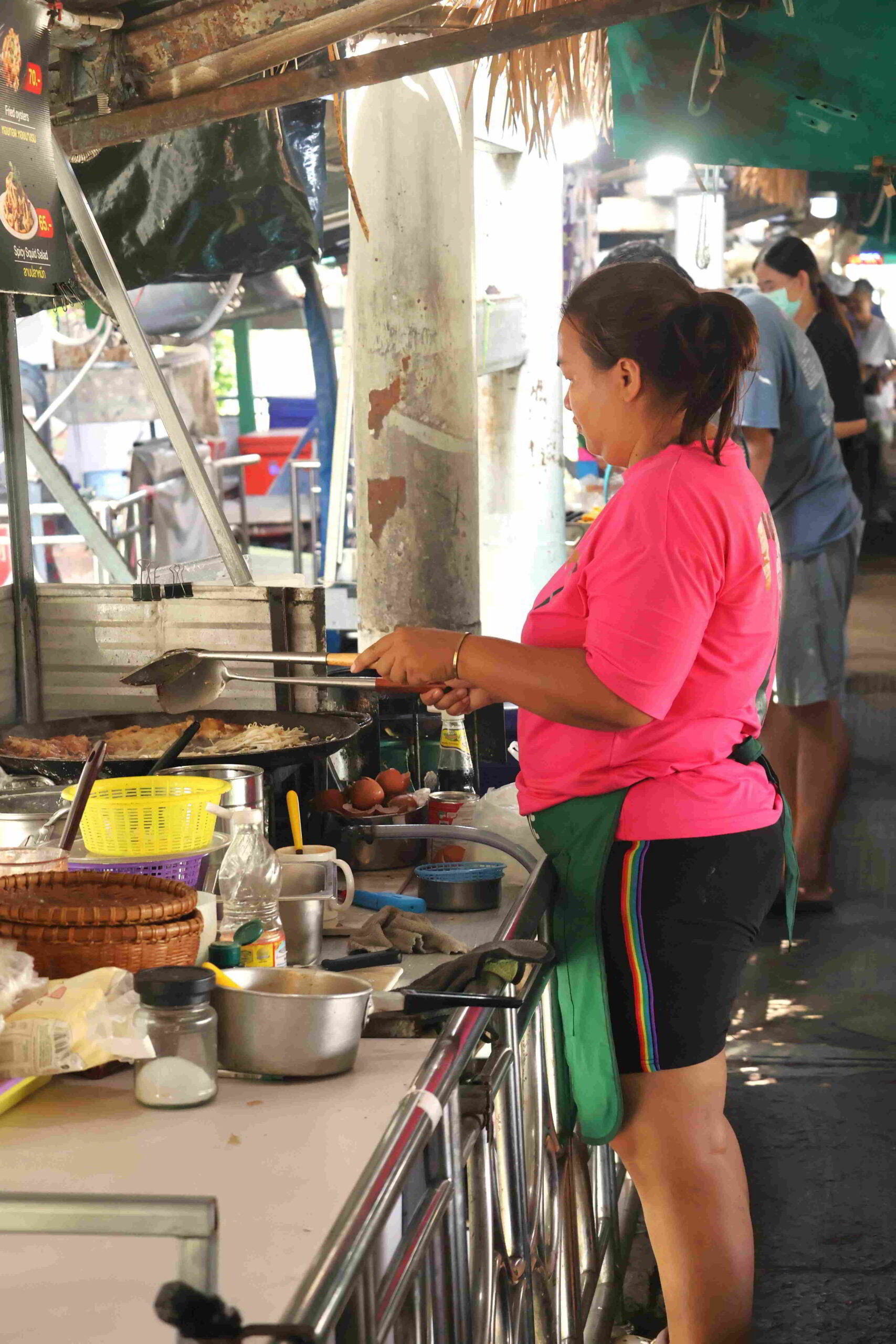
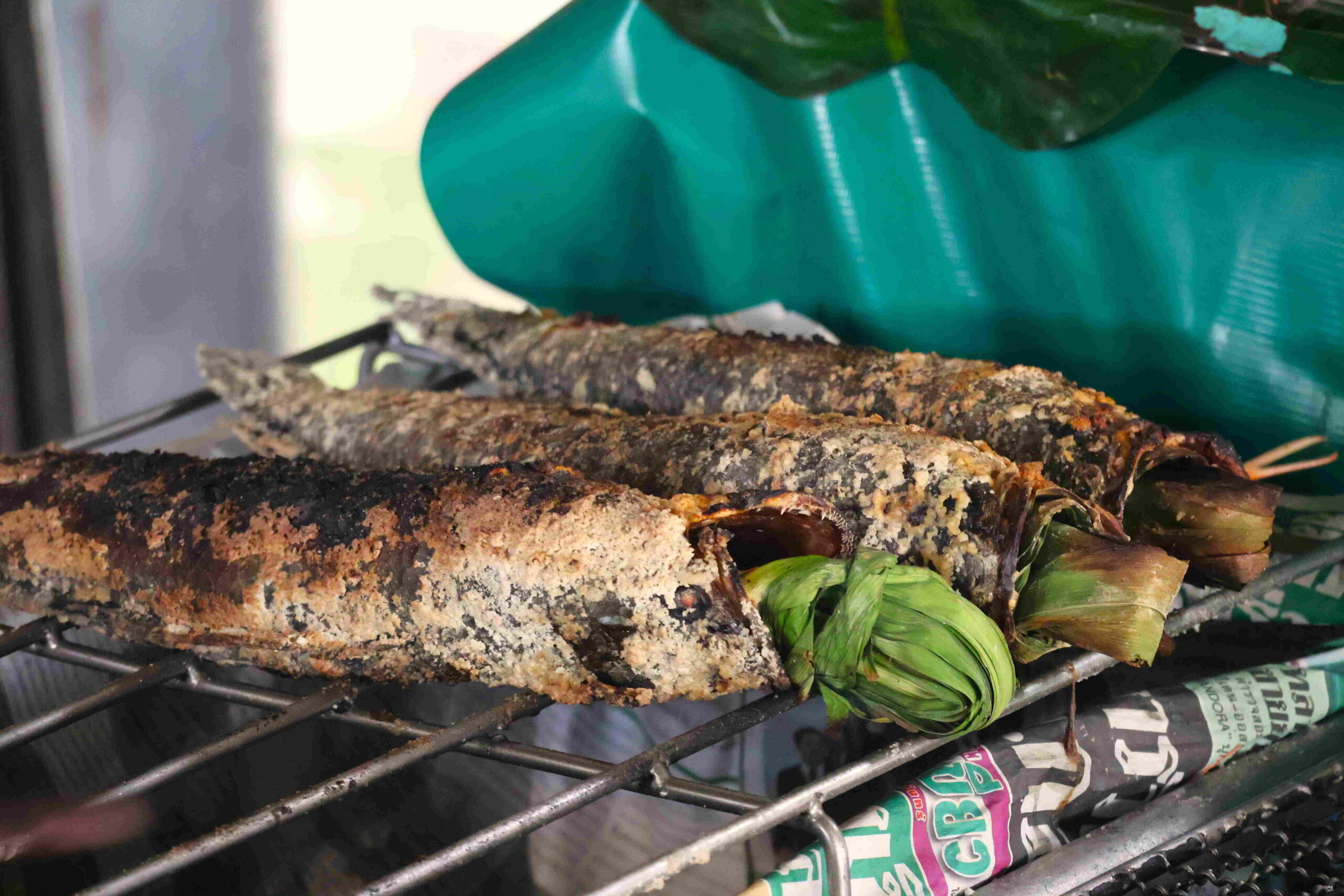
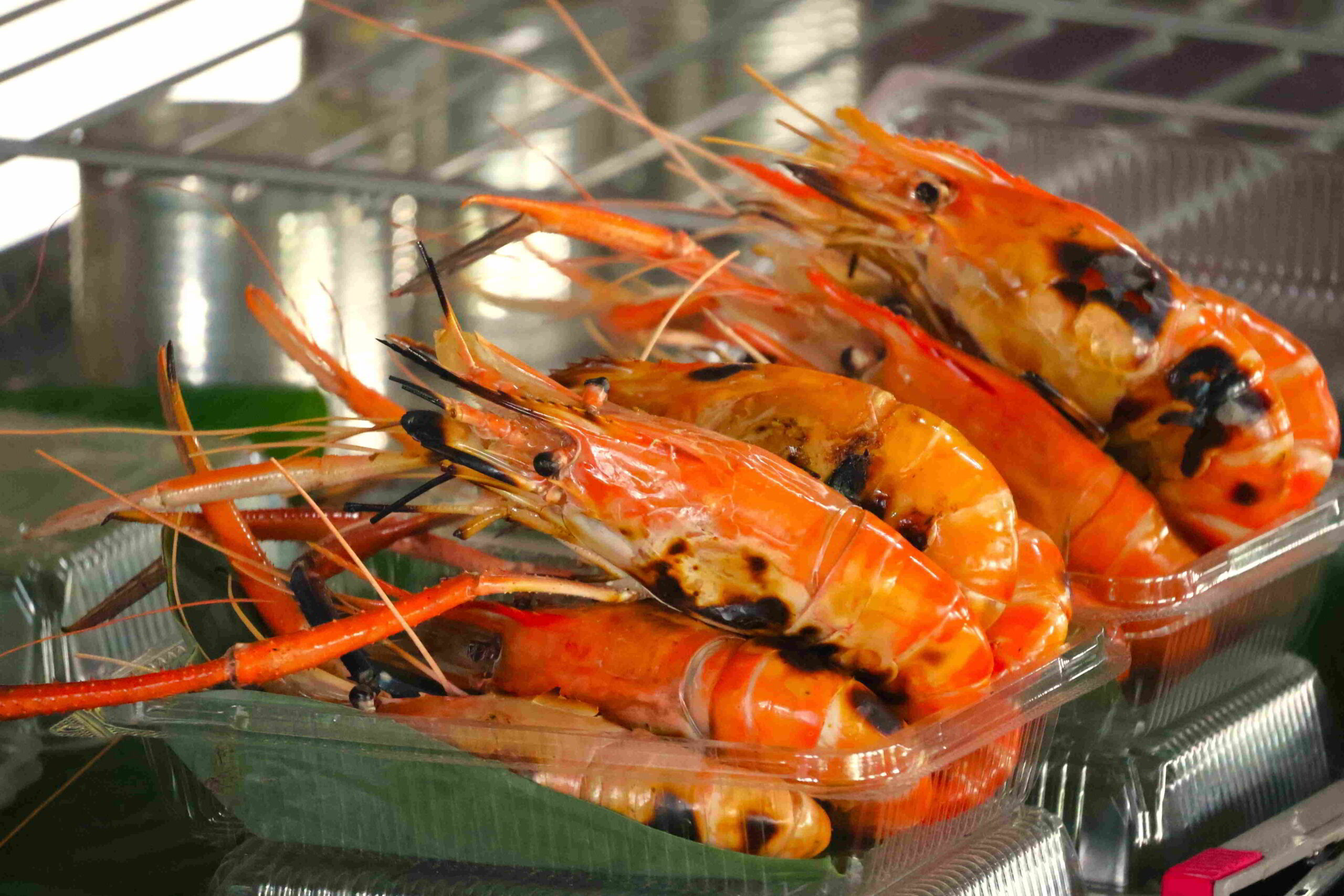
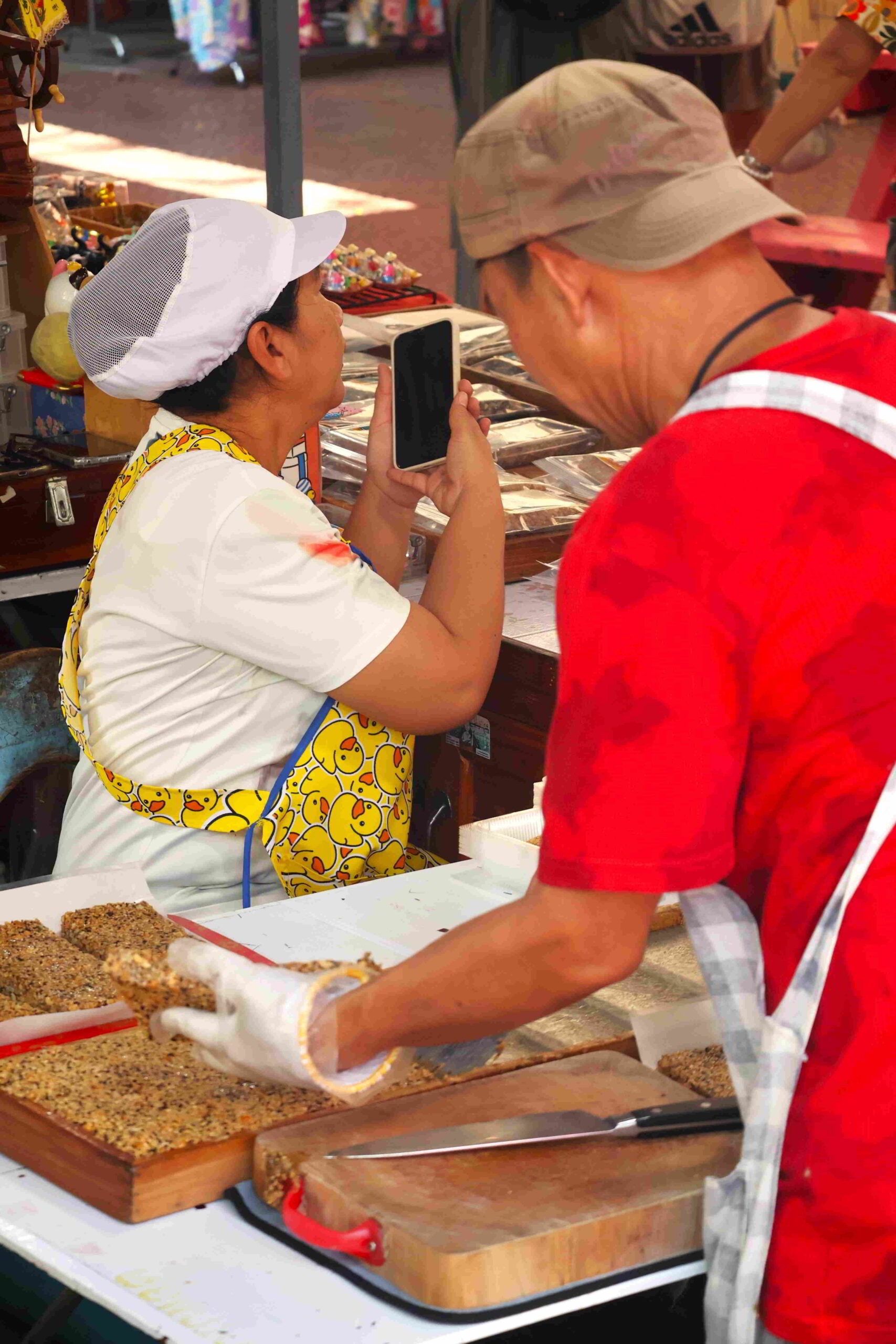
In that uniquely skillful east Asian manner, vendors manage to conjure sublime snacks and complete meals from pots crammed onto small burners, surrounded by stacks of dishes, vegetables, meats, all combining to produce delectable dishes. The women performing the seemingly effortless culinary acrobatics span a wide range of ages, the older ones presumably having honed their skills over a lengthy span of time. Fish and seafood is surprisingly abundant on the market, grilled on beds of charcoal, skewered whole, stuffed with banana leaves.
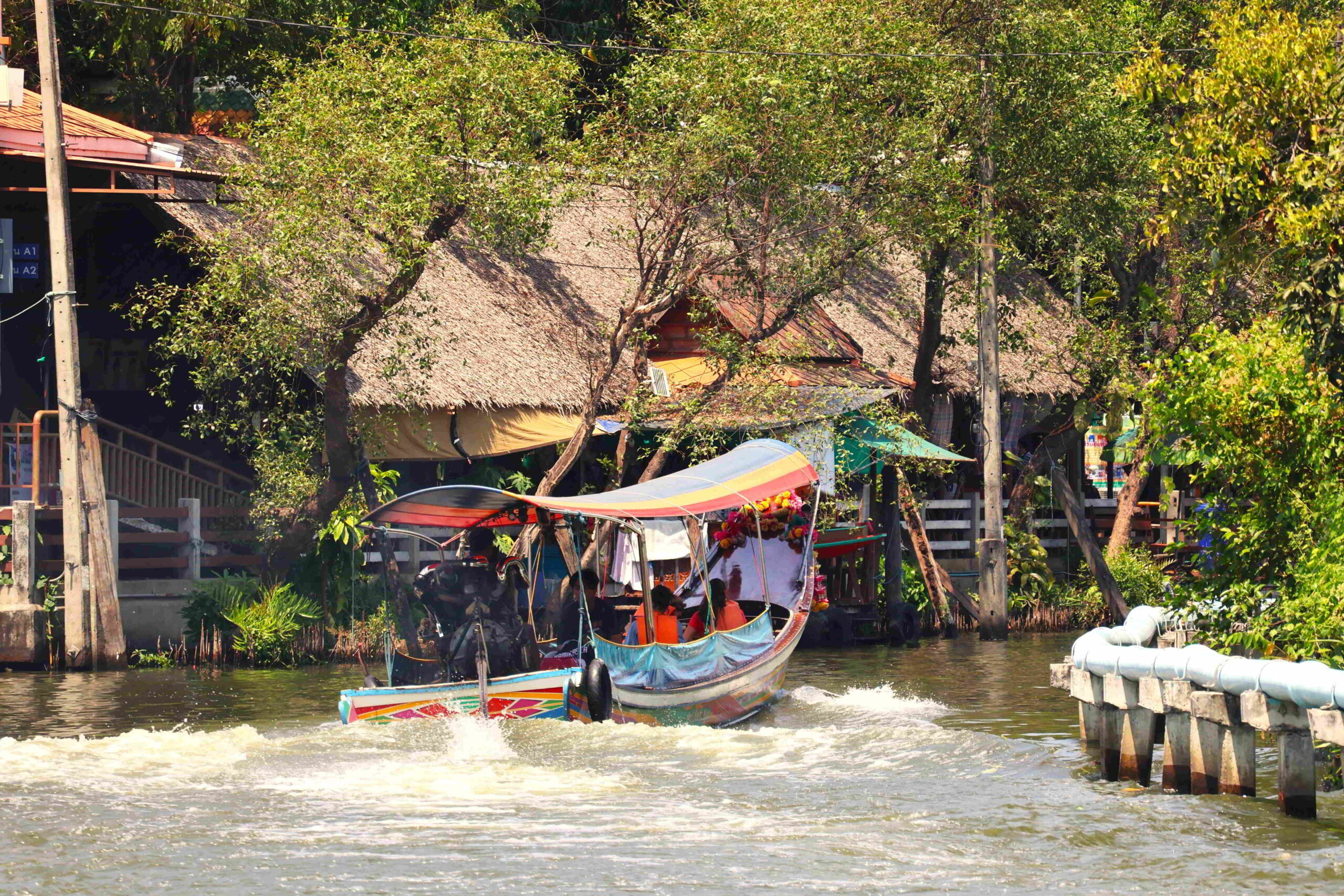
Bangkok — Taling Chan Floating Market
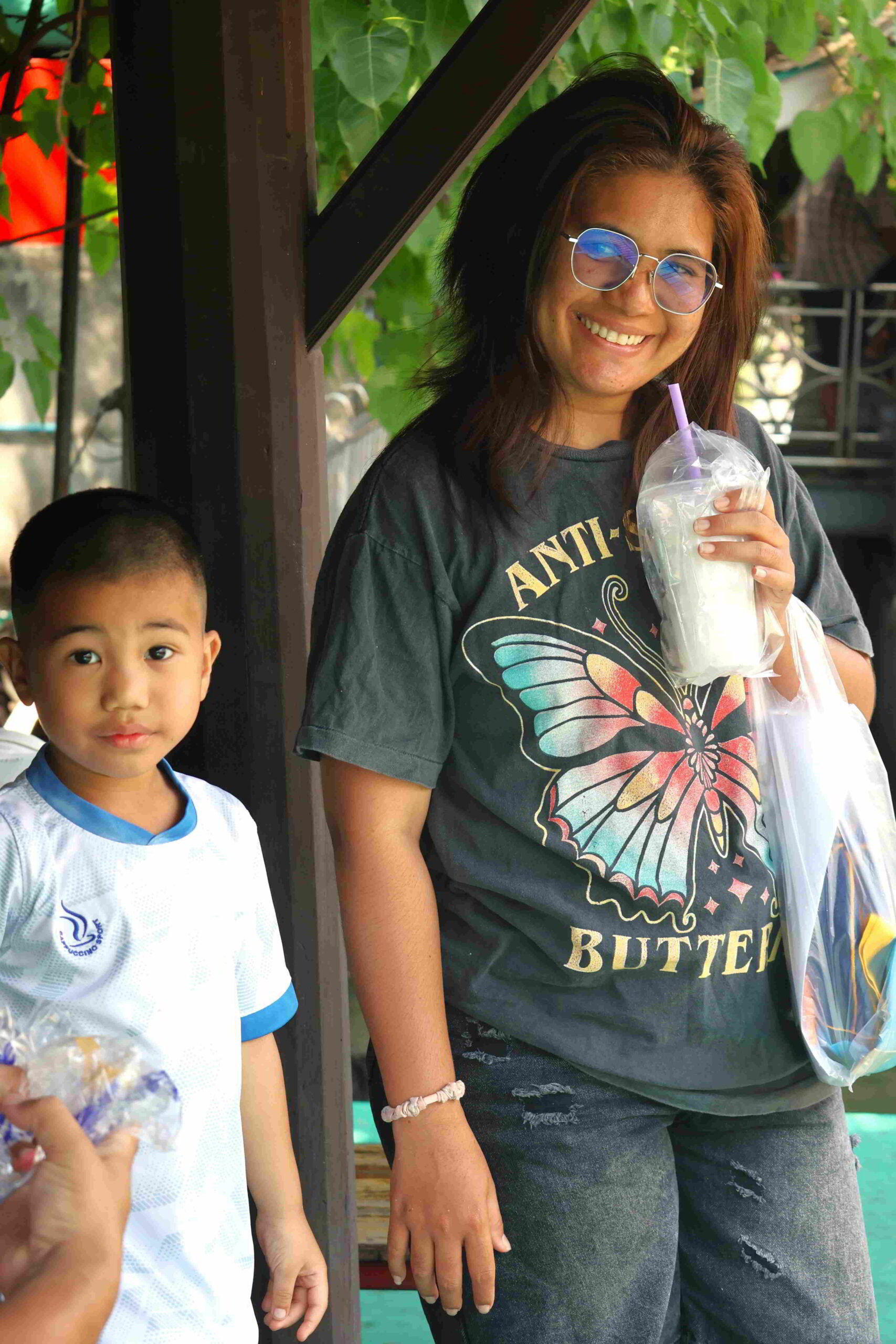
Bangkok — Taling Chan Floating Market
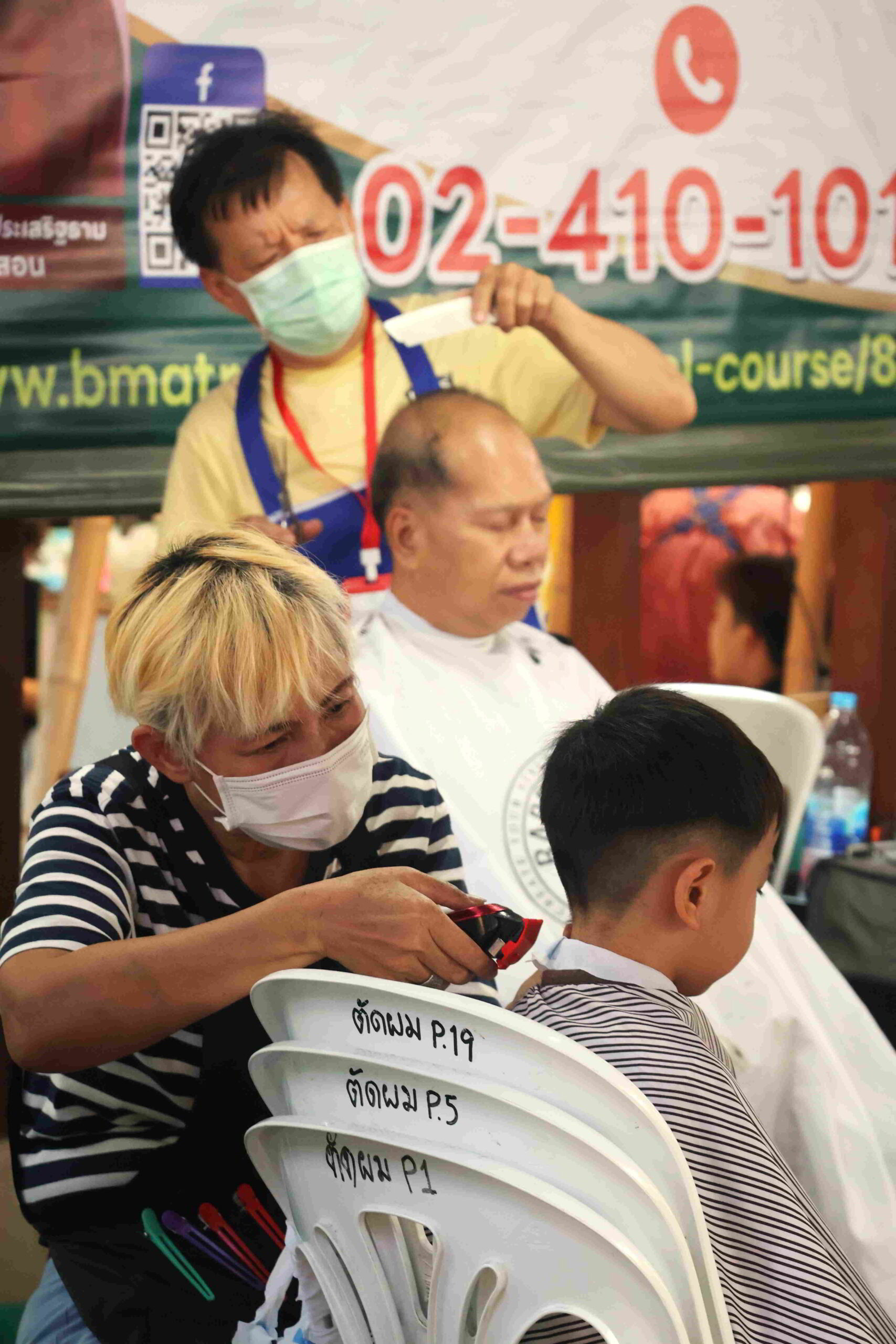
Bangkok — Taling Chan Floating Market
Bangkok — Taling Chan Floating Market
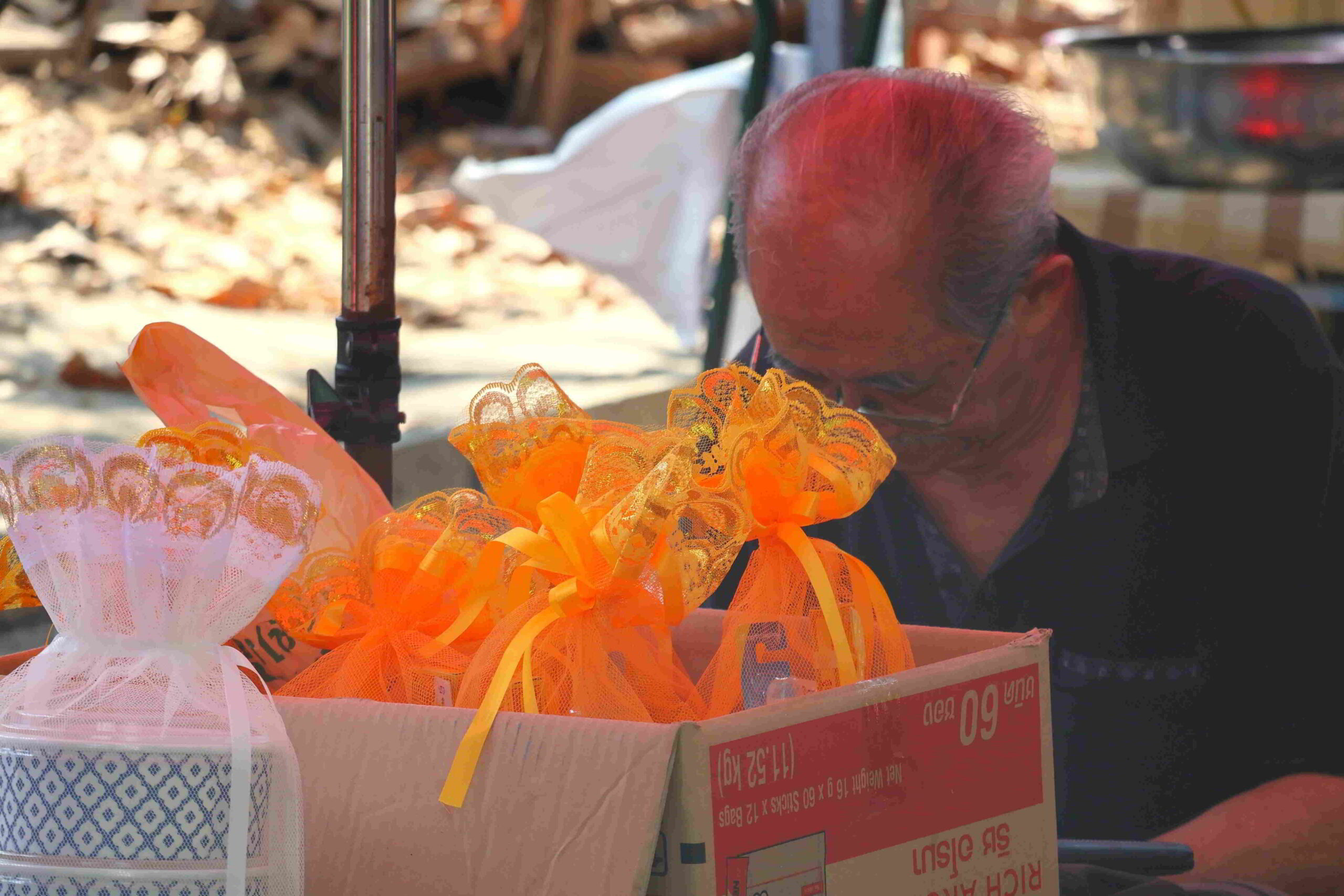
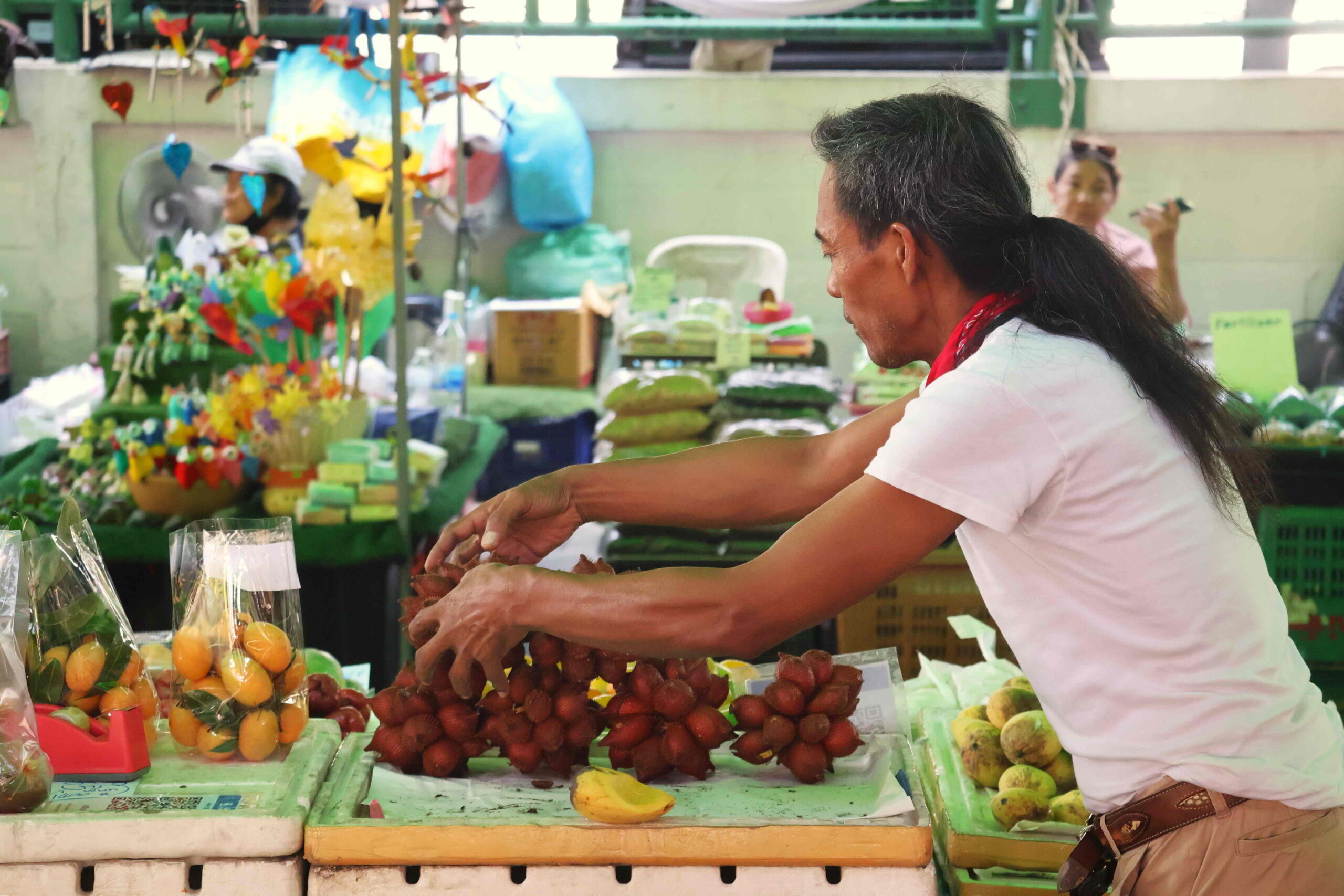
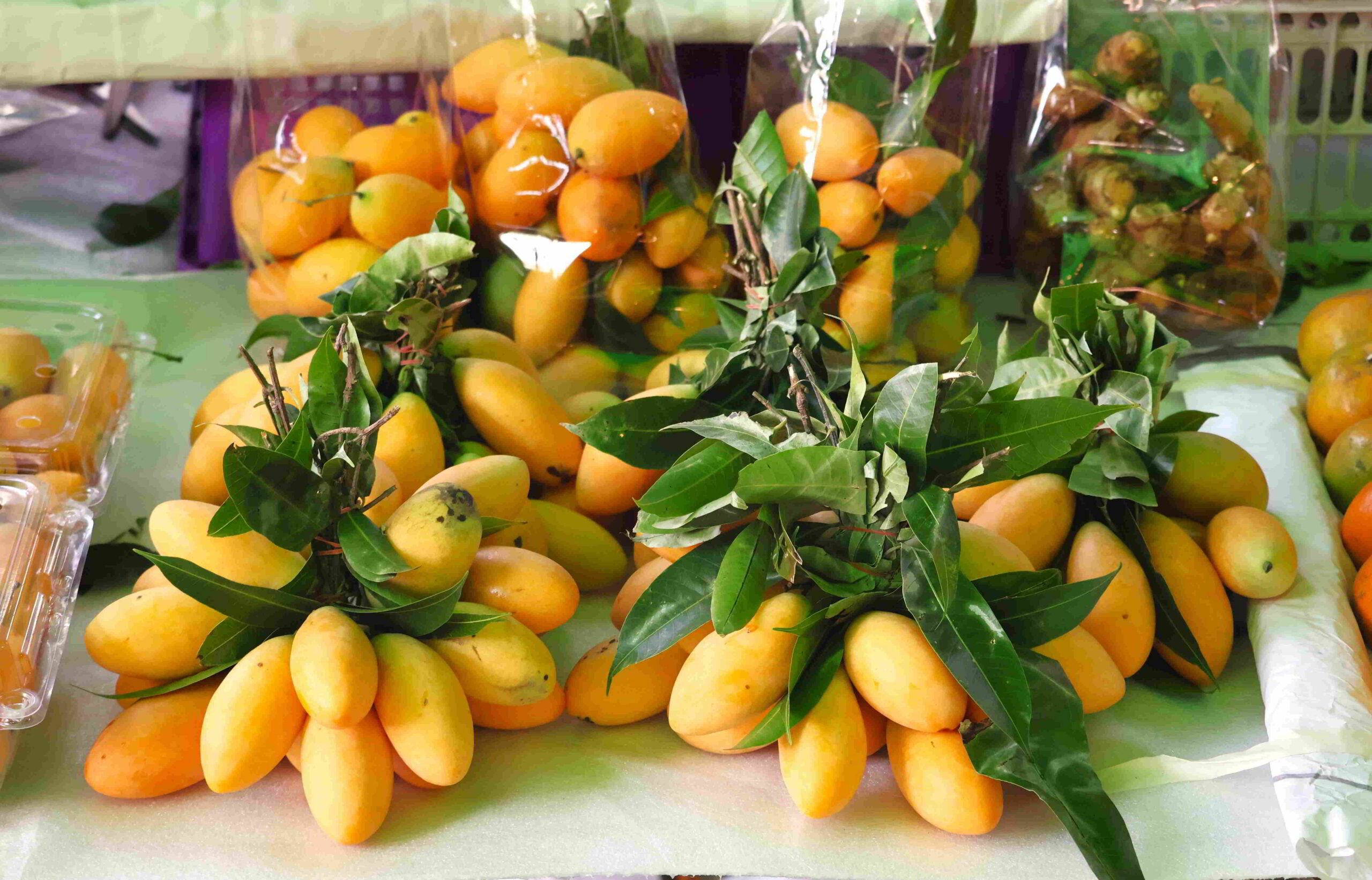
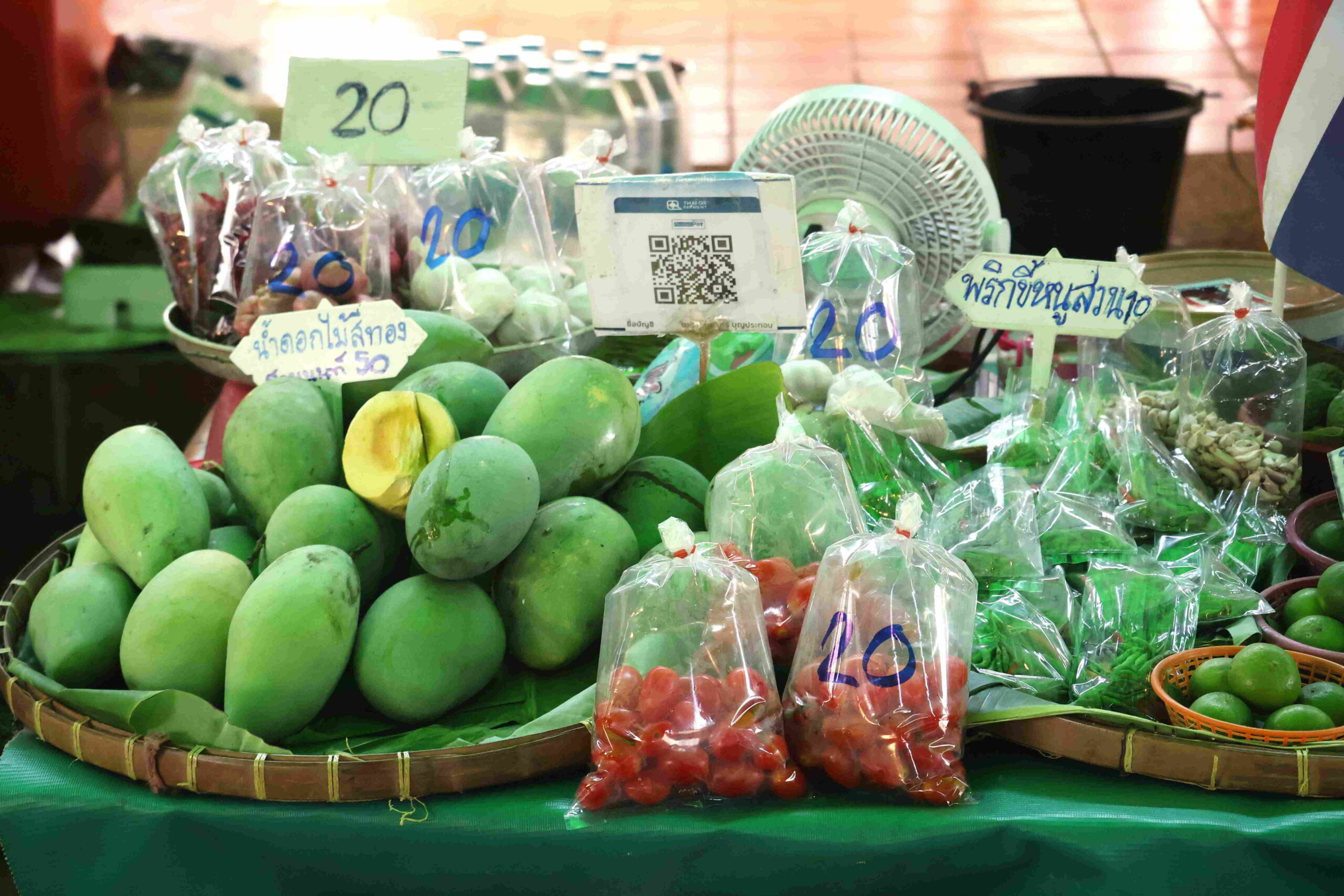
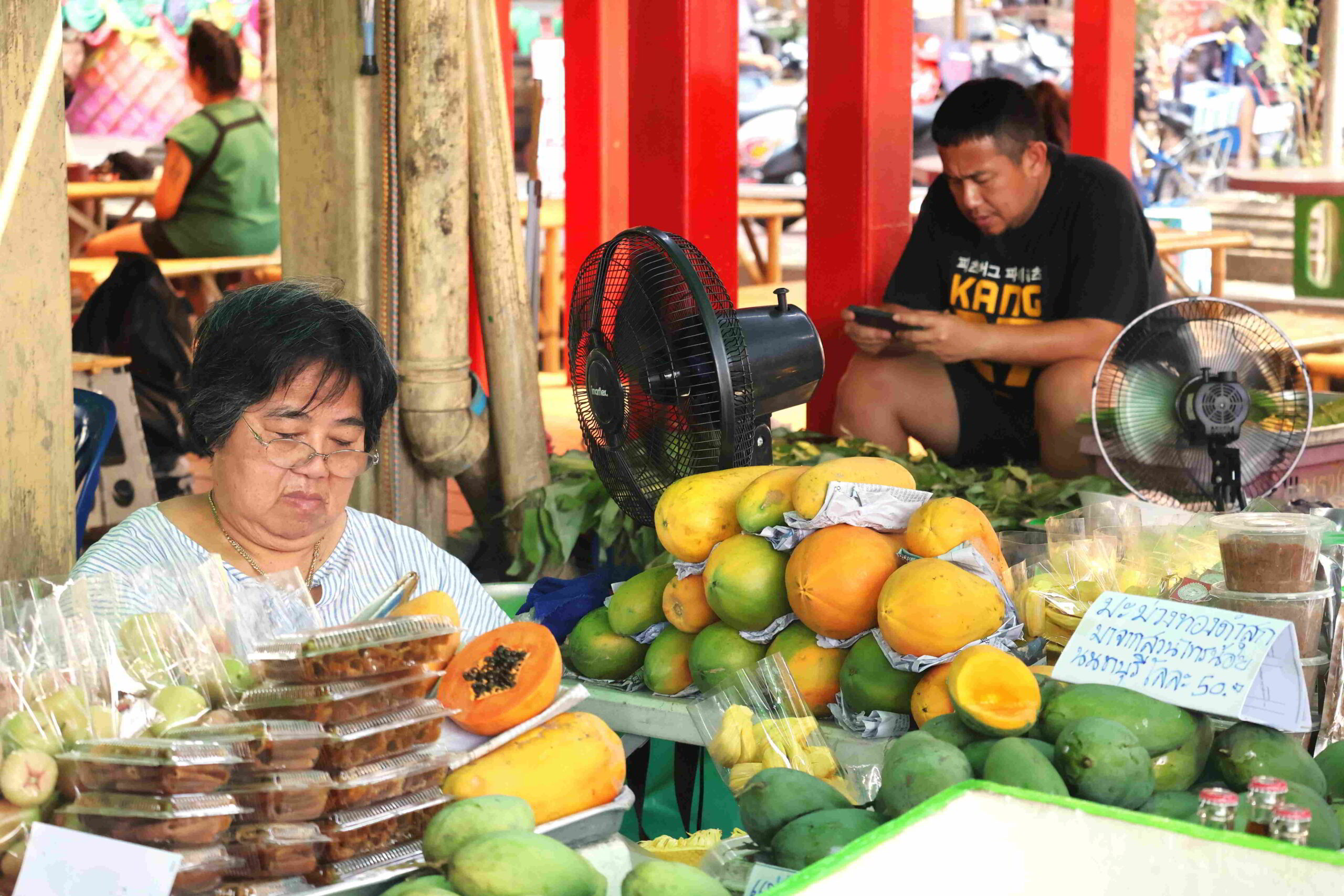
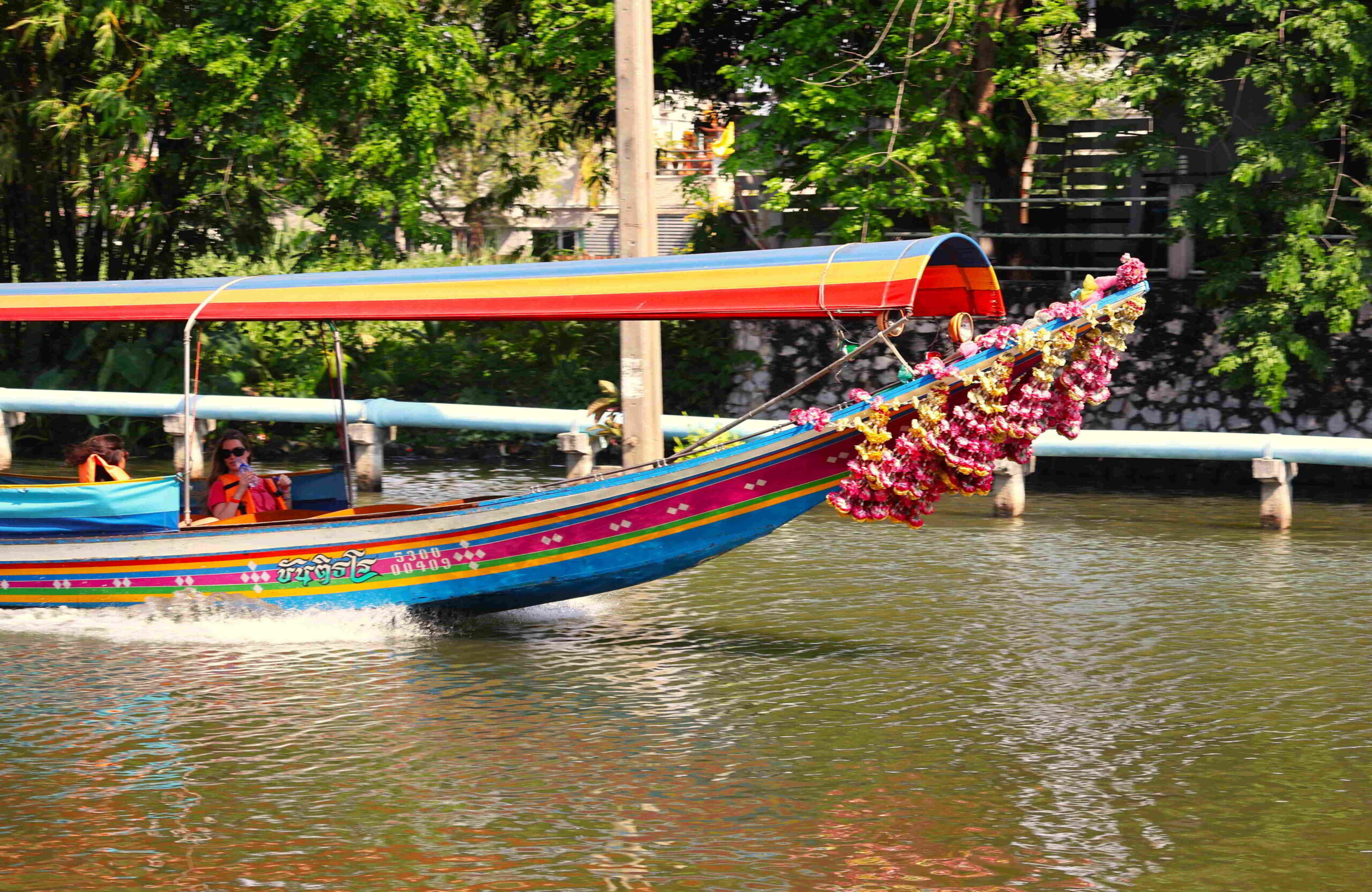
As the markets are known to tourists and accessible by boat from the Chao Phraya river, colourful long boats ply the waters with Caucasian visitors propped expectantly on their thwarts, absorbing the oblique attractions as they explore the outer sphere of this dogeared city. Inland, the market stalls cater primarily to locals, although the occasional Caucasian in matching tropical print shirts and shorts meanders through, attempting to gain an understand of the array of condiments, prebagged fruits and vegetables, cut fruit, snacks, and prepared foods that range from the common to the obscure. From my limited experience, I sense that the quality of the offering is excellent, and — true to the authenticity of the market — the vendors warm and welcoming, although also unassuming and calm, consummately Thai …
Bangkok — Taling Chan Floating Market
Bangkok — Taling Chan Floating Market
Bangkok — Taling Chan Floating Market
Bangkok — Taling Chan Floating Market
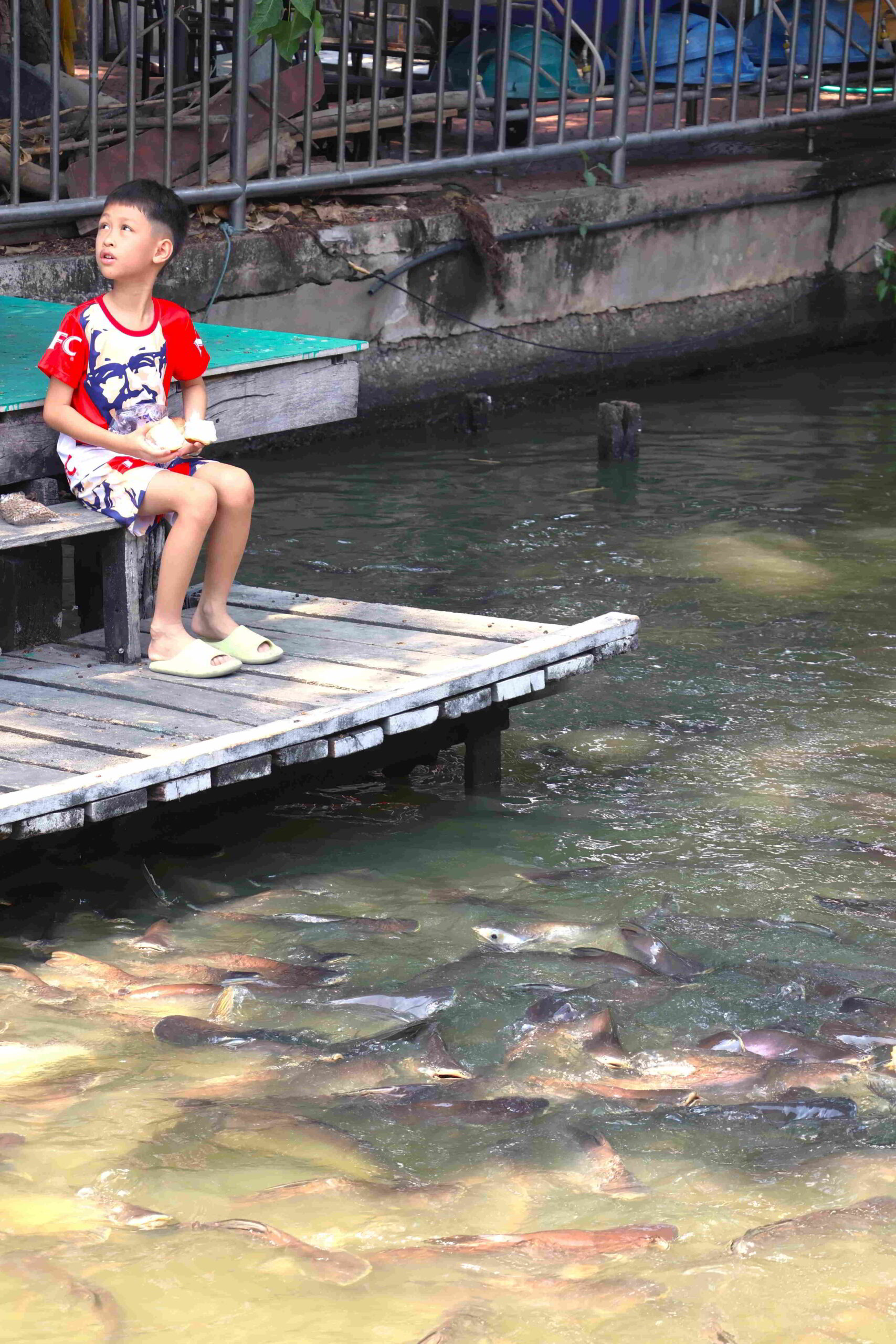
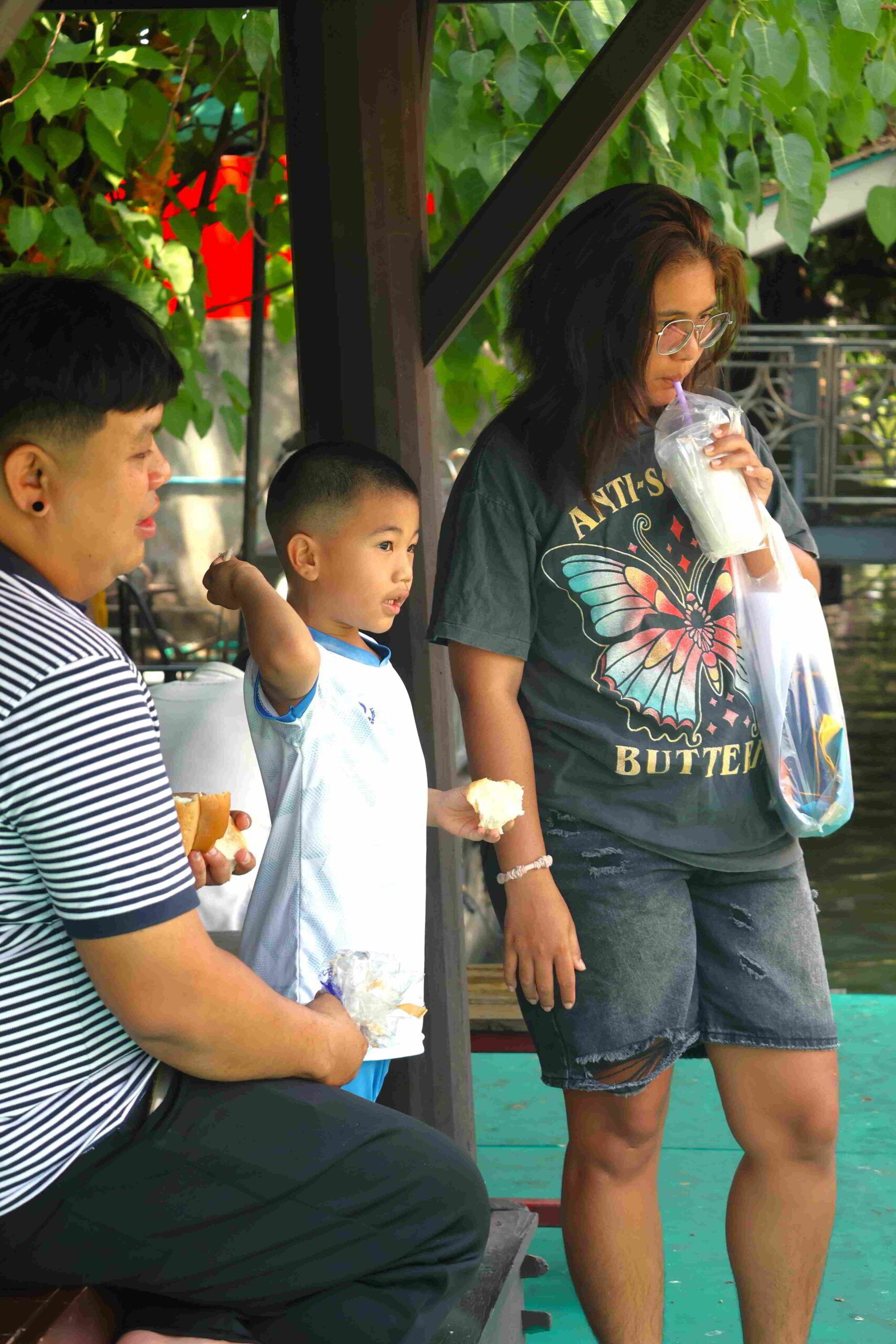
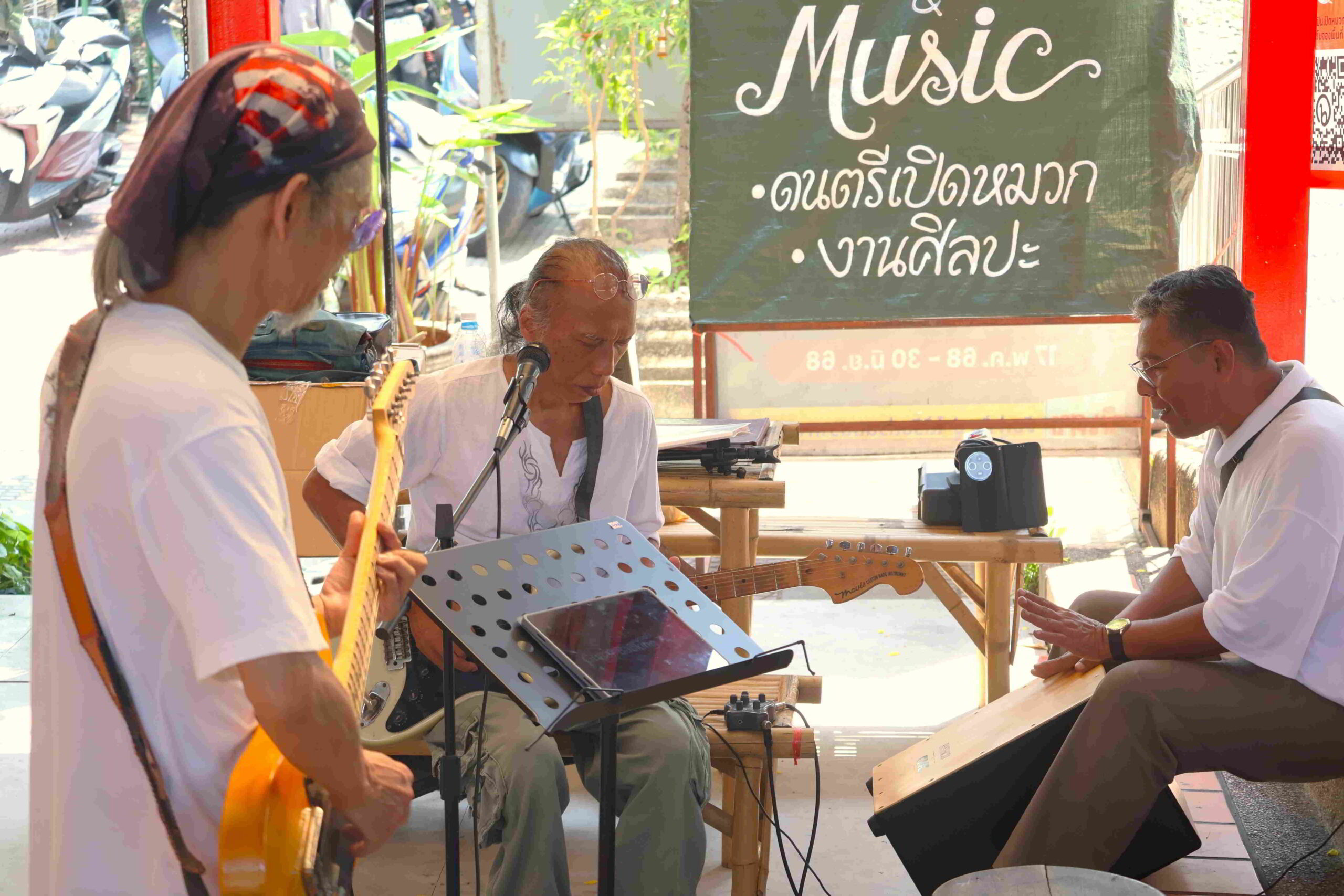
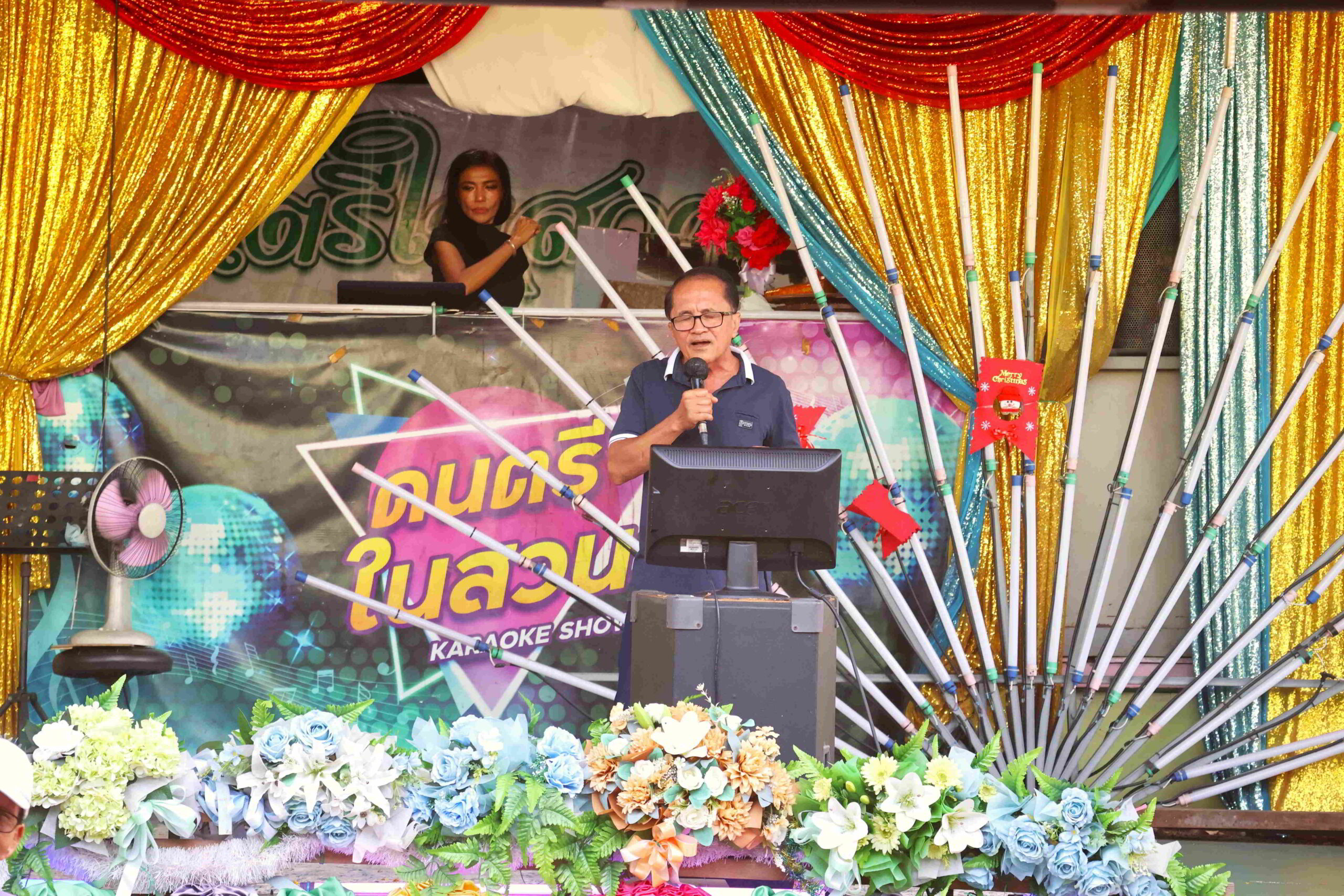
At the far end, a band of 60s relics is playing a blend of psychedelic rock that many westerners may find surprising. A stage is set up for traditional dance performances, although in the absence of any scheduled presentation, several older men twirl around to the recorded pop music emanating from the oversized speakers. There is a koi pond where parents lead their children to feed the fish — what good is a public attraction with no provision for keeping children occupied?
Bangkok — Taling Chan Floating Market
Bangkok — Taling Chan Floating Market
Bangkok — Taling Chan Floating Market
Bangkok — Taling Chan Floating Market
Bangkok — Taling Chan Floating Market
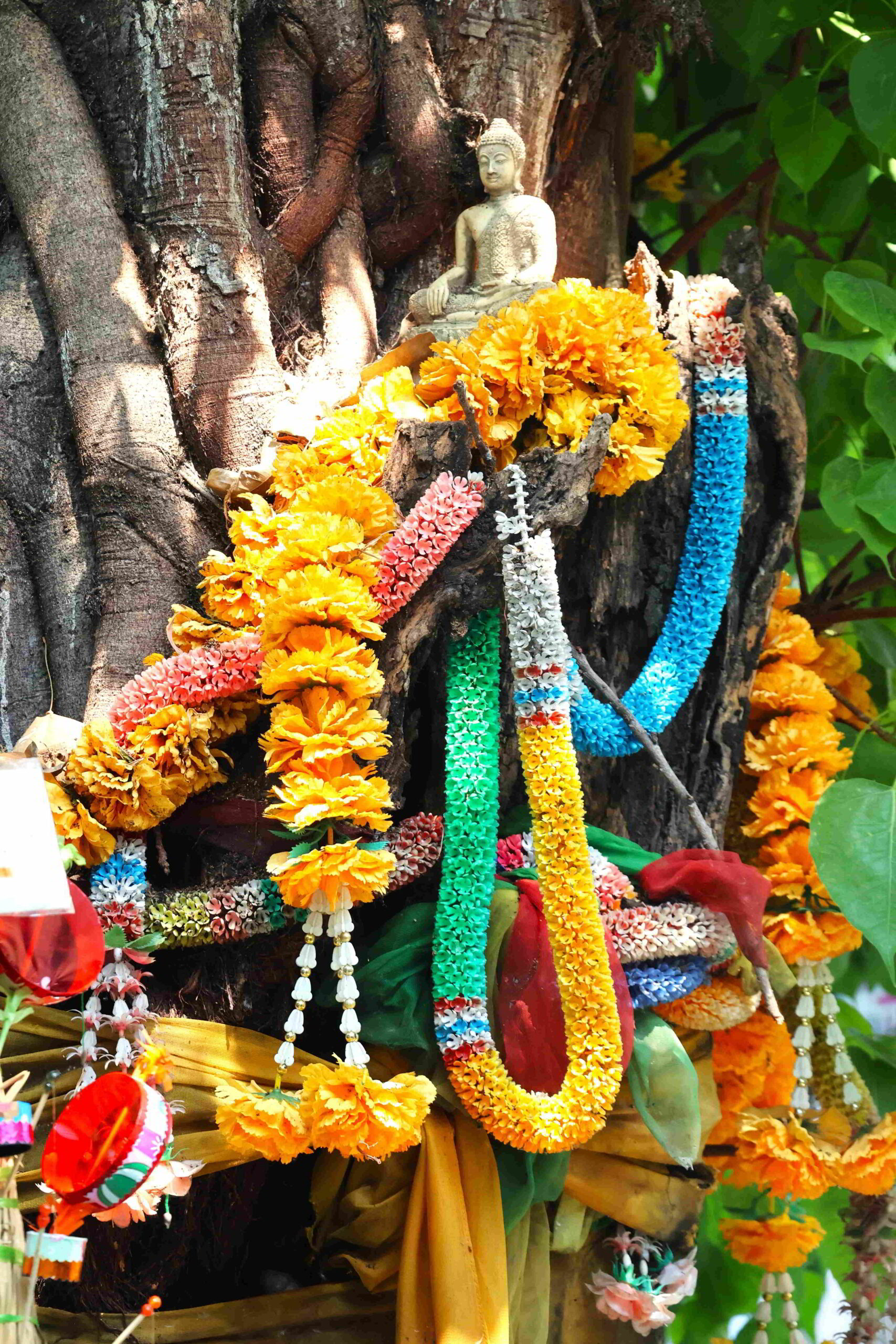
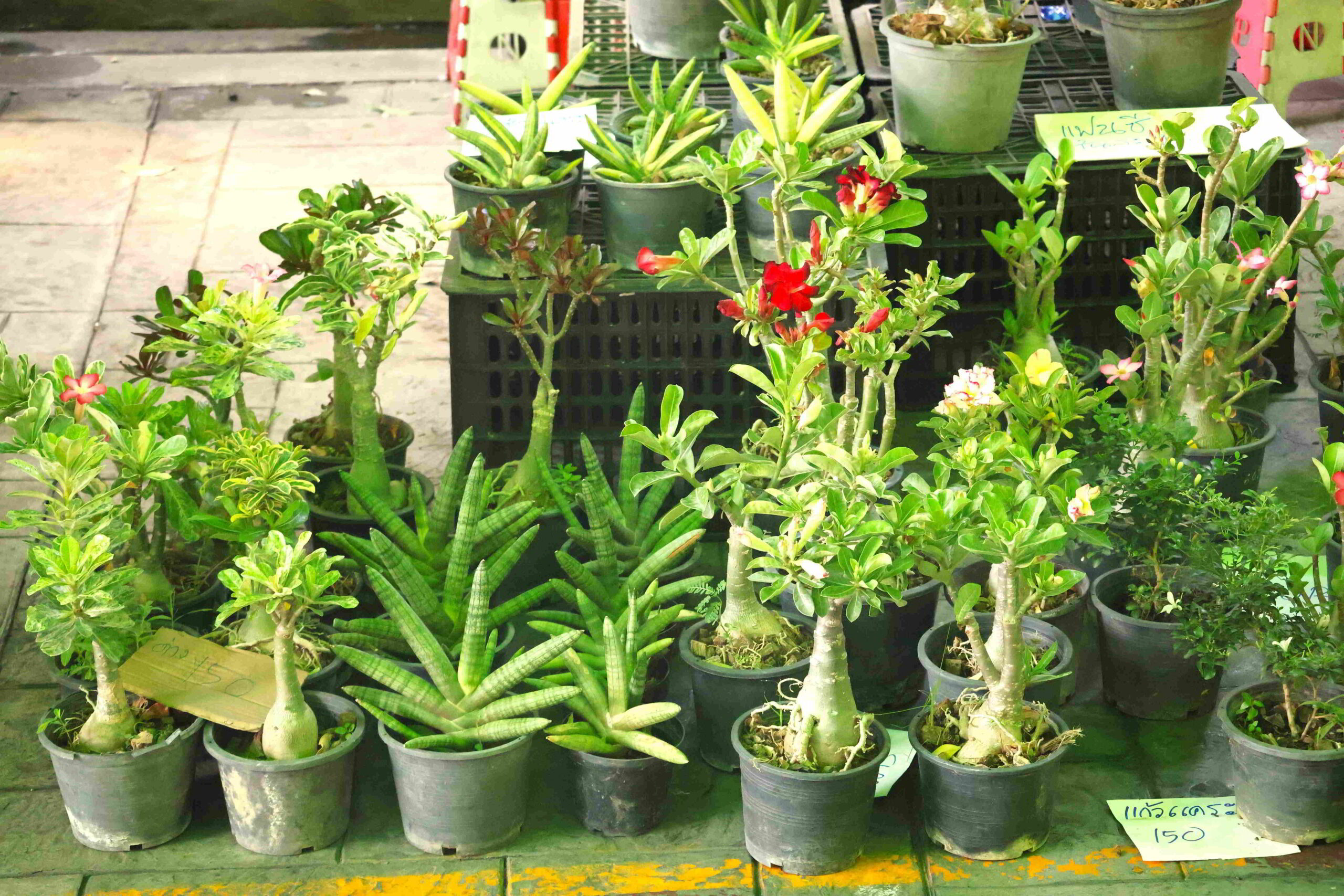
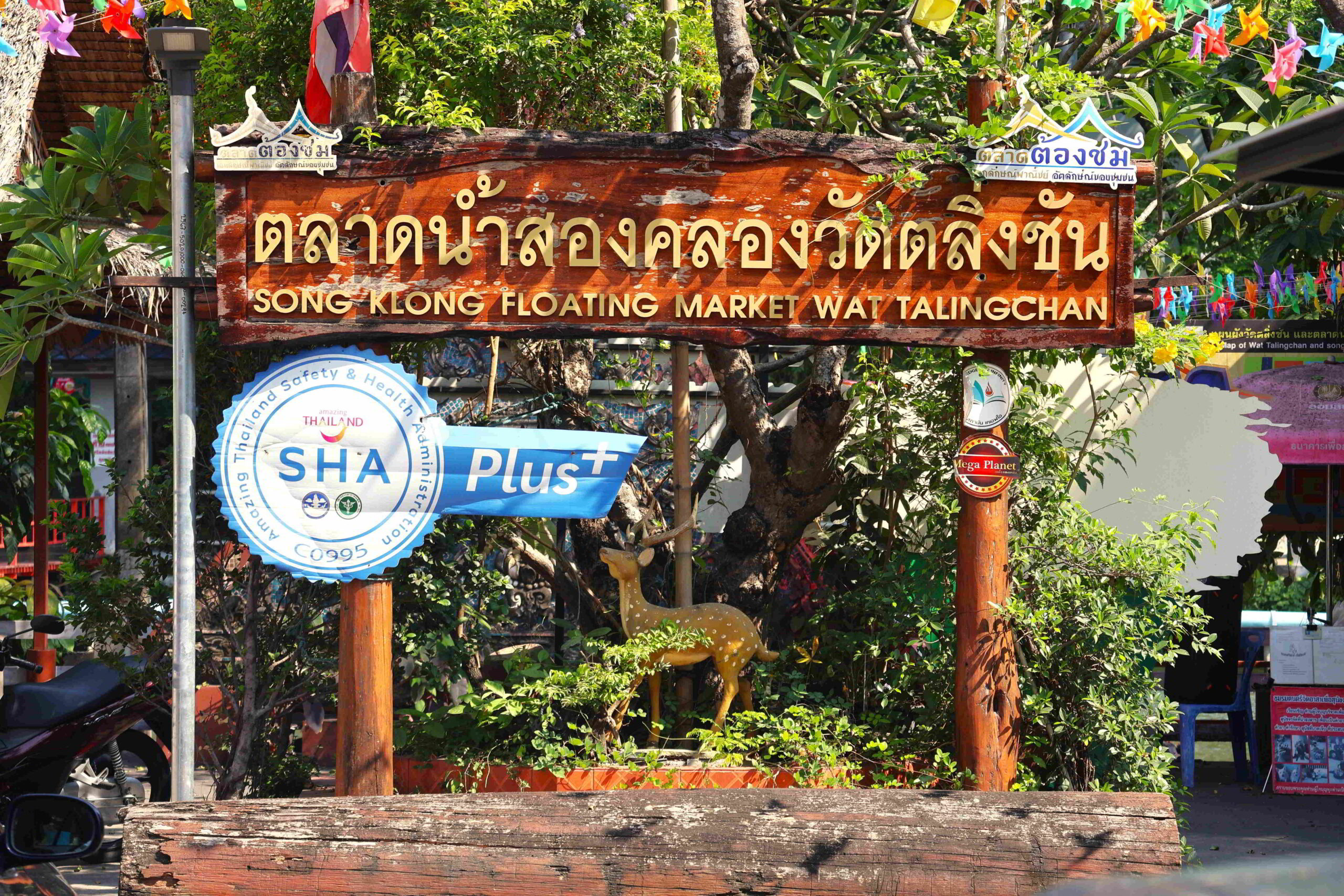
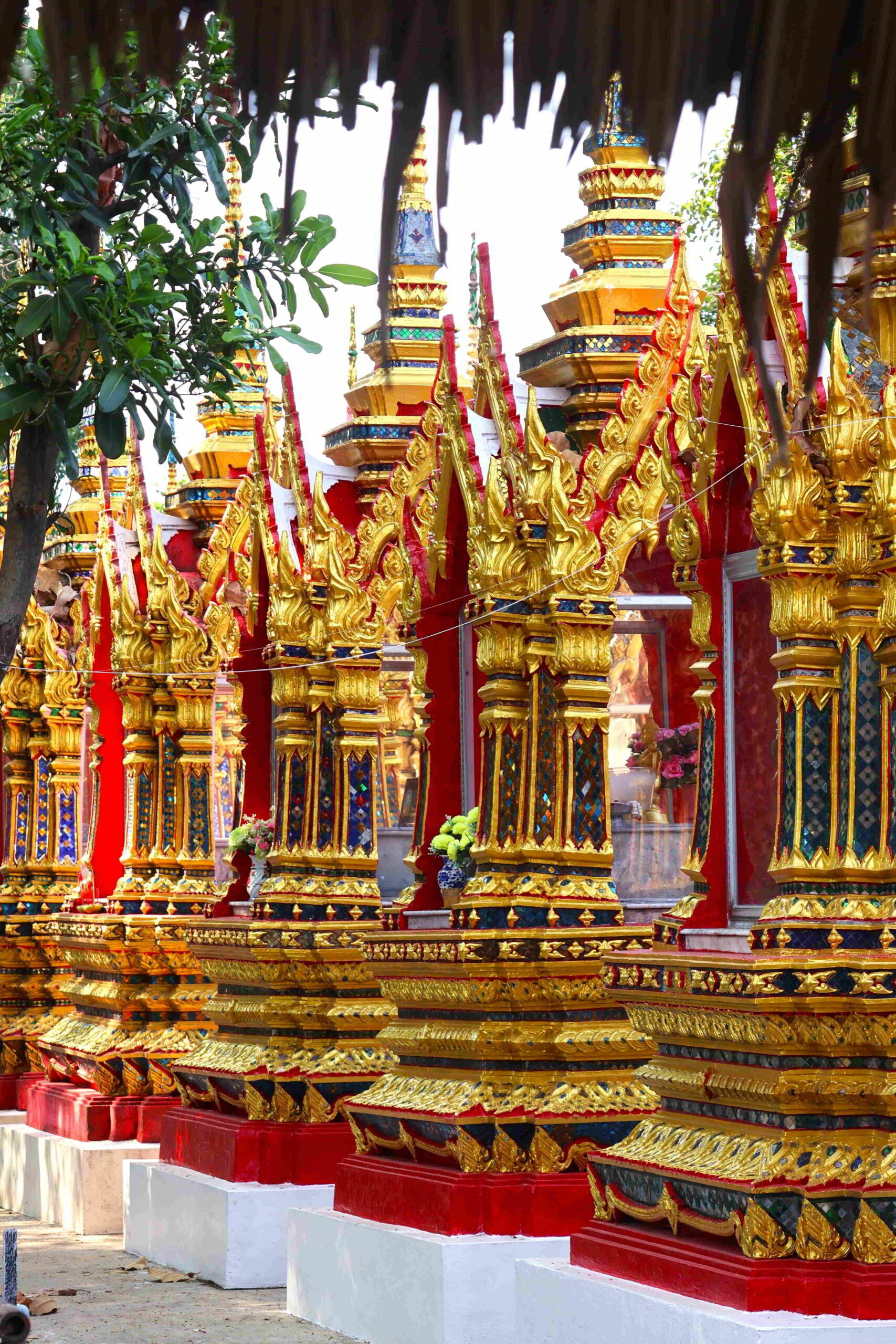
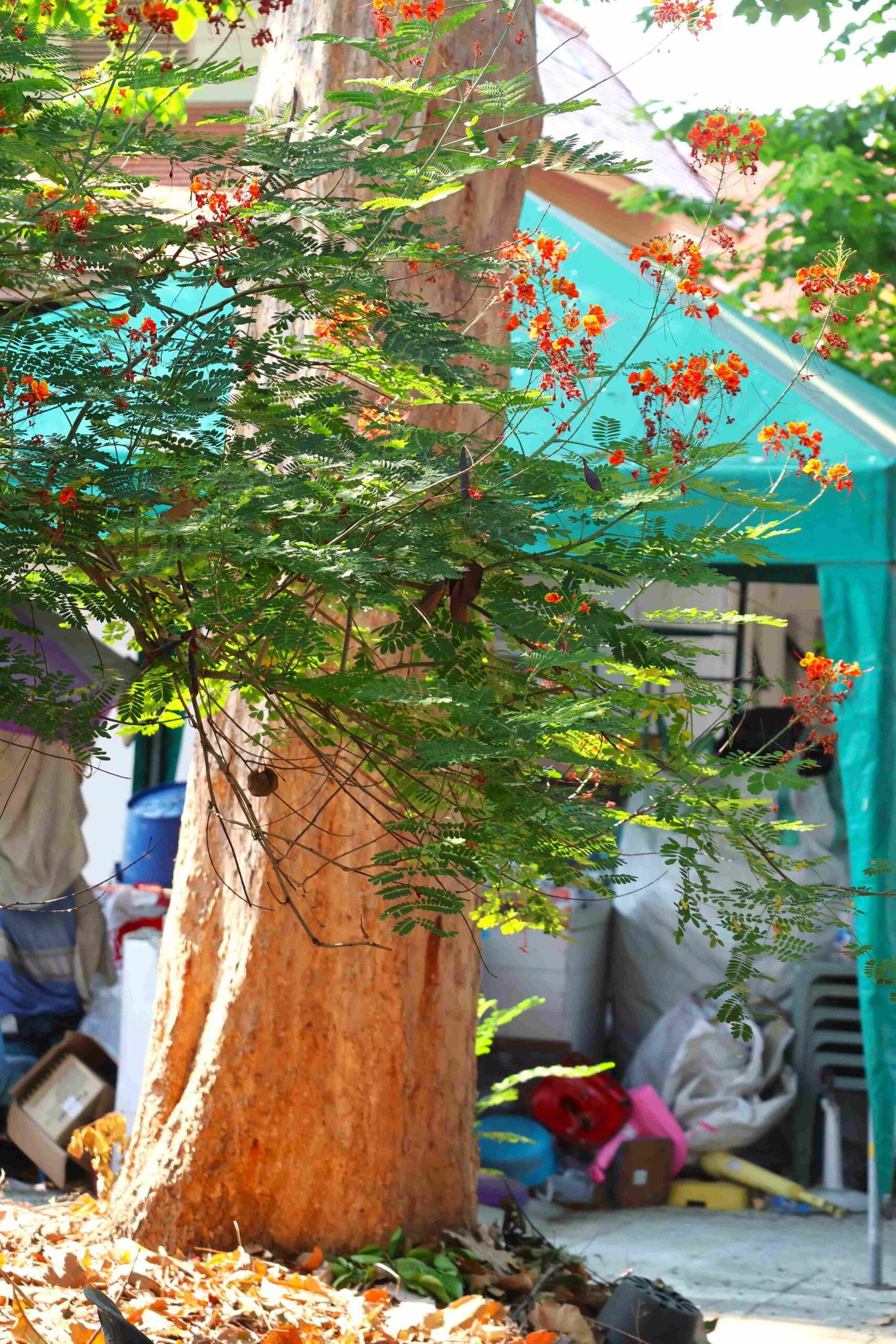
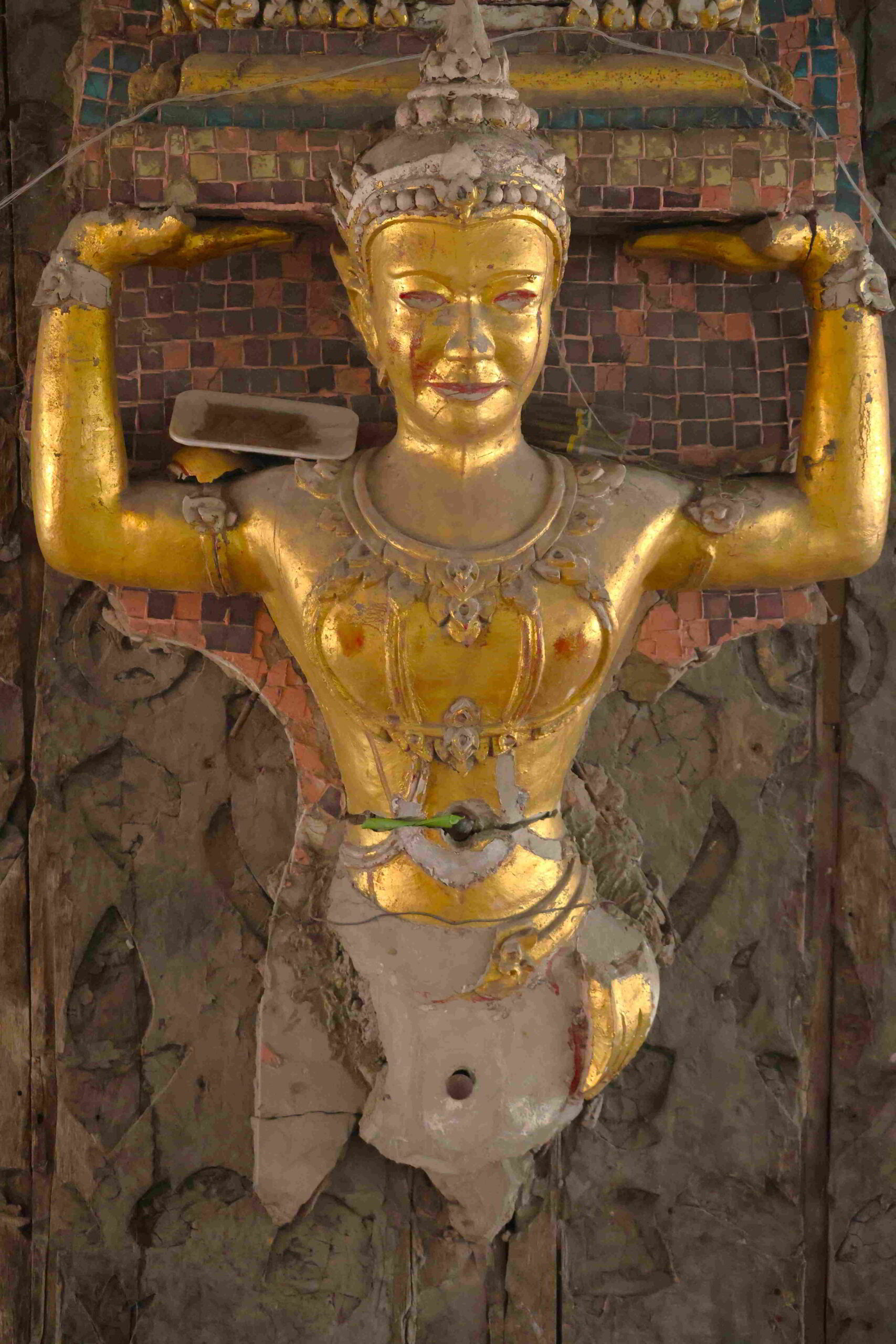
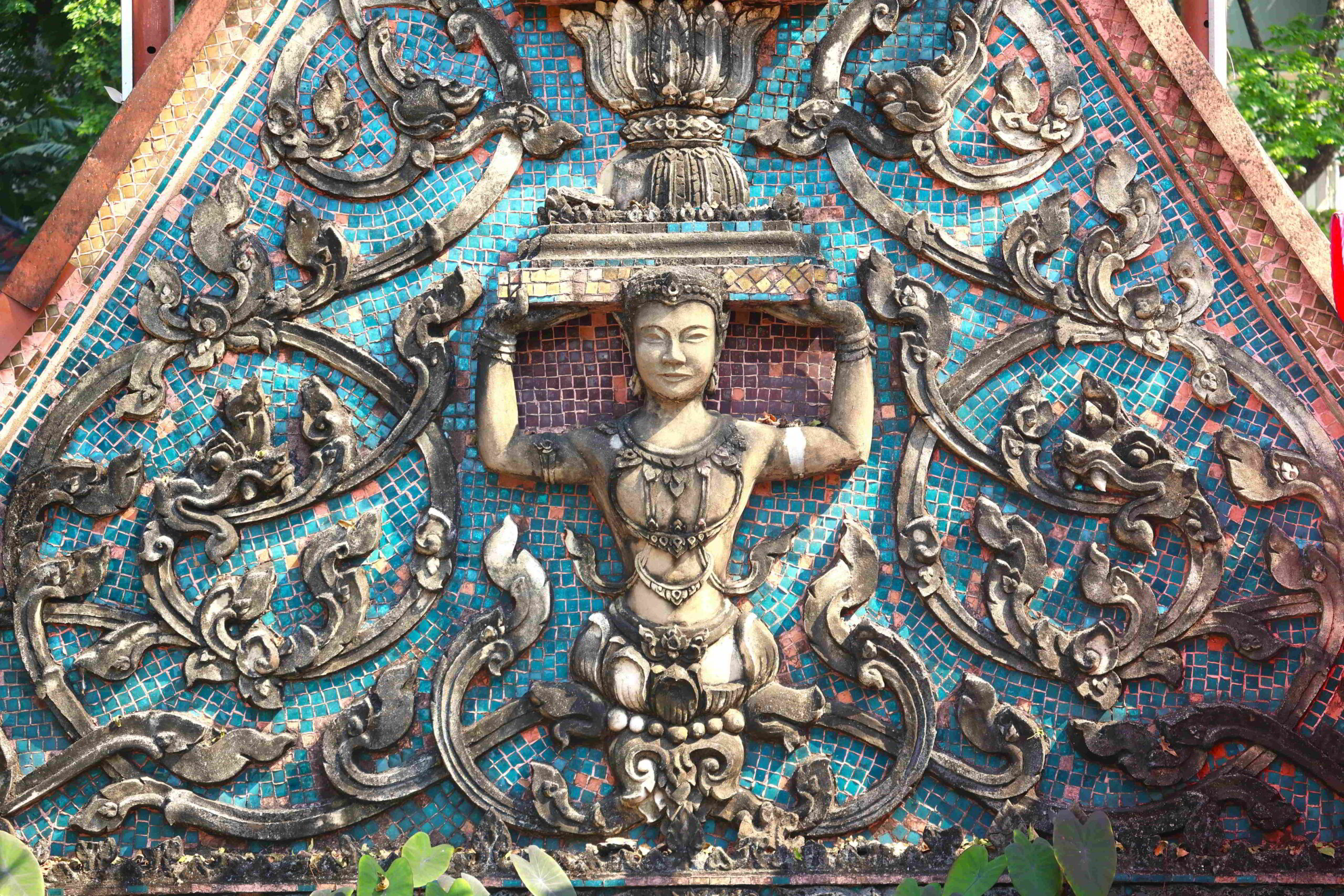
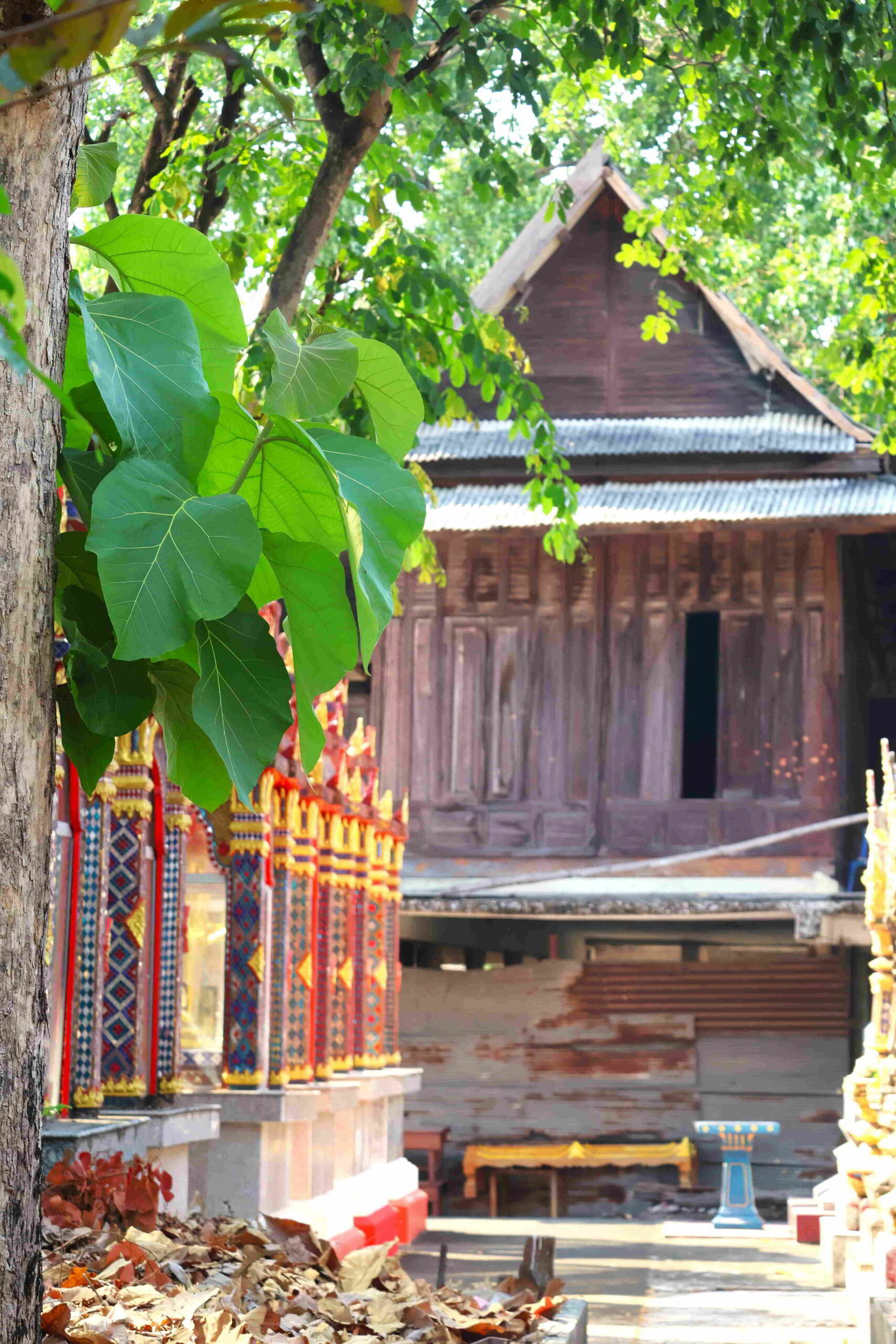
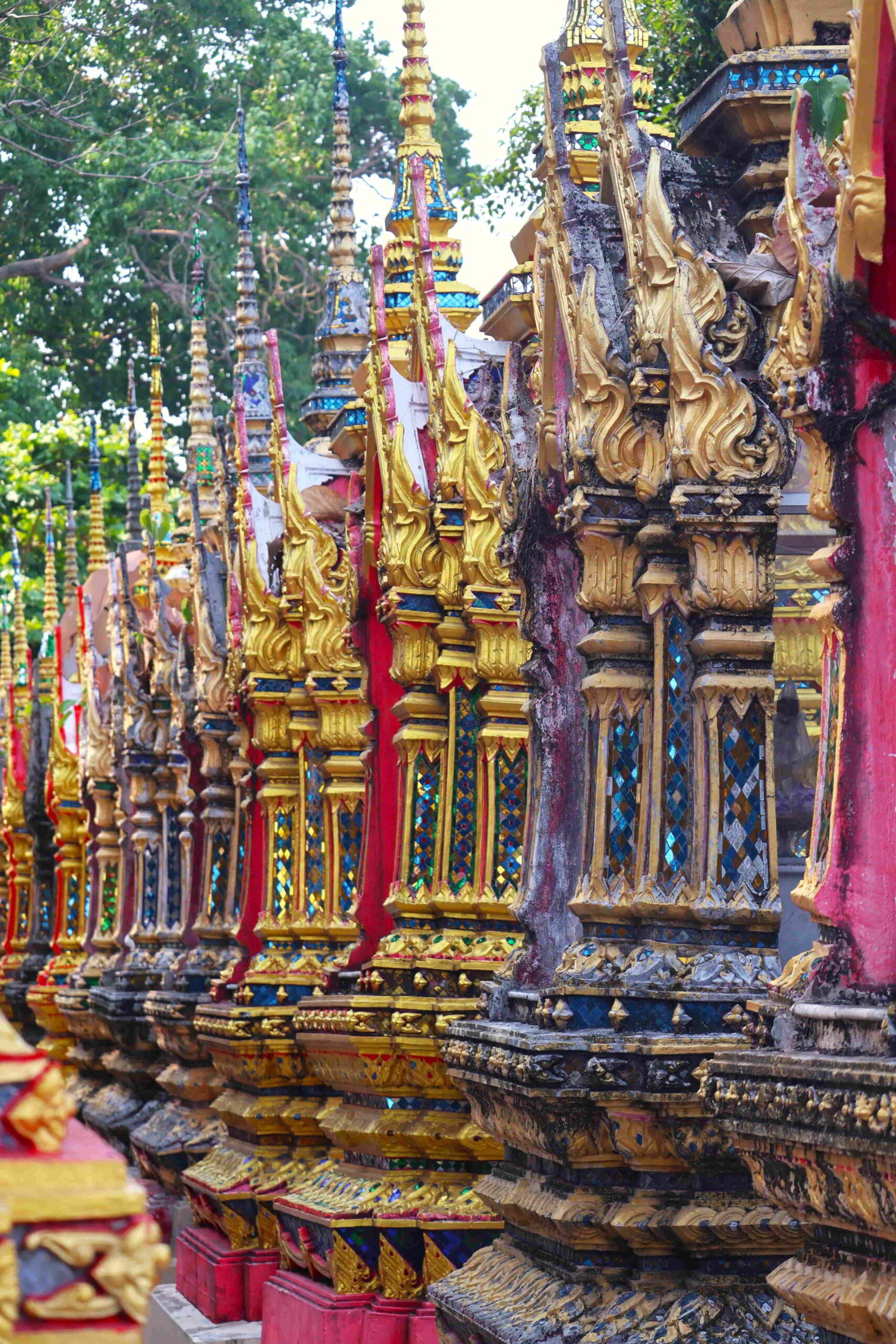
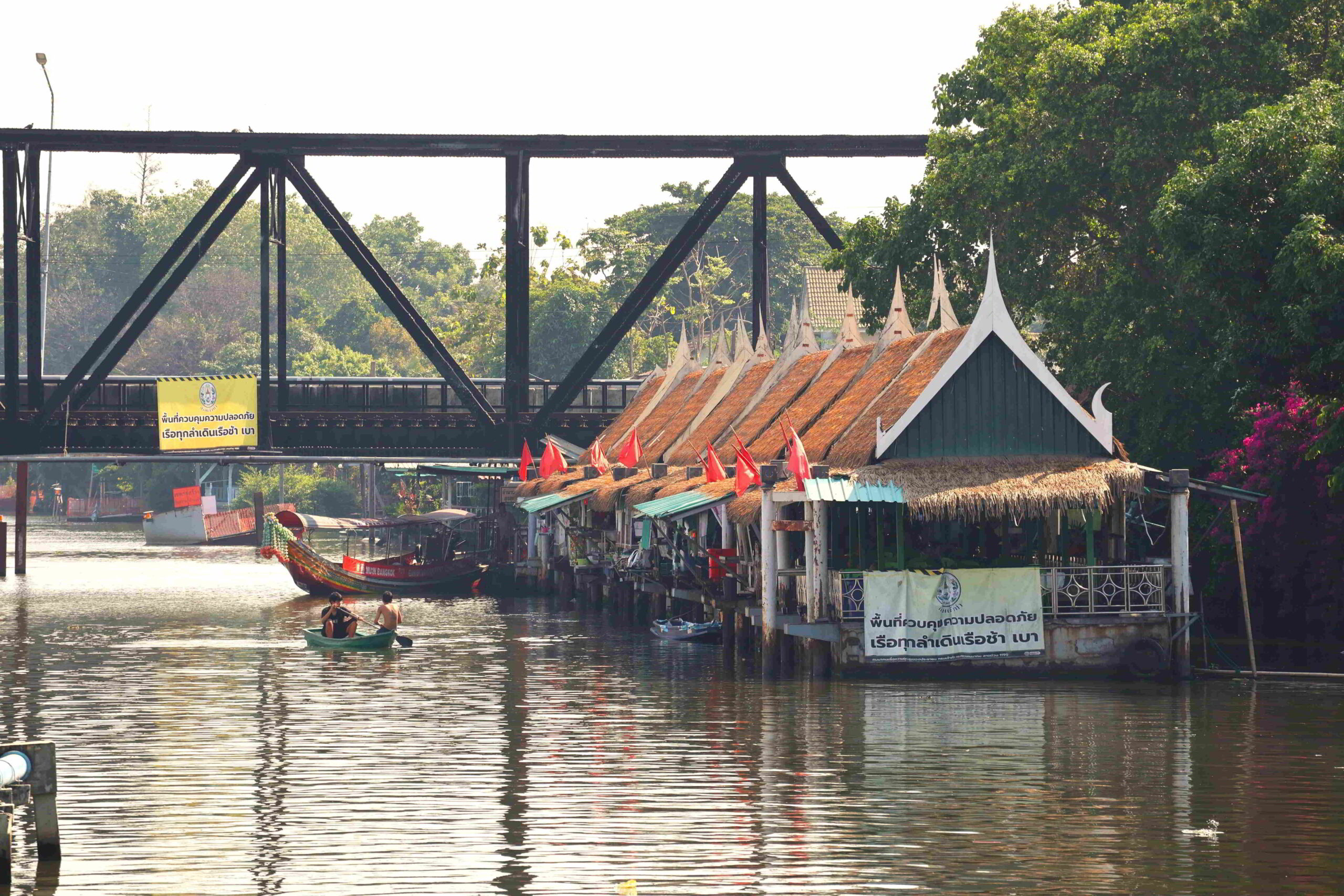
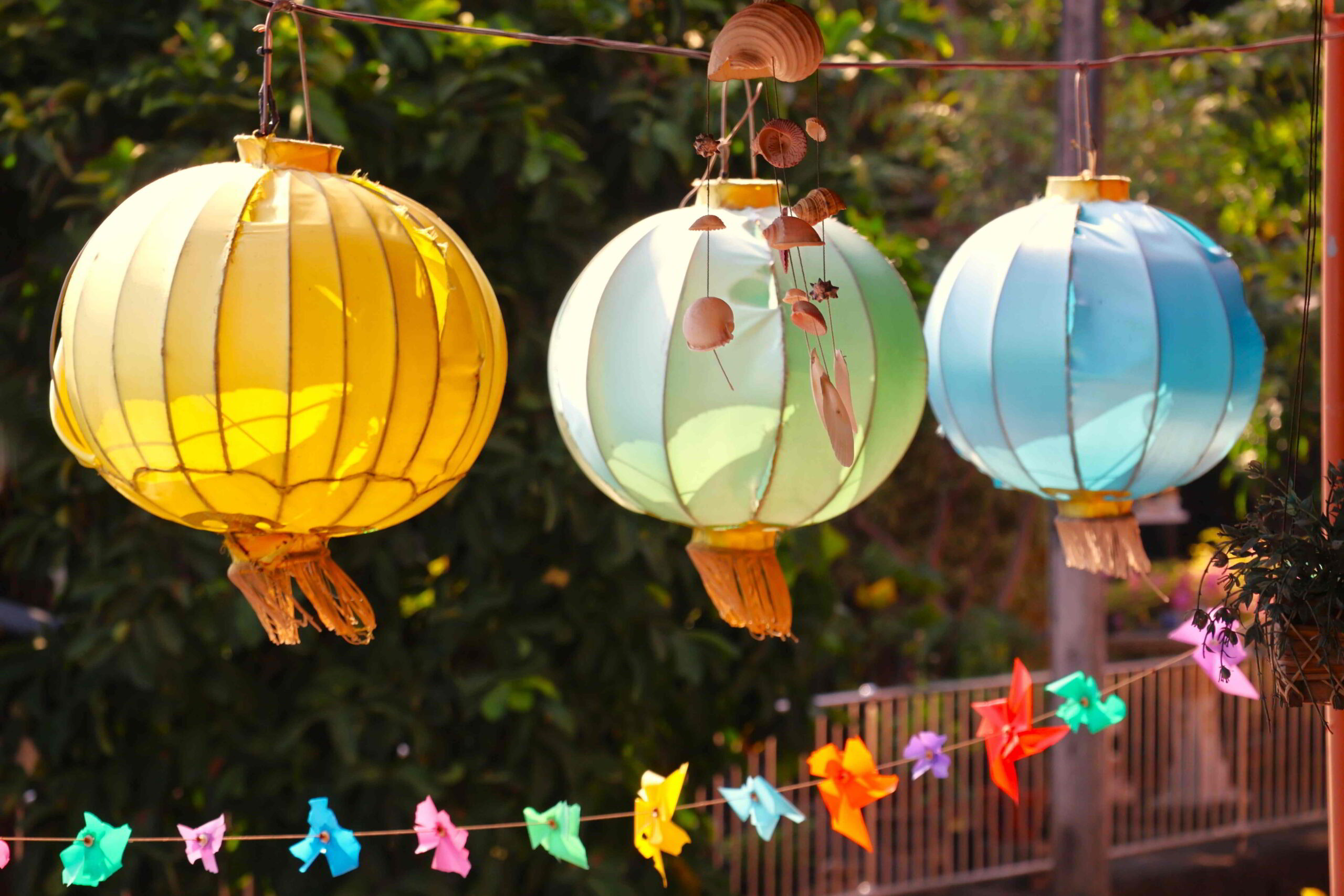
A short walk further north lies the Song Khlong Floating Market, colourful in its own unique way although smaller, and definitively winding down for the day, only a few straggling visitors left to ambivalently peruse the offerings of the vendors on the floating barge anchored along the riverbank that haven’t packed up for the day. But despite the relative inactivity, the surroundings are attractive, including the generously garlanded flowers adorning the market, the colourful longboats passing by on the canal, and the small temple with its rows of elaborately carved spirit houses and majestic trees.
Bangkok — Taling Chan Floating Market
Bangkok — Taling Chan Floating Market
Bangkok — Taling Chan Floating Market
Bangkok — Taling Chan Floating Market
Bangkok — Taling Chan Floating Market
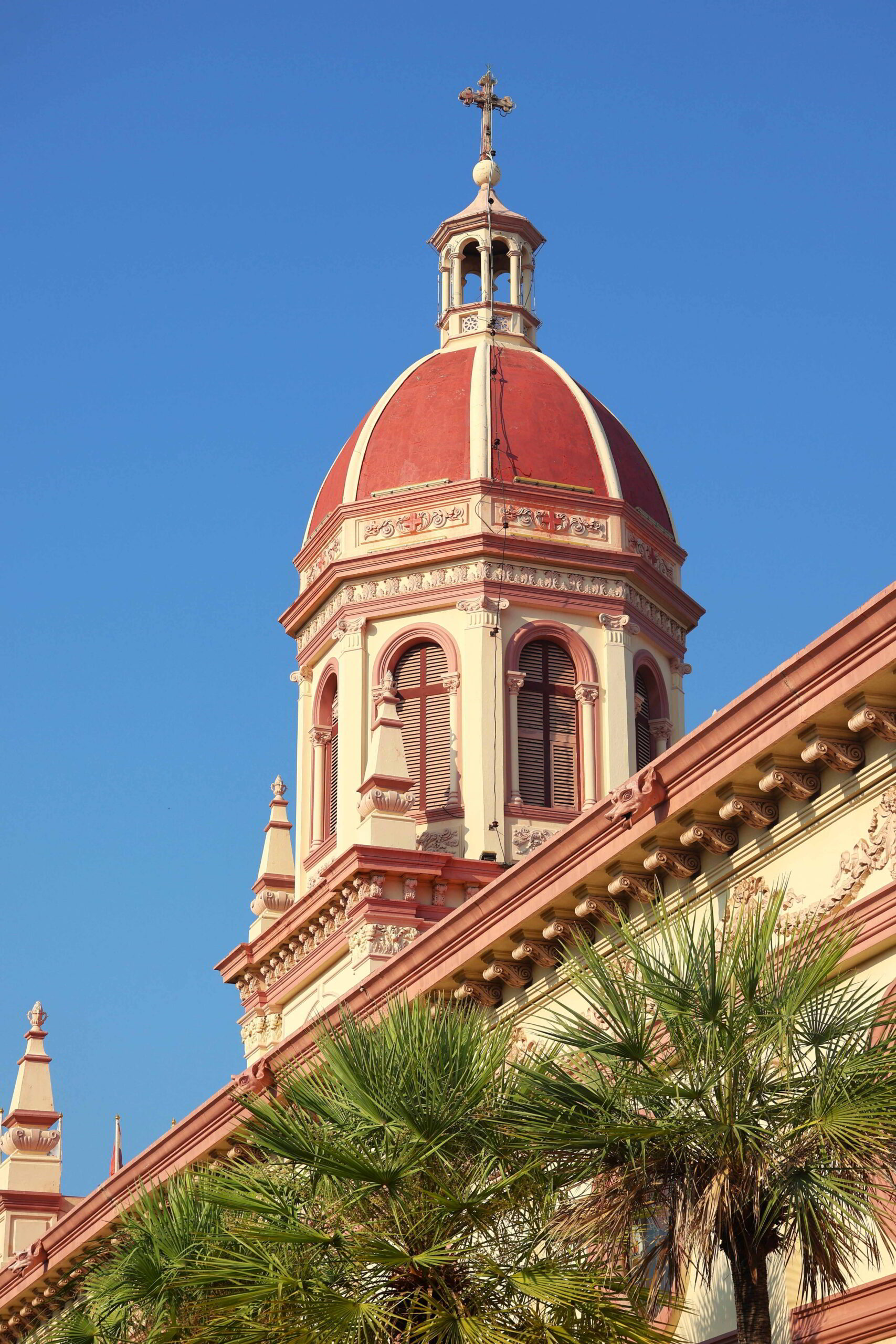
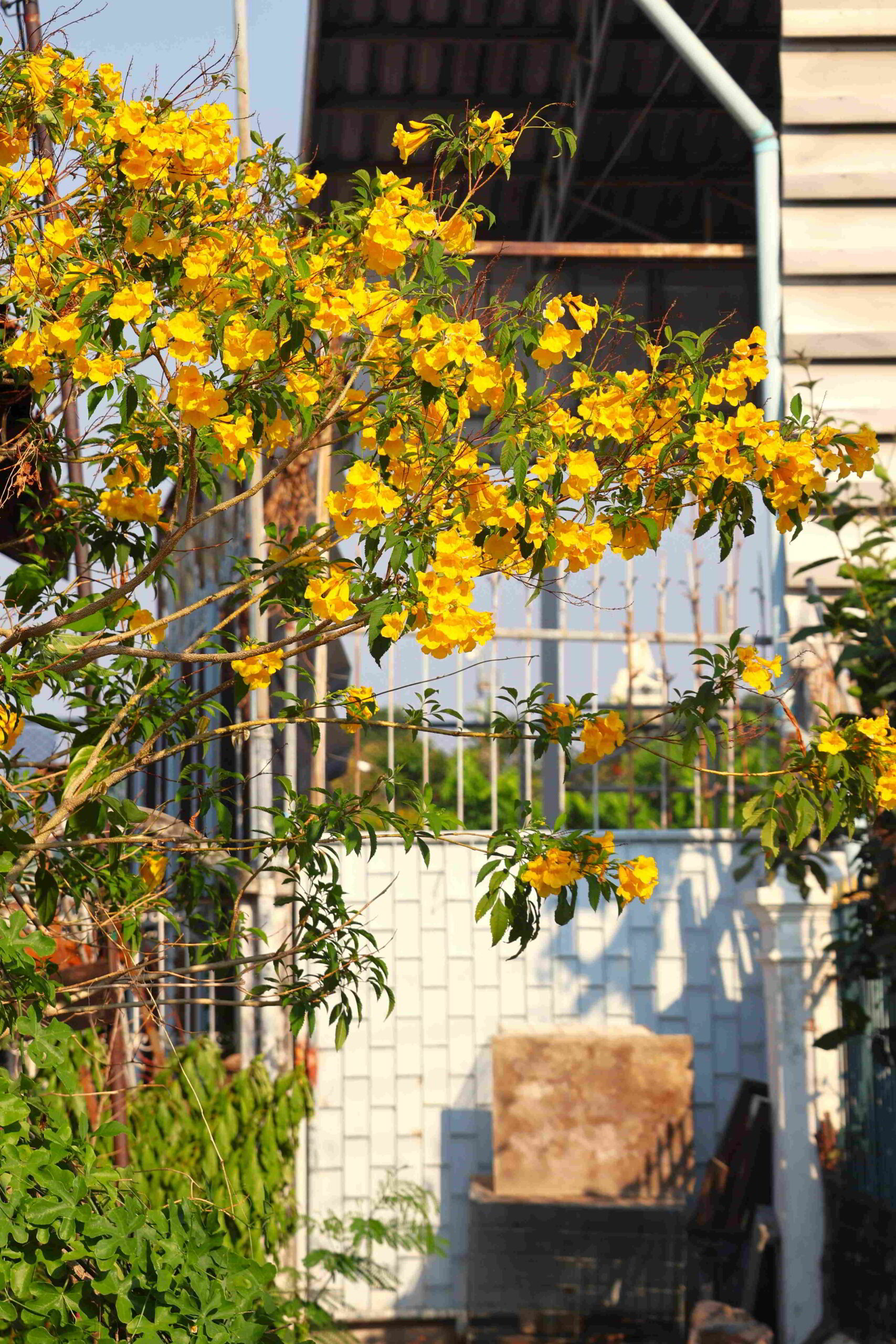
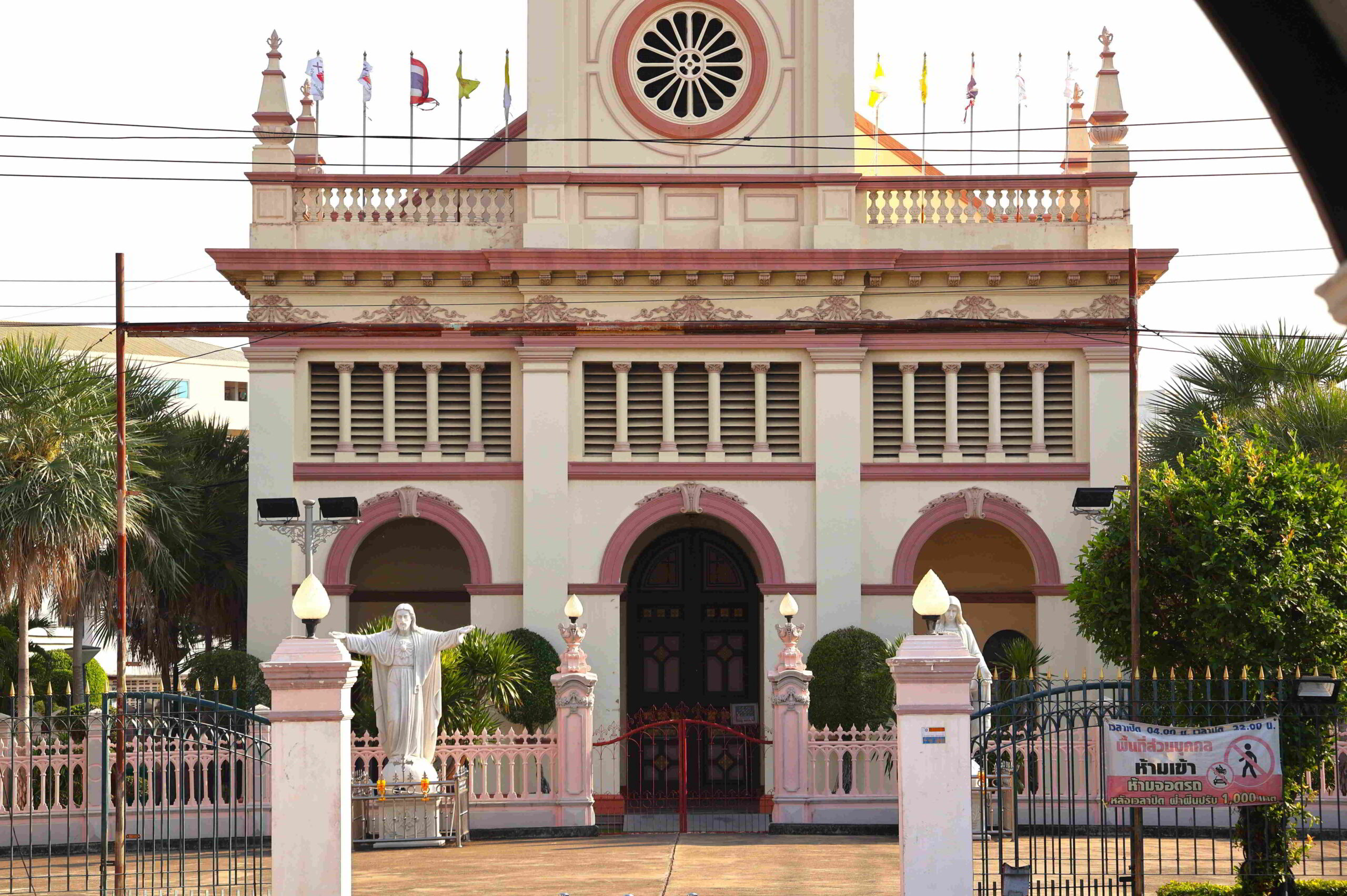
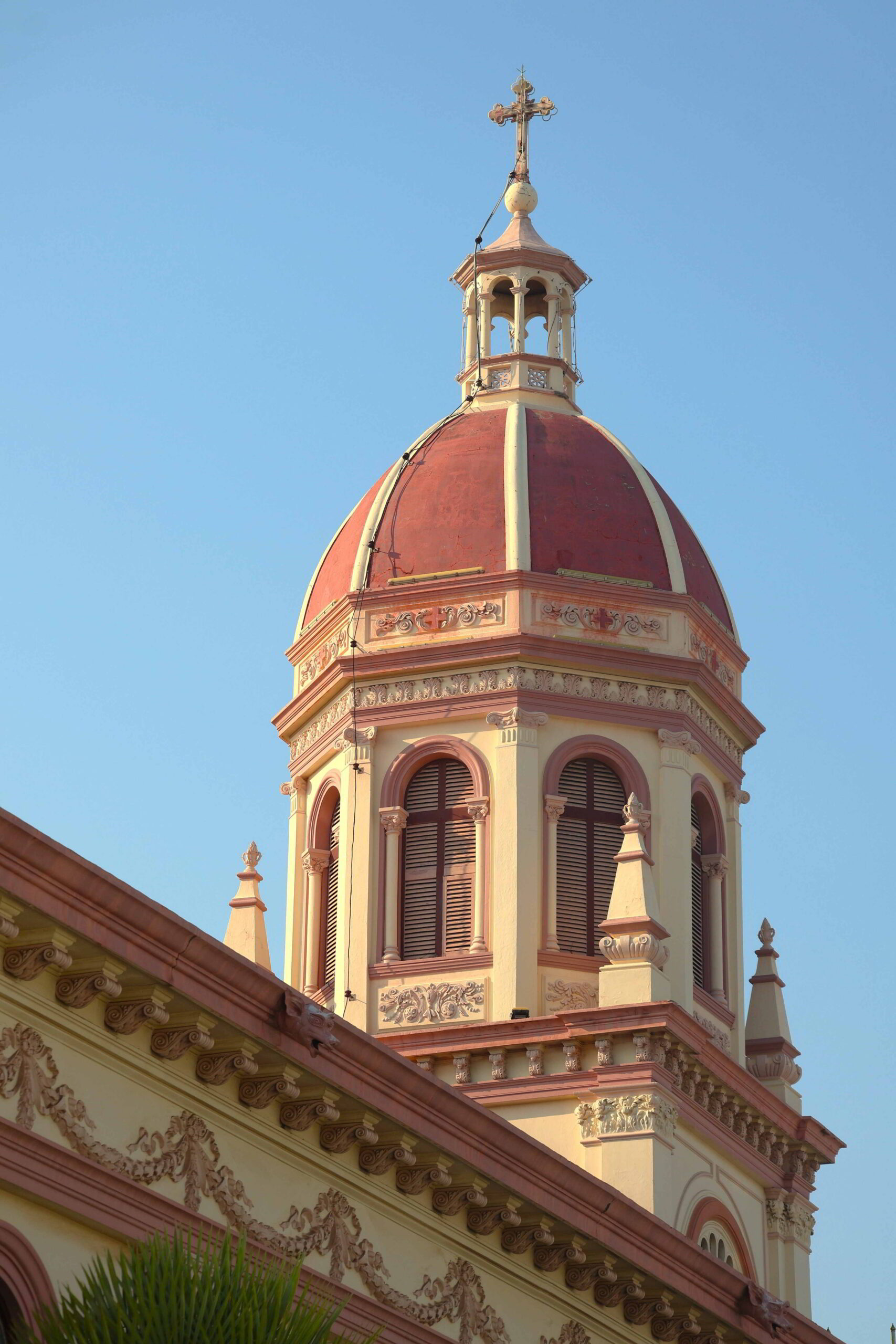
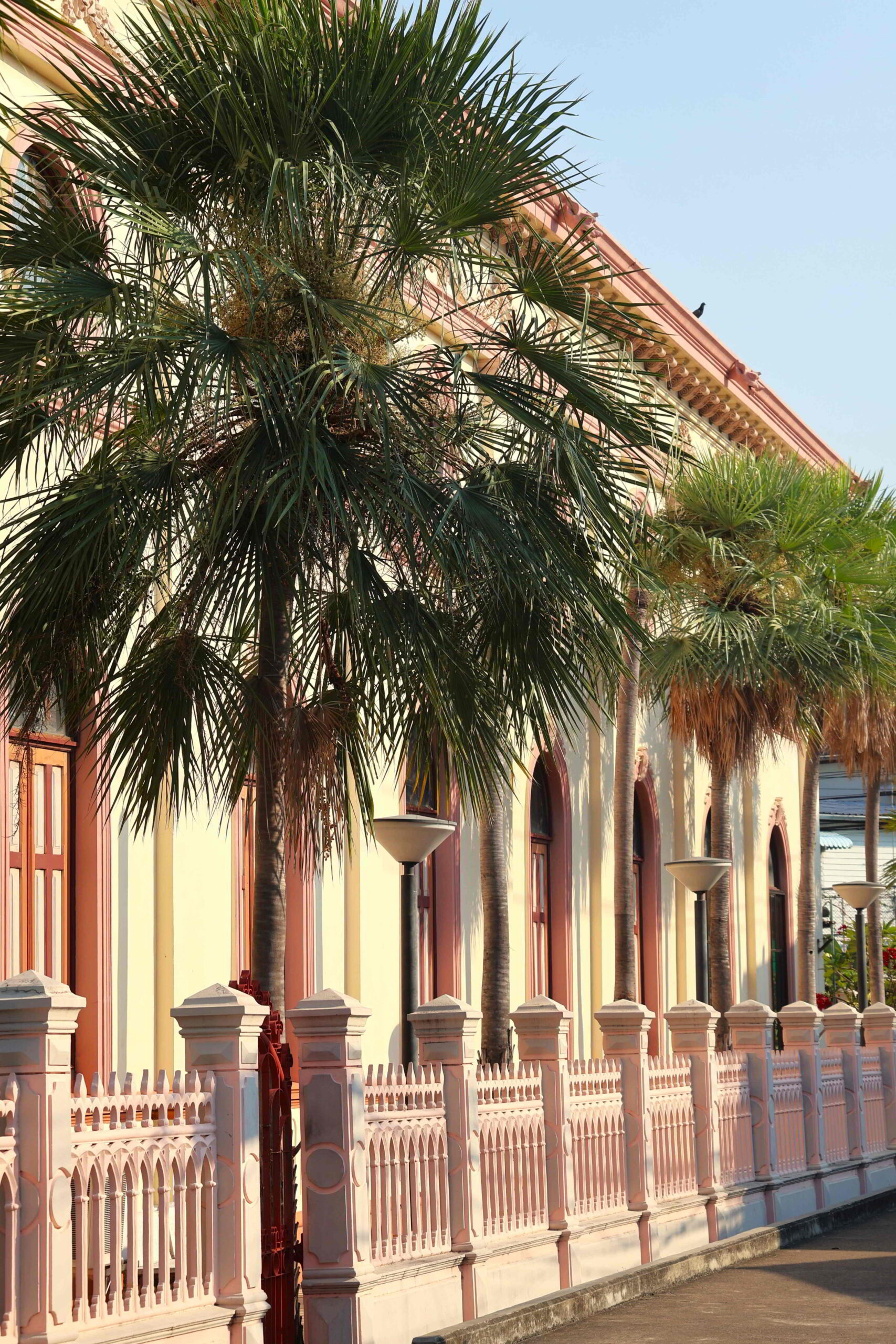
My next destination is the small Portuguese quarter of Bangkok set in the upper corner of Thon Buri, a stone’s throw from the Royal Palace on the east side of the river. The walled-in warren of narrow alleys focuses on the Santa Cruz Church and the broad plaza that surrounds it, situated directly on the Chao Phraya river. The church was founded in 1770 on land granted by King Taksin to Portuguese merchants and soldiers and stands as a symbol of historic Thai-Portuguese relations.
Bangkok — Taling Chan Floating Market
Bangkok — Taling Chan Floating Market
Bangkok — Taling Chan
Bangkok — Taling Chan — Song Khlong Floating Market
Bangkok — Taling Chan — Song Khlong Floating Market
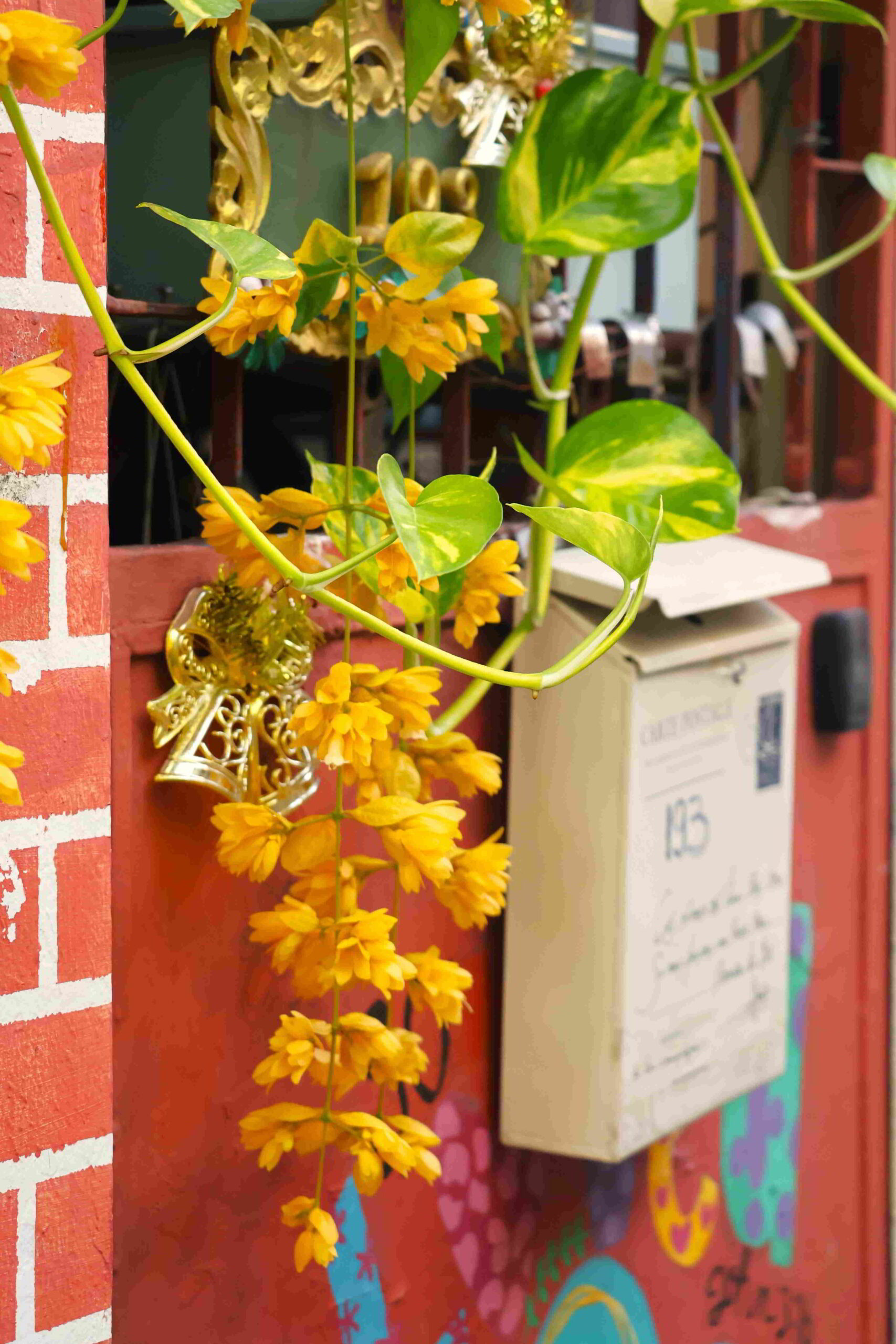
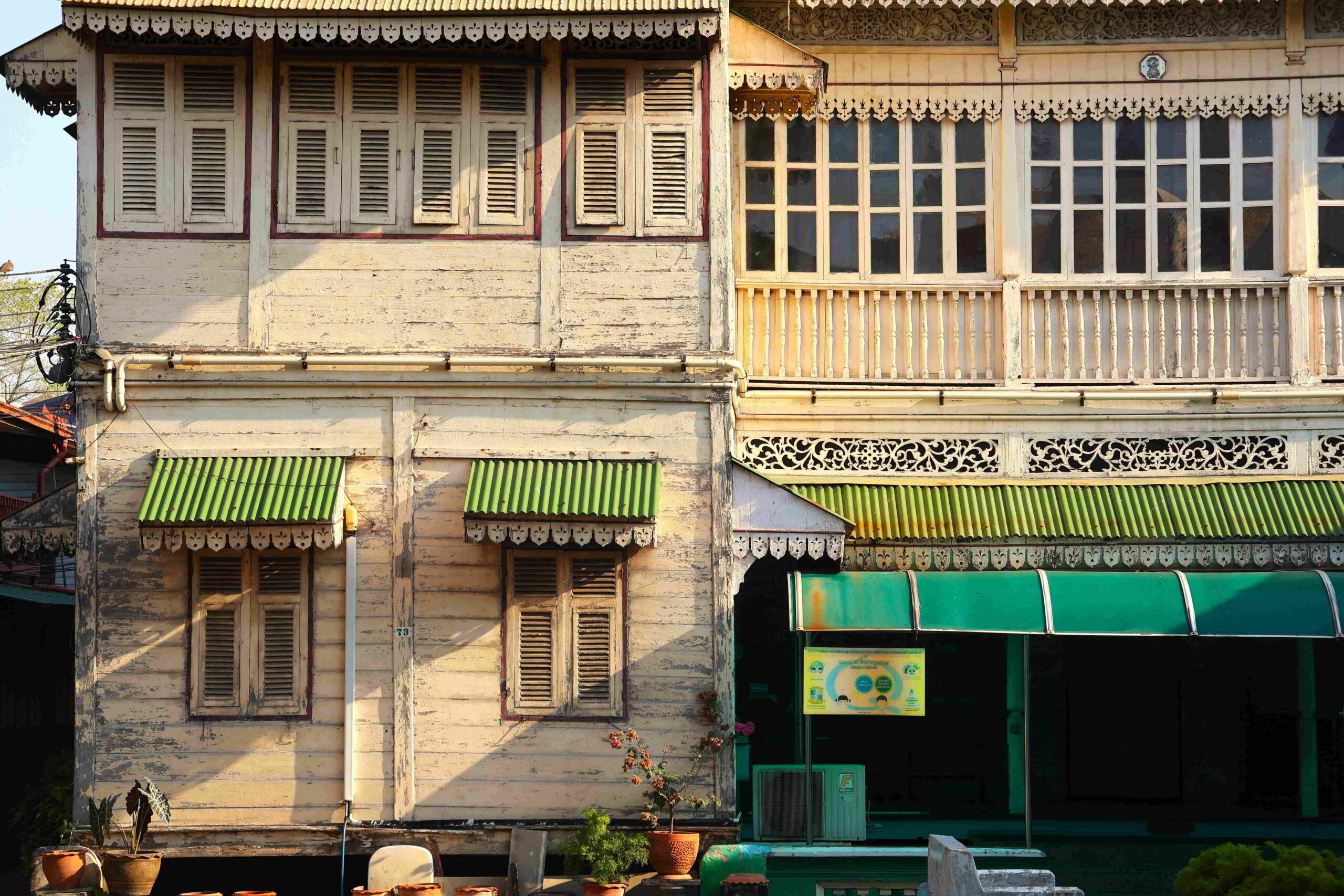
The aesthetics of a western Christian architecture of course contrast dramatically with the typical Thai Buddhist temple architecture. Beyond the two-tone Baroque exterior, signposts point visitors to the various attractions in the adjoining diminutive residential enclave, primarily the museum associated with the Portuguese community that has lived here for centuries. How much of the original Portuguese culture remains after so much time has passed is of course debatable, but there is a decided cute factor that leads the straggling east Asian visitors into the museum as well as through the narrow passages that weave between the mix of multi-level wood and plaster houses.
Bangkok — Taling Chan — Song Khlong Floating Market
Bangkok — Taling Chan — Song Khlong Floating Market
Bangkok — Taling Chan — Song Khlong Floating Market
Bangkok — Taling Chan — Song Khlong Floating Market
Bangkok — Taling Chan — Song Khlong Floating Market
Bangkok — Taling Chan — Song Khlong Floating Market
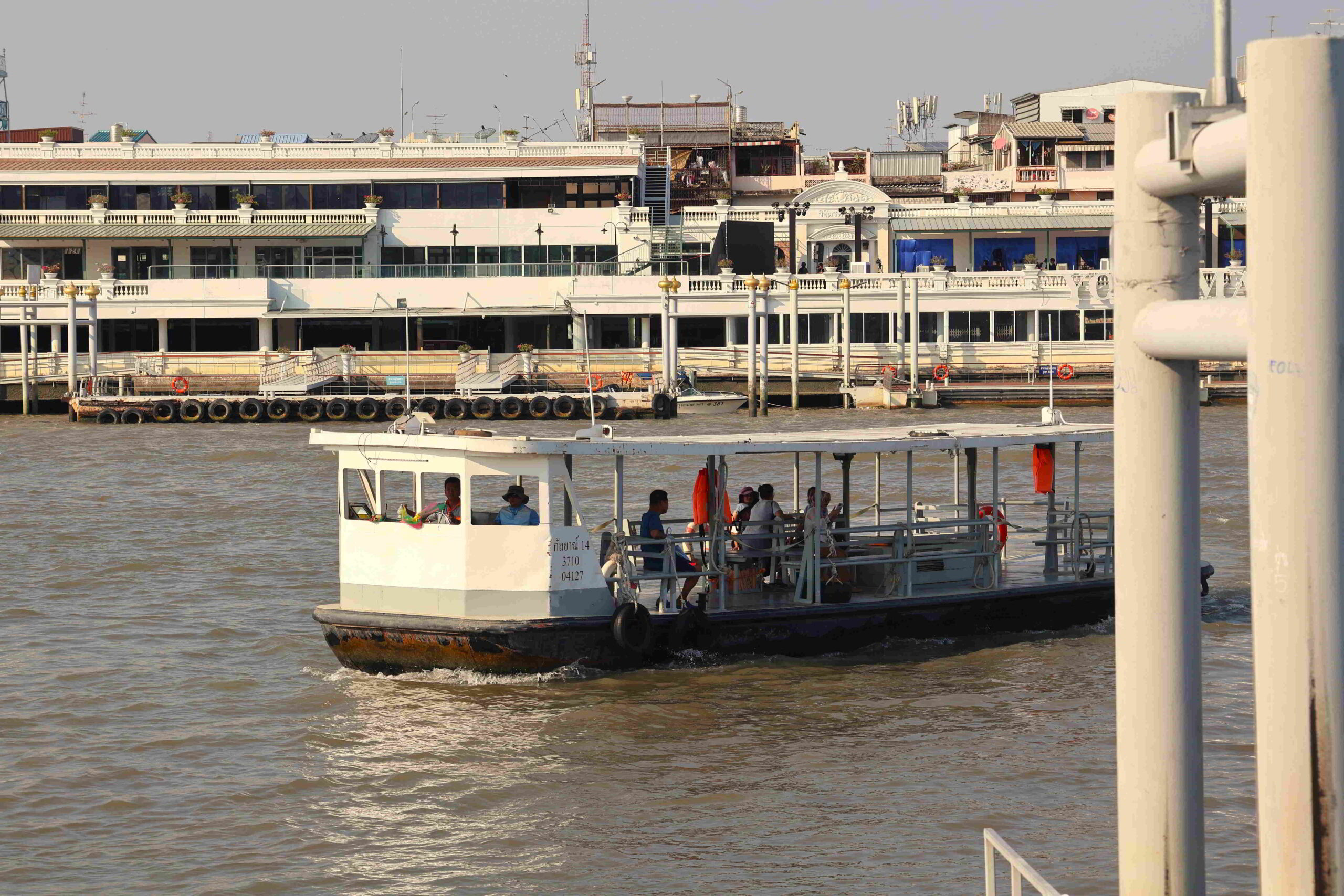
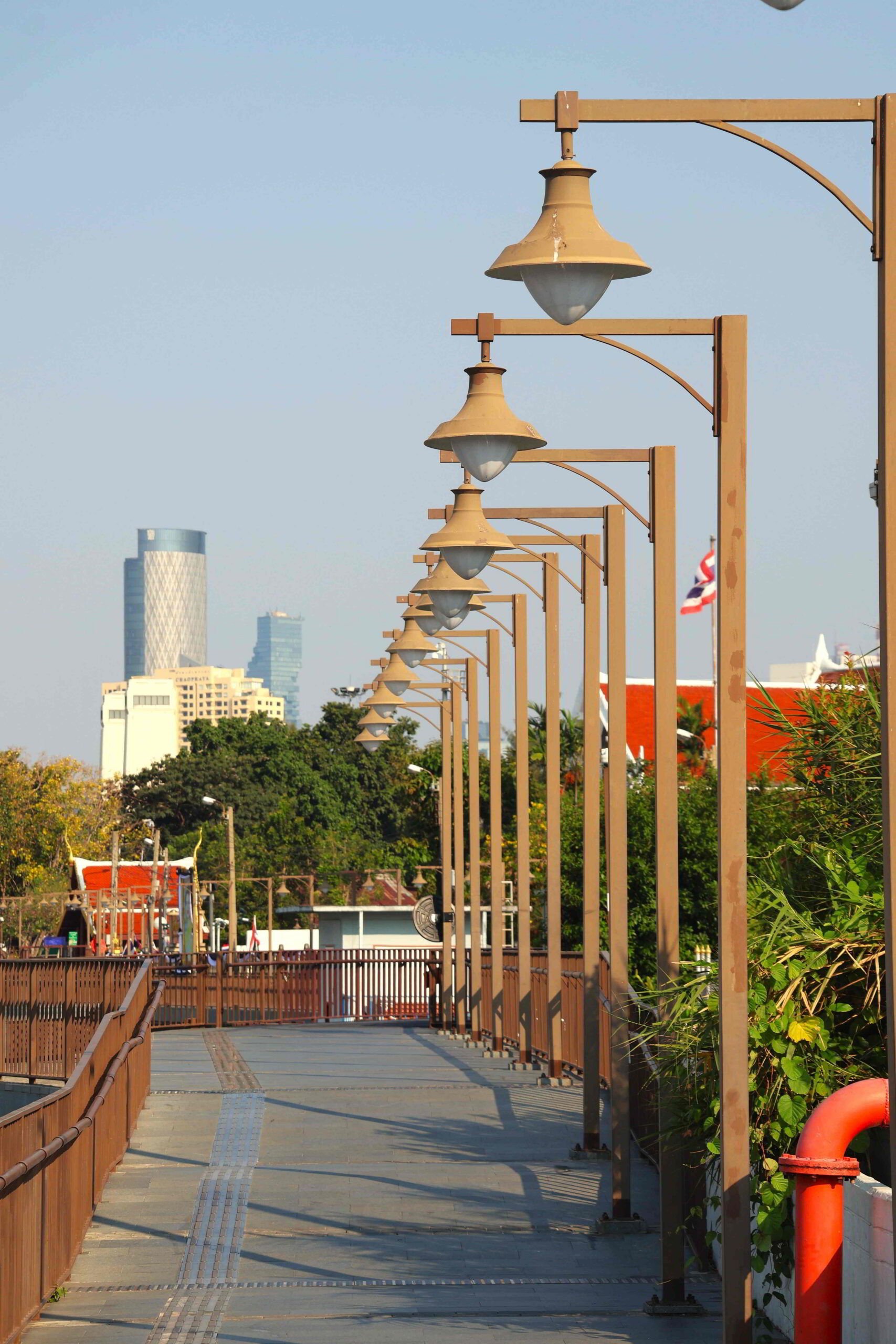
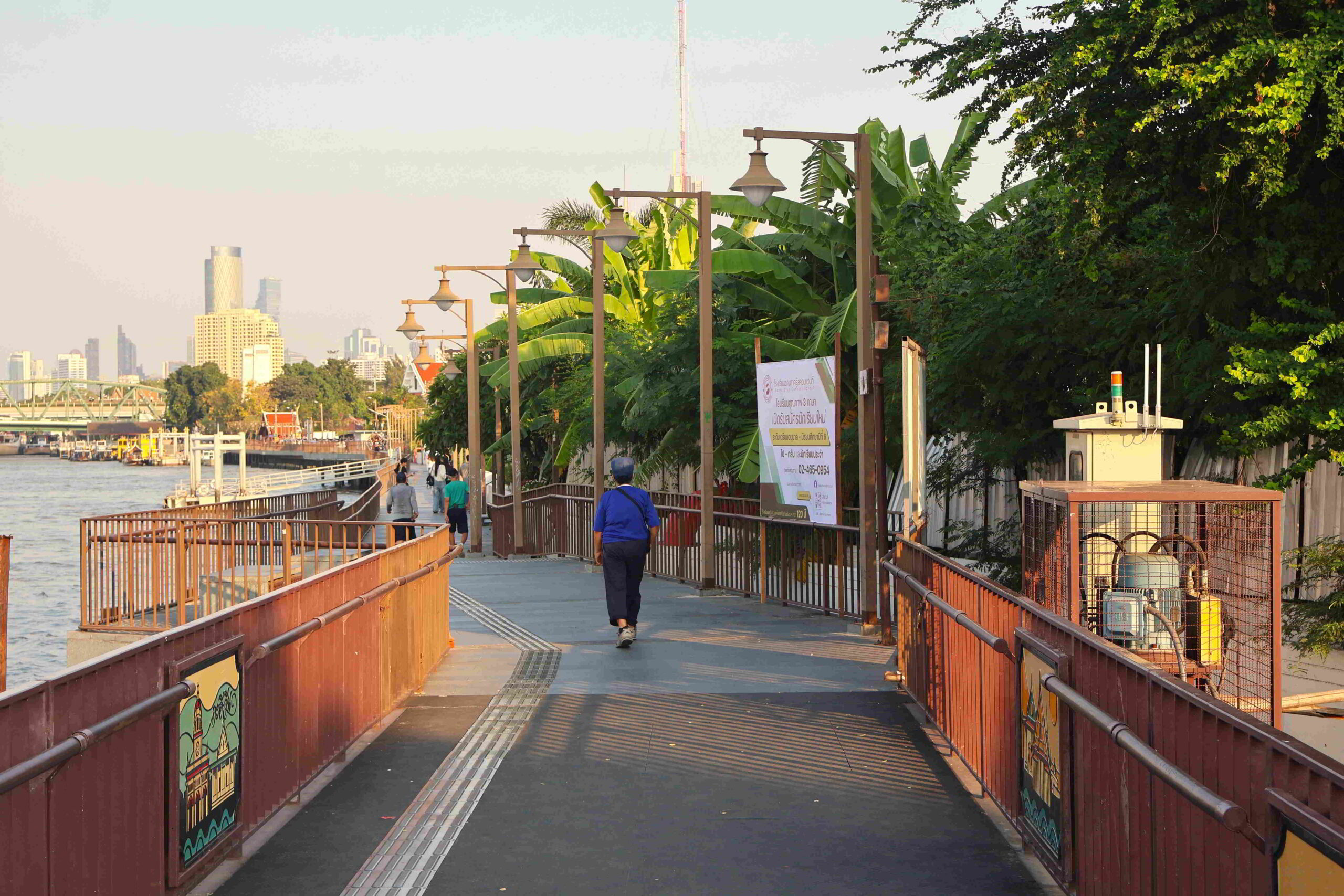
On the map, Wat Kalayanamit Woramahawihan lies to the north of the Portuguese enclave, and the approach along the riverside pier offers a continuously unfolding palette of attractions, from the river itself, the various grades of passenger and cruise boats that ply the waters, the skyline of skyscrapers intermingled with Buddhist stupas, residual views of royal palace spires, as well as the mix of modern and traditional residential architecture strewn along the unevenly developed waterfront.
Bangkok — Taling Chan — Song Khlong Floating Market
Bangkok — Taling Chan — Song Khlong Floating Market
Bangkok — Taling Chan — Song Khlong Floating Market
Bangkok — Taling Chan — Song Khlong Floating Market
Bangkok — Taling Chan — Song Khlong Floating Market
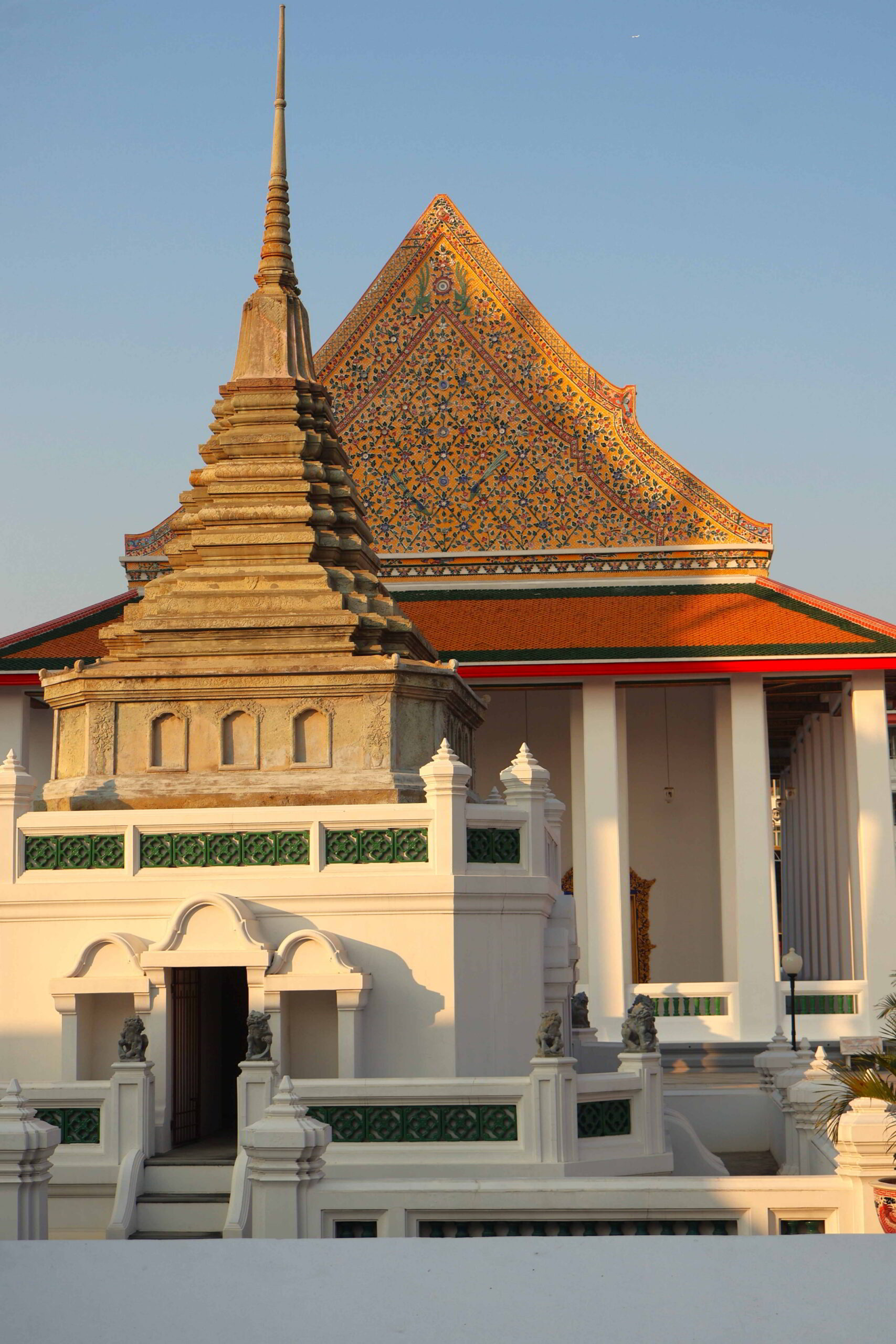
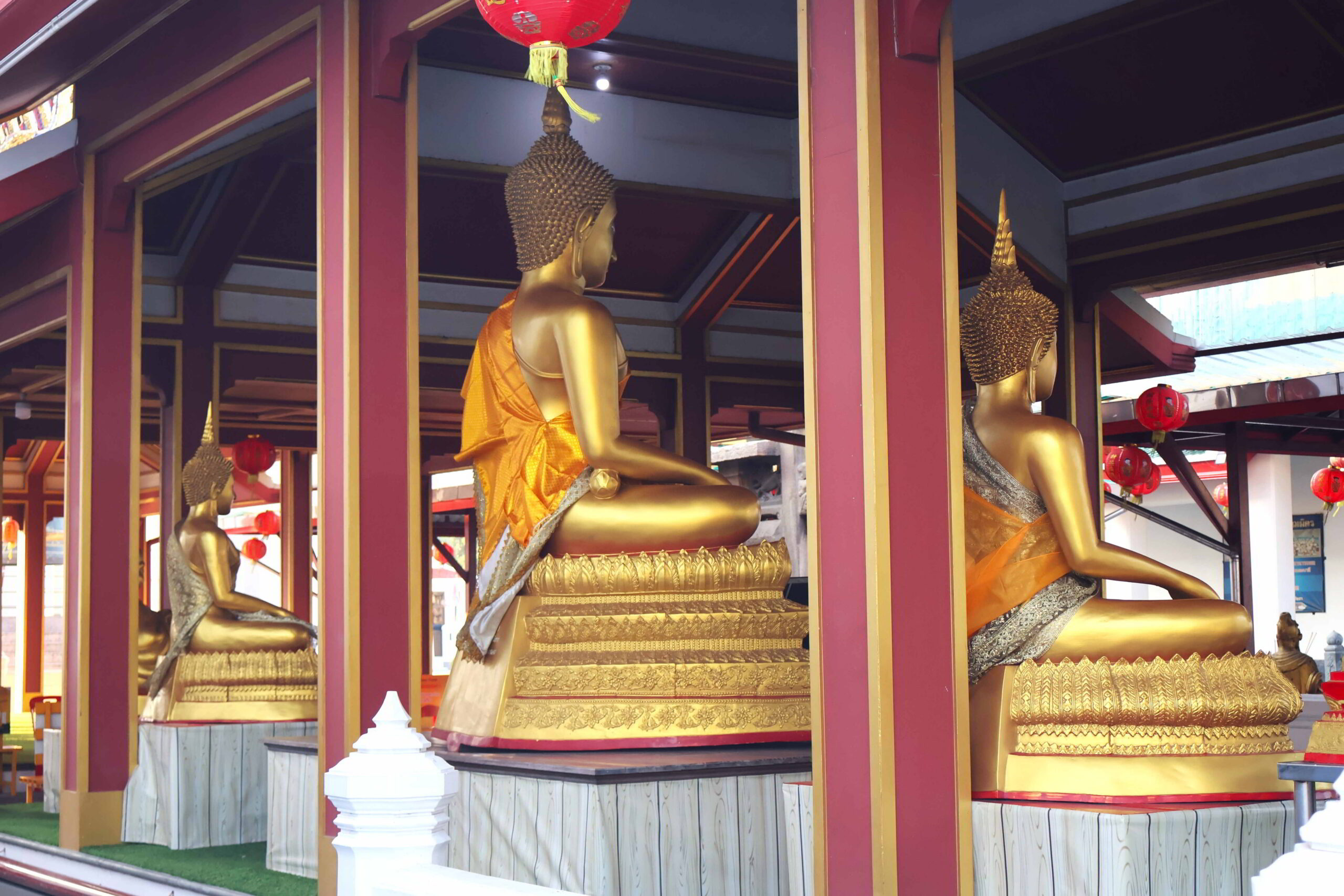
Wat Kalayanamitr Varamahavihara was established in 1825 by a wealthy Thai-Chinese trader who donated the temple to King Rama III. This is one of three family temples of the Kalayanamitr family, along with Wat Rakhang and Wat Chakkrawatdirachawat Woramahawihan. The ordination hall stands on the riverbank and houses the massive Buddha image Phra Buddha Trai Rattananayok; it was once considered the largest Buddha image in Bangkok and is of a similar style as the Big Buddha at Wat Phanan Choeng in Phra Nakhon Si Ayutthaya. These Buddha images are revered as representations of both the Buddha and the Chinese admiral Zheng He. Thai people and those of Chinese descent firmly believe that paying respect to these images brings prosperity, good fortune, and safe journeys throughout the year. (excerpted from Wikipedia)
Bangkok — Thon Buri — Kudi Chin — Santa Cruz church
Bangkok — Thon Buri — Kudi Chin — Santa Cruz church
Bangkok — Thon Buri — Kudi Chin — Santa Cruz church
Bangkok — Thon Buri — Kudi Chin
Bangkok — Thon Buri — Kudi Chin — Santa Cruz church
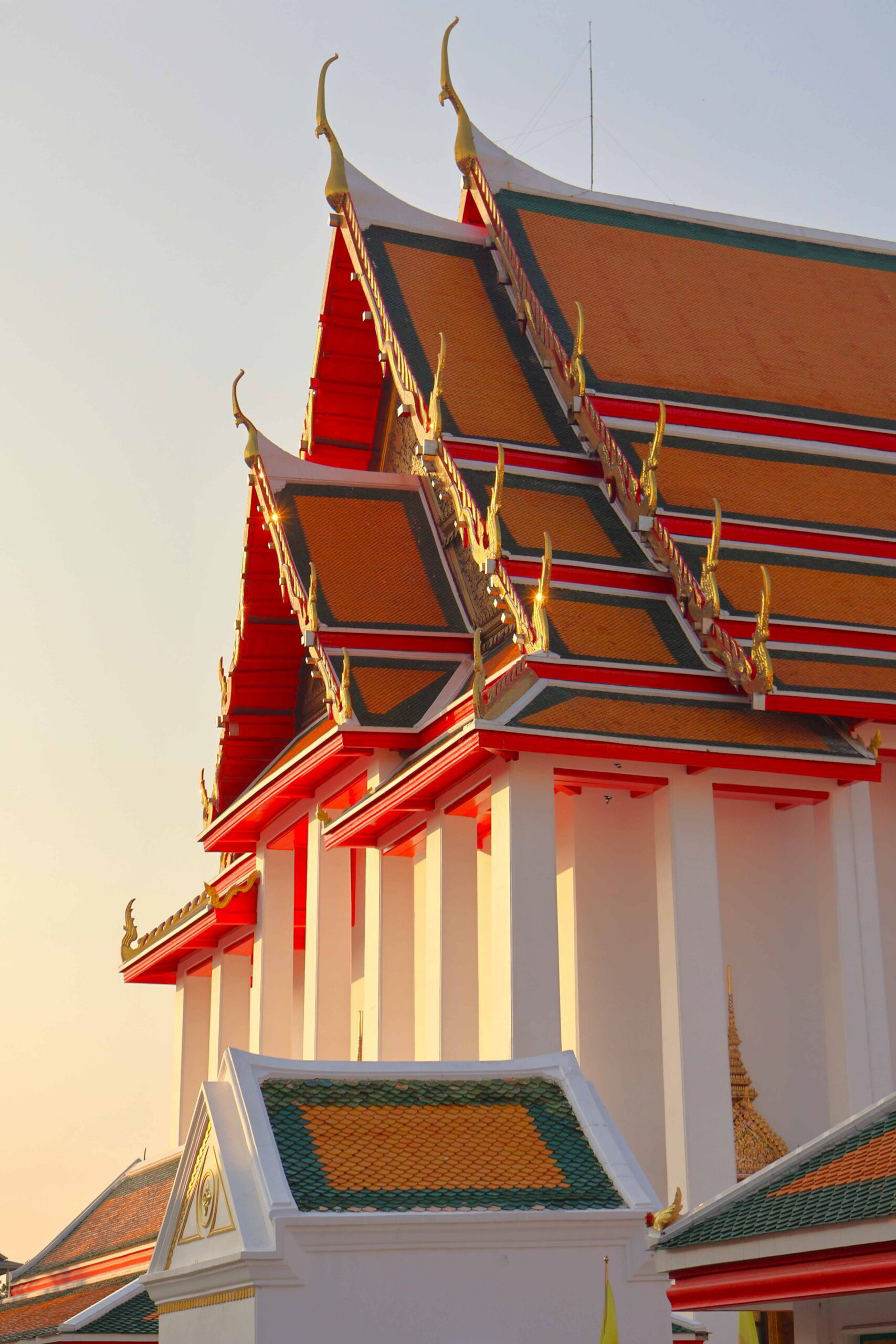
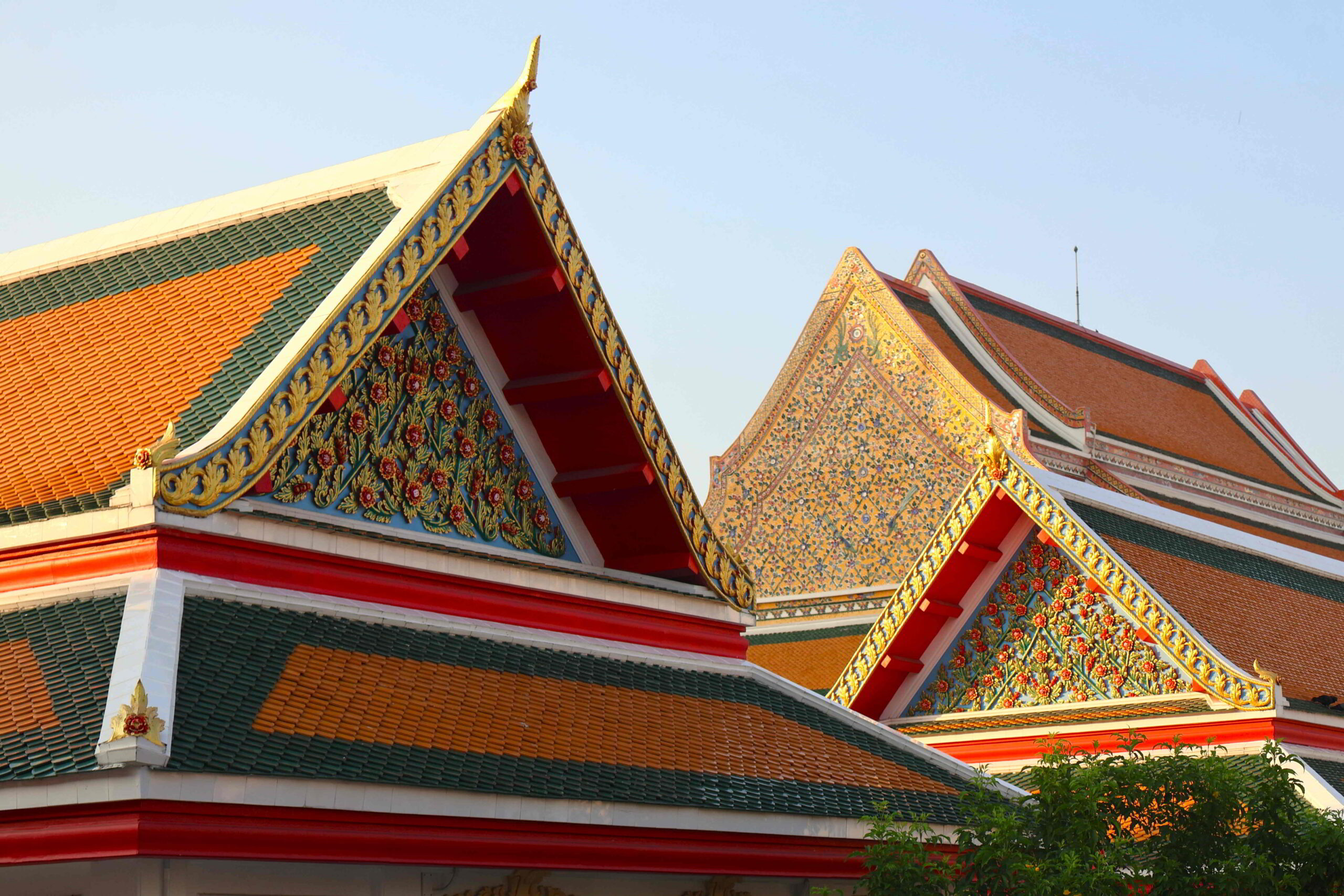
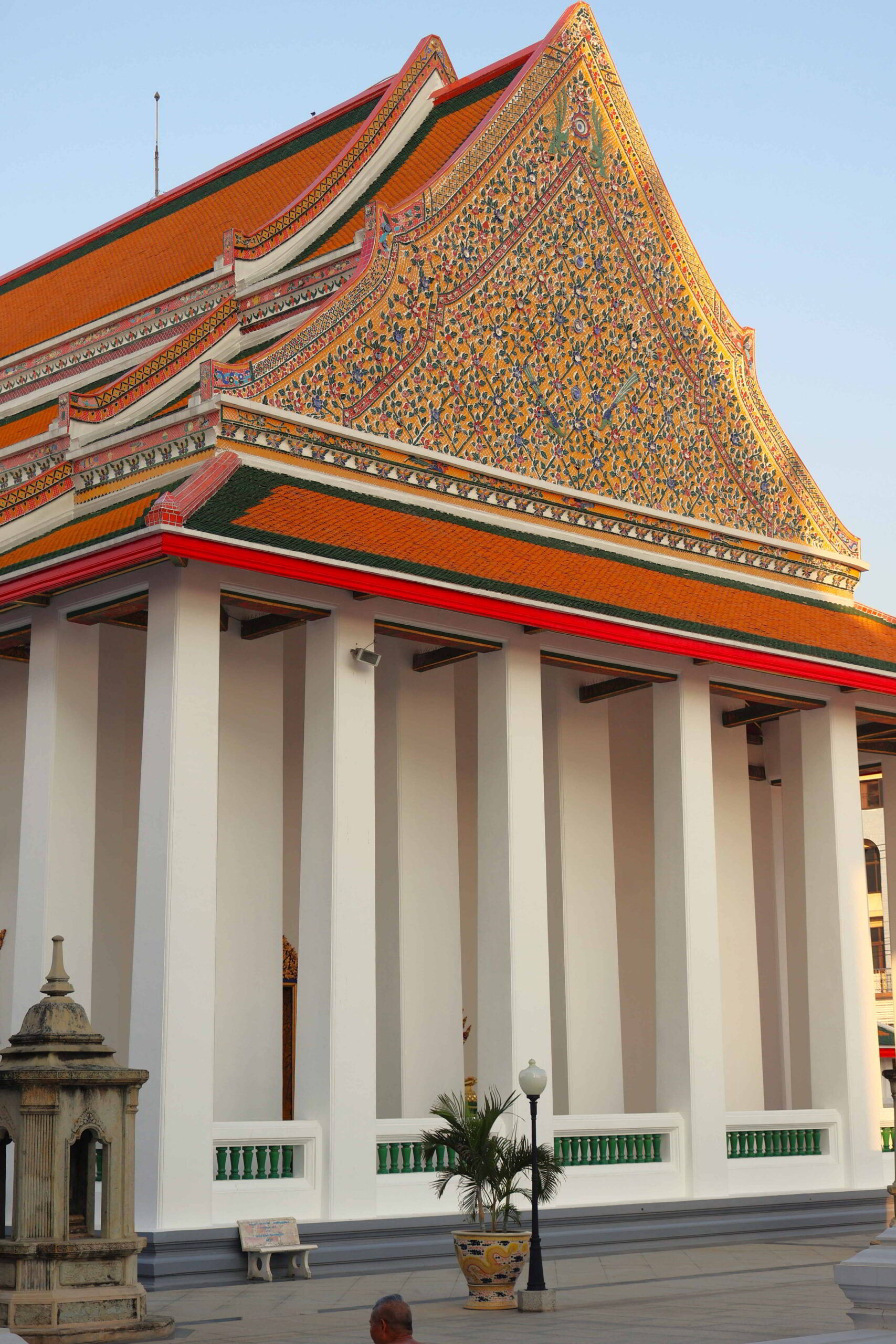
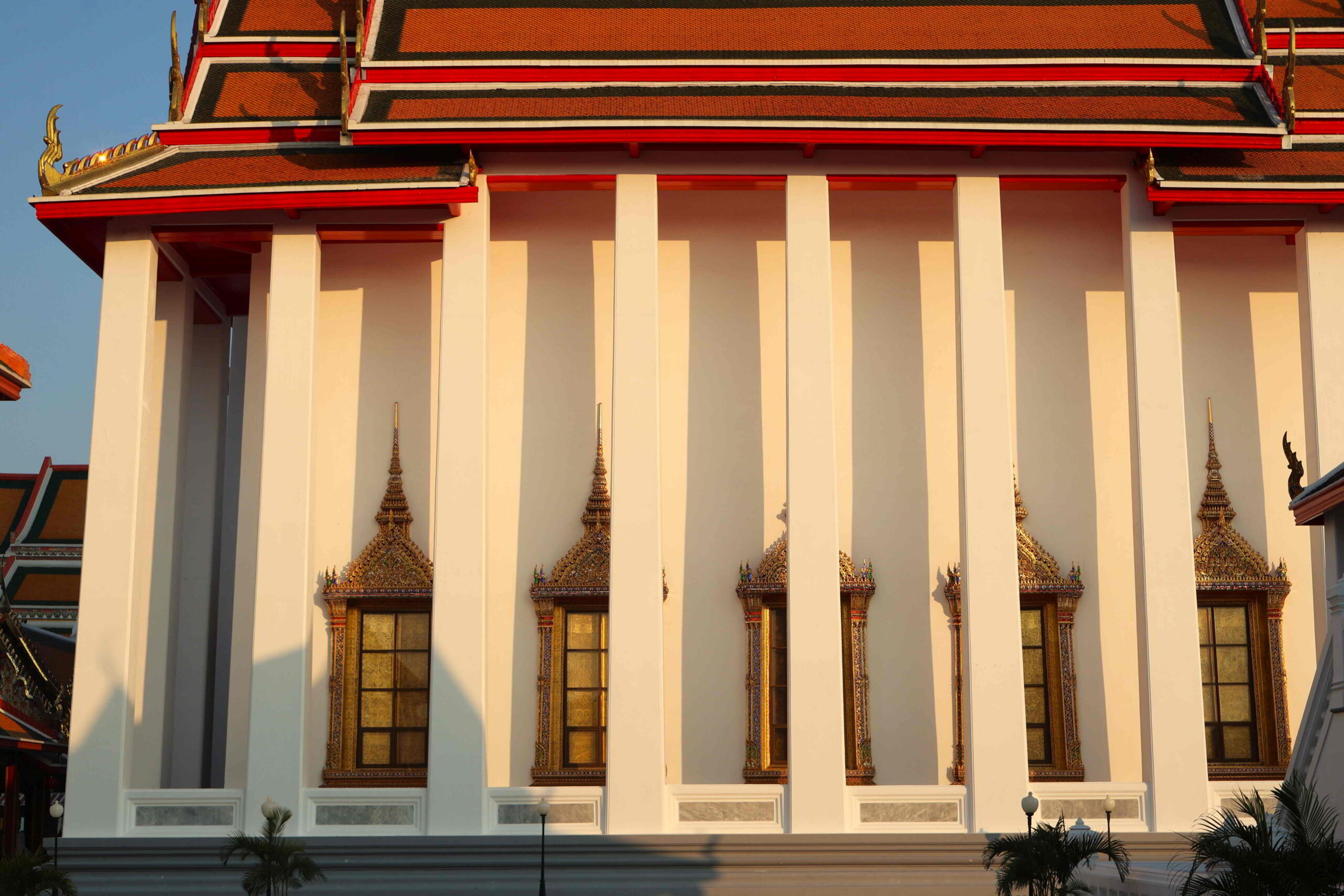
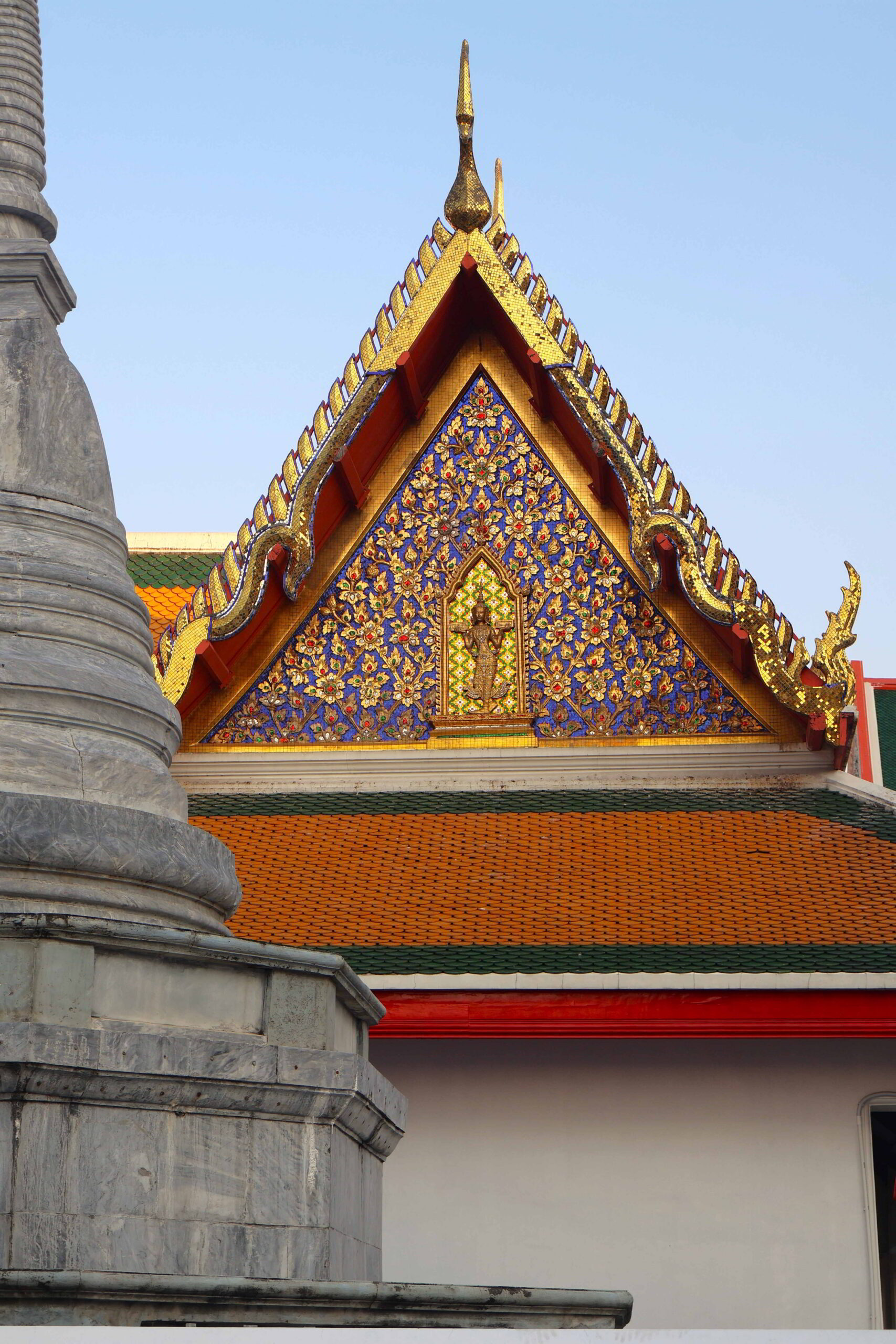
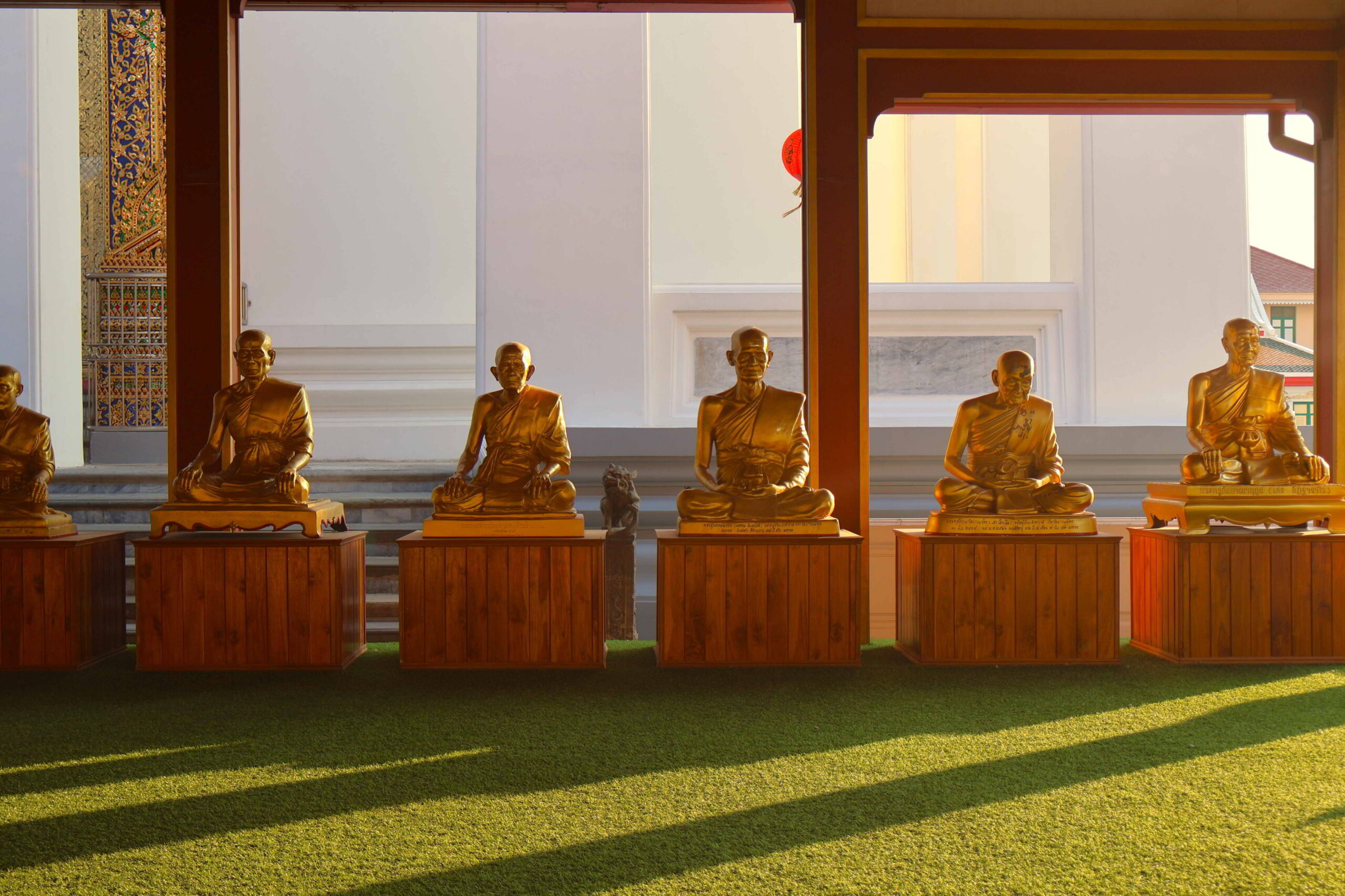
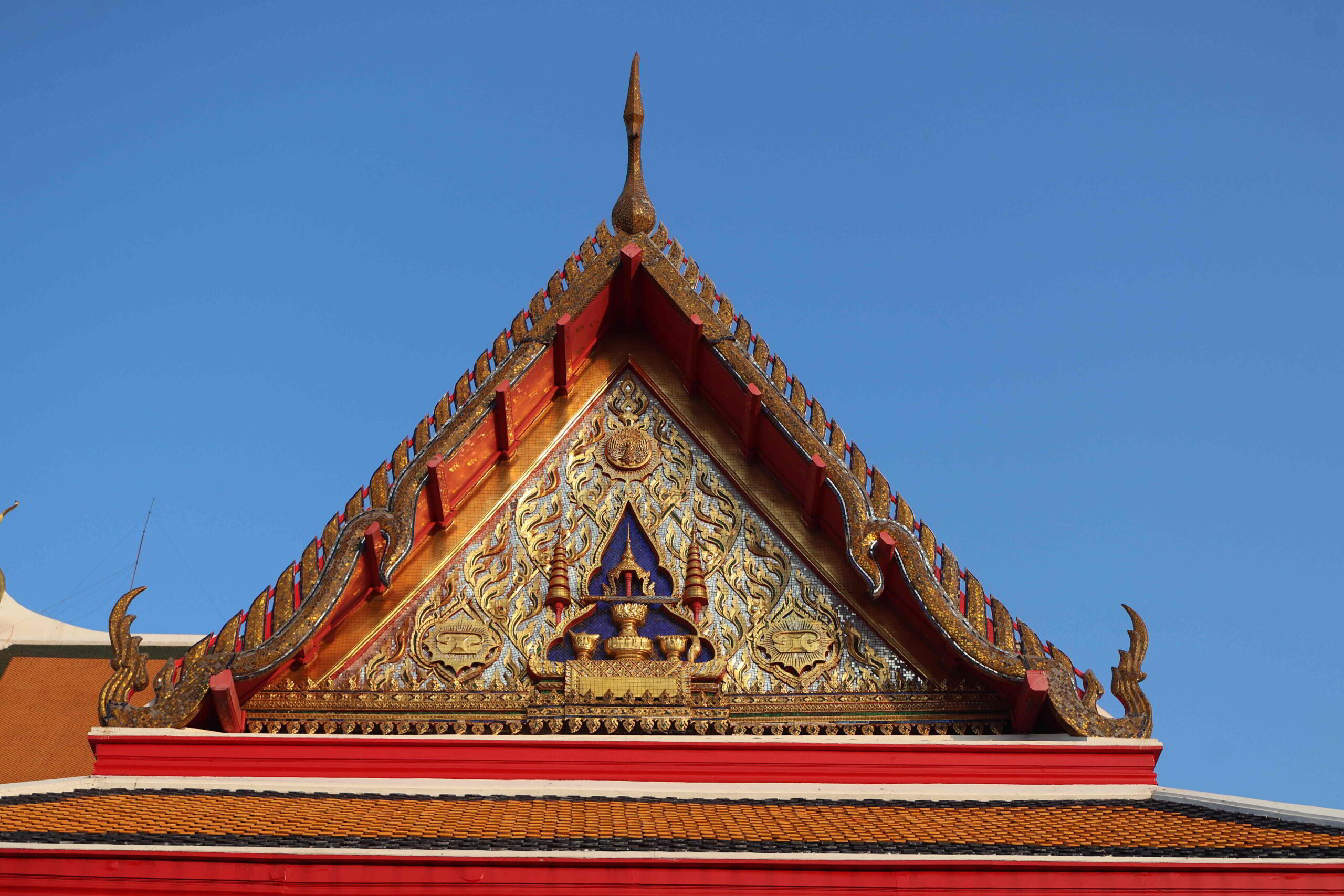
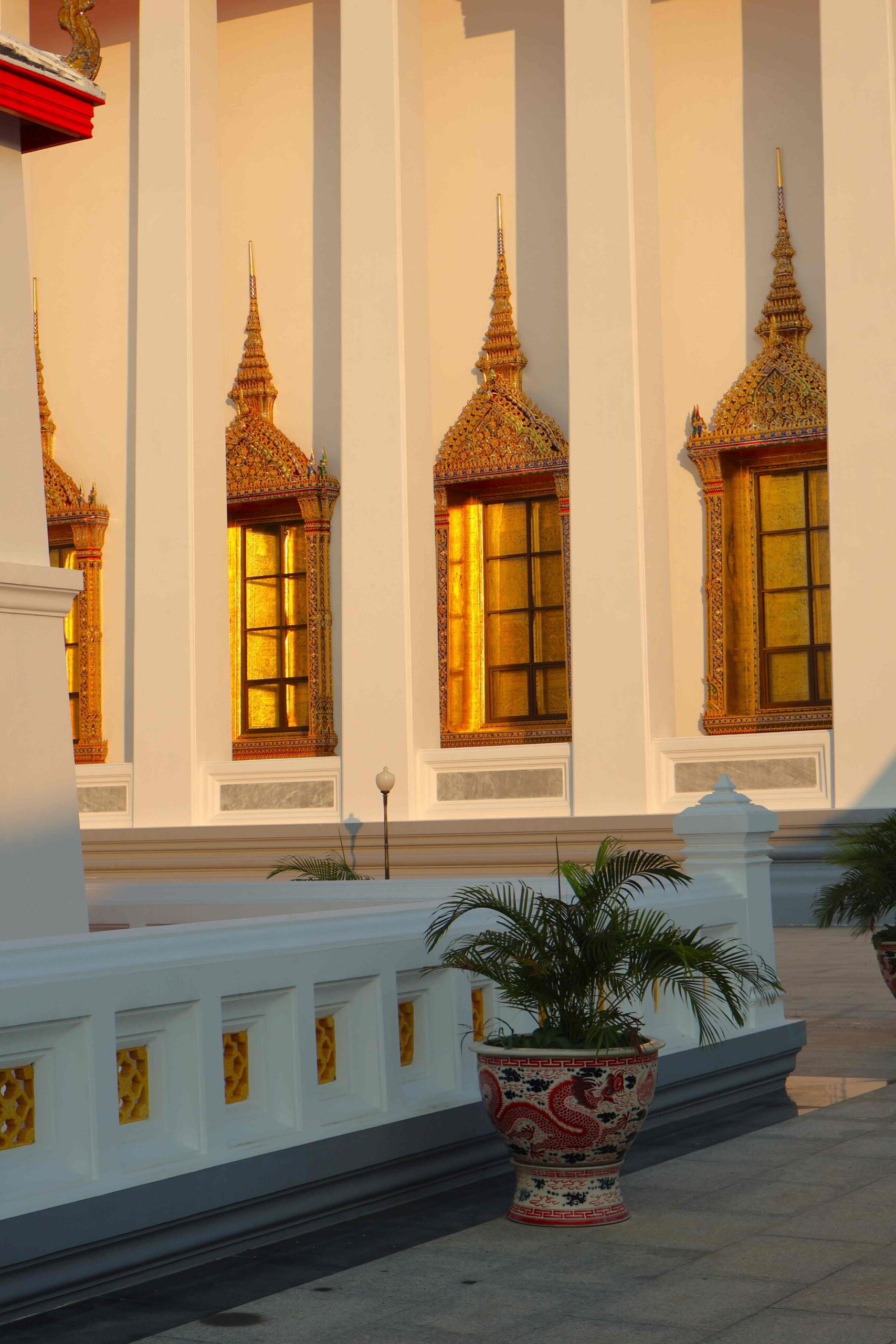
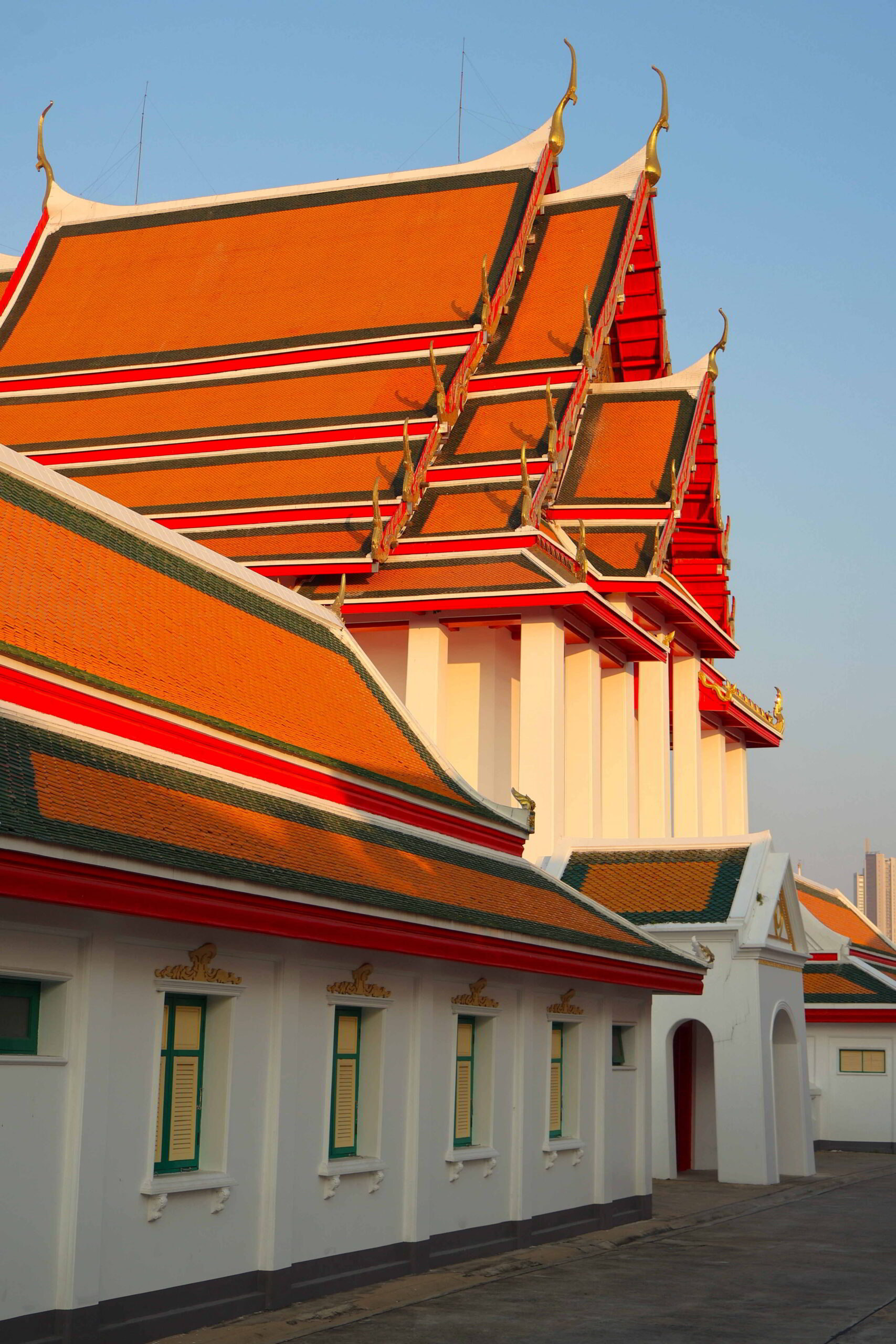
Befitting a temple of its stature and location, its size and the sophistication of workmanship is breathtaking, although in the context of the dizzying complexity and scale of Thai Buddhist temples, it does contend with a lot of competition! Intricate floral patterns coat the gables, symmetrical and golden, floating under the siena-and-olive tile canopies and restrained roof-edge finials. Rather than the ramshackle buildings that house monks’ residential quarters in less enfranchised temples, even these prosaic buildings are stately, perfectly maintained, and feature tasteful and elegant embellishments. The ivories and golds of the structures deepen in tone in the late afternoon sun, the serene ambience of the temple almost improbable so close to the frantic hub of this gigantic metropolis.
Bangkok — Thon Buri — Kudi Chin — Santa Cruz church
Bangkok — Thon Buri — Kudi Chin — Baan Kudichin Museum
Bangkok — Thon Buri — Kudi Chin
Bangkok — Thon Buri — Kudi Chin — Baan Kudichin Museum
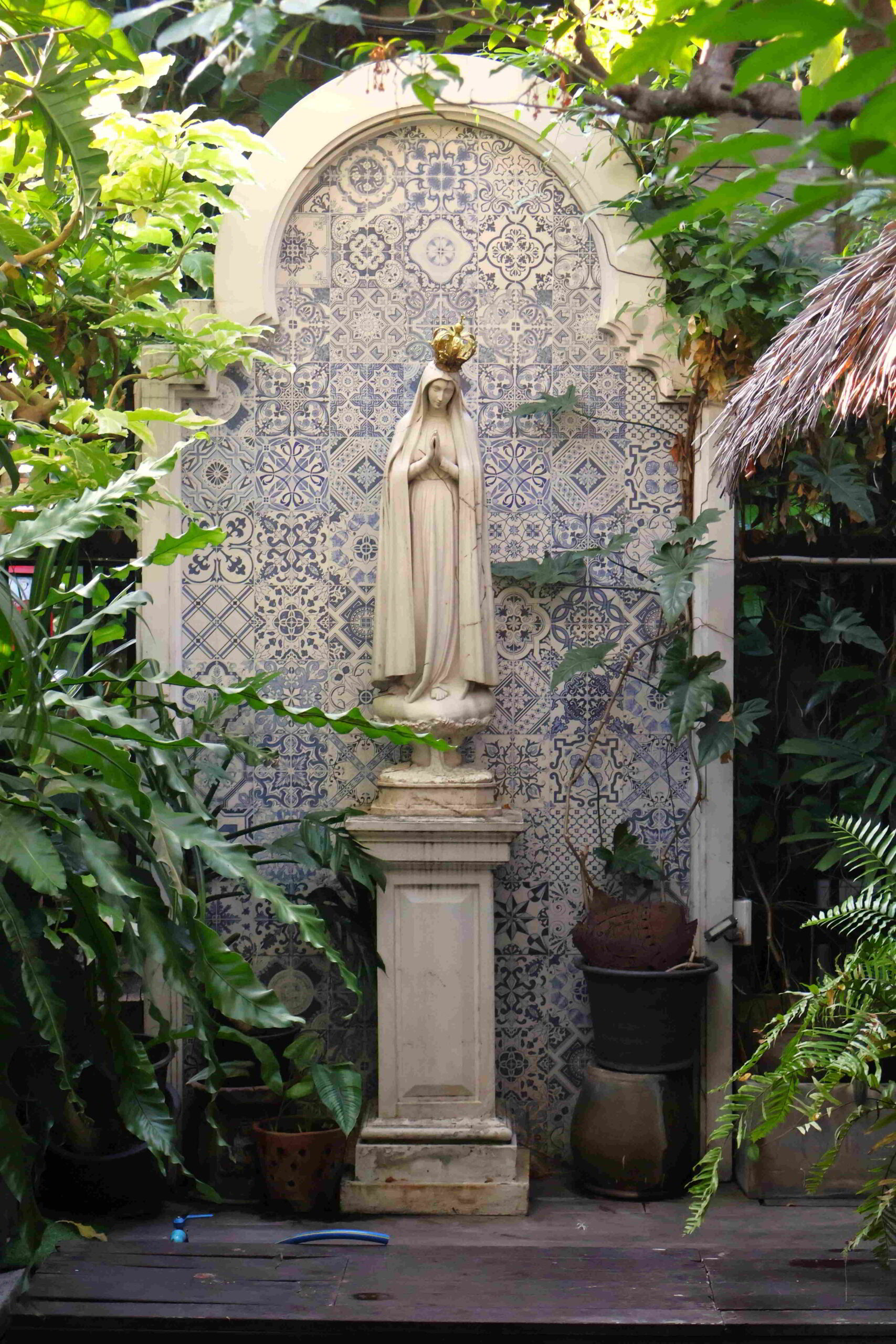
Bangkok — Thon Buri — Kudi Chin — Baan Kudichin Museum
I trudge northward along Arun Amarin road, an older man pointing me to a narrow passage that runs under the flyover to the other side, although I will have to bend down to traverse the passage. No thanks! I will make my way along the narrow sideroad to the mouth of the flyover, then cross over. Alongside the road, many houses directly abut the street, and properties are either disheveled or seemingly abandoned. This main artery that traverses the riverfront of Thonburi has no pedestrian provision whatsoever, another glaring example of the mess Bangkok is from an urban design standpoint. One of the most prestigious and historic neighborhoods is simply a jumble of lots that are not bound together in any cohesive way, and for which no overarching means exists to traverse on foot.
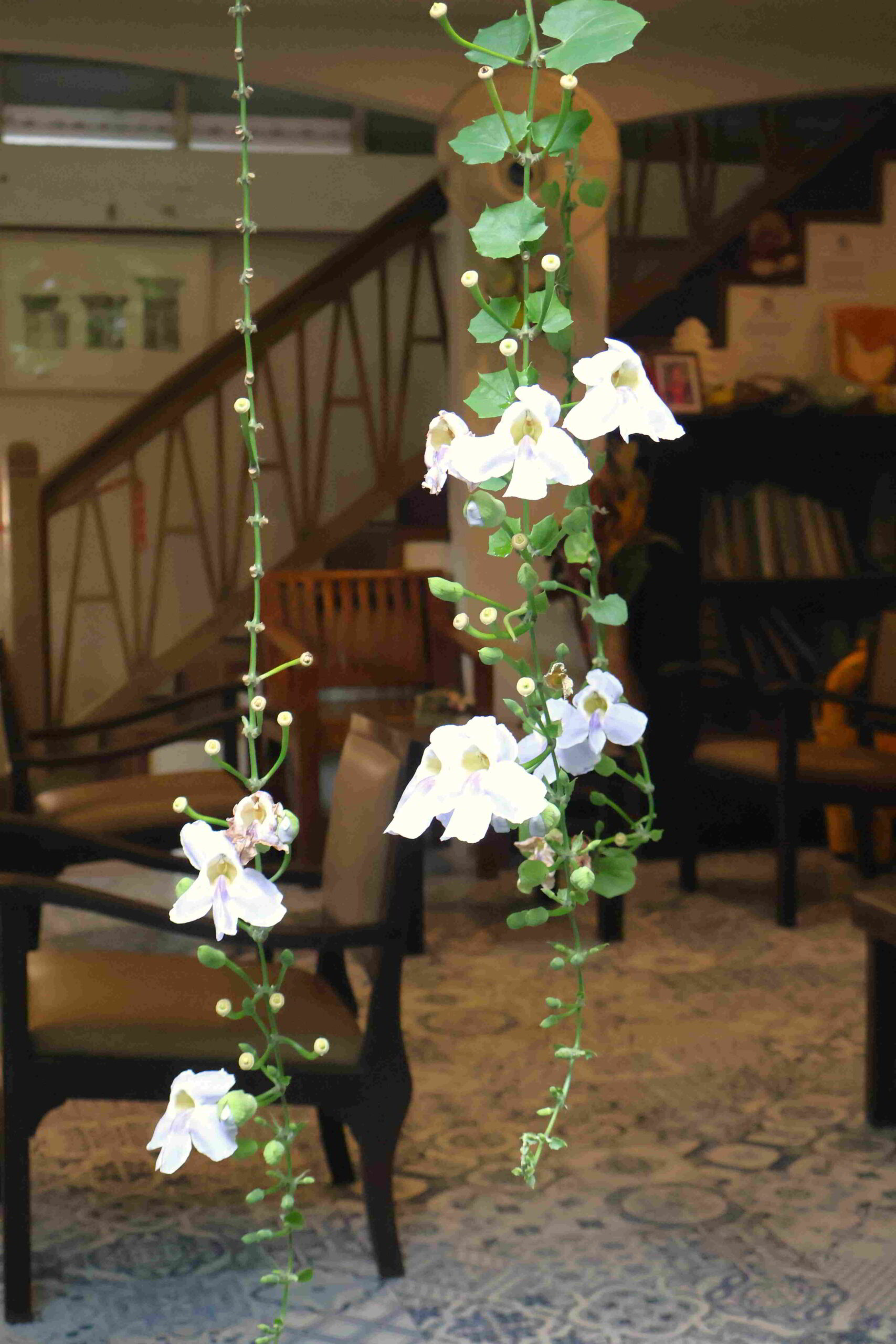
Bangkok — Thon Buri — Kudi Chin — Baan Kudichin Museum
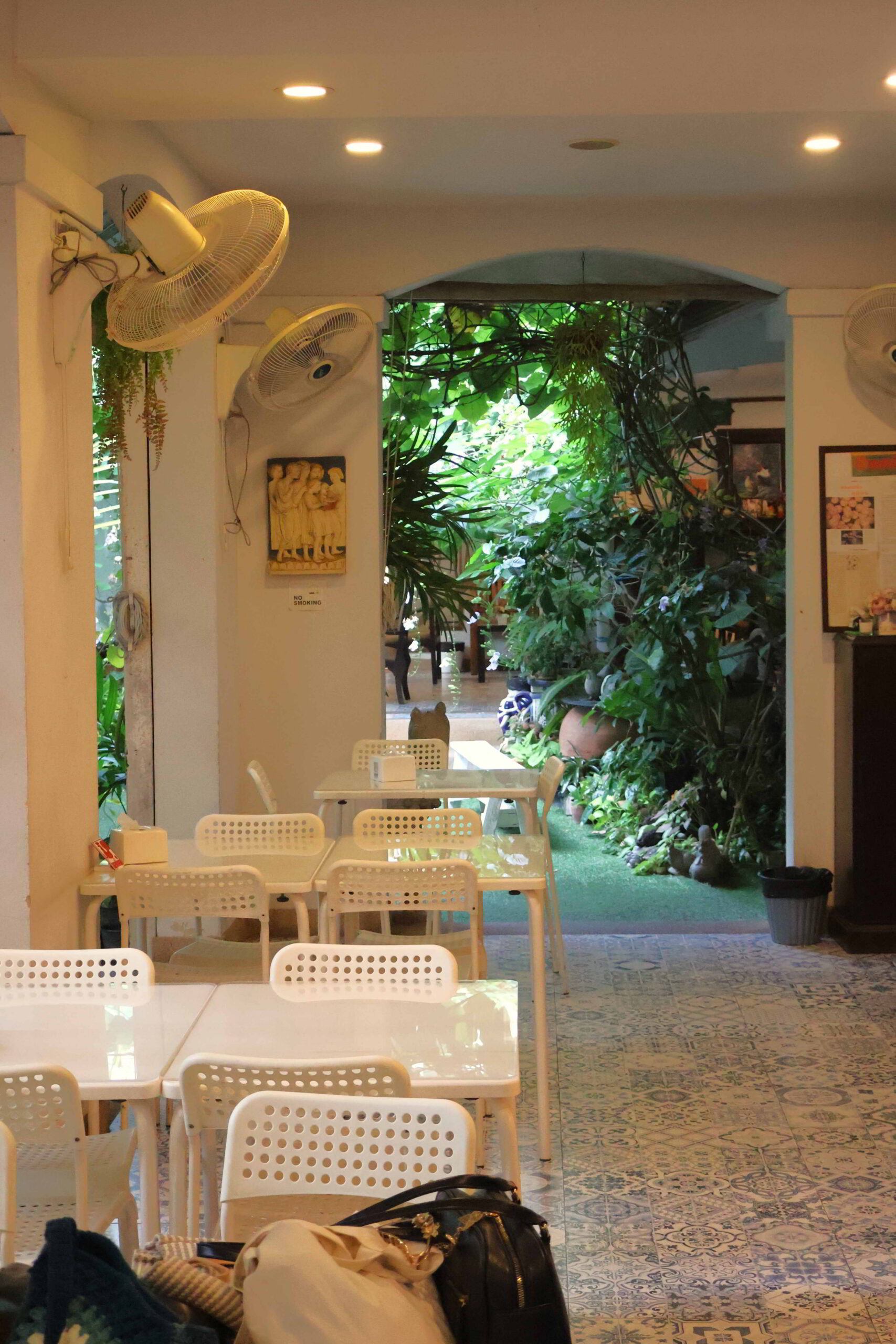
Bangkok — Thon Buri — Kudi Chin — Baan Kudichin Museum
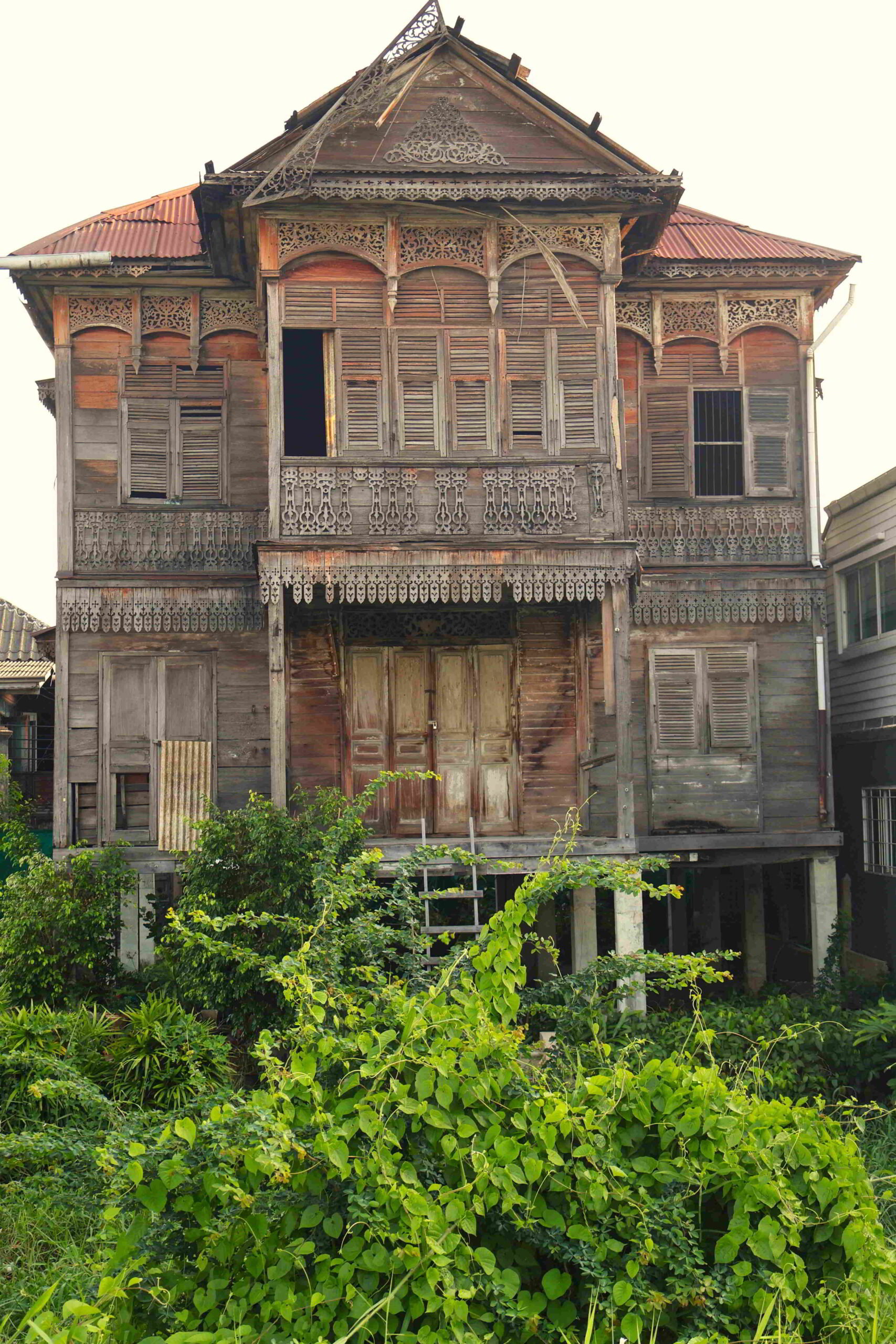
Bangkok — Thon Buri
Bangkok — Thon Buri
Bangkok — Thon Buri
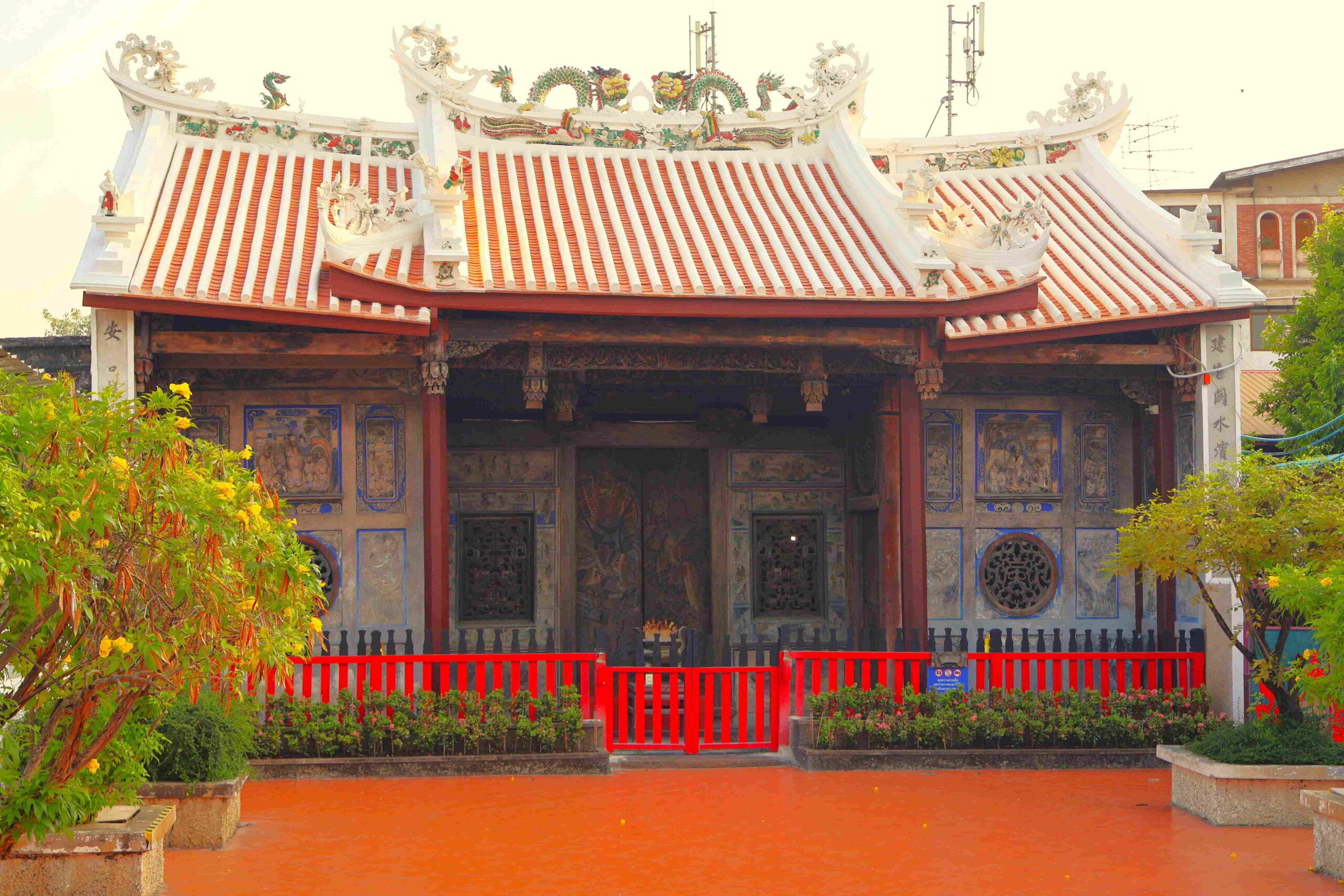
The road narrows, and is now cluttered with vehicles, tourists, and locals dressed in traditional costumes, making their way from what looks like the exit from Wat Arun. I enter the exit, and am instructed by a warden that the temple is now closed: it turns out that you actually have to pay admission to see the temple, which seems somewhat extravagant, considering that all other temples cost absolutely nothing to visit. I suppose it’s justified, given its importance, but it doesn’t matter that much to me, and I have in any case visited the place many years before.
Bangkok — Thon Buri
Bangkok — Thon Buri
Bangkok — Thon Buri
Bangkok — Thon Buri
Bangkok — Thon Buri
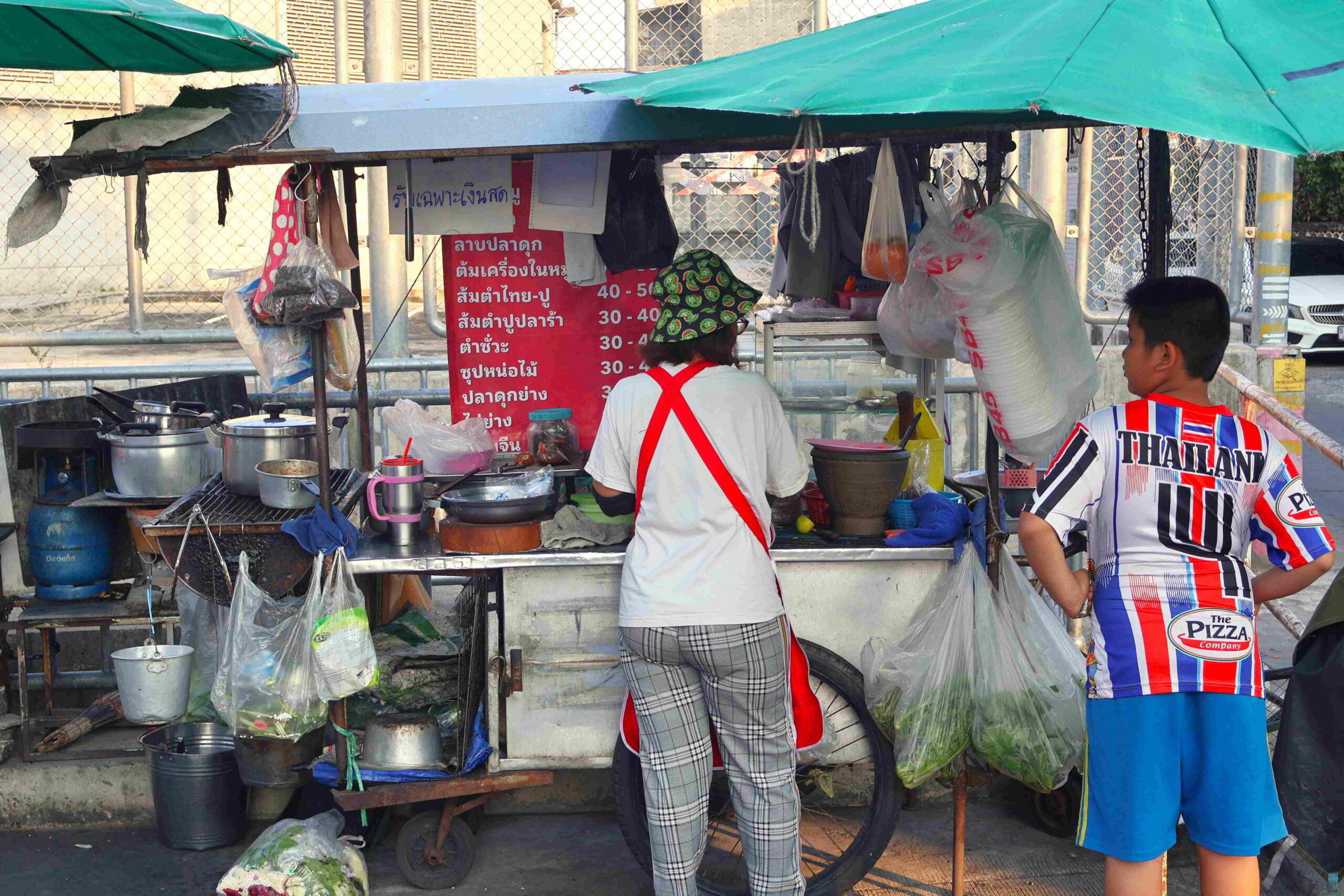
The afternoon is waning as is my energy, and I may as well eat something. But where? I know that modest and inexpensive market stalls abound, but now – given the apparent popularity of Wat Arun — the only places to eat I find on the main road that aren’t sketchy are anodyne and expensive. I can always continue walking, although it may also prove to lead me nowhere. Simply returning back to my Airbnb could be a solution, provided that the burner in the kitchen has been repaired.
Bangkok — Thon Buri — Wat Kalayanamit Woramahawihan
Bangkok — Thon Buri — Wat Kalayanamit Woramahawihan
Bangkok — Thon Buri — Wat Kalayanamit Woramahawihan
Bangkok — Thon Buri — Wat Kalayanamit Woramahawihan
Bangkok — Thon Buri — Wat Kalayanamit Woramahawihan
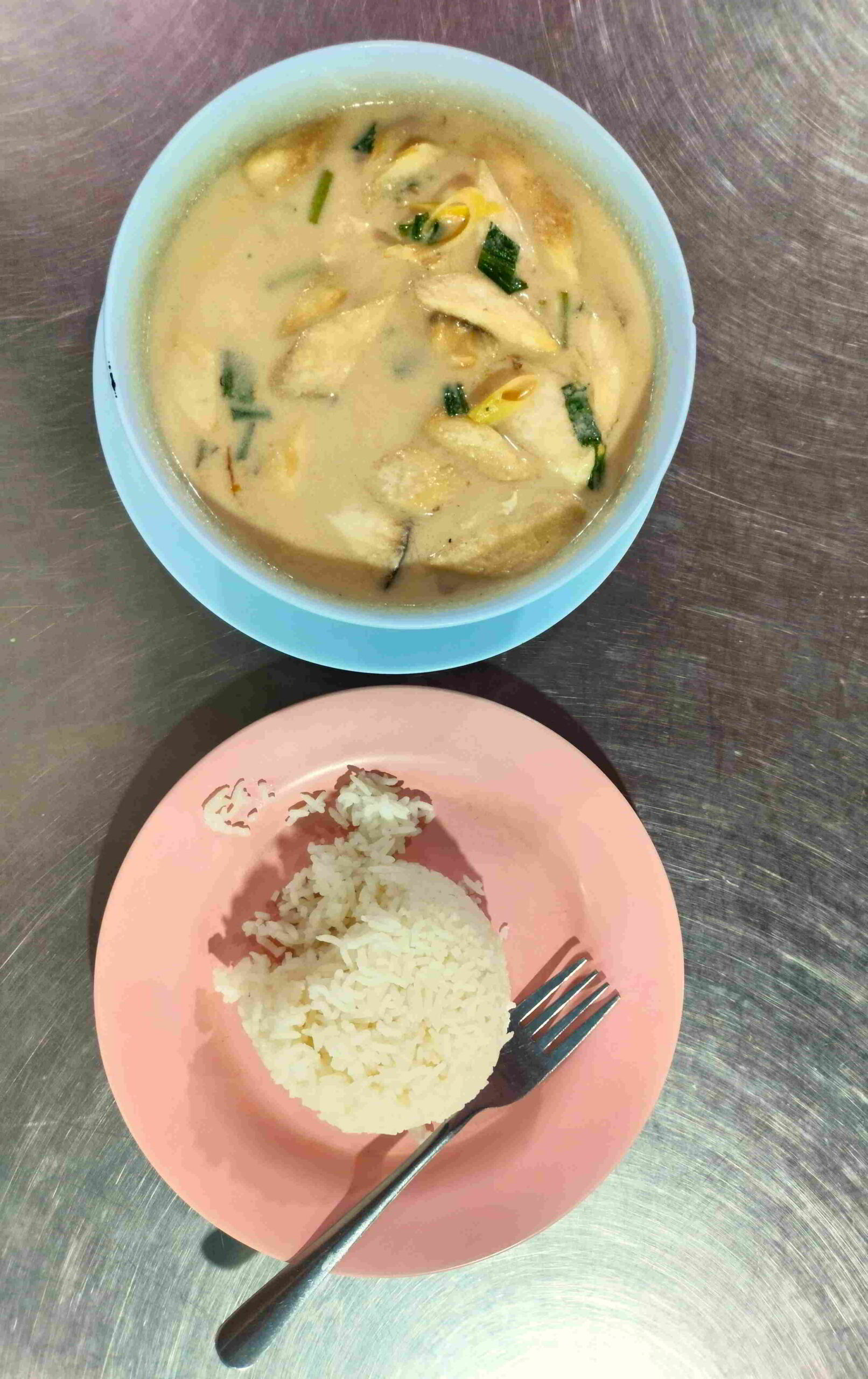
But yet, there it is, a spacious, open-sided restaurant with the obligatory plastic tables and chairs, with a haphazard menu slapped across the wall features faded photos and the canonical low prices for Thai dishes. The beaming waitresses beckon me to a table, pass me an English language menu, and I will soon find out how good this inexpensive food really is. Chicken and oyster mushroom pieces cooked with shredded cayenne, galangal, kasturi lime, coconut, and Thai basil, citric, spicey, absolutely arresting!
Bangkok — Thon Buri — Wat Kalayanamit Woramahawihan
Bangkok — Thon Buri — Wat Kalayanamit Woramahawihan
Bangkok — Thon Buri — Wat Kalayanamit Woramahawihan
Bangkok — Thon Buri — Wat Kalayanamit Woramahawihan
Bangkok — Thon Buri — Wat Kalayanamit Woramahawihan
Bangkok — Thon Buri — Wat Kalayanamit Woramahawihan
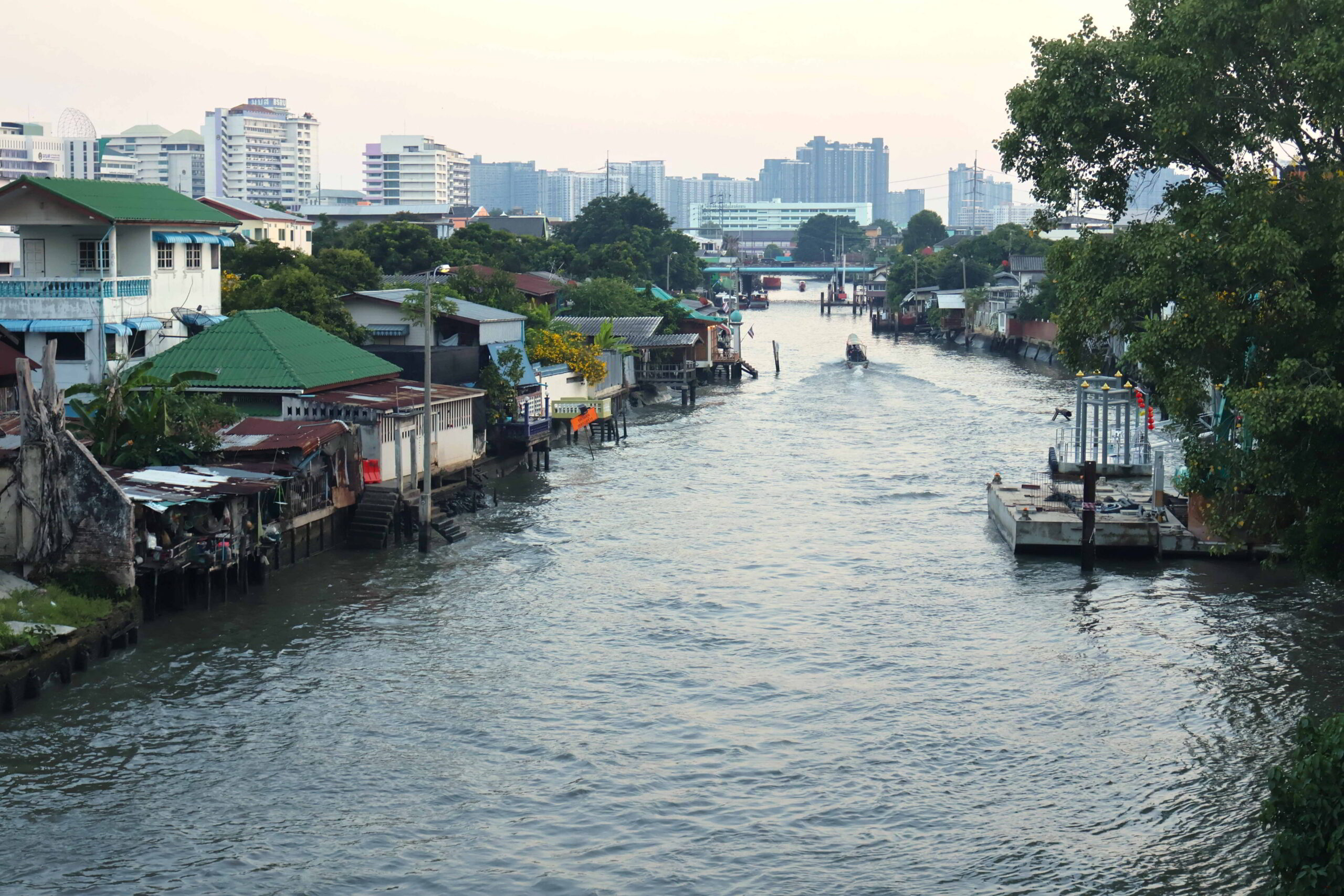
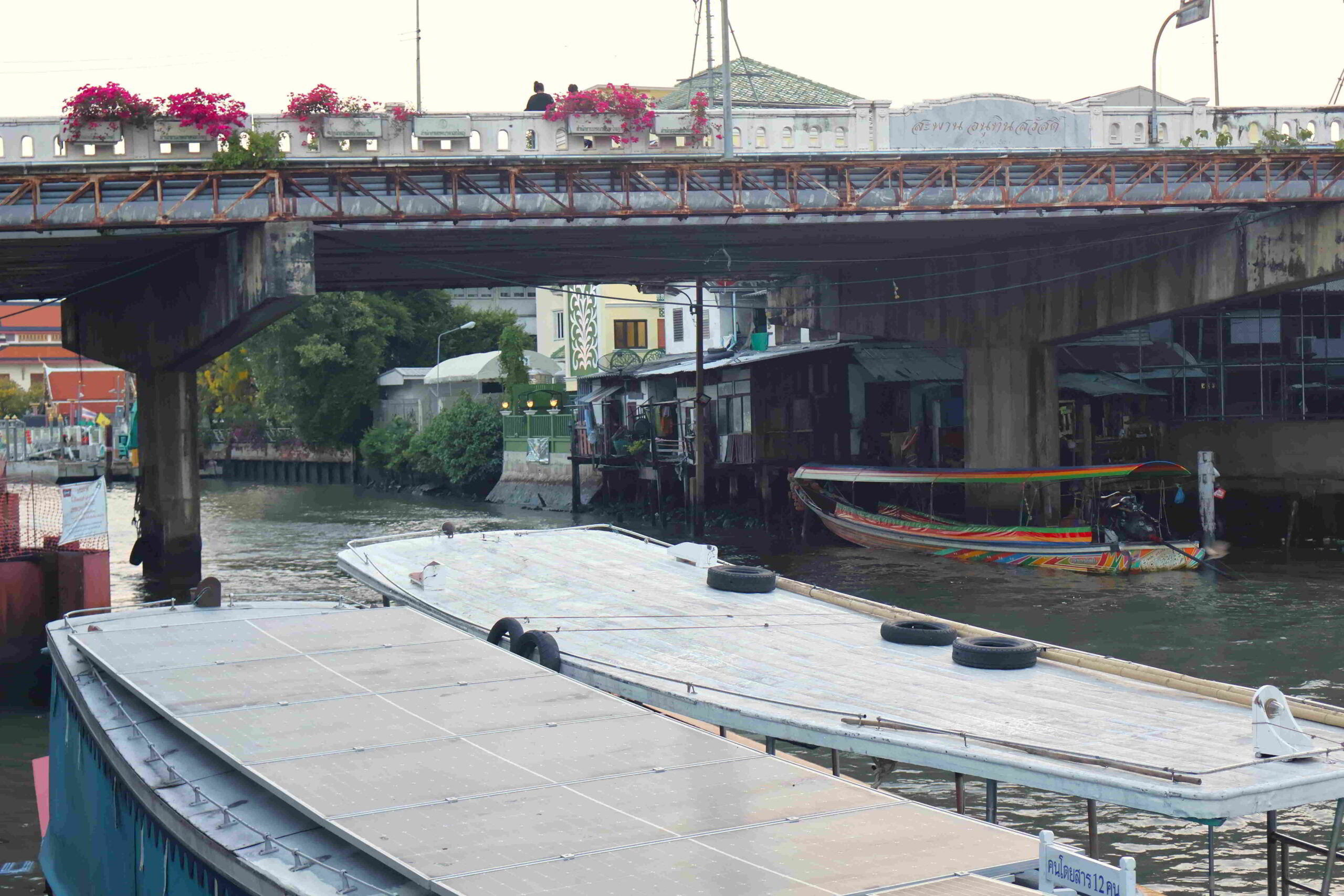
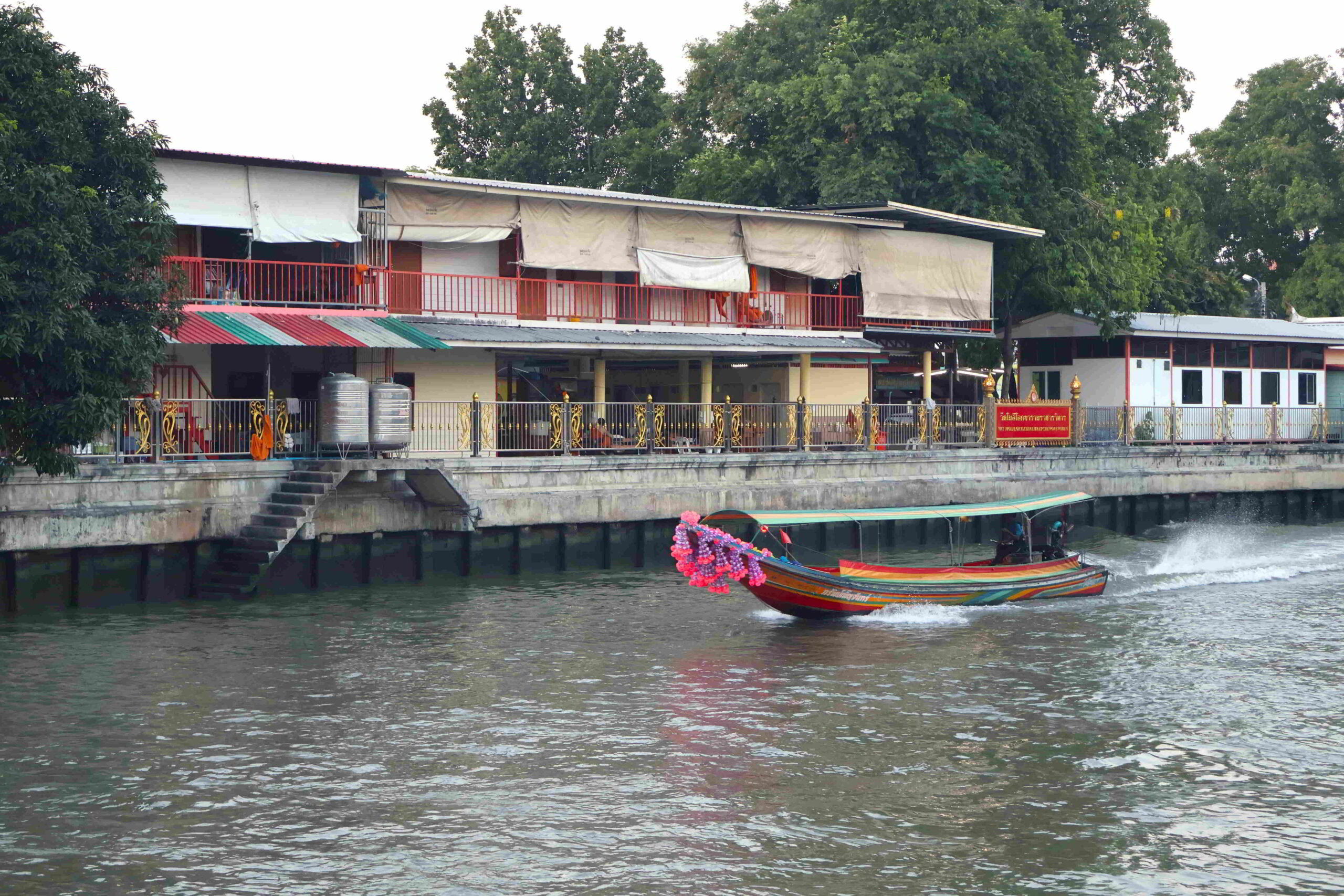
I make sure I have the correct change this time for the Bolt driver, although as before, the young man doesn’t have an extra passenger helmet. Flying at high speeds along the admittedly well-paved Bangkok roads at the back of a scooter without a helmet may not be a very good idea. The road is now familiar, and of course the route quite lengthy; the last stretch, along Kaeo Ngoen Thong road that weaves northward through Taling Chan is definitely compelling, lined with interesting eateries, select retail establishments, a few boutique hotels, visually engaging, verdant, its commercial face interrupted by the ornate golden facades of the occasional Buddhist temple.
Bangkok Yai
Bangkok Yai
Bangkok Yai
Bangkok Yai
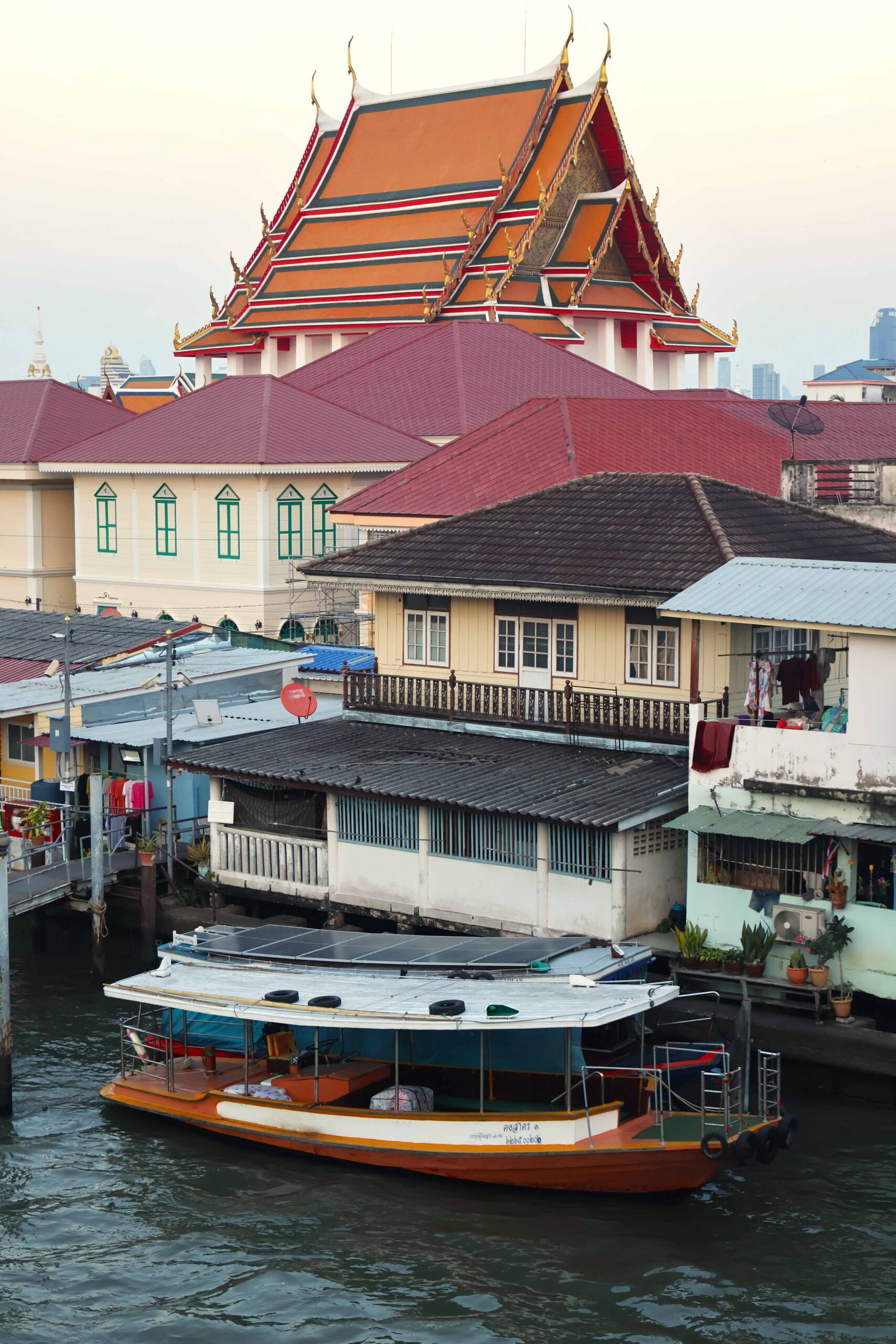
I am exhausted and need to rest, which I suppose I shouldn’t hold against myself, as it is late — after all, I did spend most of the day in the hot sun, and I should still be suffering from jet lag. It happily seems as if the night won’t be plagued by the barking of dogs as it was yesterday, although it’s not as if I wouldn’t sleep through it. I want to motivate myself to get some writing done in my journal, so a trip downstairs to forage through the fridge is in order. There are the stuffed banana leaves that I bought earlier on at the floating market: they turn out to be filled with spiced fish paste and called Hor Mok Pla, a fragrant, custard-like puree of fish fillet blended with red curry paste, coconut milk, and egg, then steamed in banana leaf cups, garnished with kaffir lime leaves and chili.
Bangkok Yai
Bangkok Yai
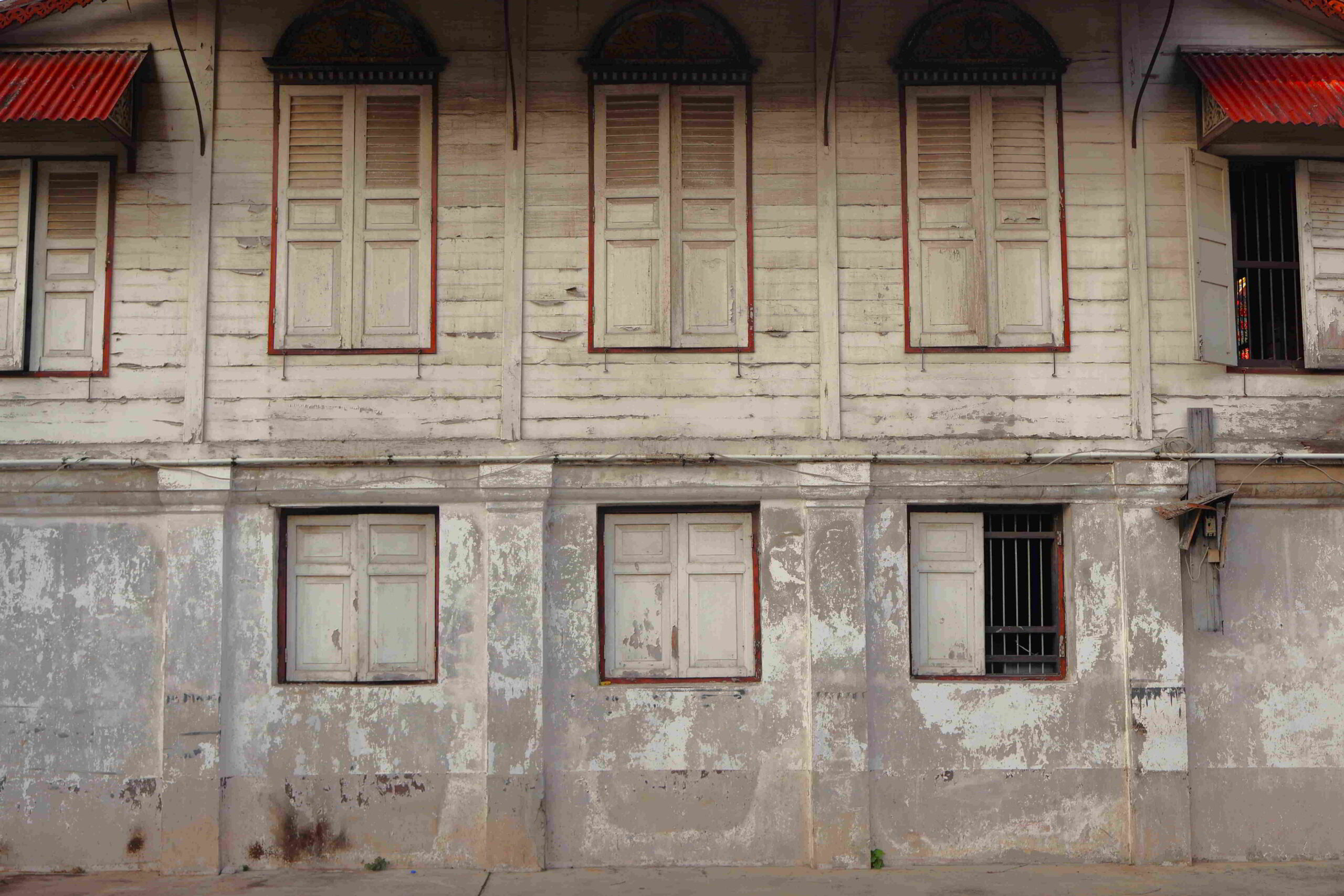
Bangkok — Thon Buri — Wat Kalayanamit Woramahawihan
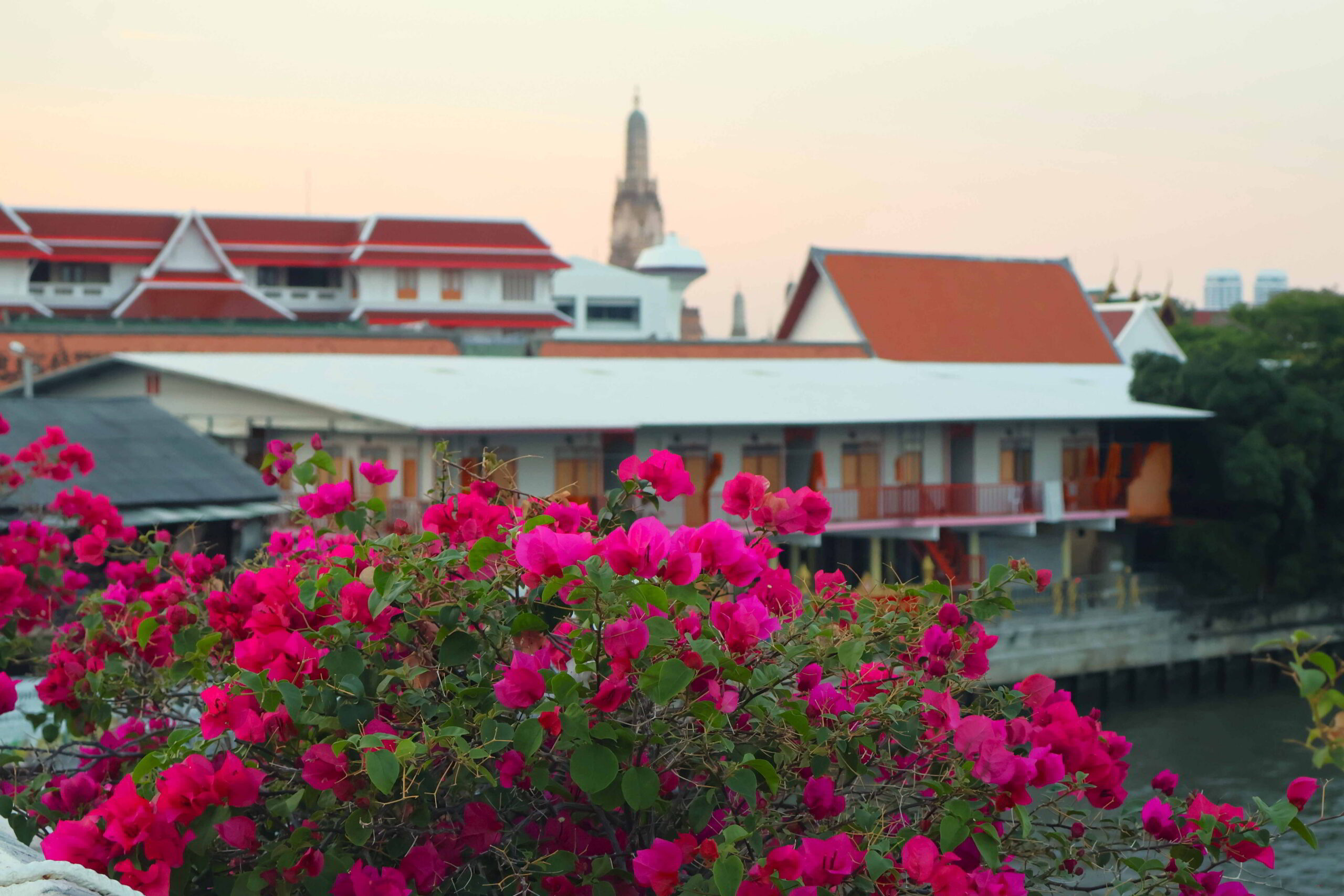
Bangkok Yai
The flavours are subtle but incendiary, simply incredible, leaving me shaking my head, although none of this should come as any surprise. I think of how I simply don’t bother going out at home and attempt to relive the incredible culinary experiences I have had over the years in the tropics, as it simply would never be the same in terms of the freshness of the ingredients, never mind the ambience.
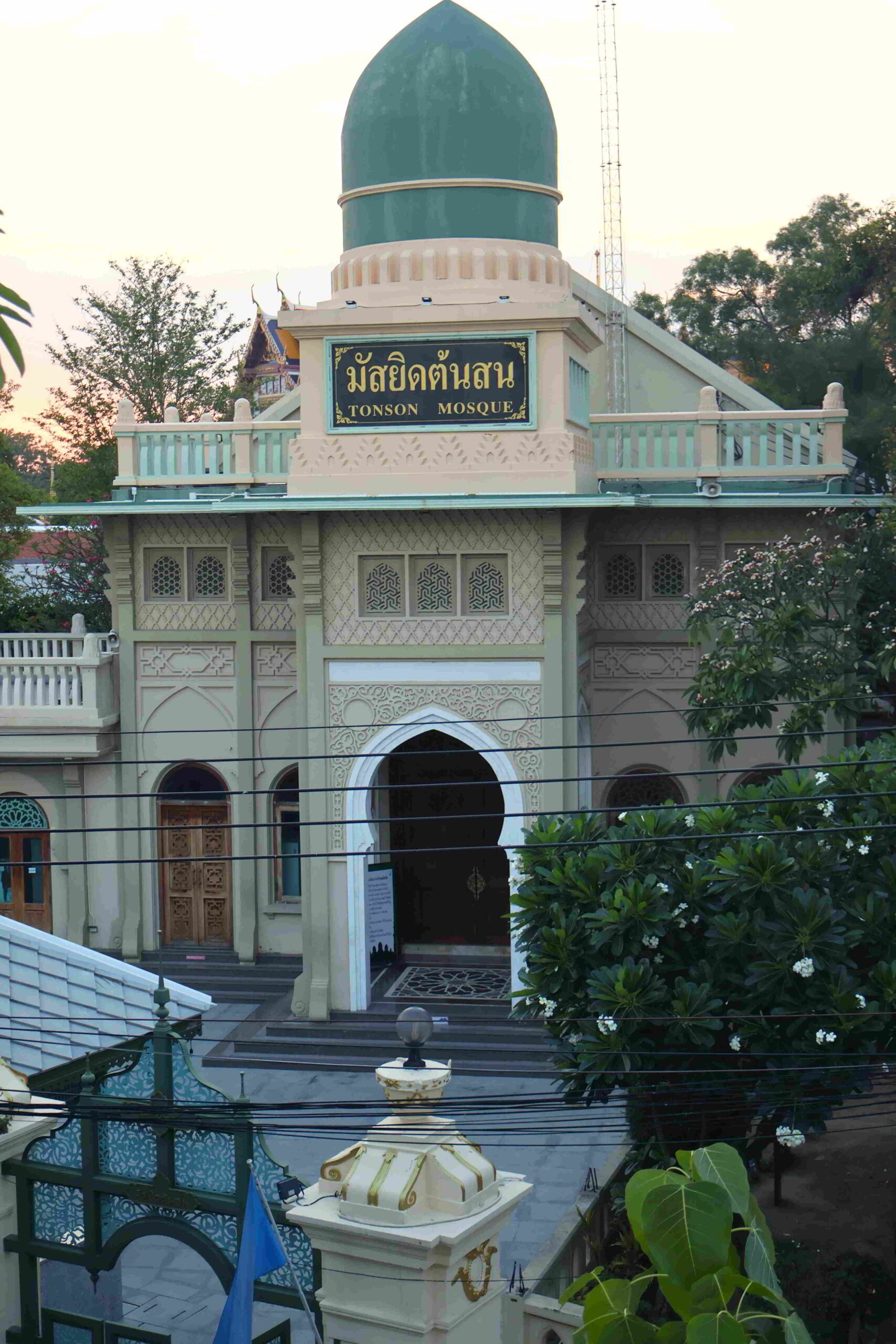
Bangkok Yai — Ton Son Jami Mosque
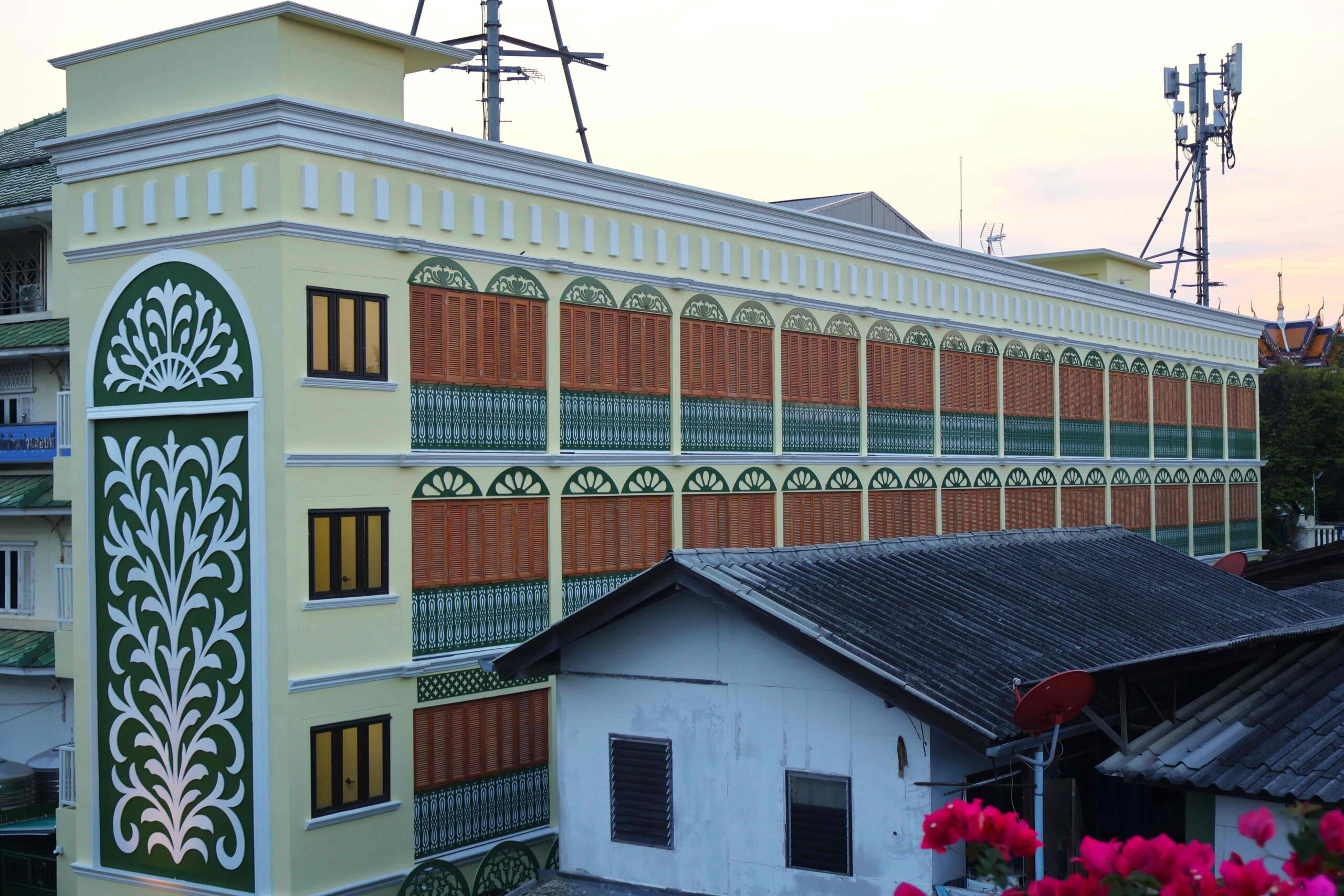
Bangkok Yai — Ton Son Jami Mosque
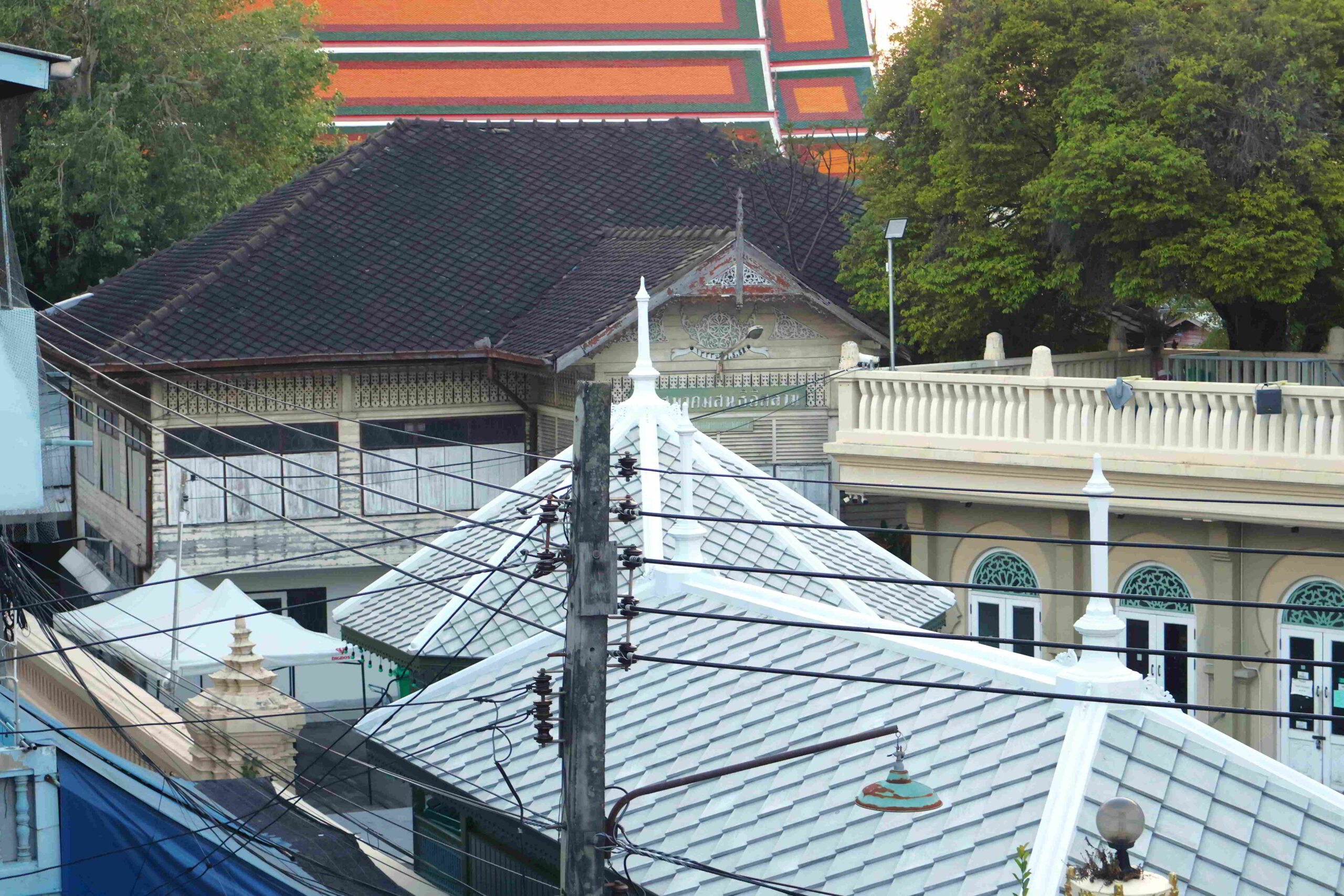
Bangkok Yai — Ton Son Jami Mosque
Bangkok Yai