July 12 , 2026

Bangkok — Koh Rattanakosin — Democracy monument

Bangkok — Koh Rattanakosin

Bangkok — Koh Rattanakosin

Bangkok — Koh Rattanakosin — Siam Champs Elysees Unique Hotel
I had allotted only a single day to exploring Bangkok, a debatable decision, especially given my ambivalence about Koh Chang, where I spent the better part of the preceding week. I would like have been in a far more spry condition to meet the explorational challenges of the day, but trying to sleep on the hard mattress in my current hotel was challenging, never mind frustrating and disappointing: it takes so little to improve what are effectively cheap mattresses, but even that small effort hasn’t been taken. And yet the hotel is situated in what is arguable quite a magical corner of the old town, walking distance to the royal palace, but then again not too close, around the corner from major public monuments, such as the Democracy monument, the mountaintop Wat Saket Ratchawora Mahawihan, and a number of other elegant and intimate parks and temples, the canal, an intimate warren of back alleys on one side and more modern alleys with boutique eateries and hotels on the other.

Bangkok — Koh Rattanakosin — Ratchadamnoen Contemporary Art Center

Bangkok — Koh Rattanakosin — Ratchadamnoen Contemporary Art Center

Bangkok — Koh Rattanakosin — Ratchadamnoen Contemporary Art Center

Bangkok — Koh Rattanakosin — Ratchadamnoen Contemporary Art Center
The Democracy monument is less spectacular in the dull light of the overcast day than it was with nocturnal illumination, but then more of the urban landscape overall is visible. Boldly anchored on Ratchadamnoen Klang Road, the monument was built in 1939 to commemorate the 1932 Siamese Revolution that ended absolute monarchy, but has also the site of political protests throughout Thailand’s contemporary history. The road was originally modeled after the Champs-Élysées as royal avenue by King Rama V in 1899 to connect palaces. The Royal Pavilion Mahajetsadabadin is laid out with a grid of temple-styled pavilions; across the narrow road lie the ostentatious structures of the Wat Ratchanatdaram Worawihan, although only the upper portions of the taller buildings are visible over the high enclosing wall.

Bangkok — Koh Rattanakosin — Ratchadamnoen Contemporary Art Center

Bangkok — Koh Rattanakosin — Ratchadamnoen Contemporary Art Center

Bangkok — Koh Rattanakosin — Ratchadamnoen Contemporary Art Center
I unwittingly stumble into one of the primary modern art display spaces in central Bangkok, around the corner from my hotel, its facade deceptive, inasmuch as the interior is gutted, at least on the main floor, little more than the structural beams constituting the upper floor remaining. The security guard waves me to the staircase to the rear of the space — there are exhibitions to take in, but on upper floors is one of the more interesting collections dedicated to the upcycling of waste materials into innovative and fashionable clothing items and accessories, similar to an exhibition I had seen in Khon Kaen. Despite the sophistication of the presentation, the immense possibilities for reusing waste clothing are gated by the economics of collecting such discard clothing, sorting it, breaking it down, then processing it into new fabrics, creating new clothing with it, and selling that clothing, each stage representing a degree of complexity, risk, and cost, and the end product not necessarily economical and in no way sure of market adoption.

Bangkok — Koh Rattanakosin — Wat Ratchanaddaram Woraviharn

Bangkok — Koh Rattanakosin — Wat Ratchanaddaram Woraviharn

Bangkok — Koh Rattanakosin — Wat Ratchanaddaram Woraviharn

Bangkok — Koh Rattanakosin — Wat Ratchanaddaram Woraviharn
A different portion of the gallery is dedicated to a small and diverse collection of modern painting, some abstract, some representational, some a combination of both, none of the work particularly momentous, although certainly offering a very different take of the Thai experience than in the normative locales not far from the exhibition space. The partially gutted plaster, cement, brick, and glass structure itself is aesthetically fascinating, air conditioned, and pleasant to meander through. The colourful depictions of regional cultures of ASEAN seem appropriate for a youthful audience, but upon cursory inspection offering only the most simplistic depictions of the cultures contained in the organization’s member countries.

Bangkok — Koh Rattanakosin — Wat Ratchanaddaram Woraviharn

Bangkok — Koh Rattanakosin — Wat Ratchanaddaram Woraviharn

Bangkok — Koh Rattanakosin — Wat Ratchanaddaram Woraviharn
Thanks to the morass of construction running along Ratchadamnoen Klang Road, I manage to overlook the Queen’s Gallery, another major art space set against the inner canal. Annoying as the mess of scaffolding and complicated vehicular and pedestrian routing deviations may be, it is in place due to the tunneling of an MRT line into the historic centre of Bangkok, which has long been sorely needed. But as the owners of a restaurant in a colonial-era building along Phra Sumen road tell me, the construction has gone on for years, with no realistic end date in sight. I am nevertheless grateful for the tasteful setting, the absence of a deluge of tourists, the charming hosts, and the tourist-friendly service.

Bangkok — Koh Rattanakosin

Bangkok — Koh Rattanakosin

Bangkok — Koh Rattanakosin

Bangkok — Koh Rattanakosin
Meandering further up Phra Sumen road, occasional views open up of the canal running alongside, the area of a more stately nature, featuring larger, free-standing colonial-styled buildings, boutique hotels, restaurants, and cafes, although the overarching impression is one of restrained elegance, which is a welcome counterpoint to the either tawdry or plastic environments that are focal points for tourists in the city. The canal itself is far more interesting, given that it is easier to appreciate architectural characteristics with the unobstructed sightlines, the passage running on one side of the water is spotted with tasteful and inviting coffee shops, eateries, and lounges, the pedestrian-friendly environment and nuanced visual spectacle contributing to a surprising degree of ambience the area offers.

Bangkok — Koh Rattanakosin

Bangkok — Koh Rattanakosin

Bangkok — Koh Rattanakosin

Bangkok — Koh Rattanakosin
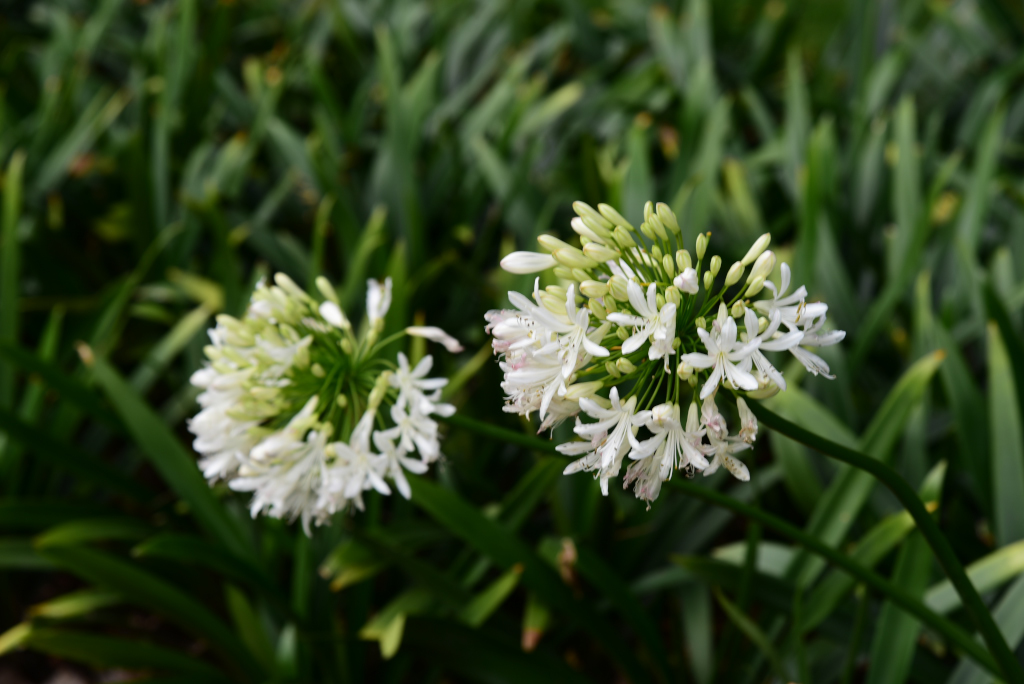
Golden temples and shrines litter the environment, befitting of any self-respecting Thai urban environment, although this area in particular includes religious structures of particular importance, given the proximity of the royal enclave, not that Buddhist temples anywhere in the country aren’t spectacular. But even in this vaunted district, housing for locals is rudimentary, the side alleys narrow and free of any adornments, the building fronts weatherworn and littered with air conditioning units, the occasional wooden structures hearkening to a far earlier era. The plenitude of potted plants and larger trees provides welcome compensation for the otherwise claustrophobic and poorly-maintained urban environment, particularly when covered with voluptuous clusters of flowers, as is the case with the mandatory frangipani.

Bangkok — Koh Rattanakosin

Bangkok — Koh Rattanakosin

Bangkok — Koh Rattanakosin

Bangkok — Koh Rattanakosin
Closer to the waterfront pier, tourists appear, albeit no more than a trickle. The riverside itself is entirely separated from the warren of residential alleyways that weave around the canal to the east. A small park surrounds the Phra Sumen fort, a historic, white octagonal watchtower built in 1783 by King Rama, one of only two surviving defensive forts out of the original 14 that protected the old city. The green space could offer a welcome respite from the dense urban environment, but the nature of the locals loitering on the benches surrounding the fort provides a good reason to keep moving. The immediate waterfront is dedicated to tourist restaurants and lounges, a ramp leading from the park to the adjoining ferry pier.

Bangkok — Koh Rattanakosin

Bangkok — Koh Rattanakosin

Bangkok — Koh Rattanakosin

Bangkok — Koh Rattanakosin

Bangkok — Koh Rattanakosin
I could take a boat north to Nonthaburi, but it is too late in the afternoon: the last boat returning leaves in an hour. Another day, possibly tomorrow. Given the limited hours of daylight left — I have to continually remind myself that sunset is over an hour earlier than where I just came from, and this evidently will impede my sightseeing activities. I typically try to avoid going out in the evening to ensure that I have enough time to write in my journal and also wind down the day at an earlier enough hour. I could walk back through the urban neighborhood to the south of the canal I just walked along, the challenge being to discover pockets outside of the Khao San road and royal palace areas, which I am quite familiar with from past visits.

Bangkok — Koh Rattanakosin

Bangkok — Koh Rattanakosin

Bangkok — Koh Rattanakosin

Bangkok — Koh Rattanakosin

Bangkok — Koh Rattanakosin
Another idea could be to skirt the area of Khao San road and walk along the side streets, which perhaps wouldn’t trigger me as badly, given my inherent animosity for the street and the general area. And yet, surprisingly, walking through that paragon of tawdry Bangkok backpacker iniquity, with its overarching flagrante delicto, somehow doesn’t resonate as toxically as it has in the past. The streets surrounding Khao San are lively, with offerings dipping into the gutter, and yet much of what the area presents to the mostly colourful younger European families is a salubrious collection of storefront and streetside eateries ranging from the solidly Thai to the pan-western, no different an offering than would be found in any other resort in the country.

Bangkok — Koh Rattanakosin

Bangkok — Koh Rattanakosin

Bangkok — Koh Rattanakosin

Bangkok — Koh Rattanakosin

Bangkok — Koh Rattanakosin
Given the crowds of Caucasians milling around the streets, you wouldn’t guess that it’s the low season. Many restaurants and roadside eateries are quite busy, although the massage parlours and souvenir stands much less so. Ironically, the more wholesome the tourist demographic, the less opportunity for the red light district side of Khaosan road to make money, as the bedraggled backpackers with their matted dreadlocks, weathered backpacks, and torn clothing are far less in evidence.

Bangkok — Koh Rattanakosin

Bangkok — Koh Rattanakosin

Bangkok — Koh Rattanakosin

Bangkok — Koh Rattanakosin

Bangkok — Koh Rattanakosin
The serene Wat Chanasongkhram Ratchaworamahawihan compound stands indifferently to the debauched fray of Khaosan road across the street, the royal temple beholden to a small number of local worshippers who probably wouldn’t dream of crossing the street. Its various pavilions share an extensive campus, the structures with their sheer plaster walls and sloping, multi-layered tiled roofs set at orthogonal angles, the shimmering surfaces contrasting starkly with the intricately patterned gilt bas relief gable work and the equidistant arched windows flanked with minute geometrically-patterning detailing and crowned with tympanums featuring more of the same gilt workmanship, embedded in naga-style enclosures. The window arches and gables are crowned with fluted gilt finials, the flagrant opulence of the Thai temple architecture here – as elsewhere in the country – a stark departure from the populace’s rudimentary, weatherworn residential housing.

Bangkok — Koh Rattanakosin

Bangkok — Koh Rattanakosin

Bangkok — Koh Rattanakosin

Bangkok — Koh Rattanakosin

Bangkok — Koh Rattanakosin
I continue along the streets running parallel to Khao San road, then into an entirely different universe, the landscape dominated by statelier businesses, hotels, royal and governmental administrative offices, and modest eateries. A lengthy alley weaves among the sprawling compounds surprisingly adjoining narrow alleys lined with modest residential houses, decrepit, claustrophobic, but nonetheless rich in atmosphere. And at the Democracy monument, the entire northwestern quadrant facing the traffic circle is dominated by a McDonalds … incongruous and exotic!

Bangkok — Koh Rattanakosin — Phra Sumen Fort

Bangkok — Koh Rattanakosin

Bangkok — Koh Rattanakosin

Bangkok — Koh Rattanakosin

Bangkok — Koh Rattanakosin

Bangkok — Koh Rattanakosin — Phra Sumen Fort
At my hotel, a sorely-need rest, the air conditioning and bed a welcome respite from the slog through the urban heat, although eventually the time comes to make my way back outside and find somewhere to eat dinner before it gets too late. Surprisingly, however regal the area may be, there aren’t a lot of restaurants to be found other than the overpriced hotel establishments that tourists avoid and the McDonalds on the far side of the monument. I could of course walk south on Dinso and explore the eating options in the far more authentic local neighborhood that it transects.

Bangkok — Koh Rattanakosin — Wat Chanasongkhram Ratchaworamahawihan

Bangkok — Koh Rattanakosin — Wat Chanasongkhram Ratchaworamahawihan

Bangkok — Koh Rattanakosin — Wat Chanasongkhram Ratchaworamahawihan
But most of the places I pass by aren’t that endearing, from dessert shops to streetside stalls selling a few inconsequential snacks, greasy diners, others whose wares are unclear. Further and further I walk through the variegated urban landscape, the modest residential and commercial environment interrupted with the occasional reminder of the country’s Buddhist heritage.

Bangkok — Koh Rattanakosin — Wat Chanasongkhram Ratchaworamahawihan

Bangkok — Koh Rattanakosin — Wat Chanasongkhram Ratchaworamahawihan

Bangkok — Koh Rattanakosin — Wat Chanasongkhram Ratchaworamahawihan
As I continue to the south, my mind returns to the eatery I had dinner at late yesterday, although it would seem to me I should have reached it much earlier. Well, my sense of distance isn’t the best, and I could do worse than simply continuing walking southward. And there, by the canal, I find it again, taking one of the last empty tables, the staff cheerfully greeting me, today’s selection involving three variants, two to consume here, and one for tomorrow’s breakfast. And not long into my dinner, my deeply-tanned friends from yesterday reappear as well as another international traveler they met at the hostel, our agitated conversation weaving between Spanish and English, motivated by the gaps in my fluency of the former, not that anyone particularly cares. Our conversation continues on the same subjects as yesterday, where our travels have taken us, the destinations we intend on continuing to, but takes a more esoteric and philosophical bent, redolent of the hopefulness and inspiration that imbues all great travels.

Bangkok — Koh Rattanakosin — Wat Chanasongkhram Ratchaworamahawihan

Bangkok — Koh Rattanakosin — Wat Chanasongkhram Ratchaworamahawihan

Bangkok — Koh Rattanakosin — Wat Chanasongkhram Ratchaworamahawihan

Bangkok — Koh Rattanakosin — Wat Chanasongkhram Ratchaworamahawihan
I attempt to check in for my flight to Vancouver tomorrow, but the effort is quickly frustrated. I understand that Zipair, the airline I am to return home with has onerous baggage requirements , but am shocked to find that the cost of a single checked bag is ฿3900 (ca. CAD $180), an utterly outlandish amount. The cost should at best be a third of that amount. Never mind that the web site is broken and doesn’t let me select a seat, nor does it allow me to enter my email address, meaning that despite having gone through the motions of checking in, I can’t receive copies of the boarding passes, nor a confirmation of my payment. What an utterly ridiculous airline — avoid at all costs!

Bangkok — Koh Rattanakosin — Wat Chanasongkhram Ratchaworamahawihan

Bangkok — Koh Rattanakosin — Wat Chanasongkhram Ratchaworamahawihan

Bangkok — Koh Rattanakosin — Wat Chanasongkhram Ratchaworamahawihan