July 3 , 2026
It’s my birthday today! My age now corresponds to the year I was born, 1963. So how shall I spend the day? The Western Hills beckon …
Kunming — Wuhua District — view from apartment
Kunming — Wuhua District
Kunming — Wuhua District — view from apartment
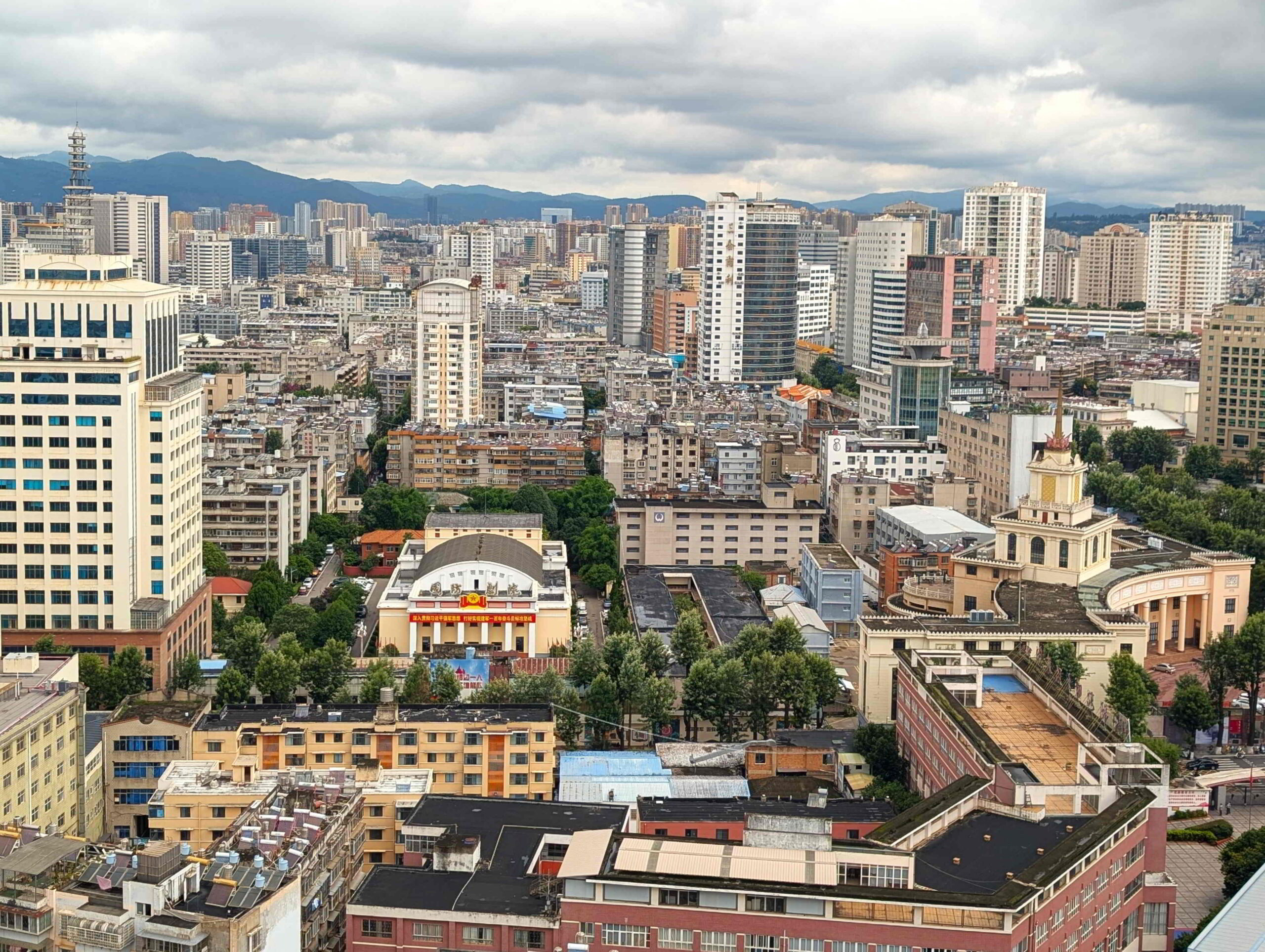
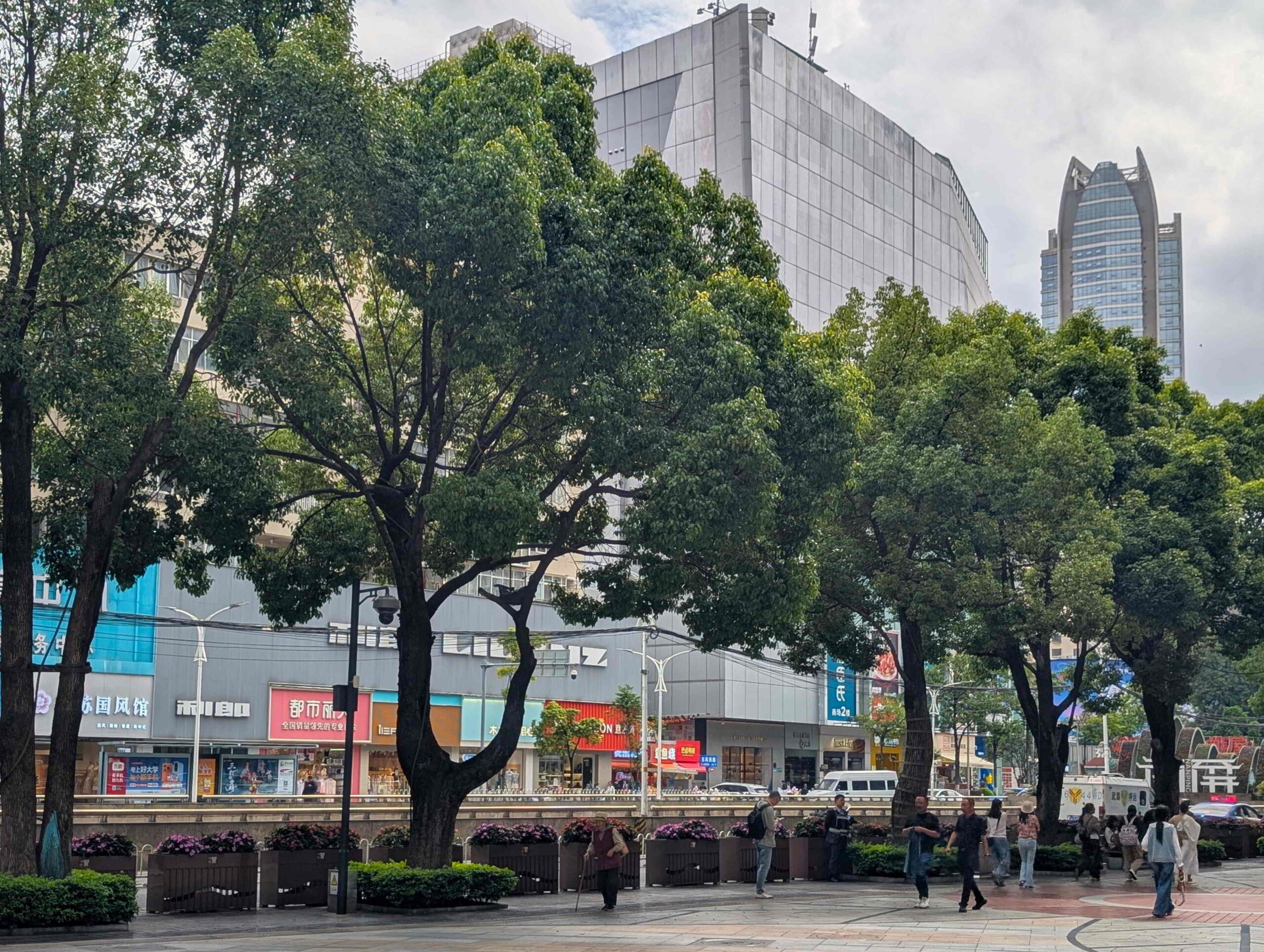
My apartment may be utterly characterless and uninspiring, but it is in theory near many attractions and an endless slew of eateries — but that doesn’t make the process of trying to find an appropriate place to eat any easier. Cooking in my apartment is out of the question; although I could boil water and eat a ramen soup, I am just not up for that kind of experience at the moment. Many of the choices that may be more qualitative are only available later on in the day; whatever budget eateries are in the vicinity and open now may be too much for me to bear.
Kunming — Wuhua District
Kunming — Wuhua District — Shuncheng Shopping Centre
Kunming — Wuhua District — Shuncheng Shopping Centre
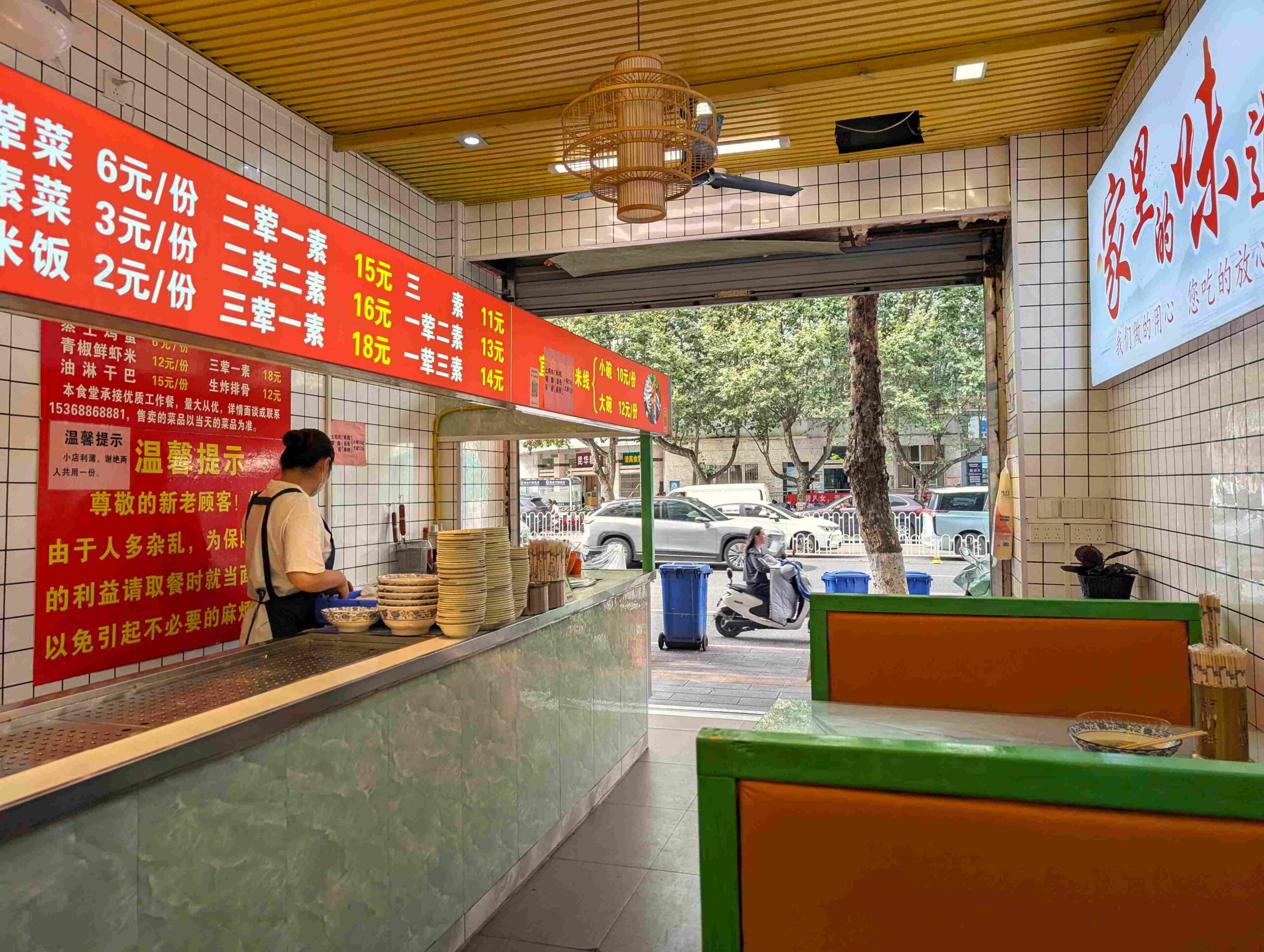
Perhaps there are some options on Jinbi road, and indeed, a few blocks to the east, a proper storefront appears where a continuous procession of customers is served slight variants of a noodle soup that are freshly made, tasty, in a clean environment, inexpensive, and in a cheery, professional environment that is on one hand fairly conventional in the country, but somewhat uncommon in the immediate environment. As is the case anywhere, of course, it takes time to get to know what the area really offers, time I won’t have.
Kunming — Wuhua District — Shuncheng Shopping Centre
Kunming — Wuhua District — Shuncheng Shopping Centre
Kunming — Wuhua District — Shuncheng Shopping Centre
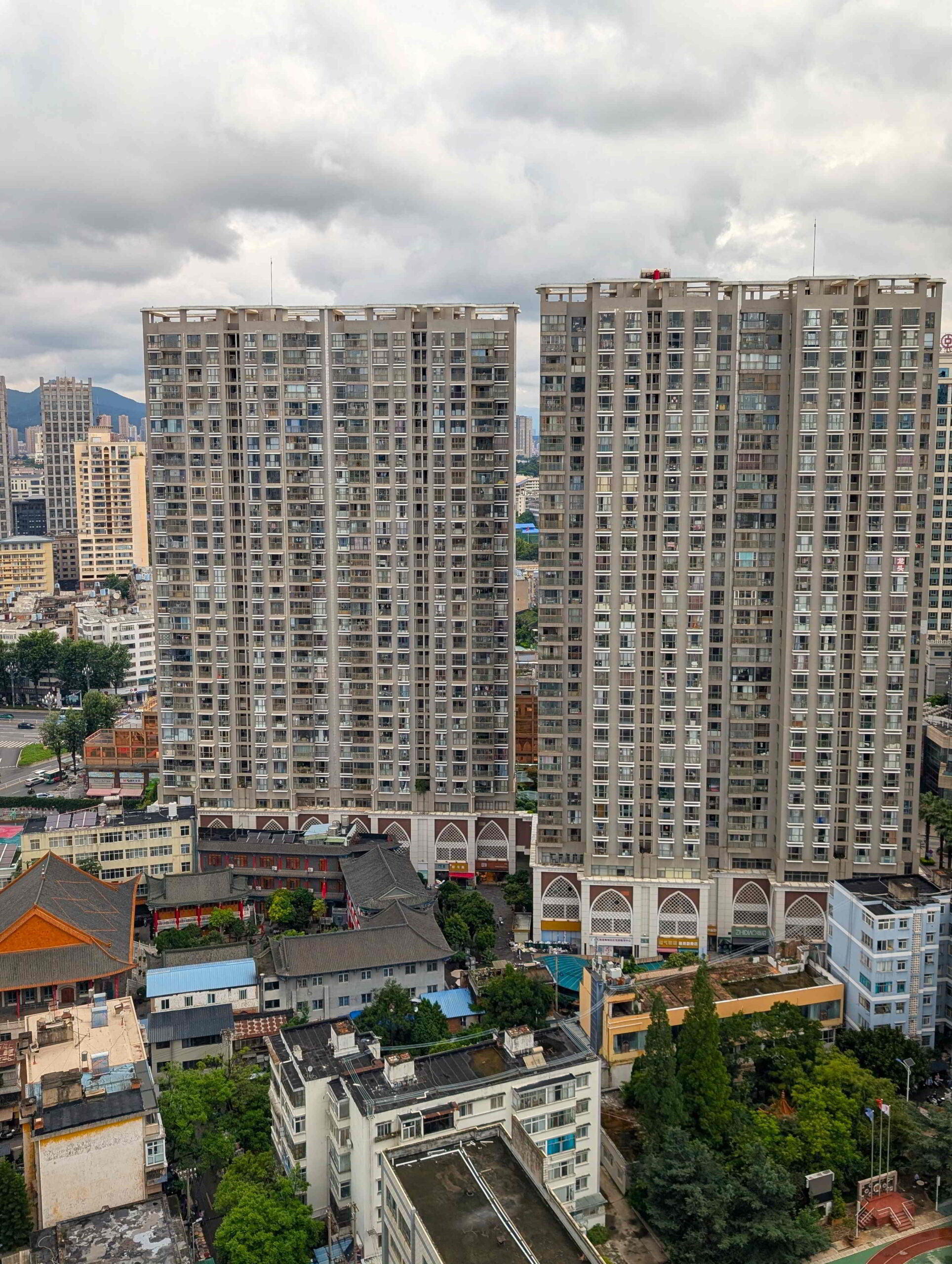
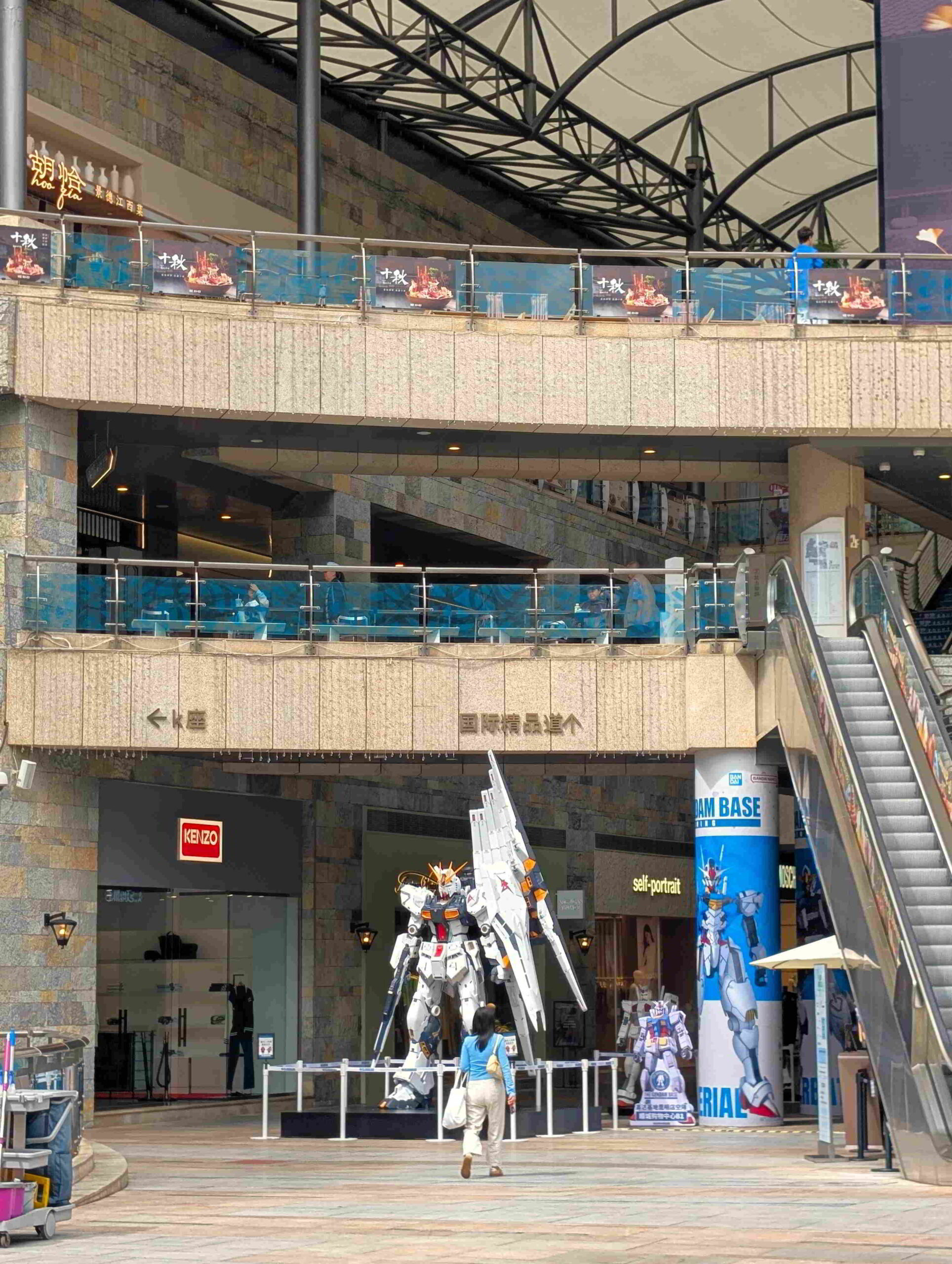
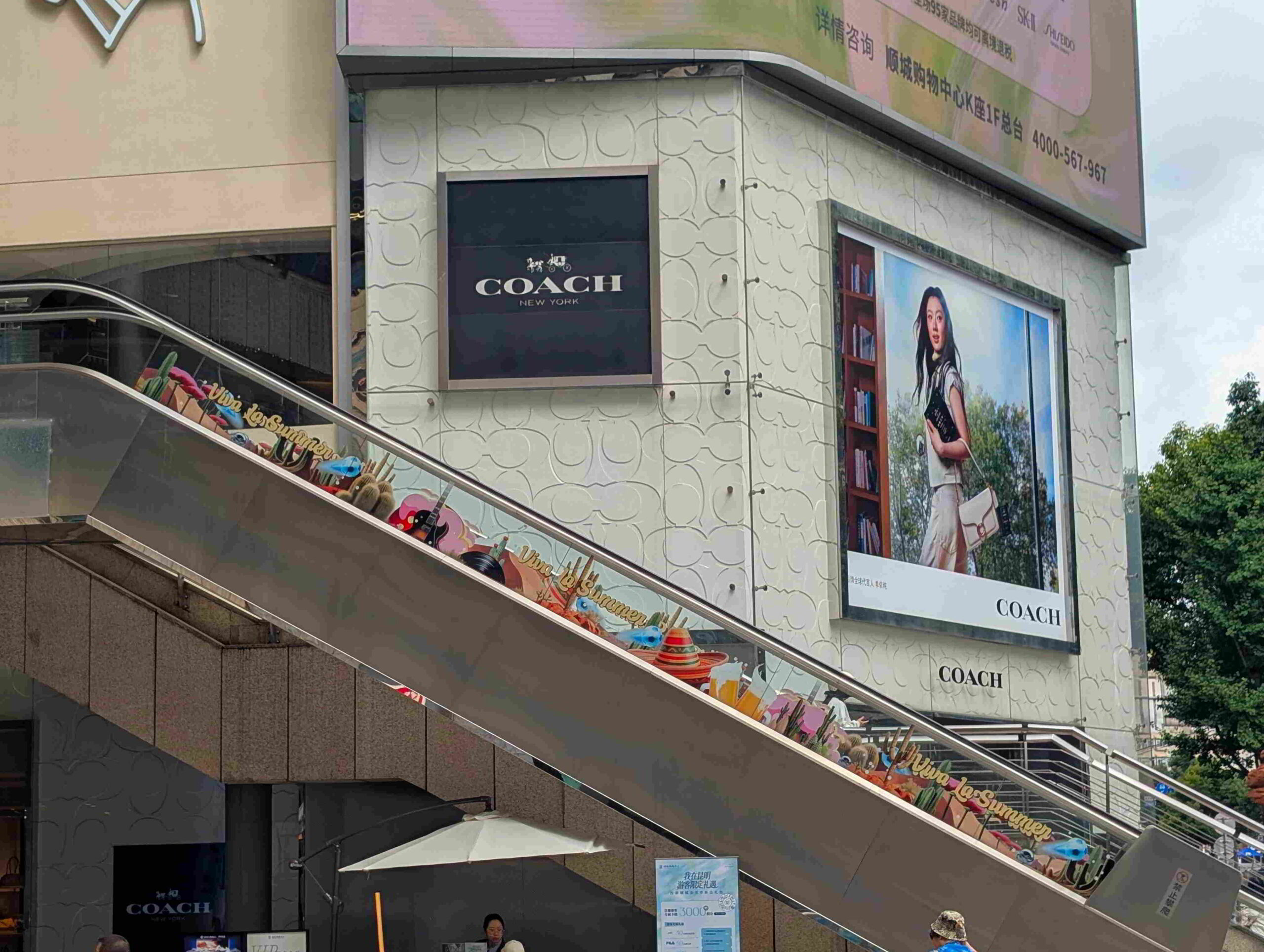
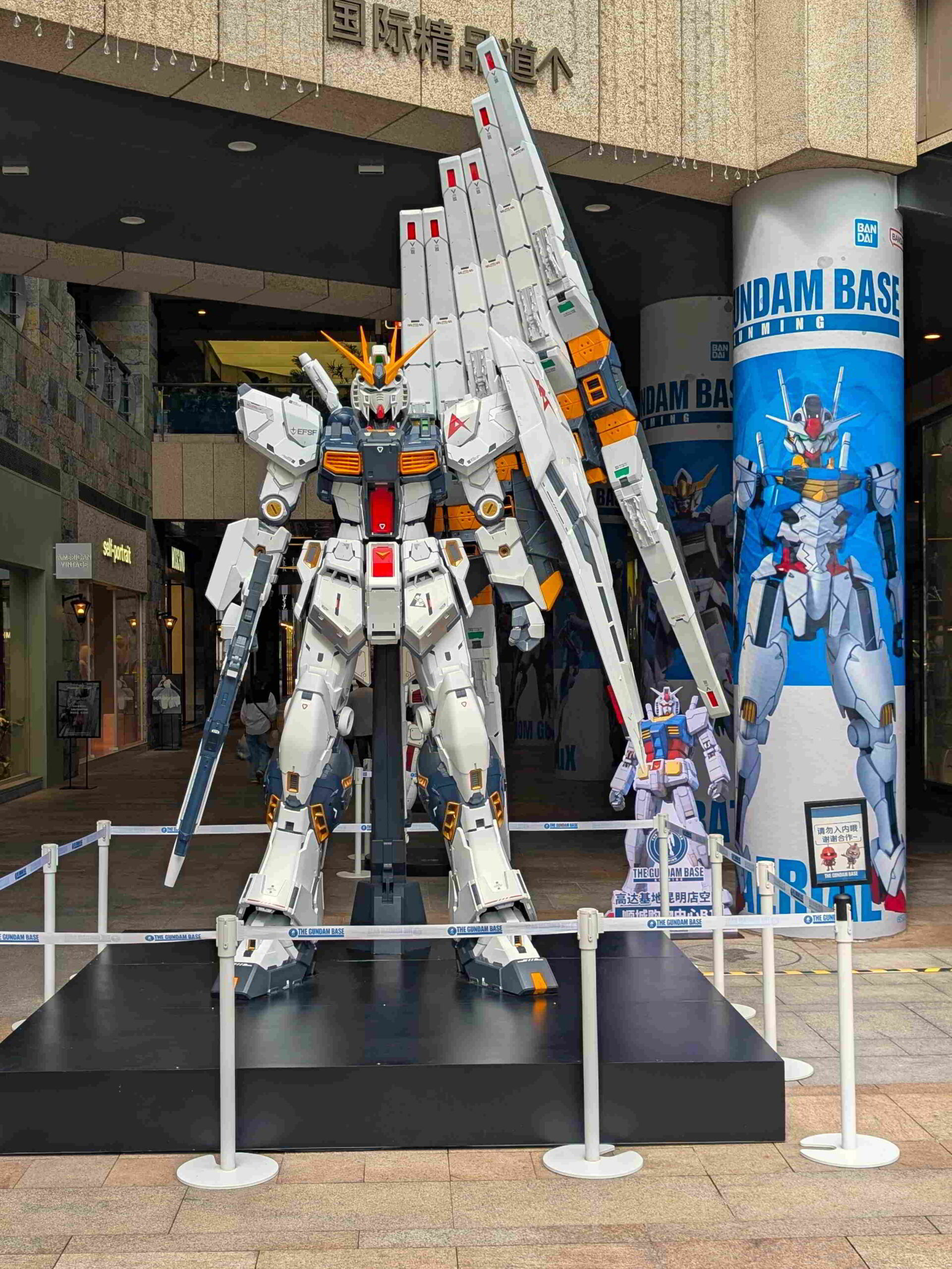
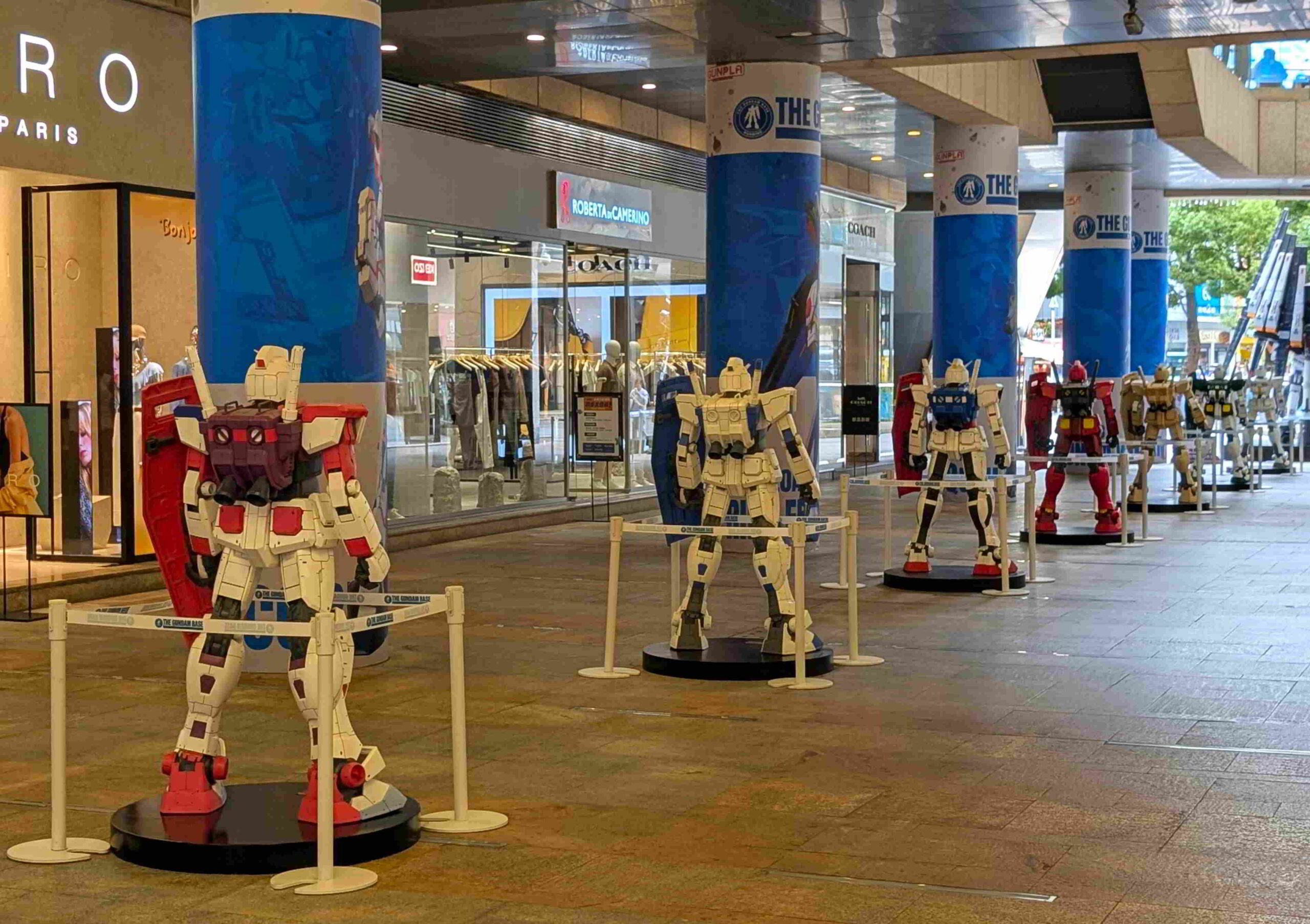
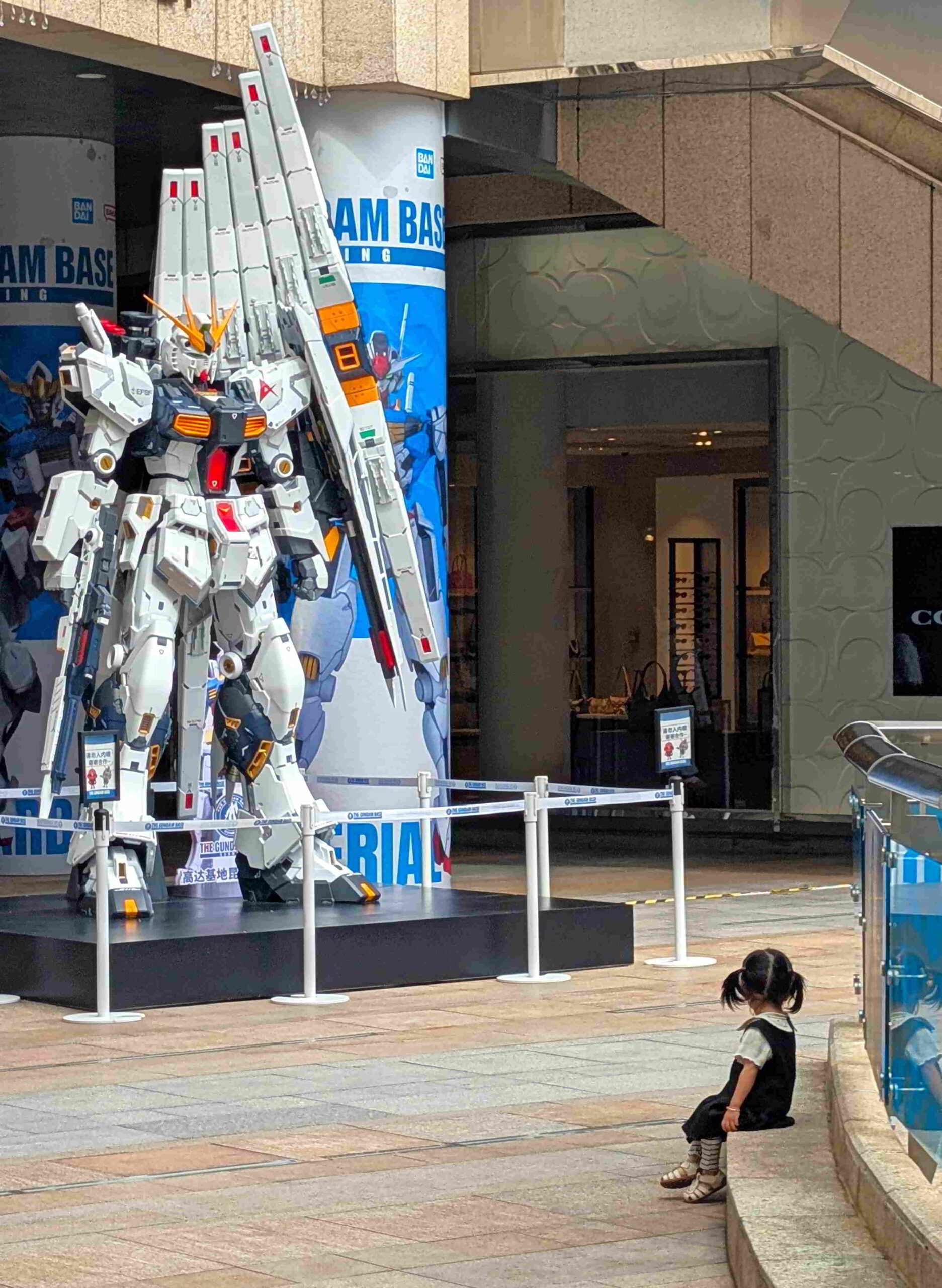
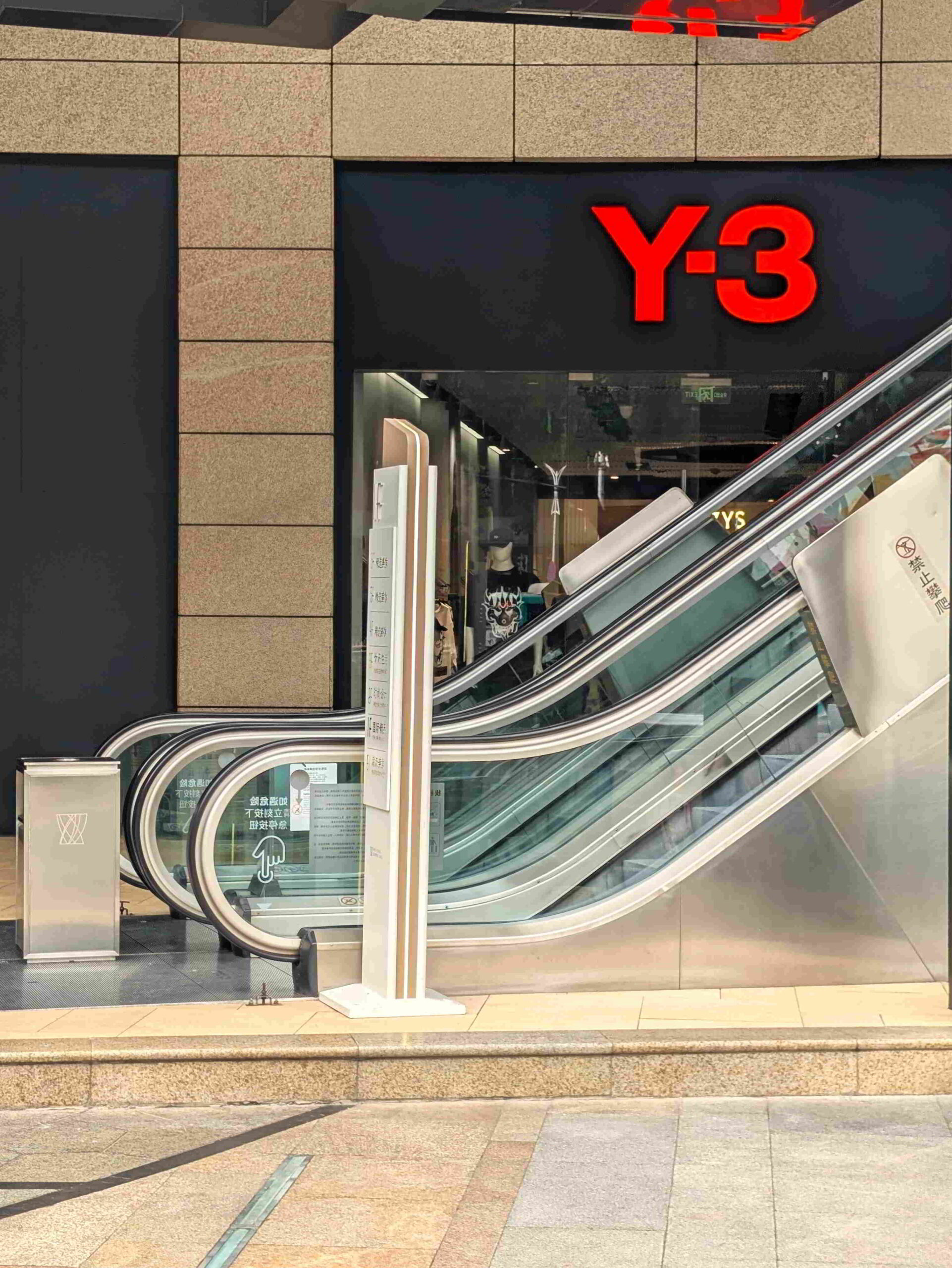
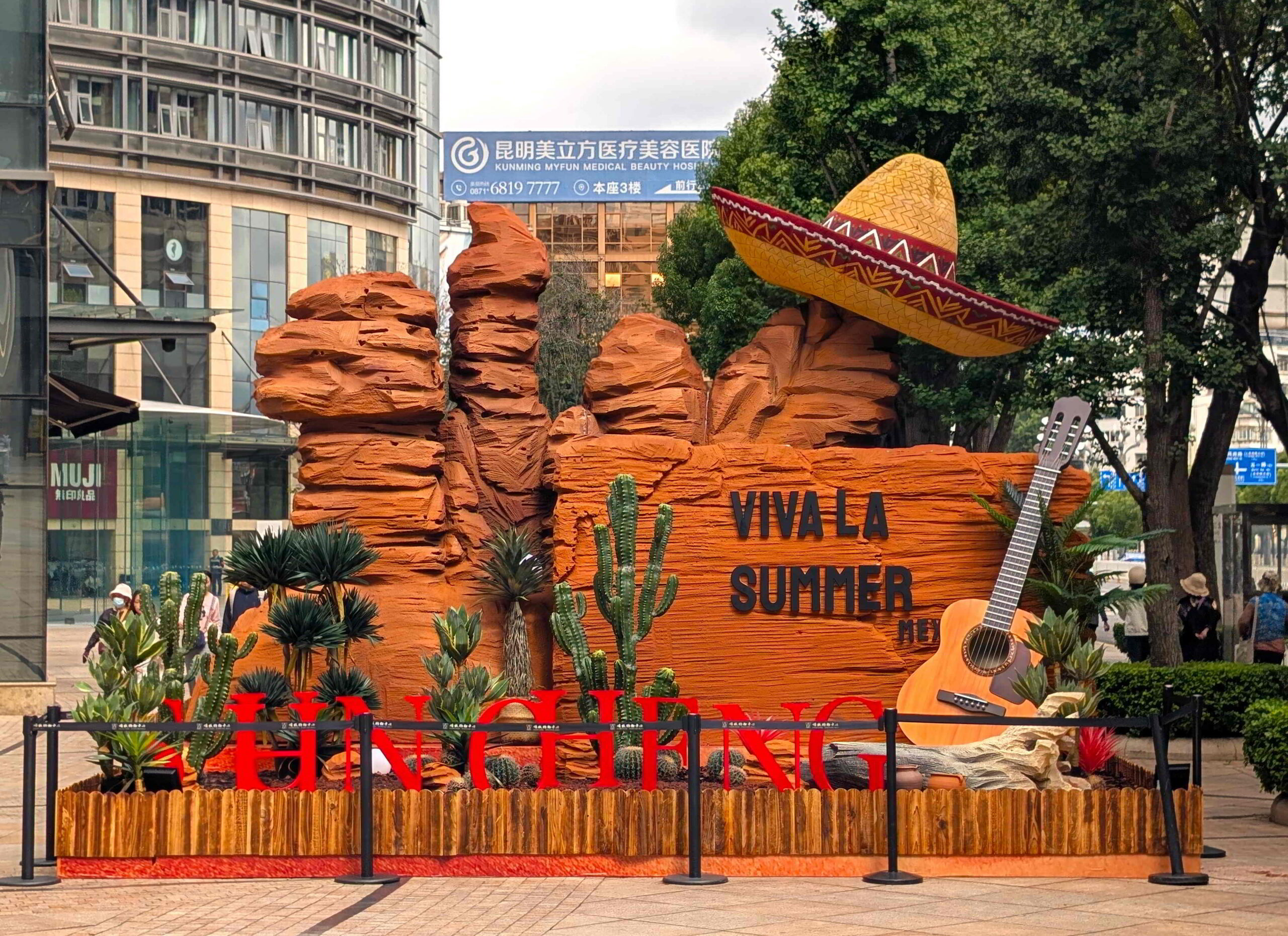
Amazingly, just a mere alleyway away from the tawdry Muslim eateries and the faceless residential towers that characterize the street I am staying on is the luxury Shuncheng shopping centre, lined with opulent boutiques of brands such as Y3, Ralph Lauren, Kenzo, Armani, and so on. Normally this would be of no interest to me, but I am fascinated by the jarring juxtaposition. There are some interesting design details, the placement of potted trees here, an oversized, semi-abstract sculpture there, and the perfectly-decorated displays radiant through the oversized glass sheets that line the broad stone corridors.
Kunming — Wuhua District — Shuncheng Shopping Centre
Kunming — Wuhua District — Shuncheng Shopping Centre
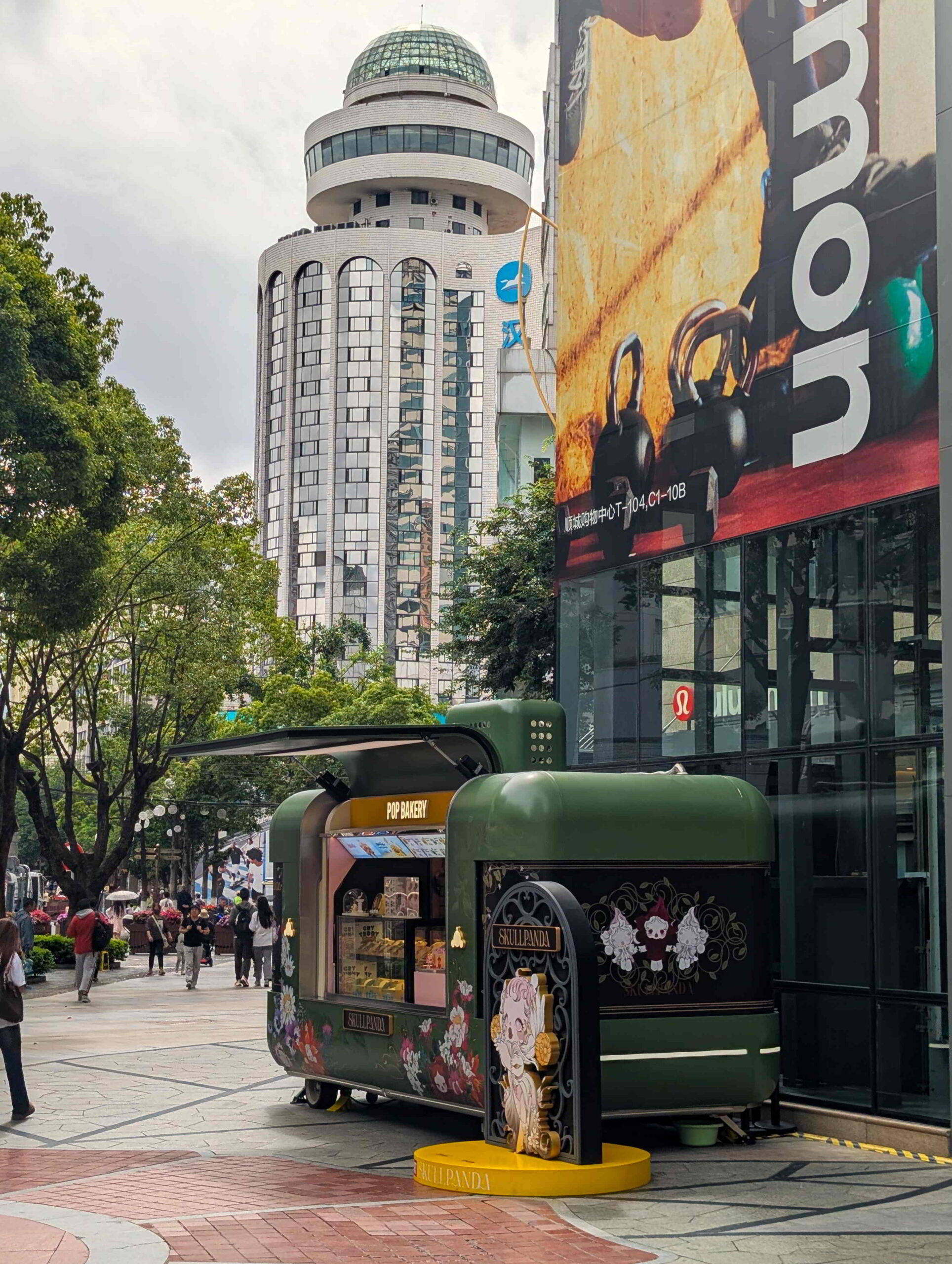
Kunming — Wuhua District — Shuncheng Shopping Centre
The mall amounts to the same experience you see anywhere on the planet with enough wealth to convince people to throw money at possibly very expensive consumer products. I find fascinating that the scattered locals wandering through the mall don’t necessarily appear to be extravagantly wealthy, but more ordinary people. Between the relative uniqueness, quality of product offering, and the elevated shopping experience, perhaps ordinary citizens can be compelled to come here as well.
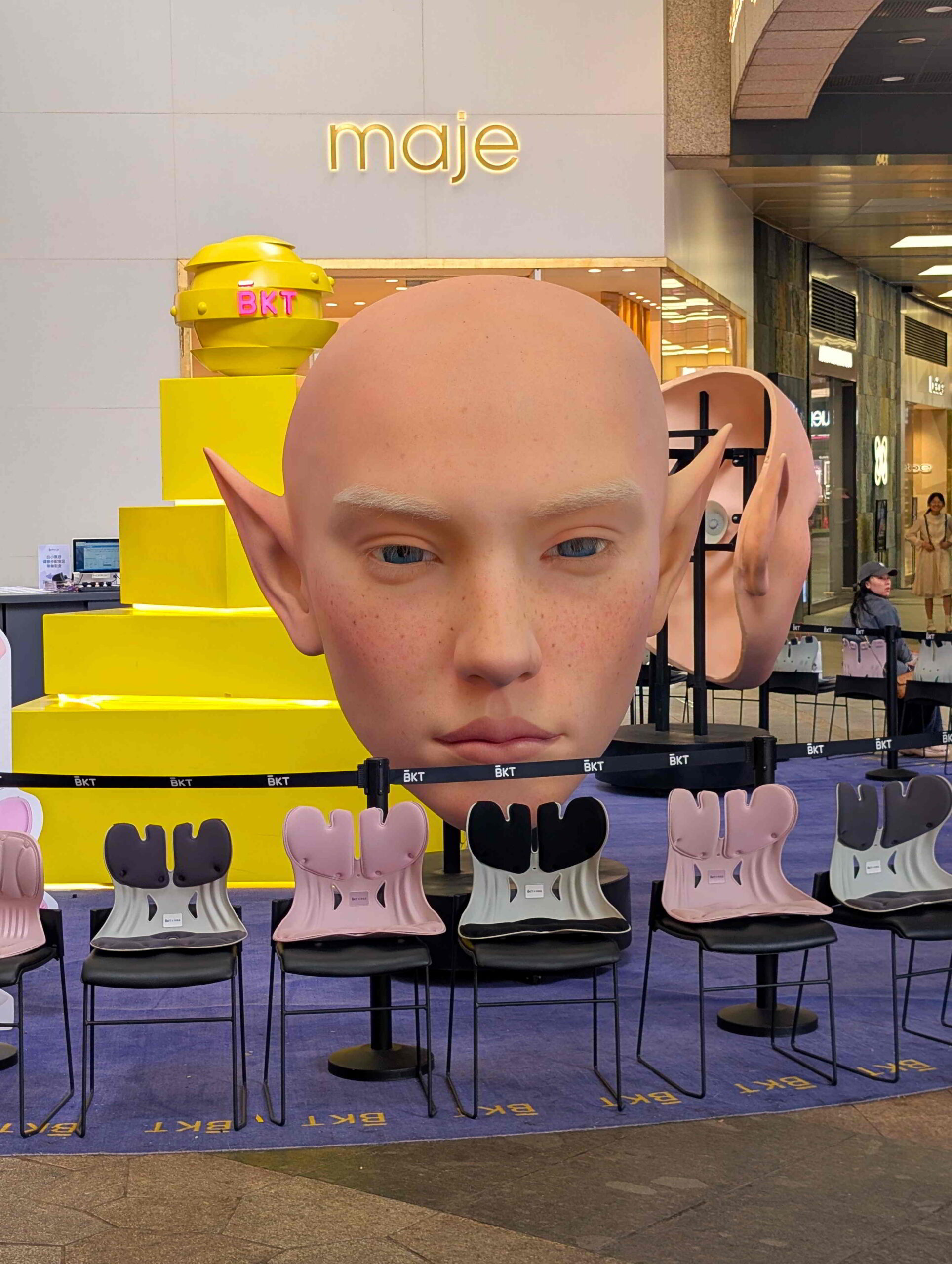
Kunming — Wuhua District — Shuncheng Shopping Centre
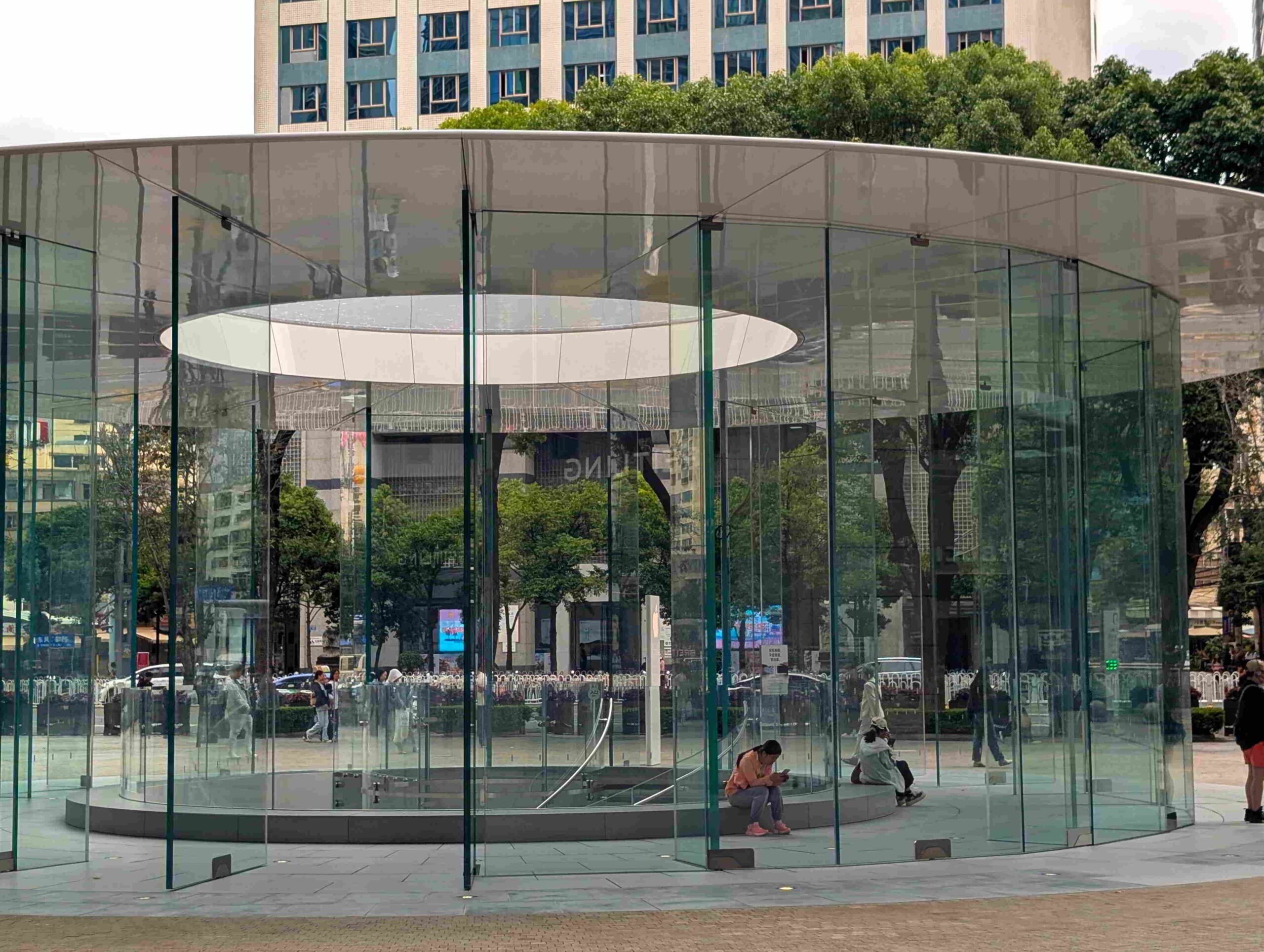
Kunming — Wuhua District — Shuncheng Shopping Centre
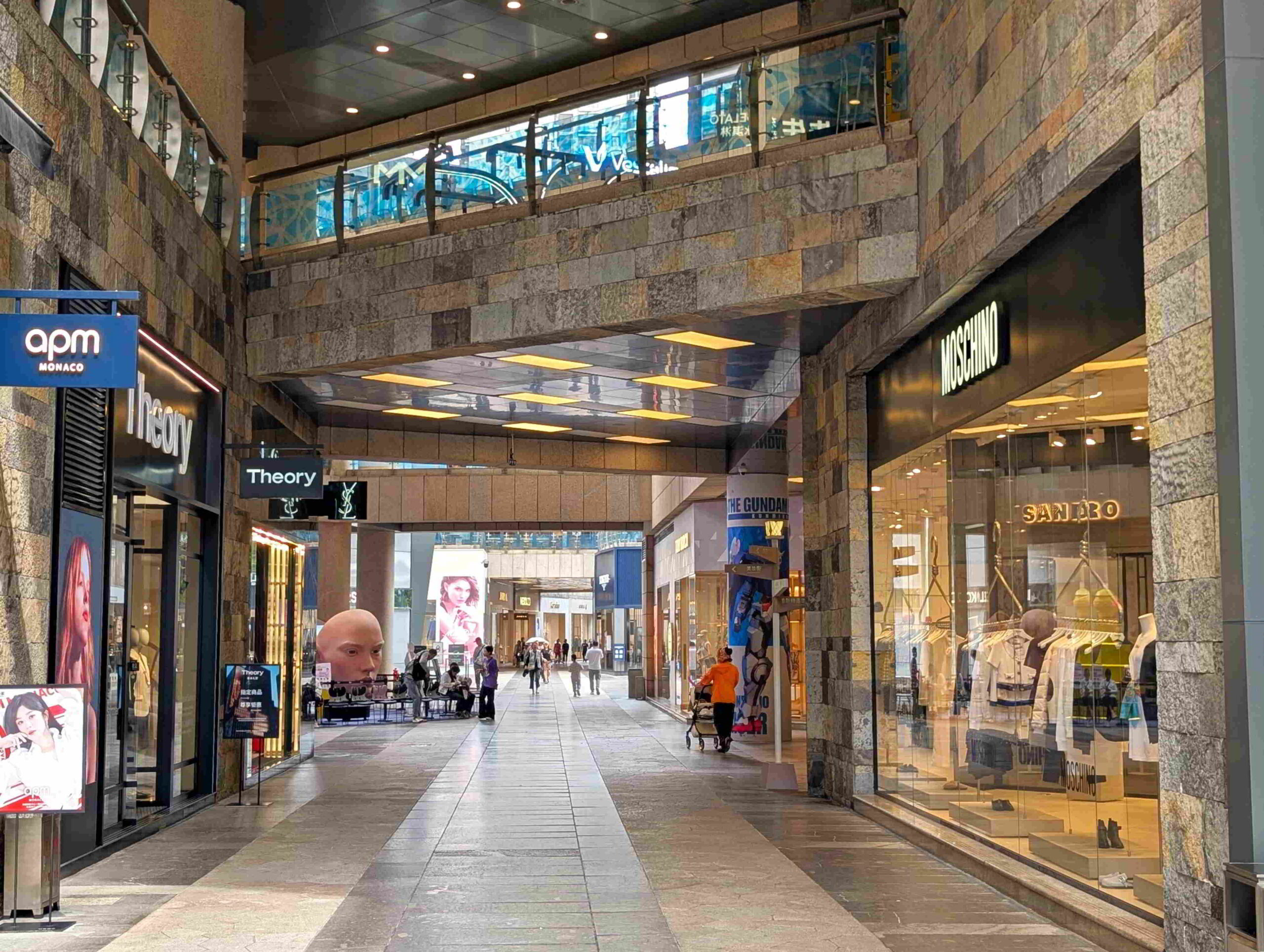
Kunming — Wuhua District — Shuncheng Shopping Centre
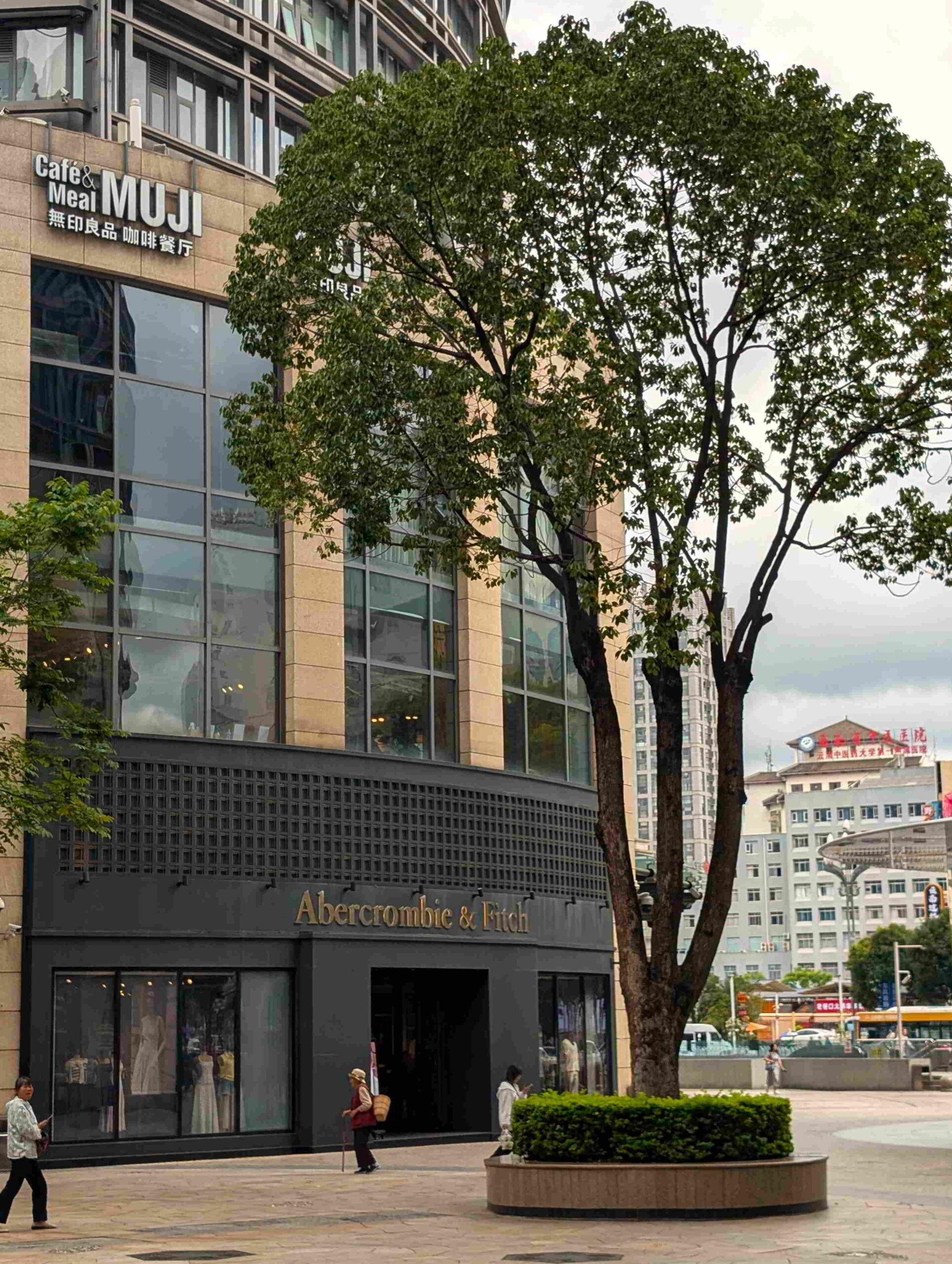
Kunming — Wuhua District — Shuncheng Shopping Centre
My immediate destination is the coffee shop further along the road radiating up from Jinbo road, the major east-west artery, a bar with some stylish seating. Their coffee is not necessarily that memorable, but as Kunming is a larger city and somewhat detached from the coffee growing regions in the province, its coffee shops are more likely to offer coffee from the generic cocktail of international bean sources that offer products of some cachet and desirable price point, such as Brazil, Colombia, and Ethiopia.
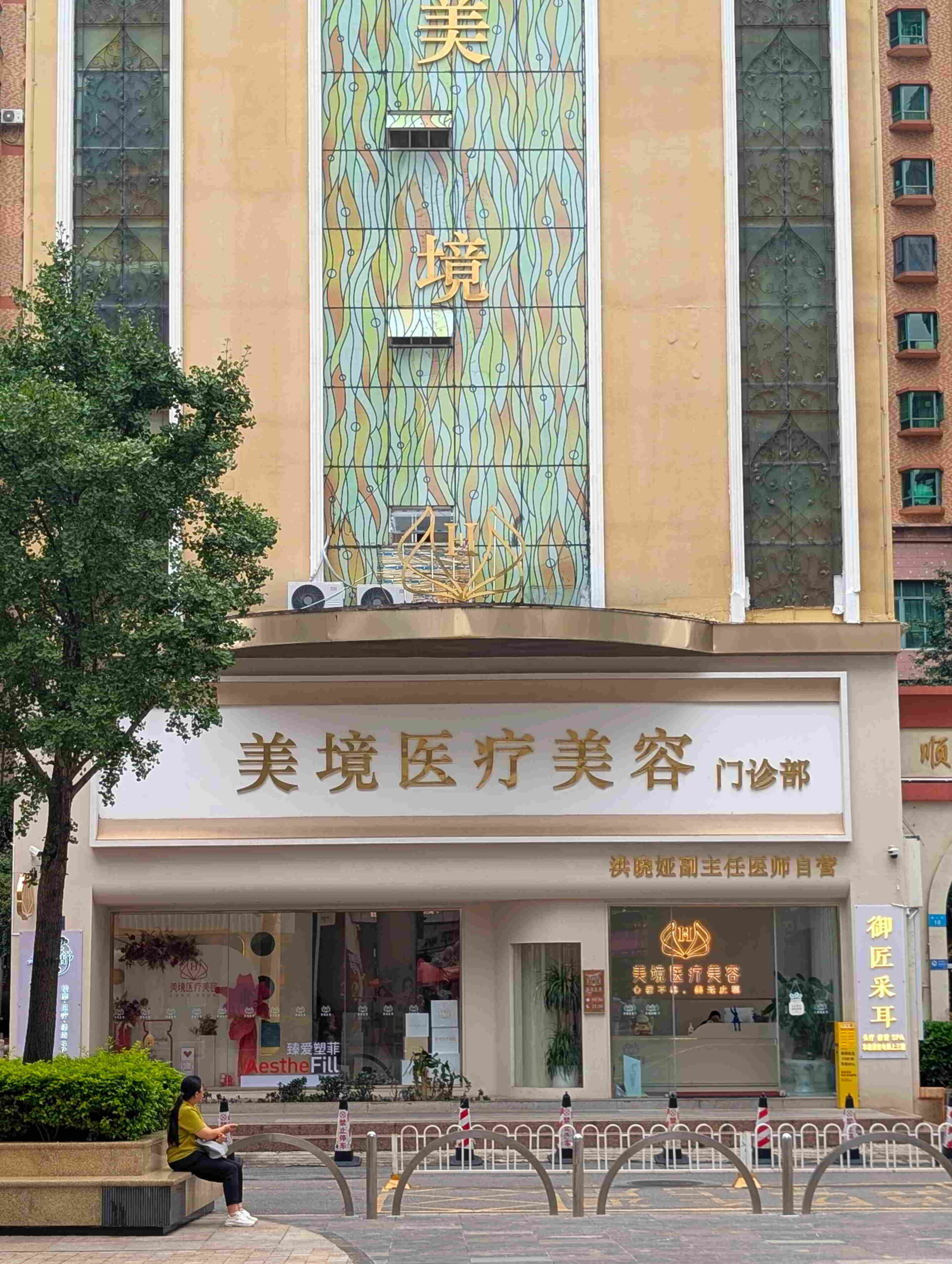
Kunming — Wuhua District
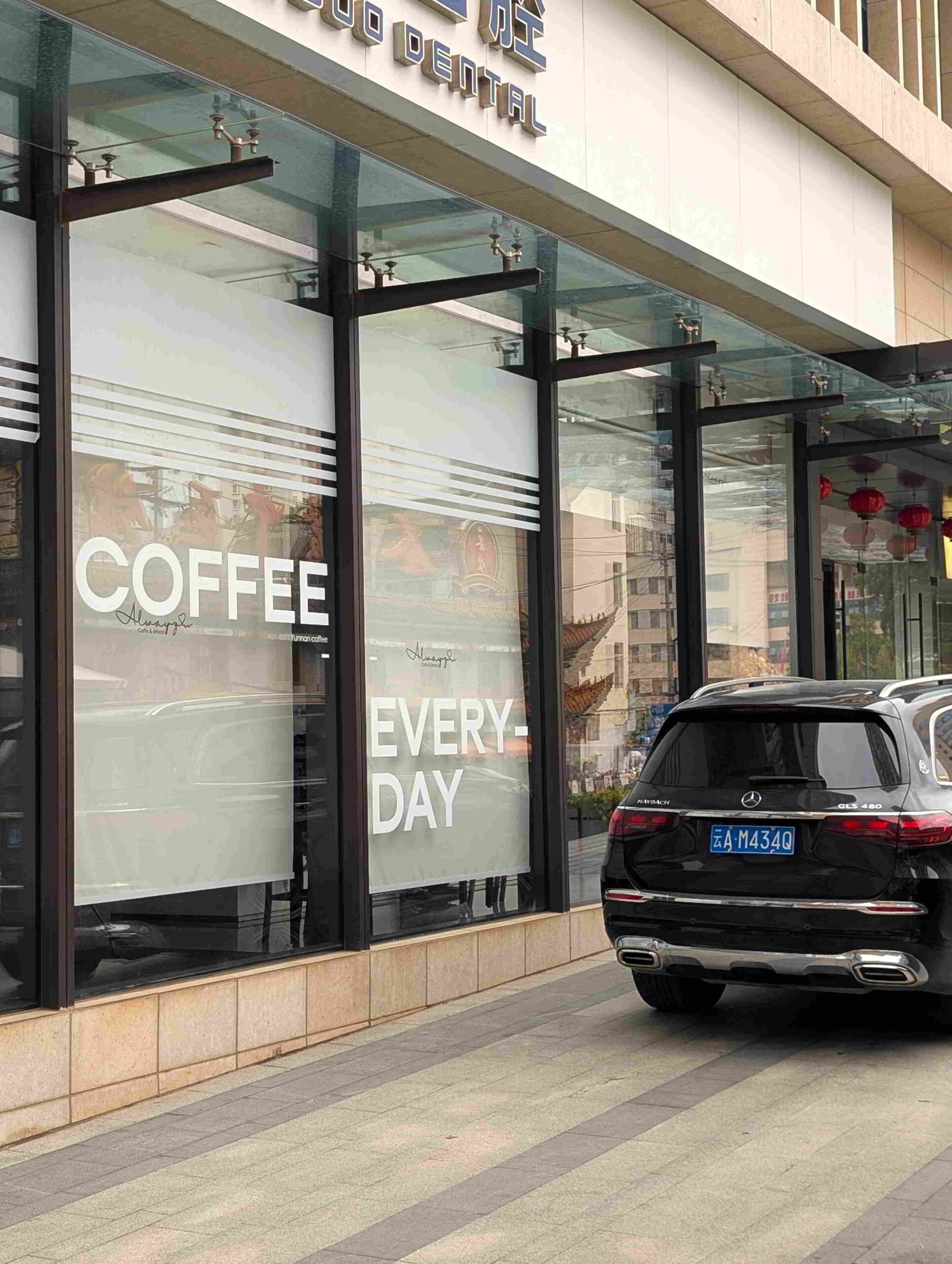
Kunming — Wuhua District
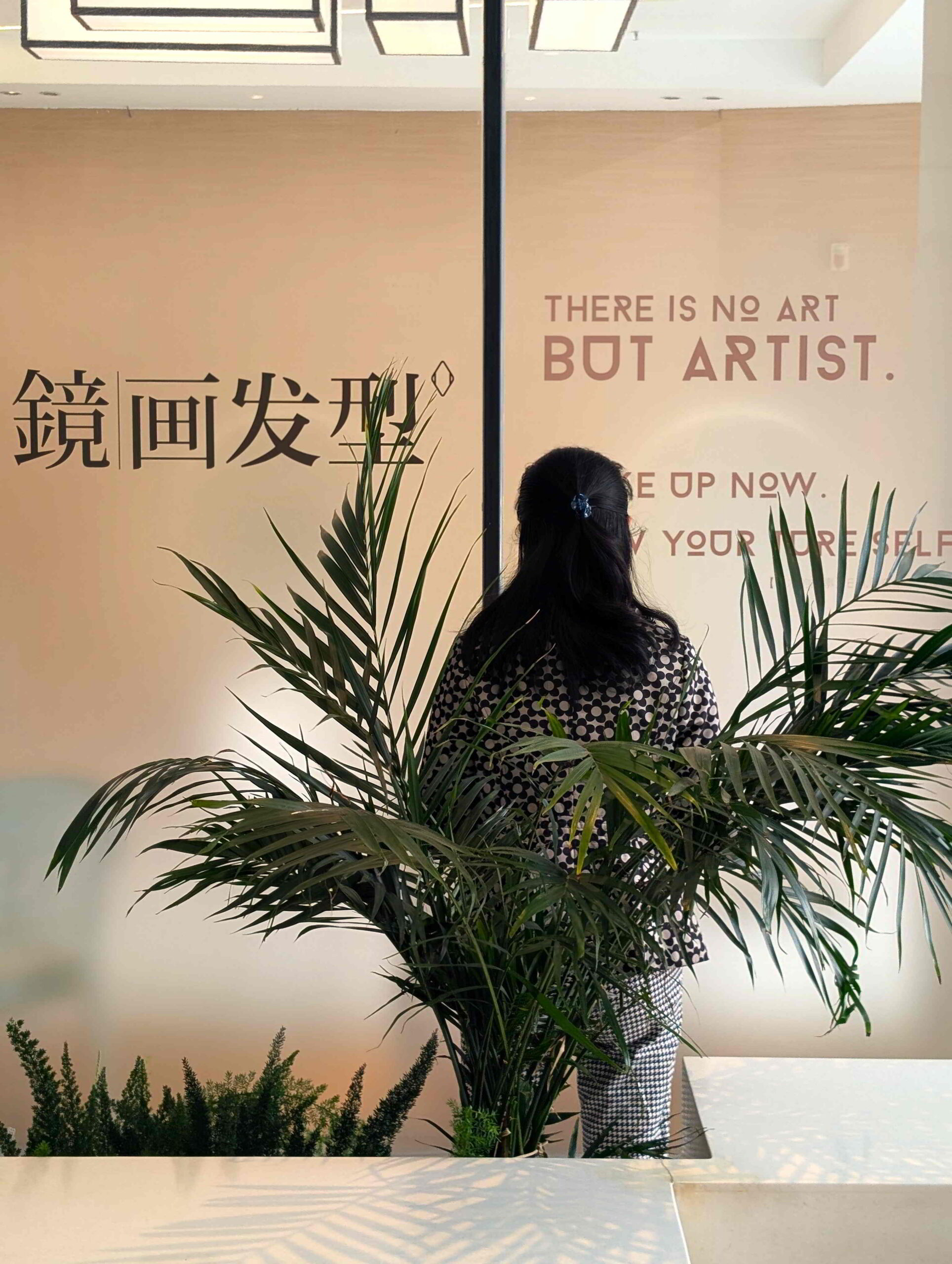
Kunming — Wuhua District
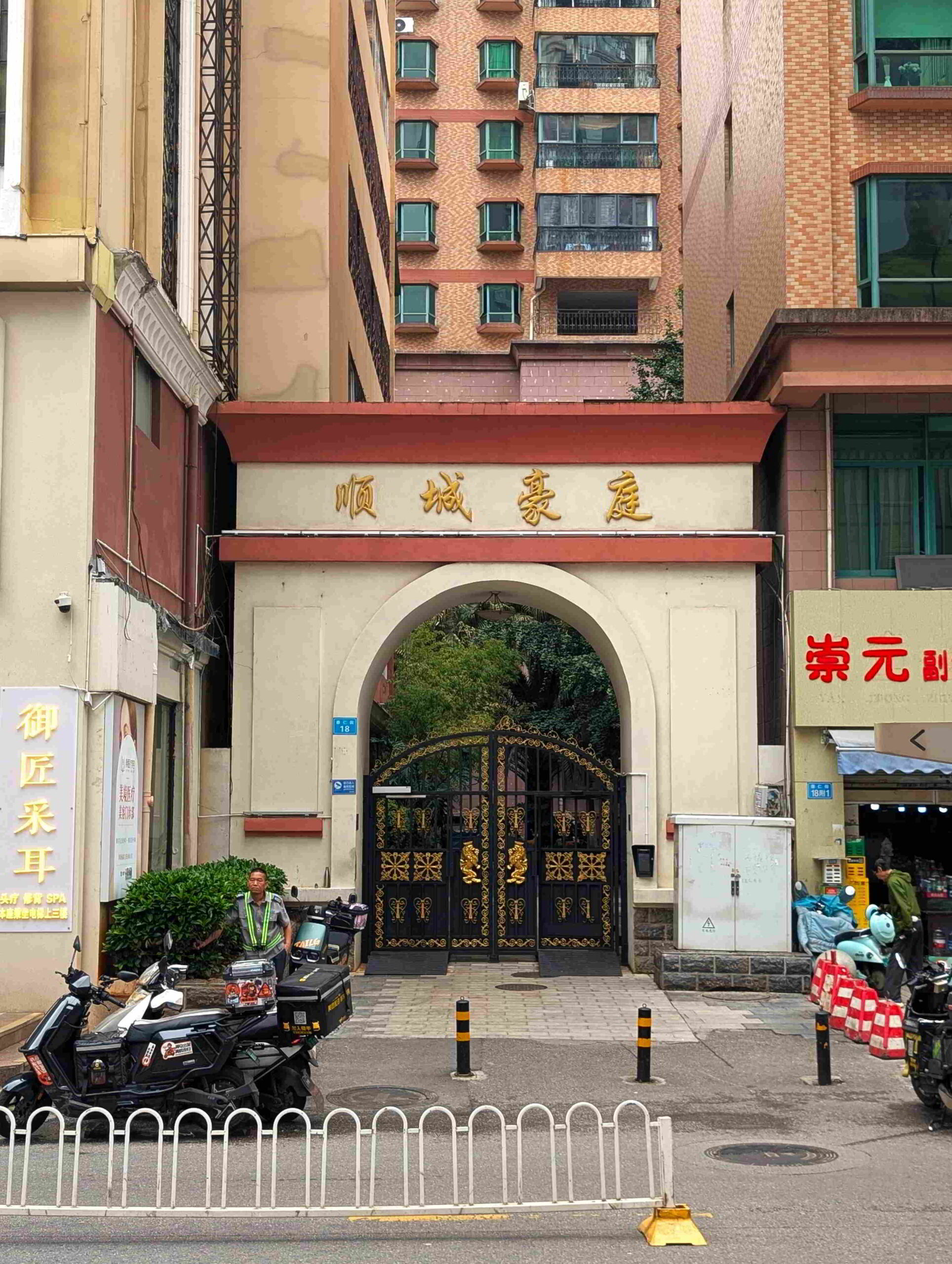
Kunming — Wuhua District
The Maybach SUV parked in front of the cafe definitely makes a statement about the demographic expected in the building. Somewhat different is the clientele in the Chinese-temple style institute of traditional Chinese medicine across the street offering a variety of relevant prepared products as well as consultations. Appropriately, an older man wearing a fedora is seated outside the gate on the stoop, firmly engrossed in smoking his cigarette …
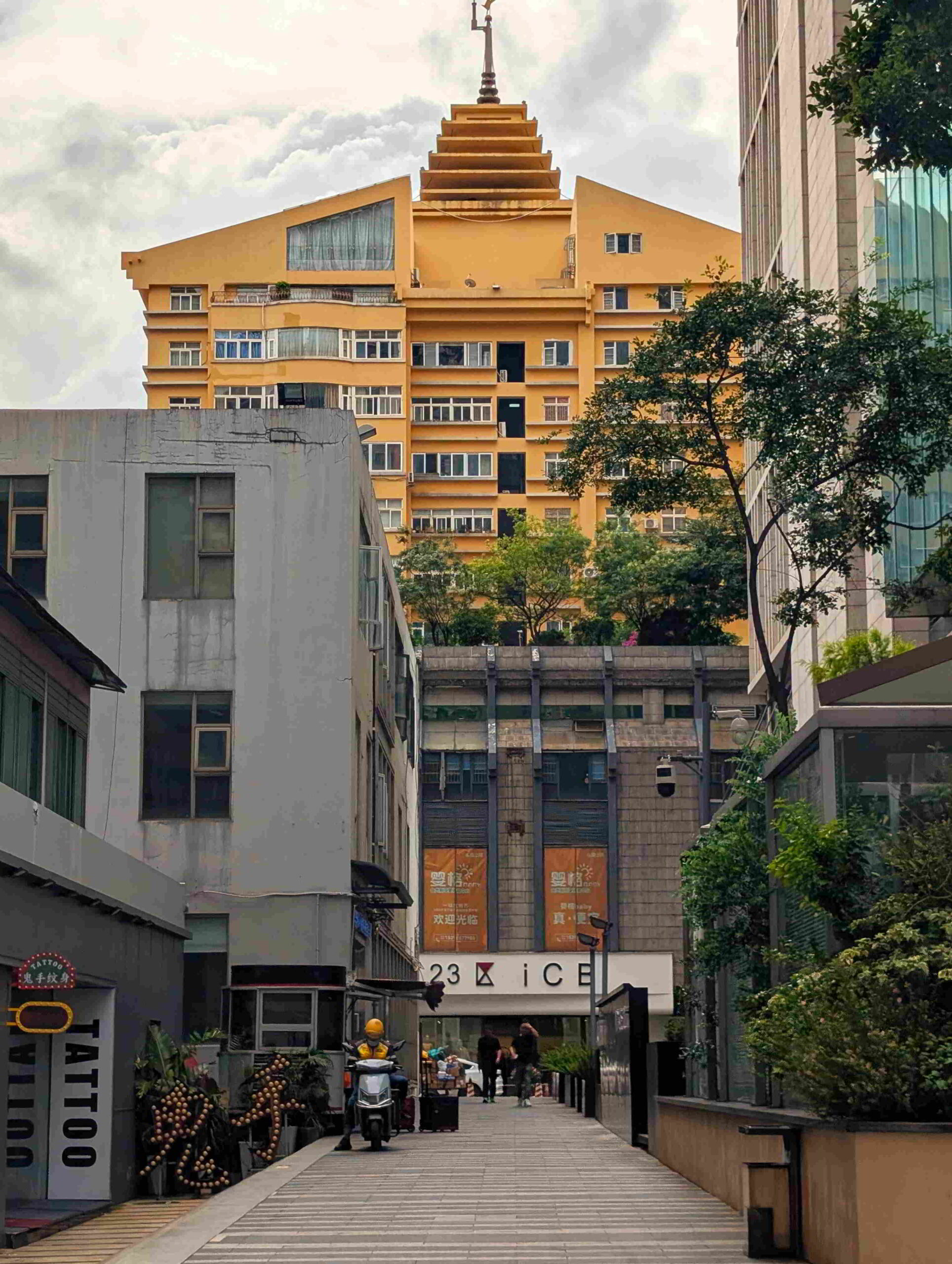
Kunming — Wuhua District
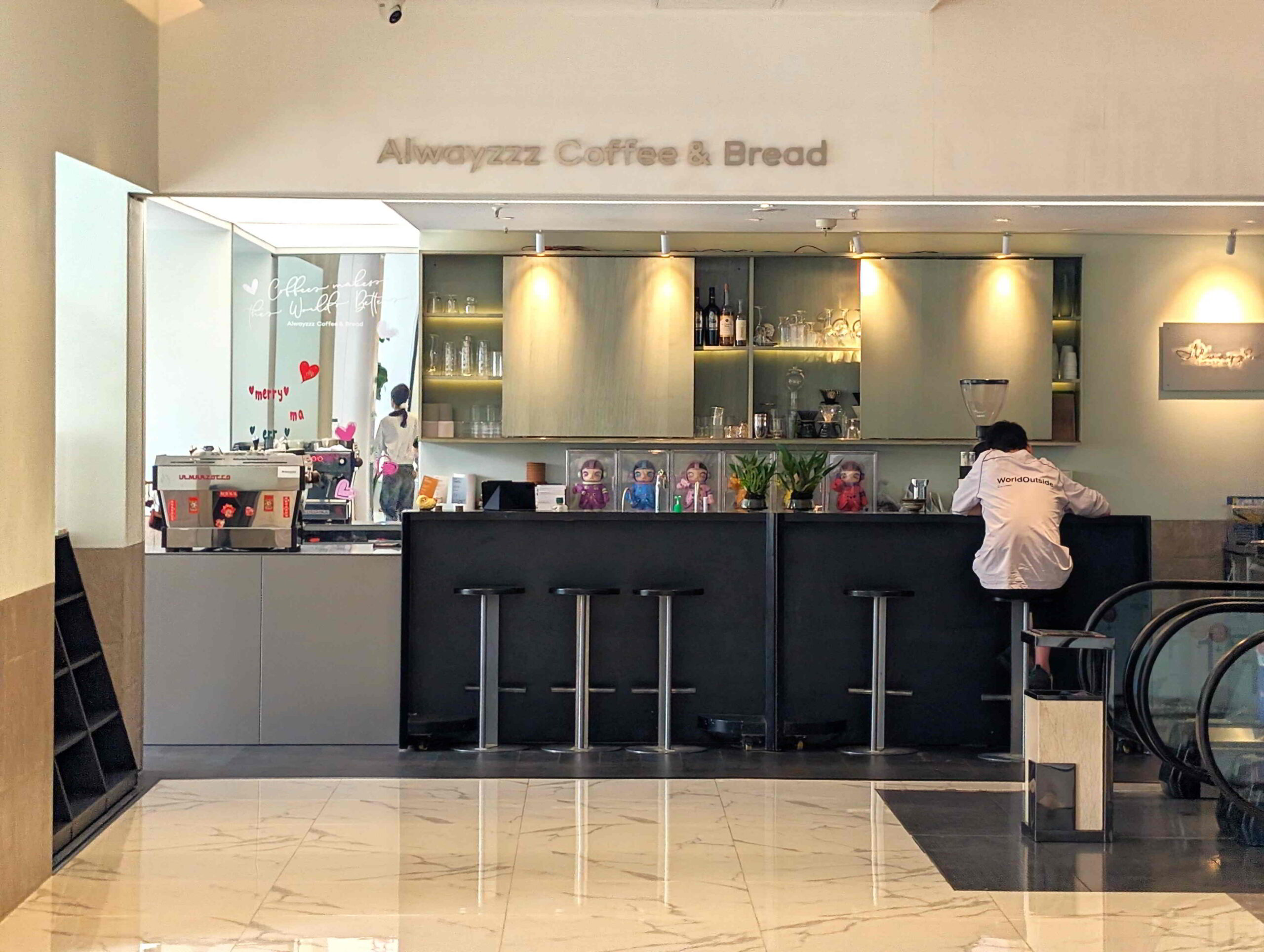
Kunming — Wuhua District
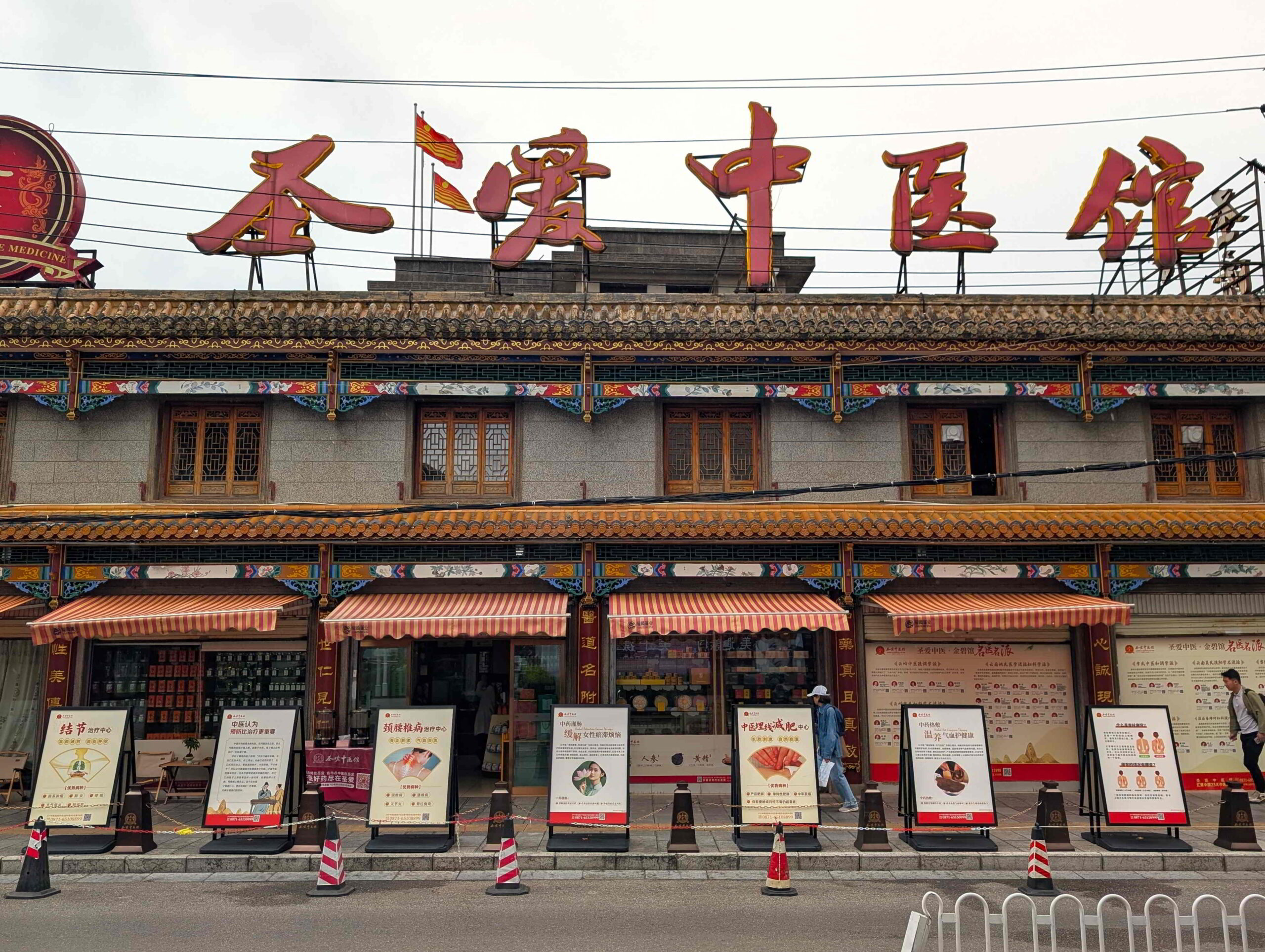
Kunming — Wuhua District
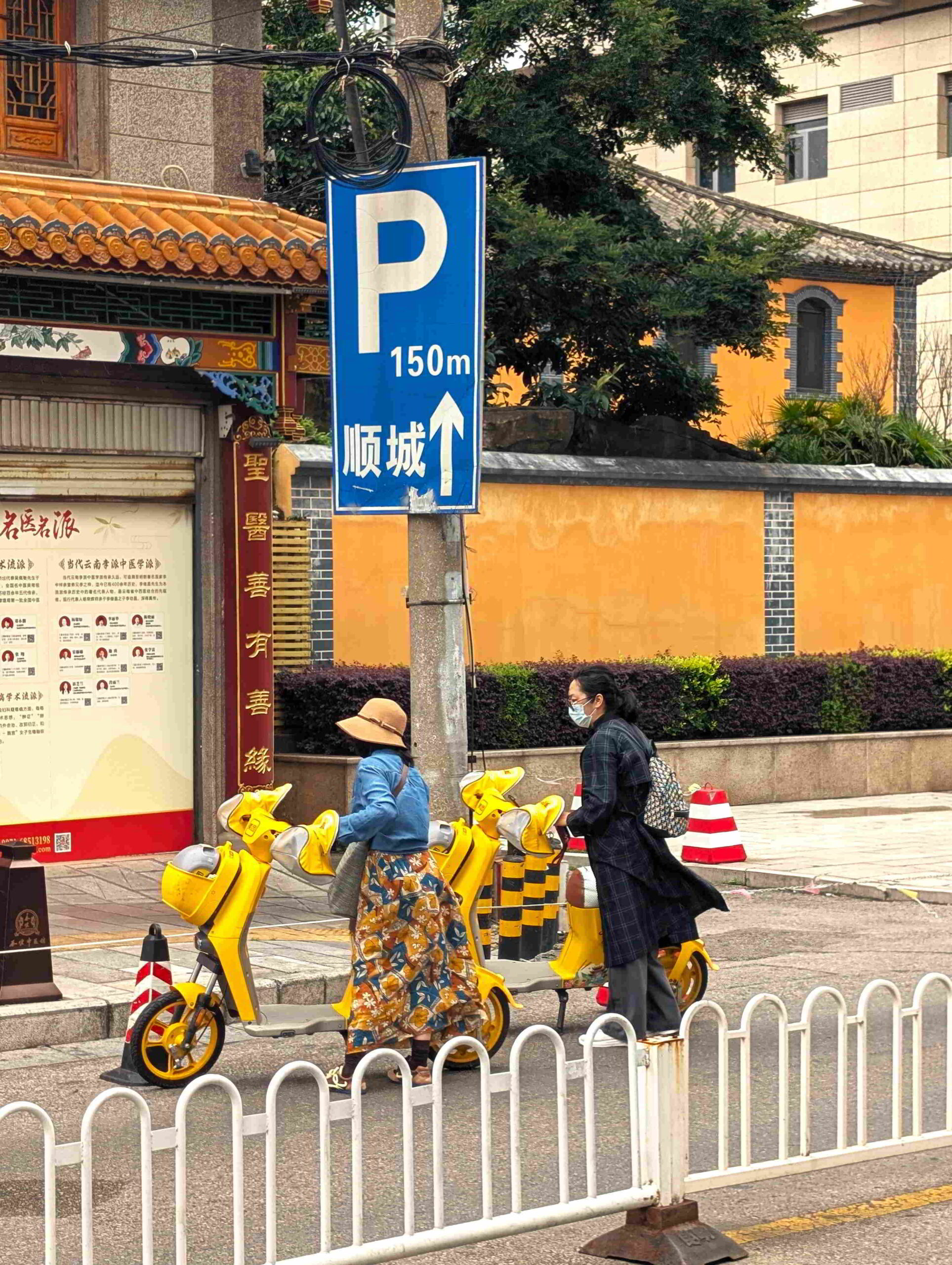
Kunming — Wuhua District
Back to the apartment, and after the usual moping around, I need to leave again, this time through the grounds of the mosque immediately to the north, wending through the morass of Muslim food stalls, and around the corner, into the bowels of the Wuyi Road metro station. Here I can conveniently take a single train to the Western Hills, running along the western perimeter of Dianchi lake, of which greater Kunming hugs the eastern shores. On the map, the distance seems great, and I would expect that the metro to such a remote locale would run quite infrequently, but both assumptions are incorrect. The train to the southwest runs to the terminus with great regularity, and the trip doesn’t take long at all.
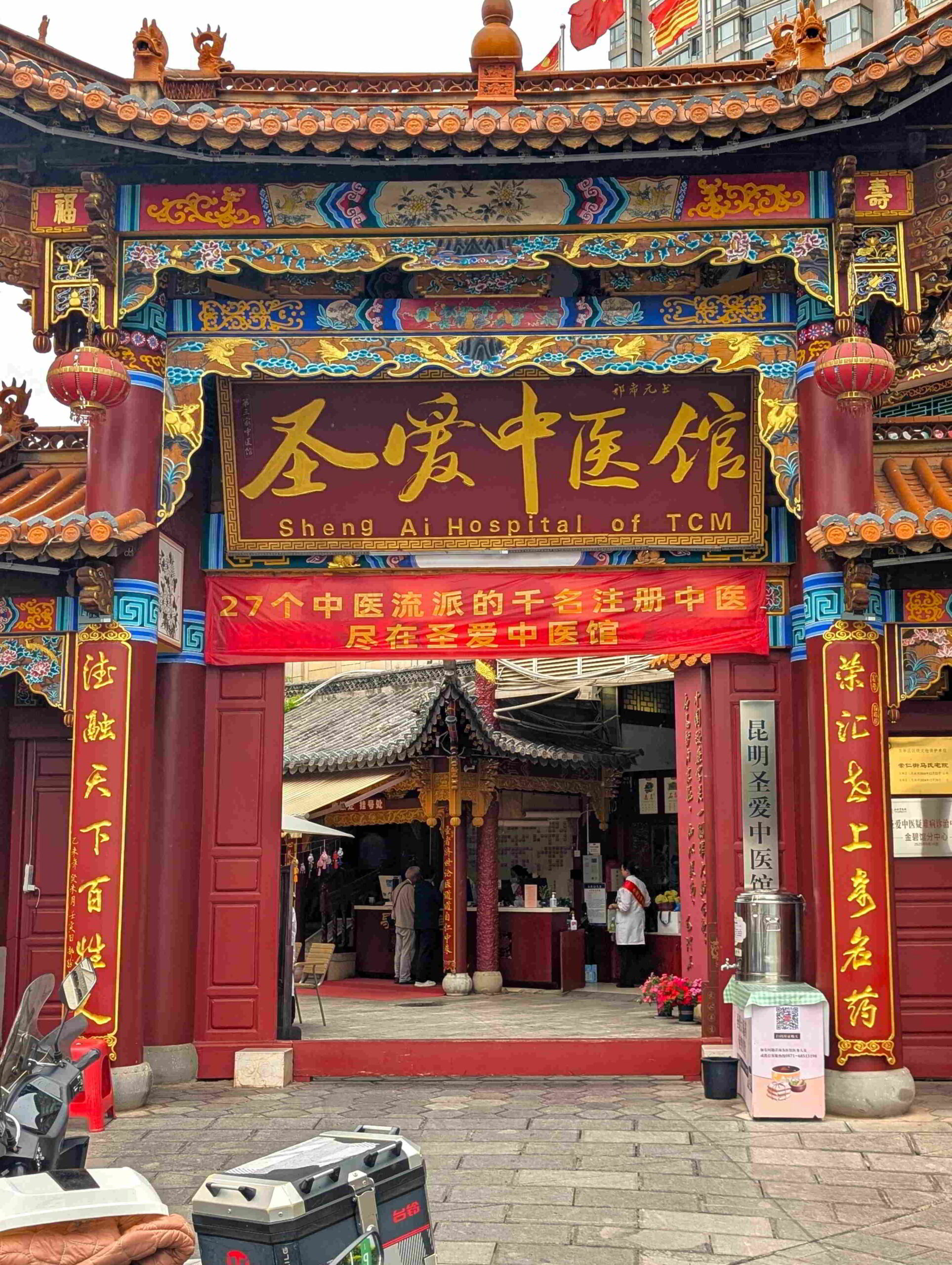
Kunming — Wuhua District — Sheng’ai Hospital of TCM
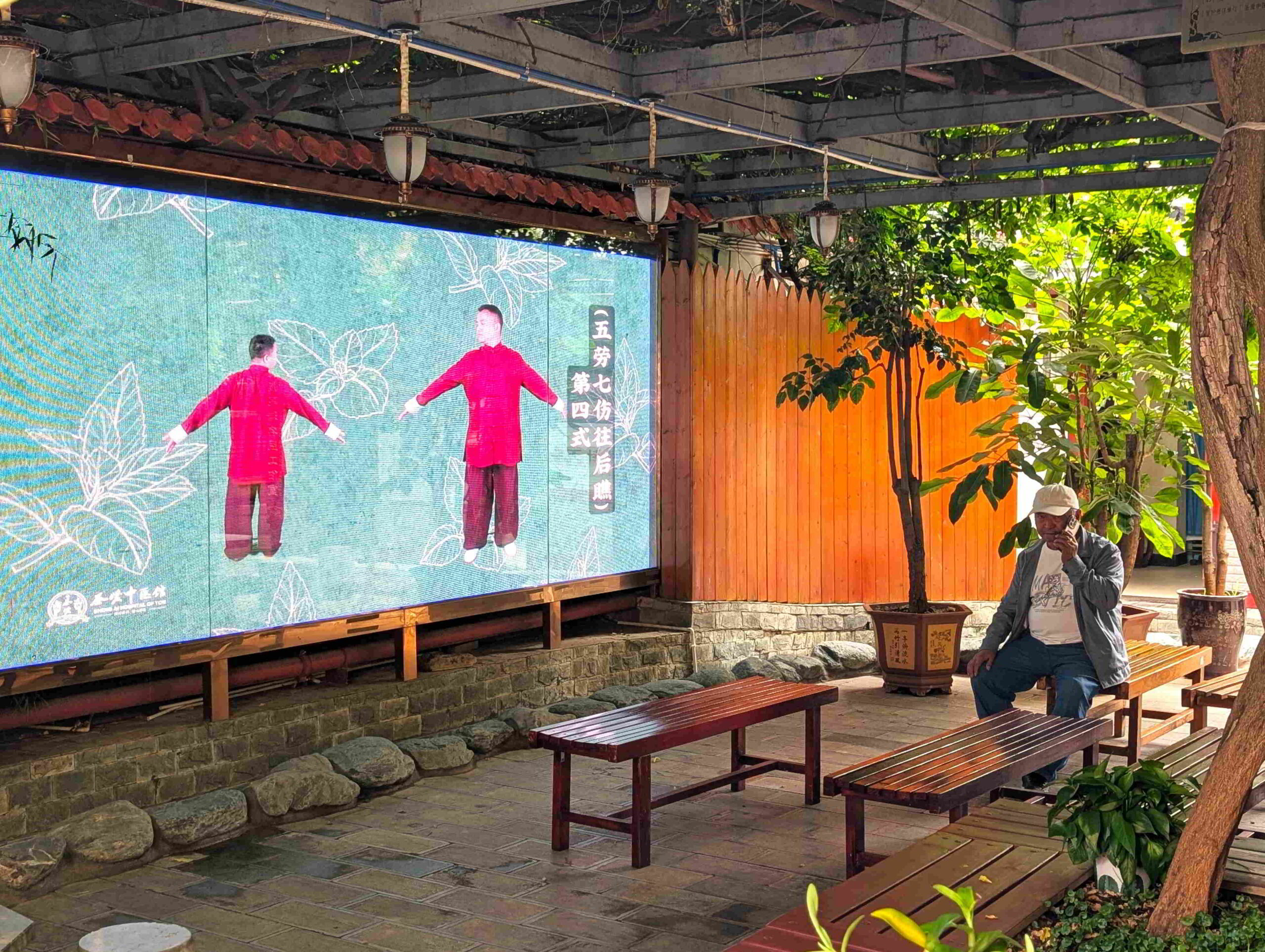
Kunming — Wuhua District — Sheng’ai Hospital of TCM
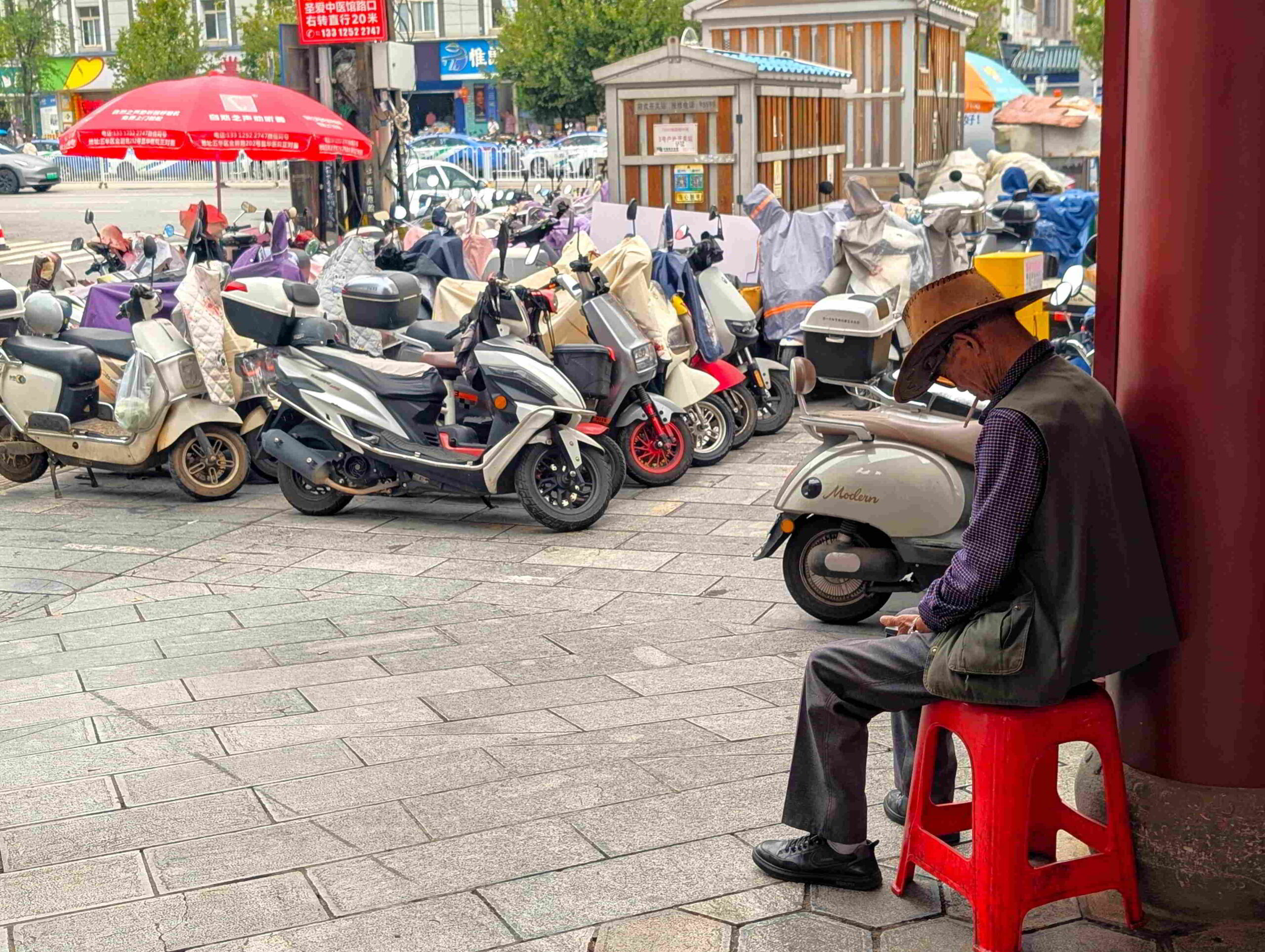
Kunming — Wuhua District — Sheng’ai Hospital of TCM
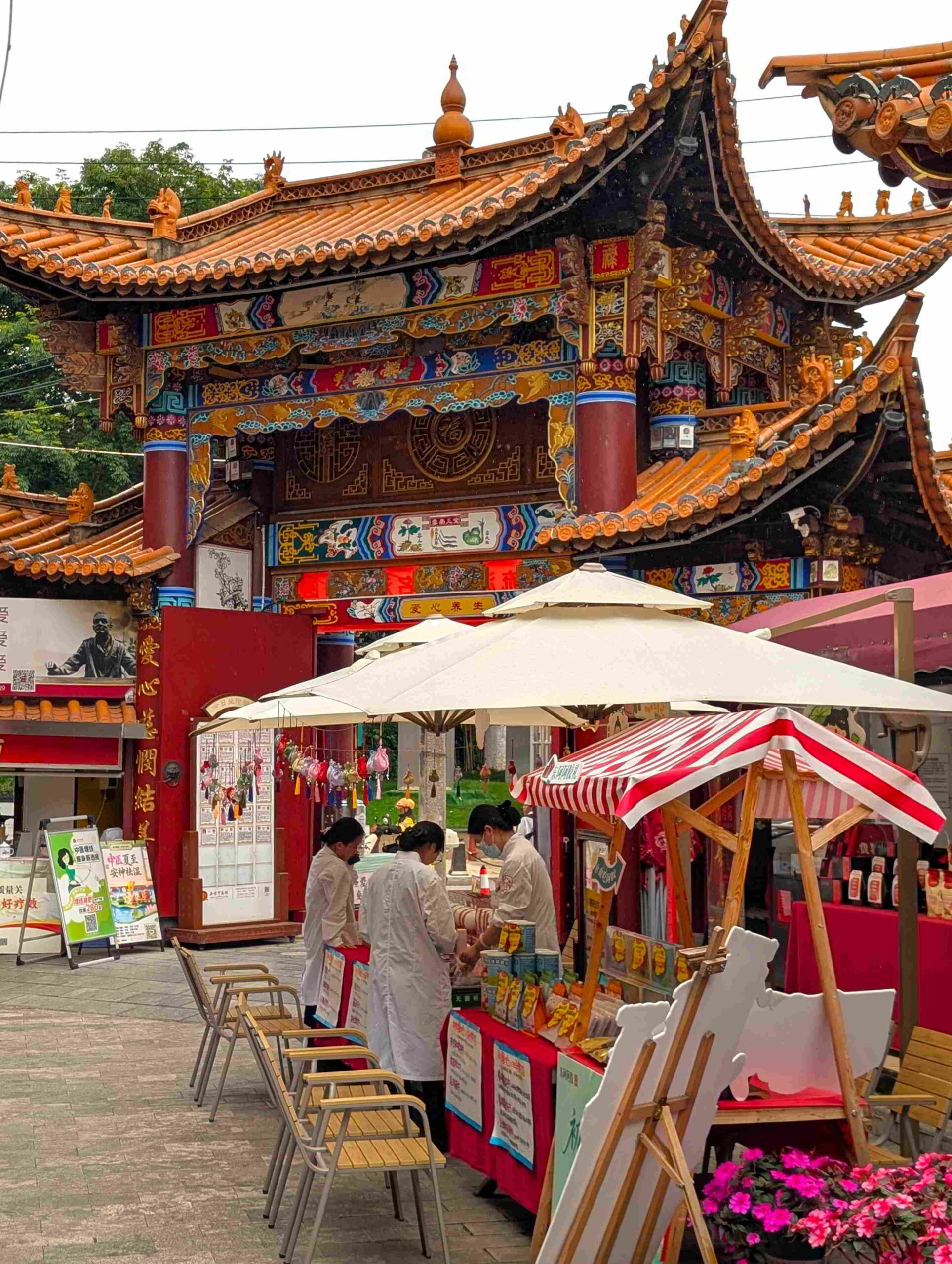
Kunming — Wuhua District — Sheng’ai Hospital of TCM
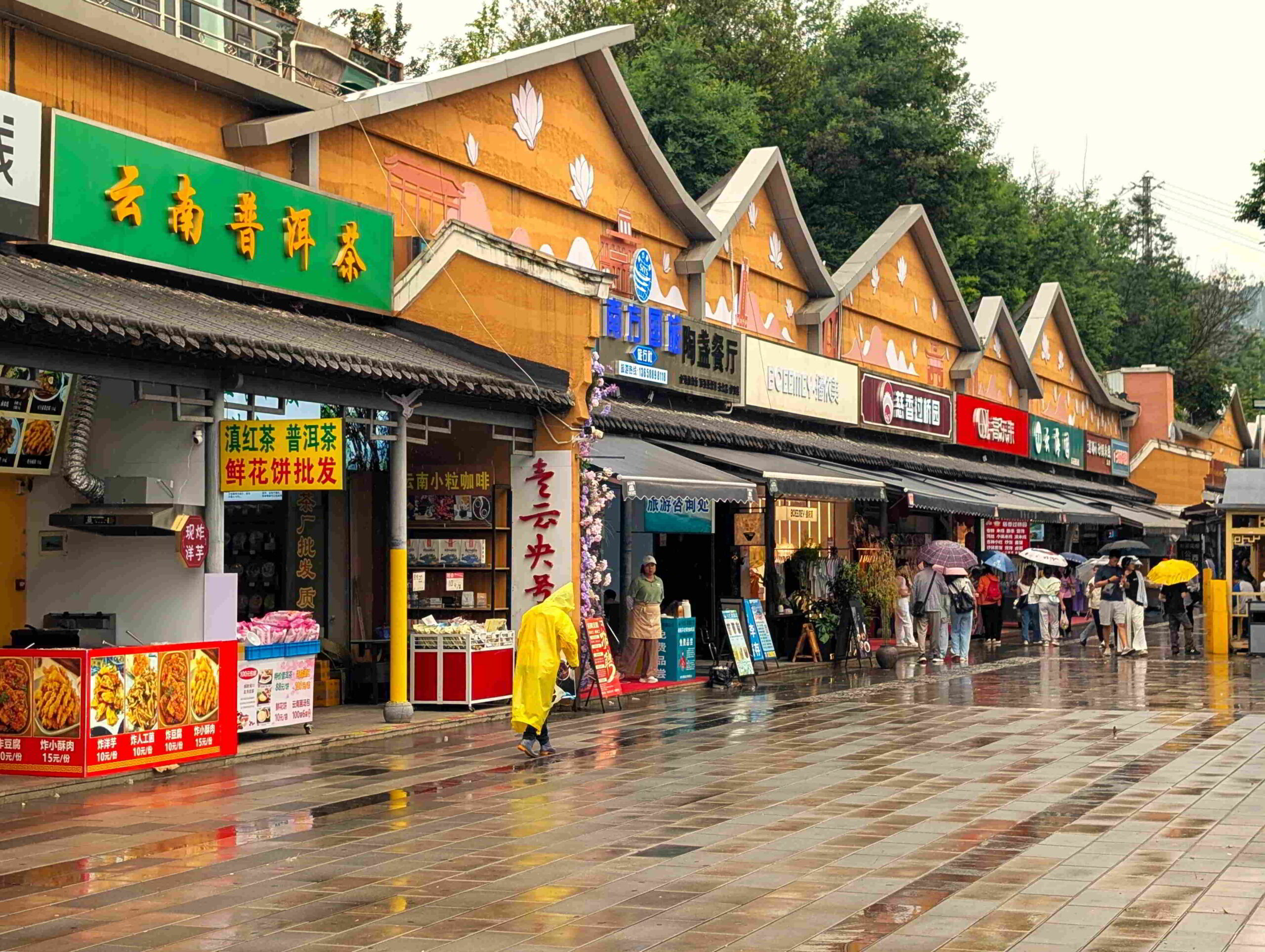
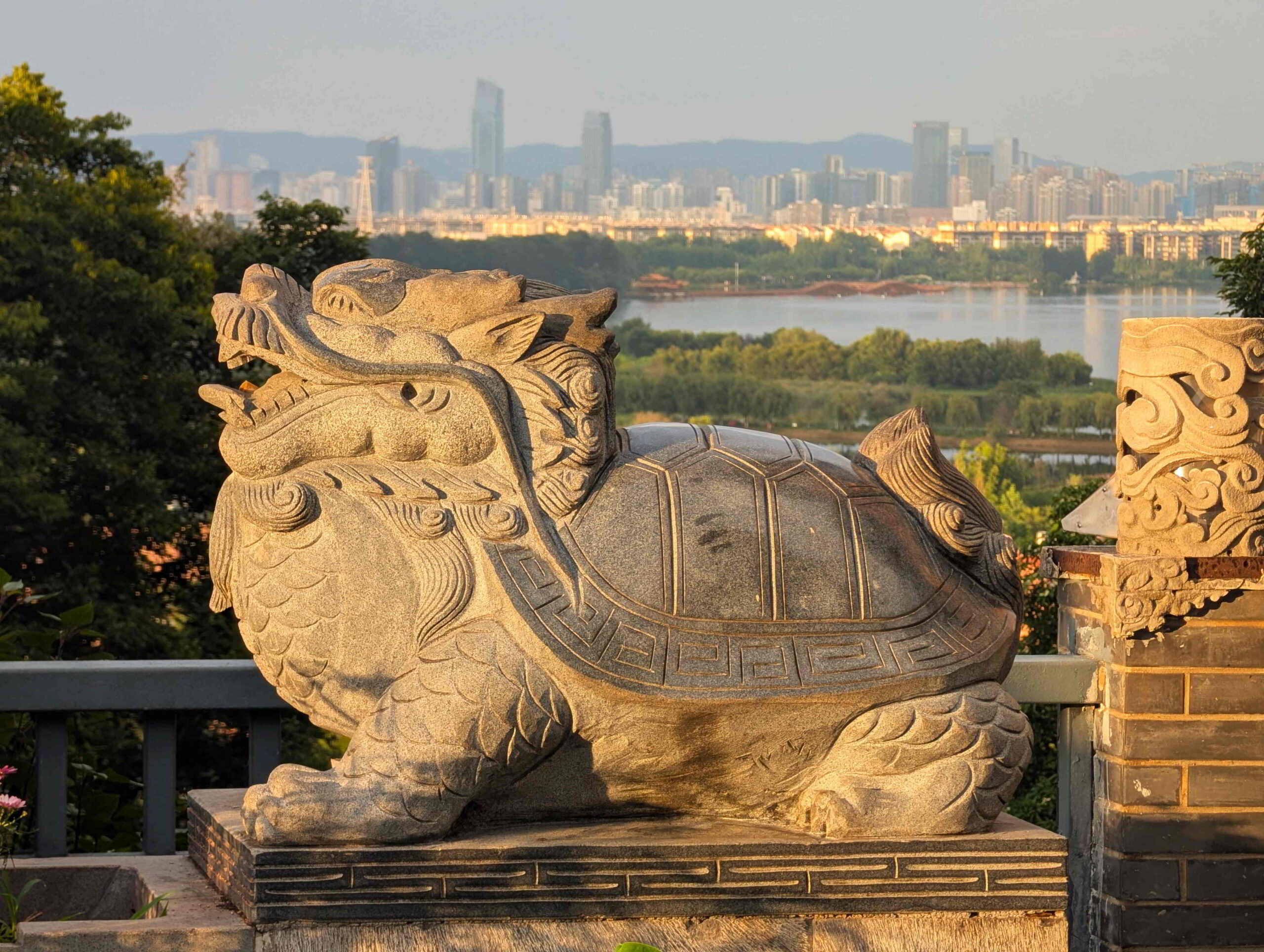
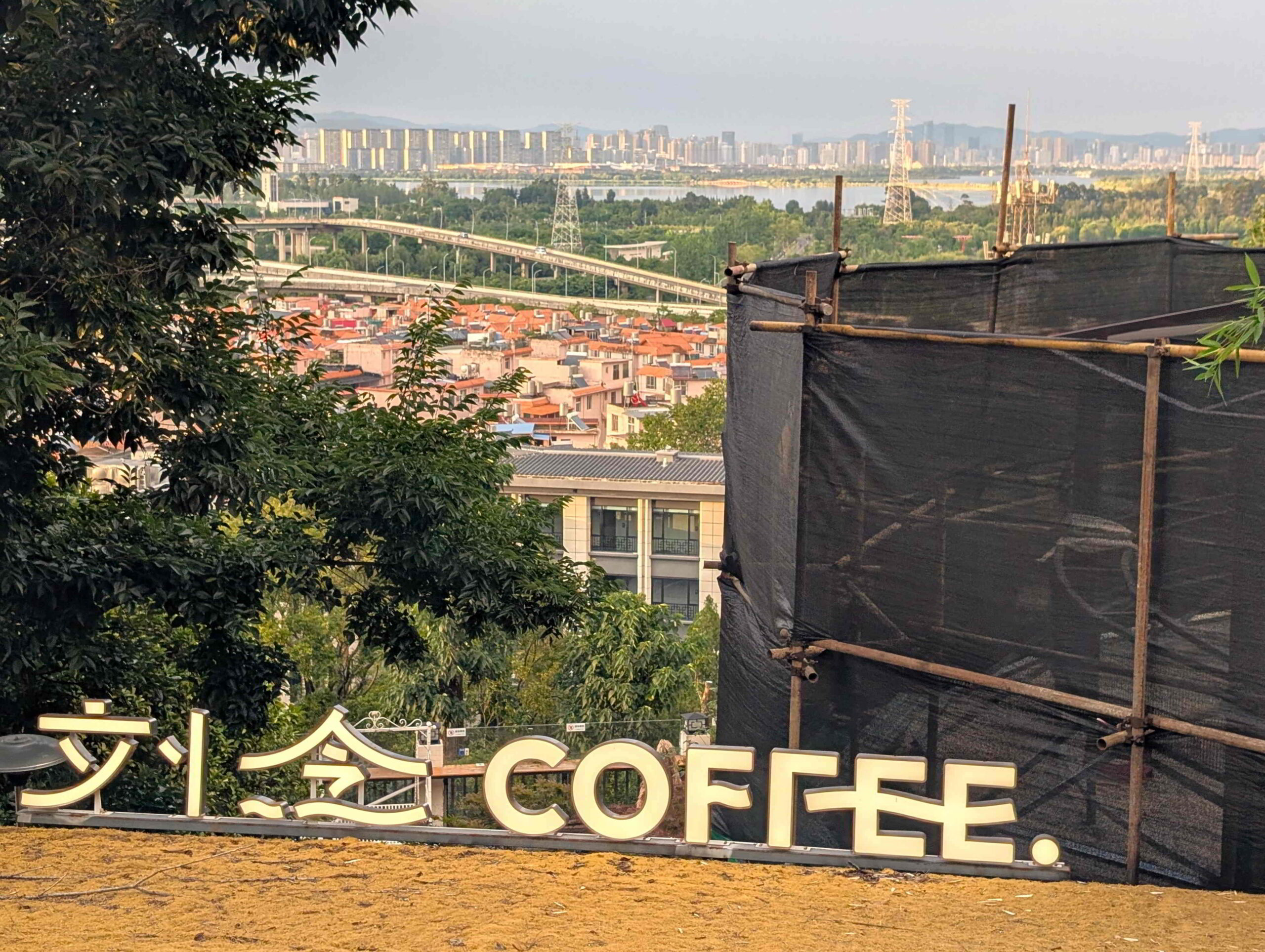
Disembarking at the Western Hills station, I am not sure what to expect: trails leading from the metro station into the mountains, within a few steps from the station being surrounded by rugged wilderness? In actuality, a small corridor leads to a lengthy terrace facing the lake far below, and beyond that, the sprawl of the city is visible. On the inside of the terrace, a row of equally-sized shops sells the usual tourist-friendly merchandise, children’s toys, flower cakes, coffee, clothing, tea-based drinks, fast food, and so on. Whatever appeal the shops may have, they’re not the reason I came here, and given that it is already early afternoon and I have little idea as to the amount of time needed to reach any kind of meaningful site in the park, I should not linger here. On the other hand, given the light drizzle, the weather and hence overall experience does not seem very promising.
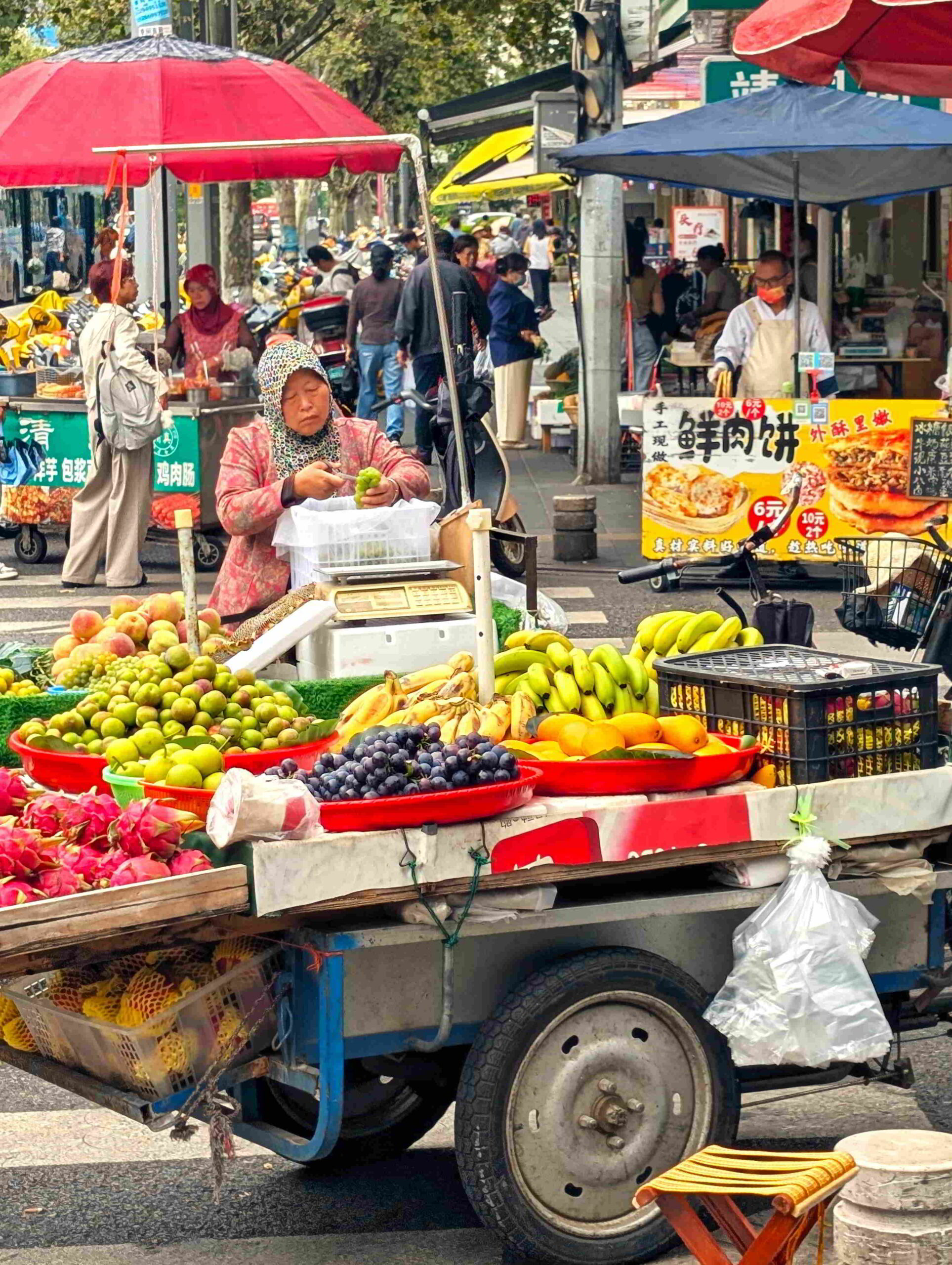
Kunming — Wuhua District
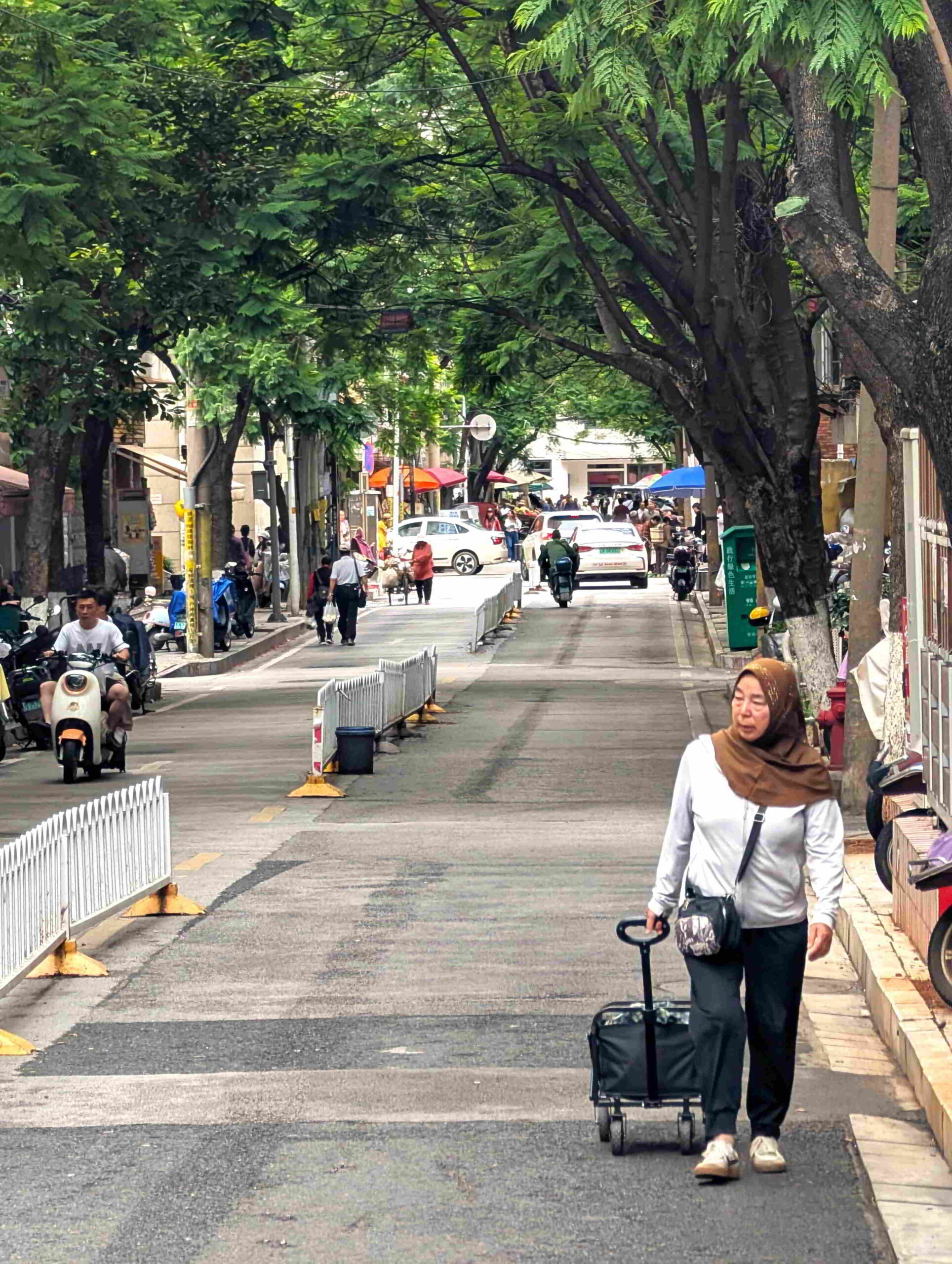
Kunming — Wuhua District
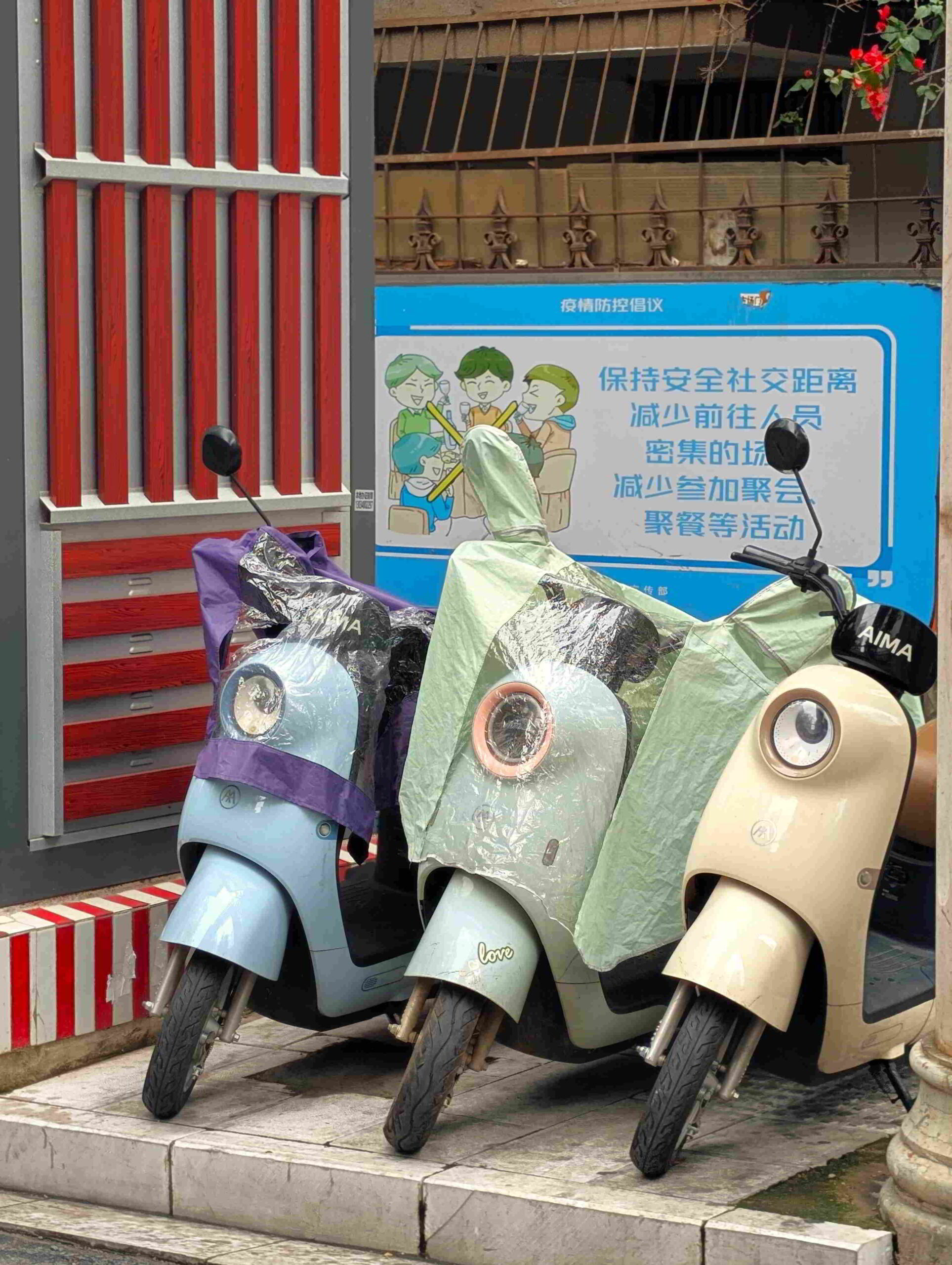
Kunming — Wuhua District
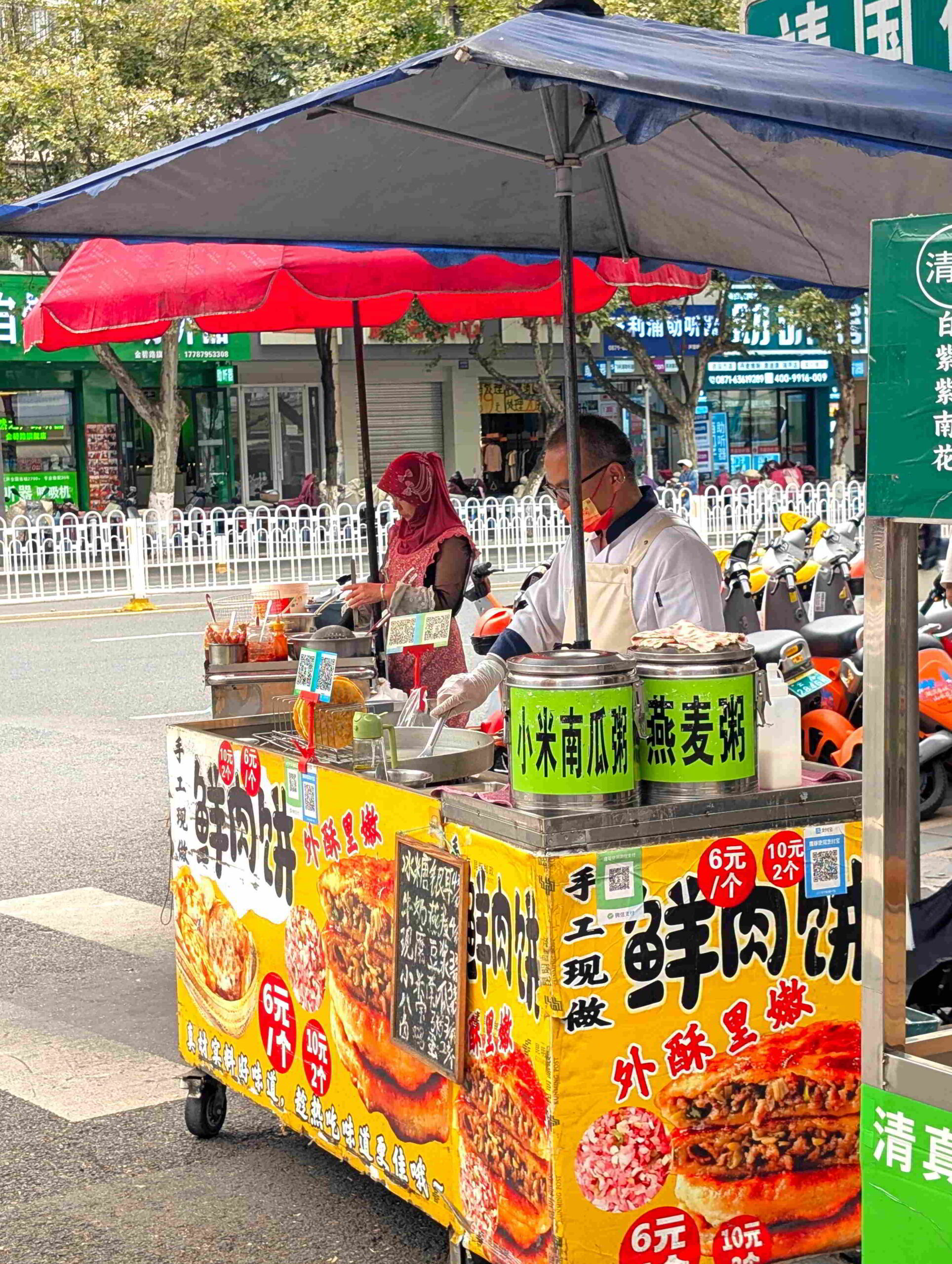
Kunming — Wuhua District
Beyond the flagstone-paved plaza is a lengthy bus stop, the buses presumably intended for paying visitors to the various sites in the park. From what I gather at the list of destinations and prices as well as the park map displayed, visitors can pay to take the bus on a loop through the park, getting on and off where they choose, each stop corresponding to some attraction in the park. Many of the specific attractions of the park also sadly require admission fees, and so I am initially led to believe that the entire place simply represents an attempt to fleece visitors of as much money as possible.
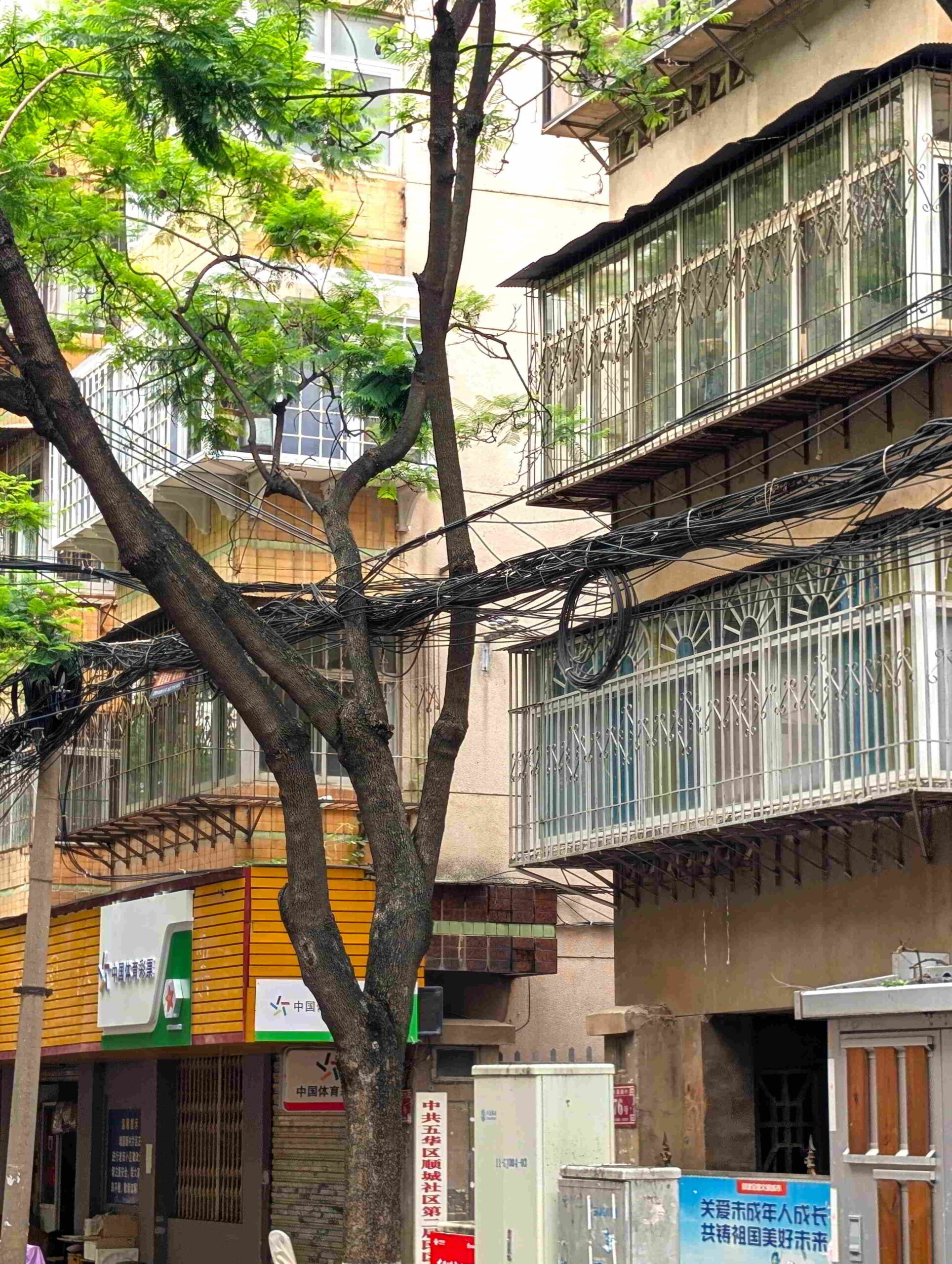
Kunming — Wuhua District
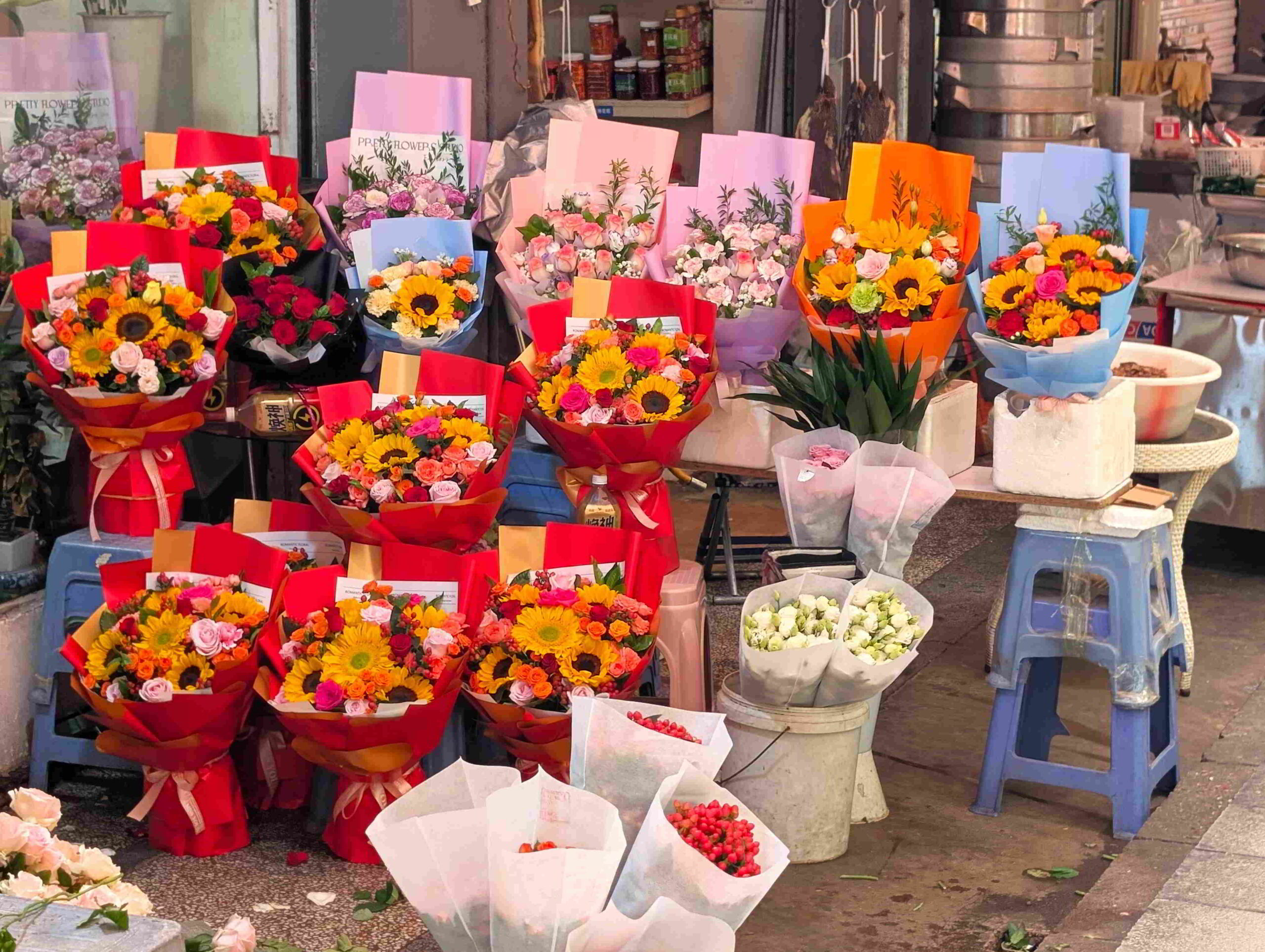
Kunming — Wuhua District
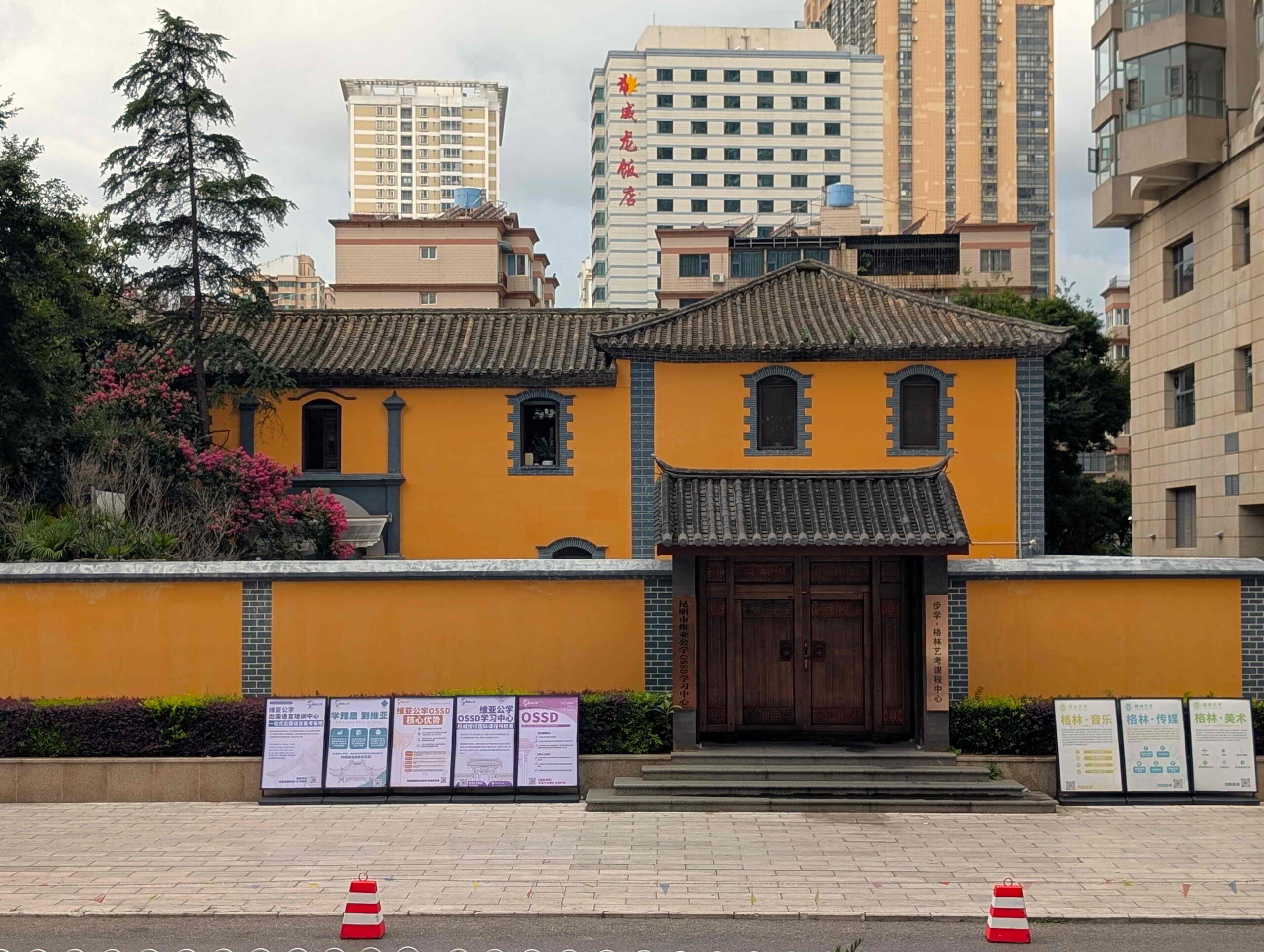
Kunming — Wuhua District
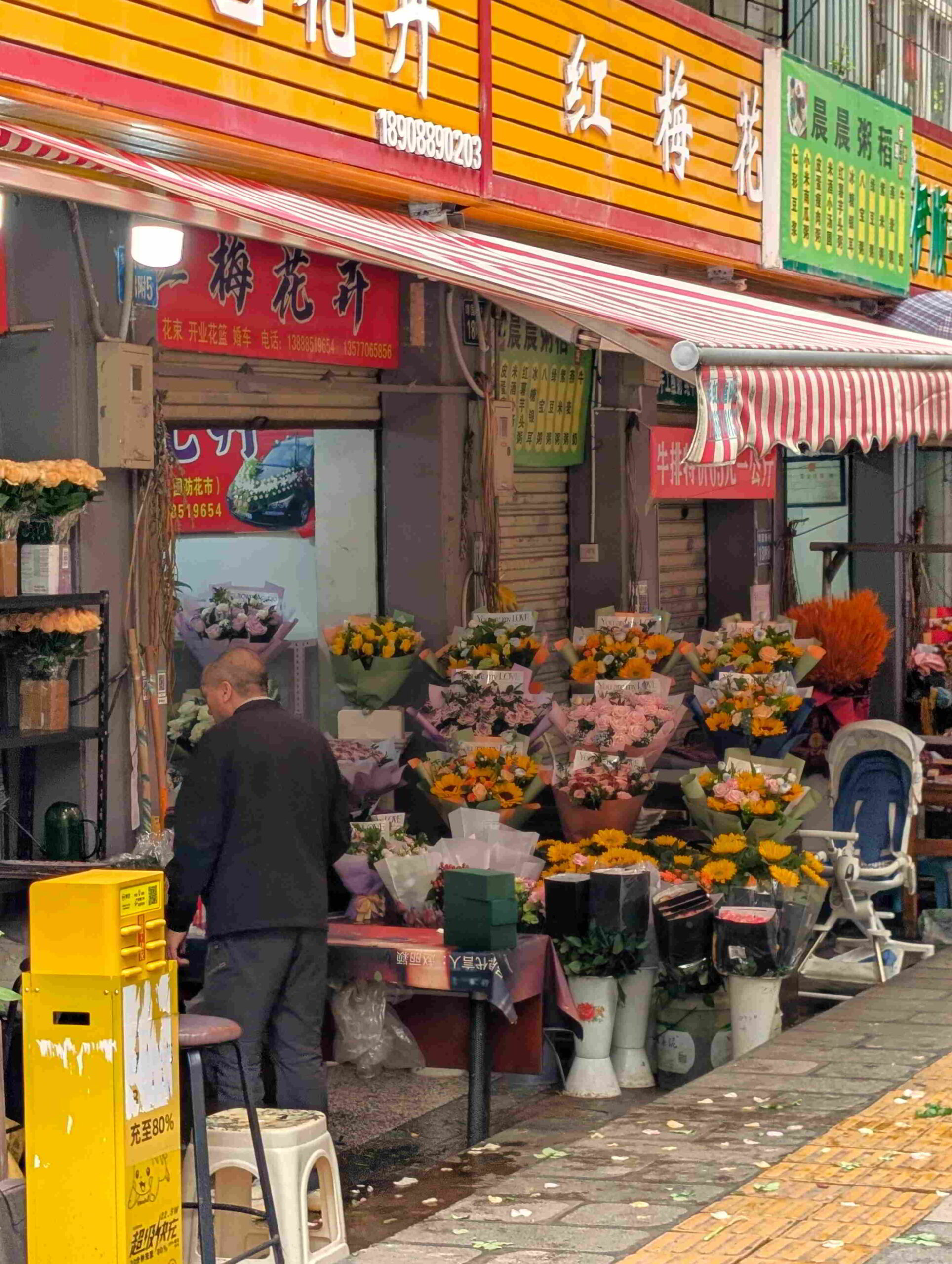
Kunming — Wuhua District
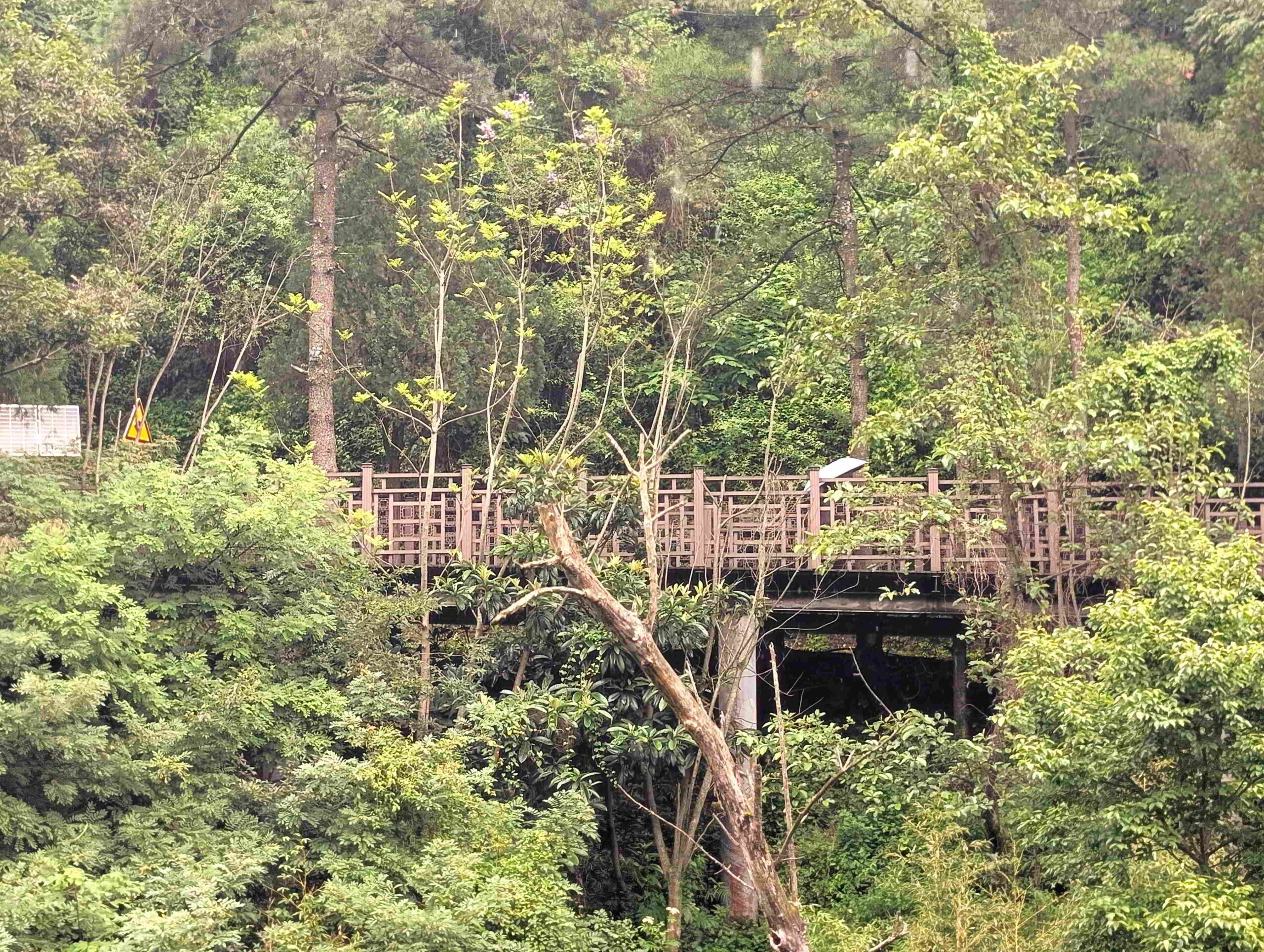
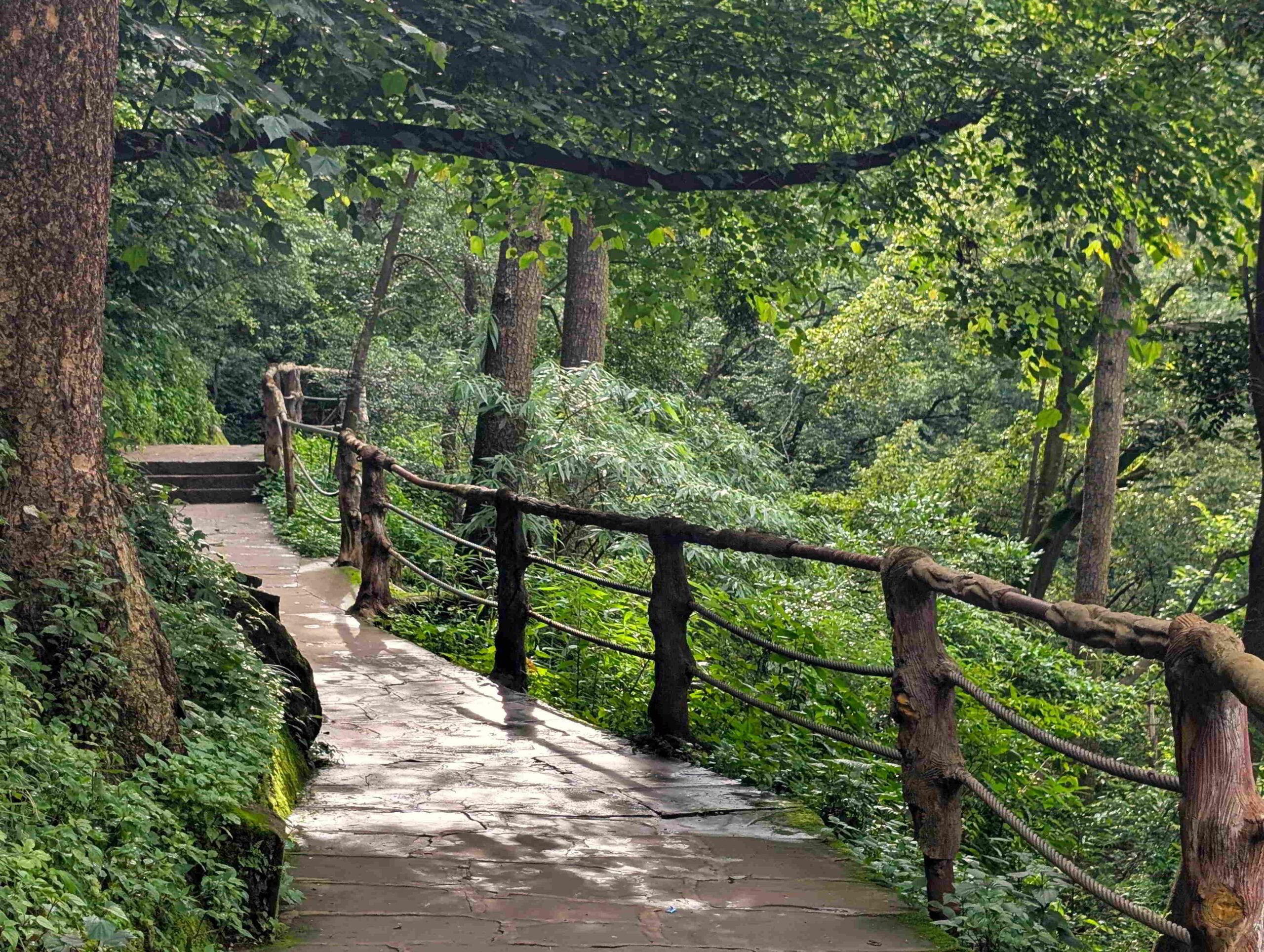
As I review the price lists and speak to a representative in the ticket office, to walk through the park – follow a trail that effectively parallels the road the bus takes — is free, while the Buddhist temples — the main attractions in the park – are free as well. Well, I came here with view to hiking in the park and visiting the temples, so off I go, climbing the stairs that lead up the hillside. Given that this is China, the trail is paved, in perfect condition, and well-signposted, every short distance signs announcing the distance remaining to the main attractions. You can hardly get lost here or lose track of your itinerary, although I suppose you could if you decided to wander off the trail up the mountainside, although signs also warn visitors to not even thinking of leaving the trail.
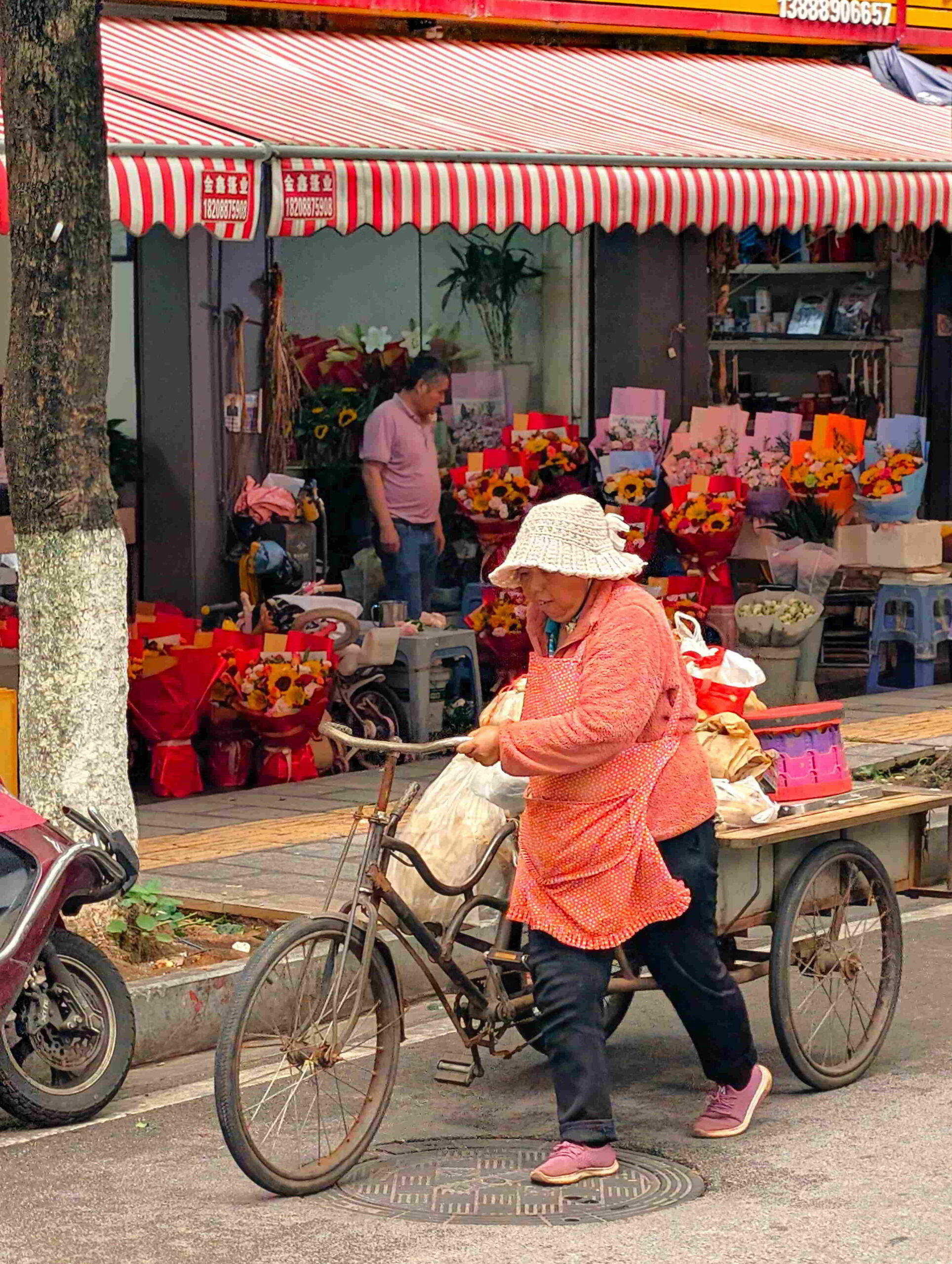
Kunming — Wuhua District
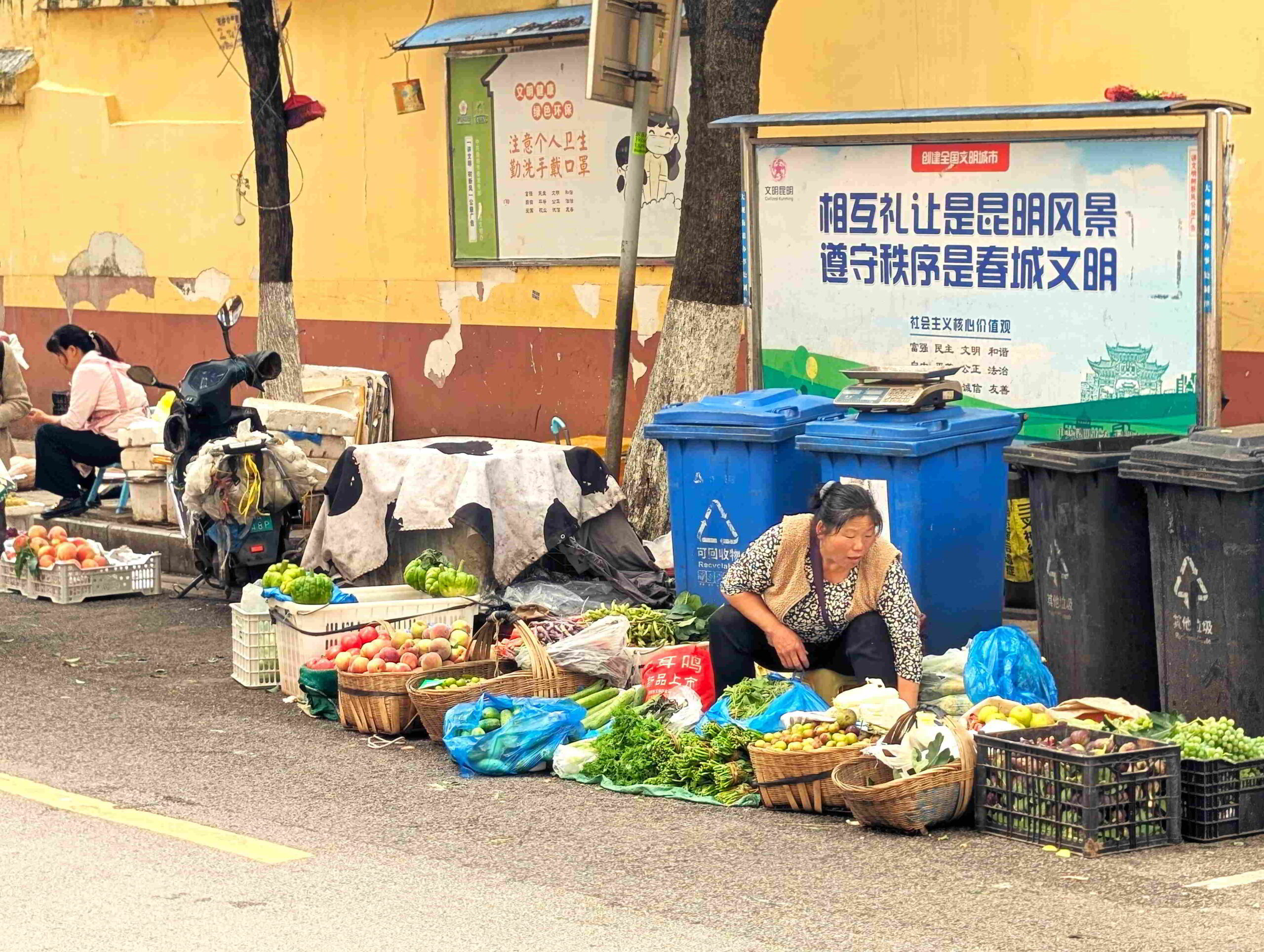
Kunming — Wuhua District
Kunming — Western Hills
Kunming — Western Hills
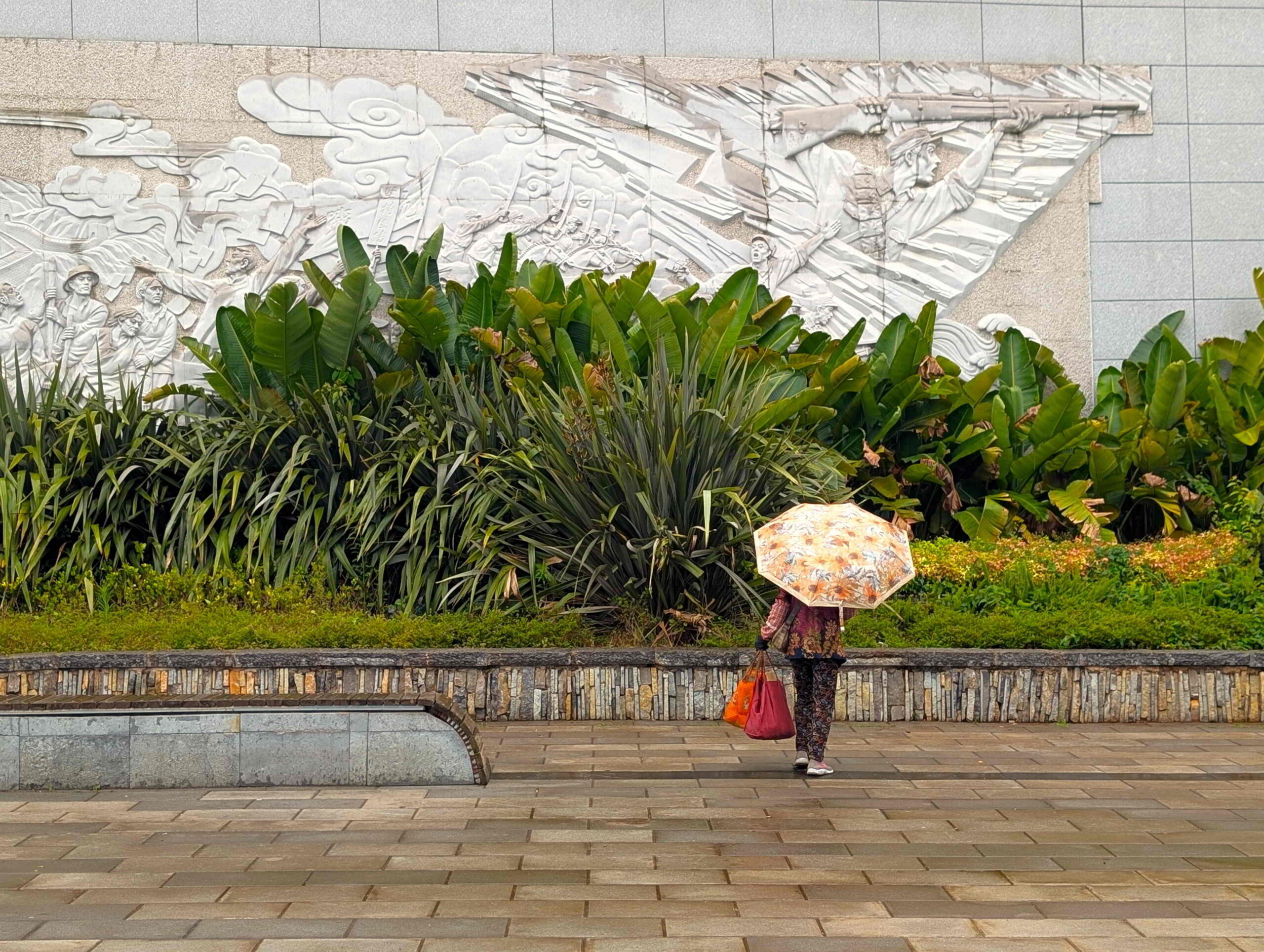
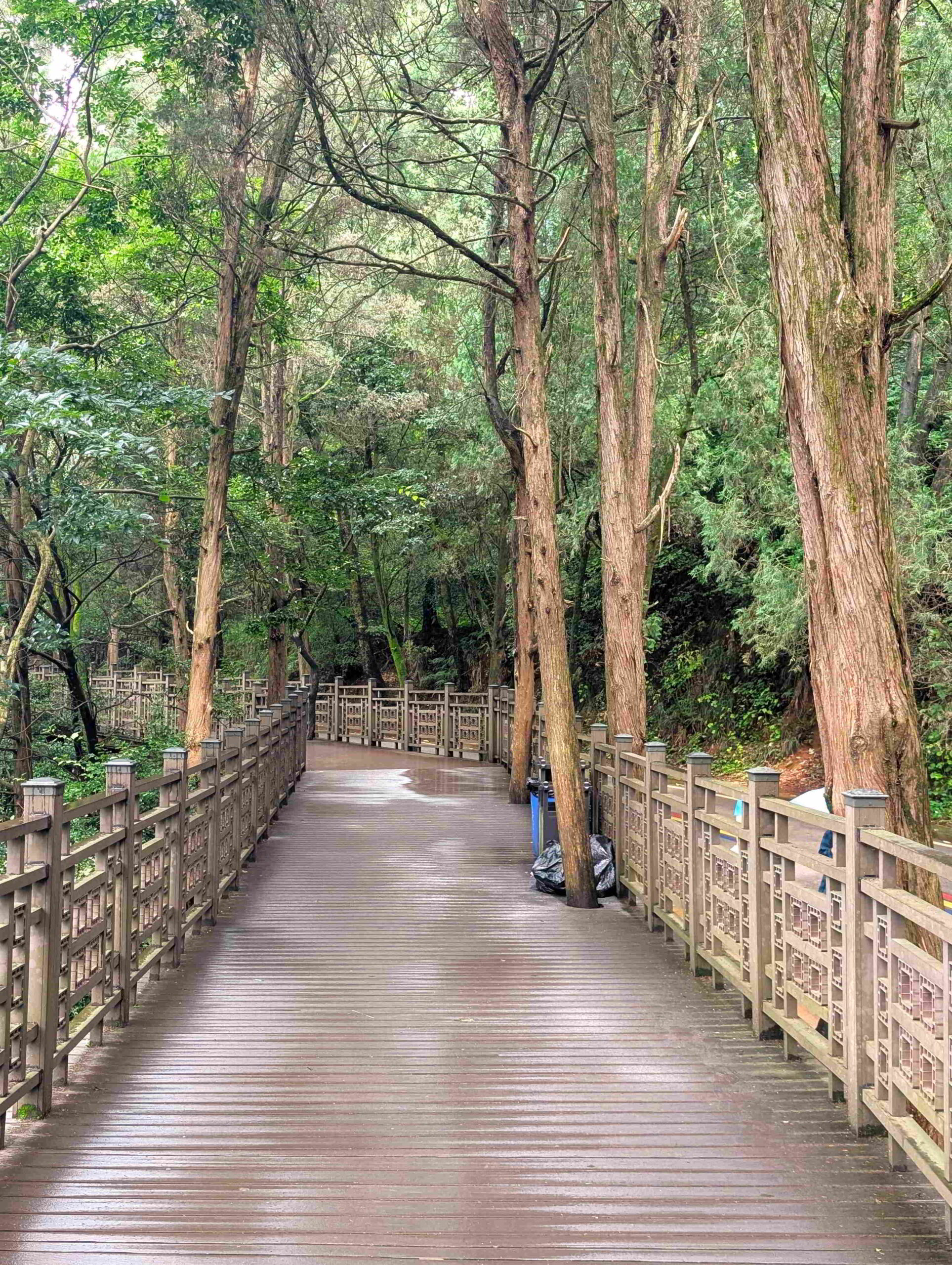
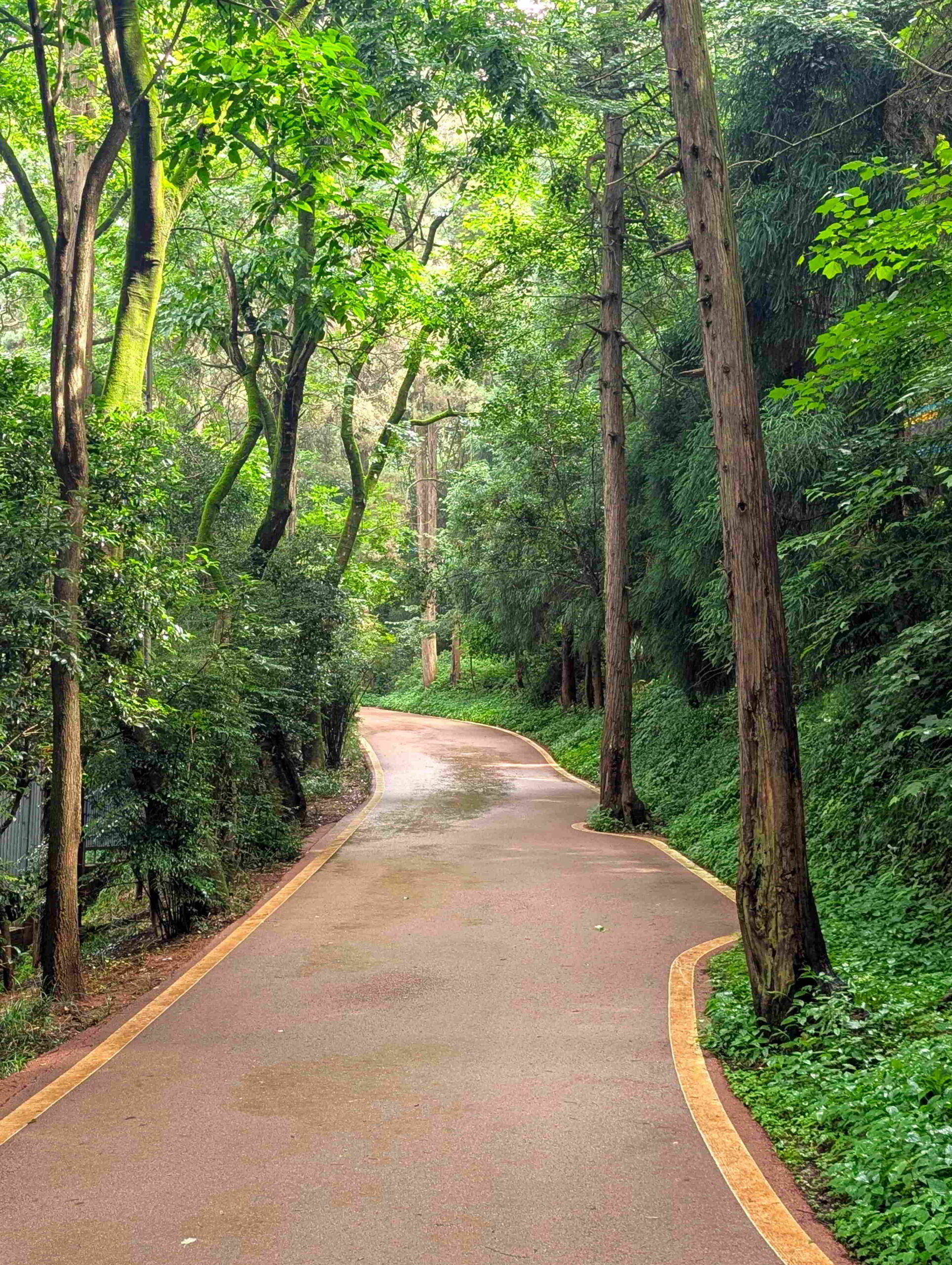
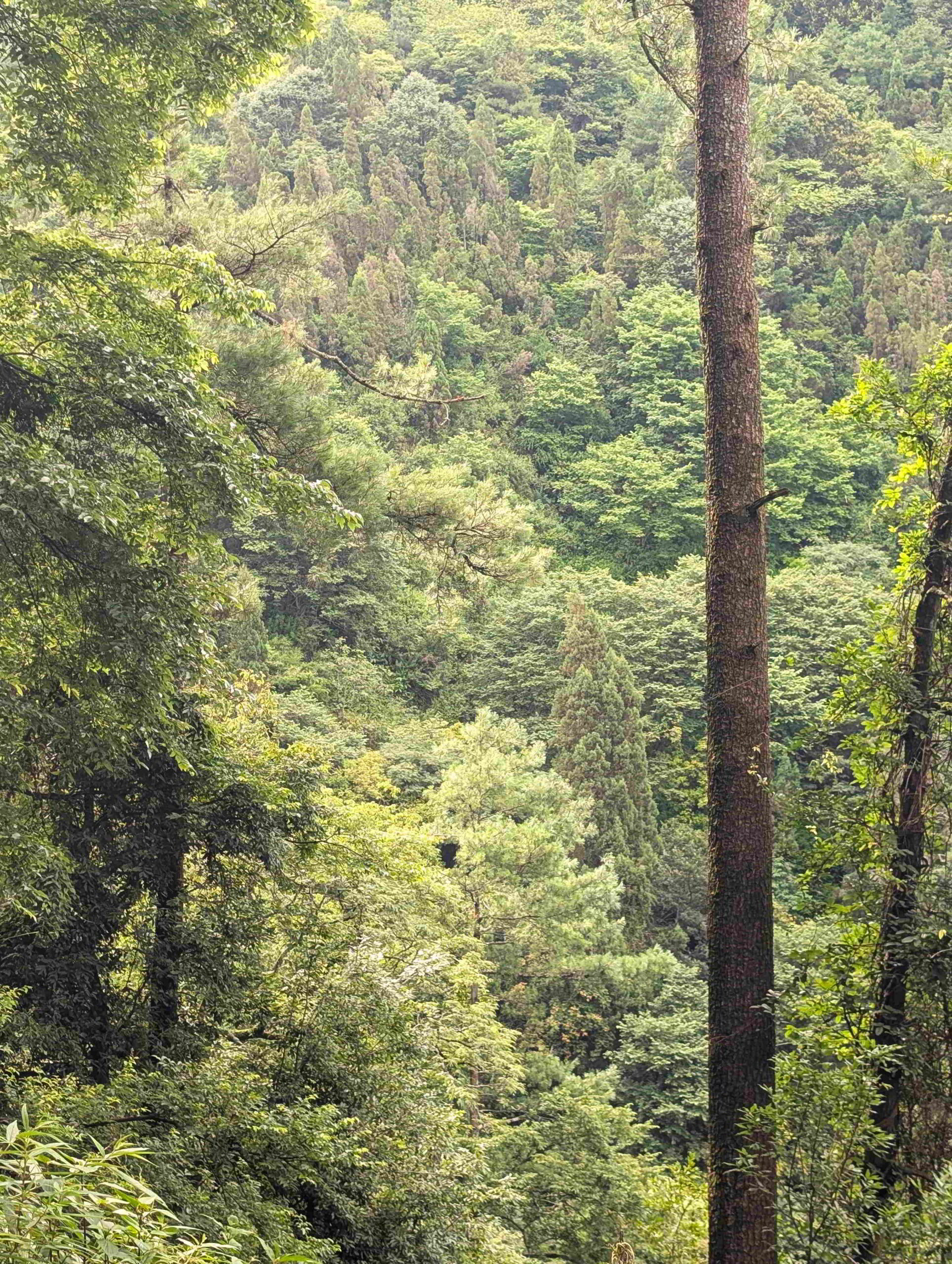
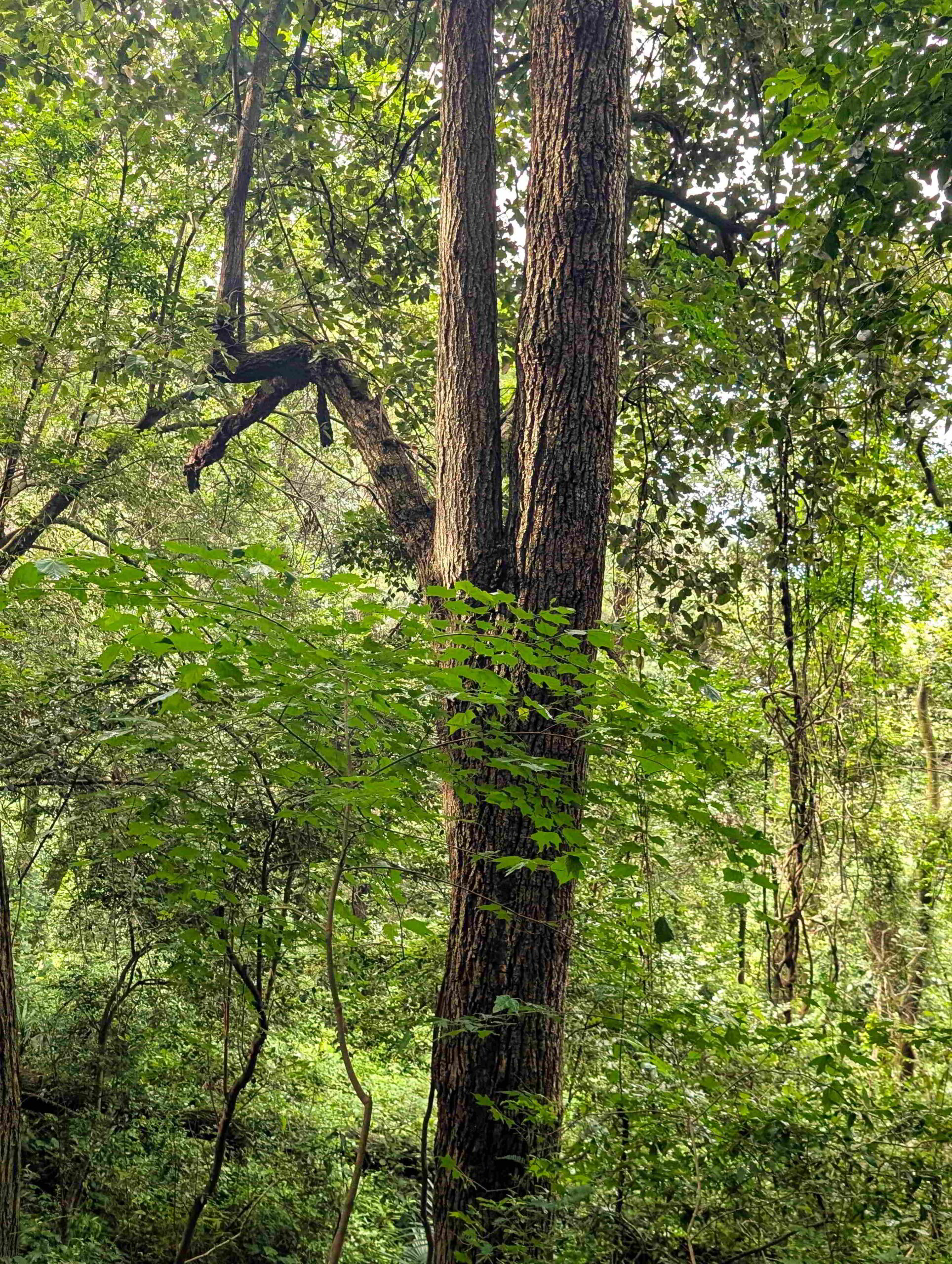
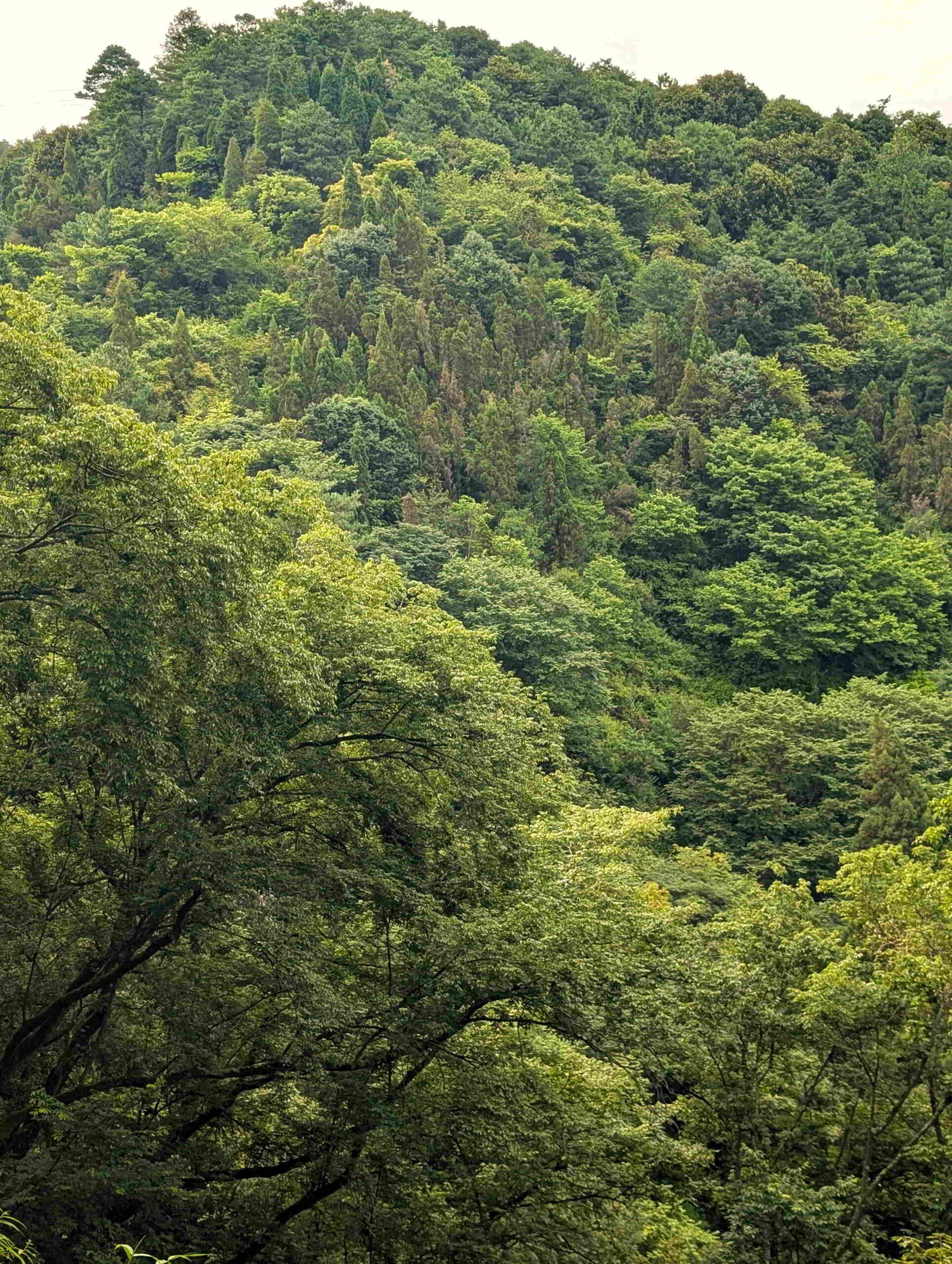
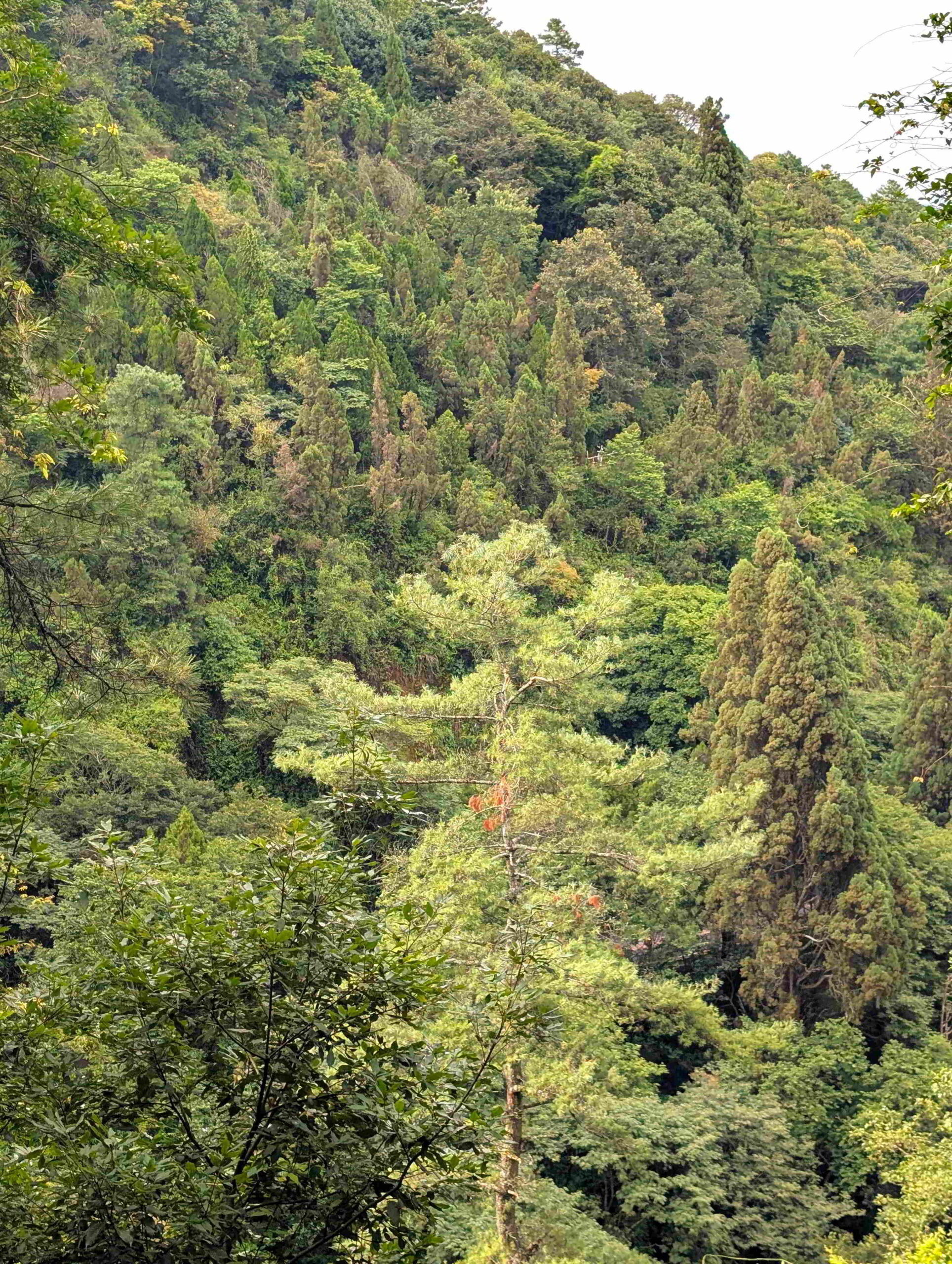
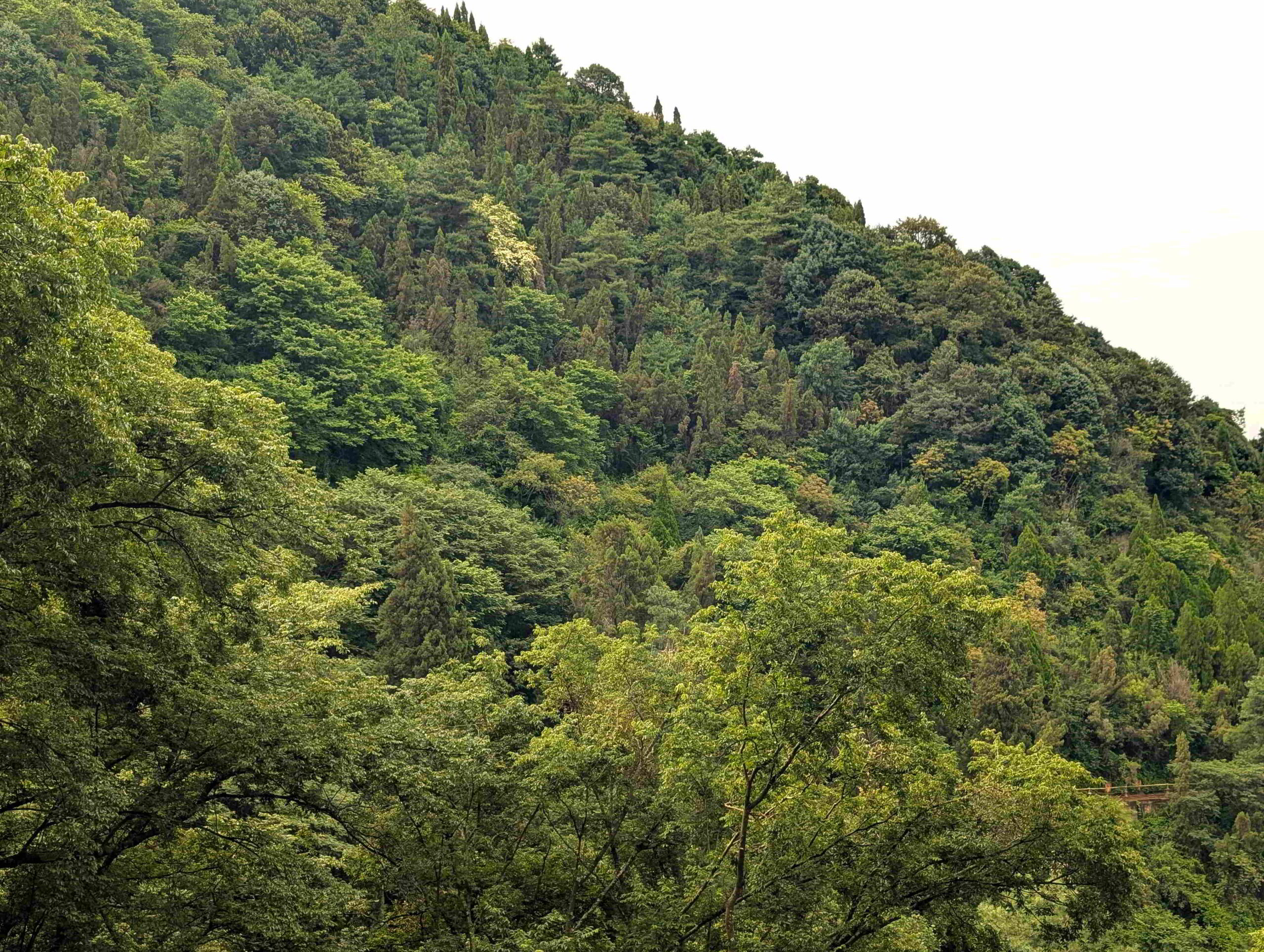
Despite how organized and accessible the visit is, the environment doesn’t come across as contrived — the forest surrounding the trail is rich, vibrant, and appears to be natural enough, that is, not just straight lines of identical trees, but with relatively randomly distributed and diverse species one would expect in a pristine setting. Here as everywhere else I have visited in Yunnan, walkers are respectful, well-behaved, staying on the trail, and not loud — even the children are very well-behaved, although walking here may not necessarily be a highly attractive activity for certain younger age groups. Another thing that never fails to surprise me is how clean the environment is: it is fairly obvious that Chinese have been trained to behave respectfully and not consider defacing their public environment in any way.
Kunming — Western Hills
Kunming — Western Hills
Kunming — Western Hills
Kunming — Western Hills
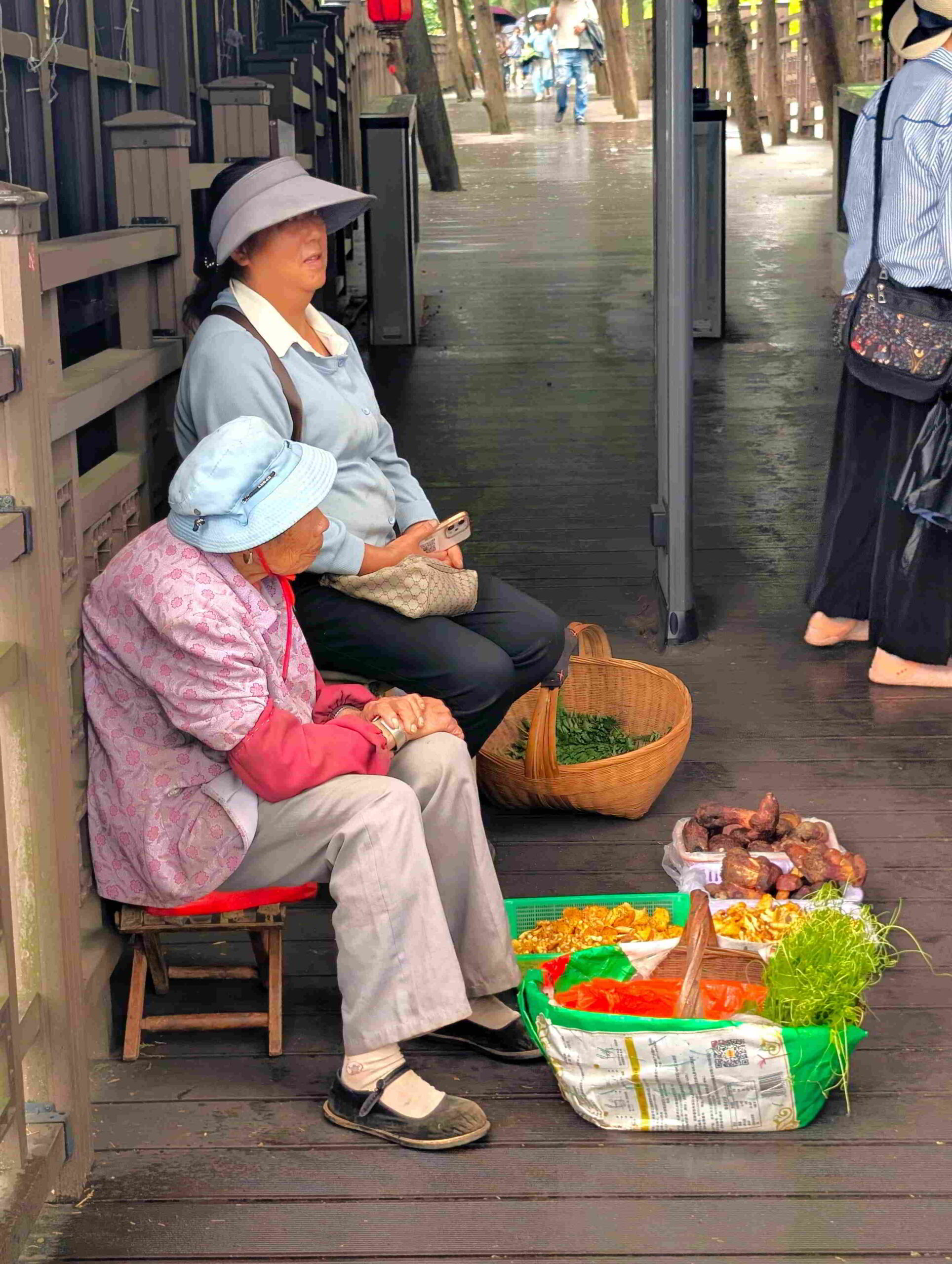
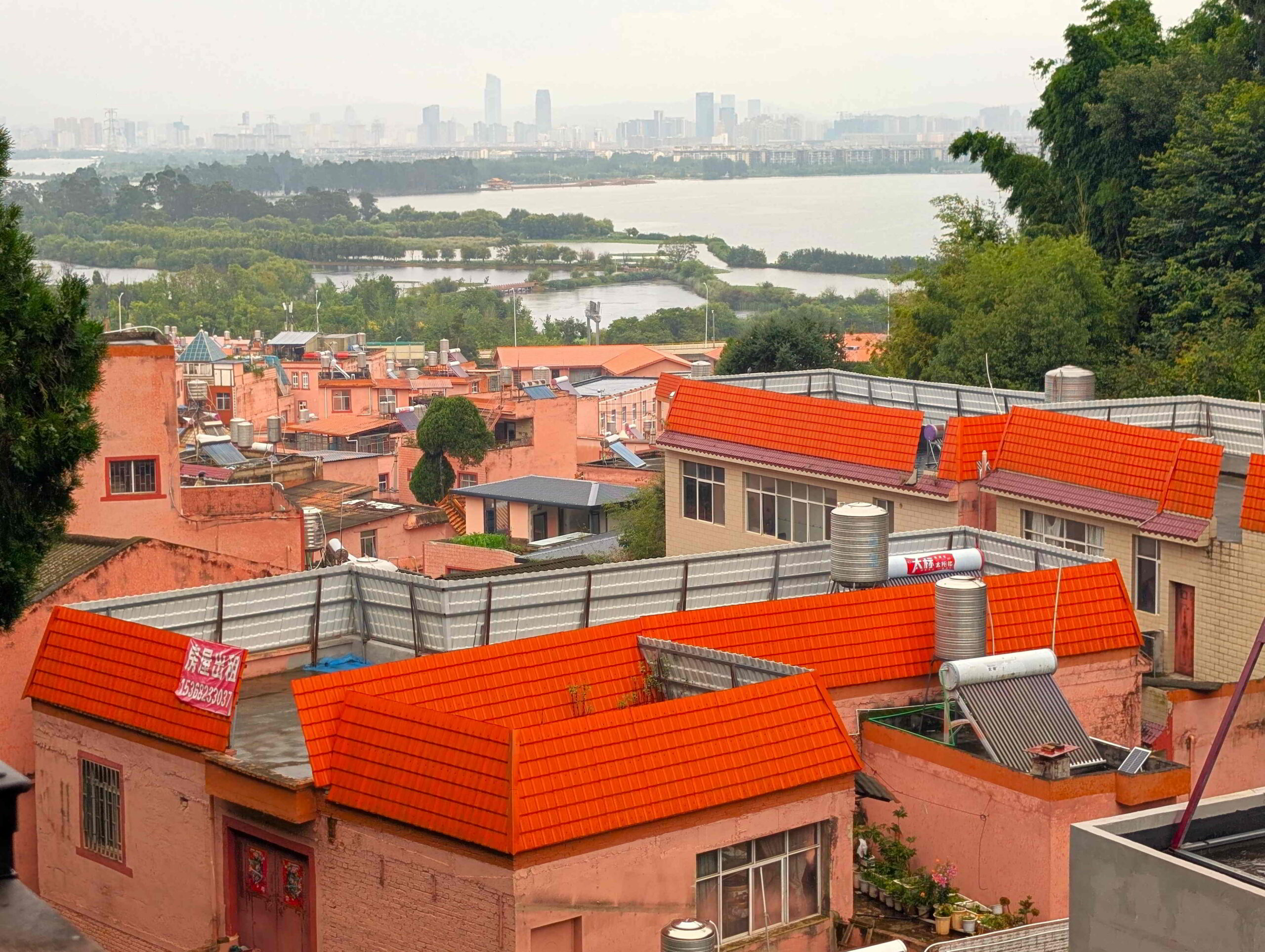
Near the entrance, and again at several vantage points along the walk are local women selling baskets of mushrooms and herbs that I am assuming are picked wild. I would love to try some of the former, but given that they probably need to be prepared in some fashion and I have no cooking facilities in my apartment, I can’t consider indulging. Other than these local delicacies, the trails are clear of any vendors or touts, although at several points along the trail there are kiosks selling snacks and drinks, gazebos and benches, often positioned in a manner that offers spectacular views over the lake and city below, as well as public washrooms.
Kunming — Western Hills
Kunming — Western Hills
Kunming — Western Hills
Kunming — Western Hills
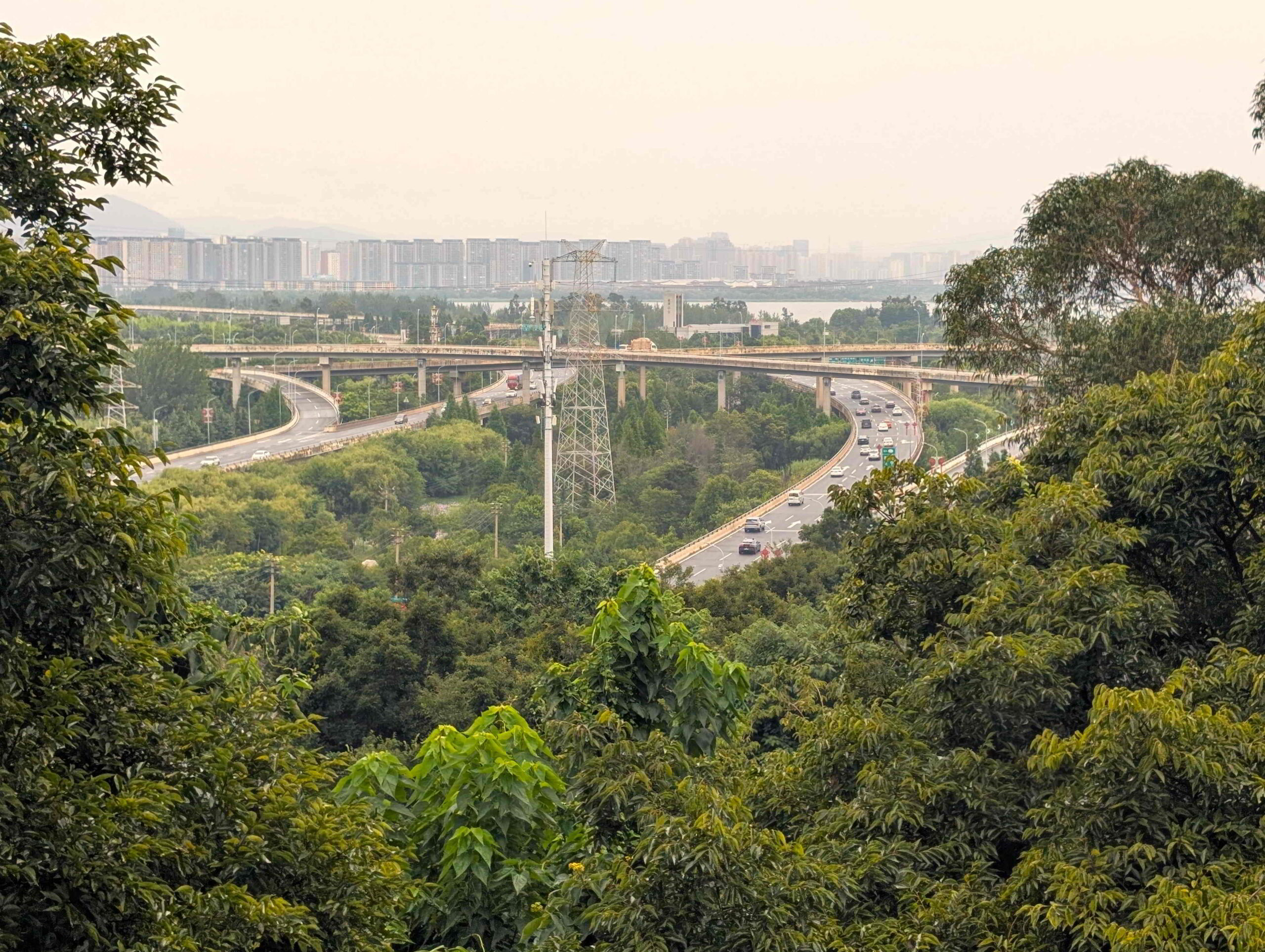
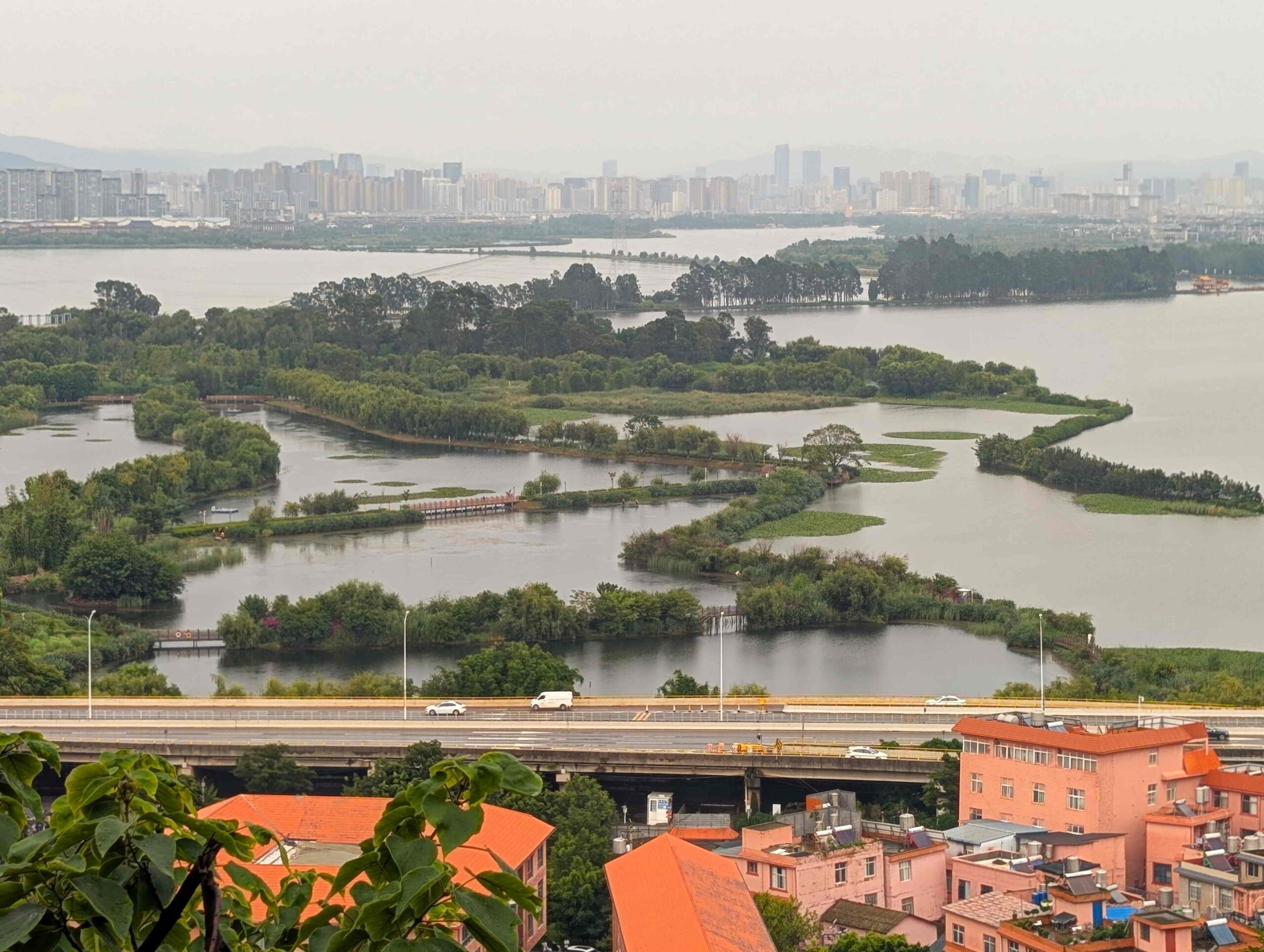
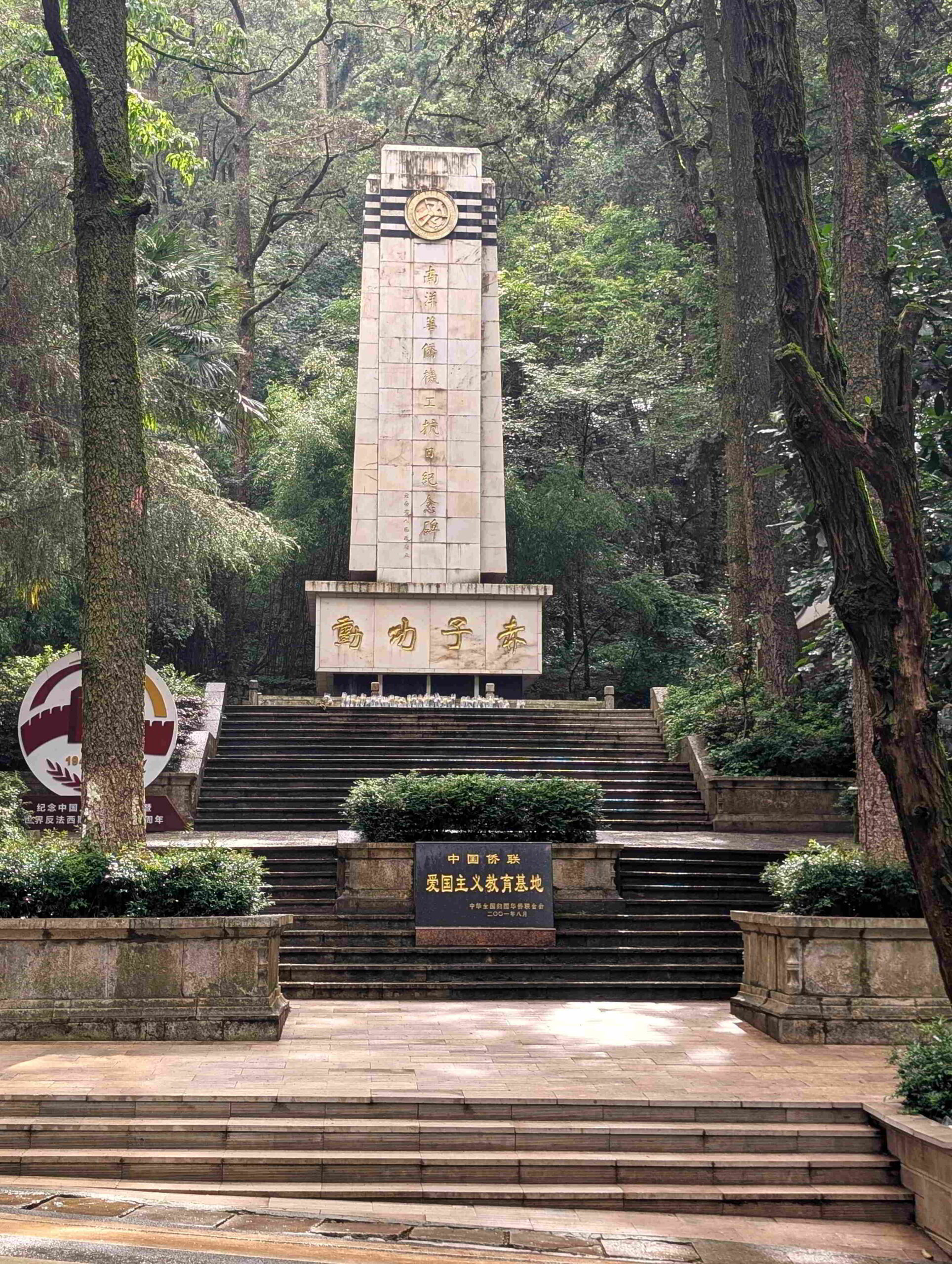
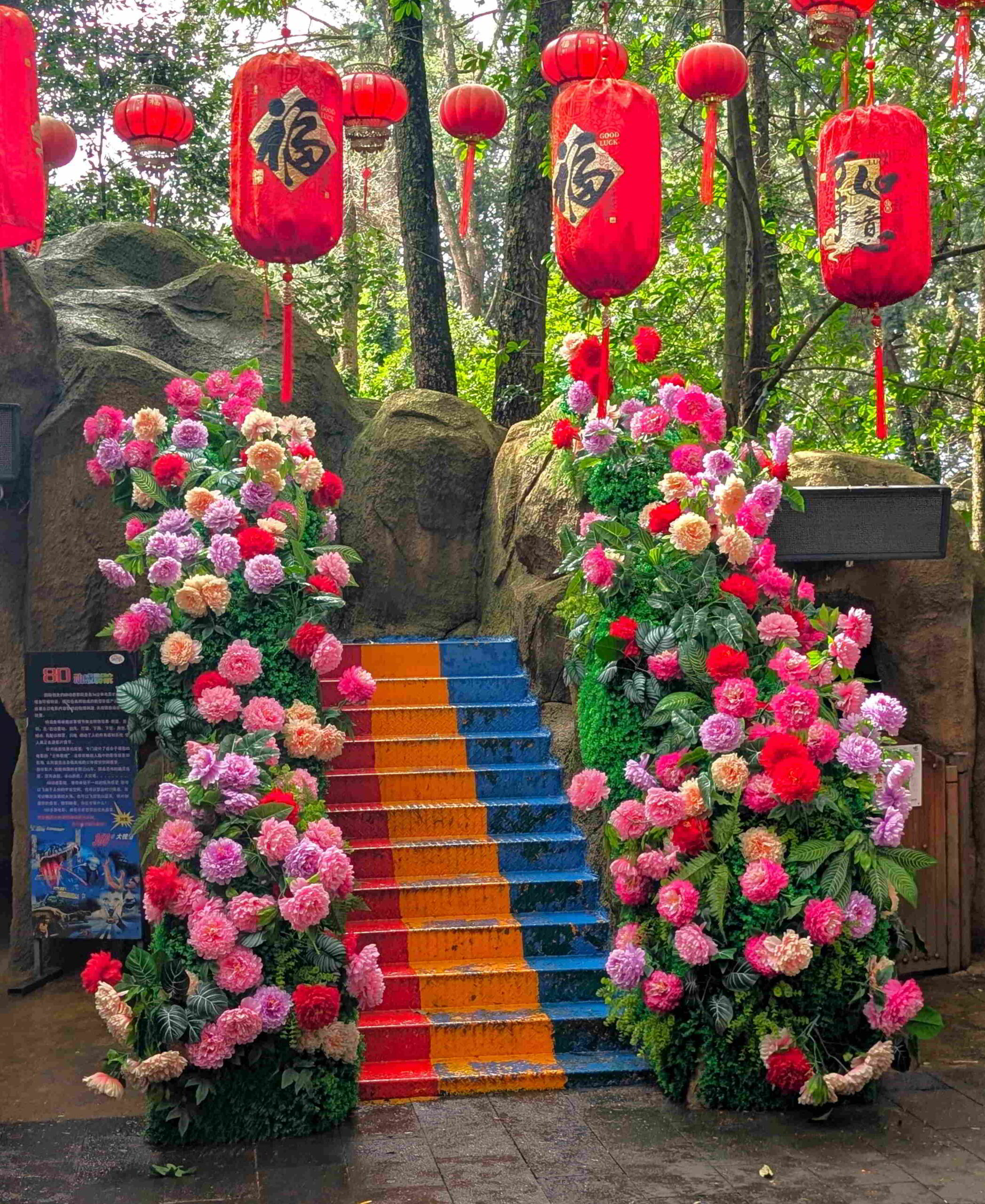
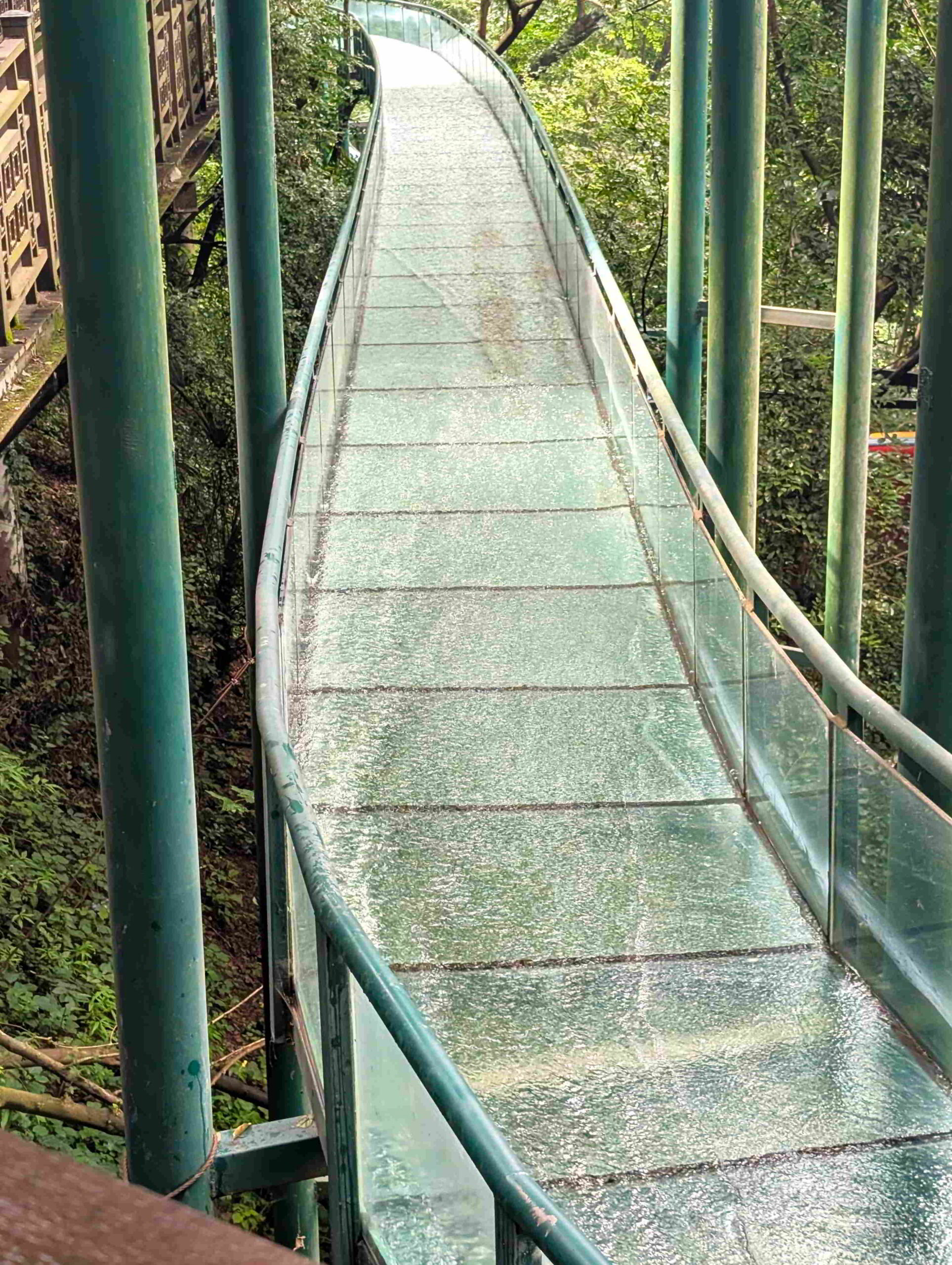
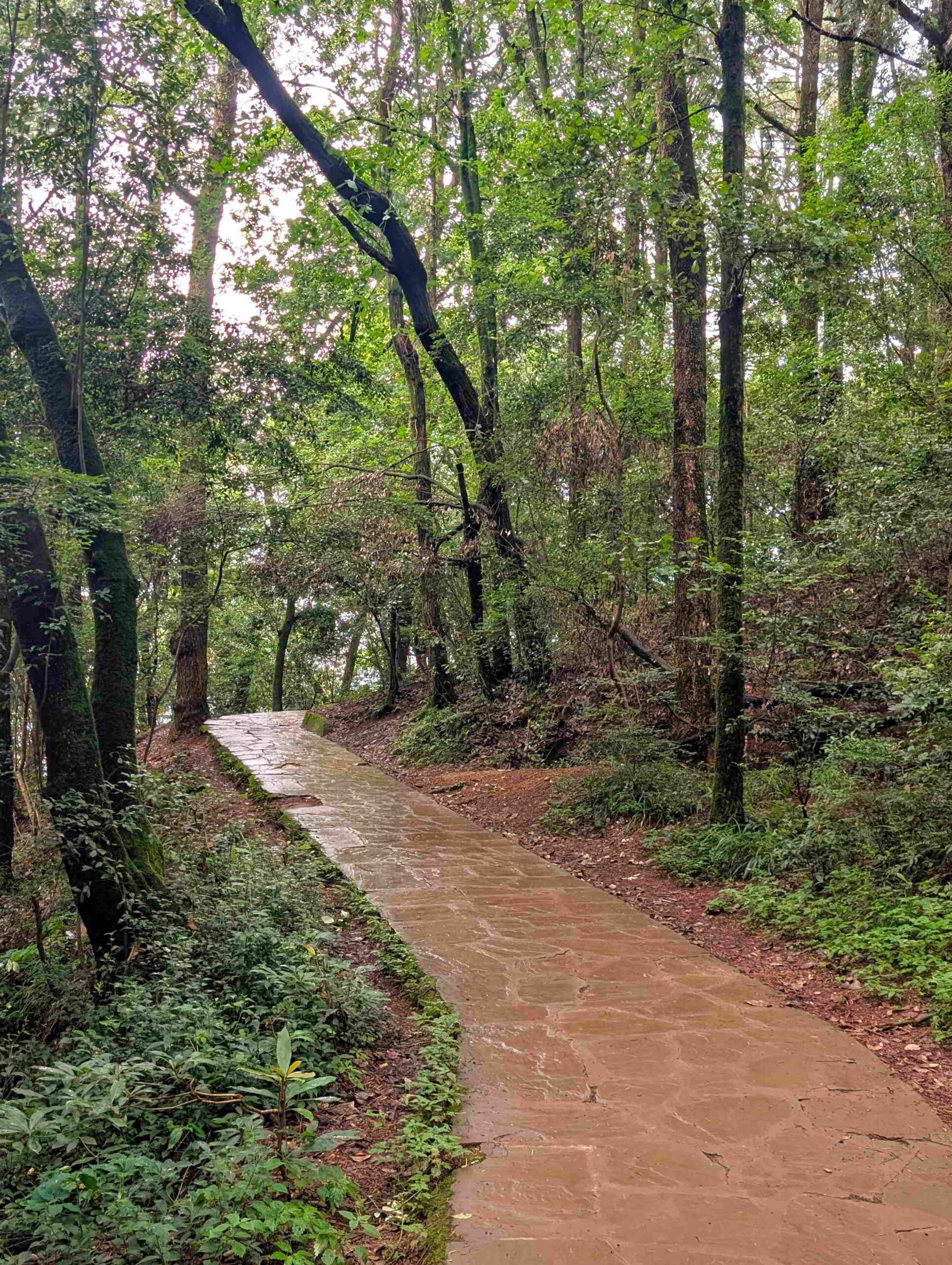
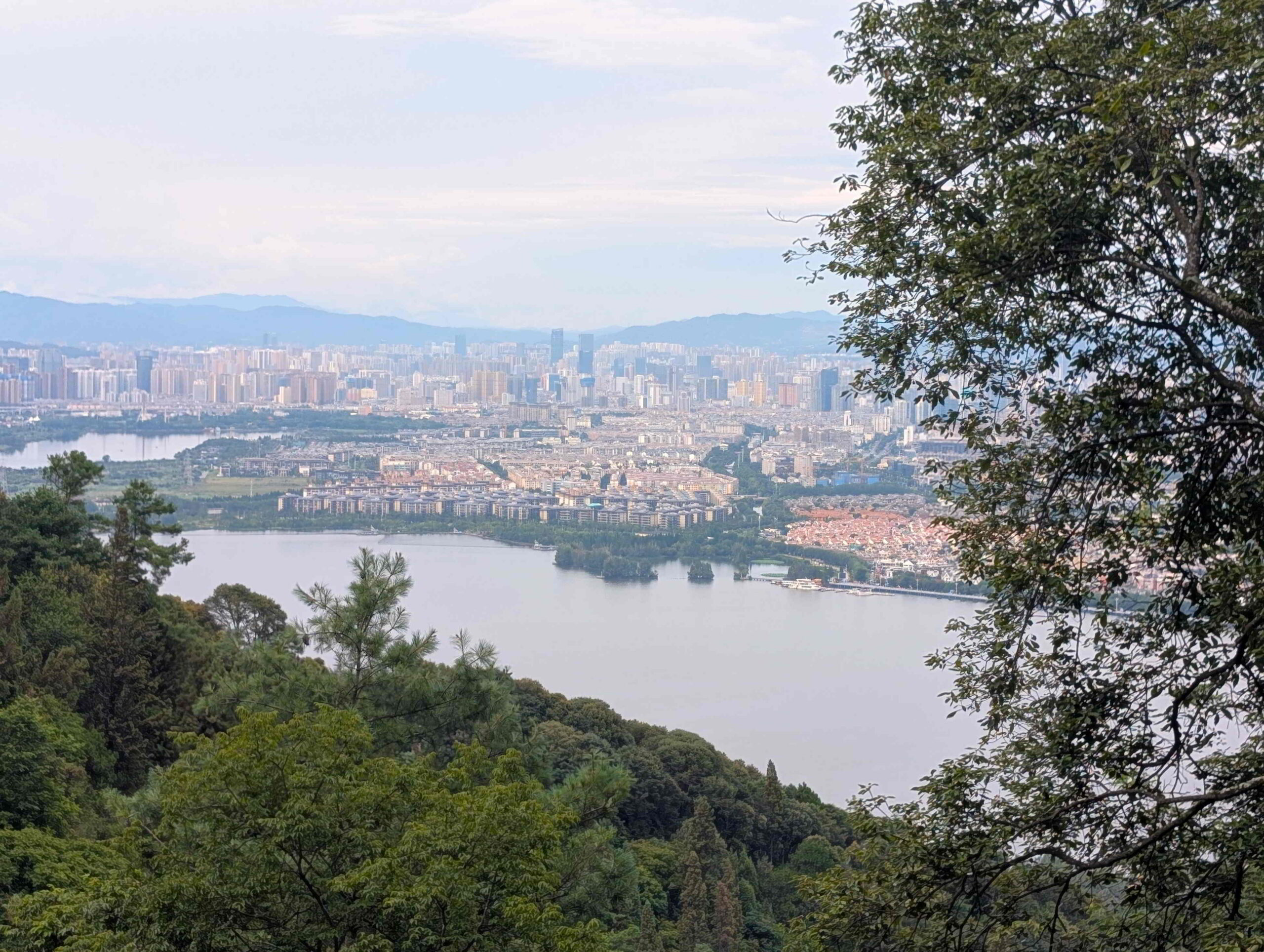
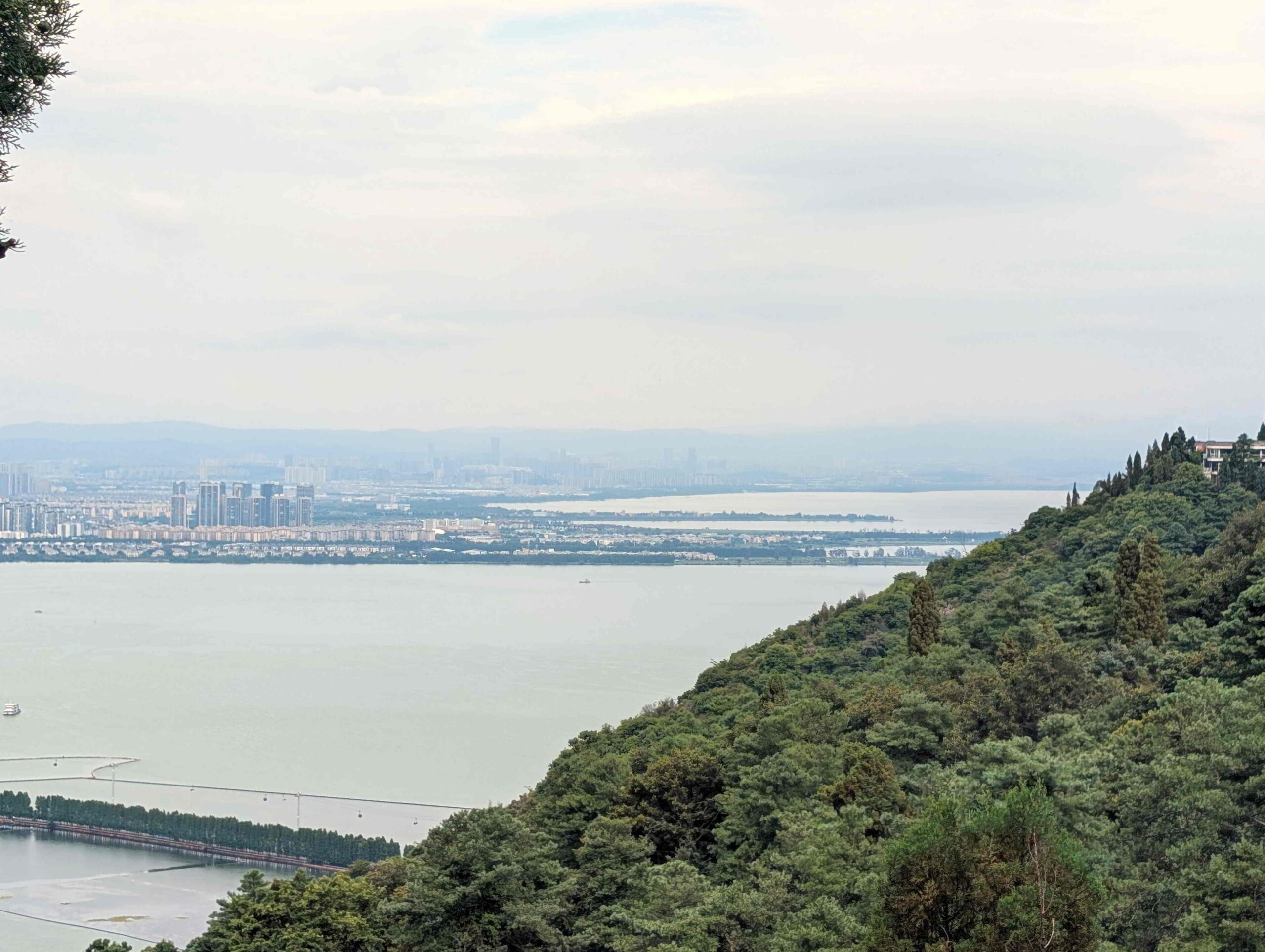
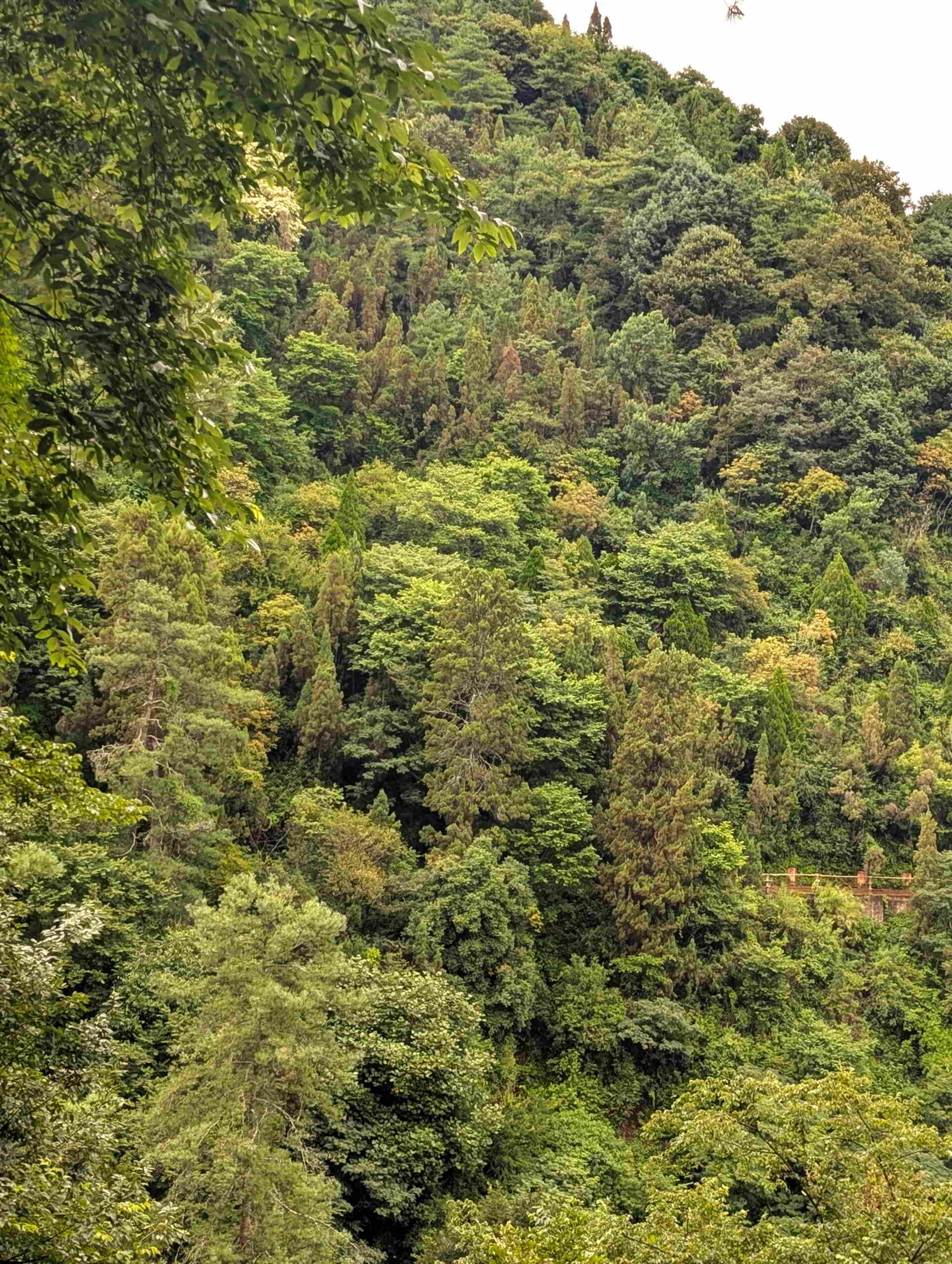
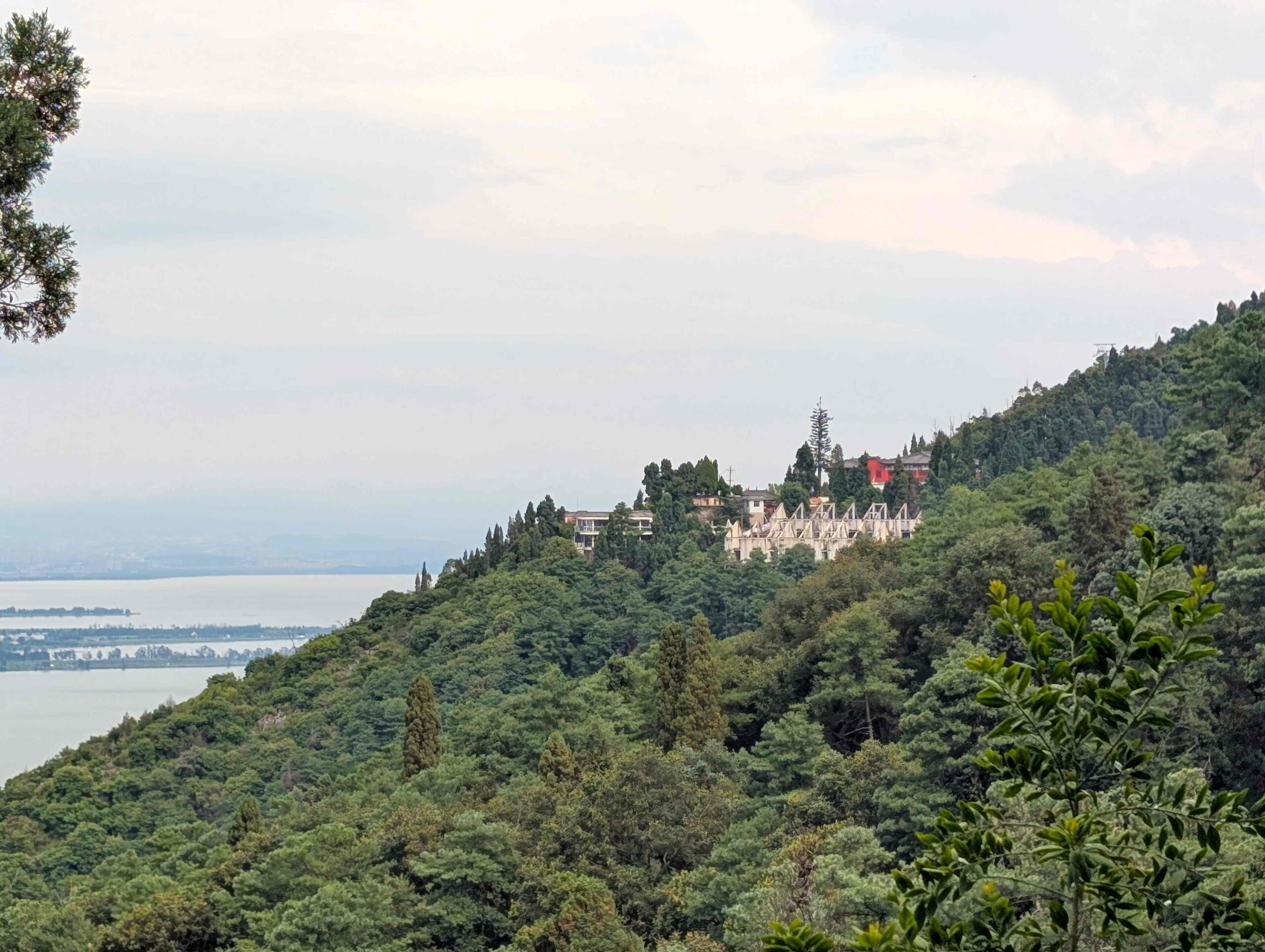
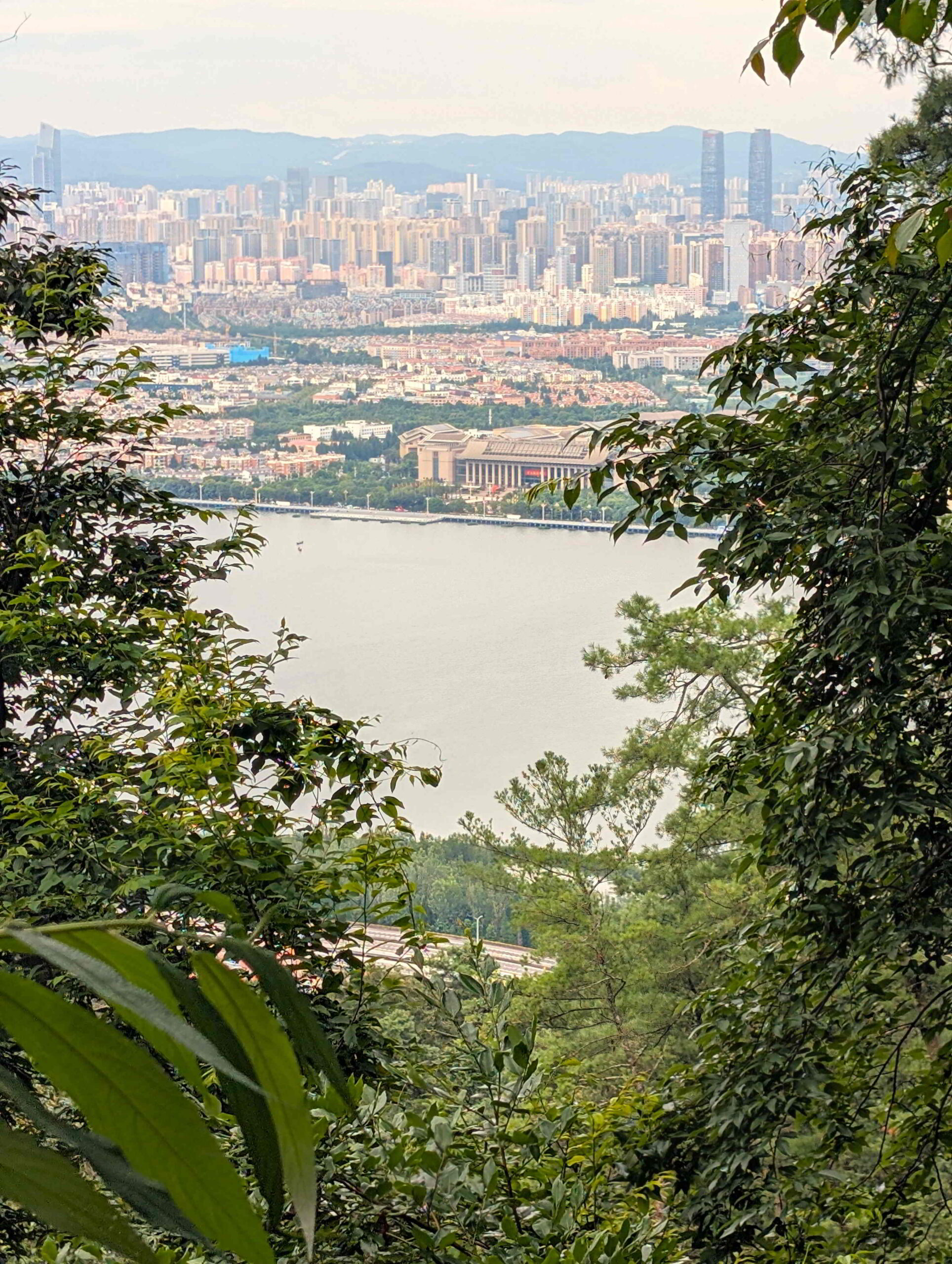
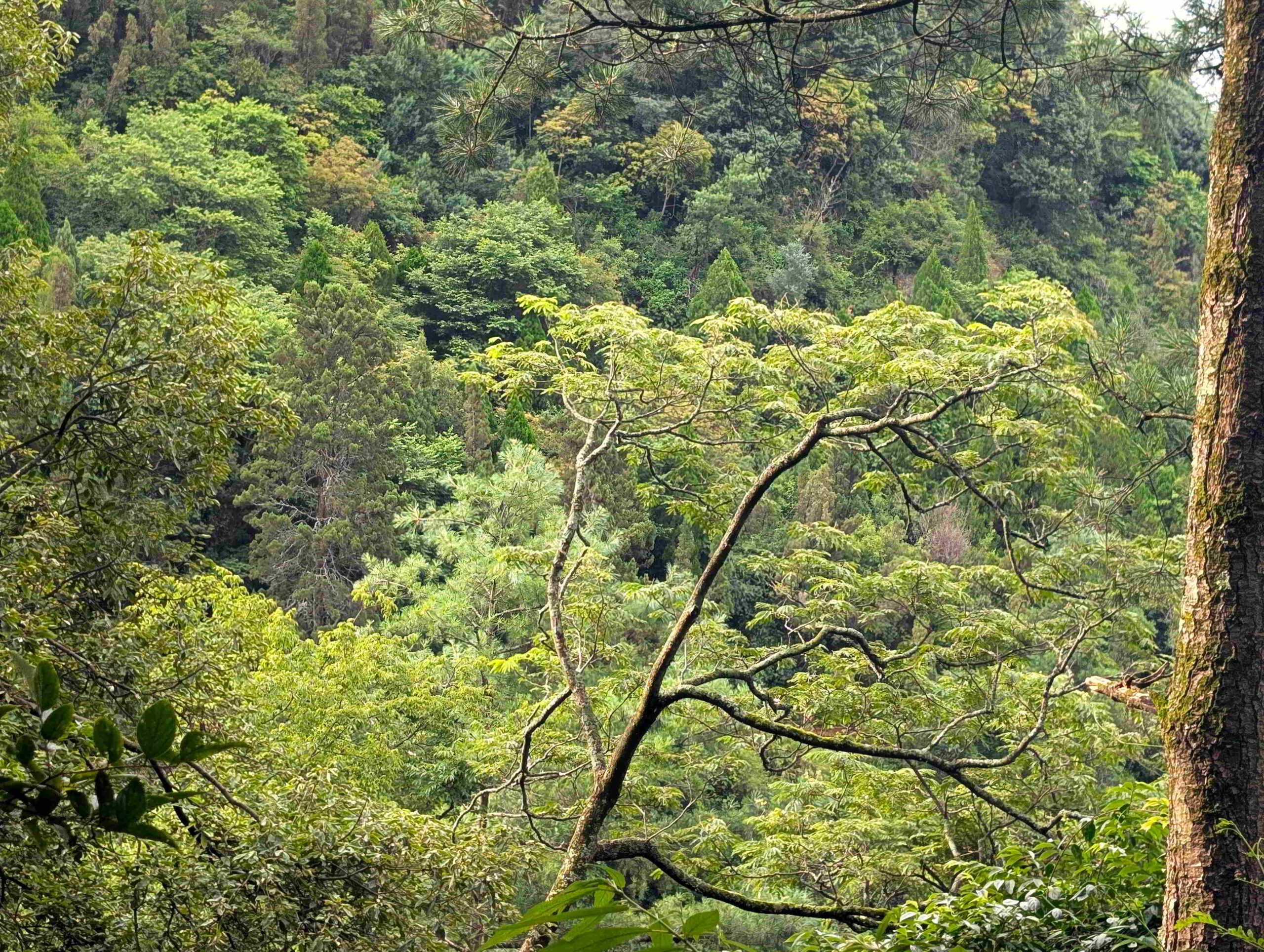
The forest closes in on the trail, and only occasionally are views offered of the lake below, dramatically speckled with islands and sinuous, narrow tendrils of land extending deep into the lake and at times even across the entirety of the body of the water. The patchwork of land itself is largely covered in greenery, underlining its visual impact, while that of the park is limited to the relentless swatch of green around me and the occasionally artfully designed walkway, replete with ramps, steps, bridges, informatory placards, and so on. Most importantly, the rain effectively ended when I began the hike, and has held off since.
Kunming — Western Hills
Kunming — Western Hills
Kunming — Western Hills — Huating Temple
Kunming — Western Hills
The first major destination on the trail is the Huating temple, a leisurely 45 minute walk from the entrance, all uphill, although none of the trail is particularly steep. And while the trail runs adjacent the road, there is minimal traffic — it may be that only the designated buses are allowed on this road. The distances may not be prohibitive, but I am watching the clock, given that I need to have enough time to visit the temples along the route, then have returned to the metro station before it gets dark — and it is already mid-afternoon.
Kunming — Western Hills — Huating Temple
Kunming — Western Hills — Huating Temple
Kunming — Western Hills — Huating Temple
Kunming — Western Hills — Huating Temple
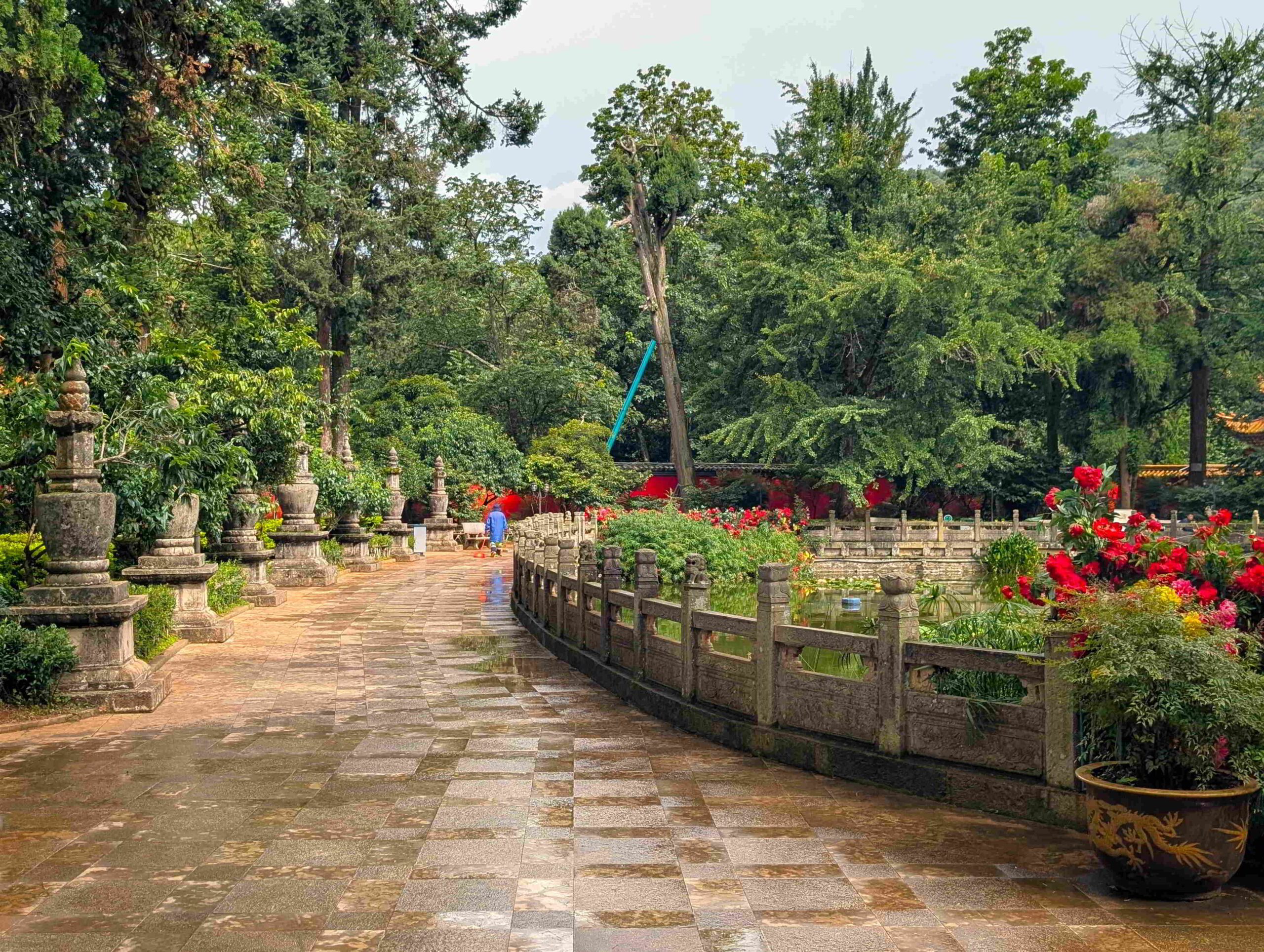
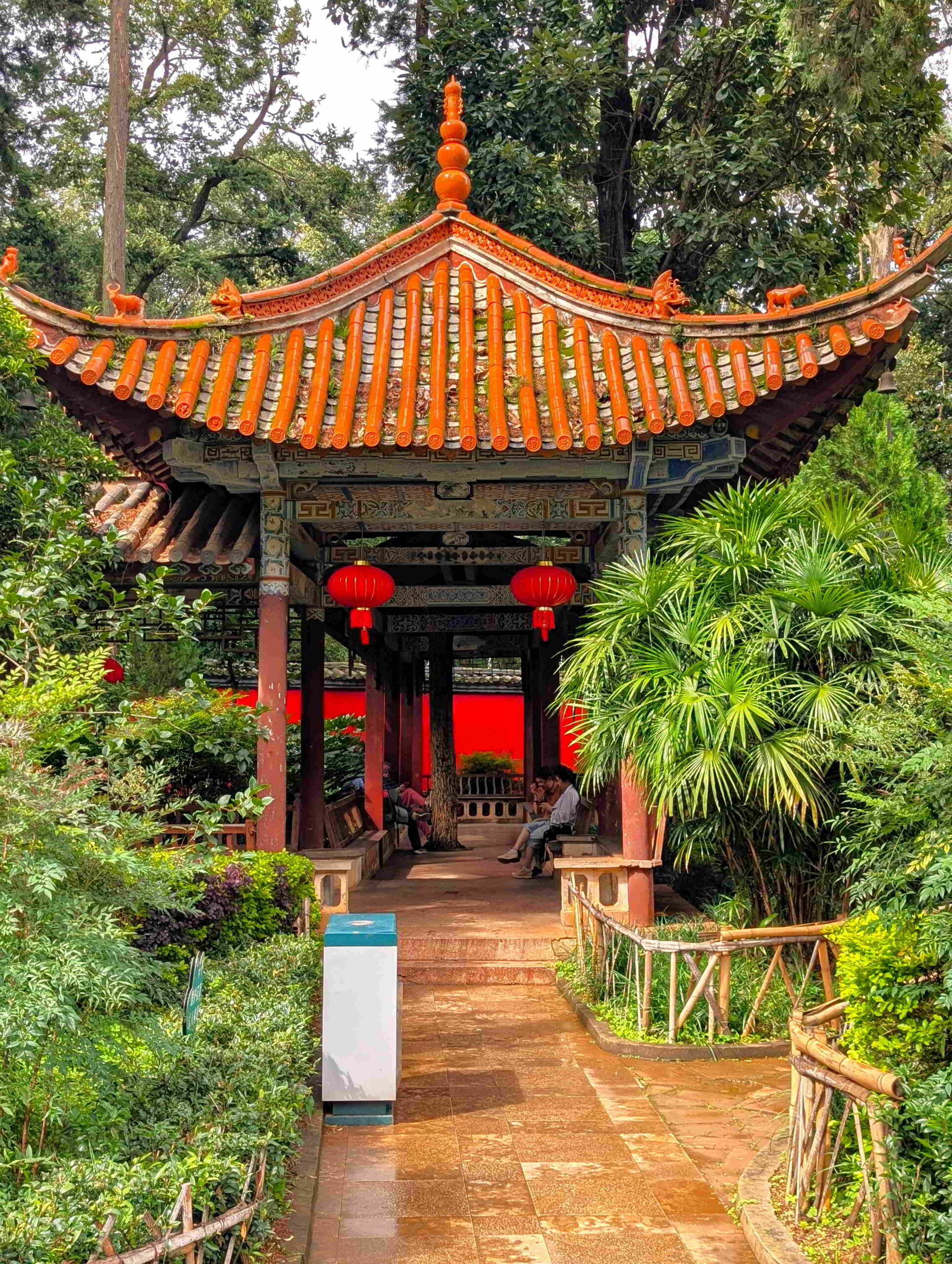
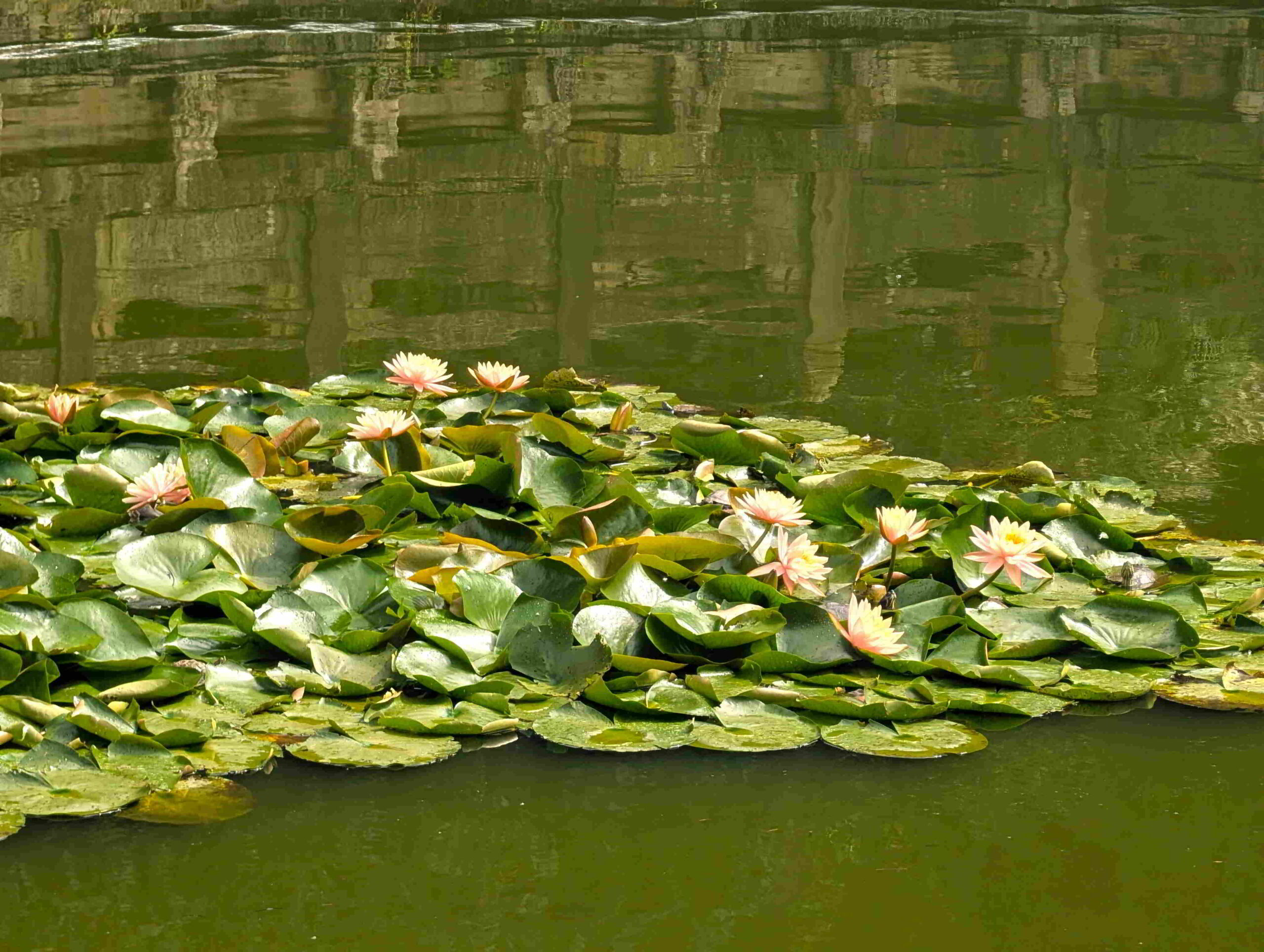
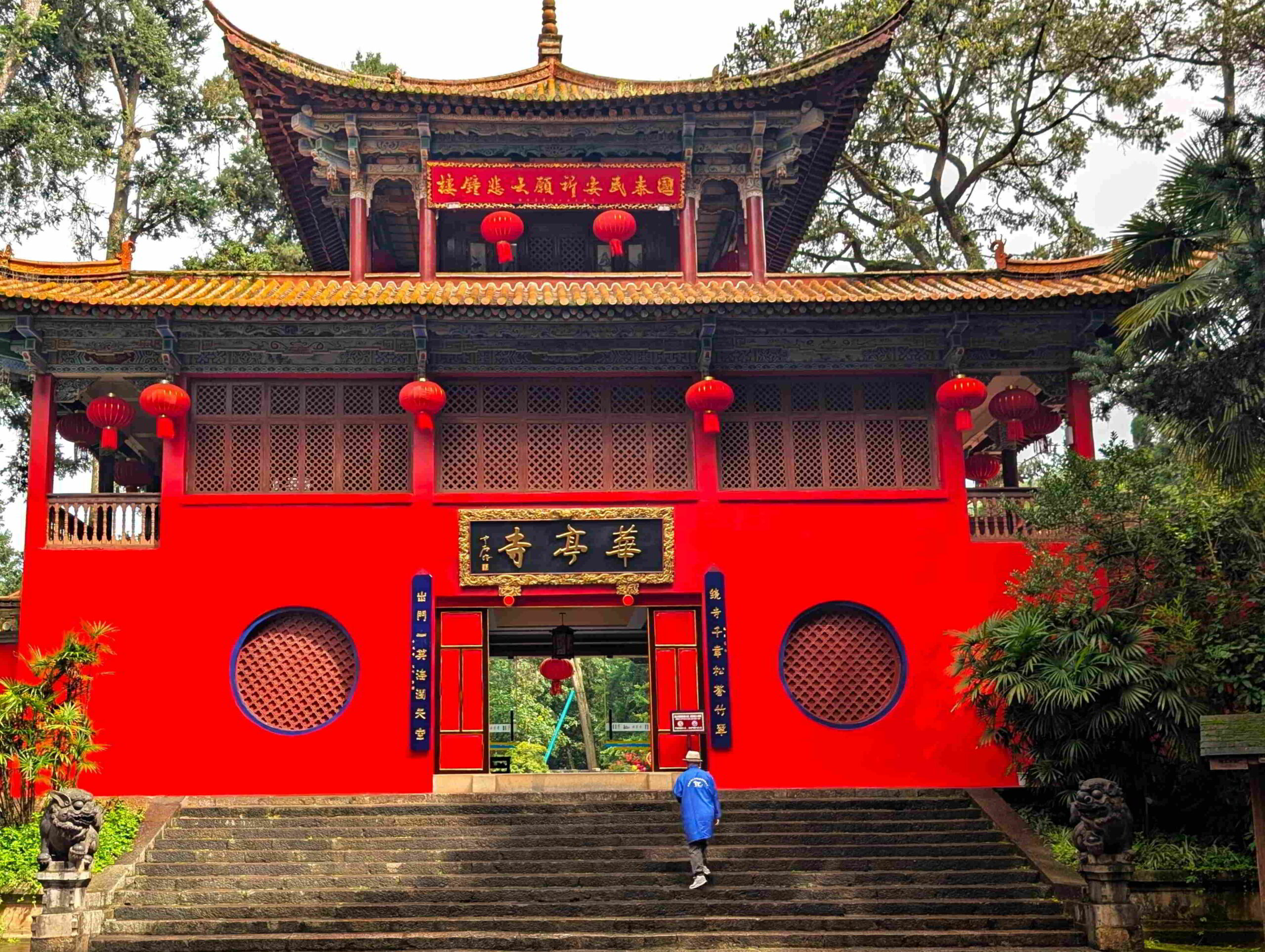
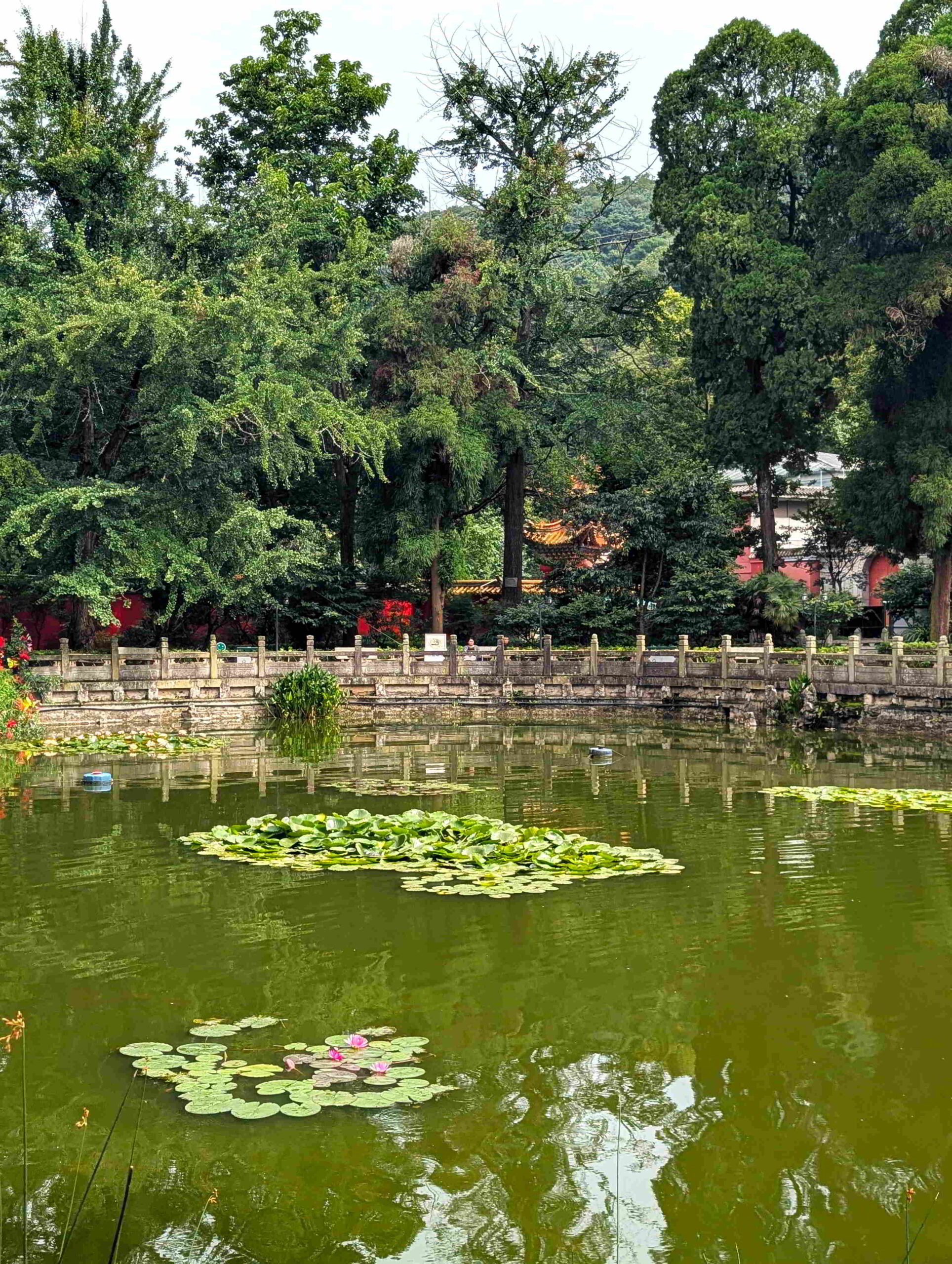
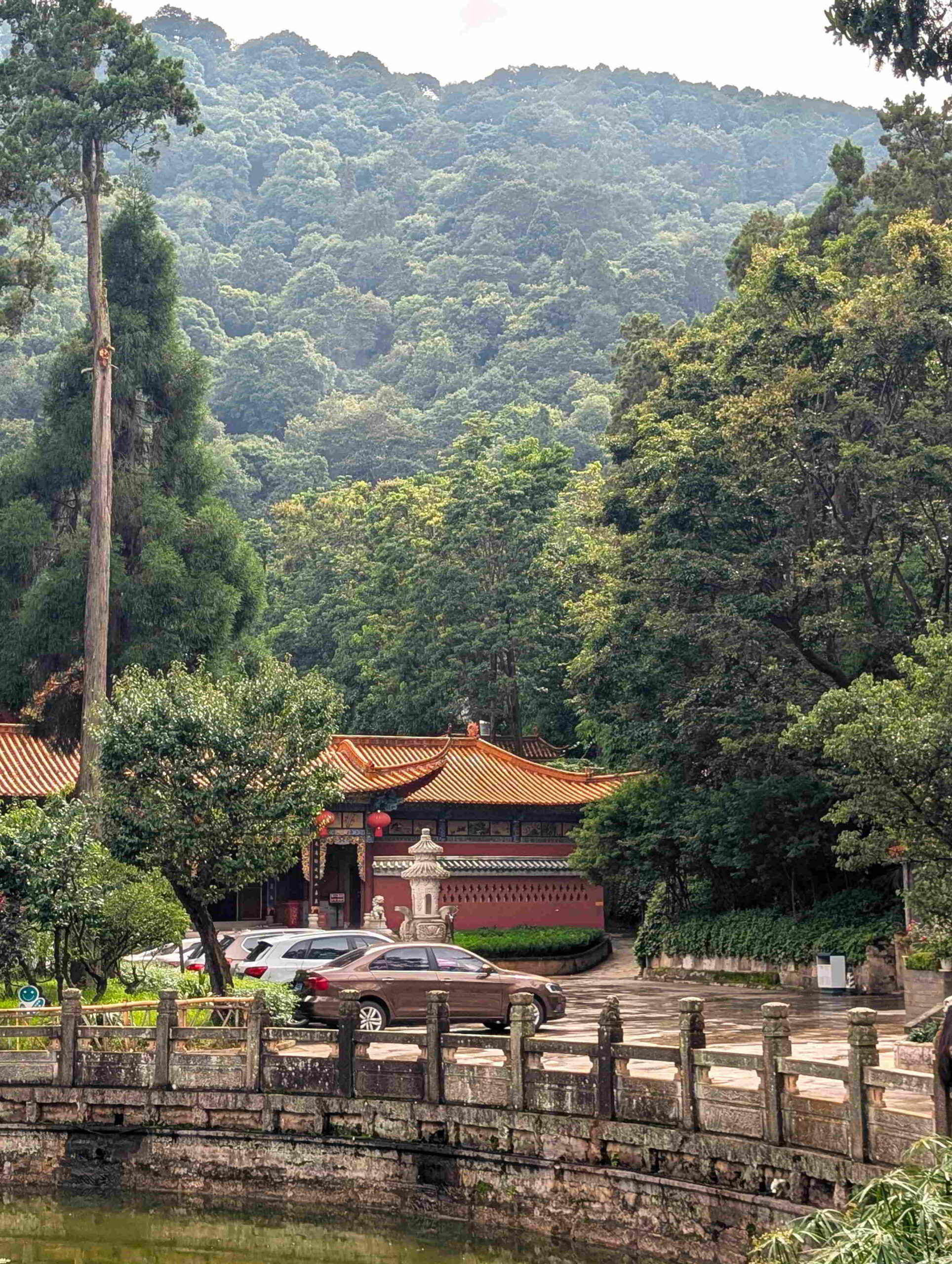
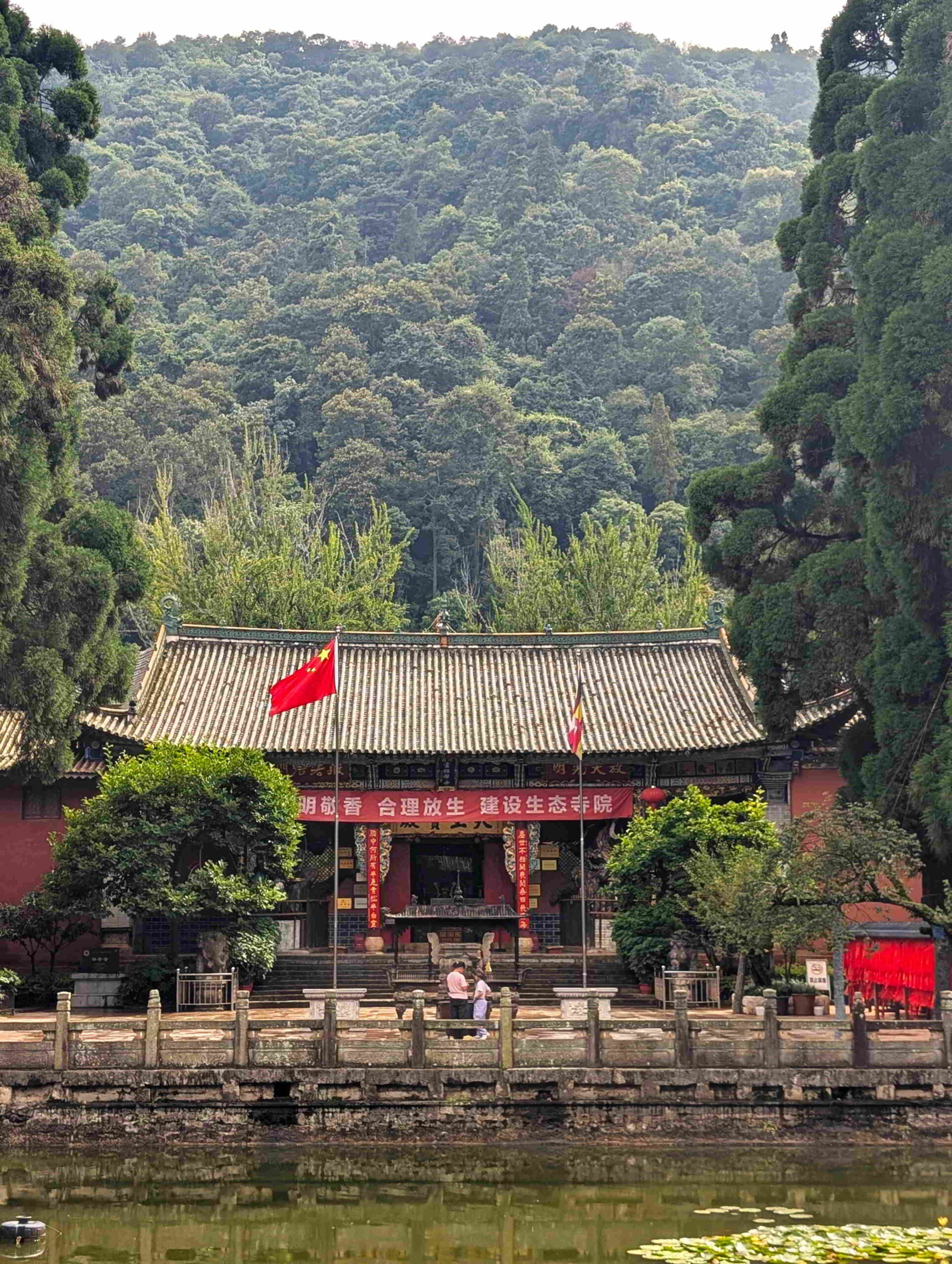
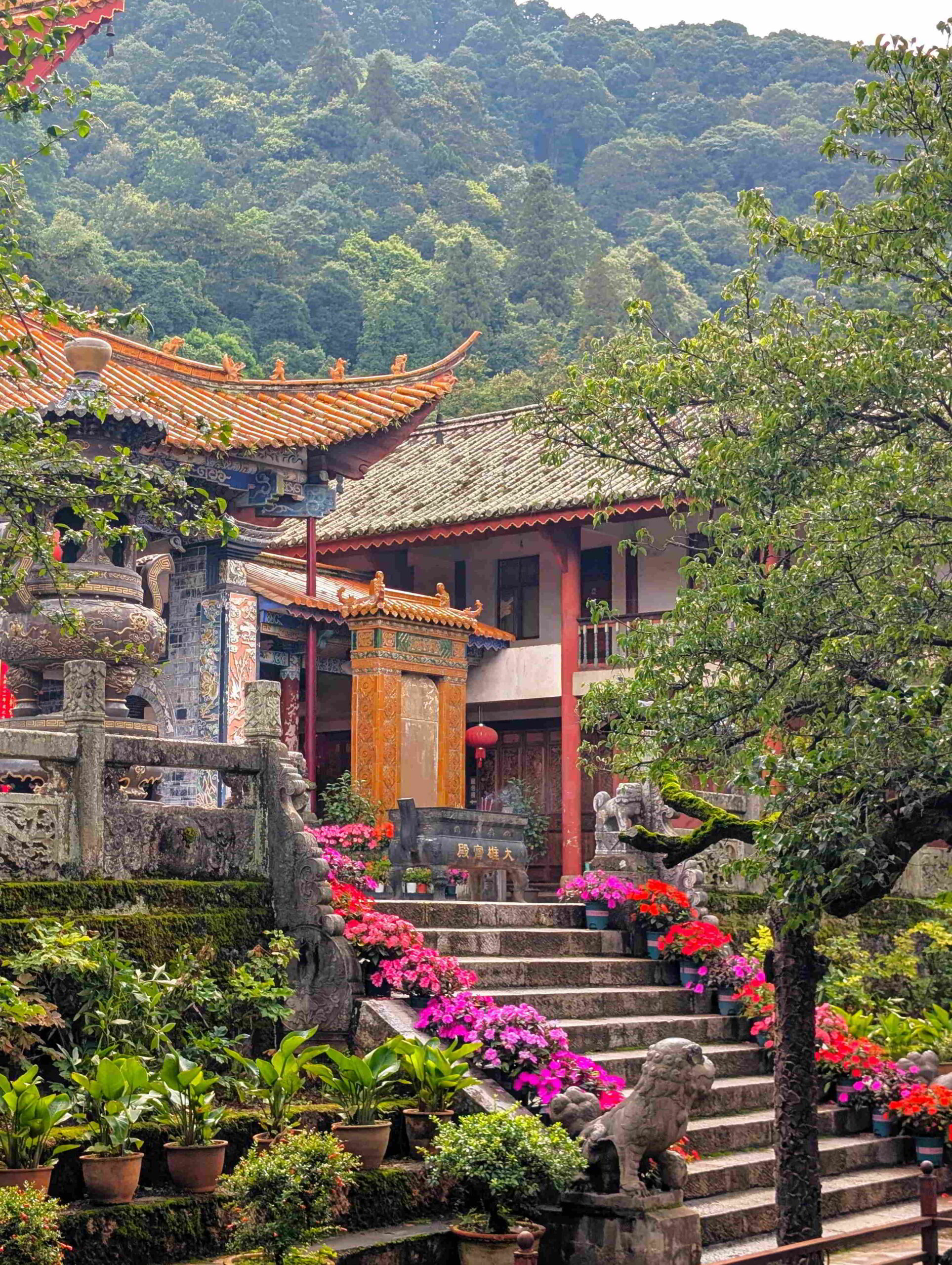
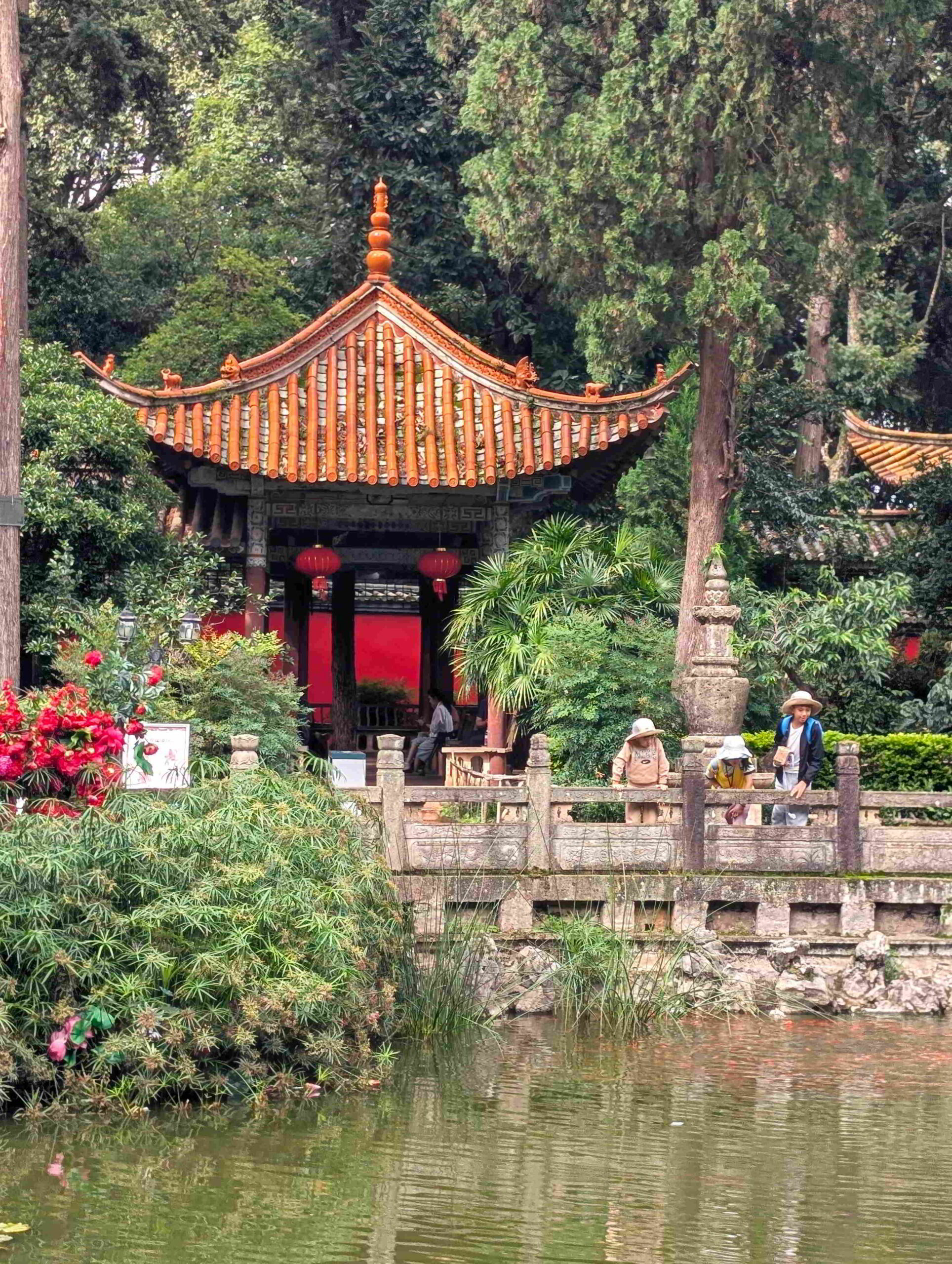
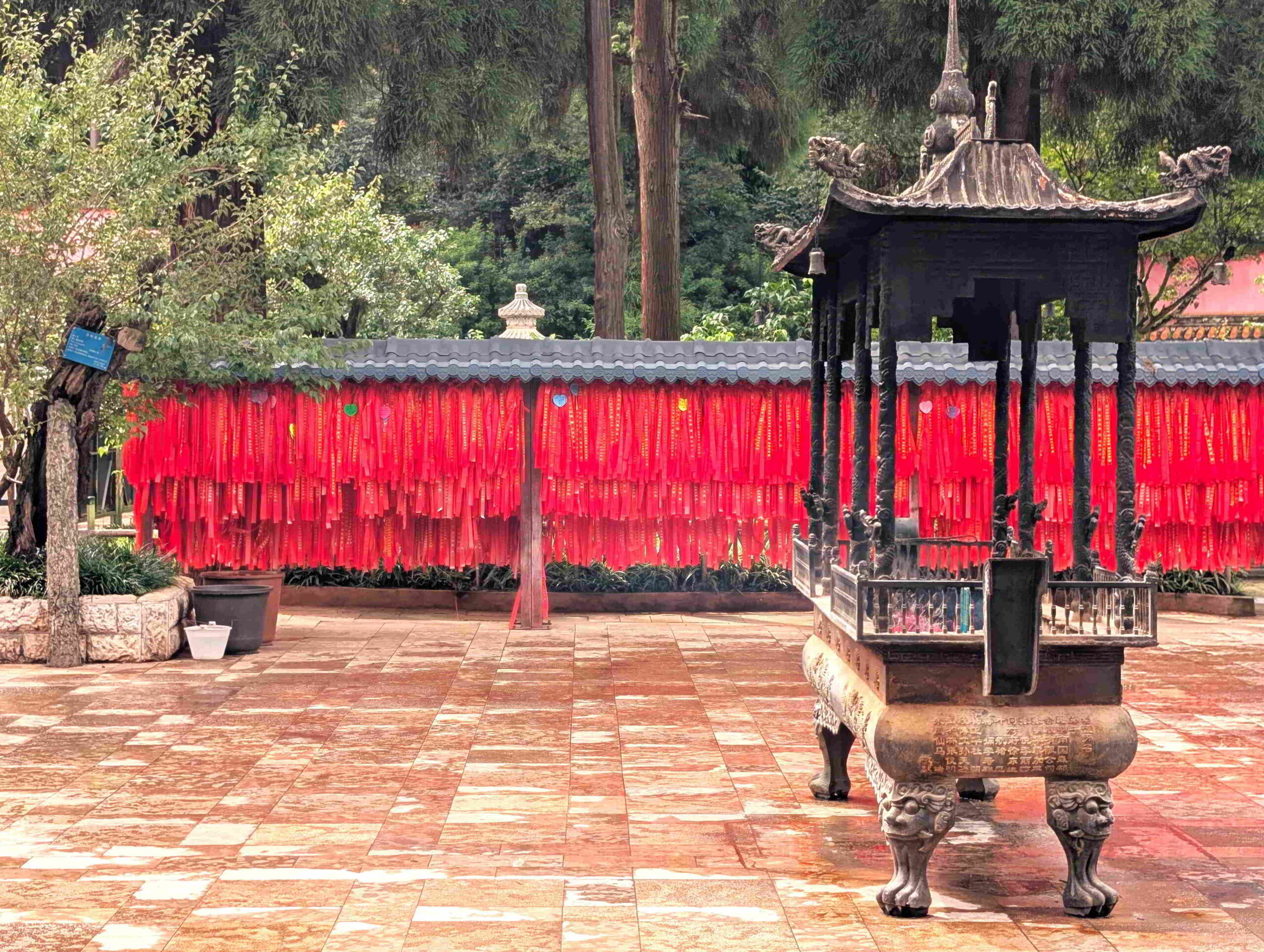
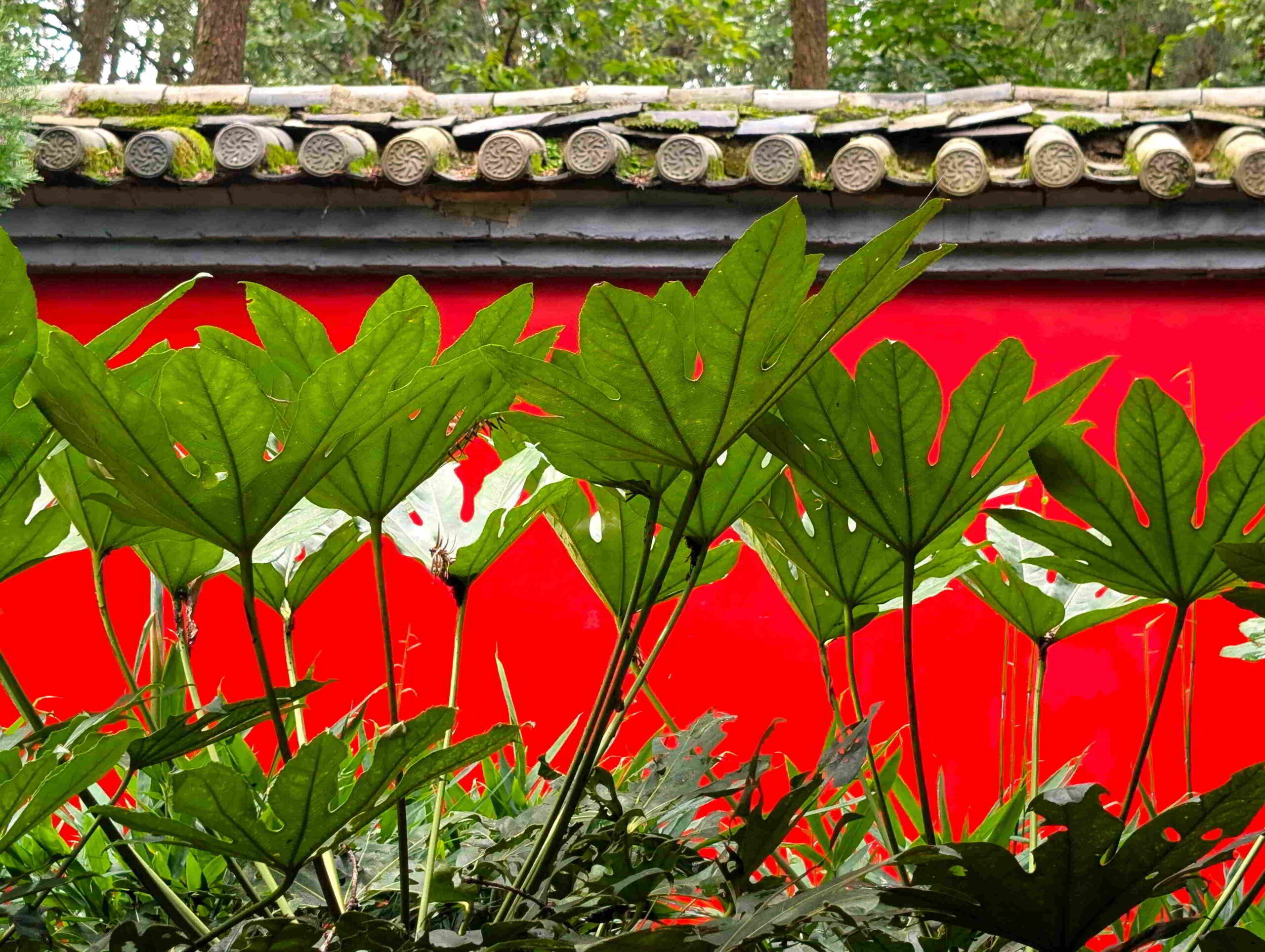
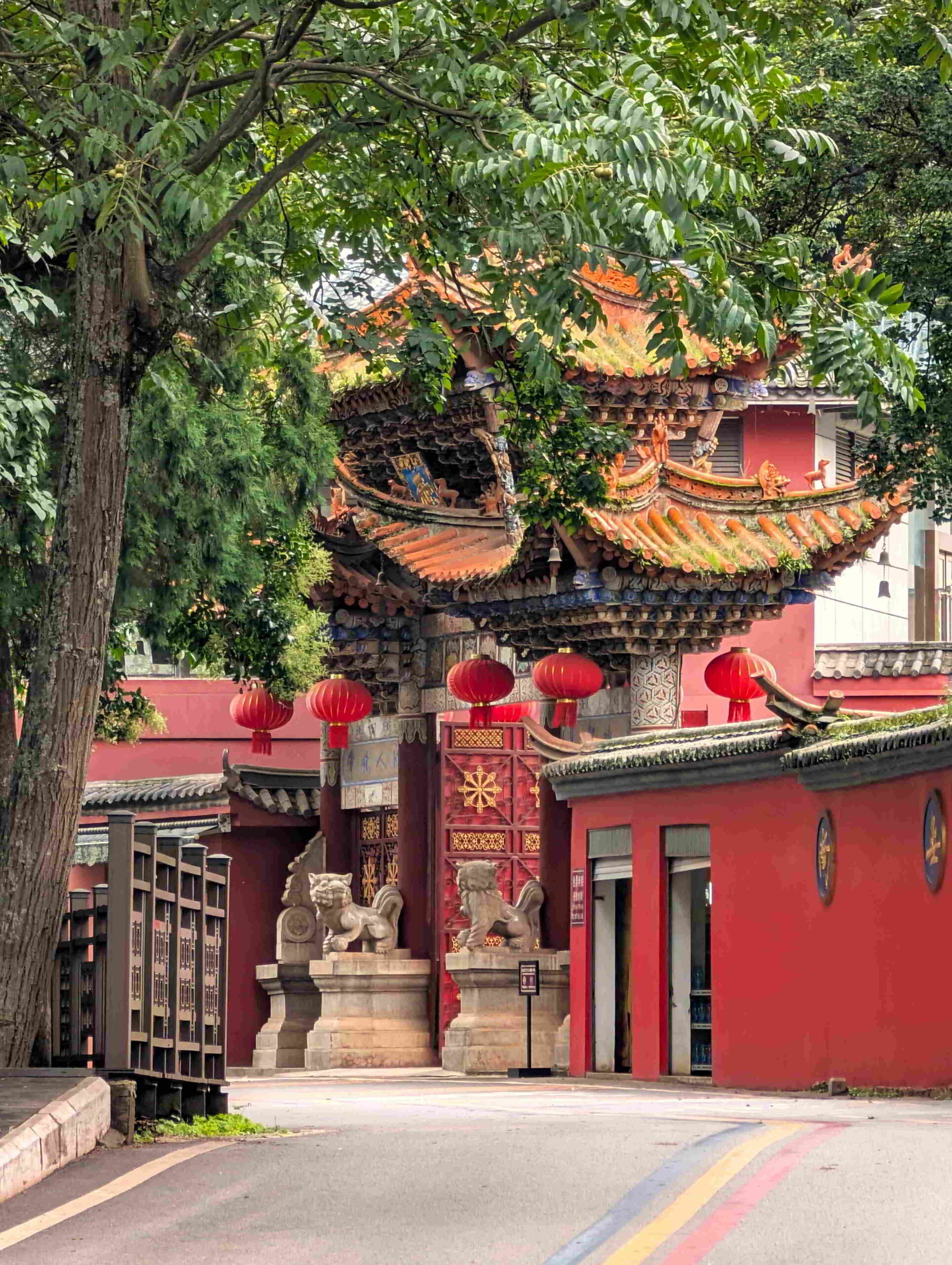
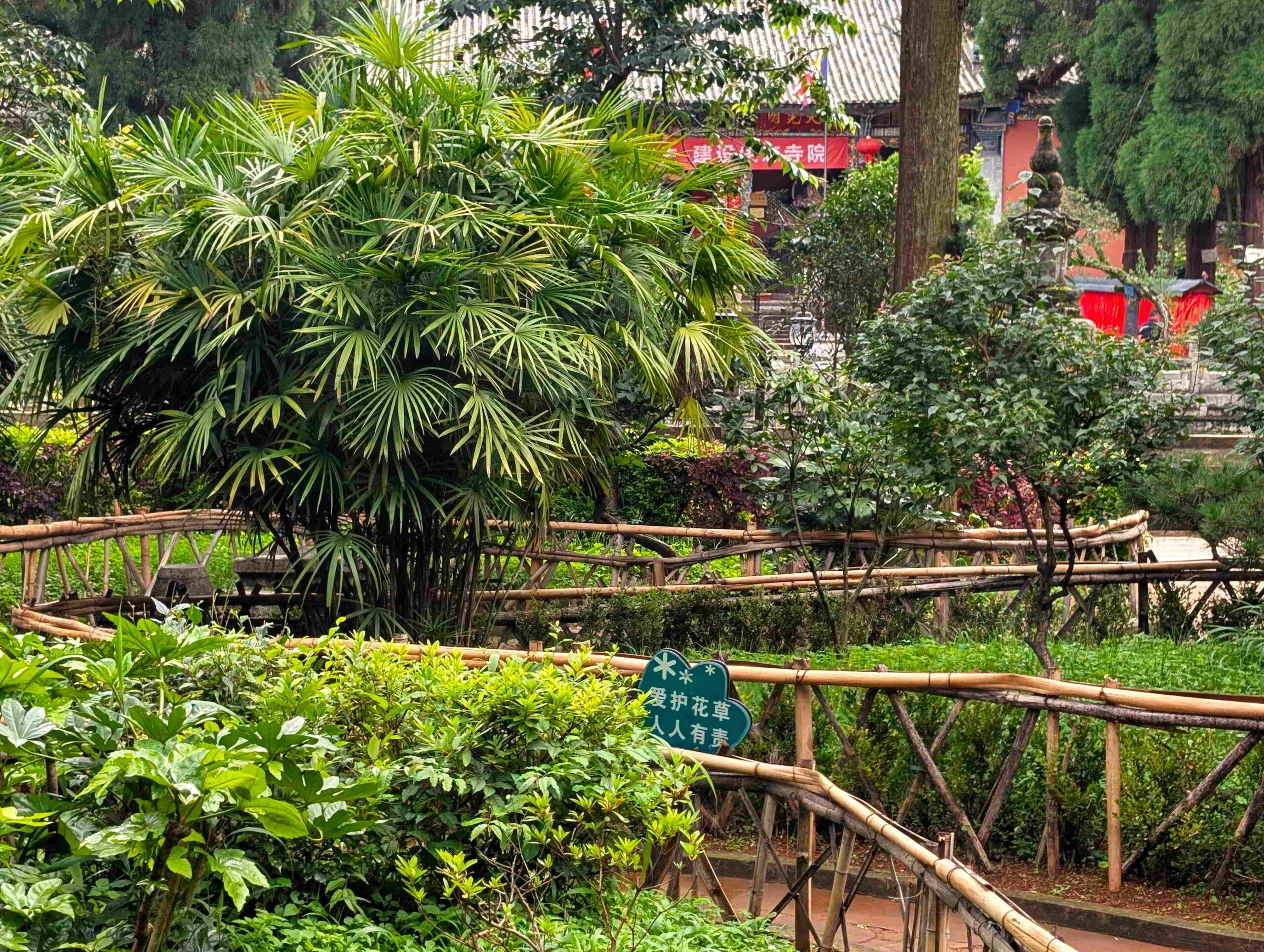
The temple announces itself with a show of colour, a broad gate clad entirely in red, the sheer wall interrupted by a square portal at the centre and crowned with a series of wooden screens, an open gazebo layered over top the fluted tile roof of the gate. Inside, the temple grounds have an uncharacteristically landscaped quality, the impeccable gardens as visually essential to the composition of the site as its colourful buildings. At the centre of the grounds, an oblong pond with clumps of water lilies, speckled with their apricot-coloured flowers, enclosed with a low stone wall lined with flowering shrubbery. Circling the pond is a flagstone-paved walkway around which in turn are a series of temple buildings and open-sided pavilions. Above the dense screen of deciduous and coniferous trees rises a steep mountainside, accentuating the temple’s visual drama.
Kunming — Western Hills — Huating Temple
Kunming — Western Hills — Huating Temple
Kunming — Western Hills — Huating Temple
Kunming — Western Hills — Huating Temple
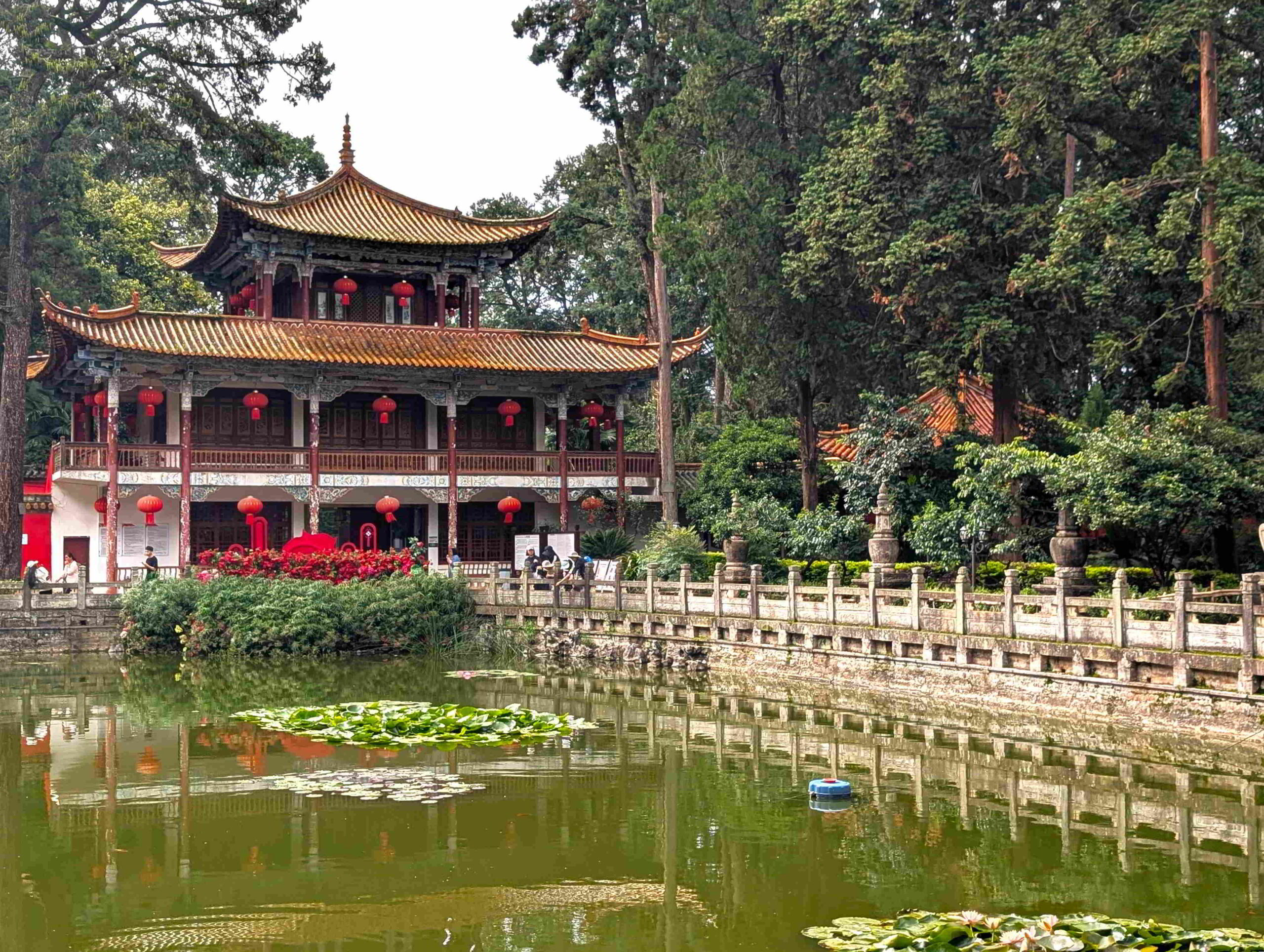
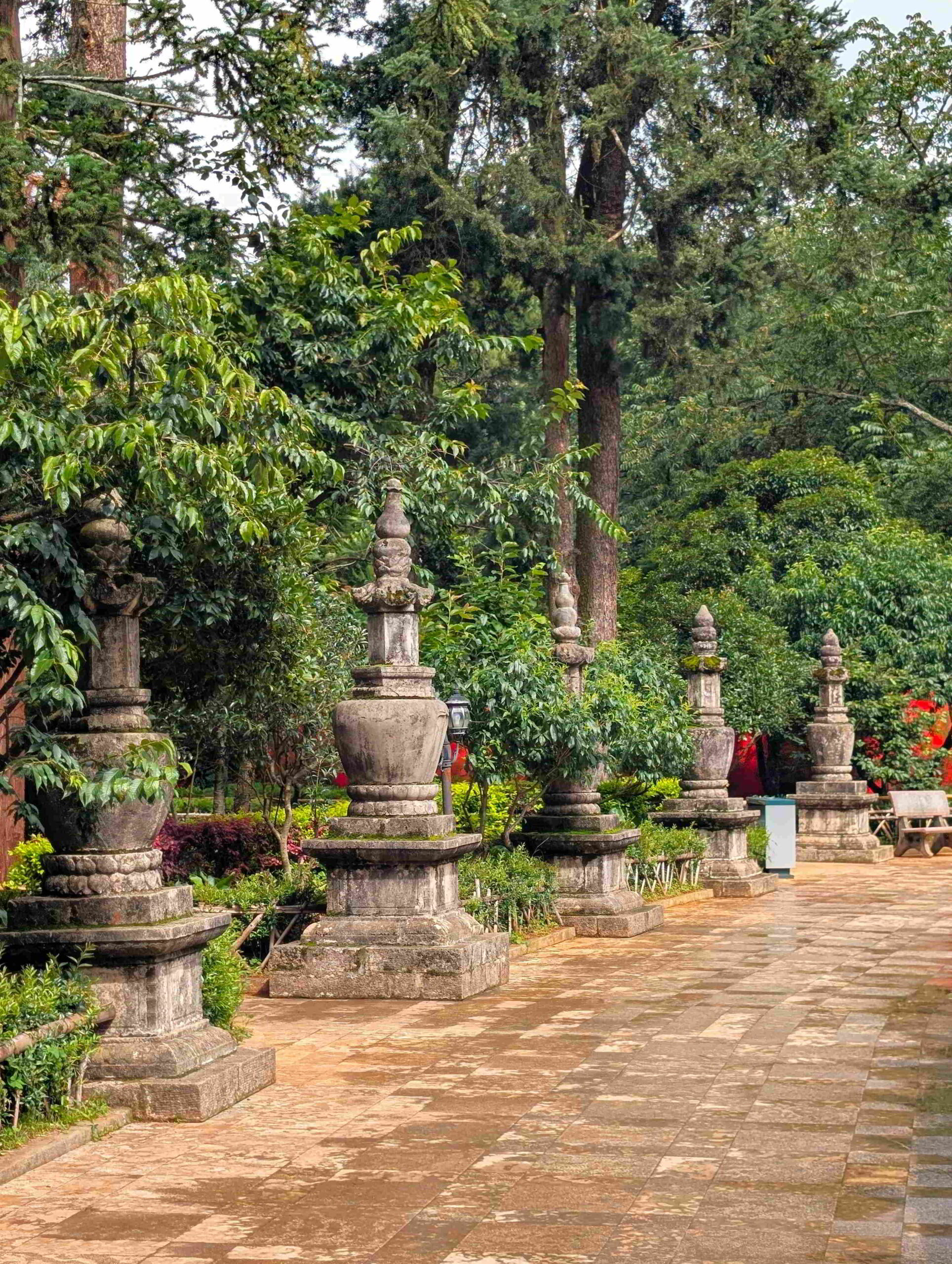
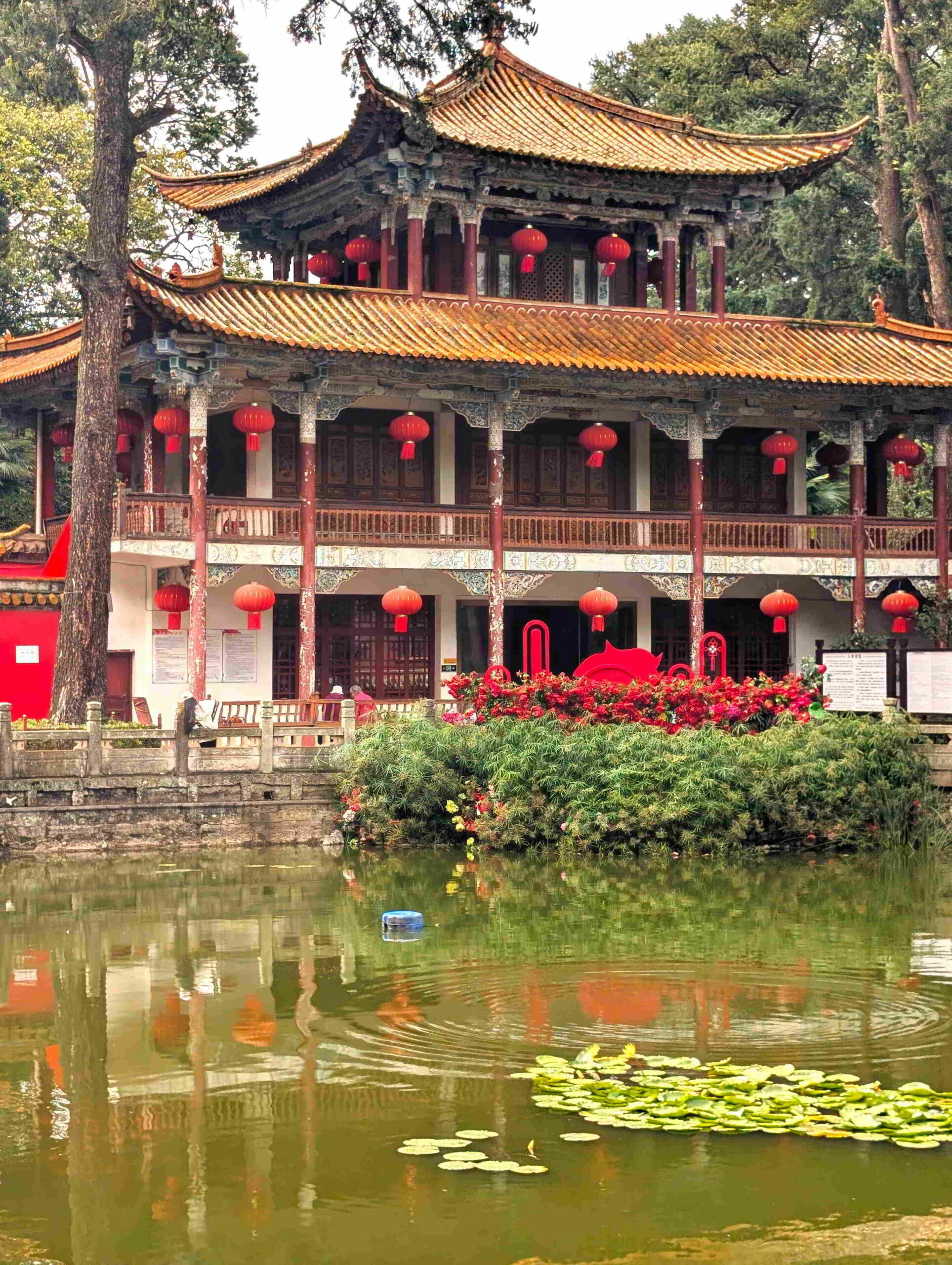
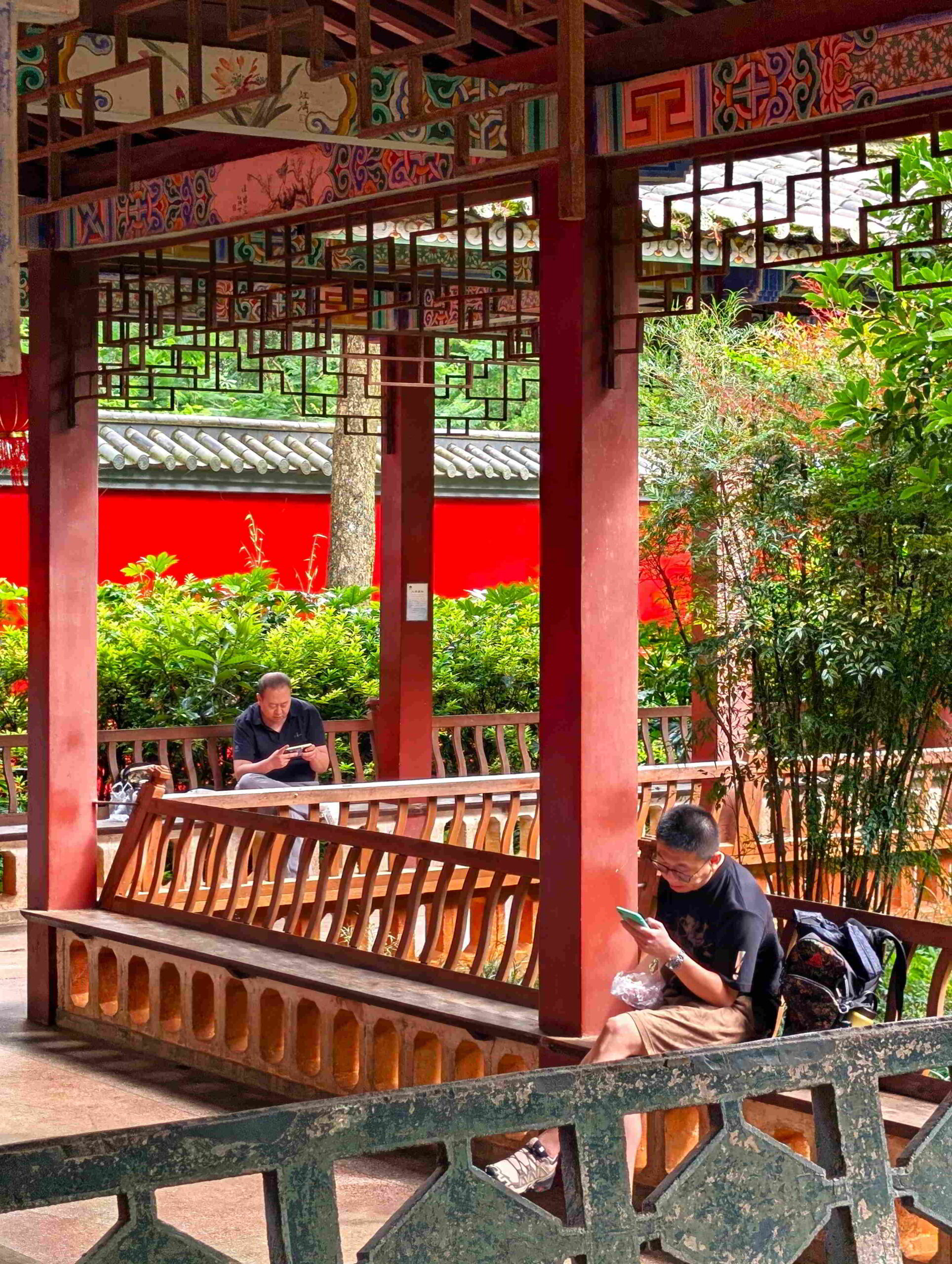
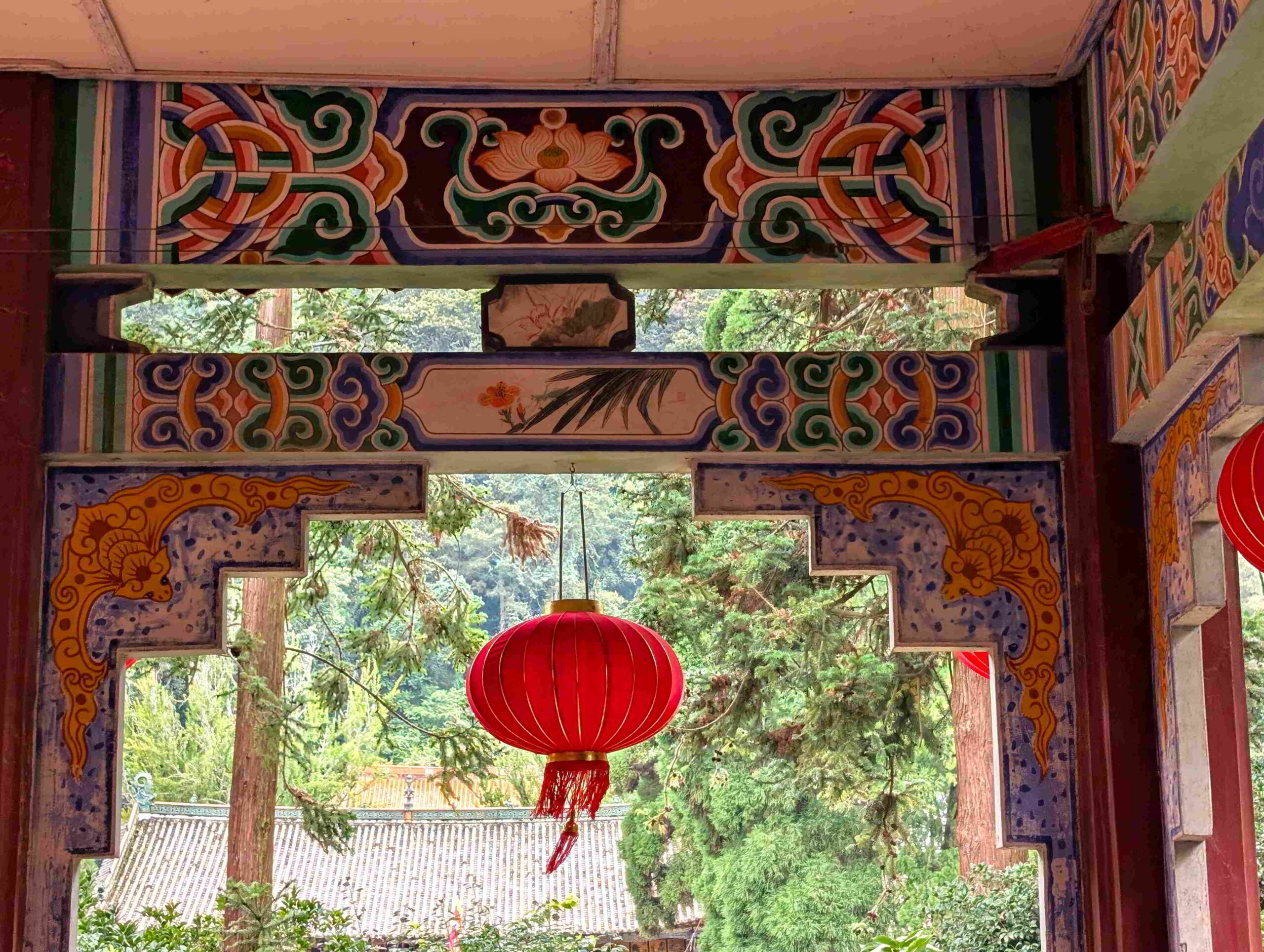
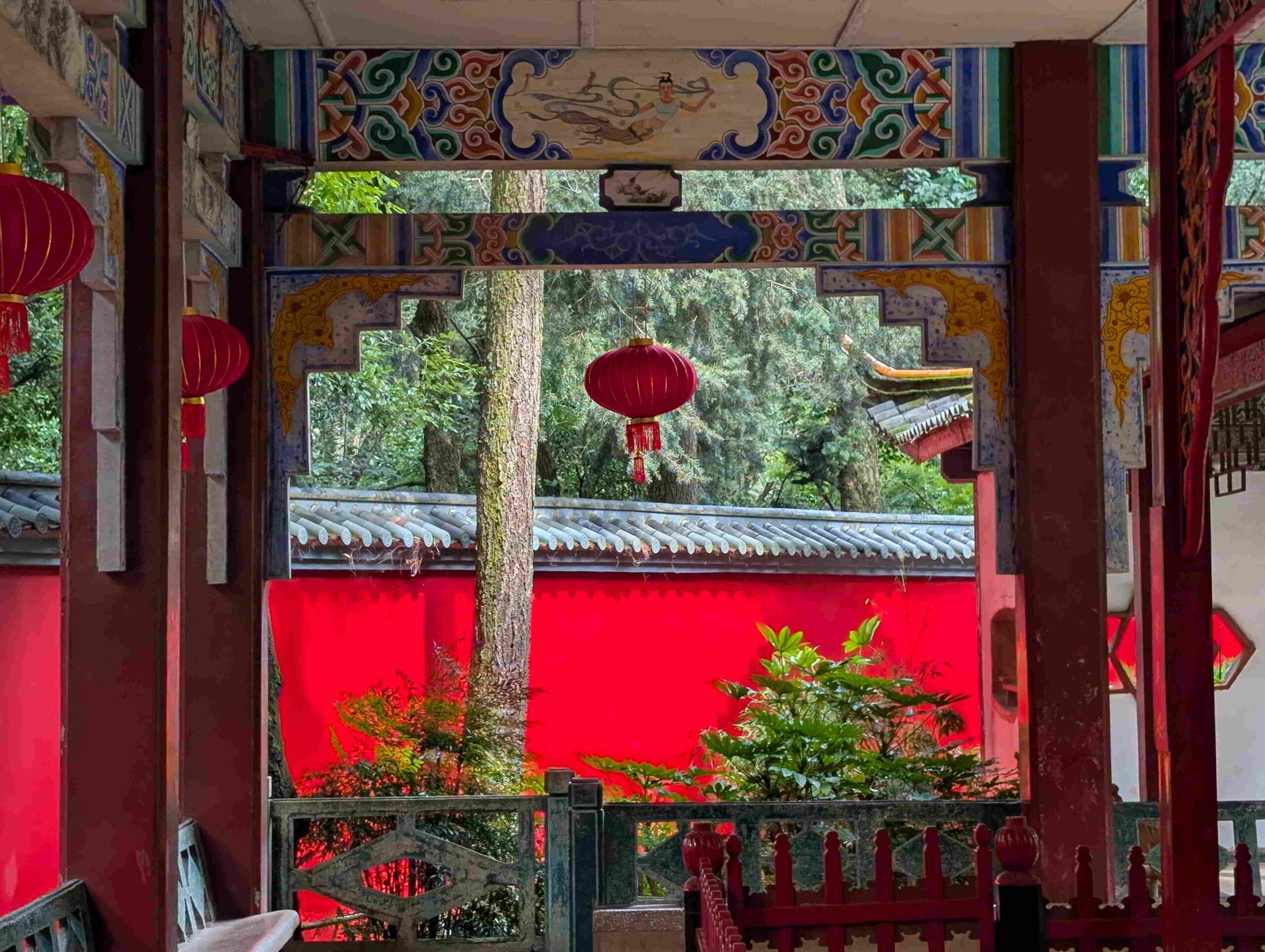
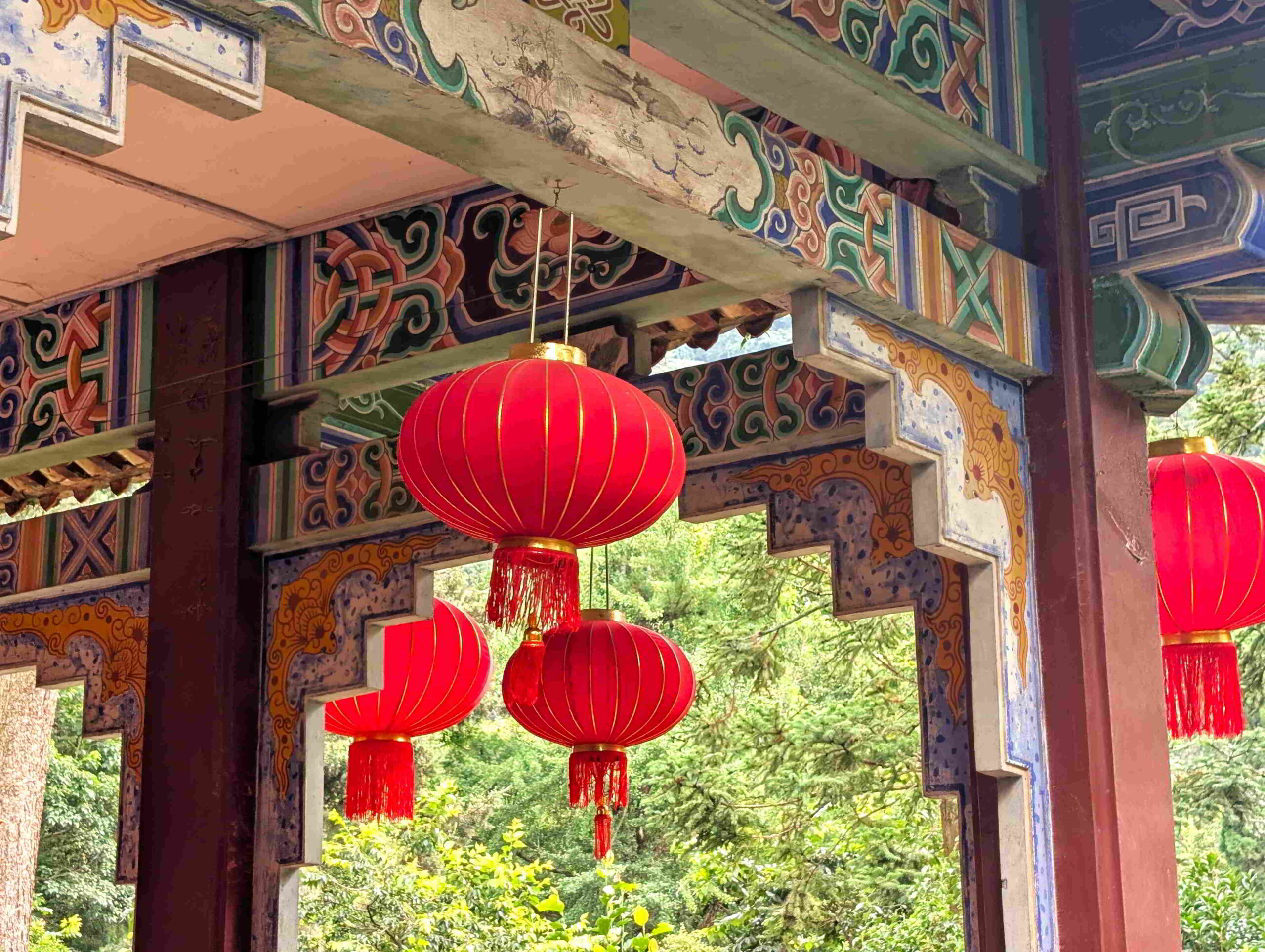
One building facing the pond is particularly striking, with three tiers, each lined with dark wood lattice screens and crowned with several layers of Wudian hipped roofs, facing open galleries lined with equidistant red lanterns, the uppermost layer effectively a gazebo with a much smaller footprint than the underlying levels of the building. Other structures are dramatic in their own right, common to each the multiple levels, the hipped tile roofs, the red lanterns, the elaborately-embellished censers, and the exquisite landscaped finery. Even the gazebos set against the compound walls are breathtaking in terms of the colourful detailing painted on the lintels.
Kunming — Western Hills — Huating Temple
Kunming — Western Hills — Huating Temple
Kunming — Western Hills — Huating Temple
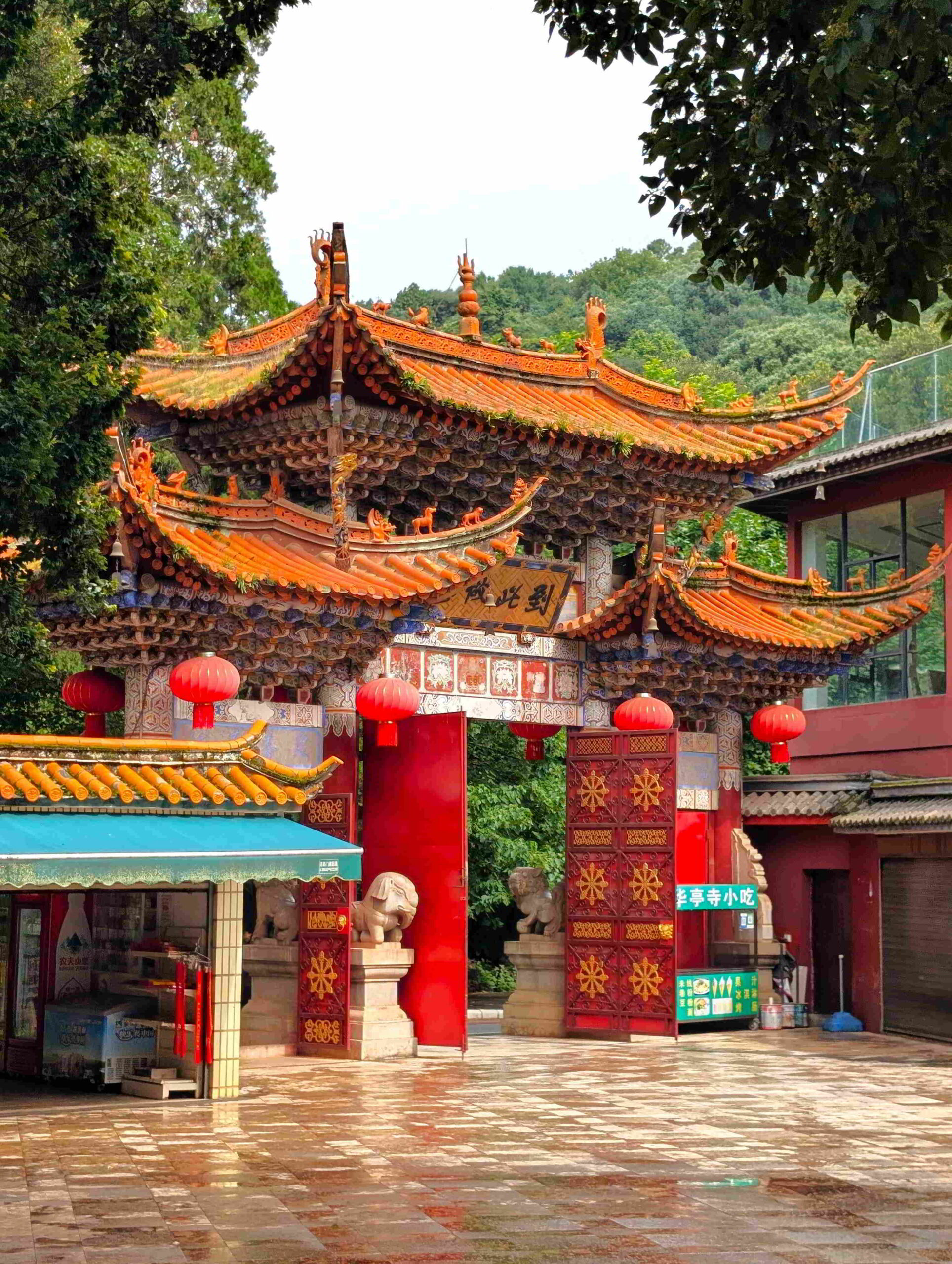
Kunming — Western Hills — Huating Temple
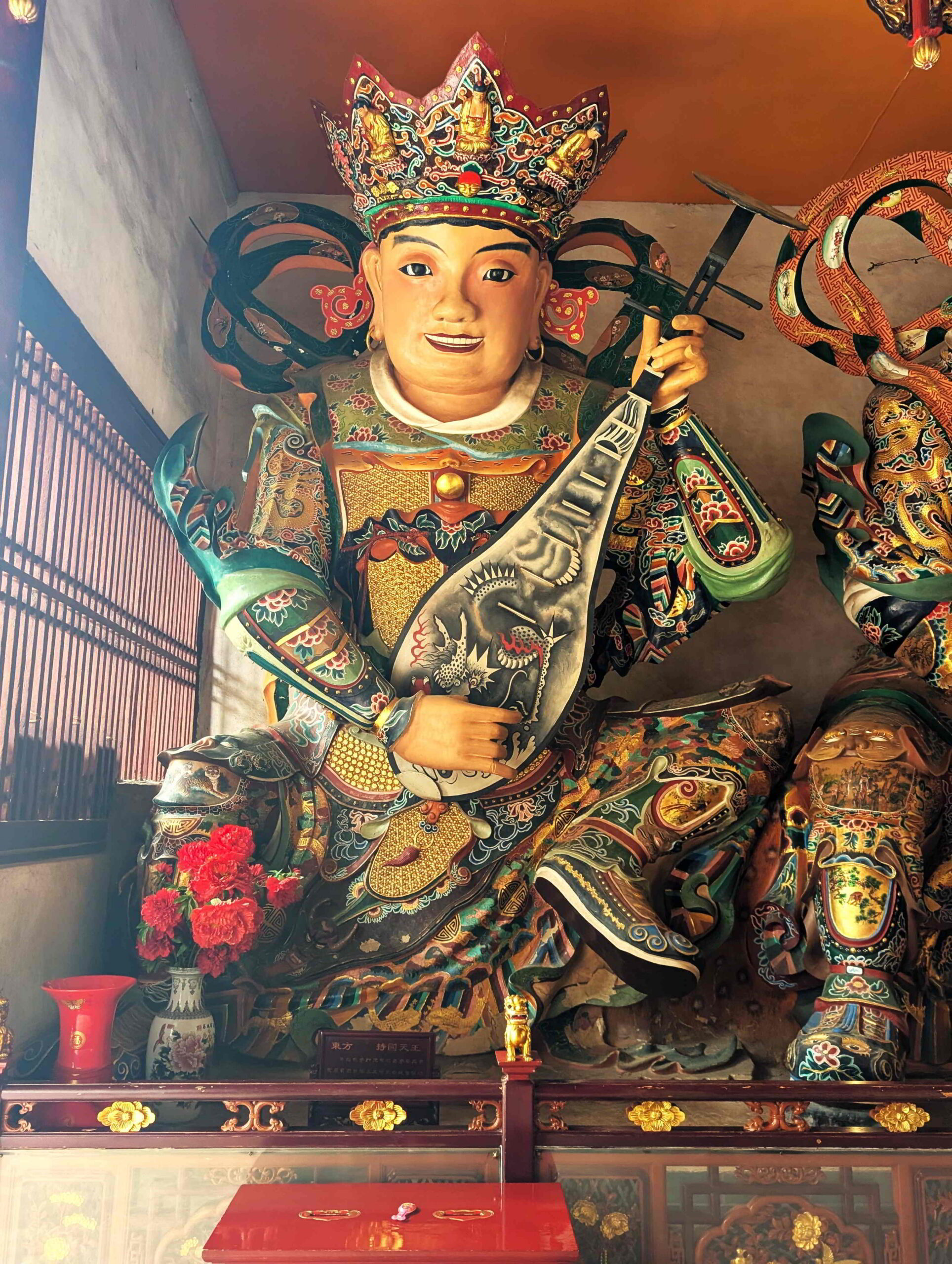
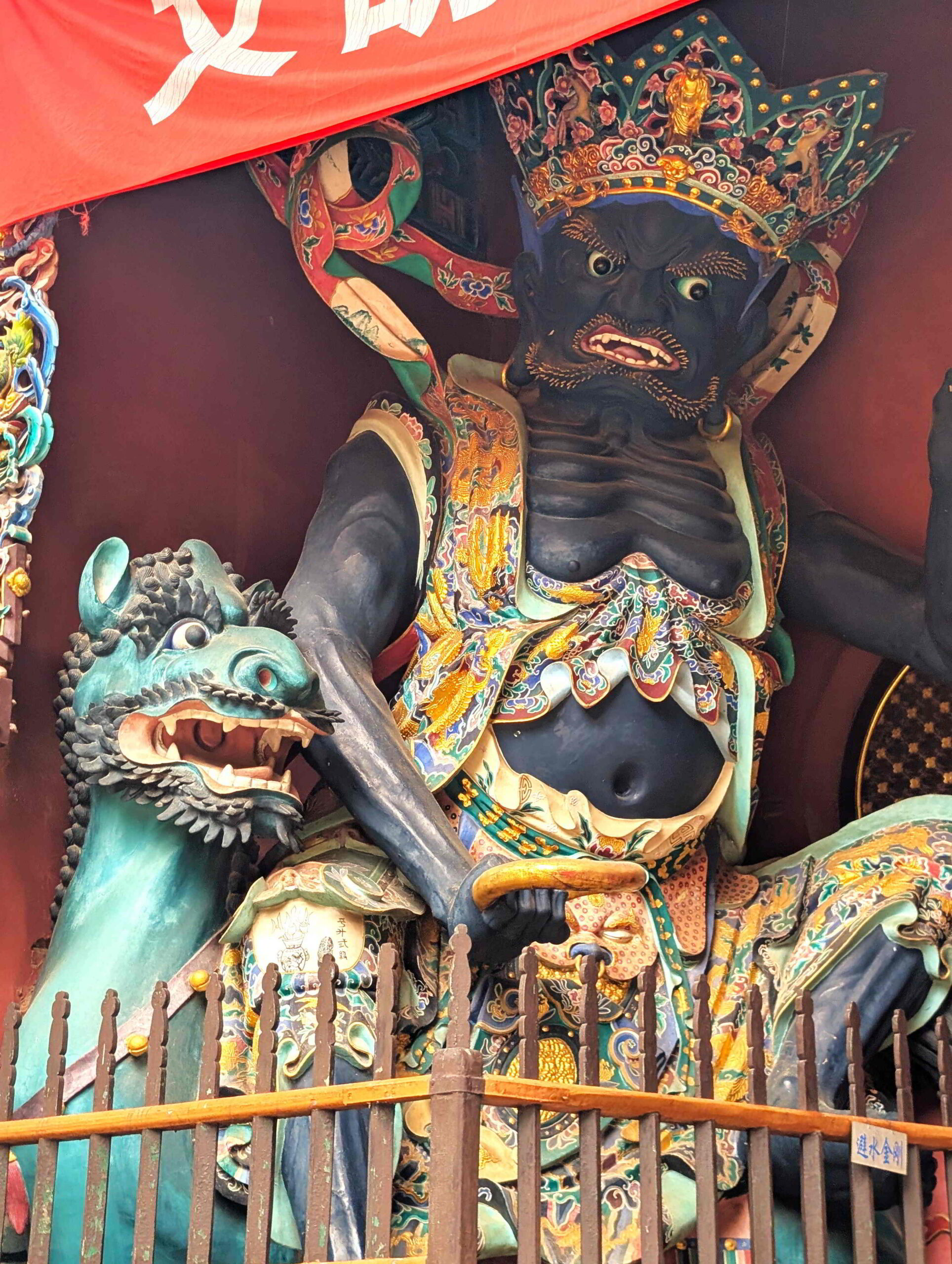
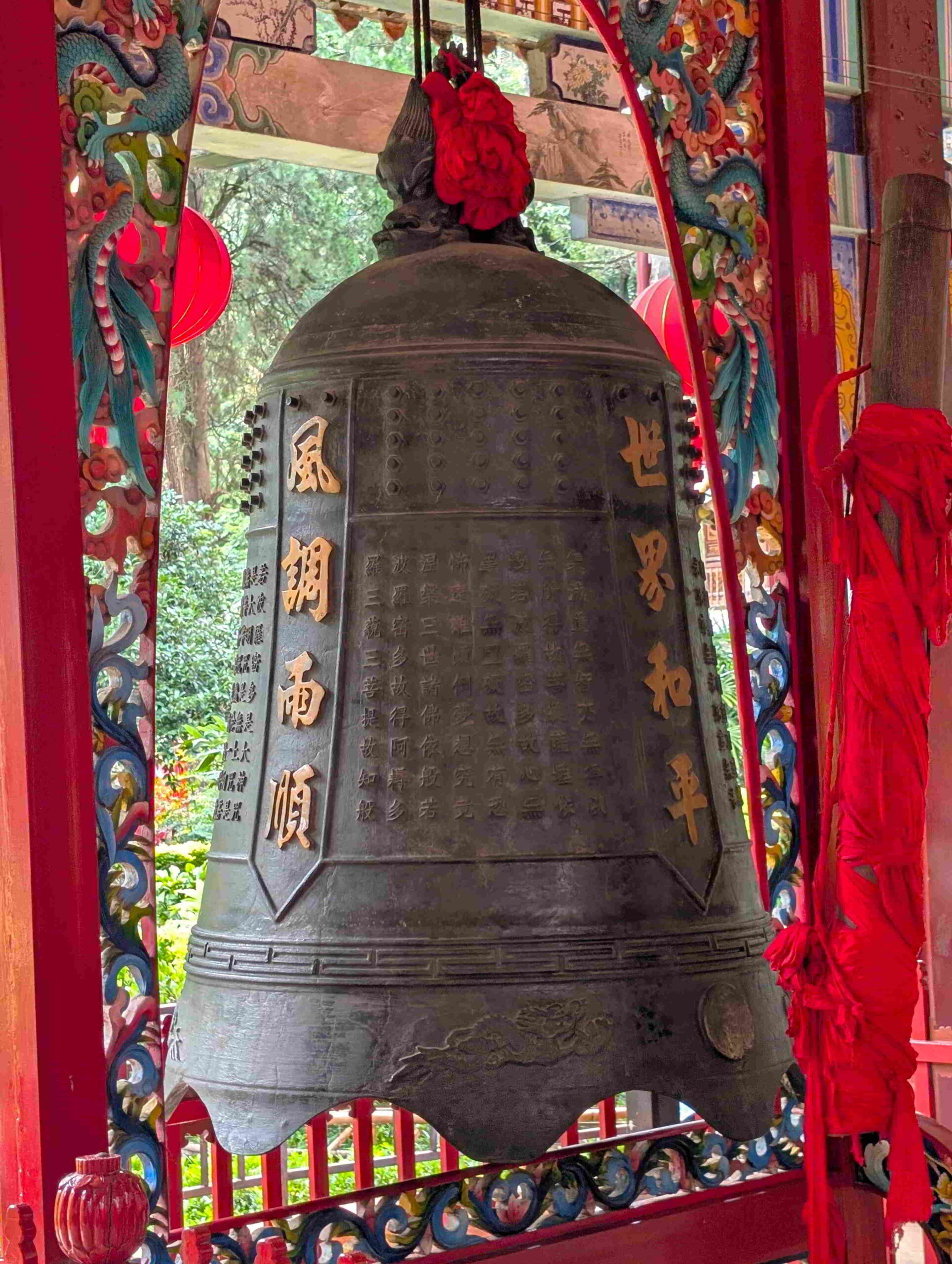
“Huating Temple was first built in 1320 during the Yuan Dynasty. The monk Xuanfeng initially constructed the Great Light Hall in 1323; in 1339, the Tripitaka was stored in the Many Treasures Hall. During the Tianshun reign of the Ming Dynasty, the temple was granted its name by imperial decree. It was repeatedly damaged in warfare during the late Qing Dynasty. In 1920, the monk Xuyun rebuilt the temple, forming the current architectural complex, which faces east, breaking from traditional layout conventions. The temple’s central axis comprises the Heavenly King Hall, the Mahavira Hall, and the Scripture Repository, with the Bell Tower, Liberation Pond, and Eight Merits Pond distributed among them.
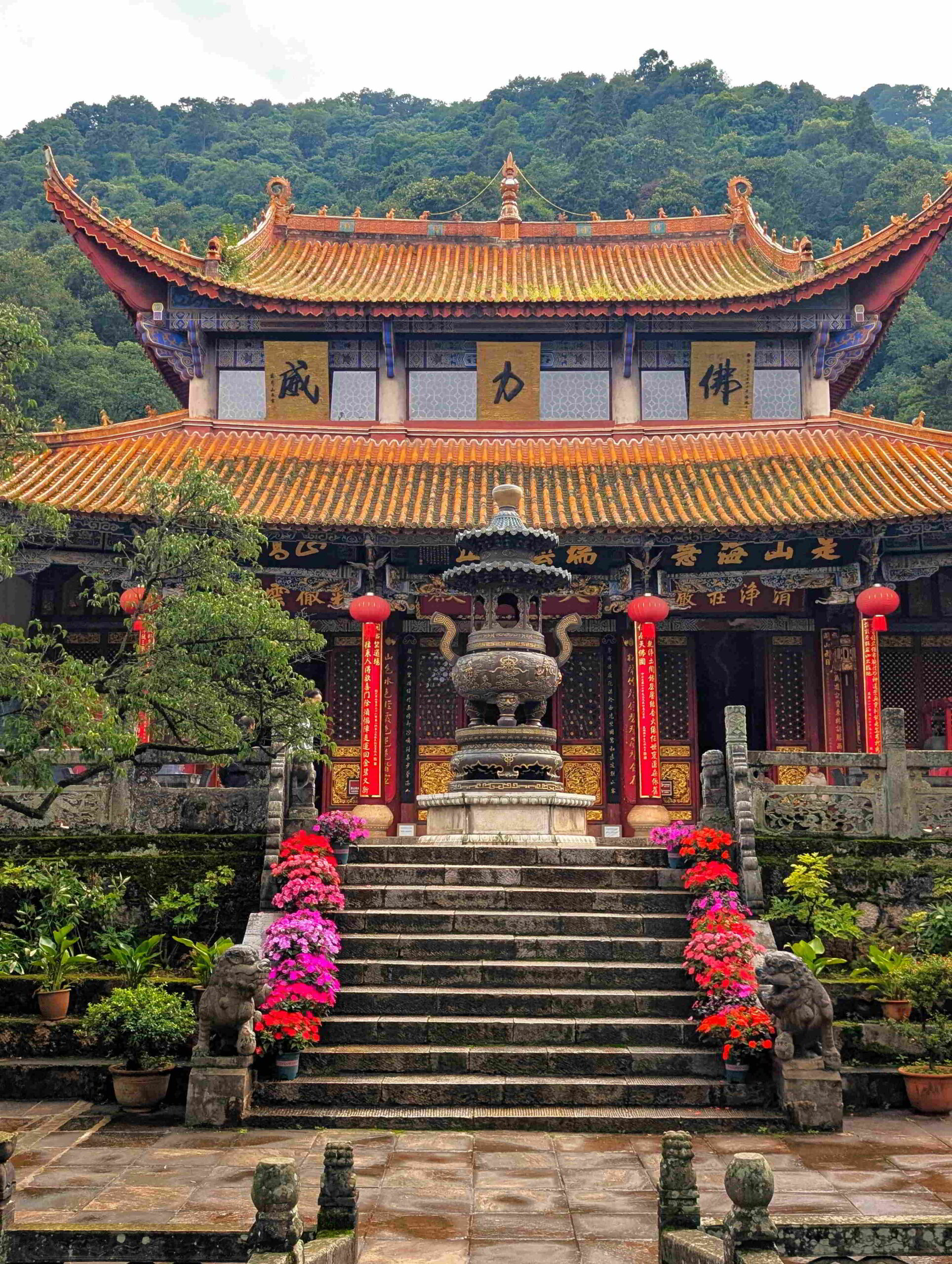
Kunming — Western Hills — Huating Temple
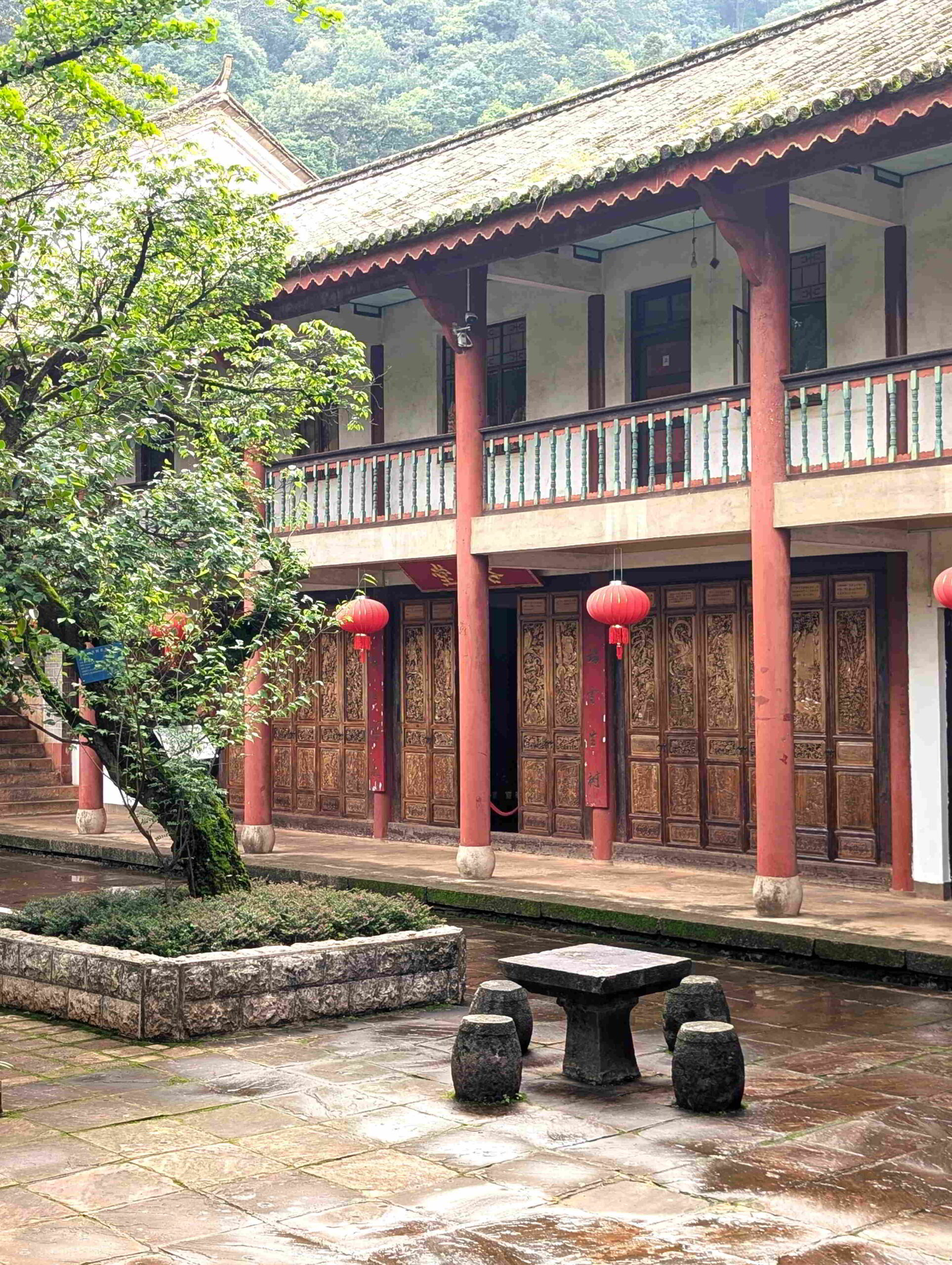
Kunming — Western Hills — Huating Temple
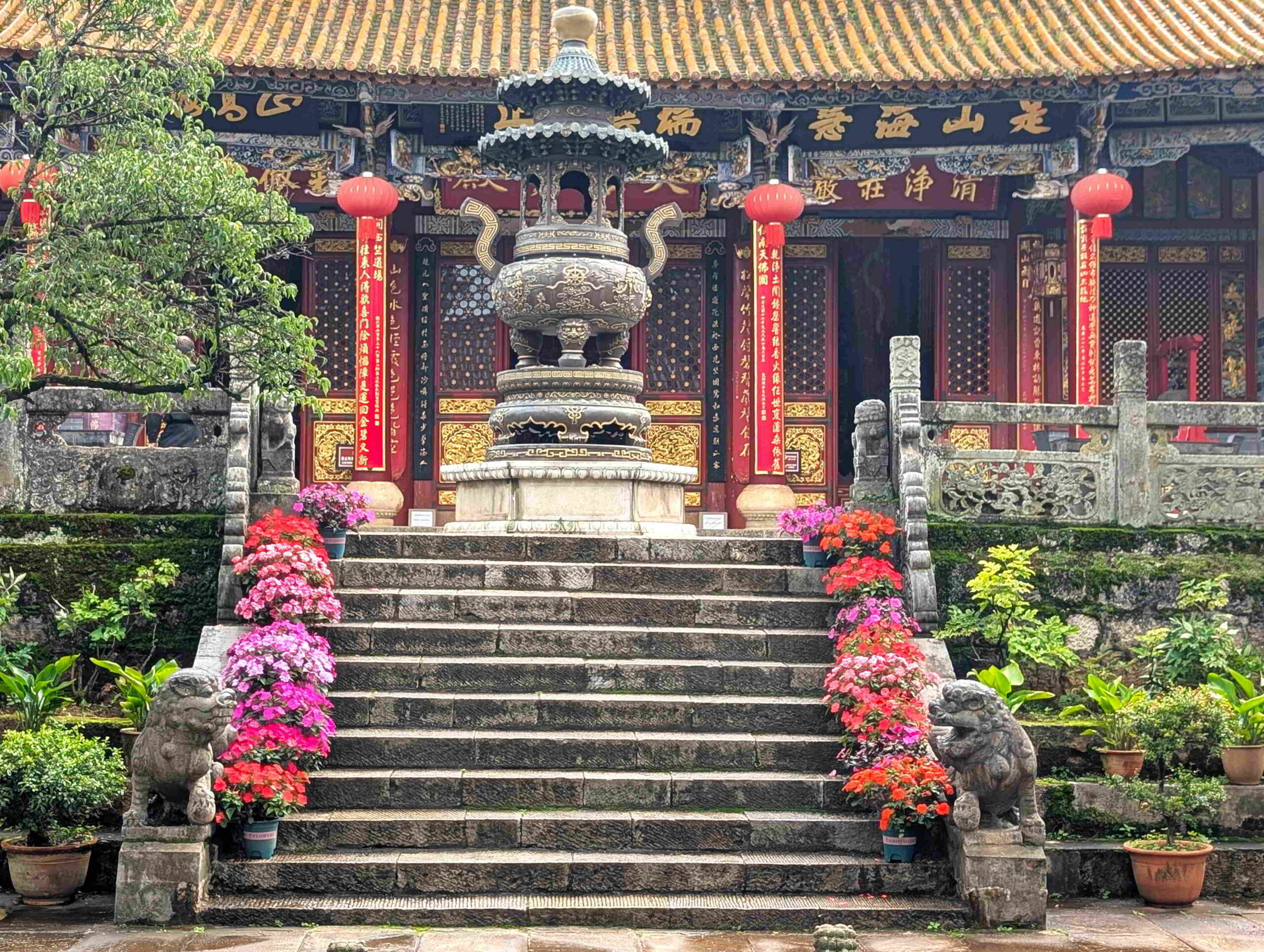
Kunming — Western Hills — Huating Temple
Kunming — Western Hills — Huating Temple
The Mahavira Hall enshrines the Three Period Buddhas and unusually houses the statues of the Five Hundred Arhats directly. It houses Xuyun’s Stupa, Ming and Qing Dynasty stone inscriptions, and the Dragon Canon bestowed by Emperor Qianlong. Surviving historical remains include the Yuan Dynasty ‘Gushing Lotus’ stone bridge and a Ming Dynasty Luohan Pine. The temple site was originally the villa of Gao Zhisheng during the Song and Dali Kingdom period. After expansion during the Yongle reign of the Ming Dynasty, the temple was granted the name ‘Huating’ by imperial decree.” (baike.baidu.com)
Kunming — Western Hills — Huating Temple
Kunming — Western Hills — Huating Temple
Kunming — Western Hills — Huating Temple
Kunming — Western Hills — Huating Temple
The upper gate is an entirely different affair from the lower portal by which I entered the temple, crowned with an elaborate hipped Wudian roof and flanked by smaller Xuanshan gable roofs, the red tile canopy of all three underpinned by a complex dougong supporting wooden bracket system. On the back side of the temple, the road arcs and continues uphill, the pitch now steeper, pedestrians offered an alternative to take the original path to the Taihua temple, my next destination. But Huating and its grounds stands out as one of the most aesthetically outstanding temples I will have set my eyes on in China …
Kunming — Western Hills — Huating Temple
Kunming — Western Hills — Huating Temple
Kunming — Western Hills — Huating Temple
Kunming — Western Hills — Huating Temple
A set of shops and a café are nestled across from the temple in the elbow of the road, next to a wide plaza with benches, probably one of the most delightful places on the entire route, the shops selling tasteful souvenirs of both the edible and non-edible kind, the coffee shop a very inviting and comfortable space whose outer glass wall offers stunning views into the forest descending precipitously below. As always, everything is impeccably maintained.
Kunming — Western Hills
Kunming — Western Hills — Huating Temple
Kunming — Western Hills — Huating Temple
Kunming — Western Hills
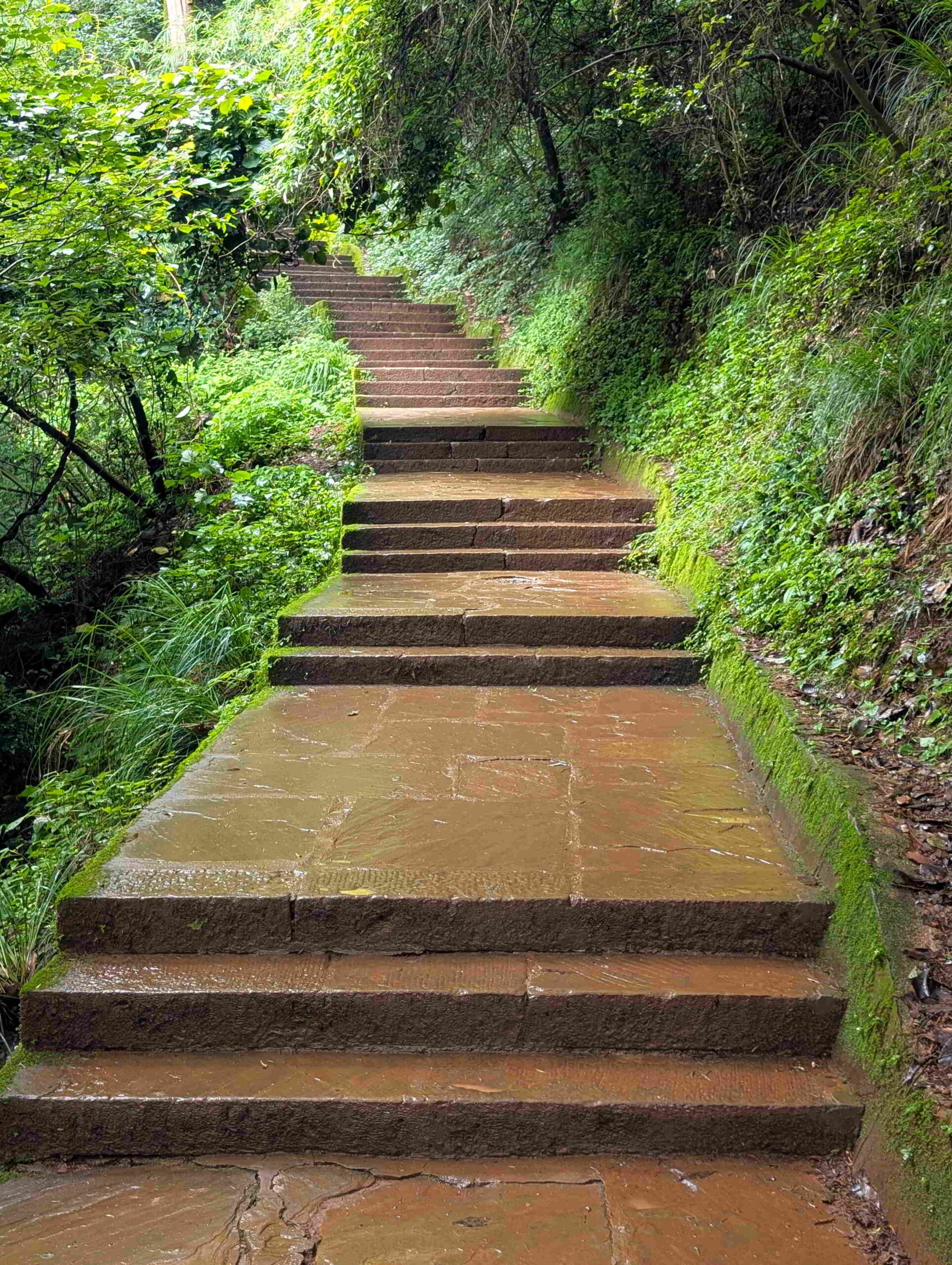
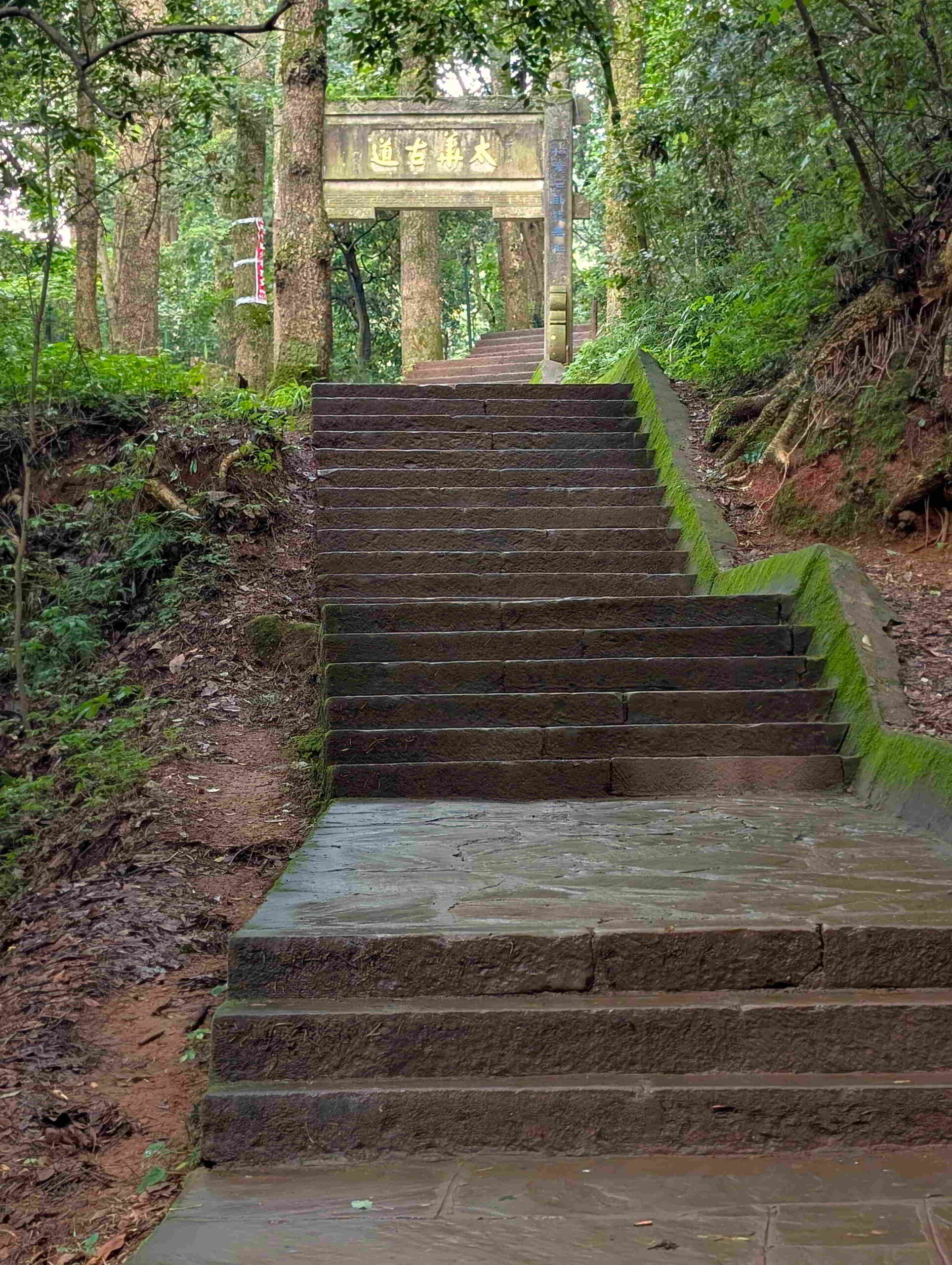
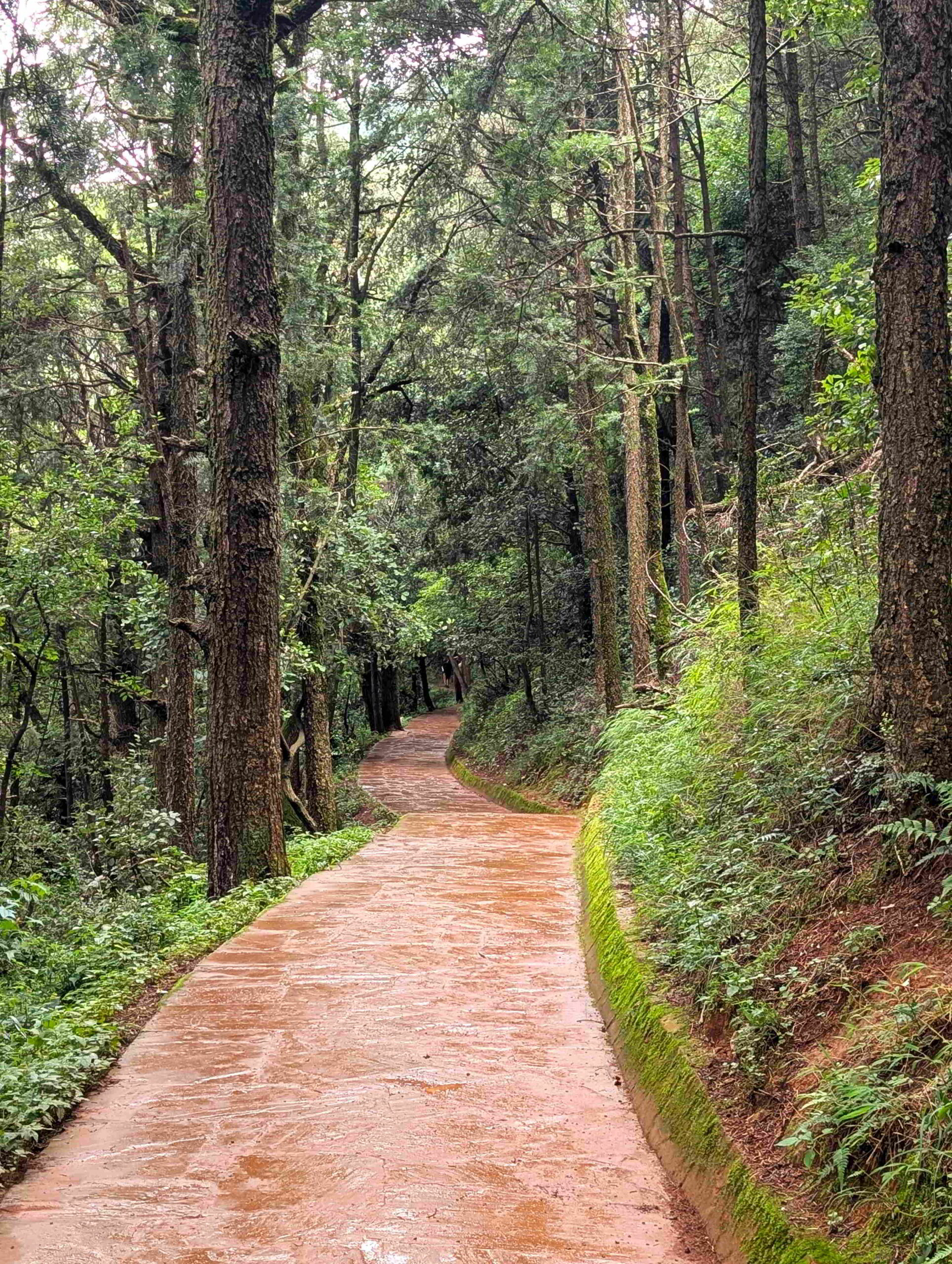
That degree of maintenance diminishes as I mount the staircase trail towards the next temple on the route, given that — presumably due to its relative difficulty — far fewer people are interesting in committing an hour and a half to climbing the continuous steep staircases. I had been optimistic about reaching Taihua prior to closing time, but with the difficulty of the trail — the constant climbing — progress is not surprisingly far slower. As I climb further up the mountainside, fewer views are offered of the lake and city, although occasionally the winding road reveals itself through the dense veil of forest.
Kunming — Western Hills
Kunming — Western Hills
Kunming — Western Hills
Kunming — Western Hills
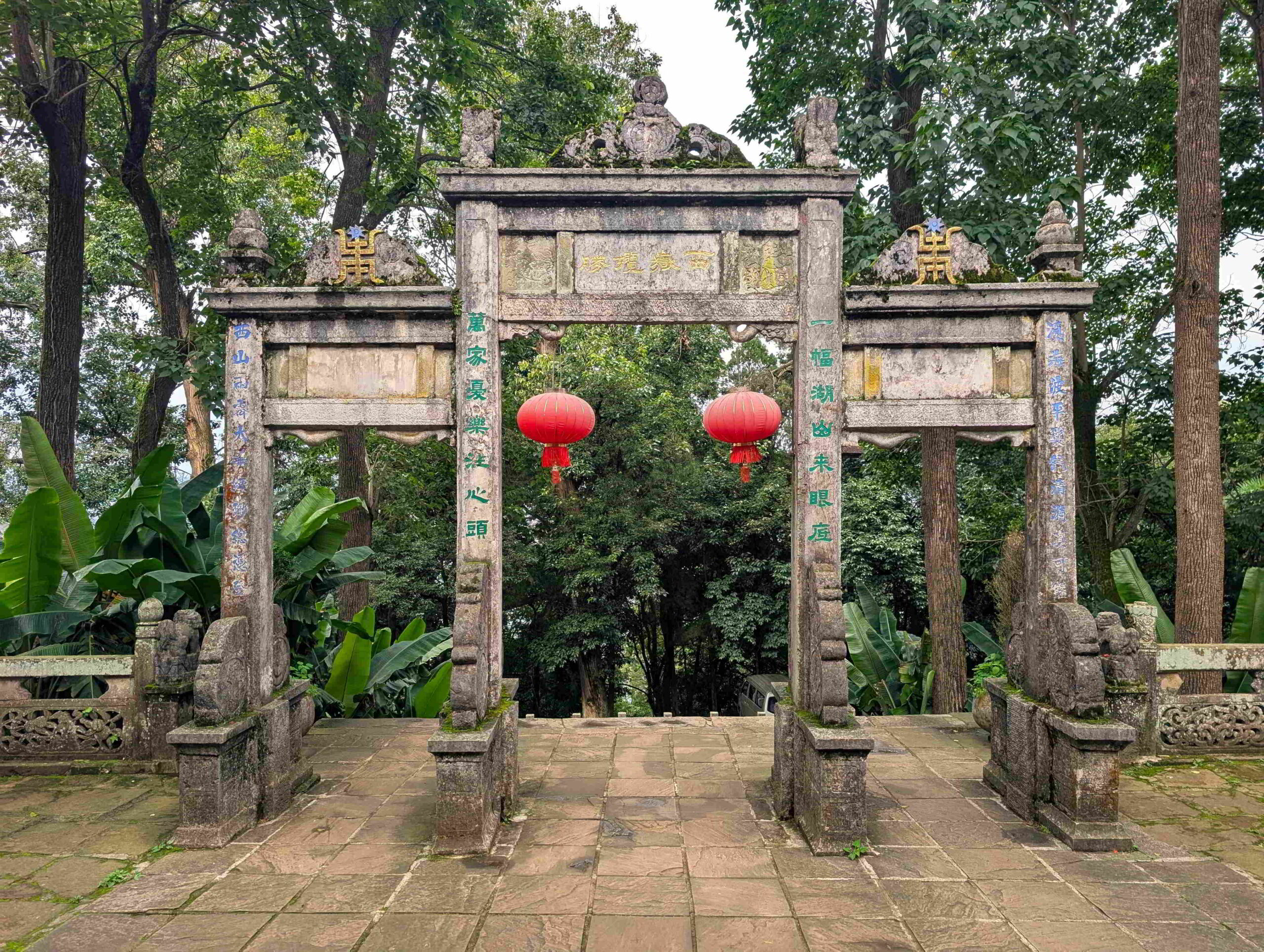
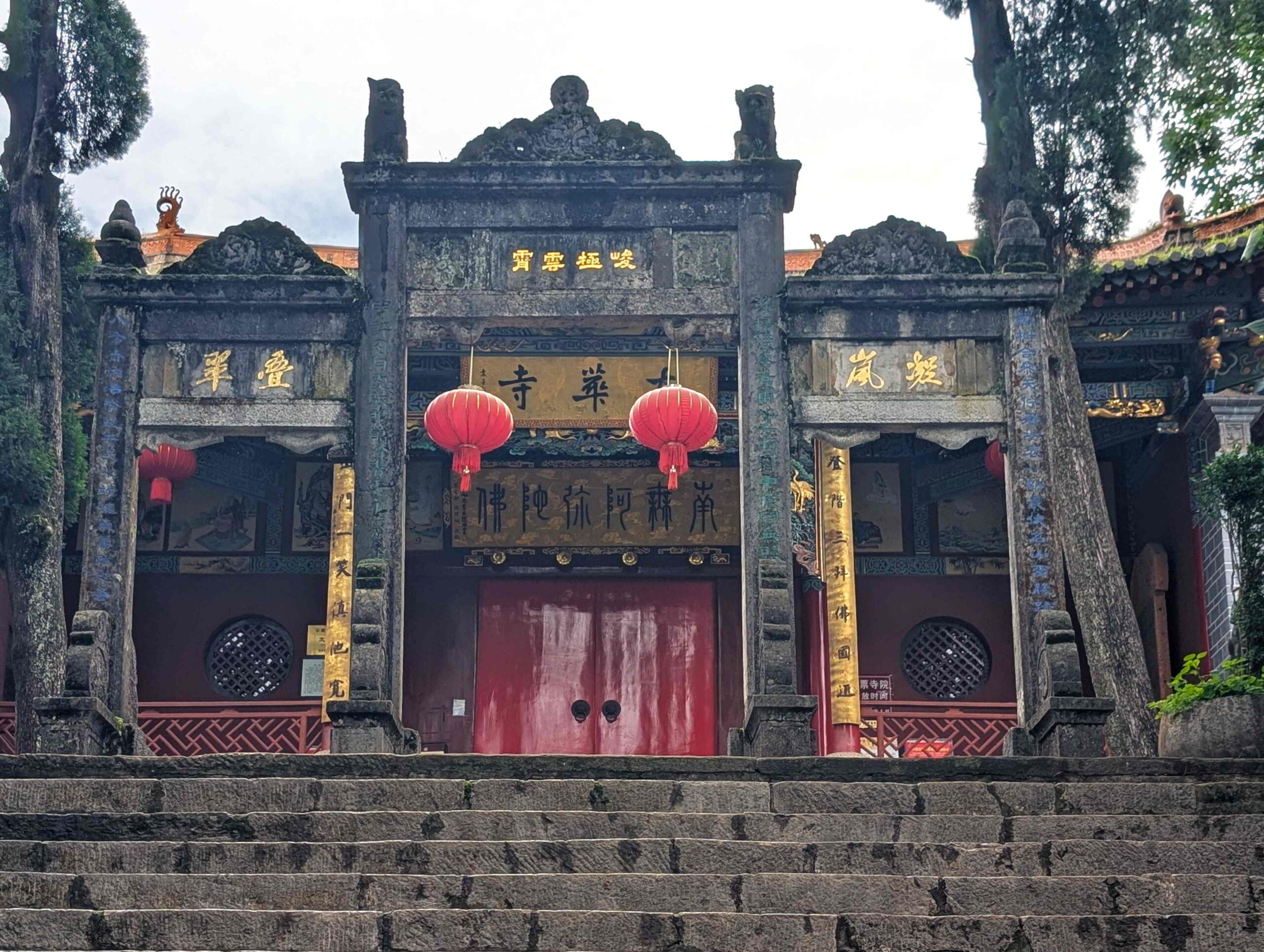
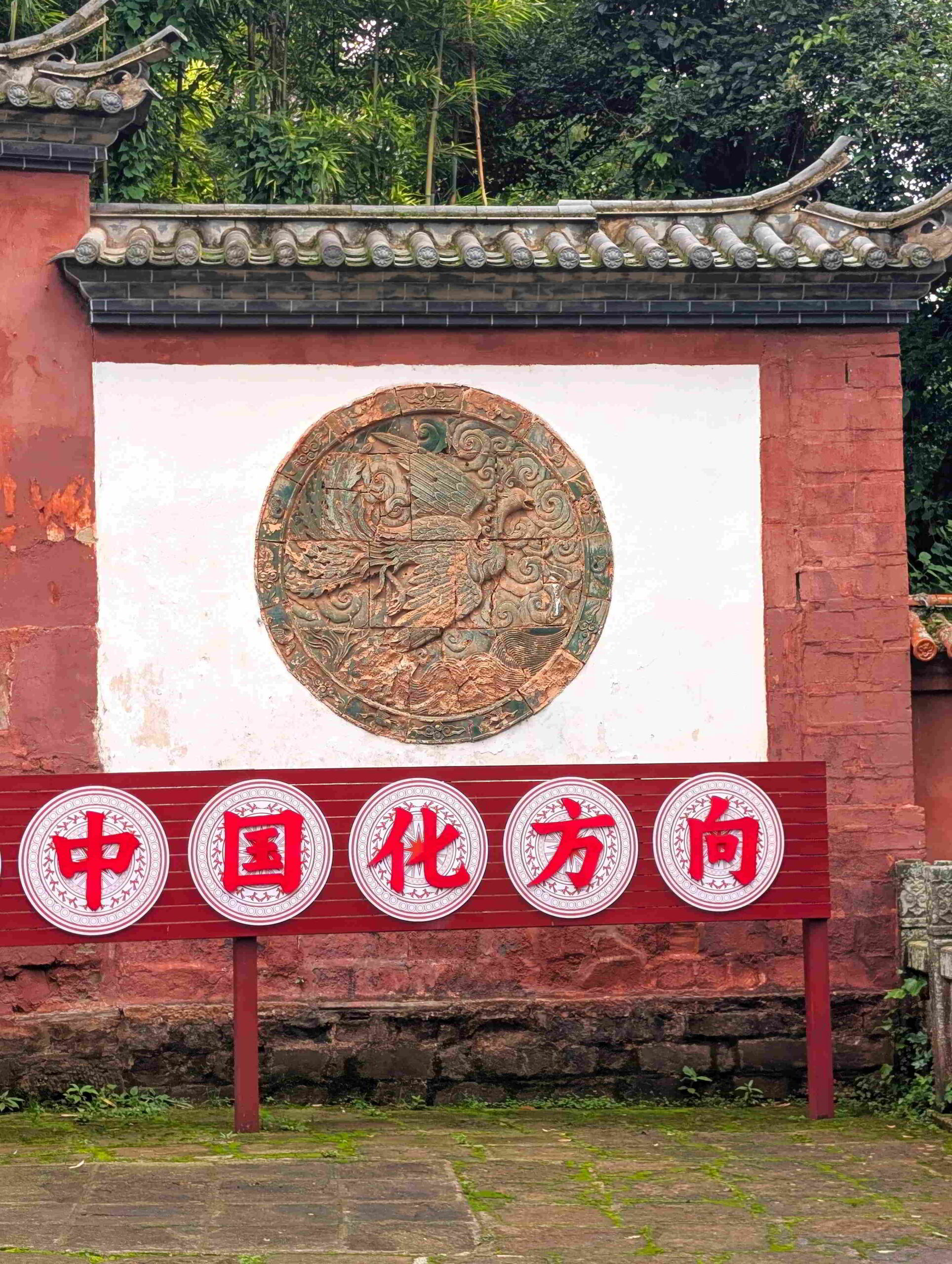
The stairs continue rising steeply, seemingly unabated, although further along, there are level passages. Looking at the time and the distance remaining to the Taihua temple, I realize that I will not arrive prior to closing, and in fact, will have to turn around immediately and make my way back as quickly as possible, given the distance I have to cover and the falling light. While the hike has been rewarding, what with the immersion in untrammeled forest and clean air, a refreshing change from the urban chaos below, when I do arrive at the gate of the Taihua temple, sadly enough, it is closed and locked. Not that I haven’t visited enough Buddhist temples in my life!
Kunming — Western Hills
Kunming — Western Hills
Kunming — Western Hills — Taihua Temple
Kunming — Western Hills
The skies have now cleared and the threat of encroaching darkness is hence lessened, rendering the return journey fittingly more relaxed. Beyond the Huating temple, the trail is virtually abandoned. I could have continued further to the south, as at the far end of the road are more historic structures as well as a cable car service and bus station, but I assume that all of these services have already been shuttered for the day, and that I would find myself having to descend the mountain on foot, in the approaching darkness — and then still have to bridge the considerable distance to the nearest metro station.
Kunming — Western Hills
Kunming — Western Hills — Taihua Temple
Kunming — Western Hills — Taihua Temple
Kunming — Western Hills
Surprisingly, along the quiet forest path I encounter a tall blond waif from south Vancouver Island who decided to venture into the park at an even later hour, grateful for the opportunity of being able to walk in an untrammeled forest environment, certainly something you appreciate where she comes from. She is on an extensive trip through Southeast Asia, has visited many incredible places, and listens to my own colourful stories of traveling in the region with rapt attention — but she needs to continue on her way before it gets dark.
Kunming — Western Hills
Kunming — Western Hills
Kunming — Western Hills
Kunming — Western Hills
At the entrance to the Huating temple I come across a Belorussian who is apparently working here as a DJ and possible other ventures that have allowed him to maintain a comfortable existence, enraptured by the country, and quite content to continue exploring his possibilities here rather than in the multitude of other countries he has passed through over the years.
Kunming — Western Hills
Kunming — Western Hills
Kunming — Western Hills
Kunming — Western Hills
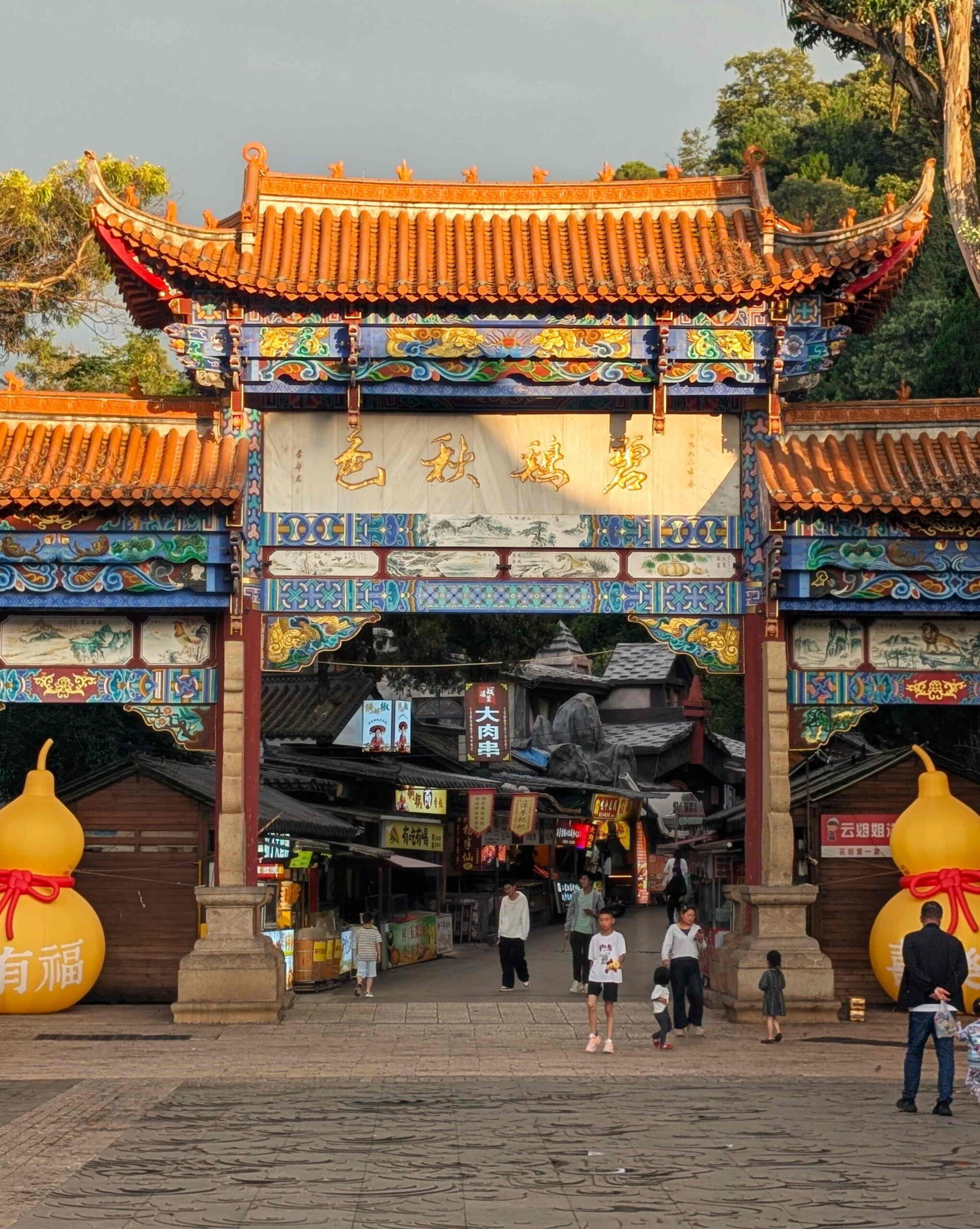
The sun is still shining brightly when I arrive back on the plaza where I began my journey into the Western Hills park, the inviting eating establishments encircling the plaza at the trailhead beckoning to a now diminishing number of visitors, intent on returning to the city — or further on. I would love to settle into one of the normative eateries and enjoy a good meal with a resplendent sunset view over Dianchi lake and Kunming, but am worried that the evening may not end well if the metro service ends early. Even so, I enjoy the last rays of filtered golden light streaming over the terrace, watching locals who in turn watch me with a combination of curiosity and suspicion before making my way back to the entrance of the metro station, followed by the long journey back to the Wuyi road subway station in the centre of Kunming.
Kunming — Western Hills
Kunming — Wuhua District — Jingxing Flower Street
Kunming — Wuhua District — Jingxing Flower Street
I had not been looking forward to trudging back to my drab apartment and neighborhood, although the duress begins already at the entrance to the metro station. Looking out into the torrential downpour, I can’t initially get my bearings, then upon calibrating my position on the map, realize that I am somewhere well north of Dongfeng road, rather than at the entrance to the south that I had used at the outset of my trip today. I am carrying an umbrella, but the rain and wind are intense, never mind the quickly growing pools of water around the station. I have little sense of urgency, and so I’ll happily wait, and thankfully, such explosive bursts of rain normally dissipate quickly, allowing me to soon daintily hop around the small lagoons that have accumulated in the remaining light drizzle, in the direction of Dongfeng road.
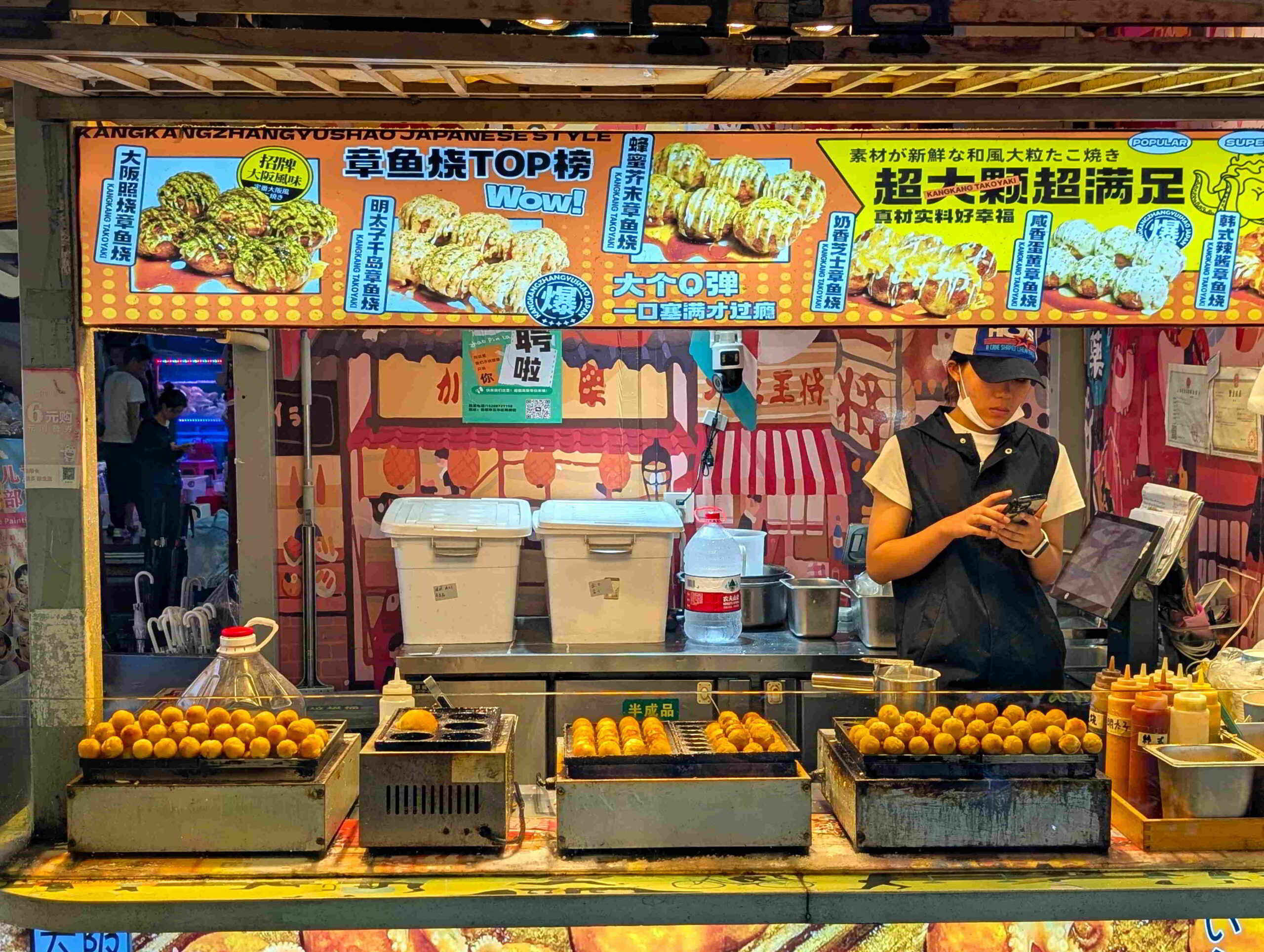
Kunming — Wuhua District — Jingxing Flower Street
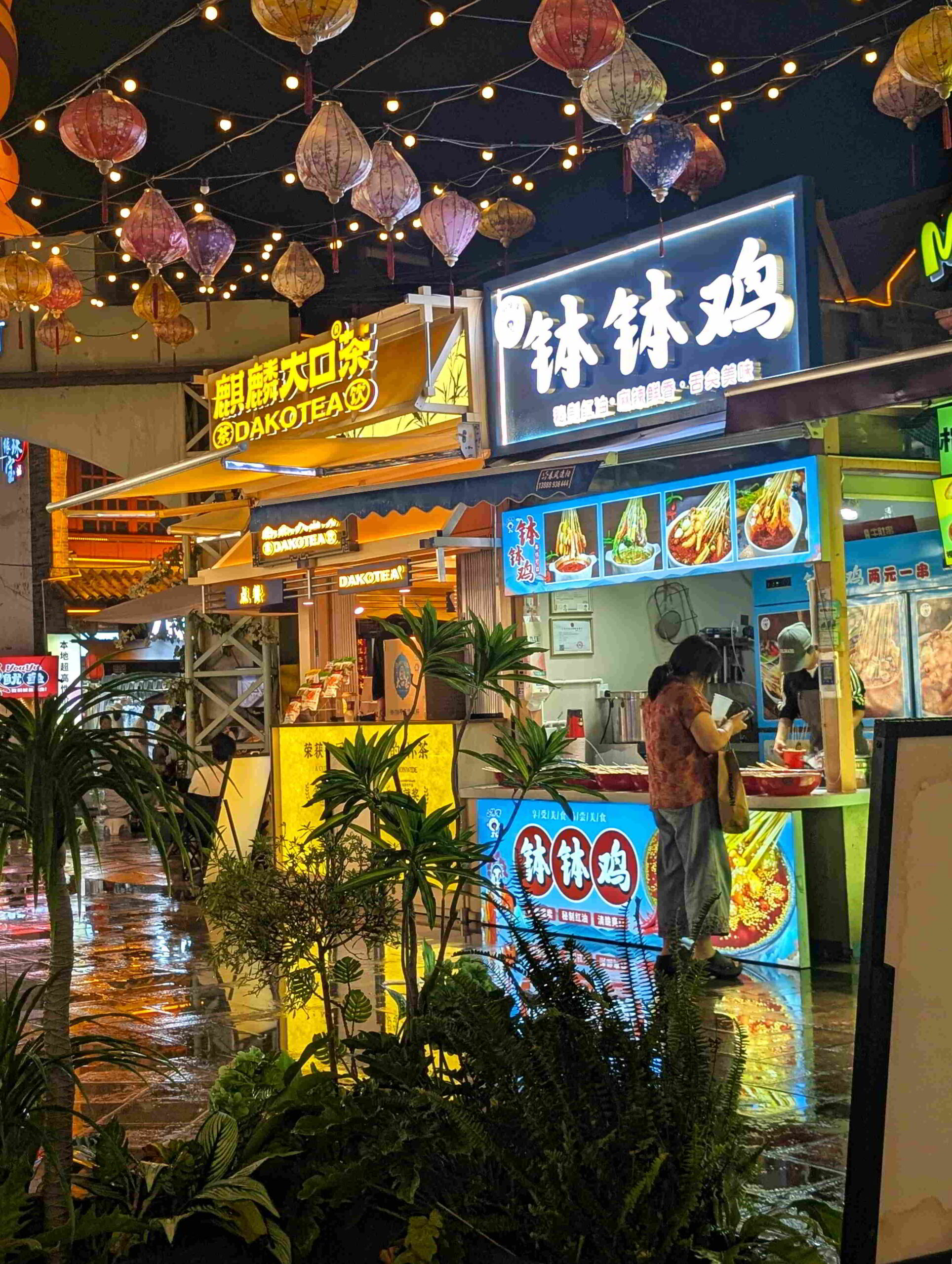
Kunming — Wuhua District — Jingxing Flower Street
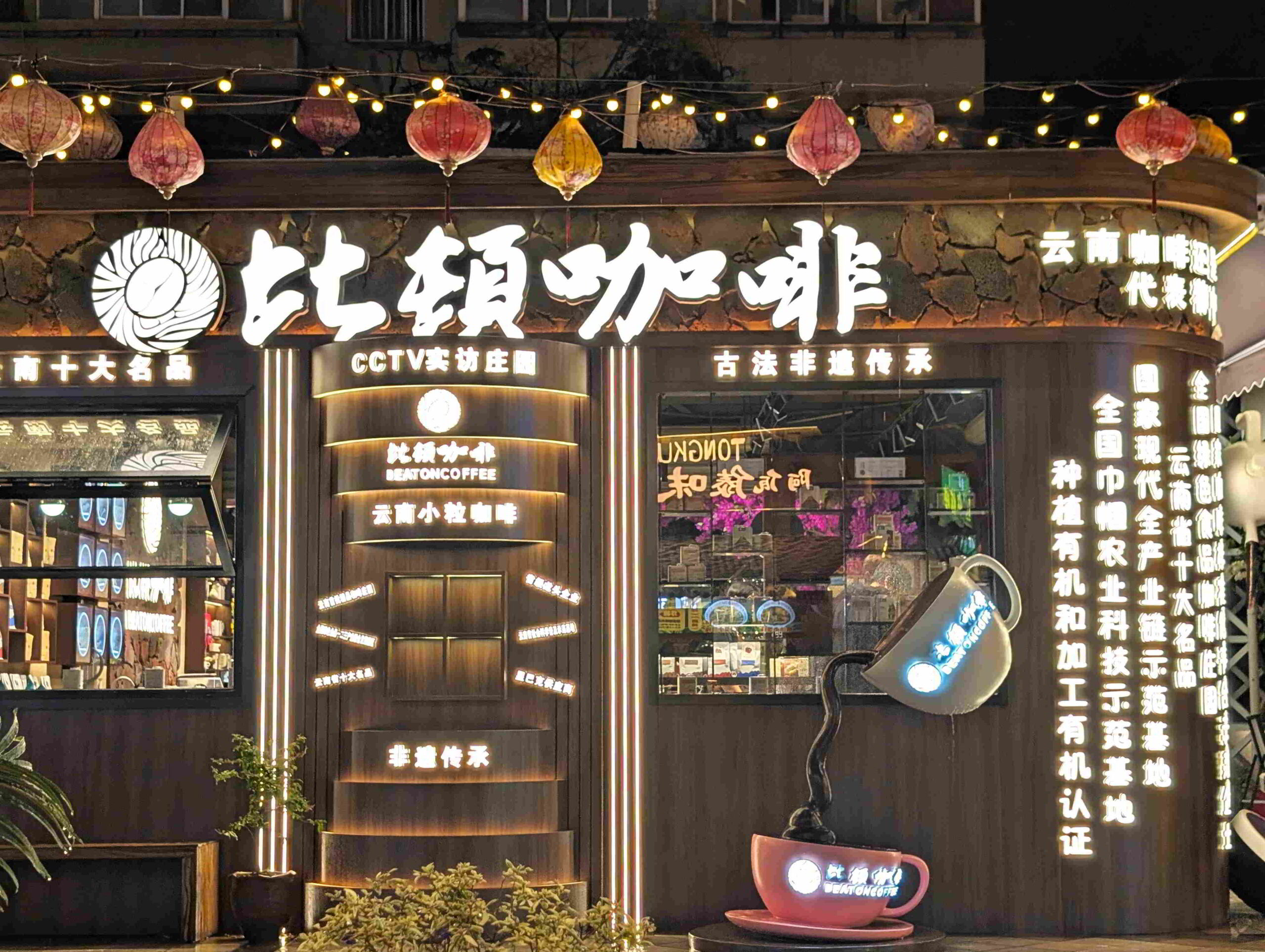
Kunming — Wuhua District — Jingxing Flower Street
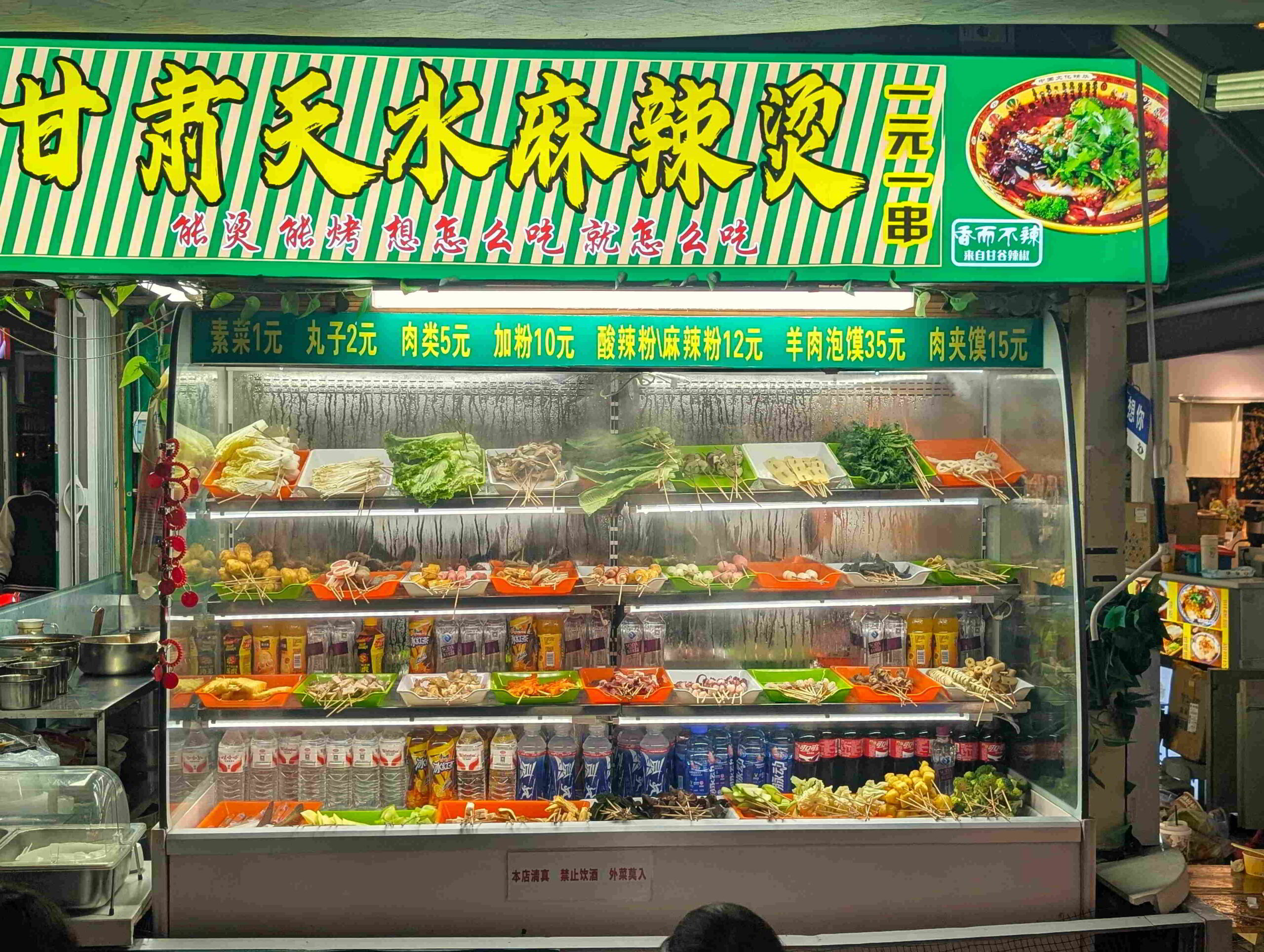
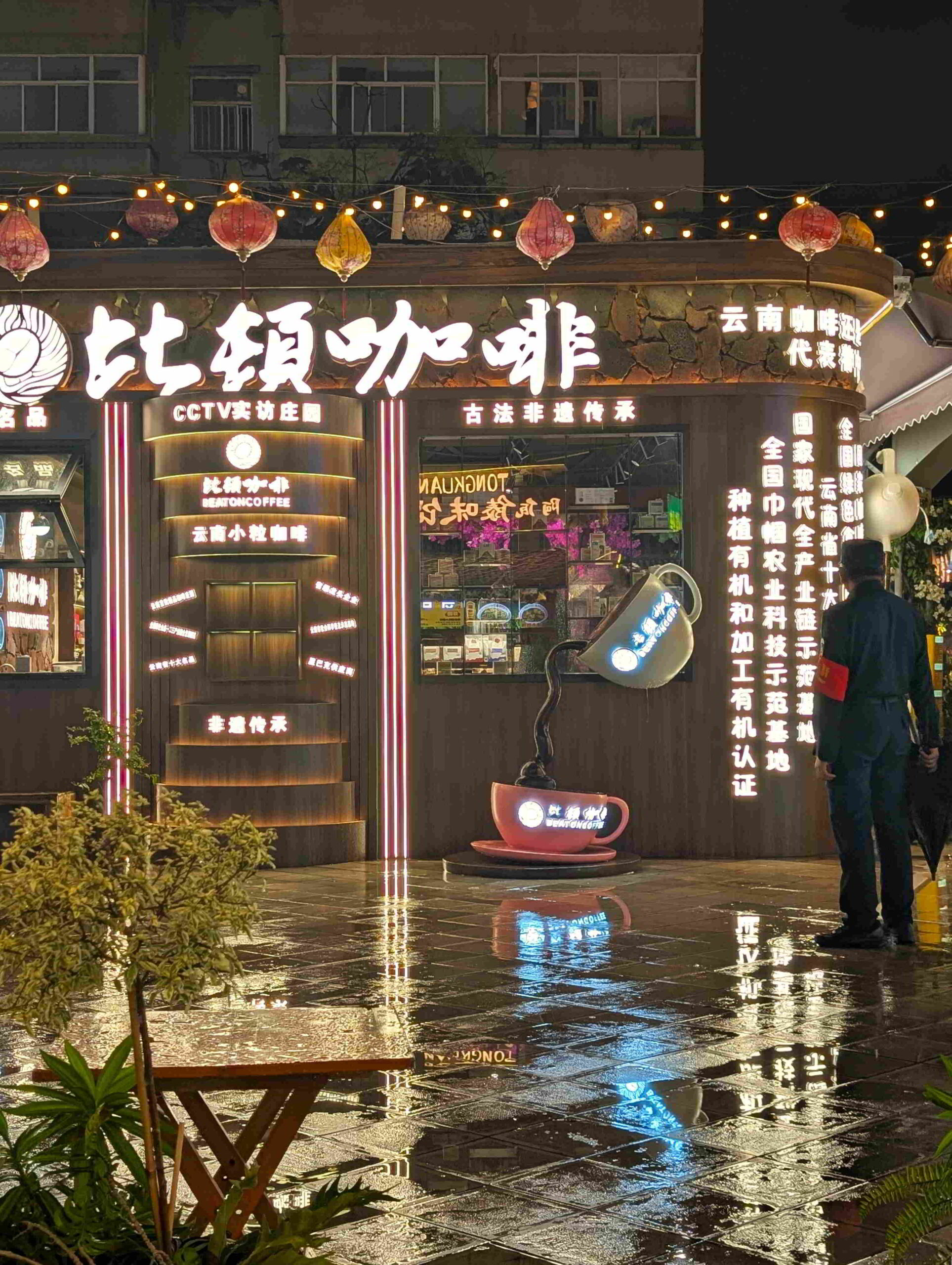
But now it turns out that the entire area north of the road is occupied by a stylish night market, its gently arcing passages lined with large, brightly-lit kiosks dedicated to every popular cuisine originating in China and beyond, from hotpots to noodle soups, dumplings, grilled meats, satay, chicken feet, Japanese tsukune meatballs, sushi, coffee and tea drinks, and much, much more. Now I am faced by another challenge, and that is to decide which of these innumerable alluring eateries would be the best for me in the moment.
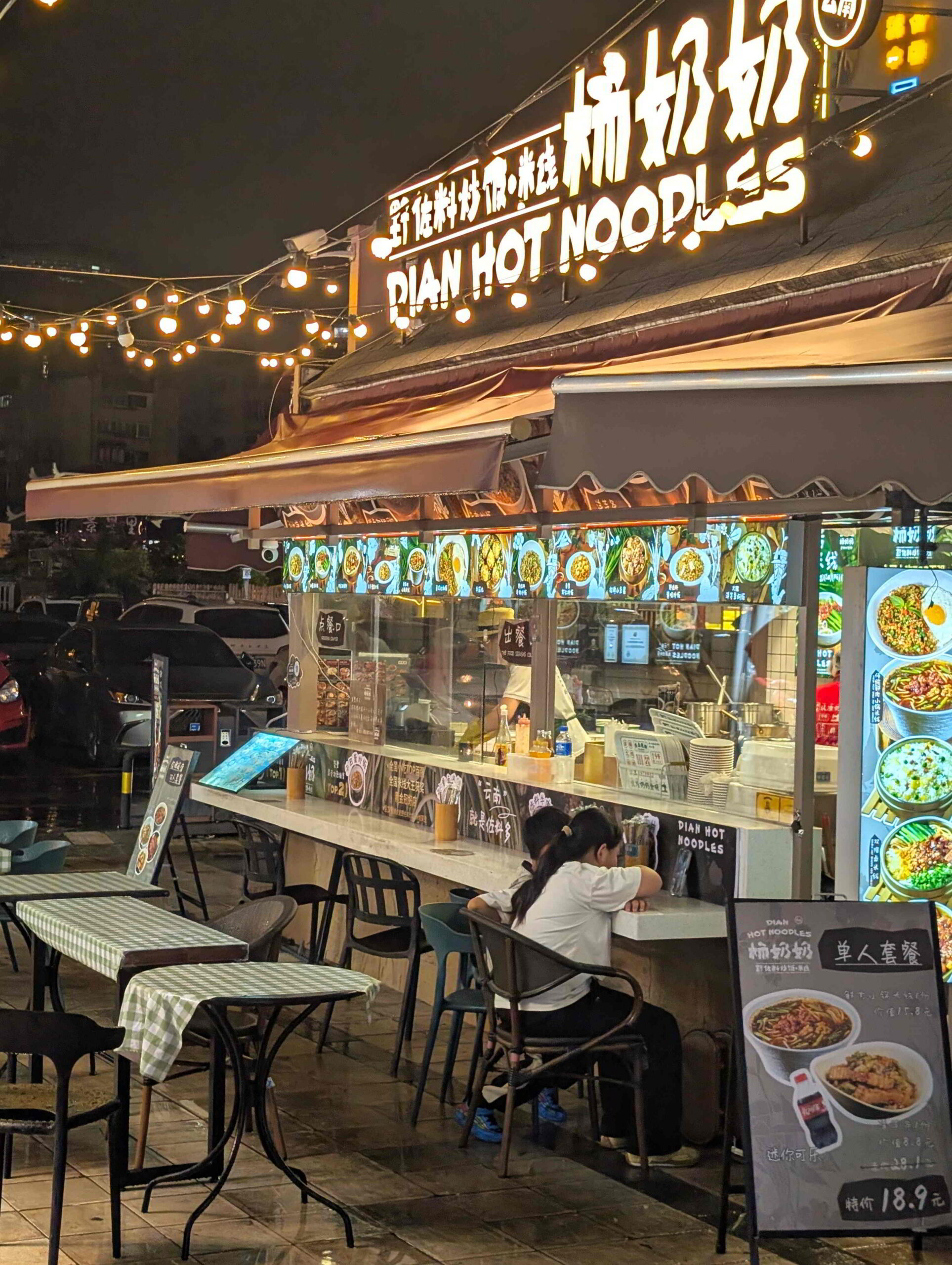
Kunming — Wuhua District — Jingxing Flower Street
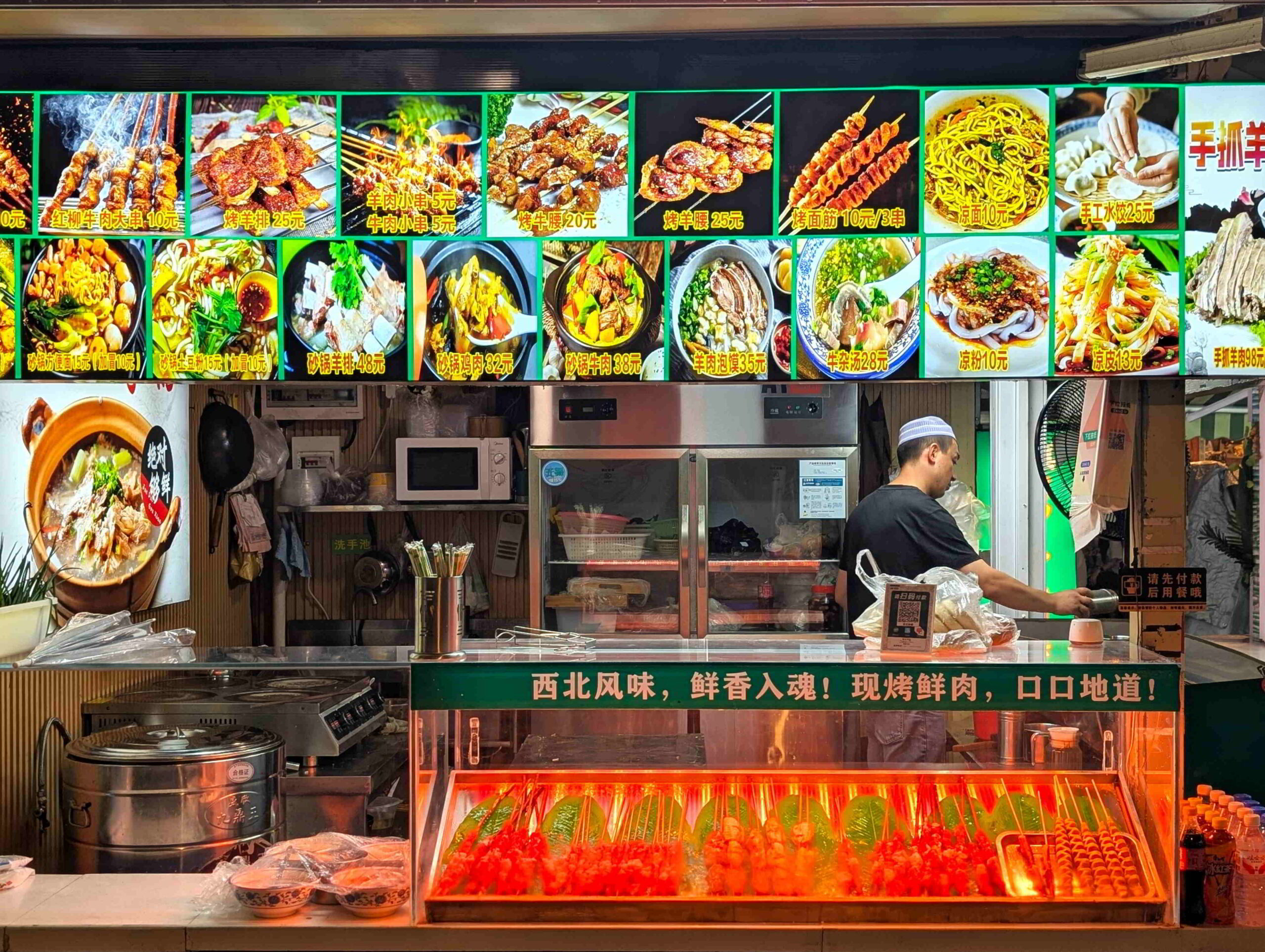
Kunming — Wuhua District — Jingxing Flower Street
How about dumplings in a passion fruit broth? With the help of the perennially doting young female customers, we clear a table, and soon I am enjoying another unusual but amazing concoction, seated in comfort against the backdrop of mostly young locals meandering along the shimmering walkways, through the brilliantly-lit spectacle of culinary delights …
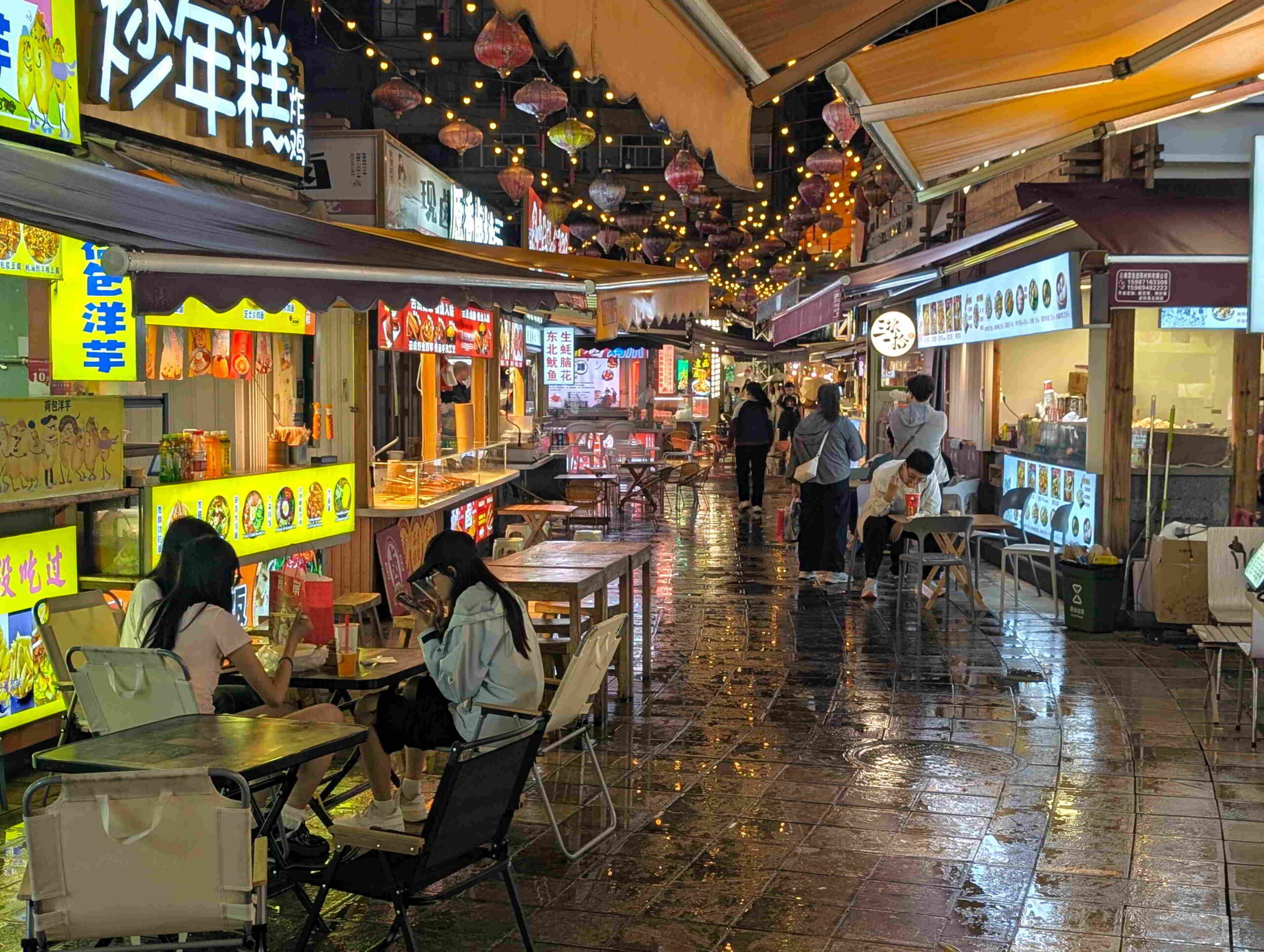
Kunming — Wuhua District — Jingxing Flower Street
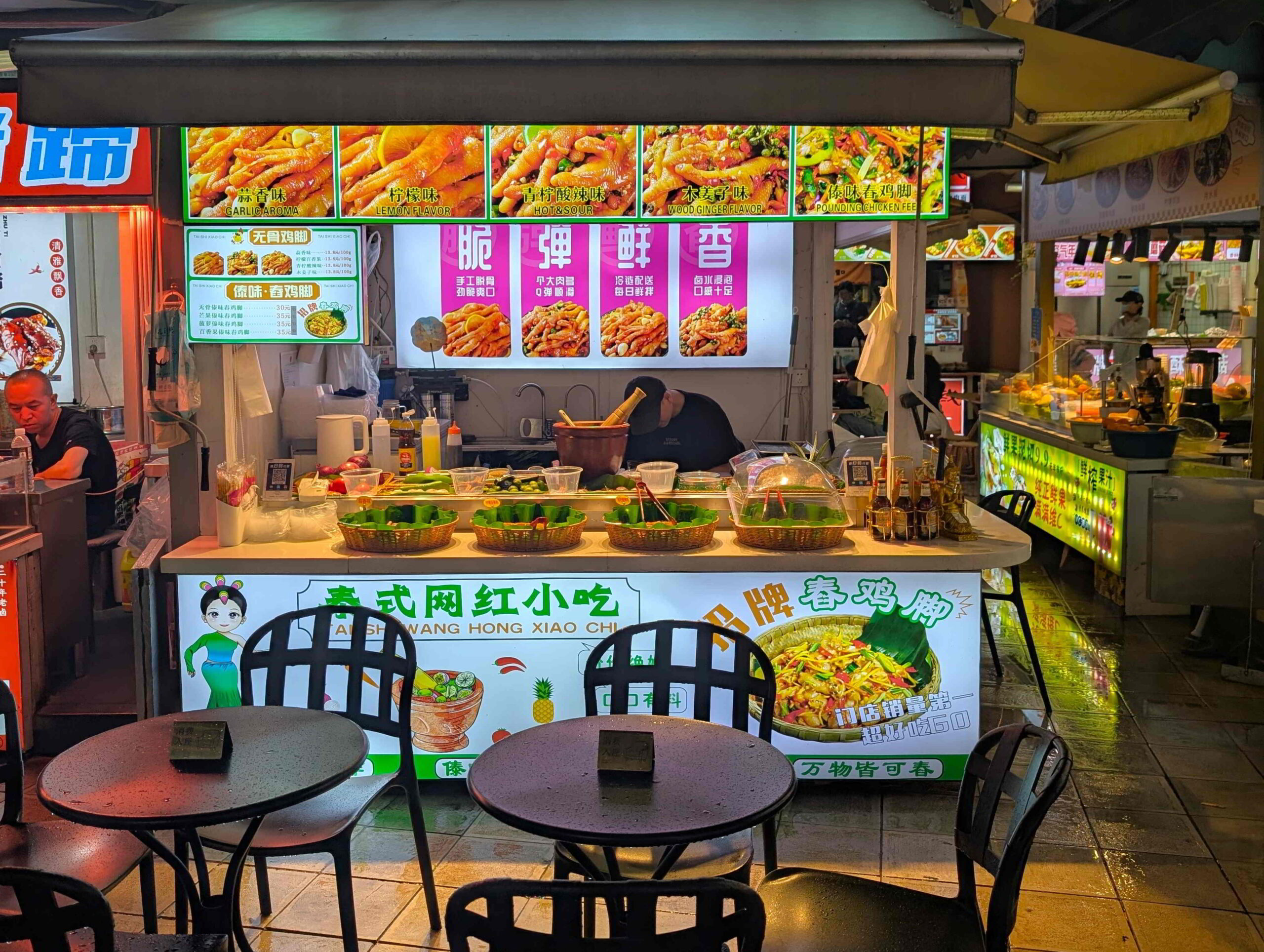
Kunming — Wuhua District — Jingxing Flower Street