July 4 , 2026
My last day in town. What should I undertake? I had thought of visiting the Stone Forest, but the trip will take two to three hours each way, an amount of time I just can’t justify. There are several museums in town, at least ones I know of, and to miss seeing them would be inexcusable, considering I had already been inside or in the vicinity, including the provincial museum and the nationalities museum and associated village. Both are far to the south and not close to the subway. The park area that extends from the World Horti Expo Garden northeast to the safari park could be worthwhile, except that it is raining torrentially. Now the challenge to find meaningful weather information that isn’t in Chinese, doesn’t stall on some absurd security check, and provides some sort of granularity.
Kunming — Yunnan museum
Kunming
Kunming — Yunnan museum
Kunming — Yunnan museum
I have no food in the apartment: the fruit has been consumed, there are only a few drinks left, which will mean trekking out into the rain. I don’t want to venture too far, as I want to return to the apartment again, write a little in my journal, then leave when the weather improves in the early afternoon.
Kunming — Yunnan museum
Kunming — Yunnan museum
Kunming — Yunnan museum
Kunming — Yunnan museum
I feel utterly depleted. Eating properly will help, although from a nutritional perspective it is altogether unlikely. But avoiding the Chinese brandy I imbibed in yesterday evening would probably help improve my energy levels considerably …
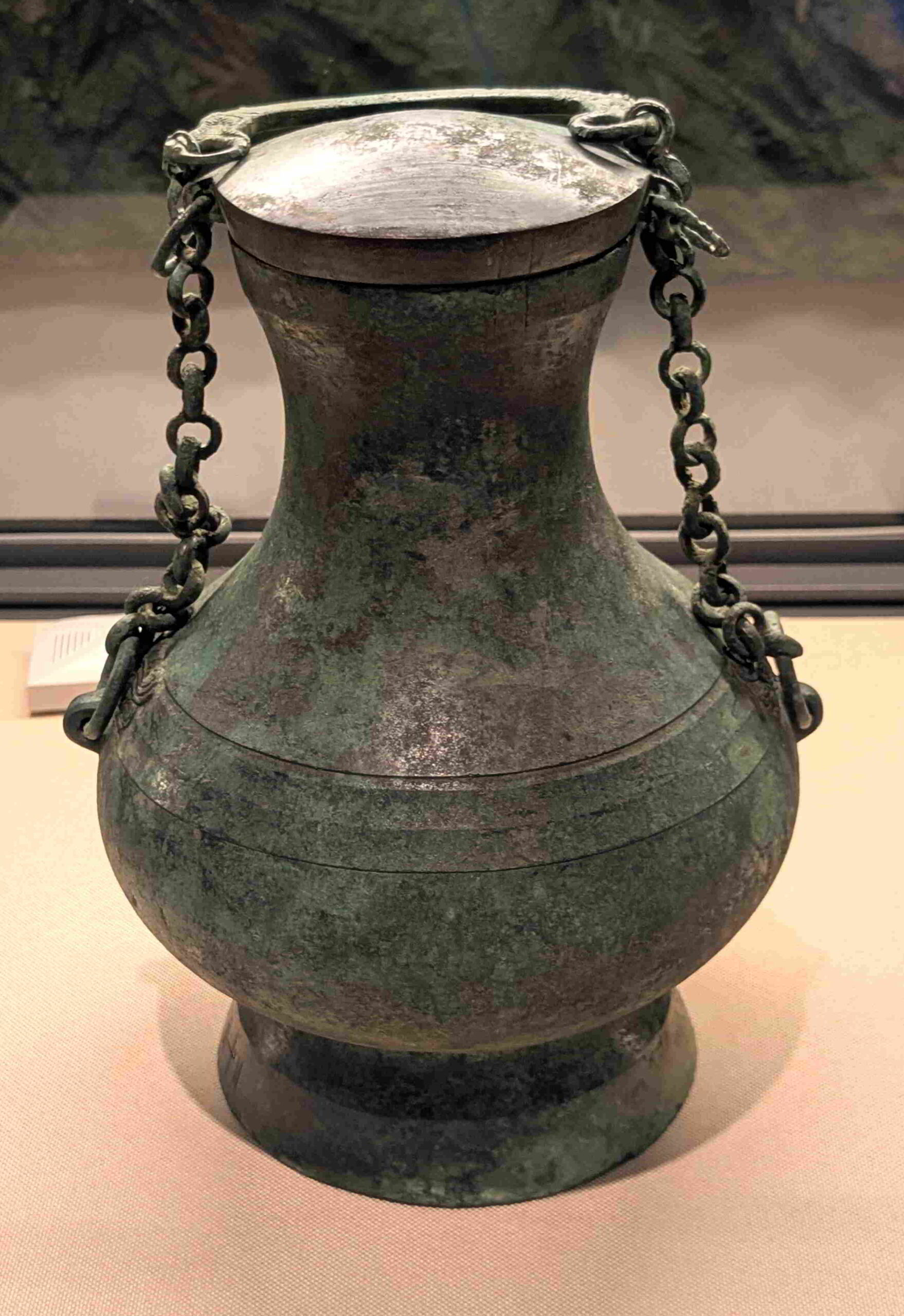
Kunming — Yunnan museum — Loop-handled Teapot, Eastern Han Dynasty
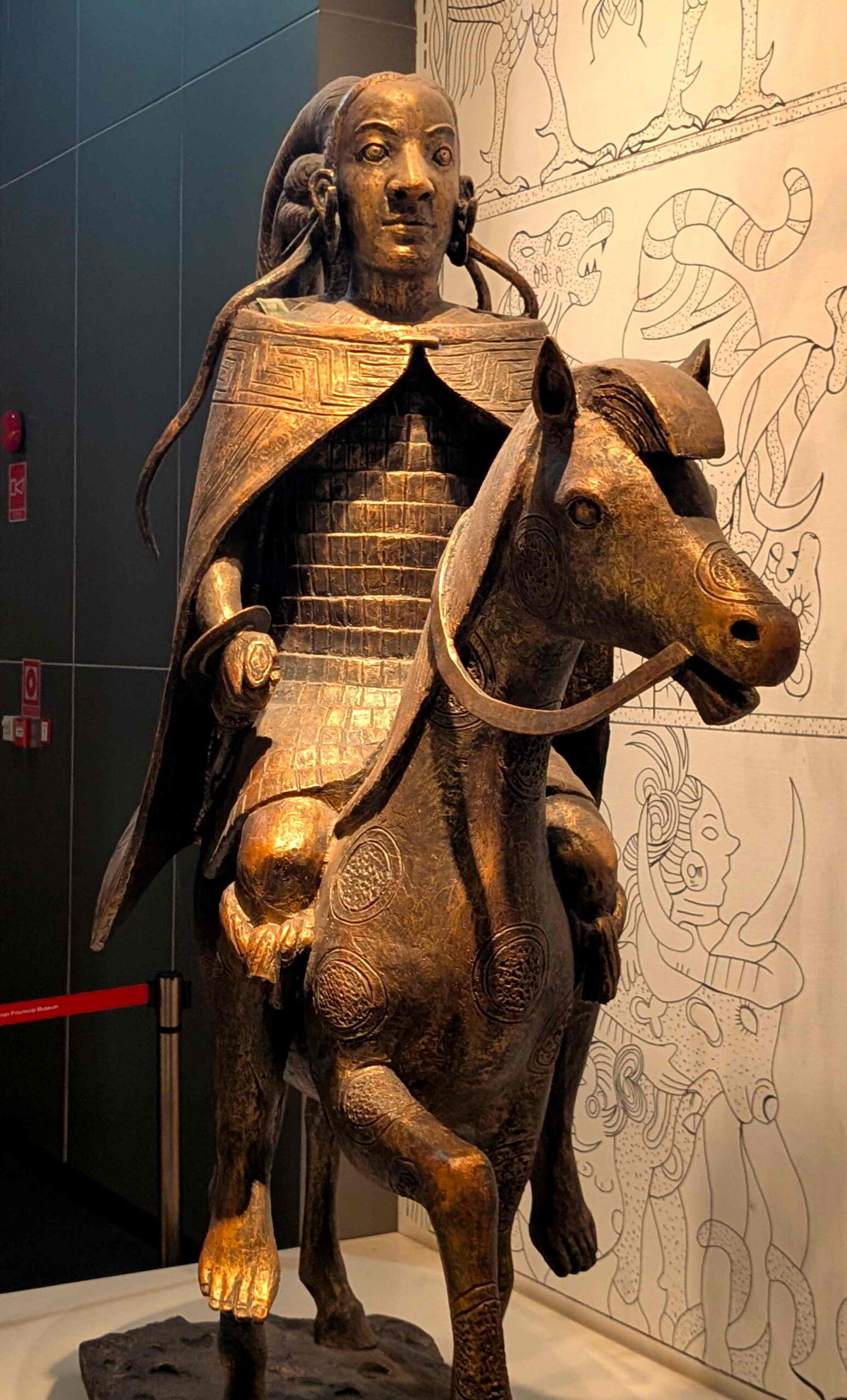
Kunming — Yunnan museum
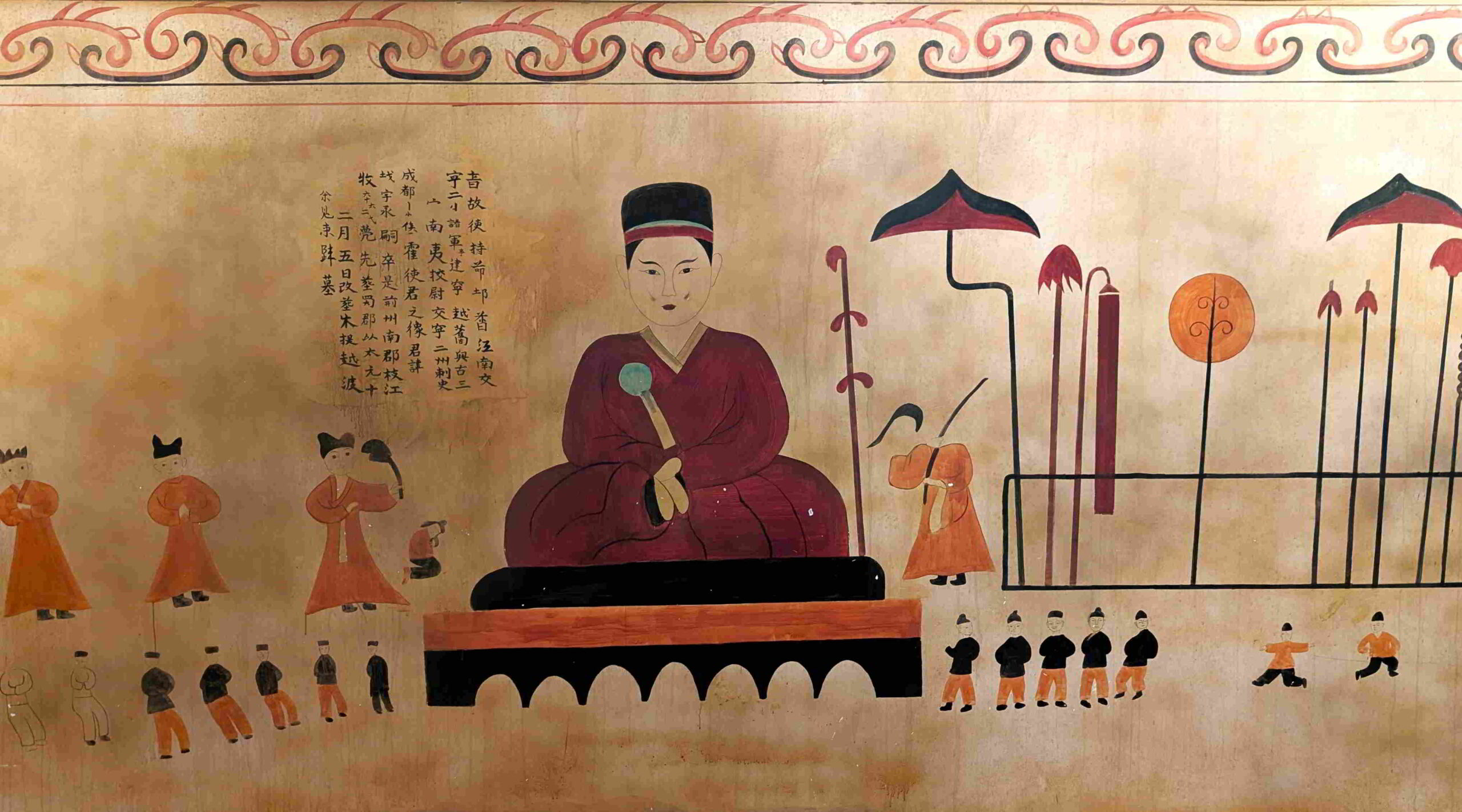
Kunming — Yunnan museum
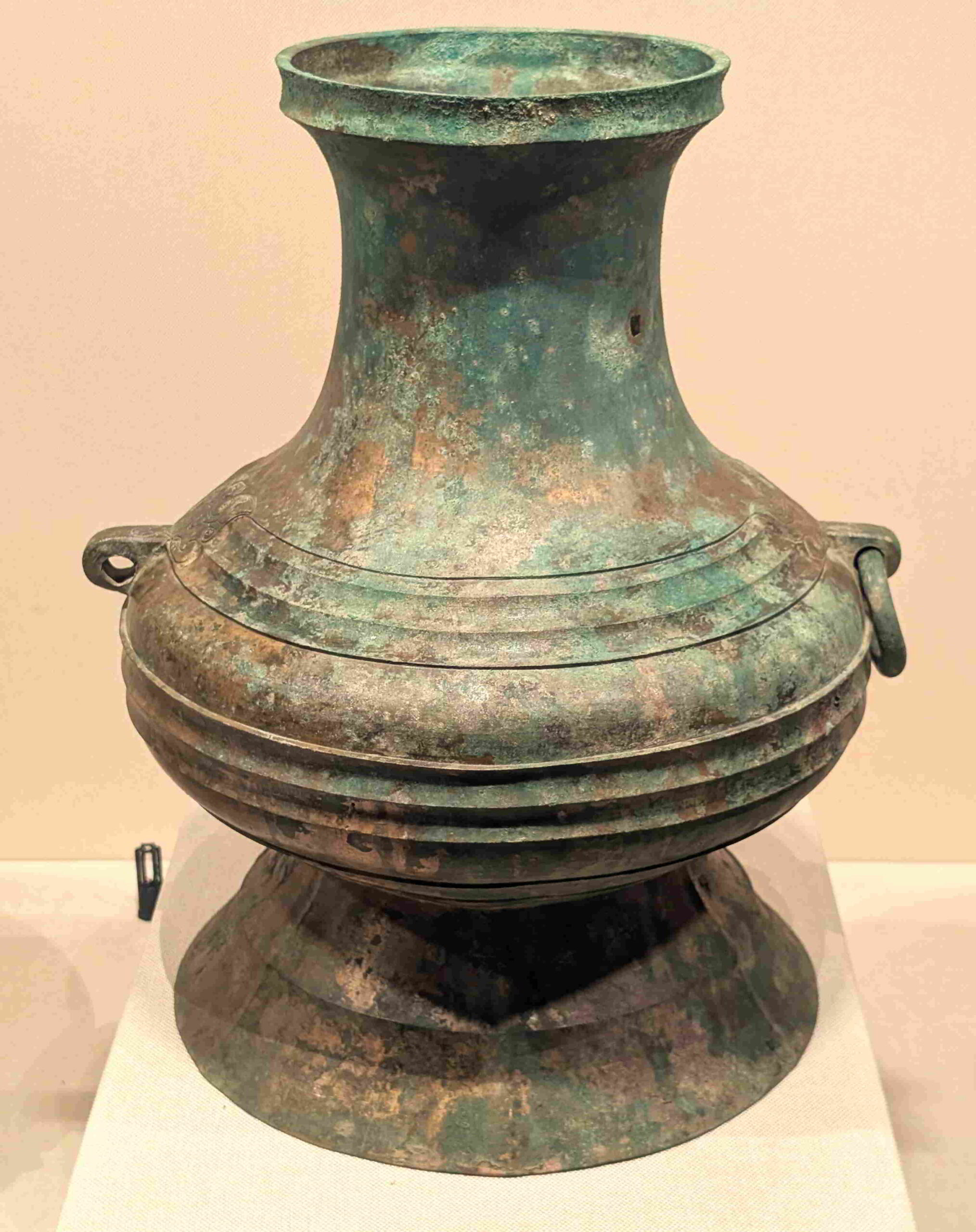
Kunming — Yunnan museum — Bronze Bottle, Eastern Han Dynasty
It just pours and pours. The rain was to have ended by the early afternoon but it just continues, the weather forecast now revised to claim that the rain will finally end in the late afternoon. So any plans to spend time outside, such as visiting the horticultural gardens to the northeast of town will come to naught. I check the weather in southeastern Thailand and it is much the same, albeit hotter. It may be the worst week I spend at the beach ever — and to think that I made a point of booking the extra two weeks in July for that special finale, which may just end up being an expensive fiasco. Such is the reality of traveling …
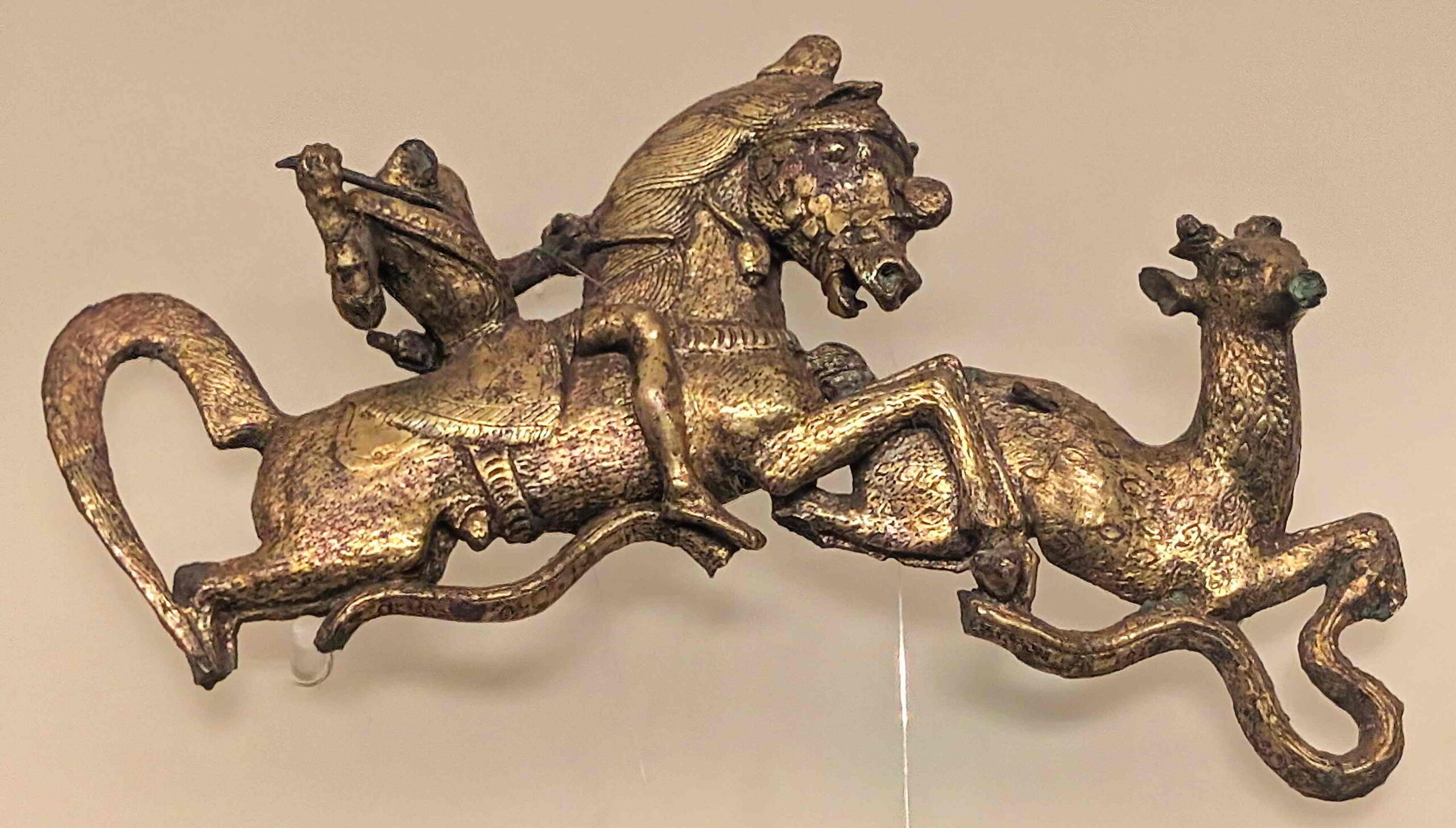
Kunming — Yunnan museum — Bronze Buckle with Hunting Scene, Western Han Dynasty
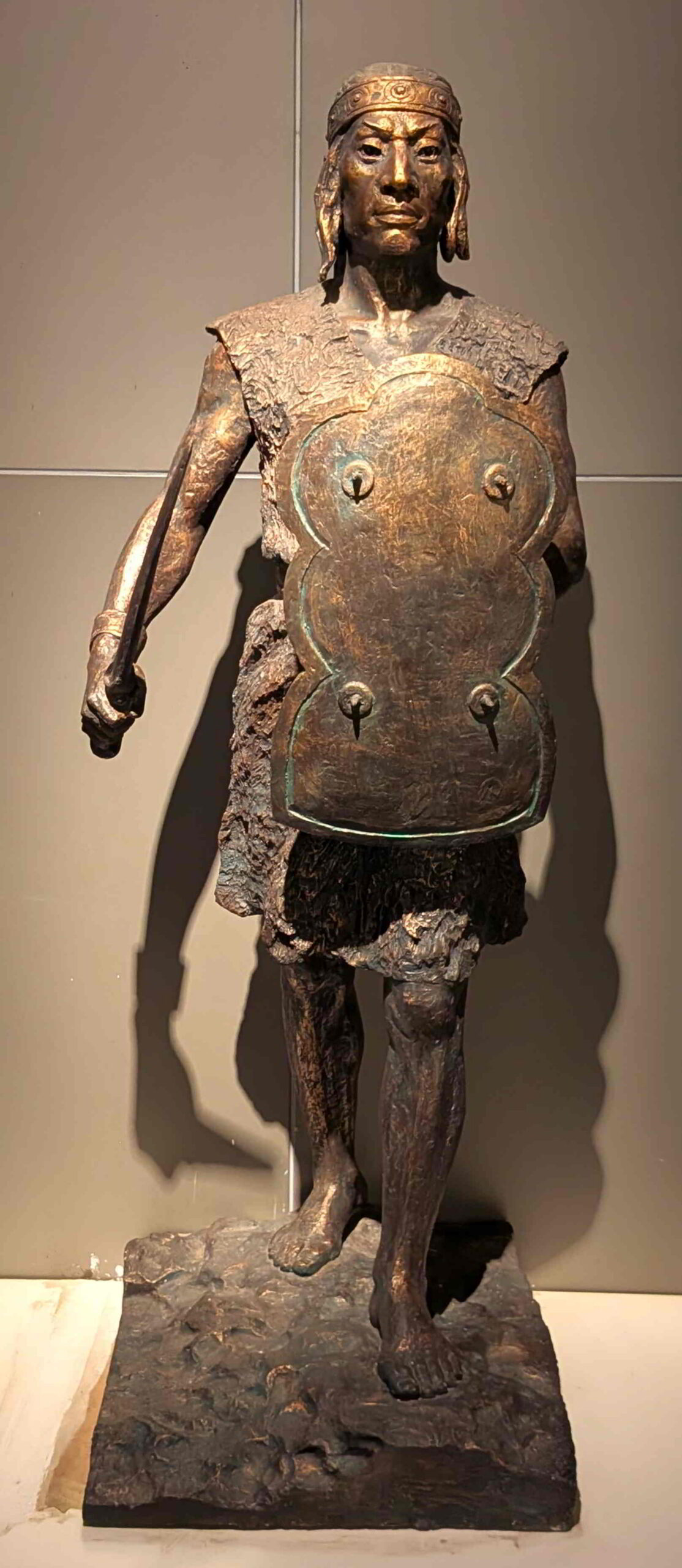
Kunming — Yunnan museum
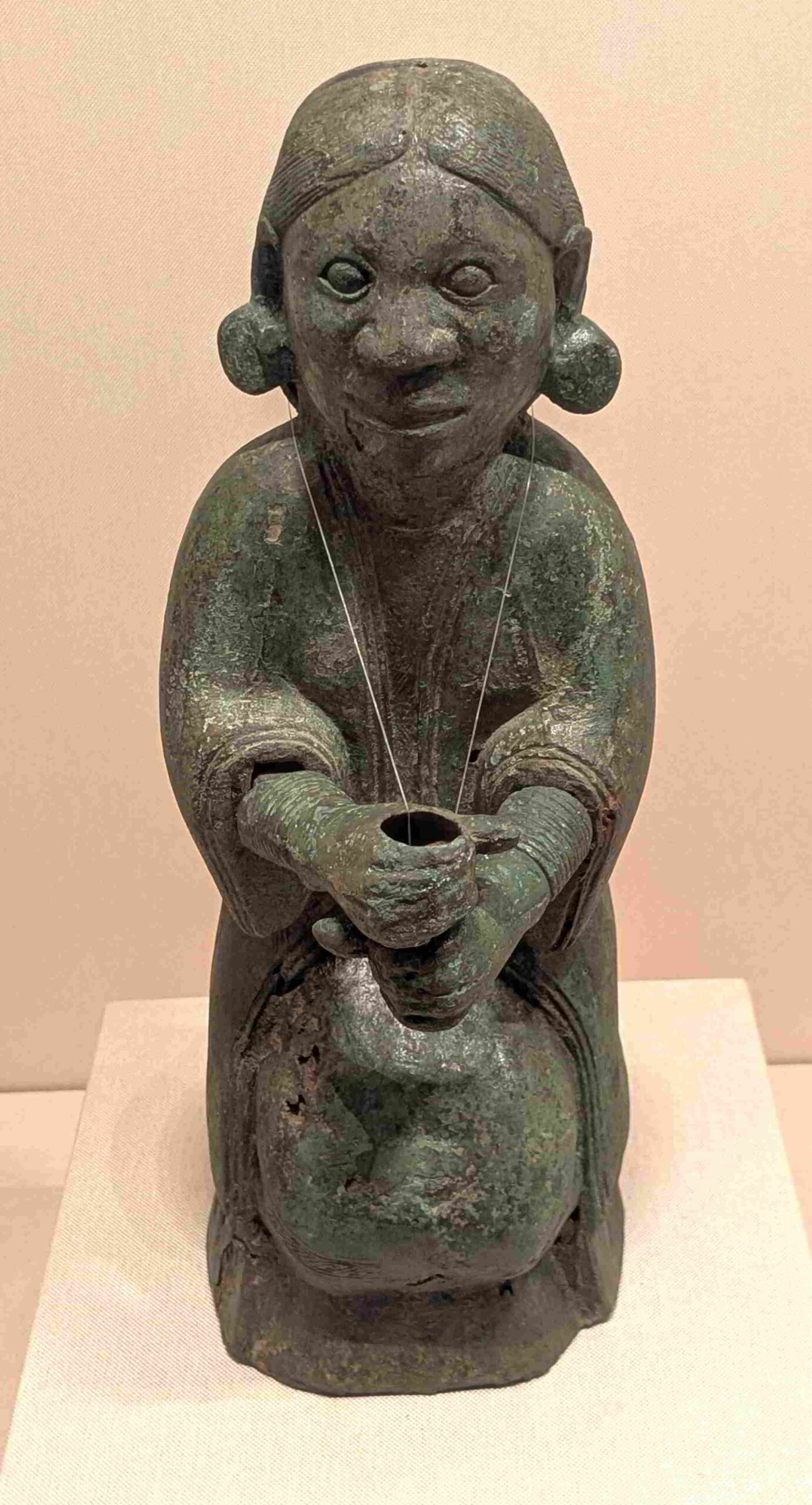
Kunming — Yunnan museum — Bronze Female Figurine, Western Han Dynasty
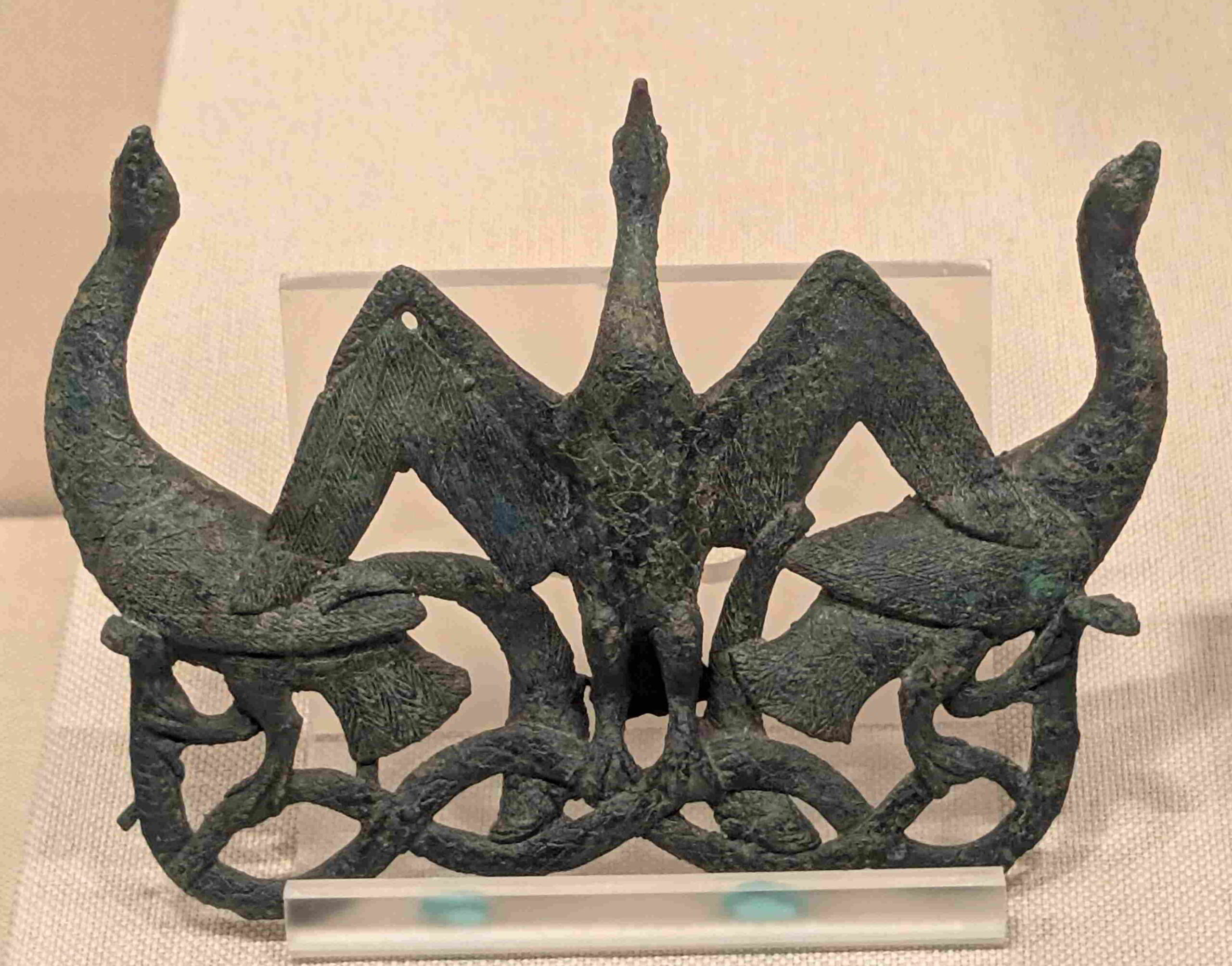
Kunming — Yunnan museum — Bronze Buckle with Figurines of Three Birds, Western Han Dynasty
I decide on visiting the Yunnan museum, which according to info I find online, is open until 6 pm — although that will turn out again to be wrong. As always, it takes little to find a ride on Didi, although it isn’t cheap, not surprisingly, given that we will be traveling a considerable distance. Sure, I could try and figure out how to get there by public transit, but I would simply lose precious time doing so. The female Didi driver has an air of being quite self-contented; she doesn’t sing to herself, as many of the ethnic drivers tend to do, but she does beam broadly as she liberally honks at other drivers.
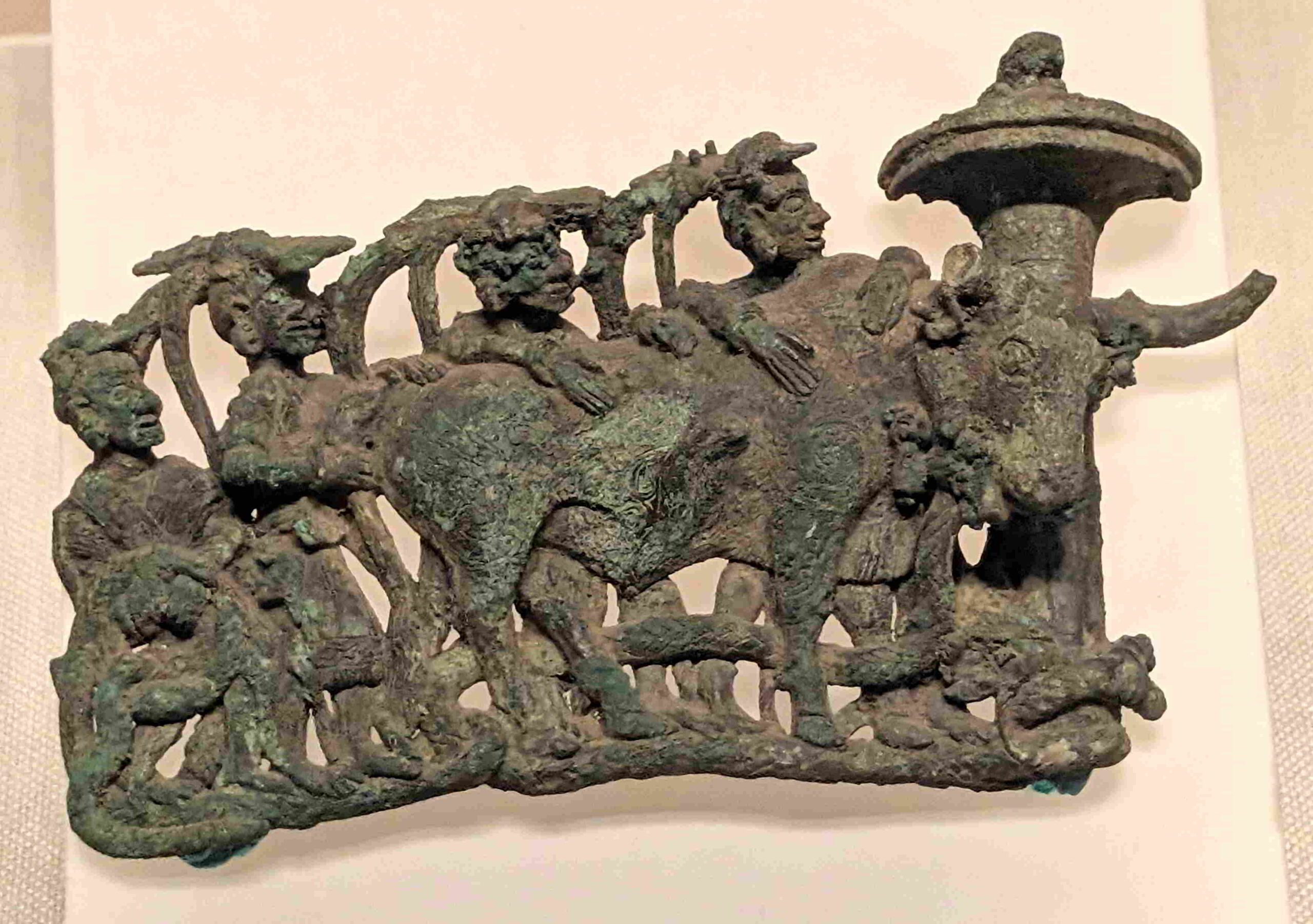
Kunming — Yunnan museum — Bronze Buckle with Figurines of Four Men Harnessing an Ox, Western Han Dynasty
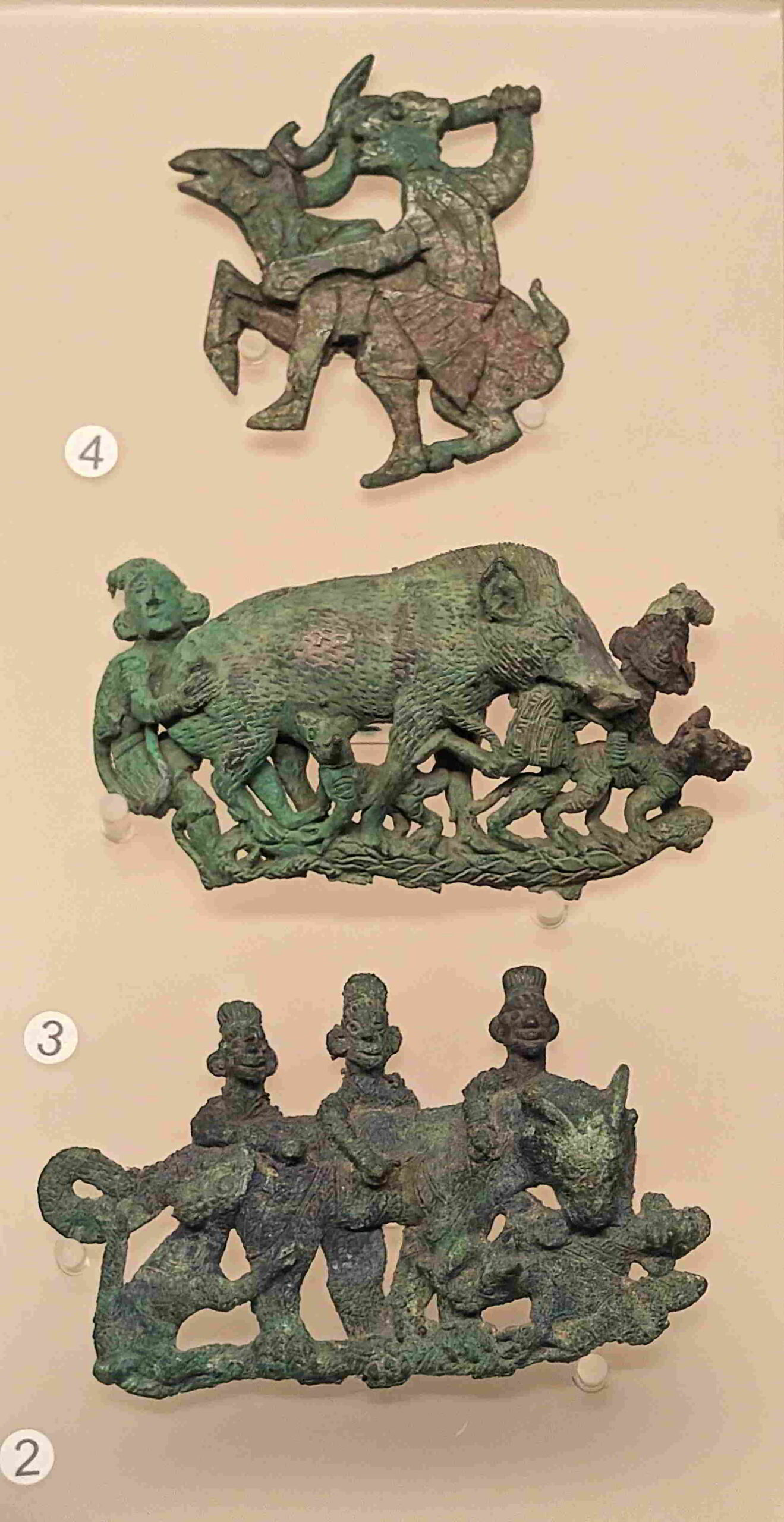
Kunming — Yunnan museum — Bronze Buckles with Hunting Scenes, Western Han Dynasty
Kunming — Yunnan museum — Bronze Buckle with Figurines of Two Riders Hunting Deer, Warring States Period
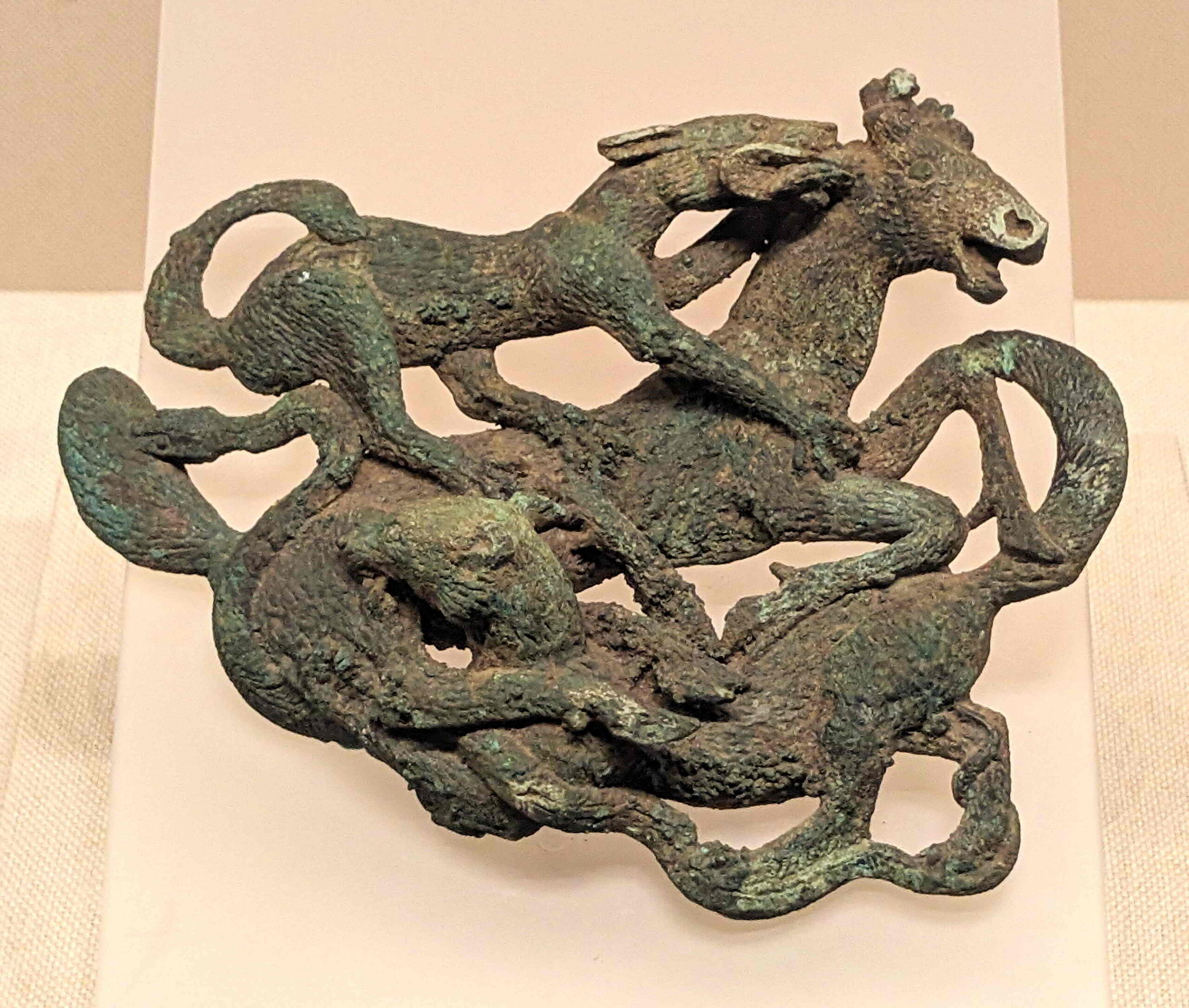
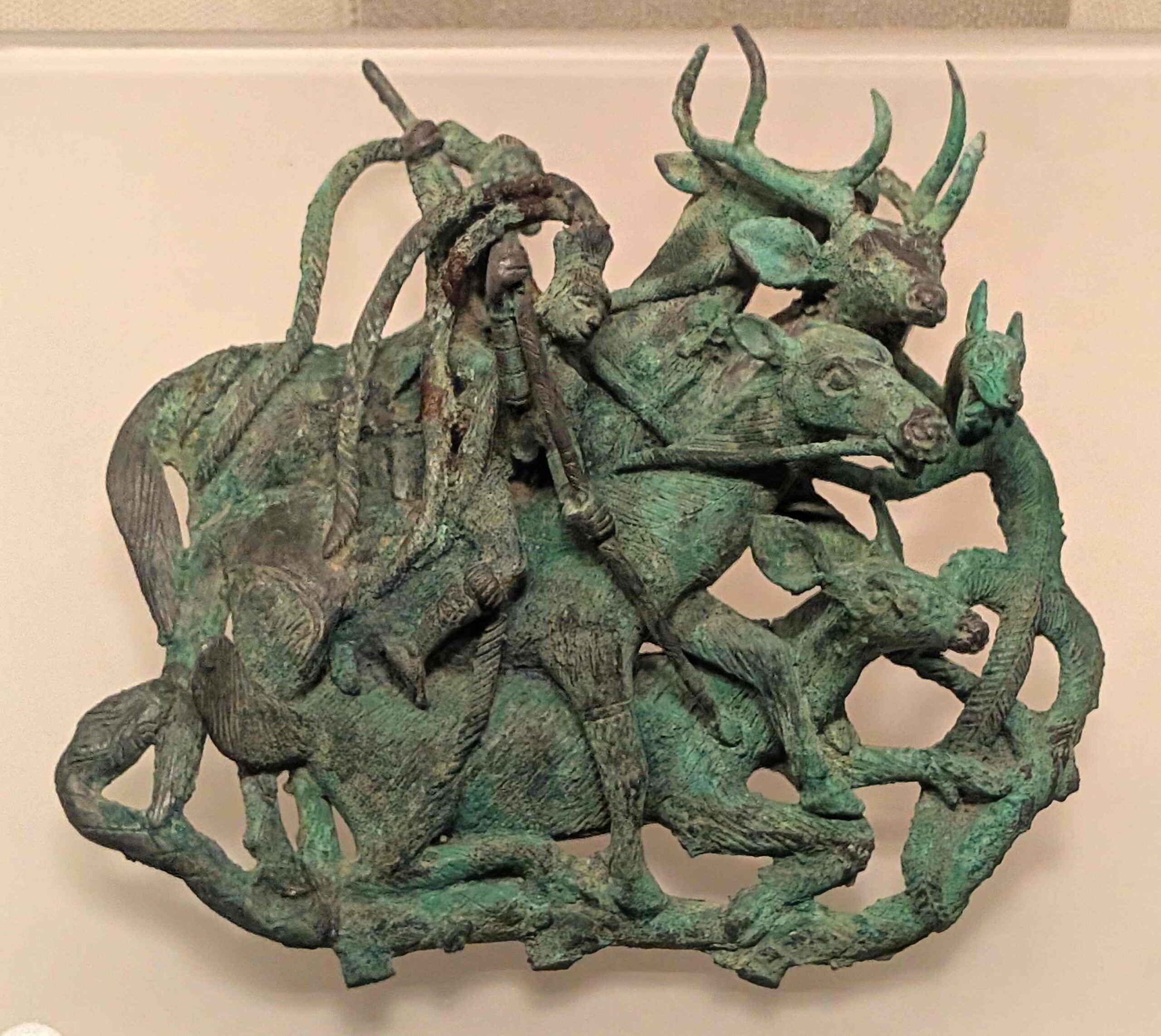
Kunming — Yunnan museum — Bronze Buckle in the Shape of Two Wolves Biting a Deer, Western Han Dynasty
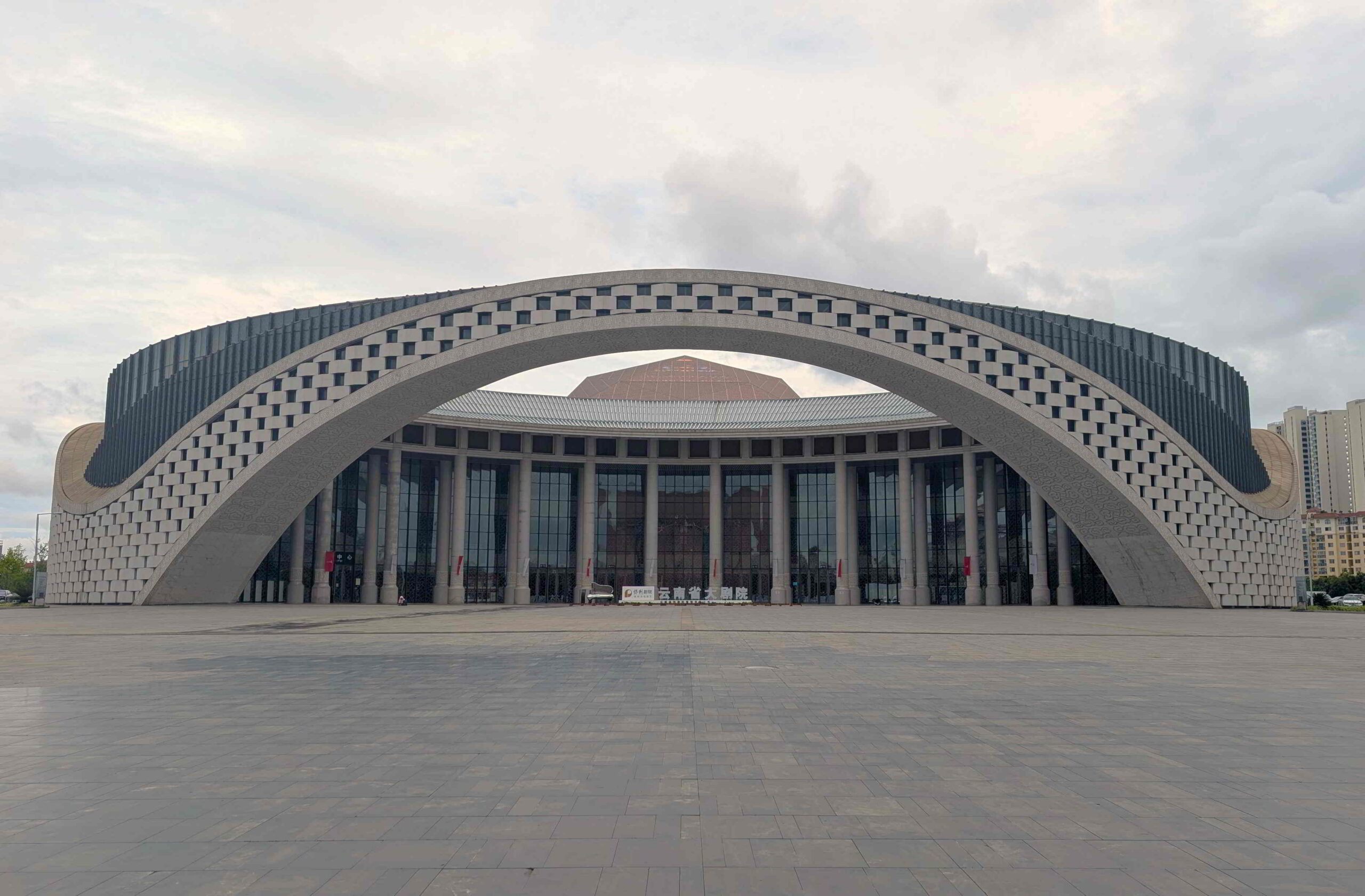
By the time we arrive at the site of the museum, the skies have largely cleared, which is encouraging — that means that if I have the energy once I leave the museum, I could enjoy a nice last evening walk in one of the attractive central neighborhoods of Kunming. An enormous plaza flanks the museum, separating the institution from another completely different and yet equally dramatic building of unknown purpose.
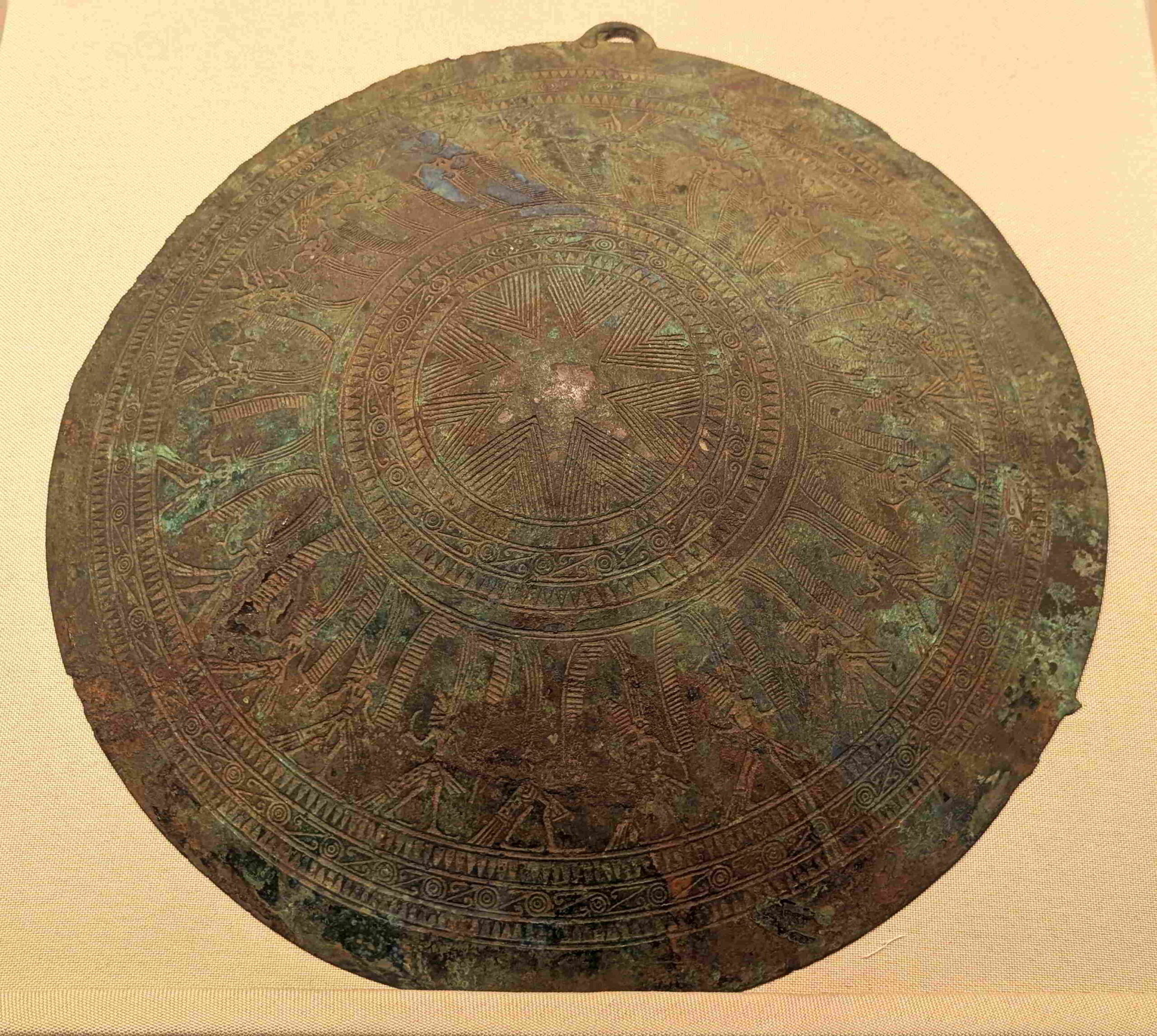
Kunming — Yunnan museum — Conical Bronze Lid, Western Han Dynasty
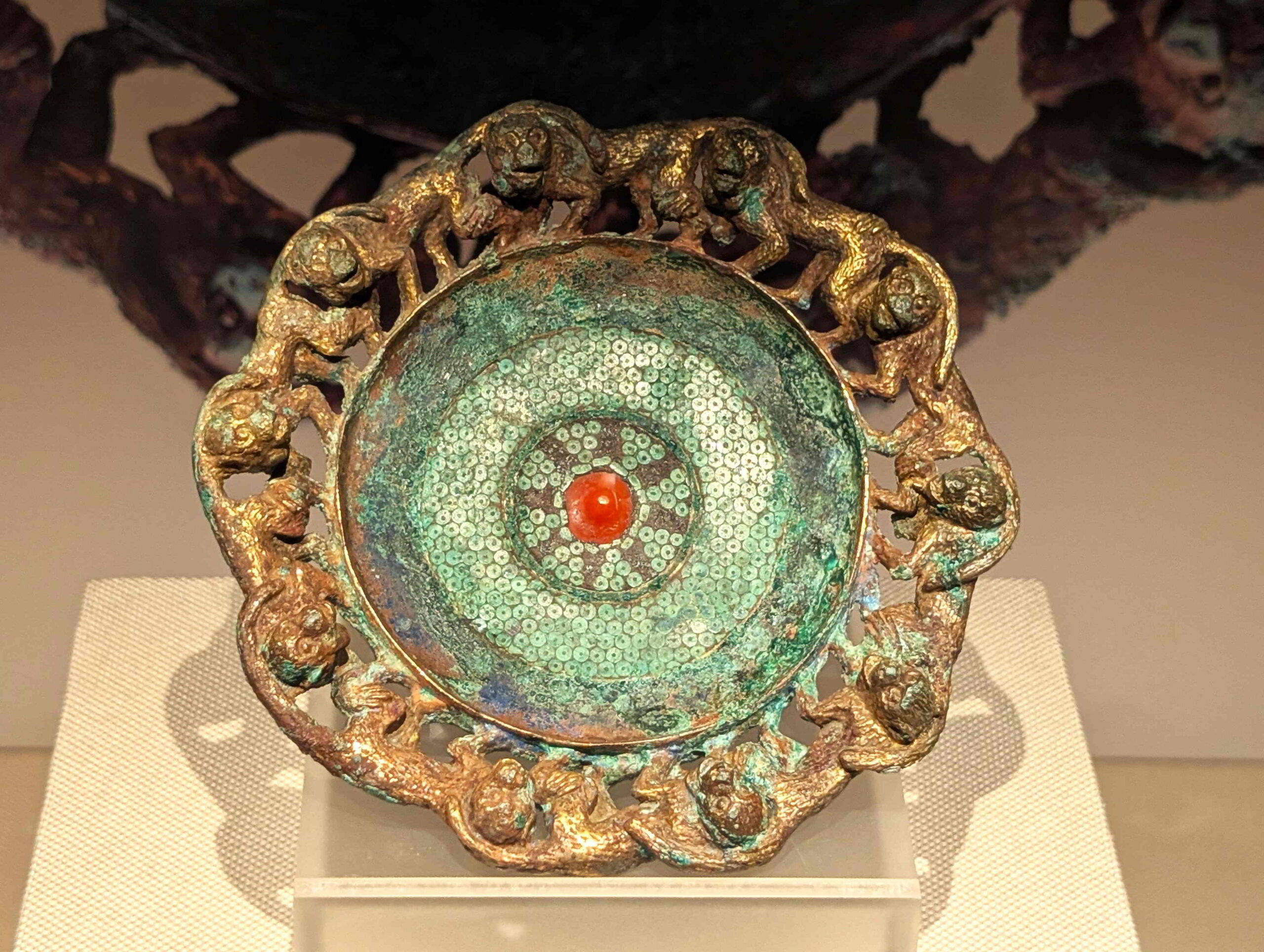
Kunming — Yunnan museum — Gilt Bronze Buckle with Monkeys on the Rim, Western Han Dynasty
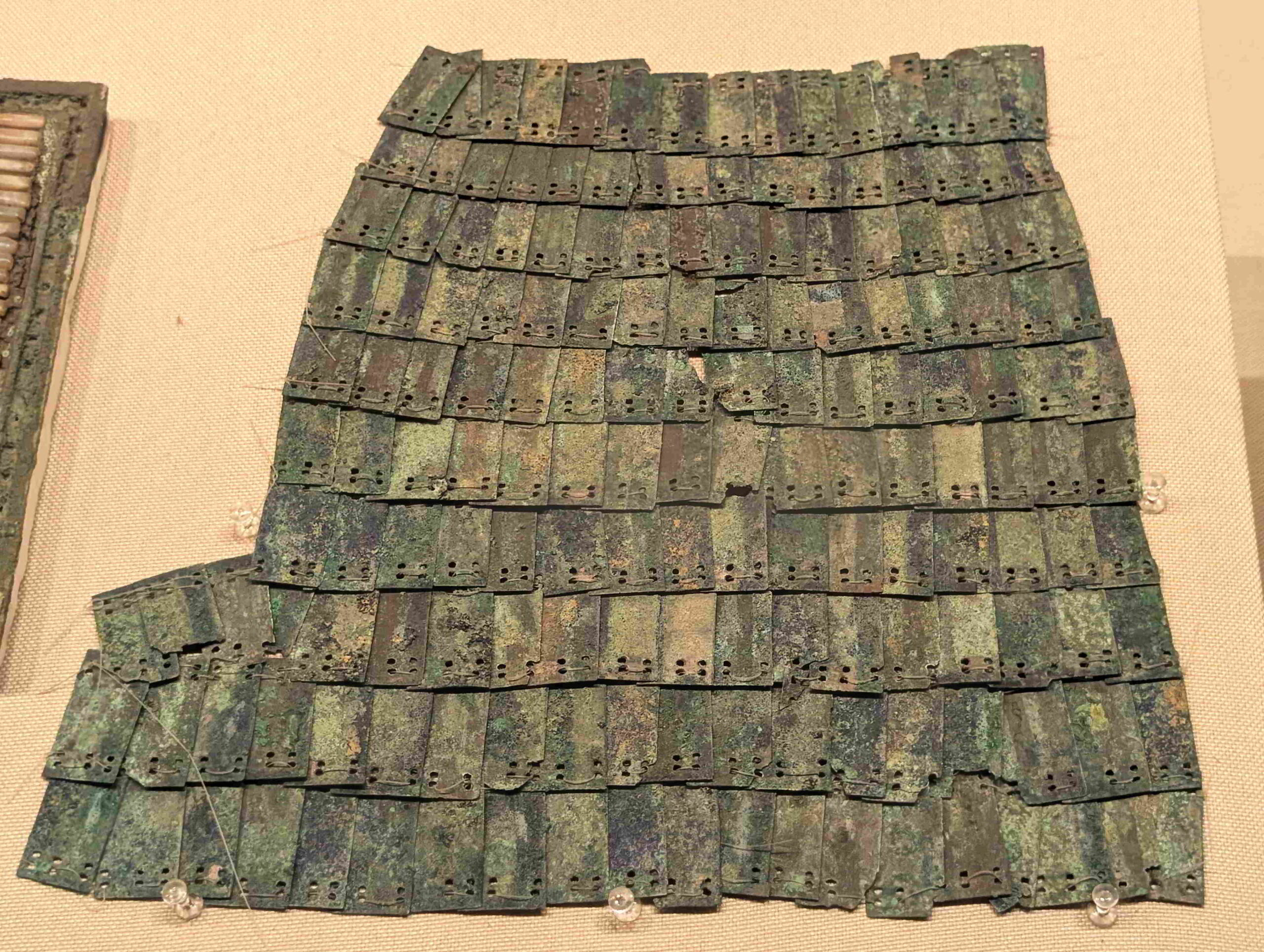
Kunming — Yunnan museum
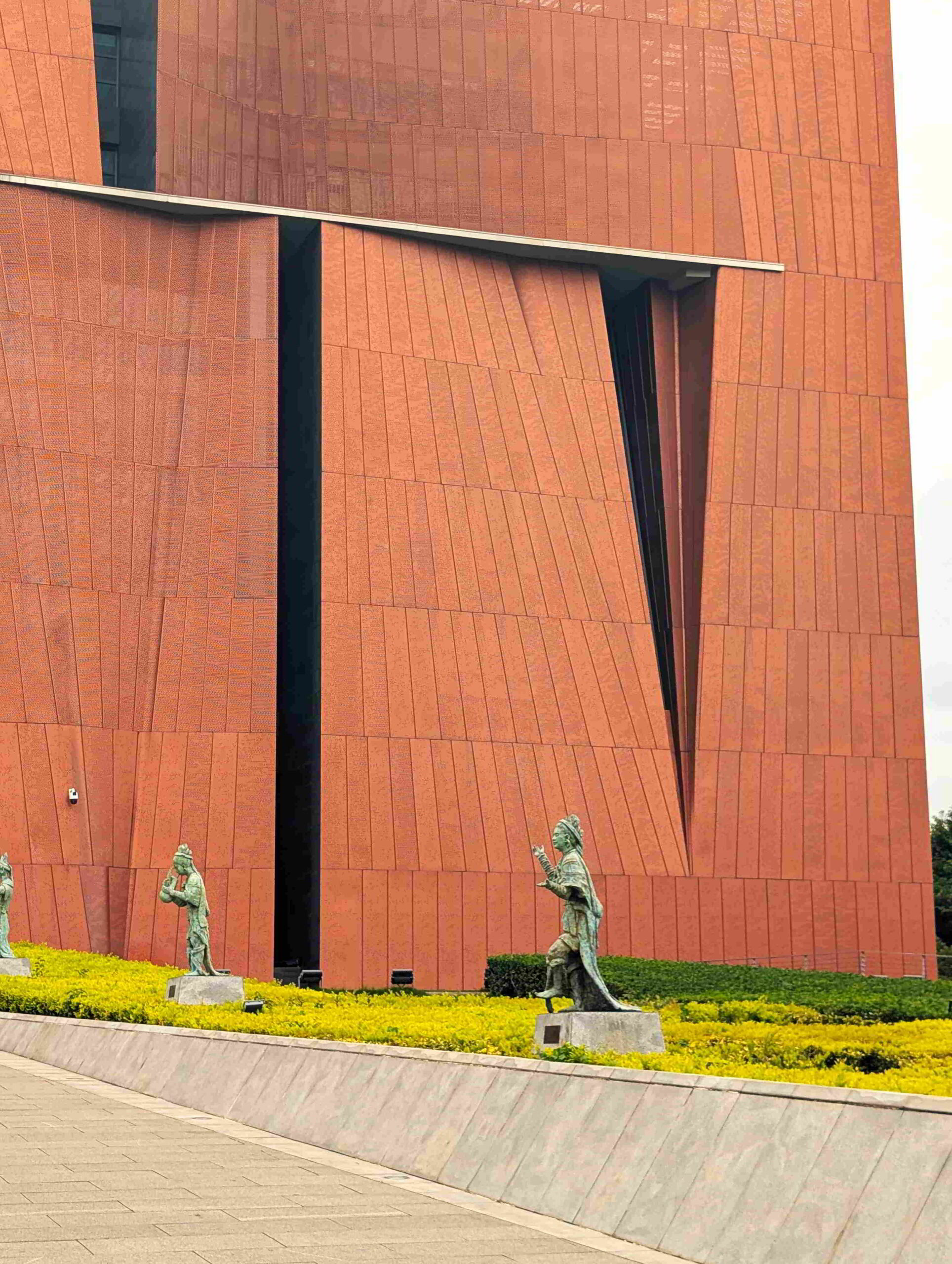
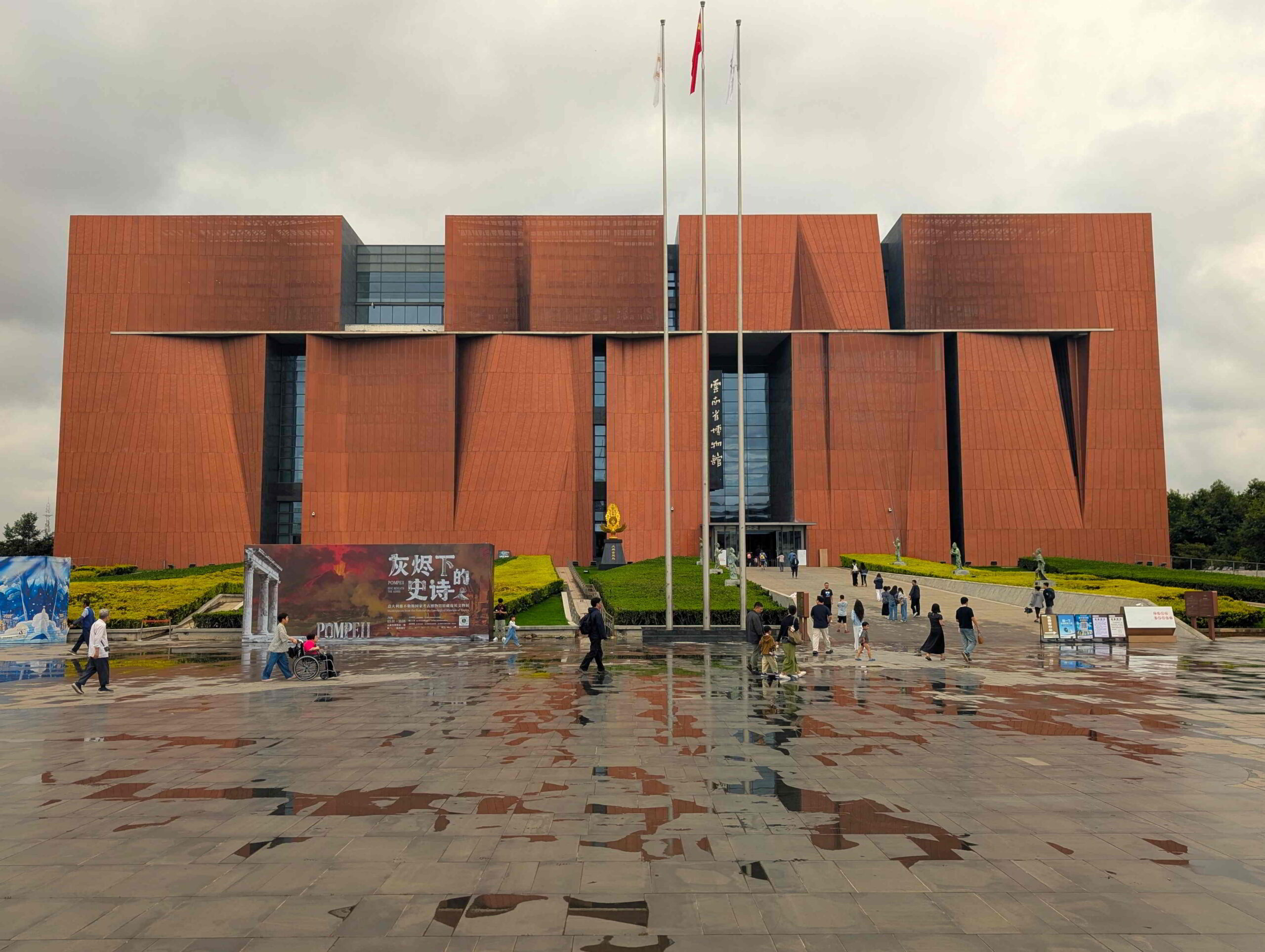
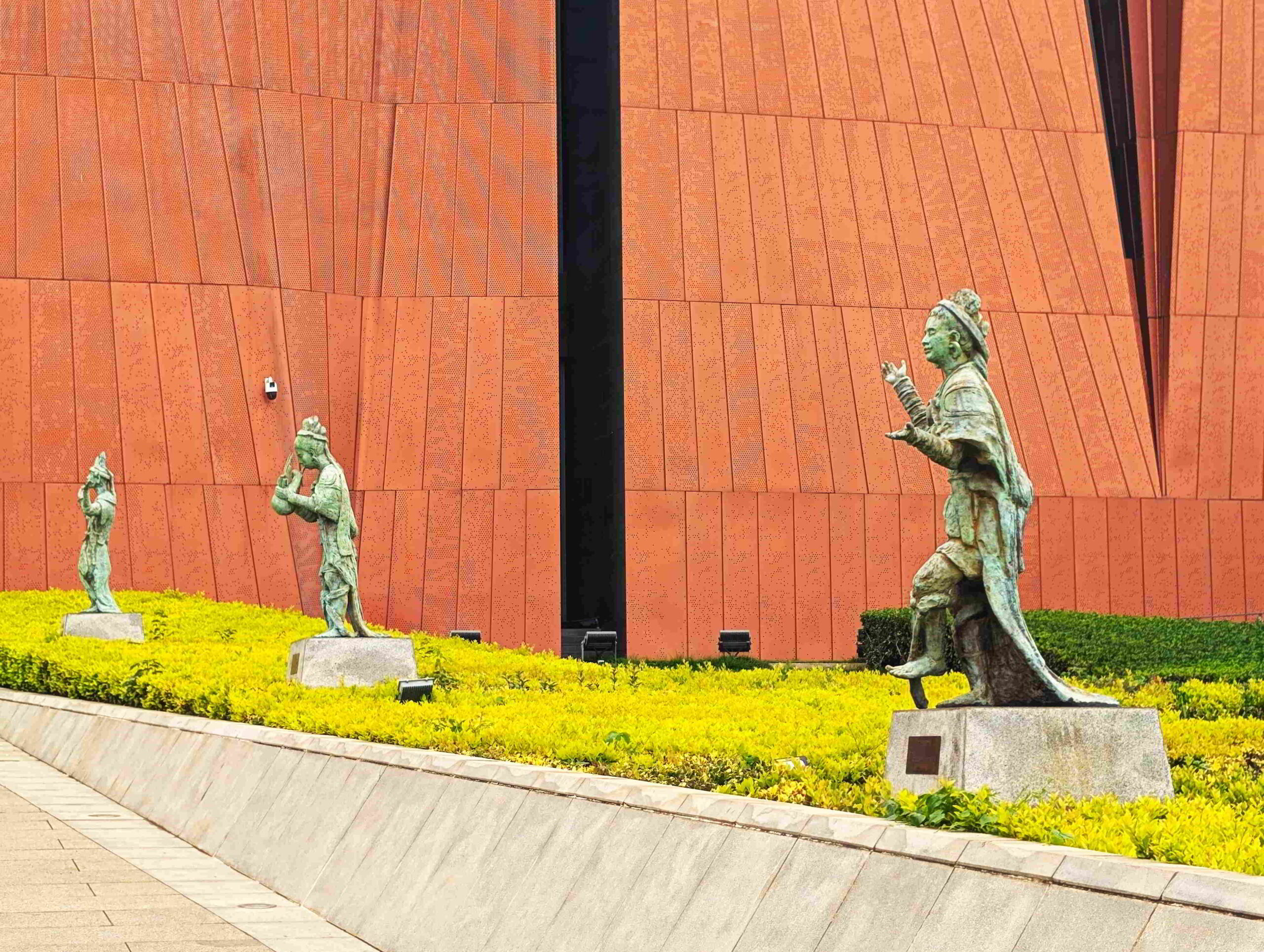
The Yunnan museum is clad in what appears to be enormous columns of reddish stone or wood panels, some of the columns angled to the side or inward, with narrow gaps between some of the columns revealing windows; the panels comprising each column are also angled in different directions, the entire composition somewhat inscrutable. Apparently, the exterior shape was inspired by the geological features of the Stone Forest of Yunnan. But then China is known for being at the cutting edge of outlandish gargantuan architectural projects — certainly over the years having proven to be a lucrative territory for the world’s starchitects.
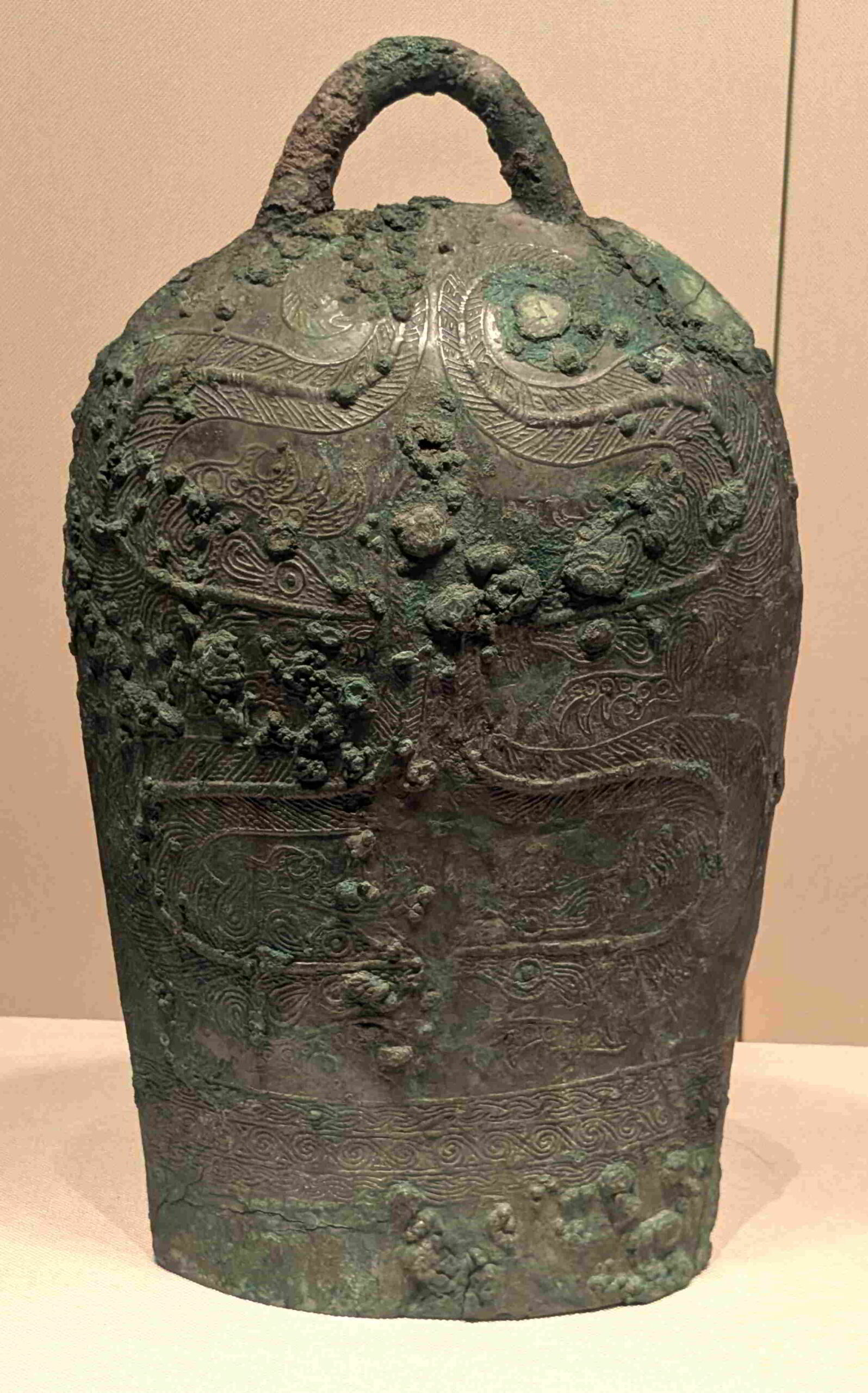
Kunming — Yunnan museum — Bronze Bell, Warring States Period
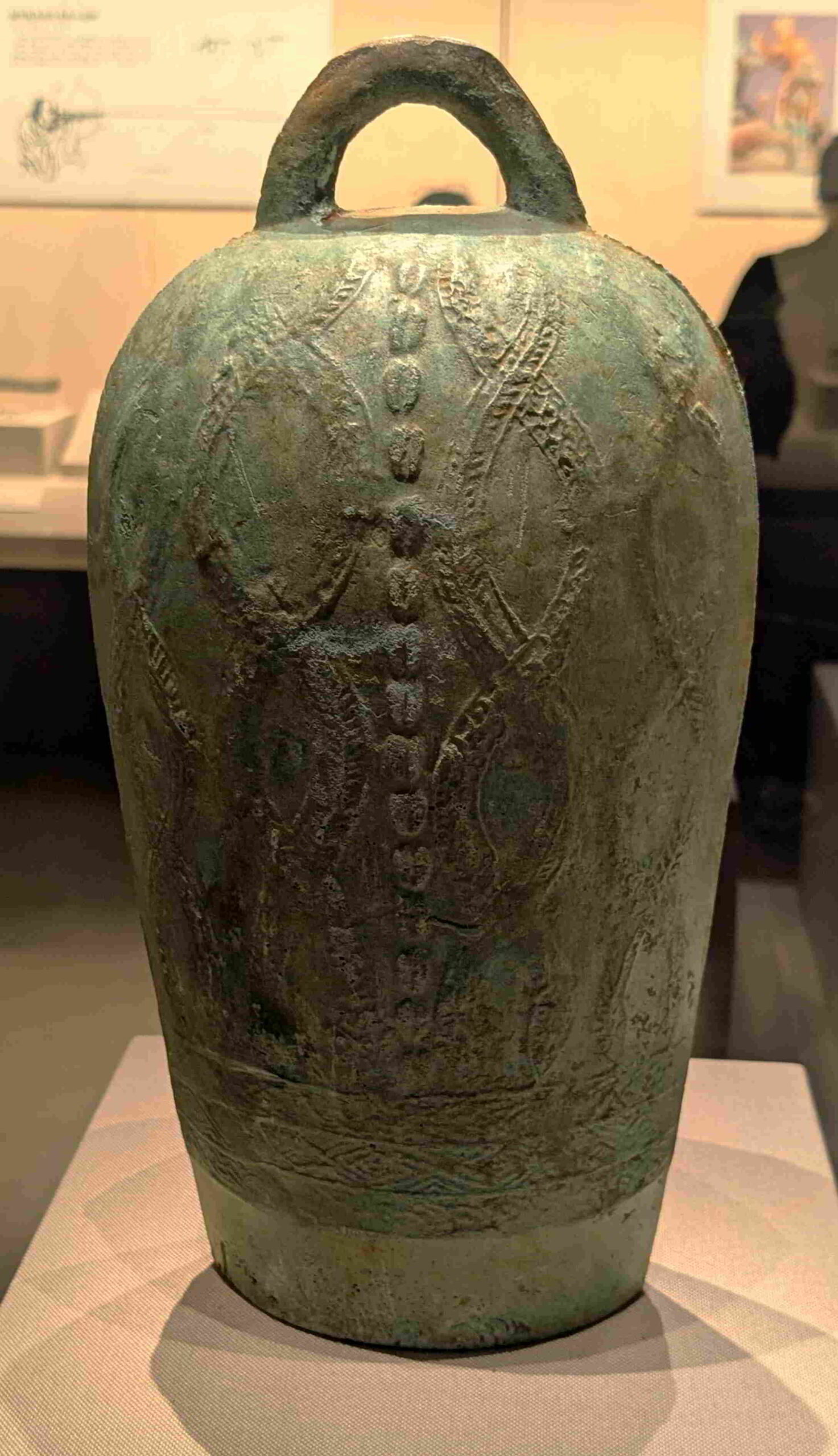
Kunming — Yunnan museum — Bronze Bell, Western Han Dynasty
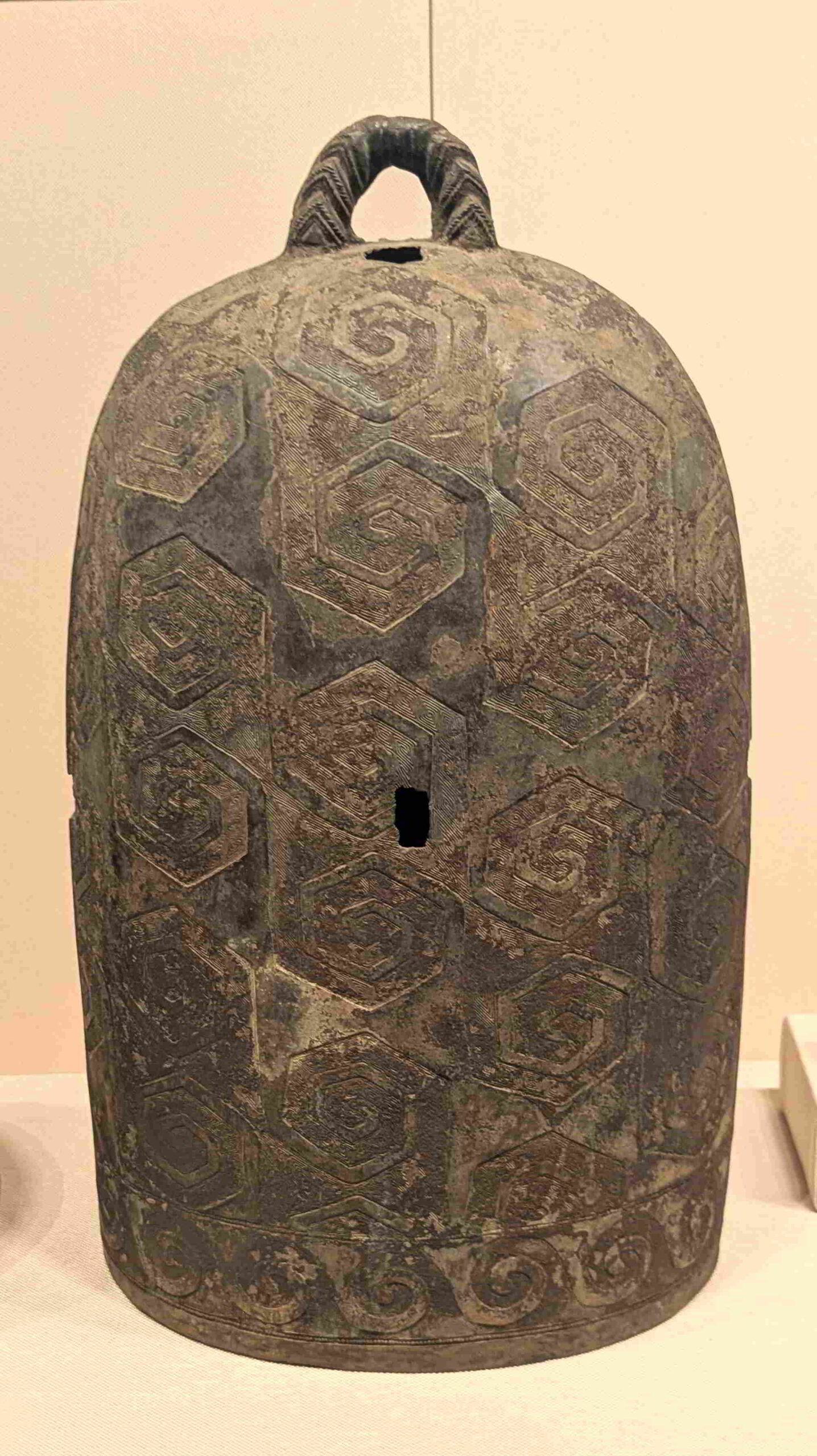
Kunming — Yunnan museum — Bronze Bell, Warring States Period
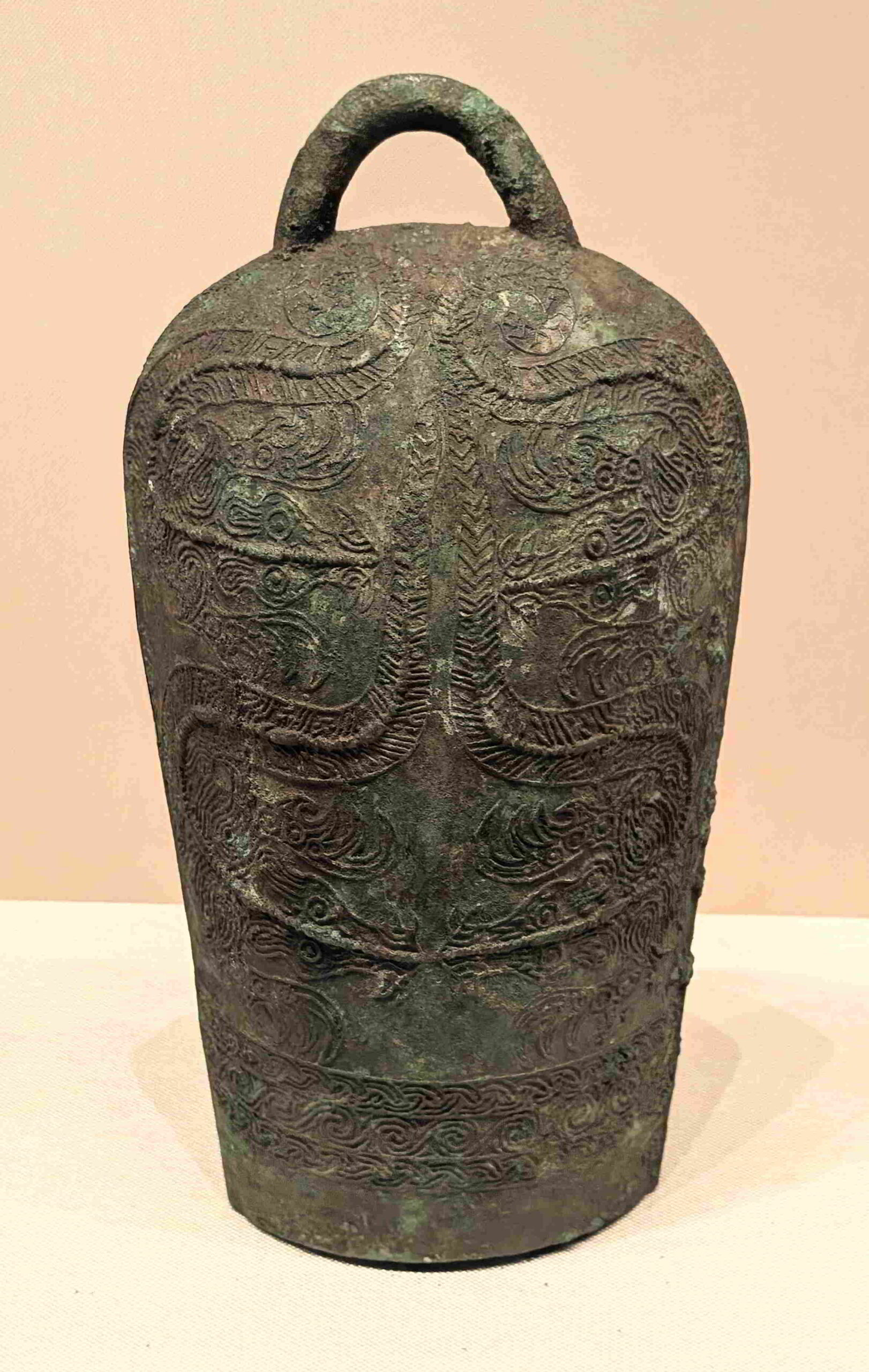
Kunming — Yunnan museum — Bronze Bell, Warring States Period
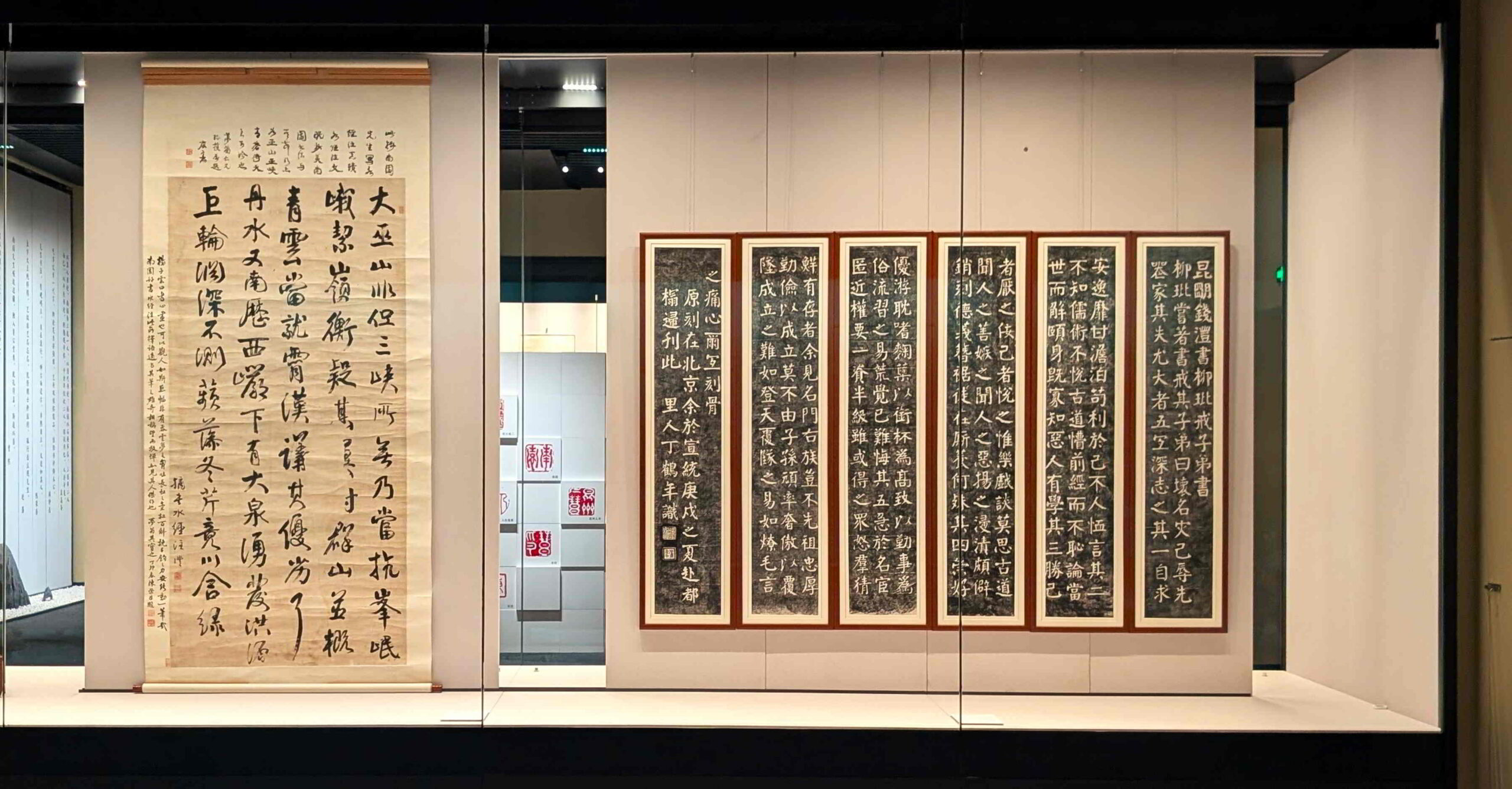
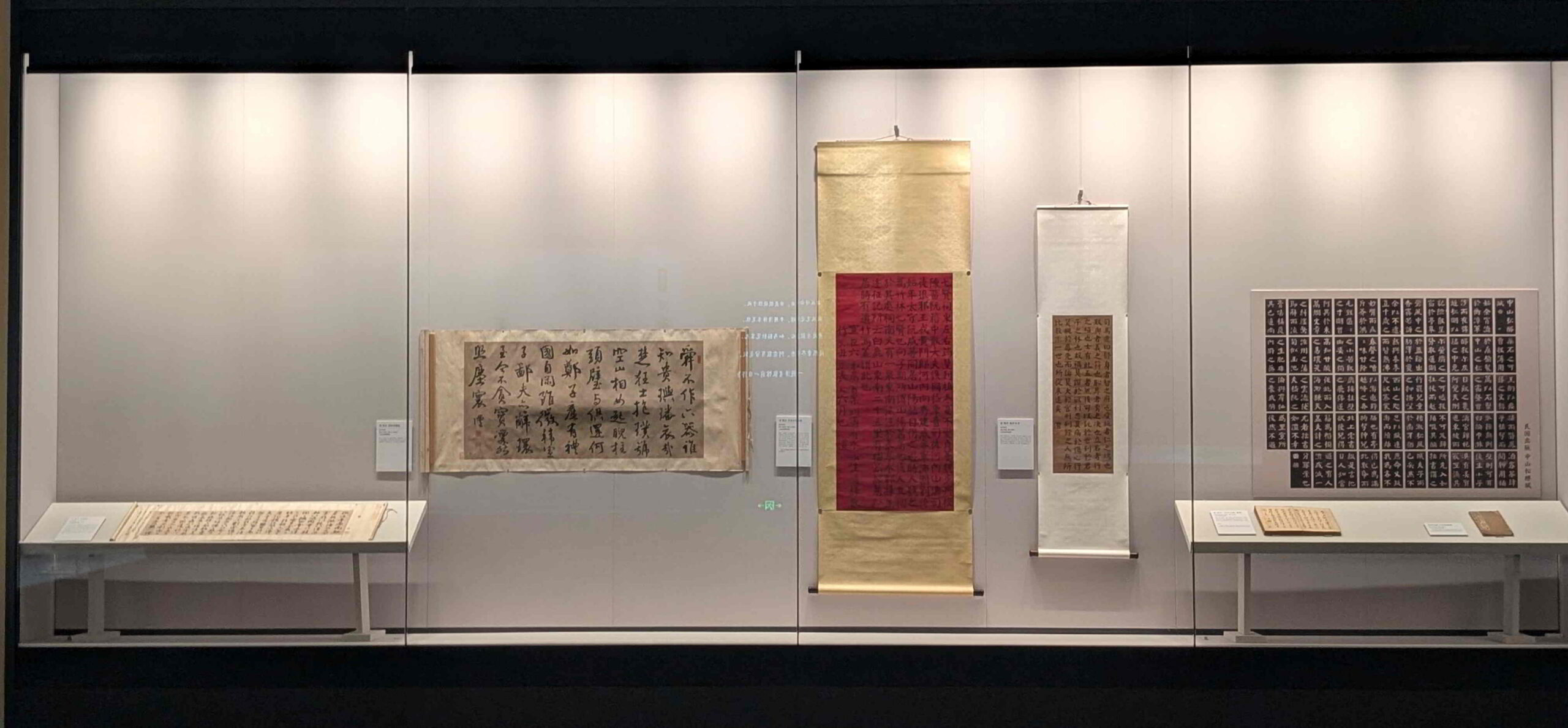
The museum holds a huge collection of artifacts, emphasizing local minority cultures in its exhibits, and featuring art from the Dali Kingdom (937 to 1253 AD) as well as other periods in Yunnan’s history. Yet, thanks to my stellar planning, and the earlier-than-expected closing time, I will only be able to focus on the collections that represent the greatest antiquity, that is, artifacts hearkening from the Warring States Period (475 – 221 BC), the Western Han Dynasty (206 BC – 8 AD), and the Eastern Han Dynasty (25-220AD), since these would the rarest pieces, and the least likely to be seen outside of east Asia. But for whatever I do manage to take in at the museum, I am incredibly thankful — there is simply no way I would be able to enjoy exposure to an exhibition of such stellar and ancient work elsewhere in the world.
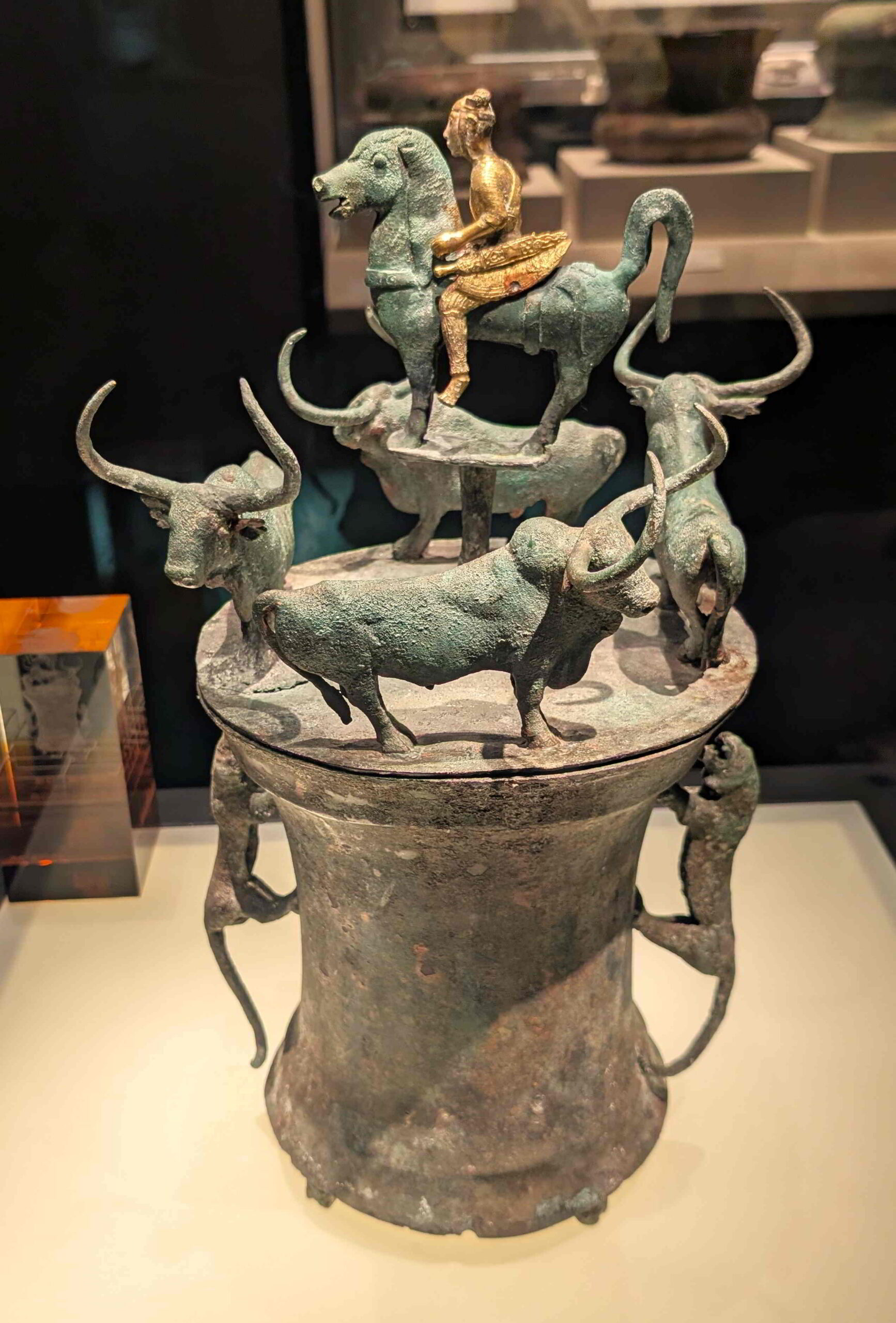
Kunming — Yunnan museum — Bronze Cowrie Container with Figurines of Gilt Horse Rider and Four Oxen, Western Han Dynasty
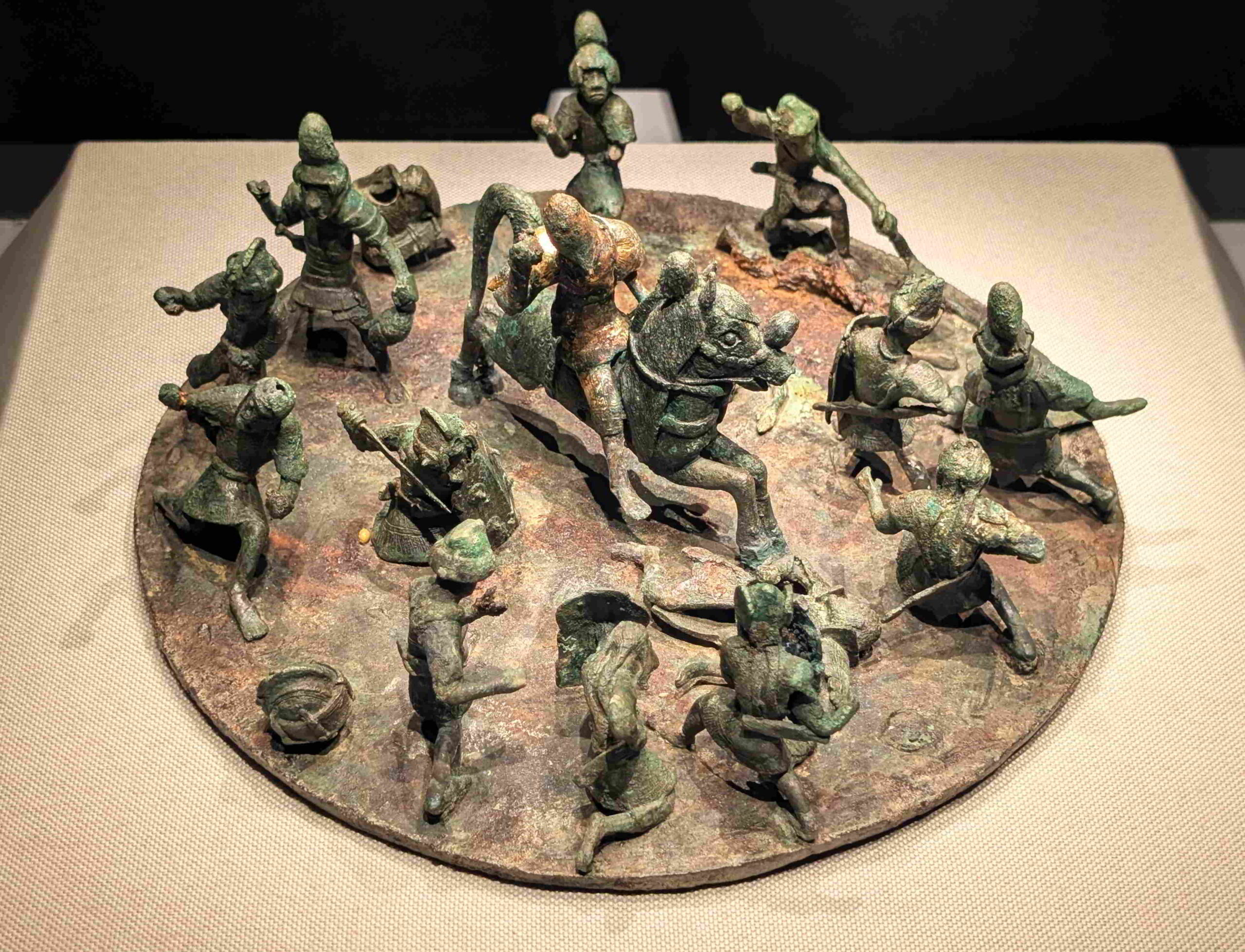
Kunming — Yunnan museum — Lid of Cowrie Container with Battle Scene, Western Han Dynasty
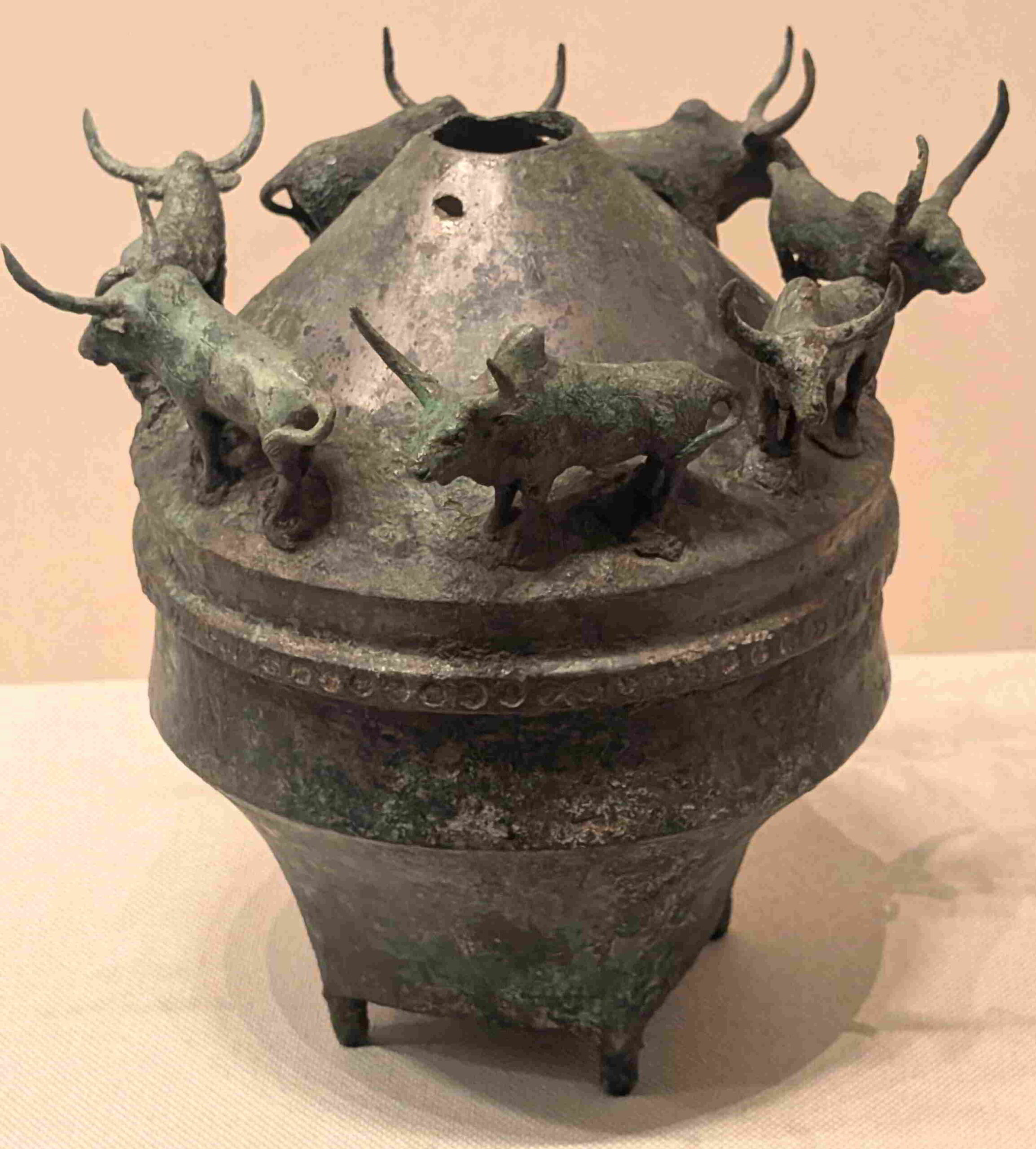
Kunming — Yunnan museum — Bronze Cowrie Container with Figurines of Seven Oxen, Warring States Period
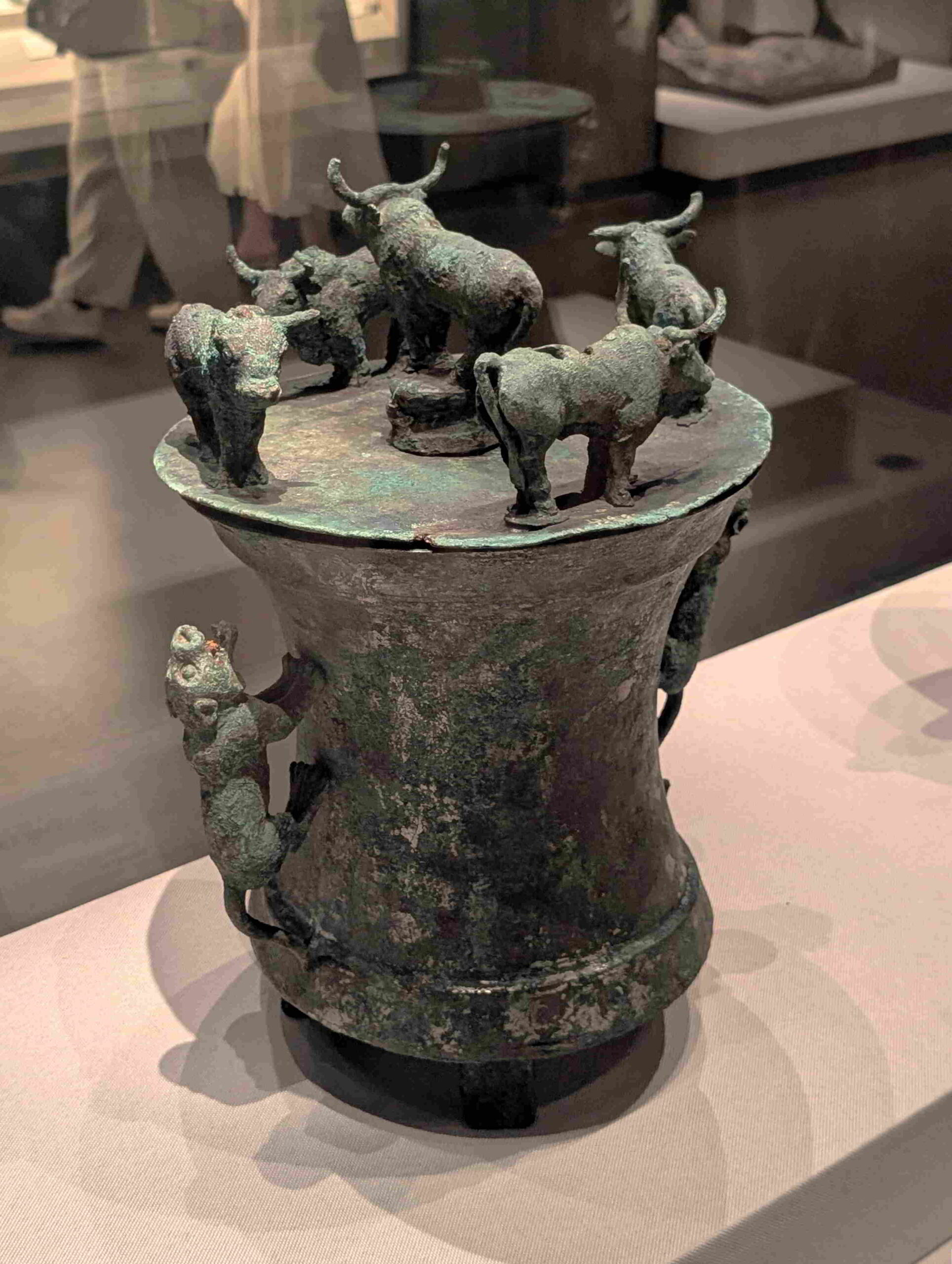
Kunming — Yunnan museum — Bronze Cowrie Container with the Figurines of Five Oxen, Western Han Dynasty
The Warring States period was a major era of political fragmentation, social transformation, and intense warfare in ancient China during the second half of the Eastern Zhou dynasty. Traditionally dated from 475 BCE (or 403 BC with the partition of the state of Jin) until the final unification under the Qin in 221 BC. Real power slipped away from the nominal Zhou king into the hands of seven dominant rival states: Qin, Chu, Qi, Yan, Han, Zhao, and Wei (known collectively as the Seven Warring States). In the ongoing conflict, chariots were replaced by massive conscripted peasant infantry armies, iron weaponry, and large-scale siege warfare, leading to high casualties.
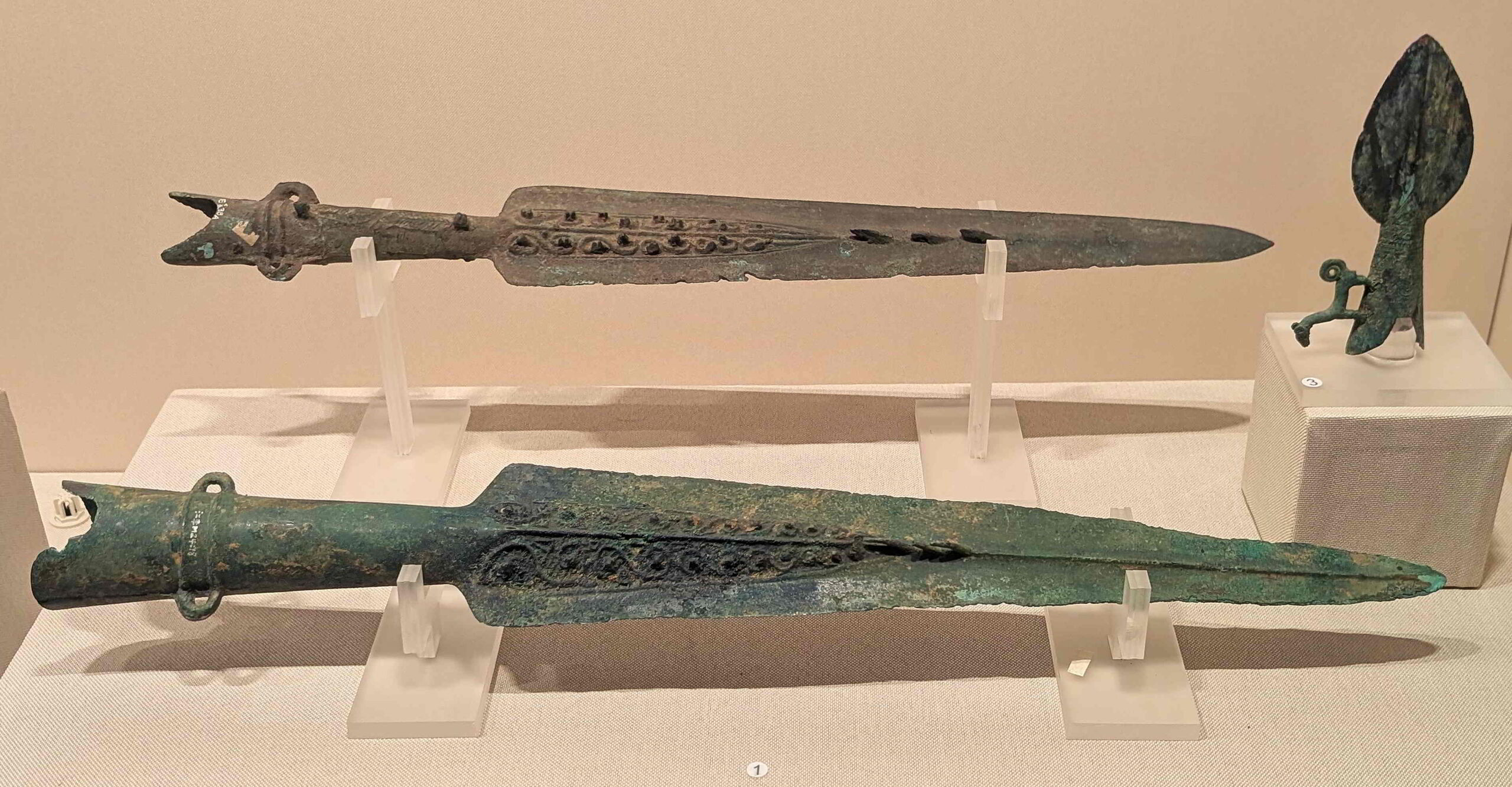
Kunming — Yunnan museum
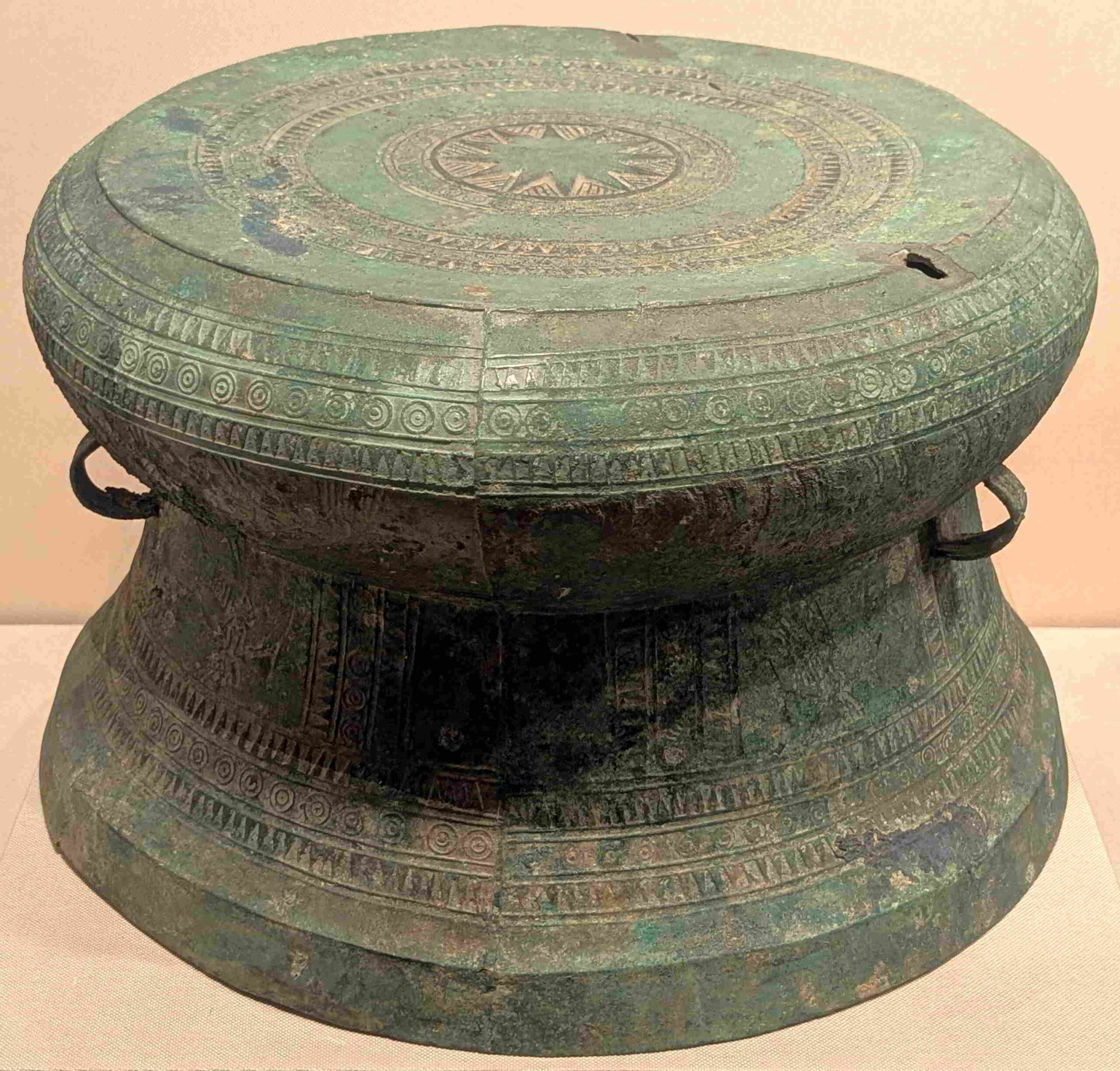
Kunming — Yunnan museum — Bronze Drum, Warring States Period
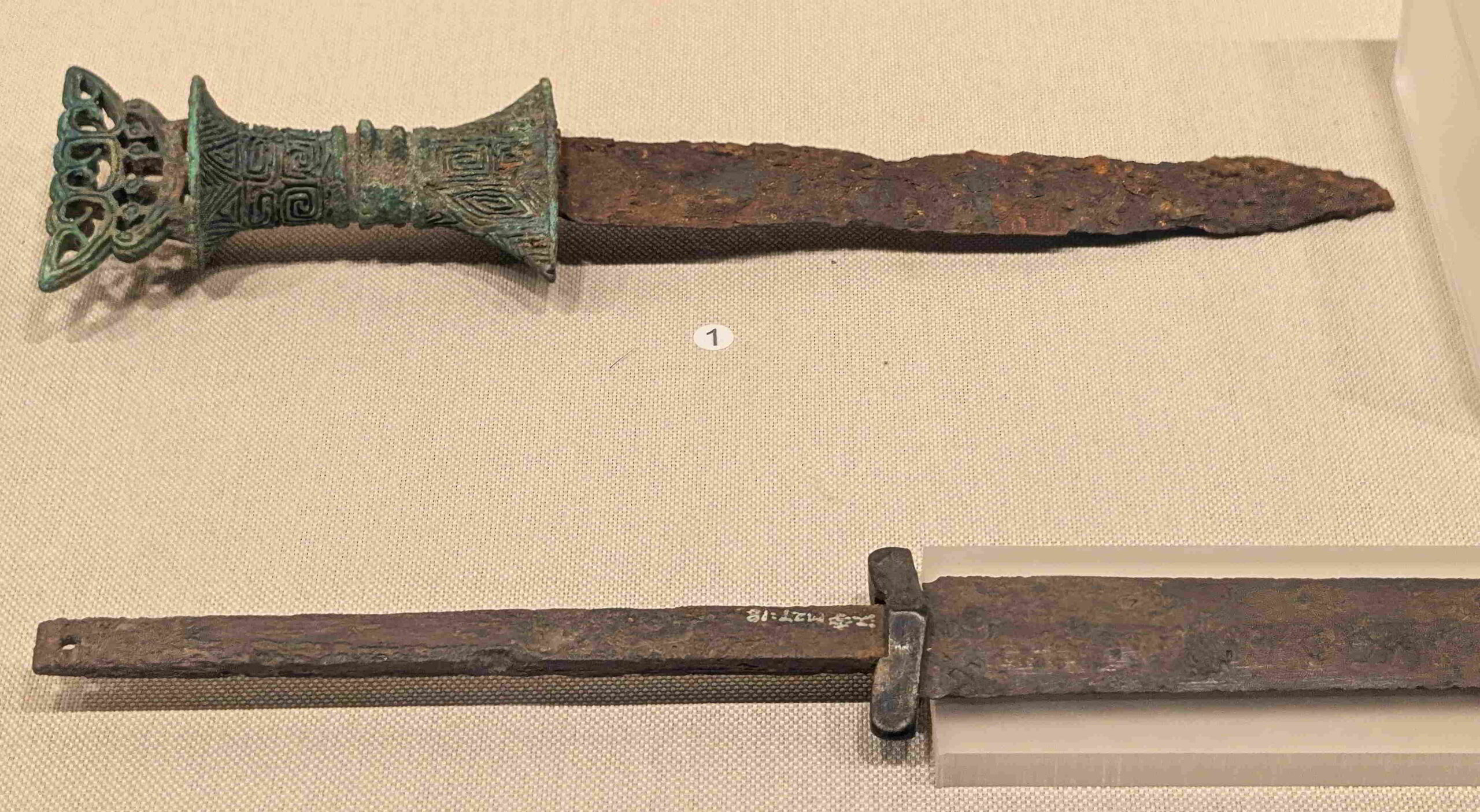
Kunming — Yunnan museum
States abandoned loose feudalism for centralized, bureaucratic control; notably, the State of Qin enacted strict Legalist reforms under Shang Yang in 356 BC, organizing society and the economy strictly for total war. Despite the violence, it was a golden age of Chinese philosophy. Intellectuals traveled between states to offer advice on statecraft, giving rise to Confucianism (Mencius, Xunzi), Legalism (Hanfeizi), Daoism, and military treatises like Sun Tzu’s “The Art of War”. (Google search)
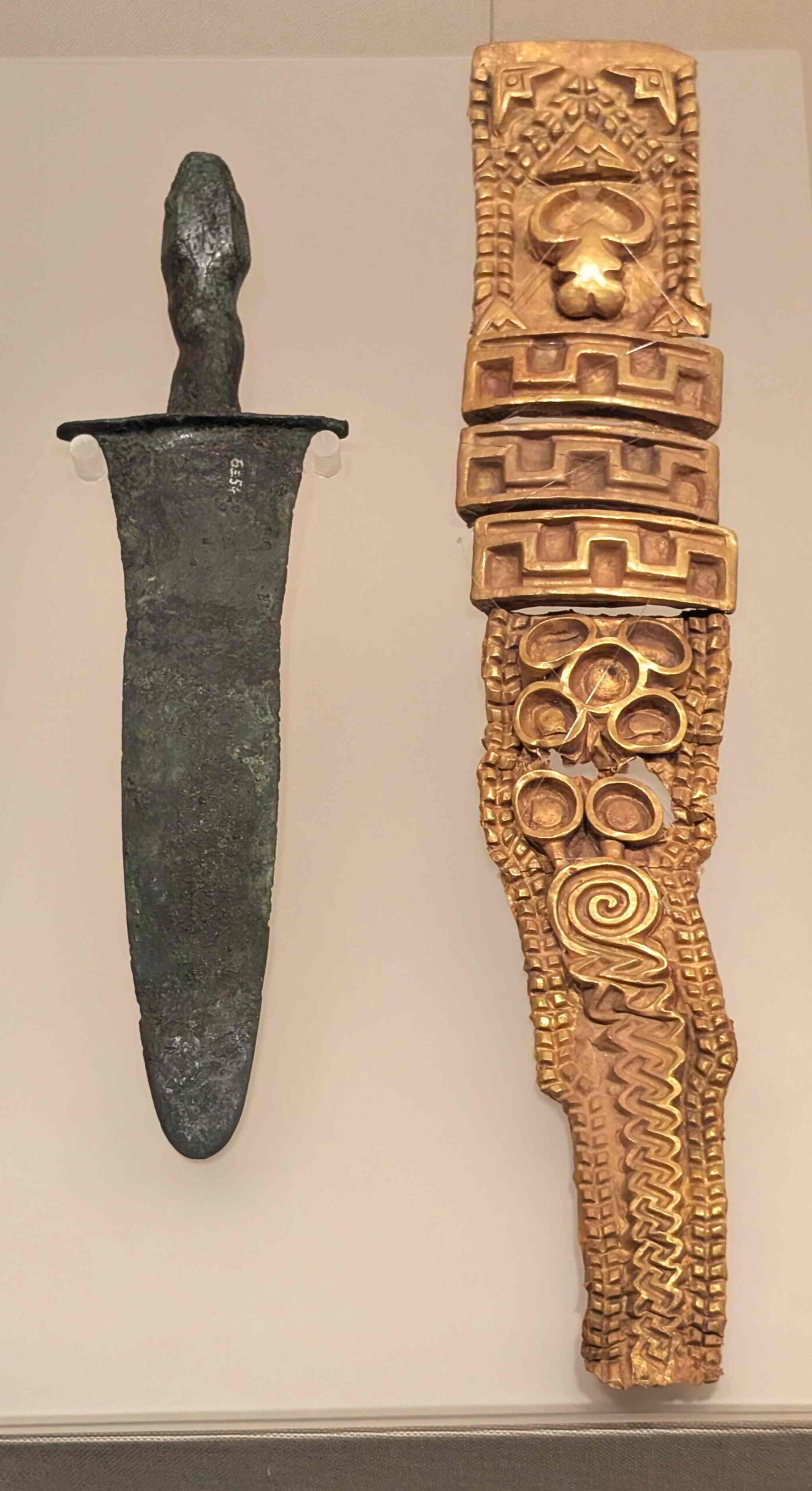
Kunming — Yunnan museum
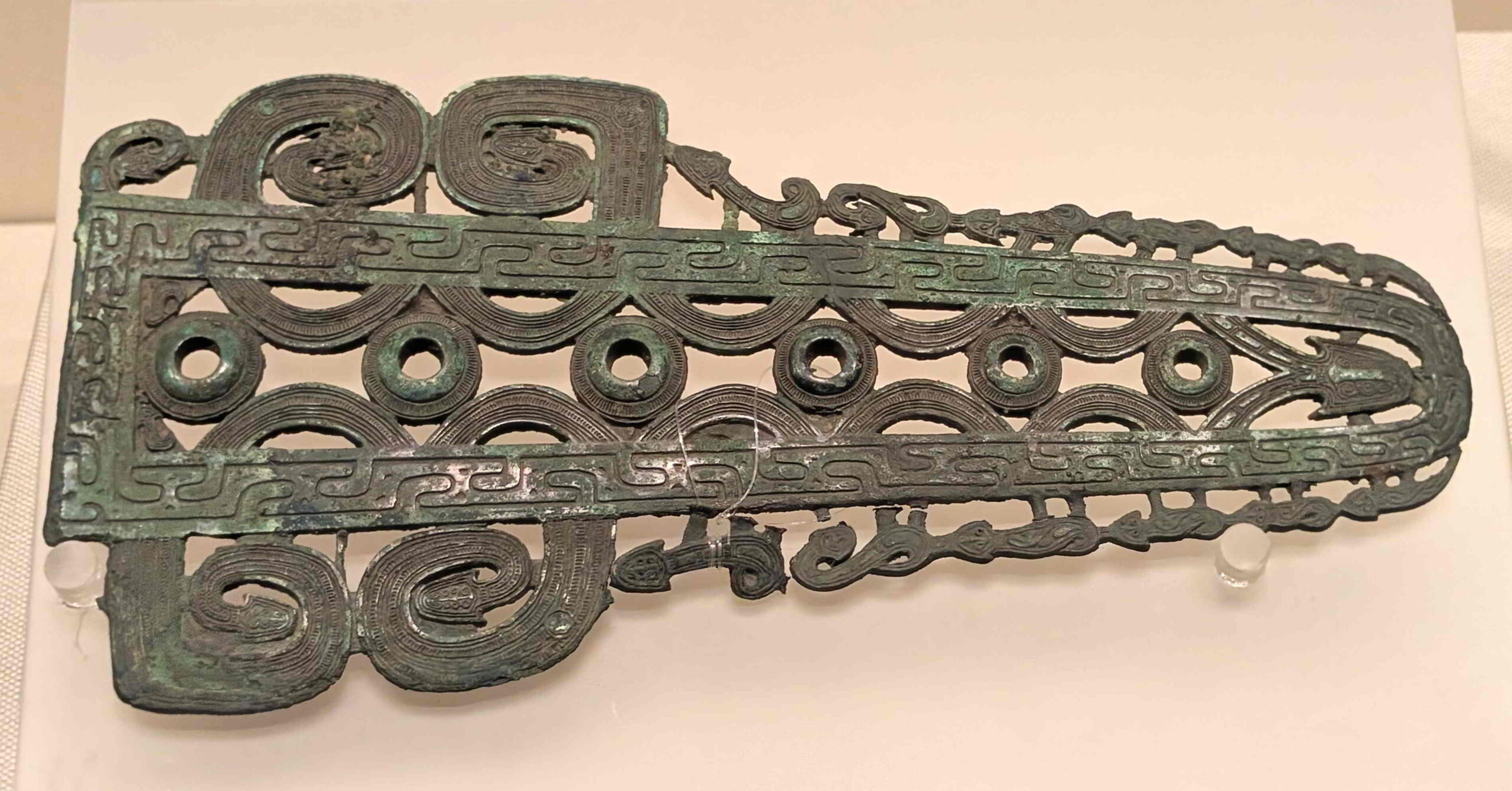
Kunming — Yunnan museum
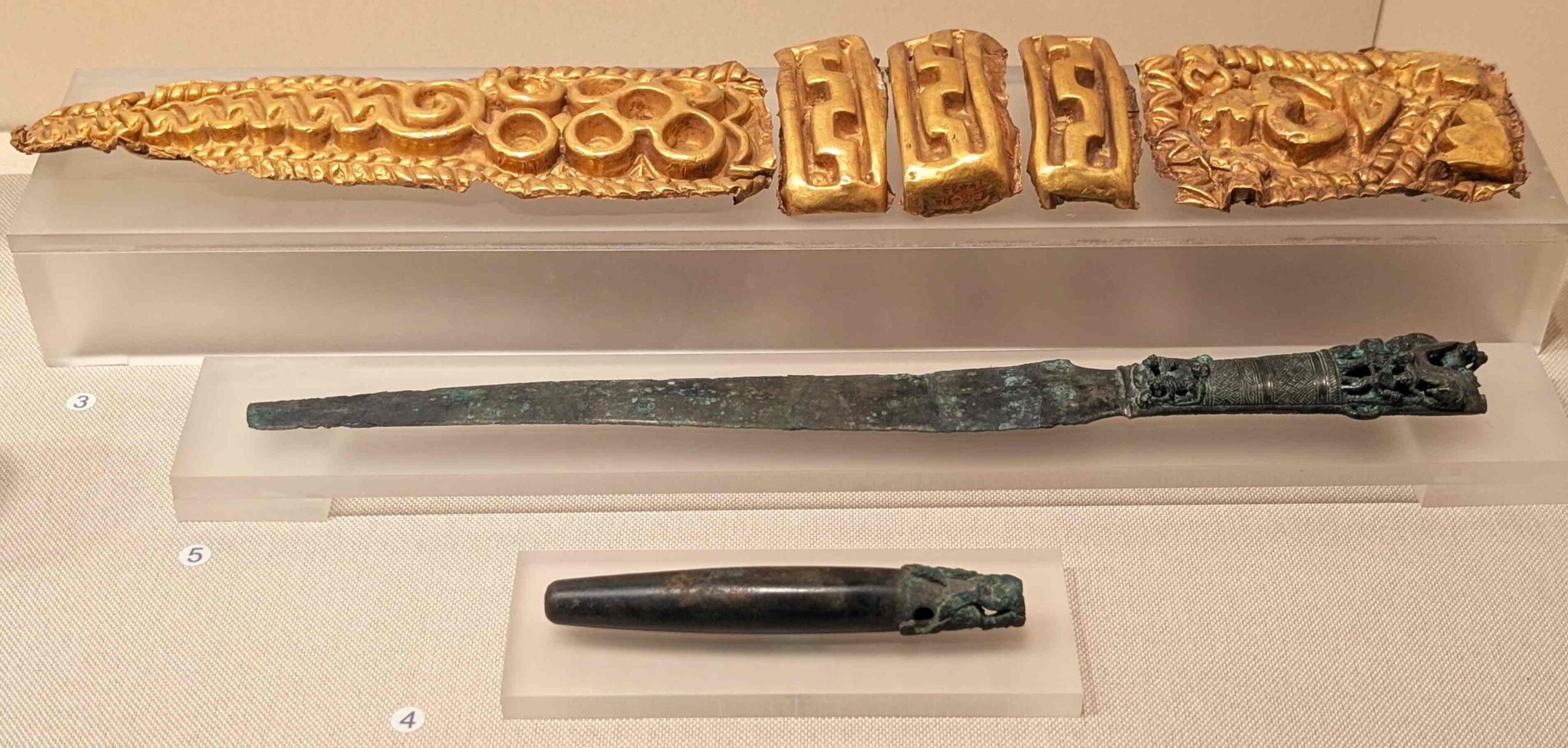
Kunming — Yunnan museum
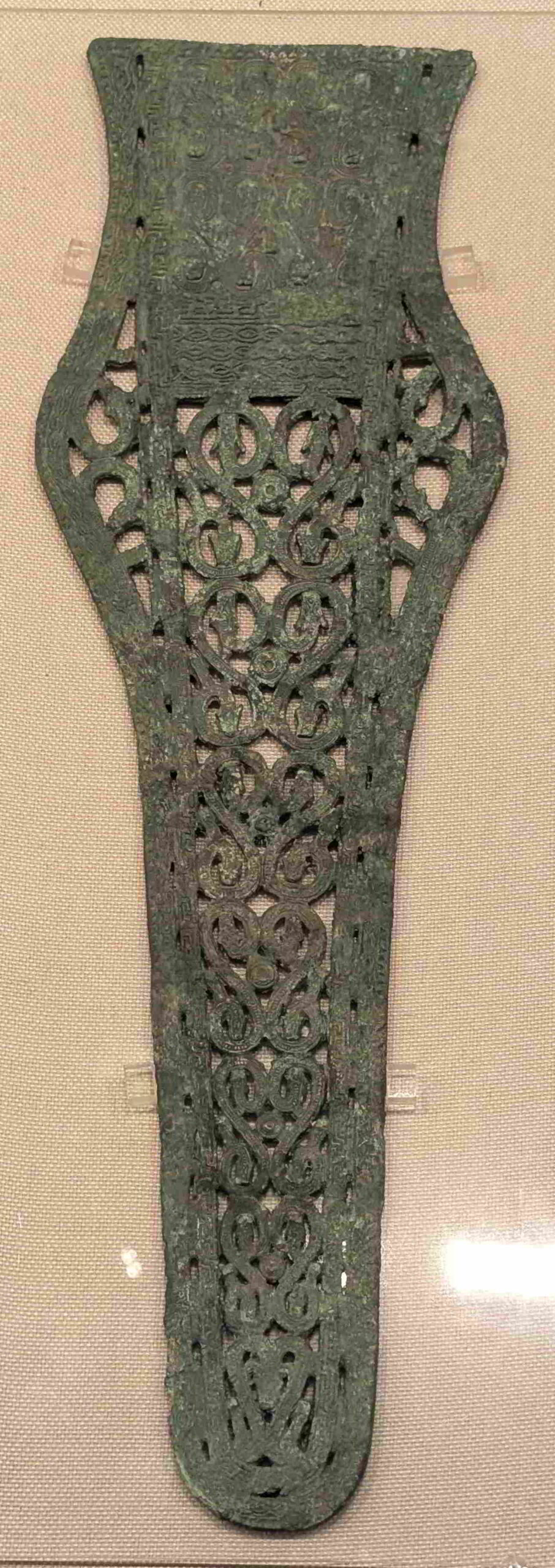
Kunming — Yunnan museum
The Western Han Dynasty (202 BC – 9 AD) was the first major era of the Han Dynasty, which established a golden age in Chinese imperial history. The dynasty was founded by Liu Bang in 202 BC after defeating Xiang Yu in the Chu–Han Contention. It combined a centralized bureaucratic model inherited from the Qin Dynasty with Confucian state ideology, imperial academies, and early periods of economic recovery under Huang-Lao Taoist principles. The dynasty reached a height of power under Emperor Wu (141–87 BC), who expanded military control into Central Asia, pushed back the Xiongnu nomadic confederation, and established the Silk Road. (Google search)
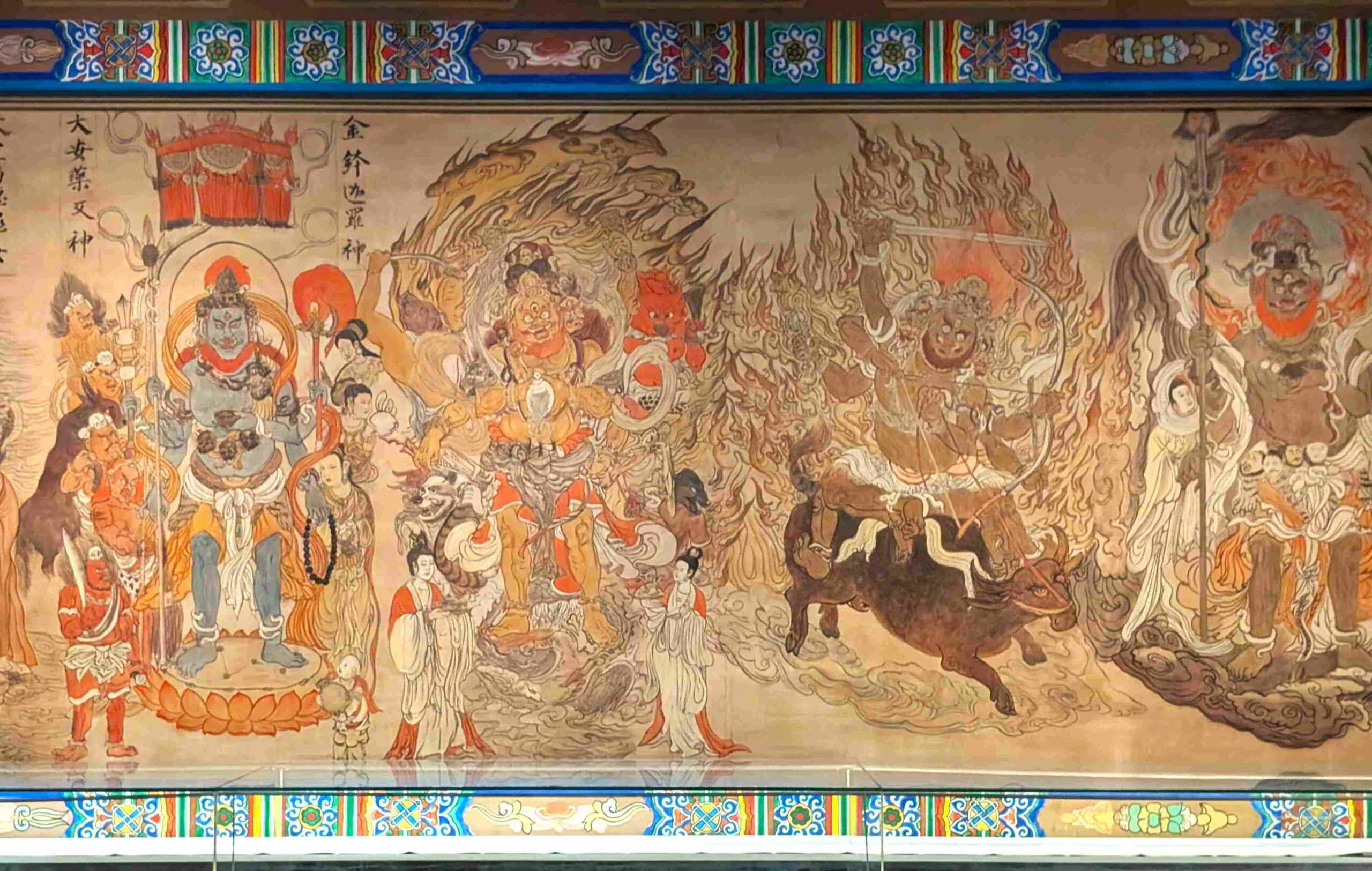
Kunming — Yunnan museum
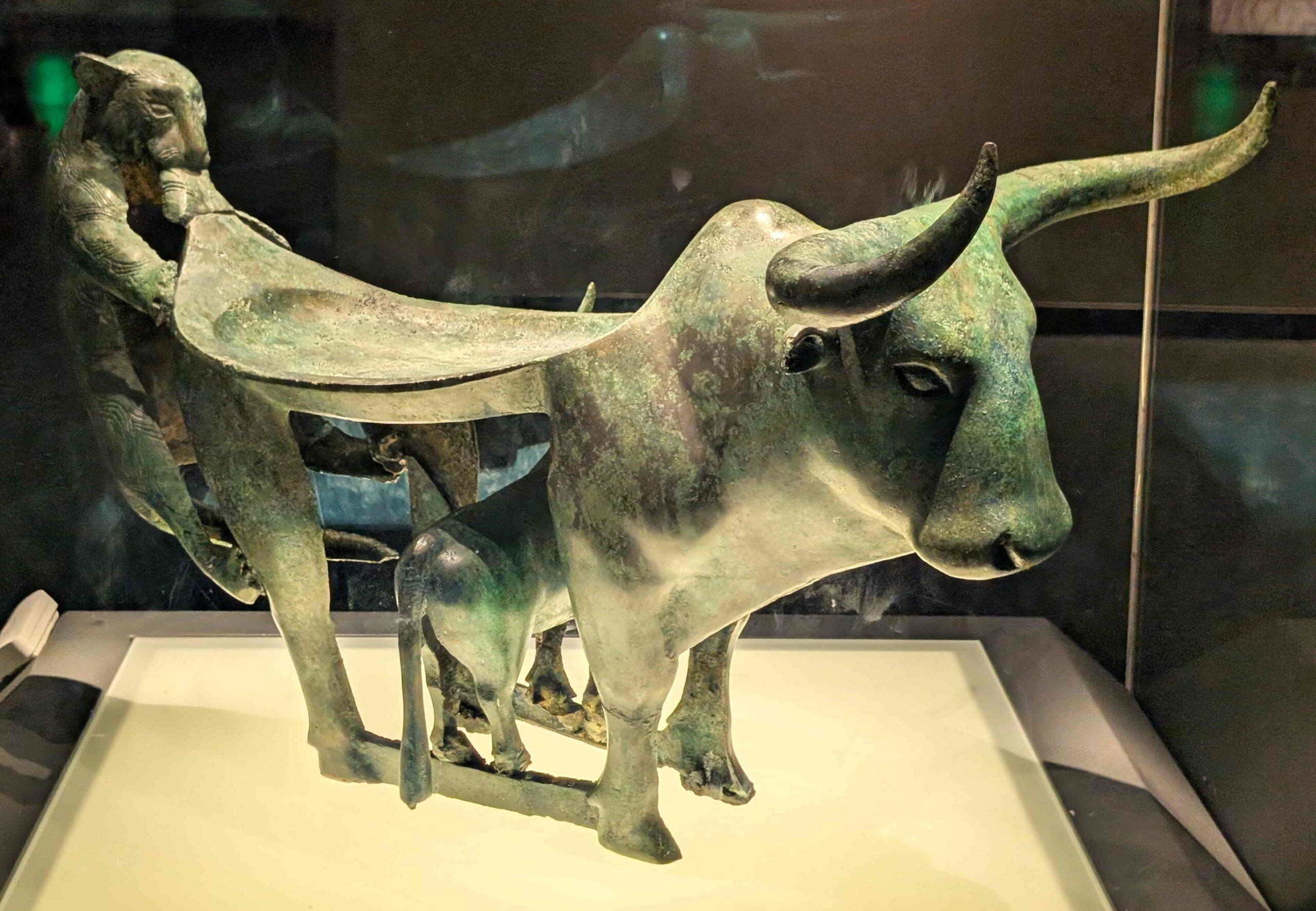
Kunming — Yunnan museum
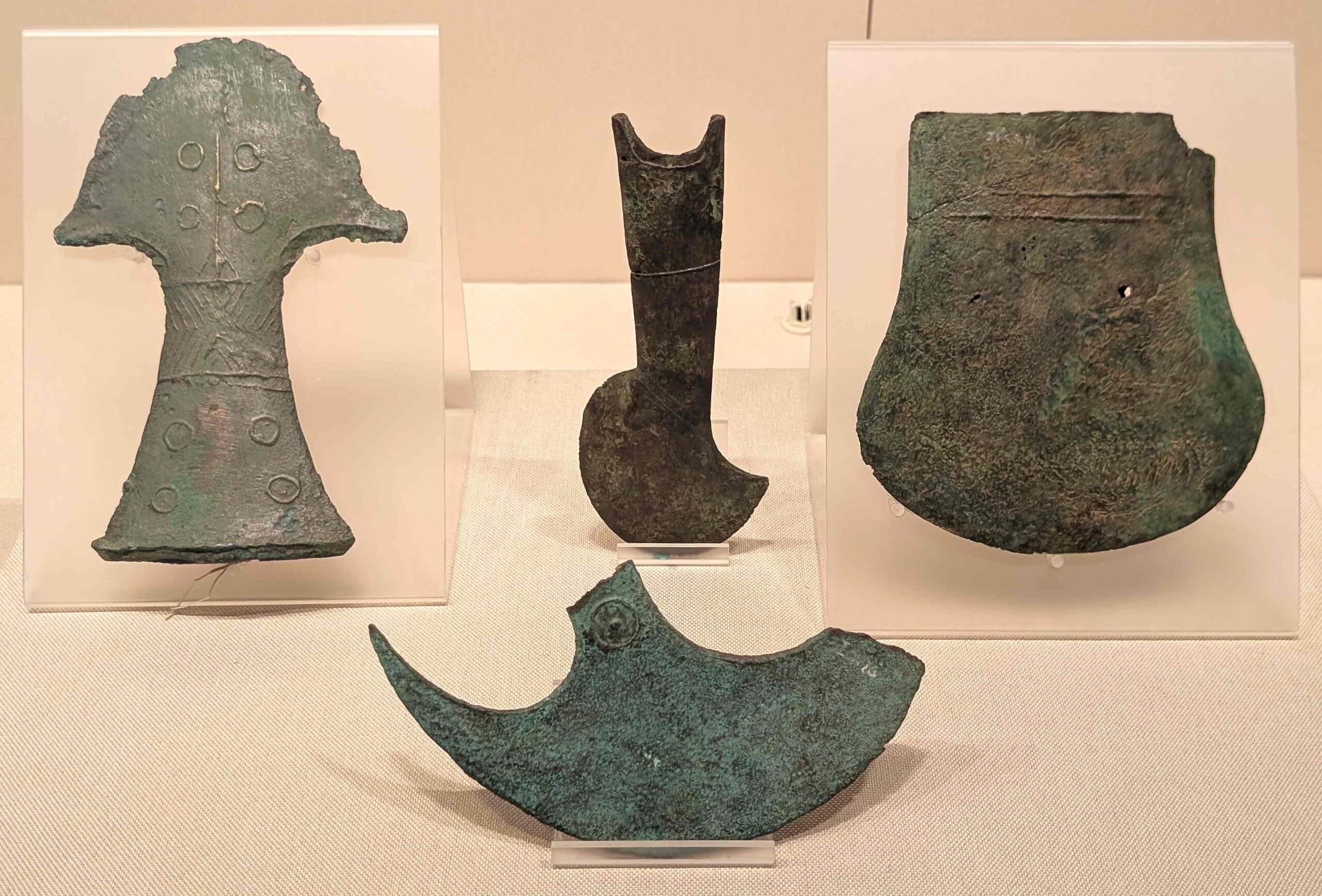
Kunming — Yunnan museum
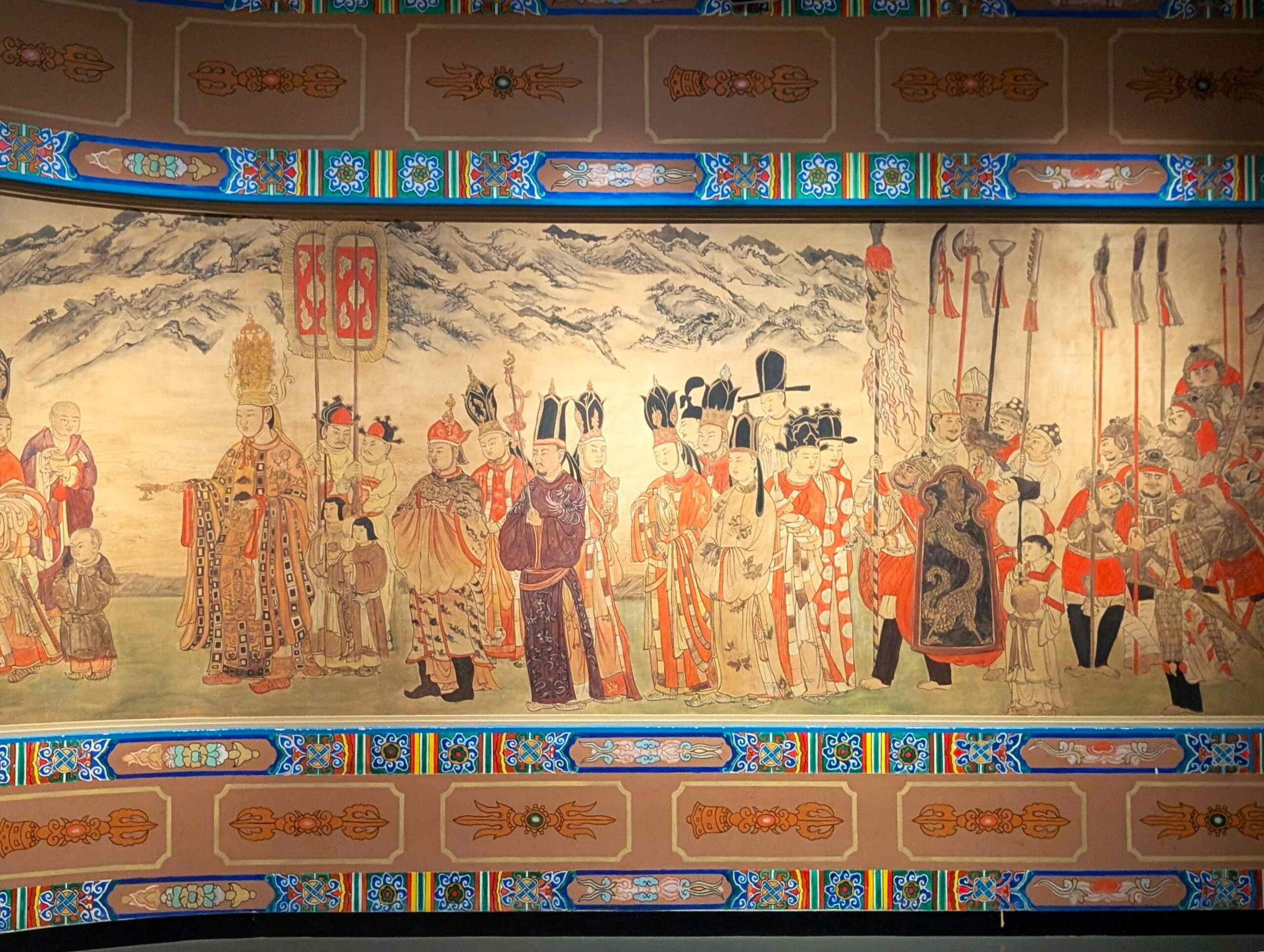
Kunming — Yunnan museum
The Eastern Han Dynasty (25–220 AD), also known as the Later Han, was the second major era of China’s Han Dynasty, following the interregnum of the Xin Dynasty. The dynasty was founded by Emperor Guangwu (Liu Xiu), who restored Han imperial rule after overthrowing the Xin Dynasty and regional rebels. In this period, Cai Lun revolutionized and popularized the manufacturing of paper, while Zhang Heng invented the world’s first seismograph and advanced astronomy and calendar-making. Cast iron production was also boosted using hydraulic-powered systems (designed by Du Shi). General Ban Chao reasserted control over parts of Central Asia, and the Silk Road continued to flourish, fostering cultural and commercial contacts as far west as the Roman Empire. Buddhism became increasingly established in China via trade routes, while Confucianism remained the state ideology. (Google search)
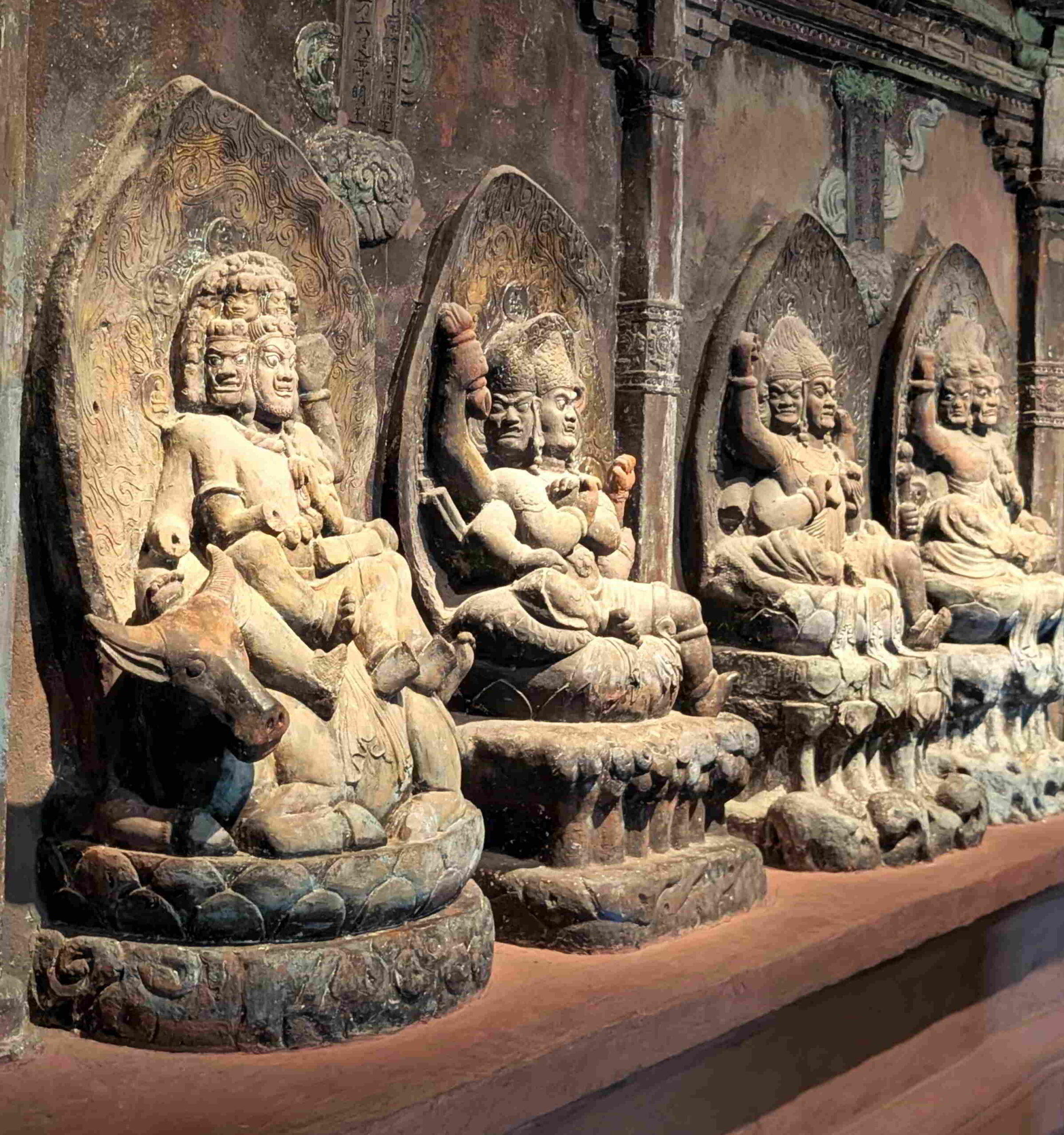
Kunming — Yunnan museum
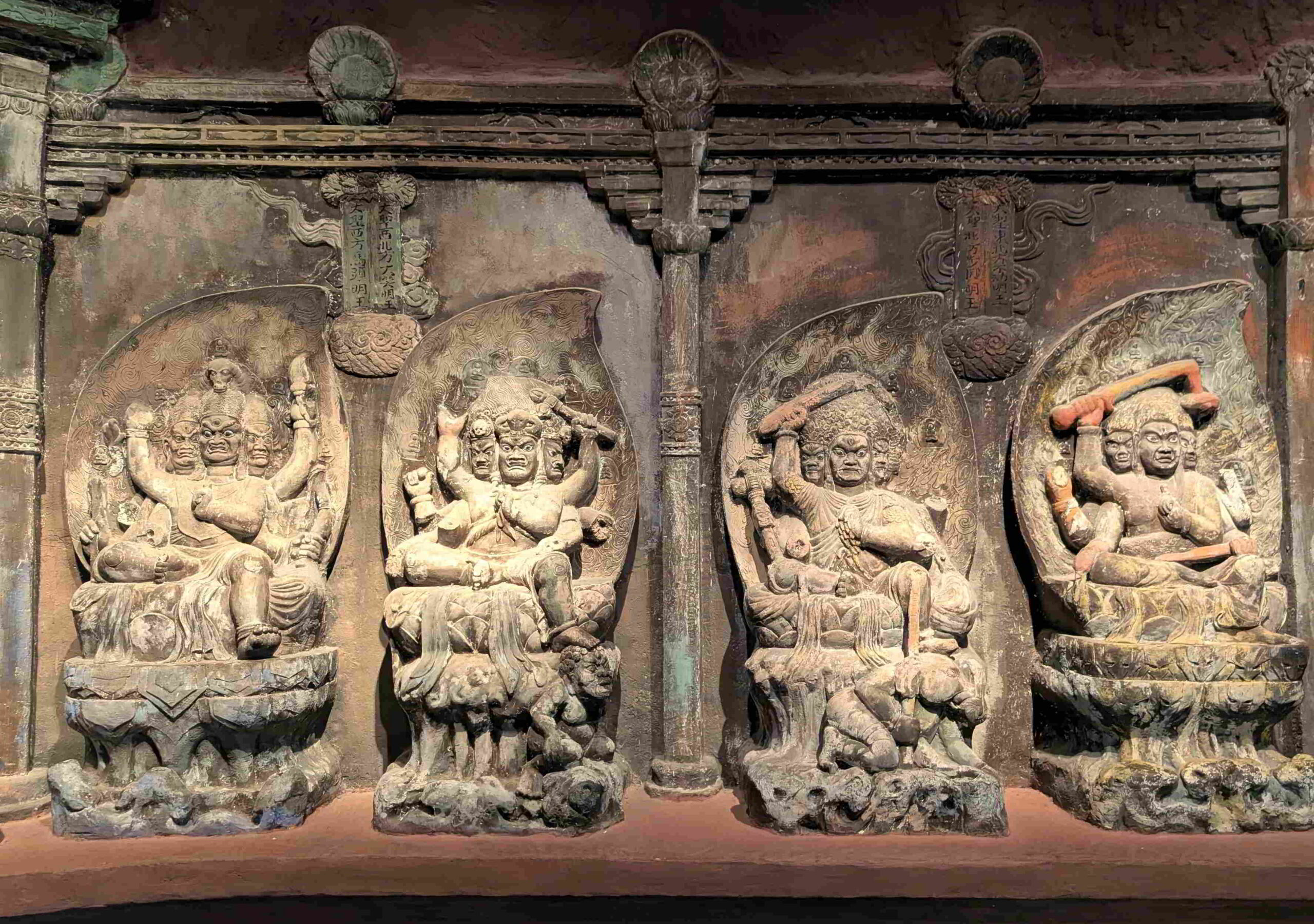
Kunming — Yunnan museum
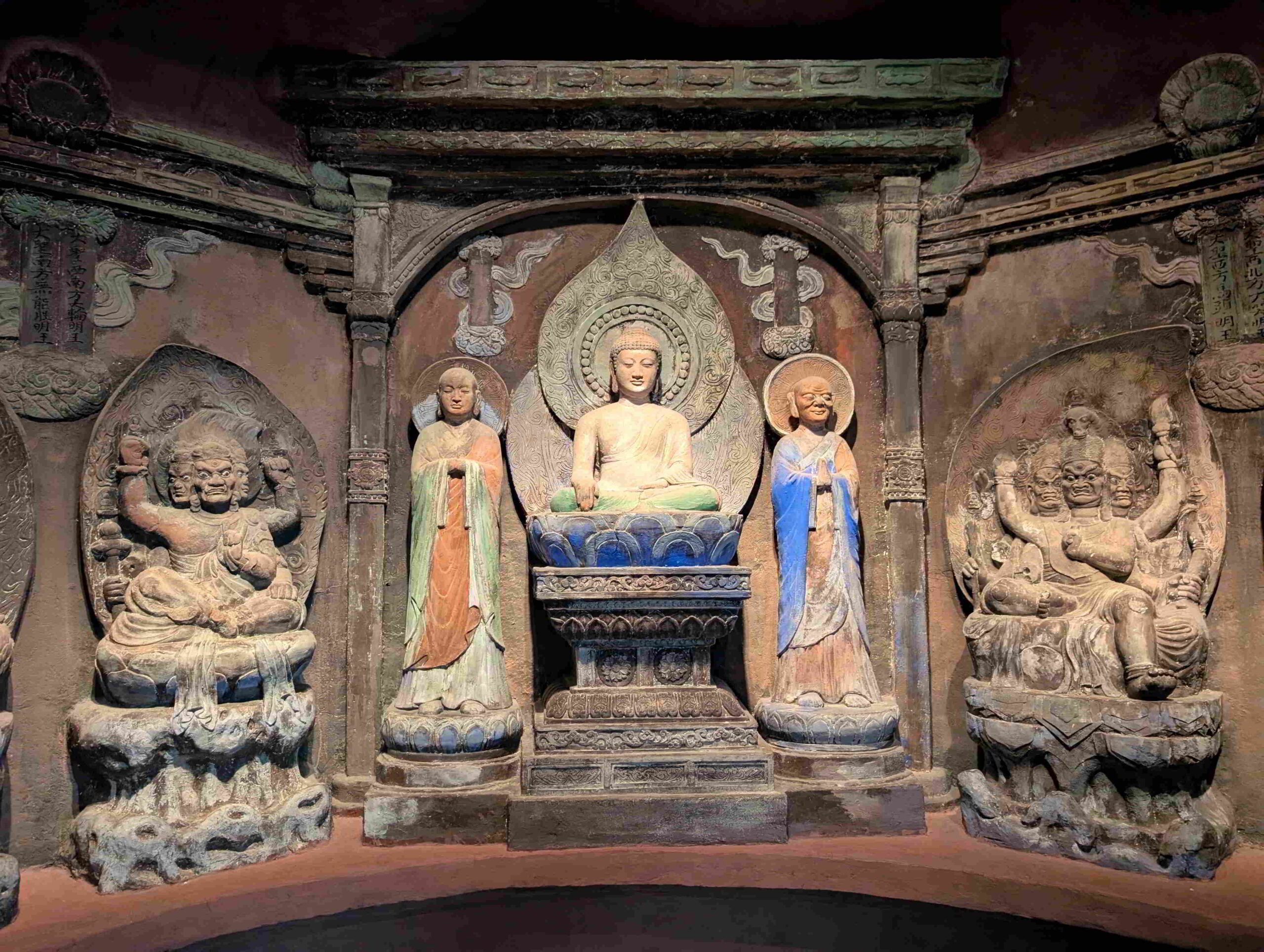
Kunming — Yunnan museum
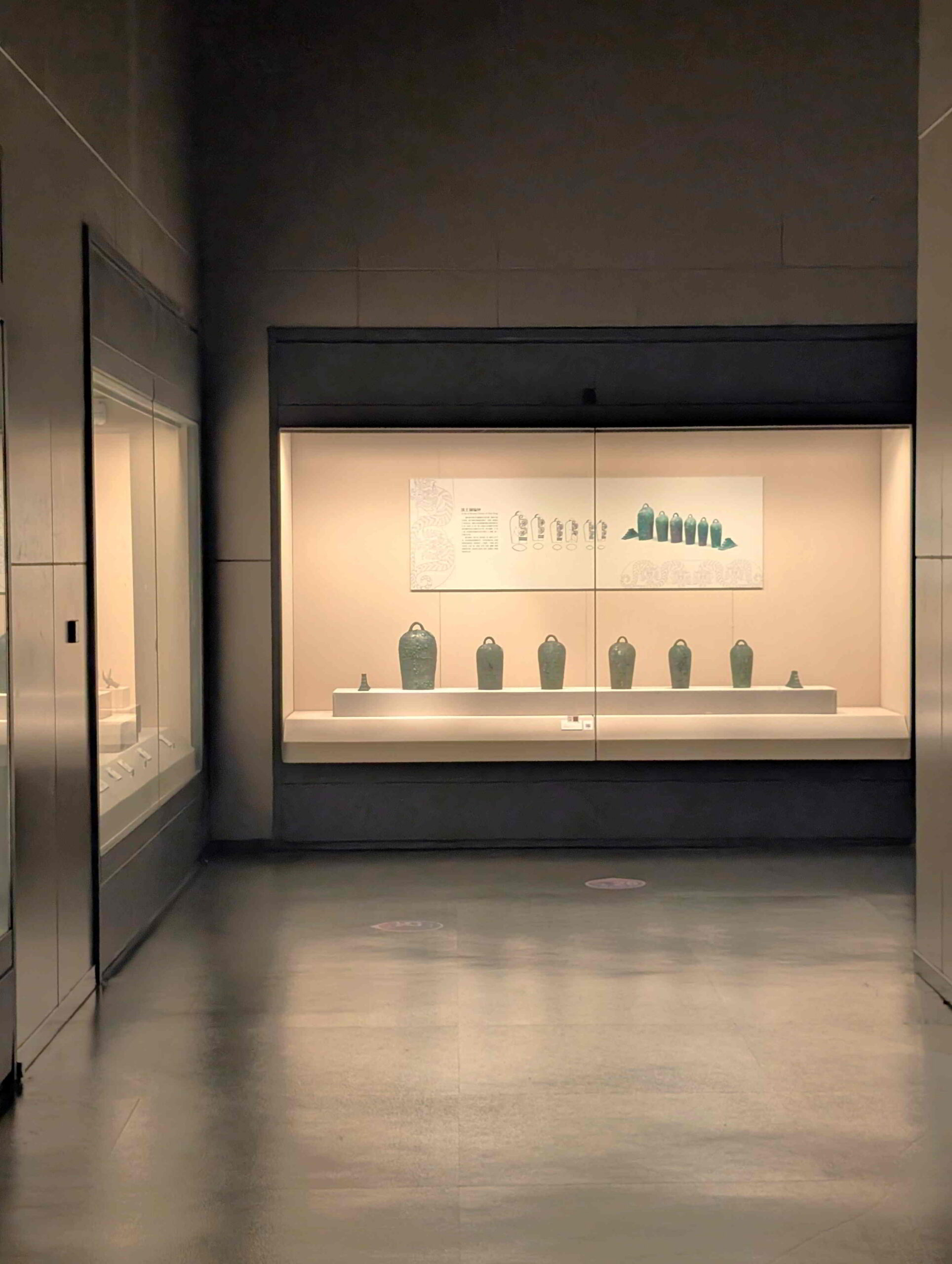
The work displayed from these periods is composed of metals and ceramics, and often exceedingly simple, restrained in form, utilitarian, and yet also quite stylish, for example, fluted copper urns. The manner in which seemingly utilitarian objects have been inflected with subtle aesthetic touches, albeit embellishments that may have underlying sacramental meaning. The designs of bells and drums in particular are instructive, the shapes essentially simple, slightly fluted, and yet with surfaces embellished with elaborate, elegant repoussé designs, replete with interwoven or linear symmetrical beaded bands or regularly-spaced identical medallions.
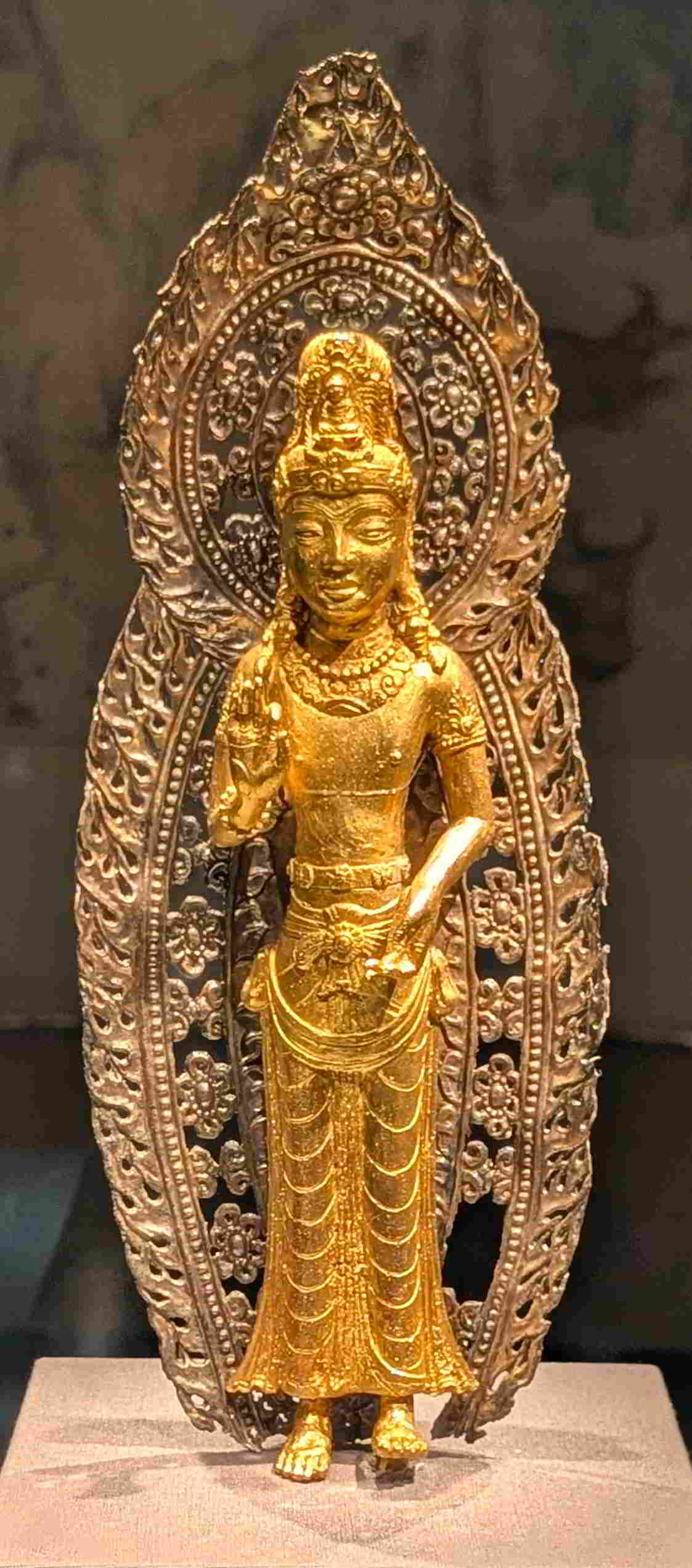
Kunming — Yunnan museum
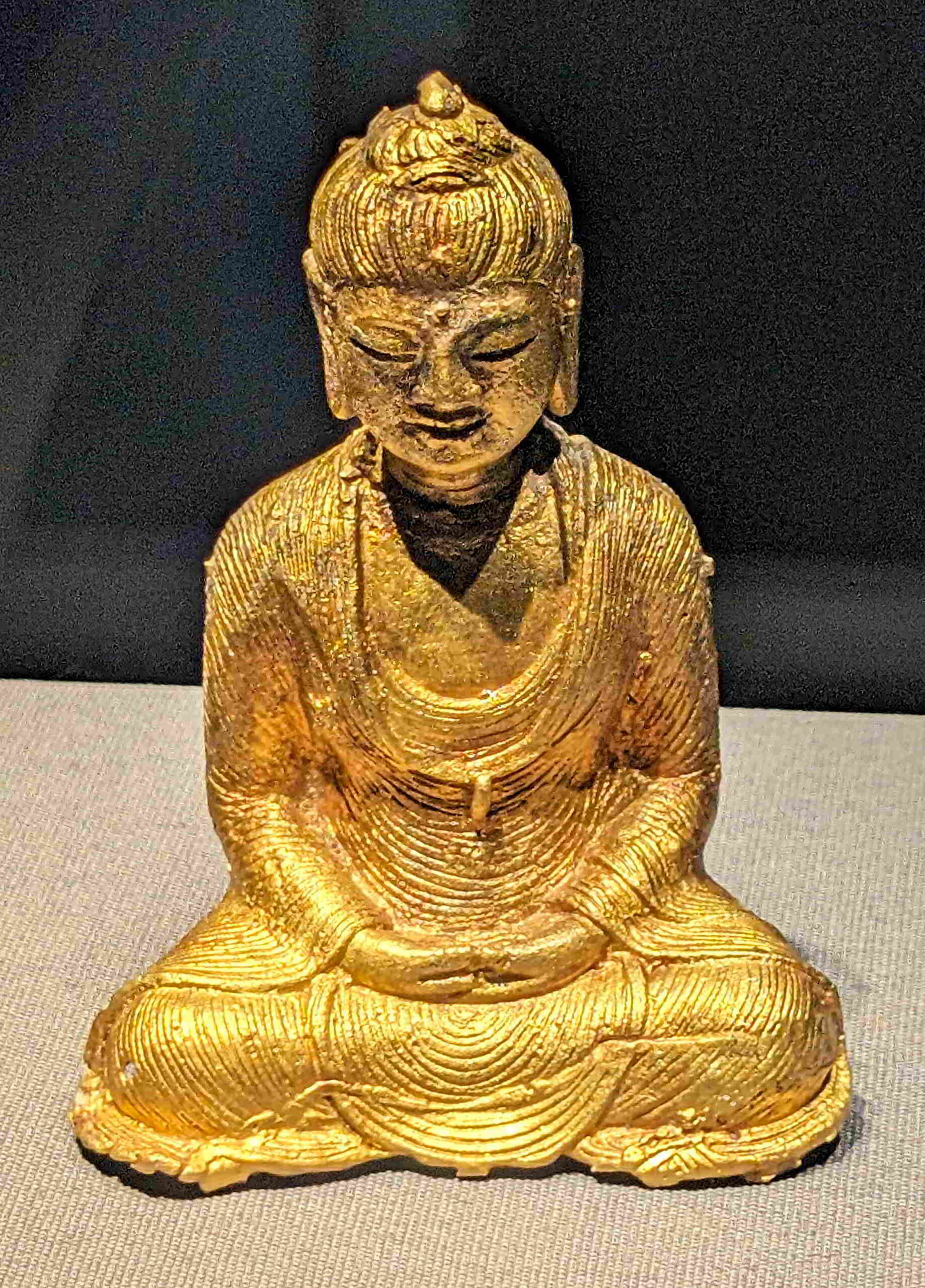
Kunming — Yunnan museum
Kunming — Yunnan museum
Kunming — Yunnan museum
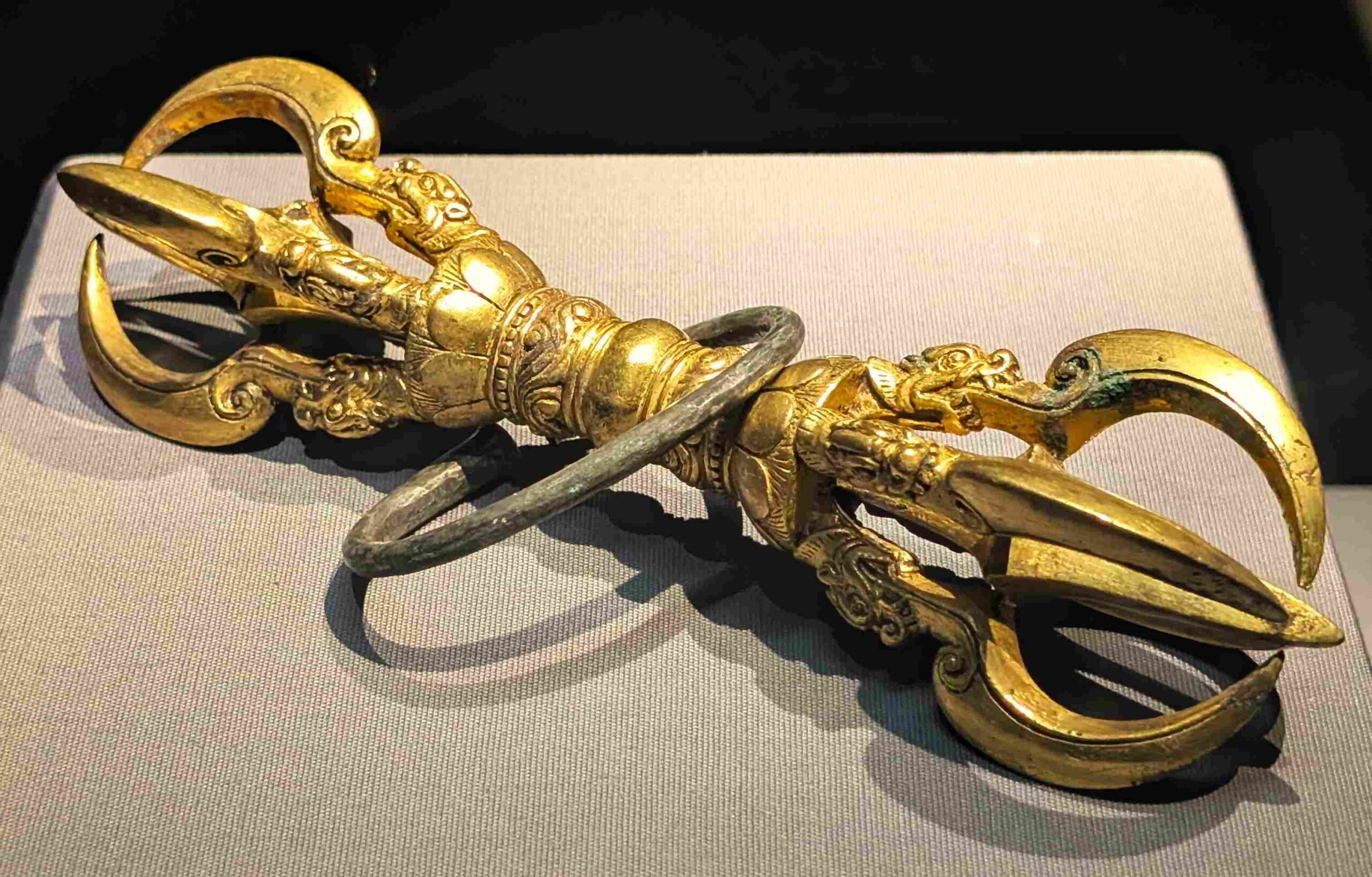
The elaborate geometric styling of sword hilts reveals an exceptional degree of aesthetic sophistication that was drawn upon, almost two millennia in the past. The bulk of the workmanship is found in the grips and the scabbards, rather than the blades, of which there are different shapes and sizes, presumably reflecting their purpose. But there are some exceptions, such as the bronze spears from the Western Han dynasty with repoussé beading threaded along the centre of the blade. The sheaths on display are most unusual, featuring elaborate geometric sculptural work, and often made with gold.
Kunming — Yunnan museum
Kunming — Yunnan museum
Kunming — Yunnan museum
Buckles dating back two millennia reflect an astonishing degree of imagination and whimsy, and composed of the interwoven bodies of real or mythical animals, hunting scenes, human gatherings, and in one case even a cutout of a multi-level house with an elaborate domestic scene, with a level of detail whose justification seems elusive, certainly for artifacts created some two thousand years ago.
Kunming — Yunnan museum
Kunming — Yunnan museum
Kunming — Yunnan museum
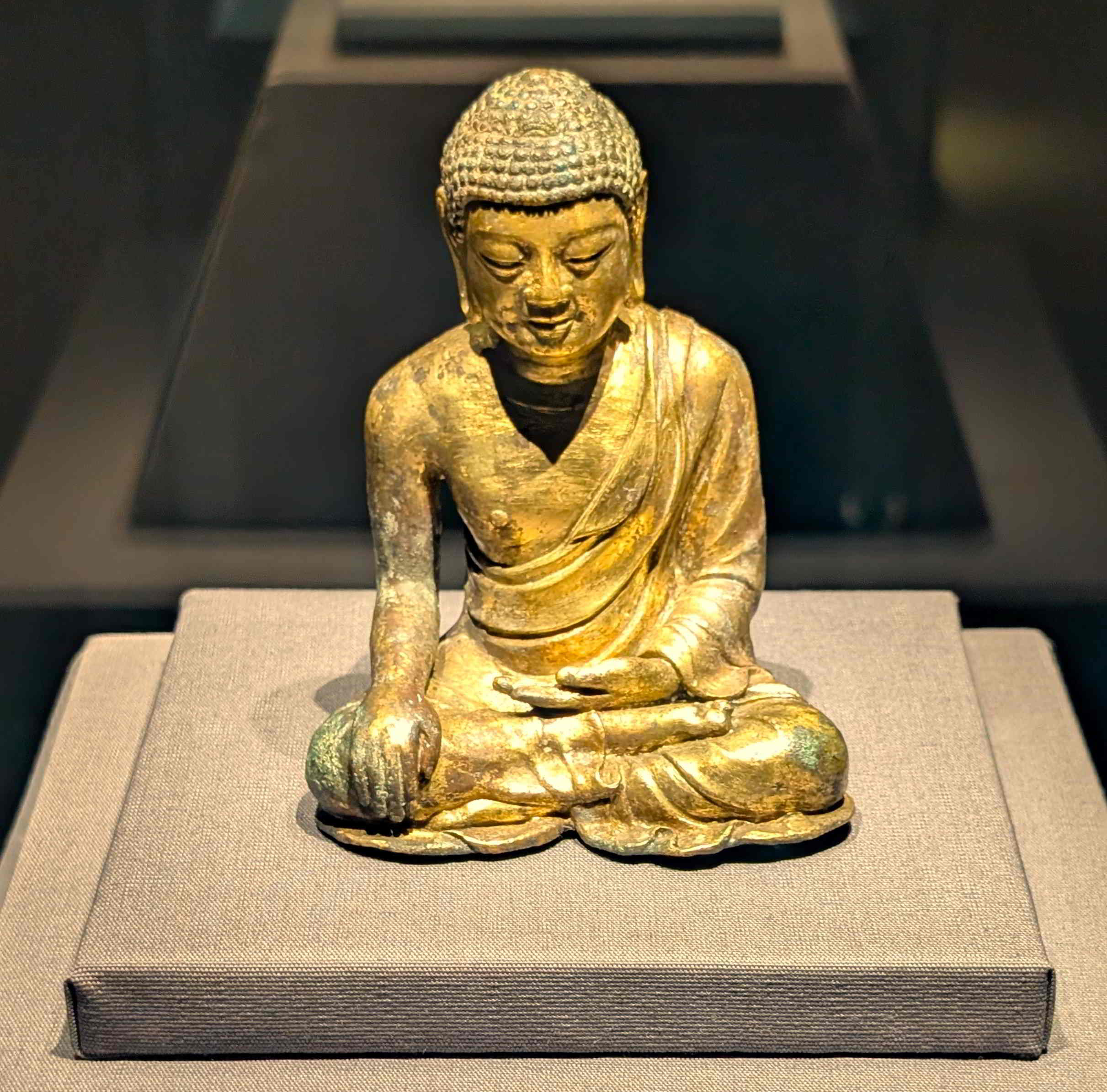
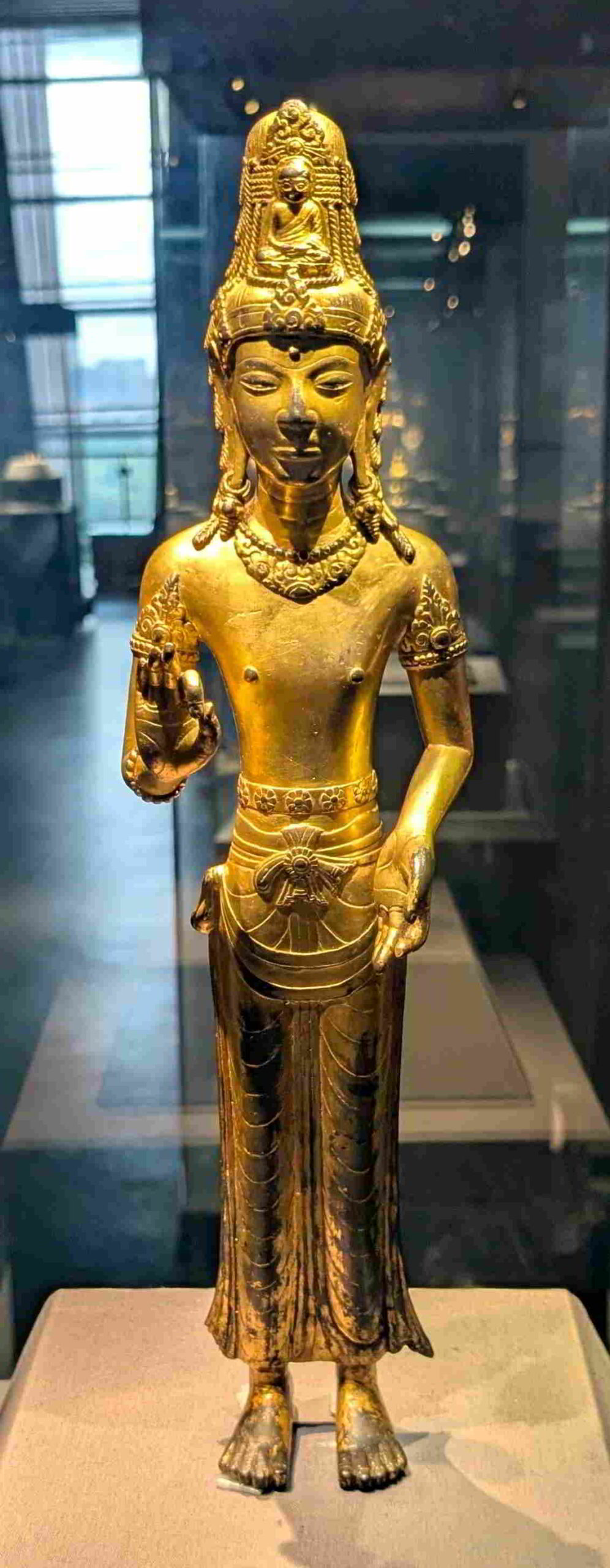
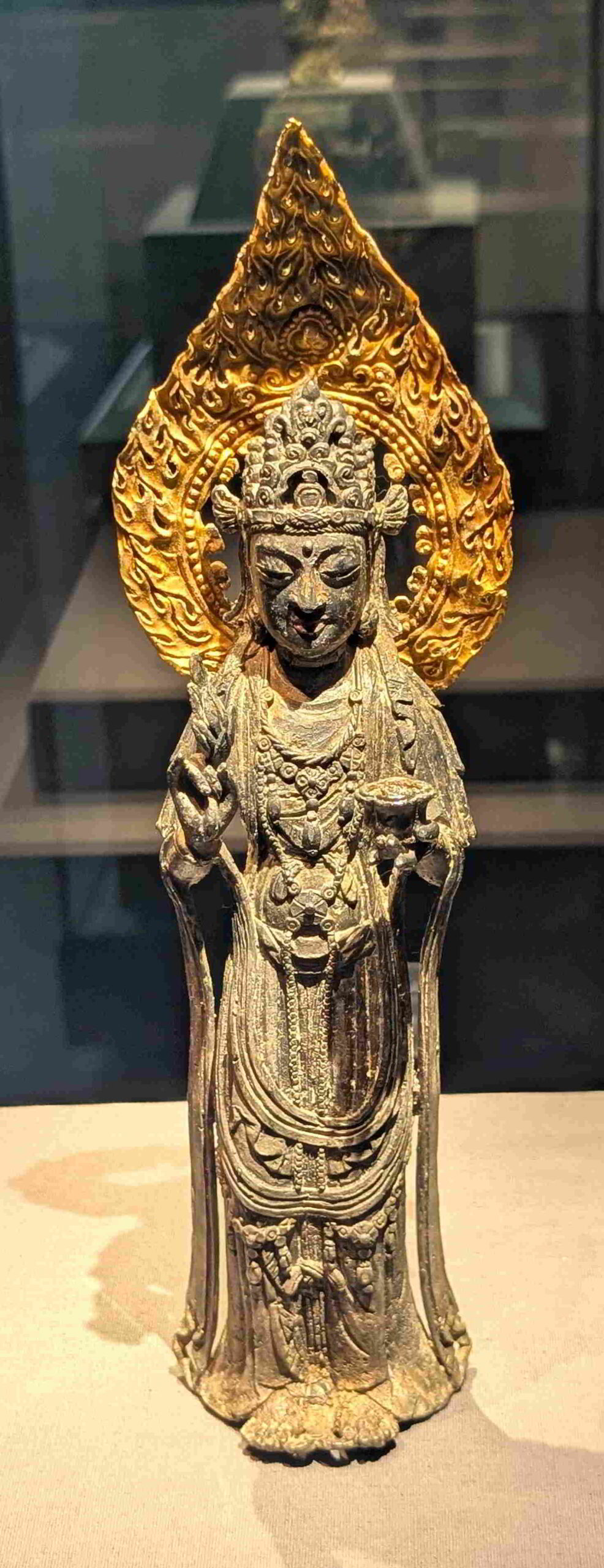
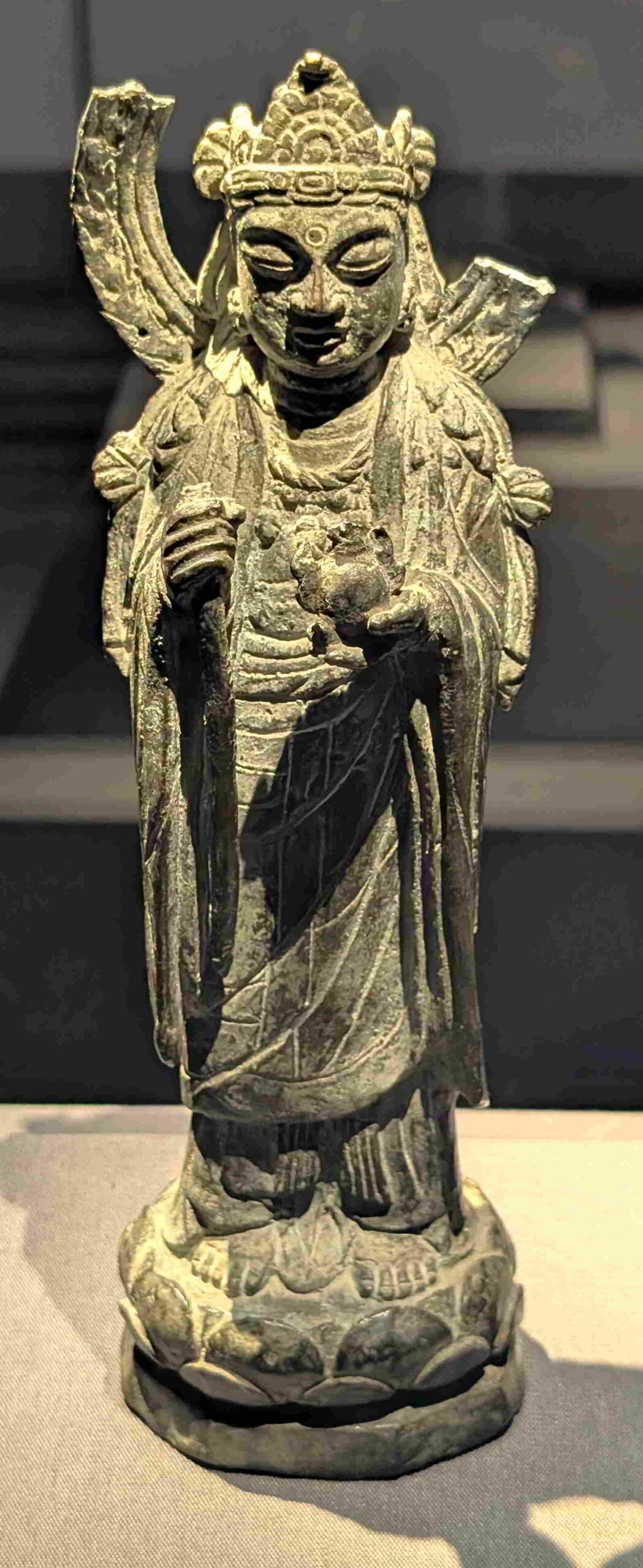
The museum is busy with locals, at least with no Caucasian visitors in sight. Youth may be spry and overly energetic, but the overarching tenor is one of respect and focused inquisitiveness. I try and remain focused on the exhibits, but as things go with museums, the sheer volume of material on display makes the experience daunting and exhausting. And then the museum closes at 5 pm, rather than the 6 pm that I had expected. One last furtive dash through a room lined with vitrines containing copper and gold sculptures of Buddha, Guanyin, and various bodhisattvas dating from the Dali kingdom, but then the guards are closing in and it is time to leave.
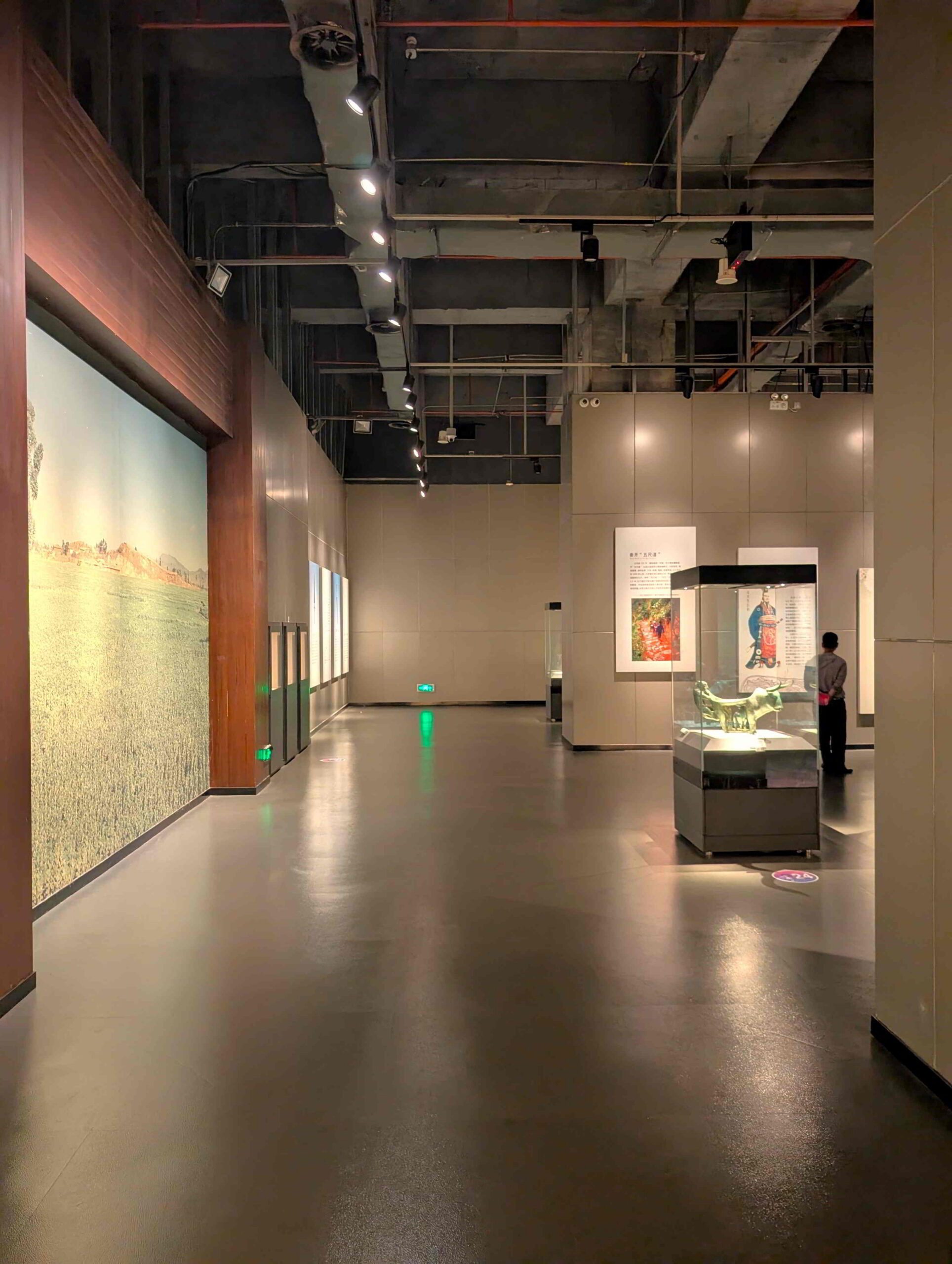
Kunming — Yunnan museum
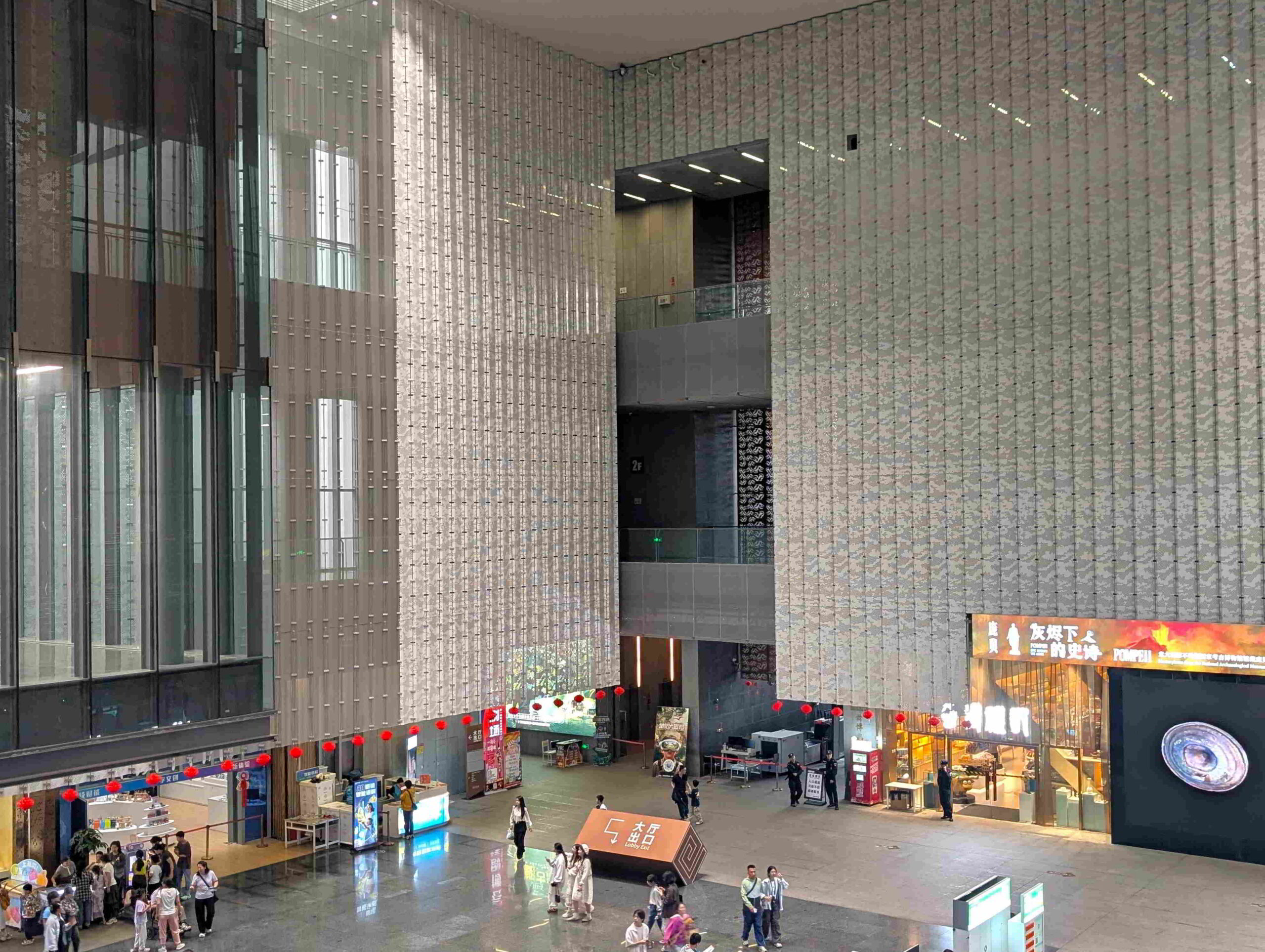
Kunming — Yunnan museum
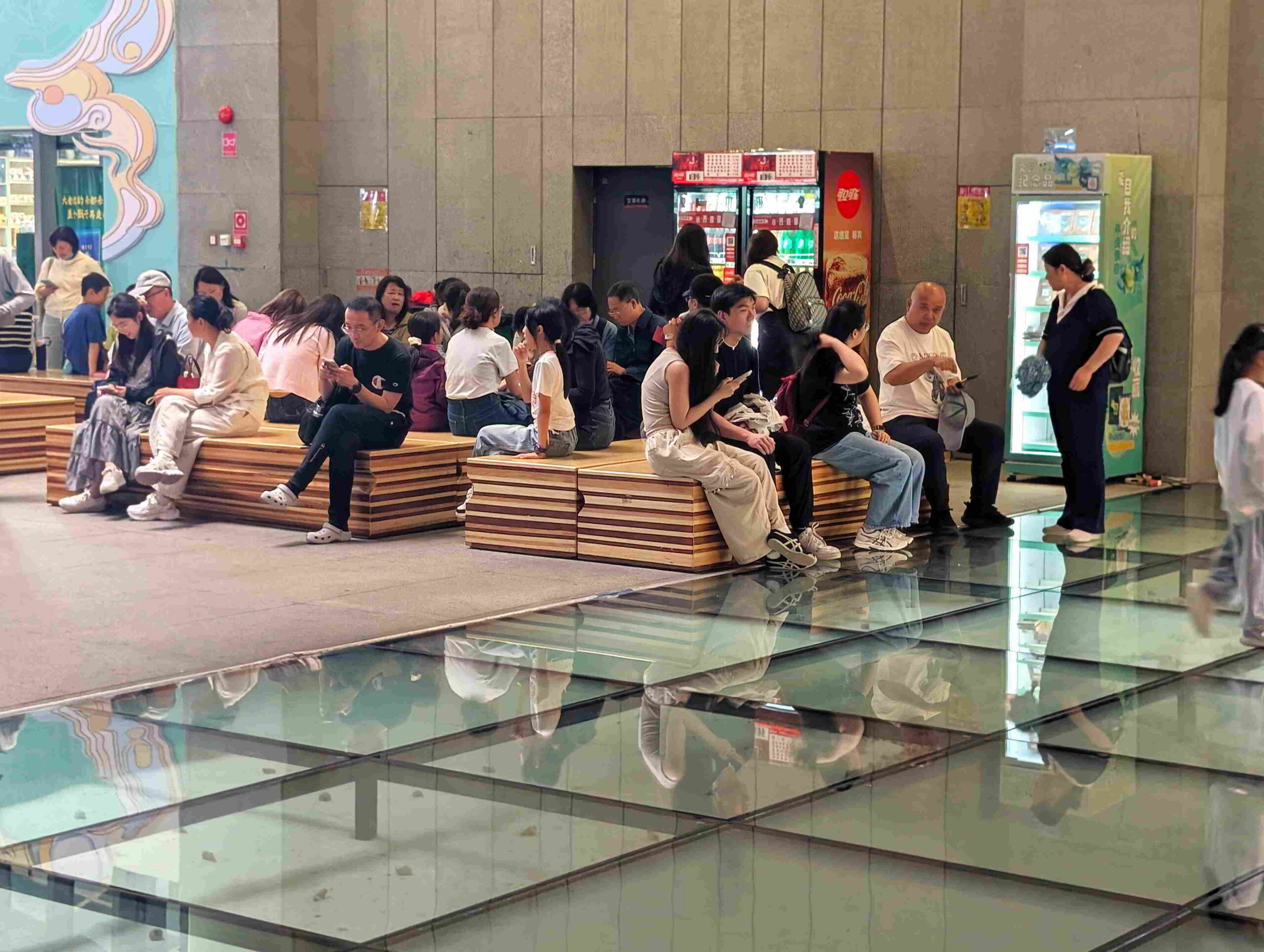
Kunming — Yunnan museum
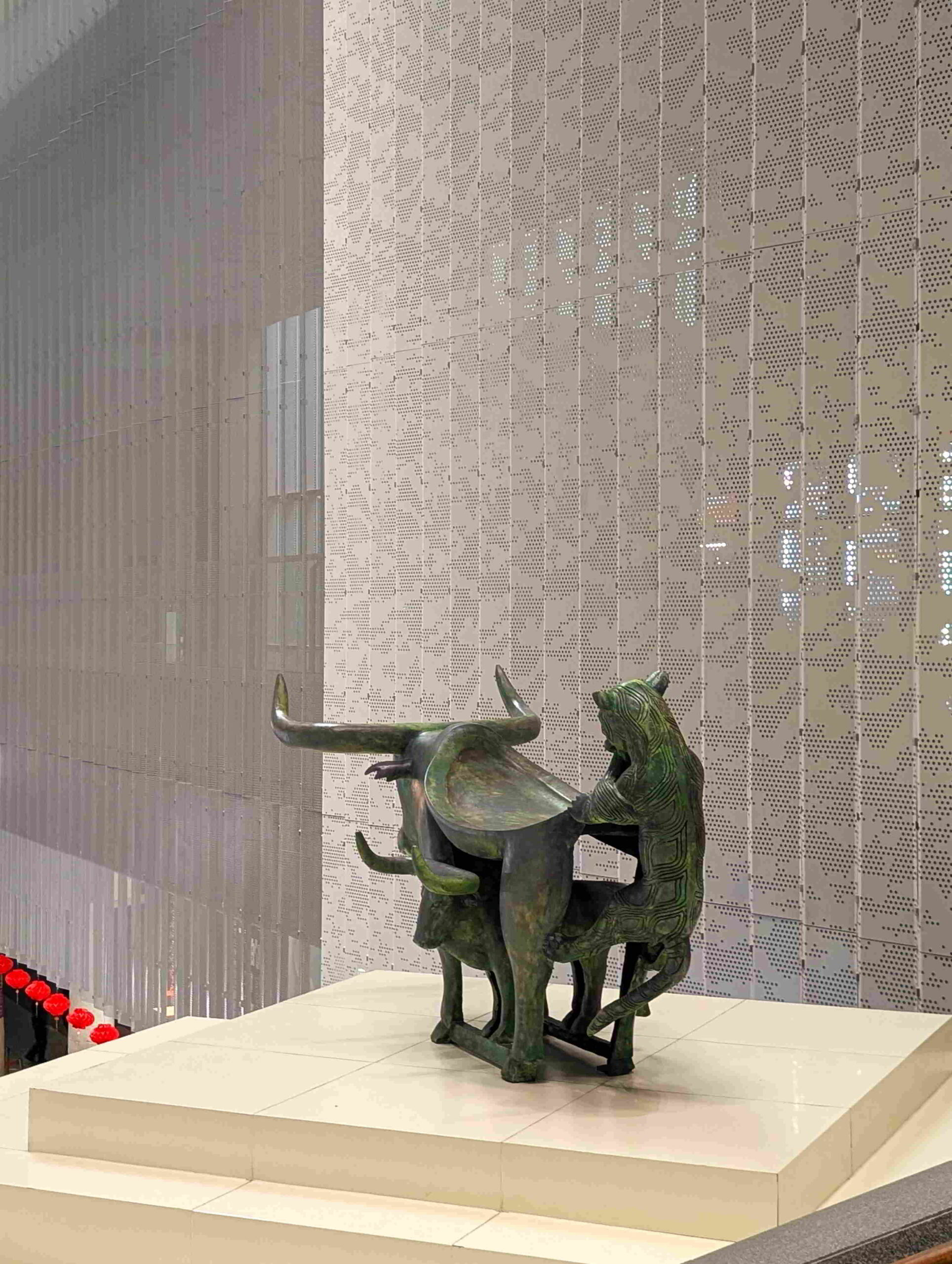
Kunming — Yunnan museum
I can’t help but stop by the reception counter in the cavernous central atrium for the purpose of admonishing the staff for not ensuring that the correct opening hours are provided online, which will result in visitors such as myself inevitably having to curtail their visits. But given the resultant apologetic hand-wringing of the staff, I realize that my usual need to complain about something is misplaced, pivot, and thank them effusively for the high calibre, the educational value, as well as the rarity and value of the exhibits, at least whatever I was able to take in.
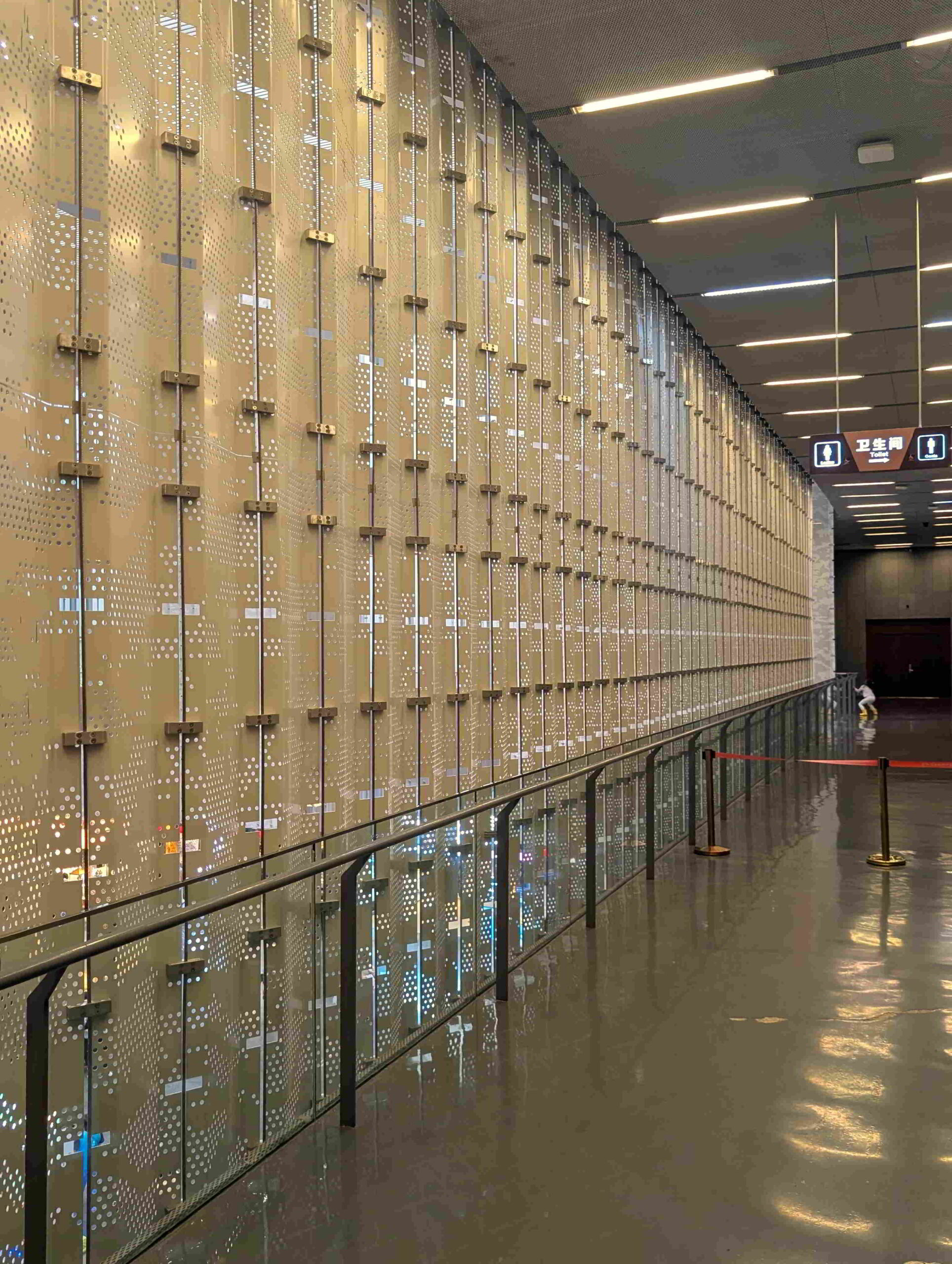
Kunming — Yunnan museum
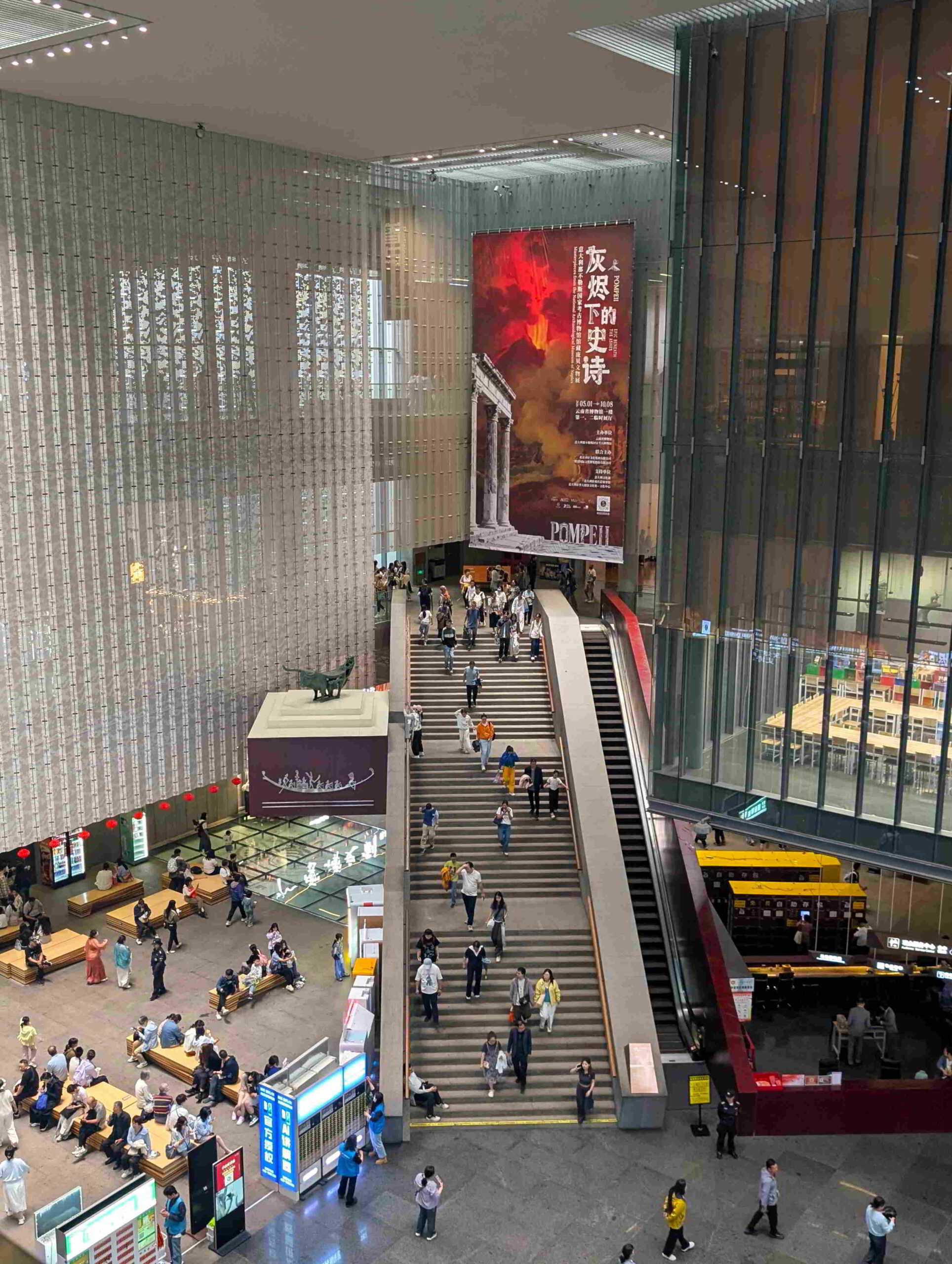
Kunming — Yunnan museum
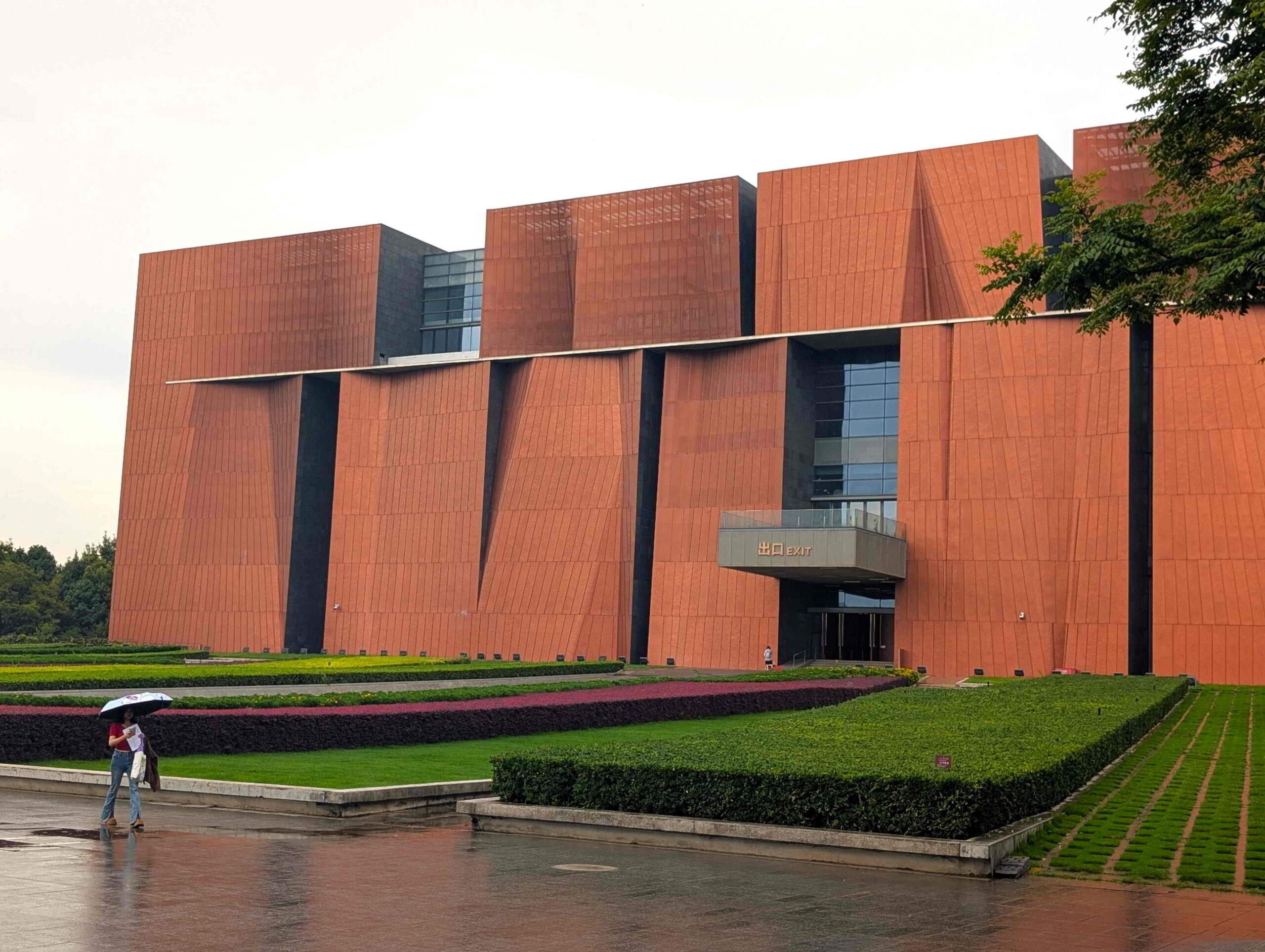
Kunming — Yunnan museum
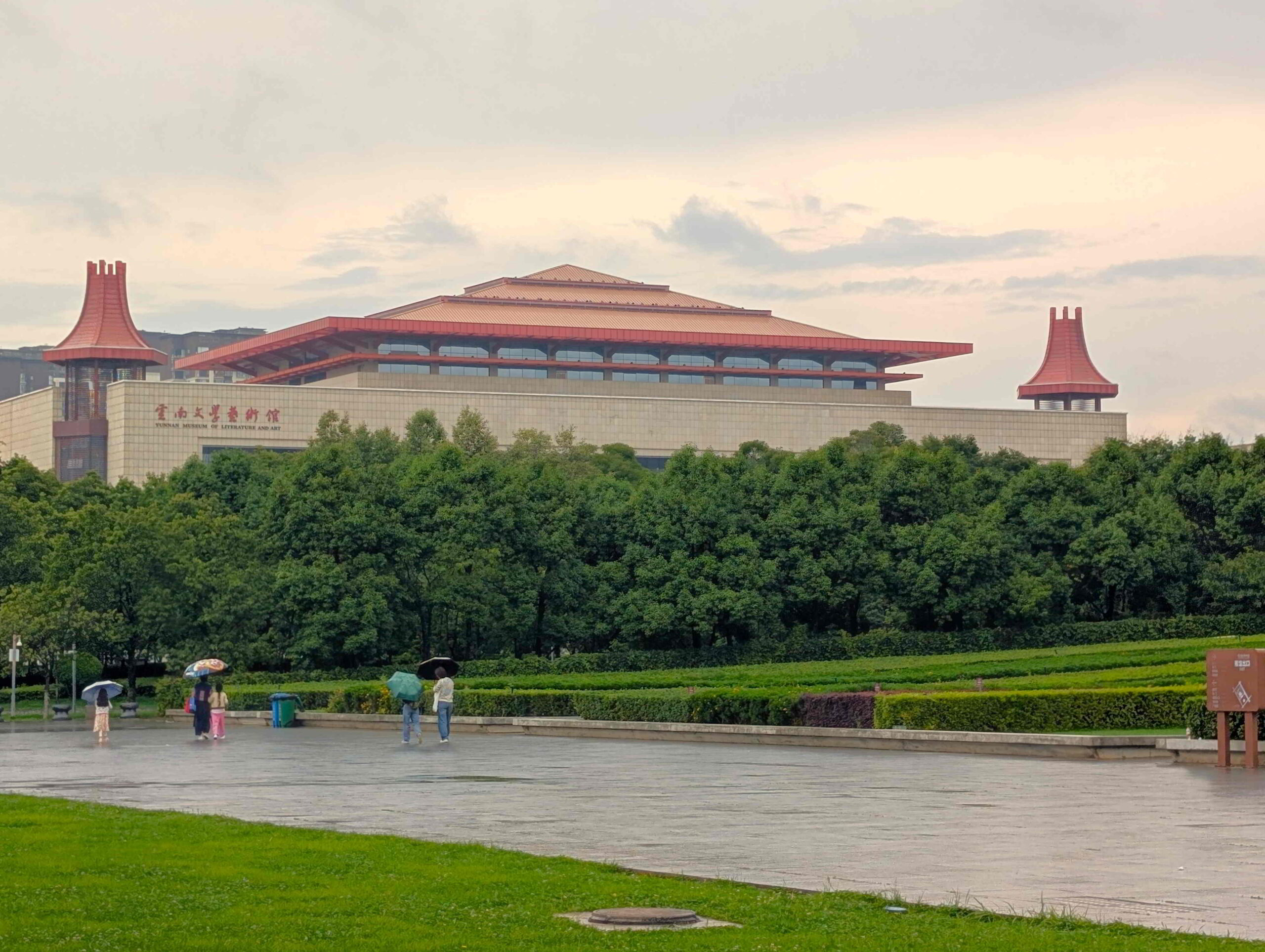
Kunming
Where to spend the remaining hours of the day? Given how little time is left, the questionable weather, and how away from anywhere I am, I may as well take in a last walk around Green Lake. I begin my walk several blocks to the west of the lake, but the neighborhood offers little of interest, other than the occasional whimsical architectural inflection and a some busy alleyways. The final block leading to the lake is lined with the obligatory retail outlets selling tea, coffee, ceramics, fashionable clothing, flower cakes, the likes of which you see in every tourist town in the province, and the only departure I have seen in Kunming from its otherwise authentic fabric.
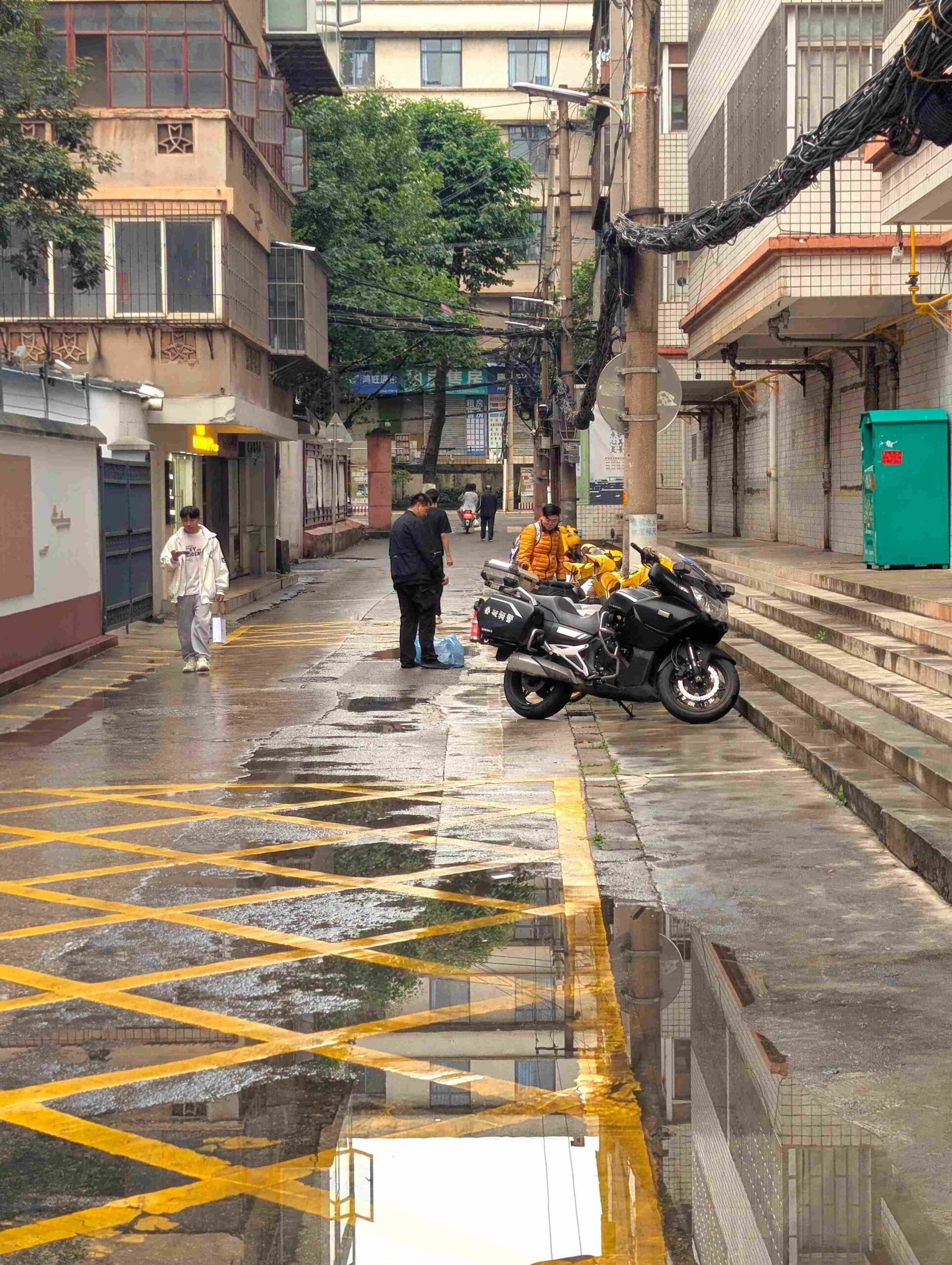
Kunming
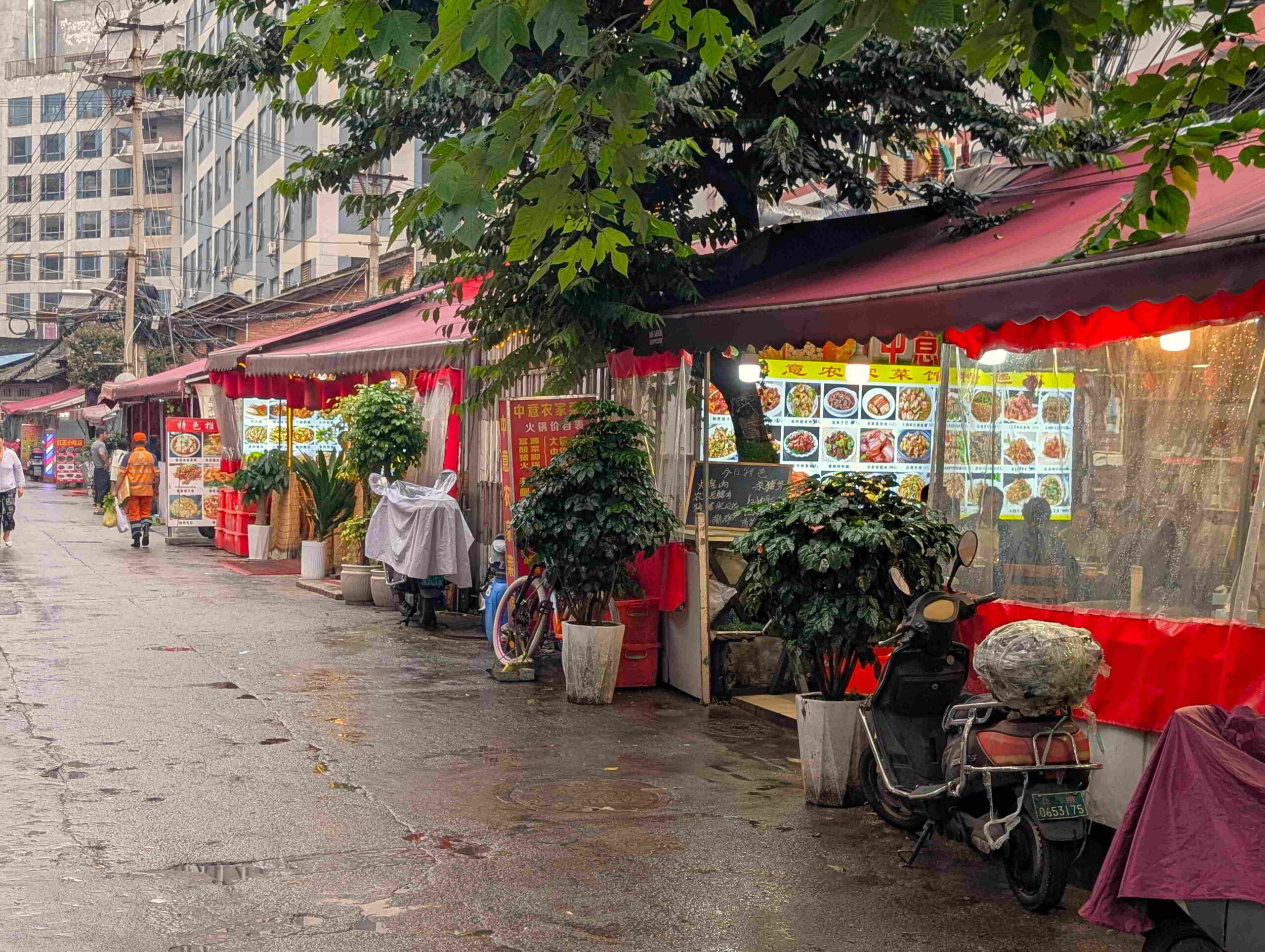
Kunming
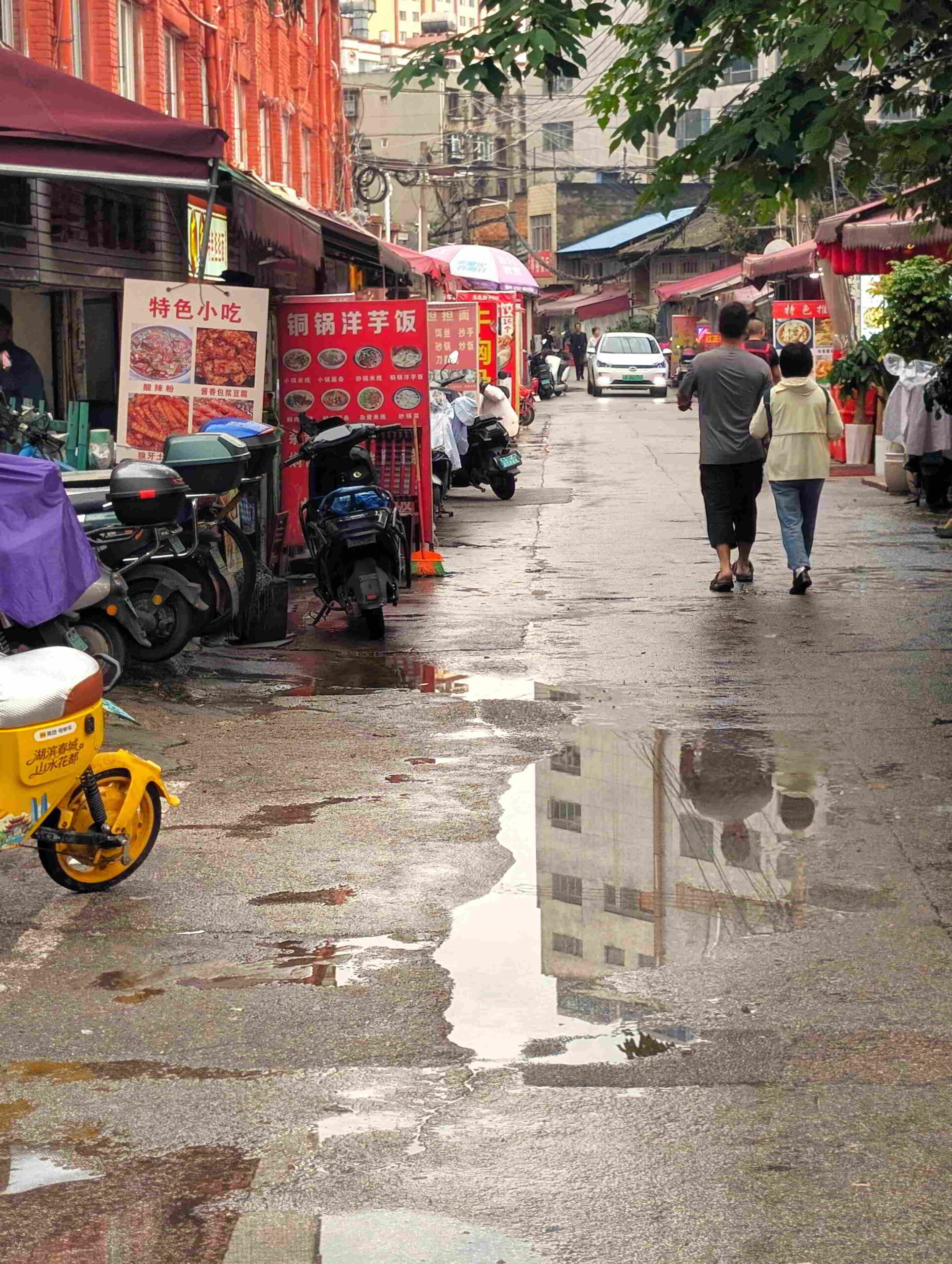
Kunming
The lake itself is hardly at the apogee of visual impressiveness, given the dull, overcast late afternoon light, but nonetheless, the walkways surrounding the water and traversing the park filled with locals on their evening passage, young couples, older couples, groups of young friends, families with children, and so on, the eateries and coffee shops lining the western periphery of the lake evoking a more cosmopolitan sensibility than the resolutely local eateries in the blocks further to the west.

Kunming
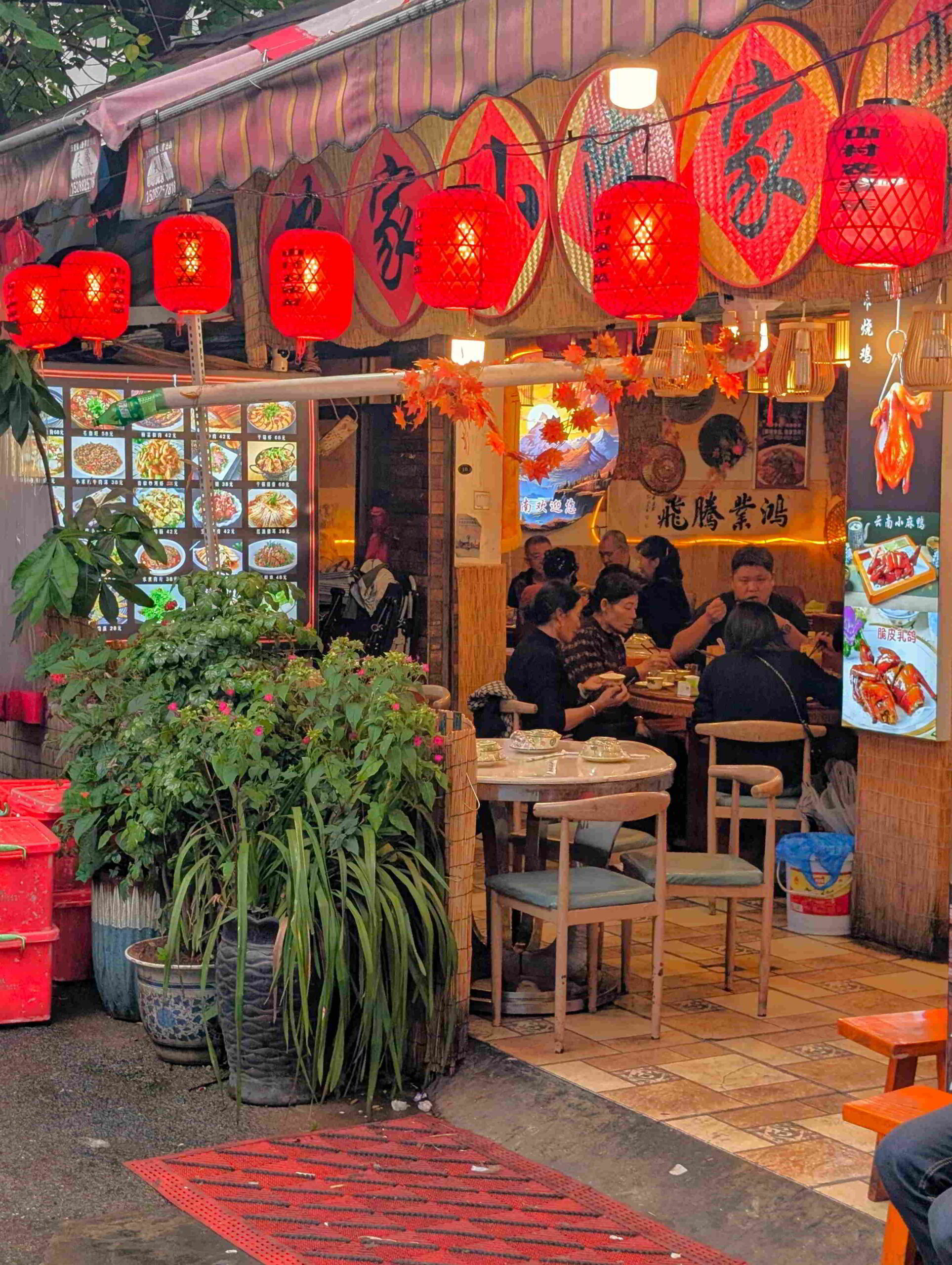
Kunming
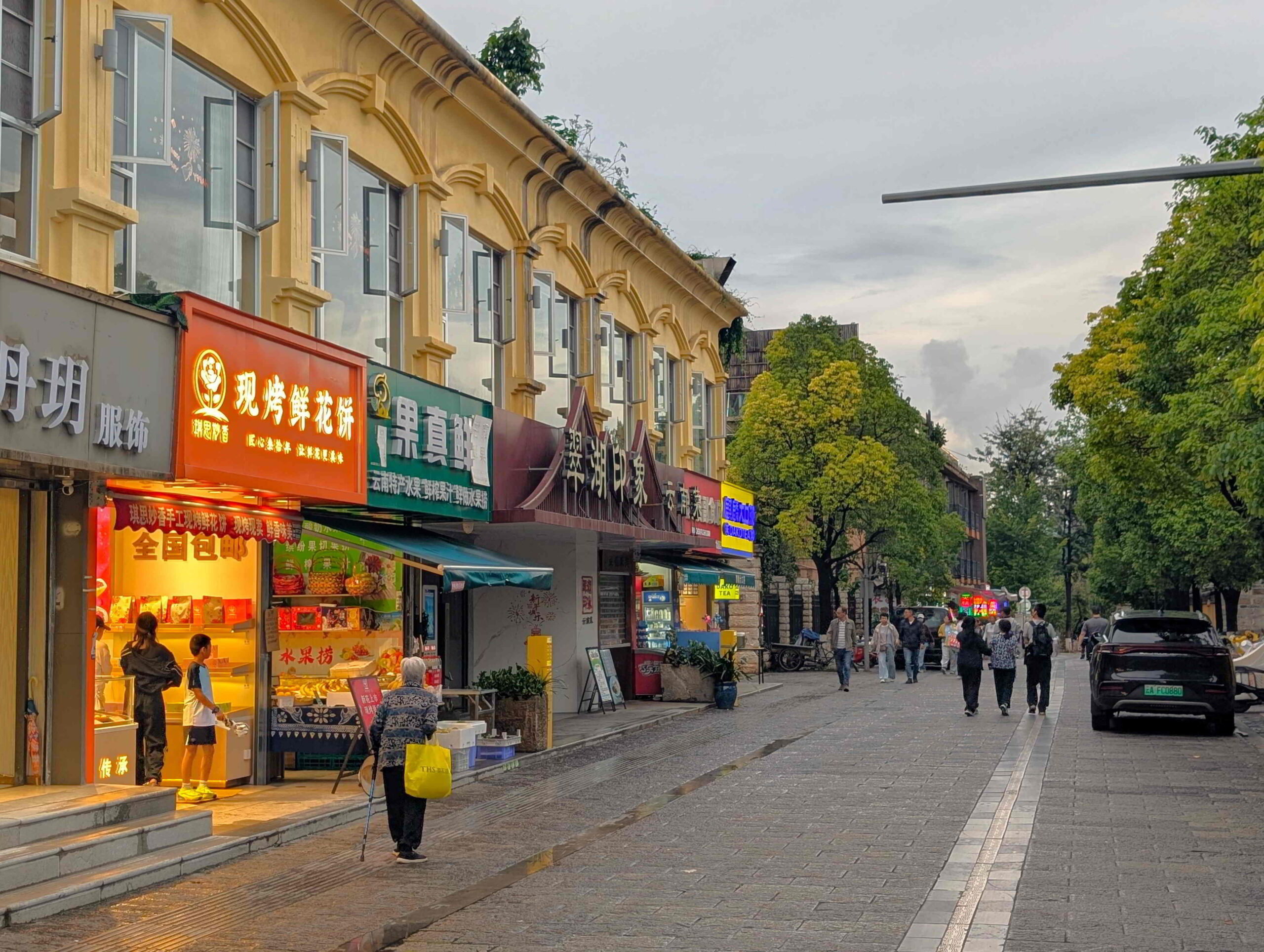
Kunming
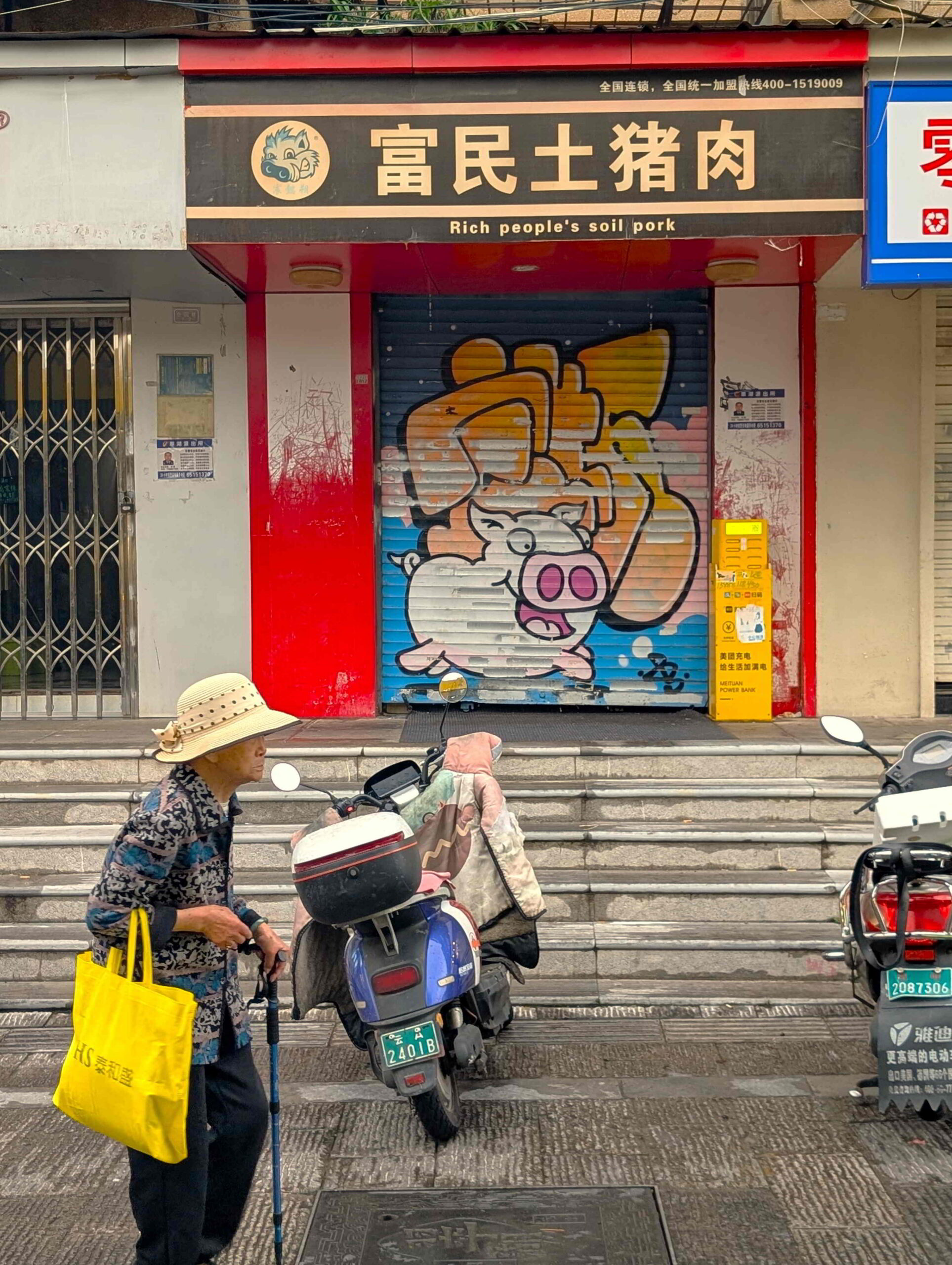
Kunming
Where to eat? There are so many options here, but I am tired, my stomach on its last legs – the opportunity to take in a somewhat authentic western meal is suddenly very appealing – and possible! Seated on the balcony of one establishment with European pretentions, I gratefully take in a western-style soup and pasta, a dinner I would very rarely consider to be memorable – but here and now, definitely! Even more surprisingly, they are actually quite well made! A handful of other diners enjoy the varied fare the establishment offers, the looks on the faces of the waitstaff revealing that they would happily love to be anywhere but here.
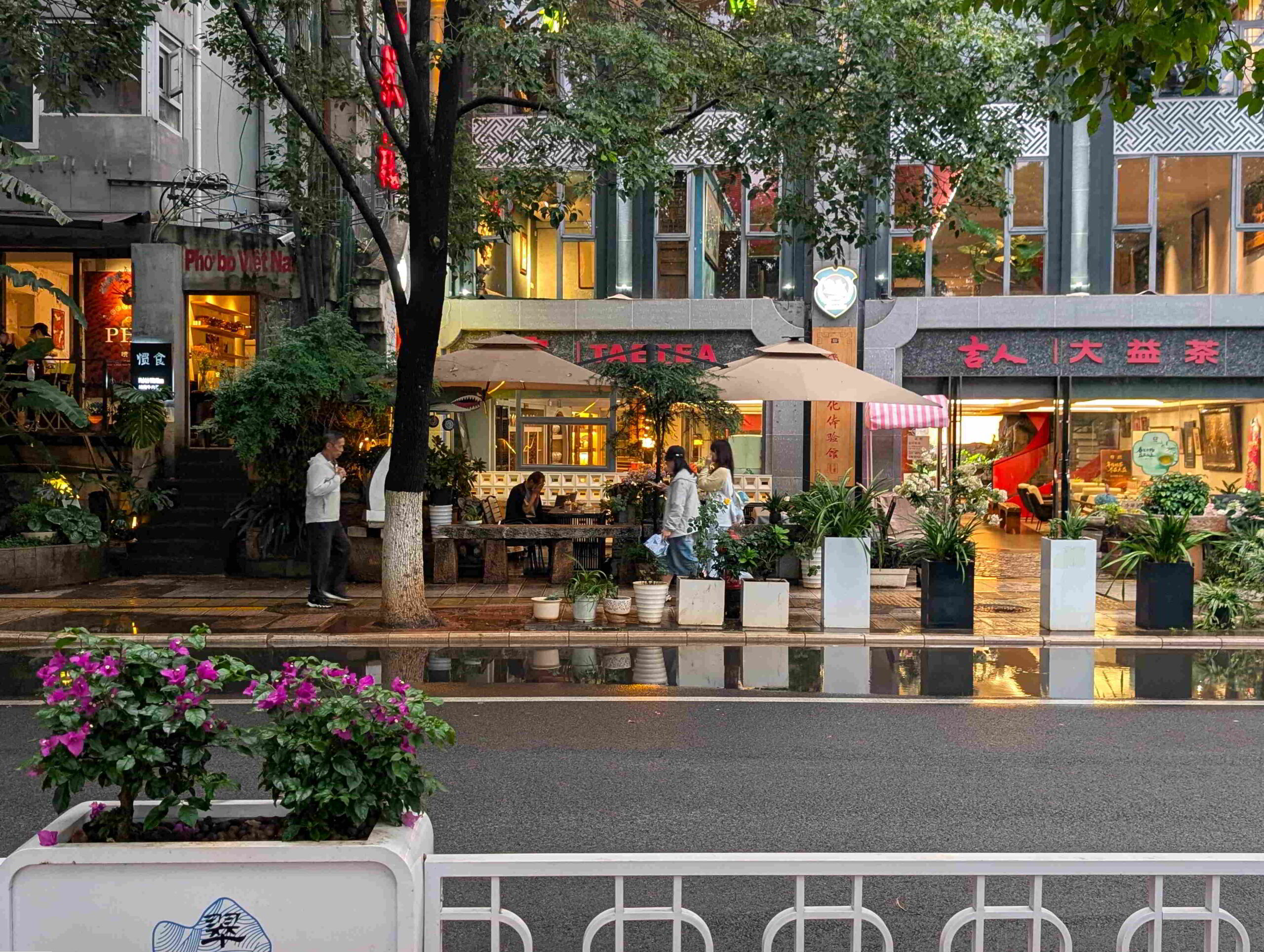
Kunming
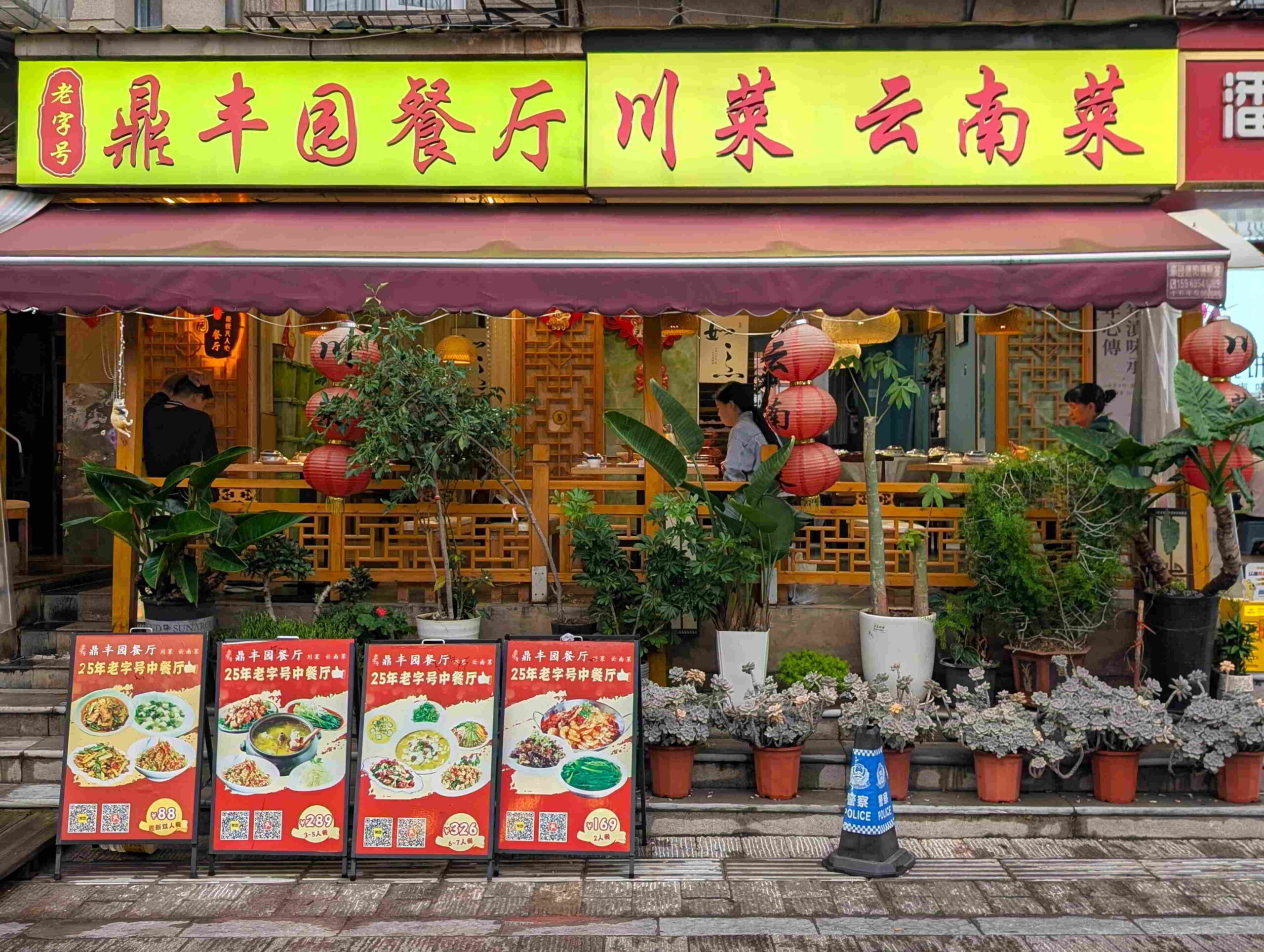
Kunming
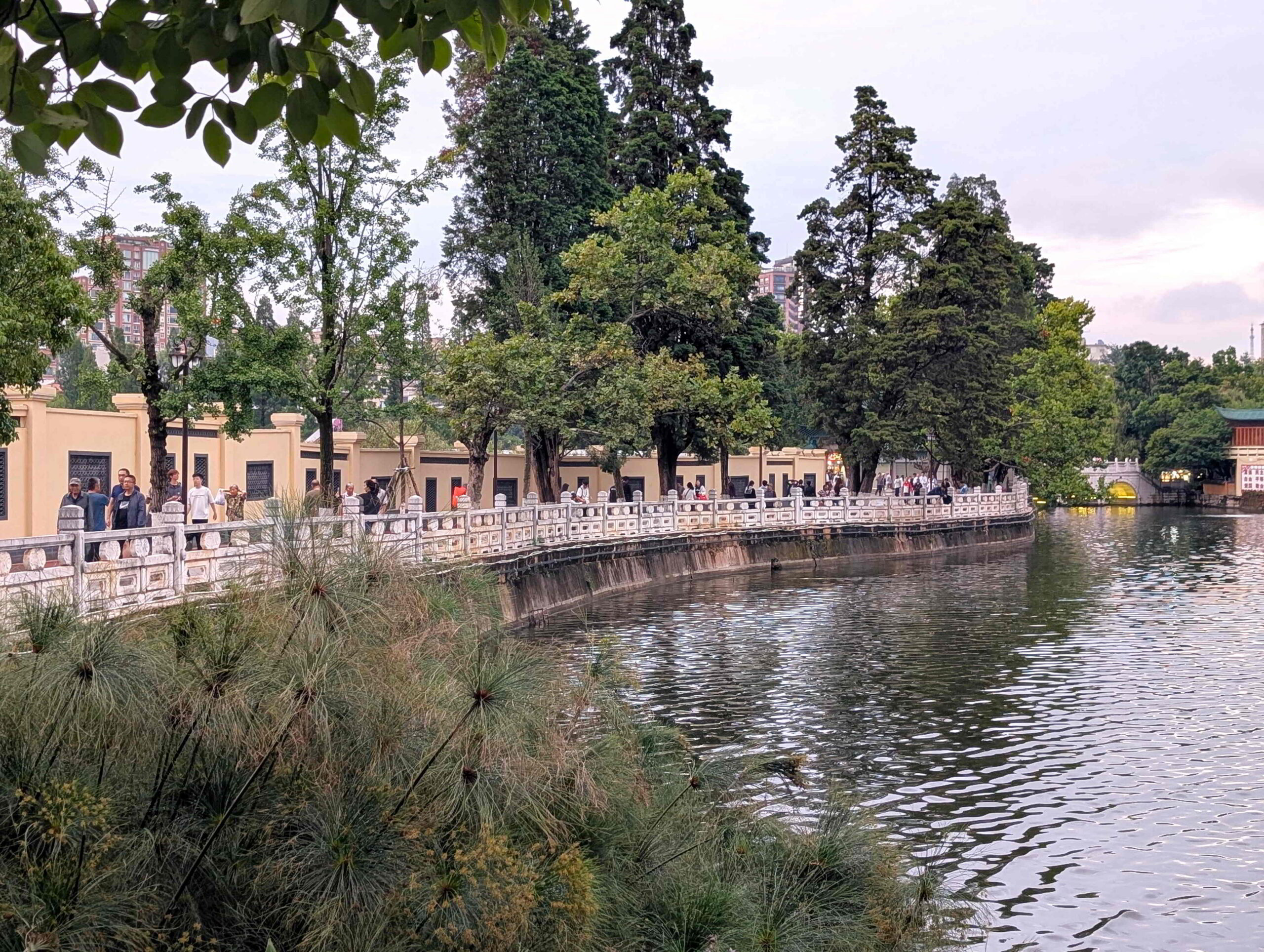
Kunming — Green Lake
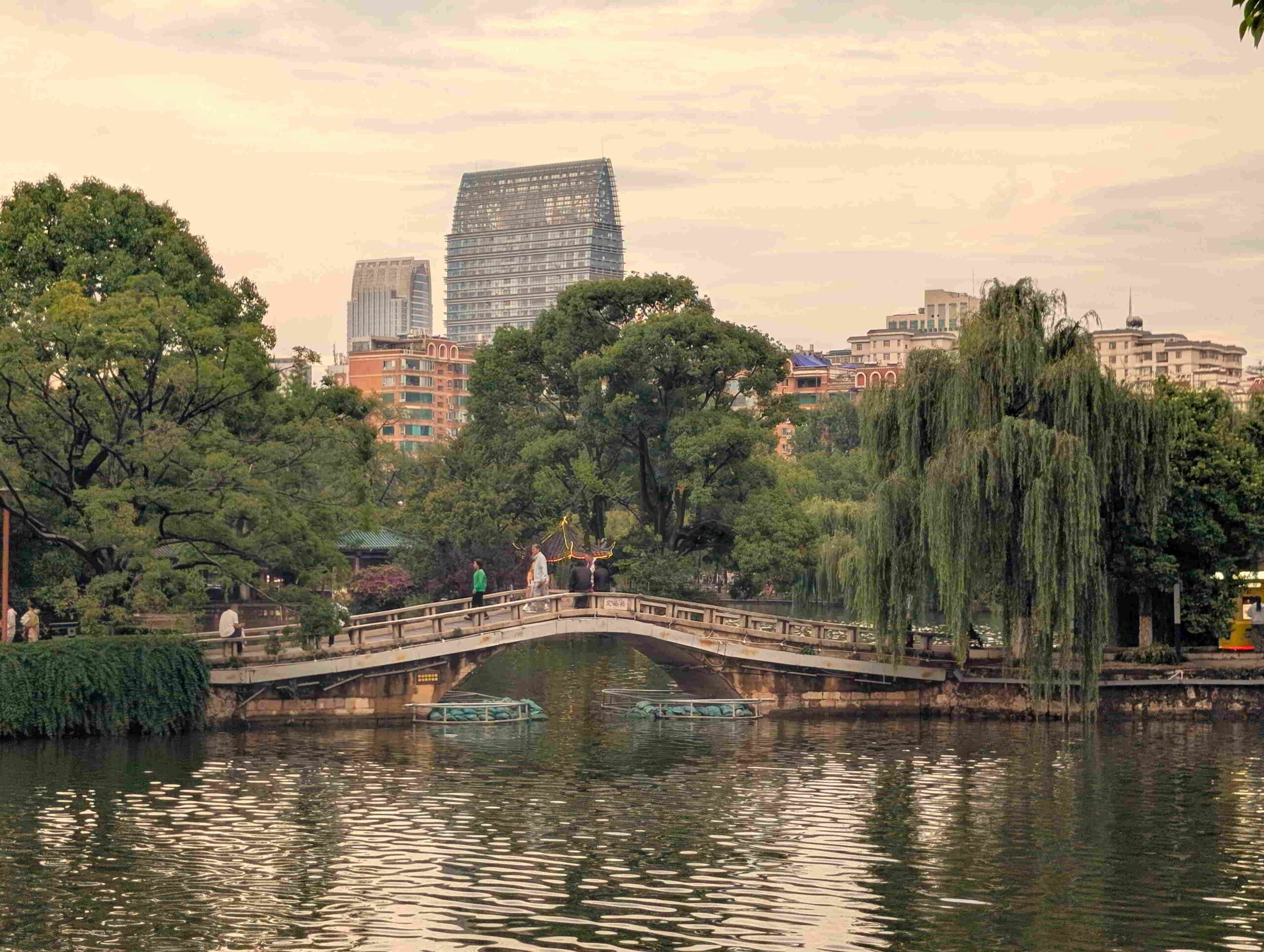
Kunming — Green Lake
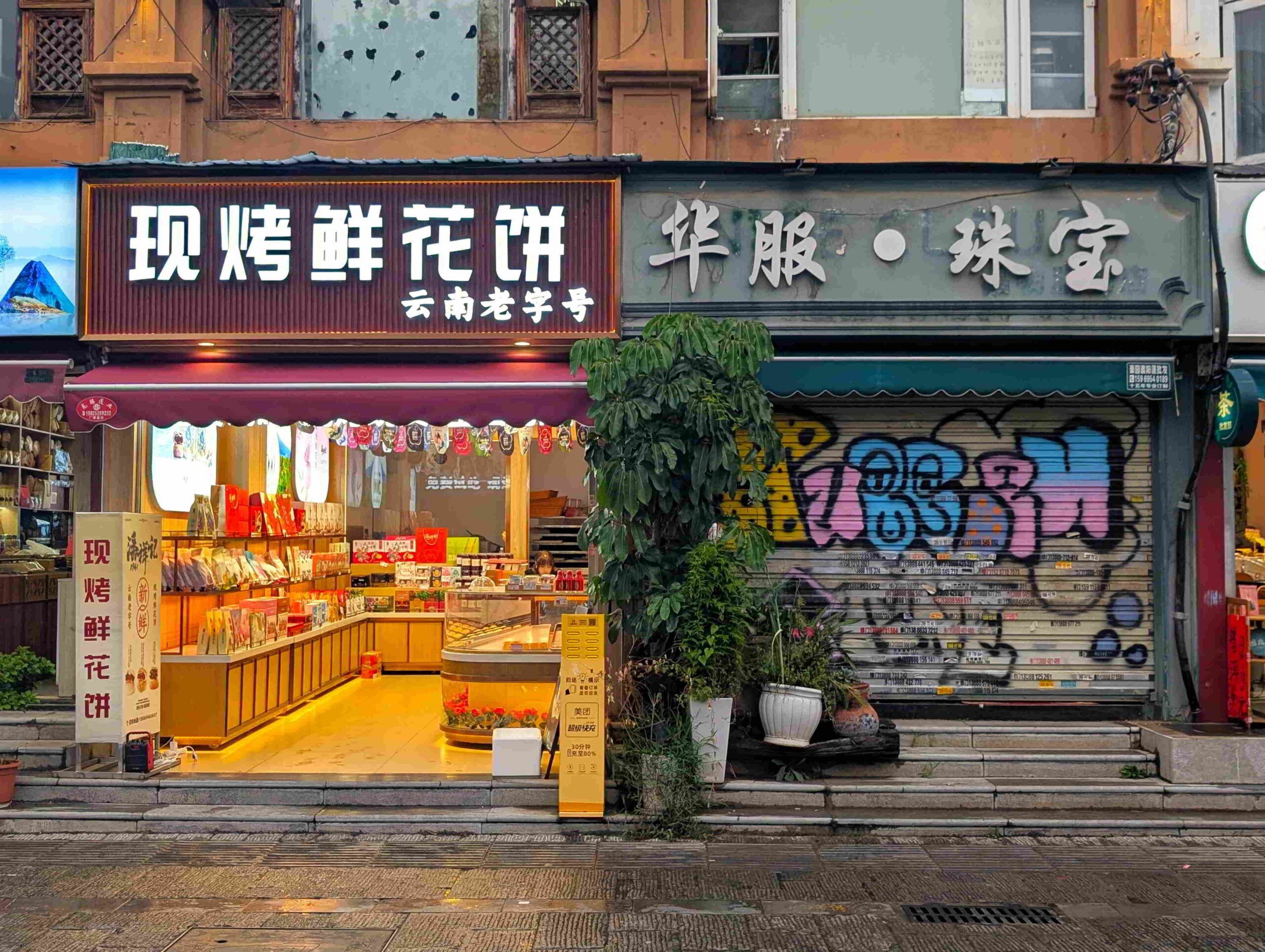
Kunming
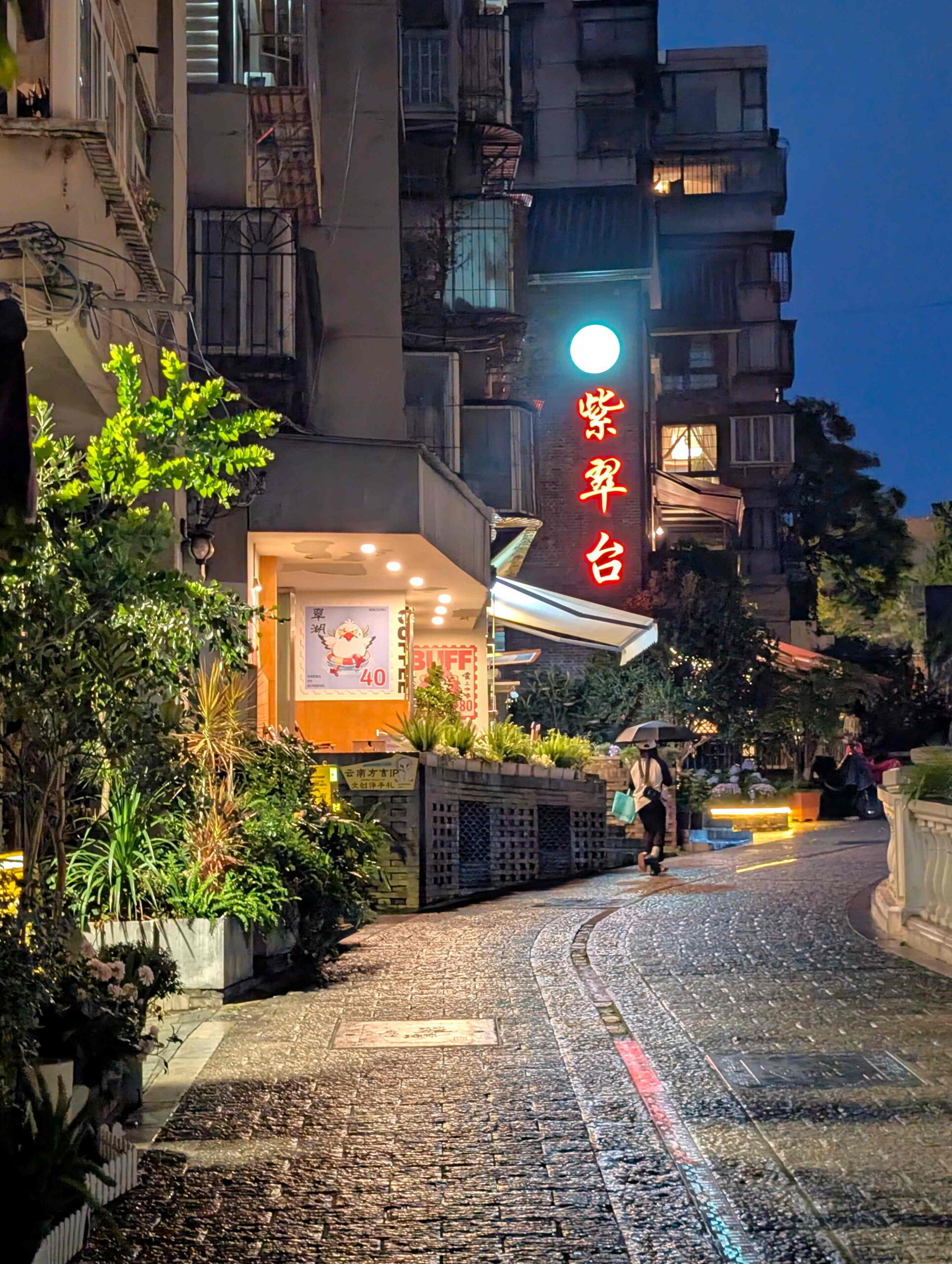
Kunming
Walking northward along the lake, then looping up in the encroaching darkness to Wenlin street, I enjoy the last views of the posh area, the soaring towers, and the bright shining lights and the seductive shops on Kunming’s trendiest streets, lined with the most imaginatively-decorated shops, cafes, bars, and restaurants I have seen anywhere in the city, catering to a resolutely young and trendy demographic. I would have loved to have spent far more time in this area, but my time is up – it is the end of my last day in Kunming, and for that matter, China. Somehow my week-long visit to Kunming has felt very fragmented, thanks among others to the ongoing challenges of trying to navigate the country using poor quality web tools and without any Chinese language skills.
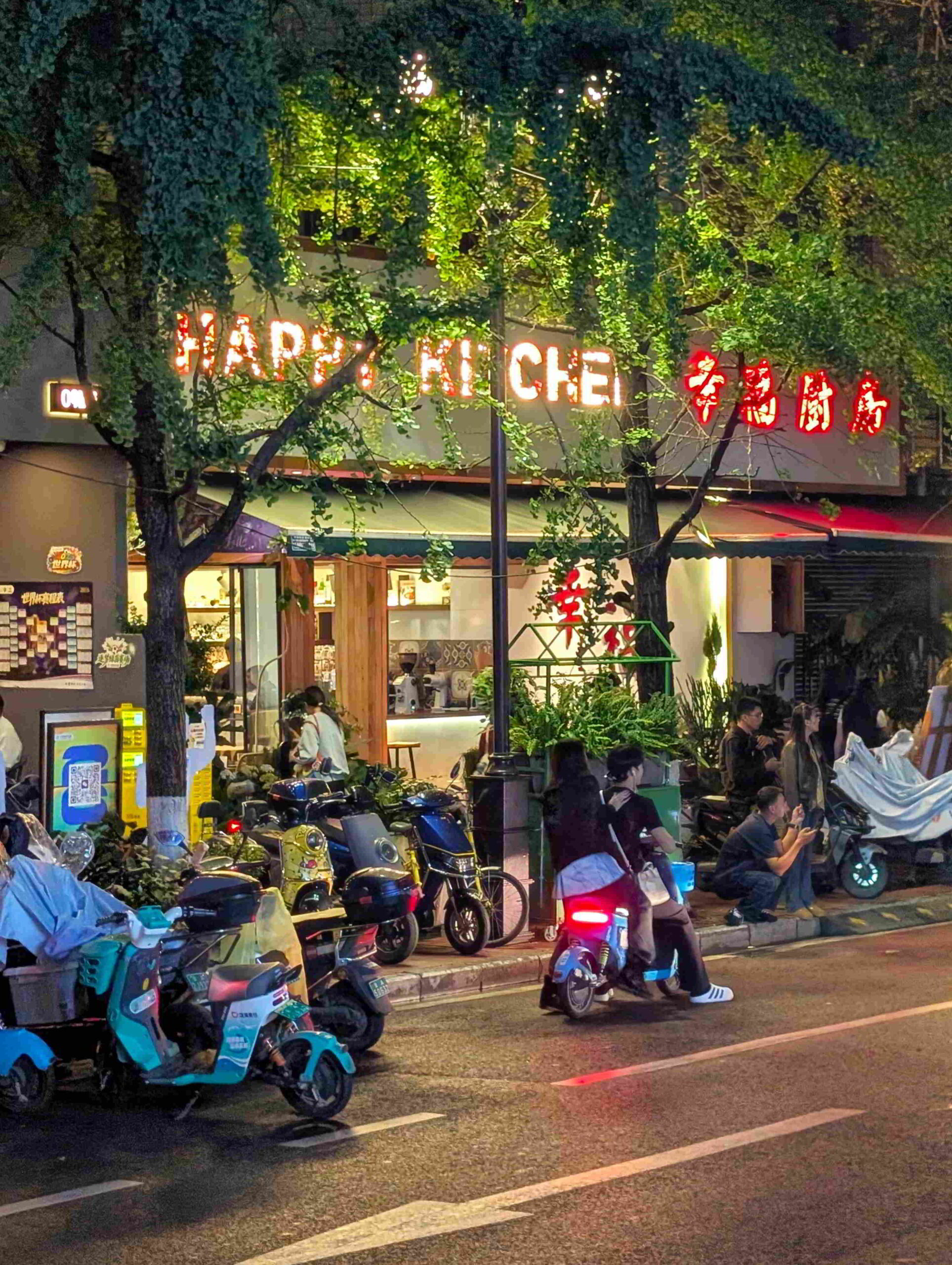
Kunming — Wenlin street
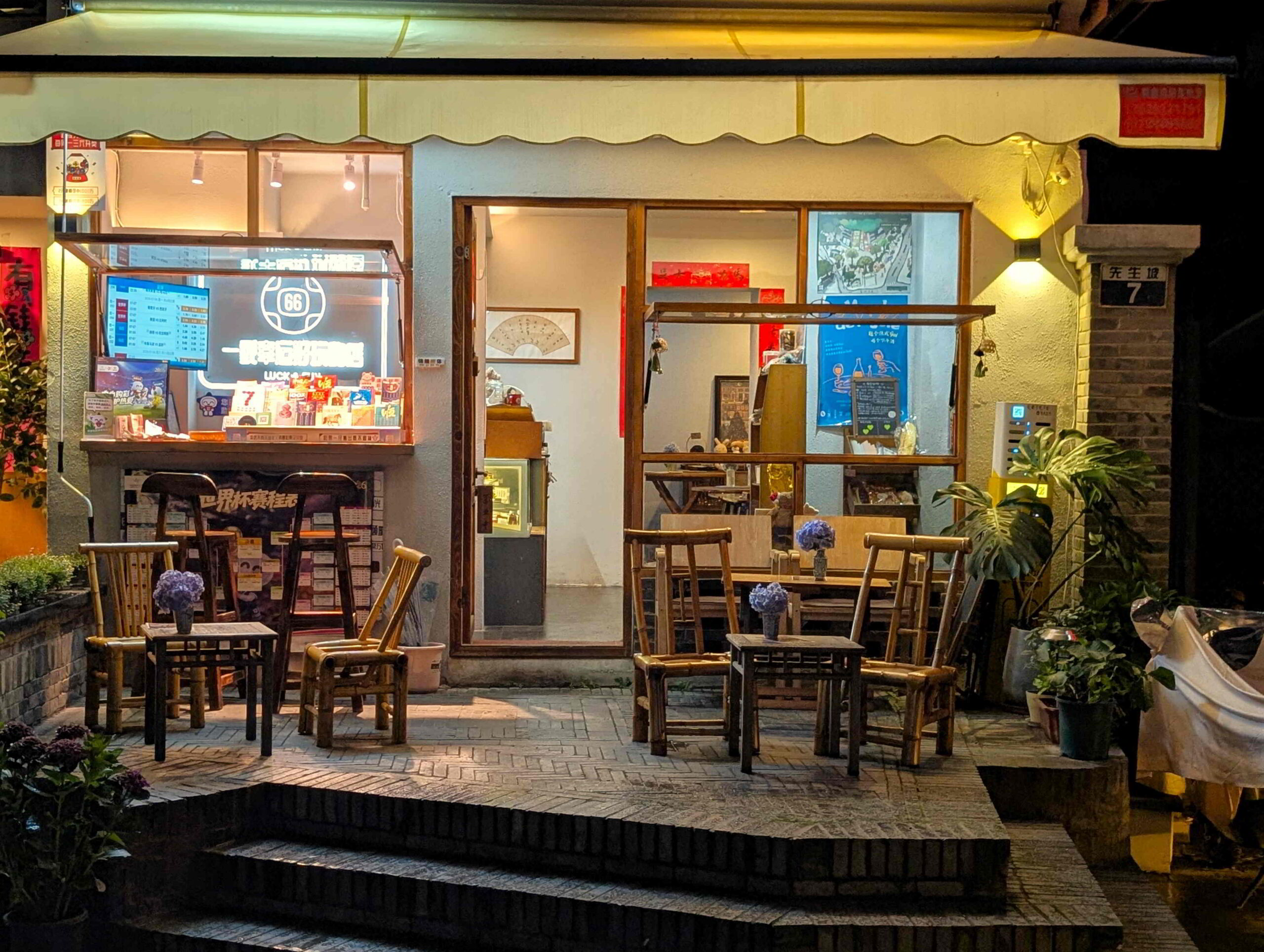
Kunming — Wenlin street
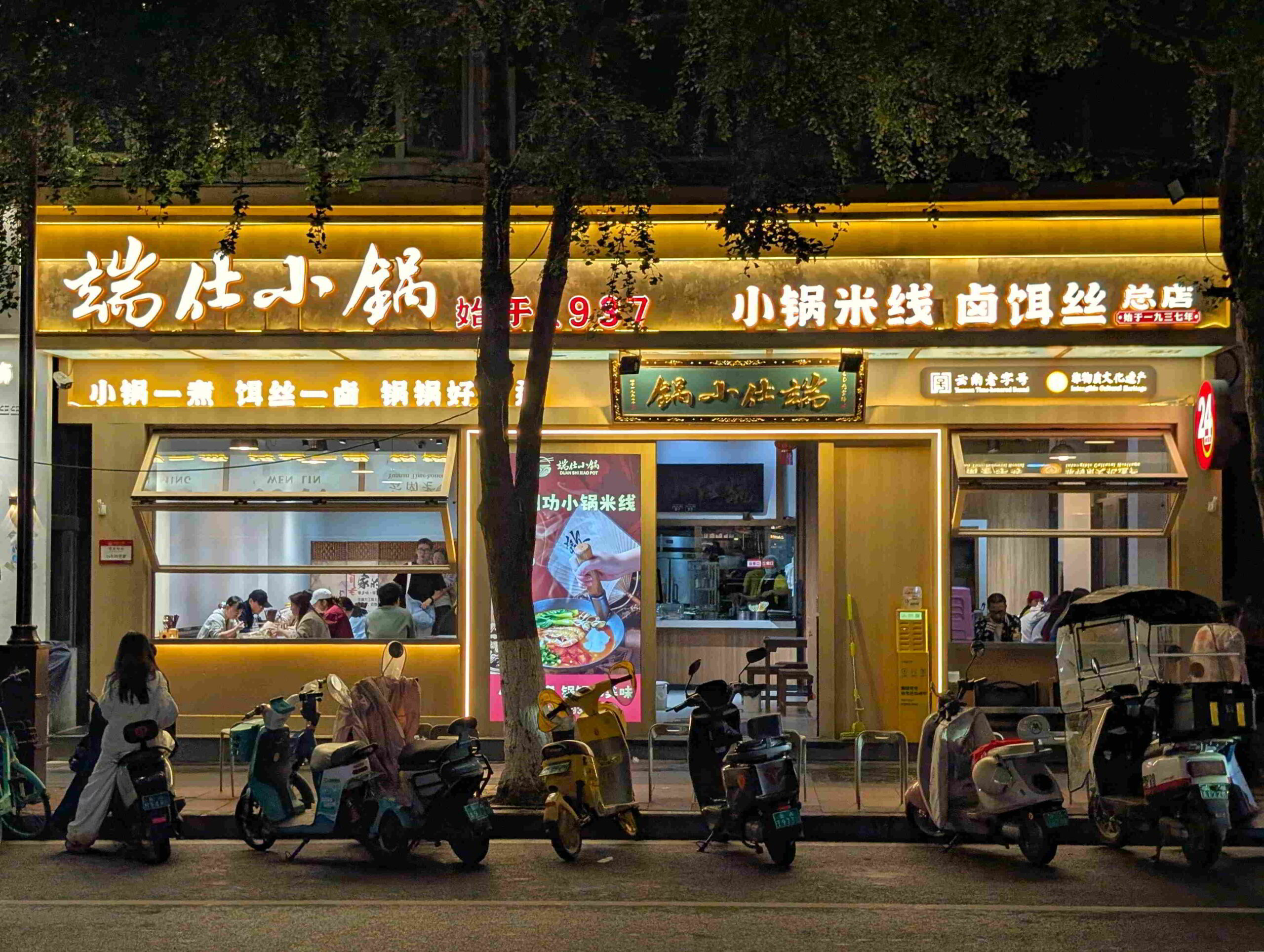
Kunming — Wenlin street
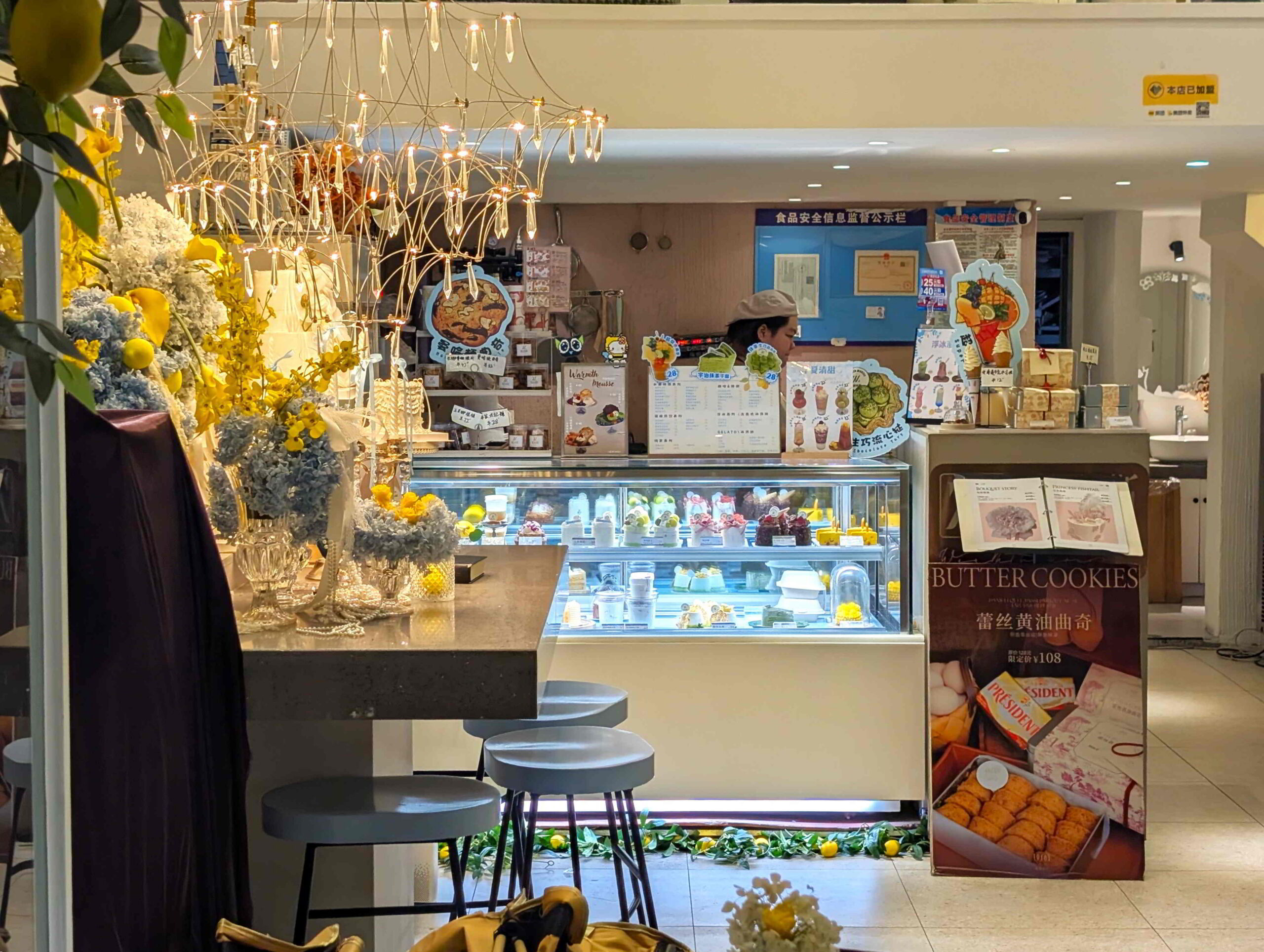
Kunming — Wenlin street
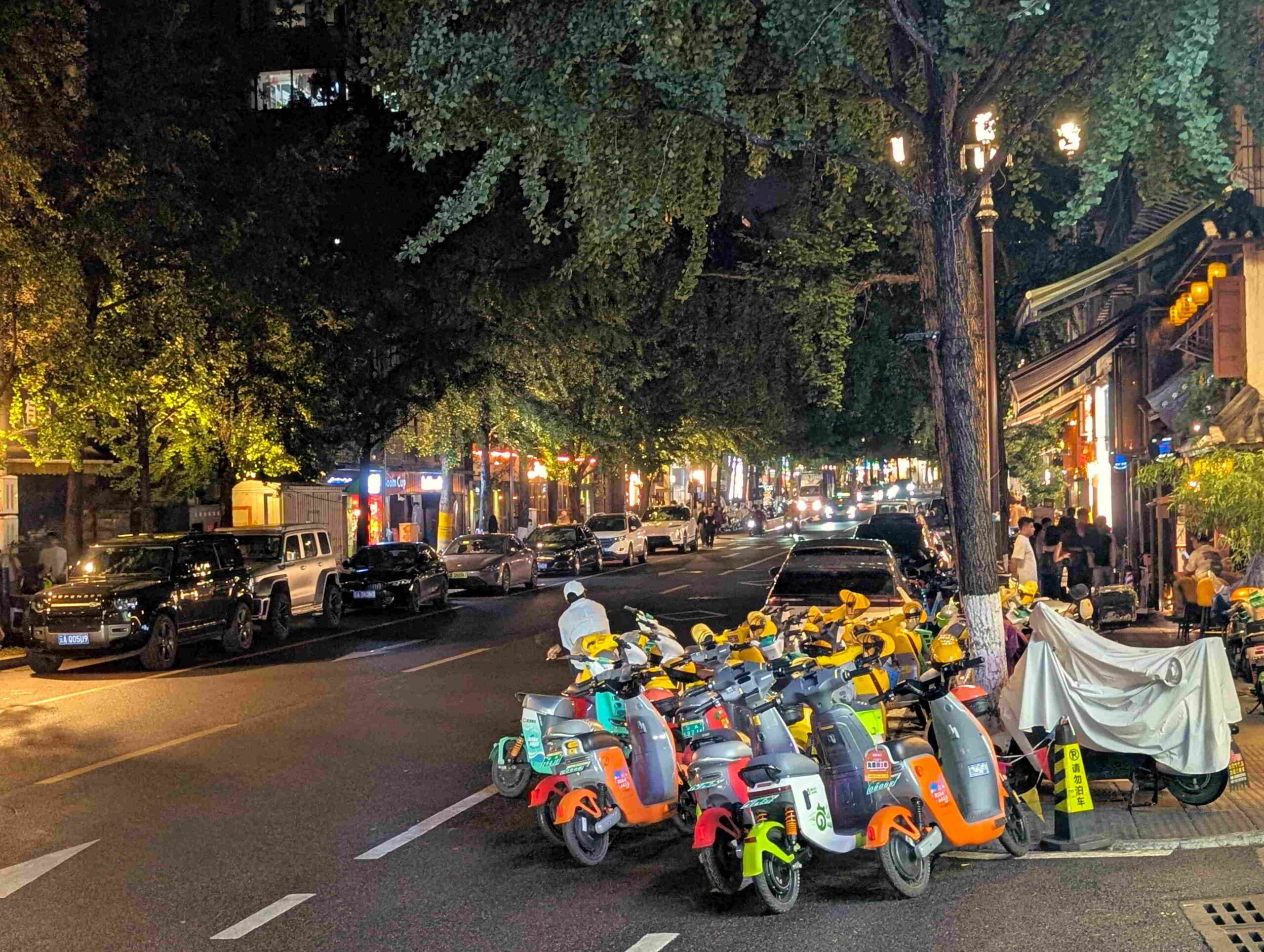
Kunming — Wenlin street