November 12, 2025
Jiufen
Jiufen
Jiufen
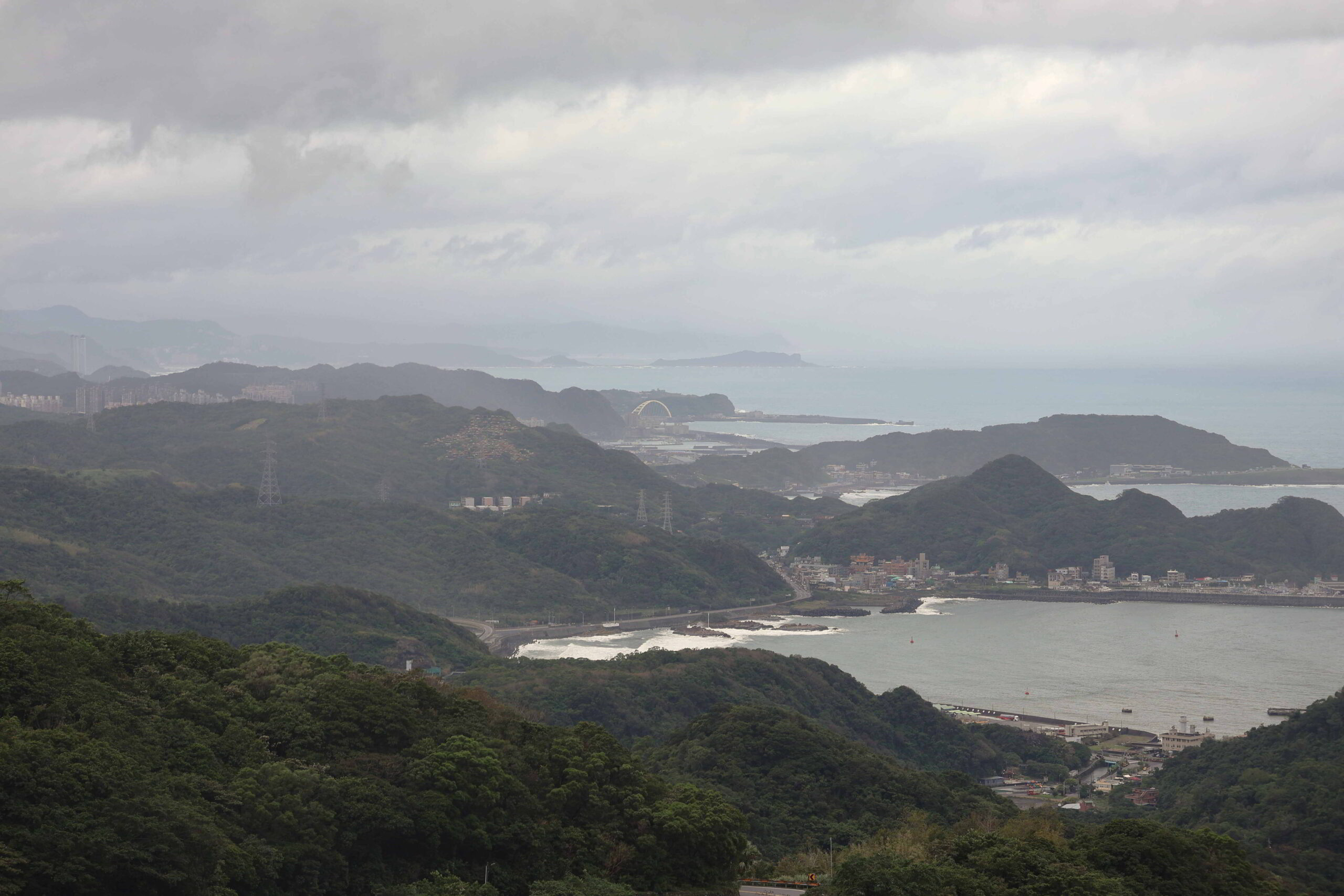
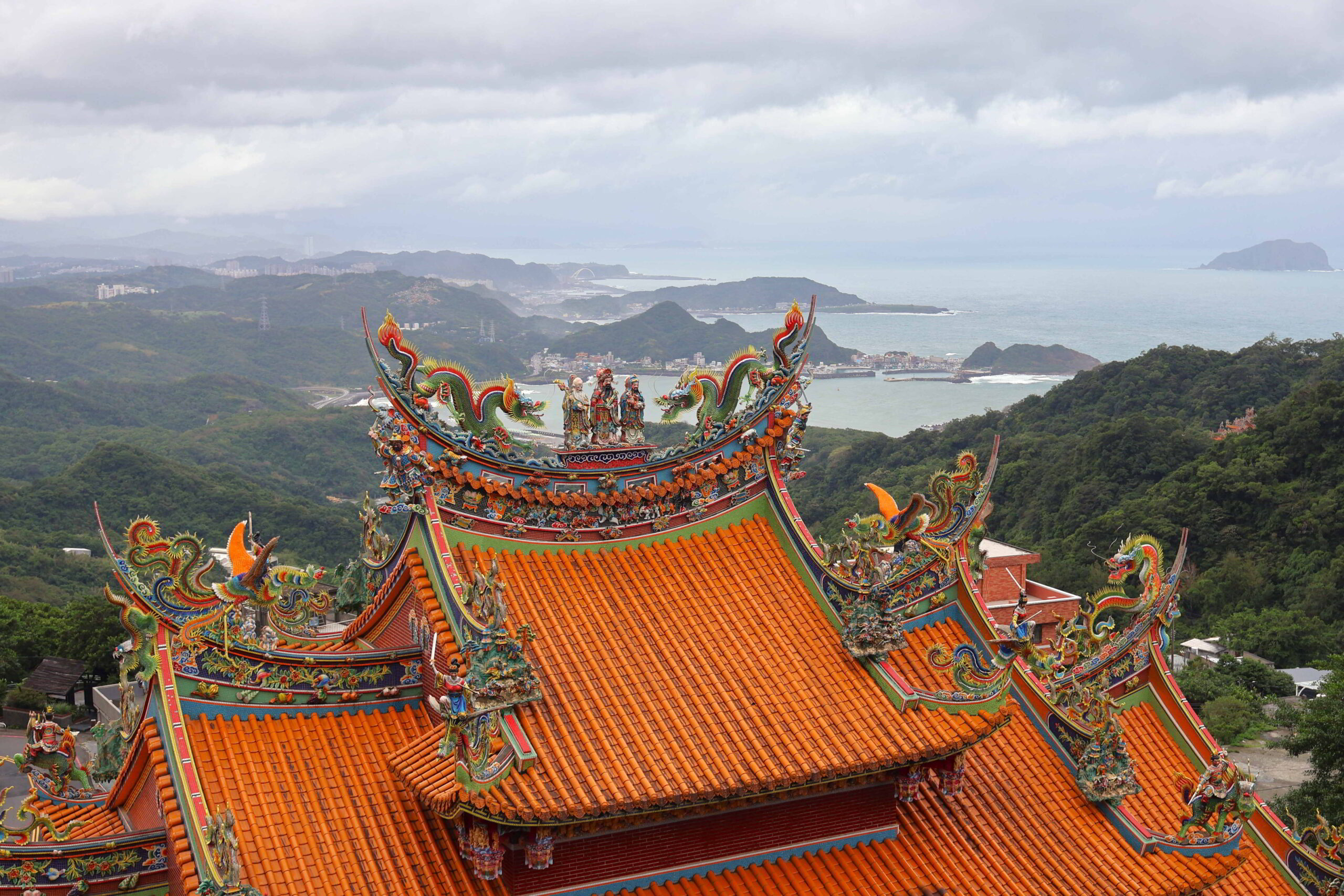
The B & B’s dainty breakfast of homemade yoghurt, diced tropical fruit, and several sweet rolls is augmented by my more extensive contributions to the cause of my morning gastronomic excursions, not a bad idea, given that I have no idea where I will be able to find the time and occasion to eat during the day. The attendant at the bed and breakfast advises me to continue tomorrow to Fulong by bus, as the train service may be canceled as a result of the ongoing weather challenges posed by the typhoon lingering around the island. Today we enjoy a brighter interlude, the weather not necessarily clear and sunny, but at least only partially overcast, which is a huge improvement over the storm we experienced yesterday.
Jiufen
Jiufen
Jiufen
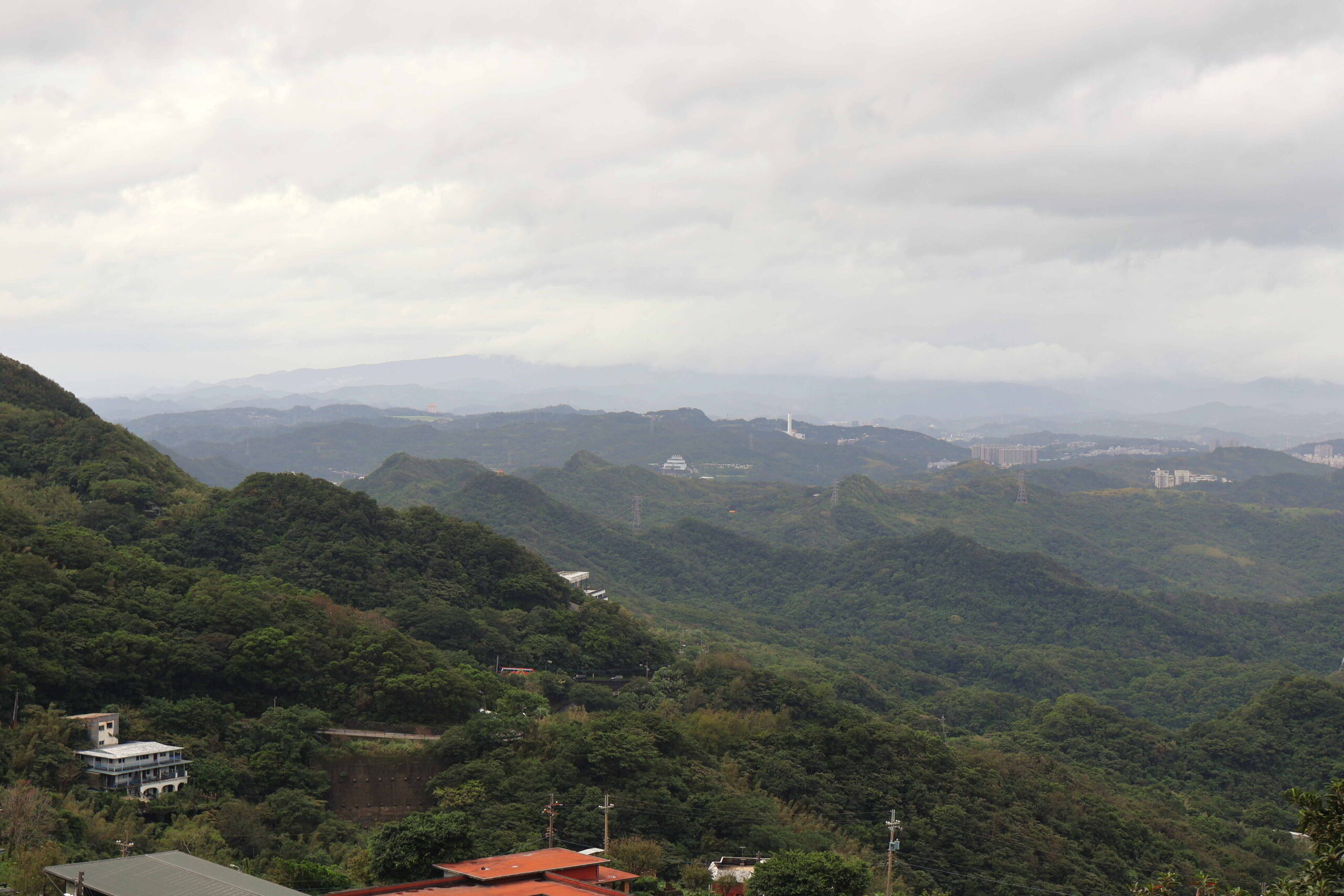
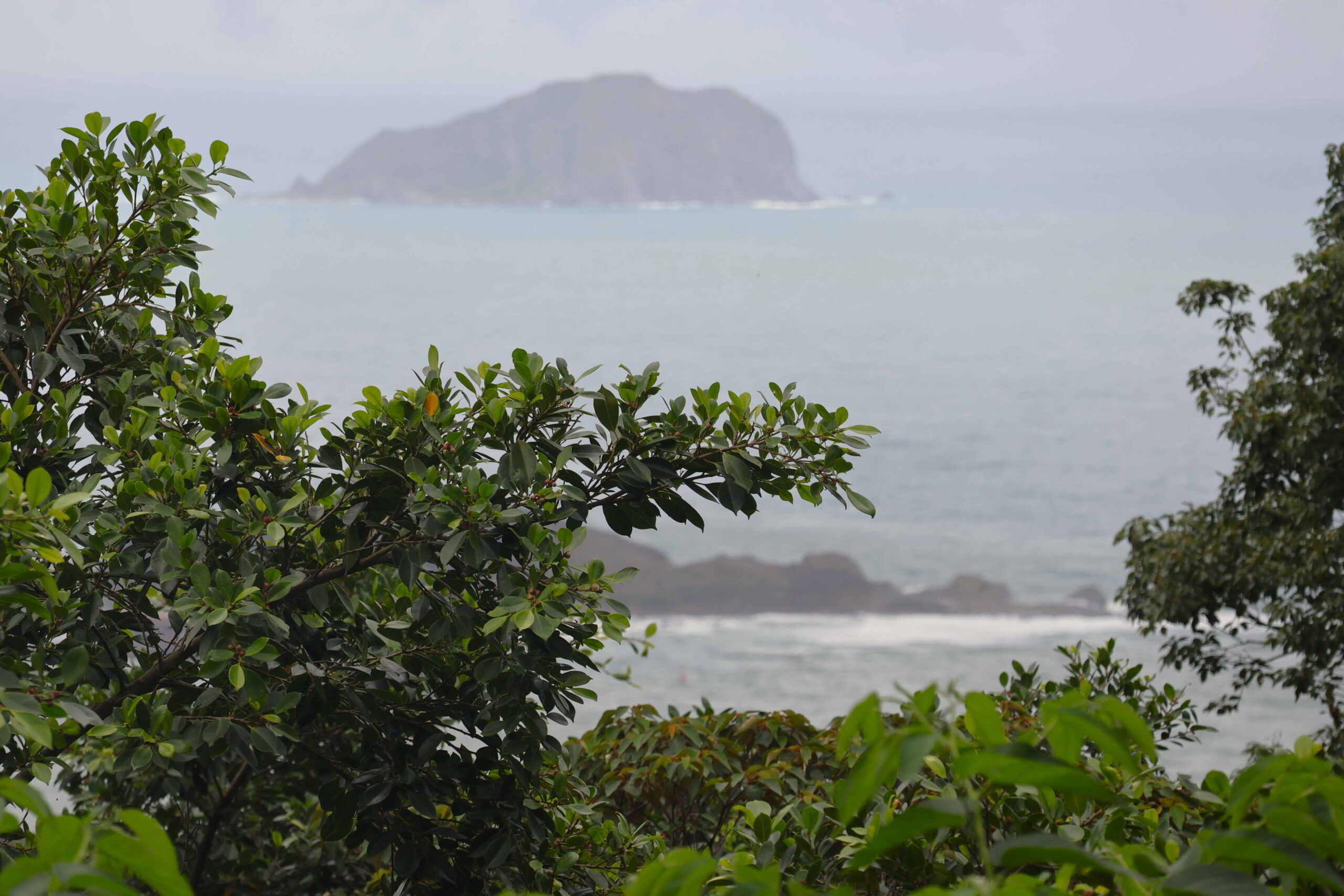
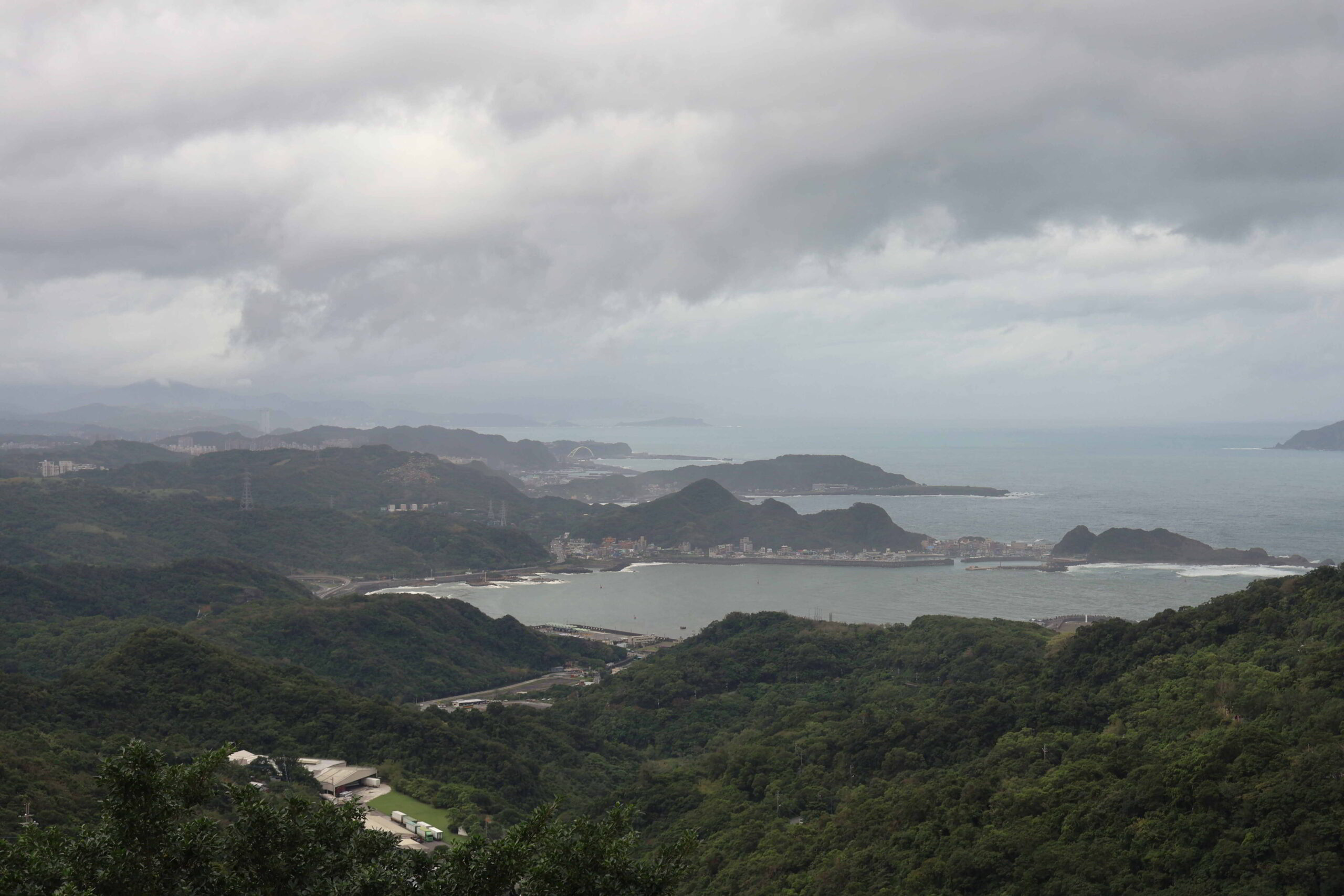
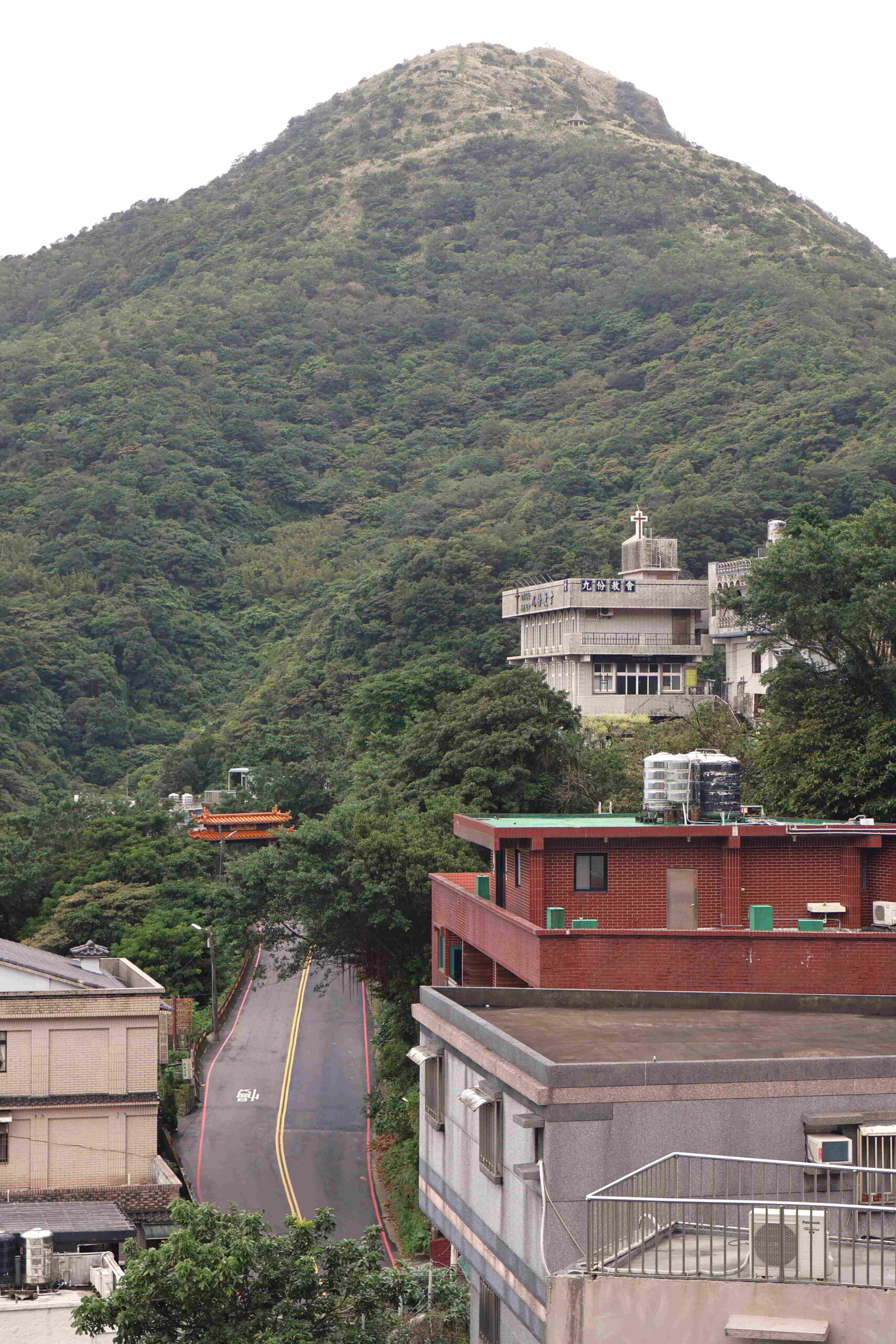
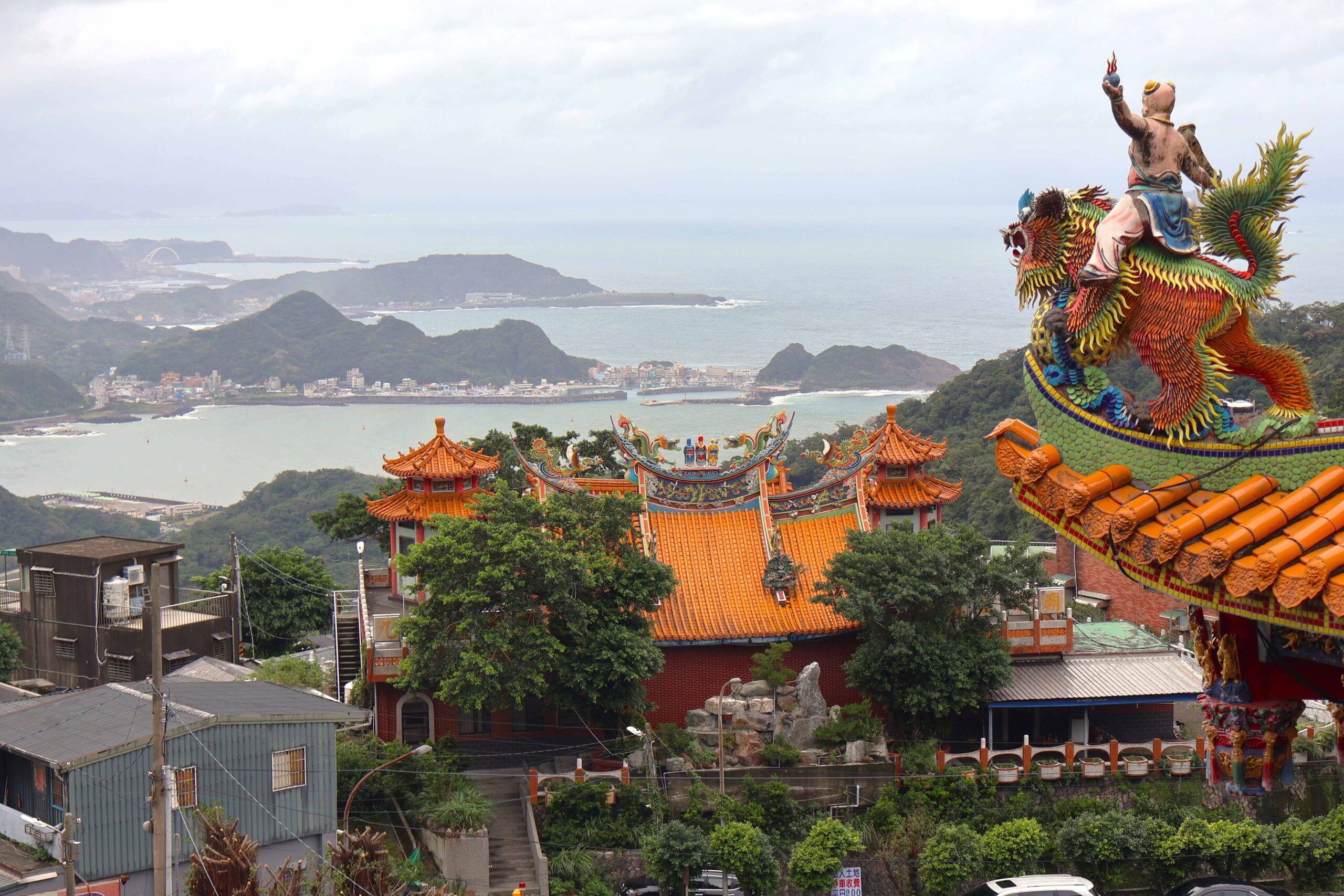
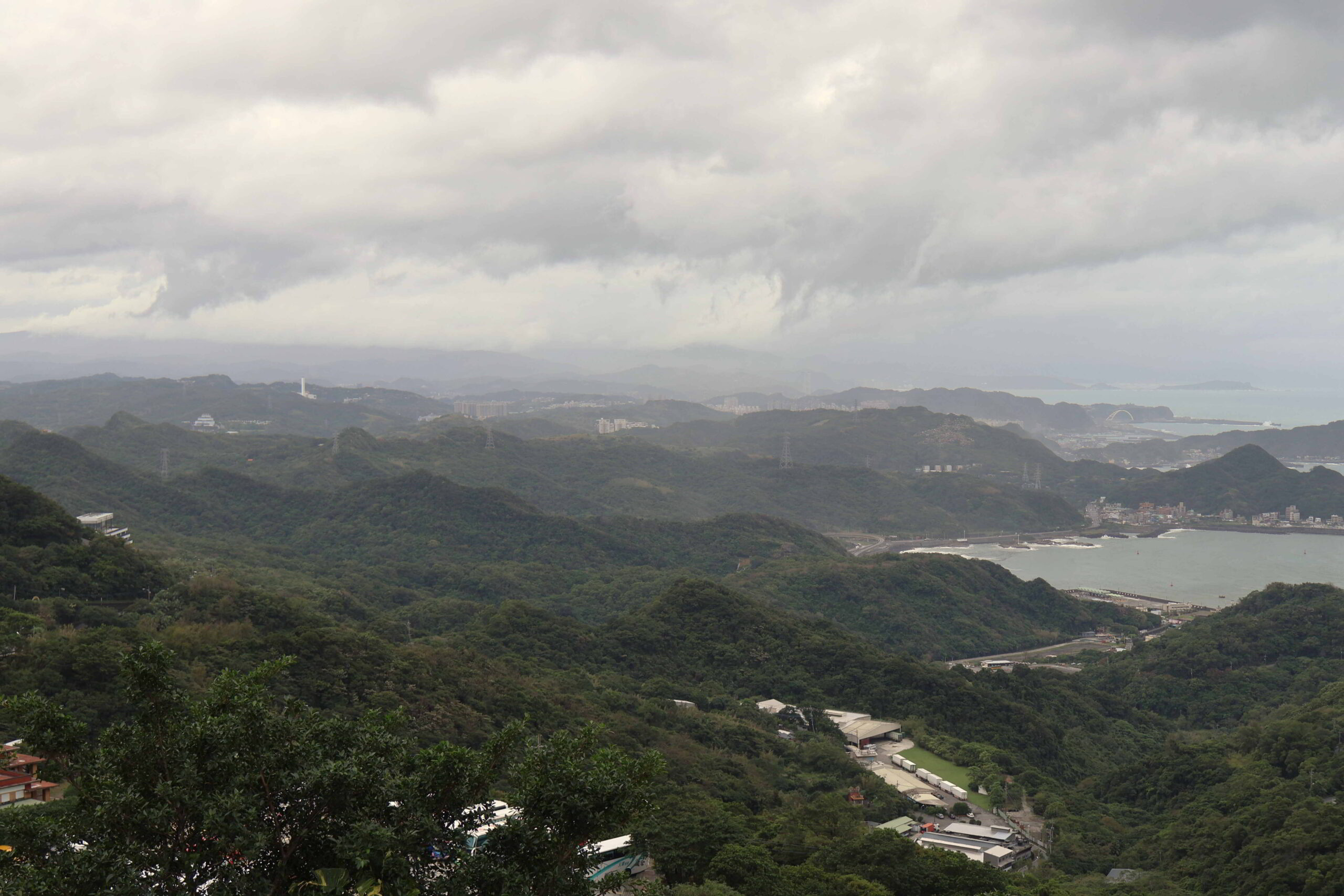
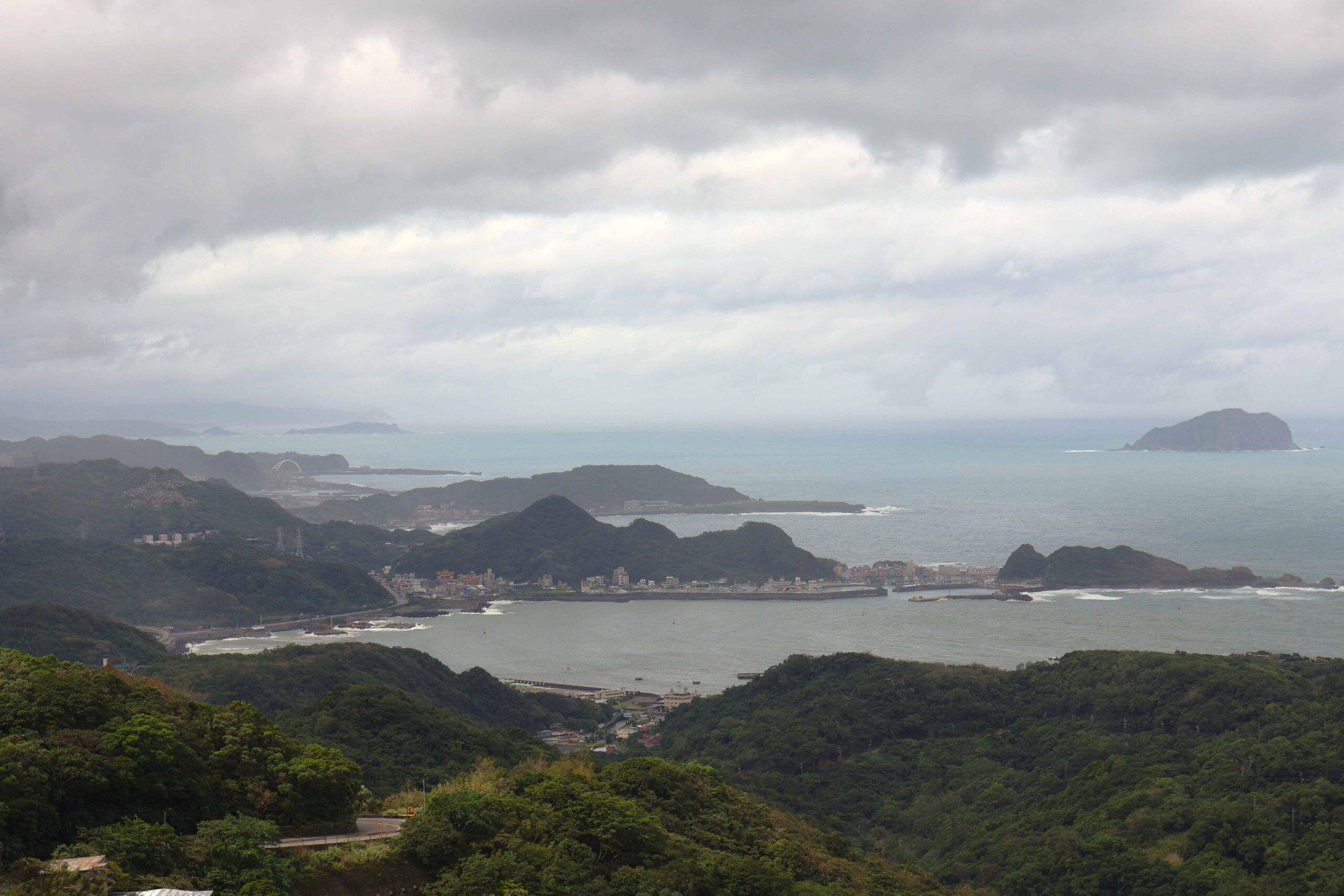
The crowds along the alley leading to the main road are moderate and the views of the terrain below us impeccable, at least relative to what I have seen here thus far. Many of the shops are still closed, including the one inexpensive eatery I visited on the evening I arrived. The rest of the shops are about being pretty, far from indispensable, offering gastronomic knickknacks that are typically overpriced, the business model based on the idea that the tourist will buy something, anything, but just won’t leave emptyhanded. My compromise is the Youshi Twilight Cafe, whose Ethiopian/Guatemalan blend espresso is exceptional, sweet, sour, polished, and redolent of berry, some of the best I have had in a country where the coffee has been routinely excellent.
Jiufen
Jiufen
Jiufen
At the Family Mart, a few cheap ramen soups, a small packet of band aids, and a recharge of my IC card. Since one of my sandals disintegrated, I am wearing a pair of cheap thongs from the bed and breakfast, the straps of which will invariably cut into the skin of my dainty flesh, hence needing band aids for protection. Due to the zig-zagging of the main road, I am confused as to the bus stop I should be waiting at, wandering back and forth until I finally arrive at the correct stop. Then am finally off to the neighboring town of Jinguashi, which promises to offer attractions along the lines of Jiufen. And if time permits, I can continue toward the coast and explore further.
Jiufen
Jiufen
Jiufen
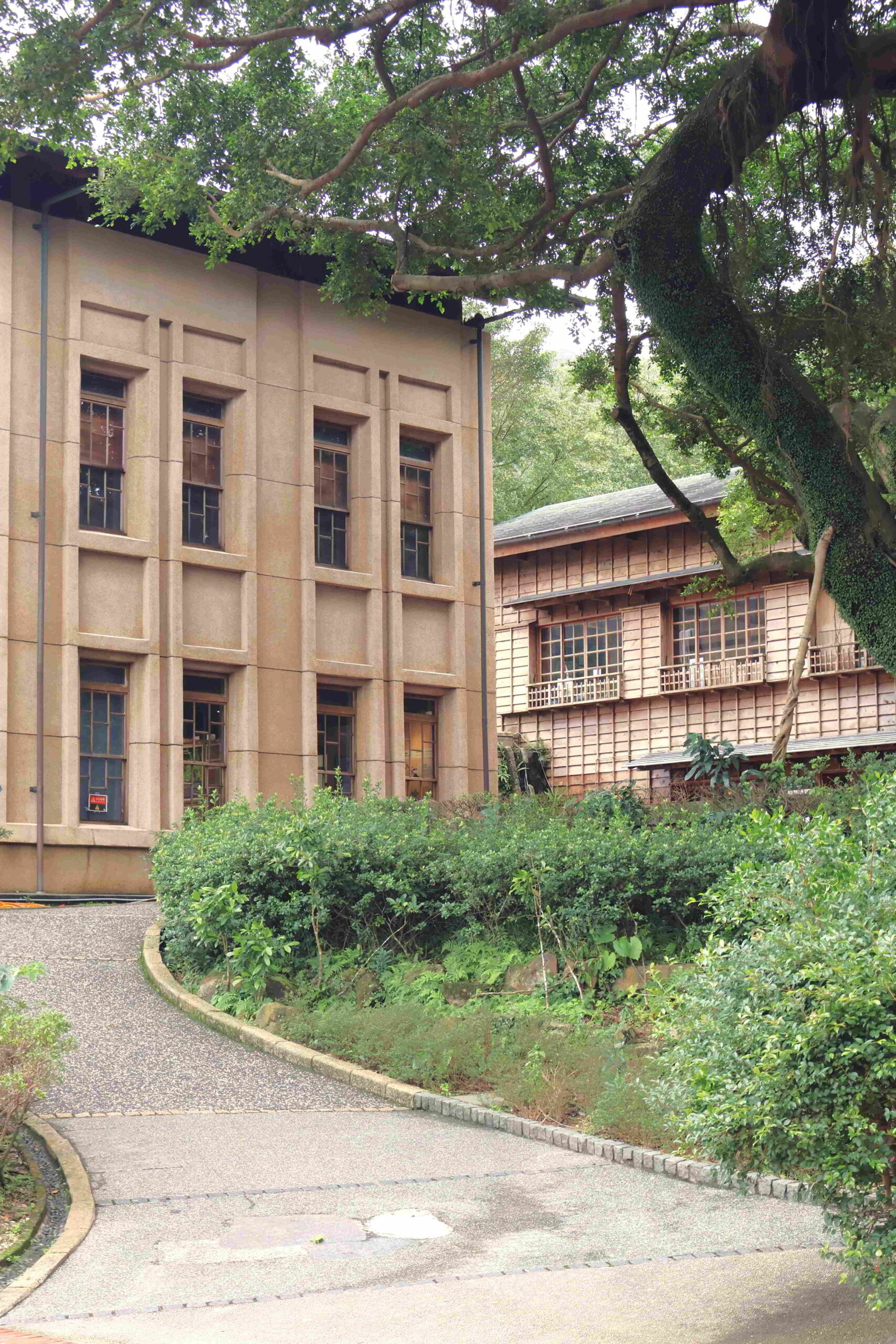
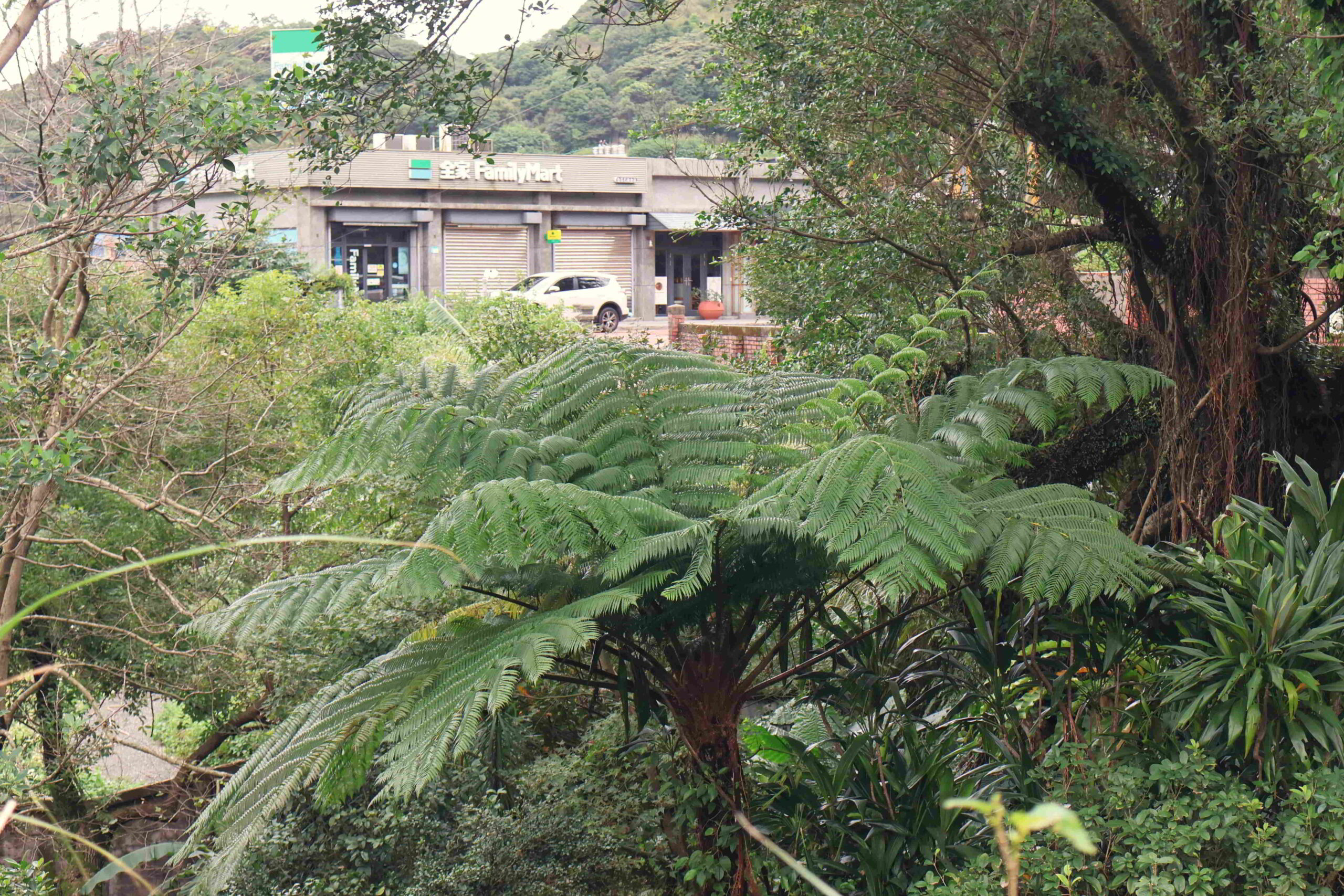
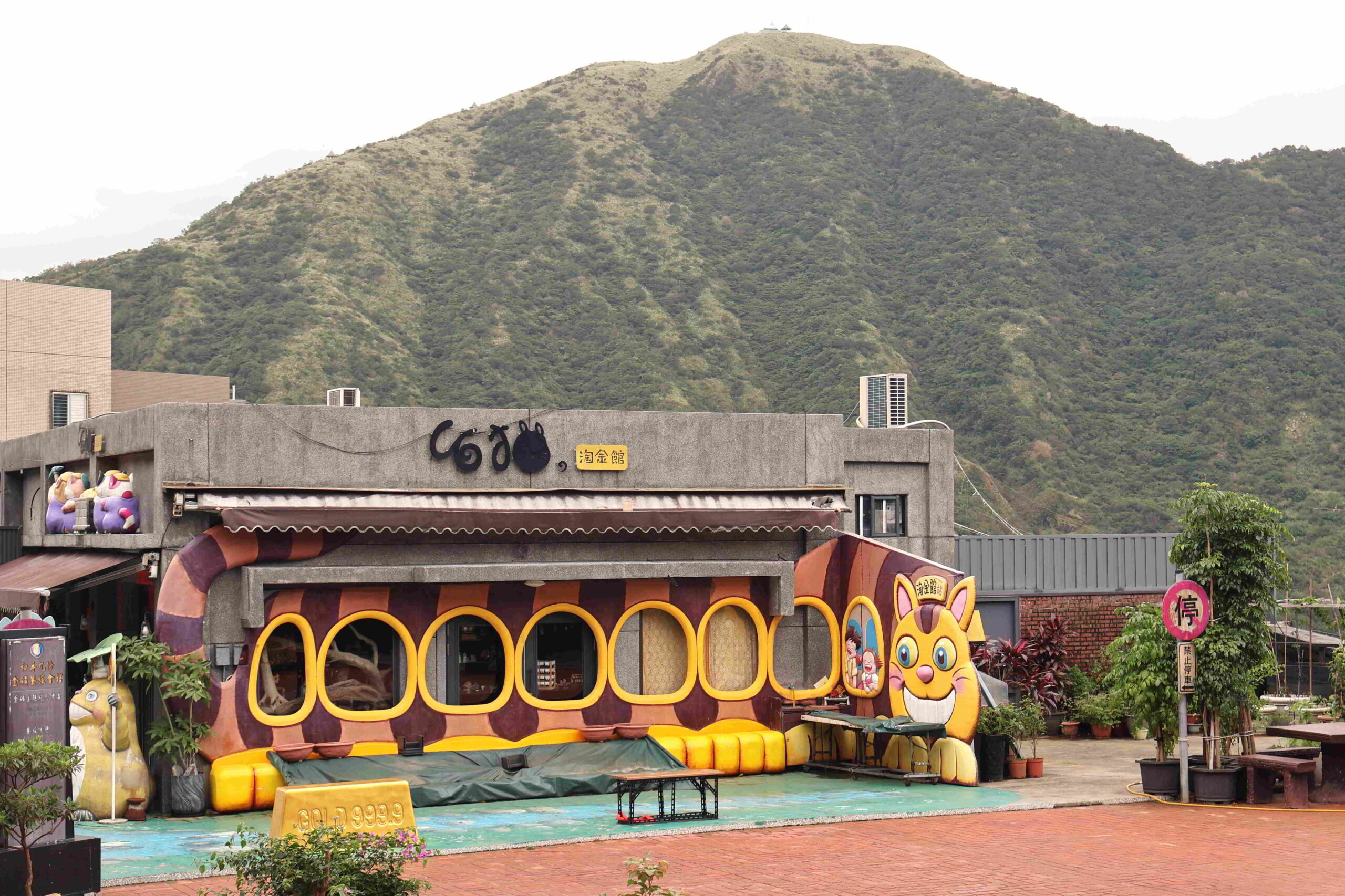
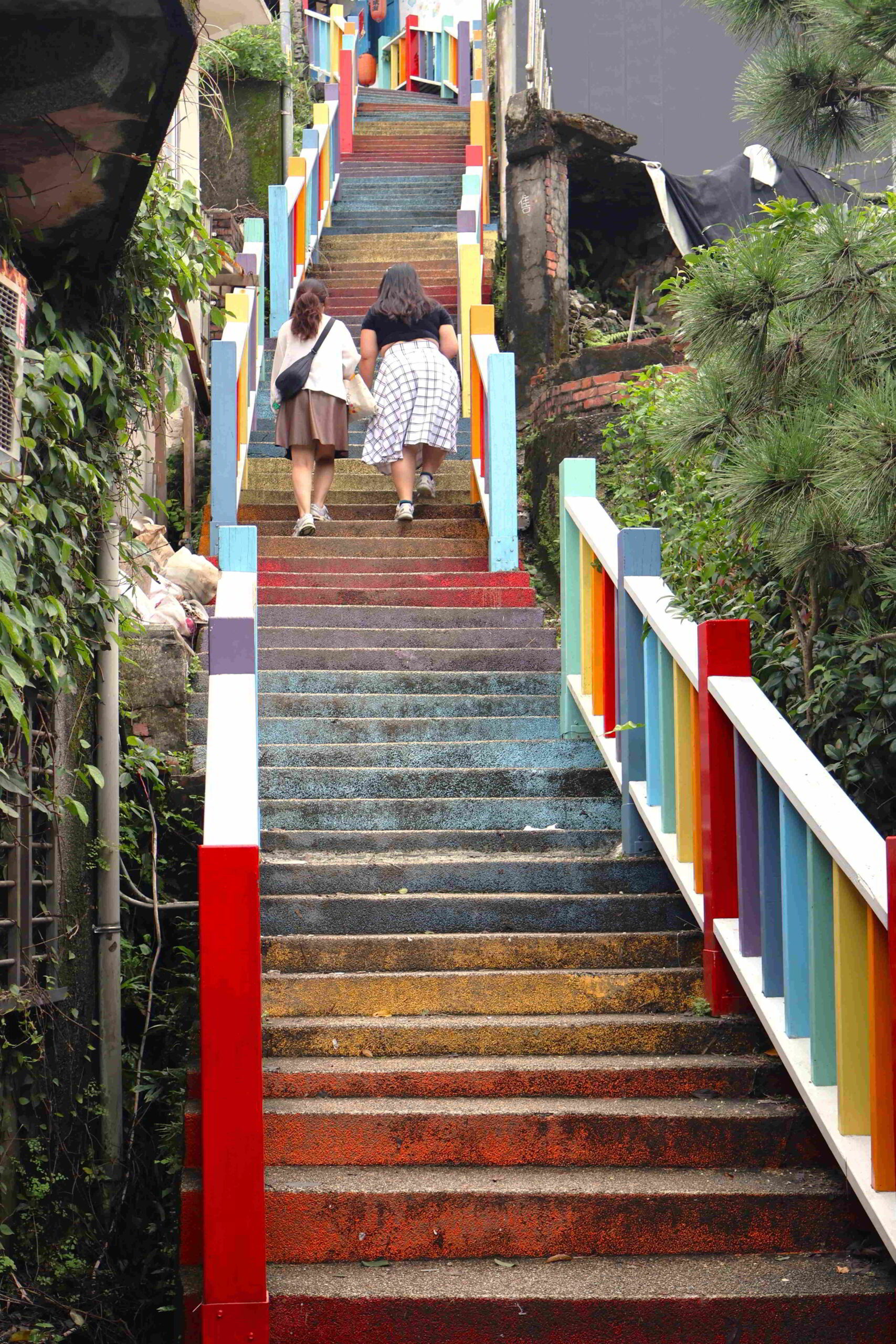
The first thing that strikes me about Jinguashi is that there are no tourists, in fact, there doesn’t seem to be much of anyone in the town, although it also isn’t quite clear where the focus of the village is. The bus stops conveniently next to what seems to be a designated tourist itinerary; the attractions on the map are dauntingly disjointed, connected by a seemingly haphazard collection of alleys and staircases.
Jinguashi
Jinguashi
Jinguashi
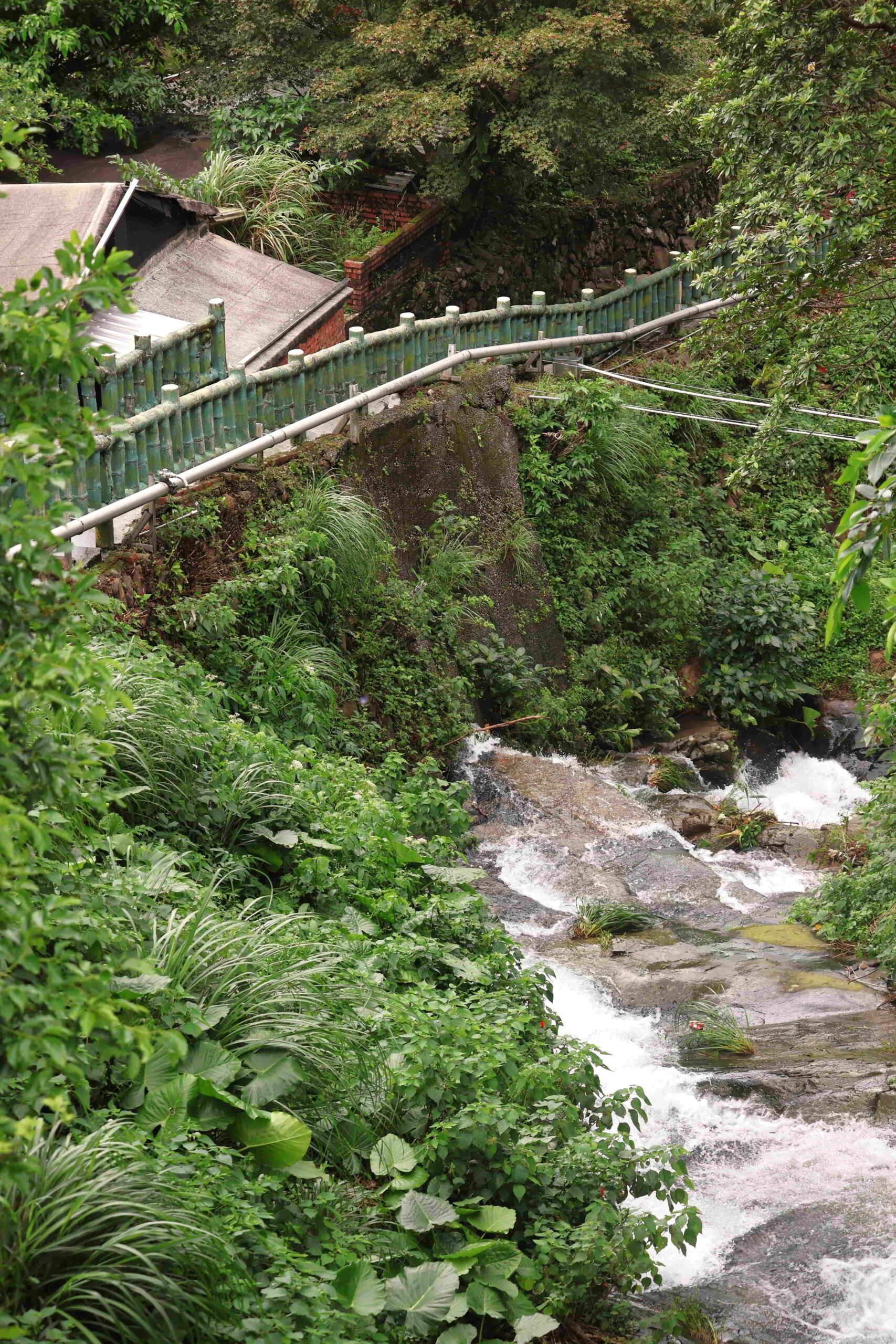
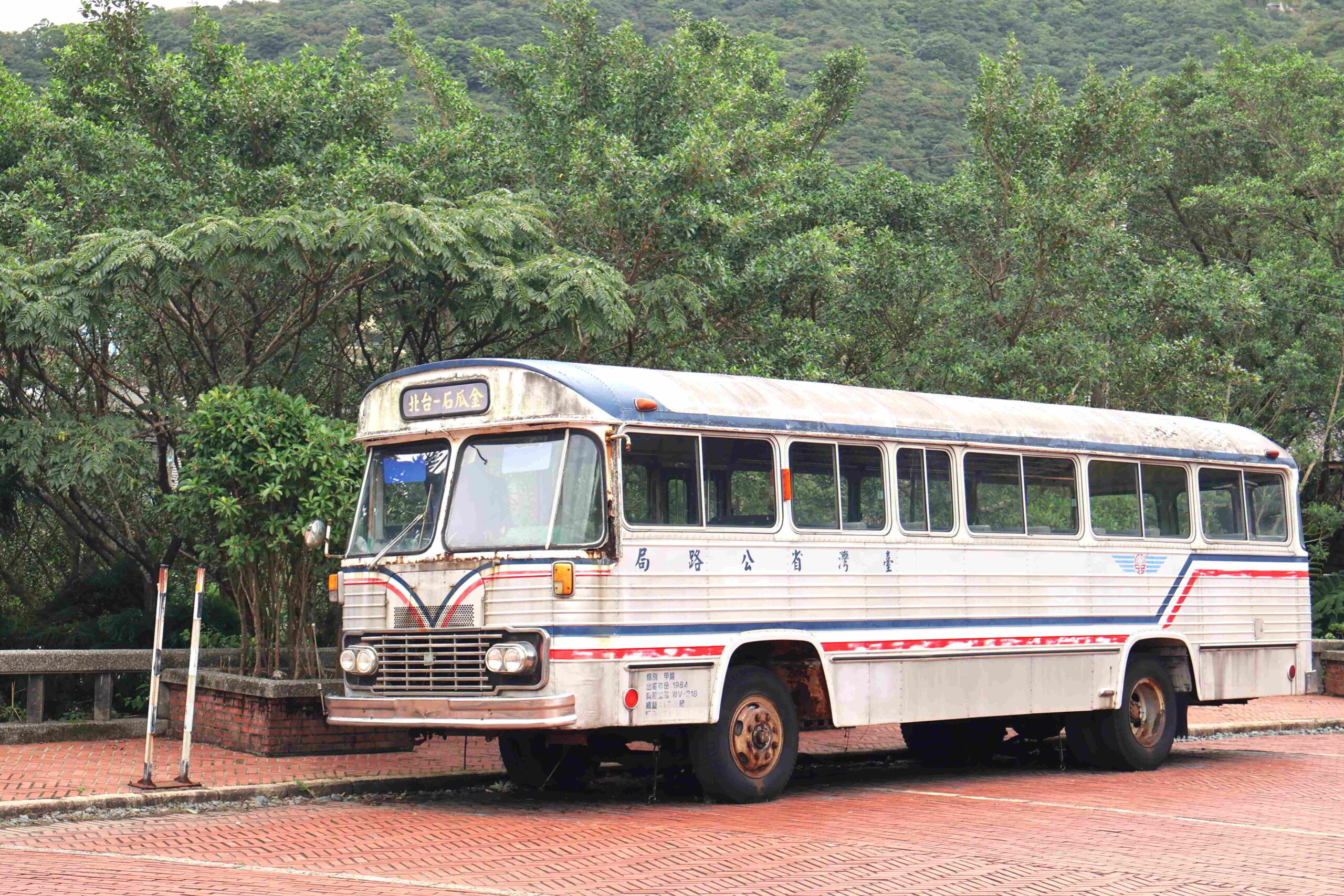
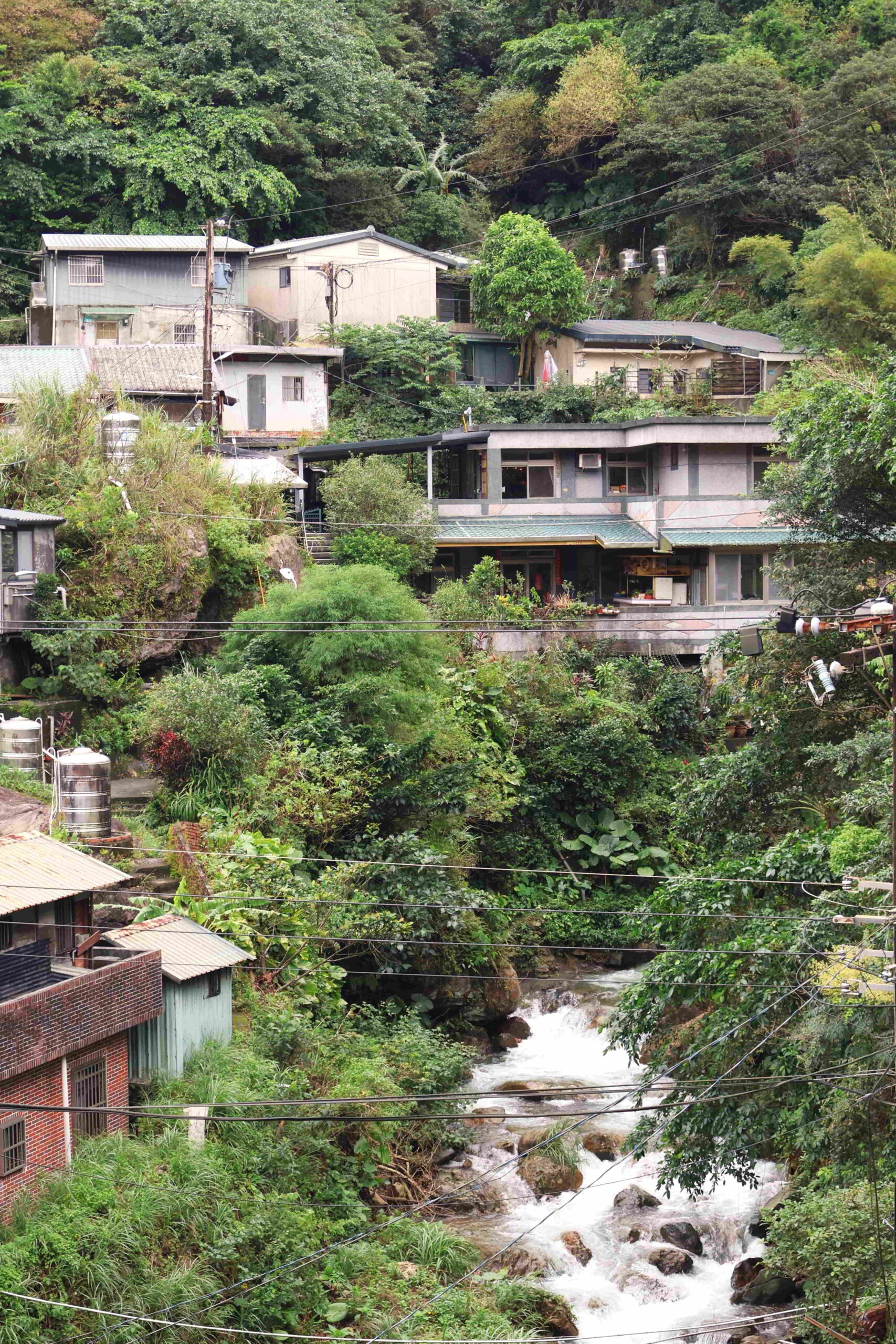
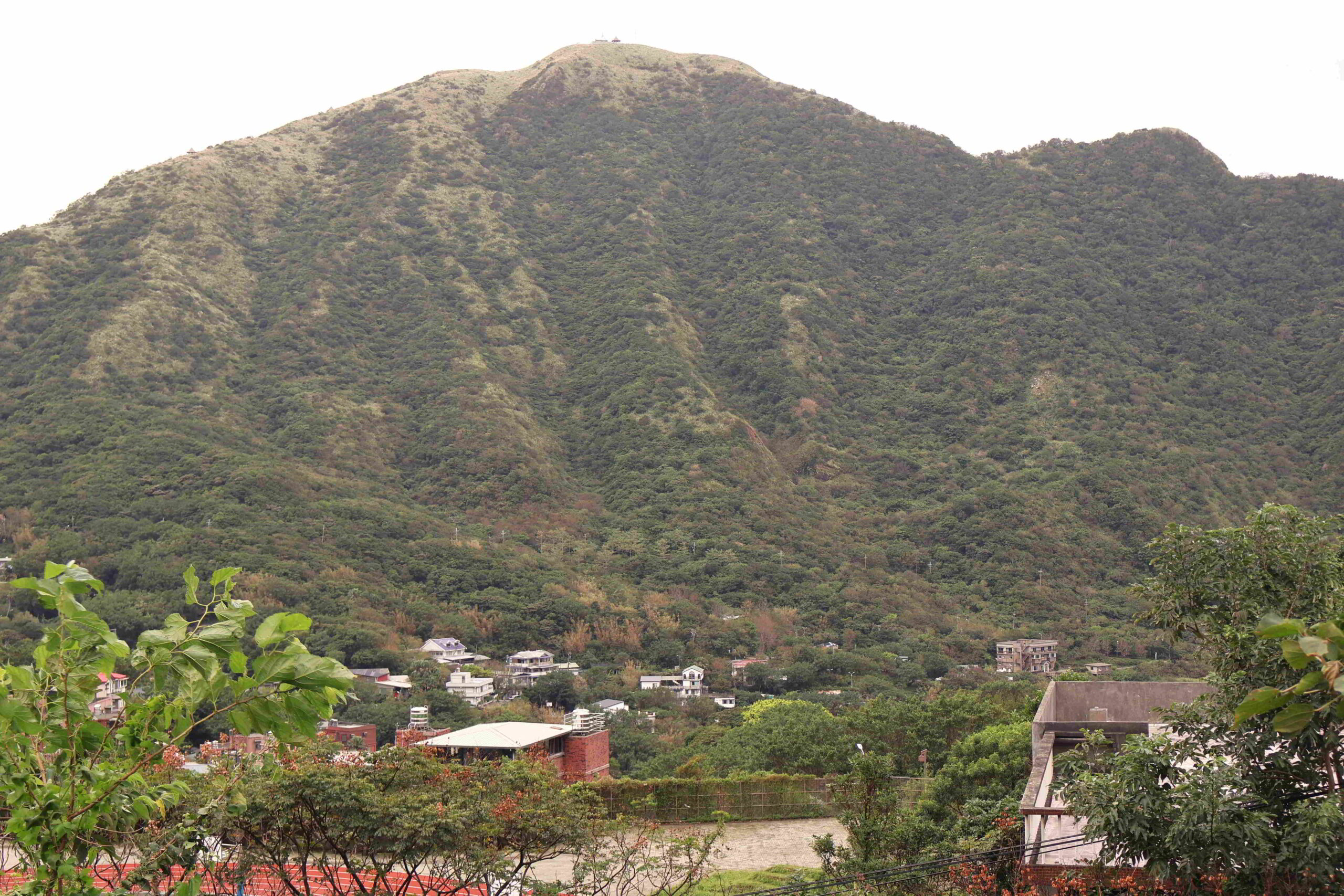
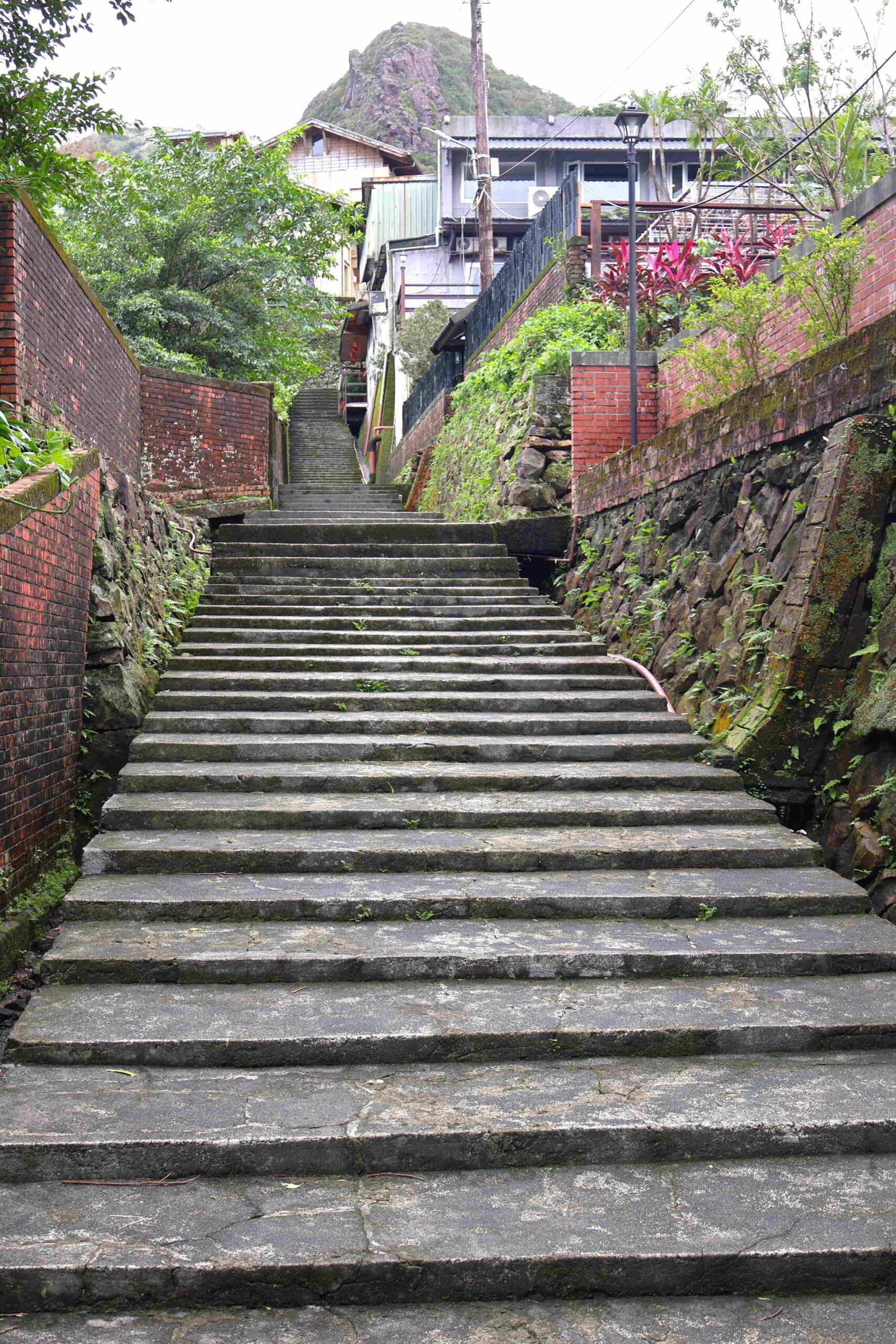
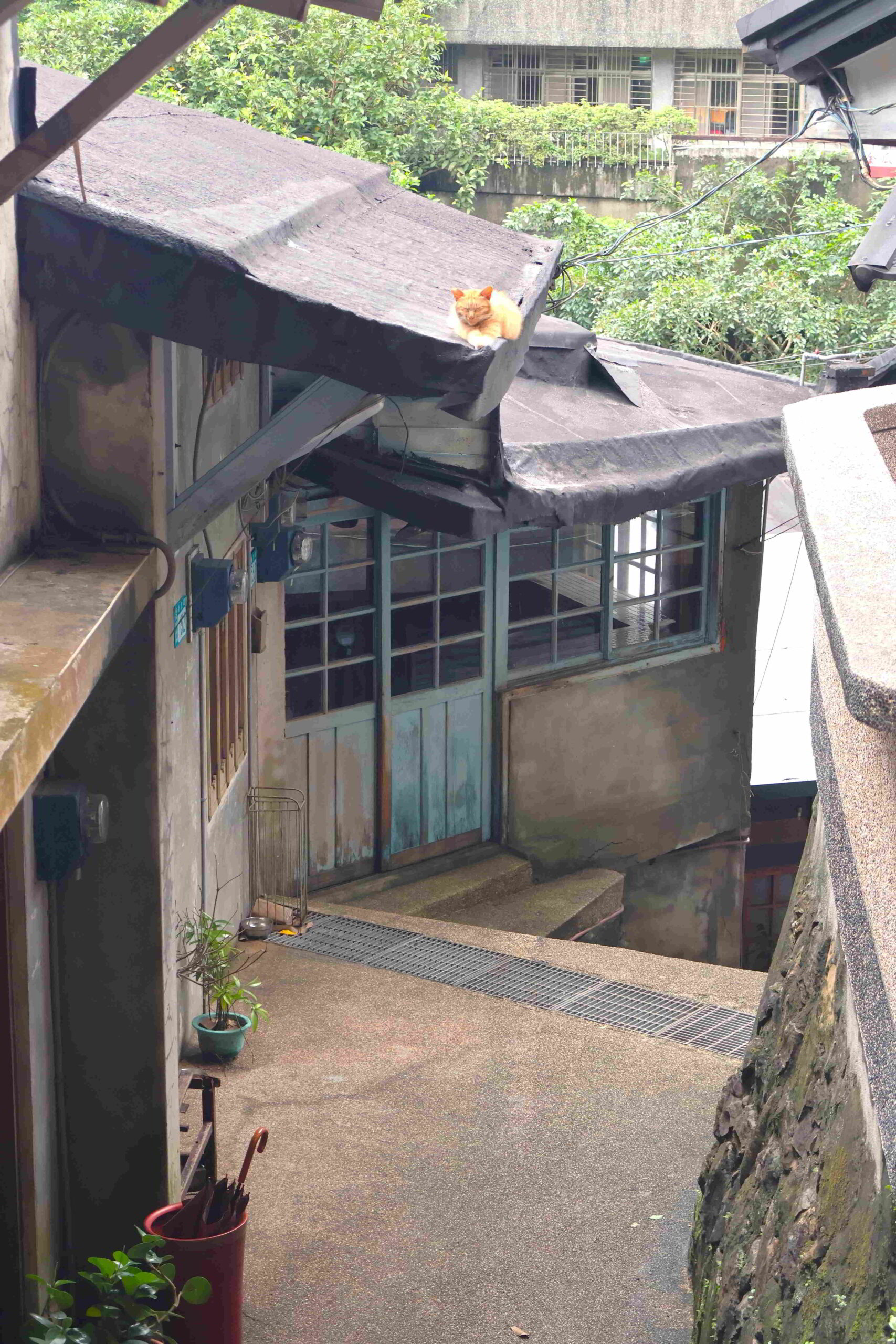
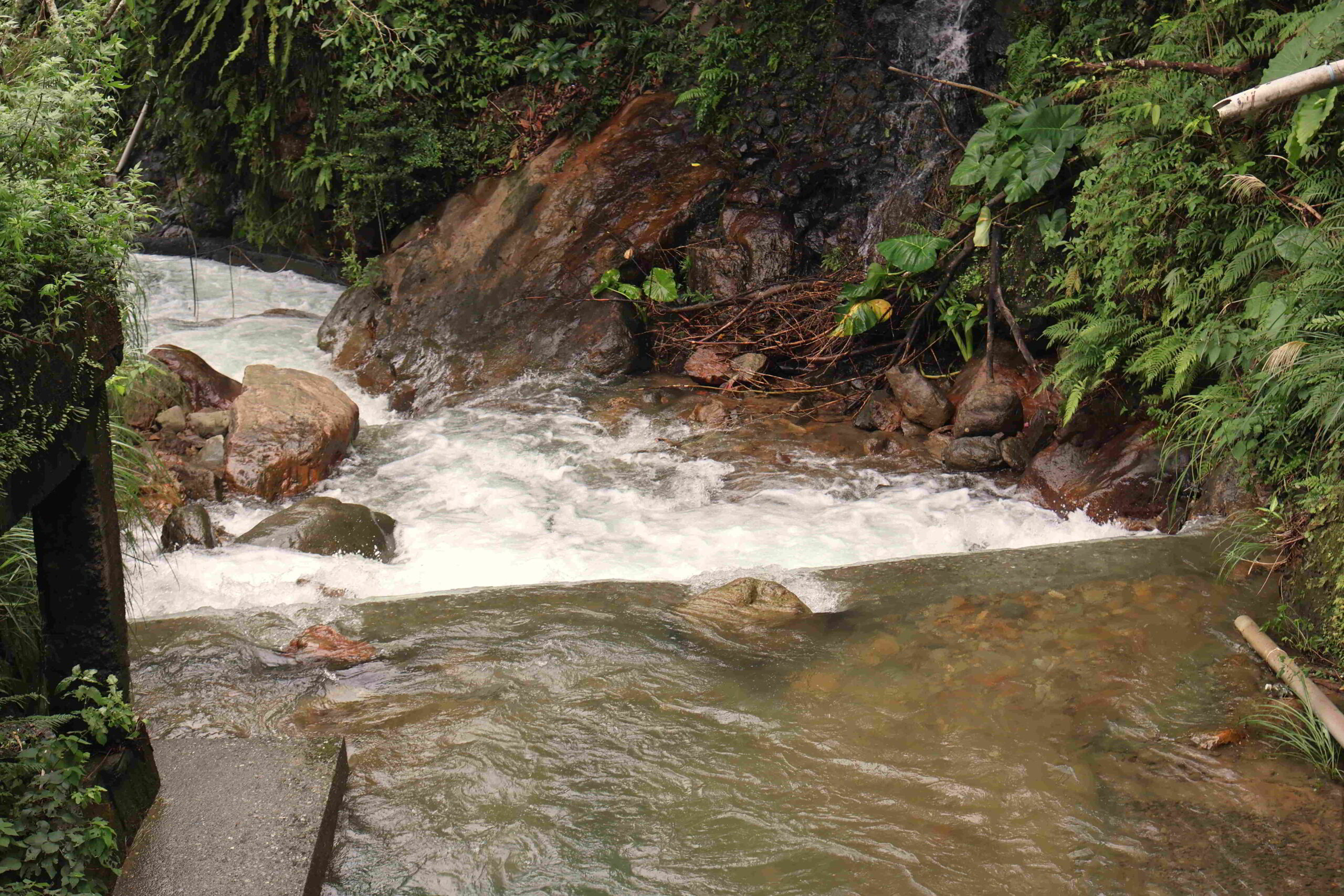
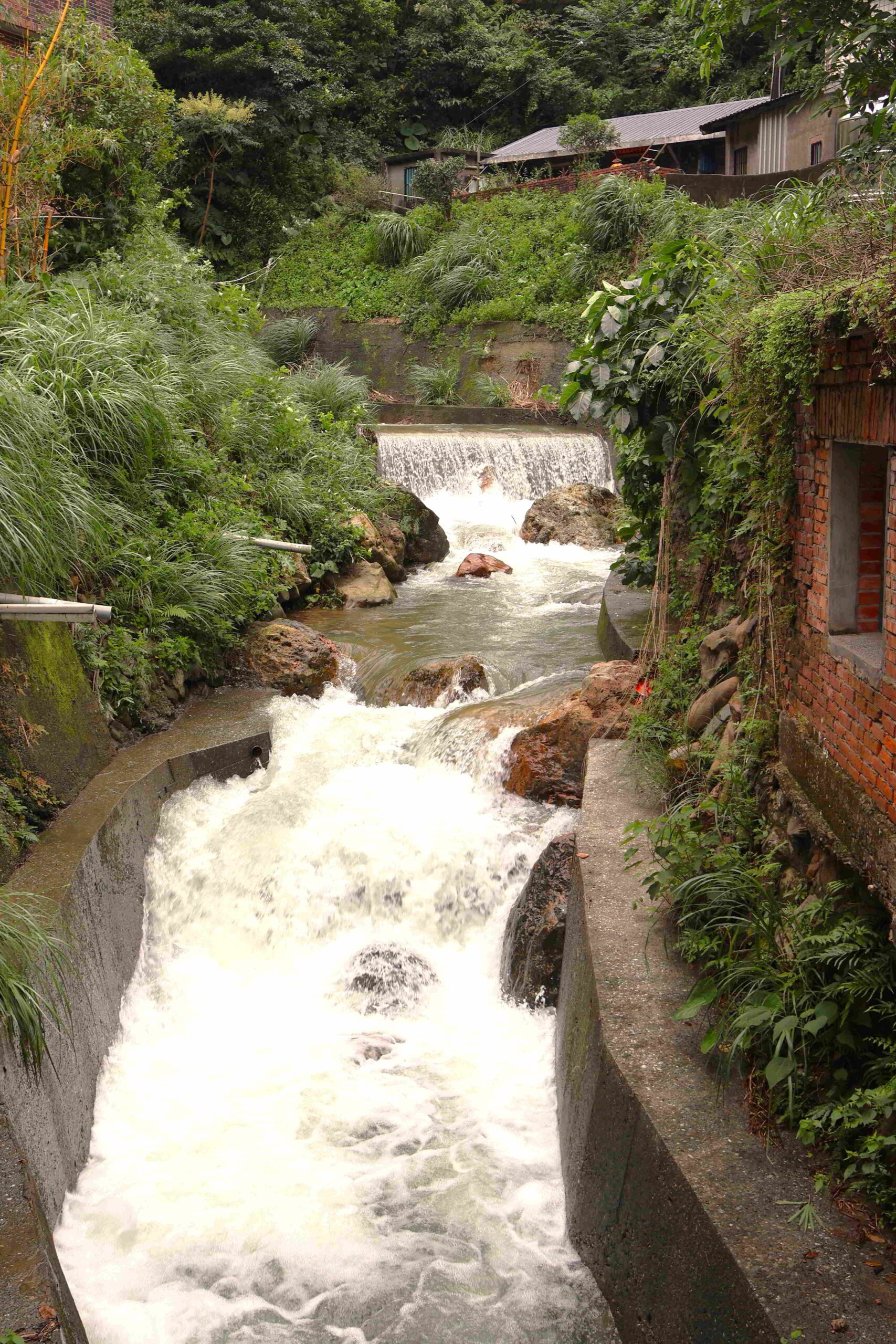
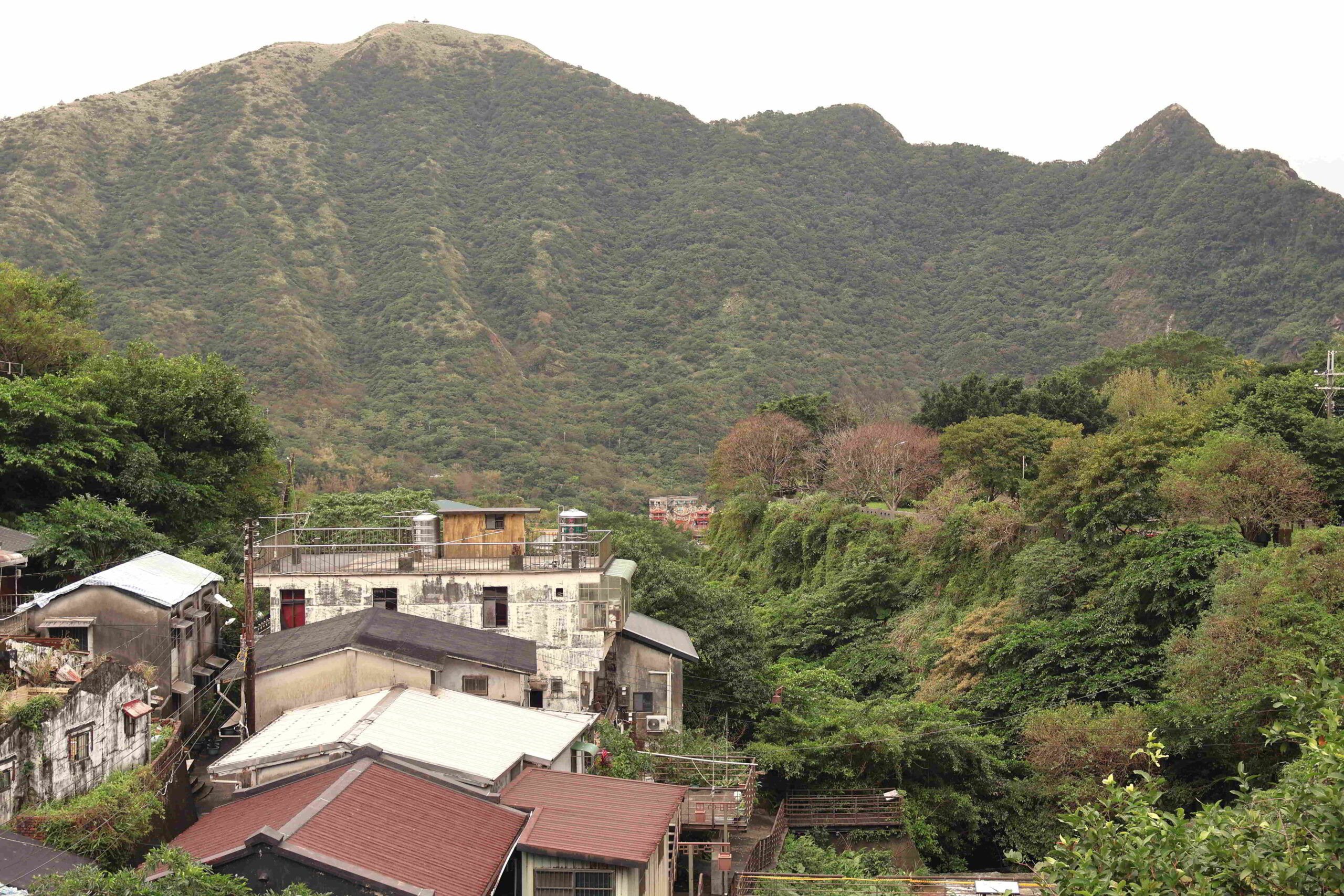
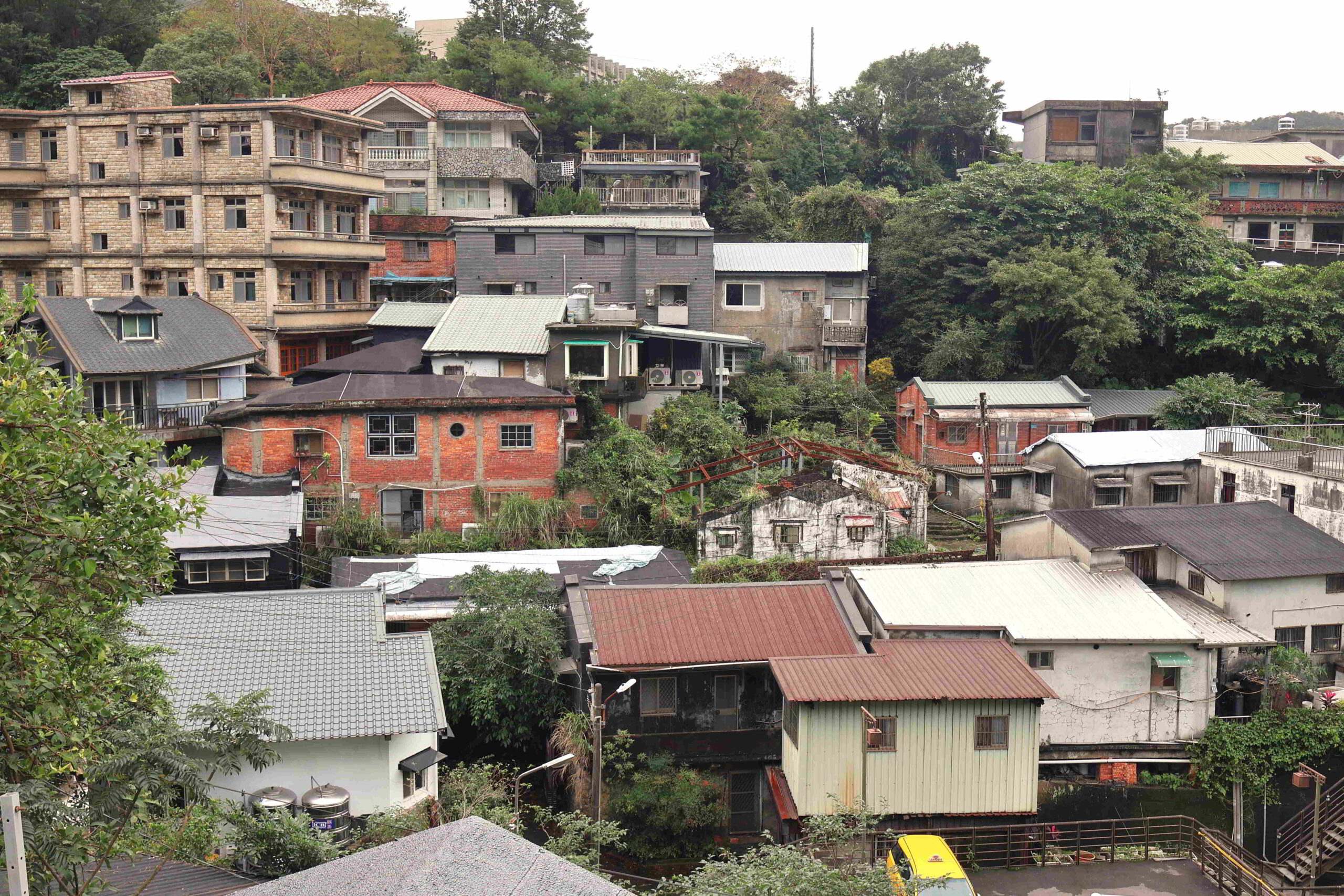
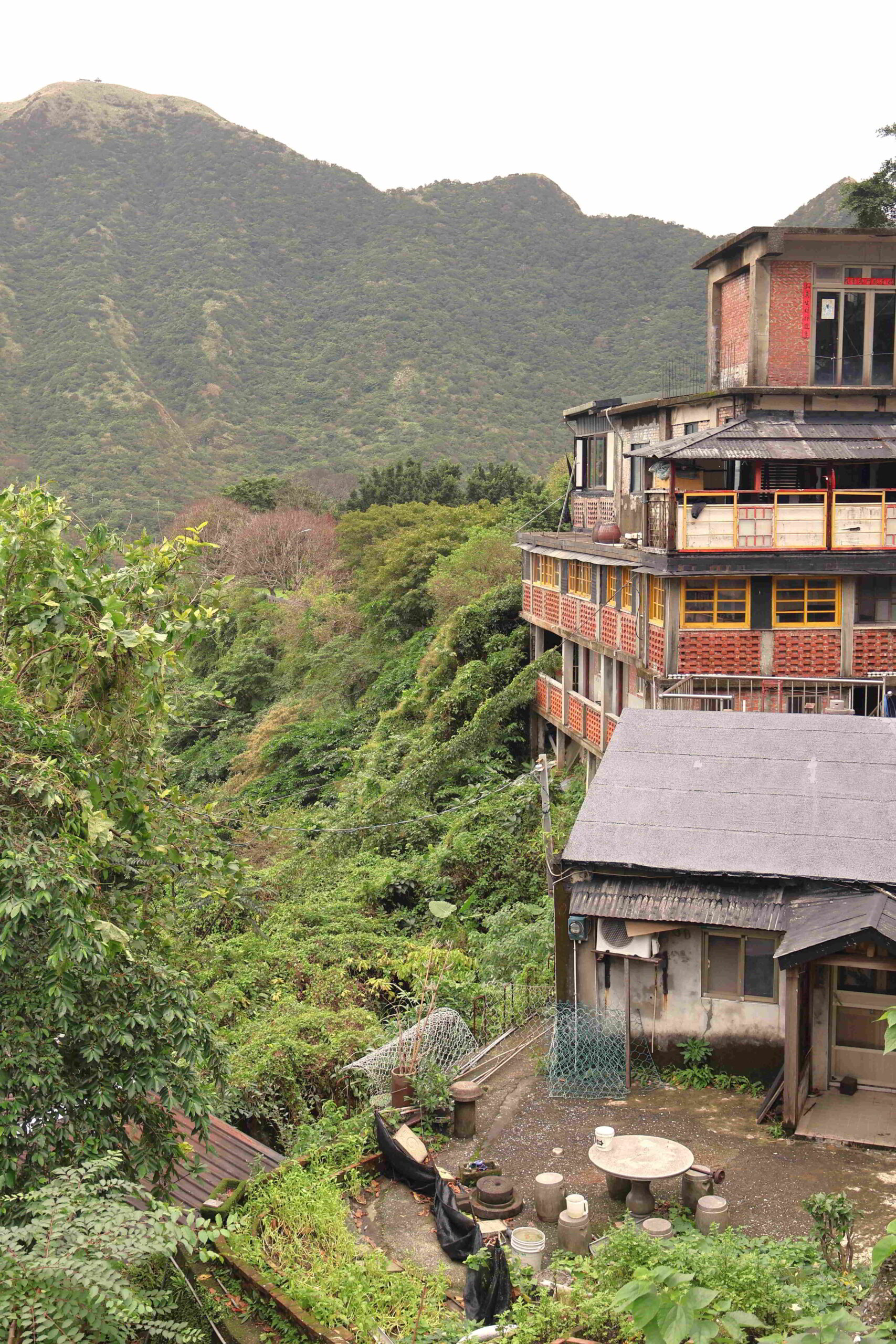
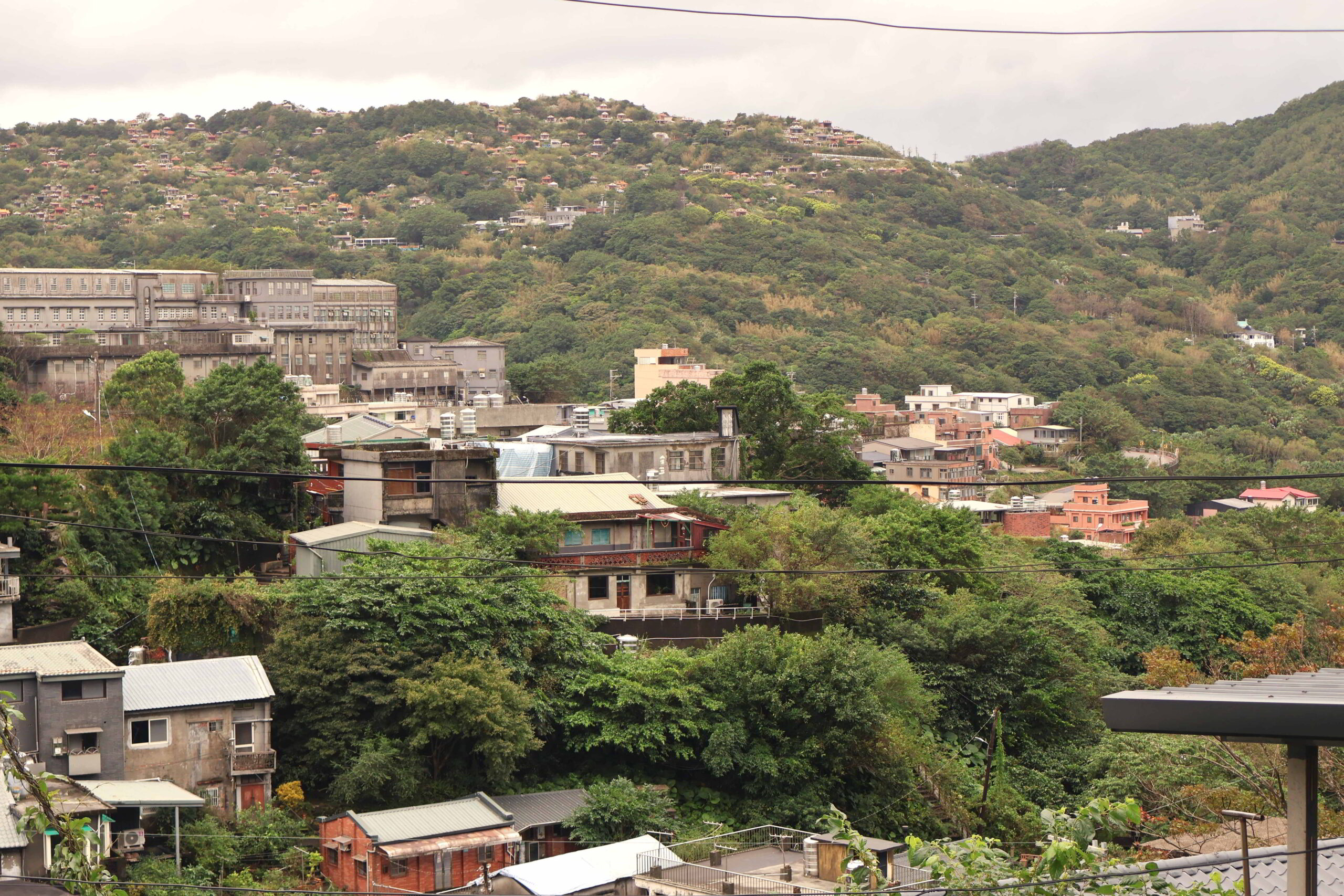
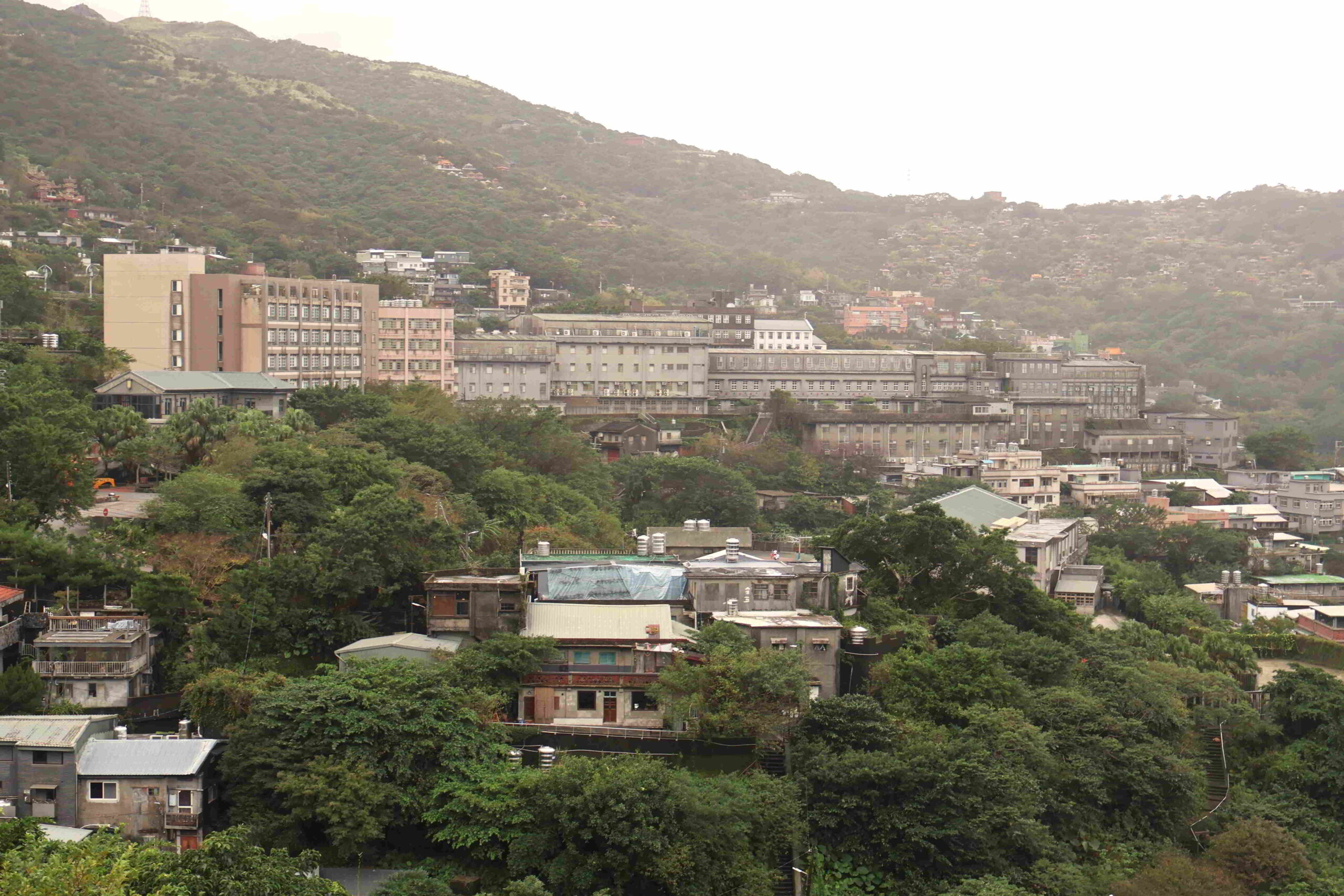
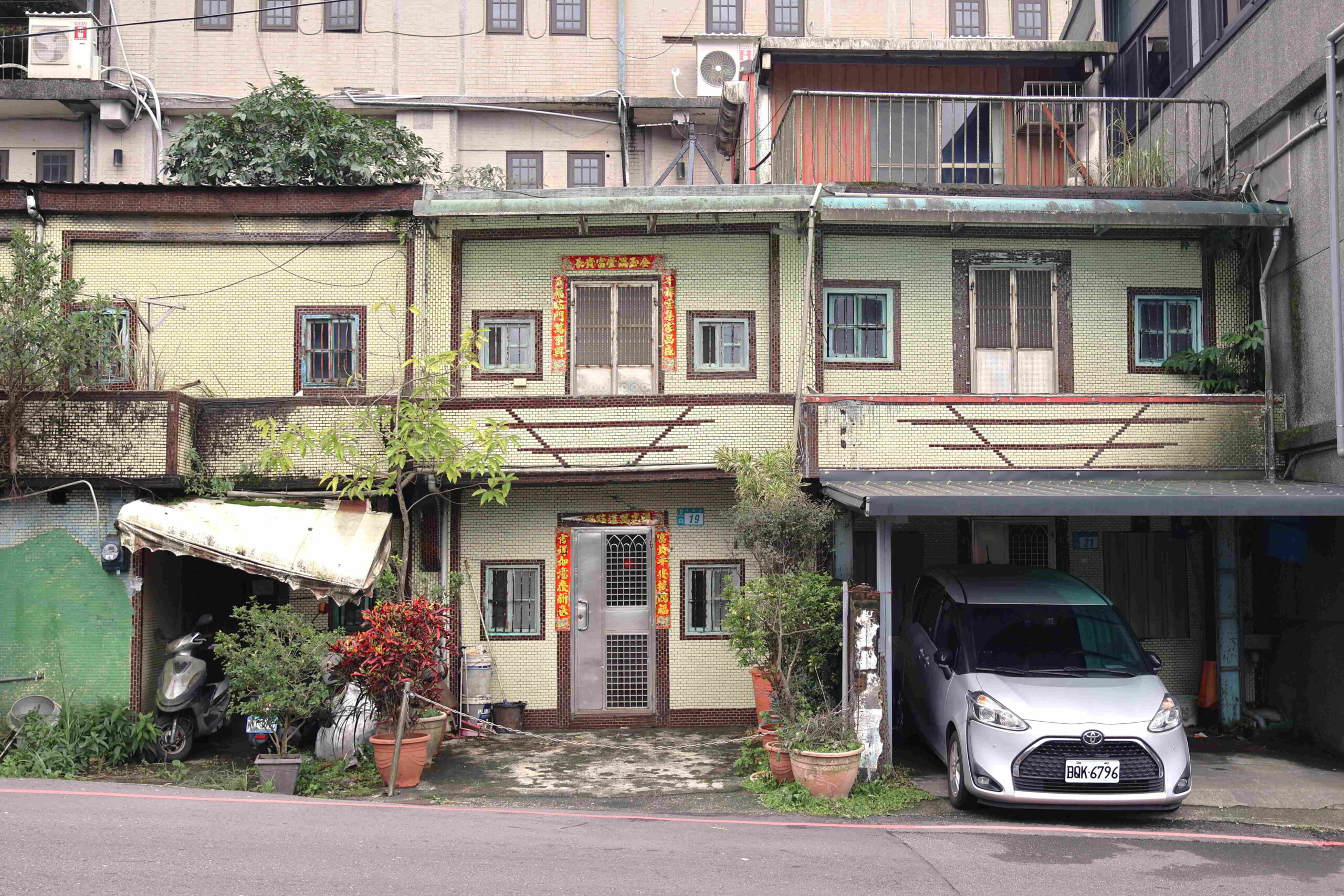
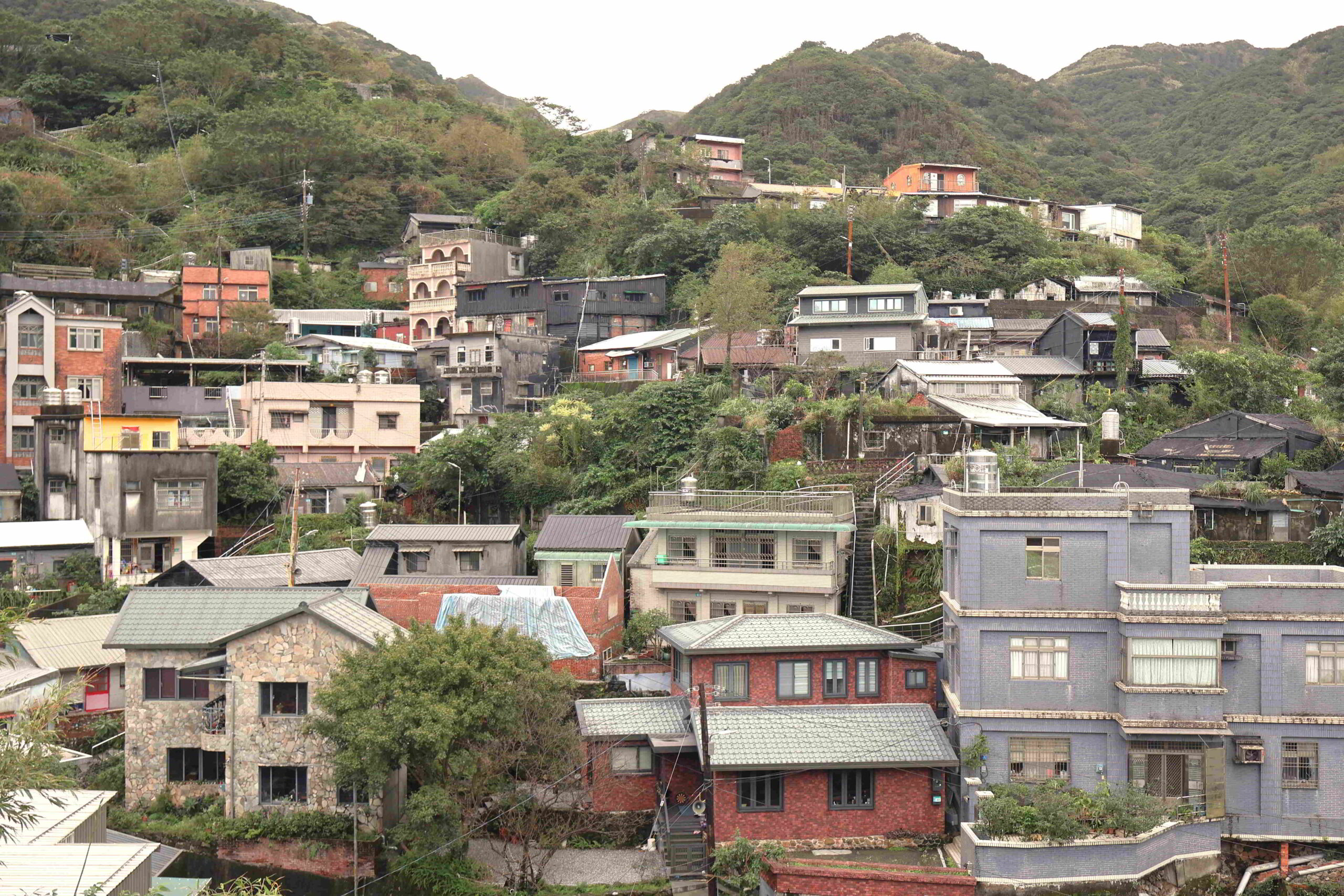
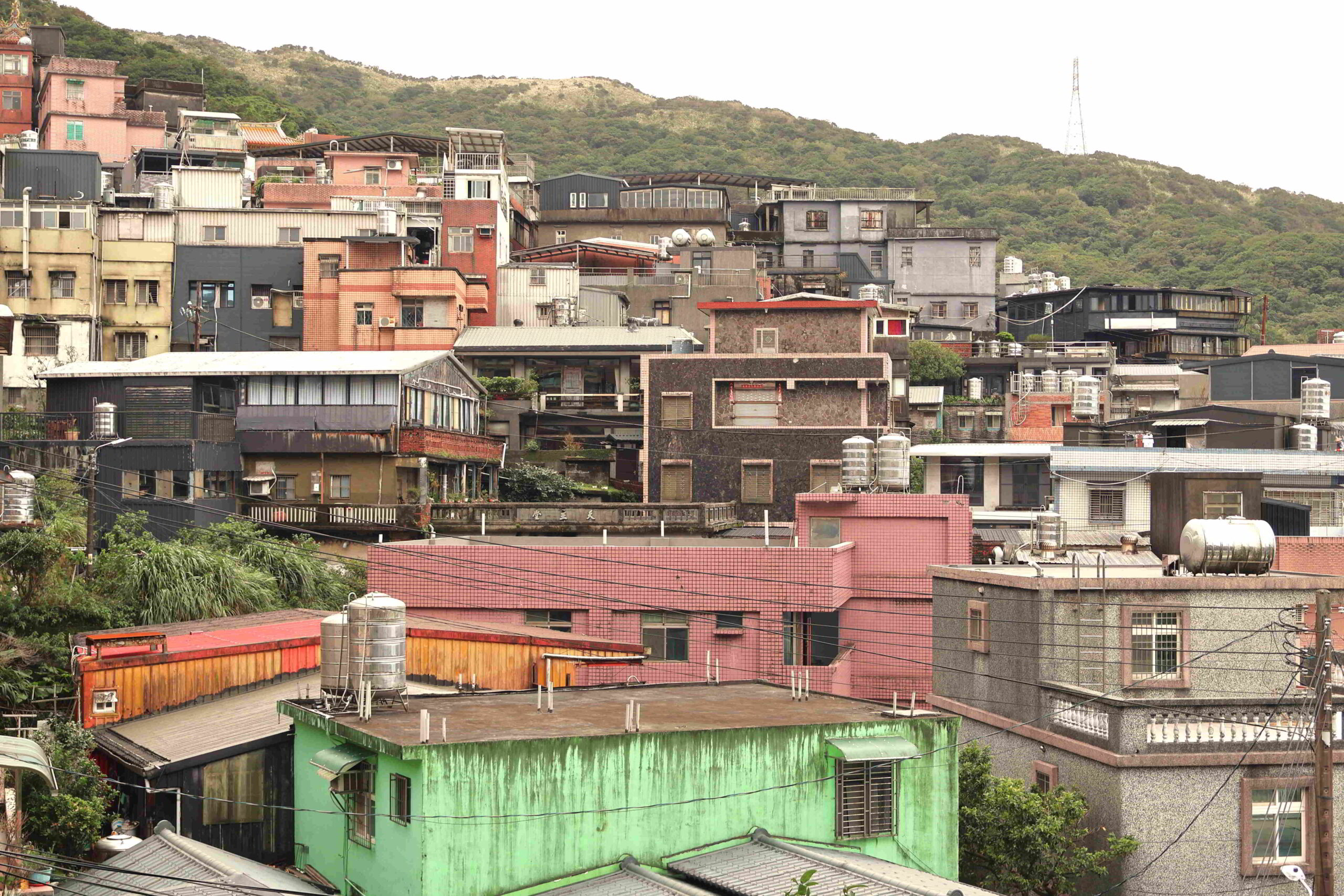
Similar to Jiufen, the town is composed of small, multi-level houses jammed together along narrow, winding alleys, clinging to slopes with often precipitous drops, the summits of the verdant hills framing the background, and the sea visible somewhere in the distance, past an unfolding sequence of steep ridges. Innocuous channels of water are now gushing torrents, thanks to the recent rains.
Jinguashi
Jinguashi
Jinguashi
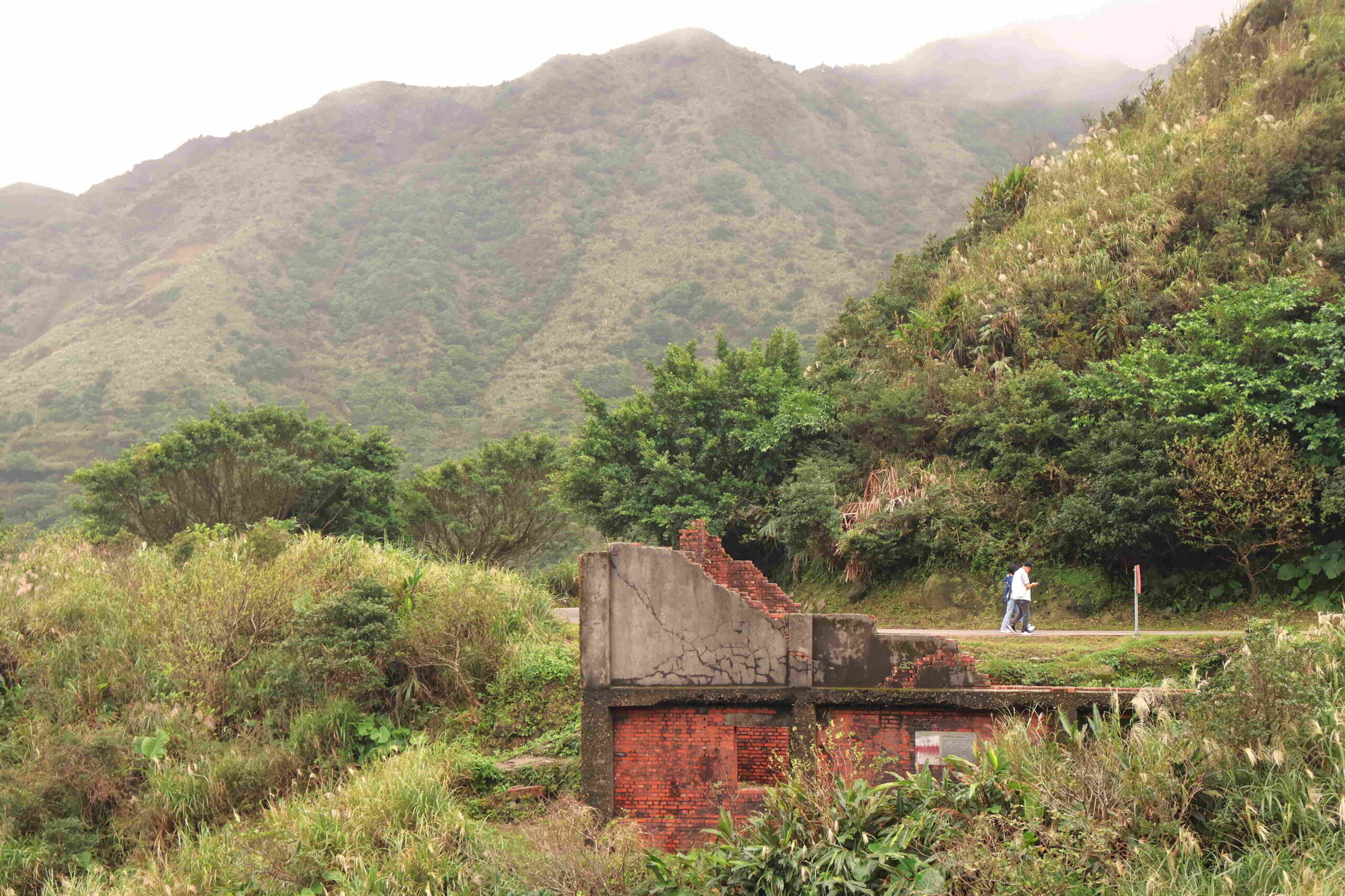
Jinguashi was an important mining town during Japan’s rule over Taiwan, among Imperial Japan’s largest sources of gold. The mines also produced substantial amounts of copper — 7,350 tons in 1936, more than anywhere else in Taiwan. From 1942 to 1945, the town was the location of the Kinkaseki Prisoner of War Camp; of the 430 Allied POW deaths across all fourteen Japanese POW camps on Taiwan, the majority occurred at Kinkaseki. The mines in the town have long been depleted, and the town now exists as a shadow of its former self.
Jinguashi
Jinguashi
Jinguashi
The island of Taiwan, together with the Penghu Islands, became an annexed territory of the Empire of Japan in 1895 when the Qing dynasty ceded Fujian-Taiwan Province in the Treaty of Shimonoseki after the Japanese victory in the First Sino-Japanese War. The consequent Republic of Formosa resistance movement on Taiwan was defeated by Japan with the capitulation of Tainan. Japan subsequently ruled Taiwan for 50 years. Its capital was located in Taihoku (Taipei), the seat of the Governor-General of Taiwan. (excerpted from Wikipedia)
Jinguashi
Jinguashi
Jinguashi
Jinguashi
The trail from the bus exchange — one of the few open spaces in the claustrophobic town — leads to the gold museum that explores the history of mining that was the reason for the town’s existence. With the dissolution of the economic justification for mining, Jinguashi became a ghost town just as Jiufen did, but while tourism has been a successful source of revenue for the latter, it has been nowhere near the panacea for Jinguashi.
Jinguashi
Jinguashi
Jinguashi
Jinguashi
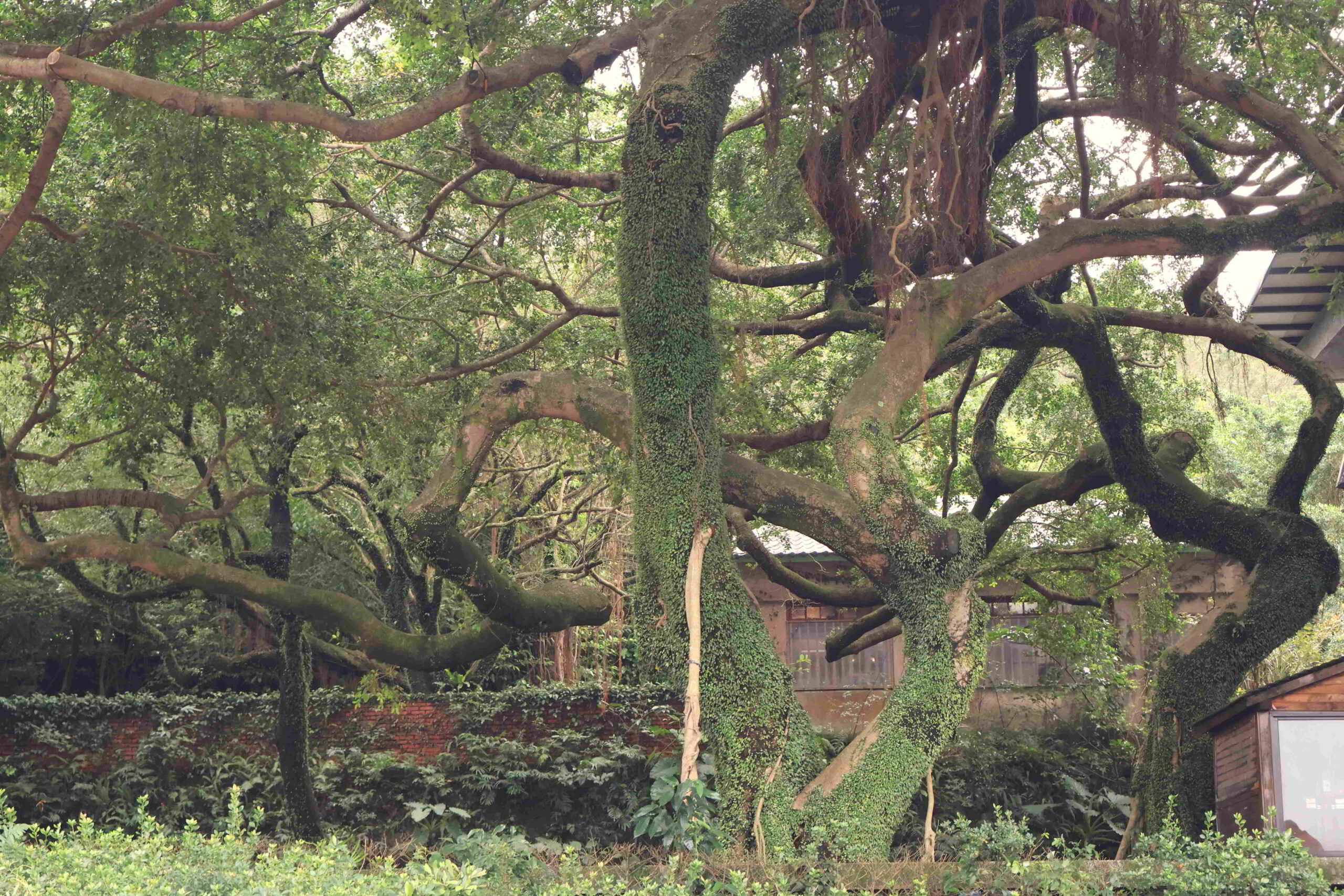
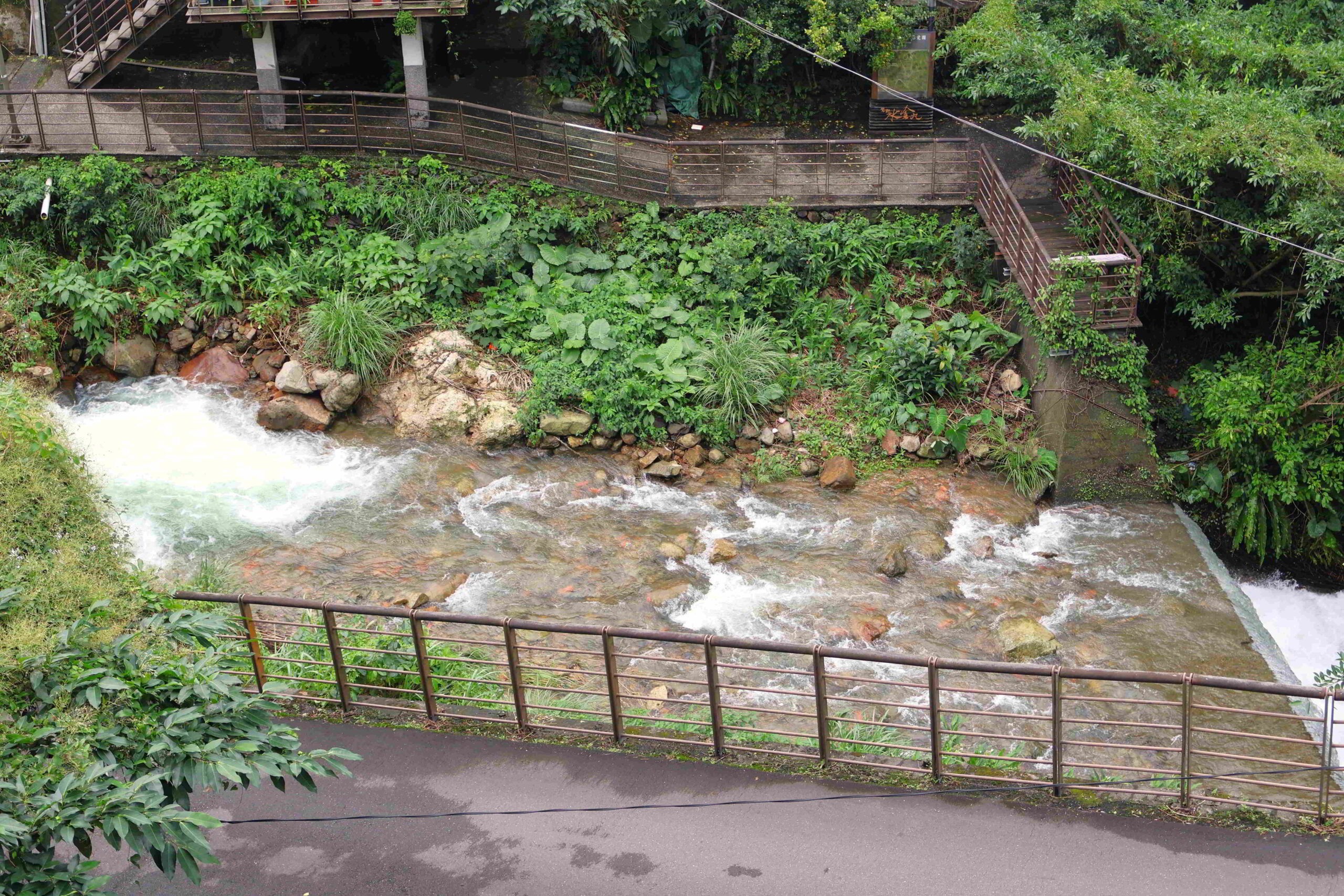
The concourse leading to the gold museum peers out over a lush enclave of subtropical greenery, providing a taste of Taiwan’s subtropical ecology. A woman beckons me to enter the gold museum, but I would like to explore the town first, and only consider moving indoors when the inevitable rains return. The museum must provide interesting insights into the gold mining business and the manner in which it affected the locale, although the scientific and engineer considerations involved in mining are hardly specific to this region.
Jinguashi
Jinguashi
Jinguashi
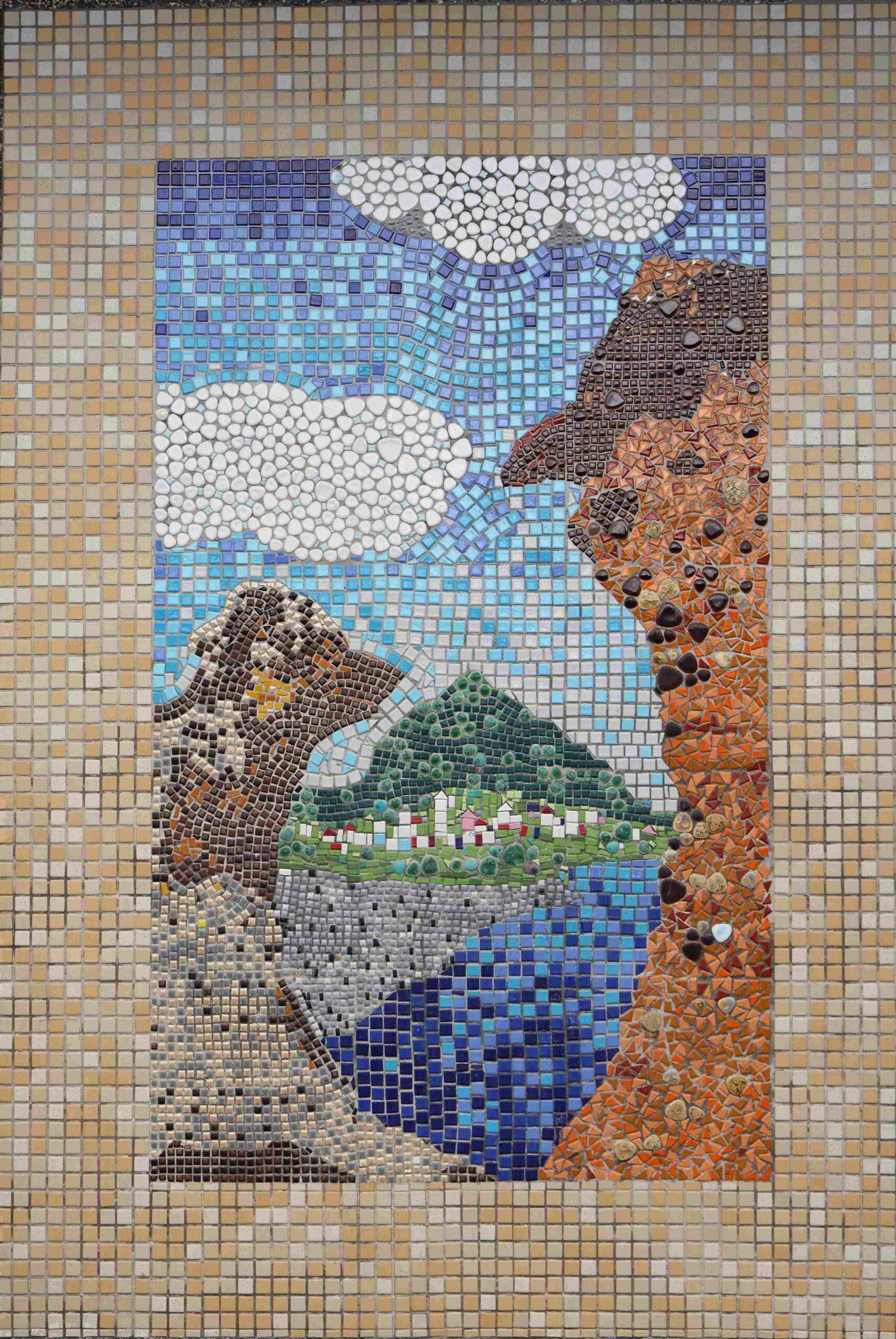
I would like to walk as far as the Quanji Temple — I can see it in the distance. According to the map, there are paths and staircases running in seemingly random directions that lead across the valley. I continue along, the stolid, dilapidated houses rising on narrow ramparts as I descend, the world around me immersed in green. Despite the overcast skies, stunning views of the surroundings unfold before me, a prelapsarian view of small-town Taiwan that has been lost in the mists of time, as abandoned as neighboring Jiufen is crowded.
Jinguashi — Quanji temple
Jinguashi — Quanji temple
Jinguashi — Quanji temple
Jinguashi — Quanji temple
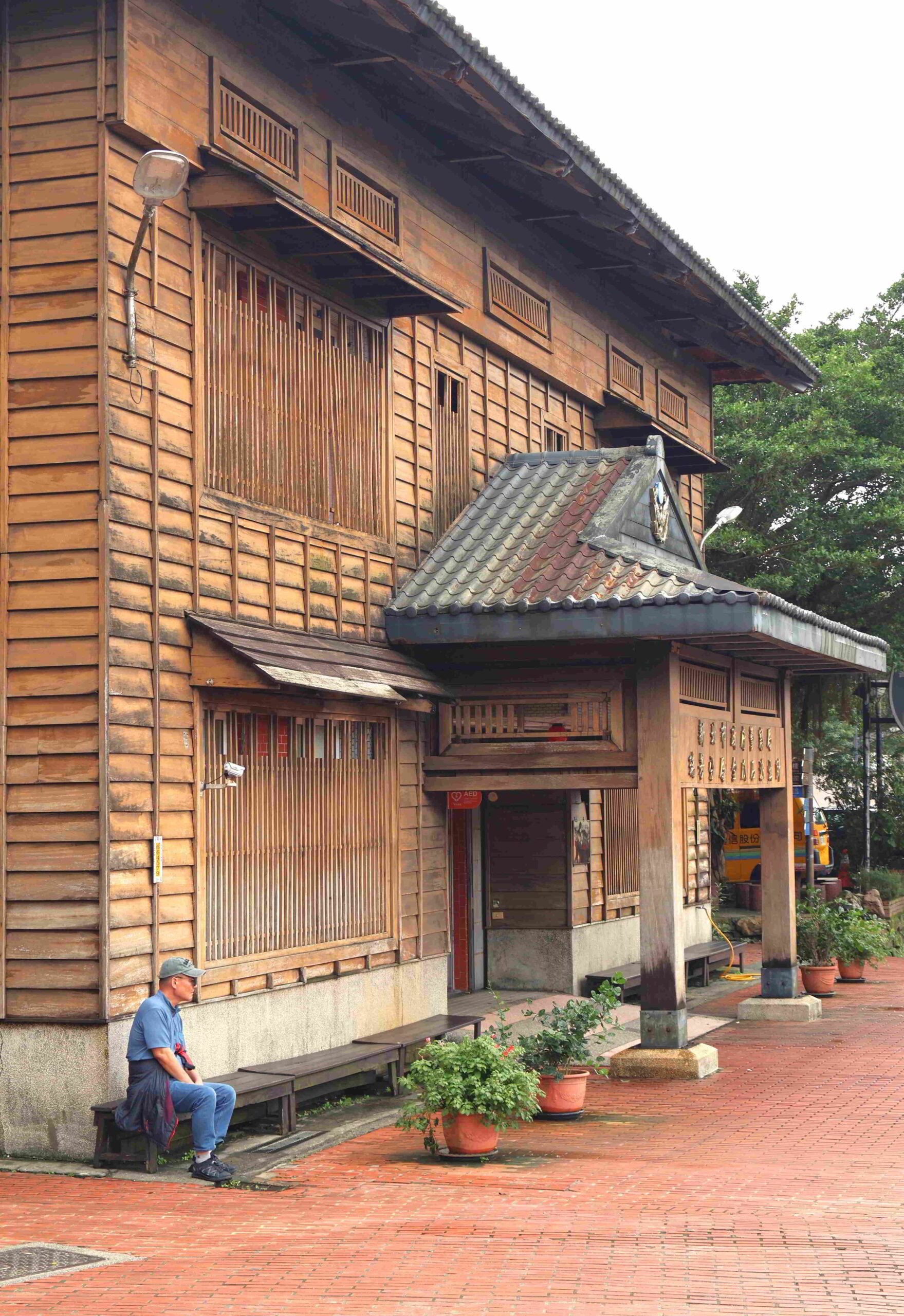
Once diminutive creeks are now raging torrents, gushing amongst the houses stacked at odd angles along the steep slopes. I wend past a few cafes housed in traditional wooden buildings, predictably entirely shuttered. Even though I see no one here, the houses visible on the slopes are in various states of repair, the ones reflecting better upkeep obviously inhabited — but where are its residents?
Jinguashi — Quanji temple
Jinguashi — Quanji temple
Jinguashi — Quanji temple
Jinguashi — Quanji temple
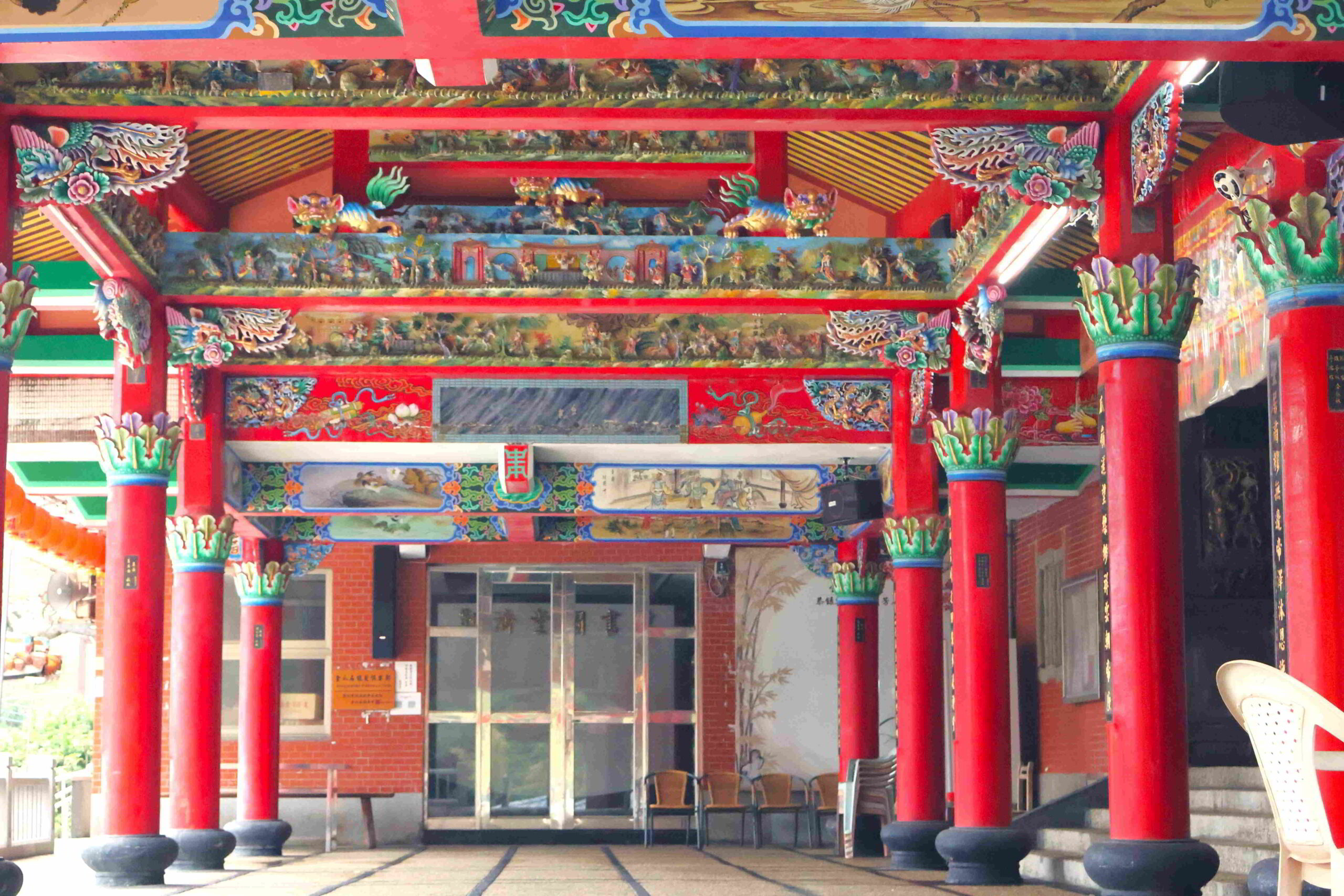
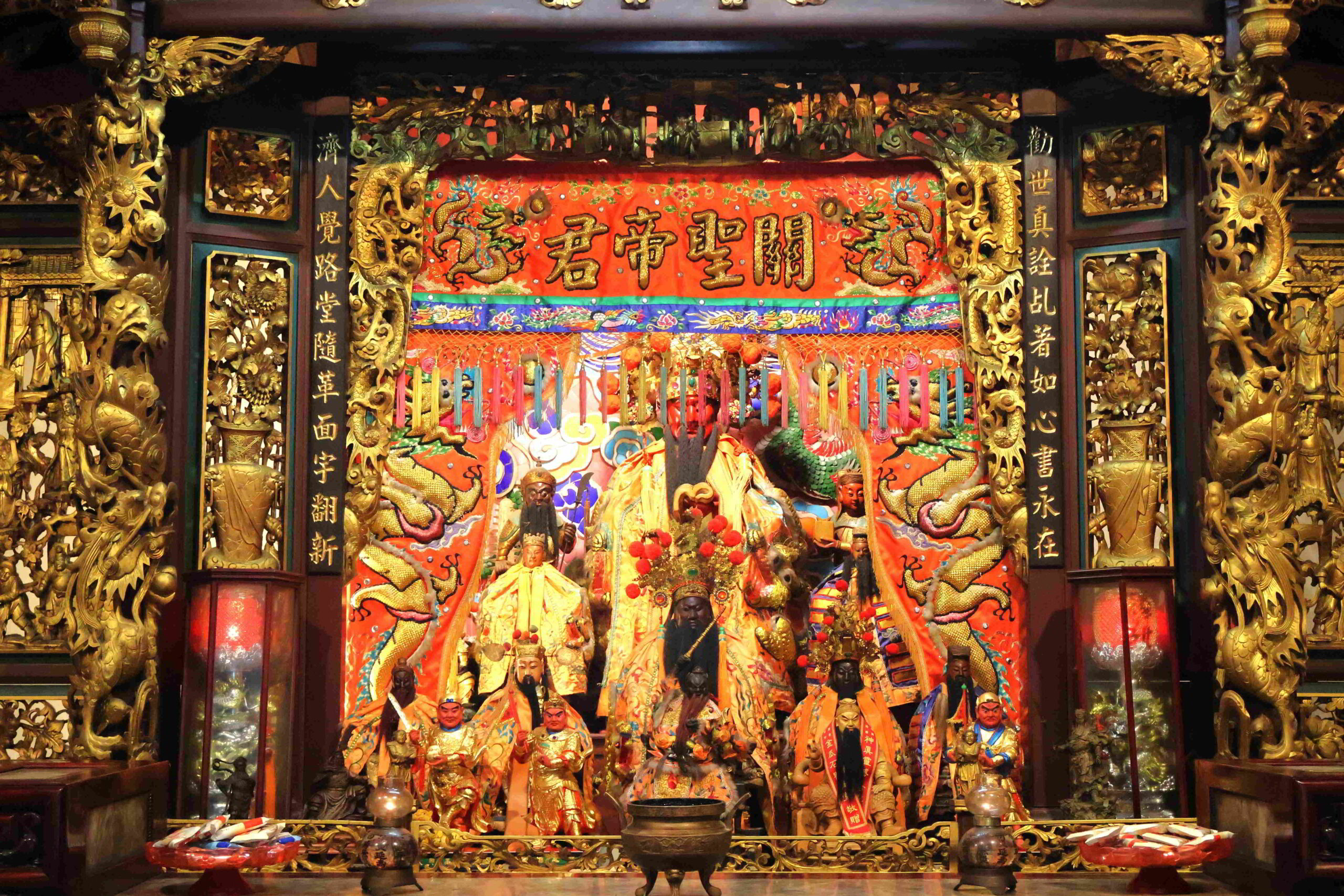
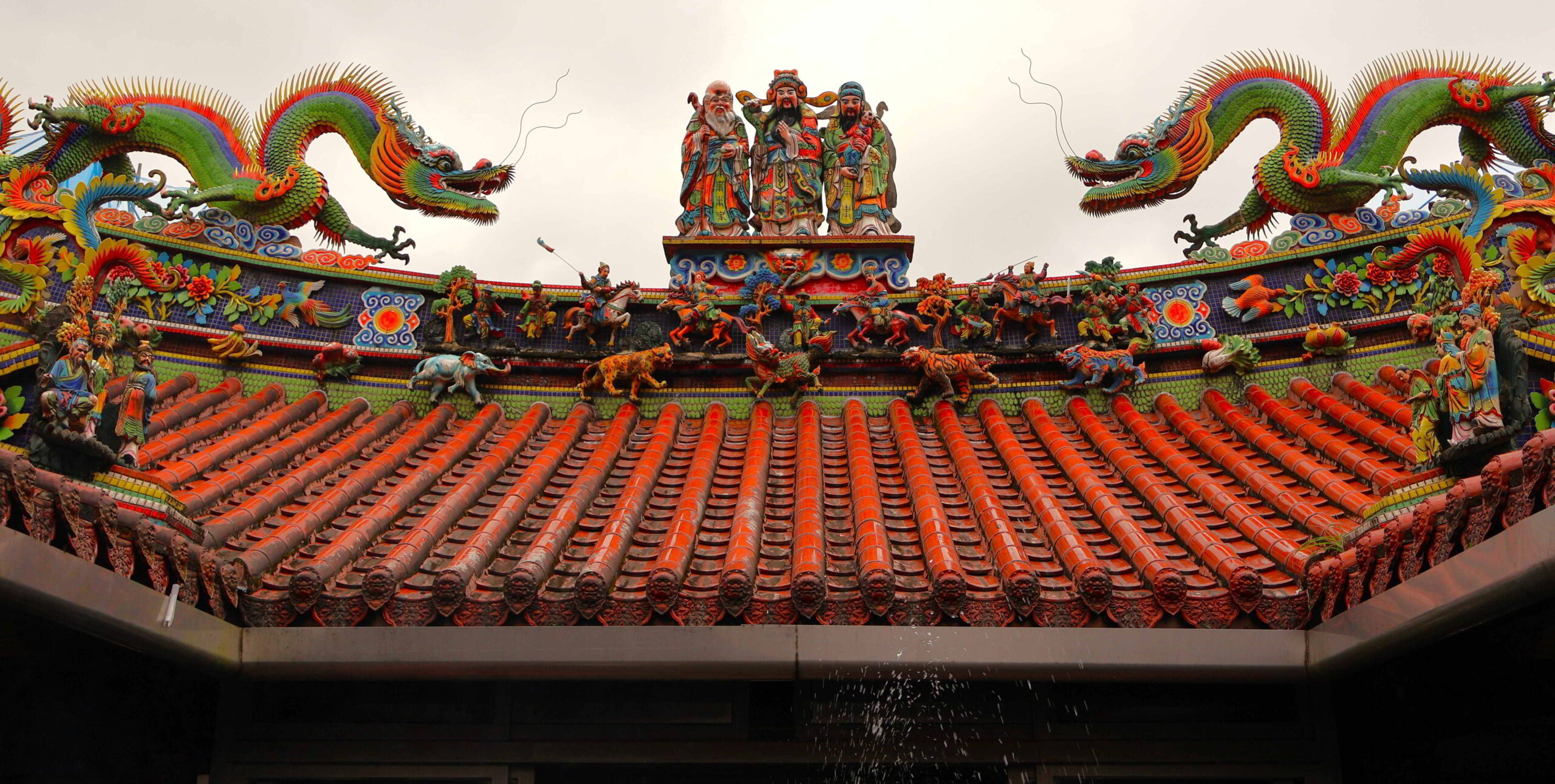
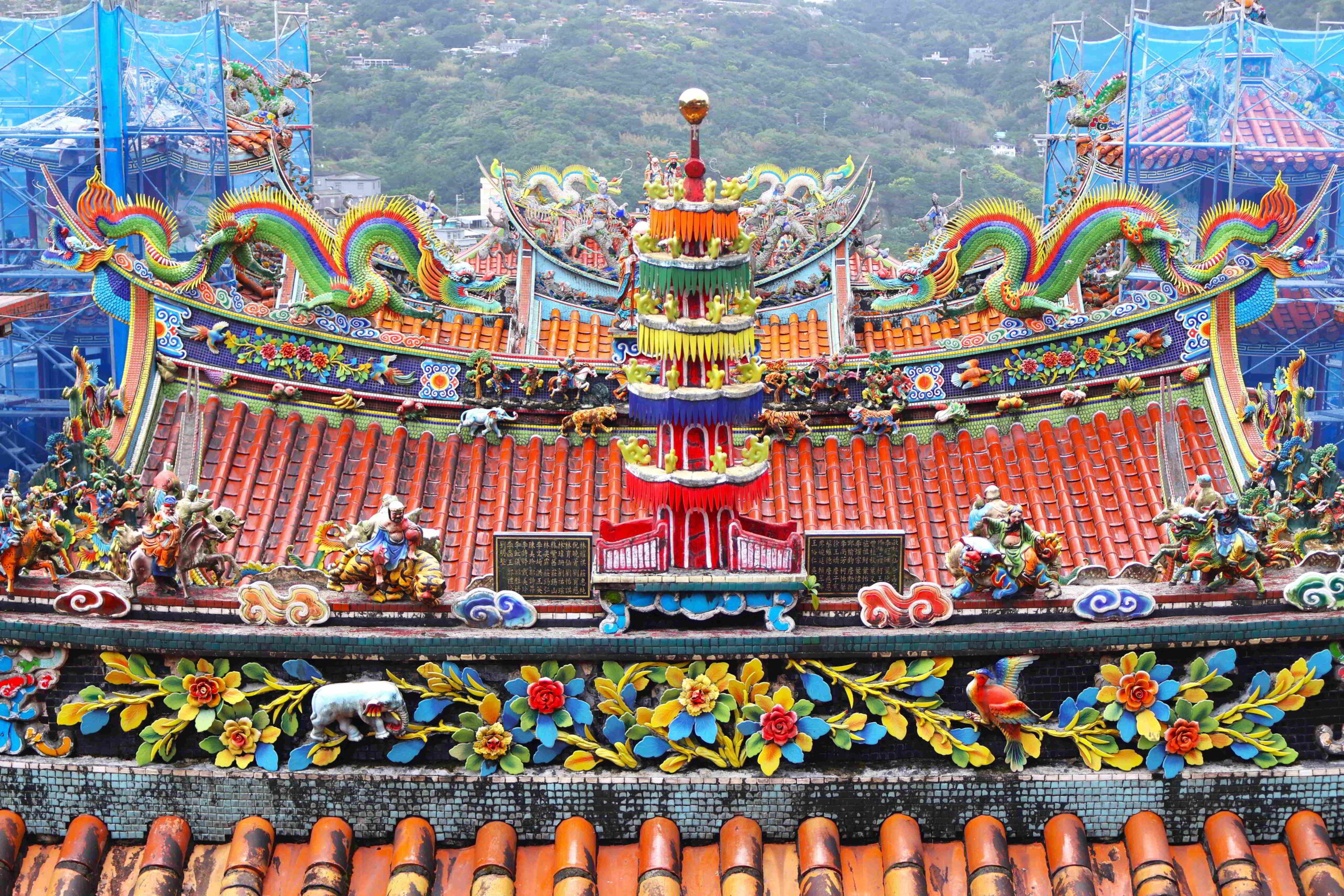
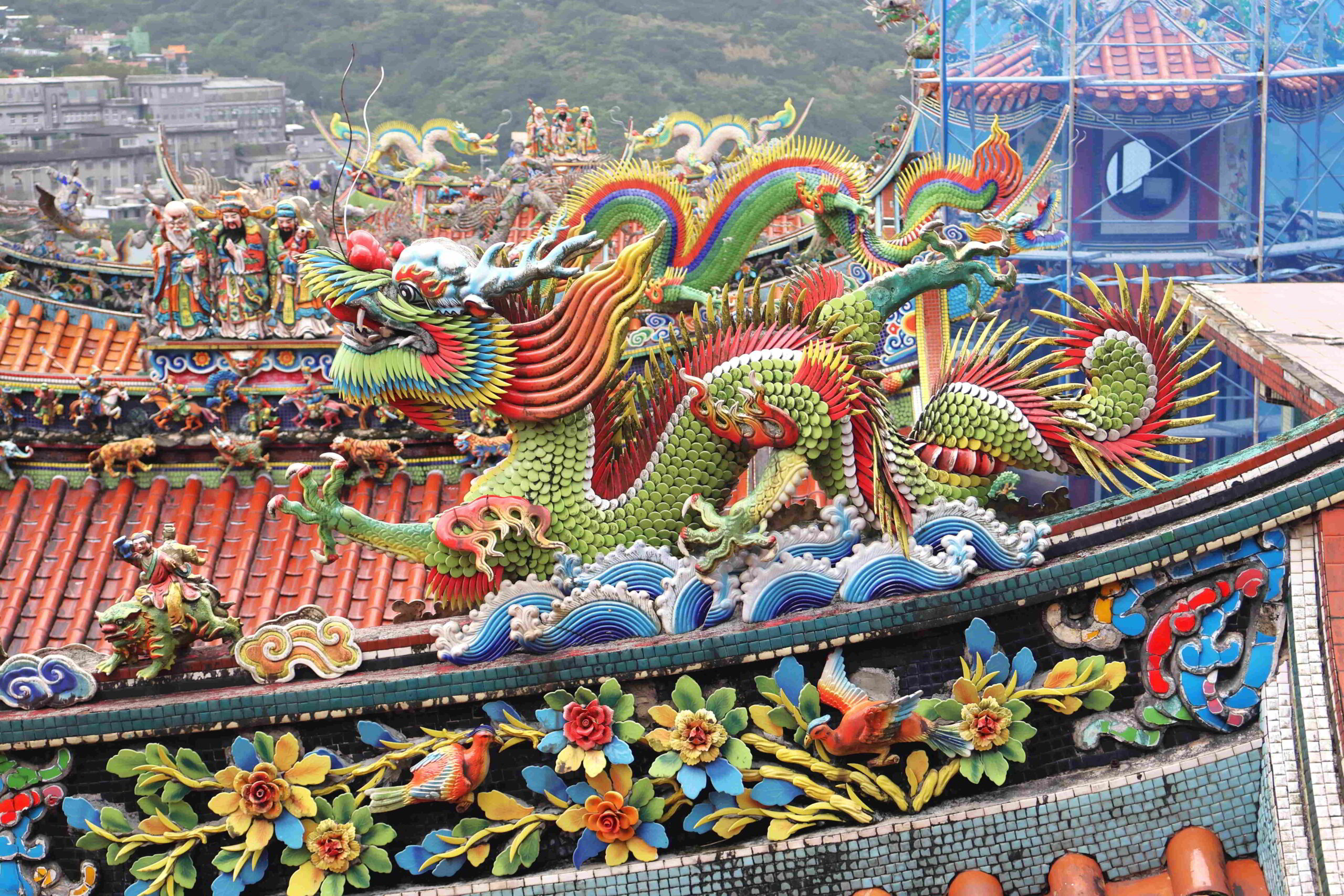
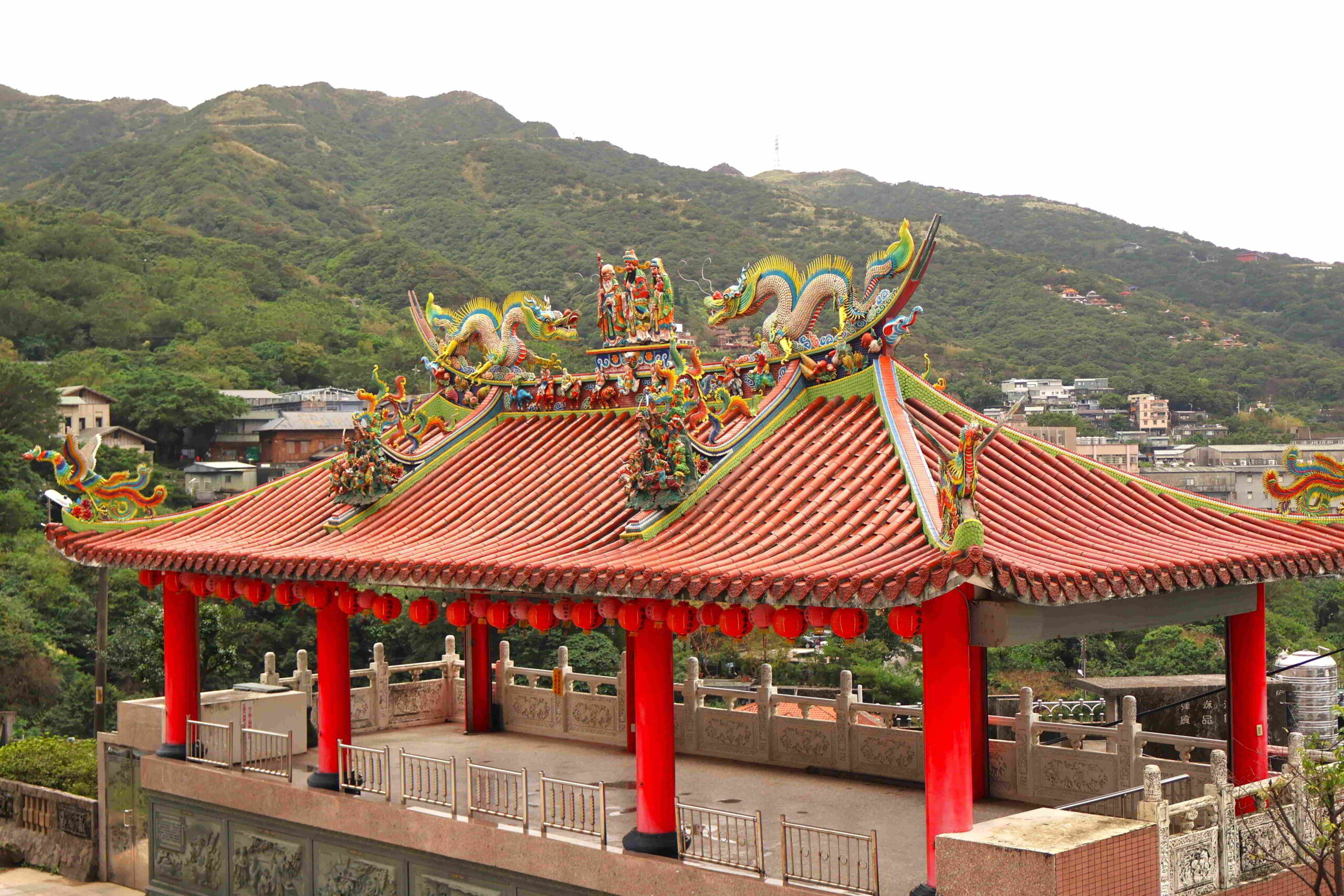
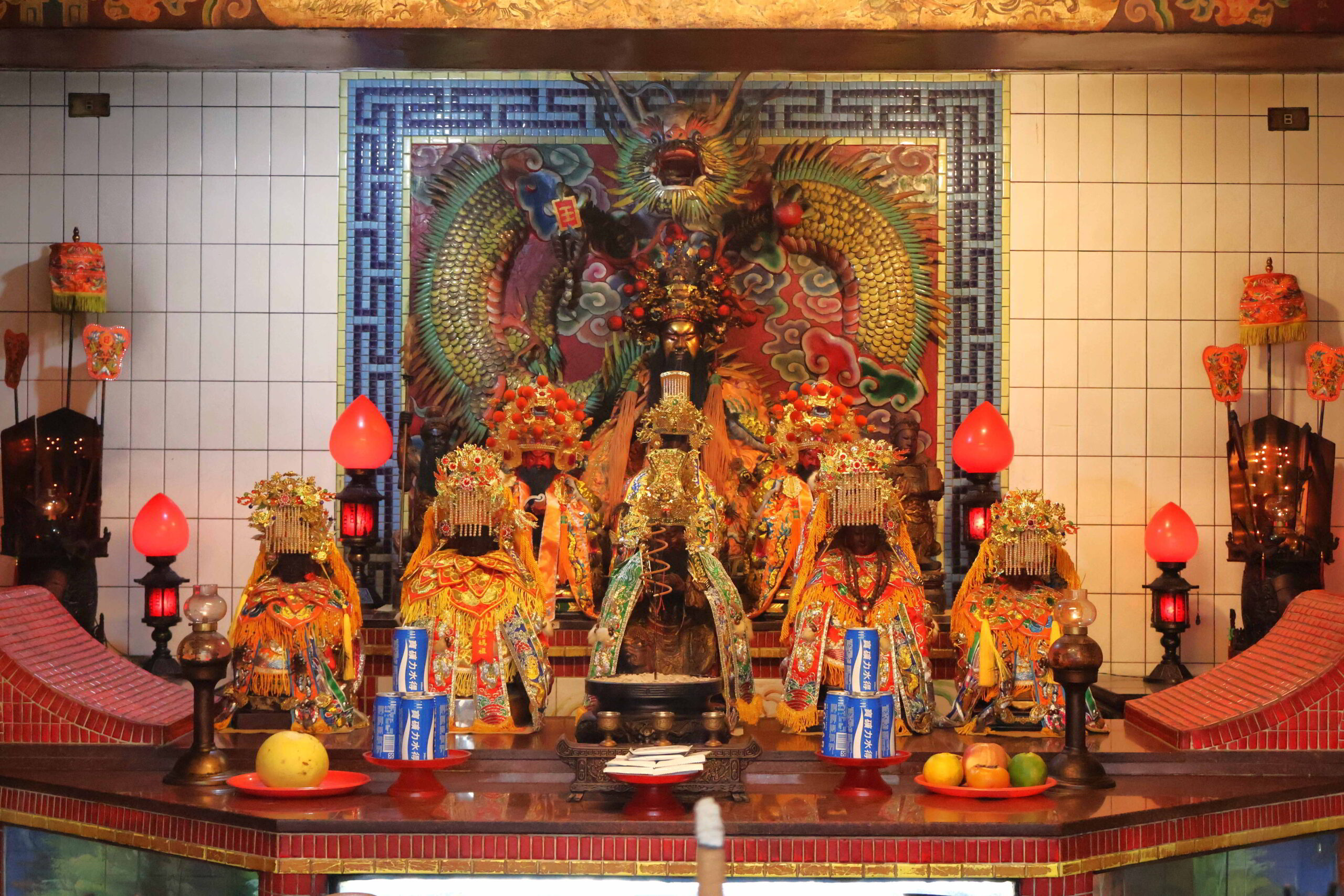
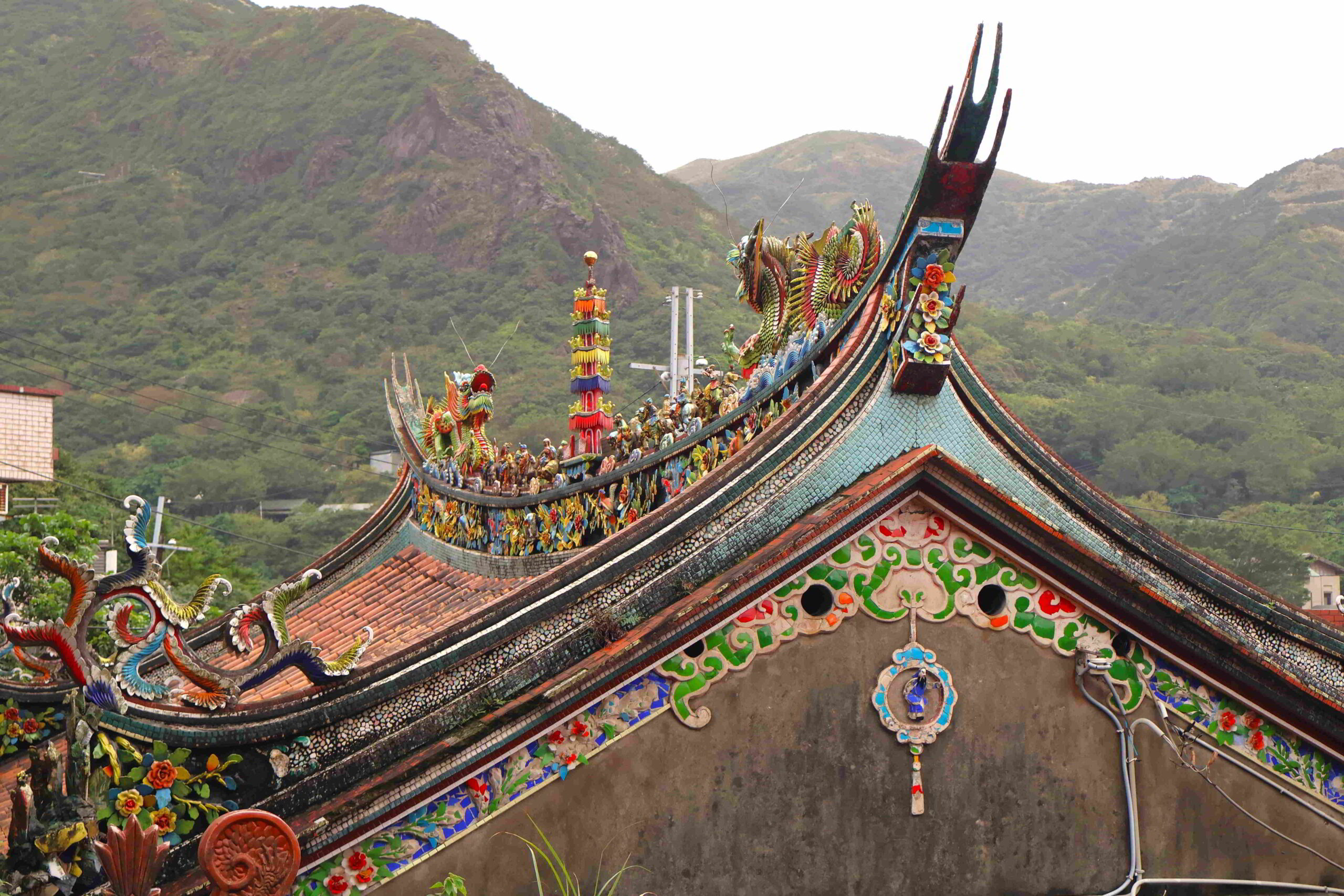
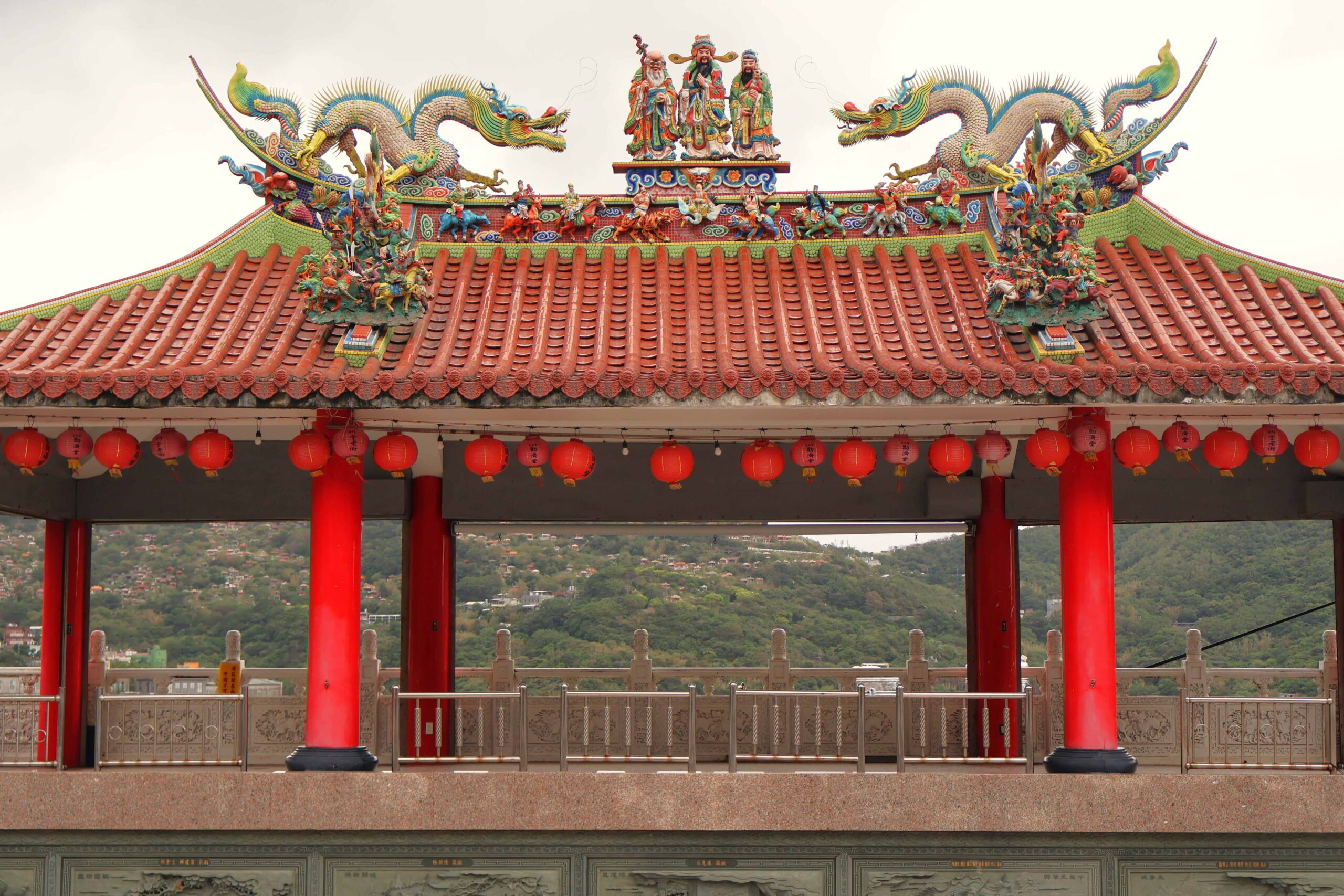
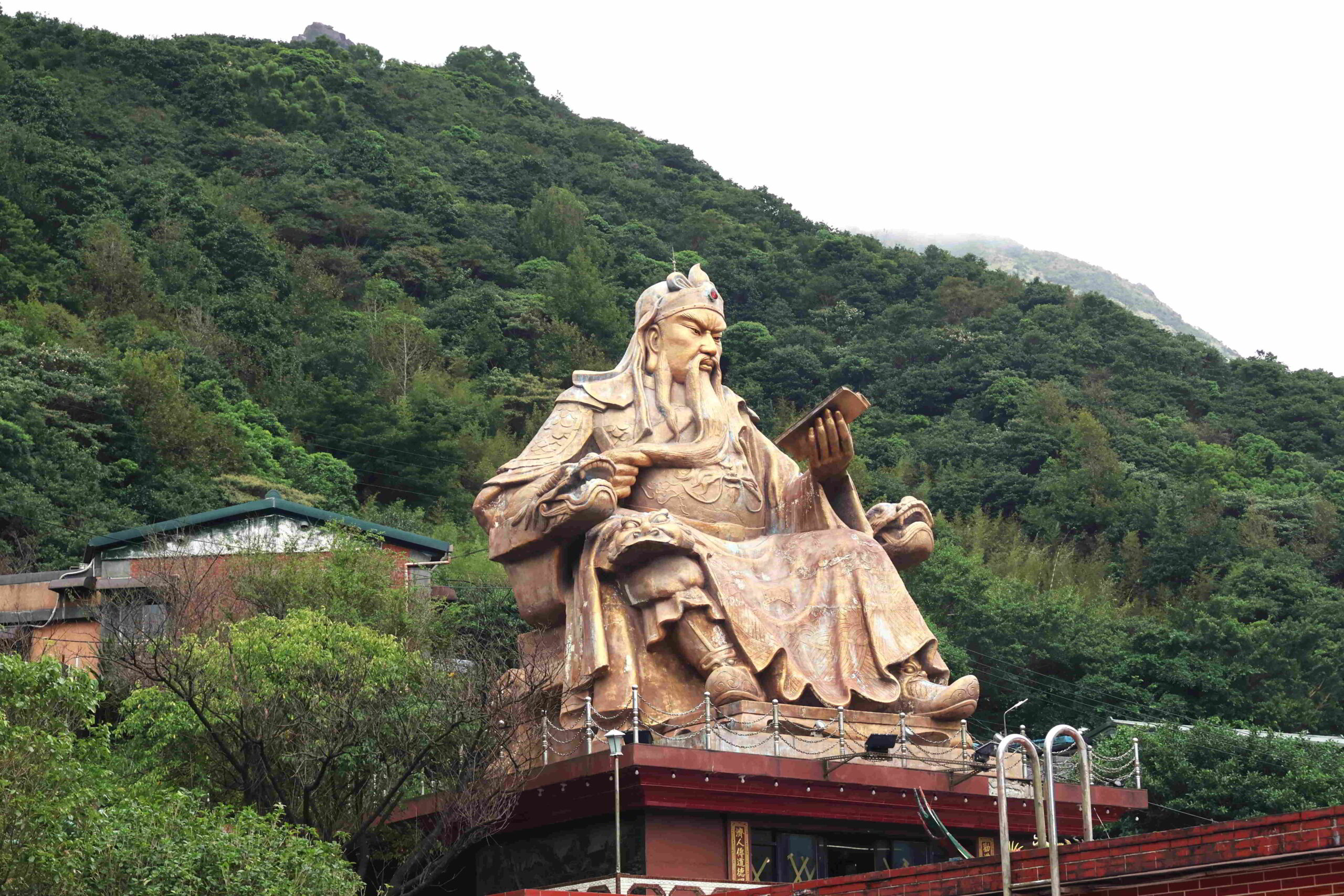
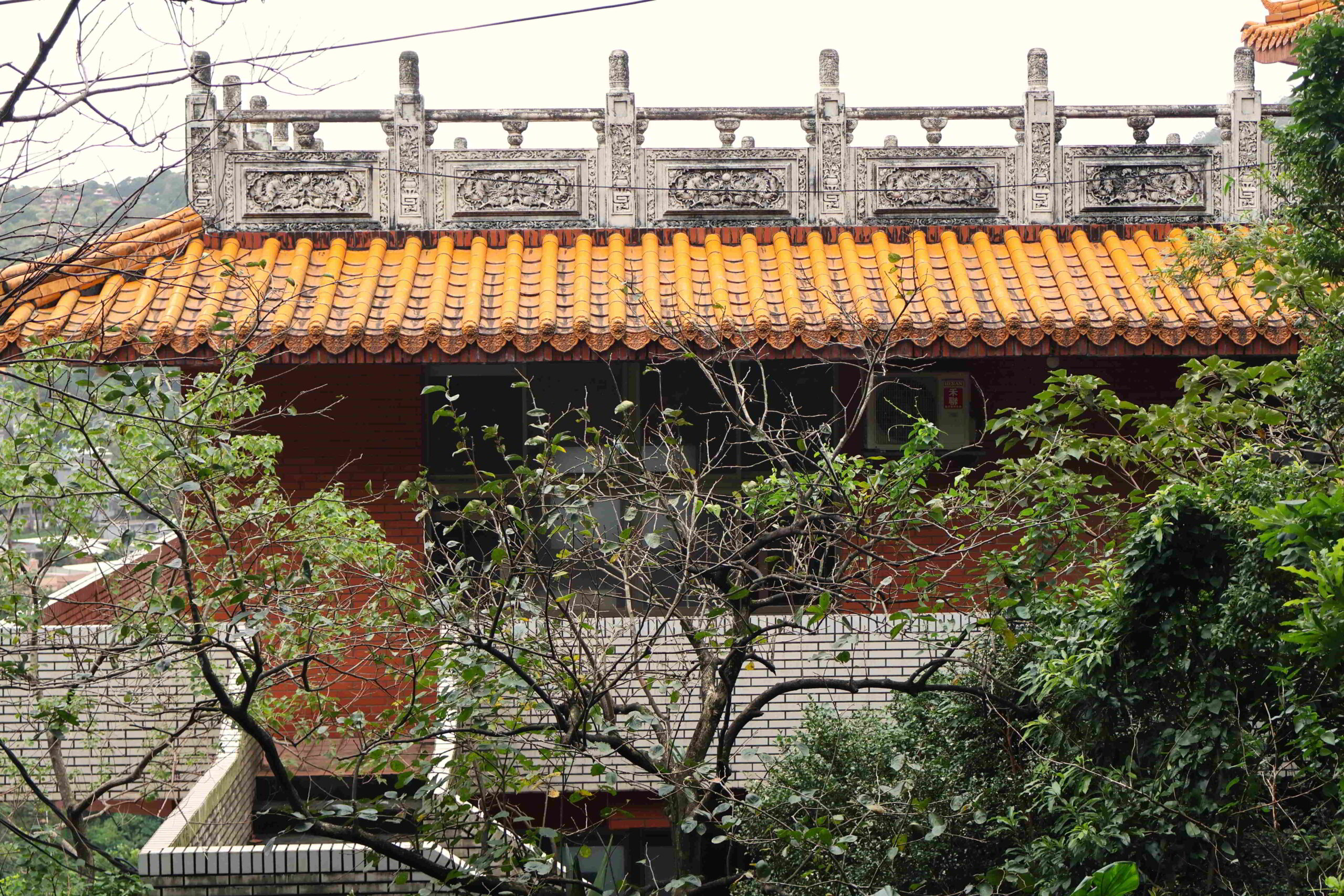
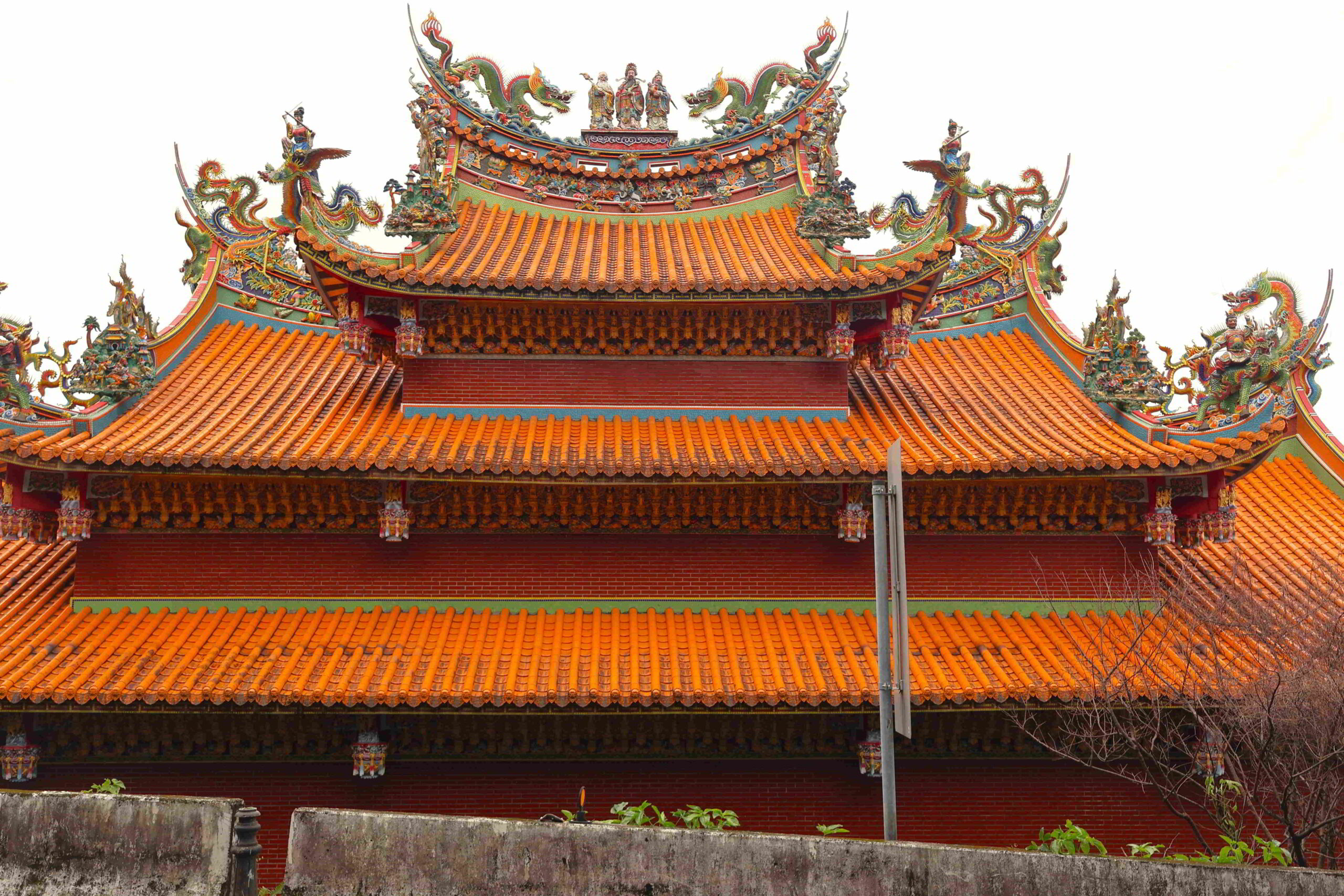
The Quanji Temple is a standard Taoist affair, with its lavish sculptural roof adornments, dragon pillars, incense censers, statues of deities, richly embellished altars, not to forget the disgruntled men who spend the better part of their days at the temple with no particular purpose. Seated to the rear of the temple is a large, pure copper statue of the deified historical general Guan Gong, the patron saint of the area, the largest of its kind in Taiwan, standing 35 feet tall and weighing 25 tons.
Jinguashi — Quanji temple
Jinguashi — Quanji temple — Guangong statue
Jinguashi — Quanji temple
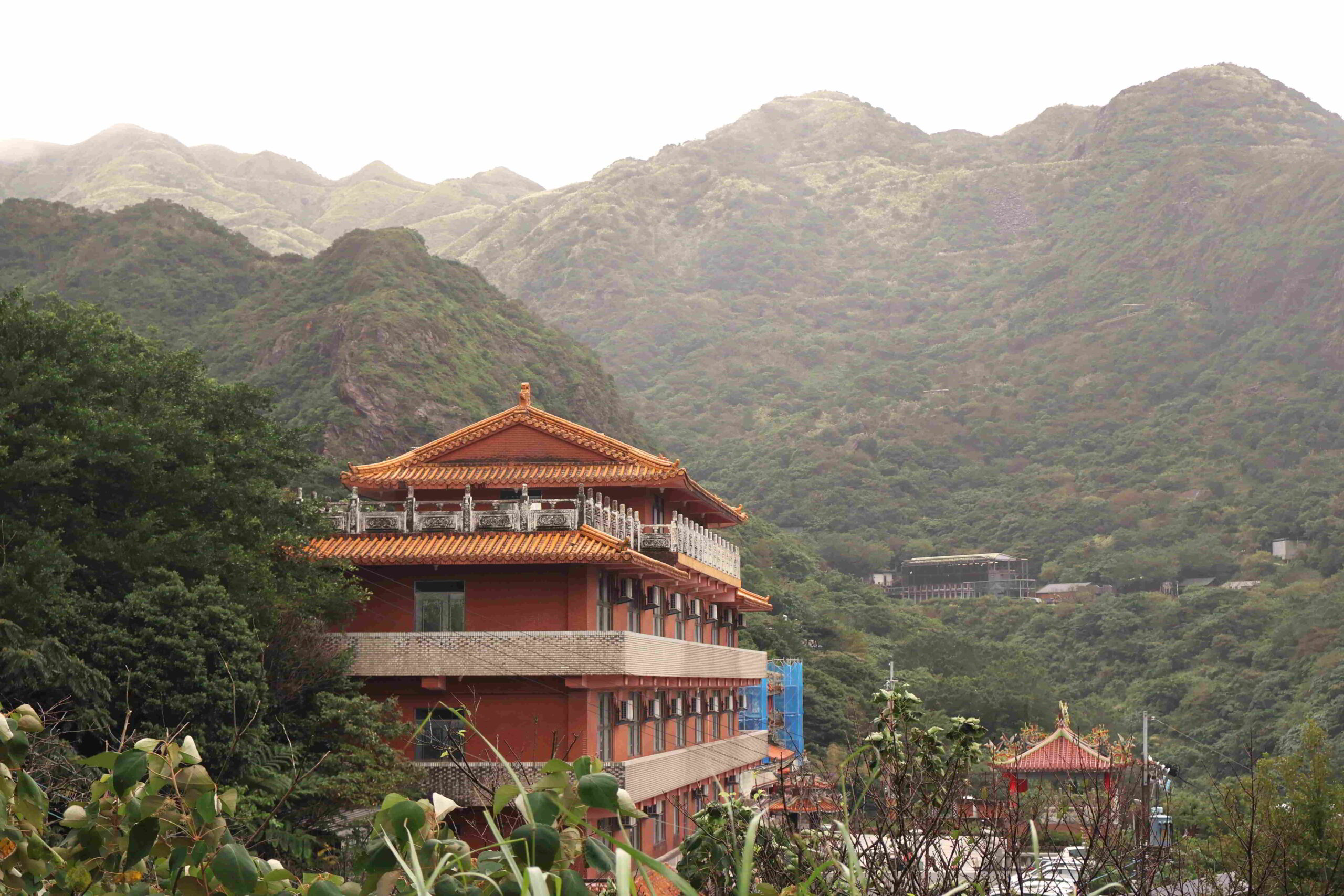
Jinguashi — Quanji temple
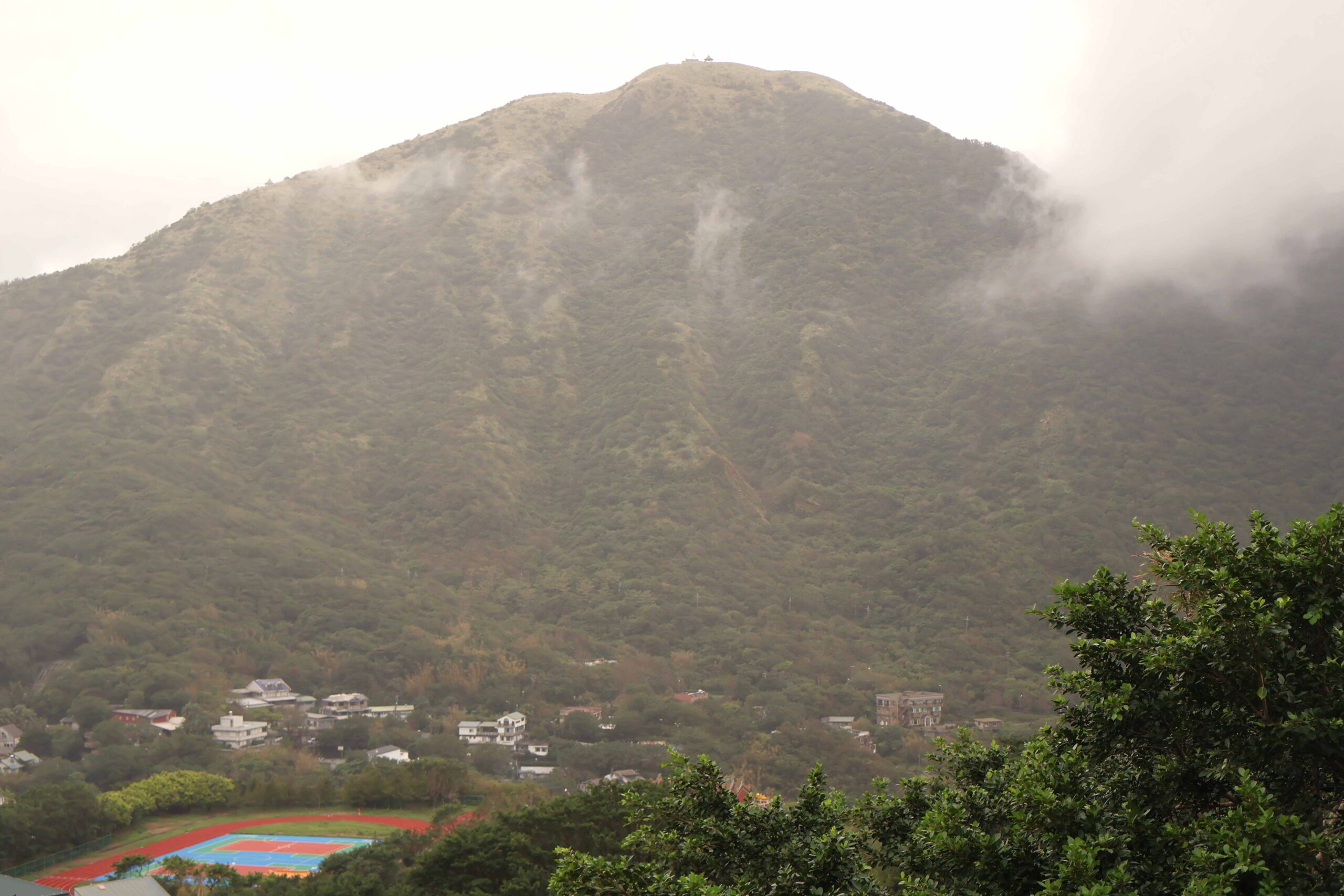
I would like to climb further uphill, but it seems that the available trails won’t allow this, and so I continue across the parking lot to the side, next to which is a small bus exchange. I could conveniently return to Jiufen at this point, but the afternoon still has a lot to offer — how about climbing at least part of Teapot mountain, one of the major attractions of the town? I am not in the mood for climbing much of anything, and am certainly not wearing the appropriate footwear, but could at least venture in the direction, provided that the trail is in good shape and well-marked.
Jinguashi
Jinguashi
Jinguashi
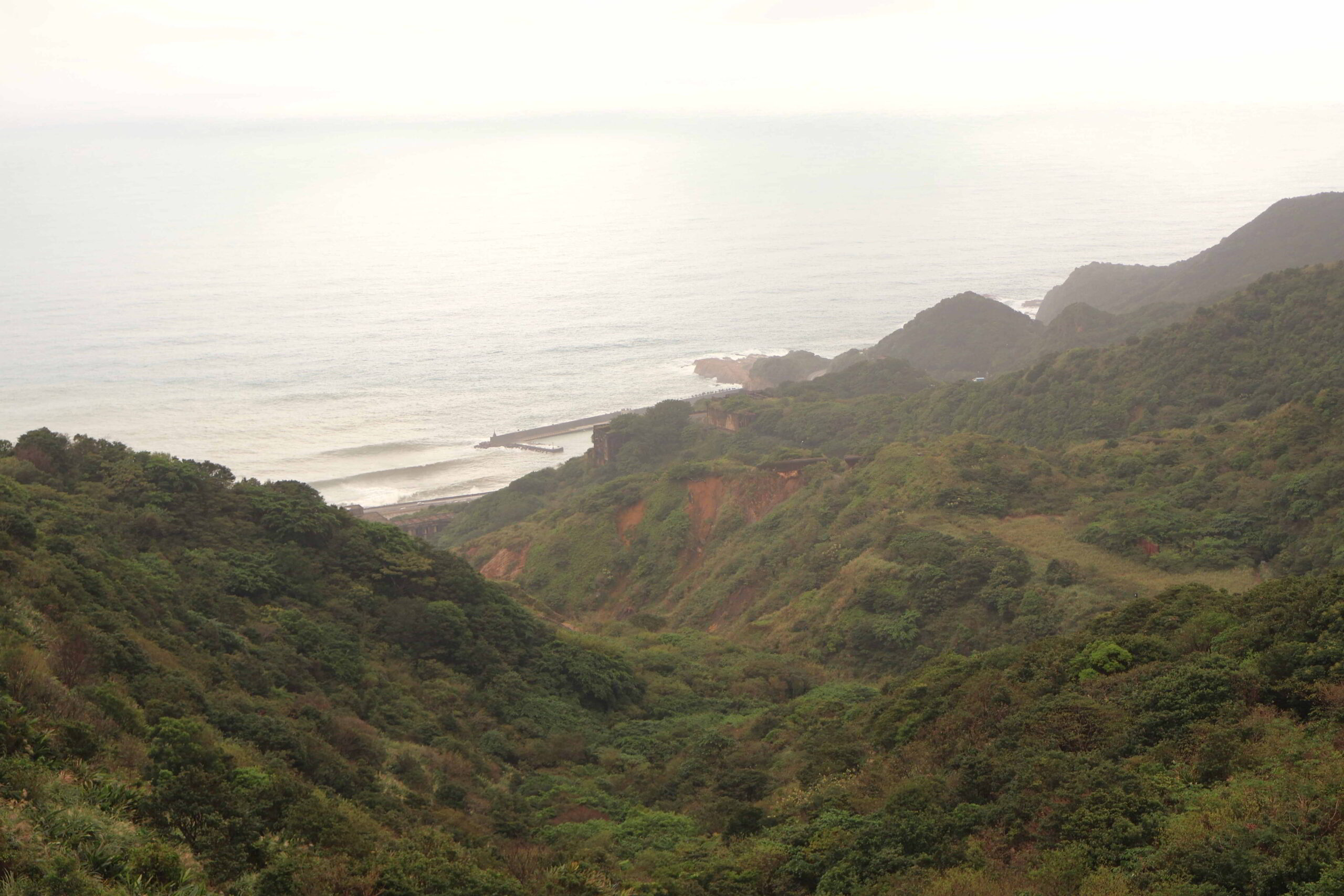
Teapot Mountain trail
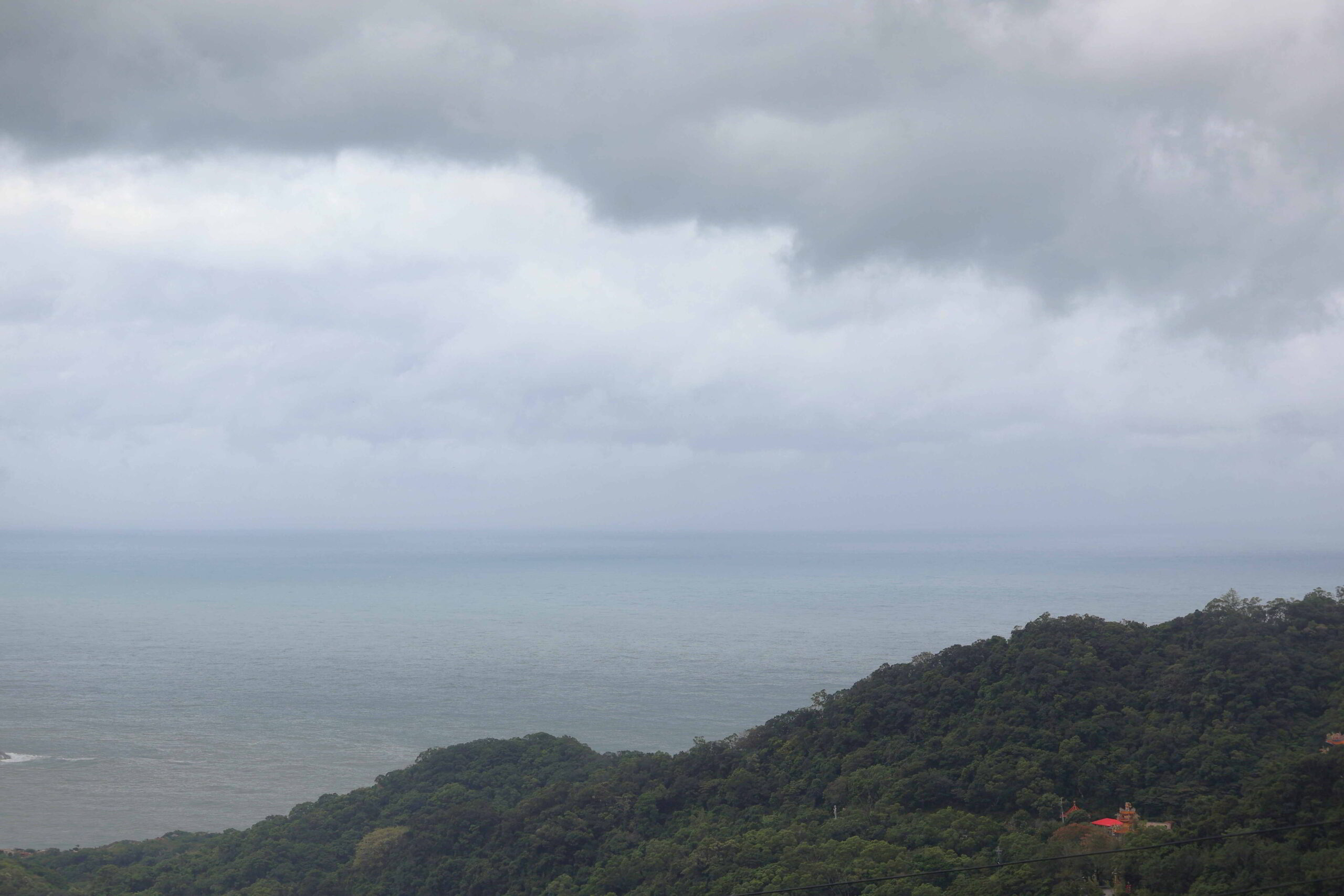
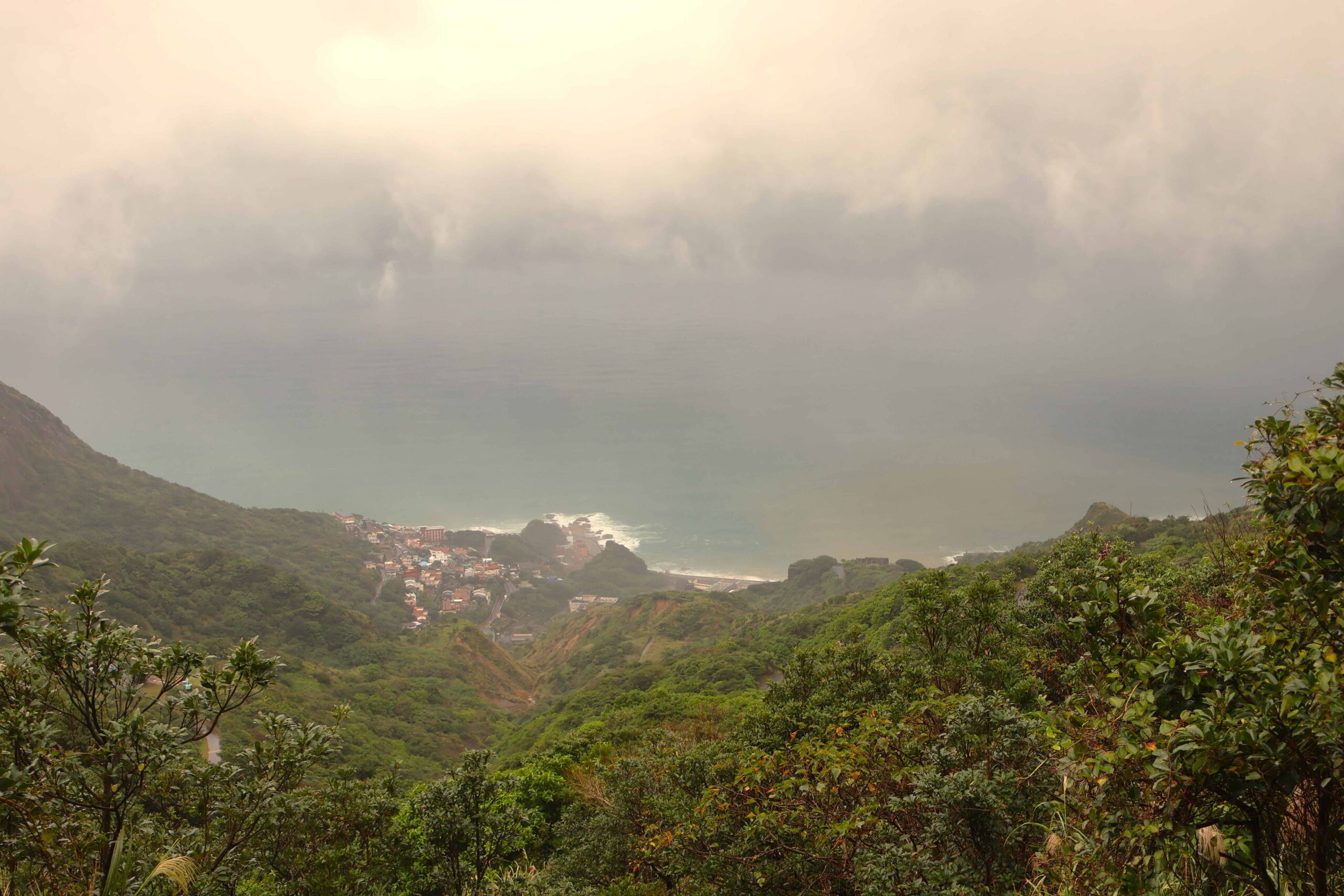
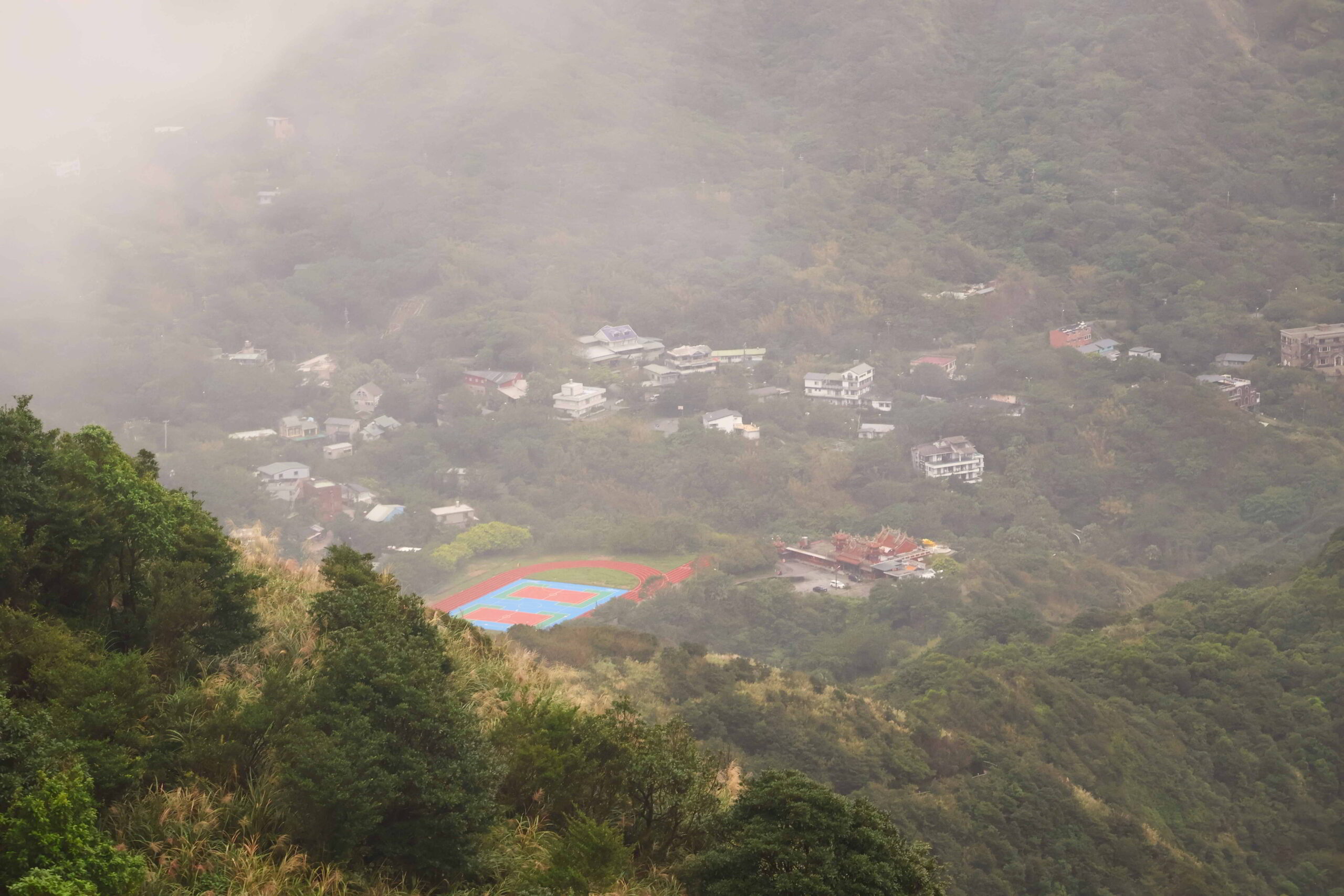
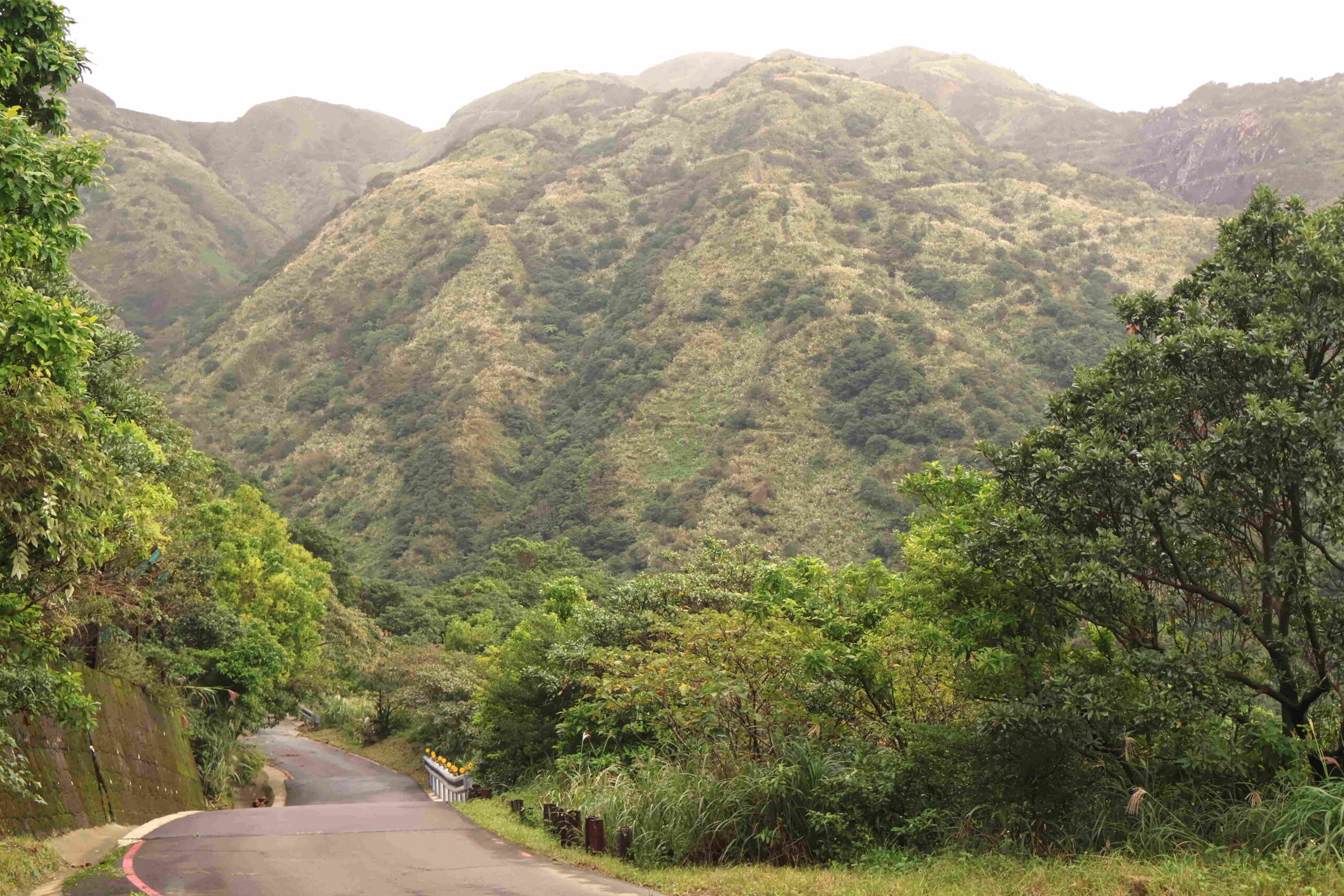
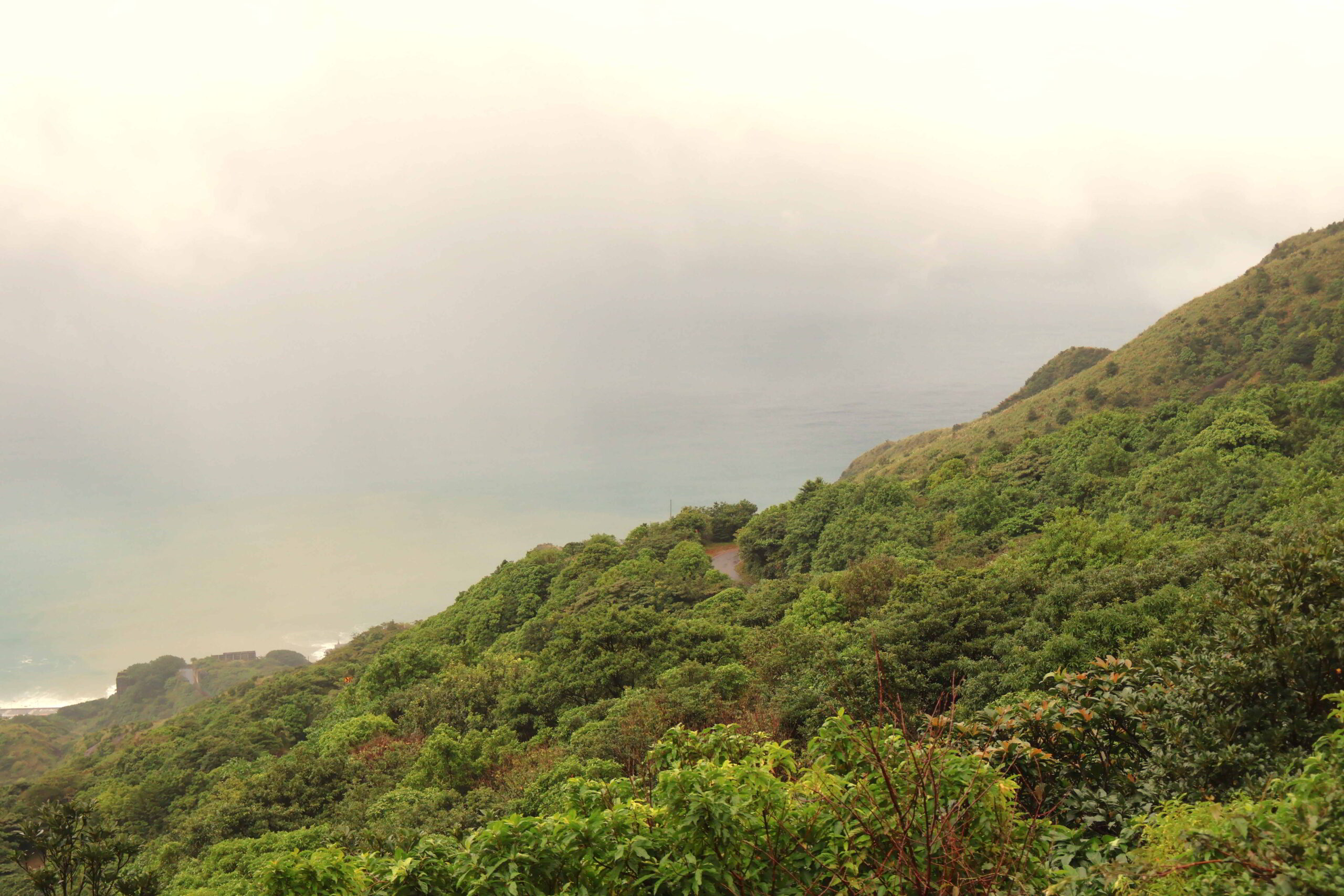
The beginnings of the trail are quite benign, offering dramatic views of the rugged green mountains around me, the sea below, and the dark rain clouds hanging in the sky. There are a few visitors here, judging by the handful of cars parked on the lot, but swamped with tourists the area is definitely not. Of course, these visitors may only be walking to the lookouts close by, rather than hiking up the mountain.
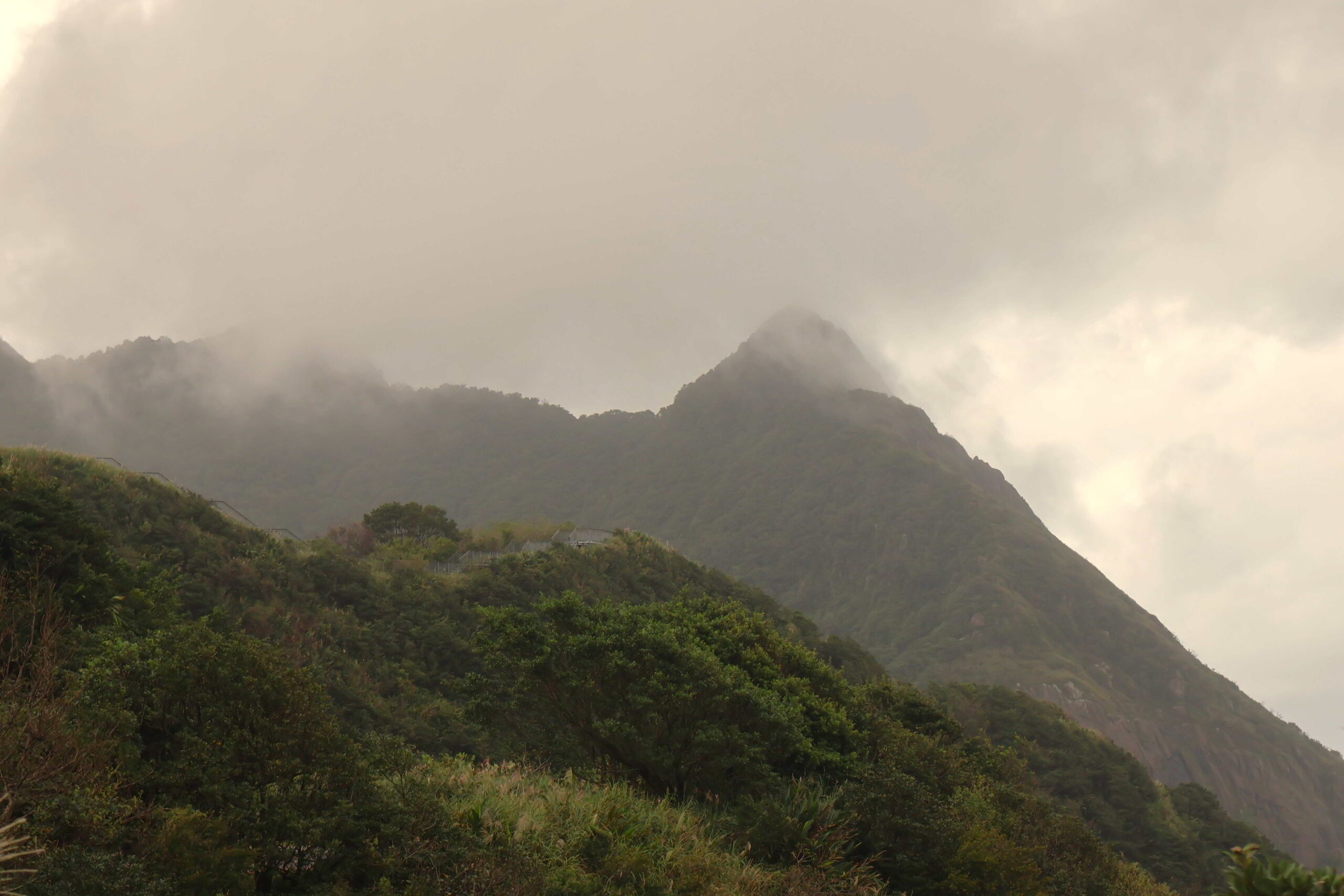
Teapot Mountain trail
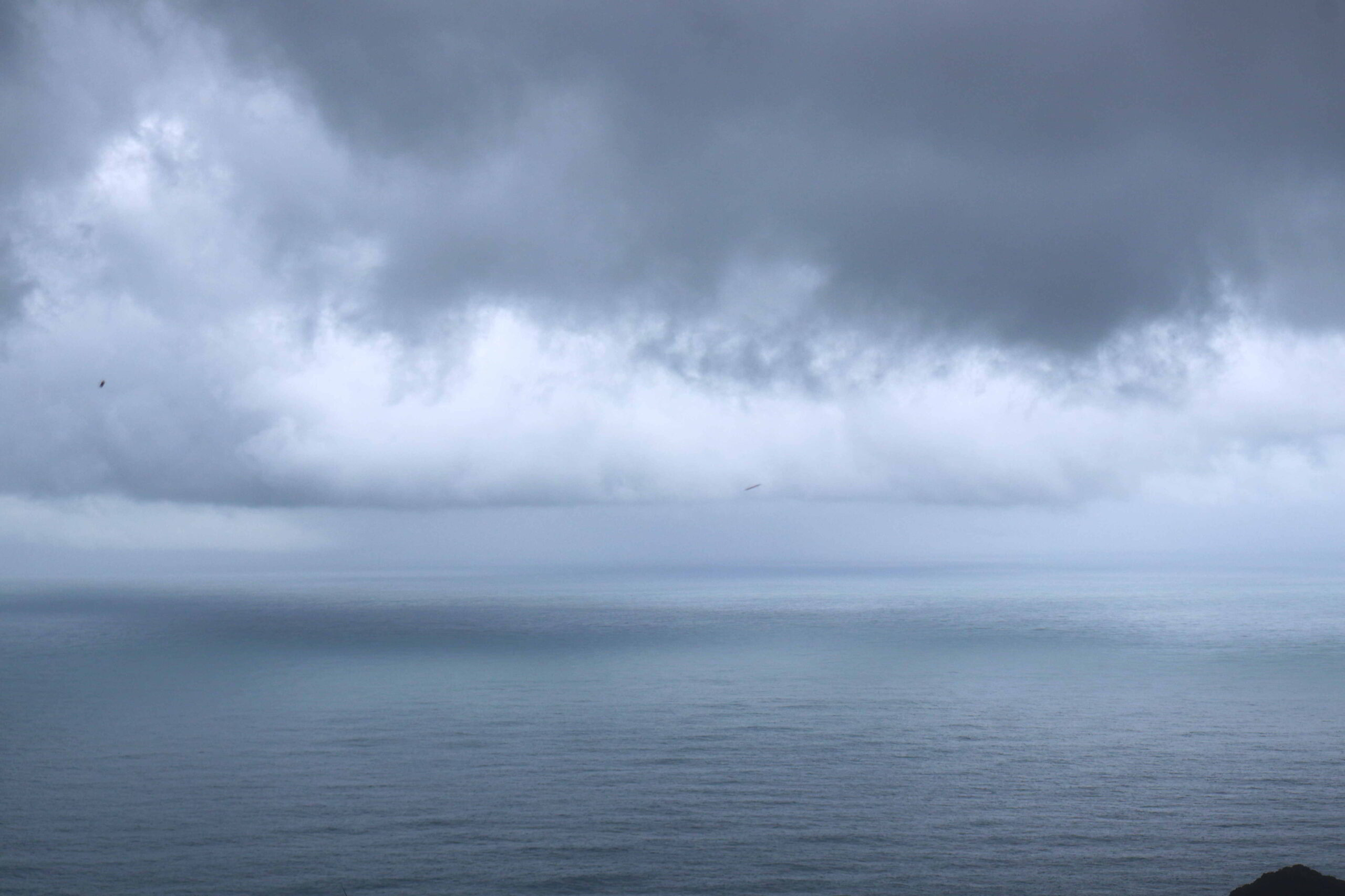
Teapot Mountain trail
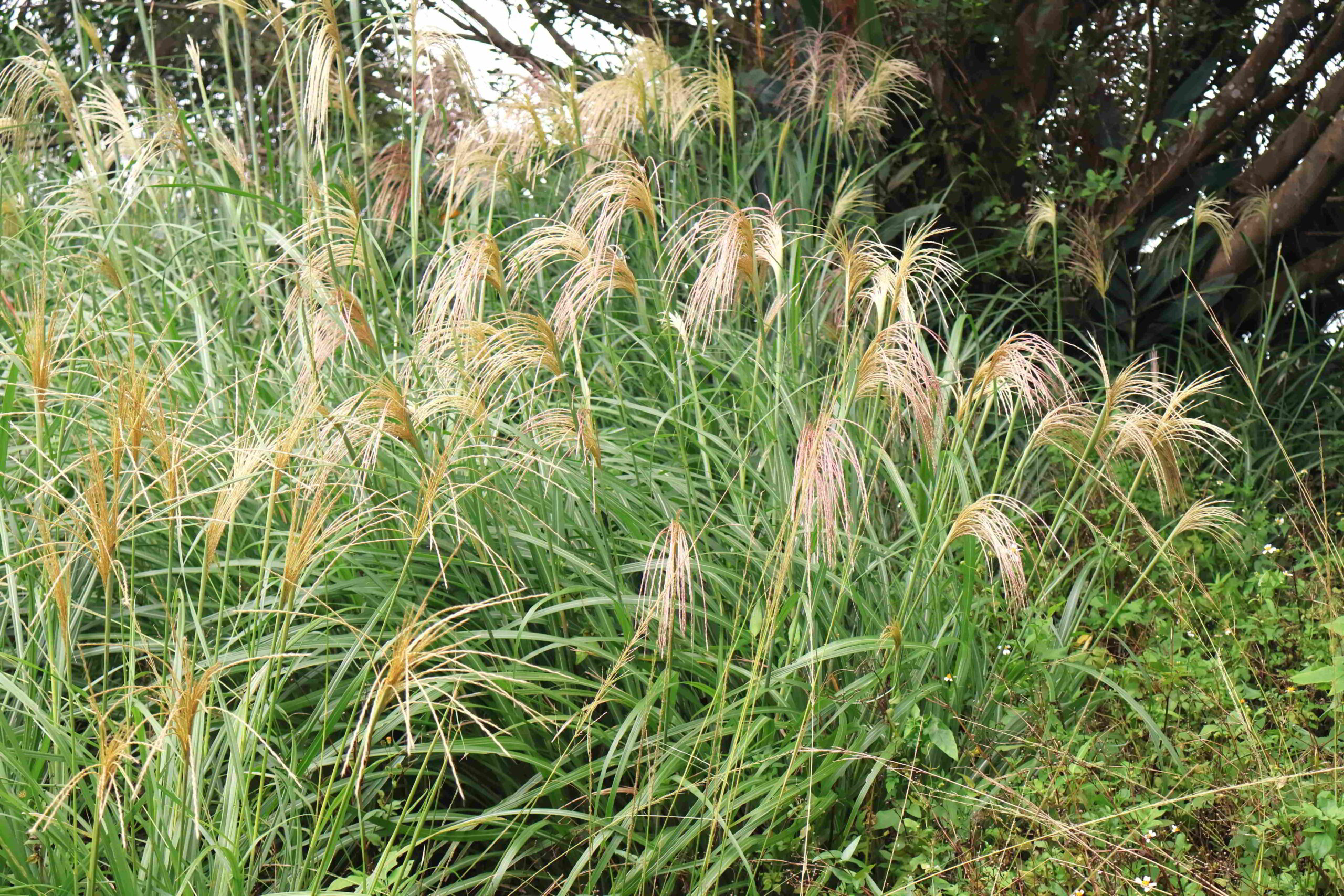
Teapot Mountain trail
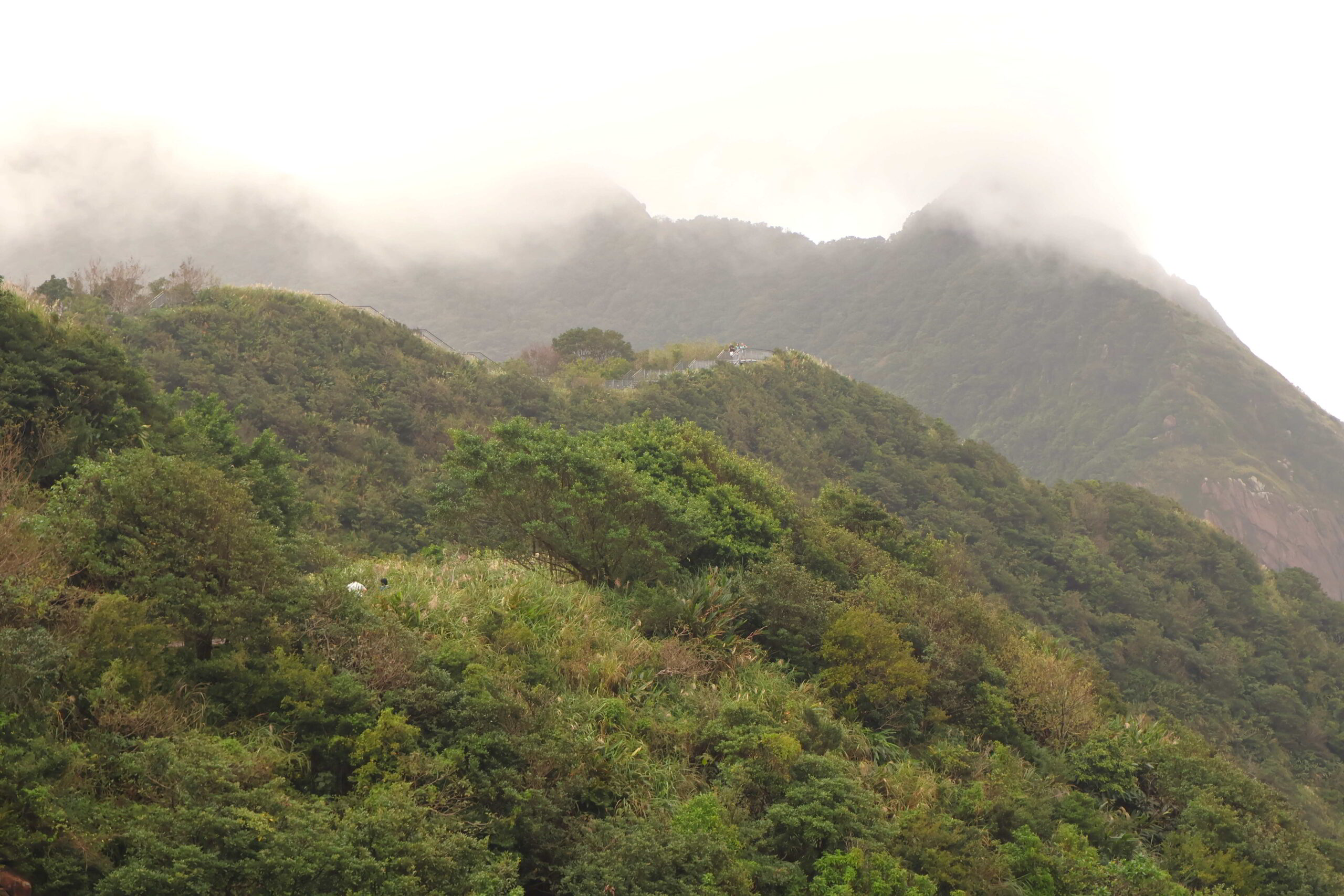
Teapot Mountain trail
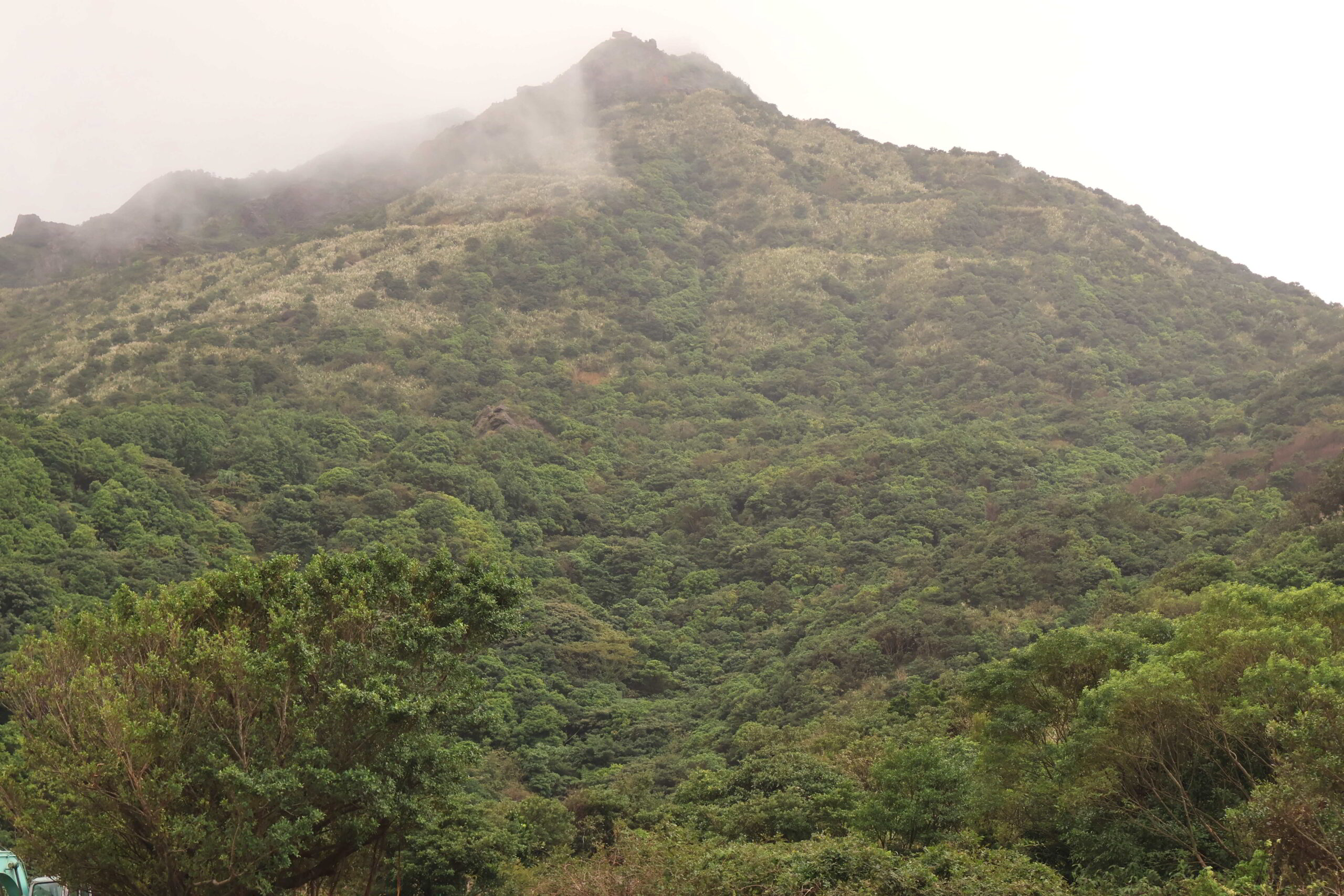
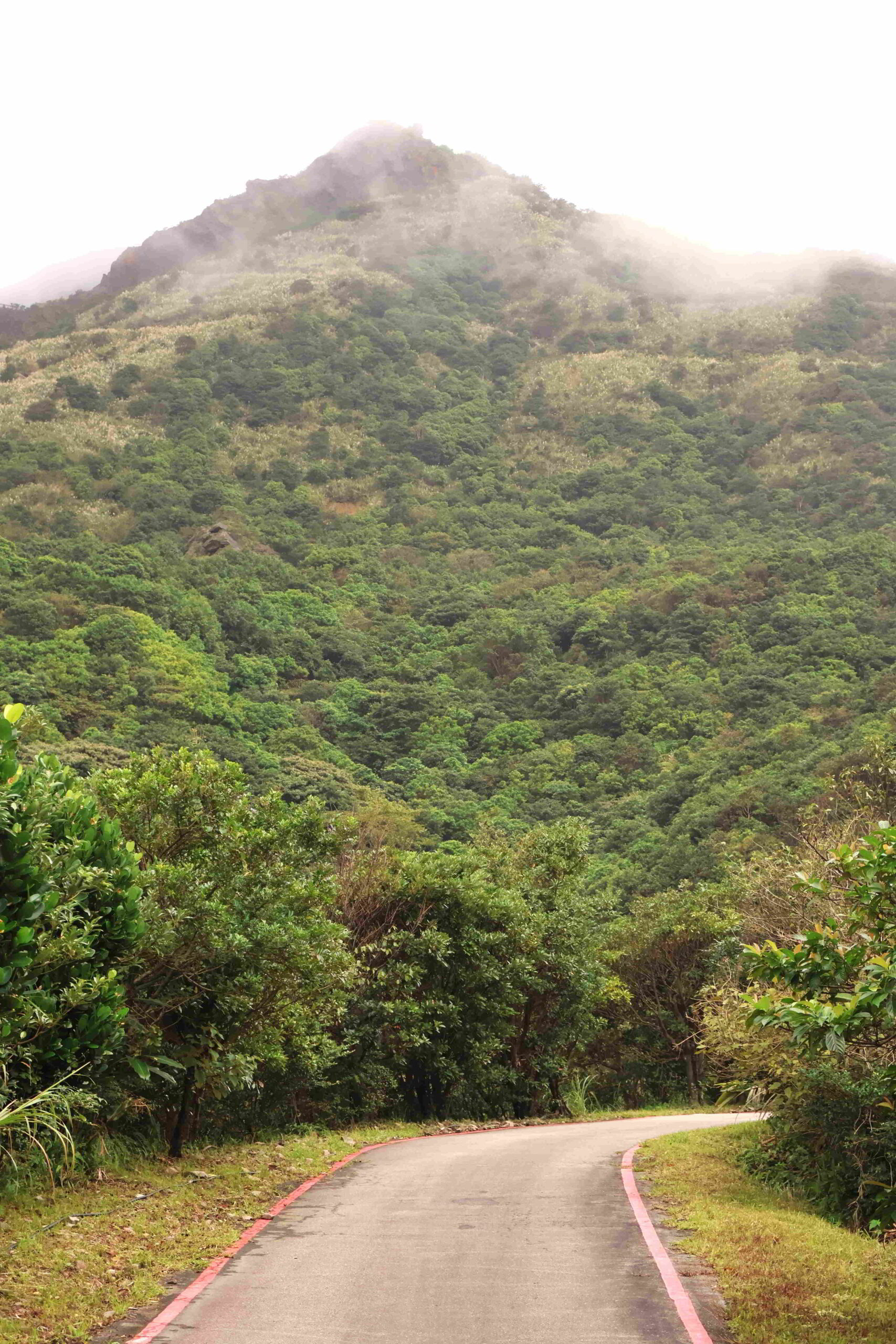
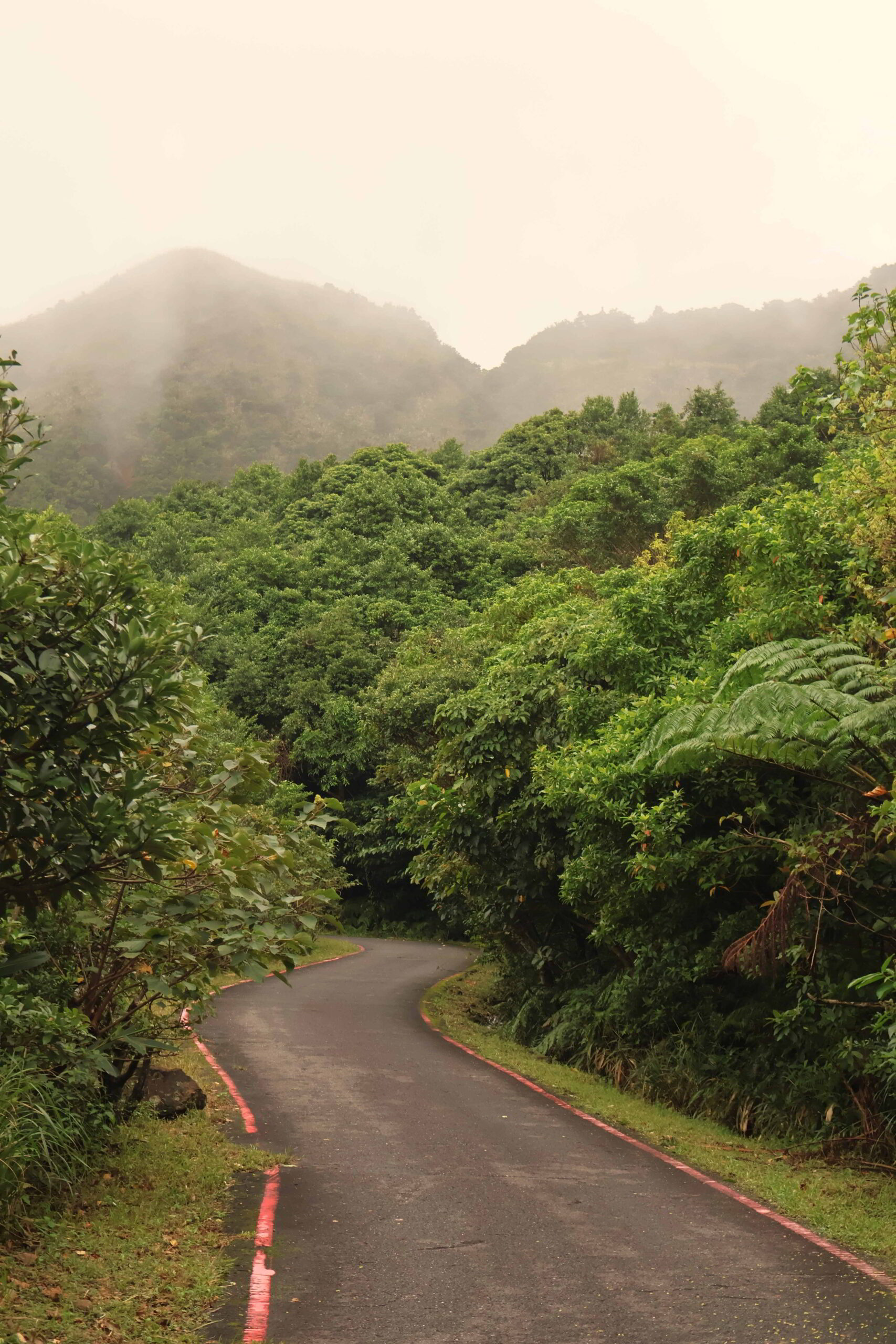
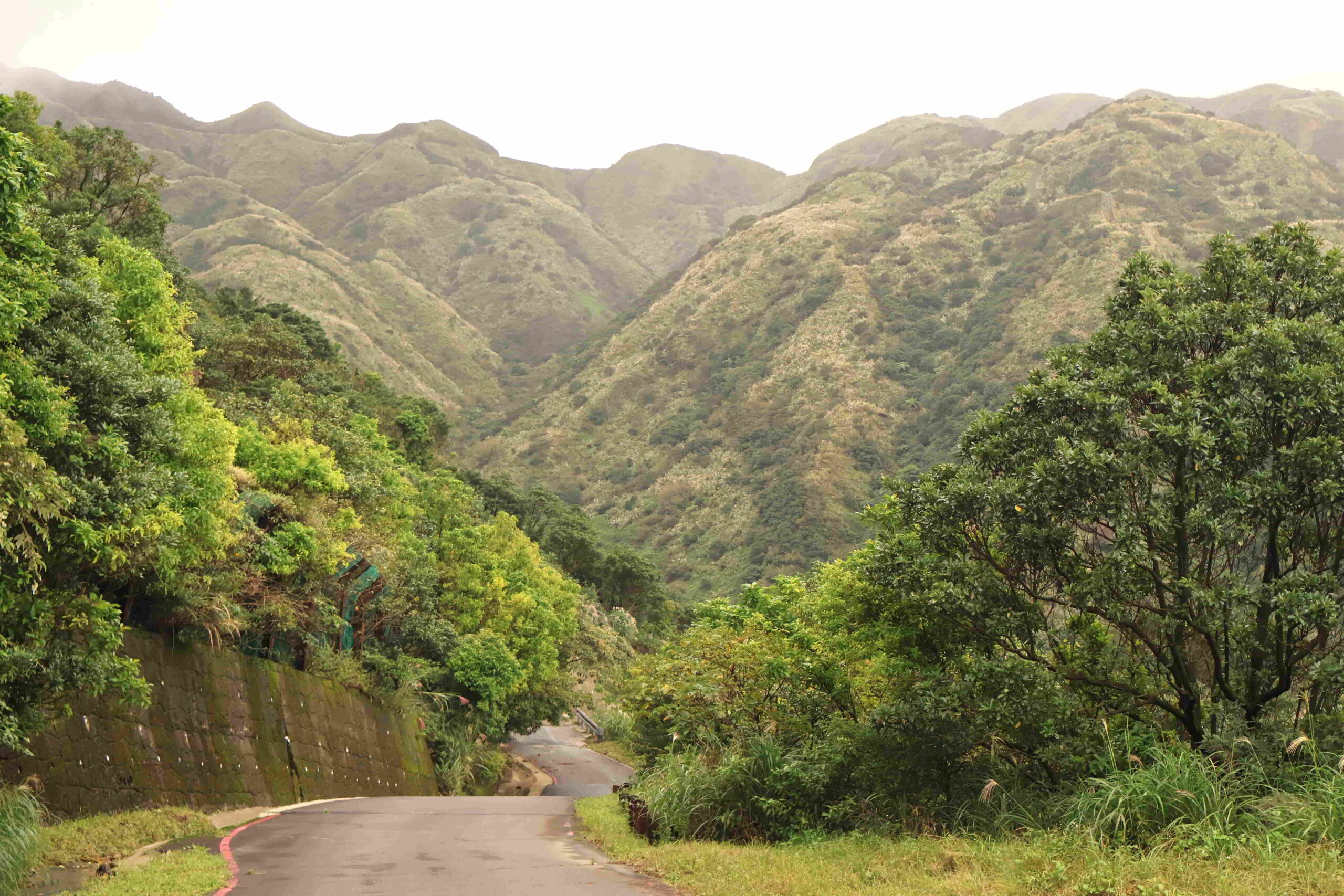
A paved road leads a considerable distance up the side of the mountain before reaching the actual trail to the peak of Teapot mountain. I will keep walking and see how far I can manage to go — or how long the rain holds off. It is certainly refreshing to be in a completely natural environment in Taiwan — it’s amazing how transforming it feels! The air is fresh, cool, and clean, and suddenly I am motivated to walk where my feet can take me.
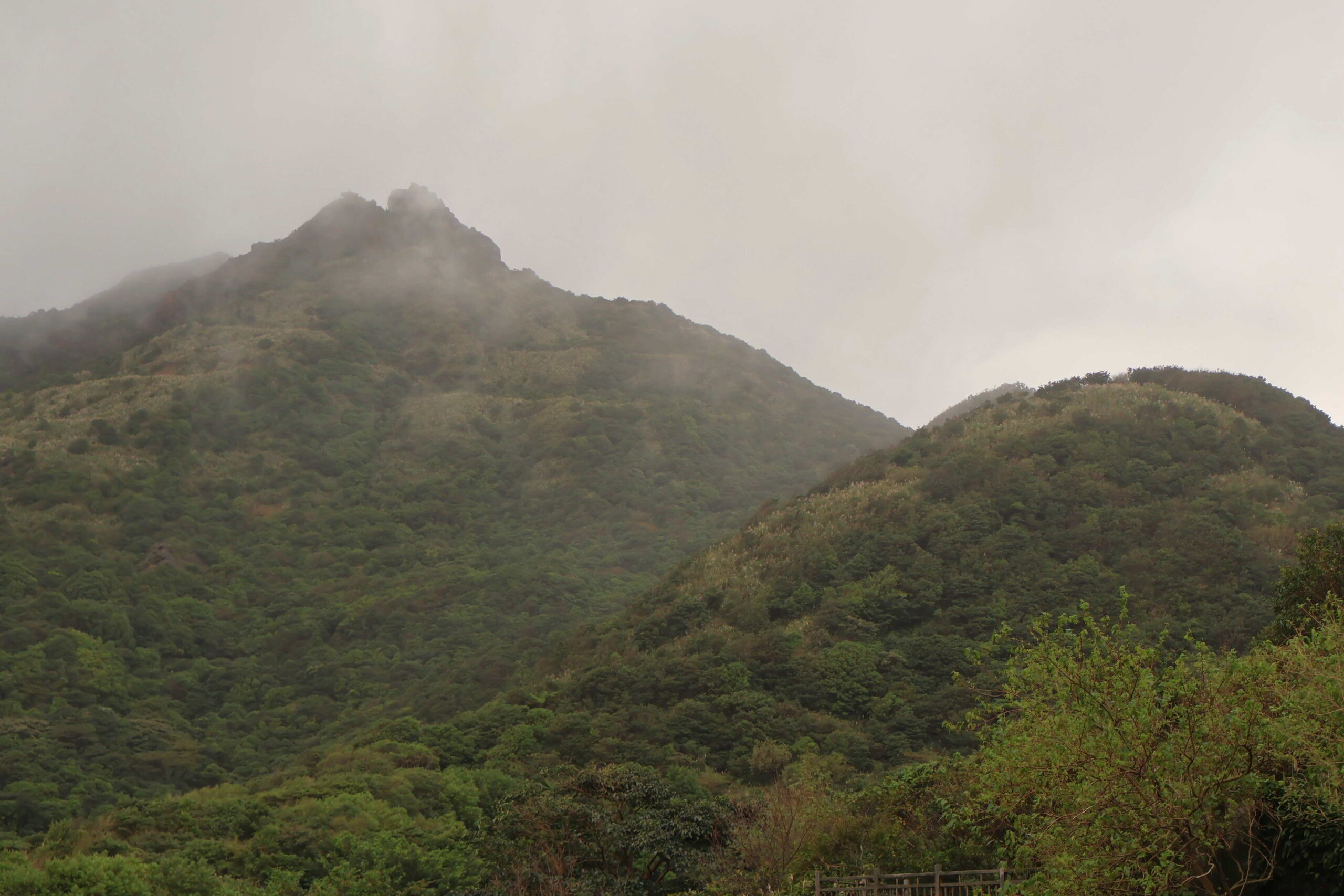
Teapot Mountain trail
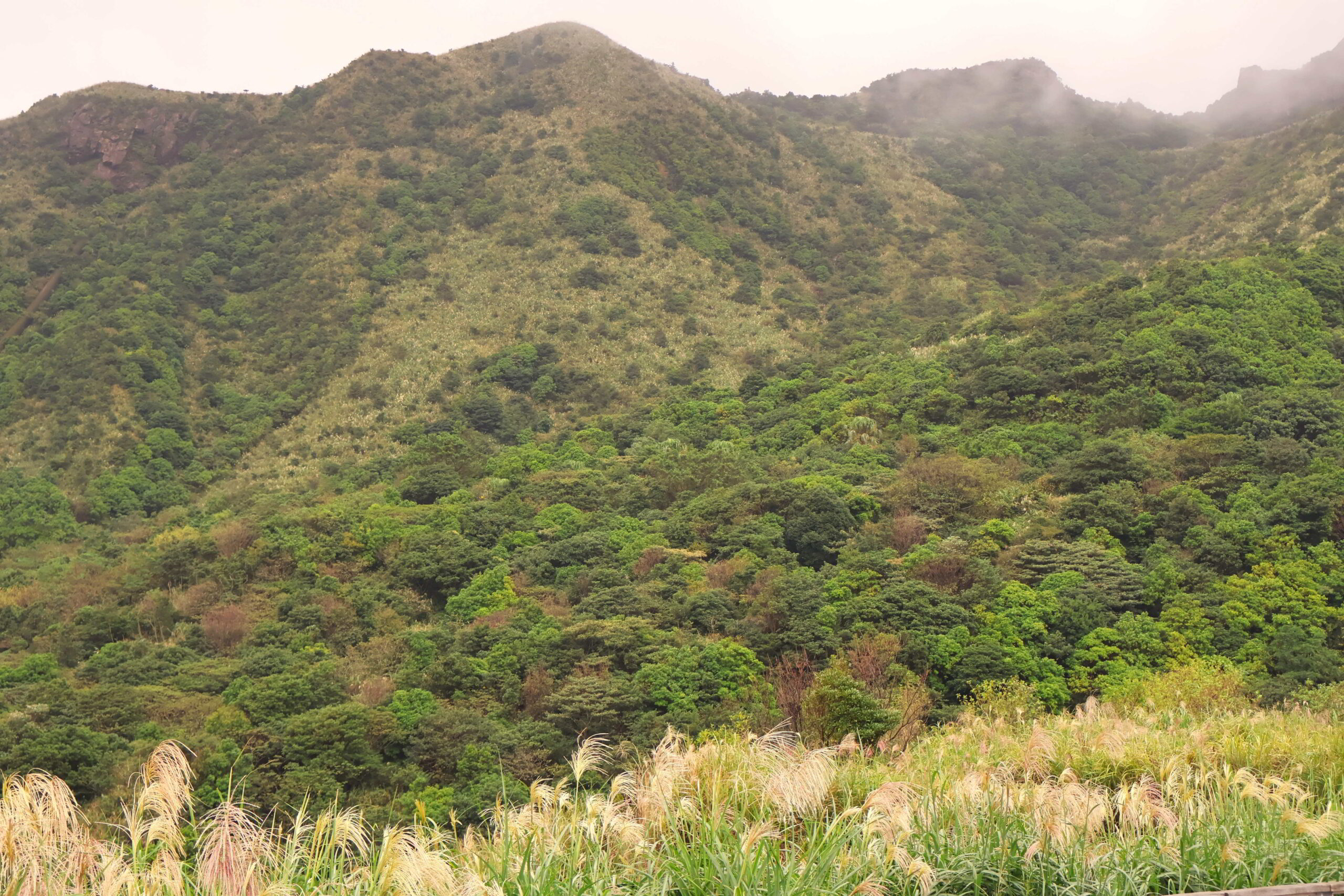
Teapot Mountain trail
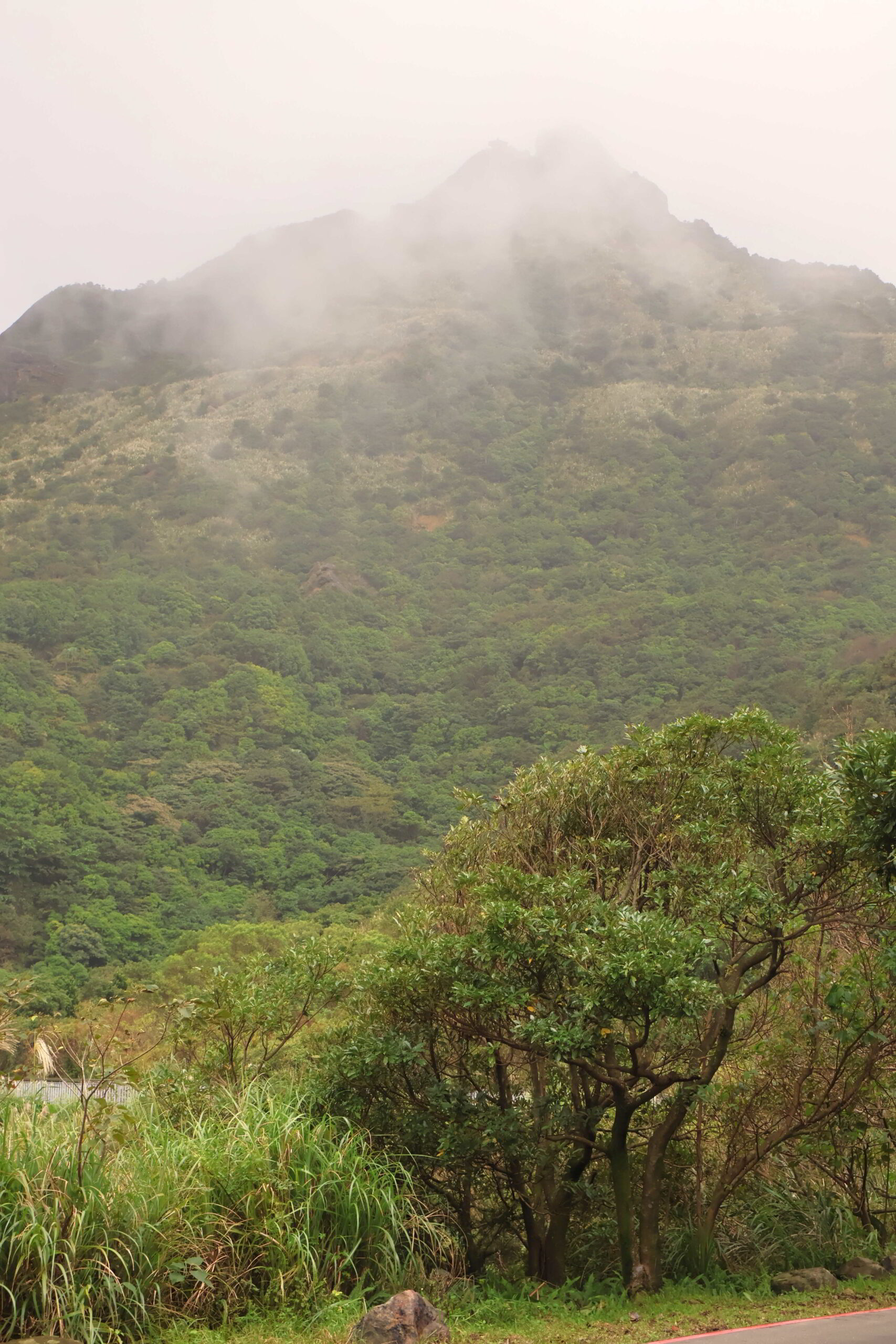
Teapot Mountain trail
Teapot Mountain trail
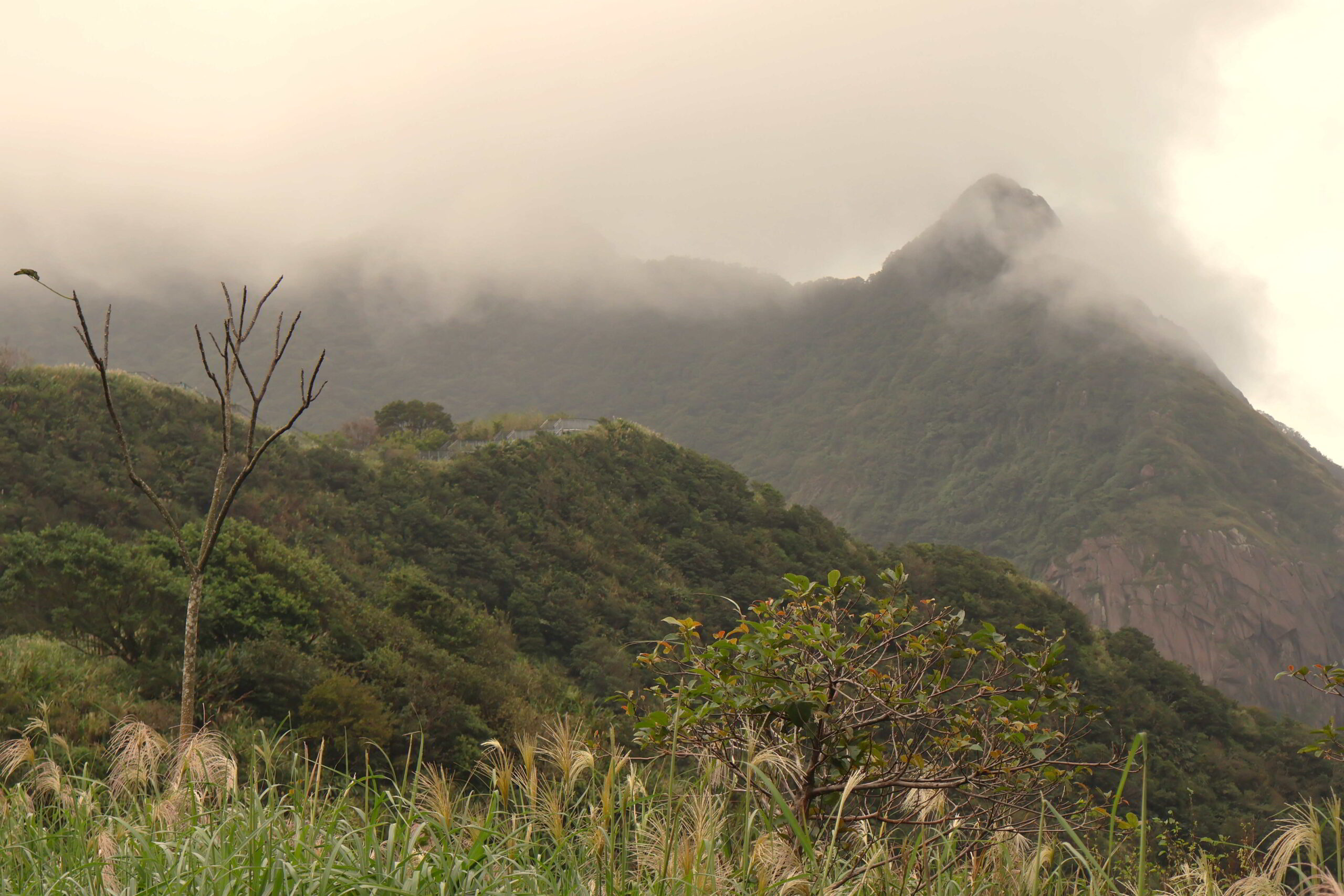
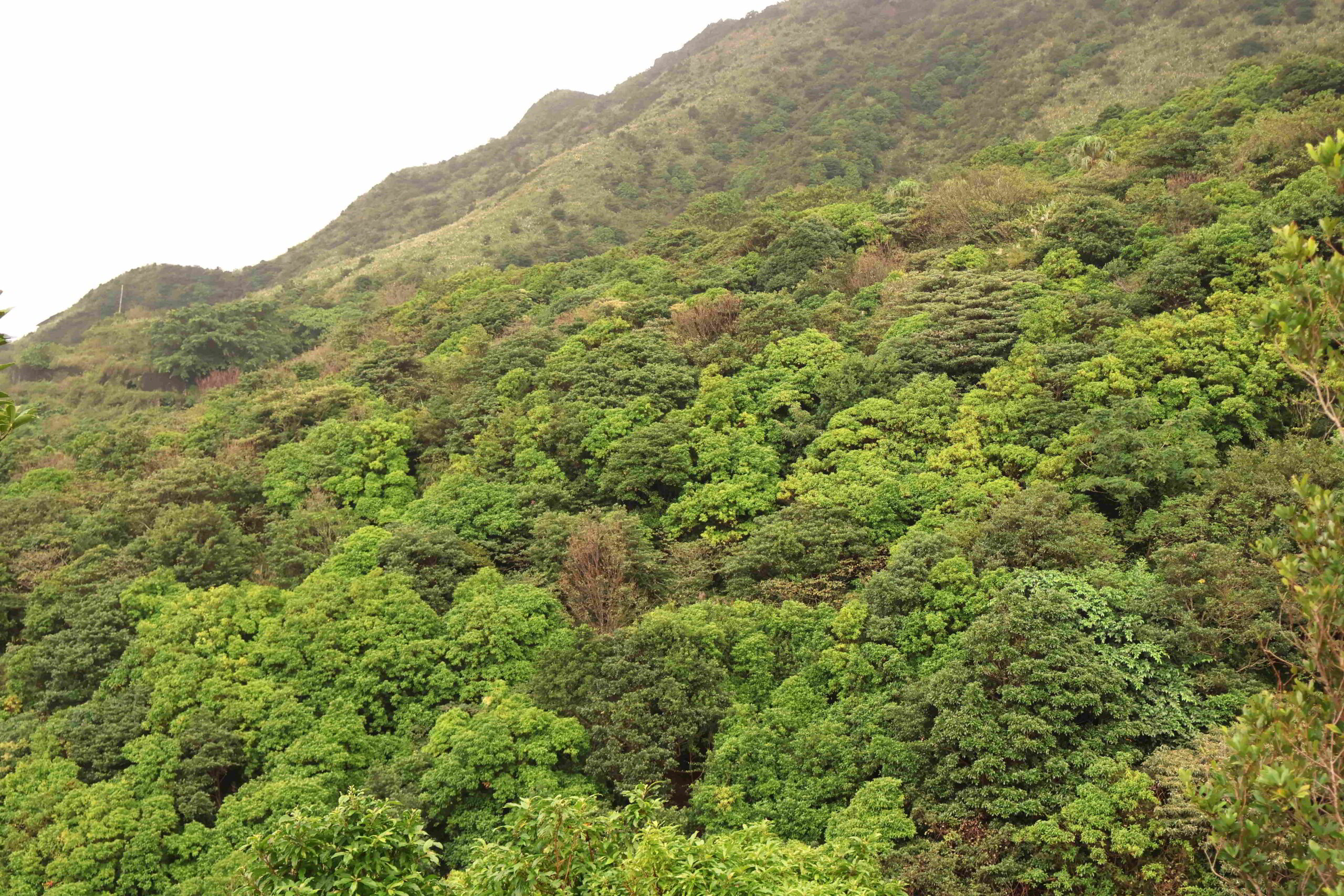
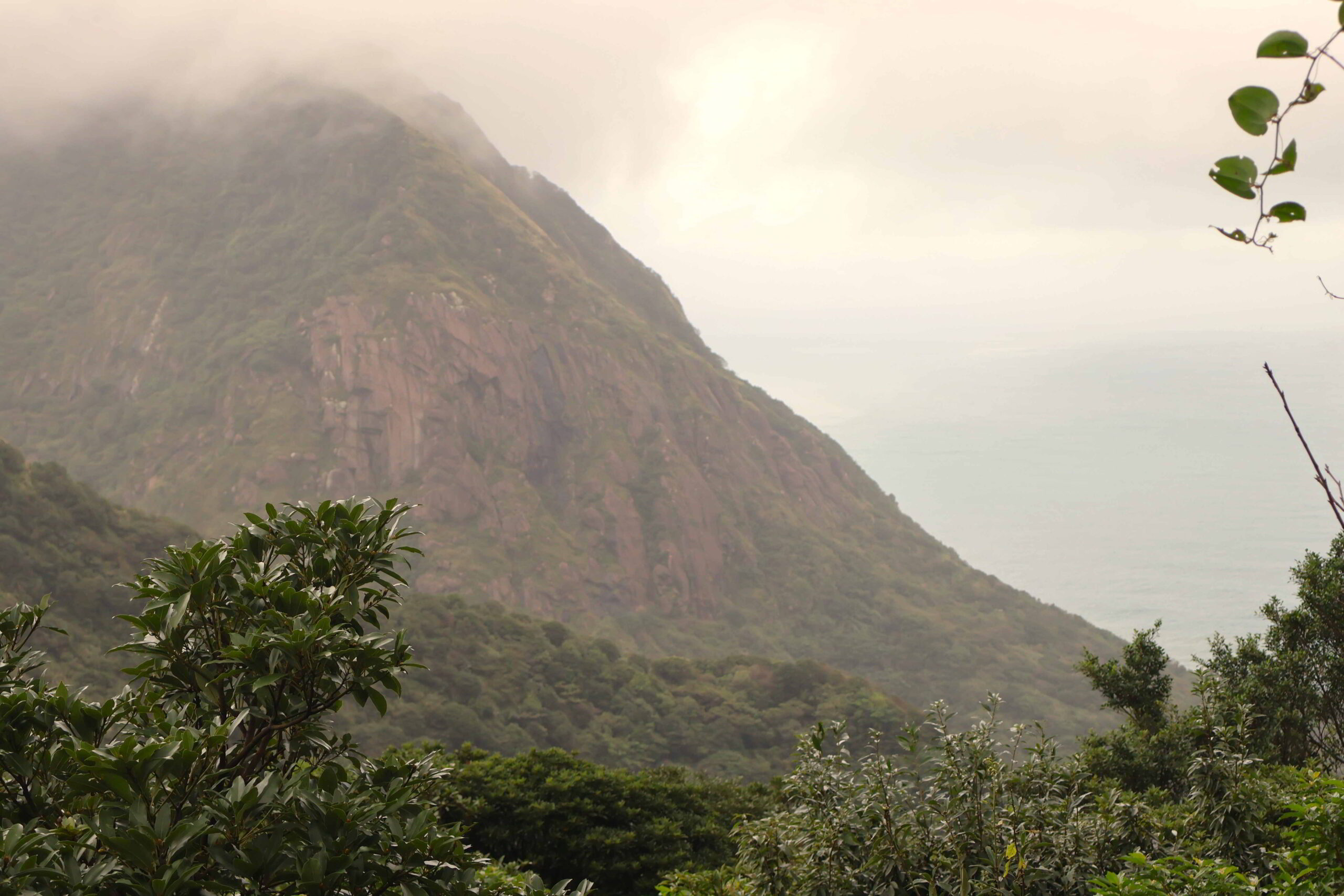
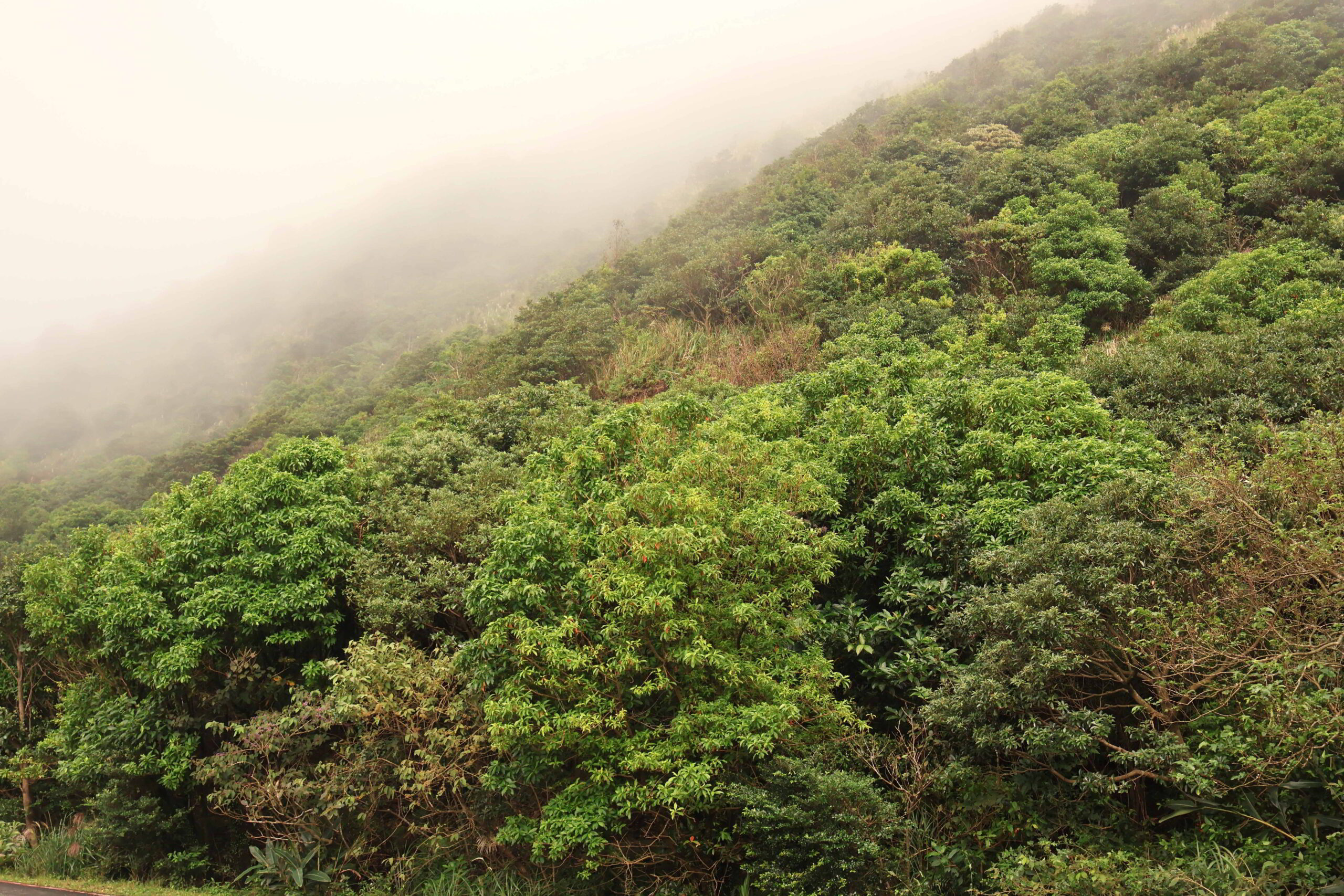
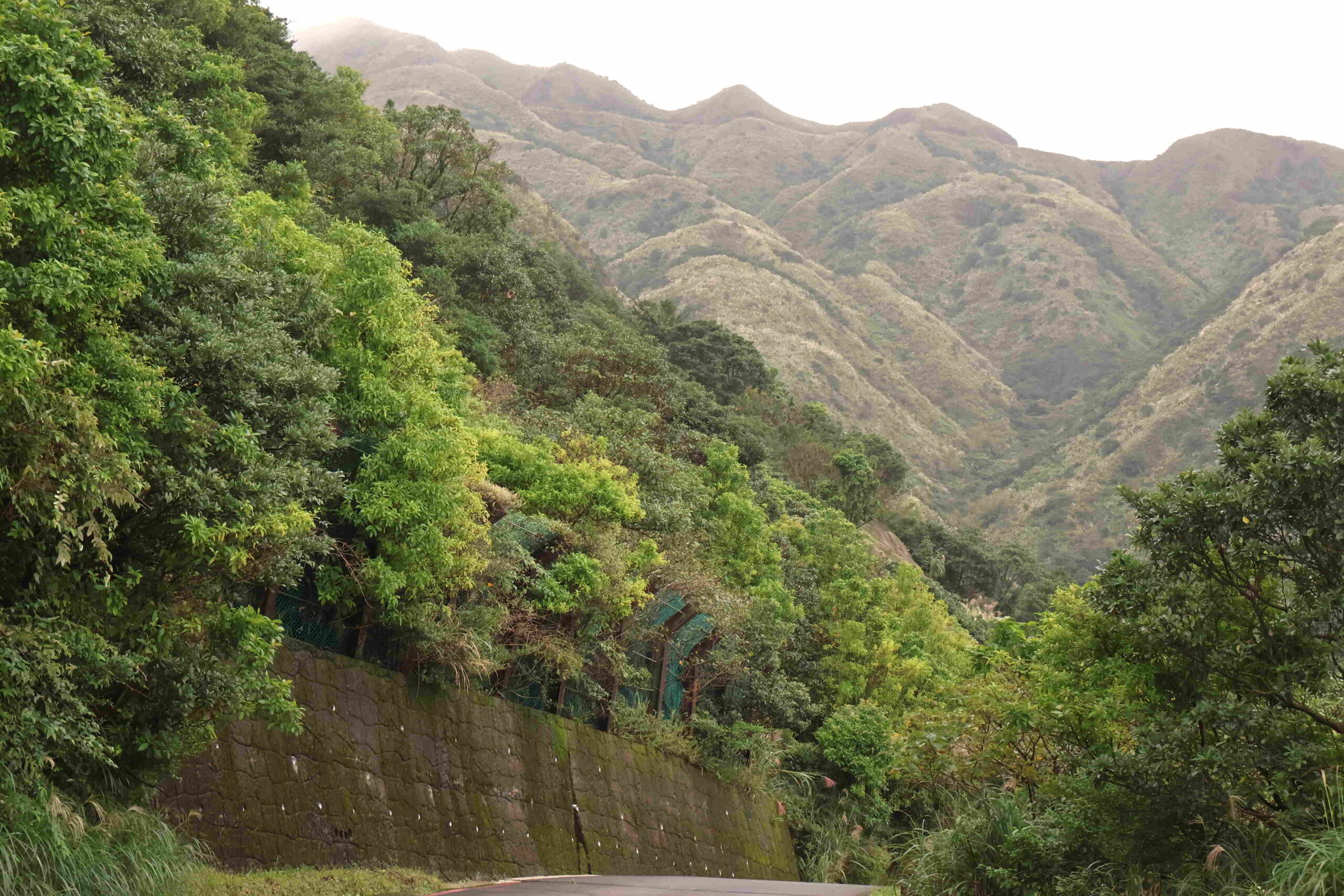
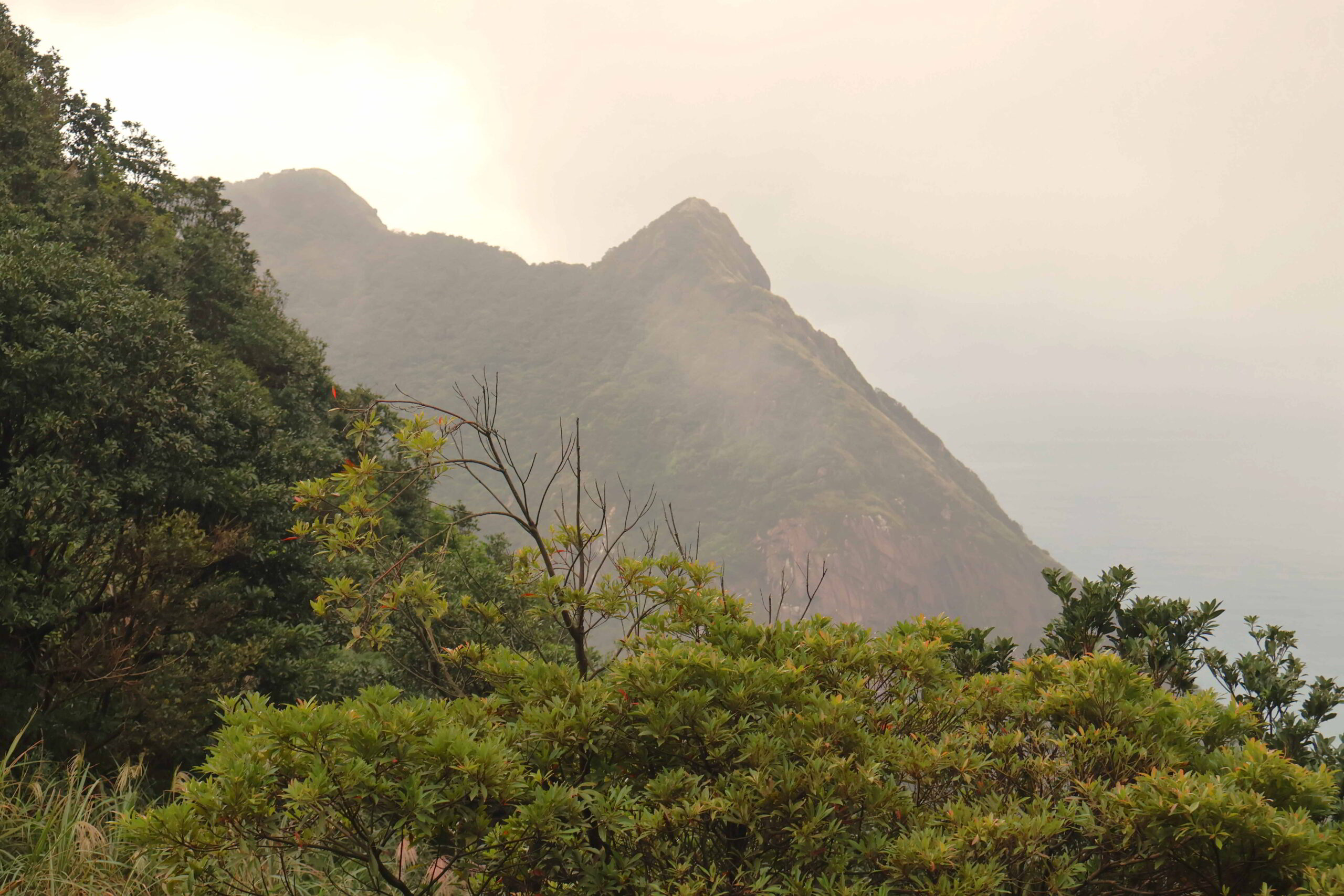
The spectacular views of the surrounding landscape and its flora unfold before me; just when I think I have exhausted the breathtaking views available from the trail, the evolving panorama offers even more beauty. The lush vegetation’s exotic diversity is thanks to Taiwan’s subtropical ecology, and while there are many flowering plants visible from the trail, the shapes of the trees and shrubs, the bark, the branches, the leaf and canopy structure provide alluring visual fodder.
Teapot Mountain trail
Teapot Mountain trail
Teapot Mountain trail
Teapot Mountain trail
I walk and walk, continually considering whether I should turn around, but can’t come up with much of a reason to do so, especially thanks to the unfolding beauty of the mountains before me. The road is lengthy, but is well-paved and not particularly steep, so easy enough to walk along.
Teapot Mountain trail
Teapot Mountain trail
Teapot Mountain trail
Teapot Mountain trail
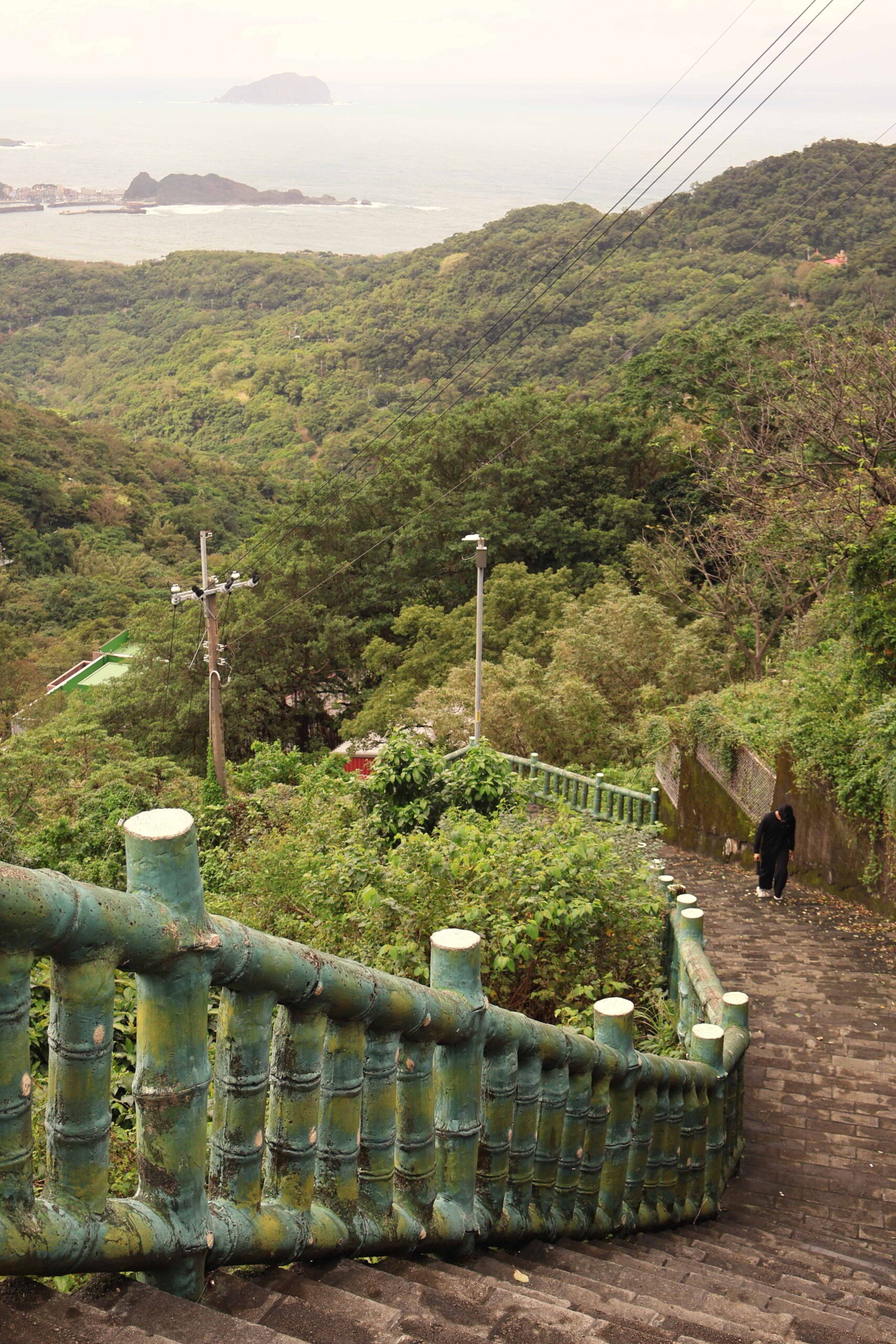
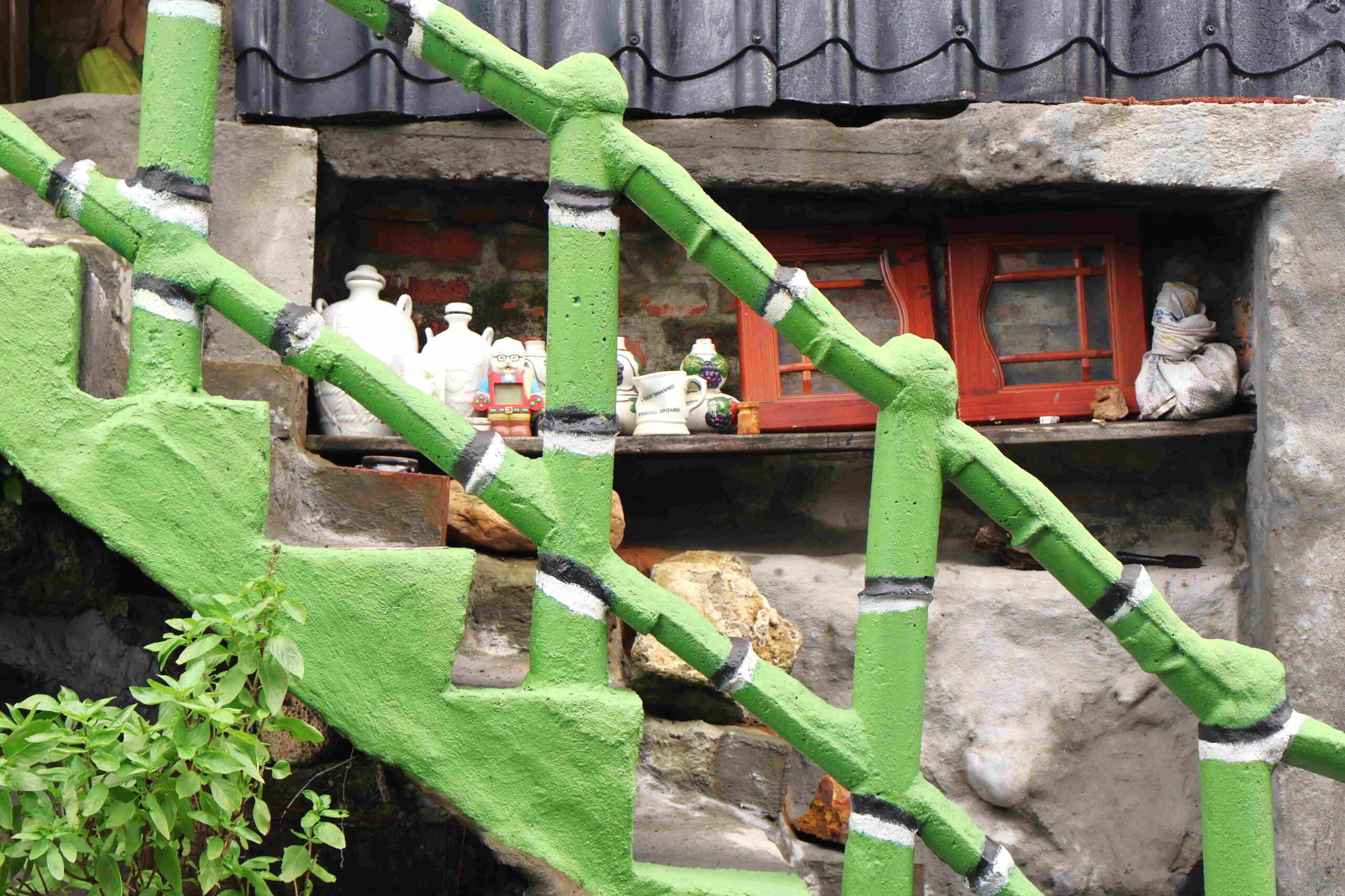
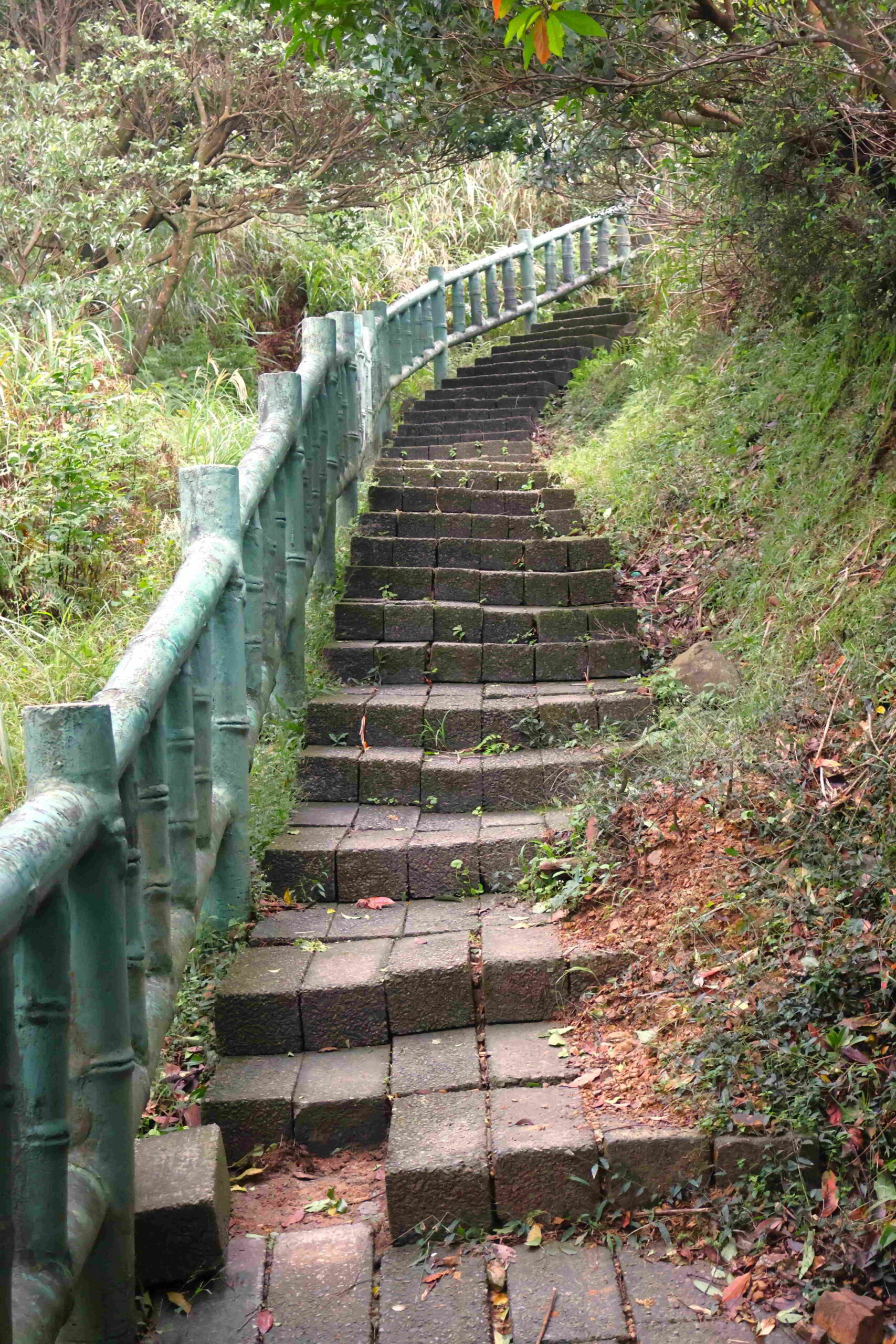
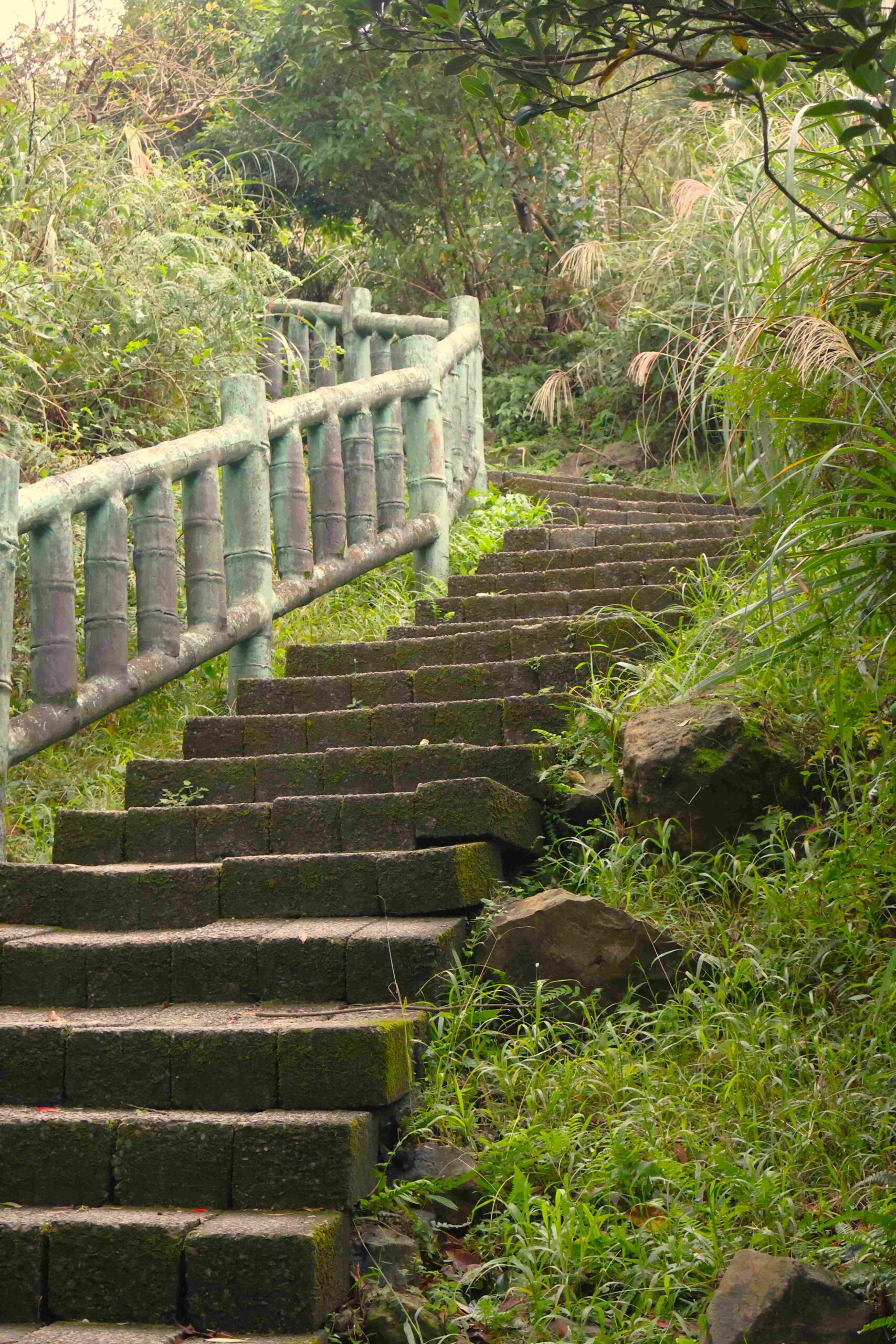
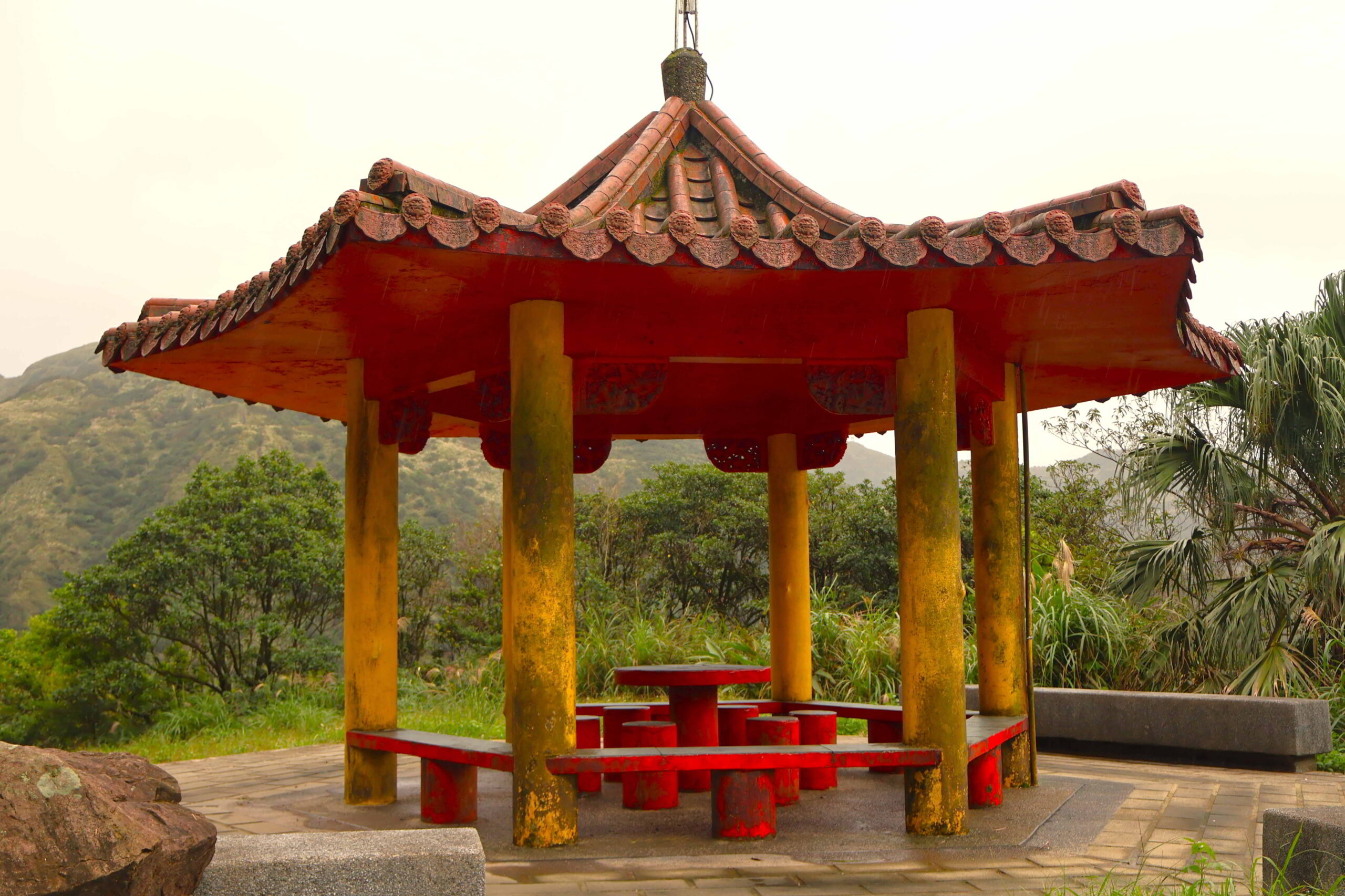
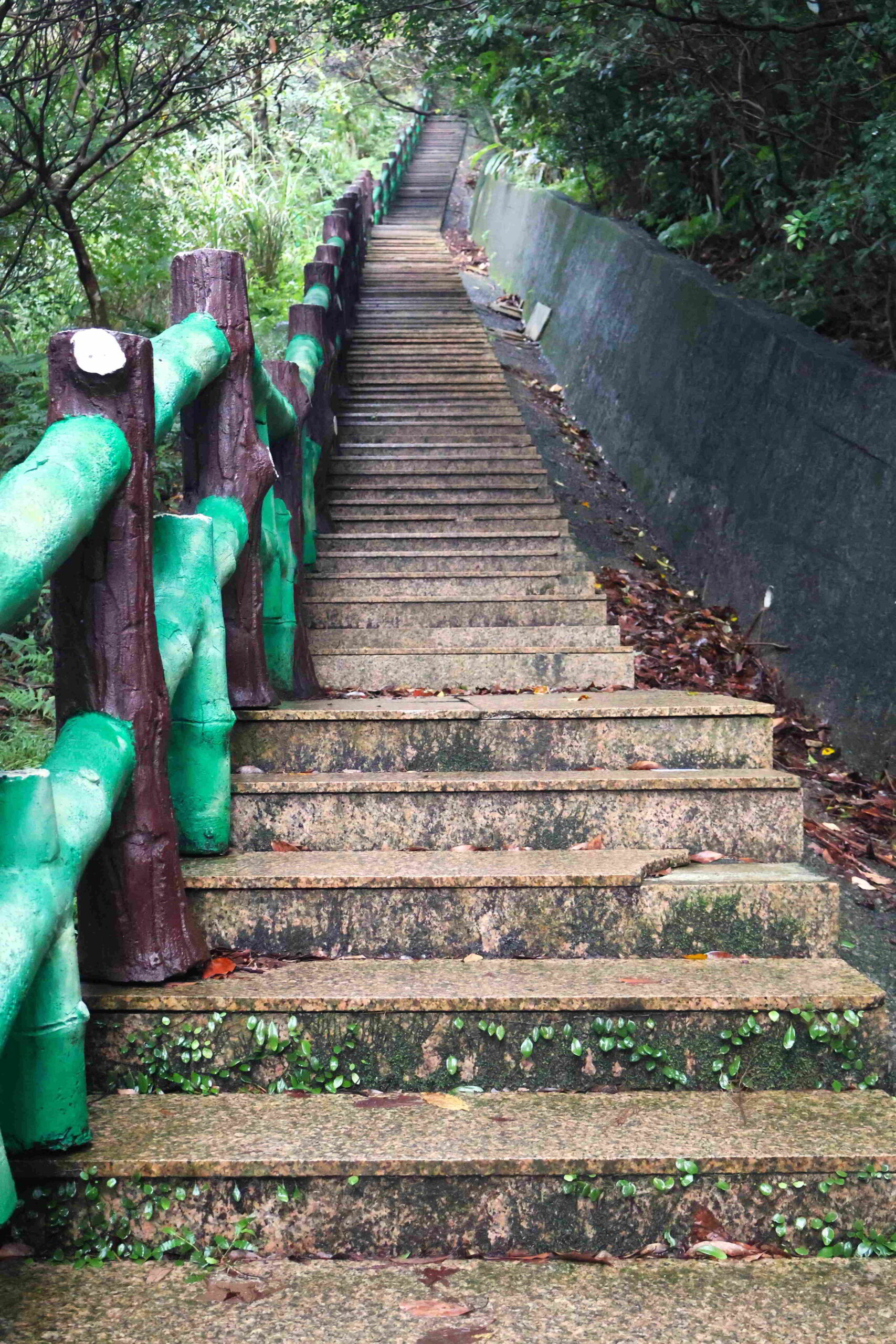
I decide to take a short cut along a staircase with a bamboo-shaped balustrade to bring me much more quickly to the trailhead. Thanks to their steep pitch, the steps are obviously a slower climb, but the fact that they are properly formed and maintained, with an equal rise over run also makes them very easy to climb, as opposed to the staircases I typically see on hiking trails, with unequal and inconsistent rise vs. run and broken or angled steps. I am still doing well, but want to end the hike at the Chaobao Pavilion, where the staircase joins the paved road, since if I continue, I may as well hike all the way to the peak. Given the time of the afternoon and the chance of rain, I don’t think it would be a good idea to go that far.
Teapot Mountain trail
Teapot Mountain trail
Teapot Mountain trail
Teapot Mountain trail
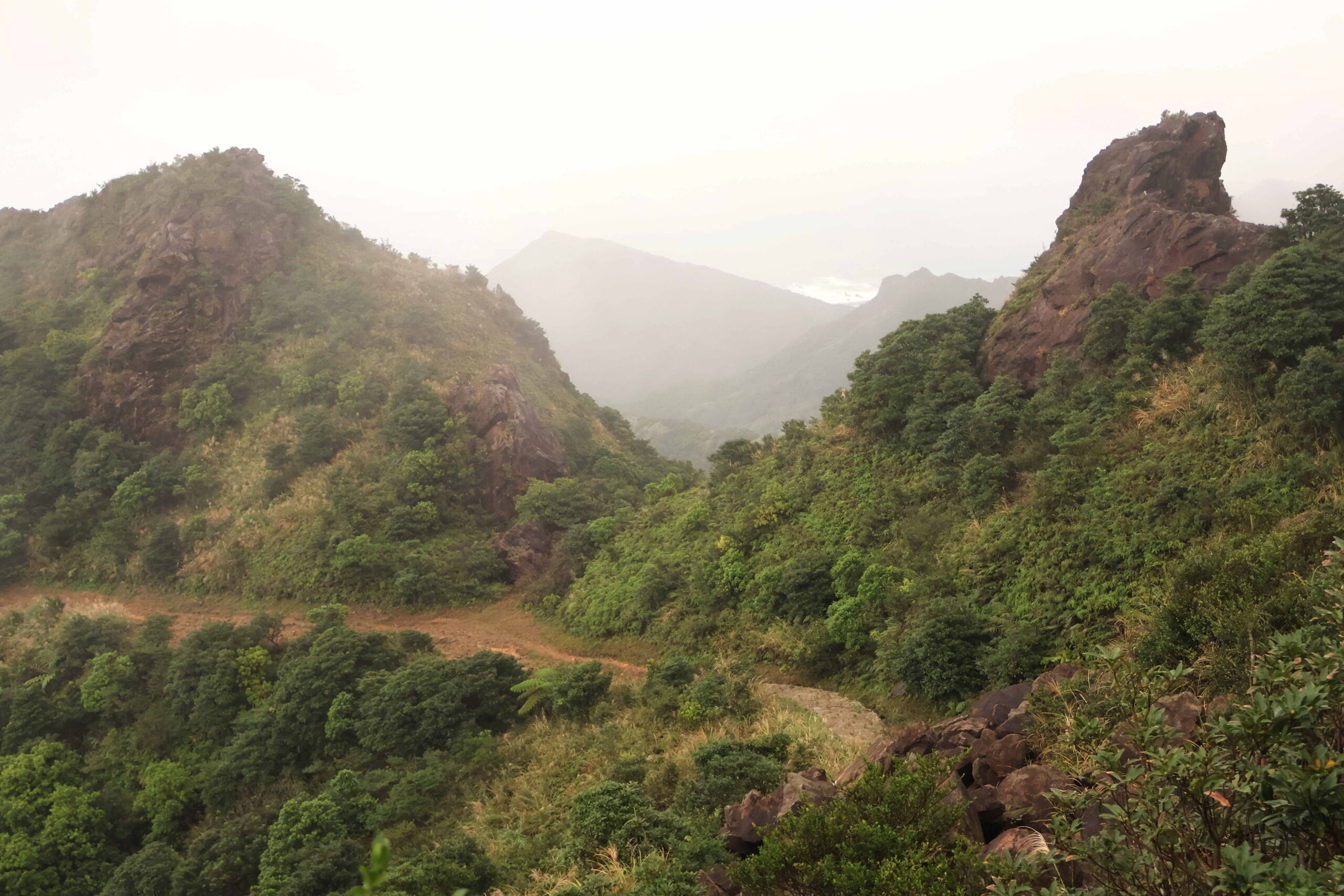
The pavilion certainly is a good place to enjoy the fantastic views of the mountains and sea below. As I sit and eat my Wonderbread-and-processed-cheese sandwiches, other hikers pass by, either descending from the mountaintop or making their ascent. An interesting cultural observation: the Asians have a more relaxed and welcoming mien, whereas the Caucasians have a more aggressive and transactional presentation, which is of course familiar from back home. Even though I have no intention of continuing, I ply the parties on the way down as to the state of the trail and visibility, and in the end conclude that if they are so motivated and energetic in walking all the way up this relatively small mountain — why shouldn’t I make more of an effort?
Teapot Mountain trail
Teapot Mountain trail
Teapot Mountain trail
Teapot Mountain trail
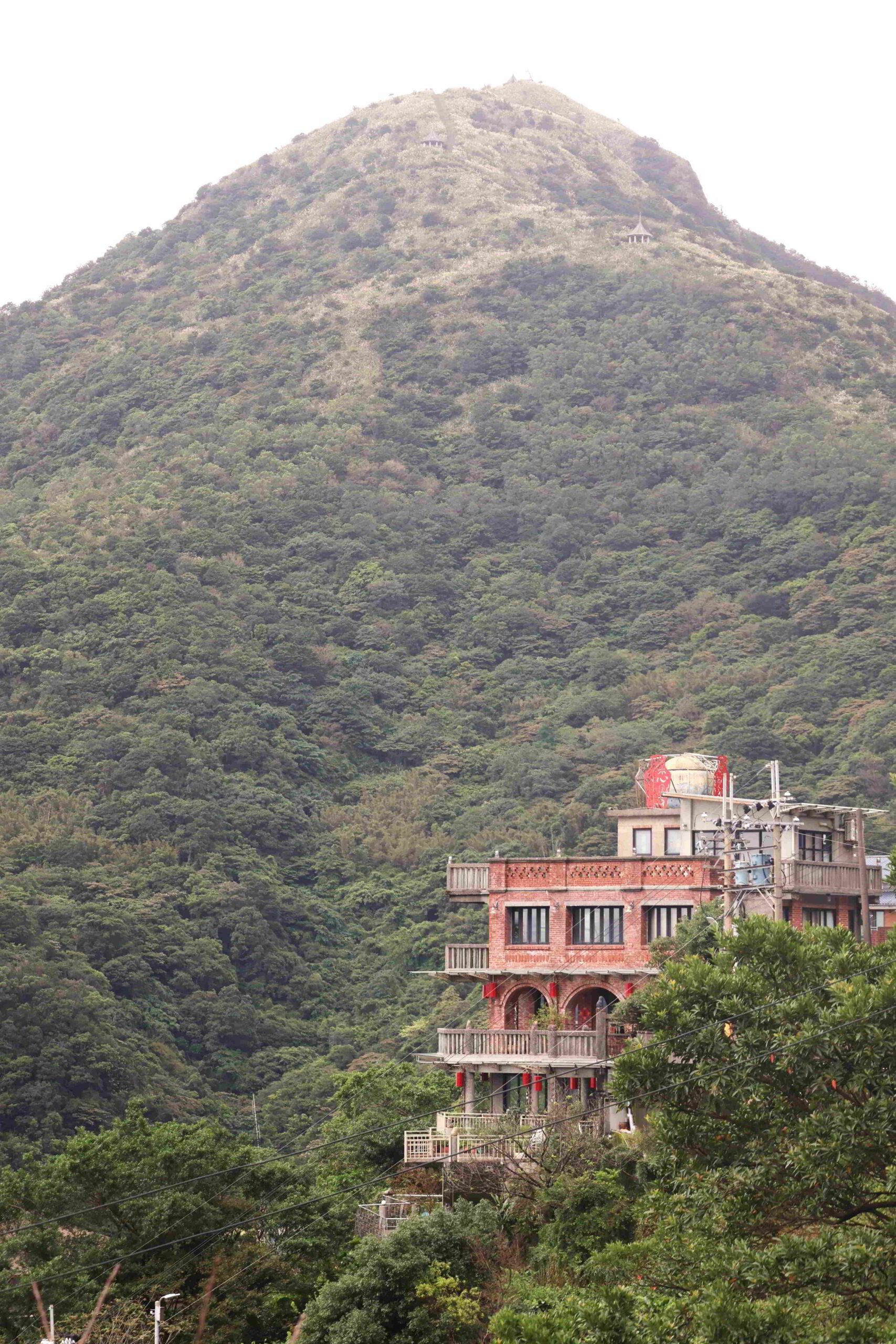
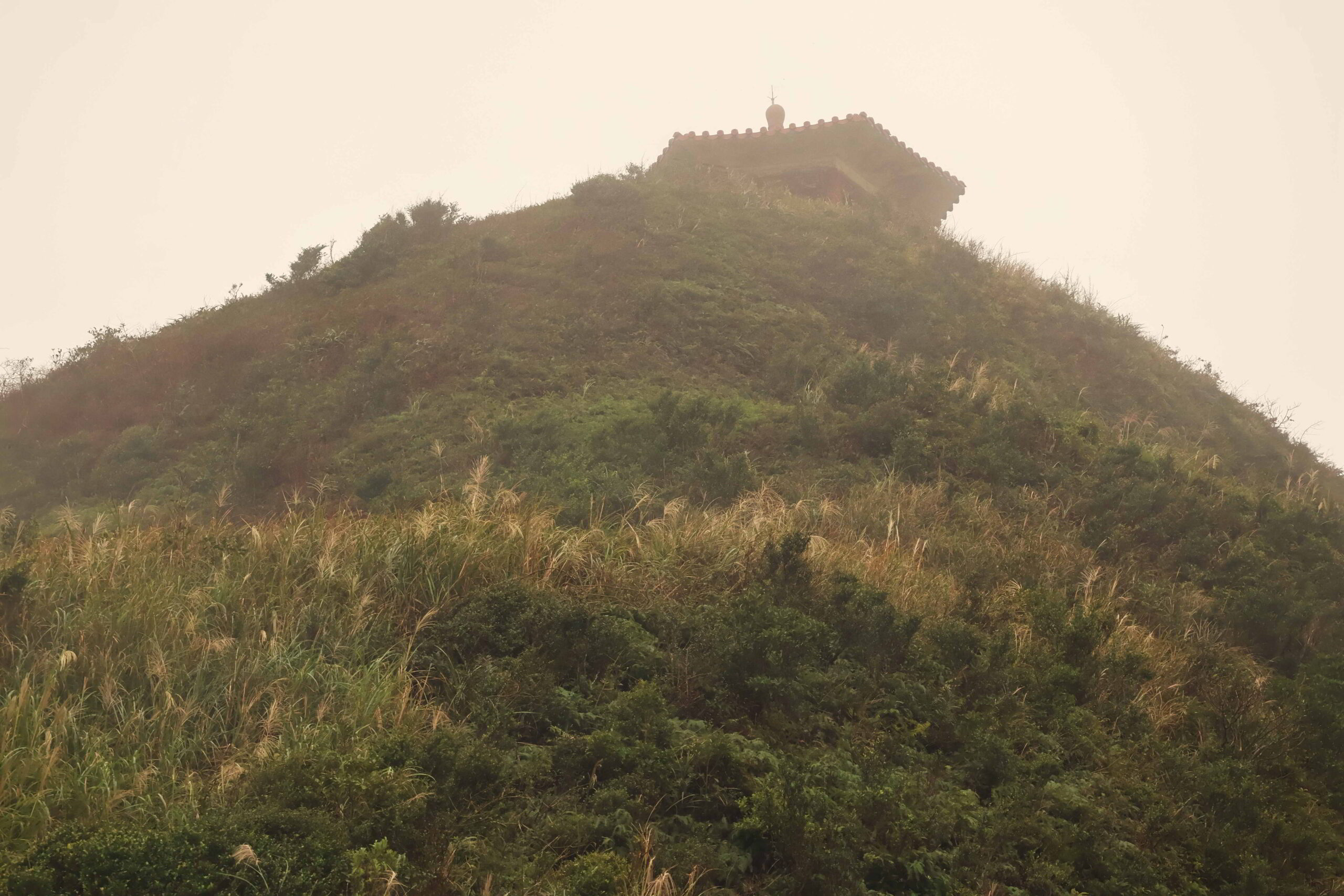
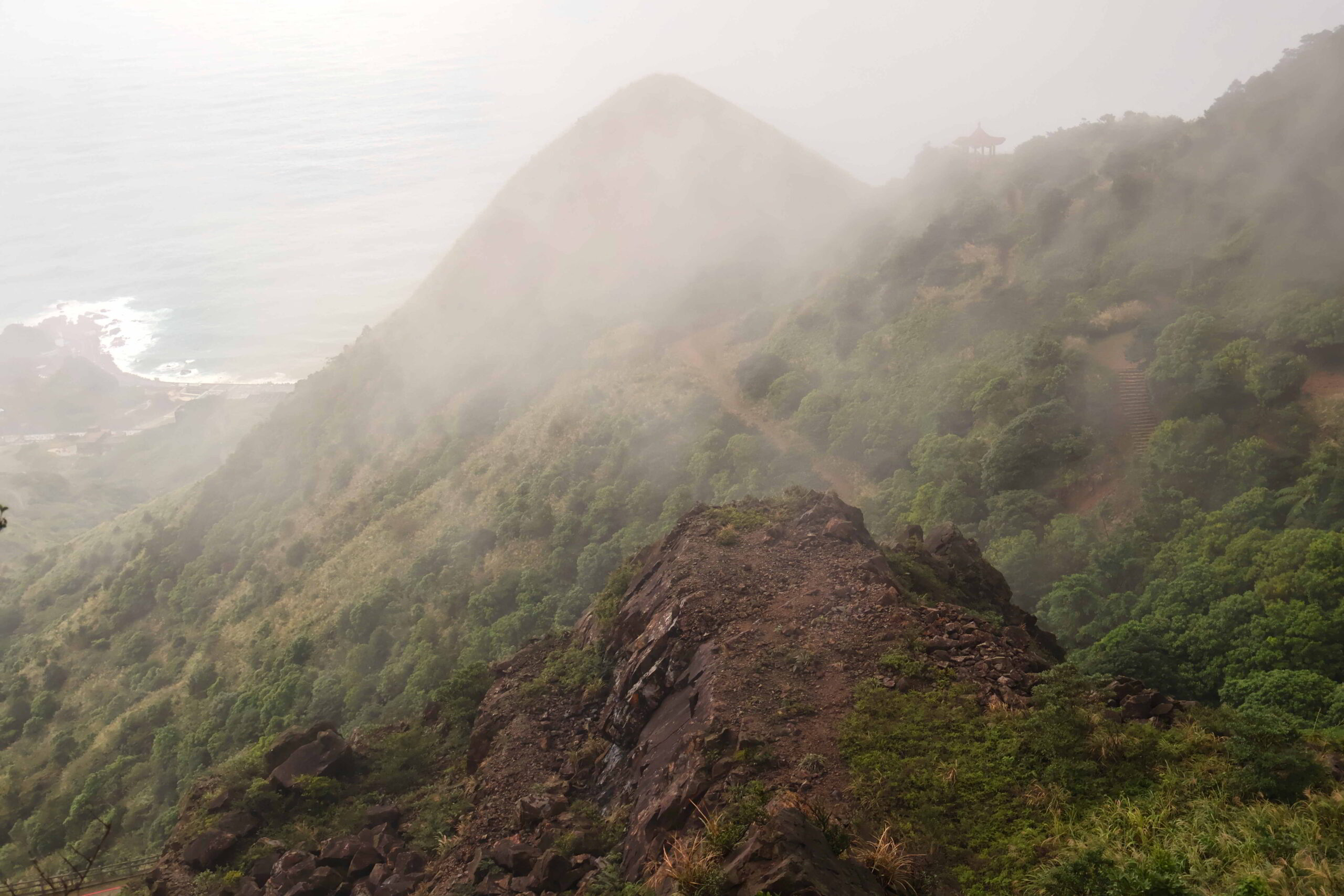
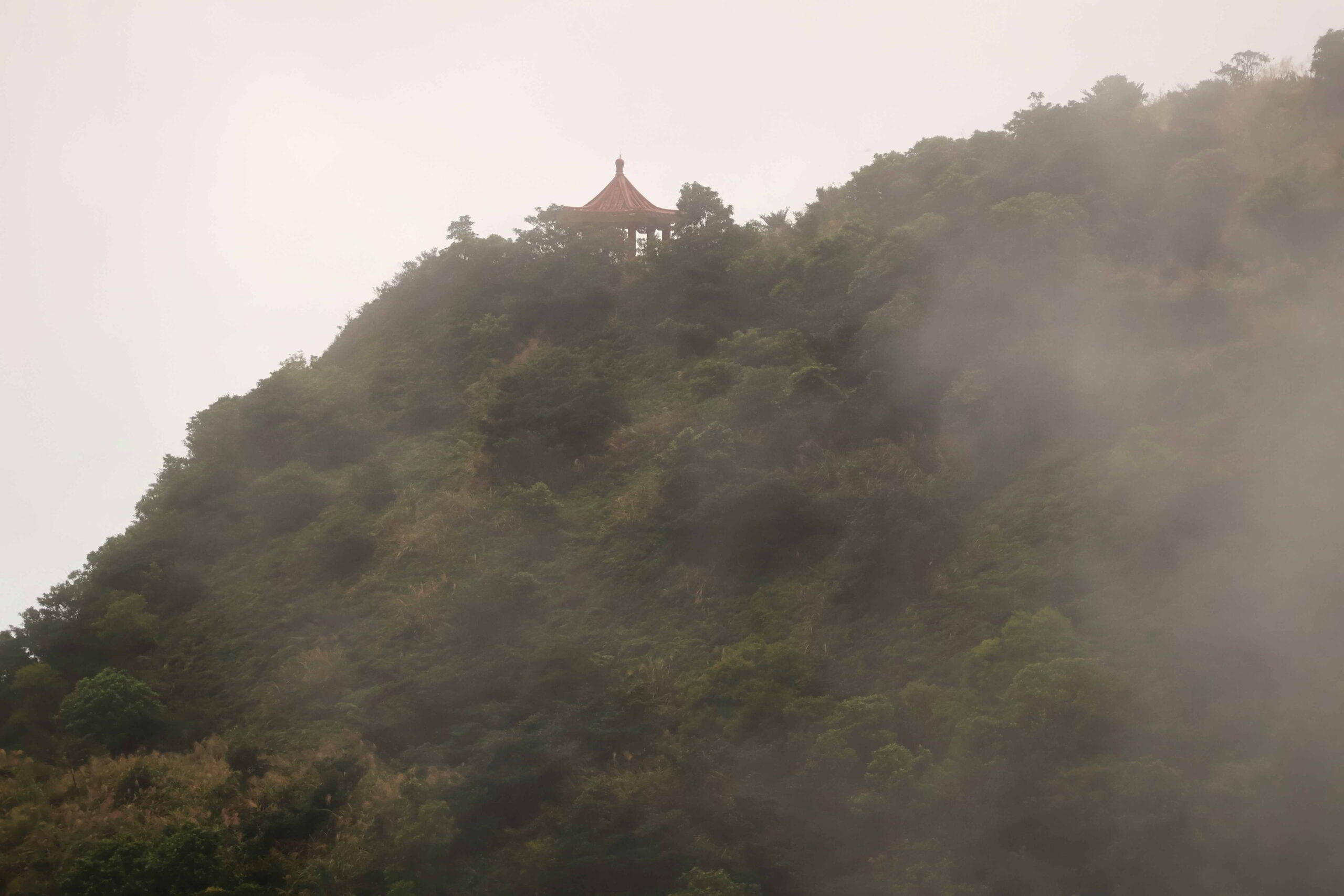
And I do! I continue walking along the road to the trailhead, relatively level but with ongoing spectacular views of the surroundings, then at the trailhead, see that the path is another staircase, although it dissipates for a stretch into the rock-and-gravel trail that I dislike climbing on. Well, I’m here, so I will have to keep going — and considering that I can see the peak above me as well as another pavilion halfway up, at the worst I could just go as far as the Baoshi Pavilion, then return, effectively playing the usual motivational tricks with myself.
Teapot Mountain trail
Teapot Mountain trail
Teapot Mountain trail
Teapot Mountain trail
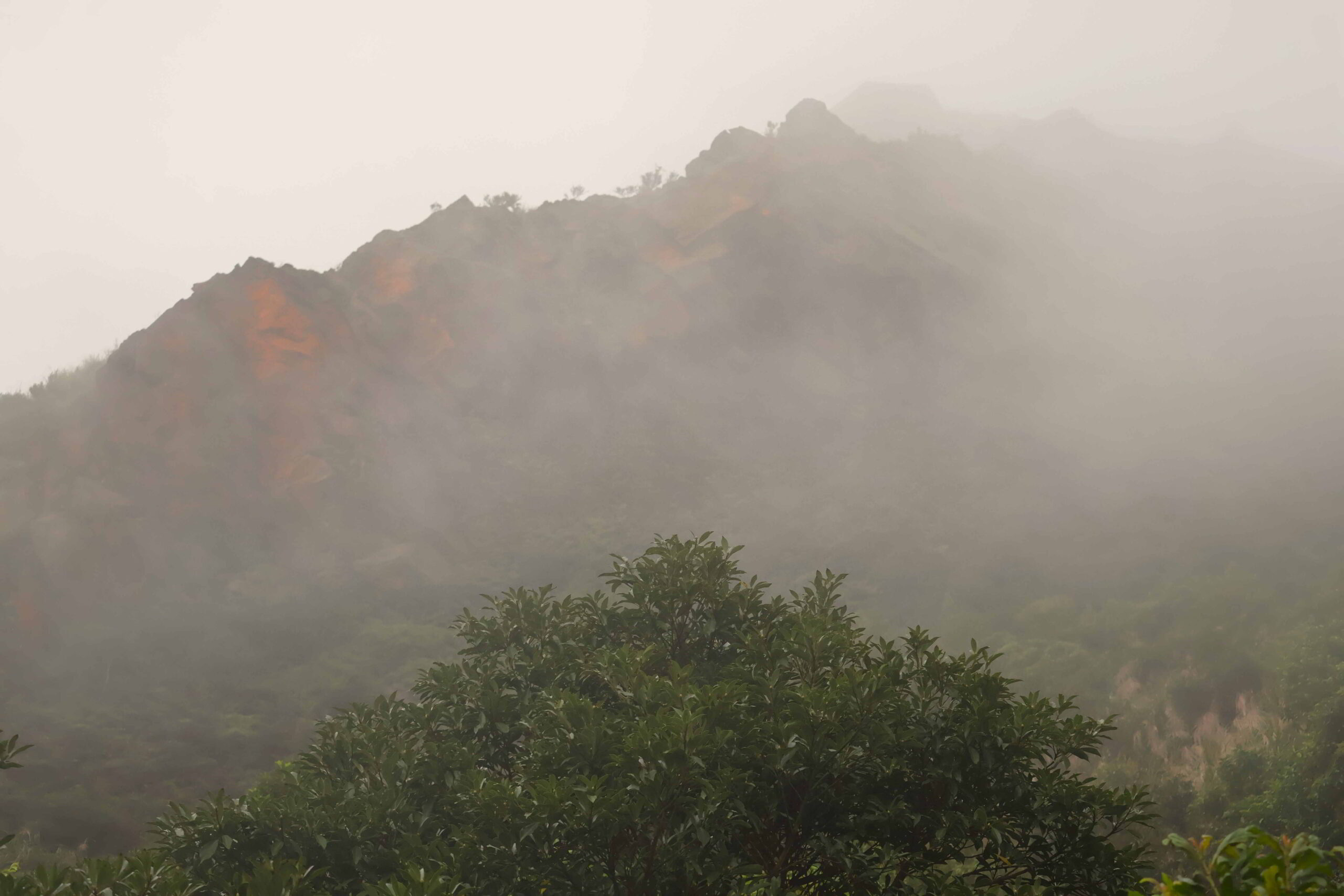
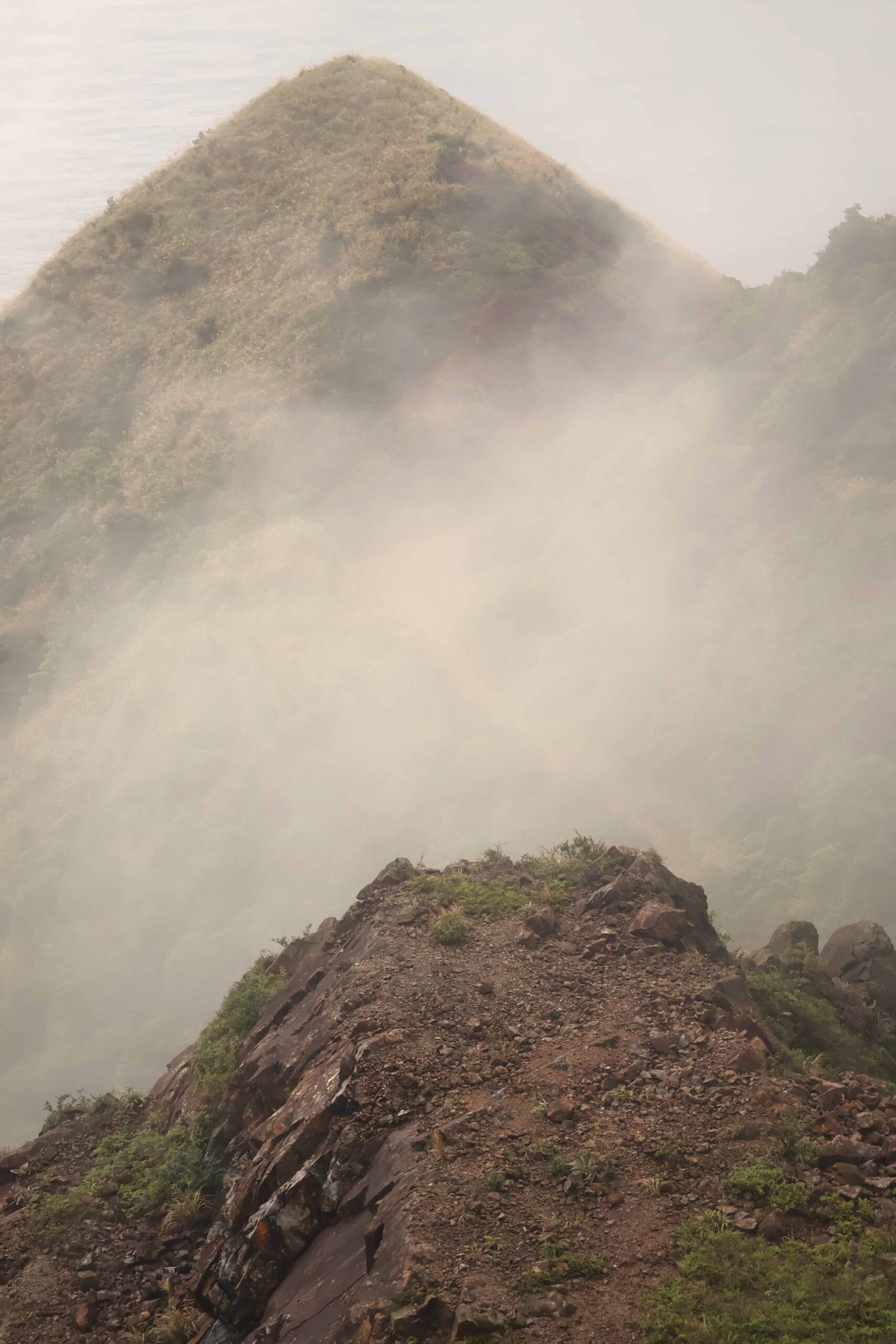
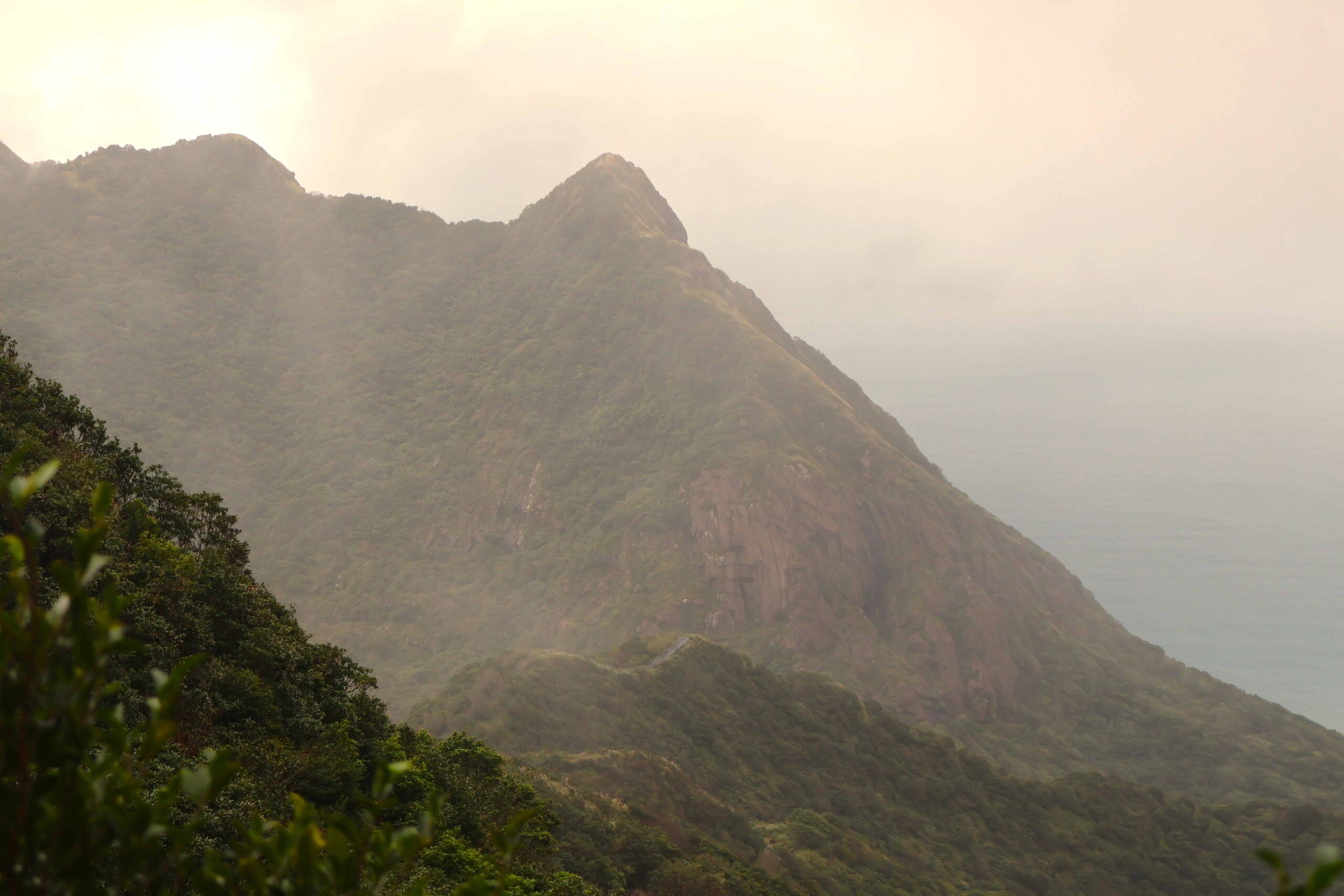
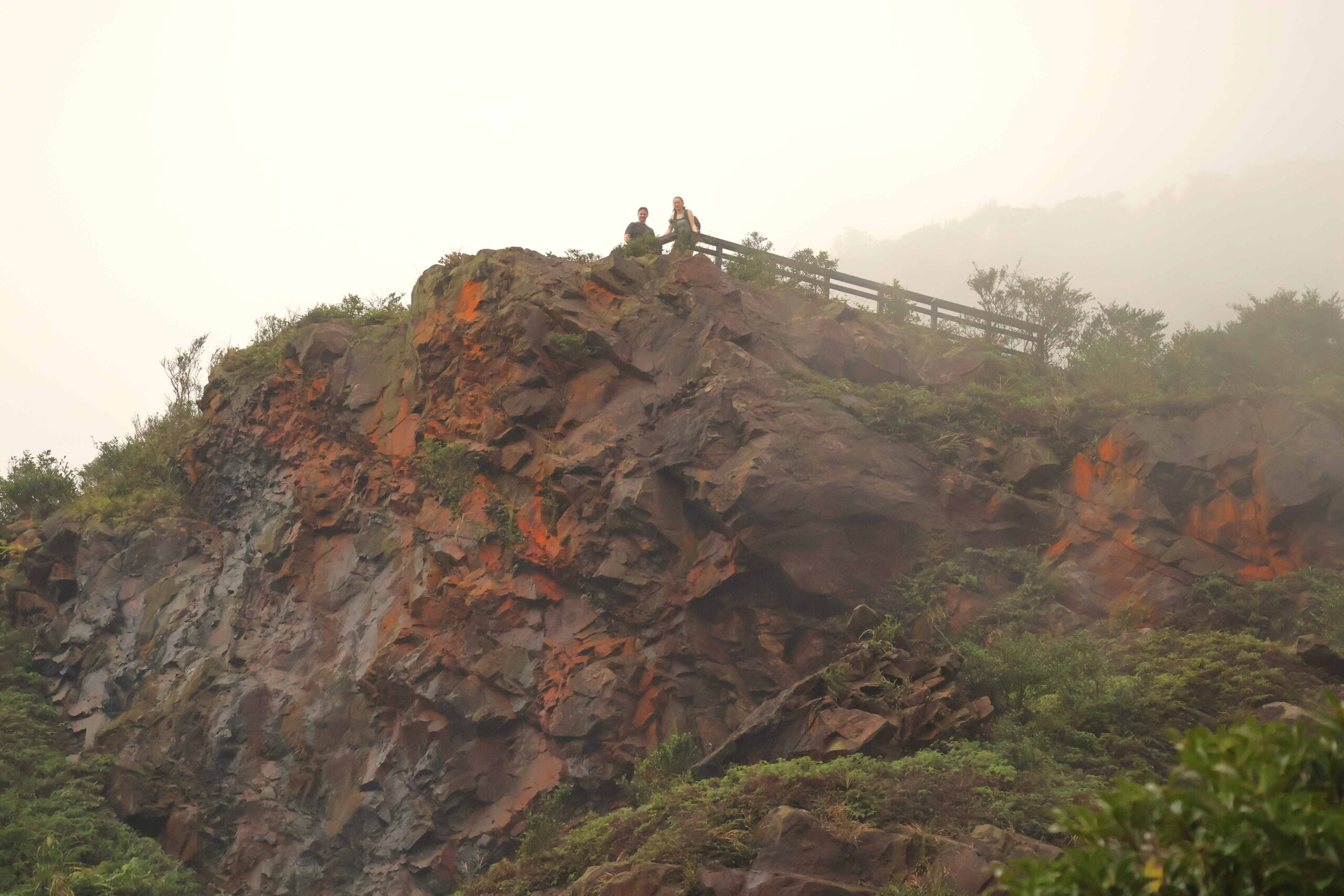
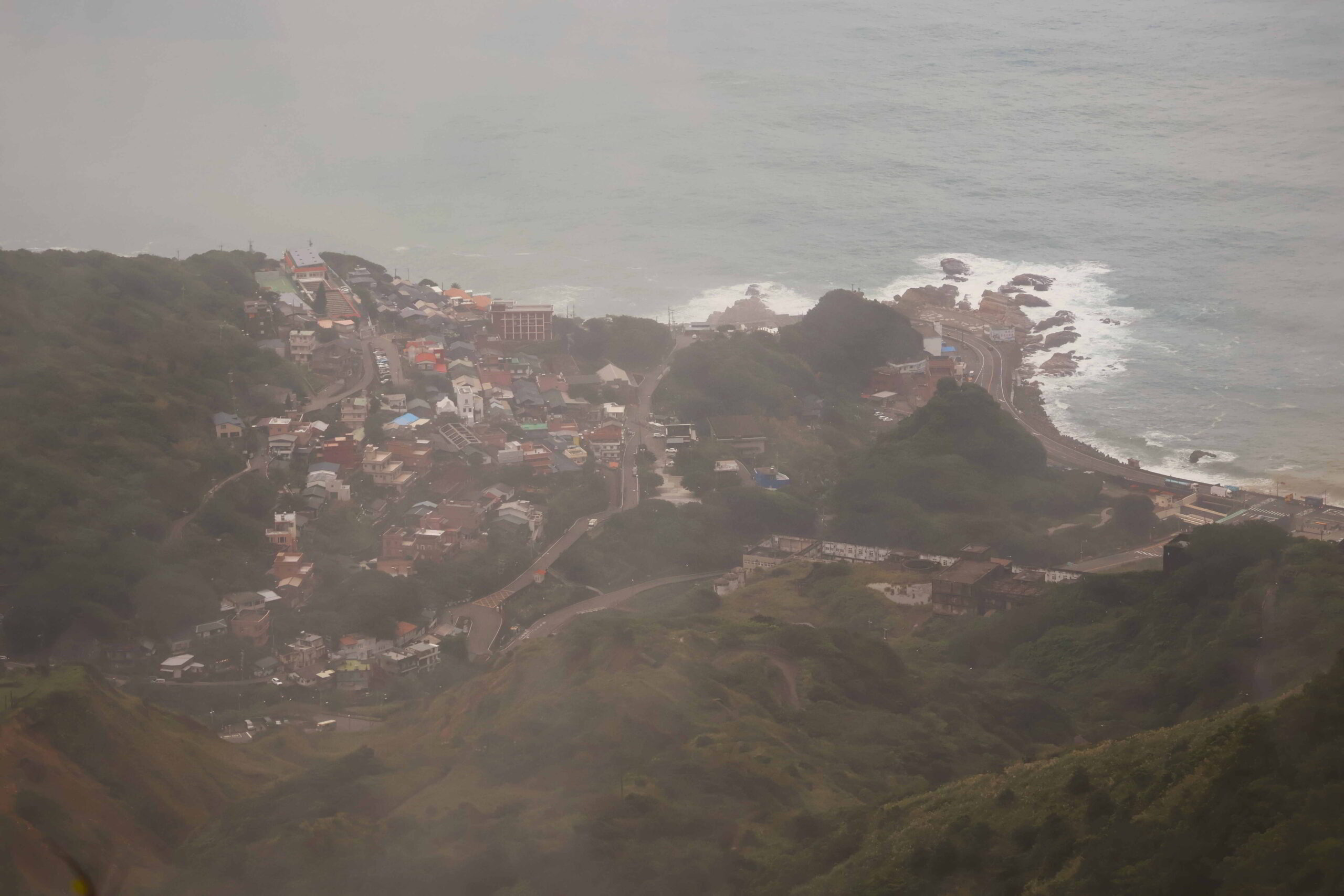
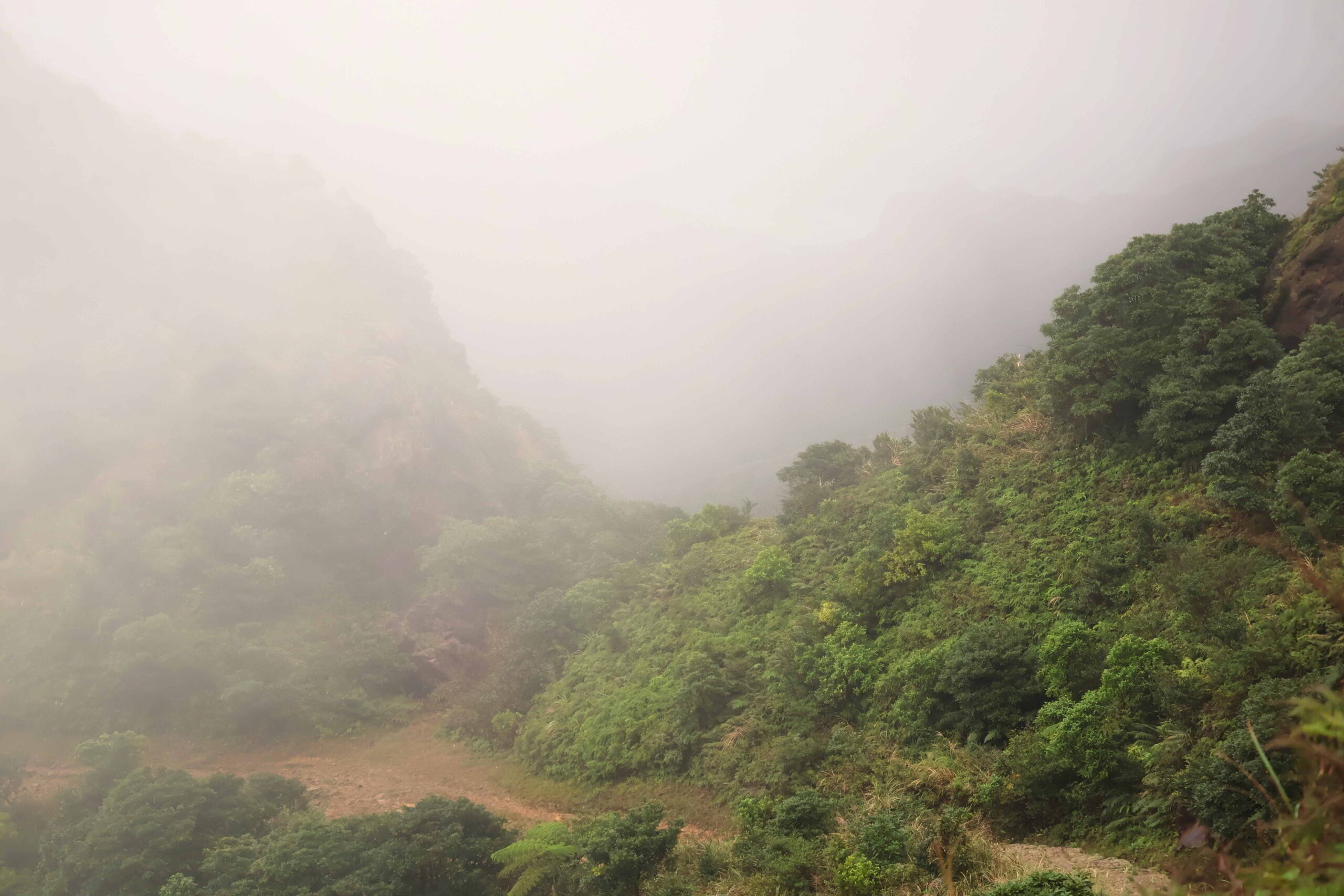
To the right of the trail lies a terrace that offers a panoramic view of the mountains on either side of the bay below, resplendent in its verdant cloak — well, that’s at least what I would expect to see if it weren’t for the fact that the landscape is shrouded in haze, the light is falling, and a mass of cloud is threatening to obscure the entirety. I haven’t even reached the Baoshi pavilion, roughly the halfway point between the trailhead and the summit, but am concerned that the weather and visibility will not improve — and if I can’t take cool pics, it just ain’t worth it.
Teapot Mountain trail
Teapot Mountain trail
Teapot Mountain trail
Teapot Mountain trail
It begins to rain, not the innocuous drizzle that sprinkled on and off in the last few hours, but serious rain. No, I will not continue climbing, but will return back to the area of the Quanji temple. There is a chance that the sky could at least momentarily clear overhead, but it seems unlikely, given the heavy mass of cloud hanging overhead and the fact that the typhoon Fung-wong is lingering along the east coast of Taiwan.
Teapot Mountain trail
Teapot Mountain trail
Teapot Mountain trail
I descend along the steep rocky path, carefully choosing where I place each foot, given that I am wearing thongs with absolutely no traction and the stones are wet and slippery. Once I reach the stone steps, descent is much easier, although some of the steps are angled downwards and some loose as well. In general, to be able to climb or descend on steps is far easier than the gravel path with loose rockfall, which I find very challenging to navigate on steep trails.
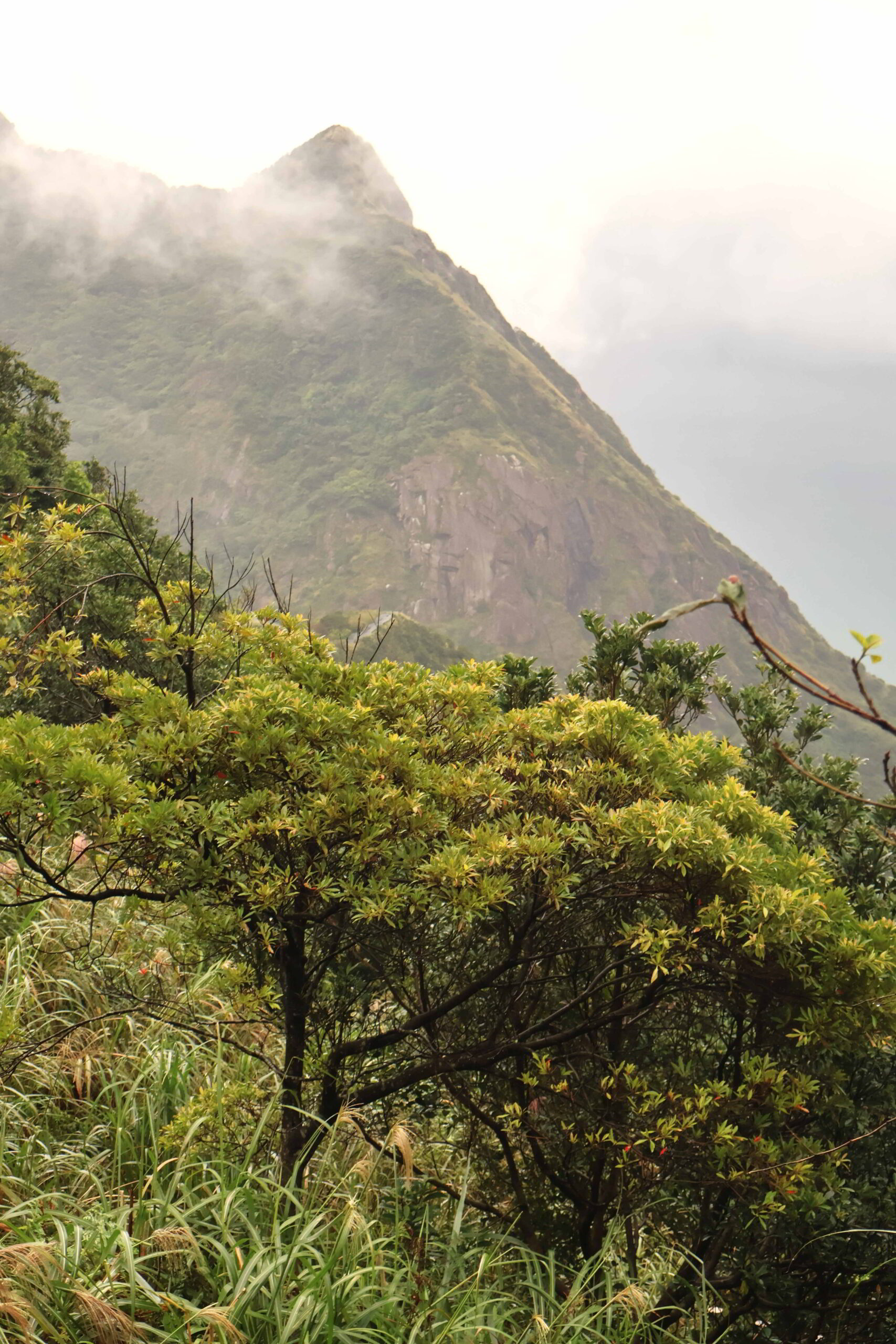
Teapot Mountain trail
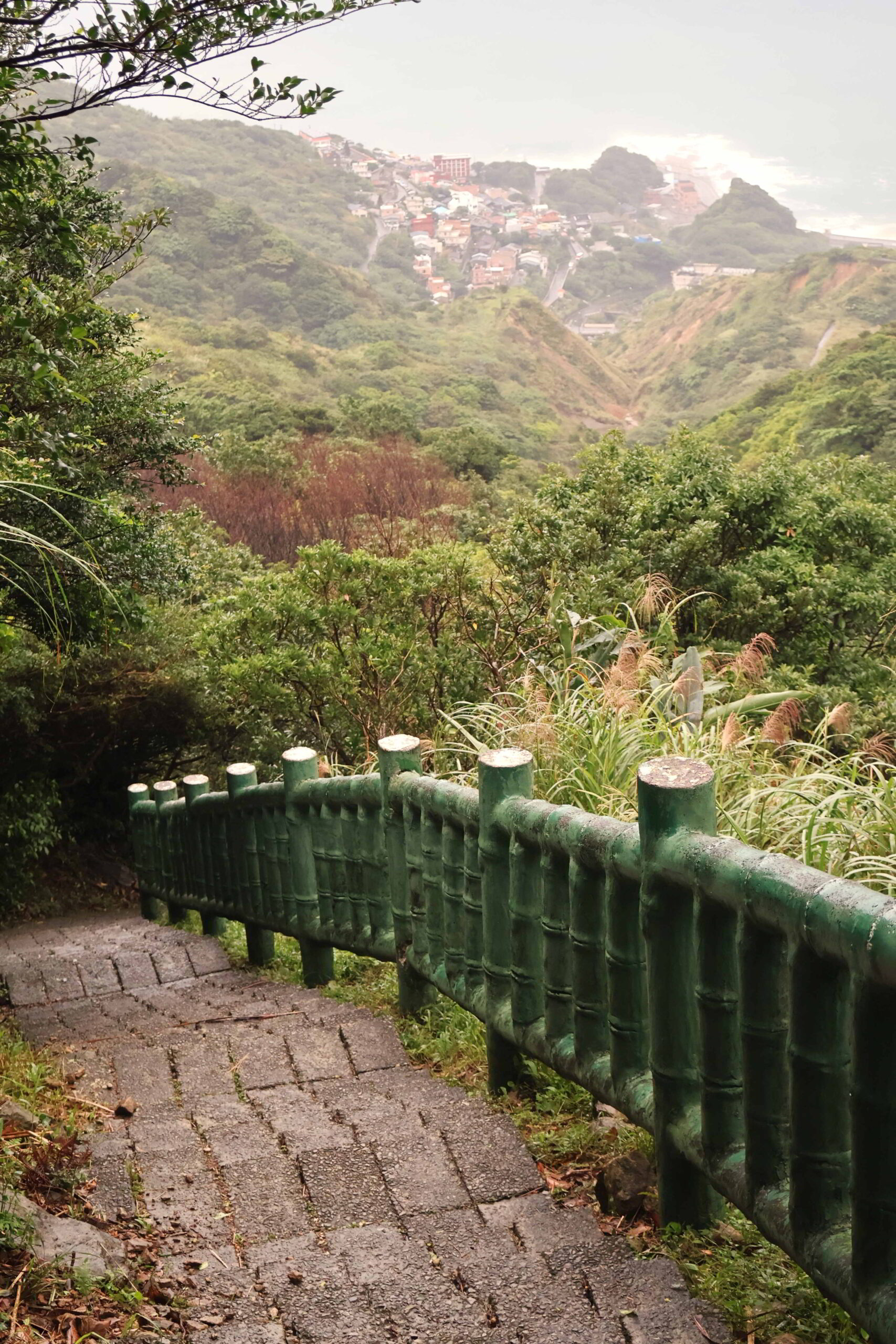
Teapot Mountain trail
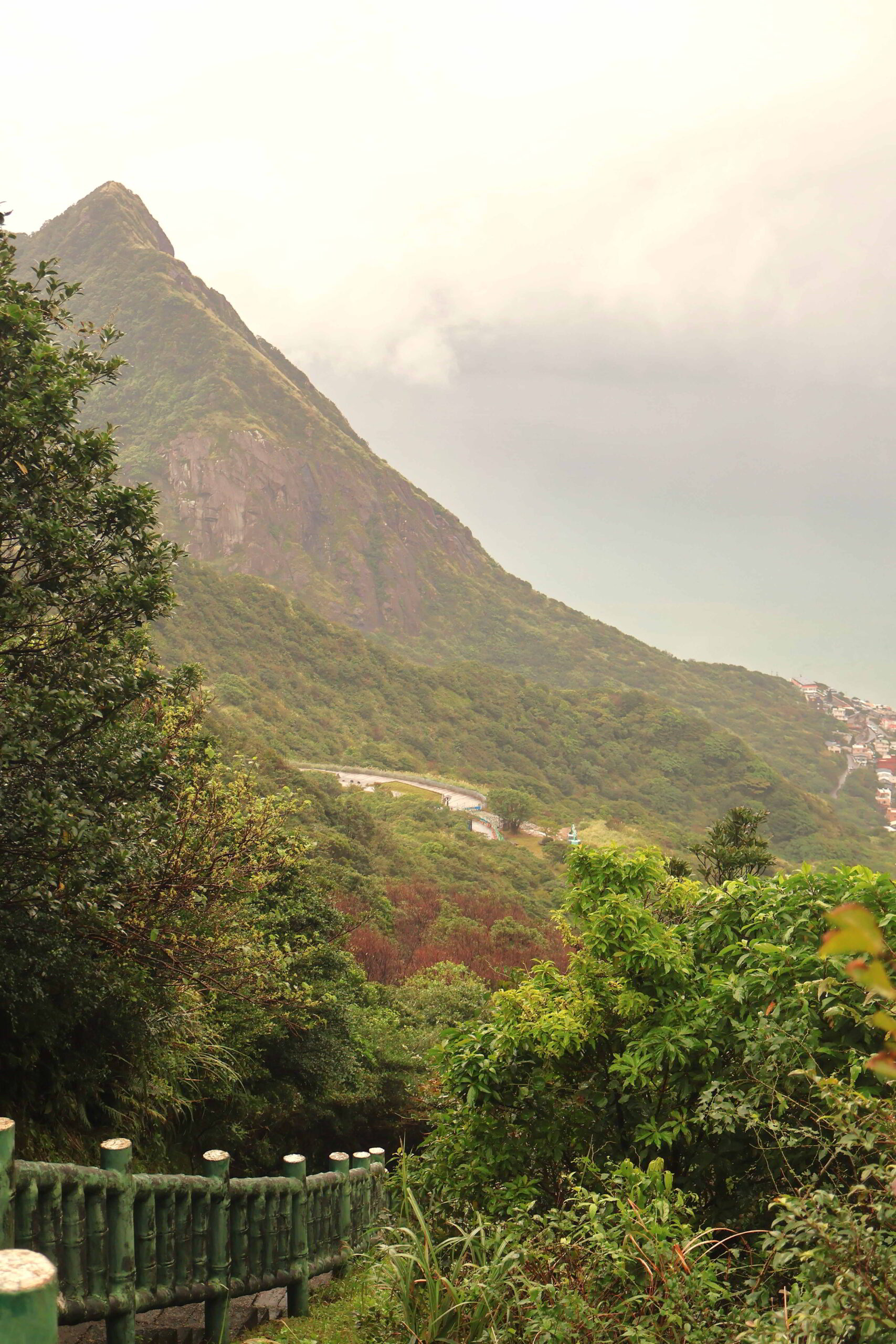
Teapot Mountain trail
Soon I am at the gazebo I sat in earlier on, then am descending the steep staircase that eventually culminates at the temple. I am not sure where the people who climbed to the summit ended up, considering that I am walking quite slowly and no one has passed me on the way down.
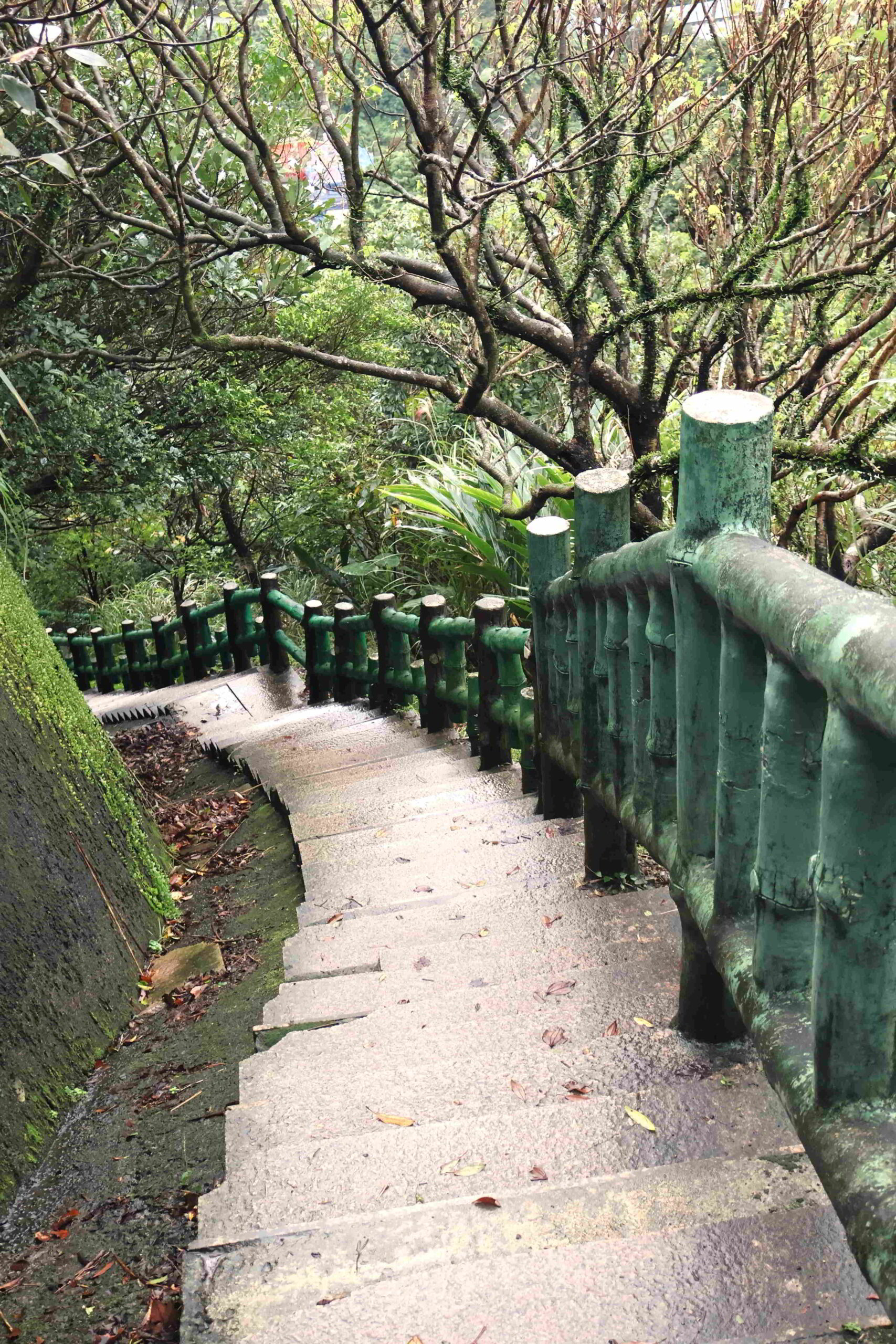
Teapot Mountain trail
Teapot Mountain trail
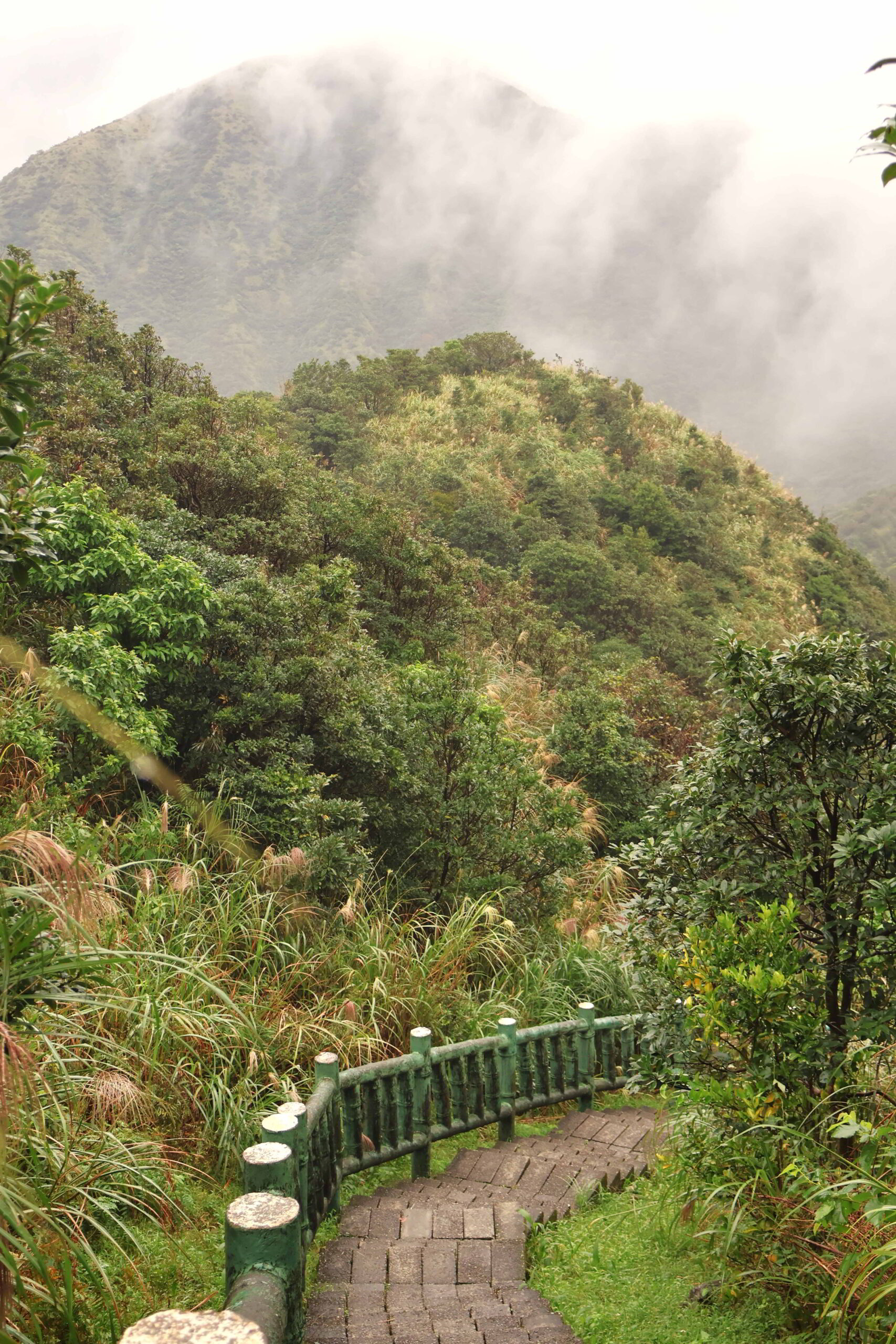
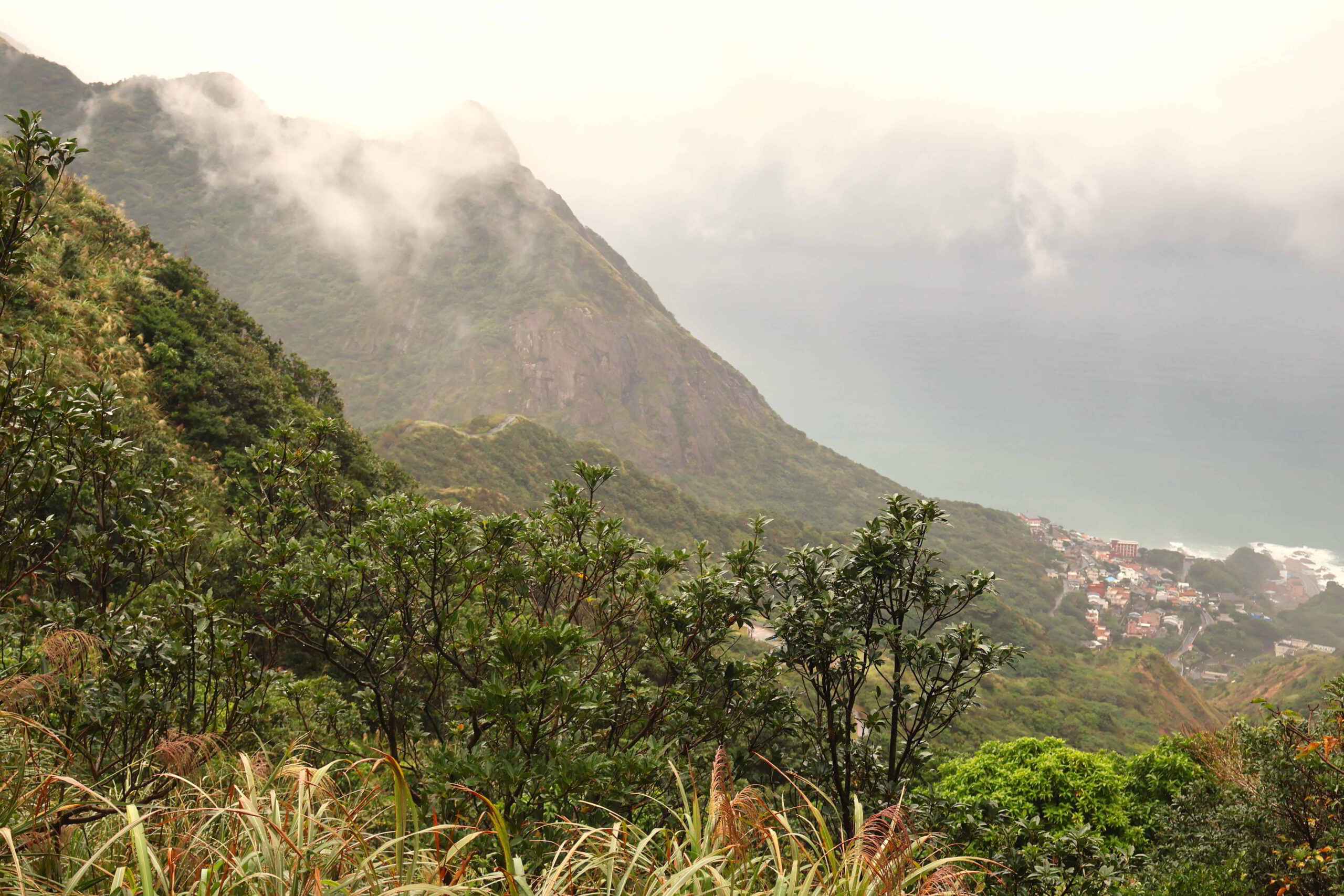
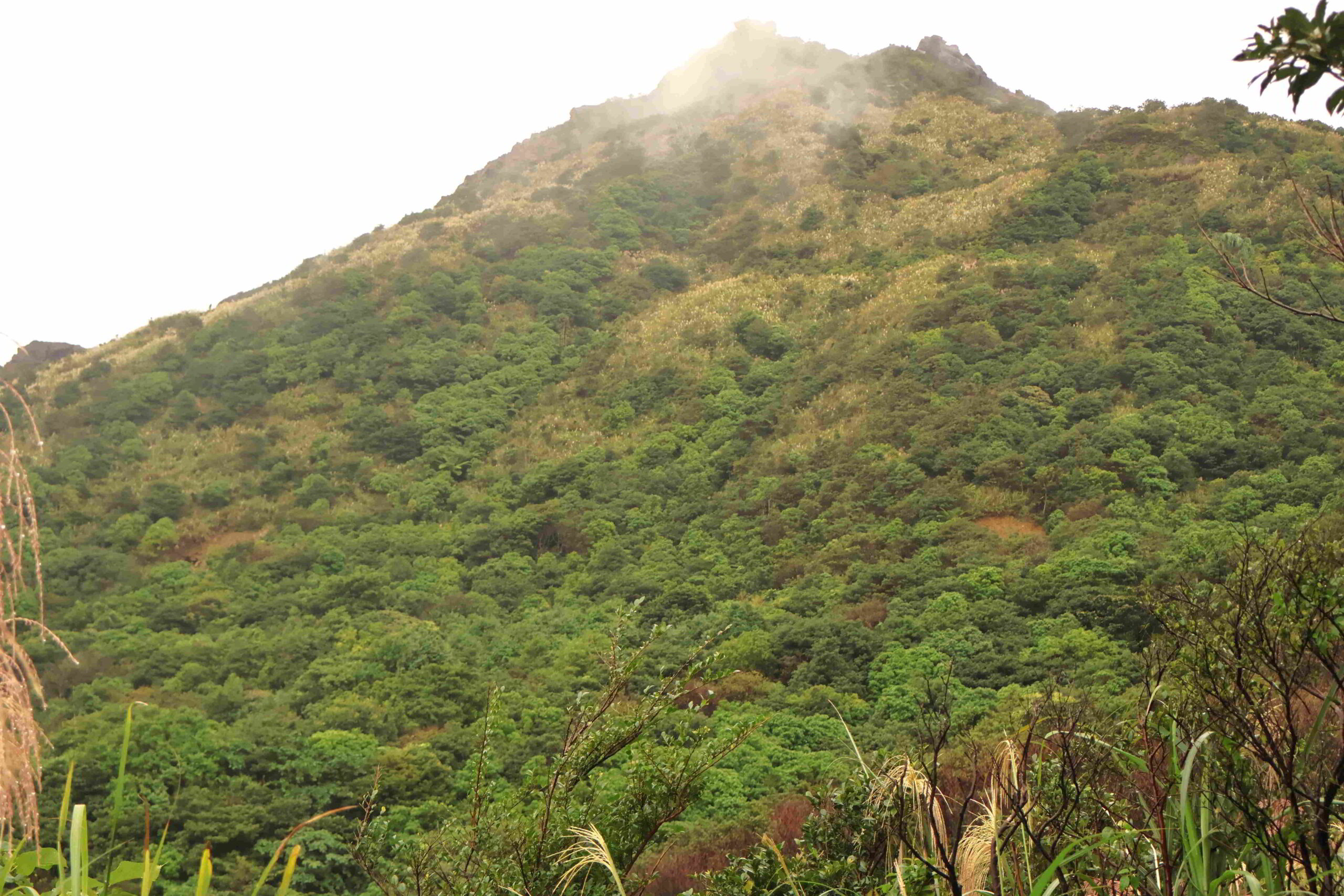
As luck has it, the sky around the peak opens up and sunlight momentarily streams through the clouds. But the views from my elevation are spectacular as well, of the artful stone banister in the shape of bamboo rods against the lush, exotic grasses, shrubbery and trees, the peaks of the nearby hills lightening for the brief moments that sunlight makes itself apparent, although the heavy coat of rain clouds remains suspended over the sea to the east.
Teapot Mountain trail
Teapot Mountain trail
Arriving at the temple, I see the young Australian couple I had crossed paths with approaching behind me; they just came here for a daytrip from Taipei, and want to visit Jiufen before returning to Taipei this evening. That may sound quite ambitious, but not with the quality of bus service in this country! They enjoyed their hike thoroughly, as well as well as the walk through Jinguashi, rich in character and atmosphere, with virtually no tourists. I told them to prepare mentally for Jiufen, as it gets all the tourists that Jinguashi doesn’t! The bus leaving from the stop at the temple (the first stop of the 1062 bus) is delayed considerably, although naturally that delay is not reflected in the schedule shown on the Google Map.
Jiufen
Jiufen
Jinguashi
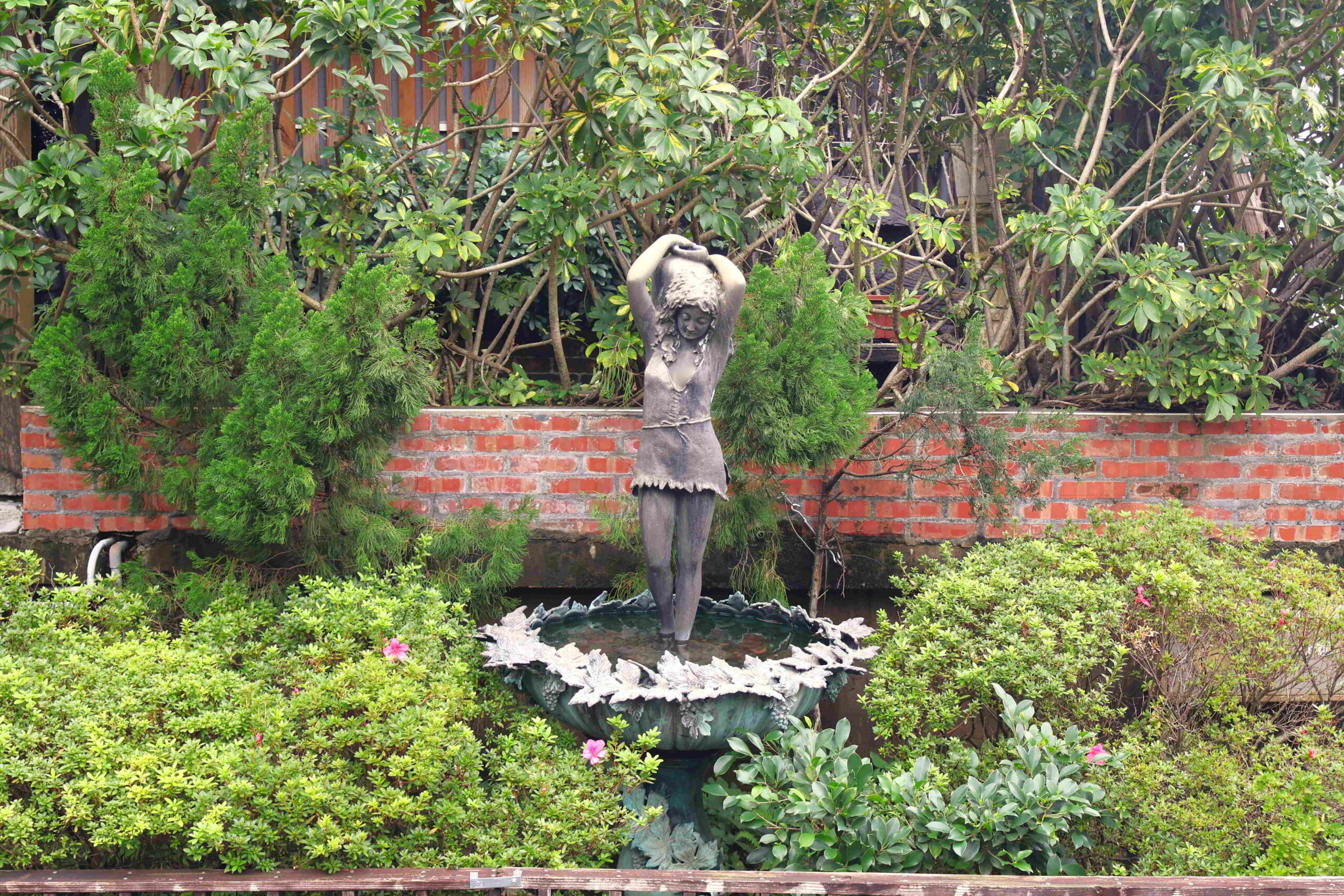
We disembark in Jiufen, and now the last promenade through town, yesterday’s tempest almost forgotten, although there are not so many tourists at this hour, possibly because they have all moved on in their tour buses. Almost everyone still present is clad in rain gear, expecting the worst. Many shops are shuttered, and those that remain open, brightly lit, with their dainty, carefully orchestrated presentations of sweets, pastries, teas, or whatever gastronomic commodity that can be made to seem desirable to people of the region and enough of a markup charged.
Jiufen
Jiufen
Jiufen
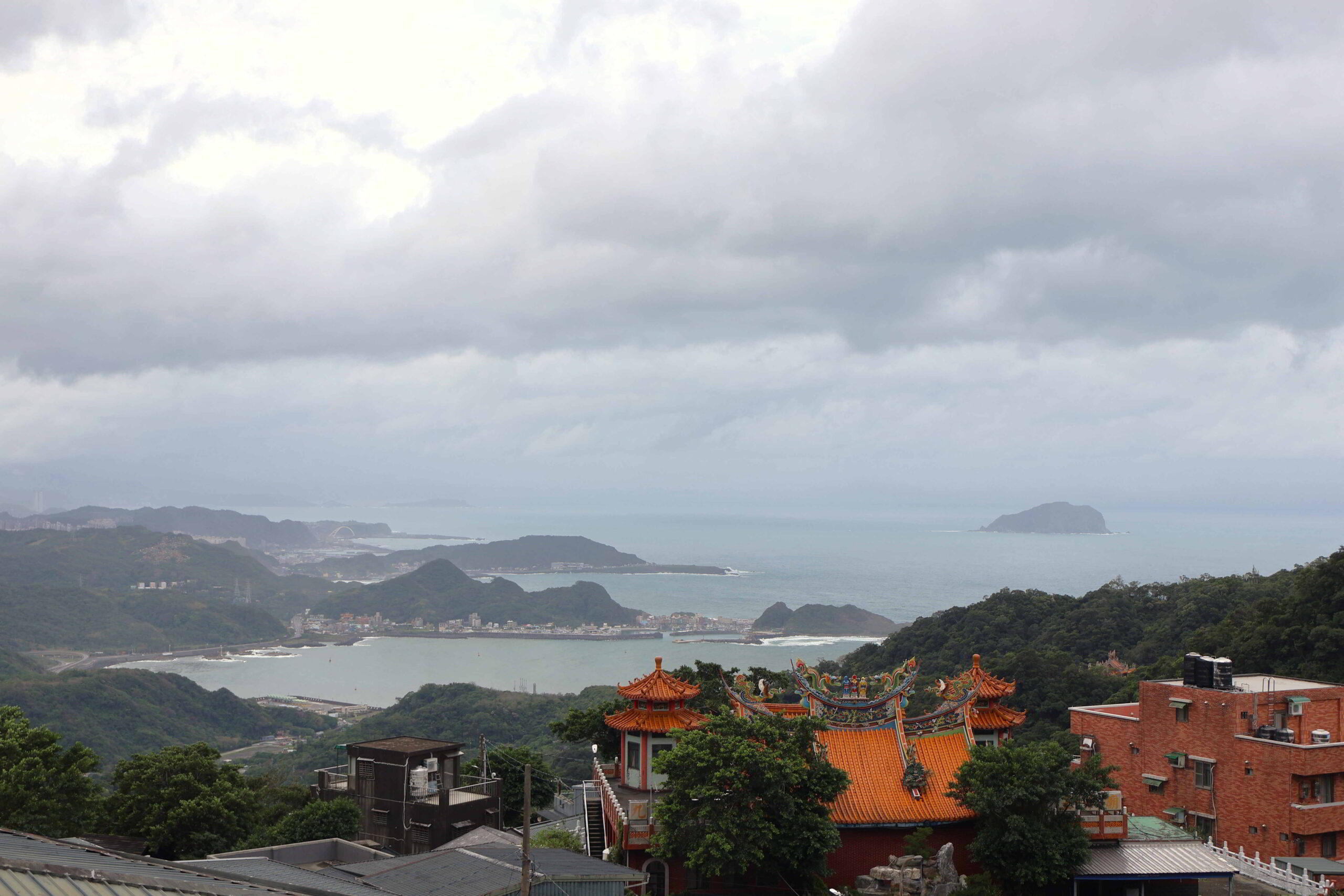
The occasional viewpoints offer stunning nocturnal vistas of the coastal environment, the brightly-lit towns, promontories and islets whose contours are still visible in the darkness. I send the Australians up the lantern-lined staircase swarming with tourists, then continue onward, past the last overpriced establishments into the darkness, the best vistas on the narrow Qingbian road offered closer to my bed and breakfast, where few tourists stray.
Jiufen
Jiufen
Jiufen